


10 Evening Wellness Rituals That Raise Your Smart Ring HRV Overnight
Ten evening rituals can raise your Heart Rate Variability overnight, per ring data.
Ten evening rituals can raise your Heart Rate Variability overnight, per ring data.
%402x.svg)
You’ve invested in a smart ring—a sleek, silent sentinel that tracks your biometrics, promising a window into your well-being. Night after night, you wear it, hoping to see that magic metric, Heart Rate Variability (HRV), climb. It’s the North Star of your nervous system’s health, a number that whispers secrets about your resilience, recovery, and readiness. Yet, for many, it remains stubbornly low, a cryptic code they can’t crack. The frustration is real: you’re doing “all the things,” but your overnight HRV score tells a story of stress, not serenity.
What if the key wasn’t in pushing harder during the day, but in surrendering smarter at night? Modern science reveals that the final hours before sleep are a critical window—a leverage point where small, intentional actions can trigger a profound parasympathetic shift, literally reprogramming your nervous system for recovery as you sleep. Your smart ring isn’t just a reporter; it’s a feedback device waiting for the right inputs.
This isn’t about another generic “sleep hygiene” list. This is a strategic, biomechanical playbook derived from chronobiology, polyvagal theory, and the latest quantitative self-data. We will decode ten precise evening rituals, each designed to directly influence the autonomic nervous system pathways that govern your HRV. These are the non-negotiable practices that act as a direct dial for your vagus nerve, turning your evening into a launchpad for physiological regeneration. Prepare to move from passively tracking your health to actively authoring it. Let’s unlock the overnight HRV code.
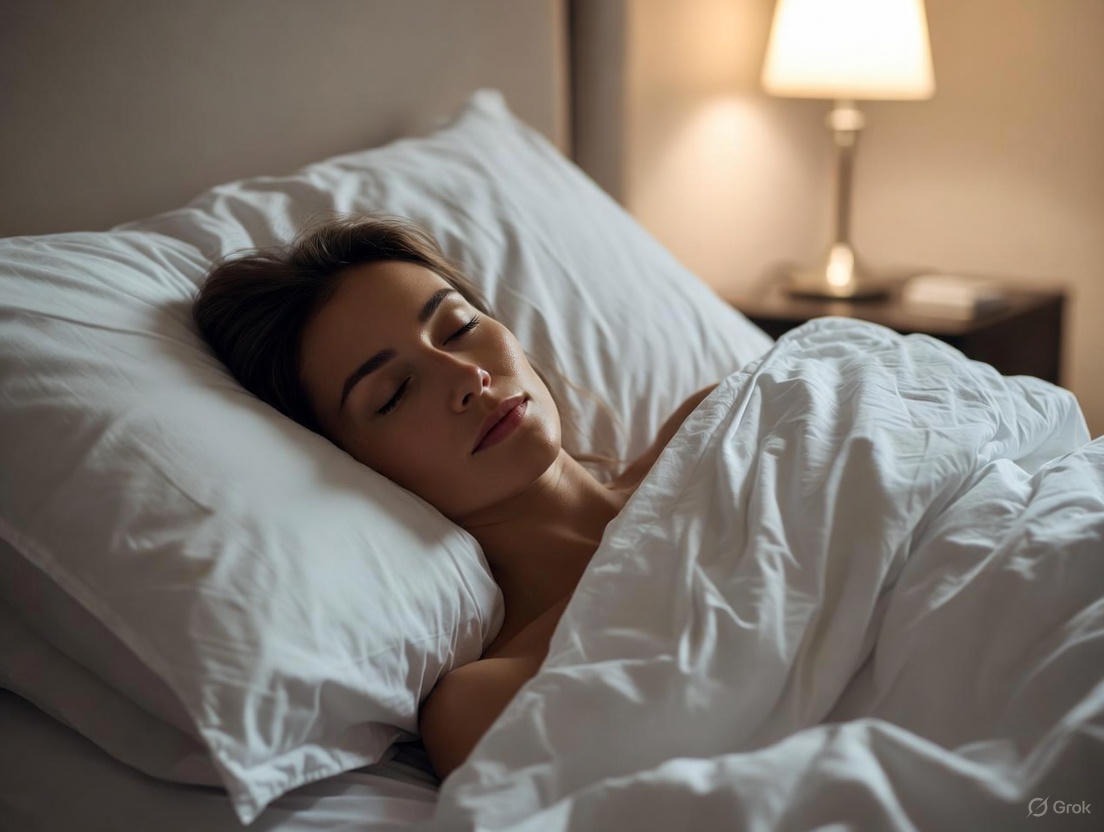
To master your HRV, you must first understand the battlefield: the two-hour period before you fall asleep, often called the “Golden Hour.” This is not a poetic metaphor but a physiological fact. During this window, your body begins its intricate orchestration for sleep, shifting from the sympathetic “fight or flight” dominance of the day to the parasympathetic “rest and digest” state essential for deep recovery. How smoothly this transition occurs dictates the quality of your sleep architecture and, by direct extension, the HRV score waiting for you in the morning.
Heart Rate Variability is, at its core, a measure of autonomic nervous system (ANS) balance. A higher HRV indicates a flexible, resilient system—one where your heart can rapidly and efficiently respond to changes, a sign of strong parasympathetic (vagal) tone. A low HRV often signals a system stuck in a state of sympathetic arousal or chronic stress. Overnight, during deep sleep (NREM Stage 3 and REM), your body should be firmly in parasympathetic territory. This is when the most potent physical and mental restoration occurs, and your HRV naturally exhibits its highest, most variable rhythms. If you enter sleep with a jacked-up sympathetic system, your body spends the first half of the night trying to downshift, robbing you of precious deep sleep and suppressing your HRV.
Think of your nervous system like a powerful car. The sympathetic nervous system is the accelerator. The parasympathetic, governed largely by the vagus nerve, is the brake. The Golden Hour is when you must intentionally ease off the gas and gently apply the brake to coast smoothly into the garage of sleep. If you’re still revving the engine until the moment you close your eyes, you’ll crash into sleep, not glide into it. The resulting friction and heat are what your smart ring reads as low HRV and poor sleep quality.
Furthermore, this window sets the hormonal stage. Cortisol, our primary stress and alertness hormone, should follow a diurnal rhythm, falling steeply in the evening. Artificial light, late-day intense exercise, work stress, and even certain foods can blunt this decline, keeping cortisol elevated. Simultaneously, we want to support the rise of melatonin, the sleep hormone. The rituals in this guide are specifically designed to catalyze this hormonal flip: suppressing cortisol and inviting melatonin.
The data from your smart ring is the ultimate proof. By experimenting with these pre-sleep rituals, you will witness a direct correlation. A disciplined Golden Hour routine shows up in the metrics as a faster time to deep sleep, increased sleep efficiency, fewer awakenings, and crucially, a higher average and peak overnight HRV. You are no longer a passenger in your health journey. You are the engineer, using the evening’s leverage to build a more resilient tomorrow. This foundational understanding is critical, because without it, the rituals are just chores. With it, they become powerful, non-negotiable acts of self-regulation. For a deeper look into the science of how our daily rhythms affect our nervous system, particularly during major life changes, our exploration of emotional balance and aging provides valuable complementary insights.
We begin with the most potent and most violated influencer of your circadian biology: light. Your eyes contain intrinsically photosensitive retinal ganglion cells (ipRGCs) that are exquisitely sensitive to blue wavelength light. When they detect it—especially after the sun goes down—they send a direct signal to your brain’s suprachiasmatic nucleus (your master clock): “It’s daytime! Halt melatonin production!”
The result? A disrupted Golden Hour transition. Even if you feel sleepy, your biology is confused. Your cortisol curve is flattened, melatonin is suppressed, and your nervous system remains in a state of low-grade sympathetic alert. This is a guaranteed HRV suppressant.
The Digital Sunset ritual is a systematic, non-negotiable shutdown of artificial light pollution. It’s not just about putting down your phone; it’s about actively reshaping your environment.
Step 1: The 90-Minute Hard Stop (H3)
Ninety minutes before your target bedtime, all overhead bright lights (especially LEDs with a cool color temperature) should be dimmed or turned off. Switch to warm, dim, ambient lighting. Salt lamps, dimmable table lamps with warm bulbs (under 2700 Kelvin), and candlelight are ideal. This dramatic reduction in light intensity is your first signal to your pineal gland that melatonin production can begin.
Step 2: The Blue Light Blockade (H3)
At the 60-minute mark, enact a strict embargo on all screens: phones, tablets, laptops, and televisions. This is non-negotiable. If you must use a device, the absolute minimum protocol is:
Step 3: The Sunrise Simulation in Reverse (H3)
Just as a sunrise alarm clock gradually brightens to wake you, you can create a “sunset” in your home. Use smart bulbs programmed to automatically shift from bright white (5000K) during the day, to warm white (4000K) at dinner, to a dim amber (2200K) 90 minutes before bed. This passive cueing is incredibly powerful for entraining your circadian rhythm without conscious effort.
The HRV Connection: By protecting your melatonin and cortisol rhythms, you ensure a faster, cleaner transition into parasympathetic-dominant sleep. Your smart ring will show this as a shorter “time to deep sleep” and more stable, higher HRV throughout the first sleep cycles, where deep restoration is paramount. Think of it as giving your body the purest, darkest fuel for its overnight repair mission. This foundational practice of managing environmental stimuli is a cornerstone of self-regulation, much like the techniques discussed in our guide to building a self-soothing toolkit for emotional balance.
Your core body temperature follows a circadian rhythm, dipping by about 1-2 degrees Fahrenheit at night to initiate and maintain sleep. You can hijack this natural process through strategic temperature manipulation, creating a powerful vagal nerve stimulus that directly boosts HRV.
The principle is based on thermoregulation and the mammalian dive reflex. When your body’s peripheral areas (like your hands, feet, and face) are cool and your core is warm, blood vessels dilate to release heat. This process is parasympathetically mediated—it requires your body to “rest and digest” to achieve. Conversely, a warm environment constricts blood vessels and can increase sympathetic activity.
The Warm Core, Cool Periphery Protocol (H3)
The Science and the Ring Data (H3)
Studies have consistently shown that passive body heating (the warm bath protocol) can significantly improve sleep efficiency, increase slow-wave sleep (deep sleep), and reduce the time it takes to fall asleep. From an HRV perspective, the state of vasodilation and active cooling is a vagotonic state—it stimulates the vagus nerve. Your smart ring will detect a lowering of your resting heart rate in the first hour of sleep and a smoother, more elevated HRV curve, indicating your nervous system achieved a deeper state of rest more quickly. It’s a physical hack for a physiological outcome, turning your bathroom into a biohacking lab.
What you consume in the evening acts as a direct chemical instruction manual for your brain and gut. The wrong instructions (sugar, caffeine, heavy fats, alcohol) create inflammation, spike cortisol or blood sugar, and disrupt sleep architecture. The right instructions provide the raw materials for neurotransmitters that promote calm and sleep, directly supporting HRV.
Forget heavy meals or sugary snacks. This ritual is about precision, not volume.
The Magnesium Mandate (H3)
Magnesium is a cofactor in over 300 enzymatic reactions, many involved in nervous system regulation. It acts as a natural NMDA receptor antagonist and GABA agonist—fancy terms meaning it helps calm neuronal excitability. A deficiency is linked to poor sleep and low HRV.
The Tryptophan & GABA Strategy (H3)
Tryptophan is an amino acid precursor to serotonin, which is then converted to melatonin. Carbohydrates can help tryptophan cross the blood-brain barrier more effectively.
Hydration with Timing (H3)
Dehydration thickens the blood, making the heart work harder, which can lower HRV. However, drinking a large volume right before bed guarantees disruptive bathroom trips.
By curating your evening nutrients, you move from leaving your neurochemistry to chance to actively drafting the chemical blueprint for recovery. Your smart ring’s stress and recovery metrics will reflect this cleaner biochemical environment. For a comprehensive exploration of how what we consume shapes our internal state, see our deep dive into how nutrition affects emotional balance.

The mind is often the last bastion of sympathetic holdout. You can have the perfect dark, cool room with ideal magnesium levels, but if your mind is rehearsing tomorrow’s presentation or ruminating on a past conflict, your cortisol will remain elevated and your HRV suppressed. This ritual provides structured methods to download the cognitive burdens of the day.
The Brain Dump Journaling Session (H3)
This is not a curated diary entry. It’s a forced, messy download of everything in your cognitive RAM.
The Gratitude & Completion Shift (H3)
Immediately after the brain dump, consciously shift your cognitive framing.
The “Worry Window” Technique (H3)
If persistent worries intrude, give them a designated time earlier in the evening—a “Worry Window.” From 7:00-7:15 pm, you are allowed to worry actively, even writing down concerns. When the time is up, you consciously close the window. If the worry returns later, you can mentally note, “That’s for tomorrow’s worry window,” training your brain to compartmentalize.
The result of this cognitive unload is a quieted default mode network (the brain’s “rumination circuit”). Your smart ring can’t see your thoughts, but it measures their downstream effect on your nervous system. A still mind leads to a calm heart, reflected in a suppressed nighttime heart rate and a HRV pattern that indicates true psychological safety and detachment during sleep. This practice of cognitive framing is a powerful emotional regulation skill, akin to the opposite action technique used in dialectical behavior therapy.
Breathing is the only autonomic function we can easily consciously control, making it a direct remote control for your nervous system. Specific breathing patterns can swiftly downshift you from sympathetic to parasympathetic dominance, creating an ideal pre-sleep state that primes high overnight HRV.
The goal is to increase what’s called “Heart Rate Variability Resonance” or “Coherent Breathing.” This is a state where your heart rate, breathing, and blood pressure waves synchronize at a specific frequency (around 0.1 Hz, or 6 breaths per minute), which is associated with peak parasympathetic activation and emotional regulation.
The 4-6-8 or 5-5-5 Method (Box Breathing) (H3)
This is a simple, profound practice to do for 5-10 minutes while lying in bed or during your pre-sleep wind-down.
The extended exhale is key. It directly stimulates the vagus nerve, which fires with exhalation, slowing the heart rate and promoting calm.
Physiological Sighs for Rapid Calm (H3)
Popularized by Dr. Andrew Huberman, this is a fast-acting tool if you feel particularly wound up.
The HRV Data Proof (H3)
If you practice this breathing while wearing your smart ring, you can often see your live heart rate drop and your HRV increase in real-time during the session. More importantly, by establishing this coherent state before sleep, you are essentially “booting up” your nervous system in recovery mode. The transition into sleep becomes seamless, and the high-vagal-tone state persists, allowing for greater HRV amplitude throughout the night. It’s the most direct biofeedback loop you have: breathe for coherence, sleep for recovery.
The body stores the stress of the day not just in the mind, but in the muscles and fascia. A stiff neck, tight hips, or a clenched jaw are physical manifestations of sympathetic tone. Engaging in very gentle, proprioceptive (body-sensing) movement before bed can release this somatic tension, signaling safety to the nervous system.
This is NOT a workout. Intensity is the enemy here. The goal is gentle mobility, fluid movement, and interoceptive awareness.
The 10-Minute Floor Sequence (H3)
Perform this on a yoga mat or carpet, moving slowly and with deep attention to sensation.
The Fascial Release Focus (H3)
Using a small, soft ball (like a lacrosse ball or specific fascia release ball), apply gentle, sustained pressure to common stress-holding areas:
This ritual moves the focus from “thinking” to “feeling.” By paying close attention to physical sensations without judgment, you cultivate interoceptive awareness—your sense of the internal state of your body. This skill is fundamental to emotional regulation, as explored in our article on the interoceptive awareness method. Releasing physical armor tells the brain the threat has passed, allowing for full parasympathetic engagement and the high HRV sleep that follows.
After tackling light, temperature, and movement, we turn to the other senses to build a fortress of calm. Our auditory, olfactory, and tactile environments are constant streams of data to our nervous system. We can curate this data to be uniformly supportive of sleep and HRV.
Auditory Engineering: The Sound of Silence (or Pink Noise) (H3)
Unexpected noises—a door slam, a siren—are micro-stressors that can trigger sympathetic arousal, even if they don’t fully wake you. They fragment sleep and hurt HRV.
Olfactory Anchoring: The Power of Scent (H3)
The olfactory bulb has a direct neural pathway to the amygdala and hippocampus, brain centers for emotion and memory. Certain scents can become powerful conditioned cues for relaxation.
Tactile Comfort: The Weight of Safety (H3)
Deep pressure touch is a powerful regulator of the nervous system, used in therapies for anxiety and autism. It stimulates the release of serotonin and dopamine and reduces cortisol.
By deliberately crafting this multi-sensory sanctuary, you remove potential threats and add positive, vagus-nerve-stimulating inputs. Your smart ring data will reflect a night of fewer “stress” events or unexplained awakenings, leading to a cleaner, less interrupted HRV graph. This holistic approach to creating safety is similar to the principles behind building healthy emotional dynamics in relationships, where a secure environment fosters regulation.
No amount of perfect ritual can fully offset the biochemical sabotage of mistimed stimulants and depressants. Caffeine and alcohol have half-lives and metabolic effects that profoundly and predictably disrupt sleep architecture and demolish HRV. This ritual is about strict temporal boundaries.
The 12-Hour Caffeine Cutoff (H3)
Caffeine’s half-life is 5-6 hours on average, but its effects on sleep can persist even when you no longer “feel” it. It blocks adenosine receptors (adenosine is the sleep-pressure chemical that builds up all day), fragmenting sleep and reducing deep sleep.
The 4-Hour Alcohol Abstinence Window (H3)
Alcohol is a sedative, not a sleep aid. It suppresses REM sleep in the first half of the night and causes a rebound of sympathetic activation and lighter, fragmented sleep in the second half as your liver metabolizes it. This is often called the “rebound effect.”
Adhering to these rules isn’t about deprivation; it’s about prioritizing recovery. You are choosing the certainty of high-quality sleep and a robust HRV score over the temporary pleasure of a late espresso or nightcap. The data from your ring will make this trade-off abundantly clear, providing the motivation to make these boundaries non-negotiable. Understanding how substances affect our nervous system is part of a larger conversation about emotional balance and addiction.
Your circadian rhythm thrives on predictability. Every time you shift your sleep schedule—staying up late and sleeping in on weekends—you induce a form of “social jet lag,” confusing your internal clock. This misalignment increases inflammation, stress hormones, and metabolic dysfunction, all of which are kryptonite for HRV.
The goal of this ritual is not rigidity, but rhythmicity. You are training your body to expect sleep and wakefulness at the same times, strengthening the amplitude of your natural biological cycles.
The 30-Minute Rule (H3)
A perfect 9:00 p.m. bedtime and 5:00 a.m. wake-up every single day is unrealistic for most. The 30-minute rule provides a flexible framework.
The Science of Sleep Pressure (H3)
A consistent wake-up time anchors your circadian rhythm. It sets a predictable start time for the buildup of adenosine (sleep pressure) and the evening rise of melatonin. When you sleep in, you release some of that sleep pressure later in the day, making it harder to fall asleep at your regular time Sunday night, creating a vicious cycle. This dysregulation directly manifests as lower, more erratic HRV, as your nervous system lacks a stable rhythm to follow.
The Smart Ring as Your Accountability Partner (H3)
Use your ring’s sleep schedule feature or simple alarms to enforce this. Over weeks of consistency, you’ll notice your body will begin to naturally feel sleepy and alert at the right times. Your ring’s “Sleep Score” and “Readiness Score” will become more stable and predictable. You’ll see fewer wild fluctuations in your overnight HRV, indicating a nervous system that is entrained, secure, and operating at peak efficiency. In a world of constant change, this one ritual provides a foundational anchor of stability. The importance of rhythm and predictability for our nervous system is a theme that also emerges when exploring how to help children develop emotional balance early in life.

For those whose minds resist the quiet, or who have ingrained patterns of sleep anxiety, passive listening can be a powerful tool. This ritual involves using pre-recorded audio content designed to guide the brain into states of deep relaxation and sleep, leveraging the power of suggestion and neural entrainment.
Sleep Stories & Boring Audiobooks (H3)
The goal is engagement without excitement. A complex plot or thrilling podcast activates the mind. Instead, choose:
Hypnosis & NSDR (Non-Sleep Deep Rest) Tracks (H3)
These are more active tools for neural reprogramming.
The Neurological Bypass (H3)
These audio tools work by providing an external point of focus that dominates the auditory processing centers of the brain. This can effectively “crowd out” the internal monologue of worry. The rhythmic, slow speech patterns can also entrain brainwaves toward slower theta and delta frequencies. By surrendering to the guidance of a voice, you relinquish the cognitive effort of trying to control sleep, which is often the very thing preventing it.
Your smart ring will show the success of this ritual through improved “time to fall asleep” and reduced restlessness in the first hour of sleep. By using these tools, you are not just chasing sleep; you are actively retraining your brain’s association with the bedtime ritual itself, moving from a state of anxiety to one of receptive calm. This approach of using external structure to guide internal state is a principle found in many therapeutic settings, including methods for co-regulation using social connection.
At this point, you might be thinking, “Ten rituals? That’s overwhelming.” This is the critical understanding: These practices are not a checklist; they are a synergistic stack. Each ritual supports and amplifies the others, creating a compound effect on your nervous system that is far more powerful than any single action.
Think of it like building a fire. The Digital Sunset (Ritual 1) is preparing the tinder and kindling—creating the right dry, sheltered environment. The Vagal Cool-Down (Ritual 2) and Proprioceptive Anchor (Ritual 6) are arranging the logs in the optimal structure. The Neurochemical Nightcap (Ritual 3) and Caffeine Calculus (Ritual 8) are ensuring you have high-quality fuel, not wet leaves. The Cognitive Unload (Ritual 4), Parasympathetic Breath (Ritual 5), and Guided Descent (Ritual 10) are the spark, the focused flame that ignites the pile. The Sensory Sanctuary (Ritual 7) is shielding the fledgling fire from the wind, and the Consistency Anchor (Ritual 9) is tending the fire night after night, so it burns hot and clean with minimal effort.
The Biological Cascade (H3)
When you perform these rituals in concert, you trigger a cascade:
This multi-system, multi-sensory assault on sympathetic arousal leaves your nervous system with no alternative but to descend into deep, parasympathetic-dominant rest. The result is what your smart ring quantifies: a rapid descent into deep sleep, minimal mid-night awakenings, a low and stable resting heart rate, and a high, robust HRV graph that looks less like a spiky mountain range of stress and more like smooth, rolling hills of recovery.
Start by integrating one or two rituals that feel most accessible. Perhaps begin with the Digital Sunset and the 4-6-8 breathing. Use your smart ring to observe the effect over 3-4 nights. Then, add another, like the warm shower or the weighted blanket. This is a process of experimentation and discovery, with your biometric data as your guide. You are not just following a routine; you are conducting a personal science experiment where the outcome is a more resilient, recovered, and vibrant you. The journey towards mastering these rituals is, in itself, a profound practice in emotional regulation skills everyone should learn, applied in the most practical way possible: through the restoration of your night.
Knowing ten rituals is not the same as doing ten rituals. The fastest path to failure is attempting to implement them all at once, leading to overwhelm and abandonment. The key is strategic, incremental implementation that leads to lasting habituation. This section is your blueprint for building a personalized evening protocol that sticks.
The Implementation Pyramid (H3)
Think of the rituals as a three-tier pyramid:
The Habit Stacking Method (H3)
Link new rituals to existing, unshakeable habits to create a seamless “stack.” For example:
Creating Your “Golden Hour” Map (H3)
Visualize your ideal 90-minute wind-down. It might look like this:
Your map will be unique. The goal is intentionality, not rigidity. Use your smart ring’s “Relaxation” or “Mindfulness” reminder feature to cue the start of your wind-down, creating an external prompt that’s hard to ignore.
Your ring collects a torrent of data. To avoid analysis paralysis, focus on these three key HRV-related metrics to gauge the efficacy of your rituals. They tell the story of your nervous system’s overnight journey.
1. Average Nightly HRV (The Big Picture Score) (H3)
This is your overall score for the night. Don’t obsess over day-to-day fluctuations (which are normal), but look at the weekly and monthly trend line. As your rituals become consistent, you should see this baseline number gently rise. A rising average HRV is one of the strongest single indicators of improving autonomic resilience and recovery capacity. It suggests your nervous system is spending more time in a flexible, parasympathetic-dominant state.
2. Deep Sleep Duration & Latency (The HRV Amplifier) (H3)
HRV is not static through the night; it peaks during deep sleep (NREM Stage 3). Therefore, the quantity and quality of your deep sleep are direct levers for your HRV.
3. Nighttime Heart Rate & HRV Stability (The Stress Signal) (H3)
The “Readiness” or “Recovery” Score – Your Morning Compass (H3)
Most ring algorithms combine HRV, RHR, sleep data, and sometimes temperature to give you a single Recovery or Readiness score. Use this as your daily guide, not gospel. A high score validates your routine. A low score is a question, not a condemnation. Ask: “Did I skip a ritual last night? Was I exposed to late stress? Am I fighting off an illness?” This connects action to outcome, creating a powerful feedback loop. Learning to interpret this data without anxiety is itself a skill in emotional regulation, fostering a curious rather than judgmental self-awareness.
You’ve implemented the rituals diligently, but your HRV remains stagnant or even drops. Don’t despair. Plateaus and dips are data points. Here’s how to diagnose and address common roadblocks.
Roadblock 1: “My HRV is High, But I Feel Tired.” (H3)
This disconnect can be puzzling. Potential causes:
Roadblock 2: “My HRV Crashes on Weekends.” (H3)
This is almost always a violation of the Consistency Anchor (Ritual 9) and the Caffeine/Alcohol Calculus (Ritual 8).
Roadblock 3: “I Do Everything Right, But My HRV is Still Low.” (H3)
If you’ve genuinely adhered to the rituals for 4+ weeks with no trend, look deeper:
Remember, your smart ring is a tool for exploration, not judgment. A roadblock is simply a signpost pointing you toward a deeper layer of your health that requires attention.
For those seeking the deepest level of insight, combining your smart ring’s HRV and sleep data with a Continuous Glucose Monitor (CGM) creates a revolutionary feedback loop. Blood glucose stability is intimately connected to nervous system balance and HRV.
The Glucose-HRV Connection (H3)
When you eat, especially carbohydrates, your blood glucose rises. A healthy system releases insulin to usher glucose into cells, bringing levels back down smoothly. A large spike, or a subsequent crash (hypoglycemia), is a metabolic stress event.
Both events create sympathetic nervous system activation that can last for hours, disrupting your evening calm and fragmenting sleep. You can be doing everything right with your evening ritual, but a large, late dinner or a high-glycemic snack can undermine it all metabolically.
Evening Insights from a CGM (H3)
Wearing a CGM (through programs like Levels, Signos, or via a prescription) for a month can reveal:
Creating the Ultimate Feedback Loop (H3)
Correlate your data:
This pairing moves you from guesswork to precise personalization. You learn exactly which foods and timings support—or sabotage—your nervous system’s quest for recovery. It’s the pinnacle of using data not just to track, but to transform.
The final, and perhaps most important, ritual is not an action but a perspective. How you frame this evening time determines its power and sustainability. Viewing it as a chore or another item on a productivity checklist drains its vitality. Reframing it as a sacred, non-negotiable practice of self-care and regeneration changes everything.
From “I have to” to “I get to.” (H3)
The Concept of “Sleep Credit” (H3)
Think of your high-HRV sleep not as the end of the day, but as an investment in the next day. Every minute spent in deep, parasympathetic sleep is a deposit into your cognitive, emotional, and physical energy bank. You are literally storing resilience. Your evening rituals are the process of making that deposit. When you face stress the next day, you are spending from a full account, not an overdrawn one. This is why high HRV is linked to better emotional balance in high-stress professions—it provides the physiological buffer to handle demand.
Embracing the Ritual, Not Just the Result (H3)
Become present in the rituals themselves. Feel the warmth of the water, the texture of the journal page, the weight of the blanket, the rhythm of your breath. This mindful engagement is itself a form of meditation that further strengthens vagal tone. It pulls you out of “doing” mode and into “being” mode, which is the essence of the parasympathetic state you’re cultivating.
This mindset shift ensures longevity. When life gets busy, you won’t drop your rituals because they are not an extra task; they are the foundational practice that makes everything else possible. They become the anchor in your day, the predictable harbor of calm you can always return to. This graceful integration of self-care into the rhythm of life is a skill that deepens with time, much like the process of managing emotional balance across the lifespan.
Let’s make this tangible. Meet “Alex,” a hypothetical but data-typical professional. At the start, Alex’s smart ring data shows:
Week 1-2: Foundational Shifts
Alex implements Tier 1 rituals: Strict 10 p.m. phone shutdown (Digital Sunset), no alcohol after 7 p.m., and a fixed 6:30 a.m. wake-up time.
Week 3-4: Physiological Priming
Alex adds Tier 2: A 10-minute 4-6-8 breathing practice after brushing teeth and a warm shower 3 nights a week.
Week 5-6: Optimization
Alex layers in Tier 3: A 5-minute brain dump journal and a weighted blanket.
The One-Month Snapshot:
Alex’s journey illustrates the compound effect. The rituals built upon each other, each one making the next more effective. The smart ring provided the objective proof, turning subjective feelings into hard data and reinforcing the positive behavior loop.
Life isn’t always a perfect 9-to-5 with a controlled home environment. The principles of these rituals are universal, but their application must be flexible.
For Shift Workers (H3)
Your “evening” is relative to your sleep block. The core principles are even more critical.
For Parents of Young Children (H3)
Your time and sleep are fragmented. Focus on micro-rituals and partnership.
For Frequent Travelers (H3)
Your ritual kit must be portable.
In all cases, the goal is progress, not perfection. One ritual performed consistently amidst chaos is worth more than ten performed only in ideal conditions. This adaptive resilience is the ultimate expression of emotional and physiological balance. For parents, this challenge is profound; our resource on helping children develop emotional balance also emphasizes the importance of parental self-regulation as a model.
Moving beyond nightly optimization, it’s crucial to understand HRV as a longitudinal vital sign, akin to blood pressure or cholesterol. Its trends over months and years tell a profound story about your overall health trajectory and resilience.
HRV and Aging Gracefully (H3)
HRV naturally declines with age, reflecting a gradual decrease in autonomic flexibility. However, the rate of this decline is heavily influenced by lifestyle. Consistently practicing these evening rituals is a direct intervention to slow that decline. High HRV in later life is associated with better cognitive function, cardiovascular health, and emotional regulation. You are not just sleeping better tonight; you are investing in your cognitive and physiological capital for decades to come. This proactive approach is at the heart of managing emotional balance and aging with grace.
Identifying Macro-Trends and Life Changes (H3)
Your smart ring’s long-term HRV data can reveal macro-trends invisible day-to-day:
HRV as a Motivational Compass (H3)
Unlike weight or even fitness, which can plateau, HRV offers a nuanced, responsive metric that rewards holistic self-care. Seeing your HRV improve after a month of prioritized sleep and stress management is profoundly validating. It turns abstract concepts like “wellness” and “resilience” into tangible, trackable numbers. This feedback can be especially motivating for individuals working to break cycles of dysregulation, providing concrete evidence of healing, as discussed in the context of emotional balance and addiction.
We have journeyed from the fundamental science of the Golden Hour, through ten detailed rituals, into the practicalities of implementation, troubleshooting, and advanced biohacking. You now possess a comprehensive map for transforming your evenings from a time of passive depletion into an active, strategic reset for your nervous system.
Remember, the goal is not to achieve a “perfect” HRV score. The goal is to cultivate a responsive, resilient nervous system. Your smart ring is the translator, converting the language of your physiology into a story you can understand and, most importantly, influence.
Start tonight. Pick one ritual. Observe its effect on your data and your felt sense over the next 72 hours. Then, add another. This is a gentle, cumulative process of befriending your own biology. You are learning to speak the language of your vagus nerve, to co-create a state of recovery with your body, rather than demanding it from a place of stress.
In the final portion of this guide, we will explore the frontier: cutting-edge technologies that complement your smart ring, the role of community and accountability, and how to weave these evening rituals into a 24-hour cycle of sustainable high performance and profound well-being. The journey to mastering your overnight HRV is the journey to mastering your capacity to meet life—not with frazzled resistance, but with grounded, resilient calm.
Your evening rituals set the stage, but the script is written throughout the day. The autonomic flexibility you cultivate at night is both a result of and a resource for your daytime demands. To create a virtuous cycle, you must align your daytime habits to support, not sabotage, your evening wind-down. This is the 24-Hour HRV Ecosystem.
Morning Light: The First and Most Important Cue (H3)
Your circadian rhythm is a loop. A successful evening begins with a successful morning. Within 30-60 minutes of waking, seek 5-10 minutes of bright, natural sunlight (without sunglasses, but never look directly at the sun). This photic input:
A strong, clear morning signal makes the evening decline in light (your Digital Sunset) more potent. It deepens the amplitude of your biological rhythms, creating a steeper, more decisive transition into sleep—a key driver of high HRV. If you wake in the dark, use a high-quality sunrise simulation lamp.
Daytime Movement: Building Stress to Release Stress (H3)
Physical activity is a paradoxical stressor (eustress) that, when applied correctly, builds autonomic resilience. It elevates HRV in the long term by strengthening the heart and improving metabolic flexibility.
Strategic Nutrition: Fueling the Rhythm (H3)
Your daytime eating patterns set your evening biochemical stage.
By viewing your day as a single physiological continuum, you stop compartmentalizing “wellness” into isolated blocks. Every choice becomes either a deposit into or a withdrawal from your overnight recovery account. Your smart ring’s daytime “stress” or “readiness” scores can help you identify which daytime activities (e.g., a difficult meeting, a long drive) create the largest sympathetic load, so you can intentionally apply a recovery ritual that evening.
Human beings are not meant to regulate in isolation. Our nervous systems are designed to co-regulate—to calm in the presence of another calm, safe nervous system. This polyvagal principle is profoundly relevant to your evening wind-down and HRV. Social isolation and conflict are potent stressors; safe connection is a potent relaxant.
The Dangers of Evening Conflict & Hyper-Stimulation (H3)
Engaging in heated debates, watching stressful news, or even having difficult conversations right before bed is a direct assault on your Golden Hour. It floods your system with cortisol and adrenaline, activating defensive sympathetic states that can take hours to subside. Your HRV will reflect this as a high, unstable heart rate and low variability as you try to sleep.
Curating Evening Social Inputs (H3)
The Power of Silent Presence (H3)
Simply being in the physical presence of a safe companion while engaging in quiet, parallel activities (reading in the same room, doing a gentle puzzle) can provide a powerful, subconscious signal of safety to your limbic system. This is the essence of co-regulation, a method detailed in our article on using social connection for balance. This state of “connected calm” is profoundly vagotonic and is the ideal social prelude to sleep.
If you live alone, creating this sense of safe connection can involve a calming podcast with a familiar, soothing voice (creating a parasocial bond), or using apps that provide a sense of shared experience, like group meditation sessions. The goal is to end your day feeling socially safe, not isolated or agitated.
While a smart ring is a superb, unobtrusive tool for 24/7 biometrics, combining it with other technologies can create a multi-dimensional picture of your health. These are not necessities, but powerful accelerants for those deeply invested in biohacking.
Whoop Strap & Oura Ring: The Ecosystem Play (H3)
Devices like Whoop and Oura exist in similar spaces to many smart rings. The value in using them alongside another device is limited for most. However, their unique value lies in their dedicated ecosystems. Whoop’s Strain/Recovery algorithm and coaching, or Oura’s extensive lifestyle and meditation content, can provide behavioral nudges and educational resources that complement the raw data from your ring. Choose based on the ecosystem and community that best motivates you.
Biostrap, Apple Watch, & Garmin: The Data Depth & Cross-Validation (H3)
The Emerging Frontier: EEG Sleep Headbands & Under-Mattress Sensors (H3)
For the ultimate sleep geek, these technologies offer deeper layers:
The principle is complementarity, not redundancy. Use your smart ring as your always-on baseline. Add another device to answer a specific, deeper question about your brain, your temperature, or your daytime performance. Let curiosity, not obsession, guide you.
Your needs will change. Life will present new stressors, schedules, and goals. Your rituals must be living practices, not a static rulebook. This section provides a template for creating and continually adapting your personal HRV Playbook.
Section 1: My Non-Negotiable Foundation (H3)
List the 3-4 rituals you will defend under almost any circumstance. These are your Tier 1 rituals, your “sleep floor.” For example:
Section 2: My Variable Optimizers (H3)
List the other rituals you practice, but with flexibility. Note the minimum effective dose and ideal scenario.
Section 3: My Triggers & Responses (H3)
This is your troubleshooting guide. Based on your ring data and self-awareness, map cause to effect.
Section 4: My Quarterly Review Questions (H3)
Every 3 months, review your playbook and ring trend data. Ask:
This playbook turns you from a follower of a guide into the architect of your own evolving protocol. It embodies the principle of emotional granularity—the ability to name your precise states and their causes, a skill explored in our piece on naming feelings precisely—applied to your physiology.
This guide is a powerful toolkit, but any tool can become a weapon if used improperly. An unhealthy obsession with HRV scores can itself become a source of sympathetic stress, paradoxically lowering the very metric you seek to raise. This is known as “orthosomnia” – an unhealthy preoccupation with perfect sleep data.
Signs of Data Anxiety (H3)
Strategies for Healthy Engagement (H3)
Your smart ring is a servant, not a master. Its purpose is to increase your agency and self-knowledge, not to become a source of anxiety. This balanced relationship with technology and self is crucial for lasting emotional balance for highly sensitive people and anyone on a data-driven wellness path.
The field of personal biometrics is evolving at a breathtaking pace. Understanding the horizon can help you make informed choices and anticipate the next leaps in self-optimization.
Multimodal Sensing & Sensor Fusion (H3)
The next generation of devices won’t rely on a single sensor type (like photoplethysmography/PPG for heart rate). They will combine:
Fusing these data streams with AI will move devices from describing your state (“your HRV is low”) to prescribing contextual actions (“Your HRV is low today, but your activity load is high. Your temperature suggests elevated inflammation. Prescription: 30-minute NSDR at 4 p.m., prioritize protein at dinner, and add 15 minutes to your wind-down routine.”).
AI-Powered Personalized Coaching (H3)
Beyond generic tips, future apps will learn your unique patterns. They will know that for you, a late workout suppresses HRV more than for others, or that journaling has a 23% greater impact on your sleep latency than meditation. The AI will adapt your “playbook” in real-time, creating a truly bespoke recovery protocol.
The Integration with Smart Environments (H3)
Your ring will communicate with your environment. As your wind-down begins, it could automatically dim your smart lights, turn on your pink noise machine, and set your thermostat to the ideal cooling slope. It could notify your partner that you’re entering your “recovery window.” The line between self-tracking and ambient, automated support will blur, making high-HRV sleep less about discipline and more about intelligent design.
We have covered immense ground: from the microscopic dance of your heart’s intervals to the macroscopic trends of a life well-lived. The journey to raising your overnight HRV is, in its essence, the journey to cultivating a nervous system that is responsive, not reactive; resilient, not fragile; and deeply connected to the rhythms of life.
This is not a destination, but a practice—a gentle, daily realignment with your own biology. It is the practice of listening to the subtle signals your body sends through the data on your screen and, more importantly, through the felt sense in your being. It is the practice of choosing, again and again, the actions that build reserves over those that deplete them.
Start small. Be consistent. Observe with curiosity, not judgment. Let your smart ring be your compass, but let your own lived experience—your energy, your mood, your joy—be your true north.
As you continue this path, remember that the ultimate goal extends far beyond a number on an app. It is about showing up for your life with more presence, for your challenges with more grace, and for your joys with more vitality. It is about building the physiological foundation for emotional balance during life’s inevitable losses and transitions, and for experiencing the full spectrum of a human life from a place of grounded strength.
Tonight, as you begin your wind-down, know that you are engaging in a profound act of self-care that echoes into your tomorrow. You are not just preparing for sleep. You are programming your resilience. You are writing the code for a healthier, more vibrant future, one beat at a time.
Your Trusted Sleep Advocate: Sleep Foundation — https://www.sleepfoundation.org
Discover a digital archive of scholarly articles: NIH — https://www.ncbi.nlm.nih.gov/
39 million citations for biomedical literature :PubMed — https://pubmed.ncbi.nlm.nih.gov/
Experts at Harvard Health Publishing covering a variety of health topics — https://www.health.harvard.edu/blog/
Every life deserves world class care :Cleveland Clinic - https://my.clevelandclinic.org/health
Wearable technology and the future of predictive health monitoring :MIT Technology Review — https://www.technologyreview.com/
Dedicated to the well-being of all people and guided by science :World Health Organization — https://www.who.int/news-room/
Psychological science and knowledge to benefit society and improve lives. :APA — https://www.apa.org/monitor/
Cutting-edge insights on human longevity and peak performance:
Lifespan Research — https://www.lifespan.io/
Global authority on exercise physiology, sports performance, and human recovery:
American College of Sports Medicine — https://www.acsm.org/
Neuroscience-driven guidance for better focus, sleep, and mental clarity:
Stanford Human Performance Lab — https://humanperformance.stanford.edu/
Evidence-based psychology and mind–body wellness resources:
Mayo Clinic — https://www.mayoclinic.org/healthy-lifestyle/
Data-backed research on emotional wellbeing, stress biology, and resilience:
American Institute of Stress — https://www.stress.org/


