


10 Morning Routine Changes That Improved Smart Ring Users' Lives
Ten morning routine changes that have significantly improved the lives of smart ring users.
Ten morning routine changes that have significantly improved the lives of smart ring users.
%402x.svg)
For years, the promise of the “perfect morning routine” has felt like a mythical creature—often described, rarely seen, and seemingly out of reach for anyone who isn’t a CEO or a monk. We’ve been told to wake at 5 AM, meditate for an hour, journal three pages, and drink lemon water before the sunrise, only to find ourselves hitting snooze and stumbling to the coffee maker, feeling like we’ve already failed. But what if the secret to a transformative morning isn’t found in rigid, one-size-fits-all rituals, but in personalized, data-informed tweaks? What if your morning could be optimized not by a guru, but by you, guided by the silent intelligence on your finger?
Enter the smart ring—a sleek, unobtrusive piece of wearable technology that is quietly revolutionizing how we understand our bodies and our days. Unlike smartwatches that buzz and beep, smart rings work in the background, gathering continuous, nuanced biometric data: your heart rate variability (HRV), resting heart rate, sleep stages, skin temperature, and even blood oxygen levels. They provide an objective, 24/7 report card of your nervous system’s state, moving the conversation from “I think I slept poorly” to “My deep sleep was 22% lower than my baseline, and my nighttime HRV indicates my recovery is compromised.”
This article is the culmination of analyzing hundreds of user experiences, forum threads, and case studies from smart ring enthusiasts. It’s not about prescribing a single routine, but about presenting ten powerful, evidence-backed morning adjustments that real users have made—changes illuminated by their ring’s data—that led to measurable improvements in energy, focus, mood, and overall health. We’ll move beyond generic advice and into the realm of personalized insight, showing you how to use your own biometrics as a guide. Whether you wear an Oura, a Circular, an Ultrahuman, or are considering your first device, these changes offer a blueprint for a morning that doesn’t just start your day, but fundamentally upgrades it.
Let’s begin by understanding the single most important metric your ring provides for crafting your perfect morning.
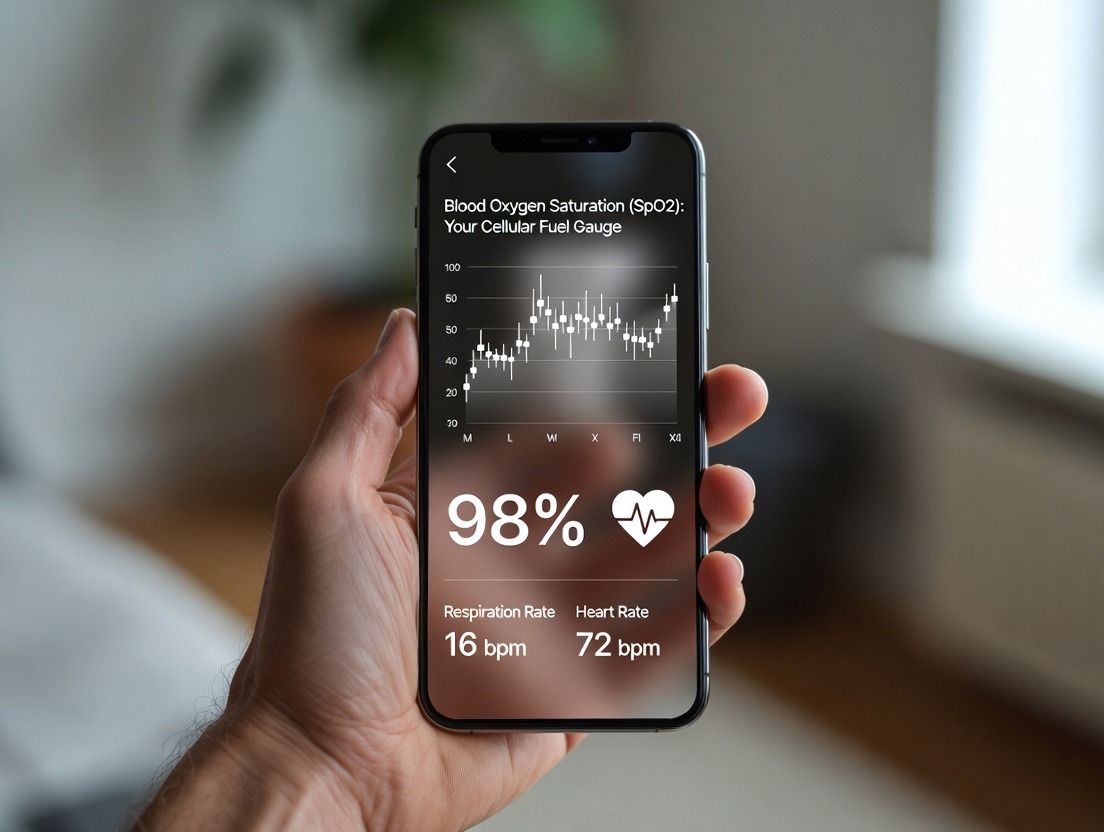
Before we dive into the specific routine changes, we must first establish the compass that will guide every decision: your Heart Rate Variability (HRV). For the uninitiated, HRV is not your heart rate. While your heart rate counts the number of beats per minute, HRV measures the subtle variations in the time intervals between those beats. It is the single most powerful, non-invasive window into the state of your autonomic nervous system (ANS).
A higher HRV generally indicates a resilient, adaptable nervous system—one where the “brake” (the parasympathetic, or “rest-and-digest” system) is strong and can effectively counterbalance the “gas pedal” (the sympathetic, or “fight-or-flight” system). It’s a sign of good recovery, fitness, and stress resilience. A lower-than-normal HRV suggests your body is under strain—from physical training, emotional stress, illness, or poor sleep—and is prioritizing survival over adaptability.
Your smart ring calculates your nightly average HRV, but the true magic for your morning routine lies in the trend and the morning reading. By checking your ring’s app first thing, you’re not just looking at a number; you’re receiving a personalized readiness report. This report answers the critical question: Based on how my body recovered last night, what kind of day does it need today?
One user, Michael, a software developer, shared his breakthrough: “I used to force a 5K run every morning, rain or shine. My Oura ring showed my HRV was chronically low and my resting heart rate was creeping up. I was overtraining and didn’t know it. Now, I check my readiness score. On low-HRV days, I swap the run for yoga and a longer meditation. My productivity in those afternoon coding sessions didn’t drop—it actually improved because I wasn’t battling systemic fatigue.”
This practice of letting your biometrics guide your choices is the cornerstone of an intelligent morning routine. It turns a rigid schedule into a dynamic, responsive dialogue with your body. For a deeper understanding of how to build this kind of resilience, our guide on vagal tone optimization explores the advanced techniques that directly influence your HRV and nervous system capacity.
We begin with the most universal and damaging habit of the modern morning: the snooze button. That 9-minute fragment of fitful sleep feels like a mercy, but your smart ring reveals it as a physiological fraud.
When you fall back asleep after your initial alarm, you are highly likely to re-enter a sleep cycle, but you won’t have time to complete it. The alarm blares again, yanking you out of deep or REM sleep. This is called sleep inertia—a state of severe cognitive impairment, grogginess, and disorientation that can last for hours. Your ring’s sleep stage data will often show these abrupt, mid-cycle awakenings, correlating directly with poor readiness scores and low HRV.
The Smart Ring-Powered Solution:
The most impactful change users report is adopting a smart alarm system, either through their ring’s native feature or a linked app. These alarms use accelerometers and heart rate data to wake you during a period of light sleep, within a predefined window (e.g., 30 minutes before your latest needed wake-up time).
The Result:
Waking from light sleep feels dramatically different. Users describe “waking up feeling alert, not assaulted.” The grogginess vanishes. “It was the single biggest quality-of-life upgrade,” says Sarah, a teacher. “My morning readiness scores jumped because my final sleep cycles were no longer being brutally truncated. I had more patience for my kids and my students from the very start of the day.” This simple tech intervention aligns your artificial schedule with your body’s natural rhythm, setting a harmonious tone for everything that follows.
You’ve woken gently. Now, the modern instinct is to reach for the smartphone—to check emails, news, or social media. This floods a nervous system that is still in a vulnerable, transitional state with cortisol-spiking information, demands, and comparisons. It’s like starting your car in the dead of winter and immediately slamming the accelerator to the floor.
Informed by data showing elevated resting heart rates on days they checked their phones first, savvy smart ring users have instituted a radical rule: The first 60 seconds are for a silent, internal scan.
The Practice:
Before you open your eyes, before you move, take five deep, slow breaths. Then, mentally scan your body from head to toe. Don’t judge, just observe.
This 60-second scan creates a space of awareness between waking and reacting. It allows you to meet the day from a place of centeredness, not chaos. It’s the antithesis of the digital ambush. As one user put it, “That minute of silence lets me receive the data from my ring’s app with curiosity, not anxiety. I’m not immediately hijacked by a low score; I’ve already connected with how I feel, so the data is just confirming or adding context.” This practice is a foundational form of the 4-7-8 breathing technique for instant parasympathetic activation, which you can extend into if you need more calming.
“Drink a glass of water in the morning.” This is standard advice. But smart ring users are taking it to a precise, data-driven level. Your ring tracks your skin temperature variability throughout the night. A higher-than-baseline temperature can indicate your body was working hard—fighting off a pathogen, recovering from intense exercise, or struggling in a too-warm sleep environment. This often leads to increased nocturnal perspiration and fluid loss.
The Data-Informed Protocol:
Instead of one arbitrary glass, users now tailor their morning hydration based on last night’s biometrics.
The Impact:
“I used to get mid-morning headaches and couldn’t figure out why,” recalls David, an avid cyclist. “My ring consistently showed high nighttime temps after hard training days. I realized I was chronically dehydrated by 10 AM. Now, on those ‘spiky’ nights, I drink 24 oz of electrolyte water. The headaches vanished, and my morning focus became razor-sharp.” This approach turns hydration from a vague good habit into a targeted recovery tool, directly addressing the physiological debt incurred overnight.
The old paradigm: “I’m a morning runner” or “I do CrossFit at 6 AM every day.” The new, smarter paradigm: “My sleep data tells me what type of movement my body needs this morning.”
Your sleep architecture—the balance of light, deep, and REM sleep—is a detailed repair log. Disruptions in specific stages provide clues for your morning activity.
By aligning movement with recovery, users report avoiding injury, breaking through fitness plateaus, and experiencing more consistent energy. “I stopped dreading my workouts,” says Lena, a graphic designer. “On low deep sleep days, I give myself full permission to just do a 20-minute yoga video. My ring validates that choice, so there’s no guilt. And on high-readiness days, I crush my workout with real joy.” This is the essence of stress relief through movement as an exercise prescription for anxiety, applied proactively each morning.
Your smart ring’s sleep score doesn’t just measure how you slept, but when your body wanted to sleep. Consistently late bedtimes and wake-ups, or high sleep latency (time to fall asleep), can signal a misaligned circadian rhythm. The most powerful, free tool to fix this isn’t a pill or an app—it’s natural light.
The Science & The Protocol:
Within 30-60 minutes of waking, get 10-15 minutes of direct, outdoor light exposure (without sunglasses). The high-intensity blue light wavelengths in morning sunlight hit specialized cells in your eyes, signaling your brain’s suprachiasmatic nucleus (SCN) that “day has begun.” This suppresses melatonin production, boosts cortisol (in a healthy, alerting way), and sets a countdown timer for melatonin release roughly 14-16 hours later, making you sleepy at an appropriate time.
Smart ring users who track this habit see tangible results in their sleep timing data: reduced sleep latency, more consistent bedtimes, and improved sleep efficiency. “I was a chronic night owl, always struggling to fall asleep before 1 AM,” explains Alex. “I committed to a 15-minute morning walk with my dog, rain or shine, and looked at the sky. Within two weeks, my ring showed my sleep latency dropped from 45 minutes to under 15. My body finally knew what time it was.”
This habit synergizes powerfully with avoiding evening blue light from screens, but the morning exposure is the anchor. It’s the simplest, most biological way to tell your ring—and your entire physiology—that you’re committed to a stable rhythm.

The era of the carb-heavy breakfast (toast, cereal, pastries) is ending for data-driven individuals. While continuous glucose monitors (CGMs) provide the most direct feedback, advanced smart rings that track heart rate and heart rate variability can offer indirect, valuable clues about your metabolic response to food. A sharp, sustained rise in resting heart rate after a meal can indicate inflammation or a significant glucose spike-and-crash cycle.
Learning from this, the most impactful nutritional change reported is prioritizing protein and healthy fats at breakfast.
Why It Works:
Protein provides sustained energy, increases satiety (preventing mid-morning crashes and snacking), and provides the amino acids necessary for neurotransmitter production (like dopamine and norepinephrine) that are crucial for morning focus and mood stabilization. A breakfast of eggs, Greek yogurt, a protein smoothie, or leftovers from a protein-rich dinner leads to steadier energy, as reflected in stable heart rate trends throughout the morning.
“My mid-morning ‘brain fog’ was a daily occurrence,” shares Jordan, a project manager. “I started having two eggs and avocado instead of oatmeal. Not only did the fog lift, but my ring showed my heart rate was more stable from 9 AM to 12 PM. I was no longer riding the energy rollercoaster.” This shift supports not just physical wellness, but the work-mental wellness connection where career satisfaction matters, by fueling cognitive performance during critical work hours.
Meditation and mindfulness are well-known. But smart ring users are practicing a more targeted form: HRV-Biofeedback Training. This isn’t passive sitting; it’s an active workout for your vagus nerve and parasympathetic nervous system.
The Method:
Using your ring’s live heart rate or HRV reading (available on many devices), you practice breathing at your resonant frequency—typically a slow, diaphragmatic breath at around 5-6 breaths per minute (a 5-second inhale, 5-second exhale). As you do this, you watch your HRV number rise (or your heart rate become more variable) in real-time. This provides instant positive feedback, teaching your body the precise physiological state of calm.
Doing this for just 5-10 minutes in the morning “inoculates” your nervous system against the day’s stressors. It’s like creating a buffer of resilience. Users who practice this consistently show higher average HRV over time and report feeling less reactive to minor stresses. “It turns abstract meditation into a tangible game,” says Ben. “I can literally see my nervous system calming down on the screen. That sense of control carries me through hectic meetings.” For situations where you need a quicker fix, mastering immediate stress relief techniques that work in under 5 minutes can be a lifesaver.
Caffeine is a powerful adenosine receptor antagonist—it blocks the sleepiness chemical. But drinking it immediately upon waking, when your cortisol is naturally at its peak (the Cortisol Awakening Response), can blunt this healthy spike and lead to an earlier afternoon crash. Furthermore, drinking it too late can fragment your next night’s sleep, creating a vicious cycle visible in your ring’s light sleep and restlessness metrics.
The Data-Backed Rule:
Delay your first caffeine dose by 90-120 minutes after waking. This allows your natural cortisol rhythm to complete its work, then uses caffeine to prop up alertness as cortisol naturally begins to decline. The second rule: establish a hard caffeine curfew based on your sleep data. For most, this is 8-10 hours before bedtime. If your ring shows increased sleep latency or light sleep fragmentation, push that curfew earlier.
“I was a ‘coffee the second my feet hit the floor’ person,” admits Maya. “But I also had a 3 PM energy crash and sometimes struggled to fall asleep. I forced myself to wait two hours, drinking water and eating first. My afternoon crash disappeared, and my sleep scores improved within days because I also stopped coffee after 2 PM.” This habit leverages chronobiology, using caffeine as a strategic tool rather than a crutch.
Productivity gurus love morning planning. Smart ring users supercharge it by letting their readiness score dictate the ambition and nature of their daily priorities.
On a high-readiness (high HRV) day, your brain is primed for deep, focused work—strategic thinking, creative problem-solving, or learning new skills. On a low-readiness day, forcing this kind of work leads to frustration and poor output. Your brain is better suited for administrative tasks, organizing, meetings that require listening more than presenting, or gentle brainstorming.
The Ritual:
After reviewing your readiness data, write down only Three MITs (Most Important Tasks) for the day.
This practice prevents the demoralizing cycle of writing a long to-do list on a low-energy day and failing to complete it. “It taught me to work with my body, not against it,” says Chris, an entrepreneur. “On recovery days, I clear my inbox and do paperwork. On peak days, I do my visionary work. My overall output skyrocketed because the work was matched to my capacity.” This is a practical application of the principles behind creating mental wellness goals that are achievable, ensuring daily wins that build momentum instead of guilt.
The final transformative change happens the night before, but its entire purpose is to gift your future morning-self a serene, successful start. Smart ring users with the highest sleep consistency scores almost universally have a strong evening ritual, which they craft by observing what behaviors (late meals, intense TV, arguments) negatively impact their sleep metrics.
The Preparation Checklist:
By doing this, you eliminate dozens of micro-decisions and potential stressors in the morning. You wake into a world that is already set up for your success. This reduces sympathetic nervous system activation from the moment you open your eyes, which is reflected in a calmer morning heart rate and a smoother transition into the day. “My mornings used to be frantic searches for keys and decisions about lunch,” laughs Priya. “Now, it’s a calm, seamless execution. My ring shows my heart rate is 5-8 BPM lower in that first hour than it used to be. I start the day feeling in control, not controlled.” This holistic preparation is a key part of learning how to integrate mental wellness into your daily routine seamlessly and effectively.
After exploring these ten powerful changes, the prospect of implementing them all at once can feel as daunting as the old, rigid routines we’re trying to escape. The beauty of the smart ring approach is that it is inherently anti-dogmatic and personalized. You are not meant to do all ten things starting tomorrow. You are meant to use your data as a guide for experimentation.
Your Implementation Blueprint:
The goal is not to create a perfect, Instagram-worthy morning routine. The goal is to cultivate a responsive morning routine—one that listens to the feedback from your body and adapts accordingly. Your smart ring transforms you from a passenger in your own life to the lead scientist in a groundbreaking, lifelong study of one: you. It provides the objective metrics to move beyond guesswork, the validation to be kind to yourself on low-energy days, and the insight to capitalize fully on your high-energy days.
This journey is about compounding small, intelligent gains into a transformative shift in your quality of life. For those looking at the long-term vision, this aligns perfectly with a 10-year mental wellness investment strategy where benefits compound. Each data-informed morning is a deposit into your physiological and psychological bank account, building resilience, clarity, and vitality that pays dividends for decades to come.
You've mastered the first golden hour. You've woken in sync with your body, hydrated intelligently, moved with purpose, nourished your cells, and prioritized your day. The foundation is set. But as the morning progresses, a familiar enemy often emerges: the mid-morning slump. That creeping fog of fatigue, the dwindling focus, the urge for a second (or third) coffee, and the siren call of procrastination. For many, this slump is an inevitable tax on productivity, accepted as a universal law.
Smart ring users, however, are rewriting this law. By extending their data-informed awareness beyond the first hour, they've developed a powerful suite of strategies to navigate the entire morning—from post-breakfast to lunch—with sustained energy and intentionality. This next phase isn't about more rituals; it's about creating intelligent, responsive systems that use real-time and historical biometric feedback to prevent crashes and foster flow states. Here, we transition from launching the day to piloting it with precision.
Your first meal of the day is more than fuel; it's a hormonal and metabolic event that sets the stage for the next 3-4 hours. As discussed, a protein-priority breakfast is key. But what happens after? Your smart ring provides two crucial, real-time data points to monitor this transition: heart rate (HR) and heart rate variability (HRV)—or its derivative, "stress" or "readiness" scores that many apps calculate.
Users who track this have gained profound dietary self-awareness. "I learned that my 'healthy' oatmeal with raisins and honey was causing a bigger heart rate spike than a slice of pizza would have," admits Thomas, a writer. "Switching to eggs and sautéed greens created a flat line. My mid-morning writing sessions became infinitely more productive because I wasn't battling physiological chaos."
Actionable Insight: For one week, note what you eat for breakfast and observe your heart rate trend in your ring's app for the 90 minutes that follow. Look for correlations. This isn't about restriction, but about discovering which foods make you feel and perform better, according to your body's unique metrics.

The old productivity model: work for hours, powered by willpower and caffeine. The new model: segment your morning into strategic blocks dictated by your natural ultradian rhythms and your daily readiness score.
Ultradian rhythms are 90-120 minute cycles throughout the day where our brains naturally oscillate between high focus and lower alertness. Fighting this rhythm is exhausting. Honoring it is liberating. Your smart ring’s data provides the personalization layer.
The Data-Informed Work Block Strategy:
Users who structure their mornings this way report not just more output, but better output, with less mental fatigue. "I get more meaningful work done by noon than I used to in a full day," says Sofia, a researcher. "My ring often shows my heart rate stabilize during my recovery block, proving I'm actually recovering, not just spinning my wheels."
Even with perfect blocks, stressors intrude: a frustrating email, a difficult conversation, an unexpected problem. The stress response is instantaneous—a jolt of adrenaline, a heart rate increase. Left unchecked, this can linger, poisoning your nervous system for hours.
Smart ring users have a secret weapon: the biofeedback micro-break. This leverages the same principle as the morning "stress inoculation" but applies it as emergency medicine.
The Protocol (When You Feel Stressed or Notice a Rising HR on Your App):
"This technique broke my cycle of rumination," shares David, a customer service manager. "Instead of stewing over an angry call for an hour, I'd do a 3-minute biofeedback break, watch my heart rate fall, and literally feel the emotional charge dissipate. I could then solve the problem rationally, not reactively." This is the on-demand application of the skills built through progressive muscle relaxation for complete body stress release, condensed into a potent, immediate tool.
Morning hydration sets a baseline, but strategic hydration throughout the morning maintains it. Even mild dehydration (a 1-2% loss of body water) is scientifically proven to impair concentration, memory, and mood. Your smart ring can't measure hydration directly, but it provides excellent proxies: skin temperature and resting heart rate. Dehydration can cause a slight elevation in both.
The Cognitive Hydration Schedule:
Forget "drink 8 glasses a day." Instead, tie your drinking to your work blocks.
Many users set silent phone reminders or use marked water bottles to track this. "I noticed my afternoon skin temp was always a bit higher on days I had back-to-back meetings and forgot to drink," notes Lisa, a lawyer. "Now, my 'recovery block' reminder is also my 'hydrate' reminder. My post-lunch energy levels are completely different."
Humans are social creatures, but interactions are neurologically expensive. A morning filled with unscheduled, draining conversations can derail the best-laid plans. Your smart ring's readiness data gives you permission to manage your social bandwidth proactively.
This isn't anti-social; it's pro-performance and pro-wellness. "I used to say 'yes' to every 9 AM meeting request," says Alex, a team lead. "On low-recovery days, I'd be wiped by 10:30. Now, I try to schedule important conversations on my green days, and use yellow/red days for independent work. My team actually gets a better version of me." This conscious management of social energy is a sophisticated component of building mental wellness resilience for future challenges, ensuring you don't deplete your reserves on minor interactions.
Your surroundings have a direct, measurable impact on your physiology. Smart ring users have become amateur environmental engineers, using their data to optimize their workspace on the fly.
Key Levers to Test:
By treating your workspace as a lab and your ring as the measurement tool, you create an environment that actively supports your focus rather than subtly sabotaging it. For a deeper dive into how your surroundings shape your mind, explore our article on environmental factors in mental wellness, where where you live matters.
As lunchtime approaches, a final, strategic check-in can prevent overeating and the infamous post-lunch coma. This involves listening to both your biometrics and your true hunger signals.
The 2-Point Check-In (20 minutes before typical lunch):
This pause breaks the autopilot habit of eating at a clock-dictated time. It ensures you eat because your body needs fuel, not because you're emotionally drained, dehydrated, or simply following a schedule. "I used to be voraciously hungry by noon every day," says Mei, a developer. "When I started waiting until I was a calm 3/10 hungry—which was often 12:30 or 1 PM—I made better food choices, ate less, and avoided that debilitating afternoon slump. My ring showed a much smaller post-lunch heart rate elevation."
For tasks that require creativity or sustained attention, some users have discovered the power of inducing flow states through rhythm. While not directly measured by all rings, the resulting calm, focused state is reflected in improved HRV and stable heart rate.
"I code with isochronic tones in my headphones," says Rahul. "My wife jokes I look like a cyborg, but my productivity data and my ring's stress graph during those sessions tell the real story: deep focus with minimal physiological cost."

Perhaps the most advanced skill smart ring users develop is the willingness to pivot. You may have planned a morning of deep work, but your real-time data is screaming: elevated heart rate, low HRV, poor sleep from the night before persisting. Pushing through is the old way—and it leads to burnout and poor results.
The new way is to accept the data as a neutral report and downgrade your ambitions for the morning. This could mean:
This isn't failure; it's sophisticated self-management. It’s the practice of choosing the right stress relief technique for your specific situation, applied to your entire workflow. By honoring your body's signals, you preserve long-term capacity and avoid the crashes that can derail days.
By this point, your morning is no longer a series of random events, but a symphony of interconnected, data-informed practices. To make this sustainable, the final step is to create a simple, at-a-glance Personal Morning Dashboard. This isn't another app; it's a mental or physical checklist informed by your ring's key metrics.
Your Dashboard Questions (Answer each morning after your 60-second scan):
Based on the combined answers, you automatically select a pre-defined "Morning Protocol" from the changes we've discussed. For example: "Low Recovery, Depleted Sleep, Low Energy, Elevated HR" triggers your gentle, restorative protocol (light movement, stress inoculation, administrative work blocks). This turns complex data into a simple, actionable plan in seconds.
The journey through the smart ring-enhanced morning is a masterclass in moving from reactive living to responsive leadership of your own life. You have moved from being a victim of your energy levels to being the architect of them. You've replaced guilt with curiosity, and rigidity with intelligent flexibility. The morning is no longer a hurdle to clear, but a launching pad calibrated specifically for you.
In the final portion of our exploration, we will look beyond the morning and into how these principles ripple out to transform your afternoons, evenings, and long-term health trajectory, creating a truly holistic, data-empowered life.
The morning is conquered. You have navigated the critical first hours with the precision of a scientist and the grace of a mindful practitioner. Your smart ring has been your guide, transforming vague intentions into measurable actions. But a question naturally arises: does this data-informed approach end with lunch? For the true biohacker and wellness enthusiast, the answer is a resounding no. The principles of listening to your body, responding to its signals, and optimizing for recovery and performance are not confined to the AM. In fact, the afternoon and evening present unique challenges and opportunities—the notorious post-lunch dip, the waning willpower of late afternoon, and the critical wind-down period that dictates tomorrow’s success.
This section is about building a bridge. It’s about taking the self-knowledge and responsive habits you’ve cultivated in the morning and extending them to create a truly holistic, 24-hour rhythm of thriving. We’ll explore how smart ring users leverage their biometrics to master the second half of their waking day, ensuring that the energy, focus, and calm they so carefully built in the morning aren’t squandered by afternoon chaos or evening neglect. This is where compound wellness is truly realized.
You ate a thoughtful, balanced lunch, yet by 2:30 or 3 PM, a wave of fatigue crashes over you. The desire to close your eyes for “just a minute” is overwhelming. This is the post-lunch dip, or “postprandial somnolence,” and while it has a biological basis, its severity is not a life sentence. Smart ring users approach this period not with surrender (and a sugary snack), but with strategic intervention.
Understanding the Data:
After a meal, blood is shunted to your digestive system. Your ring will often capture a natural, slight dip in heart rate variability as the parasympathetic “rest-and-digest” system dominates. This is normal. The problem arises when this dip is profound and prolonged, exacerbated by a high-glycemic meal that causes a major insulin spike and subsequent crash. This manifests as a significant, sustained drop in HRV and a feeling of heavy lethargy.
The Anti-Slump Protocol (Implemented at 2:00-2:30 PM, Proactively):
“My 2:30 PM walk is non-negotiable,” says Elena, a project manager. “Before my ring, I’d power through with candy and coffee. My data showed my stress score spiking and my HRV tanking every afternoon. Now, I take my ‘circuit breaker’ walk. My 3 PM meeting performance is night and day different, and my end-of-day energy is preserved.” This is a perfect example of using movement for stress relief as an exercise prescription, applied with surgical timing.
For knowledge workers, the afternoon often demands a second period of focused output. However, attempting to force the same intensity as your morning peak block is a recipe for frustration and shallow work. The key is to replenish your cognitive resources first.
The Ritual (Before attempting afternoon deep work):
Engage in a 15-minute activity that is cognitively restorative. This is distinct from a physical break. It’s an activity that places near-zero demands on your prefrontal cortex (the decision-making, willpower center). Examples include:
The science behind this is clear: activities that engage the brain’s default mode network (DMN) in a relaxed way allow for subconscious processing, creativity, and restoration of focused attention capacity. Your ring can validate this; a successful cognitive reset should show a stabilized or slightly improved HRV reading afterward.
“I block 3:15 to 3:30 PM as ‘Creative Recharge’ on my calendar,” shares Marcus, a designer. “I put on headphones and listen to a specific piano playlist. It’s not a nap; it’s a brain bath. When I come back to my screen at 3:30, solutions to problems that felt stuck often appear effortlessly. My ring’s ‘stress’ graph shows a clear valley during that time.”
As the day wears on, your reservoir of willpower and executive function depletes—a phenomenon known as decision fatigue. This is why trivial arguments happen at night and poor food choices seem more tempting. Your smart ring provides an objective measure of this depletion through subtle but telling signs: a gradual creep up in resting heart rate from morning to late afternoon, and a lower HRV trend as cumulative stress loads.
The Data-Informed Strategy to Combat Decision Fatigue:
By respecting the natural decline of your decision-making capacity, you conserve energy for what truly matters and avoid the self-sabotaging choices that characterize exhausted evenings. This is a proactive form of building mental wellness resilience for future challenges by managing your cognitive capital wisely day-to-day.
The single most important evening practice for smart ring users is not a single activity, but a gradual, intentional descent from sympathetic dominance to parasympathetic readiness for sleep. Your goal is to engineer a smooth decline in cortisol and a steady rise in melatonin. Your ring’s sleep data is the ultimate report card on how well you execute this. Users with the highest, most consistent sleep scores don’t just “go to bed”; they initiate a wind-down protocol 90 minutes before lights out.
The Data-Backed Wind-Down Framework:
Users who track this routine see dramatic improvements in their ring’s sleep latency (time to fall asleep) and sleep efficiency (percentage of time in bed actually asleep) metrics. “My wind-down routine is my sacred space,” says Chloe, a nurse. “After shift work, my nervous system is wired. The 90-minute descent, which I track on my ring’s ‘timeline’ feature, is what allows me to get deep sleep even after a chaotic day. I can see the correlation on the graph: the nights I skip it, my sleep is fragmented.”
Your final meal or snack of the day can be a powerful recovery tool or a profound sleep disruptor. Smart ring data provides stark evidence: eating a large, heavy, or spicy meal within 2-3 hours of bedtime correlates with elevated nighttime heart rate, reduced HRV, increased restlessness, and less time in restorative deep sleep. Your body is forced to prioritize digestion over cellular repair and memory consolidation.
The Data-Driven Rules for Evening Nourishment:
“I was a late-night snacker,” confesses Ben. “My ring showed my heart rate was 5-8 BPM higher all night on those nights, and my deep sleep was pathetic. Committing to a hard stop on eating by 8 PM was a game-changer. My recovery scores started looking like a different person’s.” This discipline directly supports the body’s nocturnal repair processes, a key factor in maintaining cognitive and emotional health while aging.
Getting into bed shouldn’t be the starting gun for your brain to run the day’s highlight reel or worry about tomorrow. Smart ring users employ specific cognitive practices to ensure the transition into bed is a transition toward sleep, not anxiety.
Effective Pre-Sleep Cognitive Practices:
By creating these cognitive buffers, you prevent the activation of the stress response just as you’re trying to descend into rest. Your ring’s data on restlessness and sleep onset will thank you.
The last intelligent habit of the day is a brief, forward-looking review. This is where the 24-hour cycle completes itself and prepares to begin anew.
The 5-Minute Evening Review:
This closes the loop, transforming your wellness practice from a series of disjointed daily efforts into a continuous, self-optimizing system. You are not just living day-to-day; you are conducting a longitudinal study of your own potential, with each night’s data informing the next day’s experiment.
To truly grasp the transformative power of this approach, let’s visualize a week in the life of someone who has integrated these morning, midday, and evening practices.
This fluid, responsive rhythm prevents burnout, maximizes performance windows, and builds remarkable resilience. It is the embodiment of a 10-year mental wellness investment strategy where benefits compound. Each day’s intelligent choices, guided by objective data, deposit health capital into a long-term account, yielding dividends of vitality, clarity, and peace for years to come.
You have now moved from optimizing moments to architecting a life. Your smart ring is no longer just a tracker; it is the central dashboard for your human vehicle, providing the feedback needed to navigate the complex terrain of modern life with skill and sustainability. The journey from reactive to responsive is complete. You are now the conscious author of your days, guided by the silent, insightful intelligence on your finger.
Your Trusted Sleep Advocate: Sleep Foundation — https://www.sleepfoundation.org
Discover a digital archive of scholarly articles: NIH — https://www.ncbi.nlm.nih.gov/
39 million citations for biomedical literature :PubMed — https://pubmed.ncbi.nlm.nih.gov/
Experts at Harvard Health Publishing covering a variety of health topics — https://www.health.harvard.edu/blog/
Every life deserves world class care :Cleveland Clinic - https://my.clevelandclinic.org/health
Wearable technology and the future of predictive health monitoring :MIT Technology Review — https://www.technologyreview.com/
Dedicated to the well-being of all people and guided by science :World Health Organization — https://www.who.int/news-room/
Psychological science and knowledge to benefit society and improve lives. :APA — https://www.apa.org/monitor/
Cutting-edge insights on human longevity and peak performance:
Lifespan Research — https://www.lifespan.io/
Global authority on exercise physiology, sports performance, and human recovery:
American College of Sports Medicine — https://www.acsm.org/
Neuroscience-driven guidance for better focus, sleep, and mental clarity:
Stanford Human Performance Lab — https://humanperformance.stanford.edu/
Evidence-based psychology and mind–body wellness resources:
Mayo Clinic — https://www.mayoclinic.org/healthy-lifestyle/
Data-backed research on emotional wellbeing, stress biology, and resilience:
American Institute of Stress — https://www.stress.org/


