


How Daily Health Data Enables Better Preventive Wellness
How daily data enables better prevention.
How daily data enables better prevention.
%402x.svg)
In an age where we can summon a car, stream a film, or video-call a loved one across the globe with a tap, our understanding of our own health has remained frustratingly archaic. For generations, we’ve relied on an annual check-up—a single snapshot in time—to assess a body in constant, dynamic flux. We answer questions about “average” sleep and guess our stress levels, offering vague approximations to a healthcare system built on episodic data. This reactive model, where we seek help only when something feels wrong, is fundamentally at odds with the goal of true wellness: prevention.
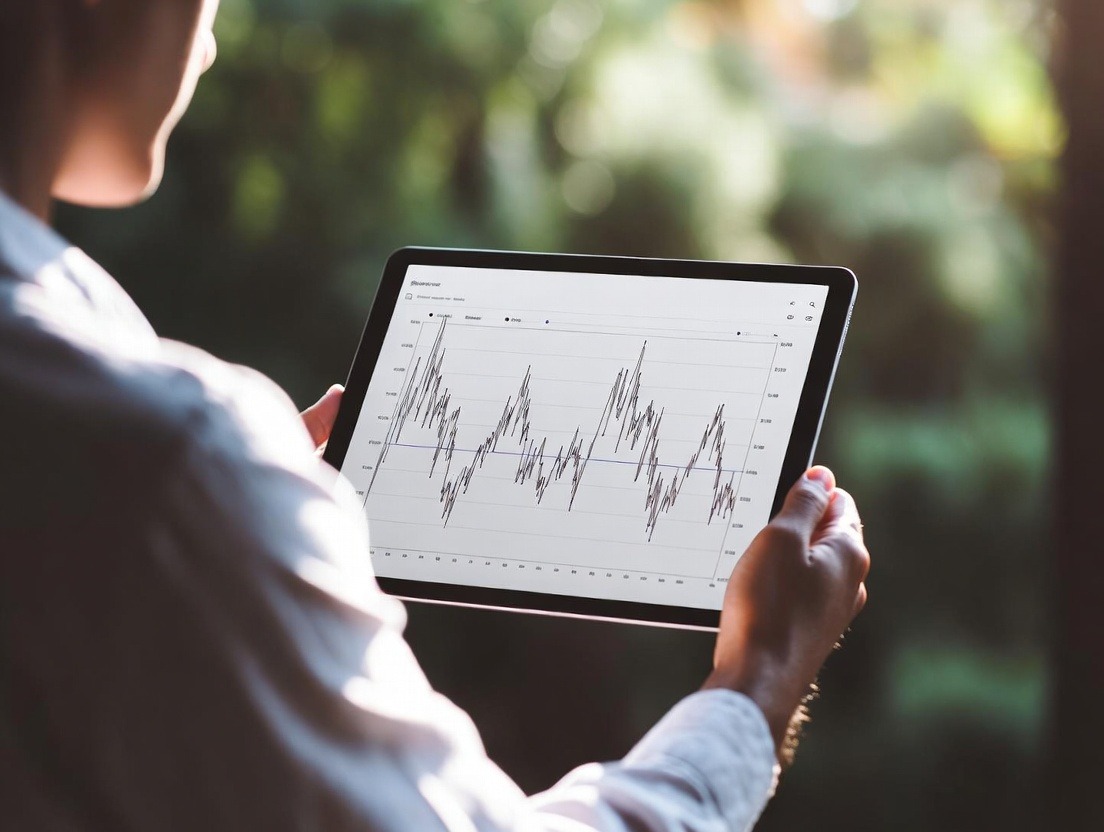
But a quiet revolution is underway, and it’s moving from our wrists and pockets to our fingers. The advent of sophisticated, wearable health technology, particularly the modern smart ring, is shifting the paradigm from episodic guessing to continuous knowing. By capturing a rich, daily stream of objective health data—from heart rate variability and blood oxygen saturation to detailed sleep architecture and body temperature trends—these devices are handing us the ultimate tool for preventive wellness. They translate the silent language of our physiology into actionable insights, moving us from passive patients to empowered health advocates.
This is more than just tracking steps or counting calories. This is about establishing your unique, personal health baseline. It’s about spotting subtle deviations that whisper of oncoming illness, stress, or imbalance long before they shout. It’s about understanding how your body truly responds to a late meal, a hard workout, an argument, or a meditation session. This continuous, intimate data stream enables a proactive, personalized approach to health that was once the domain of elite athletes and astronauts.
In this comprehensive exploration, we will delve deep into how the daily collection and intelligent interpretation of health data is not just an upgrade to your wellness routine—it’s a foundational shift towards a longer, healthier, and more vibrant life. We will uncover the science behind the sensors, explore the transformative power of a personal health baseline, and reveal how integrating this data into your daily life can help you prevent issues before they begin. Welcome to the future of taking care of yourself, a future built on knowledge, foresight, and the power of your own data.
For over a century, modern healthcare has operated on a reactive, disease-centered model. You feel a symptom—a persistent pain, a mysterious fatigue, a worrying lump—and you go to the doctor. The system then swings into action, using its tools to diagnose the problem and prescribe a solution, often in the form of medication or procedure. This "sick-care" system is brilliant at acute intervention, saving countless lives. But it is poorly designed for the slower, subtler task of preventing those problems from arising in the first place.
The central flaw in this model is its reliance on episodic data. A yearly physical provides a handful of data points: blood pressure measured in a potentially stressful clinical setting, a cholesterol score from a single blood draw, weight on an office scale. These are invaluable, but they are isolated moments. They tell you little about what your blood pressure does during a poor night's sleep, how your resting heart rate trends after a week of intense work, or whether your body is fighting off an infection before you ever feel a scratchy throat.
The New Paradigm: Continuous, Contextual Awareness
The shift enabled by daily health data is from episodic to continuous, from isolated to contextual, and from reactive to proactive. Imagine the difference between seeing a single frame from a movie and watching the entire film. The single frame (your annual check-up) gives you limited information. The full film (your continuous health data) reveals the plot, the character development, the rising action, and the climax.
This continuous data stream creates a rich, multidimensional picture of your health. It answers questions you never thought to ask:
This isn't about replacing your doctor. It's about arming both you and your healthcare provider with a far superior dataset. Instead of saying, "I've been tired lately," you can present a report showing a consistent 45-minute reduction in deep sleep and a 15% decrease in HRV over the past three weeks, coinciding with a new project at work. This transforms a vague complaint into a targeted conversation.
The goal of this new paradigm is preventive wellness. By identifying negative trends early—a gradual increase in resting heart rate, a consistent drop in blood oxygen (SpO2) at night, a disturbance in core temperature—you can intervene with lifestyle adjustments long before a trend becomes a condition. You move from treating illness to cultivating health, from fixing what's broken to optimizing what's working and reinforcing what's vulnerable.
This fundamental shift is powered by technology that has become intimate, unobtrusive, and incredibly sophisticated. The journey from manual logs to today's AI-driven wearables is a story of democratizing health insight, a story you can explore in our detailed look at the evolution of health tracking technology. For a deep dive into the specific impact on medicine, our article on how health tracking technology changed preventive medicine provides further context.
In the world of health data, the most seductive—and often misleading—trap is comparison. We see a friend’s 10,000-step streak, a public figure’s boast of 8 hours of sleep, or a study citing an "average" HRV, and we instinctively measure ourselves against that external benchmark. This misses the entire point of personalized data. The single most powerful concept in preventive wellness is not how you stack up against others, but how you deviate from your own normal—your unique, personal health baseline.
Your baseline is the dynamic, multi-variable signature of you in a state of relative balance. It’s not a single number but a constellation of metrics that define your personal homeostasis. This includes your typical resting heart rate (RHR), your overnight heart rate variability (HRV) range, your deep and REM sleep patterns, your baseline skin temperature, and your respiratory rate at rest.
Establishing Your Signature
Establishing a reliable baseline requires consistent tracking over time, typically a minimum of 30 days. During this period, the goal isn't to be "perfect" but to be representative. Wear your tracking device consistently, live your normal life with its ups and downs, and let the algorithms learn your rhythms. A high-quality device like the Oxyzen ring, designed for continuous vs. periodic monitoring, is ideal for this task as it captures data effortlessly day and night.
Once established, this baseline becomes your most valuable diagnostic tool. It transforms raw data into meaningful insight. For example:
The Power of Deviation
Deviations from your baseline are the early-warning signals of your body. They are the whispers before the shout. A sustained elevation in resting heart rate and a drop in HRV can be the earliest signs of overtraining, impending illness, or chronic stress. A change in your sleep architecture—like a reduction in deep sleep—might point to dietary changes, alcohol consumption, or an underlying health issue. A shift in nocturnal skin temperature can even hint at hormonal changes or metabolic shifts.
This is where daily data transitions from interesting to actionable. Instead of wondering why you feel "off," you can consult your data and see a clear deviation. You can then connect it to potential causes: "My readiness score is low today. I see my deep sleep was down 30%, and my night-time HRV dropped. I did have that intense late-day meeting and a glass of wine with dinner. I'll prioritize light activity and an early bedtime tonight."
Understanding your baseline empowers you to have more informed conversations with healthcare professionals. You move from subjective description to objective report. You can learn more about which specific metrics doctors find most valuable in our resource on what doctors find most useful in wellness ring data.
Ultimately, knowing your baseline turns health into a personalized journey of self-knowledge. It removes the noise of comparison and focuses on the only metric that truly matters: you, versus yourself, over time, striving for a better, healthier version of your own unique normal.
The Science of the Signals: Decoding Key Health Metrics from a Smart Ring
A modern smart ring is a marvel of miniaturized engineering, a powerhouse of sensors packed into a sleek, comfortable band. But the raw data from these sensors is just noise without context. The real magic lies in the algorithms and the science that translates flickers of light and electrical impulses into meaningful health insights. Let's decode the key physiological signals these devices track and, more importantly, understand what they are telling you about your body's inner state.
Heart Rate Variability (HRV): The Master Metric of Resilience
HRV is arguably the most important single metric for assessing your nervous system balance and recovery status. Contrary to what the name might imply, HRV is not about your heart rate itself, but the variation in the time intervals between consecutive heartbeats, measured in milliseconds.
A higher HRV generally indicates a healthy, resilient autonomic nervous system with strong parasympathetic ("rest-and-digest") tone. Your body is adaptable, recovered, and ready for challenge. A lower HRV suggests your sympathetic ("fight-or-flight") system is dominant, signaling stress, fatigue, incomplete recovery, or potential illness. By tracking HRV trends (especially morning readings), you get a direct line into your body's readiness to perform and its stress load. It’s a foundational metric for building sustainable healthy habits.
Your resting heart rate is the number of times your heart beats per minute while you are completely at rest. It’s a fundamental indicator of cardiovascular fitness and overall health. A lower RHR typically suggests a more efficient heart muscle and better aerobic fitness. Crucially, tracking RHR daily allows you to spot unusual elevations. A sustained increase of 5-10 bpm above your baseline can be one of the earliest signs of dehydration, overtraining, lack of sleep, or the onset of an infection.
Sleep Architecture: Beyond Just Hours in Bed
Moving beyond simple duration, advanced tracking analyzes sleep stages: Light, Deep, and REM sleep. Each stage serves a critical function:
Blood Oxygen Saturation (SpO2): The Fuel Gauge
SpO2 measures the percentage of oxygen-saturated hemoglobin in your blood. While daytime SpO2 is typically stable (95-100%), monitoring it continuously overnight is a game-changer. Dips below your baseline (nocturnal desaturation) can be indicators of sleep apnea or other breathing disturbances that fragment sleep and strain the cardiovascular system, even if you're unaware of them.
Skin Temperature & Respiratory Rate: The Subtle Sentinels
The sophistication of these metrics is a direct result of the science behind modern health tracking technology. To understand exactly how sensors and algorithms work together to generate this data, our explainer on sensors, algorithms, and AI is an essential read. The end result is a holistic, non-invasive 24/7 health monitoring system that fits on your finger, providing a depth of insight once only available in a clinical lab.

We’ve long understood that sleep is vital, often calling it the "third pillar of health" alongside diet and exercise. Yet, for most people, it remains a black box. You go to bed, you (hopefully) lose consciousness for several hours, and you wake up. Your assessment is often a crude guess: "I slept pretty well," or "I tossed and turned all night." This subjective guesswork makes it impossible to strategically improve the single most regenerative process our bodies perform.
Daily health data, particularly from a device worn continuously, shatters this mystery. It turns sleep from an opaque experience into a transparent, data-rich science. This transformation is the first and most profound step in preventive wellness, as quality sleep underpins virtually every other aspect of health: immune function, hormone regulation, cognitive performance, emotional stability, and metabolic health.
Moving Beyond Duration: The "What" and "When" of Sleep
While total sleep time matters, the data reveals that the composition and timing of sleep are equally critical. This is your sleep architecture:
Identifying Invisible Disruptors
Perhaps the most powerful preventive aspect of sleep data is its ability to uncover issues you cannot feel. Nocturnal Blood Oxygen (SpO2) monitoring is a prime example. You might subjectively feel you slept fine, but the data could show repetitive, minor dips in blood oxygen throughout the night. These dips, often associated with sleep-disordered breathing like mild sleep apnea, cause micro-awakenings that fragment sleep and strain your heart. Identifying this pattern is a massive preventive win, prompting a conversation with a doctor long before daytime fatigue or hypertension develops.
Similarly, tracking resting heart rate and HRV during sleep provides an objective measure of sleep quality and recovery. A night of truly restorative sleep should show a significant dip in heart rate and a rise in HRV. If your heart rate remains elevated or your HRV is flatlined, it tells you that your body is still in a state of stress or sympathetically driven activity, not achieving deep restoration.
Actionable Insights for Better Sleep
With this data, you move from generic advice ("get more sleep") to personalized, actionable interventions:
By treating sleep as a measurable, improvable system, you build the foundation for all other wellness efforts. A well-rested body responds better to exercise, manages stress more effectively, makes healthier food choices, and fights off illness more robustly. For practical tips on using technology to improve sleep as you age, our guide to 50 healthy aging tips a smart ring helps implement daily is a great resource. This data-driven approach truly enables the kind of preventive health monitoring that can change your long-term health trajectory.
In our high-demand world, stress is often worn as a badge of honor. We push through fatigue, ignore signs of burnout, and equate busyness with productivity. The problem is that our subjective perception of stress is notoriously unreliable. You might feel you're handling everything well while your body is silently accumulating a debilitating debt. Conversely, you might feel anxious without a corresponding physiological load. The disconnect between how we feel and how our body is actually responding is where data becomes indispensable.
Daily health data provides an objective, bi-focal lens on the stress-recovery cycle. It measures both the input (stress load) and the output (your body's capacity to handle it and rebuild). This allows you to manage your energy like a budget, ensuring you don't chronically overspend.
The Stress Side: Measuring the Load
Key metrics act as direct proxies for your physiological stress response:
Seeing these metrics trend negatively provides an undeniable, objective check on your "I'm fine" narrative. It tells you that your body is under strain, regardless of your mental state.
The Recovery Side: Gauging Replenishment
Recovery is not passive; it's the active process of repair and adaptation. Data tells you if your recovery strategies are actually working:
Finding Your Personal Balance
The ultimate goal is to use this data to find your unique balance point—the level of productive stress that challenges you without breaking you down. This enables sustainable high performance in all areas of life.
Practical Applications:
By quantifying stress and recovery, you gain the power to navigate life's demands with intelligence, not just brute force. You learn to respect your body's signals for rest and capitalize on its signals for action. This is the core of a preventive lifestyle: managing small imbalances daily so they never coalesce into burnout or illness. To see how this balance plays out in real-life experiences, you can explore real user testimonials.
The traditional approach to fitness is calendar-based: Monday is chest day, Tuesday is a 5-mile run, Wednesday is rest, and so on. This rigid structure ignores a fundamental truth: your body's ability to perform and benefit from exercise fluctuates daily. Factors like sleep quality, stress, hydration, and immune activity create a constantly changing internal environment. Exercising intensely on a day when your body is pleading for recovery is not just suboptimal—it’s counterproductive, increasing injury risk and hindering long-term progress.
This is where the synergy of daily health data and activity tracking creates a revolutionary approach: readiness-based training. It replaces the question "What does my schedule say I should do today?" with "What is my body capable of and in need of today?"
From "How Much?" to "How Well?"
While step counts and active minutes are useful for general non-exercise activity thermogenesis (NEAT), the preventive power lies in correlating this output with your physiological input metrics.
Key Metrics for Intelligent Movement
Preventing Injury and Plateaus
By respecting low-readiness days, you dramatically reduce the risk of stress fractures, muscle strains, and joint overuse injuries that occur when form breaks down under fatigue. Furthermore, you avoid the performance plateaus that come from chronic, unaddressed fatigue. You ensure that your hard workout days are truly hard and effective because they are performed when your body is fully prepared.
Personalizing Your Fitness Journey
This approach is inherently personalized. It respects that:
Activity becomes a dialogue with your body, not a monologue from a pre-written plan. It ensures movement supports your overall health, rather than undermining it. For a comprehensive look at how activity tracking works on these devices, see our guide on activity and movement tracking basics. This intelligent, responsive approach is a cornerstone of how modern technology enables truly personalized wellness.
Nutrition advice is often a cacophony of conflicting absolutes: "Carbs are bad." "Fat is the enemy." "Eat six small meals." "Intermittent fast." The confusion stems from a one-size-fits-all approach that ignores individual biochemistry, lifestyle, and real-time physiological responses. You are left to connect dietary choices to outcomes (energy, bloating, sleep, mood) through subjective, delayed, and often inaccurate guesswork.
Daily health data cuts through this noise by providing objective, physiological feedback on how your body is responding to what you eat and when you eat it. It turns nutrition from a dogma into a personal science experiment, allowing you to identify patterns and optimize your diet for your unique metabolism and health goals.
Metabolic Markers in Your Data
Several key metrics serve as windows into your metabolic and digestive health:
Conducting Your Own N-of-1 Experiments
With data, you can move beyond anecdotes and run clean experiments:
Preventing Long-Term Issues
This feedback loop is powerfully preventive. Consistently seeing that certain foods disrupt your sleep and recovery can motivate lasting dietary changes before issues like weight gain, insulin resistance, or systemic inflammation take hold. It helps you identify food sensitivities not through expensive tests, but through your body's direct, measured response.
Data shifts the focus from calorie counting to system optimization. The goal becomes: what diet supports my best sleep, my lowest inflammation (as suggested by HRV/RHR), my steadiest energy, and my highest resilience? The answer is unique to you, and your daily health data is the key to finding it. This personalized discovery is part of the journey toward mastering your wellness, a topic we explore in our guide for the expert user.
Early Detection & Long-Term Trends: Spotting the Whispers Before They Become Shouts
The most profound power of daily health data lies in its ability to reveal slow-moving, long-term trends and subtle, acute deviations that are invisible to our conscious perception. Our bodies are constantly sending signals, but we are often poor interpreters until a signal becomes a scream—a fever, a sharp pain, debilitating fatigue. Continuous monitoring acts as a 24/7 sentinel, catching these whispers of imbalance early, when interventions are simplest and most effective.
The Power of the Trend Line
While daily numbers are interesting, their true story unfolds over weeks, months, and years. Long-term trend analysis transforms your data from a weather report into a climate study.
Perhaps the most striking application is in early illness detection. Numerous user reports and emerging studies show that wearable data often signals an infection 24-48 hours before obvious symptoms appear.
Seeing this pattern emerge allows you to act immediately: prioritize sleep, hydrate aggressively, reduce stress, load up on nutrients, and perhaps socially isolate. This can potentially blunt the severity of the illness or even prevent it from taking hold fully. It’s the ultimate act of preventive self-care.
Monitoring Chronic Conditions
For those managing known conditions (e.g., hypertension, atrial fibrillation, asthma, anxiety), continuous data provides invaluable feedback.
This creates a closed feedback loop for better chronic disease management, reducing the risk of acute episodes. The potential for this technology in clinical settings is vast, as discussed in our look at health tracking technology in hospitals.
In essence, long-term data tracking turns you into the expert on your own body. It provides an early warning system and a progress tracker, empowering you to make small, timely corrections to your health trajectory, ensuring you stay on the path to lifelong wellness.
Personalization & Habit Formation: How Data Drives Sustainable Lifestyle Change
Knowledge is power, but only if it leads to action. The vast stream of daily health data holds immense potential, yet that potential is only realized when it is translated into consistent, personalized habits. The common failure mode of wellness is the burst of motivation followed by a slow fade back to old patterns. What makes data from a device like a smart ring different is its ability to close the feedback loop in real-time, providing the precise, personalized, and positive reinforcement needed to make habits stick for the long haul.
The psychology of habit formation tells us that successful habits are built on a clear loop: Cue → Routine → Reward. Traditional wellness advice often fails because the reward is distant and abstract ("you'll be healthier someday") or negative ("avoid disease"). Daily health data provides an immediate, positive, and personal reward, transforming the habit loop into a powerful engine for change.
The Data-Powered Habit Loop
Hyper-Personalized Insights, Not Generic Advice
Data demolishes the "should." You're not going to bed early because a magazine article said you "should." You're doing it because your own data irrefutably shows that on nights you're in bed by 10:30 PM, you get 25% more deep sleep and wake up with a readiness score 15 points higher. This kind of personal proof is unignorable.
This personalization allows you to build habits that align with your biology, not fight against it:
Small Wins and Compounding Gains
The magic of data is that it makes small wins visible. You might not feel different after drinking an extra liter of water for three days, but if your HRV trendline ticks upward, you have objective proof of progress. This focus on micro-improvements—1% better each day—is the essence of sustainable change. The data provides a scoreboard for these 1% gains, making the compounding effect visible and motivating.
Furthermore, devices can provide gentle, proactive nudges—not nagging alerts. A reminder to start winding down when your data shows an elevated heart rate late in the evening. A suggestion to get some morning light when your sleep data indicates a irregular circadian rhythm. These contextual nudges, born from your own patterns, act as intelligent cues to reinforce desired routines.
By integrating data into your daily reflection, you move from being a passive recipient of health information to an active architect of your own habits. This transforms wellness from a chore into a fascinating process of self-optimization. For practical strategies on using your device to build these routines, our article on how wellness rings help build healthy habits offers a detailed roadmap. This journey of personalization is at the heart of the modern evolution of health tracking, moving us toward a future where technology is a seamless partner in our daily well-being.
A smart ring is a powerful tool, but its true potential is unlocked when its data stops being an isolated stream and becomes part of a larger, integrated health ecosystem. Your wellness is not determined by any single metric; it is the emergent property of countless interconnected systems—sleep, nutrition, activity, stress, and metabolism. When these data streams remain in separate apps (fitness here, sleep there, nutrition in another), you see only fragments of the puzzle. Integration is the process of assembling the complete picture.
The goal is contextual correlation. It's the ability to see, at a glance, how a stressful workday (logged in your calendar) led to poor sleep (tracked by your ring), which resulted in a high-carb lunch craving (logged in your food app), which then caused an afternoon energy crash (reflected in your low activity levels). This holistic view moves you from treating symptoms in isolation to understanding root causes.
The Power of App and Device Integration
Modern wellness platforms understand this. A robust system will allow your ring's core data to seamlessly integrate with other key apps you already use, creating a centralized health dashboard. Key integrations include:
Creating Your Personal Health Command Center
This integration creates a command center for your health. Instead of juggling five apps, you have one primary hub where the story of your body is told in full. This hub can highlight powerful, non-obvious correlations through trend overlays and smart notifications.
For example: "Your average HRV is 22% lower on days when you log fewer than 8 glasses of water." Or, "Your sleep score drops by an average of 12 points after evening high-intensity workouts." These aren't generic tips; they are personalized, data-driven laws of your body.
The Future: Open Ecosystems and Professional Sharing
The future of preventive wellness lies in open, interoperable ecosystems. The ability to easily share curated, high-fidelity data reports with healthcare professionals—from your primary care physician to your physical therapist or nutritionist—will revolutionize consultations. You walk in not with vague complaints, but with a detailed report showing trends and correlations. This elevates the conversation and enables truly collaborative, preventive care.
Choosing a wellness device that prioritizes this kind of open integration is crucial. It ensures your investment works harder for you, weaving itself into the fabric of your digital life to provide the holistic insight you need. To understand how different platforms and devices work together, our guide on wellness ring integration with other health apps is an essential resource. This interconnected approach is a key component of the ongoing accuracy revolution in health tracking technology, where data synthesis leads to wiser insights.

In the rush to embrace the benefits of daily health data, a critical, non-negotiable question must be addressed: Who owns and protects this profoundly intimate information? Your continuous health data is arguably the most personal digital asset you can create—a literal biography of your body. It reveals not just your fitness level, but your stress patterns, sleep habits, potential illnesses, and rhythms of life. Ensuring this data is handled with the highest standards of privacy, security, and ethical responsibility is the bedrock of trust in any wellness technology.
The concern is valid. In a world of data breaches and the commodification of personal information, surrendering your health data can feel risky. A responsible provider recognizes this and builds its service on a foundation of privacy-by-design and user-centric control.
Anonymization & Ethical Use
When data is used for broader purposes—like improving algorithms or contributing to population health research—it must be rigorously anonymized and aggregated. This means stripping away all personally identifiable information (PII) so that the data cannot be traced back to you. Ethical companies are transparent about these practices and often allow users to opt-in or out of such contributions.
Your Role as a Data-Literate User
Empowerment comes with responsibility. Being a steward of your own data means:
Choosing a wellness partner is as much about trust as it is about technology. You need to feel confident that the device helping you understand your body is also its staunch protector. For a detailed breakdown of how to manage your information, we encourage you to review our comprehensive guide on privacy settings and data security for wellness devices. This commitment to ethical data use is a core part of our brand story and values, ensuring that your journey to better health is also a journey of unwavering trust and control.
Embarking on a journey of data-driven preventive wellness requires the right tool. The market is filled with options, from smartwatches and fitness bands to the increasingly popular smart ring. Selecting the device that will become your trusted daily companion—and provide reliable, actionable data—is a critical decision. It's not about finding the device with the most features, but the one that best aligns with your lifestyle, goals, and values, and can deliver on the promise of accurate, holistic insight.
1. Form Factor & Wearability: The 24/7 Promise
The core value of preventive data lies in its continuity. You need a device you can wear comfortably and consistently, day and night, during workouts and showers. This is where form factor becomes paramount.
2. Sensor Suite & Accuracy: The Foundation of Trust
The quality of your insights depends entirely on the quality of the raw data. Look for a device with a medically-validated sensor suite. Essential sensors include:
3. Metrics & Insights: From Data to Wisdom
Beyond just collecting data, how does the platform help you understand it?
4. Battery Life & Charging: Seamlessness is Key
A device that needs daily charging is a device that will have data gaps. For continuous monitoring, longer battery life (4+ days for a ring, 7+ days for a watch) is a major advantage, ensuring you rarely miss a night of sleep tracking. Look for simple, convenient charging solutions (like a small portable dock) that make topping up a frictionless part of your routine.
5. Ecosystem & Integration: Playing Well with Others
As discussed, your device shouldn't be a silo. Check its compatibility with the other health and fitness apps you use. Does it sync with Apple Health, Google Fit, or Strava? Can it integrate nutrition or mindfulness data? An open ecosystem future-proofs your investment.
6. Privacy & Company Philosophy: The Trust Factor
Investigate the company's stated privacy policy and data practices. Do they prioritize user ownership? Is data encrypted? Are they transparent about how data is used? Choose a partner whose philosophy on data aligns with your comfort level.
To navigate this decision with confidence, we have created several resources to help you. For a side-by-side analysis, see our wellness ring comparison chart of top brands. For a step-by-step guide on evaluating your needs, read our article on making the purchase decision. And finally, to see what the unboxing and setup experience is like, along with a deep dive into advanced features, check out our guide to mastery, from unboxing to expert user.
Choosing your tool is the first active step in taking control of your preventive wellness journey. By selecting a device that fits seamlessly into your life and delivers trustworthy, insightful data, you lay the groundwork for a transformative partnership with your own health.
While the personal benefits of daily health data are transformative, the implications ripple outward, creating powerful waves of change in our communities and the very fabric of healthcare. When aggregated—and always anonymized—this ocean of individual data points becomes a tool for public health, medical research, and a new model of collaborative care. The smart ring on your finger is not just a personal guide; it is a node in a larger network advancing human health understanding.
Population Health and Early Warning Systems
Imagine if public health officials could detect the early whispers of a flu outbreak not by counting doctor visits, but by observing anonymized, aggregate trends in resting heart rate and skin temperature across a city or region. Wearable data has the potential to create real-time, hyper-local public health dashboards. A sudden, synchronized uptick in these metrics across a geographic area could signal the spread of an infectious disease days before traditional surveillance methods, enabling faster, more targeted responses. This application, often called "digital epidemiology," moves us from reactive tracking to proactive prediction.
Accelerating Medical Research
Clinical trials and longitudinal health studies have traditionally been slow, expensive, and limited by infrequent data collection (often just a few clinic visits per year). Continuous data from wearables changes this paradigm dramatically. Researchers can now:
The Doctor-Patient Partnership, Transformed
The clinical encounter is poised for its most significant upgrade in decades. Instead of the classic, time-pressured visit built on recalled symptoms, imagine this:
You arrive for your annual physical and share a report from the last 90 days. It shows a graph where your resting heart rate began a slow, steady climb eight weeks ago, coinciding with a reduction in your deep sleep. A note you added indicates this aligns with starting a new high-pressure project at work. You also show a two-week experiment where implementing a strict 10 PM bedtime and 10 minutes of evening meditation brought both metrics back toward baseline.
This shifts the dynamic from diagnostic interrogation to collaborative review. The physician’s expertise is applied to a rich, objective dataset, saving time on history-taking and allowing for deeper discussion about root causes and sustainable solutions. They can use their clinical judgment to interpret the data in the context of your overall health, potentially ordering more precise tests based on the trends they see. This model, often called "remote patient monitoring (RPM) lite," empowers proactive care for chronic conditions and post-operative recovery, keeping patients engaged and allowing clinicians to intervene early if data trends worrisomely.
Building Supportive Communities
On a more personal level, this data fosters new forms of community support. With user consent, small groups—like a fitness challenge team, a corporate wellness group, or friends with shared health goals—can opt to share certain aggregated, anonymized trends. This creates a sense of shared purpose and friendly accountability based on objective metrics rather than competition. Seeing how a community’s collective stress metrics dip after a company-wide "no meeting Friday" policy, or how sleep scores improve during a group sleep challenge, provides powerful social proof and motivation.
The journey from personal insight to community and clinical impact underscores a profound truth: taking care of your own health, with the help of precise data, is no longer a solitary act. It is a contribution to a larger pool of knowledge that can help others, advance science, and build a more responsive, preventive healthcare system for everyone. For a glimpse into how this data is beginning to be used in professional settings, explore our piece on health tracking technology in hospitals.
The firehose of data from a continuous health monitor can be overwhelming. Faced with dozens of metrics, constantly updating graphs, and daily scores, it’s easy to slip into analysis paralysis—obsessively checking numbers without taking action—or to feel information overload, where the sheer volume causes you to disengage entirely. The ultimate value of a wellness tool is not in the quantity of data it provides, but in its ability to curate that data into clear, actionable insight. The goal is wisdom, not just information.
From Noise to Signal: The Role of Intelligent Synthesis
A well-designed platform does the heavy lifting of analysis for you. It uses algorithms to identify what matters most. Key features that prevent overload include:
Developing a Healthy Data Routine
Your interaction with the data should be a mindful practice, not a compulsive tic.
The "So What?" Test
For every piece of data you focus on, ask: "So what? What can I do with this information today?" If there’s no clear, actionable answer, let it go. The purpose is to inform positive behavior change, not to fuel anxiety.
By choosing a platform that excels at curation and cultivating a disciplined, purposeful approach to your data, you transform a potential source of stress into a source of serene clarity. It becomes a compass, not a frantic dashboard. For answers to common questions on how to navigate and interpret your data, our FAQ section and guide to common questions answered are excellent resources for finding balance.
We stand at the frontier of a new era in personal health. The current state of daily health monitoring—tracking, baselining, and correlating—is powerful, but it is fundamentally descriptive and reactive. It tells us what has happened and what is happening. The next leap, already beginning, is into the predictive and prescriptive. This is where artificial intelligence (AI) and machine learning, fueled by massive, aggregated datasets, will transform our wellness devices from insightful historians into proactive health partners.
From Insight to Foresight: Predictive Health Analytics
The future lies in algorithms that don’t just report your low HRV, but predict it 48 hours in advance based on a confluence of factors: your sleep debt, your calendar stress, your recent workout intensity, and even local pollen counts. Predictive analytics will move early detection from "you might be getting sick" to "you have an 85% likelihood of a migraine tomorrow based on these converging trends."
These systems will learn your personal patterns with incredible depth. They could identify that for you, a specific sequence—two nights of poor deep sleep combined with a high-glycemic lunch—reliably predicts an afternoon energy crash. With that prediction, your device could nudge you proactively: "Consider a protein-rich lunch today to maintain your afternoon energy."
Hyper-Personalized, Dynamic Prescriptions
Beyond prediction lies prescription. AI will move beyond generic advice ("get more sleep") to generate dynamic, personalized wellness protocols.
The Seamless, Ambient Health Interface
The form factor will continue to evolve toward complete invisibility and integration. Smart rings will become lighter, with longer battery life and more sensors. The future points to "ambient health monitoring" where your environment—your chair, your mattress, your mirror—also contributes to the data ecosystem seamlessly. Your ring will be the central, personal node in this network, synthesizing data from everywhere to provide a 360-degree view of your health.
Ethical AI and the Human-in-the-Loop
This powerful future comes with profound responsibility. The development of predictive health AI must be guided by rigorous ethics: bias-free algorithms, transparent logic, and, most importantly, the principle of "human-in-the-loop." The AI should suggest, inform, and empower—never dictate or replace human judgment, especially clinical judgment. The final decision must always rest with the individual, in consultation with healthcare professionals when needed.
The trajectory is clear: we are moving toward a world where our technology understands our body’s unique language so well it can help us navigate toward health with foresight and precision we’ve never possessed. It’s a future where prevention is not just a concept, but a daily, automated, and highly personal reality. To explore what the near-term future holds, read our forecast on health tracking technology in 2025 and what’s possible and our thoughts on the future of wearable health tech.
The decision is made, the box has arrived. Now, the exciting work of building your personal health narrative begins. The first 30 days with a wellness ring are a unique discovery phase. This period is less about optimization and more about observation, calibration, and establishing a consistent practice. Here’s a roadmap to maximize this foundational month.
Phase 1: Unboxing, Setup, and Baseline Calibration (Days 1-7)
Phase 2: Observation and Pattern Recognition (Days 8-21)
Phase 3: From Observation to Gentle Experimentation (Days 22-30)
Mindset for Success
By the end of 30 days, the ring will feel like a natural part of you, and you’ll have laid the essential groundwork of your personal health baseline. You’ll transition from a newcomer to an informed user, ready to harness the full, preventive power of your daily health data. For ongoing inspiration and tips, remember to explore the wealth of articles on our blog.

The journey through the world of daily health data brings us to a powerful and liberating conclusion: the era of passive health citizenship is over. You are no longer a bystander in your own body, waiting for symptoms to sound an alarm. Through the lens of continuous, personal data, you are empowered to become the active Chief Executive Officer of your own health and wellness.
This role is not about micromanaging every heartbeat or becoming obsessed with metrics. A good CEO doesn’t watch every assembly line widget; they review high-level dashboards, track key performance indicators (KPIs), spot trends, allocate resources wisely, and make strategic decisions to ensure the long-term vitality and success of the organization. That is precisely what this technology enables for your personal health.
Your body’s KPIs are now clear: Heart Rate Variability, Resting Heart Rate, Sleep Architecture, Recovery Scores. Your dashboard is the app on your phone, synthesizing complexity into clarity. The resources you allocate are sleep, nutrition, movement, and stress management. The strategic decisions are how you adjust those resources based on the dashboard readouts.
This empowerment is the ultimate form of preventive wellness. It replaces fear of the unknown with understanding. It swaps generic advice for personalized strategy. It exchanges anxiety about the future with confidence built on self-knowledge. You are building a partnership with your body, learning its language, respecting its signals, and nurturing its capacity.
The smart ring, or any sophisticated wellness tracker, is your executive assistant in this role—gathering data, preparing reports, and highlighting what needs your attention. The real work, the real power, resides with you. It’s in your choice to honor a low readiness score with a walk instead of a workout. It’s in your decision to protect your sleep after seeing its direct impact on your resilience. It’s in your commitment to manage stress because your data shows you its physiological cost.
As you move forward, remember that this is a journey, not a destination. There will be days of peak performance and days of necessary recovery. The data isn’t there to judge those days, but to help you navigate them intelligently. It provides a map of your unique health landscape, allowing you to steer toward greater well-being with intention and evidence.
The invitation is now open. To begin this transformative journey of data-driven self-care, to start building your personal health baseline, and to take up the mantle of CEO of your own well-being, the first step is to choose your tool. Discover the elegant, unobtrusive power of a device designed for this exact purpose by visiting the Oxyzen shop, your entry point to a smarter approach to health. For a deeper understanding of the mission behind the technology, learn more about us and our commitment to your wellness journey.
The future of health is predictive, personalized, and participatory. And it starts today, with a single stream of data, and your decision to pay attention.
Your Trusted Sleep Advocate (Sleep Foundation — https://www.sleepfoundation.org/)
Discover a digital archive of scholarly articles (NIH — https://www.ncbi.nlm.nih.gov/
39 million citations for biomedical literature (PubMed — https://pubmed.ncbi.nlm.nih.gov/)
experts at Harvard Health Publishing covering a variety of health topics — https://www.health.harvard.edu/blog/)
Every life deserves world class care (Cleveland Clinic -
https://my.clevelandclinic.org/health)
Wearable technology and the future of predictive health monitoring. (MIT Technology Review — https://www.technologyreview.com/)
Dedicated to the well-being of all people and guided by science (World Health Organization — https://www.who.int/news-room/)
Psychological science and knowledge to benefit society and improve lives. (APA — https://www.apa.org/monitor/)
Cutting-edge insights on human longevity and peak performance
(Lifespan Research — https://www.lifespan.io/)
Global authority on exercise physiology, sports performance, and human recovery
(American College of Sports Medicine — https://www.acsm.org/)
Neuroscience-driven guidance for better focus, sleep, and mental clarity
(Stanford Human Performance Lab — https://humanperformance.stanford.edu/)
Evidence-based psychology and mind–body wellness resources
(Mayo Clinic — https://www.mayoclinic.org/healthy-lifestyle/)
Data-backed research on emotional wellbeing, stress biology, and resilience
(American Institute of Stress — https://www.stress.org/)


