
The Beginner-Friendly Guide to Morning Cold Exposure: Ring-Measured Benefits

In a world of constant comfort, from climate-controlled homes to heated car seats, a quiet revolution is brewing. It’s a movement back to a primal edge, a deliberate dance with discomfort that promises a cascade of benefits for mind, body, and spirit. This is the practice of morning cold exposure, and it’s shattering wellness routines from Silicon Valley to suburban homes.

But what was once a gritty, anecdotal ritual championed by elite athletes and biohackers has been transformed. The dawn of wearable technology, specifically advanced smart rings, has pulled back the curtain on what actually happens inside your body when you take the plunge. No longer do you have to guess if it’s working. Now, you can measure it.

This guide is your definitive roadmap. We’re moving beyond the intimidating ice baths of social media fame to explore accessible, beginner-friendly methods. More importantly, we’ll illuminate how a smart ring becomes your essential coach and biometrical compass, translating shivers into actionable data on sleep, stress, recovery, and vitality. This is not about suffering for suffering’s sake. It’s about using measured, intelligent cold exposure as a tool to build resilience, supercharge your mornings, and unlock a quantifiably better state of being.

Why Now? The Quantified Self Meets Ancient Wisdom

The concept of using cold for health isn't new. Cultures across history, from Nordic ice swimmers to Japanese Misogi practitioners, have revered its invigorating power. Today, cutting-edge science is catching up, validating these traditions with research on brown fat activation, reduced inflammation, and neurochemical release. Yet, for the modern individual, the biggest hurdle has always been the "knowing." How long is enough? Was that shock actually beneficial, or just stressful? Did it improve my sleep or hurt it?

Enter the smart ring. Sleek, unobtrusive, and worn 24/7, this device does what no motivational podcast can: it provides objective, personalized feedback. It tracks your heart rate variability (HRV) to gauge nervous system adaptation. It monitors your core temperature trends and sleep architecture to see the downstream effects. It measures your resting heart rate, showing your cardiovascular efficiency improving over time. Suddenly, the abstract becomes concrete. You’re not just "feeling good"; you’re seeing your resilience metrics climb.

This fusion of ancient stimulus and modern measurement creates a powerful feedback loop. The cold provides the stressor; the ring provides the proof of adaptation. This guide will walk you through every step, ensuring your journey into the cold is not only safe and effective but also richly informed by the data your body generates.

The Primal Shock: Understanding Your Body's Reaction to Cold

Before you even think about turning the shower knob to cold, it’s crucial to understand the symphony of physiological reactions you’re about to trigger. This isn’t a passive event; it’s a full-scale, evolved defense mechanism that, when harnessed correctly, builds incredible resilience. Think of it as a live fire drill for your nervous system.

The moment your skin detects a significant temperature drop, an alarm bell rings in your brain. The sympathetic nervous system—your "fight-or-flight" engine—roars to life. This is the Cold Shock Response. You gasp. Your heart rate and blood pressure spike momentarily as adrenaline and noradrenaline flood your bloodstream. Blood vessels in your extremities constrict (vasoconstriction), pulling blood toward your core to protect vital organs. This is the initial shock, the moment every beginner fears.

But then, something remarkable happens. If you stay with the exposure (calmly, with controlled breathing), your body begins to engage its adaptive systems. This is where the magic starts:

  • Brown Fat Activation: Unlike white fat that stores energy, brown adipose tissue (BAT) burns energy to generate heat. Cold exposure is its primary switch. BAT activation improves metabolic health, insulin sensitivity, and can aid in weight management.
  • Endorphin Release: Your body's natural opioids kick in, creating a potent mood lift and analgesic effect—often called the "afterglow" or "cold euphoria."
  • Reduction of Inflammation: Cold exposure acts as a natural anti-inflammatory, constricting blood vessels and reducing swelling and metabolic activity in tissues. Studies show it can systematically lower inflammatory markers like cytokines.
  • Neurochemical Cascade: Beyond endorphins, cold increases circulating levels of norepinephrine, a neurotransmitter crucial for focus, attention, and mood regulation. Dopamine, the motivation and reward molecule, can also surge, with effects that are measured not in minutes but in hours.

For the beginner, this phase is about moving from a panicked, gasping reaction to a calm, controlled one. The key is breath control. The initial gasp is involuntary, but what follows is a choice. By taking slow, deliberate breaths from the diaphragm, you signal to your brain that you are not drowning, you are not in mortal danger. You are in control. This conscious override is the first and most critical skill in cold exposure, shifting the experience from traumatic to transformative.

The Ring's Role: Here, your smart ring is your biofeedback monitor in real-time. Watching your live heart rate during a session is enlightening. A beginner's trace will show a dramatic spike followed by a jagged, elevated pattern. As you master breath control, that spike becomes smaller and the heart rate stabilizes lower, even during the exposure. This is your first quantifiable sign of adaptation—your nervous system is learning resilience. Furthermore, tracking your Heart Rate Variability (HRV) trend over the following hours and days shows how well you’re recovering from this hormetic stressor, a topic we'll explore in depth later.

From Frosty Folklore to Hard Data: The Science of Measured Cold

The anecdotes around cold exposure are powerful—tales of boundless energy, vanquished brain fog, and emotional fortitude. But science demands more. Over the last two decades, rigorous research has begun to dissect the "why" behind the "wow," moving cold therapy from the realm of folklore into validated clinical territory. This body of evidence forms the bedrock of any intelligent practice.

Let's break down the key evidence-based benefits:

  • Metabolic Enhancement & Brown Fat: A landmark study published in The New England Journal of Medicine found that regular cold exposure significantly increased brown fat volume and metabolic activity in adults. This isn't just about burning a few extra calories; it's about improving your body's metabolic flexibility—its ability to efficiently use fuel. This has profound implications for long-term metabolic health.
  • Mental Health & Dopamine: Dr. Andrew Huberman of Stanford University has extensively covered the neuroscience of cold exposure. Research indicates a 2.5x increase in baseline dopamine from regular cold plunges, with effects lasting for hours. This isn't a fleeting spike; it's a sustained elevation in the molecule that drives motivation, focus, and pursuit. This biochemical shift offers a non-pharmacological tool for combating low mood and anhedonia, making it a powerful ally for mental wellness and resilience.
  • Systemic Inflammation & Immunity: The anti-inflammatory effects are well-documented. A study in the Journal of Clinical Endocrinology & Metabolism showed that winter swimmers had significantly lower levels of pro-inflammatory proteins compared to controls. Furthermore, regular cold exposure appears to increase the count and activity of certain white blood cells, potentially bolstering immune surveillance. It’s a way of “exercising” your immune system, much like you exercise your muscles.
  • Cardiovascular & Circulatory Health: The repeated constriction and dilation of blood vessels acts like a workout for your vascular system. This "vascular gymnastics" can improve endothelial function (the health of your blood vessel lining), increase circulation, and may improve blood pressure regulation over time.
  • Enhanced Recovery: For athletes, cold water immersion is a staple for reducing Delayed Onset Muscle Soreness (DOMS). By reducing blood flow to muscles, it limits swelling and the metabolic byproducts of intense exercise, speeding the initial phase of recovery.

However, the critical caveat in the science is the dose-response relationship. Benefits are not linear with suffering. Too little exposure may yield no effect; too much can become a chronic stressor, suppressing immune function and exhausting your adrenal system. This is the perennial problem: without data, how do you find your "Goldilocks Zone"?

This is where personal biometrics transcend population-level studies. Science tells us what is possible. Your smart ring tells you what is happening to you. It closes the loop, allowing you to apply the general principles of cold science to your unique, individual biology. You move from following generic advice ("take a 3-minute cold shower") to following a personalized data stream that says, "Today, based on your poor sleep and low HRV, a 90-second exposure is optimal for a positive stress response without overtaxing you."

Gearing Up for the Gasp: A Beginner’s Pre-Cold Protocol

Jumping straight into an ice bath is the wellness equivalent of trying to run a marathon without training. It’s a recipe for a miserable experience and potential burnout (or worse). A successful, sustainable cold exposure practice is built on thoughtful preparation. This phase is about setting the stage, both mentally and physically, to ensure your first encounter with the cold is challenging yet achievable—a victory, not a trauma.

Mindset Before Mechanics

First, reframe the cold. It is not your enemy; it is a potent, impersonal tool. The sensations—the gasp, the constriction, the shiver—are not signals of impending doom, but of a powerful physiological awakening. Your goal is not to "beat" the cold, but to observe the sensations with curiosity while maintaining calm, controlled breathing. This shift from resistance to observation is fundamental.

The Breath: Your Anchor in the Storm

Your breath is your primary control lever. Practice diaphragmatic breathing on dry land first. Lie down, place a hand on your belly, and inhale deeply through your nose, feeling your belly rise. Exhale slowly and fully through your mouth. Practice this for 5 minutes daily. This breath will be your lifeline when the shock hits, activating your parasympathetic "rest-and-digest" system to counterbalance the cold-induced sympathetic surge. For a deeper dive into mastering this physiological control, our guide on vagal tone optimization offers essential techniques.

Physical Preparation & Safety

  • Start Warm, Not Cold: Begin your session when you are already at a normal body temperature. A gentle warm-up like some dynamic stretching or light jumping jacks can help, but avoid breaking a sweat. Sweating before cooling can make the experience feel more intense.
  • Hydrate: Being well-hydrated improves circulation and helps your body regulate temperature more effectively. Drink a glass of water when you wake up.
  • The Entry Point: For your very first time, your goal is not endurance. Your goal is calm entry. Choose your method (we’ll cover options next) and commit to staying calm for just 15-30 seconds. Success is measured by breath control, not time.
  • Listen to Your Body (The Right Way): Distinguish between the intense, uncomfortable sensation of cold and genuine pain or signs of danger (extreme numbness, dizziness, chest pain). The former is the stimulus; the latter means you should stop immediately.
  • Post-Cold Warm-Up: Have a plan for after. Don’t just shiver uncontrollably. Gently towel dry and move. Do some more dynamic movements, like air squats or arm circles, to encourage blood flow and generate internal heat. This "afterdrop" period, where cold blood from your extremities returns to your core, can cause a secondary chill.

The Ring's Role: Preparation starts the night before. Check your sleep score and HRV balance on your ring’s app in the morning. Did you sleep poorly? Is your HRV lower than usual? This is critical intel. On a low-recovery morning, your cold exposure "dose" should be reduced—perhaps a shorter duration or a slightly less intense cold. The ring prevents you from blindly adding stress when your body is signaling it needs gentler treatment. It helps you build mental wellness resilience for future challenges by teaching you to respond to your body’s data, not just a rigid routine.

The First Plunge: Safe & Scalable Methods for Every Lifestyle

You’re mentally prepared, you’ve practiced your breathing, and you’ve checked your ring’s recovery data. Now, it’s time for action. The beauty of modern cold exposure is its accessibility. You don’t need a custom-built ice plunge tub in your backyard. You can start with what you already have, today. Here, we’ll explore a graduated spectrum of methods, from the simplest to the more advanced, allowing you to choose your own entry point and scale safely.

Method 1: The Face Dunk (The Gentle Introduction)

This is the least intimidating and safest starting point, yet it powerfully stimulates the trigeminal nerve and the mammalian dive reflex, which can lower heart rate and induce calm.

  • How-To: Fill a clean basin or your bathroom sink with cold water and a handful of ice cubes. Take a deep breath, hold it, and gently submerge your entire face for 10-15 seconds. Focus on staying relaxed. Repeat 2-3 times.
  • Beginner Target: 3 sets of 15-second dunks.
  • Ring Insight: Watch your heart rate after the dunk. A well-executed face dunk, by triggering the dive reflex, may cause a brief lowering of heart rate—your first taste of cold-induced calm.

Method 2: The Cold Shower (The Accessible Workhorse)

This is the most practical and popular method. The key is control.

  • How-To: Start your shower at your normal warm temperature. Wash up. Then, for your final rinse, gradually turn the knob toward cold. Start with your feet and legs, then your hands and arms, then your torso, and finally, let it hit your back and chest. Avoid your head initially. Breathe deeply and deliberately.
  • The 30-Second Protocol: For your first week, aim for just 30 seconds of full cold at the end. Stand calmly, breathe, and focus on the sensation. Each session, try to add 15 seconds.
  • Beginner Target: Build from 30 seconds to 2-3 minutes over 2-3 weeks.

Method 3: The Cold Water Immersion (The Dedicated Plunge)

This is the full-body commitment, using a bathtub, a large trough, or a dedicated plunge tub.

  • How-To SAFELY: Never enter an ice bath alone when starting. Have a spotter. Fill your tub with cold tap water (50-60°F is a great start). You can add a bag of ice to lower the temperature further as you adapt. Enter slowly, focusing on your breath. Submerge up to your neck.
  • Time & Temperature: As Dr. Susanna Søberg’s research suggests, the benefits can be achieved with exposures around 2-3 minutes in water around 50-59°F (10-15°C). Do not start here. Work up from your cold shower times.
  • Critical Warming: Have a warm robe and dry clothes ready. Move gently afterward to restore circulation.

Method 4: Open Water Swimming (The Advanced Frontier)

This is for those who have built significant tolerance and should never be done alone or without proper safety knowledge of the environment (currents, tides, etc.).

  • Beginner Path: Start in the late summer/early fall when water is warmer, and acclimate as the season cools. Always swim with a buddy, use a bright swim cap and a tow float for visibility, and know your exit points.

Scalability is Key: The golden rule is to progress slowly. Master the face dunk for a week. Then, master the final 60 seconds of a cold shower. Then, try 90 seconds. Only consider moving to immersion when you can handle 3+ minutes in a cold shower with relative calm. Your smart ring is your guide here. If your post-session HRV consistently crashes or your sleep is disrupted, you’re progressing too fast. The data ensures your journey is one of adaptation, not attrition. This measured approach is a perfect example of how to integrate mental wellness into a daily routine in a sustainable, data-informed way.
Listening to Your Body’s Data: How Your Smart Ring Becomes Your Cold Coach

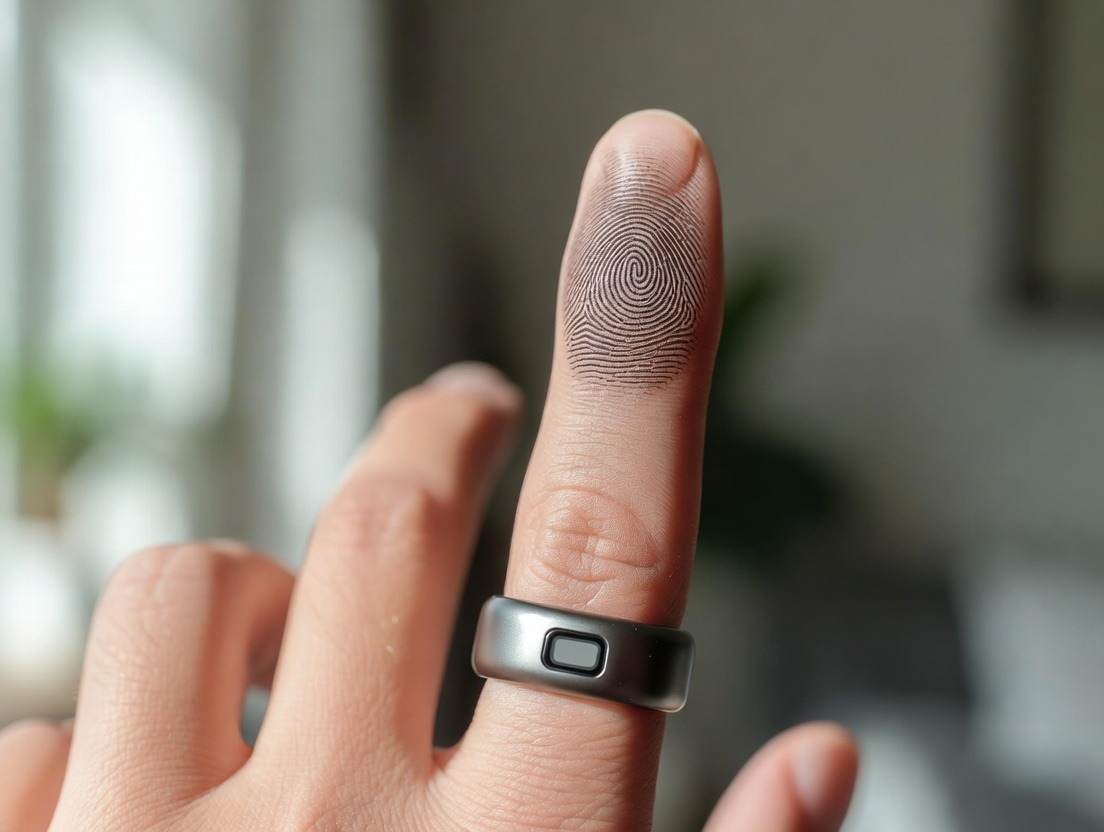
This is where your journey diverges from the masses. You are no longer practicing in the dark. A smart ring, worn continuously, provides a multilayered biometric dashboard that transforms cold exposure from a blind ritual into a precise biofeedback training session. Let’s decode the key metrics and what they tell you about your cold practice.

1. Heart Rate Variability (HRV): The Master Metric of Resilience

HRV is the subtle variation in time between your heartbeats. It is the single best non-invasive indicator of your autonomic nervous system (ANS) balance. A higher HRV generally indicates a stronger, more resilient ANS with good parasympathetic ("rest-and-digest") tone.

  • The Cold Exposure Signal: A deliberate cold exposure is a sympathetic (stress) challenge. How your body responds is written in your HRV data.
    • Positive Adaptation: You do a cold shower. Later that day or the next morning, your HRV remains stable or even increases. This signals that your body viewed the cold as a manageable, hormetic stressor and has adapted positively. You are building resilience.
    • Negative Stress: You do an overzealous ice bath. Your HRV plummets and stays low for 24-48 hours. This is a clear sign you’ve overdosed. The cold was a distress, not a eustress. Your ring is telling you to dial back the duration or temperature.
  • Actionable Insight: Use your morning HRV reading as a guide for your cold exposure "dose" that day. High HRV? You might push a bit longer. Low HRV? Stick to a shorter, maintenance-level exposure or even skip it. This is personalized training.

2. Sleep Architecture: The Ultimate Recovery Report

Cold exposure, especially in the evening, can disrupt sleep for some by raising core body temperature during the critical cooling phase needed for sleep onset. Morning exposure is generally safer, but its effects still ripple through your night.

  • What to Track: Look at your deep sleep and REM sleep percentages over time. A well-titrated cold practice should, after an initial adjustment period, support more consolidated, higher-quality sleep by lowering systemic inflammation and regulating circadian rhythms.
  • The Warning Sign: If you see a consistent drop in deep sleep or increased nighttime awakenings after starting cold exposure, you are likely doing too much, too late, or your body is struggling to recover. Your sleep data is non-negotiable feedback. For a broader look at tracking your wellbeing, see our guide on how to measure mental wellness progress over time.

3. Resting Heart Rate (RHR) & Heart Rate During Exposure

  • RHR Trend: Over weeks of consistent practice, you should see a gradual decrease in your resting heart rate, indicating improved cardiovascular efficiency and parasympathetic tone.
  • Live Heart Rate: Watching your heart rate graph during a session is a powerful biofeedback tool. The goal is to see the initial spike become smaller and your heart rate to settle to a lower, steadier plateau during the exposure. This visual proof of calm is incredibly motivating.

4. Body Temperature Trends

Some advanced rings estimate core temperature trends. Post-cold exposure, you might see a slight, healthy rise as your body works to rewarm and brown fat activates. Monitoring this can help you understand your personal thermogenic response.

The Feedback Loop in Action: Imagine this scenario: You do a 2-minute cold shower. Your ring shows a modest heart rate spike that quickly stabilizes. That night, you get a high sleep score with ample deep sleep. The next morning, your HRV is up 5 points. This is a perfect, quantifiable positive feedback loop. You have objective evidence that the practice is working for you. Conversely, if your sleep is wrecked and HRV drops, you adjust. This turns self-experimentation into a science.

Breath as a Bridge: Mastering the Physiological Sigh to Conquer the Shock

We’ve mentioned breath control as the critical skill. Now, let’s equip you with a specific, potent tool for the moment of impact: The Physiological Sigh. Popularized by Dr. Andrew Huberman, this is not a generic deep breath but a neurophysiologically optimized pattern that is arguably the fastest way to de-stress and regain calm.

What is the Physiological Sigh?

It’s a double-inhalation followed by a long, slow exhalation.

  1. First, take a medium-depth inhale through your nose.
  2. Without exhaling, take a second, shorter “sip” of air on top of the first, fully filling your lungs.
  3. Exhale slowly and completely through your mouth, making a soft “whoosh” sound if it helps.

This pattern is powerful because it mimics the natural sighs your body uses to reinflate tiny lung sacs (alveoli) that collapse during stress, improving oxygen-CO2 exchange and rapidly resetting respiratory chemistry to calm the brain.

Applying It to Cold Exposure

  • Before: As you approach the cold water, take 2-3 physiological sighs to pre-load a state of calm. You are proactively down-regulating your nervous system.
  • During (The Critical Moment): The instant the cold hits, you will gasp. Immediately after that involuntary gasp, initiate a deliberate physiological sigh. Inhale, sip, lonnnng exhale. This acts as a circuit breaker for the panic cascade. It tells your brainstem, "We are managing this. We are breathing through it."
  • Throughout: Use the sigh as your anchor. When your mind races or the discomfort peaks, return to the pattern: double-inhale, long exhale.

This technique turns the cold from a passive stressor you endure into an active biofeedback session you control. You are not just taking a cold shower; you are practicing deliberate nervous system regulation in a high-intensity environment. The skills you build here translate directly to managing stress during a work crisis, a difficult conversation, or moments of anxiety. It’s a portable superpower. For more techniques designed for acute moments, our resource on immediate stress relief techniques that work in under 5 minutes offers additional tools.

The Ring's Validation: Practice this for a week. Compare your live heart rate graphs from sessions where you gasped and panicked to sessions where you used the physiological sigh. The difference will be stark. The sigh session will show a quicker heart rate recovery and lower overall cardiovascular load. This is the ultimate proof: your chosen behavior (breath) directly alters your physiological outcome (heart rate), and you can see it in real-time.

Beyond the Shiver: The Measured Mental & Emotional Benefits

While the physical benefits of brown fat and reduced inflammation are compelling, for many, the most transformative effects of a consistent cold practice are psychological. This is where the data from your ring intersects with a profound shift in subjective experience. The cold becomes a daily classroom for building mental fortitude.

1. The Discipline Dividend

Showing up to face deliberate discomfort first thing in the morning is a keystone habit. It sets a tone of victory and self-mastery for the entire day. The simple act of choosing the hard thing builds willpower muscle. Your ring tracks this consistency, creating a streak you won’t want to break. This cultivated discipline spills over into other areas—diet, work, relationships. You prove to yourself, daily, that you can do hard things.

2. Stress Inoculation & Emotional Resilience

Cold exposure is a controlled, acute stressor. By repeatedly facing it and practicing calm within it, you are essentially "vaccinating" your nervous system against everyday stressors. You teach your amygdala (the brain's fear center) that intense physical sensations do not equal existential threat. The stressful email, the traffic jam, the interpersonal conflict—these become less potent because you’ve built a broader "window of tolerance" through cold practice. You are directly engaging in building mental wellness resilience for future challenges.

3. The Dopaminergic Lift

As cited in the science, the sustained elevation in dopamine provides a natural, healthy mood and motivation boost. This isn't about hedonistic pleasure; it’s about drive and focus. Many practitioners report the "friction" of starting tasks diminishes after cold exposure. The ring can’t measure dopamine directly, but it can correlate your practice with subjective mood logs (available in many apps) and objective metrics like reduced resting heart rate and improved sleep, which are hallmarks of a healthier, more balanced neurochemical state.

4. Mindfulness & Present-Moment Awareness

It is impossible to be lost in anxious rumination about yesterday or tomorrow when you are standing under a stream of ice-cold water. The cold forces you into the present moment with unparalleled intensity. This is mindfulness under pressure. Each session is a meditation on sensation and breath, training your mind to focus on the here and now—a skill that pays dividends long after you’ve warmed up.

5. Breaking the Cycle of Chronic Stress

For those stuck in a state of chronic, low-grade stress, the body can become locked in a maladaptive loop. The acute, episodic stress of cold exposure, followed by a powerful relaxation response, can help break this cycle. It teaches the body the clear difference between a stress event and a stress state. The ring’s HRV metric is crucial here, showing you the clear spike and recovery pattern, visually reinforcing that stress can be finite and followed by deep recovery. This concept is vital for anyone looking to understand the physiology of stress relief techniques that reshape the nervous system.

The Ring as a Witness: While the inner experience is subjective, the ring captures its physiological footprint. That feeling of "calm alertness" after a session? It’s reflected in an optimal HRV and a lower resting heart rate. The improved focus? It correlates with better sleep the night before, which your ring tracked. The practice builds the mental muscle; the ring measures the body’s harmonious response to that newfound strength.

Your Personal Cold Prescription: Finding Your Ideal “Dose” with Data

There is no universal "right" answer for cold exposure. The optimal dose is a dynamic interplay between three factors: Duration, Temperature, and Frequency. Finding your personal prescription is the art and science of the practice, and your smart ring is the essential lab instrument. Let's break down how to experiment intelligently with each variable.

1. Duration: Start in Seconds, Not Minutes

The biggest beginner mistake is heroically enduring a 5-minute plunge because a podcast host said to. This often leads to a negative experience and abandonment.

  • Week 1-2: Aim for 30-60 seconds of tolerable cold at the end of your shower. Success = calm breathing for the duration.
  • Week 3-4: Gradually extend to 90 seconds to 2 minutes.
  • The Research Benchmark: Studies by experts like Dr. Søberg suggest that 11 minutes total per week, spread across sessions, is sufficient for major benefits. That could be 3 sessions of ~3.5 minutes, or 7 sessions of ~1.5 minutes.
  • Ring-Guided Rule: Let your morning HRV and sleep score dictate your daily duration. Low recovery? Do a maintenance 60 seconds. High recovery? Experiment with pushing toward 3 minutes.

2. Temperature: Cool, Cold, or Ice?

  • Cool (~60-70°F / 15-21°C): A great, gentle starting point. Tap water in many regions is in this range for much of the year. It provides a stimulus without extreme shock.
  • Cold (~50-59°F / 10-15°C): The "sweet spot" for most adapted practitioners. This usually requires adding some ice to tap water or having a colder climate.
  • Ice Cold (<50°F / <10°C): Advanced territory. Requires significant ice and poses greater risks (afterdrop, frostnip). Not recommended until you are fully adapted and monitoring closely with data.
  • Beginner Path: Start with whatever your tap provides. Only consider adding ice once you can comfortably handle 2-3 minutes of straight cold tap water.

3. Frequency: Daily vs. Non-Daily

  • Daily: Many find a daily morning ritual builds consistency and integrates seamlessly into a routine. The key is to vary the intensity based on recovery data.
  • Non-Daily (3-4x/week): This can be equally effective, especially if sessions are slightly longer. It may be more sustainable for those with fluctuating schedules or lower stress tolerance.
  • The Adaptation Principle: Consistency matters more than heroic, sporadic sessions. 5 minutes a week, spread out, is better than 10 minutes once every two weeks.

Creating Your Data-Driven Protocol

  1. Establish a Baseline: For one week, do a consistent, gentle exposure (e.g., 60-second cold shower finale) at the same time each morning. Record your subjective feeling and note your average HRV, Sleep Score, and RHR for that week.
  2. Introduce One Variable: In week two, change only one thing. For example, increase duration to 90 seconds, keeping temperature and frequency the same.
  3. Analyze the Data: Did your average HRV go up, stay stable, or go down? Did your sleep improve or suffer? Did your RHR trend downward?
  4. Iterate: Based on the data, decide your next move. If metrics improved, you might hold at 90 seconds or try 2 minutes the next week. If metrics declined, return to 60 seconds or even reduce to 45 seconds.

This methodical, self-experimentation approach, guided by biometrics, ensures you are always working with your body, not against it. It turns cold exposure into a personalized wellness optimization protocol. This same principle of listening to your body's signals is crucial when navigating other life stressors, such as understanding the connection between mental wellness and chronic pain.

The Warm-Up & Warm-Down: Essential Rituals for Safety and Integration

The cold exposure event itself is just the peak of the pyramid. What you do before and after is foundational to safety, effectiveness, and long-term sustainability. Neglecting these phases can turn a beneficial practice into a harmful one, leading to excessive stress, injury, or a miserable experience that you won’t want to repeat.

The Pre-Cold Warm-Up (Preparation, Not Sweating)

The goal is not to heat your core, but to ensure you are mobile, alert, and have good circulation.

  • Dynamic Movement (3-5 minutes): Gentle movements that increase blood flow without causing sweat. Think:
    • Arm circles and shoulder rolls
    • Torso twists
    • Leg swings (forward/back and side-to-side)
    • Cat-Cow stretches
    • A few bodyweight squats or lunges
  • Mental Rehearsal & Breath: Take 60 seconds to set your intention. Visualize stepping into the cold calmly, using your physiological sigh, and staying present. Take a few of those deep double-inhale breaths to prime your nervous system for calm.
  • Hydration: Sip a glass of water. Starting dehydrated makes thermoregulation harder.

The Critical Post-Cold Warm-Down (Managing the Afterdrop)

When you exit the cold, blood that was shunted to your core begins to flow back to your cold extremities. This can mix cold blood with your warm core, causing a sometimes dramatic secondary drop in core temperature called "afterdrop." You may feel a deep, shivering chill minutes after you thought you were done. Managing this is key for safety and comfort.

  1. Gentle Drying & Insulation: Pat yourself dry gently—don’t rub aggressively. Immediately put on warm, dry clothes, focusing on your core (a warm hoodie) and extremities (socks, slippers).
  2. Controlled Movement (The Most Important Step): Do NOT sit still and shiver. Engage in gentle, continuous movement for 5-10 minutes. March in place, do more air squats, gentle yoga flows like Sun Salutations. The goal is to generate heat internally through muscle activity, not by jumping into a scalding hot shower (which can cause dizziness or fainting).
  3. Natural Rewarming: Allow your body to come back to temperature gradually. You may drink a warm (not hot) beverage. The shivering will subside as your body completes its rewarming cycle. This process itself is metabolic exercise.
  4. Contrast Therapy (Advanced): Once fully adapted, some practitioners follow cold with brief warmth (a warm shower for 1-2 minutes) to enhance circulation. This is an advanced technique and can amplify the afterdrop if not done carefully. Not recommended for beginners.

The Ring's Safety Monitor: After your session, keep an eye on your live heart rate. It should gradually descend to your normal resting rate. If it remains elevated for an unusually long time, it could be a sign of excessive stress. Furthermore, if you feel unusually fatigued or "wired" hours later, check your heart rate variability trend. A significant, prolonged dip is a sign to ease off in your next session. This attentive recovery is as important as the exposure itself, mirroring the holistic approach needed for long-term strategies like a 10-year mental wellness investment plan.
Troubleshooting Your Practice: Ring Data Insights for Common Challenges

Even with the best intentions, you’ll hit plateaus or encounter puzzling responses. Your biometric data is the diagnostic tool to solve these mysteries. Here’s how to interpret common signals and adjust your practice.

Challenge 1: "I'm Not Seeing Any Improvement in My Metrics (HRV, RHR, Sleep)."

  • Possible Cause: Insufficient Stimulus. Your current dose may be too mild to trigger an adaptive response. You’ve become habituated.
  • Data-Driven Fix: Gradually increase one variable. Try adding 30 seconds to your duration, or slightly lowering the temperature by adding a cup of ice to your shower bucket. Monitor the response over 3-4 days.

Challenge 2: "My Sleep is Worse and My HRV is Crashing After I Start."

  • Possible Cause: Overtraining / Excessive Dose. You’re doing too much, too intensely, or too late in the day. The cold is becoming a chronic distress signal.
  • Data-Driven Fix: Dial back significantly. Cut your duration by 50% or more. Switch to cool water instead of cold. Ensure you are only doing it in the morning. Focus on your warm-down ritual. Give your body a few days to recover, indicated by HRV returning to baseline, before gently reintroducing a much milder stimulus.

Challenge 3: "I Feel Wired and Anxious for Hours After, Not Calm."

  • Possible Cause: Sympathetic Overdrive. Your nervous system is getting "stuck" in the fight-or-flight response, possibly due to poor breath control during the exposure or an underlying high-stress state.
  • Data-Driven Fix: Re-prioritize breath work. Go back to Method 1 (Face Dunk) and practice the physiological sigh until it’s automatic. Check your ring’s stress score during the day. If you’re already chronically stressed, cold exposure might be additive. Consider pairing it with other parasympathetic-activating practices first, like the 4-7-8 breathing technique for instant parasympathetic activation.

Challenge 4: "I'm Shivering Uncontrollably During/After. It's Unpleasant."

  • Possible Cause: Exceeding Your Current Tolerance. Shivering is a last-ditch effort to generate heat. It means you’ve pushed past your comfortable edge.
  • Data-Driven Fix: Shorten the exposure. Your goal is to stay just before the point of violent shivering. End the session on a note of control, not surrender. Over time, this threshold will extend.

Challenge 5: "My Motivation is Flagging. I Dread Doing It."

  • Possible Cause: Lack of Positive Reinforcement / Burnout. You’ve turned it into a grim chore.
  • Data-Driven Fix: Use your ring's positive feedback. Look at your progress graphs. Celebrate a new high HRV reading or a streak of great sleep. Scale back to a "minimum enjoyable dose" that you know you can do without dread—maybe just 30 seconds. The consistency of a pleasant, short practice is far better than the burnout of a brutal, unsustainable one. Connect it to the larger purpose of creating mental wellness goals that are achievable.

The Golden Rule of Troubleshooting: Change only one variable at a time and observe the data for at least 3-4 days before making another change. This isolates cause and effect, turning your practice into a true n-of-1 scientific study. Your ring provides the objective results, removing guesswork and emotion from the process.

Advanced Protocols: When to Level Up and How Your Ring Guides You

After several weeks of consistent, measured practice, you will no longer be a beginner. The initial shock will have mellowed into a familiar, if still intense, sensation. Your ring data will show a new, higher baseline of resilience. This is the point where you can consciously choose to explore advanced protocols to deepen the adaptive response. However, "advanced" does not mean "reckless." It means more precise, more strategic, and even more tightly coupled with your biometric feedback.

Protocol 1: The Søberg Principle – End with Cold

Popularized by Dr. Susanna Søberg, this protocol is based on her research into brown fat activation and metabolic health. The core tenet is simple: Always finish your cold exposure by getting warm naturally (through movement, not an external heat source like a hot shower). This allows your body to complete the thermogenic process, fully engaging brown fat to rewarm you. For the ring wearer, this means observing the post-cold temperature and heart rate recovery as a metric of metabolic efficiency.

  • How to Implement: After your cold shower or plunge, follow the warm-down ritual of gentle movement and natural rewarming. Avoid a hot shower for at least an hour if possible. Notice if your body temperature trend (if your ring estimates it) shows a healthy, gradual rise afterward.
  • Ring Metric to Watch: Look for a correlation between this practice and improvements in your resting metabolic rate indicators (like a slightly elevated daytime heart rate variability and stable energy levels).

Protocol 2: Contrast Therapy (Heat -> Cold)

This involves alternating between heat and cold exposure. The theory is that the rapid vasodilation (from heat) and vasoconstriction (from cold) create a powerful "pumping" effect in the circulatory system, potentially enhancing recovery, reducing inflammation, and improving vascular function.

  • Beginner Contrast Protocol: 3 minutes warm/hot shower, followed by 1 minute cold shower. Repeat for 2-3 cycles, always ending on cold (following the Søberg Principle).
  • Safety First: This is taxing on the cardiovascular system. Never start with heat if you have low blood pressure. Always monitor for dizziness.
  • Ring's Critical Role: This is where HRV is non-negotiable. Perform contrast therapy on a high-recovery day only. The next morning, your HRV should be stable or higher. If it plummets, your body isn't ready for this intensity, or you did too many cycles. Your ring prevents you from overstressing your system with an advanced technique.

Protocol 3: Intentional Breath Holds (Only After Mastery of Calm Breathing)

WARNING: This involves risk and should NOT be attempted in water alone or without proper education on dry land first. Once you can remain perfectly calm in the cold for several minutes, you can experiment with gentle breath holds.

  • Purpose: To further stimulate the mammalian dive reflex, which can dramatically lower heart rate and induce profound calm.
  • Safe Practice (Dry First): While seated calmly, take a few gentle breaths, then exhale normally and hold your breath with empty lungs for 15-20 seconds. Notice your heart rate (on your ring) drop. Practice this for weeks before incorporating it into cold exposure.
  • In the Cold: Only after mastery on dry land, and only for the final 15-20 seconds of a very controlled cold session. Exhale, hold (empty lungs), and focus on calm. Exit immediately after.
  • The Ring as Safety Monitor: Your live heart rate graph will show a dramatic dip during the hold. This is the desired effect. However, if you see any irregular rhythms or feel lightheaded, stop immediately. This is an advanced biofeedback skill, not a party trick.

Protocol 4: The Fasted Morning Plunge

Performing your cold exposure in a fasted state (before breakfast) may amplify some metabolic benefits, as insulin levels are low, potentially making energy mobilization from fat stores more efficient.

  • Consideration: This can feel more intense. Listen to your body. If you feel weak or overly stressed, have a small bite of food first.
  • Ring Data Insight: Compare your biometric response (HRV, stress levels throughout the day) from fasted vs. non-fasted sessions. The data will tell you which protocol works better for your unique physiology.

The Cardinal Rule of Advancement: Your readiness for any advanced protocol is not determined by your willpower or time served. It is determined by your recovery metrics. A green-light morning with high HRV and a great sleep score is your permission slip to experiment. A red-light morning demands a return to your gentle, foundational practice. This disciplined, data-led approach ensures advancement is always synonymous with positive adaptation.

Synergy in Practice: Combining Cold with Breath, Heat, and Movement

Cold exposure rarely exists in a vacuum. When combined intentionally with other wellness modalities, it can create a synergistic effect greater than the sum of its parts. Your smart ring becomes the integration dashboard, showing you how these combinations impact your holistic physiological state.

The Ultimate Pairing: Cold Exposure and Breathwork

We’ve established breath as the control mechanism during cold. But structured breathwork before and after can frame the experience for maximum benefit.

  • Pre-Cold: Wim Hof Method (WHM) Breathing: This cyclical hyperventilation-style breathwork (typically 30-40 powerful breaths followed by a breath hold) floods the body with oxygen, alkalizes the blood, and can induce a state of focused alertness. Doing 3 rounds of WHM breathing before a cold exposure can reduce the perceived intensity and increase pain tolerance. Ring Insight: Observe your SpO2 and heart rate during the breathwork. The hold can cause a significant dip in heart rate. Entering the cold from this pre-loaded, calm-alert state changes the entire experience.
  • Post-Cold: Parasympathetic Breathing: After you’ve warmed down, spend 5 minutes in a quiet box breathing (4-in, 4-hold, 4-out, 4-hold) or 4-7-8 breathing pattern. This solidifies the shift from sympathetic stress to parasympathetic recovery, locking in the calm. Your ring will show your heart rate descending to a new, lower baseline.

The Thermal Wave: Cold and Heat (Sauna & Contrast)

The practice of alternating between extreme heat and cold is a cornerstone of many wellness traditions. The synergy lies in the hormetic stress of both extremes, training your vascular system and thermoregulatory capacity.

  • The Protocol: A common sequence is 15-20 minutes in a sauna (175-195°F), followed by a 2-3 minute cold plunge or shower. This can be repeated 2-3 times. Always consult a doctor before starting, especially if you have cardiovascular concerns.
  • Biomechanical Benefits: Heat induces vasodilation (blood vessels widen), lowering blood pressure and increasing heart rate. Cold induces vasoconstriction (vessels narrow), raising blood pressure and initially spiking then potentially lowering heart rate. This "vascular gymnastics" is a powerful workout for your endothelial health.
  • Ring as Your Guide: This is an intense protocol. Your ring’s recovery metrics are essential. Only attempt on high-recovery days. Monitor your heart rate during the sauna (it will be elevated) and watch the speed of recovery in the cold plunge. The ultimate test is your nocturnal HRV and sleep depth. If they suffer, you need to reduce the number of rounds or the temperature extremes. For more on the science of using heat and cold for stress, explore how cold water therapy provides rapid stress relief.

Movement Integration: Cold Before or After Exercise?

This is a hotly debated topic with different goals.

  • Cold BEFORE Exercise: A very brief, mild cold exposure (like a 60-second cool shower) can be activating. However, intense cold before strength or power training can blunt muscle performance and increase injury risk by numbing sensation and reducing neural drive. Ring Insight: If you choose to do this, note your subjective energy and performance in your workout log and correlate it with your ring’s activity readiness score.
  • Cold AFTER Exercise: This is the classic for recovery. It reduces inflammation and perceived muscle soreness (DOMS). However, for those seeking muscle growth (hypertrophy), some research suggests it may blunt the anabolic signaling from exercise by reducing inflammation too aggressively. The Goal Dictates the Protocol.
    • Goal: Pure Recovery/Anti-inflammation: Cold plunge within 20-60 minutes post-exercise.
    • Goal: Muscle Growth: Delay cold exposure by at least 3-4 hours post-strength training, or skip it on heavy lifting days.
  • Ring's Recovery Analysis: This is where long-term data is king. Track your HRV and sleep quality on days you use post-workout cold vs. days you don’t. Do you recover faster? Is your baseline HRV trending up over months? Your personal data will tell you what works for your body and your specific fitness goals, much like finding the right balance is key in managing stress relief techniques for chronic stress sufferers.

The Long Game: Tracking Adaptation and Avoiding Plateaus Over Months

The initial weeks of cold exposure are marked by rapid, noticeable gains—both in subjective toughness and objective ring data. But what happens after month three? Or year one? Like any training modality, you can hit plateaus. The long game is about intelligent periodization, using your ring to track macro-trends and knowing when to push, when to hold, and when to deload.

Recognizing the Signs of Adaptation (The New Normal)

  • Physiological: The cold feels less shocking. Your initial gasp is minimal. You can achieve calm breathing within 10 seconds. Shivering is rare.
  • Ring Data: Your resting heart rate has found a new, lower set point. Your baseline HRV is consistently higher than your pre-cold practice average. Your sleep scores are stable and high. Exposure sessions show a smaller heart rate spike and quicker recovery.

Identifying a Plateau

A plateau isn't just a lack of improvement; it can be a stagnation of benefits. You’re doing the same 3-minute shower, but:

  • Your HRV and RHR are no longer trending positively.
  • The mental "edge" and mood lift have diminished.
  • It feels purely routine, without a sense of challenge or accomplishment.

Strategies to Break Through (Guided by Data)

  1. Change the Stimulus (Progressive Overload): Your body has adapted to the current dose. To elicit a new adaptive response, you must change a variable.
    • Increase Duration: Add 30 seconds to 1 minute to your sessions for a week.
    • Decrease Temperature: Add more ice to reach a colder temperature. Do this cautiously.
    • Change Modality: If you’ve only done showers, try a full immersion bath. The different physics of immersion (full body vs. spray) provides a novel stimulus.
  2. Introduce Deload Weeks: This is a critical concept from athletic training. Every 4-8 weeks, deliberately scale back your practice for a week. Do only 60-second sessions, or skip 2-3 days entirely. This allows for supercompensation—your body consolidates the gains from the previous weeks of stress. Your ring’s HRV will often soar during a deload week, confirming the recovery and adaptation.
  3. Cycle Your Practice: Consider seasonal cycling. Go deeper and longer in the fall and winter (mimicking natural environmental stress). In the spring and summer, maintain a lighter, maintenance-level practice. Let your ring guide the transition.

The Macro-View: Quarterly and Yearly Reviews

Every three months, step back and look at your trend lines in your ring’s app.

  • Is your 90-day average HRV higher than the previous quarter?
  • Is your sleep consistency improving?
  • Has your stress score trended downward during work hours?

This long-view tracking shifts the focus from daily fluctuations to meaningful, long-term progress. It proves that the practice is creating durable change, not just acute effects. This mirrors the perspective needed for lasting wellness, akin to making a 10-year mental wellness investment where compounding benefits are realized over time.

Beyond the Self: The Social and Communal Dimensions of Cold Exposure

Humans are social creatures, and challenging practices are often more sustainable and meaningful when shared. While your ring tracks your individual biology, the motivation, accountability, and shared experience of a community provide a different kind of fuel. The rise of "cold plunge clubs," online communities, and group challenges speaks to this powerful dimension.

The Accountability Factor

Committing to meet a friend for a morning cold plunge or posting your daily session in a dedicated group creates external accountability. On days when your motivation is low, this social contract can get you to the water’s edge. Once you’re there, the practice itself takes over.

Shared Experience and Normalization

Doing something extreme in isolation can make you question your sanity. Doing it with others normalizes the discomfort. The shared gasps, the collective deep breathing, and the post-session "afterglow" conversations create bonds and reinforce the behavior. It transforms the practice from a solitary biohack into a shared ritual.

Safety in Numbers

Especially for open water swimming or advanced immersion, having a buddy is a non-negotiable safety rule. They can spot signs of trouble (excessive lip blueness, confusion, distress) that you might not notice in yourself.

The Ring in a Social Context

In a group setting, your ring provides a personal narrative within the shared story.

  • Friendly Comparison (Not Competition): Sharing anonymized data trends with a trusted partner can be insightful. "Your HRV recovery after the plunge is faster than mine, maybe I need to work on my breath more." This becomes collaborative learning.
  • Group Challenges with Data: A 30-day group challenge becomes more profound when participants share not just completion checkmarks, but improvements in their sleep scores or resting heart rate trends. It moves the goal from enduring suffering to achieving measurable wellness gains.

Finding your "cold tribe" can be as simple as convincing a partner to try it, joining a local wellness group, or participating in an online forum. This social support is a profound pillar of wellbeing, echoing the importance of the community factor in mental wellness and finding your tribe. The shared vulnerability of facing the cold builds a unique camaraderie.

Contraindications & When to Press Pause: A Data-Informed Safety Manual

Cold exposure is a powerful stressor, and like any powerful tool, it is not for everyone at every time. Ignoring contraindications can lead to serious health risks. Your smart ring can be an early warning system for some issues, but medical history and acute conditions must always take precedence. This is not medical advice, but a guide to informed caution.

Absolute Contraindications (Do Not Do Cold Exposure)

  • Uncontrolled Hypertension: The cold-induced vasoconstriction can cause a dangerous spike in blood pressure.
  • Cardiovascular Disease (History of heart attack, stroke, arrhythmia): The acute cardiovascular stress can trigger an adverse event. Consult a cardiologist.
  • Raynaud’s Phenomenon (Severe): Extreme vasoconstriction can risk tissue damage in extremities.
  • Cold Urticaria: An allergic reaction to cold that causes hives and swelling.
  • Respiratory Conditions: The cold shock can trigger bronchospasms in those with asthma or COPD.

Relative Contraindications (Proceed with Extreme Caution & Medical Consultation)

  • Controlled Hypertension: May be possible with very gentle, brief exposure and close monitoring. Consult your doctor.
  • Type 1 Diabetes: Cold can affect insulin sensitivity and mask signs of hypoglycemia. Must be managed with extreme care and frequent glucose monitoring.
  • Pregnancy: The physiological changes during pregnancy, including altered blood volume and blood pressure, make cold exposure a risky proposition. The potential for slips and falls also increases. Not recommended without explicit approval from an OB/GYN.
  • Peripheral Neuropathy: Reduced sensation can lead to frostnip or frostbite without warning.

When to Press Pause Based on YOUR Data (The Ring's Red Flags)

Even if you have no medical contraindications, your ring provides daily signals that cold exposure may be harmful that day.

  • Illness/Fever: If your ring shows an elevated resting heart rate and temperature trend indicating a fever, skip the cold. Adding stress to an immune system already fighting an infection is counterproductive.
  • Severe Sleep Deprivation: A sleep score below your personal threshold (e.g., < 70) indicates your body is in a deficit. A cold plunge becomes a distressor, not a eustressor.
  • Chronically Low HRV: If your HRV has been stuck in the "low" zone for over a week despite good sleep, it suggests your nervous system is already overwhelmed. Adding more stress is like kicking a system when it's down. Focus on rest, nutrition, and gentle parasympathetic activation instead.
  • High Chronic Stress Score: If your ring's stress metric is consistently high throughout the day, you may be in a state of sympathetic overdrive. Introducing another sympathetic stimulus (cold) could push you over the edge into burnout. Address the underlying stressors first.

Listening to these signals is a sign of intelligence, not weakness. It demonstrates that you respect the practice as a potent tool that must be wielded with wisdom. This principle of listening to your body's cues is fundamental across all wellness practices, whether managing mental wellness and hormonal changes or navigating periods of grief.

The Mindset Metamorphosis: How Cold Reshapes Your Relationship with Discomfort

Beyond the dopamine and the brown fat lies perhaps the most valuable benefit of all: a fundamental rewiring of your relationship with discomfort. This mental shift, cultivated in the cold waters of your shower, begins to permeate every corner of your life. Your smart ring can't measure philosophy, but it can measure the physiological calm that results from it.

Discomfort as a Signal, Not a Stop Sign

In modern life, we are conditioned to seek immediate relief from any unpleasant sensation. Cold exposure trains you to interrogate discomfort. When the shock hits, you learn to ask: "Is this sensation actually dangerous, or is it just intensely novel and uncomfortable?" By repeatedly observing that the intense sensation does not lead to harm, you build a cognitive buffer. The discomfort of a difficult conversation, a taxing work project, or social anxiety begins to feel similar—intense, but navigable. You've built evidence in your nervous system that you can handle hard things.

The Confidence of Preparedness

Knowing you can willingly step into a physiological storm each morning creates a deep-seated confidence. It's the confidence that comes from self-reliance. You don't need external conditions to be perfect to feel capable. You carry an inner fortitude built in the cold. This can directly impact your professional life, aligning with the deep connection between work mental wellness and career satisfaction.

Emotional Agility and the "Afterglow"

The post-cold state—the clear-headed, calm, yet energized "afterglow"—is a neurochemical reality. By consistently generating this state, you teach your brain a new default setting. It becomes a reference point for how you can feel. On a stressful day, you can recall that sensation and use breathwork to approximate it. The cold practice becomes a lived example of emotional regulation, showing you that states are transient and can be actively influenced.

The Ring as a Witness to Resilience

While the mindset shift is internal, its fruits are external and measurable. That difficult project that would have spiked your stress score for days now only causes a moderate, brief elevation. The confrontation you navigated calmly is reflected in a stable heart rate graph during the event. Your sleep remains solid during times of life stress because your nervous system is more resilient. The ring doesn't create the mindset, but it objectively confirms that the mindset training is working on a biological level. It validates the internal work with external data.

This metamorphosis is the ultimate goal. The cold is merely the teacher. The lesson is that within you lies a capacity for calm and focus amidst life's inevitable storms. You are not avoiding discomfort; you are building a ship sturdy enough to sail through it.

The Future of Frost: Emerging Tech and the Next Frontier of Bio-Optimization

The fusion of cold exposure and biometric tracking is just the beginning. As sensor technology, machine learning, and personalized health analytics advance at a breakneck pace, the future of this practice looks increasingly precise, adaptive, and integrated. Your current smart ring is the prototype for what will become a fully AI-powered wellness coach.

Predictive Analytics & Adaptive Dosing

Future devices and apps will move beyond reporting what happened to predicting what you need.

  • Algorithmic Prescriptions: Based on your historical data (sleep, HRV, activity, menstrual cycle, etc.), your app could push a notification: "Your recovery score is 85 today. For optimal adaptive stress, your cold prescription is 2 minutes at 55°F. Focus on exhale length."
  • Real-Time Biofeedback During Exposure: Imagine earbuds or glasses that give you auditory or visual cues based on your live heart rate and heart rate variability during the plunge. "Your HRV is dropping. Initiate a physiological sigh now." This turns every session into a masterclass in nervous system control.

Multi-Modal Sensor Fusion

Future wearables won't rely on a single sensor.

  • Continuous Core Temperature: Non-invasive, accurate core temp monitoring would revolutionize cold exposure safety and precision, eliminating guesswork about afterdrop.
  • Galvanic Skin Response (GSR): Measuring sweat response (even in the cold) to better quantify sympathetic nervous system arousal.
  • Blood Glucose Integration: For those with metabolic goals, seeing real-time glucose response to cold could unlock powerful insights into metabolic flexibility.

The Virtual Cold Coach & Community

  • AR/VR Immersion: Guided cold exposure sessions in virtual environments, with a coach's avatar guiding your breath while your biometrics are displayed in your field of view.
  • Global Data Aggregation: Anonymous, aggregated data from millions of cold practitioners could answer questions we can only guess at today: "What is the ideal temperature/duration curve for maximizing brown fat activation in females aged 40-50?" Your personal data contributes to and benefits from this collective knowledge.

Ethical Considerations & The Human Element

With great data comes great responsibility. The future must balance optimization with intuition. The goal of all this technology should be to eventually make you less dependent on it—to internalize the lessons so profoundly that you become your own best coach. The data should enhance human experience, not replace the raw, personal victory of facing a challenge and overcoming it.

The journey you've started with a simple cold shower and a ring is a step into this future. You are already a pioneer in biohacking, using available technology to write your own owner's manual. As the tools get better, your self-knowledge will deepen exponentially. The frontier is not just colder water, but a deeper understanding of the incredible, adaptable human that chooses to get into it.

Citations:

Your Trusted Sleep Advocate: Sleep Foundation — https://www.sleepfoundation.org

Discover a digital archive of scholarly articles: NIH — https://www.ncbi.nlm.nih.gov/

39 million citations for biomedical literature :PubMed — https://pubmed.ncbi.nlm.nih.gov/

Experts at Harvard Health Publishing covering a variety of health topics — https://www.health.harvard.edu/blog/  

Every life deserves world class care :Cleveland Clinic - https://my.clevelandclinic.org/health

Wearable technology and the future of predictive health monitoring :MIT Technology Review — https://www.technologyreview.com/

Dedicated to the well-being of all people and guided by science :World Health Organization — https://www.who.int/news-room/

Psychological science and knowledge to benefit society and improve lives. :APA — https://www.apa.org/monitor/

Cutting-edge insights on human longevity and peak performance:

 Lifespan Research — https://www.lifespan.io/

Global authority on exercise physiology, sports performance, and human recovery:

 American College of Sports Medicine — https://www.acsm.org/

Neuroscience-driven guidance for better focus, sleep, and mental clarity:

 Stanford Human Performance Lab — https://humanperformance.stanford.edu/

Evidence-based psychology and mind–body wellness resources:

 Mayo Clinic — https://www.mayoclinic.org/healthy-lifestyle/

Data-backed research on emotional wellbeing, stress biology, and resilience:

 American Institute of Stress — https://www.stress.org/
