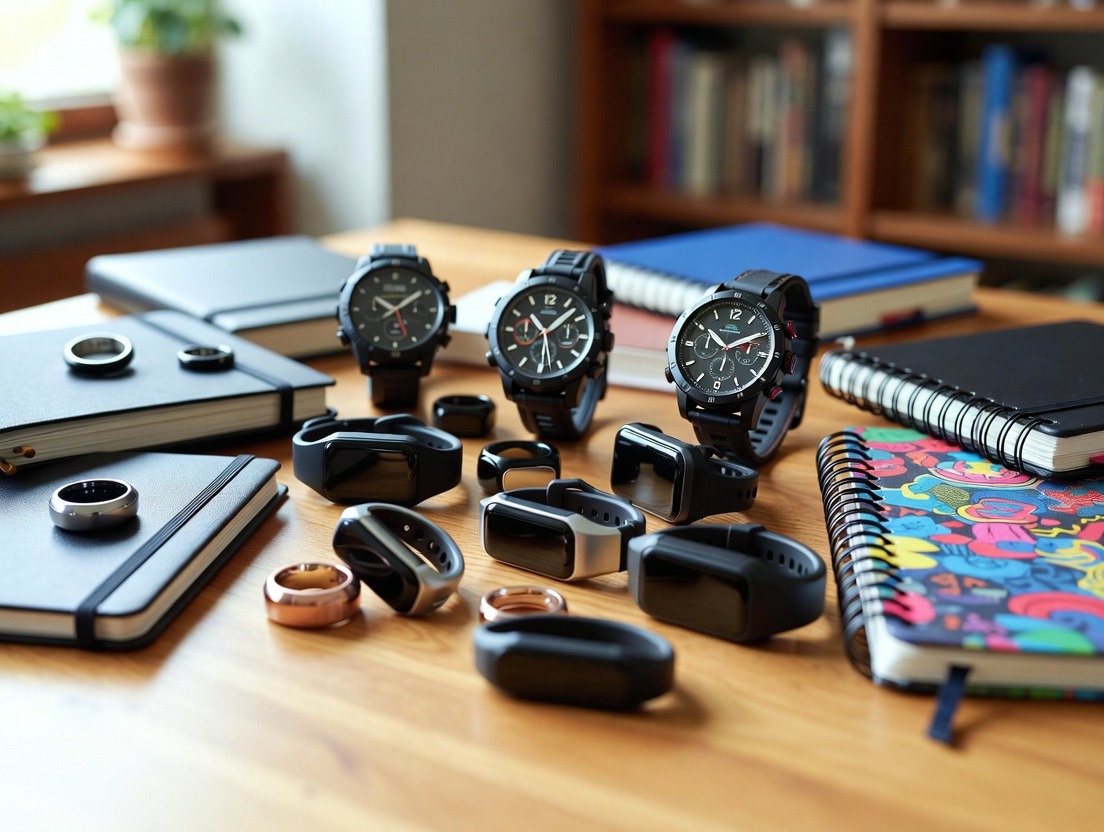
The Beginner-Friendly Guide to Nutrition Timing: Using Your Wellness Ring as Guide
A beginner's guide to timing your meals based on insights from your wellness ring's data.
The Beginner-Friendly Guide to Nutrition Timing: Using Your Wellness Ring as Guide
You wake up, check your phone, and there it is—a notification from your smart ring. Your sleep score is an 82, your resting heart rate is a little elevated, and your readiness metric suggests you might need to take it easy today. This data, once the domain of elite athletes, is now at your fingertips. But what do you do with it? How do you translate these glowing metrics and gentle nudges into tangible action that fuels your body, sharpens your mind, and powers your day?
Welcome to the modern frontier of personalized health. We’ve moved far beyond the era of generic, one-size-fits-all nutrition advice. "Eat six small meals a day." "Don't eat after 7 PM." "Carbs are the enemy." These blanket statements ignore the most critical variable in the equation: you. Your unique physiology, your daily rhythms, your stress levels, and your sleep quality all dictate how your body processes food. This is where nutrition timing—the strategic scheduling of what you eat and when—transforms from a complex athletic concept into an accessible, personalized practice for everyone. And your wearable wellness ring is the key to unlocking it.
Think of your body not as a simple machine, but as a symphony of intricate, time-sensitive processes. Your circadian rhythm, the internal 24-hour clock that governs everything from hormone release to cell repair, dictates when you’re primed for digestion, energy storage, and muscle building. Ignoring this rhythm is like trying to swim against a powerful current; you’ll expend enormous energy but make little progress. Aligning with it, however, turns that current into a powerful tailwind, propelling you toward your goals with less effort and more efficiency.
This guide is your map to that alignment. We’re not going to hand you a rigid meal plan. Instead, we’re going to teach you how to listen to your body’s signals—as quantified by your smart ring—and use them to make intelligent, dynamic decisions about when to fuel up and when to pull back. Whether your goal is sustained energy, weight management, better workouts, or simply feeling more in tune with your body, the principle is the same: the right fuel at the right time is transformative.
And it all starts with the silent, continuous stream of data from the device on your finger. Your wellness ring is more than a sleep tracker; it’s a window into your metabolic state, your stress load, and your recovery capacity. In the following sections, we’ll decode this data and translate it into a practical, beginner-friendly framework for nutrition timing. You’ll learn how to use your morning readiness score to plan your breakfast, how your activity data should influence your pre- and post-workout fueling, and how your sleep tracking should inform your evening meal. We’ll dismantle the myths, simplify the science, and provide you with a flexible, powerful system to make nutrition work for your unique life.
Let’s begin the journey of eating in sync with your body’s intelligent design.
What is Nutrition Timing and Why Does Your Body’s Clock Matter?
Nutrition timing, at its core, is the deliberate consumption of specific nutrients (protein, carbohydrates, and fats) at strategic times to optimize health, performance, and body composition. It’s the recognition that when you eat can be just as impactful as what you eat. This isn’t about obsessive calorie counting or restrictive eating windows for their own sake. It’s about harnessing the natural ebb and flow of your biology.
The master conductor of this daily rhythm is your circadian rhythm. This isn't just a sleep-wake cycle; it's a whole-body system. Virtually every organ has its own internal clock, synchronized by a master clock in your brain called the suprachiasmatic nucleus (SCN). The SCN takes its primary cue from light exposure, but it’s also exquisitely tuned to other zeitgebers ("time-givers"), with food intake being one of the most powerful.
Here’s what this means for you: your pancreas, liver, gut, and fat cells all have peak times of activity and rest. For example, insulin sensitivity—your body's ability to manage blood sugar effectively—is typically highest in the morning and decreases as the day progresses. Your core body temperature rises during the day to support activity and cognition, then drops at night to facilitate sleep. Cortisol, a key hormone for energy mobilization, naturally peaks in the early morning to help you wake up and declines throughout the day.
When you eat in alignment with these rhythms—consuming larger, carbohydrate-inclusive meals when insulin sensitivity is high and your body is primed for activity, and tapering intake as you wind down—you work with your biology. Your body efficiently uses the food for energy and repair rather than storing it as fat. Your digestion is smoother, your energy levels are more stable, and your sleep is deeper.
Conversely, erratic eating patterns, late-night meals, or skipping breakfast when your body is primed for fuel creates circadian misalignment. It’s like showing up for work when the office is closed or trying to sleep in the middle of a busy street. The system gets confused. This misalignment is linked to a host of issues: impaired blood sugar control, increased inflammation, disrupted sleep, and weight gain.
This is where your wellness ring becomes your most valuable ally. You can’t feel your insulin sensitivity or directly perceive your cortisol curve. But your ring’s biometrics are powerful proxies. A low Heart Rate Variability (HRV) score in the morning can indicate your nervous system is stressed, suggesting you might benefit from a gentler, protein-focused breakfast instead of a sugary one. A high resting heart rate (RHR) upon waking might signal poor recovery or the onset of illness, cueing you to prioritize anti-inflammatory nutrients and ease up on strenuous digestion. By linking these daily metrics to your nutritional choices, you move from guessing to knowing, from generic to personalized. For a deeper dive into how your body's foundational rhythms work, consider exploring the core principles of good sleep health, as sleep and circadian biology are inseparable partners in your wellness journey.
Your Wellness Ring: Decoding the Key Biometrics for Nutrition
Before we can use our smart ring as a guide, we need to understand the language it speaks. The numbers and graphs in your companion app aren't just abstract scores; they are real-time reports on your body's internal state. Let’s translate the three most critical metrics for nutrition timing: Readiness/Recovery Score, Heart Rate Variability (HRV), and Resting Heart Rate (RHR).
Readiness or Recovery Score: This is typically a composite score (often out of 100) that synthesizes data from your sleep, activity, and physiological markers like HRV and RHR. Think of it as your body’s "report card" for the day. A high score (e.g., 85+) suggests your body is well-recovered, resilient, and ready for physical and mental challenges. A low score (e.g., <70) is a yellow flag—your body is signaling it's under stress, fatigued, or fighting something off.
Nutritional Implication: Your readiness score should set the tone for your day. A high score means you can likely handle a more substantial breakfast, a more intense workout (with appropriate fueling), and a broader range of foods. A low score is a cue for gentleness. This might mean opting for an easily digestible breakfast (e.g., a smoothie over a heavy omelet), prioritizing anti-inflammatory foods (rich in antioxidants and omega-3s), and ensuring you’re exceptionally hydrated. It’s a day to nourish, not punish, your body.
Heart Rate Variability (HRV): This is the gold standard metric for measuring your autonomic nervous system (ANS) balance. It measures the subtle variations in time between each heartbeat. A higher HRV generally indicates a dominant "rest-and-digest" (parasympathetic) state—your body is recovered, resilient, and adaptable. A lower HRV suggests a dominant "fight-or-flight" (sympathetic) state, meaning you’re under physical, mental, or emotional stress.
Nutritional Implication: HRV is a direct window into your stress physiology. A consistently high or trending-upward HRV indicates your body can handle more—perhaps more training volume or a calorie surplus if you're aiming to build muscle. A sudden dip in HRV, however, is a clear sign to pull back. Nutritionally, a low HRV day is a day to minimize foods that cause inflammation or stress the gut (like processed foods, excessive sugar, or alcohol) and to focus on magnesium-rich foods (dark leafy greens, nuts), quality proteins, and calming herbs. It tells you whether your body is in a state to build or if it needs you to focus on repair and recovery.
Resting Heart Rate (RHR): This is your heart rate at complete rest, best measured first thing in the morning. For most adults, a lower RHR (especially within your personal baseline range) indicates better cardiovascular fitness and efficient autonomic function. A sustained elevated RHR (5-10+ bpm above your baseline) can be a sign of overtraining, dehydration, lack of recovery, or illness.
Nutritional Implication: An elevated morning RHR is a red flag that your body is working harder than it should be. The priority here is to reduce the load. Nutritionally, this means:
Hydration: Dehydration alone can elevate RHR. Prioritize electrolytes and water.
Anti-inflammatory choices: Focus on whole, unprocessed foods. Berries, fatty fish, turmeric, and ginger can be excellent choices.
Easy Digestion: Avoid large, heavy, or exceptionally spicy meals that demand significant energy to digest.
Limit Stimulants: Be extra cautious with caffeine, as your nervous system may already be on high alert.
By learning to read these signals, you stop eating according to the clock on the wall and start eating according to the "clock" inside your body. This is the first, most fundamental step in personalizing your nutrition. To understand how these daily biometrics fit into a bigger picture, the sleep health pyramid offers a useful model for building habits from the ground up.
The Foundation: How Sleep Data Dictates Your Morning Fuel
They say breakfast is the most important meal of the day. With smart ring data, we can refine that: Breakfast is your most strategic meal of the day. It’s your opportunity to set a positive metabolic and energetic tone, and the quality of your sleep is the blueprint for how to do it. Your overnight data provides a detailed receipt of your body’s repair work, and your morning meal should settle that tab.
Let’s break down how specific sleep metrics should influence your first fuel of the day.
1. Sleep Duration & Sleep Score: A full night of high-quality sleep (as indicated by a Sleep Score of 85+ and 7-9 hours of total sleep) resets your hormones beautifully. Cortisol rises gently, insulin sensitivity is high, and glycogen stores are partially depleted. This is the ideal scenario for a balanced, nutrient-dense breakfast that includes:
Quality Protein: (20-30g) to halt muscle breakdown and support satiety (eggs, Greek yogurt, protein powder, tofu).
Complex Carbohydrates: to replenish liver glycogen and fuel your brain (oats, whole-grain toast, fruit).
Healthy Fats: for sustained energy and hormone support (avocado, nuts, seeds).
Example: A veggie omelet with avocado and a side of berries, or oatmeal made with milk/protein powder, topped with nut butter and an apple.
Conversely, a poor sleep night (low score, short duration, or frequent wake-ups) creates a different hormonal landscape. Cortisol may be dysregulated—either too high (leaving you wired but tired) or too flat. Your body is in a state of stress. A large, sugary, carbohydrate-heavy breakfast (think cereal, pastries, sweetened coffee drinks) will likely spike blood sugar and then crash it, exacerbating fatigue and brain fog.
The nutritional strategy here is "Stress-Less Fuel." Prioritize:
High-Protein, Moderate-Fat, Lower-Carb: This combo provides steady energy without a major glycemic rollercoaster. Protein supports neurotransmitter production for focus, and fat provides steady fuel.
Magnesium & Potassium: These minerals are depleted by stress and poor sleep. Incorporate spinach, nuts, seeds, and avocado.
Hydration First: Drink 16-20oz of water with a pinch of salt before coffee. Dehydration from poor sleep worsens cognitive function.
Example: A protein smoothie with spinach, protein powder, almond butter, and unsweetened almond milk. Or full-fat Greek yogurt with chia seeds, walnuts, and a few berries.
2. Resting Heart Rate (RHR) & HRV Trend: Look at these metrics alongside your sleep score. If you slept 8 hours but your morning RHR is spiked and HRV is low, your body is still in a stress state despite the time in bed. This reinforces the need for the "Stress-Less Fuel" approach outlined above. It’s a clear signal from your body to keep things gentle and anti-inflammatory.
3. Time of Last Night’s Meal: Many rings estimate your last meal time based on a rise in body temperature and heart rate associated with digestion (known as the thermic effect of food). If your data shows you ate late (within 2-3 hours of bedtime), you may wake up not feeling hungry. This is normal—your body is still finishing digestion.
Strategy: Don't force a large breakfast. Start with hydration and perhaps a light, protein-focused snack (e.g., a hard-boiled egg or a small serving of yogurt). Listen to your hunger cues, which will likely appear mid-morning. This is a perfect example of letting data inform your intuition. Understanding how sleep health affects every aspect of your life includes recognizing these subtle morning-after effects of your evening habits.
The Golden Rule: Let your morning biometrics be your guide. They provide an objective check on how you actually recovered, moving you beyond just how you feel (which can be misleading). This data-driven approach ensures your first meal truly serves your body's immediate needs, turning breakfast from a routine into a powerful recovery tool.
Pre-Workout Nutrition: Fueling Based on Activity Type & Readiness
Stepping into the gym or lacing up your running shoes is only half the battle. What you do in the hours before your workout determines whether you’ll have the energy to perform, the focus to execute, and the resilience to recover. Generic pre-workout advice fails because it doesn’t account for two critical variables: 1) The type of activity you’re about to do, and 2) Your body’s readiness to perform that day. Your wellness ring holds the data for both.
Variable #1: Matching Fuel to Activity Your body uses different fuel sources for different types of effort. Your pre-workout meal or snack should supply the right substrate.
For High-Intensity, Anaerobic Workouts (Heavy Strength Training, HIIT, Sprinting): These activities rely heavily on stored muscle glycogen (carbohydrates) for quick, powerful bursts.
Timing: Consume a meal containing carbs and protein 2-3 hours before, or a smaller carb-focused snack 30-60 minutes before.
Smart Ring Focus: Ensure your activity profile is set correctly. The ring will use this to assess the strain of your workout more accurately.
Example Meal (2-3 hrs out): Chicken breast, sweet potato, and broccoli.
Example Snack (30-60 min out): A banana, a rice cake with jam, or a small serving of sports drink/gel if intensity is very high.
For Lower-Intensity, Aerobic Workouts (Steady-State Cardio, Long Walks, Yoga): These activities burn a mix of fat and carbohydrates. The need for a large carb load is lower.
Timing: A small, balanced snack 60-90 minutes before is often sufficient, or you can train fasted if your readiness is high and the session is under 60 minutes.
Smart Ring Focus: Monitor your heart rate zone during the activity to ensure you stay in the intended aerobic zone.
Example Snack: A small apple with a handful of almonds, or a piece of whole-grain toast with a thin layer of nut butter.
Variable #2: Adjusting for Daily Readiness This is where personalization becomes powerful. Your morning readiness/recovery score is your pre-workout cheat sheet.
High Readiness Score ( >80): Your body is recovered and primed. This is the day to "feed the workout." Don’t be afraid of carbohydrates. Provide ample fuel to support a strong performance and to signal to your body that resources are available for building and repair. This is the day to implement the ideal fueling strategies above.
Low Readiness Score ( <70): Your body is signaling fatigue or stress. Forcing a hard workout with aggressive fueling can dig a deeper recovery hole.
Nutritional Strategy: Focus on protein and hydration. Carbs are less critical because the workout intensity should be scaled back. The goal of nutrition here is to support your nervous system and minimize muscle breakdown, not to fuel peak performance.
Workout Adjustment: Consider swapping your planned intense session for lighter movement—a walk, gentle yoga, or mobility work. Your pre-activity nutrition could simply be a protein shake or some lean protein with vegetables. This approach respects your body’s signals and promotes recovery without adding undue stress. Learning to make these adjustments is a key part of how to prioritize sleep health when life gets busy—it’s about adapting your plan to your current state, not rigidly sticking to a schedule.
The Data-Driven Decision Flow:
Check your readiness score first thing in the morning.
Decide on your workout type and intensity based on that score.
Choose your pre-workout fuel based on the activity type and your readiness.
Use your ring’s workout tracking to see how your body responded (heart rate, strain). This feedback will help you refine your fueling strategy for next time.
By syncing your pre-workout nutrition with both your planned activity and your physiological readiness, you ensure you’re never under-fueled for a great session or over-fueling for one your body isn't ready to handle.
The Anabolic Window & Post-Workout Recovery: What the Data Says
The "anabolic window"—the mythical 30-60 minutes post-exercise where you must slam a protein shake or risk wasting your workout—has been both revered and debunked. The truth, as usual, is more nuanced and personalized. While the urgency of the classic "window" is overstated for the general fitness enthusiast, the post-workout period remains a uniquely opportune time for nourishment. Your smart ring data helps you determine just how wide that "window" is for you on any given day.
The Modern Understanding: It's a "Recovery Portal," Not a Slam-Shut Window. Muscle protein synthesis (MPS)—the process of repairing and building muscle—is elevated for up to 24-48 hours after resistance training. However, it is most sensitive in the immediate hours post-exercise. Think of it as a funnel: the widest part is in the first few hours, and it gradually narrows. Missing the very first hour isn't catastrophic, but consistently neglecting post-workout nutrition means missing the peak opportunity to support repair, replenish energy stores, and adapt to the training stimulus.
How Your Wellness Ring Informs Your Recovery Meal: Your post-workout biometrics tell you how hard the session was on your body and how quickly you’re bouncing back. This dictates the priority and composition of your recovery fuel.
Workout Strain/Exertion Score & Heart Rate Data: After a session, check your ring’s summary. A high strain score with elevated average and max heart rates indicates a significant stressor. This means your glycogen stores are more depleted, muscle damage is higher, and your body’s demand for recovery nutrients is greater.
Action: Prioritize a complete post-workout meal or shake within 60-90 minutes. It should contain:
Protein (20-40g): To provide amino acids for muscle repair. Whey, plant-based protein, chicken, fish, or eggs.
Carbohydrates (0.5-0.7g per lb of bodyweight for intense sessions): To replenish glycogen stores. Rice, potatoes, quinoa, fruit.
Some Anti-inflammatory Fats (in the whole meal): Like avocado or omega-3s from salmon, to help modulate the inflammation from training.
HRV and RHR in the Hours After Training: This is advanced, personalized recovery tracking. After a hard workout, it’s normal for HRV to dip and RHR to be slightly elevated for several hours as your body deals with the stress. If, by the next morning, your HRV has returned to baseline or is trending upward and your RHR is normal, your recovery is on track. If these metrics are still depressed 24 hours later, it’s a sign you may not have recovered fully.
Action: If recovery is slow, your next day’s nutrition becomes an extension of your recovery window. Double down on:
Possibly slightly higher carbs to continue supporting glycogen replenishment and cortisol management.
For Low-Intensity or Recovery Sessions: After a light walk, yoga, or mobility work, the "window" is wide and the demands are low. There’s no need for a large, specific recovery meal. Simply ensuring your next regular meal contains some protein and wholesome carbs is perfectly adequate. Your ring data will likely show minimal disturbance, confirming this lower need.
The Practical Takeaway: Don't stress about a clock. Use this framework:
Hard/Intense Session (per your ring’s strain data): Eat a balanced meal with protein and carbs within 1-2 hours.
Moderate Session: Have your next regular meal within a few hours.
Light Session: Just resume your normal eating pattern.
By using your workout data and subsequent recovery metrics, you move beyond bro-science and into a tailored approach that ensures you’re providing the right recovery support precisely when your body needs it most. This holistic view of recovery is part of the sleep health journey and what to expect, where you learn to interpret your body's short and long-term responses to stress and nourishment.
Daytime Eating: Aligning Meals with Energy Levels & Stress (HRV)
While workouts bookend our days with clear nutritional demands, the hours in between—your workday, errands, and family time—are where sustained energy and metabolic health are truly forged. This is where the principle of circadian-aligned eating meets real-time biometric feedback. Your daytime energy crashes, focus lapses, and cravings aren't random; they're often the direct result of mis-timed or mismatched fuel. Your wellness ring, particularly through trends in heart rate and HRV, can help you navigate this.
The Circadian Template for Daytime Eating: Your body’s metabolism follows a predictable daily curve. Insulin sensitivity is typically highest in the morning and decreases as the day goes on. Cortisol, which helps mobilize energy, is also higher in the morning and should decline. Therefore, the classic advice to "eat like a king at breakfast, a prince at lunch, and a pauper at dinner" has solid circadian science behind it.
Mid-Morning to Lunch: This is a prime time for a substantial, balanced meal if you had an early, lighter breakfast. If you start to feel an energy dip mid-morning, check your ring’s stress or body battery metric. A dip might not be about food at all—it could be mental stress or prolonged sitting. Before reaching for a snack, try a 5-minute walk or some deep breaths. If hunger is genuine, opt for a protein/fat combo (e.g., a handful of nuts, a cheese stick) over pure sugar to avoid a subsequent crash.
Lunch – The Energy Anchor: This should be a core meal. A plate with lean protein, plenty of vegetables, a complex carbohydrate (like quinoa, beans, or sweet potato), and healthy fat will provide steady energy for the afternoon. A large spike in your heart rate after lunch (visible on your ring’s daytime graph) can be a sign of a meal that’s too heavy, too high in refined carbs, or that you’re sensitive to, causing a "food coma" as your body diverts energy to digestion.
Using HRV as a Real-Time Stress & Fueling Barometer: Some advanced rings provide daytime HRV readings or a continuous "stress" score. This is a live feed of your nervous system state.
Scenario: You have a big, stressful meeting at 2 PM. You check your app and see your stress score is high (indicating low HRV). You’re tempted to grab a cookie or a sugary coffee to power through.
The Data-Driven Choice: Sugar and caffeine on top of an already stressed nervous system can exacerbate anxiety and lead to a sharper crash. Instead, use nutrition to modulate stress.
Choose Magnesium & Potassium: A small handful of pumpkin seeds or spinach in a smoothie.
Prioritize Protein: A hard-boiled egg or a few slices of turkey.
Hydrate: Often, thirst mimics hunger or fatigue.
Breathe: Use the ring’s guided breathing function for 2-3 minutes to actively lower your stress score before the meeting.
This approach turns nutrition into a tool for nervous system regulation, not just calorie intake.
The Afternoon Slump – Diagnosis via Data: The 3 PM crash is legendary. Is it low blood sugar? Dehydration? Sleep debt? Mental fatigue? Your ring data from the previous night and the current day holds clues.
Check last night’s sleep score. Poor sleep is the #1 cause of afternoon crashes.
Look at your activity. Have you been sedentary all day? A spike in your heart rate from a brisk 10-minute walk can be more energizing than a candy bar.
Review your lunch. Was it a giant pasta bowl? Heavier meals demand more digestive energy.
Are you hydrated? Track your water intake.
By diagnosing the true cause, you can apply the correct solution: a walk, some water, a power nap if possible, or a small, protein-rich snack if genuine hunger is present. This process of daily assessment and adjustment mirrors how to assess your current sleep health with a simple self-test—it's about connecting cause and effect in your daily habits.
The goal of daytime eating is to maintain steady energy and focus without dramatic spikes and crashes. By using your ring’s data to understand your body’s circadian rhythm and immediate stress state, you can choose foods that provide sustained fuel and actually support your nervous system through the demands of modern life.
Navigating Evening Nutrition: Winding Down for Optimal Sleep
The evening meal and any subsequent snacks sit at the critical intersection of digestion, metabolism, and sleep preparation. What you eat—and when you eat it—can either set the stage for restorative sleep or trigger a night of tossing, turning, and poor recovery. This isn't about an arbitrary "no food after 8 PM" rule; it's about understanding how late eating impacts your sleep physiology, which your wellness ring measures with precision.
The Science of Evening Digestion & Sleep: As your circadian rhythm prepares for sleep, core body temperature begins to drop, and melatonin secretion rises. Digestion also naturally slows. Eating a large, heavy, or hard-to-digest meal too close to bedtime forces your body to prioritize digestion over the cellular repair and detoxification processes that should be happening during sleep. This can:
Elevate core body temperature (counter to the sleep signal).
Cause discomfort, acid reflux, or bloating.
Spike blood sugar and insulin, which can disrupt the release of sleep-promoting hormones.
Lead to more frequent awakenings (visible as "restlessness" on your sleep graph).
Your Ring’s Nightly Feedback Loop: Your sleep data is the ultimate report card on your evening nutrition choices. Key metrics to watch:
Sleep Latency: How long it takes you to fall asleep. A large late meal can prolong this.
Restlessness/Wake-ups: Digestive discomfort often shows as increased movement or brief awakenings.
Heart Rate During Sleep: Your nighttime heart rate should be low and stable. A meal high in saturated fat or spice can keep your heart rate elevated by several beats per minute throughout the night.
HRV During Sleep: High HRV is associated with deep, restorative sleep. Poor evening food choices can depress your nighttime HRV.
Estimated Meal Time: Many rings now estimate your last meal time based on the rise in body temperature and heart rate from digestion. Use this to see the objective impact of your eating cutoff time.
Principles for Sleep-Friendly Evening Nutrition:
Prioritize an Early-ish, Balanced Dinner: Aim to finish your last substantial meal 2-3 hours before bedtime. This allows for significant digestion to occur before you lie down.
Macronutrient Balance is Key:
Protein: Include a moderate amount of easy-to-digest protein (chicken, fish, tofu, eggs). The amino acid tryptophan in protein is a precursor to melatonin.
Carbohydrates: This is where timing matters. A moderate portion of complex carbs (sweet potato, quinoa, brown rice) at dinner can actually aid sleep for some people by promoting tryptophan uptake into the brain. However, large portions or simple sugars right before bed are disruptive.
Fats: Avoid large amounts of heavy, saturated fats (fried foods, fatty cuts of red meat) close to bed, as they digest slowly.
The Strategic Bedtime Snack: If you’re genuinely hungry 60-90 minutes before bed, a small, specific snack can be beneficial, not detrimental. The goal is to stabilize blood sugar for the night without requiring heavy digestion.
Excellent Choices: A small bowl of tart cherries (natural melatonin), a kiwi fruit, a handful of almonds (magnesium & melatonin), Greek yogurt (protein & calcium), or a teaspoon of almond butter.
Avoid: Chocolate (contains caffeine), sugary cereals, or ice cream.
Using Data to Find Your Personal Cutoff: Experiment for a week. Have dinner 3 hours before bed and note your sleep score, restlessness, and morning readiness. Then, try having a similar-sized dinner 90 minutes before bed. Compare the data. The difference in your biometrics will give you a clear, personalized answer far more reliable than any generic rule. You may find you are more or less sensitive than others. For many, troubleshooting evening nutrition is a major step in fixing common sleep health mistakes beginners make.
By aligning your evening nutrition with your body’s wind-down process and using your ring’s sleep data to validate your approach, you turn your final meal of the day into a deliberate sleep aid, seamlessly connecting your nutritional choices to your recovery outcome.
Hydration & Electrolytes: The Silent Partners in Nutrition Timing
We meticulously time our protein and carbohydrates, but often neglect the most fundamental nutrient of all: water. Hydration isn't a separate consideration; it's the medium in which every single metabolic process, including digestion, nutrient transport, and muscle contraction, takes place. Even slight dehydration (a loss of just 1-2% of body water) can impair cognitive function, physical performance, and mood. Your smart ring provides surprisingly insightful clues into your hydration status, making it an essential tool for timing your fluid intake.
How Your Wellness Ring Indicates Dehydration:
Elevated Resting Heart Rate (RHR): This is one of the clearest signs. Dehydration reduces blood volume, forcing your heart to beat faster to maintain blood pressure and circulate oxygen. If your morning RHR is 5-8 bpm higher than usual without another obvious cause (poor sleep, illness, alcohol), dehydration is a prime suspect.
Low Heart Rate Variability (HRV): Dehydration is a physiological stressor. When your body is stressed, your sympathetic nervous system becomes more active, which typically lowers HRV.
Poor Sleep Quality: Dehydration can lead to nocturnal leg cramps, dry mouth, and headaches, all of which fragment sleep. It can also disrupt the body's natural temperature regulation, which is crucial for falling and staying asleep.
Activity Performance: During a workout, your heart rate may climb higher than normal for a given effort level if you’re dehydrated, as your cardiovascular system works harder.
Timing Your Hydration for Optimal Function: Hydration shouldn't be a reactive chugging of water when you feel thirsty (thirst is a late sign of dehydration). It should be proactive and timed.
Upon Waking (The Critical First Hour): Drink 16-20 ounces of water. This rehydrates you after 7-9 hours of respiratory water loss. For an extra boost, add a pinch of high-quality salt (like Himalayan pink salt or sea salt) to replenish sodium lost overnight. This practice, especially when you check your sleep data first thing, creates a powerful morning ritual for recovery and readiness.
Pre-Workout (1-2 Hours Before): Consume 16-20 oz of water to ensure you start your session well-hydrated.
During Workout: For sessions lasting longer than 60 minutes, sip on an electrolyte-enhanced drink (not just plain water) to replace sodium, potassium, and magnesium lost through sweat. Your ring’s heart rate data during a long workout can be a proxy for hydration—a sudden, disproportionate rise may indicate you're drying out.
Post-Workout: Rehydrate with 16-24 oz of fluid. If your session was long or sweaty, again, prioritize electrolytes. Your post-workout recovery score will thank you.
With Meals: Drinking water with meals aids digestion. Contrary to myth, it does not dilute stomach acid significantly.
Evening Hydration: Taper off large volumes 60-90 minutes before bed to minimize sleep interruptions for bathroom trips. A small sip if you wake up thirsty is fine.
The Electrolyte Connection: Hydration isn't just about water; it's about water balance, governed by electrolytes—primarily sodium, potassium, and magnesium.
Sodium: Holds water in your bloodstream and is crucial for nerve function. Don't fear it unless you have hypertension.
Potassium: Works with sodium to regulate fluid balance inside cells and supports heart health.
Magnesium: Involved in over 300 enzymatic reactions, supports muscle relaxation and sleep.
If you drink a lot of plain water but still show signs of dehydration (high RHR, headaches, fatigue), you may be flushing out electrolytes. Consider adding an electrolyte supplement to your water, especially on active days, hot days, or after poor sleep (which also disrupts electrolyte balance).
By monitoring your RHR and HRV trends and using them as hydration cues, you elevate this basic habit to a data-informed practice. Properly timed hydration ensures the nutrients you so carefully schedule are effectively delivered and utilized, making it the silent, essential partner to every other aspect of nutrition timing.
Intermittent Fasting & Time-Restricted Eating: A Data-Informed Approach
Intermittent Fasting (IF) and its more circadian-friendly cousin, Time-Restricted Eating (TRE), have surged in popularity. The premise is simple: you confine all your daily calorie intake to a specific window of time (e.g., 8 hours) and fast for the remaining hours (e.g., 16 hours). Proponents cite benefits for weight management, metabolic health, and cellular repair. However, like any dietary pattern, its effectiveness and suitability are highly individual. Blindly following a 16:8 schedule because it's trendy can backfire if it clashes with your physiology, activity, or lifestyle. This is where your wellness ring transforms IF/TRE from a generic protocol into a personalized experiment.
The Potential Benefits (and Why Timing Matters): TRE aligns well with circadian biology by creating a long overnight fasting period that allows for metabolic switching (from glucose to fat burning), gives the digestive system a rest, and may support autophagy (cellular cleanup). The key is ensuring the eating window aligns with your body's most insulin-sensitive and active part of the day, typically earlier.
Using Biometric Data to Assess Suitability & Timing:
Morning Readiness is Your North Star: Attempting a 16-hour fast on a morning when your recovery score is 55 and your HRV is in the tank is a recipe for misery. Fasting is an additional stressor (hormetic stress). You should only apply it when your body is resilient enough to handle it.
Good Candidate Day: High readiness score (>80), normal/low RHR, high/stable HRV.
Poor Candidate Day: Low readiness score (<70), elevated RHR, low HRV, poor sleep. On these days, prioritize nourishing, regular meals to support recovery.
Let Your Hunger & Energy Guide the Window's Start: Don't force yourself to wait until noon if you wake up ravenous with high readiness. That genuine hunger is a signal. Perhaps a 14:10 window (eating from 10 AM to 8 PM) is more natural for you. Conversely, if you're not hungry until 11 AM, starting then is fine. Use your first meal to break a fast, not to delay breakfast.
Monitor Workout Performance: If you train in a fasted state (e.g., morning fasted cardio), use your ring’s workout metrics. Is your heart rate responding normally? Can you hit your usual paces or weights? A drastic performance drop, excessive perceived effort (high heart rate for low output), or prolonged recovery (elevated RHR for hours after) are signs fasted training may not be optimal for you, or that you need to adjust your post-workout nutrition timing carefully.
The Ultimate Test: Sleep & Recovery Data: This is the most important feedback loop. If TRE/IF is improving your metabolic health and aligning with your rhythm, your sleep and recovery metrics should stabilize or improve.
Negative Signs (Time to Re-evaluate): Disrupted sleep (frequent awakenings, especially due to hunger), increased night-time heart rate, plummeting HRV, chronically elevated morning RHR, or a consistently low readiness score. This indicates the fasting protocol is becoming a chronic stressor. Your body's need for consistent fuel may outweigh the theoretical benefits of a restricted window. For many, this kind of dietary stress directly impacts how poor sleep health shows up in your daily life, through irritability, poor focus, and low energy.
A Beginner-Friendly, Data-Driven Protocol: Instead of jumping to 16:8, start with Circadian-Aligned TRE: a 12-hour overnight fast. Simply finish dinner by 8 PM and eat breakfast at 8 AM. This is achievable for most and honors the circadian rhythm. Do this for two weeks while monitoring:
Energy levels (subjective).
Sleep data (objective).
Morning readiness & HRV (objective).
If all trends are positive, you might gradually extend the fasting window by 15-30 minutes every few days, all the while watching your biometrics like a hawk. The moment you see negative trends in sleep or recovery, you've found your personal limit. The goal is to use fasting as a tool for health, not an endurance test against your body's signals. Your ring provides the objective data to make that distinction clear.
Tracking Progress: Which Metrics Matter Most for Nutrition Timing?
Embarking on a new nutrition strategy without tracking progress is like driving with a blindfold on. You might be moving, but you have no idea if you're heading toward your destination or about to hit a wall. In the world of nutrition timing, the scale is a notoriously poor and delayed metric. Body weight fluctuates daily due to water, glycogen, and food mass. Far more insightful are the biometrics your wellness ring collects daily, which reflect how your body is responding to your new fueling patterns in real-time. Let’s identify the key performance indicators (KPIs) for your nutrition timing experiment.
Tier 1: Foundational Recovery Metrics (The Daily Report Card) These are your non-negotiables, to be reviewed every morning.
Readiness/Recovery Score: Your composite daily guide. An upward trend over weeks is a strong sign your overall regimen (sleep, activity, and nutrition) is working synergistically.
Heart Rate Variability (HRV): The single best biomarker for autonomic nervous system balance and recovery. What to look for: The trend over weeks and months is more important than any single daily number. A gradual upward trend in your 7-day average HRV indicates improving resilience and positive adaptation to your lifestyle, including your nutrition strategy.
Resting Heart Rate (RHR): Your cardiovascular efficiency gauge. What to look for: A stable or gently declining RHR trend (within your normal range) is excellent. Erratic spikes or a sustained elevation warrant investigation into sleep, stress, hydration, or illness—all of which nutrition can influence.
Tier 2: Sleep Metrics (The Nightly Outcome) Since evening nutrition directly impacts sleep, and sleep directly impacts next-day metabolism, this is a critical feedback loop.
Sleep Score & Consistency: Are you sleeping more consistently? Is your score improving? Better sleep is both a cause and effect of better metabolic health.
Sleep Stages (Deep & REM): Improvements in deep sleep (physical recovery) and REM sleep (mental recovery) suggest your body is successfully completing its nocturnal repair work, supported by your daytime and evening nutrition.
Restlessness & Latency: A decrease in time to fall asleep and fewer wake-ups can be directly linked to optimizing your last meal's size, timing, and composition.
Tier 3: Performance & Energy Metrics (The Subjective-Objective Blend)
Workout Strain vs. Feel: Use your ring’s workout heart rate data. Are you able to achieve similar or better outputs (pace, weight, distance) with a lower perceived effort and a lower average heart rate? This indicates improved fitness and efficient fueling.
Daytime "Stress" or "Body Battery" Graph: Are you seeing more sustained energy (higher, stable "body battery") throughout the day, with fewer dramatic dips? This suggests your meal timing is providing steady fuel and avoiding glycemic rollercoasters.
Subjective Energy & Mood: Keep a brief note in your app's journal feature. Do you have fewer afternoon slumps? Is your focus sharper? Do you feel hungry at appropriate, expected times? This subjective data, when correlated with your objective ring data, is powerful.
How to Conduct a Nutrition Timing "Experiment":
Establish a Baseline: For one week, eat as you normally do while diligently wearing your ring. Note your average scores for Readiness, HRV, RHR, and Sleep.
Implement One Change: For the next two weeks, change one timing variable. Examples: "Eat a protein-rich breakfast within 1 hour of waking," or "Finish dinner 3 hours before bed," or "Have a carb+protein snack within 90 minutes post-workout."
Compare the Data: After two weeks, compare your average biometrics (especially the 7-day HRV average, sleep score, and RHR) to your baseline week.
Iterate: Did the change help? Keep it. Did it hurt or show no effect? Adjust or abandon it, then test another variable.
This method turns you into a scientist of your own body. You move beyond dogma and use your personal data to discover what truly works for you. For a structured approach to starting this self-experimentation journey, the beginner's sleep health toolkit offers a parallel framework, focusing on the tools and mindset for successful habit change.
Putting It All Together: A 7-Day Sample Framework (Not a Rigid Plan)
Understanding the principles is one thing. Applying them to the beautiful chaos of real life is another. This section is not a prescriptive meal plan. It is a dynamic framework—a series of daily scenarios and decision trees that show you how to synthesize your ring’s data, your schedule, and your hunger into actionable choices. We’ll walk through a week of hypothetical, yet very common, days. Use this as a mental model to build your own adaptable routine.
A Crucial Pre-Mantra: Your Data Overrides the Calendar. If the framework suggests an intense workout on Thursday, but your Thursday morning readiness score is a 62, you change the framework. The data is the ultimate authority.
Ring’s Message: “You are recovered and resilient. You can handle stress and benefit from training.”
Schedule: Workday, planned strength training after work.
Nutritional Game Plan:
Upon Waking: 16oz water with pinch of salt.
Breakfast (Within 1 hour): Go for it. This is a day to “feed the recovery.” Example: 3-egg veggie scramble with avocado and a side of sweet potato hash.
Mid-Morning: Hydration focus. Hunger unlikely. If hungry, a small handful of almonds.
Lunch (12-1 PM): Substantial and balanced. Grilled chicken or salmon salad with quinoa, lots of colorful veggies, and an olive oil vinaigrette.
Pre-Workout (4:30 PM – 90 min before training): Since readiness is high and session will be demanding, a small carb-centric snack. Example: A banana, or a rice cake with honey.
Workout (6 PM): Strength training. Ring tracks high heart rate and exertion.
Post-Workout (7:15 PM – within 90 min): Prioritize recovery meal. Example: Lean beef or turkey burger (no bun) with a large baked potato and steamed broccoli. Or a protein shake with a banana and spinach if short on time.
Evening: Hydrate. No need for further food. Aim to finish eating by 8 PM.
Outcome Goal: Provide ample fuel and nutrients to support the high-energy output and capitalize on the body’s readiness for repair and building.
Ring’s Message: “You handled the stress well, but I’m still processing. Support me with recovery today.”
Schedule: Workday, no formal workout planned.
Nutritional Game Plan:
Upon Waking: 16oz water. Notice the slightly elevated RHR? Hydration is priority one.
Breakfast: Still protein-rich, but perhaps lighter and focused on anti-inflammatory nutrients. Example: A protein smoothie with berries, spinach, protein powder, and flax seeds.
Lunch: Focus on foods that support cellular repair and reduce inflammation. Example: A large bowl of quinoa with roasted salmon, turmeric, cauliflower, and a tahini-lemon dressing.
Afternoon: If energy dips, choose a recovery-focused snack: Greek yogurt with a few walnuts, or a small portion of leftover salmon.
Dinner: Keep it light, easy to digest, and rich in magnesium to support sleep and nervous system recovery. Example: Baked chicken with a large side of sautéed spinach and mushrooms, and a small serving of wild rice.
Evening: Consider a magnesium-rich snack if desired, like a few squares of very dark chocolate (85%+) or a cup of chamomile tea.
Outcome Goal: Aid the repair process from Day 1’s workout without adding significant metabolic burden. Use nutrition to actively lower systemic stress.
Ring’s Message: “I’m stressed and fatigued. Be gentle. Prioritize restoration.”
Schedule: Workday. Cancel any intense workouts.
Nutritional Game Plan:
Upon Waking: 16-20oz water with electrolytes. The spiked RHR is a dehydration red flag.
Breakfast: “Stress-Less Fuel” in action. Avoid sugary carbs. Example: Plain Greek yogurt with chia seeds, hemp hearts, and a small sprinkle of berries. Or scrambled eggs with avocado.
Lunch: Easy to digest, anti-inflammatory. Example: Chicken bone broth soup with vegetables and white beans. Or a large salad with tuna, olives, and avocado (focus on protein/fat, lighter on carbs).
Afternoon: Hydrate consistently. Snack on something that supports the nervous system: a few brazil nuts (selenium), celery with almond butter.
Dinner: Early and light. Example: White fish (like cod or halibut) with steamed asparagus and a side of sauerkraut (for gut health). Minimal spices.
Evening: Herbal tea. Absolutely no alcohol or caffeine. Goal is to set up for a rebound sleep.
Outcome Goal: Use nutrition to dampen physiological stress, support the adrenals, and promote recovery. Do not “fight through” with stimulants or heavy food. This is a day to nourish and repair. For more on how to navigate these low-energy days, the guide on how poor sleep health shows up in your daily life provides relatable context and coping strategies.
Day 4: The Fasted Morning & Active Recovery Day
Morning Biometrics: Sleep Score: 90, Readiness: 82, HRV: Rebounding, RHR: Back to baseline.
Ring’s Message: “Good rebound! I’m resilient. You can experiment with a fast.”
Schedule: Lighter workday, planned for a long walk or gentle yoga in the late morning.
Nutritional Game Plan:
Upon Waking: Water and black coffee/tea if desired. With high readiness, a short fast is appropriate.
Activity (10:30 AM): Go for a 45-60 minute brisk walk or a gentle yoga flow. Your ring will show a moderate heart rate elevation.
“Breakfast” / First Meal (12 PM): Break your fast (approx. 14-16 hours) with a balanced, nutrient-dense meal. Example: A large omelet with veggies and a side of avocado, or a breakfast bowl with quinoa, sautéed kale, a fried egg, and salsa.
Lunch (If needed, 3-4 PM): Lighter, or simply a larger snack. Maybe a smoothie or some leftovers from your first meal.
Dinner (7 PM): Normal, balanced dinner. Example: Grass-fed steak strips over a massive salad with peppers, onions, and a vinaigrette.
Outcome Goal: Leverage high readiness to gain potential benefits of time-restricted eating (metabolic flexibility, cellular cleanup) while pairing it with low-intensity activity. The key is breaking the fast with quality food, not junk.
Ring’s Message: “You’re good to go. Plan ahead for the evening event.”
Schedule: Workday, intense afternoon workout, social dinner at 7:30 PM.
Nutritional Game Plan (Strategy is Key):
Breakfast & Lunch: Standard, balanced meals as on Day 1. Ensure lunch has complex carbs to fuel the later workout.
Pre-Workout Snack (3 PM): Simple carbs + a little protein. Example: Apple slices with a small scoop of almond butter.
Workout (4:30 PM - 5:30 PM): HIIT or heavy lifting.
Post-Workout Immediate Fuel (5:45 PM): This is CRITICAL. Have a recovery shake or small meal RIGHT after the gym, before the dinner. Example: A protein shake with a banana. Why? 1) It kickstarts muscle repair. 2) It takes the edge off your hunger so you can make smarter choices at the restaurant. 3) It ensures you get quality nutrients even if the restaurant meal is less than ideal.
Social Dinner (7:30 PM): Enjoy yourself! Order a sensible meal—lean protein, veggies, a sensible carb. Have a cocktail or glass of wine if you wish, but follow it with water. Because you had your recovery nutrition already, you can view this meal more as a social experience and less as a physiological necessity.
Outcome Goal: Strategically “front-load” your recovery nutrition to accommodate real-life socializing without sacrificing your goals or feeling deprived.
Ring’s Message: “Perfect day for an adventure. Fuel strategically for endurance.”
Schedule: Long hike (3+ hours) starting mid-morning.
Nutritional Game Plan:
Breakfast (8 AM): High-carb, moderate protein, lower fat/fiber for easy digestion. Example: Oatmeal made with milk, topped with banana and a scoop of protein powder. Fat is lower to speed gastric emptying.
Pre-Hike (9:30 AM): A final small carb snack: a date, a piece of toast with jam.
During Hike (Starting at 60 mins, then every 45 mins): This is where timing is everything. Consume 30-60g of carbs per hour. Use easily digestible sources: energy gels/blocks, dried fruit, a small banana. Hydrate with electrolytes consistently. Your ring’s heart rate and “body battery” can guide you—if your heart rate is climbing unusually high, it could be a fuel or hydration issue.
Post-Hike (Within 60 mins of finishing): The most important meal of the day for recovery. Carbs to replenish vast glycogen stores, protein to repair muscle. Example: A massive burrito bowl with rice, beans, double chicken, salsa, and guacamole. Or a big pasta dish with meat sauce and a side salad.
Evening: Hydrate. A lighter, protein-focused snack if hungry later.
Outcome Goal: Provide continuous, easily accessible fuel during prolonged activity and aggressively replenish afterwards to minimize soreness and fatigue for Day 7.
Ring’s Message: “You had a full week. Let’s integrate and restore.”
Schedule: Rest day. Light chores, relaxation, family time.
Nutritional Game Plan:
Philosophy: Listen closely to hunger cues. No need to “perform.” Eat for satisfaction and nourishment.
Breakfast: Leisurely. Maybe pancakes made with protein powder or oat flour, topped with berries and Greek yogurt.
Lunch: Leftovers from the week, or a simple “snack plate” with cheese, fruit, nuts, sliced turkey, and veggies.
Dinner: A home-cooked, comforting, and nutrient-dense meal. Example: A hearty lentil soup, or a roasted chicken with root vegetables.
Focus: Mindful eating, enjoyment, and family connection. Use the day to prepare some staples (hard-boiled eggs, chop veggies, cook grains) for the week ahead.
Outcome Goal: Psychological and physical rest. Reaffirm a healthy, positive relationship with food without metrics or performance pressure. This holistic rest is the capstone of a well-managed week, solidifying the habits you’ve practiced.
This framework demonstrates fluidity. Each day’s plan stems from the morning data and the day’s known demands. By practicing this decision-making process, you build the skill of intuitive, data-informed eating that becomes second nature.
Troubleshooting Common Scenarios & Plateaus
Even with the best framework and intention, you’ll hit snags. Progress isn’t linear, and our bodies are complex systems. A plateau isn’t a sign of failure; it’s a request for more information. Here’s how to use your wellness ring data to diagnose and solve common nutrition-timing roadblocks.
Scenario 1: “My energy is consistently low in the afternoons.”
Investigate with Your Ring:
Sleep Tab: Is your sleep score consistently below 80? Poor sleep is the prime suspect. Look at duration and deep sleep.
Daytime Stress Graph: Are you seeing a major stress spike (low HRV) mid-morning from work stress? This can drain your battery before lunch.
Nutrition Logging (in app notes): What did you have for lunch? A massive bowl of pasta? A salad with no protein?
Potential Fixes:
If sleep is poor: Prioritize evening nutrition and sleep hygiene. This is non-negotiable.
If morning stress is high: Implement a pre-emptive stress management ritual (5 mins of breathing via your ring’s app) before your high-stress period.
If lunch is the culprit: Rebalance your lunch plate. Ensure it has at least 20-30g of protein, fiber from veggies, and a sensible portion of complex carbs. Swap the giant pasta for a palm-sized portion of carbs alongside protein and fat.
Scenario 2: “I’m doing everything ‘right,’ but my HRV is trending down and my RHR is creeping up.”
Investigate with Your Ring:
Trends View: Look at the 30-day trend, not just daily numbers. Is this a sustained drift over 2+ weeks?
Sleep vs. Readiness: Are you sleeping enough but your readiness remains low? This could indicate your nutrition isn’t supporting recovery, or you have an unseen stressor (work, emotional, hidden illness).
Activity Strain: Have you recently increased your training volume or intensity?
Potential Fixes:
Consider Overtraining/Under-Recovering: Your “right” might be too much. Scale back workout intensity by 20% for a week. Increase your calorie intake, specifically carbohydrates and protein around workouts. You may be in a chronic energy deficit.
Focus on Anti-Inflammatory Nutrition: For two weeks, double down on omega-3s (fatty fish, flax), colorful antioxidants (berries, dark leafy greens), and probiotics (yogurt, kimchi). Remove inflammatory oils (soybean, canola, sunflower) and processed foods.
Schedule a True Deload Week: Follow the “Recovery Day” and “Poor Sleep Day” protocols back-to-back for 3-4 days. Sometimes, the system just needs a full reset.
Scenario 3: “I can’t seem to lose those last few pounds, even with good timing.”
Investigate with Your Ring:
Sleep & Stress: This is the #1 reason for fat loss plateaus. High stress (low HRV) and poor sleep elevate cortisol, which promotes abdominal fat storage and hinders fat loss.
Non-Exercise Activity Thermogenesis (NEAT): Your ring tracks steps and general activity. Has your daily step count unconsciously dropped as you’ve focused on “nutrition”?
Are You Actually in a Deficit? Timing optimizes hormones, but energy balance still matters. You might be eating the right things at the right times, but just a bit too much of them.
Potential Fixes:
Fix Sleep First: Aim for a sleep score of 85+ consistently for two weeks before changing anything else. This often unlocks plateaus on its own.
Increase NEAT: Set a step goal on your ring. Take a 10-minute walk after every meal. These small movements add up massively.
Micro-Adjust Portions: Use the hand-size method. For one week, reduce your carbohydrate portion (at lunch and dinner) by a fist-sized amount, and your fat portion (like oils, nuts, avocado) by a thumb-sized amount. Keep protein high. Monitor energy and ring metrics. If your HRV drops or energy plummets, you’ve gone too far.
Scenario 4: “My workouts feel terrible. I’m weak and sluggish.”
Investigate with Your Ring:
Pre-Workout Readiness: Are you consistently training on days with readiness below 75?
Post-Workout Recovery: Is your HRV crashing after every workout and not recovering by the next morning?
Fueling Timing: Check your ring’s activity start time. When was your last meal? If you’re training fasted at 6 AM but didn’t sleep well, it’s a double whammy.
Potential Fixes:
Respect Readiness: Move your workout schedule. Train hard on high-readiness days, do light activity on low-readiness days.
Optimize Pre-Workout Fuel: If training in the afternoon, ensure your lunch has carbs. If training in the morning and you feel weak, try a small, easily digestible carb snack 30 mins prior (half a banana, applesauce).
Prioritize Post-Workout Meal: Don’t skip it or delay it for hours. Get that protein and carbs in the 60-90 minute “recovery portal.”
By treating your body as a system to be observed and understood—with your ring as the primary research tool—you can move past frustration and into effective problem-solving. This troubleshooting mindset is essential for long-term success and is part of the sleep health journey and what to expect in your first year of deep, data-driven self-awareness.
The Long Game: How Nutrition Timing Evolves with Your Goals & Life
Nutrition timing is not a static protocol you set and forget. It is a dynamic skill that must evolve alongside your changing goals, lifestyle, and even age. The approach that fueled your marathon training will differ from what supports you through a demanding work project, a pregnancy, or as you enter your later decades. Your wellness ring is the constant companion that helps you navigate these transitions, providing the feedback needed to adjust your fueling strategy in real-time.
Phase 1: The Performance & Body Composition Phase (Common for Beginners)
Timing Focus: Precision and proximity to workouts. This is where the classic timing principles are most emphasized.
Strategic pre-workout carbs for energy.
Immediate post-workout protein/carb shakes to maximize MPS and replenishment.
Higher carbohydrate intake on training days, lower on rest days.
Ring’s Role: Critical. Use readiness to dictate workout intensity and daily carb intake. Use HRV/RHR trends to ensure you’re recovering and not overreaching. Sleep data is paramount—poor sleep sabotages muscle growth and fat loss.
Phase 2: The Metabolic Health & Sustained Energy Phase
Primary Goal: Stabilize energy, improve blood sugar markers, enhance cognitive function, maintain a healthy weight.
Timing Focus: Circadian alignment and glucose stability. The emphasis shifts from workout timing to daily rhythm.
Larger, carb-inclusive breakfast/lunch.
Earlier, lighter dinners (finishing 3+ hours before bed).
Emphasis on fiber and protein at every meal to blunt glucose spikes.
Ring’s Role: Watch daytime “stress” scores to see if meals are causing energy crashes. Use sleep data as the ultimate metric for evening meal success. Track long-term HRV as a marker of improved metabolic resilience.
Phase 3: The Stress Management & Resilience Phase (During High-Stress Life Periods)
Primary Goal: Support the nervous system, prevent burnout, maintain immune function.
Timing Focus: Nourishment over optimization. Rigid timing can become another stressor.
Prioritizing consistent, balanced meals to keep blood sugar stable and cortisol in check.
Emphasizing magnesium, B vitamins, and omega-3s.
Possibly abandoning strict fasting or aggressive deficit eating.
Using nutrition to support sleep above all else.
Ring’s Role: Your HRV and RHR are your north stars. On low-HRV days, follow the “Stress-Less Fuel” protocol automatically. Let recovery scores dictate your activity and meal size. This phase is about using data to give yourself permission to rest and nourish, not push. This is a practical application of learning how to prioritize sleep health when life gets busy.
Phase 4: The Longevity & Adaptation Phase (Aging Gracefully)
Primary Goal: Preserve muscle mass (sarcopenia prevention), support cognitive health, maintain mobility.
Timing Focus: Protein timing and nutrient density.
Distributing protein evenly across 3-4 meals (25-40g per meal) to maximally stimulate muscle protein synthesis, which becomes less efficient with age.
Ensuring ample intake of protein at breakfast and lunch, not just dinner.
Continuing circadian alignment for metabolic health.
Possibly a slightly larger eating window to ensure adequate nutrient intake without overly large meals.
Ring’s Role: Monitor sleep quality closely, as it’s foundational for hormone regulation and recovery. Track activity levels to ensure you’re moving enough to utilize the protein you’re strategically timing. Use readiness scores to balance activity and rest, preventing injury.
The Unifying Principle: Adaptation. Your ring provides the ongoing audit. As you move from one life phase to another, your biometrics will signal the need for change before your conscious mind does. A sustained drop in HRV during a stressful period is your cue to switch from a “performance” to a “resilience” focus. A plateau in fitness gains despite perfect workout nutrition might signal it’s time to focus on sleep and stress.
By viewing nutrition timing as a flexible framework rather than a rigid dogma, and by using your wearable data as your guide, you cultivate a lifelong skill. You learn to fuel your body appropriately for whatever challenge, joy, or stage of life you are in, ensuring that your nutrition always serves your highest goal: living a vibrant, healthy, and energized life.
Beyond the Ring: Syncing Nutrition with Other Lifestyle Trackers
Your wellness ring is a powerhouse of physiological data, but it doesn’t capture everything. For a truly holistic view of your nutrition timing, integrating insights from other tracking modalities can create a complete picture. Think of it as building a dashboard for your health. Here’s how to layer other data streams with your ring’s biometrics for next-level personalization.
1. Continuous Glucose Monitors (CGMs) – The Metabolic Microscope
What it adds: A CGM provides a real-time, minute-by-minute readout of your blood glucose levels. This is the most direct feedback you can get on how specific foods and meal timings affect your metabolic health.
Syncing with Ring Data:
Scenario: You eat lunch at 1 PM. Your CGM shows a sharp, high spike and then a rapid crash by 3 PM. Your ring’s “stress” or “body battery” score concurrently plummets, and your heart rate might rise.
Actionable Insight: That particular meal (maybe a white bread sandwich with sugary dressing) is causing a glycemic rollercoaster that your ring detects as physiological stress. The solution isn’t just timing; it’s composition. Adjust the meal (add vinegar, more fiber, protein, fat) to flatten the curve and watch both your CGM graph and ring stress score improve.
Timing Insight: A CGM can show you your personal glucose response patterns at different times of day, validating the circadian insulin sensitivity principle. You might see you handle the same oatmeal better at 8 AM than at 8 PM.
What it adds: Detailed records of what you eat (micronutrients, macros) and subjective symptoms (bloating, headache, fatigue, mood).
Syncing with Ring Data:
The Power of Correlation: Log a food you suspect doesn’t agree with you. The next morning, your ring shows a crashed HRV, elevated RHR, and poor sleep score despite an early bedtime. This pattern, repeated, is strong evidence of a food intolerance or sensitivity.
Nutrient Timing Precision: You can verify that on days you hit your protein target (per the app) and time it well post-workout, your next-day readiness score is higher. Or that on days your magnesium intake (tracked in the app) is low, your sleep quality (on the ring) suffers.
What it adds: Objective performance metrics: bar speed, power output, heart rate during specific lifts, precise training volume.
Syncing with Ring Data:
The Performance-Recovery Link: Your performance tracker tells you your Wednesday strength session was 5% weaker than the previous week. Your ring tells you your Tuesday night sleep was poor and your Wednesday morning HRV was low. This creates a clear chain: Poor recovery (ring) → Decreased performance (tracker) → Need to adjust Wednesday’s nutrition to be more recovery-focused, not performance-focused.
Refining Pre-Workout Fuel: If your power output is consistently higher in afternoon sessions after a carb-containing lunch versus morning fasted sessions, your data is telling you your ideal pre-workout fueling strategy.
For those who menstruate, this is non-negotiable for timing.
What it adds: Phase-specific data (follicular, ovulatory, luteal).
Syncing with Ring Data:
Hormonal Context for Biometrics: It’s normal for RHR to rise and HRV to dip slightly in the luteal phase. Seeing this on your ring without a corresponding lifestyle cause can be less alarming when you see it’s aligned with your cycle phase.
Phase-Specific Nutrition Timing:
Follicular/Ovulatory (Higher Insulin Sensitivity): The body may utilize carbohydrates more efficiently. A good time for more carb-centric meals and intense training fuel.
Luteal (Lower Insulin Sensitivity, Higher Metabolic Rate): The body may benefit from slightly more calories, with a focus on complex carbs, magnesium-rich foods, and iron. Pre-workout fuel might need to be adjusted if energy feels different.
Your ring’s readiness score, when viewed through the lens of your cycle, becomes even more nuanced and actionable.
Creating Your Integrated Dashboard: The goal is not analysis paralysis. Pick one additional layer to experiment with for a month. For most, starting with a simple food/mood log alongside the ring is the most revealing. The combination of subjective feeling (“I feel bloated”) with objective data (“my nighttime HRV was 20% lower”) is profoundly powerful. It moves you from guesswork to confident, personalized understanding, allowing you to fine-tune not just the when, but the what and why of your nutrition, creating a truly bespoke health strategy. This integrated approach is the hallmark of modern, proactive wellness, going beyond generic advice to discover what truly works for your unique biology.



%402x.svg)