


The Recovery Markers Your Wellness Ring Monitors While You Sleep
Which recovery markers the ring monitors during sleep.
Which recovery markers the ring monitors during sleep.
%402x.svg)
You’ve prioritized sleep. You’ve dimmed the lights, put away the screens, and settled in for a solid eight hours. You wake up, but instead of feeling refreshed, you’re greeted by a familiar fog, a lingering ache, or a sense of dragging through the day. You ask the universal question: “Did I sleep well?” and have only a vague feeling as your answer. For generations, the mysteries of sleep and recovery were locked in a black box. We knew sleep was essential, but we had no clear, personalized data on what quality recovery truly looked like for our unique bodies.
That era of guesswork is over. The rise of wearable technology, particularly the sophisticated, non-intrusive smart ring, has placed a powerful laboratory on your finger. While you sleep, these devices move beyond simple step counting to decode the profound biological repair processes that define true recovery. They translate the silent language of your nervous system, cardiovascular health, and cellular restoration into actionable insights.
This isn't about tracking sleep; it's about auditing recovery. A wellness ring acts as your personal overnight biometrist, measuring the critical markers that determine whether your body is simply resting or genuinely rebuilding. The data it collects forms a nightly blueprint—a detailed report card on your resilience, your readiness for the day ahead, and your long-term health trajectory. Understanding these metrics transforms sleep from a passive state into an active, optimized pillar of wellness.
In this comprehensive exploration, we will delve deep into the specific recovery markers your wellness ring monitors while you sleep. We’ll move beyond the basics of hours in bed to uncover what your heart rate variability says about your stress resilience, how your resting heart rate whispers truths about your cardiovascular fitness, and what fluctuations in your skin temperature and blood oxygen reveal about your metabolic and respiratory health. This knowledge empowers you to move from merely observing data to orchestrating a lifestyle that systematically elevates your recovery, your energy, and your overall vitality. Let's begin by understanding the very foundation: why the night shift is when the most critical repair work happens.
We often think of sleep as a shutdown—a period of inactivity where our bodies and minds power down. Nothing could be further from the truth. Sleep is a state of intense biological activity, a meticulously orchestrated "night shift" where your body deploys specialized crews to perform maintenance, repair, and restoration that is impossible during waking hours. It’s the cornerstone of the recovery process, and without this critical window, the data from your wellness ring would simply tell a story of accumulating deficit.
During wakefulness, your brain is in "executive" mode, managing conscious thought, sensory input, and motor control. Your sympathetic nervous system—the "fight or flight" system—is often engaged, directing energy toward external demands. When you transition into sleep, a profound shift occurs. The parasympathetic nervous system—the "rest and digest" system—takes the helm. This switch is the starting pistol for recovery. Blood pressure drops, breathing slows and stabilizes, and energy is redirected inward.
It is during deep, non-REM sleep (particularly stages 3 and 4) that the body undertakes its most physical repair. Growth hormone, essential for tissue growth and muscle repair, is predominantly secreted. The immune system releases cytokines, proteins that help fight infection and inflammation. Cells increase protein synthesis to repair damage from the day's wear and tear, from microscopic muscle tears from a workout to general cellular stress. This is when bones are built, and tissues are regenerated.
Simultaneously, the brain enters its own cleanup and consolidation phase. Through the glymphatic system, a recently discovered waste-clearance pathway, the brain flushes out metabolic toxins that accumulate during the day, including beta-amyloid proteins associated with cognitive decline. This is a literal nightly detox for your mind. Furthermore, memories and skills learned throughout the day are transferred from the short-term storage of the hippocampus to the long-term storage of the cortex, a process essential for learning and memory.
Disrupt this night shift, and the consequences are immediate and cumulative. Chronic poor sleep is linked to a compromised immune response, heightened perception of pain, impaired cognitive function, emotional dysregulation, and an increased risk for serious health conditions like hypertension, heart disease, and diabetes. You cannot out-exercise, out-supplement, or out-diet chronically bad sleep.
This is why monitoring sleep quality is infinitely more important than just tracking duration. Your wellness ring, like those developed by Oxyzen, is designed to audit this night shift. It doesn't just note that you were in bed; it assesses how effectively your body entered and cycled through these crucial repair phases. By measuring the biomarkers discussed in the following sections, it answers the pivotal question: Was your night shift productive? Did your body successfully complete its essential repair work, or was the process fragmented and inefficient? The data provides your personal answer, moving you from hoping you recovered to knowing you did.
Heart Rate Variability (HRV): The Ultimate Metric of Nervous System Balance
If you were to choose one metric from your wellness ring that most directly reflects your body's readiness and recovery status, Heart Rate Variability (HRV) would be the prime candidate. Despite its name, HRV has nothing to do with how fast your heart beats. Instead, it measures the subtle, millisecond variations in the time intervals between each heartbeat. Far from being a sign of an irregular or unhealthy heart, higher HRV (greater variability) is a powerful indicator of a resilient, adaptable, and well-recovered nervous system.
To understand why, picture a master conductor leading an orchestra. Your heart is not a metronome ticking at a perfectly rigid pace. It is dynamically conducted by two branches of your autonomic nervous system (ANS): the sympathetic ("accelerator" or stress response) and the parasympathetic ("brake" or rest-and-digest state). These two systems are in a constant, subtle tug-of-war, sending opposing signals to your heart's natural pacemaker.
When you are stressed, anxious, or exercising, the sympathetic system dominates, pushing your heart rate up and reducing variability between beats (lower HRV). When you are relaxed, recovering, or asleep, the parasympathetic system gains influence, slowing the heart rate and, crucially, increasing the variability between beats (higher HRV). Therefore, a high HRV indicates that your body has ample parasympathetic tone—it is in a state where it can effectively rest, repair, and adapt to stress. A low HRV suggests your sympathetic system is overworked; your body is under strain and struggling to recover.
Your wellness ring calculates HRV during sleep by using photoplethysmography (PPG) sensors to detect blood volume changes in your finger capillaries with each heartbeat. The quiet, consistent conditions of sleep provide the most reliable daily reading, free from the noise of movement, food digestion, and conscious stress. By analyzing your nightly HRV trend, your ring reveals profound insights:
It's critical to remember that HRV is highly personal. Comparing your number to someone else's is meaningless. A "good" HRV for one person might be 40ms, while for another it's 100ms. The power lies in tracking your own baseline and observing the trends and changes relative to yourself. As highlighted in our resource on how HRV monitoring supports healthy aging goals, maintaining healthy parasympathetic tone through lifestyle choices is a cornerstone of long-term vitality.
By paying attention to your HRV, you move from guessing about your stress and recovery to managing it with data. It empowers you to make smarter decisions: perhaps taking a rest day when your HRV is low, or confidently pushing a workout when it's high. It is the ultimate biofeedback tool for balancing your nervous system, making it the undisputed king of recovery metrics.
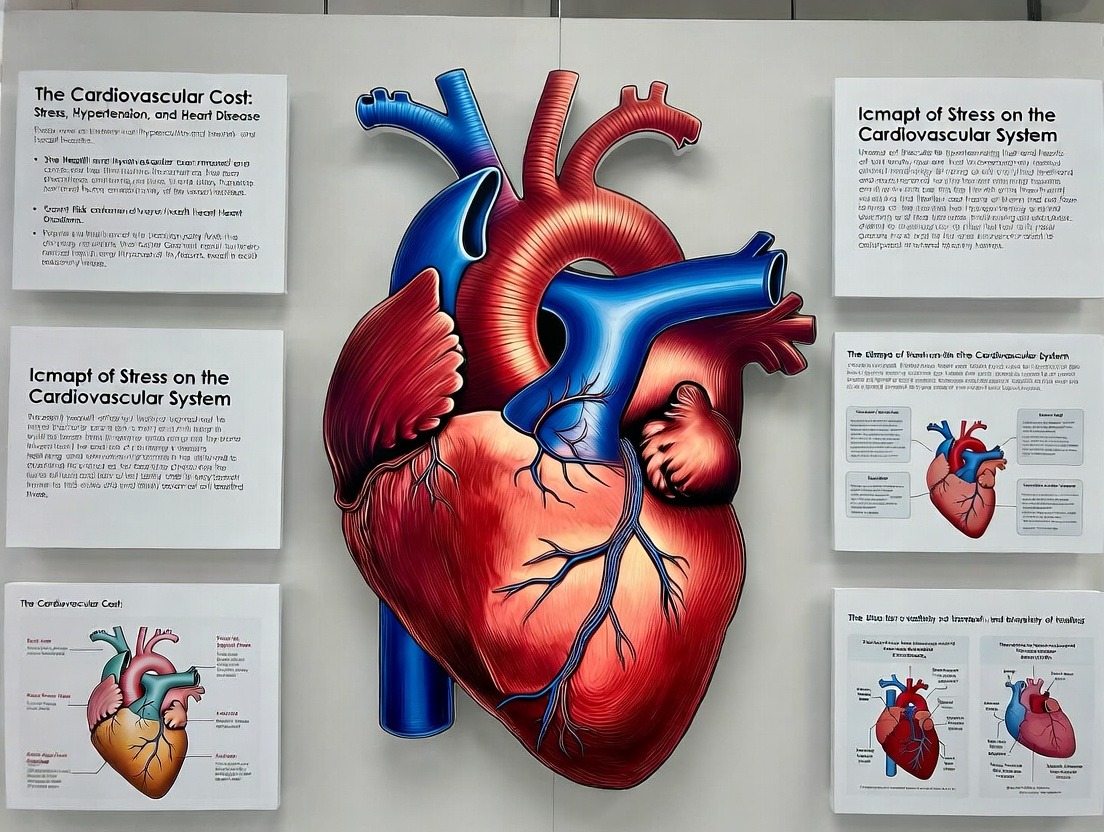
While HRV measures the subtle spaces between the beats, Resting Heart Rate (RHR) is the steady, foundational drum itself—the number of times your heart beats per minute when you are truly at rest. For adults, a typical RHR ranges from 60 to 100 beats per minute (bpm). However, a lower RHR (generally, for healthy individuals, within the 50-70 bpm range) is typically a sign of superior cardiovascular fitness and efficient heart function. During deep, restorative sleep, your RHR should reach its daily nadir, and tracking this nighttime low provides a pristine view of your heart's operational baseline.
Your heart is a muscle, and like any other muscle, it becomes stronger and more efficient with regular, healthy conditioning. A well-conditioned heart can pump a greater volume of blood with each contraction (a higher stroke volume). Therefore, it doesn't need to beat as often to supply the body with the oxygen and nutrients it needs at rest. This efficiency translates directly to a lower RHR. Conversely, a consistently elevated RHR can be a signal of deconditioning, ongoing stress, dehydration, or underlying health issues.
Your wellness ring is the perfect tool for tracking RHR because it captures your heart rate continuously throughout the night. This eliminates the inaccuracies of a manual, daytime check, which can be skewed by recent movement, caffeine, or even the slight stress of taking the measurement. The ring identifies your true sleeping RHR—the lowest, most consistent rate achieved during your deepest sleep phases.
Monitoring your nightly RHR trend offers several key insights into your recovery and overall health:
Think of your RHR as the idle speed of your body's engine. A smooth, low idle indicates a well-tuned, efficient system that isn't working harder than it needs to. A high, erratic idle suggests the engine is under strain. By watching this metric on your wellness ring dashboard each morning, you gain an immediate, objective read on your body's internal state. It answers a simple but vital question: Is my core system operating from a place of ease and efficiency today, or is it already under duress? This knowledge, when combined with HRV, creates a powerful picture of your autonomic balance and readiness.
Breathing is so automatic that we rarely notice it—until it becomes labored. Yet, the rate at which we breathe, especially during sleep, is a profoundly informative vital sign. Respiratory rate (RR), measured in breaths per minute, is the number of complete inhale-exhale cycles you take. While awake, it can fluctuate with speech, emotion, and activity. During sleep, however, it should settle into a slow, steady, and rhythmic pattern. Your wellness ring’s sensors detect the subtle chest or finger capillary pulsations associated with each breath, allowing it to track this silent rhythm of recovery all night long.
A normal adult respiratory rate at rest is between 12 and 20 breaths per minute. During deep, restorative sleep, it typically slows to its lowest point, often dipping into the 10-14 range. This slowing is a direct reflection of metabolic calm. When your parasympathetic nervous system is dominant, your body's metabolic demands are low, and your breathing becomes deep, efficient, and unhurried. Each breath delivers oxygen more effectively, and the slower pace supports heart rate variability and overall nervous system balance.
Monitoring your sleeping respiratory rate is valuable for several reasons:
Your breathing rhythm is a bridge between the conscious and autonomic nervous systems. By observing its behavior during sleep—a time of pure autonomic control—you gain a window into the efficiency of your gas exchange and the calmness of your metabolic state. A low, steady respiratory rate is the soundtrack of a body in deep recovery. Noticing deviations from your personal norm empowers you to investigate potential causes, from illness to sleep environment, ensuring this fundamental rhythm supports, rather than hinders, your restorative sleep. For a deeper understanding of how foundational sleep quality is, our article on how sleep quality became the foundation of healthy aging explores this critical connection.
Oxygen is the fundamental fuel for cellular function and, by extension, for recovery. Every tissue repair process, every memory consolidation event, and every toxin-clearance cycle in your brain requires a steady, ample supply of oxygen. Blood Oxygen Saturation (SpO2) measures the percentage of your hemoglobin—the oxygen-carrying protein in red blood cells—that is fully saturated with oxygen. At sea level, a healthy individual will typically have a SpO2 level between 95% and 100% while awake. During sleep, a slight dip of 1-3% is normal due to the reduced respiratory drive. However, significant or frequent drops are cause for attention.
Your wellness ring uses the same PPG sensors that measure heart rate to estimate SpO2. By analyzing the color of your blood (oxygen-rich blood is brighter red than oxygen-poor blood) through your skin, it can track trends in your oxygen levels throughout the night. This non-invasive monitoring is revolutionary for at-home sleep insight, as previously, tracking this required bulky clinical equipment.
Monitoring nocturnal SpO2 is critical because it answers a key question: Is my recovery being starved of its primary fuel? Here’s what your ring’s SpO2 data can reveal:
Think of your bloodstream as a delivery network and oxygen as the most critical package. A high, stable SpO2 means the network is operating perfectly, and packages are being delivered on time. Frequent desaturations mean there are blockages or delays on the route, leaving the "construction crews" (your repair processes) waiting idle. By ensuring your oxygen delivery system is functioning optimally throughout the night, you create the fundamental condition for all other recovery markers to shine. It’s a non-negotiable element of high-quality sleep, and your ring provides the first-line data to protect it.
Your core body temperature is not a fixed number but a dynamic curve that plays a leading role in regulating your sleep-wake cycle, or circadian rhythm. This curve is one of your body's most powerful circadian cues. As evening approaches and you prepare for sleep, your core temperature naturally begins to drop, triggered by a release of the sleep-promoting hormone melatonin. This cooling is not an accident; it is a biological signal that facilitates sleep onset and the transition into deep, restorative sleep stages. The lowest point of your core temperature typically occurs in the middle of your sleep cycle.
While a wellness ring cannot measure core temperature directly, it accurately tracks your peripheral skin temperature—specifically at your finger. This distal skin temperature is a valuable proxy, as it reflects changes in blood flow controlled by your autonomic nervous system to regulate heat loss. As your body aims to cool its core, it increases blood flow to the extremities (vasodilation), releasing heat and raising skin temperature. Therefore, a rise in your finger's skin temperature at night is a positive sign of this natural cooling process initiating.
Monitoring your nocturnal skin temperature trend provides fascinating insights into your physiological state:
Your skin temperature is the external dial on your internal thermostat. By watching its nightly pattern, you learn whether your body's master clock is keeping accurate time and whether your environment supports its natural rhythms. It’s a reminder that recovery is not just a biochemical process but a thermodynamic one. Creating the conditions for your body to cool effectively at night is a direct investment in the depth and quality of your sleep. For those navigating hormonal changes, understanding these physiological shifts is key, as discussed in our guide to healthy aging tips for women.
Knowing you slept for eight hours is like knowing you attended a symphony; it tells you little about the experience. Was it a disjointed rehearsal or a flawless performance? The true quality of sleep lies in its architecture—the cyclical progression through distinct, neurologically-defined stages: Light Sleep (Stages N1 & N2), Deep Sleep (N3), and REM (Rapid Eye Movement) Sleep. Each stage serves a unique, non-negotiable purpose in the recovery process, and your wellness ring uses a combination of heart rate, HRV, and movement data to estimate your time in each.
A healthy sleep cycle lasts about 90 minutes and repeats throughout the night. The architecture changes as the night progresses: deep sleep dominates the first half of the night, while REM sleep periods lengthen in the second half. This structural balance is crucial.
Your wellness ring's analysis of your sleep stages provides a structural blueprint of your night. It answers critical questions: Did I get enough deep sleep for physical repair? Did I cycle into sufficient REM for mental and emotional reset? A night with adequate duration but poor architecture—for example, fragmented sleep with little deep or REM—will not feel restorative.
Factors that degrade sleep architecture include alcohol consumption (which suppresses REM early in the night), caffeine, late-night eating, sleep apnea, environmental disturbances, and chronic stress. By reviewing your stage data, you can connect lifestyle choices to their impact on the structure of your sleep. Seeing that a late workout reduced your deep sleep, or that a stressful day minimized your REM, provides a powerful incentive to adjust your habits. This granular understanding moves you far beyond simply chasing more sleep, and towards strategically cultivating better sleep. For a comprehensive look at how daily monitoring supports long-term wellness, explore our article on how smart rings support healthy aging through daily monitoring.
You may recall a night where you felt like you were constantly tossing and turning, only to wake up exhausted. This subjective feeling has an objective correlate in the data: sleep movement, often reported as "restlessness." While some movement during sleep is normal—major position shifts happen every few hours—excessive micro-movements and frequent awakenings are hallmarks of fragmented, low-quality sleep. Your wellness ring’s accelerometer detects these motions, quantifying the stillness (or lack thereof) that is foundational to consolidated sleep.
True physiological recovery requires sustained, uninterrupted periods in each sleep stage. Every time you shift position, sigh, or have a brief "arousal" (a lightening of sleep that may not reach full consciousness), you risk disrupting the progression of your sleep cycle. A high movement score indicates a night punctuated by these disruptions, preventing you from sinking into and maintaining the deep, restorative stages your body craves.
Monitoring your sleep movement data is crucial because it identifies the "leaks" in your recovery bucket. You might be in bed for eight hours, but if you're restless for two of them, your effective recovery time is significantly less. Key insights from this metric include:
Think of your sleep movement graph as a seismograph of your night. A calm, stable line with a few major "earthquakes" (planned position shifts) indicates peaceful, consolidated sleep. A jagged, active line with constant small tremors tells a story of turbulence and disruption. By working to minimize unnecessary movement, you are directly investing in the continuity and depth of your sleep, ensuring that the time you spend in bed is time spent genuinely recovering. This is a tangible way to use data to create the peaceful conditions your brain and body need to do their best work. For more on creating an environment and routine that supports this, our blog offers numerous resources on effective wellness strategies.
Viewing each recovery marker in isolation is like listening to a single instrument from an orchestra; you might appreciate the melody, but you’ll miss the harmony and the full emotional impact. The true, transformative power of your wellness ring lies in the synergy of its data. These biomarkers do not exist in independent silos; they are dynamically interconnected, influencing and reflecting one another in a continuous physiological dialogue throughout your sleep. Learning to read this integrated story is where you graduate from a data collector to a master of your own recovery.
The Picture of Optimal Recovery:
The Story of Impending Illness:
The Pattern of Chronic Stress or Overtraining:
The Signature of Sleep Apnea:
By learning to see these patterns, you move from having eight pieces of data to having one integrated narrative about your health. Your ring’s dashboard isn't just a list of numbers; it's a chapter in the ongoing story of your body. Each morning, you get to read the latest installment and decide how to write the next one. This holistic insight is what makes a device like the Oxyzen ring more than a tracker; it's a personal health intelligence platform. To see how real users have applied these insights, you can read their experiences in our testimonials section.
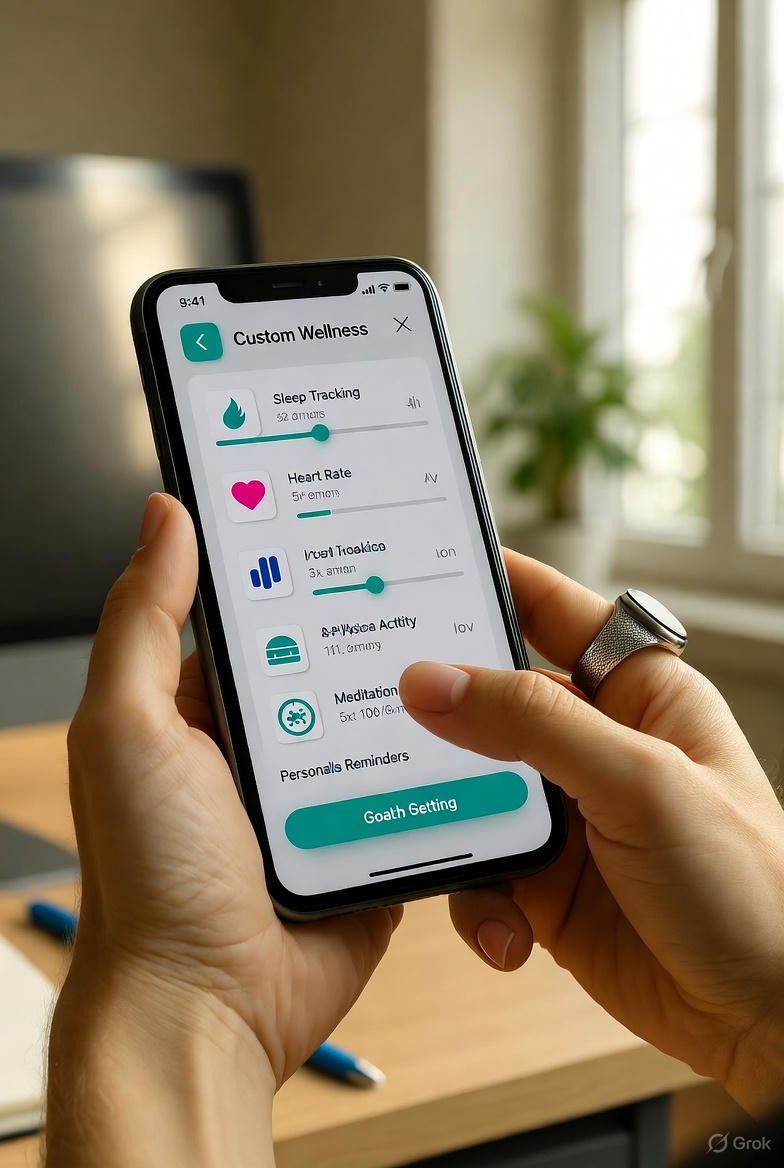
After a night of silent, intricate measurement, your wellness ring delivers its verdict: a Morning Readiness Score. This single, composite number is the culmination of all the biomarkers we’ve explored. It’s not a random grade but a sophisticated algorithm’s interpretation of your body’s overnight recovery narrative. Think of it as your personal biophysical weather forecast for the day ahead—indicating whether conditions are optimal for a challenging climb, or if you should expect stormy weather and plan for shelter.
This score is derived by weighting and combining the key nocturnal metrics. While each ring brand uses a slightly different proprietary algorithm, the core inputs are universal: Heart Rate Variability (HRV) is typically the heaviest weighted factor, as it is the purest read of your autonomic nervous system’s resilience. Resting Heart Rate (RHR) and its deviation from your baseline is another critical input, signaling systemic stress or ease. Sleep Quality—a composite of duration, architecture (deep & REM sleep), and fragmentation (movement)—forms the third pillar, representing the process and structure of your recovery. Respiratory Rate and Skin Temperature trends act as supporting modifiers, adding context about metabolic calm and circadian rhythm.
Interpreting this score requires moving beyond a simple "high is good, low is bad" mindset. The true power lies in trend analysis and personal context:
The most crucial step in using your readiness score is personal calibration. The algorithm provides a physiological snapshot, but you are the expert on your subjective reality. When you see a low score, ask yourself: Do I feel drained, sore, or mentally foggy? Does the data validate my intuition? Conversely, if you see a high score but feel terrible, consider other factors like hydration, nutrition, or non-measured emotional stress. This dialogue between objective data and subjective feeling is where true self-knowledge is built.
Your Morning Readiness Score is a decision-making tool, not a destiny decree. A low score doesn’t mean you must cancel your day; it means you should navigate it intelligently. It might mean choosing a gentle walk over a high-intensity interval training session, scheduling important meetings for when you have peak energy, or committing to an early bedtime. By letting this data-informed insight guide your choices, you stop fighting your physiology and start working with it, transforming daily guesswork into strategic energy management.
Data without actionable guidance is merely interesting. The profound value of monitoring your recovery markers lies in the ability to influence them positively. When you see a metric trending in an undesirable direction, you are not powerless. You possess a suite of levers—behavioral, environmental, and lifestyle-based—that can directly improve your nocturnal recovery audit. Here is a deep dive into evidence-based strategies for optimizing each critical biomarker.
Optimizing Heart Rate Variability (HRV) & Resting Heart Rate (RHR):
Since these metrics are hallmarks of autonomic balance, strategies focus on bolstering parasympathetic (“rest and digest”) tone and reducing unnecessary sympathetic (“fight or flight”) load.
Optimizing Respiratory Rate & Blood Oxygen (SpO2):
These metrics are tied to respiratory health and sleep continuity.
Optimizing Skin Temperature & Circadian Rhythm:
Your goal is to support your body’s natural cooling process and strengthen its internal clock.
Optimizing Sleep Stages & Minimizing Movement:
This is about creating the conditions for uninterrupted, architecturally sound sleep.
Implement these strategies not as a overwhelming overhaul, but as a series of targeted experiments. Use your ring’s data to see what moves the needle for you. Perhaps introducing evening breathing raises your HRV by 5%. Maybe a cooler room increases your deep sleep percentage. This iterative process of action, measurement, and adjustment is the essence of biohacking your recovery for peak performance and longevity. For a broader collection of science-backed strategies, our blog features numerous articles on effective wellness practices.
Even with the best intentions, modern life is filled with subtle, and sometimes not-so-subtle, forces that can sabotage our recovery. These saboteurs often don’t announce themselves with dramatic symptoms; instead, they quietly erode the quality of our sleep and the resilience of our nervous systems, leaving their fingerprints all over our wellness ring data. Identifying and managing these common factors is just as important as implementing positive practices.
1. Digital Overload & Blue Light Assault:
The glowing rectangle is perhaps the most pervasive saboteur of modern sleep. The problem is twofold: the cognitive stimulation from work emails, social media, or dramatic shows activates the mind, and the blue light emitted suppresses melatonin production by up to 50%. This delays your circadian clock, blunts the vital skin temperature drop, and makes it harder to fall asleep and achieve deep, restorative stages. The result? Lower HRV, higher RHR, and a readiness score that fails to rebound.
2. The Deceptive "Nightcap":
Alcohol is a sedative, not a sleep aid. While it may hasten sleep onset, it wreaks havoc on sleep architecture. It dramatically suppresses REM sleep in the first half of the night, often leading to a REM rebound (vivid dreams, restlessness) in the second half. It also relaxes throat muscles, exacerbating snoring and sleep apnea, leading to SpO2 dips and movement spikes. Furthermore, it increases nocturnal heart rate, suppresses HRV, and disrupts temperature regulation. Your ring data will clearly show a night of "sleep" that was physiologically chaotic and non-restorative.
3. Caffeine's Long Shadow:
Caffeine has a half-life of 5-6 hours, meaning 10-12 hours can pass before it’s fully cleared from your system. An afternoon coffee at 3 PM can still be significantly blocking adenosine (a sleep-promoting neurotransmitter) receptors at 9 PM. This can delay sleep onset, reduce total sleep time, and fragment sleep architecture, particularly deep sleep. The sympathetic stimulation from caffeine also keeps HRV lower and RHR higher than they would otherwise be.
4. Inconsistent Scheduling ("Social Jet Lag"):
Varying your bedtime and wake time by more than an hour between weekdays and weekends creates a state akin to mild jet lag. Your circadian rhythm, which thrives on consistency, becomes confused. This disrupts the timing of melatonin release, the skin temperature curve, and the propensity for deep sleep. You might sleep longer on the weekend, but the quality and restorative power of that sleep is diminished, leaving you with a low Monday morning readiness score despite the extra hours.
5. Late-Night Eating & Digestion:
Going to bed with a full stomach forces your digestive system to work when it should be powering down. This can cause discomfort, acid reflux, and an elevated core temperature as metabolic processes continue. The body’s energy is diverted from repair to digestion, which can fragment sleep and reduce time spent in restorative stages. Data may show increased movement and a less pronounced skin temperature drop.
6. Unmanaged Psychosocial Stress:
Chronic worry, anxiety, or unresolved emotional tension keeps the sympathetic nervous system subtly engaged. This creates a background of physiological arousal that is the enemy of recovery. It lowers HRV, elevates RHR and respiratory rate, and makes it difficult for the mind to quiet down for sleep, leading to more light sleep and less deep and REM sleep. Your ring becomes a mirror to your mental state, showing the tangible physiological cost of unmanaged stress.
7. An Unoptimized Sleep Environment:
A room that is too warm, too bright, or too noisy is in constant conflict with your biology. Your body is fighting to cool down in a warm room, trying to ignore light that signals "daytime" to your pineal gland, and startling at irregular noises. This constant, low-grade battle prevents full autonomic relaxation, leading to higher movement, more awakenings, and a less efficient recovery process.
The first step to defeating these saboteurs is awareness. Your wellness ring provides the objective evidence of their impact. When you see poor recovery data, run through this mental checklist. Did I scroll too late? Did I have that extra glass of wine? Was my mind racing? By connecting the dots between lifestyle choices and physiological outcomes, you gain the motivation and clarity to make different, more supportive choices. It turns abstract health advice into a personal, data-driven mission. To understand how stress management intertwines with long-term wellness, explore our insights on healthy aging tips for stress management and connection.

Recovery is not a process that begins when your head hits the pillow; it is a 24-hour cycle. The choices you make from the moment you wake up create the preconditions for the quality of your sleep and the efficiency of your body’s overnight repair work. Think of your daytime as gathering the raw materials—the calm, the rhythm, the physical readiness—that your night shift will use to rebuild. Here’s how to structure your day to prime your body for a stellar recovery audit.
Morning: Setting Your Circadian Compass
Daytime: Building Resilience & Managing Load
Afternoon & Evening: The Wind-Down Transition
Mindset: Viewing the Day as Preparation
Adopt the mindset that every daytime choice is either an investment in or a withdrawal from your recovery bank. That afternoon walk is a deposit. That third coffee might be a withdrawal. That stressful meeting is a withdrawal, but the 5-minute breathing exercise you do afterward is a deposit. Your wellness ring’s morning report is your daily bank statement.
By architecting your day with recovery in mind, you stop treating sleep as an isolated event and start cultivating it as the natural, high-quality outcome of a well-lived day. You are not just passively hoping for good sleep; you are actively engineering it through rhythm, light, stress management, and ritual. For practical strategies on incorporating movement at every stage of life to support this cycle, see our guide on healthy aging tips with movement strategies for every decade.
The daily readiness score and nightly biomarker data are powerful, but their true transformative potential is unlocked over weeks, months, and years. This longitudinal perspective moves you from reactive daily management to proactive, strategic health stewardship. By observing long-term trends, you move beyond asking “How did I sleep last night?” to asking far more profound questions: “How is my resilience changing with age?” “How does my body respond to different seasons of life?” “What is my personal baseline for optimal health?”
Establishing Your Personal Baseline:
A population average is meaningless for an individual. Your “healthy” HRV of 45 ms might be someone else’s sign of severe stress. The first critical phase of long-term tracking is establishing your normal ranges. This requires consistent wear (especially during sleep) for at least 30 days to account for natural fluctuations due to menstrual cycles, training cycles, and normal stress variability. Once established, this baseline becomes your personal health fingerprint. Deviations from this baseline are what hold significance.
Identifying Meaningful Trends:
With a baseline in place, you can now spot trends that signal important shifts in your physiology.
Seasonal and Lifecycle Insights:
Your data becomes a diary of your body’s journey through different life phases.
The Power of Correlation:
Long-term data allows you to perform powerful personal experiments and see correlations you’d otherwise miss. Does your HRV consistently dip two days after heavy leg day? Does your deep sleep increase when you stop eating after 7 PM? Does your resting heart rate baseline improve after a month of daily walks? This is personalized, n-of-1 science. It moves you from generic health advice (“exercise is good”) to precise, personal prescription (“40 minutes of zone 2 cardio, 4 times a week, improves my HRV by 15%”).
By committing to longitudinal tracking, you are building your most valuable health asset: a deep, data-informed understanding of your unique body. It turns aging from a mysterious process into a monitored journey. It empowers you to make lifestyle choices not based on fads, but on their proven, trackable impact on your own biomarkers of health and longevity. This is the ultimate application of a wellness ring: as a lifelong companion for conscious, optimized living. To see how this tracking supports aging gracefully, our article on how a smart ring tracks healthy aging progress over time delves deeper into this concept.
Your wellness ring provides a phenomenal, continuous stream of physiological data, but it is not a medical device, nor is it a standalone oracle of total health. Its power is magnified exponentially when integrated with other health metrics and used as a communication tool with healthcare professionals. This creates a holistic health ecosystem where biometric data informs lifestyle, lifestyle influences clinical outcomes, and professional guidance contextualizes the data.
Synergy with Other Health Tracking:
The Ring as a Communication Tool for Healthcare Providers:
This is perhaps the most underutilized superpower of wearable data. Imagine going to your doctor not just with symptoms, but with a detailed, longitudinal report of your physiology.
Contextualizing the Data: When to Seek Help
Your ring is excellent at showing that something has changed; a medical professional is needed to diagnose why. Use your data as a trigger for consultation when you observe:
By bridging the gap between daily biometrics and clinical healthcare, you become an empowered, informed partner in your own well-being. You bring data to the conversation, moving from describing how you feel to providing evidence of how your body is functioning. This collaborative model is the future of proactive, personalized health management. For any technical or usage questions about integrating your device into your health routine, our comprehensive FAQ page is a valuable resource.
The principles of recovery are universal, but their application is deeply personal. A one-size-fits-all approach fails because the primary "stressors" demanding recovery differ vastly between individuals. An athlete needs to recover from intense physical breakdown; a stressed professional from cognitive and emotional overload; a health-conscious individual from the general wear and tear of modern life and aging. Your wellness ring data provides the common language, but the translation into action must be customized. Here’s how to tailor your recovery optimization strategy to your dominant life profile.
Profile 1: The Performance-Oriented Athlete
For the athlete, recovery is the other half of training. The goal is to adapt positively to physical stress, supercompensate, and improve performance.
Profile 2: The High-Stress Professional (Mental & Emotional Load)
For this individual, the primary recovery need is from cognitive fatigue, decision burnout, and sustained sympathetic nervous system activation from psychosocial stress.
Profile 3: The Health-Conscious Individual (Focus on Longevity & Vitality)
This person’s goal is sustained well-being, graceful aging, and preventing chronic disease. Recovery is about maintaining systemic resilience and reducing allostatic load over decades.
The Hybrid Profile & Personalization:
Most people are a blend. You might be a stressed professional who trains for marathons (Athlete + Professional). The key is to identify which stressor is dominant at a given time and prioritize the strategies for that profile. Your wellness ring is the tool that shows you where the greatest deficit lies. By tailoring your approach, you ensure your recovery efforts are efficient and effective, directly addressing your body’s most pressing needs. For those specifically focused on preserving physical capacity with age, our article on healthy aging tips to maintain muscle mass after 60 offers targeted guidance.

The technology encapsulated in today’s wellness rings is remarkable, but it represents merely the first chapter in a revolutionary story of personal health intelligence. The future of nocturnal biofeedback is moving from monitoring recovery to actively guiding and enhancing it through more advanced sensors, predictive analytics, and closed-loop systems. Here’s a glimpse at the horizon for recovery optimization technology.
1. Advanced Multi-Sensor Fusion & New Biomarkers:
Future devices will integrate more sophisticated sensors to paint a higher-resolution picture.
2. Predictive Analytics & Proactive Coaching:
Moving from descriptive to prescriptive, AI will play a massive role.
3. Closed-Loop Environmental Integration:
The ultimate seamless recovery experience will involve your ring communicating with your environment.
4. Longitudinal Healthspan Mapping & Deceleration Tracking:
The most profound impact will be on our understanding of aging.
The future of recovery tech is not about more distracting numbers, but about smarter, quieter, and more intuitive systems that work in the background to create the conditions for your biology to thrive. The goal is to offload the cognitive burden of optimization to technology, so you can simply live better, supported by an ambient intelligence dedicated to your resilience and vitality. This vision is at the core of the innovation driving companies like Oxyzen, who are looking to shape this future.
We began this exploration by transforming sleep from a mysterious, passive state into an active, auditable process of recovery. We’ve journeyed through the specific biomarkers—from the nervous system whispers of HRV to the circulatory story of SpO2, from the architectural blueprint of sleep stages to the circadian rhythm of skin temperature. We’ve seen how these markers intertwine to tell the complete story of your night, how they are influenced by your days, and how they can guide your most important health decisions.
The overarching message is one of empowerment and partnership. Empowerment through knowledge: you now understand that waking up feeling “not rested” has specific, measurable physiological correlates. Partnership with technology: your wellness ring is not a judge, but a translator and a guide. It converts the complex, silent language of your nocturnal biology into a clear dashboard you can understand and act upon.
Embracing a data-informed recovery lifestyle does not mean becoming a slave to numbers or fostering anxiety over a single night’s score. It means cultivating a new kind of awareness—a bioliteracy. It’s the awareness that the late-night Netflix binge has a cost visible in your suppressed deep sleep. It’s the awareness that your consistent meditation practice is paying dividends in your rising HRV trend. It’s the awareness that you need a rest day not because you’re lazy, but because your body is presenting objective data that its resources are depleted.
This approach fundamentally shifts your relationship with your body from one of guesswork and frustration to one of curiosity and collaboration. You learn its unique patterns, its strengths, and its warning signs. You stop fighting your physiology and start working with it. You make choices not based on generic advice, but on what the data tells you your body needs to recover, adapt, and thrive.
The ultimate goal is not a perfect sleep score every night—life is too variable for that. The goal is resilience: the ability to navigate life’s stressors, celebrate its joys, pursue your passions, and age with grace, supported by the deep knowledge that you are giving your body the foundational resource it needs most: high-quality recovery. In a world that glorifies constant hustle, prioritizing and optimizing recovery is a radical, transformative act of self-care and performance intelligence.
Your journey starts tonight. Wear your ring not as a passive tracker, but as an active partner in your well-being. Observe the data, experiment with the strategies, and watch as you build not just better sleep, but a more vibrant, resilient, and energized life. For inspiration from others on this path, and to see the Oxyzen ring in action, visit our shop and read the stories of those who have made this shift.
Ready to decode your night and master your day? Your body is already keeping the score. It’s time to start reading it.
Your Trusted Sleep Advocate (Sleep Foundation — https://www.sleepfoundation.org/)
Discover a digital archive of scholarly articles (NIH — https://www.ncbi.nlm.nih.gov/
39 million citations for biomedical literature (PubMed — https://pubmed.ncbi.nlm.nih.gov/)
experts at Harvard Health Publishing covering a variety of health topics — https://www.health.harvard.edu/blog/)
Every life deserves world class care (Cleveland Clinic -
https://my.clevelandclinic.org/health)
Wearable technology and the future of predictive health monitoring. (MIT Technology Review — https://www.technologyreview.com/)
Dedicated to the well-being of all people and guided by science (World Health Organization — https://www.who.int/news-room/)
Psychological science and knowledge to benefit society and improve lives. (APA — https://www.apa.org/monitor/)
Cutting-edge insights on human longevity and peak performance
(Lifespan Research — https://www.lifespan.io/)
Global authority on exercise physiology, sports performance, and human recovery
(American College of Sports Medicine — https://www.acsm.org/)
Neuroscience-driven guidance for better focus, sleep, and mental clarity
(Stanford Human Performance Lab — https://humanperformance.stanford.edu/)
Evidence-based psychology and mind–body wellness resources
(Mayo Clinic — https://www.mayoclinic.org/healthy-lifestyle/)
Data-backed research on emotional wellbeing, stress biology, and resilience
(American Institute of Stress — https://www.stress.org/)


