15 Health for Athletes Discoveries From Long-Term Smart Ring Use
Fifteen discoveries for athletes from long-term ring use.
The Silent Coach: 15 Health Revelations for Athletes From Long-Term Smart Ring Use
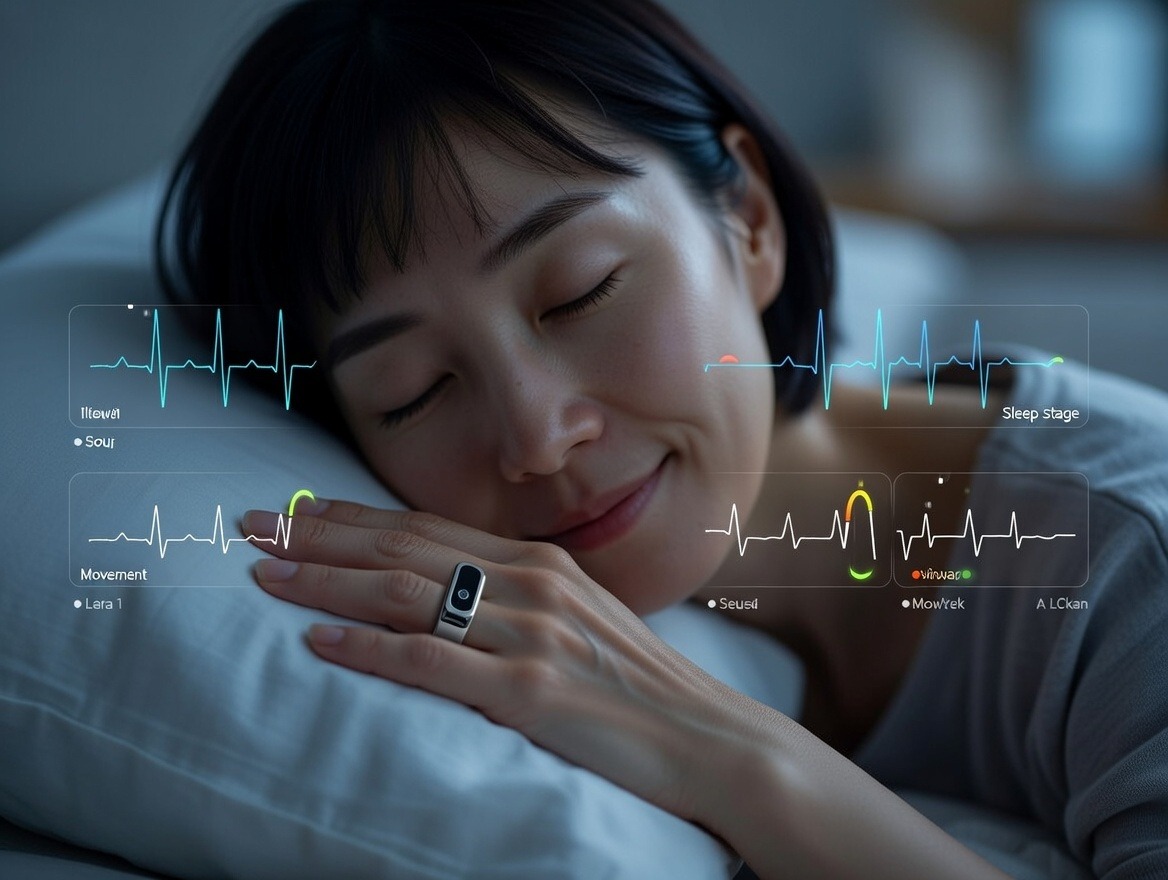
The locker room is silent, save for the rhythmic beep of a heart rate monitor. But the most profound insights aren't coming from the bulky gym equipment; they’re flowing from a slim band of titanium on an athlete’s finger. This is the new frontier of sports science. For years, elite performance was governed by macro metrics: personal bests, VO2 max, one-rep maximums. Today, a revolution is happening at the micro level, measured continuously by a device that never sleeps—the smart ring.
Long-term smart ring use is moving beyond simple sleep tracking and step counting. For the dedicated athlete, it acts as a 24/7 physiological lab, uncovering hidden patterns, silent stressors, and intimate connections between recovery and performance that were previously guesswork. This isn't about tracking a single workout; it's about mapping the entire biological terrain upon which that workout is built. From sleep architecture to nervous system resilience, the data paints a complete picture of readiness.
This article distills 15 groundbreaking discoveries emerging from athletes who have lived with this technology for months and years. These aren't hypothetical benefits; they are evidence-based revelations that are changing how runners, cyclists, weightlifters, and weekend warriors train, recover, and ultimately, perform. We will journey through the most significant findings, starting with the foundational metric that dictates everything else: the true nature of recovery.
The Deep Recovery Paradox: Why Feeling "Fine" Isn't Enough
Every athlete knows the textbook signs of overtraining: persistent fatigue, irritability, declining performance, elevated resting heart rate. But what about the subtler, more insidious state of under-recovery? This is the first and perhaps most critical discovery from long-term smart ring data: the vast chasm between "feeling fine" and being physiologically recovered.
For decades, athletes relied on perceived exertion and morning pulse checks. Smart rings, with their continuous measurement of Heart Rate Variability (HRV), resting heart rate (RHR), and sleep quality, reveal a different story. An athlete can wake up feeling energized and motivated, yet their HRV trendline has been declining for three days, and their nighttime heart rate is 5-7 beats per minute higher than baseline. The body is waving a red flag the mind hasn't yet noticed.
The Data Tells the Story: HRV, a measure of the time variation between heartbeats, is a direct window into autonomic nervous system balance. High HRV generally indicates good recovery, resilience, and parasympathetic ("rest and digest") dominance. A suppressed HRV indicates stress, fatigue, and sympathetic ("fight or flight") dominance. Long-term ring data shows that HRV often trends downward days before an athlete "crashes" or experiences a noticeable performance drop or injury.
Case in Point: Consider a marathon runner in a heavy training block. She logs 50-mile weeks, feels strong, and hits her pace targets. Her smart ring, however, shows a 15% drop in her 7-day average HRV and a steady creep in her resting heart rate. Ignoring this, she pushes through a scheduled interval session. The ring records a prolonged elevation in heart rate long after the workout—a sign of poor recovery. Two days later, she develops a niggling shin pain that forces her to de-load. The data had predicted the breakdown.
This discovery leads to a fundamental shift: from training based on a calendar to training based on readiness. The smart ring becomes the objective arbiter, answering the daily question: "Is my body ready to absorb the stress of today's training, or does it need a different stimulus?" This is the core of the readiness score—a composite metric many rings provide that synthesizes sleep, HRV, RHR, and temperature data into a single, actionable number.
Athletes learn that a low readiness score doesn’t always mean complete rest. It might mean swapping a high-intensity interval day for a zone 2 aerobic session, focusing on mobility, or prioritizing a 90-minute nap. This nuanced approach prevents digging a deeper recovery hole. As explored in our guide on how a wellness ring shows when to push hard and when to recover, this data-driven flexibility is the key to sustainable progress. It transforms recovery from a passive state into an active, measurable component of the training plan itself.
The long-term lesson is humbling: the conscious mind is a poor judge of systemic physiological strain. The smart ring provides the honest feedback loop necessary to train smarter, not just harder, proving that the path to peak performance is often paved with strategic rest.
Sleep Architecture: The Unseen Pillar of Athletic Performance
We all know sleep is important. But long-term smart ring data transforms this platitude into a precise science, revealing that for athletes, how you sleep is as critical as how long you sleep. This is the discovery of sleep architecture's non-negotiable role in performance, recovery, and injury prevention.
Smart rings equipped with advanced sensors track sleep stages—light, deep, and REM—throughout the night. Over months of data, clear, undeniable patterns emerge for athletes:
Deep Sleep is the Physical Recovery Engine: This stage is when human growth hormone (HGH) is predominantly released, facilitating tissue repair, muscle growth, and bone building. Athletes in heavy strength or hypertrophy phases consistently show a correlation between increased deep sleep percentage and better strength gains, faster recovery from muscle soreness, and a lower rate of soft-tissue injuries. A ring might reveal that on nights after extreme eccentric training (like heavy downhill running), deep sleep duration spikes—the body's imperative demand for repair.
REM Sleep is the Cognitive and Skill Consolidation Phase: REM sleep is where the brain processes emotions, consolidates memories, and, crucially for athletes, reinforces motor learning. A pitcher learning a new grip, a golfer refining a swing change, or a basketball player working on free-throw mechanics relies on REM sleep to cement those neural pathways. Periods of technical skill training often correlate with increased REM sleep needs, and a deficit can lead to "choking" or regression in skill execution.
The Pre-Game Night Myth: A major discovery is that the sleep you get two nights before a competition is often more impactful than the sleep the night before. The night prior is frequently disrupted by nerves, travel, or unusual environments. Ring data shows that athletes who prioritize deep, architecture-rich sleep 48 hours out perform more consistently, as their bodies have fully integrated the training and achieved a deeper state of physical recovery before the inevitable pre-event anxiety hits.
Beyond Stages: The Metrics of Quality It’s not just about percentages. Smart rings illuminate other critical, often overlooked, facets of sleep:
Sleep Latency: How long it takes to fall asleep. A trend of increasing latency can be an early sign of non-functional overreaching or life stress bleeding into recovery.
Sleep Restlessness: Measured by brief awakenings and movement. High restlessness fragments sleep architecture, preventing sustained deep and REM cycles. Athletes often discover hidden culprits like late-evening caffeine, excess hydration before bed, or even certain dietary choices that increase restlessness.
Sleep Consistency: Going to bed and waking up at consistent times, even on weekends, is powerfully reinforced by data. Athletes see direct improvements in morning readiness scores and HRV when they stabilize their sleep schedule, as it strengthens their circadian rhythm.
The actionable insight here is profound. An athlete no longer just aims for "8 hours." They aim for 8 hours with >20% deep sleep and >25% REM sleep, with low restlessness, achieved consistently. They learn to protect their sleep environment and schedule with the same rigor they apply to their training sessions. They see, in hard data, how a poor night's sleep doesn't just make them tired—it directly compromises their next day's power output, reaction time, and injury resilience. For a detailed protocol on using this data, our complete beginner-friendly guide to performance optimization via ring data offers a step-by-step approach.
In essence, the smart ring elevates sleep from a background biological function to a primary, adjustable training variable. You can't out-train bad sleep, and now, you can see exactly why.
Circadian Rhythm Optimization: Timing is Everything
The discovery of a personal, data-defined circadian blueprint is a game-changer for athletic performance. We've long heard about "morning people" and "night owls," but smart ring data moves this from anecdote to precision, revealing that every athlete has a unique daily biological rhythm that governs hormone release, core body temperature, metabolism, and neuromuscular coordination.
Smart rings track this rhythm through 24-hour trends in heart rate, heart rate variability, and skin temperature. Over the long term, a clear, repeating waveform emerges:
The Performance Wave: Core body temperature (proxied by skin temperature trends) is a key marker. It is lowest in the early morning, rises throughout the day, peaks in the late afternoon/early evening, and then falls to prepare for sleep. Research, corroborated by ring data, shows that physical performance metrics—strength, power, anaerobic capacity, and even reaction time—typically peak when core temperature is highest. This is why many athletes naturally feel strongest for a late-afternoon training session.
The Injury Risk Trough: Conversely, the period when body temperature is lowest (early morning) often correlates with stiffer joints, lower plasma volume, and reduced nerve conduction velocity. Ring data from athletes shows a higher incidence of self-reported "niggles" or strains during morning workouts, especially high-intensity or heavy-load sessions, if not preceded by a thorough, extended warm-up. The data argues for scheduling technique work or low-intensity cardio in the morning and reserving peak intensity for the body's natural performance window.
Individual Chronotype Validation: The ring objectively confirms an athlete's chronotype. A true "night owl" will show a delayed temperature minimum (reaching its lowest point later in the morning) and a shifted performance wave. Forcing this athlete into 5 AM high-intensity sessions is not just miserable; it's sub-optimal and increases injury risk. The data empowers them to structure their training around their biological reality, not societal expectation.
Practical Applications for the Athlete:
Session Scheduling: An endurance athlete might learn that their HRV peaks mid-morning, indicating optimal autonomic readiness for a tough threshold run, even if their absolute strength is lower than the evening. A powerlifter might see that their resting heart rate is lowest and most stable in the evening, indicating a calm, recovered nervous system primed for maximal lifts.
Nutrient Timing: The circadian rhythm governs insulin sensitivity and metabolic function. Some athletes discover through consistent tracking that their bodies handle carbohydrates more efficiently earlier in the day, leading to better energy utilization and less fat storage, influencing their meal timing for training days.
Travel and Jet Lag Management: For competing athletes, the ring becomes an essential tool for managing travel. By monitoring the disruption to their temperature and HRV rhythms, they can strategically use light exposure, meal timing, and melatonin (if appropriate) to accelerate adaptation to a new time zone, ensuring they are biologically aligned for race day.
This discovery dismantles the one-size-fits-all training schedule. It proves that the when can be as powerful as the what. By aligning training stress with biological readiness, athletes achieve better results with less perceived effort and lower risk. It’s the ultimate form of working with your body, not against it. For those looking to apply this to their work life as well, the synergy is clear, as discussed in productivity health synergy for remote workers using ring-optimized schedules.
HRV: Not Just a Number, But a Conversation With Your Nervous System
Heart Rate Variability has become a buzzword, but long-term smart ring use teaches athletes that HRV is not a daily score to chase, but a dynamic language. It’s a continuous conversation between the brain, the heart, and the body's total stress load—from training, life, and even emotions.
The first major discovery is the critical importance of the HRV trend over the individual daily reading. A single low HRV reading might be due to a poor night's sleep or a stressful workday. But a consistent downward trend over 3-5 days is an unambiguous signal from the autonomic nervous system (ANS) that it is accumulating more stress than it can currently resolve. This trend often appears before performance drops, mood changes, or illness.
The Stressor Spectrum: Rings help athletes differentiate between types of stress:
Functional Stress (Eustress): A hard but well-tolerated training block. HRV may dip slightly post-session but rebounds fully within 24-48 hours, often to a higher baseline over time—a sign of positive adaptation (supercompensation).
Non-Functional Stress (Distress): Overtraining, excessive life stress, or poor recovery. HRV dips and stays low, showing no rebound. The recovery curve is flat or negative.
Non-Physical Stressors: A huge revelation is how acutely HRV reflects non-training stress. A crushing work deadline, family conflict, or financial worry can suppress HRV as effectively as a brutal leg day. Athletes learn they cannot compartmentalize "training stress" from "life stress"; the ANS feels it all. This is why a beginner-friendly guide to stress management for better performance is so valuable.
The Morning Measurement Standardization: Long-term use enforces the discipline of taking the HRV reading under consistent conditions—immediately upon waking, before coffee, water, or checking a phone. This controls for variables and makes the trend data pure and actionable.
Practical Training Implications:
Auto-Regulation: Athletes can use their HRV trend to auto-regulate their training plan. Some advanced apps even provide recommendations: if HRV is within baseline, proceed as planned. If HRV is moderately low, reduce volume or intensity by 20-30%. If HRV is severely depressed, take a rest day or engage in very light active recovery.
Identifying Intolerance: An athlete might be following a popular program, but their HRV is chronically low. The data suggests they are personally intolerant to that program's frequency, volume, or exercise selection. This prompts a necessary, individualized adjustment.
Mind-Body Connection: Seeing a direct, graphical link between a stressful argument and a plummeting HRV fosters a deeper mind-body awareness. It encourages athletes to develop non-physical recovery tools like meditation, breathing exercises, and digital detox, which often show a positive, measurable effect on their HRV baseline.
In the end, HRV stops being a mysterious biomarker and becomes a trusted coach. It says, "You adapted well to that last block, let's push." Or it warns, "I'm still dealing with yesterday's session and your work stress; today needs to be easy." Listening to this conversation is the cornerstone of intelligent, resilient athletic development.
The Inflammation Signal: Early Warning From Body Temperature
One of the most powerful and under-discussed features of advanced smart rings is continuous skin temperature monitoring. While not a direct measure of core temperature, its trends are highly informative. For athletes, a sustained elevation in nighttime skin temperature is one of the earliest and most reliable signs of impending illness or systemic inflammation.
How It Works: The body's immune response to a viral or bacterial invader, or to significant tissue damage, involves the release of pyrogens, which raise the body's temperature set-point. This often begins subtly, manifesting as a slight but detectable increase in skin temperature during sleep—a time when the body is focused on repair and regulation, free from the confounding variables of activity, food, and environment.
The Discovery: Athletes reviewing long-term data often notice a pattern: 24-48 hours before they "feel" sick—before a sore throat, cough, or fatigue sets in—their nightly temperature deviation graph shows a clear, sustained upward spike. Similarly, after an extremely demanding competition or an unaccustomed volume of training (like a marathon or a tough camping trip), a multi-day elevation in nighttime temperature can indicate a prolonged inflammatory response as the body repairs widespread micro-trauma.
Actionable Intelligence, Not Just Data:
Illness Prevention: Seeing this early warning sign allows an athlete to act preemptively. This means immediately dialing back training intensity, prioritizing sleep, increasing hydration, and loading up on nutrient-dense foods. In many cases, this proactive response can help the immune system quash the threat before it becomes a full-blown illness that derails training for a week.
Overtraining Monitoring: Chronic, low-grade elevation in nighttime temperature, coupled with suppressed HRV and elevated RHR, can be a hallmark of the overtraining syndrome. It's a sign the body is in a constant state of inflammatory repair and cannot achieve homeostasis.
Menstrual Cycle Tracking for Female Athletes: For women, temperature tracking provides objective confirmation of ovulation (a sustained temperature rise in the luteal phase) and maps their unique cycle. This allows them to understand how performance, recovery, and injury risk may fluctuate hormonally. They can plan training accordingly—perhaps scheduling deload weeks during the luteal phase when recovery capacity is lower and inflammation may be higher, and placing key intensity sessions in the follicular phase when the body is more resilient.
This discovery transforms the smart ring from a performance tool into a health sentinel. It provides a concrete, physiological reason to rest that overrides the athlete's often-overriding desire to "push through." Heeding the temperature signal can prevent a minor inflammation from becoming a major setback, protecting weeks of hard-earned fitness. It's a critical component of the holistic view explored in the complete beginner-friendly guide to sustainable high performance.
The True Cost of Alcohol: A Data-Driven Reality Check
For many, a post-race beer or a social drink is part of the athletic culture. However, long-term smart ring data delivers an unambiguous, quantitative report card on alcohol's impact that often shocks even moderate drinkers. The effects are profound, systemic, and can undo days of disciplined training.
The ring measures the multi-system crash that follows alcohol consumption with stark clarity:
Sleep Architecture Annihilation: Alcohol is a sedative, not a sleep aid. It profoundly suppresses REM sleep—the critical phase for cognitive recovery and motor skill consolidation. Ring data shows a near-total loss of REM on nights of even moderate consumption. The sleep may feel "deep," but the ring reveals it is dominated by fragmented, low-quality slow-wave sleep, followed by rebound wakefulness in the second half of the night as the body metabolizes the alcohol. The result is a high sleep duration number but a catastrophically low sleep quality score.
HRV Suppression: Alcohol is a significant stressor on the nervous system and the liver. HRV typically plummets on drinking nights, indicating a massive shift toward sympathetic dominance. The recovery is not quick; it often takes 2-3 days for HRV to return to baseline, meaning the body spends days repairing from the toxin instead of adapting to training.
Elevated Resting Heart Rate & Temperature: The body works overtime to process alcohol. RHR often remains elevated by 10-20% throughout the night, and skin temperature can spike due to the inflammatory and dehydrating effects, further disrupting sleep.
Hydration Catastrophe: Alcohol is a potent diuretic. The data shows the effects not just in sleep disruption, but in next-day readiness scores. Even with rehydration efforts, the physiological hangover persists in the metrics.
The Cumulative Training Impact: An athlete who has a few drinks on a Saturday night will see their Sunday recovery metrics in the gutter. If they train on Sunday, it's ineffective and adds stress to a stressed system. If they take Sunday off to "recover," they've lost a training day. By Monday, their body is still recovering from the alcohol, not from training, pushing their entire weekly adaptation cycle back. It can create a constant two-steps-forward, one-step-back dynamic.
The long-term discovery is one of undeniable cause and effect. Athletes see, in their own data, that a single social night can set back their recovery by 48-72 hours. This doesn't necessarily mean teetotalism for all, but it enforces strategic timing. The data argues powerfully for relegating alcohol to the immediate post-season or to periods of very low training demand, far removed from key workouts or competitions. It moves the decision from guesswork to a cost-benefit analysis backed by personal physiology. This kind of honest feedback is part of building a sustainable system, much like the principles in how to build the perfect morning routine using your wellness ring.
The Individuality of Recovery: Your Baseline is Your Bible
Perhaps the most humbling and empowering discovery from long-term smart ring use is the utter uniqueness of every athlete's physiological baseline and response patterns. Textbook norms become irrelevant compared to the power of your personal data history.
What "Good" Looks Like for YOU:
HRV Baseline: One athlete might have a natural, healthy HRV baseline of 40ms, while another's is 120ms. Comparing absolute numbers is meaningless. What matters is the deviation from your own baseline. A 20% drop for the first athlete (to 32ms) is a major warning sign, just as a 20% drop for the second (to 96ms) is. The ring teaches you your normal range.
Sleep Need: The "8-hour" rule is a population average. One athlete might see peak performance with 7 hours of high-quality sleep, while another consistently needs 9 hours to achieve the same readiness score. The data personalizes this fundamental recovery requirement.
Training Response: Athletes discover their unique recovery timelines. After a maximal strength session, one person's HRV might rebound in 24 hours. For another, it takes 48-72 hours. This knowledge prevents the faster-recovering athlete from undertraining and the slower-recovering athlete from overtraining if they were both following the same generic program.
The Power of the Longitudinal Dataset: This is where long-term use becomes non-negotiable. It takes months of data to:
Establish true, seasonal baselines.
Understand how your metrics shift with different training phases (base building, intensity, tapering).
See how lifestyle factors like work projects or travel consistently affect you.
Identify what "overtraining" looks like for you.
This discovery fosters self-awareness and rejects comparison. It turns the athlete into an expert on their own body. They stop asking, "Is my HRV good?" and start asking, "Is my HRV good for me today, given my training plan and life context?" This personalized insight is the ultimate competitive advantage, moving from following external programs to creating an internal, data-informed training philosophy. It's the essence of moving from beginner to expert, as outlined in our complete beginner-friendly guide to peak performance using ring data.
The Mental Load Metric: When Stress Lifts More Than Weights
An athlete's stress isn't confined to the gym, track, or pool. Long-term ring data viscerally demonstrates that cognitive and emotional stress—the mental load of work, relationships, and life administration—carries a tangible physiological tax that directly competes with recovery from physical training.
The ANS does not differentiate between the stress of a heavy squat session and the stress of a looming deadline or a difficult conversation. Both trigger sympathetic nervous system activation, releasing cortisol and catecholamines. The ring captures this unified stress response in several ways:
Elevated Nighttime Heart Rate: Even on rest days from training, a period of high mental stress will keep resting heart rate elevated during sleep. The body remains in a state of heightened alert, impairing deep restoration.
Suppressed HRV: As with physical overreaching, chronic mental stress flattens HRV. An athlete might be physically fresh but if they are in a taxing work sprint, their HRV trend will mirror that of someone in a hard training block, limiting their capacity to absorb additional physical stress.
Poor Sleep Efficiency: Racing thoughts and anxiety lead to increased sleep latency (time to fall asleep) and higher sleep restlessness, fragmenting the all-important sleep architecture.
The Discovery of "Recovery Budget": Athletes begin to see they have a finite daily "recovery budget." A demanding 8-hour workday might consume 70% of that budget before they even step foot in the gym. Adding a high-intensity training session can push them into deficit, requiring more recovery time than a standard 24-hour cycle allows. This explains why athletes with high-stress jobs often struggle to make progress on aggressive training programs—they are constantly in recovery debt.
Actionable Integration: This insight leads to smarter periodization of life alongside training:
Stress-Aware Tapering: Before a key competition, an athlete learns to reduce not just training volume, but also cognitive load—delegating work tasks, minimizing decision fatigue, and engaging in calming activities.
Intentional De-Loads: A de-load week isn't just about lighter weights; it's also a conscious effort to reduce life stressors where possible, to fully reset the nervous system.
Mindfulness as Training: Seeing the direct physiological impact of mental stress provides powerful motivation to practice stress-management techniques. When an athlete sees a 10-minute meditation session improve their evening HRV, it becomes as valid a part of their regimen as foam rolling.
The smart ring shatters the illusion that the body is compartmentalized. It proves that to train like a pro, you must recover like a pro—and that recovery encompasses your entire life ecosystem. Managing mental load isn't "soft"; it's a performance-critical skill quantified by your biometric data. For a deeper dive into this synergy, consider how the smart ring reveals the true relationship between health and output.
Nutritional Impact Unveiled: Beyond Calories and Macros
While smart rings don't directly measure food intake, they are exquisitely sensitive to its downstream metabolic and inflammatory effects. Long-term tracking allows athletes to become bio-hackers of their own nutrition, moving beyond dogma to discover what truly fuels their performance and recovery.
The Discovery Process: By pairing food logging with ring data, patterns emerge that are highly individualized:
The Sleep-Nutrition Link: Athletes discover which evening meals or snacks promote stable nighttime temperatures and higher sleep scores. A large, high-fat meal too close to bedtime might cause a temperature spike and restless sleep. Conversely, a small protein-rich snack might aid overnight recovery without disruption.
Inflammation Signals: After consuming foods they have a subtle intolerance to (e.g., gluten, dairy, certain nightshades for some individuals), an athlete might see a corresponding, unexplained elevation in nighttime skin temperature and a dip in next-morning HRV, even without digestive discomfort. This indicates a low-grade immune response that steals from recovery resources.
Carbohydrate Timing & Performance: An endurance athlete might experiment with carbohydrate loading. The ring can help assess the impact—not just on workout performance, but on the metabolic cost. Does the carb load improve sleep quality and HRV (suggesting good glycogen replenishment), or does it disrupt sleep with temperature changes (suggesting digestive stress)?
Hydration Status: Chronic under-hydration manifests in trends. It can contribute to elevated resting heart rate, lower HRV, and poorer sleep quality. Observing how metrics improve with consistent, adequate daily fluid intake provides powerful positive reinforcement for this basic habit.
From Guessing to Knowing: This turns nutrition from a theoretical game of macros into an experimental dialogue. An athlete can test: "If I eat my largest meal at lunch instead of dinner, how does it affect my afternoon training readiness and my sleep?" Or, "Does that pre-workout supplement actually improve my recovery metrics, or does it just spike my heart rate and hurt my sleep?"
The goal is not to create food anxiety, but food awareness. The ring provides the objective, physiological feedback to separate nutritional truths that work for your unique biology from those that don't. It helps fine-tune fueling to support the recovery and adaptation processes the ring is constantly measuring, closing the loop between intake and outcome.
The Tapering Truth: How Much Rest is Really Needed?
Tapering—reducing training load before a competition—is both an art and a science. Too little, and the athlete arrives fatigued. Too much, and they feel flat and detrained. Long-term smart ring data provides an objective window into the taper, taking the guesswork out of this critical phase.
Observing the Supercompensation Signal: The principle of tapering is to reduce fatigue (via reduced training load) faster than you lose fitness, resulting in a performance peak. The ring metrics clearly chart this process:
The Fatigue Shed: As training volume and intensity drop, the chronic suppression of HRV begins to reverse. The trend line turns upward. Nighttime resting heart rate begins to fall toward the athlete's true baseline. Sleep scores improve as the physiological strain of hard training is removed.
The Fitness Preservation: With the right kind of taper (maintaining some intensity while reducing volume), the athlete should not see metrics associated with detraining, such as a sudden, large spike in HRV beyond normal baseline (which can sometimes indicate a loss of training stimulus) or a change in circadian rhythm patterns.
The Peak Readiness Indicator: The ideal taper culminates in the athlete's highest readiness score on race morning. Their HRV is at or near a personal best, RHR is at its lowest, and sleep has been consistently excellent for several nights. The data confirms they have successfully navigated the delicate balance.
Personalizing the Taper: Generic 2-week, 50% reduction plans are suboptimal. Through trial, observation, and data review, an athlete learns:
Their Required Taper Length: Some need 10 days to fully shed fatigue; others need 16. The ring shows when the recovery metrics have truly plateaued at their peak.
Their Intensity Need: Some athletes need to maintain near-race-pace intensity in very short doses during the taper to avoid feeling flat. Their ring data will show stable, high readiness with this approach. Others need to drop intensity more dramatically to see HRV rebound.
The Psychological Component: The data also helps manage taper anxiety ("I'm losing fitness!"). Seeing the objective improvement in physiology provides confidence that the process is working, even if the athlete feels restless or unusual.
This discovery transforms the taper from a nervous period of doubt into a confident, data-validated final phase of preparation. The athlete arrives at the start line not just hoping they are ready, but knowing their body has achieved its optimal state of readiness, because their silent coach—the ring—told them so. This meticulous preparation is a hallmark of those who understand how to achieve elite productivity through health optimization.
The Travel Shock: Quantifying the Jet Lag Effect
For competing athletes, travel is often a necessary evil that can wreak havoc on performance. Smart rings quantify this havoc in detail, measuring the multi-system disruption of crossing time zones and sleeping in unfamiliar environments. More importantly, they provide a roadmap for mitigation.
What the Ring Measures During Travel:
Circadian Disruption: The 24-hour waveforms for heart rate, HRV, and temperature become chaotic. The body's natural rhythm is desynchronized from the local environment (light/dark cycle). The ring shows a "flattened" or erratic pattern until adaptation occurs.
Sleep Fragmentation: Even with equal time in bed, sleep in a hotel room is almost always of lower quality—less deep sleep, more awakenings. This is due to novel noises, different bedding, and circadian misalignment.
Elevated Stress Metrics: The combined stress of travel logistics, dehydration, cramped sitting, and circadian disruption shows up as elevated RHR and suppressed HRV for several days.
The Discovery & Strategy: By analyzing past trips, athletes learn:
Their Personal Adaptation Rate: How many days it truly takes for their sleep scores and HRV to normalize in a new time zone. This dictates how far in advance they need to arrive for competition.
The Power of Light: The data reinforces the importance of light exposure for resetting the circadian clock. Seeking bright morning light in the new time zone and avoiding evening blue light can accelerate the normalization of their temperature rhythm, which the ring tracks.
The Hydration Multiplier: Travel is dehydrating (dry air, caffeine, alcohol). The ring shows how even mild dehydration from a flight exacerbates poor sleep and hinders circadian adaptation, making disciplined hydration a non-negotiable travel priority.
The "Home Court" Setup: Athletes learn to replicate their home sleep environment as much as possible (travel white noise machines, own pillowcase, blackout masks) because the data proves it results in measurably better sleep scores.
Armed with this knowledge, travel becomes a managed process rather than a chaotic stressor. The athlete uses their ring data to guide their light exposure, meal timing, and sleep strategy, minimizing the performance penalty of crossing time zones. They arrive not just physically present, but physiologically prepared.
The Overtraining Spectrum: From Functional Overreaching to Breakdown
The line between productive, intense training and destructive overtraining is perilously thin. Long-term smart ring data illuminates this not as a binary switch, but as a clear, measurable spectrum—a continuum from acute fatigue to chronic breakdown. This discovery allows athletes to navigate the edge of their limits with unprecedented precision and safety.
Mapping the Spectrum:
Acute Fatigue (Normal): A single hard workout causes a temporary dip in HRV and rise in RHR, with full recovery within 24-48 hours. Sleep may be deeper that night. This is the desired stimulus for adaptation.
Functional Overreaching (FOR): A planned block of increased training load causes a sustained suppression of HRV and elevation of RHR over several days to a week. However, when followed by a planned recovery period (a deload week), these metrics not only rebound but supercompensate—shooting to a higher baseline than before the block. This is the hallmark of successful, periodized training. The ring validates that the body was stressed but ultimately adapted positively.
Non-Functional Overreaching (NFOR): The training load is too high, or the recovery is insufficient. The suppression of HRV and elevation of RHR persist through the intended recovery period. Readiness scores remain low. Performance plateaus or declines. The athlete may feel persistently fatigued, irritable, or have trouble sleeping. This is a warning zone where the ring screams for an immediate and more substantial reduction in load.
Overtraining Syndrome (OTS): This is a severe, medical condition resulting from months of imbalance. The ring data shows a chronically flatlined, low HRV, consistently high RHR, and poor sleep scores that no longer respond to short-term rest. The athlete is often plagued by recurrent illness, hormonal disruption, and depression of performance. Recovery can take months.
The Ring as a Diagnostic Tool: The key discovery is that the descent from FOR to NFOR is clearly visible in the trendlines and recovery trajectories. An athlete in NFOR will see:
A failure of HRV to rebound after 48-72 hours of reduced training.
A resting heart rate that remains 5-10 bpm above baseline even on rest days.
A sleep score that refuses to improve despite increased time in bed.
A persistent, low-grade elevation in nighttime skin temperature, indicating systemic inflammation.
Proactive Intervention: This data enables intervention before an athlete slides into full-blown Overtraining Syndrome. Instead of pushing through "just one more week," they see the objective evidence that they are not recovering and must pull back now. The ring provides the hard evidence to override the "no pain, no gain" mentality, potentially saving a season.
This understanding fosters a respectful partnership with training stress. The athlete learns to court functional overreaching intentionally, using the ring to confirm they are in that productive zone, and then backs off decisively when the data signals a slide toward the non-functional. It's the ultimate safeguard against burnout, ensuring that the pursuit of peak performance doesn't become the cause of its own destruction. For anyone in a high-performance field, the parallels to preventing cognitive burnout are direct, as outlined in our complete beginner-friendly guide to preventing productivity burnout.
The Hormonal Harmony (For Female Athletes): Mapping the Cycle for Performance
For female athletes, the menstrual cycle is not a complication to be ignored; it is a powerful, predictable physiological rhythm that profoundly influences energy, recovery, injury risk, and performance potential. Long-term smart ring use, particularly with temperature tracking, provides an objective, personalized map of this cycle, turning it from a source of unpredictability into a strategic planning tool.
The Data-Backed Cycle Phases:
Follicular Phase (Post-period to Ovulation): Characterized by rising estrogen. Ring data often shows:
Higher HRV Baselines: Indicating better stress resilience and recovery capacity.
Lower RHR: Reflecting a more parasympathetic-dominant state.
Improved Sleep Quality: Many women report easier sleep initiation.
Performance Implications: This is often the optimal window for high-intensity training, strength gains, and pushing limits. The body is more resilient, utilizes carbohydrates efficiently, and repairs muscle faster.
Luteal Phase (Post-Ovulation to Period): Characterized by rising progesterone (and a sustained temperature rise tracked by the ring). Ring data often shows:
Lower HRV Baselines: The body is under more metabolic strain due to progesterone, reducing apparent recovery capacity.
Elevated RHR and Temperature: Core temperature rises by 0.3-0.5°C, which the ring's skin temperature trend clearly captures. Resting heart rate often follows.
Disrupted Sleep: Progesterone can cause lighter, more fragmented sleep, reflected in lower sleep scores.
Performance Implications: The body is in a more catabolic state, with higher core temperature impacting perceived exertion. This is the ideal window for maintaining volume with moderate intensity, focusing on technical skills, and prioritizing endurance-based zone 2 work. It's also a critical time for increased nutritional support (especially magnesium, B vitamins) and deliberate recovery strategies.
The Discovery of Individual Patterns: Beyond textbook phases, each woman discovers her unique hormonal fingerprint. Some may have a dramatic 10-beat rise in RHR during the luteal phase; others, only 3-4 beats. Some see a severe HRV drop; others, a mild one. Some experience their best sleep in the follicular phase; others, just after ovulation.
Strategic Application:
Periodized Training Around the Cycle: An athlete can plan her training macrocycle to align hard training blocks with her follicular phases and schedule deload weeks, technique focus, or aerobic base work during her luteal phase.
Injury Prevention: Ligaments can become more lax under the influence of estrogen (peaking near ovulation) and progesterone. Seeing the cycle phase in her data, an athlete might prioritize stability and proprioception work and be extra mindful of form during high-risk movements in the late follicular and luteal phases.
Nutritional Synchronization: Cravings and metabolic needs shift. The data provides a rationale for increasing calorie intake, particularly from complex carbs and healthy fats, in the luteal phase to support the heightened metabolic rate and stabilize energy.
Managing Expectations: Simply knowing why she feels slower, hotter, and more fatigued in the luteal phase—and seeing it reflected objectively in her data—reduces frustration and self-criticism. It allows her to work with her biology, not against it.
This discovery is profoundly empowering. It moves female athletes from experiencing their cycle as a monthly setback to leveraging it as a source of cyclical strength and strategic insight, optimizing performance across the entire month, not just on "good" days. This principle of working with natural rhythms applies broadly, much like optimizing your work timing based on your body's ring metrics.
The Detraining Signal: How Fast Do You Actually Lose Fitness?
The fear of losing hard-earned fitness during an enforced break—due to illness, injury, or life demands—can be paralyzing for an athlete. Long-term smart ring data provides a calming, objective perspective on detraining, revealing that the process is slower than anxiety suggests and that the body gives clear signals along the way.
What "Detraining" Looks Like in the Data: True detraining is not simply taking a week off. It's a prolonged absence of a training stimulus that causes a reversal of physiological adaptations. The ring can detect the early whispers of this process:
The HRV "Overshoot": One of the first signs can be a rapid, significant increase in HRV well beyond normal baseline, coupled with a drop in RHR to new lows. While this sounds positive, in the context of zero training, it can indicate the nervous system is losing its trained edge of stress resilience—it's becoming too relaxed because the adaptive stimulus is gone.
Disruption of Circadian Rhythm Signatures: The clear performance waveform—with its predictable dips and peaks in HR and HRV related to usual training times—can start to flatten or become less distinct.
Change in Sleep Architecture: Without the physiological pressure of training, the body's demand for deep, reparative sleep may decrease slightly. An athlete might find they sleep lighter or wake more easily, as the imperative for tissue repair is lower.
The Critical Timeline Discovery: The most valuable insight is personalizing the detraining timeline. The ring helps answer: "How long can I be completely inactive before I see these signals?"
For a highly-trained endurance athlete, significant cardiovascular detraining (decreased plasma volume, stroke volume) can begin to show in altered HRV/RHR patterns after about 10-14 days of complete rest.
Strength and power adaptations (neural efficiency, muscle glycogen storage) may show earlier shifts in circadian performance readiness but take longer to truly erode.
The data consistently shows that muscle memory is incredibly powerful. Upon returning to training, the ring metrics (recovery speed, HRV response) often show a faster re-adaptation than the initial build-up, providing concrete reassurance.
Practical Application:
Active Rest vs. Complete Rest: Seeing the early signs of detraining motivates the use of "active rest" during breaks—very low-intensity movement like walking, swimming, or yoga. This maintains circulation and a minimal neuromuscular stimulus without impairing recovery, often keeping the physiological signature more stable.
Injury Management: During injury, the ring can guide safe cross-training. If an upper-body injury allows for cycling, the athlete can monitor if the cardio stimulus maintains her cardiovascular metrics while the lower body heals.
Post-Season Planning: It informs the ideal length of a true off-season. The data might show that a 3-week complete break causes a noticeable physiological shift, suggesting that a 2-week break with very light activity is sufficient for mental and physical refreshment without significant detraining.
This discovery replaces fear with knowledge. The athlete learns that fitness is not a fragile vase but a resilient structure. They learn the precise "half-life" of their conditioning, allowing them to take necessary breaks with confidence, knowing exactly when and how to re-engage to minimize losses. This strategic approach to maintenance is key for sustainable achievement through health.
The Environmental Acclimation: Heat, Cold, and Altitude
Athletic performance is inextricably linked to environment. Training for a hot-weather marathon, preparing for a cold-weather event, or acclimating to altitude presents unique physiological challenges. Long-term smart ring data provides a real-time dashboard of how the body is adapting—or struggling—with these environmental stressors.
Heat Acclimation:
The Stress Response: Initial exposure to training in heat spikes core temperature, heart rate, and perceived exertion. The ring shows elevated nighttime temperature, higher RHR, and suppressed HRV as the body struggles with the added thermoregulatory load.
The Adaptation Signal: As acclimation occurs over 7-14 days, the body becomes more efficient at cooling (increased plasma volume, earlier sweating). The ring data reflects this: nighttime temperature normalizes, exercise heart rate for the same effort decreases, and HRV recovers better post-session. The readiness score stops being punished by the heat. This data confirms when acclimation is complete and performance can be expected to stabilize.
Hydration Monitoring: The ring’s RHR and HRV are excellent proxies for hydration status in the heat. A sudden rise in RHR and drop in HRV during a heat-training block is a urgent signal to increase fluid and electrolyte intake.
Cold Acclimation:
Metabolic and Cardiovascular Shift: Exposure to cold triggers increased metabolic rate and can cause peripheral vasoconstriction. Ring data may show a slightly elevated RHR as the cardiovascular system works to maintain core temperature, and changes in HRV reflecting sympathetic activation.
The Brown Fat Effect: With consistent, mild cold exposure (e.g., cold showers, lighter clothing), the body may increase brown adipose tissue (BAT), which generates heat. While rings don't measure BAT directly, an adaptation might be observed as a reduction in the RHR spike and temperature drop in response to the same cold stimulus over time.
Recovery in the Cold: Some athletes find that sleeping in a cooler room (which the ring can verify via temperature trends) improves their deep sleep percentage, a discovery that can be leveraged for better recovery year-round.
Altitude Acclimation:
The Hypoxic Stress: The initial response to altitude is profound: SpO2 (if the ring measures it) drops, RHR increases significantly both at rest and during exercise, HRV plummets, and sleep becomes highly fragmented with frequent awakenings (periodic breathing). The ring quantifies this difficult transition.
The Acclimatization Curve: Over days to weeks, as erythropoiesis (red blood cell production) begins, the body adapts. The ring shows: RHR gradually decreasing from its initial peak (though it may remain above sea-level baseline), HRV slowly climbing back, and sleep quality improving. The stabilization of these metrics is a strong indicator that the acute phase of altitude sickness risk has passed and training intensity can carefully increase.
Individual Vulnerability: The data reveals who is a "good responder" and who struggles. One athlete might see their metrics stabilize in 4 days; another might still be in distress after 7. This informs race planning and the need for longer acclimatization periods.
The discovery here is that the ring turns environmental adaptation from a subjective feeling ("I'm getting used to the heat") into an objective, measurable process. It tells the athlete when their body has truly adapted and is ready to perform, and when it is still under environmental stress that requires caution. This allows for precise planning for destination events and removes the guesswork from training in extreme conditions. For those looking to apply similar principles to daily environmental optimization, our guide on morning routine optimization based on wellness ring circadian data offers a starting point.
The Power of Naps: Strategic Recovery Quantified
The siesta, the power nap—these are often seen as luxuries or signs of laziness. For the athlete armed with smart ring data, they become potent, measurable recovery tools. Long-term tracking reveals that not all naps are created equal and that their impact on physiological metrics is both immediate and significant.
What a "Good" Nap Looks Like in the Data: A successful nap isn't defined by duration alone, but by its architectural and autonomic impact:
The HRV Bump: A high-quality nap of even 20-30 minutes can produce a noticeable, acute increase in HRV measured post-nap, indicating a shift toward parasympathetic dominance and nervous system recovery.
The RHR Drop: Resting heart rate typically decreases during a nap. A deeper, more relaxed nap shows a more pronounced and sustained drop.
Sleep Stage Entry: Longer naps (60-90 minutes) that allow an athlete to complete a full sleep cycle (including deep and REM sleep) show up in the ring's sleep staging. These can be particularly powerful for cognitive recovery and skill consolidation, similar to overnight sleep but in a condensed form.
Strategic Timing and Duration: The data helps answer critical questions:
When to Nap? The post-lunch dip in circadian alertness (often between 1-3 PM) is typically the most effective and natural time. Napping too late in the day can disrupt nighttime sleep onset, which the ring will clearly show in that night's sleep latency data.
How Long to Nap? This becomes personalized:
10-20 minutes (The Power Nap): Primarily boosts alertness and motor learning without sleep inertia. The ring shows a quick HRV recovery boost.
60-90 minutes (The Full Cycle Nap): Allows progression through deep sleep (physical repair) and REM (cognitive/memory consolidation). Ideal when sleep-deprived or after a morning of intense skill work. The ring will log this as a sleep session with identifiable stages.
Avoid 30-50 minutes: This often ends during deep sleep, causing severe sleep inertia (grogginess). The ring data often shows a drop in post-nap readiness if an athlete consistently wakes from deep sleep.
The Cumulative Effect: Athletes who strategically incorporate naps into heavy training blocks often see their nocturnal sleep quality improve. By addressing part of their sleep debt with a nap, they reduce the pressure on nighttime sleep, sometimes resulting in less restlessness and more stable deep sleep later. This creates a positive recovery feedback loop.
Discovery for Competition: Napping becomes a practiced skill. An athlete can use their ring to find their ideal pre-competition nap protocol—perhaps a 20-minute nap 2-3 hours before an evening event to lower RHR and boost HRV, putting them in a calm, ready state. The data validates what works, turning an art into a science.
This transforms napping from a guilty pleasure into a legitimate, data-validated component of an athlete's recovery arsenal. It provides a tangible way to boost recovery within the day, not just overnight, making it possible to handle higher training frequencies and intensities. It’s a perfect example of how small, intentional health behaviors compound, a theme explored in how the wellness ring proves morning routines compound over time.
The Mind-Muscle Connection: Quantifying the Relaxation Response
Peak athletic performance isn't just about being able to generate maximal force; it's also about the ability to achieve profound relaxation between efforts. This "on-off switch" is critical for sprinters between rounds, fighters between rounds, or any athlete needing to conserve energy. Long-term smart ring data reveals that the ability to consciously induce a relaxation response is a trainable skill with measurable physiological correlates.
The Data of Deliberate Calm: Athletes who practice techniques like diaphragmatic breathing, box breathing, or guided meditation can see the direct, immediate impact on their ring's live heart rate and, with some delay, HRV.
Heart Rate Biofeedback: By putting the ring in a live HR mode during a breathing session, an athlete can watch their heart rate drop in real-time as they extend their exhales. This provides powerful positive feedback, reinforcing the technique.
HRV Recovery Post-Practice: A 10-minute breathing or meditation session will often result in a higher HRV reading for the next hour or two, indicating a shift toward parasympathetic activity.
Impact on Sleep Onset: Practicing relaxation techniques before bed is consistently correlated with decreased sleep latency (time to fall asleep) and less sleep restlessness in the first part of the night, as shown in the sleep data.
The Discovery of "Neurological Recovery": This goes beyond physical repair. The ring metrics suggest that these practices aid in recovering the nervous system from the sympathetic bombardment of training and competition. An athlete may be physically recovered from a workout (muscles no longer sore), but if their HRV remains low, their nervous system is still taxed. Mindfulness practices can be the specific tool that accelerates neurological recovery, making them as important as protein for an athlete in a demanding season.
Application in Competition:
Pre-Event Nerves: Using the ring to monitor HRV in the days before a big event, an athlete can see how nerves are affecting them. They can then use their practiced breathing techniques to actively raise their HRV, moving from a state of anxious arousal to one of calm readiness.
Between Efforts: A track athlete can use short breathing protocols in the recovery period between heats, aiming to lower their heart rate and reset their nervous system faster than passive rest would allow. The ring provides the proof of concept during training.
This discovery elevates mental training from a vague concept to a quantifiable discipline. The athlete learns that controlling the mind's state directly controls the body's physiological state, as read by the ring. It proves that skills like focus, emotional regulation, and calm under pressure are not just psychological traits but physiological competencies that can be developed and measured. This holistic approach to performance is exactly what is needed for sustainable high performance in any domain.
The Social Connection Factor: How Relationships Affect Recovery
The final, and perhaps most human, discovery from long-term smart ring use is the measurable impact of social relationships on physiological recovery. Athletes are not isolated physiological systems; they are social beings, and their connections—or lack thereof—leave a clear mark on their biometric data.
The Stress of Conflict and Loneliness:
Conflict & Arguments: A major argument with a partner, coach, or teammate often produces one of the most acute negative signatures in ring data: a severe, same-day plummet in HRV, a spike in resting heart rate that persists through the night, and fragmented, low-quality sleep. The physiological toll of relational stress is massive and immediate.
Chronic Loneliness or Social Isolation: During periods of social withdrawal or feeling disconnected, athletes may see a creeping, chronic suppression of their HRV baseline and elevated RHR, even in the absence of hard training. The body interprets social threat similarly to physical threat, keeping the nervous system on alert.
The Recovery Power of Positive Connection: Conversely, positive social interactions have a measurable restorative effect:
Time with Loved Ones: A day spent in relaxed, positive social engagement (e.g., a family dinner, laughing with friends) often correlates with a higher evening HRV and better sleep scores.
Team Cohesion: Being part of a supportive, cohesive team provides a buffering effect against training stress. Athletes may find they recover faster from hard sessions during team training camps compared to training alone, with the ring showing quicker HRV rebound.
Physiological Co-regulation: There is emerging evidence that people in close, harmonious relationships can co-regulate physiological states. While a ring can't measure a partner's state, an athlete might notice that periods of deep connection and affection are followed by periods of exceptional physiological balance and high readiness scores.
Actionable Insights:
Recovery as a Social Activity: This data validates that "active recovery" can include positive social time. Hiking with a friend or sharing a meal is not just fun; it's part of the recovery process.
Managing the Training Environment: It underscores the importance of a positive team culture and a supportive home environment as performance factors. Reducing relational friction is as important as reducing training friction.
Self-Awareness: When an athlete sees unexplained poor metrics, they are prompted to check in: "Am I feeling lonely or isolated? Is there a relationship stress I'm ignoring?" The ring becomes a prompt for emotional and social self-care.
This discovery completes the holistic picture. It proves that an athlete's health and performance are woven into the fabric of their relationships. Optimizing for peak performance isn't just about the right training, nutrition, and sleep—it's also about cultivating a supportive, low-stress social ecosystem. The ring, in its silent, data-driven way, reminds us that we recover best when we are connected well. This principle of holistic balance is the foundation of any lasting success, whether in sport or in life, as discussed in productivity health balance: what the smart ring teaches about rest.
The Fiber-Specific Fatigue: Different Workouts, Different Recovery Signatures
A groundbreaking revelation from long-term smart ring data is that not all fatigue is created equal. The physiological aftermath of a maximal strength session, a marathon-paced long run, a high-volume hypertrophy workout, and a technical skill session each leave a distinct, quantifiable fingerprint on your recovery metrics. Learning to read these signatures allows for incredibly precise, workout-specific recovery protocols.
The Maximal Strength & Power Signature: This workout prioritizes the central nervous system (CNS) and fast-twitch muscle fibers.
HRV Response: Typically shows an immediate, sharp drop post-workout, reflecting high neurological and sympathetic stress. The rebound can be relatively quick (24-48 hours) if the athlete is adapted, but requires high-quality sleep.
Sleep Architecture Demand: Creates a powerful demand for deep sleep (Slow-Wave Sleep). The ring will often show an increase in deep sleep percentage the night after heavy lifting, as the body prioritizes tissue repair and anabolic hormone release.
Temperature Signal: May cause a slight, short-term elevation in nighttime temperature due to local muscle inflammation, but not the sustained spike seen with systemic stress.
Recovery Insight: CNS fatigue is real. The day after a max effort day, even if muscles feel fine, a low HRV warns that the nervous system is taxed. This is a day for active recovery, not light technique work that still requires high neural focus.
The High-Volume Hypertrophy or Endurance Signature: This workout creates significant metabolic fatigue, muscle damage, and glycogen depletion.
HRV Response: The drop may be more gradual but deeper and more prolonged. It reflects systemic metabolic strain and often takes 48-72 hours to fully rebound.
Sleep Architecture Demand: Increases need for both deep sleep (for tissue repair) and REM sleep (for metabolic and hormonal regulation). Sleep may be longer and perceived as "heavier."
Temperature Signal: More likely to cause a sustained, low-grade elevation in nighttime skin temperature over 1-2 nights, signaling a broader inflammatory response to widespread micro-tears.
Recovery Insight: Nutritional replenishment (carbs and protein) and hydration are non-negotiable. Passive recovery like compression, gentle mobility, and contrast therapy shows a measurable benefit in helping metrics normalize.
The High-Intensity Interval (HIIT) or Competition Signature: This brutal combination maxes out both metabolic and neurological systems.
HRV Response: The "double whammy." A severe, precipitous drop that takes the longest to recover—often 3-5 days to return to baseline. It’s the perfect storm of stress.
Sleep Architecture: Often disrupted. The extreme sympathetic activation can make it hard to fall asleep (increased latency) and cause restless sleep, despite the body's desperate need for repair. The ring clearly shows this paradox of high fatigue but poor sleep quality.
Temperature & RHR: Both are often significantly elevated for 24-48 hours.
Recovery Insight: This demands the most respect. The following days should be genuinely low-stress—both physically and mentally. Forcing intensity too soon after a HIIT session or race is a prime recipe for overreaching. The ring’s readiness score is the ultimate authority here.
The Technical/Skill Session Signature: Low physical load but high cognitive demand.
HRV Response: May show little to no drop, or even a slight improvement if the session was enjoyable and focused (flow state).
Sleep Architecture Demand: Can increase the need for REM sleep, as the brain consolidates new motor patterns and skills.
Recovery Insight: The fatigue is cognitive, not muscular. Recovery might involve mental rest—digital detox, time in nature—rather than physical rest. Pushing through a mental fog for technical work is counterproductive.
The Practical Power: By recognizing these signatures, an athlete no longer follows a generic "day after hard workout" protocol. They can tailor their recovery:
After strength day: Prioritize sleep hygiene and maybe a massage.
After endurance day: Prioritize fueling, hydration, and light movement.
After HIIT/race day: Prioritize complete rest, meditation, and managing life stress.
This moves periodization from the macro (weeks/months) to the micro (daily), ensuring the right recovery for the right fatigue, maximizing adaptation and minimizing burnout. It’s the detailed application of the principles in our guide on recovery-based productivity planning.
The Hydration Hierarchy: Beyond Thirst, Into Data
Thirst is a late-stage indicator of dehydration. For an athlete, waiting for thirst means performance has already begun to degrade. Long-term smart ring data unveils a hierarchy of earlier, more sensitive signals that can predict and prevent the negative impacts of suboptimal hydration.
Tier 1: The Earliest Warnings (Subtle, Chronic) These appear with mild, chronic under-hydration that an athlete might not feel.
Elevated Resting Heart Rate (RHR): A sustained increase of 3-5 bpm above your established baseline can be one of the first signs. Reduced blood plasma volume makes the heart work harder to maintain circulation and core temperature.
Suppressed Heart Rate Variability (HRV): Dehydration increases blood viscosity and sympathetic nervous system activity, which can lower HRV. A drifting downward trend in your 7-day average HRV, without a corresponding increase in training load, should prompt a hydration check.
Poor Sleep Quality: Dehydration can lead to more frequent nighttime awakenings (often to use the bathroom if you over-correct before bed, or due to mild discomfort) and reduced sleep efficiency. The ring’s sleep score and restlessness metric are key indicators.
Tier 2: The Performance Inhibitors (Acute) These signs appear during or immediately after training when hydration is insufficient.
Exaggerated Heart Rate Response: During a standard workout, your heart rate may be 10-15 bpm higher than usual for the same pace/power. The ring’s workout heart rate data compared to historical averages reveals this.
Prolonged Post-Exercise Heart Rate Recovery: After finishing a session, your heart rate remains elevated for longer than normal before descending to resting levels. This is a clear sign of cardiovascular strain due to reduced plasma volume.
Increased Perceived Exertion: While subjective, noting this alongside the objective heart rate data reinforces the picture.
Tier 3: The Recovery Saboteurs (Post-Acute) How hydration affects the repair process.
Delayed Metric Recovery: After a workout, your HRV and RHR take longer to return to baseline (e.g., 48+ hours instead of 24). The body’s repair processes are slowed by a sub-optimal internal environment.
Elevated Nighttime Temperature: Inadequate hydration impairs the body’s cooling efficiency, which can manifest as a higher skin temperature during sleep, further disrupting rest.
The Discovery of Individual Hydration Needs: The ring personalizes hydration. An athlete learns:
Their Daily Baseline Need: The fluid intake required on a rest day to keep RHR and HRV stable.
Their Sweat Rate Coefficient: By observing how much extra fluid is needed to maintain metrics on hot days or high-volume training days.
The Electrolyte Factor: If increasing water intake alone doesn’t correct elevated RHR/ low HRV, it may indicate an electrolyte imbalance, particularly sodium. This prompts the strategic inclusion of electrolytes, especially during longer or hotter sessions.
Actionable Strategy: The athlete moves from drinking when thirsty to drinking to protect their metrics. They start the day with a glass of water to counter overnight insensible losses, hydrate consistently throughout the day to keep RHR in its happy zone, and use post-workout metric recovery as feedback on their hydration strategy’s effectiveness. This precise, data-driven approach to a fundamental habit is a cornerstone of optimizing any system, much like optimizing your morning hydration based on ring recovery data.



%402x.svg)