


Preventive Wellness Guide: Movement as Medicine for Prevention
Using movement as medicine for prevention.
Using movement as medicine for prevention.
%402x.svg)
We live in a world that prizes reaction over prevention. Our healthcare systems, our schedules, and often our own minds are tuned to respond to crises: to treat the illness after it arrives, to soothe the pain once it’s acute, to fix the problem when it finally breaks. But what if we flipped the script? What if our primary focus wasn't on managing disease, but on cultivating a state of vibrant health so robust that disease struggles to find a foothold? This is the promise and the power of preventive wellness—a proactive, daily practice of nurturing your body’s inherent capacity for resilience, balance, and vitality.
At the heart of this paradigm lies a truth so ancient it’s become a cliché, yet so profound it remains underutilized: Movement is Medicine. It is not merely exercise for fitness or aesthetics; it is a fundamental, non-negotiable nutrient for every system in your body. From the cellular mechanisms that repair DNA to the neural pathways that govern mood, from the lymphatic system that houses your immunity to the cardiovascular network that fuels your life—movement is the signal that tells your biology, "We are alive, we are needed, we must thrive."
This guide is your deep, evidence-based exploration of movement as your primary prescription for prevention. We will move beyond generic step counts and into the nuanced, personalized science of how different forms of physical activity function as targeted therapy for your brain, heart, metabolism, and mind. We will dismantle the all-or-nothing mentality that hinders so many and replace it with a layered, strategic approach where every single movement, from a morning stretch to a heart-pumping cycle, accumulates into a formidable defense against chronic illness, cognitive decline, and emotional stagnation.
In this journey, modern technology becomes our ally, transforming intuition into insight. A sophisticated wellness tool like the Oxyzen smart ring acts as a continuous biofeedback loop, moving the concept of "movement as medicine" from the abstract to the acutely personal. It helps you understand not just that you moved, but how that movement impacted your nervous system, your sleep architecture, your recovery capacity, and your overall readiness. It’s the difference between guessing and knowing, between hoping you’re on the right path and having a map that shows your progress in real-time. To see how this technology personalizes the journey, you can explore the Oxyzen smart ring and its capabilities here.
Let's begin by redefining what it means to be well and understanding the precise physiological mechanisms through which the simple, profound act of moving changes everything.
For decades, "health" has been narrowly defined by the absence of diagnosable disease. You visit the doctor, your tests come back within standard ranges, and you are declared "healthy." This deficit-based model is fundamentally flawed because it ignores the vast spectrum of optimal function that exists long before a lab value flags as pathological. Preventive wellness shifts the focus from "not sick" to "positively thriving."
True wellness is built upon interconnected pillars, each reinforced by consistent, intelligent movement:
The Physical Pillar: This extends beyond not having heart disease. It’s about having a resilient cardiovascular system that efficiently delivers oxygen, a robust musculoskeletal frame that supports you without pain, a metabolically flexible body that adeptly manages energy, and an immune system that acts as a vigilant, precise defense force. Movement directly trains each of these subsystems.
The Mental & Cognitive Pillar: Prevention here means safeguarding against cognitive decline, brain fog, and dysregulated stress responses. It’s about fostering neuroplasticity—your brain's ability to rewire and grow—and maintaining a balanced biochemical environment for focus, memory, and emotional stability. As we will explore, movement is one of the most potent stimulators of brain-derived neurotrophic factor (BDNF), essentially fertilizer for your brain cells.
The Emotional & Energetic Pillar: This is the dimension of vitality. It's not just the absence of anxiety or depression, but the presence of sustained energy, emotional resilience, and a sense of grounded calm. It's governed by your autonomic nervous system, which toggles between stress (sympathetic) and restoration (parasympathetic) modes. Movement, particularly in its mindful forms, is a master regulator of this system.
The modern challenge is that our environment is engineered for stillness. Sedentary behavior has been dubbed "the new smoking" by public health researchers, not as hyperbole, but as a reflection of its profound, independent risk for chronic diseases like type 2 diabetes, cardiovascular disease, and certain cancers. Sitting for prolonged periods triggers harmful cascades: it slows your metabolism, impairs circulation, increases inflammatory markers, and tells your body to store energy rather than use it.
This is where the concept of "Movement as Medicine" becomes operational. We must stop thinking of activity as a separate, scheduled event to "burn calories" and start integrating it as a constant, low-grade therapy throughout our day. It is both the foundation upon which all other wellness practices rest and the most accessible intervention available to every single person. The science behind this is rooted in hormesis—the biological principle that a mild, intentional stressor (like physical exertion) triggers an adaptive, overcompensating response that makes the system stronger and more resilient. When you move, you aren't just working your muscles; you are sending a beneficial stress signal that upregulates repair, renewal, and defense mechanisms across your entire organism.
Understanding these biological signals is where data transforms practice. For a deeper look at the sensors and algorithms that make this personalized feedback possible, the science behind modern health tracking technology is explained in detail here.
We often compartmentalize, thinking of the gym for the body and puzzles for the brain. This is a catastrophic error. Your brain is not a passive spectator riding along in your skull; it is the primary beneficiary of physical exertion. The connection between movement and cognitive function is so direct and powerful that exercise can be considered the most effective, readily available, and side-effect-free neuroprotective drug on the planet.
Let's break down the neurochemistry of motion. When you engage in sustained physical activity, your heart pumps more blood, but it's not just delivering oxygen. This increased circulation floods your brain with a cocktail of potent growth factors. The most celebrated of these is Brain-Derived Neurotrophic Factor (BDNF). Think of BDNF as "Miracle-Gro for your brain." It encourages the growth of new neurons (neurogenesis), particularly in the hippocampus—a region critical for learning and memory. It strengthens the connections between existing neurons (synaptogenesis), making your neural networks more efficient and resilient. Low levels of BDNF are associated with depression, Alzheimer's disease, and cognitive impairment. Aerobic exercise is one of the most reliable ways to elevate BDNF levels, effectively building a cognitive reserve.
Beyond BDNF, movement balances key neurotransmitters:
The structural benefits are equally impressive. Regular aerobic exercise has been shown to increase the volume of both the prefrontal cortex (the CEO of your brain, responsible for decision-making and self-control) and the hippocampus. In practical terms, this means better focus, sharper memory, and enhanced emotional regulation. It also means creating a brain that is more resistant to the atrophy that comes with age and stress. You are literally building a bigger, better-connected, and more resilient brain.
Furthermore, movement is a master regulator of your Hypothalamic-Pituitary-Adrenal (HPA) Axis—your central stress response system. Chronic stress keeps this axis stuck in the "on" position, flooding your body with cortisol, which, over time, can damage hippocampal cells and impair cognitive function. Regular, moderate exercise teaches the HPA axis to respond to stress more efficiently and recover more quickly, enhancing your overall stress resilience. This biological training makes you less reactive to life's daily hassles on a fundamental level.
For those seeking a long-term strategy, this neurological protection is the cornerstone of healthy aging. To explore a comprehensive list of actionable strategies that leverage technology for longevity, our blog offers 50 actionable tips for healthy aging with a smart ring. It complements this neurological focus with daily, practical applications.

Your cardiovascular system is not merely a plumbing network; it is a dynamic, responsive, and trainable ecosystem. Every beat of your heart and every dilation of your blood vessels is an opportunity to strengthen your most vital life-sustaining system. The medicine of movement works on this system with a precision and depth no single pill can replicate, offering protection against hypertension, atherosclerosis, heart attack, and stroke.
The primary mechanism is hemodynamic adaptation. When you exercise, your working muscles demand more oxygen. Your heart meets this demand by beating faster and more forcefully, increasing cardiac output. Your blood vessels, particularly the arteries, dilate to accommodate the increased flow. This is a stress signal—but a beneficial one. In response to this repeated, rhythmic challenge, your body orchestrates a series of powerful adaptations:
Critically, movement also combats chronic, low-grade inflammation, a silent driver of cardiovascular disease. Adipose (fat) tissue, especially visceral fat around the organs, secretes pro-inflammatory cytokines. Exercise reduces this fat mass and prompts muscle tissue to release anti-inflammatory myokines, shifting your body's overall inflammatory balance toward a healthier state.
The beauty of this "cardiovascular cure" is its accessibility. You do not need to be an athlete. Consistency trumps intensity. The American Heart Association emphasizes that any increase in movement is beneficial. The goal is to move from a sedentary state to a moderately active one—this is where the most significant mortality risk reduction occurs. A daily walk, cycling, swimming, or dancing all provide the rhythmic, sustained challenge your cardiovascular system needs to remodel itself into a more resilient, efficient, and powerful engine for life. To understand how everyday activity tracking supports this goal, our guide on activity and movement tracking basics offers foundational insights.
If your cardiovascular system is your body's transportation network, your metabolism is its energy economy. This complex system governs how you convert food into fuel, store or burn fat, and maintain stable blood sugar levels. Dysregulation here—manifesting as insulin resistance, metabolic syndrome, or type 2 diabetes—is a root cause of countless chronic diseases. Movement is the master regulator that brings this economy back into balance.
At the center of metabolic health is insulin sensitivity. Insulin is the hormone that signals your cells to take in glucose (sugar) from the bloodstream for energy. When you are frequently sedentary and consume excess energy, your cells can become "resistant" to insulin's signal. Glucose builds up in the blood, leading to high blood sugar, while your pancreas exhausts itself trying to produce more insulin. This is the path to type 2 diabetes.
Exercise is a potent insulin sensitizer. Here’s how it works:
Movement also expertly modulates other critical metabolic hormones:
The practical takeaway is profound: you don't have to engage in marathon sessions to reap metabolic benefits. Research shows that brief bouts of movement after meals—such as a 10-15 minute walk—can significantly blunt the post-meal spike in blood sugar. This "movement snacking" is a powerful, accessible tool for metabolic management. Furthermore, incorporating regular strength training is non-negotiable for building the muscle that acts as your metabolic engine.
This level of personal metabolic insight is now accessible beyond the lab. Modern wearables provide a window into your body's daily rhythms, helping you connect activity with energy and recovery. To see how these devices enable a more personalized approach to wellness, learn how health tracking technology enables personalized wellness plans here.

Your immune system is a vast, intelligent, and dynamic defense network, not a static shield. Its effectiveness is not a fixed trait but a state that can be trained and optimized—a concept known as immunocompetence. The relationship between movement and immunity is a powerful example of hormesis: the right dose strengthens, while the wrong dose (overtraining or no training) can weaken. When applied correctly, movement is one of the most effective ways to "vaccinate" yourself against common illness and support long-term immune surveillance against more serious threats.
Let's visualize the immune system in two main branches: the innate (rapid, general first responders) and the adaptive (slower, highly specific memory cells). Regular, moderate exercise positively influences both in several key ways:
1. The Flushing Effect & Immune Surveillance: During physical activity, your heart rate and blood flow increase dramatically. This acts as a circulatory flush, pumping your immune cells—particularly natural killer (NK) cells and T-cells—out from lymphoid tissues (like your spleen and lymph nodes) and into your bloodstream, effectively doubling or tripling their circulation. These patrolling cells move through your body more frequently, surveying tissues for pathogens or abnormal cells (like early cancer cells) and neutralizing them more efficiently. This improved surveillance is one reason regular exercisers often have lower rates of certain cancers.
2. Reducing Chronic Inflammation: As discussed, sedentary behavior and excess adipose tissue promote a state of low-grade, systemic inflammation (elevated cytokines like IL-6 and TNF-alpha). This chronic inflammation exhausts and dysregulates the immune system, making it less responsive to real threats. Regular exercise reduces visceral fat and stimulates muscle tissue to release anti-inflammatory myokines (like IL-6 from muscles, which has an anti-inflammatory effect in this context), rebalancing the immune system toward a more regulated, less inflammatory state.
3. Enhancing Adaptive Immunity & Vaccine Response: Studies show that regular, moderate exercisers often mount a stronger antibody response to vaccinations (like the flu or COVID-19 vaccines), meaning they develop better, longer-lasting protection. Exercise also appears to slow the age-related decline of the thymus gland (where T-cells mature) and reduce immunosenescence, the gradual deterioration of the immune system with age.
4. The J-Curve: Finding the Sweet Spot: The relationship between exercise intensity/duration and infection risk is described by a "J-curve." Sedentary individuals sit at a higher risk of upper respiratory tract infections (URTIs). Moving into regular, moderate exercise (e.g., 30-60 minutes most days) lowers infection risk significantly, providing the strongest protective benefit. However, extreme, prolonged endurance exercise without adequate recovery (like marathon training) can temporarily increase infection risk by creating an "open window" of immunosuppression for a few hours post-exertion.
This underscores the principle of "moderate, consistent, and recovered." The goal is not to exhaust yourself daily but to engage in regular activity that elevates your heart rate and circulation, followed by periods of genuine rest that allow for immune system regeneration. This rhythmic pattern of stress and recovery is what builds a resilient, vigilant, and intelligent defense network.
Tools that help you gauge your body's readiness for exertion are invaluable in staying on the beneficial side of the J-curve. For an exploration of how continuous monitoring differs from periodic checks and why it matters for immune and overall health, read about continuous vs. periodic monitoring in our basics guide.
Prevention isn't just about internal systems; it's about preserving your physical autonomy and freedom from pain. Musculoskeletal health—the integrity of your muscles, bones, joints, and connective tissue—is the foundation of functional independence. Movement, in its varied forms, is the primary stimulus that maintains and builds this structure, preventing the frailty, osteoporosis, and chronic pain that can diminish quality of life.
Bone Density: The Anabolic Signal. Bone is living tissue that responds to stress. The principle of Wolff's Law states that bone adapts to the loads under which it is placed. Weight-bearing and impact exercises (walking, running, jumping, dancing, strength training) create microscopic deformations in bone tissue. In response, specialized cells called osteoblasts lay down new bone, increasing density and strength. This is crucial for preventing osteoporosis, especially for women post-menopause. Conversely, a sedentary lifestyle signals to the body that strong bones are unnecessary, leading to resorption and weakening.
Muscle Mass & Strength: The Metabolic and Functional Reserve. Age-related muscle loss, or sarcopenia, begins as early as our 30s if not actively countered. This loss is not merely cosmetic; it leads to weakness, instability, higher risk of falls, and a slower metabolism. Resistance training is the definitive antidote. By challenging your muscles with external load (weights, bands, bodyweight), you trigger muscle protein synthesis, building and maintaining lean tissue. This preserved muscle mass is your functional reserve—it allows you to lift groceries, climb stairs, play with grandchildren, and catch yourself from a stumble. It also acts as a vital amino acid reservoir during illness or recovery.
Joint Health & Mobility: Use It or Lose It. Joints are not meant to be immobile; they require movement for lubrication and nutrition. Synovial fluid, which reduces friction and nourishes cartilage, is produced through movement—a process called dynamic lubrication. Regular movement through a joint's full, pain-free range of motion maintains the health of the cartilage, ligaments, and tendons. Conversely, prolonged inactivity leads to stiffness, connective tissue shortening, and increased vulnerability to injury.
The Critical Role of Flexibility & Balance. Prevention includes avoiding falls, a major cause of injury in older adults. Practices that improve flexibility (like dynamic stretching, yoga) and balance (like tai chi, single-leg exercises) are non-negotiable components of a preventive movement plan. They enhance proprioception (your body's sense of its position in space), create more agile and responsive muscles, and ensure you can move confidently in multiple planes of motion.
A holistic strength and mobility practice isn't about lifting the heaviest weights or achieving extreme poses. It's about consistent, mindful loading and movement that signals to your body: "This structure is needed. Keep it strong, supple, and ready for action." This functional approach ensures you can engage fully with life, from the mundane to the adventurous, without pain or limitation. For a practical look at how a wearable can support diverse physical goals, from mobility to strength, see how the Oxyzen smart ring supports different health goals.
The divide between mind and body is an illusion. Your psychological state directly manifests in physical tension, heart rate variability, and breathing patterns. Conversely, your physical state—how you move and breathe—directly dictates your mental and emotional landscape. Movement is the most direct tool we have to cross this bridge and regulate the systems that govern stress, mood, and restorative sleep.
The Autonomic Nervous System (ANS) Reset. Your ANS has two primary branches: the sympathetic (SNS - "fight or flight") and the parasympathetic (PNS - "rest and digest"). Modern life often traps us in a chronic, low-grade SNS dominance, characterized by elevated cortisol, a rapid heart rate, and shallow breathing. This state is corrosive over time.
Different forms of movement offer different pathways to reset this system:
Movement as an Anti-Anxiety Intervention. Anxiety is often characterized by trapped, excess energy and a feeling of loss of control. Physical activity provides a productive outlet for that nervous energy. It also creates predictable, controllable challenges (lift this weight, run to that tree), which can rebuild a sense of agency and mastery. The biochemical shifts—reducing stress hormones and boosting endorphins and endocannabinoids—create a natural anxiolytic (anti-anxiety) effect.
The Sleep-Movement Synergy. Sleep is the ultimate recovery and preventive medicine. Movement and sleep exist in a virtuous cycle:
Using technology to close this loop is transformative. By tracking metrics like HRV, resting heart rate, and sleep stages, you can objectively see how your movement influences your nervous system and recovery, and vice versa. This data allows you to tailor your activity to optimize sleep, not hinder it. For those beginning this journey of integration, our wellness ring basics guide for beginners is an excellent starting point to understand how these insights come together.
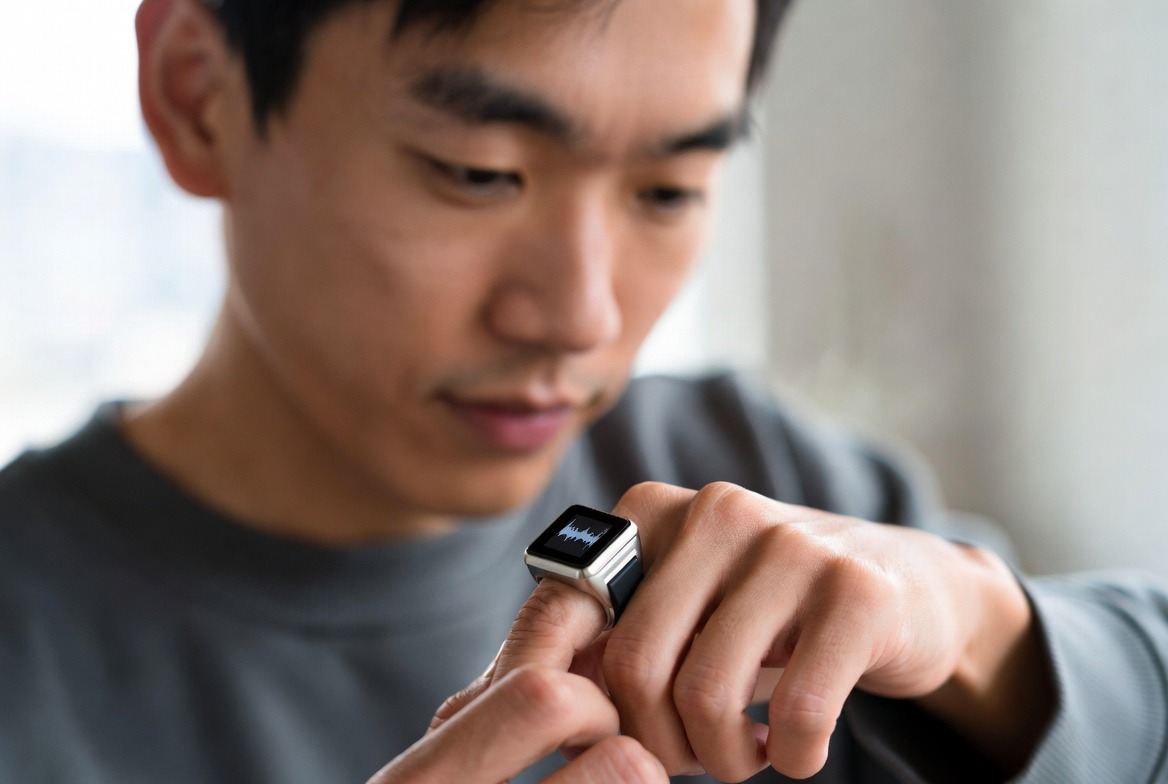
"Move more" is sound advice, but it's incomplete. To truly harness movement as preventive medicine, you must understand and strategically employ the full spectrum of physical activity. Think of it as a pharmacist's cabinet, with different "medicines" for different purposes, all working synergistically. This spectrum ranges from the all-day background activity that fuels your metabolism to the intense bursts that build peak capacity.
1. Non-Exercise Activity Thermogenesis (NEAT): The All-Day Foundation. NEAT is the energy you expend for everything that is not sleeping, eating, or sports-like exercise. It includes walking to your car, typing, gardening, pacing while on the phone, and even fidgeting. For many, this can account for the largest variable in daily calorie expenditure. More importantly for prevention, frequent, low-grade movement throughout the day is critical for metabolic and vascular health. It keeps blood sugar stable, prevents the harmful physiological effects of prolonged sitting, and maintains joint lubrication. Strategy: Set a timer to stand and move for 2-3 minutes every 30-60 minutes. Take walking calls, use a standing desk, park farther away. This is your baseline medicinal dose.
2. Low-Intensity Steady State (LISS) & Moderate Activity: The Cardio-Metabolic Workhorse. This includes activities like brisk walking, leisurely cycling, or hiking at a pace where you can hold a conversation. It primarily uses fat as fuel and is sustainable for longer durations (30-90 minutes). Its preventive benefits are immense: improving cardiovascular health, enhancing insulin sensitivity, reducing stress, and supporting recovery. It forms the bulk of a sustainable, joint-friendly movement practice. Strategy: Aim for 150+ minutes per week. A daily 30-minute walk is a perfect pillar of prevention.
3. High-Intensity Interval Training (HIIT): The Metabolic & Cardiovascular Power Boost. HIIT involves short bursts of all-out effort (e.g., 30 seconds) followed by periods of rest or low-intensity recovery (e.g., 90 seconds). It is incredibly time-efficient and potent. Its preventive superpower lies in its ability to significantly improve VO2 max (a top predictor of longevity), create excess post-exercise oxygen consumption (EPOC) for continued calorie burn, and enhance metabolic rate. Caution: HIIT is a potent stressor and requires adequate recovery. It should be used strategically, not daily. Strategy: 1-2 sessions per week, lasting 10-30 minutes, with thorough warm-up and cool-down.
4. Resistance Training: The Structural & Metabolic Essential. As covered, this is non-negotiable for preserving muscle, bone, and metabolic health. It includes weightlifting, bodyweight exercises, and resistance band work. Strategy: Aim for 2-3 sessions per week, targeting all major muscle groups. Focus on progressive overload (gradually increasing challenge) and proper form.
5. Mobility & Balance Work: The Injury-Proofing Practice. This includes dynamic stretching, yoga, Pilates, and dedicated balance exercises. It maintains the range of motion, prevents stiffness, and ensures neuromuscular coordination. Strategy: Incorporate 10-15 minutes daily, or as a warm-up/cool-down for other sessions. Dedicate 1-2 longer sessions per week to practices like yoga.
The art of preventive movement lies in blending these modalities throughout your week based on your energy, goals, and recovery status. A balanced week might include: daily NEAT and LISS walks, 2 strength sessions, 1 HIIT session, and several short mobility breaks. This balanced approach ensures you are medicating all systems—metabolic, cardiovascular, structural, and neurological—without overtaxing any one. To compare how different wearables approach tracking this full spectrum, our wellness ring comparison chart of top brands can be a useful resource in choosing the right tool for your strategy.
The Technology of Self-Knowledge: How Modern Wearables Transform Intuition into Insight
For millennia, the practice of preventive health relied on intuition, tradition, and observing broad patterns over long periods. Today, we stand at the precipice of a revolution: the ability to quantify the once-unquantifiable aspects of our physiology in real-time. Modern wearables, particularly advanced smart rings, are not just fancy step counters; they are continuous biometric sensing platforms that close the loop between action and reaction, effort and recovery, behavior and outcome. They transform "movement as medicine" from a philosophical concept into a precise, personalized science.
1. From Steps to Physiology: The Sensor Suite.
The latest generation of wearables moves far beyond accelerometers. They house medical-grade sensors that provide a holistic snapshot of your state:
2. The Critical Importance of 24/7 Monitoring & Baselines.
A spot check at the doctor's office provides a single data point in time, often influenced by "white coat syndrome." The preventive power of a wearable lies in its continuity. By collecting data 24/7, it establishes your personal, dynamic baseline. It knows what your normal resting heart rate is, what your typical HRV range is, and how you sleep.
This allows for trend analysis and anomaly detection, which is the cornerstone of prevention. Seeing your resting heart rate creep up by 5 bpm over a week, or your HRV trend downward despite consistent sleep, is an early warning signal—a "check engine" light for your body. It allows you to intervene proactively: perhaps by prioritizing sleep, managing stress, or taking a rest day before you feel overtrained or get sick.
3. Closing the Loop: Actionable Insights, Not Just Data.
Raw data is overwhelming. The value of a sophisticated platform is in its ability to translate biometrics into behavior change. This happens through:
This technology democratizes access to a level of self-knowledge previously available only to elite athletes in sports science labs. It empowers you to be the primary investigator and steward of your own health, making "movement as medicine" a data-informed, responsive, and deeply personal practice. To see this evolution from manual tracking to today's smart technology, explore the evolution of health tracking technology from manual logs to smart rings.
Knowing what to do and why to do it is only half the battle. The true frontier of preventive wellness is behavioral. The most elegant, personalized movement prescription is useless if you cannot consistently implement it. The enemy is inertia—the powerful tendency to maintain the status quo, especially when that status quo is sedentary and comfortable. To make movement a non-negotiable part of your life, you must master the psychology of habit formation, working with your brain's wiring, not against it.
Understanding the Habit Loop: Every habit, good or bad, runs on a three-part neurological loop: Cue → Routine → Reward. To build a new habit, you must deliberately engineer each part.
Strategic Implementation: Building Your Movement Habits.
1. Master the Art of the Micro-Habit (The "2-Minute Rule").
The biggest mistake is starting too big. Aiming for a 60-minute workout when you're sedentary is daunting and easy to skip. Instead, use the "2-Minute Rule" from James Clear's Atomic Habits: scale down your new habit until it takes 2 minutes or less to do.
The logic is flawless: you can't not do a 2-minute habit. And once you've started (put on the shoes, rolled out the mat), the friction to continue is dramatically reduced. The habit is the ritual of starting, not the outcome.
2. Stack Your Habits (Habit Stacking).
This technique, coined by S.J. Scott, involves anchoring a new habit to an existing one. The existing habit serves as a reliable cue. The formula is: "After/Before [CURRENT HABIT], I will [NEW HABIT]."
3. Design Your Environment for Frictionless Movement.
Willpower is a limited resource. Design your physical space to make the desired behavior easy and the undesired behavior hard.
4. Hack the Reward System.
The long-term rewards of movement (better health, prevention) are too distant to reinforce a new habit. You need immediate, tangible rewards.
5. Reframe Your Identity.
The most profound level of change is identity-based. Instead of "I need to work out," adopt the identity of "I am the kind of person who moves my body daily." "I am someone who prioritizes recovery." "I am an active person." Every time you perform the habit, you are voting for this new identity. This shift makes behavior consistent with who you believe you are, reducing internal conflict.
Embrace Imperfection: The "Never Miss Twice" Rule.
You will miss a day. Life intervenes. The key to long-term sustainability is to prevent a single miss from becoming a relapse. Adopt the simple rule: "Never miss twice." If you skip your morning walk on Tuesday, it is non-negotiable that you do it on Wednesday. This rule builds resilience and prevents the "all-or-nothing" thinking that derails so many well-intentioned plans.
By applying these psychological principles, you move from relying on fluctuating motivation to installing automatic, resilient systems. Movement becomes not something you have to do, but something you do—a natural, integrated part of the person you are becoming. For support in building these systems with the aid of technology, our guide on how wellness rings help build healthy habits offers practical, step-by-step advice.

Preventive wellness is not a 12-week program or a goal with a finish line. It is a lifelong philosophy—a commitment to dynamic living that evolves and adapts with you through every decade and life circumstance. The "movement as medicine" paradigm must be flexible enough to accommodate changing bodies, shifting priorities, and the unpredictable nature of life itself. The goal is not to peak at 30 and then decline, but to cultivate a resilient healthspan—the period of life spent in good health—that matches and extends your lifespan.
The Lifespan Approach: Movement Evolution by Decade.
The Principle of "Something is Always Better Than Nothing."
Life will disrupt your perfect plan. You’ll have a busy week, get injured, or go on vacation. The philosophy that sustains you is this: Any movement, in any amount, has medicinal value. On a chaotic day, three minutes of deep breathing and shoulder rolls at your desk is medicine. A 10-minute walk around the block is medicine. Playing on the floor with your kids or grandkids is medicine. Abandon the all-or-nothing mindset. Consistency over the long haul is built on the foundation of showing up, even imperfectly.
Finding Joy in the Movement Itself.
If movement is forever, it cannot be a punishment. The final, and perhaps most important, step in this philosophy is to cultivate joy. This means:
Your Legacy of Health.
Ultimately, embracing movement as lifelong preventive medicine is the most profound gift you can give yourself and those who depend on you. It’s an investment in your ability to be present, engaged, and vibrant throughout your entire life. It’s about having the energy to pursue your passions, the resilience to handle life’s challenges, and the physical autonomy to enjoy your independence.
This journey is deeply personal, but you don't have to navigate it alone. The right tools can provide guidance, insight, and motivation. To begin exploring a tool designed to support this lifelong philosophy, you can discover the Oxyzen smart ring and its approach to holistic wellness tracking here. For ongoing learning and support, our blog is a rich resource for related articles and deeper dives into all aspects of preventive health and technology.
The path of prevention is paved not with drastic, fleeting efforts, but with small, intelligent, consistent steps—a lifelong conversation between your intention and your body's wisdom, guided by the principle that to move is to live, fully and well.
Movement is the signal; nutrition is the building material. You cannot construct a resilient, high-functioning body with movement alone, just as you cannot build it with perfect nutrition while remaining sedentary. The two are inextricably linked in a synergistic dance. For preventive wellness, understanding how to strategically fuel your movement—and how to eat to enhance recovery and adaptation—is where the medicine becomes exponentially more potent. This is not about "dieting for weight loss"; it’s about strategic nourishment for performance, repair, and longevity.
Food as Information and Building Blocks. Every time you eat, you are sending instructions to your cells. Macronutrients (protein, carbohydrates, fats) provide the raw materials, while micronutrients (vitamins, minerals, phytonutrients) act as the catalysts and regulators for every physiological process sparked by movement. The right nutrition amplifies the beneficial stress of exercise, turning it into a clear, adaptive response. The wrong nutrition can mute that signal and promote inflammation.
The Pre-Movement Fuel: Priming the Engine.
What and when you eat before activity sets the stage for energy, performance, and how you feel.
The Intra-Movement Support: Sustaining the Signal.
For sessions under 60 minutes, water is typically sufficient. For longer, more intense efforts (e.g., a 90-minute bike ride, a long hike, or a demanding athletic session), intra-workout nutrition prevents fatigue and supports performance.
The Post-Movement Recovery: The Critical Repair Window.
This is where the magic of adaptation happens. In the 30-120 minutes after exercise, your muscles are primed to repair and rebuild. Nutrition here directly influences how effectively your body responds to the movement "medicine."
Nutrient Timing vs. Nutrient Quality: The Hierarchy.
While timing can optimize results, overall daily nutrient quality reigns supreme for preventive health. No amount of perfect peri-workout nutrition can compensate for a chronically poor diet. Your foundational diet should be:
Hydration: The Universal Solvent. Water is the medium in which every metabolic reaction, including those triggered by exercise, takes place. Even mild dehydration (a 2% loss of body weight) can impair cognitive function, increase perceived effort during exercise, and hinder recovery. Monitor your hydration status by checking the color of your urine (aim for pale yellow) and considering factors like sweat rate, climate, and activity level. For a deeper understanding of how technology can help monitor physiological states that influence hydration and nutrient needs, the article on how health tracking technology has changed preventive medicine provides compelling context.
Listening to Your Body’s Hunger & Energy Cues.
Ultimately, the most personalized nutrition guide is your own body. Learn to distinguish between true hunger, boredom, and thirst. Notice how different foods make you feel during and after movement. Do you feel energized or sluggish? Do you recover well or feel perpetually sore? Use tools like a wellness ring to observe how dietary patterns (like a higher carbohydrate day or an alcohol-heavy evening) impact your sleep quality, resting heart rate, and HRV. This creates a powerful feedback loop, allowing you to refine your nutrition as an integral part of your movement medicine protocol.
Human beings are inherently social creatures. Our biology is wired for connection, and this extends profoundly to our health behaviors. While movement can be a deeply personal practice, its power is magnified when shared. The social dimension of movement—from group fitness to walking buddies to online communities—provides a layer of motivation, accountability, and joy that pure self-discipline cannot replicate. It transforms a preventive health task into a shared experience of vitality.
The Science of Social Syncing. Exercising with others triggers beneficial neurobiological and psychological responses:
Building Your Movement Community: Formats for Connection.
The Role of Friendly Competition.
A little friendly competition can be a potent motivator. Step challenges, mileage goals, or workout streaks among friends or colleagues leverage our natural drive for achievement and status. The key is to keep it positive and inclusive, focusing on collective encouragement rather than creating undue stress. Many wellness platforms, including those paired with smart devices, have built-in social challenge features that make this easy and fun.
Overcoming Social Barriers.
It's common to feel intimidated. "I'm not fit enough." "I don't know anyone." "I'm too slow." Remember:
The Ripple Effect of Social Movement.
When you commit to moving with others, you create a positive feedback loop that extends beyond the workout. You share tips, celebrate non-scale victories, and normalize the conversation around health and prevention. You become part of a culture that values vitality, which in turn reinforces your own identity as an active, healthy person. This social reinforcement is perhaps the most sustainable "technology" for wellness we have ever had. For inspiration from others on a similar path, browsing real customer testimonials and experiences can provide that sense of connection and shared purpose.
A lifelong movement practice is not a straight line of upward progress. It is a winding path with peaks, valleys, and flat stretches. Expecting constant linear improvement is a recipe for frustration and abandonment. The true mark of a sustainable preventive practice is not the absence of obstacles, but the development of a flexible, intelligent toolkit to navigate them. Here, we address common challenges and reframe them as opportunities for deeper learning and adaptation.
1. The Performance Plateau.
You’ve been consistent, but your strength, speed, or endurance has stalled. This is a normal sign of adaptation; your body has become efficient at the current stressor.
2. Pain and Discomfort: Listening to the Signal.
Pain is information, not noise. Distinguishing between "good" soreness (Delayed Onset Muscle Soreness or DOMS) and "bad" pain (injury) is critical.
3. Life’s Inevitable Interruptions: Travel, Illness, Busy Periods.
Your routine will be disrupted. The key is to have a "Minimum Effective Dose" (MED) plan ready.
4. Motivation Drought.
You won't always feel motivated. Motivation follows action; it rarely precedes it.
5. Data Anxiety & Over-Obsession.
While data is empowering, it can become a source of stress if you become overly attached to daily numbers. A low HRV score is not a failure; it's information.
By expecting and planning for these challenges, you build resilience into your practice. Each plateau, each bout of pain, each busy week becomes a lesson in listening, adapting, and respecting the complex, dynamic system that is your body. This intelligent responsiveness is the hallmark of a truly preventive, lifelong approach.
We stand at the frontier of a revolution in preventive health. The convergence of advanced biometric sensing, artificial intelligence, and a growing cultural emphasis on wellness is poised to transform "movement as medicine" from a generalized principle into a deeply contextual, predictive, and hyper-personalized experience. The future is not just about tracking more data, but about deriving more meaningful, actionable wisdom from it, creating a seamless partnership between human intuition and machine intelligence.
1. From Descriptive to Predictive and Prescriptive Analytics.
Current wearables are largely descriptive: they tell you what happened (you slept poorly, your HRV is low). The next generation will be predictive and prescriptive.
2. The Rise of the Integrated, Context-Aware AI Health Coach.
Imagine a digital coach that doesn't just see your workout but understands your entire life context. It integrates with your calendar to see your stress load, with your food logging app (or even future non-invasive glucose monitors) to understand your fuel, and with your wearables to assess your readiness. This AI coach would:
3. Advanced Biomarkers and Non-Invasive Monitoring.
The sensor suite will expand beyond PPG and accelerometers. We are moving towards continuous, non-invasive monitoring of biomarkers currently accessible only via blood tests.
4. Immersive Feedback and Gamification.
Augmented Reality (AR) and Virtual Reality (VR) will turn movement into an immersive, engaging experience. Imagine a VR hiking session through a stunning landscape that adapts its incline to your real-time heart rate, or an AR strength training app that projects proper form guides onto your environment. This layer of engagement can dramatically increase adherence and joy, especially for those who find traditional exercise monotonous.
5. Decentralized Research and Personalized Baselines.
With anonymized, aggregated data from millions of users, wearable companies will be able to conduct "real-world evidence" studies on a scale never before possible. This could lead to discoveries about how different populations (e.g., perimenopausal women, people with specific genetic markers) respond to different types of movement. Your personal data will be compared not to a generic population average, but to a cohort that matches your unique physiology and lifestyle, making your baseline and recommendations exquisitely precise.
The Human Element in a High-Tech Future.
Amidst this exciting technological evolution, the core principle remains: Movement is a fundamental human need. The technology's ultimate role is to remove barriers, deepen understanding, and enhance the intrinsic human experience of inhabiting and caring for our bodies. It should make the practice of preventive wellness more intuitive, not more complicated. The goal is a future where your personal "movement pharmacy" is so intelligently managed that you can focus less on the logistics and more on the feeling—the vitality, strength, and joy that comes from a body in motion.
To glimpse what's on the immediate horizon, explore our thoughts on health tracking technology in 2025 and what's possible. This future is not distant; it is being built today, and it promises to make the preventive power of movement more accessible and effective than ever before.
Your Trusted Sleep Advocate (Sleep Foundation — https://www.sleepfoundation.org/)
Discover a digital archive of scholarly articles (NIH — https://www.ncbi.nlm.nih.gov/
39 million citations for biomedical literature (PubMed — https://pubmed.ncbi.nlm.nih.gov/)
experts at Harvard Health Publishing covering a variety of health topics — https://www.health.harvard.edu/blog/)
Every life deserves world class care (Cleveland Clinic -
https://my.clevelandclinic.org/health)
Wearable technology and the future of predictive health monitoring. (MIT Technology Review — https://www.technologyreview.com/)
Dedicated to the well-being of all people and guided by science (World Health Organization — https://www.who.int/news-room/)
Psychological science and knowledge to benefit society and improve lives. (APA — https://www.apa.org/monitor/)
Cutting-edge insights on human longevity and peak performance
(Lifespan Research — https://www.lifespan.io/)
Global authority on exercise physiology, sports performance, and human recovery
(American College of Sports Medicine — https://www.acsm.org/)
Neuroscience-driven guidance for better focus, sleep, and mental clarity
(Stanford Human Performance Lab — https://humanperformance.stanford.edu/)
Evidence-based psychology and mind–body wellness resources
(Mayo Clinic — https://www.mayoclinic.org/healthy-lifestyle/)
Data-backed research on emotional wellbeing, stress biology, and resilience
(American Institute of Stress — https://www.stress.org/)


