The Complete Beginner-Friendly Guide to Recovery Habits Between Workouts
A complete beginner's guide to recovery habits to practice on days between workouts.
The Complete Beginner-Friendly Guide to Recovery Habits Between Workouts
Think of the last great workout you crushed. The sweat, the burn, the triumphant feeling as you finished that last rep or final mile. Now, consider this: the results you’re chasing—strength, speed, endurance, transformation—aren’t forged in that hour of exertion. They’re forged in the 23 hours that follow.
Welcome to the forgotten half of fitness. The recovery half.
For too long, the narrative around fitness has been dominated by the “go hard or go home” mentality. We meticulously plan our splits, track our lifts, and log our miles, only to treat the time between workouts as a passive void. We wait for soreness to fade, energy to return, and motivation to strike again. This is where progress stalls, injuries brew, and burnout becomes inevitable.
Recovery is not the absence of training; it is the active, intentional, and scientifically-grounded process that allows your body to adapt, rebuild, and come back stronger. It’s the silent partner to every personal record, the architect of every physical improvement. For the beginner, understanding and mastering recovery habits isn’t just an advanced tip—it’s the foundational key to sustainable success. It’s what separates a fleeting burst of effort from a lifelong, evolving wellness journey.
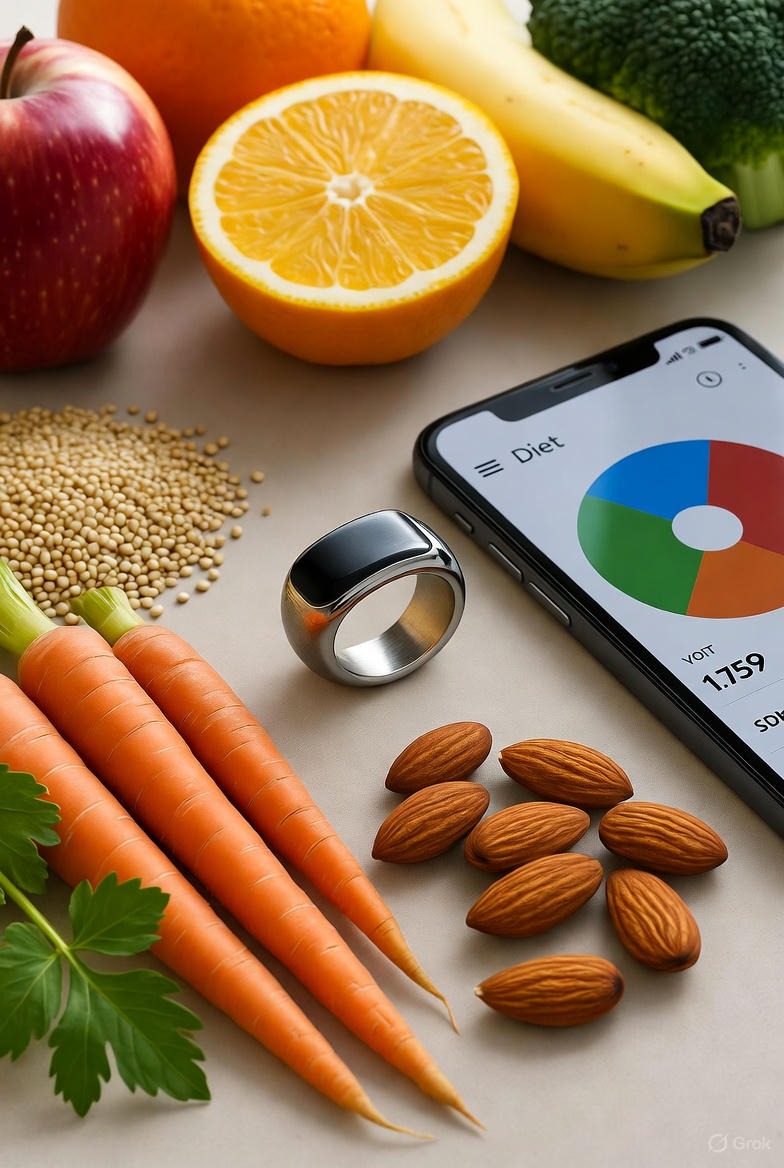
This guide is your blueprint for that journey. We’ll move beyond vague advice like “get more sleep” or “drink water” and dive into the how and why of a complete recovery ecosystem. We’ll explore how your nervous system unwinds, how your muscles literally repair themselves, and how modern technology, like smart rings from brands like Oxyzen, can give you an unprecedented, personalized window into your body’s needs.
Forget about grinding yourself into the ground. It’s time to build yourself up, smarter. Let’s begin.
Why Your Rest Days Are More Important Than Your Workout Days
If you’re just starting your fitness journey, this headline might feel like heresy. You’ve mustered the motivation, bought the gear, and are ready to conquer the gym daily. The idea of intentionally not working out can seem like a step backward. But to understand why this is false, we need to look at what actually happens when you exercise and, more crucially, what happens after.
Exercise is a controlled stressor. When you lift weights, you create microscopic tears in your muscle fibers. When you run, you deplete glycogen stores and cause metabolic fatigue. Your body perceives this as a threat to its equilibrium. The workout itself is the stimulus, the catalyst for change. But the adaptation—the strengthening of those muscle fibers, the replenishment and expansion of energy stores, the improvements in cardiovascular efficiency—all of that occurs during recovery.
Think of it like building a house. The workout is the demolition of the old, inefficient structure. Recovery is the careful, precise construction of the new, improved one. You wouldn’t hire a demolition crew to work 24/7 on your property; you need architects and builders to come in and create something better. Your body is no different.
The Science of Supercompensation
This process has a name: supercompensation. It’s a fundamental physiological cycle with four clear stages:
Application of Load (The Workout): You train, creating fatigue and depleting resources. Your performance capability drops.
Recovery Phase: You rest. Your body repairs damaged tissues, replenishes energy stores (like muscle glycogen), and clears metabolic by-products. It doesn’t just return to baseline; it starts preparing for a future, similar stress.
Supercompensation Phase: This is the golden window. Your body overcorrects, rebuilding itself to a level slightly higher than before the workout. Your performance capability rises above your original baseline. You are now fitter, stronger, or more resilient.
Loss of Supercompensation: If you don’t apply a new training stimulus during this elevated phase, your body slowly returns to its original baseline, considering the “threat” to have passed.
The entire goal of intelligent training is to time your next workout to hit during the supercompensation peak. Train too soon (during the recovery phase), and you interrupt repair, leading to stagnation or overtraining. Wait too long, and you lose the gains and start over. Effective recovery habits shorten the recovery phase and amplify the supercompensation peak, making your efforts exponentially more effective.
The Consequences of Neglect
Ignoring recovery isn’t just sub-optimal; it’s counterproductive and risky. Chronic under-recovery leads to:
Plateaus: Your body can’t adapt, so progress halts.
Overtraining Syndrome: A severe state of fatigue, decreased performance, hormonal disruption, and weakened immune function that can take months to resolve.
Increased Injury Risk: Weary muscles and connective tissues are more prone to strains, sprains, and stress fractures.
Mental Burnout: The constant physical fatigue bleeds into mental and emotional exhaustion, killing motivation.
For the beginner, the excitement of starting can often mask early signs of under-recovery. You might push through for weeks on enthusiasm alone, only to hit a physical and mental wall. By prioritizing recovery from day one, you build a fitness practice that is joyful, progressive, and sustainable for decades, not just weeks.
In the following sections, we will deconstruct this vital recovery process into its core components, giving you actionable, beginner-friendly habits for each. The first and most critical pillar of this system is one you already do every night—but probably not as effectively as you could.
The Undisputed Champion of Recovery: Mastering Sleep Health
If you take only one thing from this guide, let it be this: Sleep is the most powerful recovery tool you possess. It is non-negotiable, irreplaceable, and foundational to every other aspect of your health and fitness. While you’re asleep, your body isn’t just “shut down.” It’s in a state of hyper-active restoration.
Growth hormone, essential for muscle repair and growth, is primarily secreted during deep sleep. Your brain flushes out metabolic waste products that accumulate during the day. Your sympathetic nervous system (the “fight or flight” mode active during workouts) dials down, allowing your parasympathetic nervous system (the “rest and digest” mode) to take over, lowering heart rate and blood pressure and directing energy toward repair. Protein synthesis increases, facilitating the repair of those microscopic muscle tears.
Poor sleep, therefore, isn’t just about feeling groggy. It directly sabotages your fitness results at a cellular level. It impairs glucose metabolism (affecting your energy), increases cortisol (a stress hormone that can break down muscle), and blunts the release of recovery-promoting hormones.
Beyond "Getting 8 Hours": The Pillars of Sleep Health
Telling someone to “get more sleep” is often as useful as telling them to “make more money.” The how is what matters. This is where the concept of Sleep Health becomes essential. It’s a holistic view of sleep that goes beyond just duration.
A great starting point is understanding Sleep Health vs. Sleep Hygiene: Understanding the Difference. While sleep hygiene refers to the behaviors and environment that promote good sleep (like a dark room), sleep health is the broader, multidimensional outcome. Think of hygiene as the inputs and health as the output.
Prioritize Consistency: Go to bed and wake up at the same time every day, even on weekends. This regulates your body’s internal clock (circadian rhythm), making falling and staying asleep easier.
Craft a "Power-Down" Hour: The hour before bed is a transition period. Dim the lights, ban screens (the blue light suppresses melatonin), and engage in calming activities: reading a physical book, light stretching, meditation, or listening to calm music.
Optimize Your Cave: Your bedroom should be cool (around 65°F or 18°C), completely dark (use blackout curtains or an eye mask), and quiet (consider white noise or earplugs). Your mattress and pillows should support you comfortably.
Mind Your Intake: Avoid caffeine in the afternoon and evening. Be cautious with alcohol—while it may induce sleep, it severely disrupts sleep architecture, robbing you of precious deep and REM sleep. Avoid heavy, rich meals close to bedtime.
Leverage the Power of Light: Get bright, natural light exposure first thing in the morning. This signals to your circadian rhythm that the day has begun, making it easier to wind down 16-18 hours later.
Mastering sleep is the single greatest recovery investment you can make. For a comprehensive roadmap on applying these concepts, explore Sleep Health for Beginners: Your First 30 Days. As you enhance this pillar, you create a solid foundation for the next: fueling your repair.
You Can't Out-Train a Bad Diet: Nutritional Recovery for Repair and Replenishment
The food you eat after a workout isn't just a meal; it's the raw material for reconstruction. Imagine finishing a brutal workout and having no bricks, mortar, or tools to repair the house you just "demolished." That's what training without proper nutritional recovery is like. Your body needs specific nutrients at specific times to optimally execute the supercompensation process.
Nutritional recovery serves three primary purposes:
Replenish Glycogen: Your muscles use stored carbohydrates (glycogen) as their primary fuel during exercise. Depleted stores lead to fatigue.
Repair Muscle Protein: Dietary protein provides the amino acids needed to patch up and reinforce those micro-tears, building them back stronger.
Reduce Inflammation & Support Cellular Processes: Vitamins, minerals, antioxidants, and healthy fats help manage the natural inflammatory response to training and support countless recovery functions.
The Post-Workout "Anabolic Window" – Myth vs. Reality
You may have heard of the critical 30-60 minute "anabolic window" after a workout where you must consume protein and carbs or lose all gains. For most people, this is an oversimplification. The body is primed for nutrient uptake for several hours post-exercise. For beginners training with moderate intensity, having a balanced meal within 2-3 hours is perfectly adequate. The urgency increases with training frequency, duration, and intensity. The key takeaway is consistency and quality, not frantic, stopwatch-timed shakes.
Building Your Recovery Plate: Macronutrients in Focus
Protein: The Building Blocks. Aim for 20-40 grams of high-quality protein in your post-workout meal. This stimulates muscle protein synthesis (MPS). Sources: lean chicken, fish, eggs, Greek yogurt, tofu, tempeh, lentils, or a quality protein powder.
Carbohydrates: The Replenishers. Carbs restock muscle glycogen and help shuttle amino acids into muscles. The amount depends on the duration and intensity of your session. A long run requires more than a short weight session. Focus on whole-food sources: sweet potatoes, quinoa, brown rice, oats, fruits.
Fats: The Regulators. While fats digest slower and aren't the primary focus of the immediate post-workout moment, they are vital for hormone production (including recovery hormones) and reducing inflammation. Include healthy fats in your other daily meals: avocados, nuts, seeds, olive oil, fatty fish.
Hydration: The River of Recovery
Water is the medium in which every single metabolic process occurs. Dehydration, even mild, impairs performance, slows nutrient transport, and hinders waste removal. Your post-workout priority should be rehydration.
Weigh Yourself: For precision, weigh yourself before and after intense/long workouts. Drink 16-24 ounces (~500-750 ml) of water for every pound (0.45 kg) lost.
Check Your Urine: Aim for a pale straw color. Dark yellow urine is a sign of dehydration.
Consider Electrolytes: For sweaty sessions over 60 minutes, you lose electrolytes (sodium, potassium, magnesium). Replenish with an electrolyte drink or a balanced post-workout meal.
Anti-Inflammatory Foods
Incorporate colorful fruits and vegetables (berries, leafy greens, bell peppers), turmeric, ginger, and omega-3 fatty acids (from salmon, walnuts, chia seeds) to help manage exercise-induced inflammation naturally.
Remember, nutritional recovery isn't just about one "magic" post-workout shake. It's about your overall daily diet supporting a body that is routinely stressed and rebuilt. Fuel consistently with whole, nutrient-dense foods, and you provide your body with the best possible toolkit for repair. As we nourish the body from within, we must also address the physical state of the muscles themselves, which brings us to the practice of active recovery.
Active Recovery & Mobility: The Art of Moving to Heal
The day after a tough leg workout, the thought of moving might make you wince. Your instinct is to become one with the couch. While complete rest has its place, strategic, low-intensity movement—known as active recovery—is often far more effective at reducing soreness and speeding the return to full function.
Active recovery promotes blood flow without imposing significant new stress. This enhanced circulation delivers fresh oxygen and nutrients to fatigued muscles while helping to flush out metabolic waste products like lactic acid that contribute to soreness. It’s like gently rinsing the construction site with water to clear away debris so the builders can work more efficiently.
What Constitutes Active Recovery?
The key is low intensity (you should be able to hold a conversation easily) and low impact. This is not the time to beat personal records.
Walking: A simple 20-30 minute walk is arguably the best active recovery tool available.
Light Cycling or Swimming: Non-weight-bearing activities that get the heart pumping gently.
Yoga or Pilates: Focus on gentle flows and stretching, not power sessions.
Easy Foam Rolling or Self-Massage: We’ll cover this in-depth next.
Light Mobility Circuits: Moving your joints through their full range of motion with bodyweight.
The Critical Role of Mobility
Mobility is often confused with flexibility. Flexibility is the passive ability of a muscle to lengthen. Mobility is the active ability of a joint to move through its full range of motion with control and stability. It involves not just muscle length but also joint health, motor control, and strength at end ranges.
Why does this matter for recovery and performance?
Improved Movement Quality: Good mobility allows you to perform exercises with proper form. Squatting to depth with a neutral spine, for example, requires ankle, knee, hip, and thoracic spine mobility. Better form means more effective stimulation of target muscles and less strain on joints.
Injury Prevention: Restricted mobility often leads to compensatory movement patterns. Your body will find a way to move, even if it means overloading other joints and tissues. Over time, this compensation breeds injury.
Enhanced Recovery: Moving joints through their full range promotes synovial fluid production, which lubricates and nourishes joint cartilage.
A Simple Daily Mobility Routine for Beginners (5-10 minutes)
Incorporate this flow daily, especially on rest days or after sitting for long periods:
Cat-Cow (Spine): 10 slow rounds to warm up the spine.
World’s Greatest Stretch (Hips/Hamstrings/Thoracic Spine): 5 reps per side, holding for 2-3 breaths in each position.
Deep Bodyweight Squat Hold: Hold for 30-60 seconds, using your elbows to gently push knees apart. Focus on keeping heels down and chest up.
Thread the Needle (Shoulders/Upper Back): 8 reps per side, holding for a breath in the rotated position.
Ankle Circles & Pumps: 10 circles each direction, then 10 point/flex pumps per foot.
By integrating active recovery and mobility into your weekly rhythm, you stop treating your body as a collection of parts that are either “on” or “off.” You start treating it as a dynamic, interconnected system that thrives on mindful movement. This philosophy extends directly into the next, more targeted practice: releasing muscular tension at its source.
The Power of Soft Tissue Work: Foam Rolling, Massage Guns, and Self-Myofascial Release
That deep, familiar ache in your quads or tightness across your shoulders isn't just "in your muscles." It's also in the connective web that surrounds them: the fascia. Fascia is a thin, sturdy layer of connective tissue that surrounds and interpenetrates every muscle, bone, nerve, and organ. When it becomes restricted, adhered, or dehydrated—often due to injury, inflammation, or repetitive movement patterns—it can cause pain, limit mobility, and hinder performance.
Self-myofascial release (SMR) is a technique used to release these restrictions and improve tissue quality. By applying pressure to specific points (often called "trigger points" or "knots"), you can help relax tense muscles, increase blood flow, and improve your range of motion. Think of it as giving your fascia a deep, therapeutic stretch.
Your Toolbox for Tissue Release
1. Foam Rolling: The Foundational Tool A dense cylinder of foam is your entry point. It’s excellent for larger muscle groups.
How to Use: Place the roller on the ground and position your target muscle group on top. Use your arms and legs to slowly roll your body over it. When you find a tender spot (a "trigger point"), pause and hold gentle pressure for 30-60 seconds, breathing deeply until you feel the tension begin to release. Do not roll aggressively over bones or joints.
Beginner Areas to Target: Calves, quadriceps, hamstrings, glutes, lats, and upper back.
Pro Tip: For more targeted pressure, switch to a smaller, firmer tool like a lacrosse ball or a dedicated massage ball.
2. Massage Guns (Percussive Therapy): High-Tech Release These handheld devices deliver rapid, concentrated pulses of pressure deep into muscle tissue.
Benefits: They can be more efficient and targeted than foam rolling, especially for hard-to-reach areas. The percussive action is believed to stimulate blood flow, reduce muscle stiffness, and temporarily decrease pain perception.
How to Use: Start on a low setting. Glide the attachment slowly over large muscle groups (quads, hamstrings). For trigger points, hold the gun stationary on the knot for 15-30 seconds. Never use on bones, joints, the head, neck, or the front/sides of the torso.
For Beginners: A massage gun can feel intense. Start with brief sessions (2-3 minutes per muscle group) and lower intensities to see how your body responds.
A Simple Post-Workout SMR Routine (5-7 minutes)
Perform this after your workout or on rest days.
Calves (1 min/side): Sit with legs straight, place foam roller under one calf. Cross the other leg over for pressure. Roll from ankle to knee.
Quadriceps (1 min/side): Lie face down, place roller under the front of one thigh. Roll from hip to knee.
Glutes (1 min/side): Sit on the roller, cross one ankle over the opposite knee (figure-four). Lean into the side of the crossed leg and roll around the glute area.
Upper Back (1 min): Lie with the roller under your shoulder blades, hands behind head for support. Gently roll from mid-back to just below the shoulder blades. Avoid the lower back.
Integrating just a few minutes of SMR into your routine can profoundly impact how you feel and move. It’s a direct conversation with your body’s muscular system, asking it to let go of stored tension. To manage the other side of the stress equation—the mental and systemic load—we must turn our attention to the nervous system.
Taming the System: Nervous System Regulation for Deep Recovery
When we think of recovery, we think of muscles and energy. But there's a master conductor orchestrating your entire physiological state: your autonomic nervous system (ANS). The ANS has two primary branches:
Sympathetic Nervous System (SNS): Your "gas pedal." It's activated by stress, excitement, and exercise. It increases heart rate, blood pressure, and cortisol, mobilizing energy for action (the "fight, flight, or workout" response).
Parasympathetic Nervous System (PNS): Your "brake pedal." It's the "rest, digest, and recover" state. It lowers heart rate, stimulates digestion, promotes relaxation, and directs resources toward repair and growth.
A tough workout is a significant sympathetic stressor. For recovery to occur optimally, you need to shift the balance from a dominant SNS state back to a dominant PNS state. The problem in modern life is that we live in a state of chronic, low-grade sympathetic arousal—from work stress, screens, news, and social pressures. This means our bodies may never fully downshift into the deep recovery gear, even when we’re physically resting.
Signs Your Nervous System Is Stuck in "Go" Mode
Difficulty falling or staying asleep
Feeling "tired but wired" at night
Elevated resting heart rate (especially noticeable with a smart ring or tracker)
Poor digestion or appetite issues
Persistent muscle tension
Anxiety or racing thoughts
Practices to Activate Your "Brake Pedal" (The PNS)
1. Diaphragmatic (Belly) Breathing: This is the fastest, most accessible way to hack your nervous system. Shallow chest breathing stimulates the SNS. Deep, slow belly breathing stimulates the PNS.
The Practice: Lie on your back or sit comfortably. Place one hand on your chest, the other on your belly. Inhale slowly and deeply through your nose for a count of 4, feeling your belly rise (your chest should move very little). Exhale slowly through your mouth for a count of 6, feeling your belly fall. Repeat for 5-10 minutes, especially post-workout or before bed.
2. Meditation and Mindfulness: Meditation isn't about emptying your mind; it's about training your attention and awareness. This practice reduces the amygdala's reactivity (your brain's fear center) and strengthens the prefrontal cortex (involved in calm decision-making).
For Beginners: Start with just 5 minutes a day. Use a guided app like Headspace or Calm. Simply focus on the sensation of your breath. When your mind wanders (it will), gently bring it back. No judgment.
3. Cold Exposure (Brief & Strategic): A short cold shower or ice bath (1-3 minutes at 50-59°F / 10-15°C) creates a acute, controlled stressor. When you get out, your body's rebound response is a powerful surge of PNS activity. It also reduces inflammation and can improve mood. Important: Consult a doctor if you have cardiovascular issues. Always end on a warm note and listen to your body.
4. Nature Immersion ("Forest Bathing"): Spending time in nature, away from digital stimuli, has been shown to lower cortisol, heart rate, and blood pressure. A 20-30 minute walk in a park can be a potent nervous system reset.
By intentionally cultivating PNS-activating habits, you create the internal physiological environment where sleep is deeper, digestion is better, and repair is prioritized. It’s the silent, essential work that makes all the physical work worthwhile. As we learn to manage this internal state, we can also leverage external data to refine our approach, which is where modern technology becomes a game-changer.
Listening to Your Body's Data: How Technology Can Personalize Your Recovery
For decades, understanding your body's recovery state was a guessing game. How sore is "too sore"? Is this fatigue mental or physical? Am I ready to push hard today? We relied on subjective feelings, which are easily clouded by motivation, stress, or a bad night's sleep.
Today, wearable technology—specifically, smart rings—has revolutionized our ability to objectively measure key recovery metrics. Unlike wrist-based devices that can be bulky and interfere with exercises like weightlifting, smart rings are discreet, comfortable, and track physiological signals 24/7, providing a continuous stream of personalized data.
This isn't about becoming a slave to numbers. It's about developing a richer, more nuanced conversation with your body. For the beginner, this data acts as a compassionate coach, helping you learn your unique patterns and responses.
Key Recovery Metrics Tracked by Smart Rings (Like Oxyzen)
1. Heart Rate Variability (HRV): The Gold Standard of Recovery Readiness
What it is: HRV is the variation in time between each heartbeat. It's controlled by your autonomic nervous system. A higher HRV generally indicates a strong, resilient PNS (rest and recover) and good adaptability to stress. A lower-than-normal HRV suggests your body is under strain—from training, illness, lack of sleep, or life stress.
How to Use It: Track your trend over time, not daily numbers. Your device will establish a baseline. If you see a sustained drop in your HRV below your baseline, it's a clear sign from your body to prioritize rest, sleep, and low-stress activities. If your HRV is trending at or above baseline, you're likely well-recovered and can train with intensity.
2. Resting Heart Rate (RHR): Your Metabolic Idle Speed
What it is: Your heart rate when you are completely at rest, best measured first thing in the morning. A well-recovered, fit body has a lower RHR (efficient heart muscle). An elevated RHR, especially a sudden increase from your personal norm, is another red flag for under-recovery, impending illness, or dehydration.
How to Use It: Monitor your morning RHR trend. A spike of 5-7+ beats per minute can be a signal to take it easy.
3. Sleep Metrics: Quantifying Your #1 Recovery Tool
What they are: Beyond just duration, advanced wearables track Sleep Stages (light, deep, REM), Sleep Latency (time to fall asleep), Wakefulness, and Sleep Efficiency (% of time in bed actually asleep). They can also estimate Blood Oxygen (SpO2) variations during sleep, which can indicate sleep disturbances.
How to Use Them: This data moves you from "I slept poorly" to "I got only 45 minutes of deep sleep and woke up 12 times." You can then correlate this with your habits (e.g., "On nights I had alcohol, my deep sleep plummeted"). For a deep dive into interpreting this data, a resource like Understanding Your Sleep Health Assessment: Rating Your Current Sleep can be invaluable.
4. Body Temperature & Respiratory Rate:
What they are: Advanced sensors can track subtle changes in skin temperature and breathing rate overnight. A higher-than-usal nightly temperature can indicate inflammation or the onset of illness. Respiratory rate can also reflect nervous system state.
The Beginner's Guide to Using Recovery Data
Establish a Baseline: Wear your device consistently for at least two weeks without making major changes to understand your personal norms.
Look for Trends, Not Dots: Don't panic over one bad night of sleep or a low HRV score. Look at the 7-day rolling average. Is the trend heading up, down, or staying level?
Let Data Inform, Not Dictate: If you feel great but your HRV is low, you might still have a good workout—just be mindful. If you feel terrible and your data is poor, that's a strong mandate for a rest day.
Use it for Sleep Experimentation: Try a new bedtime routine, then check your sleep score and deep sleep duration the next morning. This turns sleep improvement into a tangible, feedback-driven process.
Technology like this demystifies the body. It provides the "why" behind the "feel," empowering you to make smarter, more personalized decisions about training, rest, and lifestyle. As you become adept at reading your body's signals, you must also consider the environment you recover in and the substances you put into it.
The Foundation: Optimizing Your Environment and Managing Substances
Recovery doesn't happen in a vacuum. It occurs within the context of your daily environment and is profoundly influenced by the substances you consume beyond just food. Creating a pro-recovery ecosystem and being mindful of common inhibitors can significantly amplify all the other habits you're building.
Crafting a Recovery-Conducive Environment
1. Stressful Environments & "Second-Hand Stress": Chronic stress from work, relationships, or a chaotic home life keeps your cortisol elevated, directly antagonizing muscle repair and growth. Furthermore, simply being around highly stressed people can elevate your own stress markers—a phenomenon known as "stress contagion."
Action Step: Create physical and temporal boundaries. Designate a corner of your home as a calm, screen-free zone. Practice saying "no" to non-essential obligations that drain you. Schedule your recovery practices in your calendar as non-negotiable appointments.
2. Light Pollution & Circadian Rhhythm Disruption: Exposure to blue light from screens after sunset suppresses melatonin production, delaying sleep onset and degrading sleep quality. Irregular light exposure confuses your internal clock.
Action Step: Use blue light blocking glasses in the evening. Enable "Night Shift" or "Night Mode" on all devices after sunset. Prioritize getting bright, natural light exposure within 30 minutes of waking to firmly set your circadian rhythm.
3. Noise Pollution: Unexpected or jarring noises during sleep, even if they don't fully wake you, can cause micro-arousals, fragmenting your sleep architecture and reducing time in deep and REM sleep.
Action Step: Use a white noise machine, a fan, or earplugs to create a consistent, buffered sound environment. Smartphone apps can also generate calming soundscapes.
Navigating Common Substance Impacts on Recovery
1. Alcohol: The Recovery Saboteur Alcohol is often the single biggest lifestyle factor derailing recovery. Its impact is multifold:
Sleep Architecture Wrecker: It sedates you but blocks REM sleep (critical for cognitive recovery and memory) and often leads to wakefulness later in the night as its effects wear off.
Dehydrator: It's a diuretic, worsening the dehydration already caused by exercise.
Protein Synthesis Blocker: It directly inhibits pathways responsible for muscle repair and growth.
Inflammatory Agent: It promotes systemic inflammation.
Recommendation: For optimal recovery, limit alcohol intake significantly, especially on training days and nights before training. Avoid it entirely in the immediate post-workout window.
2. Caffeine: A Double-Edged Sword Caffeine is a fantastic performance enhancer, but its timing is crucial for recovery.
The Half-Life Problem: Caffeine has a half-life of about 5-6 hours. A coffee at 4 PM means half that caffeine is still in your system at 9-10 PM, potentially interfering with sleep onset.
Recommendation: Establish a "caffeine curfew." For most people, cutting off caffeine 8-10 hours before bedtime is a safe rule. If you're sensitive, make it 12 hours.
3. Over-the-Counter (OTC) Pain Relievers (NSAIDs): It's tempting to pop ibuprofen or naproxen for post-workout soreness. However, chronic use for exercise-induced soreness is not advised. Inflammation is a necessary signal for repair. While these drugs can reduce pain, they may also blunt the adaptive response to training by interfering with the inflammatory pathways that initiate muscle remodeling.
Recommendation: Use NSAIDs sparingly and only for acute pain or as directed by a doctor. Don't use them prophylactically to "prevent" soreness. Prioritize natural anti-inflammatories (food, hydration, sleep) and SMR techniques first.
By consciously designing your environment and being a deliberate gatekeeper of the substances you consume, you remove significant barriers to recovery. You allow the positive habits you're cultivating—sleep, nutrition, mobility—to work at their full potential. Now, let's bring all these elements together into a structured plan.
Creating Your Personal Recovery Protocol: A Step-by-Step Blueprint for Beginners
Knowing the individual pieces of the recovery puzzle is one thing. Assembling them into a coherent, daily practice is another. This section provides a practical, step-by-step framework to build your personalized recovery protocol. Remember, the goal is consistency and gradual integration, not perfection from day one.
Step 1: The Recovery Audit (Week 1)
Before you add anything new, observe your current state. For one week:
Track Subjectively: Use a simple notes app or journal. Rate your daily energy (1-10), mood, soreness, and sleep quality.
Note Your Habits: Honestly log your current sleep times, nutrition, water intake, and stress levels.
Establish a Tech Baseline (If Using a Device): Wear your smart ring or tracker consistently to see your starting HRV, RHR, and sleep scores.
Step 2: Lay the Non-Negotiable Foundation (Weeks 2-3)
Start with the highest-impact, lowest-effort habits.
Hydration Priority: Set a goal (e.g., drink a glass of water first thing, finish a bottle by noon). Use an app or marked bottle if needed.
Sleep Schedule Lock-In: Pick a realistic bedtime and wake-up time. Stick to it within 30 minutes every single day, including weekends.
The Post-Workout 30-Minute Rule: Within 30 minutes of finishing a workout, do two things: 1) Drink 16-20 oz of water. 2) Consume a protein + carb snack if a full meal is >2 hours away (e.g., Greek yogurt with berries, a protein shake, an apple with peanut butter).
Step 3: Integrate Active & Mobility Habits (Weeks 4-5)
Now, layer in movement-based recovery.
Schedule Active Recovery Days: Mark 1-2 days per week in your calendar as "Active Recovery." On these days, do 20-30 minutes of walking, gentle cycling, or a beginner yoga video.
Implement the 5-Minute Mobility Rule: After every workout, before you leave the gym or your workout space, spend 5 minutes on 2-3 key stretches or foam rolls for the muscles you just worked. This builds an unbreakable habit chain: Workout -> Mobility -> Done.
Step 4: Introduce Nervous System Training (Weeks 6-7)
Begin to address systemic stress.
Belly Breathing Before Bed: Commit to 5 minutes of diaphragmatic breathing while lying in bed before you try to sleep.
Digital Sunset: Set an alarm for 60 minutes before your target bedtime. When it goes off, all screens go to "Night Mode" and you start your power-down routine (read, stretch, meditate, plan the next day).
Step 5: Refine with Data & Personalization (Ongoing)
Use your observations and any tech data to personalize.
If HRV is consistently low on weekends: Examine weekend habits (alcohol, late nights, poor food). Your data is showing the cost.
If soreness is persistent: Increase your post-workout protein slightly, or add 2 minutes of targeted foam rolling to your routine.
Sample Beginner Recovery Day (Non-Training Day)
Morning: Wake at consistent time. Drink a glass of water. Get 10 minutes of sunlight.
Afternoon: 25-minute walk (active recovery). Include 5 minutes of your mobility flow.
Evening: Digital sunset 60 min before bed. Light stretching or foam rolling for areas that feel tight. 5 minutes of belly breathing in bed.
Night: Sleep in a cool, dark room.
This protocol is modular. Start at Step 1 and add the next step only when the previous one feels like a natural part of your routine, not an added chore. This is a marathon, not a sprint. For more structured guidance on building foundational health habits, The Beginner's Sleep Health Toolkit: What You Actually Need offers a parallel approach focused specifically on sleep.
Beyond the Physical: The Mental and Emotional Components of Recovery
We’ve focused extensively on the physiology of repair—muscles, hormones, nervous systems. But human beings are not merely biological machines. Our mental and emotional states are inextricably linked to our physical capacity to recover. Ignoring this mind-body connection is like optimizing a race car's engine but neglecting the driver's focus and morale.
Training stress isn't just physical. It's also psychosocial. Hitting a plateau, missing a goal, comparing yourself to others at the gym or on social media, or simply the mental effort of maintaining consistency all contribute to a form of fatigue that won't show up in your blood lactate levels but will absolutely affect your recovery capacity and performance.
The Impact of Mental Stress on Physical Recovery
Chronic mental stress (work deadlines, relationship strain, financial worry) activates the same hypothalamic-pituitary-adrenal (HPA) axis as physical stress. It elevates cortisol. This means your body cannot distinguish between the stress of a heavy squat session and the stress of a looming project deadline—both draw from the same recovery resources. High allostatic load (the cumulative burden of all stress) leaves fewer resources for muscular repair and adaptation.
Essential Mental Recovery Practices
1. Deliberate Detachment: True recovery requires mental breaks from fitness itself. Constant reading about workouts, planning meals meticulously, or scrolling fitness content keeps your mind in "training mode," preventing a full psychological reset.
Practice: Designate specific times to engage with fitness (e.g., your workout time, meal prep Sunday) and then completely disengage. Cultivate hobbies and interests wholly unrelated to health and fitness. Read fiction, play an instrument, build models, garden. Let your mind play in different fields.
2. Cultivate Self-Compassion & Reframe "Failure": The beginner's journey is paved with missed workouts, imperfect nutrition, and stalled progress. A harsh, critical inner voice ("I'm lazy," "I have no willpower") creates guilt and shame, which are potent stressors.
Practice: Talk to yourself as you would a good friend. Reframe setbacks as data, not failure. "I skipped my run today" becomes "My body/mind was asking for extra rest. I'll listen and try again tomorrow with more energy." This growth mindset reduces the emotional toll of the journey.
3. Practice Gratitude for Your Body's Function: Fitness culture can foster a transactional, appearance-focused relationship with our bodies: "I work out so I can look like X." This can lead to resentment on hard days.
Practice: Take 60 seconds post-workout, regardless of performance, to feel gratitude for what your body just did. "Thank you, legs, for carrying me through that run." "Thank you, heart and lungs, for powering me." This shifts the focus from aesthetics to function and capability, building a more positive and sustainable relationship with training.
4. Social Connection and Non-Training Community: Isolation can magnify stress. Connecting with others—whether they are into fitness or not—provides emotional support, laughter, and perspective.
Practice: Prioritize social activities that aren't centered around exercise. Share a meal, see a movie, play a board game. Feeling connected and supported is a profound buffer against life's stresses, freeing up mental energy for recovery.
By attending to your mental and emotional landscape, you ensure that your internal environment is as conducive to growth as your external one. This holistic approach prepares you to navigate the final, inevitable challenge every athlete faces: the need for true, complete rest.
Recognizing the Signs: When to Take a Full Rest Day (Or Week)
In a culture that often glorifies "the grind," taking a full day off can feel like a loss. However, strategic, complete rest is not a sign of weakness; it is a sophisticated tool in the arsenal of anyone serious about long-term progress. It is the period where the final layers of supercompensation are solidified. Learning to recognize the signs that your body is screaming for a break is a critical skill for the beginner.
The Difference Between Lazy and Strategic Rest
Lazy Rest: Avoiding a workout due to a lack of motivation, often accompanied by guilt, with no intention of using the time for positive recovery habits (e.g., lying on the couch scrolling, eating poorly).
Strategic Rest (A "Deload" or True Recovery Day): A planned, intentional day (or several) of no formal exercise, actively dedicated to other recovery pillars: extra sleep, high-quality nutrition, hydration, gentle walking, mobility, and stress management. It's done with the explicit goal of returning stronger.
Clear Physical & Mental Signs You Need a Full Rest Day
Listen to Your Body (Subjective Signs):
Persistent, Deep Muscle Soreness: Not the good 24-48 hour "DOMS" (Delayed Onset Muscle Soreness), but a deep, aching fatigue that lasts for days.
Nagging Pains & Tweaks: That slight twinge in your knee or shoulder that doesn't go away during warm-up. Pain is a signal—training through it often turns a tweak into an injury.
Elevated Resting Heart Rate: A morning RHR consistently 5-10+ BPM above your normal baseline for several days.
Lack of Energy for Daily Tasks: Feeling chronically drained, not just for a workout, but for work, family, and hobbies.
Disturbed Sleep: Tossing and turning, unable to fall asleep, or waking frequently despite fatigue—sometimes a sign of an overtaxed nervous system.
Loss of Appetite or Increased Cravings: Your hormonal balance is off, disrupting normal hunger signals.
Listen to Your Mind (Psychological Signs):
Dread at the Thought of Training: A deep sense of reluctance or anxiety about your upcoming workout that goes beyond normal motivation dips.
Irritability & Mood Swings: Feeling snappy, impatient, or down for no clear reason.
Loss of Enjoyment: Activities you usually love feel like a chore.
Mental Fog: Inability to concentrate, make decisions, or remember things.
The Concept of a "Deload Week"
For those following a consistent training program (e.g., 4+ weeks of progressive overload), scheduling a deload week every 4-8 weeks is a pro-level habit beginners can adopt early. A deload is a planned reduction in training volume (amount of work) and/or intensity (how hard the work is), typically by 40-60%.
Example: If you normally squat 3 sets of 10 at 100 lbs, during a deload you might do 2 sets of 8 at 70 lbs. Or you might replace a heavy lifting day with a yoga class and a long walk.
The deload allows for a deeper level of tissue repair, resets your nervous system, and helps you return to your normal training with renewed vigor, often breaking through plateaus. It's proactive recovery, preventing you from ever reaching the point of needing forced, extended time off due to burnout or injury.
What to Do On a Full Rest Day
Make it count. This is your day to double down on other recovery habits:
Sleep in an extra 30-60 minutes if possible, or take a 20-minute nap.
Focus on nutrient-dense meals with plenty of protein, colorful veggies, and healthy fats.
Go for a leisurely, purposeless walk in nature.
Spend 15-20 minutes on a full-body mobility flow or gentle foam rolling.
Engage in a relaxing, non-screen hobby.
Hydrate consistently.
By honoring your body's signals for complete rest, you demonstrate a mature, long-term understanding of fitness. You are not just building a body for today; you are investing in a resilient, capable body for a lifetime. This mindful approach ensures that the final pillar of recovery—consistency—is not just possible, but joyful.
Building Unbreakable Recovery Habits: The Science of Consistency
Understanding what to do is only half the battle. The real challenge—and the true secret to transformation—lies in the doing, day after day. Willpower is a finite resource, easily depleted by decision fatigue and daily stresses. To make recovery automatic, you must move beyond willpower and design a system of habits that operate in the background of your life.
Habits are the brain's efficiency mechanism. They are automatic behaviors triggered by contextual cues, performed with little conscious thought, and rewarded with a feeling of satisfaction. Your goal is to make recovery behaviors as habitual as brushing your teeth.
The Habit Loop: Cue, Routine, Reward
Popularized by Charles Duhigg in The Power of Habit, this framework is your blueprint for building new behaviors.
Cue: The trigger that initiates the behavior. It can be a specific time, a location, an emotional state, a preceding action, or the presence of other people.
Routine: The behavior itself (the recovery habit you want to build).
Reward: The positive feeling or benefit your brain gets from performing the routine, which reinforces the loop.
Old Pattern: Finish workout, shower, eventually get hungry and grab whatever is convenient (often less nutritious).
New Habit Design:
Cue: The act of finishing your last exercise and starting your cool-down walk. This is your concrete, immediate trigger.
Routine: Walk directly to your bag, pull out your prepared water bottle and a pre-packed snack (e.g., a protein bar, a piece of fruit with nuts). Consume them during your 5-minute cool-down walk or stretch.
Reward: The immediate physical sensation of quenching your thirst, the taste of the snack, and the mental reward of knowing you've done something excellent for your body. This feeling of competence is a powerful reinforcer.
Habit Goal: A Calming Evening Routine for Better Sleep
Old Pattern: Scrolling on phone or watching TV until you fall asleep on the couch.
New Habit Design:
Cue: A time-based alarm on your phone set for 60 minutes before your target bedtime. This is your non-negotiable signal.
Routine: Phone goes on "Do Not Disturb" and into its charger (outside the bedroom if possible). You then move into a 3-step power-down routine: 1) 10 minutes of tidying the living space (clearing physical clutter reduces mental clutter), 2) 5 minutes of gentle stretching or foam rolling, 3) 10 minutes of reading a physical book in dim light.
Reward: The feeling of calm, preparedness, and self-care. The tangible reward is falling asleep more easily and waking up more refreshed, which you can track over time. To deepen this practice, learn The Foundation of Good Sleep Health: Core Principles.
Advanced Habit-Stacking Techniques
"Stacking" involves anchoring a new habit to an existing, solid one. The existing habit becomes the cue.
Stack 1: "After I pour my morning coffee, I will do my 5-minute mobility flow while it cools."
Stack 2: "After I brush my teeth at night, I will immediately put my phone on the charger outside my bedroom."
Stack 3: "When I sit down to eat lunch, I will first drink a full glass of water."
The Role of Environment Design
Make the desired behavior easy and the undesired behavior hard.
For Nutrition: Pre-portion snacks on Sunday. Keep a full water bottle on your desk at all times. Place unhealthy snacks in the back of a high cabinet.
For Sleep: Use an outlet timer to turn off your Wi-Fi router at a set time. Invest in blackout curtains and leave them closed. Make your bed inviting.
For Activity: Lay out your workout clothes the night before. Keep your foam roller next to the TV remote.
By focusing on systems (cues and environment) rather than sheer motivation, you build a lifestyle that supports recovery automatically. This creates resilience, allowing you to maintain progress even when life gets chaotic—a topic we must address head-on.
Recovery When Life Gets Crazy: Strategies for Busy, Stressful Times
Your perfect recovery protocol is beautiful on paper. But then comes a work deadline, a sick child, travel, or a family emergency. Life has an uncanny ability to disrupt our best-laid plans. In these moments, the all-or-nothing mindset is the enemy of progress. You might think, "My sleep is ruined, I can't meal prep, I'll just start again next month." This is a recipe for quitting.
The true test of your recovery mindset is not how well you stick to the plan during an easy week, but how skillfully you adapt during a hard one. The goal shifts from "optimal" to "sufficient"—doing the minimum viable dose to maintain, prevent backsliding, and support your nervous system through the storm.
The "Recofficiency" Framework: Minimum Effective Dose (MED) for Chaos
Identify the one or two highest-leverage recovery actions you can protect, no matter what.
1. The Sleep Non-Negotiable (The 80% Rule): You might not get your perfect 8 hours in the perfect environment. The MED is to protect sleep timing and sleep quality as much as possible.
Strategy: Even if you have to work late, go to bed at your usual time and wake at your usual time. Sacrificing an hour of work for an hour of sleep often leads to clearer thinking and more efficient work the next day, netting you more time. Protect your power-down routine fiercely, even if it's shortened to 15 minutes. For more on prioritizing during busy periods, see How to Prioritize Sleep Health When Life Gets Busy.
Travel Hack: Always pack a sleep kit: eye mask, earplugs, a familiar podcast or white noise app, and maybe a small dose of melatonin (consult your doctor) to help reset your clock in a new time zone.
2. The Nutrition Lifeline (The Protein & Produce Priority): When cooking is impossible, your MED is to ensure adequate protein and some form of vegetables/fruit at every meal to keep inflammation in check and energy stable.
Strategy: Rely on "assembled" meals: a pre-cooked rotisserie chicken from the grocery store with a bag of pre-washed salad and a microwavable pouch of quinoa or brown rice. Keep high-quality protein bars, Greek yogurt, and washed apples on hand. Hydration becomes even more critical under stress—set a phone reminder to sip water.
3. The Movement Mantra (5 is Greater Than 0): The thought of a full workout during high-stress times can be overwhelming, leading to doing nothing. The MED is any intentional movement.
Strategy: Commit to 5-10 minutes. That could be:
A brisk walk around the block while on a phone call.
5 minutes of sun salutations or cat-cow stretches on your bedroom floor.
A set of bodyweight squats, push-ups (on knees if needed), and plank holds during a work break. This isn't for fitness gains; it's for nervous system regulation and blood flow. It tells your body you haven't abandoned it.
4. The Mental Timeout (The 90-Second Breath Reset): When stress peaks, your MED is to short-circuit the physiological stress response.
Strategy: The 90-second physiological sigh. Inhale deeply through the nose, then take a second, shorter inhale to fully inflate the lungs. Then, exhale slowly and completely through the mouth. Do this just 1-3 times. This is a powerful, rapid reset for your autonomic nervous system, proven to reduce stress quickly.
The "Reset Day" Protocol
When the crazy period passes (the project is submitted, the travel is over), don't jump back into intense training. Schedule a Reset Day. This is a deliberate return to your foundational habits:
Focus on a full night of sleep in your own bed.
Cook a nourishing, home-prepared meal.
Go for a gentle walk in nature.
Do a longer mobility or foam rolling session.
Re-establish your evening routine.
This day bridges the gap between survival mode and your optimal routine, preventing injury and burnout from returning too aggressively. Adaptability is the hallmark of a sustainable practice. Part of that adaptability is learning to work with, not against, the natural cycles of your own body.
Understanding Your Body's Cycles: How Recovery Needs Change
Your body is not a static machine. It operates in dynamic cycles—daily (circadian), monthly (for many), and across your entire lifespan. A one-size-fits-all recovery protocol will inevitably fail because it ignores this inherent biological rhythm. Tuning into these cycles allows you to work with your body, optimizing recovery and performance by respecting its changing needs.
The Daily Cycle: Syncing with Your Circadian Rhythm
Your circadian rhythm is your internal 24-hour clock, influencing hormone release, body temperature, digestion, and sleep-wake cycles. Aligning your recovery habits with this rhythm amplifies their effectiveness.
Morning (6 AM - 12 PM): High Cortisol, High Alertness
Recovery Insight: This is a time for activity and exposure to bright light. A morning workout aligns well with naturally higher cortisol and testosterone. Post-workout nutrition is efficiently utilized. This is also the ideal time for tasks requiring focus. A walk in the morning sun is a powerful circadian anchor.
Recovery Insight: Body temperature and coordination often peak in the late afternoon, making it a prime time for strength training or high-skill workouts. This is also when the post-lunch dip occurs. A 20-minute walk after eating can aid digestion and prevent energy crashes, serving as active recovery.
Evening (6 PM - 10 PM): The Wind-Down Window
Recovery Insight: As melatonin begins to rise, your body prepares for sleep. This is the time for parasympathetic-activating habits: dim lights, digital sunset, gentle stretching, meditation, and a warm bath or shower (the subsequent drop in body temperature post-shower promotes sleepiness). This is the worst time for intense exercise or stressful work for most people, as it can delay sleep onset.
Night (10 PM - 6 AM): Repair & Restoration
Recovery Insight: Growth hormone and melatonin secretion peak during deep sleep. This is when cellular repair, memory consolidation, and metabolic regulation occur. Protecting this window is non-negotiable. Your evening habits directly dictate the quality of this phase.
The Monthly Cycle (For Menstruating Individuals)
Hormonal fluctuations across the menstrual cycle profoundly impact energy, strength, recovery capacity, and injury risk. The cycle is typically divided into two main phases:
Follicular Phase (Day 1 of period through ovulation): Estrogen rises. This hormone can enhance muscle repair, increase pain tolerance, and improve the body's ability to use carbohydrates for fuel. Many people feel stronger, more energetic, and recover faster during this phase. It's an excellent time to prioritize higher-intensity training and progressive overload.
Luteal Phase (Post-ovulation through start of next period): Progesterone rises, body temperature increases slightly, and metabolic rate may go up. PMS symptoms like fatigue, bloating, and mood changes are common. The body may rely more on fat for fuel. Recovery needs increase. This is a time to prioritize sleep, incorporate more rest days, reduce training volume or intensity if needed, focus on magnesium-rich foods (to help with cramps and sleep), and practice extra self-compassion. Yoga, walking, and steady-state cardio often feel better than max-effort lifts.
Tracking your cycle alongside your training and recovery metrics (on a smart ring or app) can reveal powerful personal patterns, allowing you to plan your training blocks and recovery emphasis proactively, not reactively.
The Lifespan Cycle: Recovery from Your 20s to Your 60s and Beyond
Recovery is not a static skill; it's an evolving practice.
In Your 20s & 30s: Resilience is high. You may "bounce back" quickly from poor recovery habits. This is the time to build the foundational habits of sleep, nutrition, and mobility. The habits you build now are investments that pay massive dividends later. It’s also when the consequences of neglect (like consistent sleep deprivation) begin to silently accumulate.
In Your 40s & 50s: Hormonal shifts (perimenopause, andropause) begin. Sleep may become more fragile. Muscle protein synthesis becomes less efficient, making protein intake and resistance training even more critical for recovery and maintaining metabolism. The value of consistency in recovery habits skyrockets. Mobility and joint health require dedicated attention. This is where a tool like a smart ring becomes invaluable for objective feedback as subjective feelings can become less reliable.
In Your 60s and Beyond: Recovery is the centerpiece of fitness. The focus shifts decisively towards quality of movement, maintaining muscle mass (sarcopenia prevention), bone density, and nervous system resilience. Sleep architecture continues to change. Active recovery, daily movement, protein timing, and social connection become paramount for holistic recovery. The principles remain the same, but the emphasis on gentleness, consistency, and listening deeply to the body is absolute.
By honoring these cycles, you move from fighting your biology to partnering with it. This respectful partnership is the essence of intelligent, lifelong fitness. A key component of this partnership is having the right tools to facilitate the process, which brings us to the practical gear of recovery.
The Recovery Toolbox: From Low-Tech Essentials to High-Tech Insights
Building your recovery practice doesn't require a lavish home gym or a pile of expensive gadgets. A thoughtful, minimal set of tools can empower you to execute every habit we've discussed. This toolbox is divided into two categories: Low-Tech Facilitators (the physical items that enable action) and High-Tech Insights (the devices that provide personalized data).
The Low-Tech Essentials (The "Enablement" Kit)
1. Hydration Station:
A High-Quality Water Bottle (or two): One for your desk, one for your gym bag. Insulated is best to keep water cool. Choose a size you'll actually drink from (e.g., 32 oz / 1 L). Mark it with time goals (e.g., "Drink to here by 10 AM").
Electrolyte Source: A simple, low-sugar electrolyte powder or tablets for intense/long sweat sessions or hot days.
2. Mobility & Soft Tissue Arsenal:
Foam Roller (Medium Density): A 6-inch diameter, 12-18 inch long roller is perfect for quads, hamstrings, glutes, and back.
Lacrosse Ball or Dedicated Massage Ball: For pinpoint work on feet, glutes, shoulders, and chest. A tennis ball is a softer beginner alternative.
Resistance Band (Light/Medium): A long, looped band is incredibly versatile for warm-ups, activating muscles, and adding gentle resistance to mobility work.
3. Sleep Sanctuary Builders:
Blackout curtains or a high-quality sleep mask.
White noise machine or a simple fan. Consistency of sound masks disruptions.
A non-digital alarm clock. This allows you to banish your phone from the bedroom entirely.
4. Nutrition Prep Aids:
A set of food storage containers (glass preferred). Meal prep is impossible without them.
A high-speed blender or shaker bottle for quick smoothies and protein shakes.
A slow cooker or Instant Pot. The ultimate set-it-and-forget-it tool for making large batches of soups, stews, and lean meats with minimal effort.
The High-Tech Insights (The "Feedback" Kit)
This is where modern technology, like the Oxyzen smart ring, transforms guesswork into guided practice. While not strictly essential for a beginner, it acts as a powerful accelerant and teacher.
What a Smart Ring Tracks for Recovery:
Heart Rate Variability (HRV): Your daily readiness score. The single best objective metric for tracking your nervous system's recovery status.
Resting Heart Rate (RHR): Your metabolic baseline health indicator.
Sleep Architecture: Detailed breakdown of light, deep, and REM sleep, plus disturbances and latency. This data is crucial for debunking sleep myths. For instance, you can see firsthand how alcohol affects your deep sleep, as detailed in resources like Sleep Health Myths Every Beginner Needs to Unlearn.
Blood Oxygen (SpO2) Trends: Can indicate breathing disturbances during sleep.
Body Temperature & Respiratory Rate: Subtle markers of illness, inflammation, or stress.
How to Use This Data as a Beginner:
Become a Detective, Not a Judge: Don't use data to beat yourself up ("my HRV is low, I'm failing"). Use it to ask questions ("My HRV has been low all week. What changed? Did work get stressful? Did my sleep dip? Did I start a new training block?").
Run Experiments: The ring provides the "after" picture. You control the "before." Hypothesis: "If I stop caffeine after 2 PM, my sleep latency will improve." Test it for 3 nights, check the data. This turns recovery into an engaging, personalized science project.
Validate Intuition: That feeling of being "run down" is now quantified. It builds body literacy, helping you trust your gut feelings with data-backed confidence.
Choosing Your Tools: Start with the low-tech essentials that address your biggest pain point (e.g., if sleep is your issue, invest in blackout curtains before a massage gun). Consider a high-tech insight tool like a smart ring once you've built some basic consistency and are ready to refine and personalize. It's not a crutch; it's a compass. With the right tools in hand, you're equipped to tackle one of the most common and frustrating recovery challenges: persistent muscle soreness.
Conquering DOMS and Managing Persistent Muscle Soreness
Delayed Onset Muscle Soreness (DOMS)—that deep, aching stiffness that peaks 24-72 hours after a novel or intense workout—is a universal signpost on the fitness journey. For beginners, it can be so severe it threatens to derail motivation entirely. While it's a normal part of the adaptation process, understanding and managing it is key to maintaining consistency.
What Causes DOMS (It's Not Lactic Acid!)
A common myth is that DOMS is caused by a buildup of lactic acid. Lactic acid is cleared from muscles within an hour post-exercise. DOMS is now understood to be the result of microscopic damage to muscle fibers and the surrounding connective tissue, which triggers a localized inflammatory response. This inflammation, along with the swelling and the release of various chemicals, stimulates pain receptors, creating the familiar sore feeling.
The DOMS Spectrum: Normal vs. Concerning
Normal DOMS: Symmetrical soreness in the muscles you trained (e.g., both quads after squats). It feels like a deep ache or stiffness that is worse when initiating movement but eases with light activity. It typically improves significantly after 72 hours.
Concerning Pain: Sharp, shooting, or stabbing pain. Pain isolated to a joint (knee, shoulder, elbow). Pain that is drastically worse on one side of the body. Swelling, redness, or bruising. Pain that doesn't start to improve after 96 hours or gets worse with movement. These are signs of potential injury and warrant rest and possibly medical attention.
Your Evidence-Based DOMS Relief Protocol
During the Workout (Prevention):
Proper Warm-Up: 5-10 minutes of light cardio to increase blood flow, followed by dynamic stretches that mimic your upcoming movements (e.g., leg swings before lower body day).
Gradual Progression: The #1 cause of brutal DOMS is doing too much, too soon. Increase weight, volume, or intensity by no more than 10% per week.
Immediately After (0-24 Hours):
Active Cool-Down: 5-10 minutes of very light cardio (walking) keeps blood flowing to flush out metabolic byproducts and deliver nutrients.
Gentle, Dynamic Stretching: Hold stretches for only 15-30 seconds. Avoid aggressive static stretching of extremely sore muscles, as it can increase micro-tear damage.
Cold Therapy (Optional): A 10-15 minute cold bath or localized ice pack can help reduce inflammation and pain perception. Best used after particularly grueling sessions.
24-72 Hours Post (The Peak Soreness Window):
Active Recovery is KING: This is the most effective strategy. Light movement dramatically increases blood flow to the sore area, delivering repair nutrients and removing inflammatory waste. A 20-30 minute walk, easy swim, or gentle cycling works wonders. The movement will feel stiff at first but should loosen up.
Heat Therapy: After the first 48 hours, heat can be more beneficial than ice. A warm bath, shower, or heating pad can soothe stiff muscles and improve flexibility for gentle stretching.
Gentle Foam Rolling: Light, slow pressure. Avoid directly rolling over the most painful spots; roll the areas above and below to increase circulation.
Hydration & Nutrition: Ensure you are well-hydrated and consuming adequate protein to support the repair process. Anti-inflammatory foods (berries, fatty fish, turmeric) may help.
Supplements & Aids (The Supporting Cast):
Tart Cherry Juice: Contains antioxidants and anti-inflammatory compounds. Some studies show it can reduce muscle soreness and strength loss post-exercise.
Omega-3 Fish Oil: A consistent supplement to manage systemic inflammation.
Magnesium: Can aid muscle relaxation and improve sleep quality.
Note: Always consult a healthcare professional before starting supplements.
The mindset shift here is to see DOMS not as punishment, but as a communication. It's your body saying, "This was a novel stimulus, and I'm adapting." Your job is to respond with smart, nurturing recovery practices, not to fear or avoid it entirely. As you become more experienced, DOMS will lessen in frequency and severity—a sign of your body's beautiful adaptability. This adaptability extends to your entire approach, which must be flexible enough to accommodate different types of training stress.
Recovery for Different Types of Training: Strength, Endurance, and HIIT
A marathon runner, a powerlifter, and a CrossFit athlete all experience "fatigue," but the nature of that fatigue—and therefore the optimal path to recovery—differs significantly. While the core pillars (sleep, nutrition, nervous system care) remain universal, the emphasis and application of recovery tactics should be tailored to your primary training modality.
Recovery for Strength & Power Training
This type of training heavily stresses the musculoskeletal system and the central nervous system (CNS). You're creating micro-tears in muscle fibers and demanding high levels of neural drive for heavy lifts.
Primary Recovery Focus:
Muscle Protein Synthesis (MPS) & CNS Reset: Protein timing is paramount. Spreading 20-40g of high-quality protein across 3-4 meals throughout the day is more effective for MPS than one large dose. Post-workout, ensure a fast-acting protein source (whey, lean meat).
Glycogen Replenishment: While less critical than for endurance athletes, carbs are still needed to replenish glycogen used during work sets and to support the recovery process. Focus on complex carbs around your training window.
Soft Tissue & Joint Care: Heavy loads stress tendons, ligaments, and fascia. Regular foam rolling, massage, and mobility work for joints (shoulders, hips, knees, spine) are non-negotiable for longevity.
Deloads are Essential: The CNS needs planned breaks. A deload week every 4-6 weeks of lighter weights and lower volume prevents systemic burnout and allows for supercompensation.
Recovery for Endurance Training
This training stresses the cardiovascular system, metabolic pathways, and connective tissues through repetitive motion. It depletes vast amounts of muscle glycogen and causes significant metabolic fatigue.
Primary Recovery Focus:
Glycogen Replenishment (Priority #1): The "refuel" window is more time-sensitive. Consuming carbs (0.5-0.7g per pound of body weight) within 30-60 minutes post-exercise is crucial to rapidly restock glycogen, especially if training again within 24 hours.
Hydration & Electrolyte Balance: Sweat losses are high. Weigh before and after long sessions and replace fluids accordingly. Electrolyte replacement (sodium, potassium, magnesium) is critical for sessions >90 minutes.
Muscular & Connective Tissue Maintenance: While muscle damage is less severe than in strength training, repetitive impact (running) causes cumulative stress. Focus on mobility for hips, ankles, and feet. Foam roll calves, quads, hamstrings, and IT bands regularly. Consider compression gear for lower limbs post-run to aid circulation.
Metabolic Recovery & Inflammation Management: Endurance work can increase oxidative stress. Prioritize anti-inflammatory foods (colorful fruits and veggies, omega-3s). Adequate sleep is where a lot of the metabolic and hormonal rebalancing occurs.
Recovery for High-Intensity Interval Training (HIIT)
HIIT is the perfect storm, imposing both the metabolic demands of endurance work and the neuromuscular demands of strength work. It creates high levels of lactate, depletes glycogen, and challenges the CNS with explosive efforts.
Primary Recovery Focus:
The Dual Refuel: You need both quick glycogen replenishment and protein for repair. A post-workout shake with a 2:1 or 3:1 ratio of carbs to protein is an excellent strategy (e.g., 40g carbs, 20g protein).
Nervous System Regulation is Key: HIIT is highly sympathetic (stress) dominant. If you do HIIT in the evening, you must be diligent with an extended wind-down routine to shift into parasympathetic mode for sleep. Techniques like breathwork post-cool-down are highly effective.
Emphasize Mobility & Active Recovery: The explosive, often high-impact nature of HIIT can be tough on joints. Dynamic warm-ups and post-session mobility are critical. Active recovery days should be truly light (walking, swimming) to avoid adding more CNS stress.
More Frequent Deloads: Due to the combined stress, HIIT practitioners often benefit from more frequent deloads or scheduled "off" weeks every 3-4 weeks to prevent overtraining.
The Hybrid Athlete's Approach
If you blend modalities (e.g., lift weights and run), you must listen even more closely to your data and your body. You may need to prioritize one recovery focus based on that day's primary stressor. For example, after a long run, prioritize carbs and hydration. After a heavy leg day, prioritize protein and soft tissue work. Your overall sleep and stress management become the unifying, non-negotiable foundation that supports the varied stresses. As your training becomes more sophisticated, so too must your understanding of recovery's deeper, systemic components.
The Long Game: Periodization, Patience, and the Journey of Lifelong Recovery
Up to this point, we've focused on the daily and weekly tactics of recovery. But to truly master this subject, you must zoom out. Recovery is not a series of disconnected tasks; it is the essential counter-rhythm to a lifetime of physical activity. This requires a shift in perspective—from seeing recovery as something you do between workouts to viewing it as the continuous, intelligent background process that allows for a lifetime of growth, adaptation, and health.
Periodization of Recovery
Just as athletes periodize their training (planning phases of building volume, intensity, and specificity), you should conceptualize the periodization of recovery. Your recovery needs ebb and flow with your training cycle and your life cycle.
In a Building/Volume Phase: Training stress is high. Your recovery habits must be at their most diligent and consistent. Sleep is sacred, nutrition is dialed in, and active recovery is scheduled. This is when tools like a smart ring provide crucial feedback to ensure you're staying within your adaptive capacity.
In a Deload/Recovery Phase: This is a planned reduction in training load. Here, your "recovery" looks like enjoying extra sleep, perhaps getting a professional massage, focusing on fun movement (a hike, a recreational sport), and mentally detaching from fitness goals. It's active rest, not passive laziness.
In a Peak/Competition Phase: If you're preparing for an event, recovery becomes highly strategic—fine-tuning sleep, nailing nutrition timing, and managing travel logistics to ensure you arrive at the start line fully restored and ready.
In an Off-Season/Transition Phase: This is a longer period (weeks or months) of reduced structure. Recovery here means healing nagging injuries, addressing mobility limitations, and recharging mentally. It's a time to play, explore new activities, and let the deep, systemic recovery occur.
The Psychology of Patience and Non-Linear Progress
The fitness journey is famously non-linear. You will have weeks where you feel unstoppable and set personal records, followed by weeks where you feel flat and struggle with weights you previously owned. This is normal. The beginner's mistake is to panic during the down weeks and change everything.
This is where a long-term recovery mindset is your anchor. During a performance dip, instead of pushing harder, you lean into recovery. You ask: Have my sleep scores been slipping? Has my HRV been trending down? Is life stress high? You trust that by addressing these foundational inputs, the output (performance) will return, often surpassing where you were before. This requires patience and faith in the process.
Recovery as a Skill and a Value
Ultimately, recovery transforms from a chore into a skill you cultivate and a value you live by.
As a Skill: You get better at it. You learn to interpret your body's signals more accurately. You become more efficient with your mobility routine. You learn which foods make you feel replenished versus sluggish. You become a student of your own physiology.
As a Value: It becomes part of your identity. You are not just someone who works out; you are someone who recovers. This shifts your decision-making. You choose to leave a social event early to protect your sleep. You prioritize meal prep on Sunday. You take a walking meeting instead of a coffee meeting. These choices are no longer sacrifices; they are affirmations of what you value: sustainable energy, resilience, and long-term health.
The Ultimate Goal: Autonomy and Body Literacy
The endpoint of this guide is not for you to follow a rigid list forever. It is to equip you with the knowledge and experience to become the expert on your own body. You will learn:
When to push and when to pull back.
How to distinguish between lazy reluctance and genuine fatigue.
How to design your day, week, and year to support your goals without burning out.
This is body literacy. It is the quiet confidence that comes from knowing you have a deep, responsive partnership with your own physical being. It is the foundation upon which not just fitness, but a vibrant, energetic life is built. In our final section, we will answer the most common, practical questions beginners have as they start to implement this vast and rewarding practice.



%402x.svg)