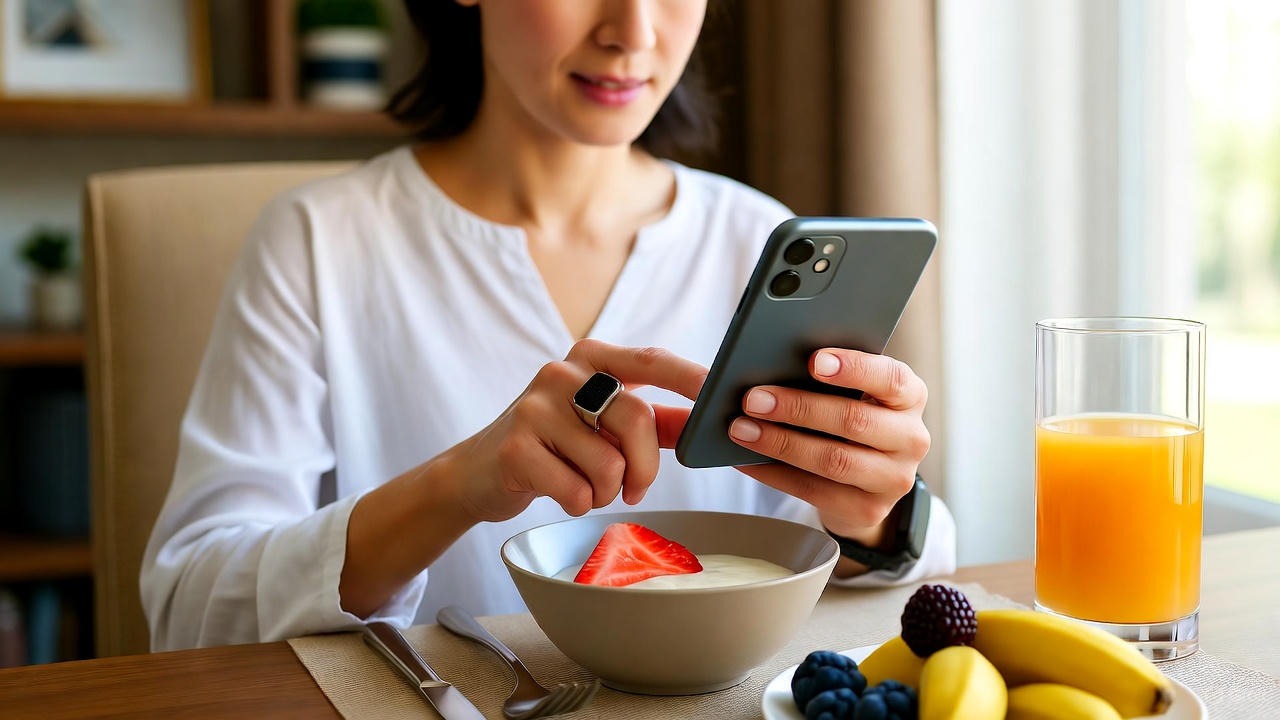
Daily Wellness Habits for Stress Reduction: What Your Smart Ring HRV Shows
Daily habits for reducing stress, with the results visible in your ring's HRV and other metrics.
Daily Wellness Habits for Stress Reduction: What Your Smart Ring HRV Shows
You wake up feeling drained, your mind already buzzing with a mental to-do list that feels heavier than the physical weight of your body. That low-grade hum of anxiety is your new normal. You try meditation, you attempt to exercise, you know you should sleep more—but it feels like throwing darts in the dark. You’re making changes, but are they the right changes for your nervous system? What if you had a direct, quantifiable line into your body’s most profound stress gauge, one that whispered truths your conscious mind couldn’t perceive?
Enter Heart Rate Variability (HRV). This isn't just another metric on your wellness tracker; it's the Rosetta Stone for deciphering your body's internal dialogue between stress and recovery. And now, with the advent of smart ring technology, this powerful biomarker is accessible 24/7, offering an unprecedented window into your autonomic nervous system.
This article is your definitive guide to using your smart ring's HRV data not just as a passive number, but as an active coach. We will move beyond theory into actionable practice, exploring how daily wellness habits—from the moment you wake to the moment you sleep—directly manifest in your HRV readings. This is about closing the loop: you intervene with a habit, and your smart ring provides the objective feedback. It’s the future of personalized, data-driven well-being, moving you from guesswork to certainty in your quest for a calmer, more resilient life.
The Silent Language of Your Nervous System: Demystifying HRV
To leverage HRV, you must first understand the conversation it's translating. Heart Rate Variability measures the subtle variations in time between each heartbeat. Contrary to what one might assume, a healthy heart does not beat with the monotonous regularity of a metronome. Instead, it dances—speeding up slightly with each inhale and slowing down with each exhale. This dance is conducted by the two branches of your autonomic nervous system (ANS): the sympathetic ("fight-or-flight") and the parasympathetic ("rest-and-digest").
A high HRV generally indicates a strong, adaptable nervous system. It means your body can efficiently ramp up to meet a challenge (sympathetic activation) and then gracefully wind down to recover (parasympathetic dominance). It's a sign of resilience. A low HRV, on the other hand, suggests a nervous system stuck in a state of high alert. The sympathetic tone is dominant, leaving less capacity for recovery and repair. Chronically low HRV is a significant biomarker for stress, burnout, and increased risk for a host of health issues.
Before wearable tech, measuring HRV required clinical equipment. Now, your smart ring, with its photoplethysmography (PPG) sensors sampling your pulse continuously at night, provides a remarkably accurate nightly average—a pristine snapshot of your recovery state, free from the noise of daily movement. This nightly HRV score becomes your baseline truth, a number far more insightful than just hours slept. It tells you not just if you rested, but how well your body recovered during that rest.
Understanding this foundational language is the first step. It transforms your smart ring from a simple sleep tracker into a nervous system interpreter. As you learn to read its signals, you can begin the real work: crafting a daily life that speaks the language of recovery. A great starting point for this journey is understanding the core principles of restorative rest, which you can explore in our guide on the foundation of good sleep health.
Your Nightly HRV Score: The Ultimate Morning Report
Forget the generic sleep score. The first piece of data you should absorb each morning is your nightly HRV. This number is your body's confidential memo on the previous day's events and its overnight recovery efforts. Treating this as your primary morning report shifts your focus from duration to quality, from simple behavior to profound physiological impact.
How to Interpret Your Morning HRV:
The Baseline is King (or Queen): Don't fixate on a single day's number. The power lies in the trend. Your smart ring’s app will establish a personalized baseline (typically a 2-4 week rolling average). The key question each morning is: Is my HRV above, at, or below my baseline?
Above Baseline: This is a green light. It suggests your body effectively managed the previous day's stressors and entered a deep state of recovery. The habits you practiced yesterday worked. Take note of what you did.
At or Near Baseline: A yellow light, indicating maintenance. Your system handled the load without significant strain but didn't achieve extra recovery. It’s a neutral signal.
Below Baseline: A red flag. This is your body's objective report card stating that yesterday's demands—physical, mental, emotional, or dietary—outpaced your recovery capacity. It’s a direct request to investigate and adjust.
The Investigation Protocol: When you see a dip, become a detective. Ask yourself:
Physical: Did I over-train? Was my workout more intense than usual?
Mental: Was yesterday cognitively draining—a big project, difficult decisions?
Emotional: Did I have a tough conversation or experience anxiety?
Dietary: Did I eat late? Consume more alcohol, sugar, or processed foods than usual?
Sleep: Was my sleep disrupted, even if the duration was okay?
This daily practice of reading and reflecting on your HRV cultivates unparalleled body awareness. It externalizes your internal state, making the abstract tangible. This awareness is the critical first step toward meaningful change. To dive deeper into how your sleep quality is measured and what it means, our beginners guide to understanding sleep health offers a comprehensive look.
The Foundational Habit: Sleep as HRV Optimization, Not Just Rest
You know sleep is important. But with HRV data, your relationship with sleep transforms. It's no longer just about fighting fatigue; it's about strategically cultivating the environment and behaviors that maximize your parasympathetic recovery, directly reflected in a higher HRV.
Your smart ring provides the feedback loop to test every sleep "hack" you've ever heard of. The data will show you what actually works for your unique biology.
Actionable Habits for HRV-Optimized Sleep:
Consistency is Non-Negotiable: Going to bed and waking up at roughly the same time every day (even weekends) is the single most effective way to stabilize and elevate your HRV. It regulates your circadian rhythm, the master clock that governs your ANS. Your smart ring will show you how dramatically a "social jetlag" weekend can crush your HRV.
The 90-Minute Wind-Down: Your nervous system doesn't have an off switch. It needs a ramp. A dedicated wind-down ritual signals the parasympathetic system to begin its takeover. Track how implementing this affects your HRV over a week. Try:
Dimming lights and using blue-light blocking glasses.
Switching to calming activities like reading (physical books), gentle stretching, or listening to quiet music.
A "brain dump" journaling session to park tomorrow's worries on paper.
Temperature & Environment: Core body temperature must drop to initiate sleep. A cool bedroom (65-68°F or 18-20°C) is crucial. Your smart ring's sleep staging data, combined with HRV, will reveal how temperature fluctuations affect your deep sleep and recovery.
The Last Bite & Sip: Finish eating 2-3 hours before bed. Digesting a large meal is sympathetic work. Notice the correlation between a late, heavy meal and a depressed HRV. Similarly, even small amounts of alcohol, while sedative, are proven to ravage HRV and destroy sleep architecture.
Sleep is the bedrock. Without optimizing this one-third of your life, efforts elsewhere will be an uphill battle. Consider it your most important HRV training session. For a practical plan to overhaul your sleep, our sleep health for beginners: your first 30 days provides a step-by-step roadmap.
Breath: The Remote Control for Your HRV in Real-Time
If sleep is the long game, breath is the instant-access tool. Your breathing pattern is the only autonomic function you can easily consciously control, and it has a direct, immediate line to your vagus nerve—the command center of the parasympathetic system. You can literally "hack" your HRV upward with specific breathing techniques, and your smart ring can show you the effect in near real-time if used during a daytime resting measurement.
HRV-Boosting Breathing Techniques:
Coherent or Resonant Breathing: Breathing at a rate of 5-6 breaths per minute (typically 5-second inhale, 5-second exhale) has been shown to optimally synchronize heart rate, blood pressure, and breath rhythm, maximizing HRV. This is a potent daily practice.
The Physiological Sigh: Popularized by Dr. Andrew Huberman, this is a powerful on-the-spot stress neutralizer. Take a normal inhale through the nose, followed by a second, shorter "sip" of air to fully inflate the lungs, then a long, slow exhale through the mouth. This rapidly reduces anxiety and can boost HRV quickly.
Box Breathing (4-4-4-4): Inhale for 4 counts, hold for 4, exhale for 4, hold for 4. This Navy SEAL-tested technique is excellent for calming the mind and nervous system under pressure.
Integrating Breath into Your Day:
Morning: Start with 5 minutes of coherent breathing to set a calm, resilient tone for the day.
Pre-Stress: Use a minute of box breathing before a known stressful event (a meeting, a difficult call).
Evening: Incorporate physiological sighs or coherent breathing into your wind-down routine.
By pairing these practices with your smart ring's daytime "moment" or resting HRV readings, you move from faith to data. You can see the calming effect of a three-minute breathing session, reinforcing the habit with undeniable proof. This direct feedback is what makes modern wellness technology so transformative.
Movement as Medicine: Finding Your HRV-Sweet Spot Between Stress and Recovery
Exercise is a paradoxical stressor: it acutely lowers HRV (sympathetic activation), but the right dose, over time, builds a more resilient system that results in a higher resting HRV. The trick is navigating that paradox—avoiding the twin pitfalls of under-training and overtraining, both of which will suppress your HRV. Your smart ring is your guide through this maze.
HRV as Your Training Coach:
The "Green Light" Day: Your HRV is at or above baseline. This is a day your body is signaling readiness. You can confidently engage in moderate to high-intensity training. The stress of the workout is likely to be met with strong adaptive recovery.
The "Yellow Light" Day: Your HRV is slightly depressed. Consider this a day for active recovery. Swap the HIIT session for gentle movement: a nature walk, light yoga, mobility work, or easy cycling. You're supporting circulation and recovery without adding a significant stress load.
The "Red Light" Day: Your HRV is significantly below baseline. This is a mandatory rest day. True, profound rest. Pushing through on a red-light day risks digging a deeper recovery debt, potentially leading to injury, illness, or burnout. Respect the data.
Type of Movement Matters:
Low-Intensity Steady State (LISS): Activities like walking, especially in nature, are almost universally HRV-positive. They promote recovery without heavy strain.
Mind-Body Practices: Yoga, Tai Chi, and Qigong are exceptional for HRV. They combine gentle movement with breath awareness and mindfulness, directly stimulating the parasympathetic system.
Strength & Intensity: These are crucial for long-term resilience but must be periodized. Your HRV trend will help you understand your optimal workout frequency and when you need a deload week.
By letting your HRV guide your movement choices, you transition from exercising on a arbitrary schedule to training in harmony with your body's actual capacity. This is the pinnacle of personalized fitness.
The Digital Diet: How Screen Time & Information Consumption Sabotage HRV
We meticulously track food, but often ignore our consumption of digital information—a far more potent nervous system disruptor for many. Your smart ring’s HRV is the ultimate lie detector for your digital habits.
The Stressors of the Digital Environment:
Doomscrolling & The Negativity Bias: Consuming a stream of alarming, angry, or fear-based news and social media content activates the sympathetic nervous system, putting you in a chronic low-grade fight-or-flight state. This directly depresses HRV.
The Blue Light & Circadian Assault: Evening screen exposure inhibits melatonin production, delaying sleep onset and degrading sleep quality, with predictable negative effects on HRV.
The Hyper-Stimulation & Multitasking Myth: Rapid task-switching between apps, emails, and messages is cognitively exhausting and stressful, fragmenting attention and preventing the brain from entering restorative, parasympathetic-dominant states.
HRV-Informed Digital Hygiene Habits:
Scheduled News & Social Media Blocks: Consume news once, deliberately, in the late morning (not first thing upon waking). Use app timers and schedule social media for specific, short windows. Observe the effect on your afternoon energy and next-day HRV.
Implement a Digital Sunset: At least 60-90 minutes before bed, cease all non-essential screen use. This is non-negotiable for HRV optimization. Replace with analog wind-down activities.
Create "Focus Sprints": Use a timer to work in 45-90 minute blocks with all notifications disabled. This reduces cognitive stress and allows for deeper, more relaxed focus, which is less taxing on the ANS.
Tech-Free Sanctuaries: Make your bedroom and dining table device-free zones. The mere presence of a smartphone can increase anxiety and reduce connection.
Your HRV data will provide stark evidence of the physiological cost of digital chaos. Conversely, it will reward you with higher scores when you protect your attention and your peace. This isn't about Luddism; it's about intentional, strategic use of technology so it serves you, not your stress. For more on how daily habits impact your rest, see how poor sleep health shows up in your daily life.
Nutritional Nudges: Eating to Support Your Nervous System, Not Stress It
Food is information. Every meal sends signals to your nervous system, either promoting inflammation and stress or providing the building blocks for calm and repair. While food tracking can be obsessive, using HRV as an outcome measure offers a brilliant high-level view of how your dietary patterns affect your resilience.
Dietary Factors That Can Crush HRV:
The Late-Night Meal: As mentioned, digestion is sympathetic work. Eating close to bedtime forces your body to choose between digestion and deep recovery—it can't do both optimally.
Blood Sugar Rollercoasters: Spikes and crashes from high-sugar, high-refined-carb meals trigger cortisol releases and sympathetic stress.
Excess Alcohol: It's a nervous system depressant that severely disrupts sleep architecture (particularly REM sleep) and plummets HRV. Your ring will show the "HRV hangover" even after one or two drinks.
Inflammatory Foods: For many, processed foods, industrial seed oils, and food sensitivities can create low-grade systemic inflammation, which the body interprets as a constant stressor.
HRV-Supportive Eating Patterns:
Prioritize Protein & Healthy Fats at Breakfast: Starting your day with a balanced meal (e.g., eggs, avocado, salmon) stabilizes blood sugar for hours, preventing mid-morning stress spikes.
Front-Load Your Calories: Try to make lunch your largest meal when your digestive fire is strongest, tapering to a lighter, earlier dinner.
Hydrate Strategically: Dehydration is a physical stressor. Sip water throughout the day, but taper intake 1-2 hours before bed to prevent sleep-disrupting bathroom trips.
Mind Your Caffeine: Caffeine has a long half-life. Observe how a 2 PM coffee affects your sleep data and next-day HRV. For many, a "caffeine curfew" of 10-12 hours before bedtime is wise.
Experiment with an "HRV Cleanse": For 7-10 days, focus on whole, unprocessed foods, eliminate alcohol and added sugars, eat dinner early, and hydrate well. Watch your HRV trend. This isn't a permanent diet, but a diagnostic tool to see your body's potential.
Your smart ring doesn't see calories; it sees the physiological consequence of your food choices. Use it to discover your personal nutritional stressors and supports.
The Social Synapse: How Connection and Conflict Reshape Your HRV
Humans are wired for connection. Our relationships are not just psychological experiences; they are biological events that register directly in our nervous systems. Positive, supportive interactions can boost HRV (parasympathetic, "tend-and-befriend" response), while chronic conflict, loneliness, or toxic relationships can suppress it as powerfully as physical stress.
The HRV Dynamics of Relationships:
Co-regulation: When we are with a safe, calm person, our nervous systems can literally sync up, and our HRV can rise. Think of the calm you feel with a close, trusted friend.
Dysregulation: Conversely, interactions fraught with tension, criticism, or unpredictability trigger defensive sympathetic arousal, lowering HRV. A single difficult text message can set this off.
Loneliness: Perceived social isolation is one of the most profound chronic stressors for humans, linked to inflammation and low HRV.
Habits for HRV-Enhancing Social Health:
Schedule "Connection Micro-Doses": A 10-minute video call with a loved one, a shared laugh with a colleague, a warm exchange with a barista—these small moments of positive social engagement can provide parasympathetic boosts throughout the day.
Practice Active, Non-Judgmental Listening: In conversations, focus fully on understanding the other person without formulating your response. This empathetic state is associated with parasympathetic activation.
Set Boundaries as Self-Care: Learn to say no to draining engagements and people. Protecting your energy is not selfish; it's essential for maintaining your physiological resilience. Your HRV will validate this.
Resolve Lingering Conflicts: Unresolved arguments create "background apps" of stress in your mind. Having a calm, resolution-seeking conversation (or deciding to consciously let go) can close these loops and free up nervous system resources.
Seek Out Collective Joy: Singing in a choir, playing a team sport, or volunteering creates shared positive states that are incredibly regulating for the nervous system.
Monitor your HRV on days with rich, positive social interaction versus days of isolation or conflict. The data will make a compelling case for prioritizing genuine connection as a non-negotiable pillar of wellness. The stress of poor social health often manifests at night; learn to connect the dots with our article on how sleep health affects every aspect of your life.
Nature's Reset: The Profound HRV Impact of Green and Blue Spaces
This is not poetic metaphor; it's hard neuroscience. Exposure to natural environments—"forest bathing" (Shinrin-yoku), walking in a park, sitting by water—has a measurable, rapid effect on lowering cortisol, blood pressure, and elevating HRV. It's called "physiological grounding."
Why Nature Works:
Soft Fascination: Nature engages our attention in a gentle, effortless way, allowing the brain's default mode network (responsible for rumination and stress) to quiet down.
Phytoncides: Trees release antimicrobial organic compounds that, when inhaled, have been shown to boost immune function and increase HRV.
The Removal of Artificial Stressors: In nature, we are removed from the jarring noises, notifications, and demands of the built environment.
Prescribing a "Nature Dose":
The 20-Minute Rule: Studies suggest that 20-30 minutes in an urban park or natural setting is enough to significantly lower cortisol. Aim for this minimum, three times a week.
Engage All Senses: Don't just walk; notice. Feel the breeze, listen to the birds, smell the soil after rain. This mindful immersion maximizes the effect.
View from Your Window: If you can't get outside, even looking at a scene of nature (not a screen) for a few minutes can provide a micro-dose of recovery.
Barefoot Connection (Earthing): While more research is needed, walking barefoot on grass, sand, or soil may facilitate a subtle electron transfer from the earth that has anti-inflammatory and calming effects, potentially reflected in HRV.
Make a habit of a post-lunch walk in a green space or a weekend hike. Compare your HRV on days you get your nature dose versus days spent entirely indoors. The data will compel you to make nature a scheduled part of your wellness protocol, not just an occasional luxury.
The Power of Purpose & Micro-Rest: Scheduling Recovery Before Collapse
Our culture glorifies the relentless grind, but your HRV data reveals the truth: non-stop output is a path to systemic failure. Resilience isn't about pushing longer; it's about recovering smarter. This means integrating purposeful rest and meaning into the fabric of your day.
Two Key Concepts:
Ultradian Rhythms: Your body operates on 90-120 minute cycles throughout the day, alternating between peaks of alertness and troughs of fatigue. Pushing through the natural trough with caffeine or willpower creates stress debt.
Psychological Detachment: The mental ability to truly disconnect from work and its associated thoughts. Inability to detach is a major predictor of burnout and low HRV.
Habits for Rhythmic Living:
The 90-Minute Work Sprint: Followed by a 15-20 minute break where you actually step away. No checking email. Take a walk, do some breathing, have a healthy snack, or simply gaze out the window. This respects your biology.
Schedule "Recovery Blocks": In your calendar, block out time for non-negotiable recovery activities just as you would for a meeting: "Tuesday 4 PM - Walk in Park," "Daily 1 PM - Lunch Away from Desk."
Cultivate a "Not-To-Do" List: What will you not do today to protect your energy? What unimportant tasks can you let go of? Reducing cognitive load is parasympathetic.
Connect to Meaning: Engage in small activities that feel purposeful to you, whether it's mentoring someone, caring for a plant, or creating something. A sense of purpose is a powerful buffer against stress and correlates with healthier physiological function.
Your smart ring can track your daytime resting heart rate and HRV during these breaks. Use it to confirm that your chosen recovery activity (e.g., a short meditation vs. scrolling Instagram) is actually producing a physiological calm state.
Putting It All Together: Building Your Personalized, HRV-Informed Daily Protocol
Data without action is just noise. Now, we synthesize everything into a livable, adaptable daily framework. This is not a rigid schedule, but a flexible set of principles guided by your morning HRV report.
Your HRV-Driven Daily Blueprint:
Morning (Upon Waking):
Check your HRV report. Note if it's a Green, Yellow, or Red day.
Hydrate. Drink a large glass of water.
Get morning light. 5-10 minutes of sunlight in your eyes (no sunglasses) to anchor your circadian rhythm.
Breathe. 5 minutes of coherent breathing to set nervous system tone.
Move. Based on your HRV: Green = workout, Yellow = gentle movement/yoga, Red = rest/stretch.
Nourish. A protein and healthy fat-rich breakfast.
Midday:
Respect ultradian breaks. After 90 minutes of focused work, take a true break.
Get a nature dose. A 20-minute walk outside, preferably in a park.
Eat a substantial lunch. Your largest meal if possible.
Connect. Have a positive, non-work-related social interaction.
Evening:
Digital sunset. 90 minutes before bed, power down non-essential screens.
Light, early dinner. Finish eating 3 hours before bed.
Weekly Review: Each Sunday, review your weekly HRV trend in your smart ring app. What were your highest HRV days? What did you do the day before? What were your lowest days? What stressors were present? Use this analysis to tweak your protocol for the coming week.
This protocol is a starting point. Your unique life, job, and biology will shape its final form. The goal is to create a virtuous cycle: you implement habits supportive of nervous system health, your HRV rises, giving you more energy and clarity to deepen those habits. It’s a journey from stress management to resilience building, with your smart ring as your trusted guide and witness. To ensure your sleep environment supports this entire protocol, consult our beginners sleep health toolkit for practical essentials.
From Data to Wisdom: Interpreting Long-Term HRV Trends and Life’s Seasons
A single day’s HRV is a data point. A week’s trend is a story. A year’s worth of data is a profound autobiography of your nervous system, chronicling its journey through the seasons of your life. To move from reactive day-to-day management to proactive, strategic wellness, you must learn to read these longer narratives embedded in your smart ring’s data archive. This is where true personalization and insight are born.
Understanding the Macro-Cycles of Your Resilience:
The Monthly (Circalunar) Rhythm: While more subtle than circadian rhythm, some individuals, particularly menstruating women, may observe a predictable monthly pattern in their HRV. It’s common to see a dip in HRV (and a rise in resting heart rate) in the days leading up to menstruation, corresponding to the luteal phase’s higher metabolic rate and potential for increased inflammation and stress sensitivity. Observing this pattern isn’t a sign of weakness; it’s a cue for self-compassion and adjusted expectations. During this phase, prioritizing the “Yellow Light” habits—gentle movement, extra sleep, meticulous nutrition—can smooth the physiological transition. For men and post-menopausal women, other monthly cycles related to work or social rhythms may become apparent.
The Seasonal (Circannual) Shift: Don’t be alarmed if your HRV baseline seems to drift with the seasons. It’s biologically normal for many people to experience a slight depression in HRV during the darker, colder winter months. Reduced sunlight exposure affects circadian rhythms and can impact mood and sleep quality. Conversely, longer summer days often correlate with more activity, sunlight, and potentially higher HRV. Recognizing this allows you to adjust your habits seasonally: investing in a light therapy lamp in winter, or capitalizing on outdoor activity in summer.
The Training Cycle Signature: If you engage in structured fitness training, your long-term HRV chart will tell the story of your adaptation. A well-executed training block will show initial HRV dips after intense sessions, followed by super-compensation—HRV rising to a new, higher baseline, signaling improved fitness. Overtraining, however, paints a clear picture: a persistent downward trend in HRV despite rest, often accompanied by a creeping rise in resting heart rate and poor sleep scores. This is your body’s early-warning system long before injury or illness strikes.
The Power of Life Event Annotation: Your smart ring app likely allows you to add notes or tags to specific days. Use this feature religiously. Tag days with: “Started new project,” “Family visit,” “Got a flu shot,” “Began meditation challenge,” “Vacation started.” When you look back at your long-term trend, these annotations transform squiggly lines into a meaningful narrative. You’ll see exactly how a two-week vacation lifted your baseline, or how a prolonged work crisis suppressed it. This turns data into actionable life wisdom, helping you identify your most potent recoverers and your most draining stressors.
Ultimately, long-term trend analysis frees you from the tyranny of a single bad day. You learn to see the forest for the trees, understanding that resilience is a dynamic, evolving capacity. It teaches patience and provides the ultimate validation: seeing your baseline HRV slowly climb over months and years is the definitive biometric proof that your daily habits are fundamentally rewiring your nervous system for greater calm and strength. This journey of understanding your body's needs over time is part of a larger process; you can learn more about what to expect in the sleep health journey: what to expect in year one.
The Biometric Triad: How HRV, Body Temperature, and Blood Oxygen Tell a Complete Story
HRV is the star of the show, but it performs best in an ensemble. Your smart ring’s other core biometrics—continuous body temperature and blood oxygen saturation (SpO2)—provide critical context, turning a one-dimensional HRV reading into a three-dimensional diagnostic picture. Interpreting these signals together is the hallmark of a sophisticated user.
1. Body Temperature: The Circadian Compass Your core body temperature isn’t static; it follows a beautiful circadian wave, peaking in the late afternoon and reaching its nadir in the middle of the night. This drop is essential for initiating and maintaining deep sleep.
The HRV + Temperature Link: When your temperature rhythm is robust—a clear, predictable daily curve—it signifies a well-anchored circadian clock. This almost always coincides with stable, higher HRV. Conversely, a flattened temperature curve (small difference between day and night) is a red flag for circadian disruption, often from irregular sleep, excessive evening light, or shift work. This disruption will reliably suppress HRV.
The Deviation as a Signal: A sudden, unexplained elevation in your nocturnal temperature baseline is one of the earliest and most sensitive signs of oncoming illness, stress, or, for women, ovulation. If you see your nightly temperature spike alongside a crashing HRV, it’s a powerful signal to double down on rest and recovery. Your body is fighting something.
2. Blood Oxygen (SpO2): The Respiratory Insight While continuous SpO2 monitoring is primarily for spotting significant drops (a potential sign of sleep apnea), its subtle patterns add another layer.
The Stability Metric: A stable, high (97-99%) SpO2 throughout the night indicates efficient respiratory function, which supports parasympathetic activity and recovery. It’s the expected backdrop for good HRV.
The Context for HRV Dips: If you see a night with unusually low HRV, check the SpO2 graph. Were there frequent, even minor, dips (desaturations)? This could indicate breathing disturbances (like mild sleep apnea or allergies) that are causing micro-arousals and stressing your system, explaining the poor recovery. This combination of data—low HRV + unstable SpO2—is a strong prompt to investigate sleep quality more deeply, perhaps starting with a tool like our simple sleep health self-test.
The Integrated Picture: A Case Study
Scenario A (Optimal Recovery): HRV is above baseline. Temperature shows a steep, steady drop at sleep onset and a clear rise upon waking. SpO2 is a stable, high flatline. This is the biometric trifecta.
Scenario B (Fighting Infection): HRV plummets. Nightly temperature is elevated by 1°F above your personal norm. SpO2 may be stable or show slight instability. Conclusion: Your body is under immunological stress. Prioritize sleep and hydration.
Scenario C (Circadian Disruption): HRV is low and erratic. Temperature rhythm is flattened, with minimal night-day difference. SpO2 is stable. Conclusion: Your master clock is out of sync. Focus on strict sleep schedule, morning light, and digital sunset.
By learning to read this triad, you evolve from tracking a metric to interpreting your body’s holistic state. You’re not just a wearer of a smart ring; you’re a student of your own physiology.
Navigating Storms: Using Your Smart Ring to Guide You Through Illness, Travel, and Major Stress
Your wellness protocol is tested not on perfect days, but on the difficult ones. Illness, jet lag, and personal crises are inevitable. During these times, your smart ring transforms from an optimizer to an essential navigational tool, providing objective guidance when your subjective feelings are unreliable.
1. The Biometrics of Sickness: When you feel the first tickle in your throat or wave of fatigue, your biometrics have likely been sounding the alarm for 24-48 hours.
The Pre-Symptomatic Signal: A sudden, unexplained drop in HRV coupled with a rise in resting heart rate and often a higher nocturnal temperature is your body’s “pre-illness” signature. If you act here—resting aggressively, hydrating, reducing stress—you may mitigate the severity.
The Acute Phase: During full-blown illness, expect all metrics to be off. HRV will be very low, heart rate high, temperature elevated. This is not failure; it is data. Your body’s resources are diverted to the immune battle. The goal is not to “fix” the numbers but to honor them. This is your biometric permission slip to cancel everything and rest.
The Recovery Curve: As you heal, watch for your HRV to begin its slow climb back to baseline. This is a more reliable indicator of true recovery than just “feeling better.” Returning to intense exercise or work before your HRV has recovered significantly increases the risk of relapse or prolonged fatigue.
2. Mastering Jet Lag with Data: Travel disrupts all your carefully cultivated rhythms. Your smart ring provides a personalized jet lag recovery map.
Pre-Travel: In the days before an eastward trip, try to shift your sleep and wake times 15-30 minutes earlier each day. Your ring will show you how this affects your readiness.
In-Flight & Upon Arrival: Hydrate profusely. Use the flight to rest if it’s nighttime at your destination. The single most important action: Get bright daylight exposure at the local morning time as soon as possible. This resets your circadian clock faster than anything else.
The Recovery Timeline: Track how many days it takes for your HRV, temperature rhythm, and sleep scores to return to your home baseline after a trip. You’ll learn your personal resilience to travel. For a 5-hour time difference, it may take 5-8 days for full biometric recovery. Schedule important work accordingly.
3. Navigating Emotional and Psychological Stress: A work crisis, a breakup, or a family emergency creates a “biometric storm” indistinguishable from physical stress.
Validating Your Experience: Seeing your HRV crash and resting heart rate soar during emotional turmoil can be strangely validating. It confirms that the stress is real and physiological, not “all in your head.” This can reduce secondary anxiety about the stress itself.
The Support Protocol: In these times, your basic habits are your lifeline. Use your ring to enforce them. Did the stress cause you to skip your walk? The data will show the consequence. Let the need to “protect your numbers” motivate you to cling to sleep, nutrition, and gentle movement as anchors in the storm.
Tracking the Healing: As you process and recover from the event, watch your biometrics for signs of stabilization. It’s a tangible measure of emotional resilience.
In all these storms, the goal is not to maintain perfect scores, but to use the data to engage with the situation intelligently and compassionately, allowing for a faster, more complete recovery on the other side. During recovery, sleep is your greatest ally; ensure you're avoiding common pitfalls by reviewing sleep health mistakes beginners make and how to avoid them.
Beyond Tracking: Active HRV Biofeedback Training for Nervous System Mastery
Until now, we’ve used the smart ring as a passive reporter, checking in morning and night. But what if you could use it for active training, to consciously gain control over your autonomic state in real-time? This is the realm of HRV biofeedback, a clinically validated technique now accessible on your finger.
What is HRV Biofeedback? It’s a process where you use a real-time display of your HRV (or a related metric like heart rate coherence) as feedback to learn how to self-induce a calm, coherent physiological state. You literally watch your HRV rise on a screen as you practice breathing and mindfulness techniques, creating a powerful learning loop for your nervous system.
How to Practice with Your Smart Ring: While dedicated biofeedback devices offer millisecond precision, modern smart rings can facilitate a highly effective form of this practice.
Find a Quiet Moment: Sit comfortably during a low-stress part of your day.
Initiate a “Moment” or “Session”: Use your ring’s daytime on-demand measurement feature (common in apps like Oura’s “Moment” or Whoop’s “Journal”).
Focus on Your Breath: Begin a coherent breathing pattern (5.5-second inhale, 5.5-second exhale). The goal is to smooth out your heart rate rhythm.
Observe the Feedback (if available): Some apps provide a real-time heart rate graph or a “calm” score. Focus on making the line smooth and rhythmic.
Engage Positive Emotion: As you breathe, try to conjure a feeling of appreciation, compassion, or calm. This emotional shift, paired with the breath, powerfully boosts HRV.
Practice for 5-10 Minutes: Consistency is key. Daily 5-minute sessions are more effective than one long weekly session.
The Evidence-Backed Benefits: Regular HRV biofeedback training has been shown to:
Produce lasting increases in baseline HRV.
Significantly reduce symptoms of anxiety, depression, and PTSD.
Improve emotional regulation and cognitive performance.
Enhance resilience to acute stress.
By integrating 5 minutes of active biofeedback into your daily routine, you move from being a passenger in your nervous system to becoming its skilled pilot. You’re not just measuring resilience; you’re actively building it, synapse by synapse. This practice is a cornerstone of a sustainable, lifelong wellness strategy that you can build upon, starting with fundamentals outlined in the quick start guide to better sleep health.
The Ecosystem of Wearables: How Smart Ring HRV Compares to Chest Straps, Watches, and More
In the quest for accurate HRV data, you have options. Understanding the strengths and limitations of each device type helps you interpret your data wisely and choose the right tool for your goals.
The Gold Standard: ECG Chest Straps
How it works: Measures the electrical activity of your heart (electrocardiogram or ECG) via electrodes against the skin. This is the clinical gold standard for HRV measurement.
Pros: Unbeatable accuracy, especially for capturing very short-term (beat-to-beat) changes. Ideal for lab-grade readings during exercise or short biofeedback sessions.
Cons: Cumbersome to wear all day and impossible to sleep in comfortably. Provides snapshots, not a continuous 24/7 story.
The Jack-of-All-Trades: Wrist-Worn Watches & Bracelets
How it works: Uses optical PPG sensors (green/red LEDs) on the wrist to detect blood volume pulses.
Pros: Excellent for continuous daytime activity tracking, notifications, and GPS. Good for capturing trends over time.
Cons: Wrist-based HRV has significant limitations. Motion artifact is a major issue—any hand movement can corrupt the signal. For nocturnal HRV, the position of your wrist during sleep can affect readings. The wrist is also less physiologically optimal for a clean pulse signal than the finger.
The Recovery Specialist: The Smart Ring
How it works: Uses PPG sensors on the palmar side of the finger, a vascular-rich area, and leverages the fact that your hands are relatively still during sleep.
Pros: Superior for nocturnal HRV. The finger provides a stronger pulse signal than the wrist. The form factor guarantees consistent, comfortable wear during sleep, providing a pristine, motion-free baseline reading every single night. It’s unobtrusive.
Cons: Less ideal for continuous, second-by-second HRV tracking during intense daytime activity (though it still tracks overall activity and heart rate). Battery requires periodic charging.
Making the Comparison Meaningful:
For Your Nightly Baseline: The smart ring is arguably the best consumer device available. The data is highly consistent and comparable from night to night because the measurement conditions (sleep) are controlled.
For Exercise HRV: A chest strap is superior. While a ring or watch can give you workout heart rate, the fine-grained HRV during physical stress is best captured by ECG.
For 24/7 Readiness Scores: Watches and rings both attempt this, but their daytime HRV estimates are derived from more noisy data. Trends are still valuable, but don’t over-interpret a single daytime dip.
The Verdict: There is no single "best" device; there are best use cases. For the primary purpose of this guide—using HRV to gauge recovery and the impact of daily wellness habits—the smart ring’s nocturnal HRV is an exceptional, user-friendly metric. It provides the cleanest, most actionable recovery data for the majority of people. If you are an athlete needing granular workout physiology, a chest strap is a powerful complementary tool. The key is to understand what your device is best at measuring, and to interpret its data within that context.
The Plateau and The Paradox: Advanced Interpretation of Confusing HRV Patterns
As you become more adept at reading your data, you’ll eventually encounter scenarios that defy simple “higher is better” logic. These advanced patterns are where deep learning happens.
1. The Fitness Plateau & Initial Dip: You’ve started a rigorous new training regimen. You’re eating well, sleeping well, but after a few weeks, your HRV isn’t climbing—it’s stagnant or even dipping slightly.
Interpretation: This is often a sign of increased allostatic load. Your body is adapting to a new, higher level of stress (the training). This adaptation phase requires energy and creates inflammation. As your fitness improves and your body adapts, your HRV should eventually rise above its previous baseline. The plateau or initial dip is a normal part of the super-compensation cycle. The key is to ensure it’s followed by a rise. If the dip is severe and prolonged, you may be overreaching.
2. The Vacation Paradox: You go on a relaxing vacation. You sleep in, you’re not working, yet your HRV drops for the first few days.
Interpretation: This is frequently a “de-loading” or “de-stressing” phenomenon. The sudden removal of chronic psychological stress (work) can allow your body to finally “let go,” and it may manifest as a temporary physiological dip as it processes accumulated stress. Another factor can be disruption in routine—different food, alcohol, sleep schedule. Often, by the second week, HRV will soar to new highs as true deep recovery sets in.
3. The “Too High” HRV Concern: Can HRV be too high? In most healthy contexts, higher is better. However, a sudden, dramatic, and sustained spike in HRV that is completely disconnected from your habits (e.g., while you’re feeling unwell) can sometimes be a red flag.
Interpretation: In some cases, particularly with infections, the body can mount a massive parasympathetic (vagal) response as part of the “sickness behavior,” leading to an unusually high HRV alongside fatigue. It’s counterintuitive but documented. Always interpret HRV in conjunction with other metrics (temperature, RHR) and, most importantly, how you feel.
4. The Medication & Supplement Effect: Many substances directly affect the ANS.
HRV Depressors: Stimulants (ADHD meds, caffeine in excess), beta-blockers, and even some antidepressants can lower HRV. This doesn’t mean the medication isn’t helpful; it means it’s changing your physiological state. Your baseline will establish a “new normal.”
HRV Boosters: Certain supplements like omega-3s, magnesium, and adaptogens (e.g., ashwagandha, rhodiola) may have a positive effect for some people. The only way to know is to introduce one at a time and observe the trend in your data over several weeks.
Navigating these nuances requires moving beyond rigid rules and embracing a curious, investigative mindset. Your body is a complex system, not a simple machine. The data guides the inquiry, but your conscious awareness completes the picture.
Cultivating Data Mindfulness: Avoiding Obsession and Building a Sustainable Practice
This is the most critical chapter. Without it, the pursuit of optimized HRV can become a source of stress itself—the ultimate irony. Data is a servant, not a master. The goal is enhanced well-being, not a perfect graph.
The Pitfalls of Biometric Obsession:
Anxiety from Numbers: Checking your app incessantly, feeling a wave of dread when you see a dip, tying your self-worth to a daily score.
Rigidity Over Flexibility: Becoming so attached to your protocol that you can’t enjoy a spontaneous night out, a celebratory meal, or a change in plans without anxiety.
Disconnection from Somatic Awareness: Ignoring your body’s own signals (fatigue, hunger, emotion) in favor of what the data says.
Principles for a Healthy, Sustainable Practice:
Establish a “Check-In Rhythm,” Not a Compulsion: Designate specific, limited times to view your data. For example: Morning (5 mins to review sleep/HRV), Evening (2 mins to log next-day intentions). Turn off unnecessary notifications from the app.
Embrace the “Why” Over the “What”: When you see a number, train yourself to ask: “What can I learn from this?” not “Is this good or bad?” Frame it as curious feedback, not a judgment.
Prioritize Subjective Feeling: Before you look at your phone in the morning, ask yourself: “How do I feel?” Rate your energy, mood, and muscle feeling on a scale of 1-10. Then look at the data. Does it correlate? Over time, this rebuilds your trust in your own bodily wisdom, using the data as a calibrator, not a replacement.
Schedule “Data-Detox” Days or Weeks: Periodically, commit to not looking at the data at all. Just live by feel and habit. This breaks psychological dependency and proves to yourself that you can maintain wellness without constant monitoring. You might be surprised at how your scores hold up or even improve with the reduction in performance anxiety.
Use Data to Foster Self-Compassion, Not Criticism: A low HRV day is not a failure. It’s a message saying, “Be kind to me today.” Let the data guide you toward nurturing actions—more rest, a walk in nature, a healthy meal—rather than towards self-critique.
The smart ring and its HRV data are tools for expanding your consciousness and freedom. They help you make choices that align with your body’s needs, so you have more energy for a life of meaning and connection. When used wisely, they don’t create a cage of optimization; they provide the keys to unlock a more vibrant, resilient, and intuitive way of living. This mindful approach is the final, essential layer to any wellness technology practice, ensuring it serves you for the long term. To sustain this practice through busy times, learn how to prioritize sleep health when life gets busy.
The Master Reference: Your Glossary of HRV and Biometric Wellness Terms
To navigate the world of data-driven wellness with fluency, a clear understanding of the terminology is essential. This glossary serves as your quick-reference guide for the key concepts and metrics discussed throughout this article and found in your smart ring app.
Autonomic Nervous System (ANS): The part of your nervous system that controls involuntary bodily functions such as heart rate, digestion, and respiratory rate. It has two primary branches: the sympathetic ("fight-or-flight") and parasympathetic ("rest-and-digest") systems. HRV is a direct reflection of ANS balance.
Baseline (Personal Baseline): Your individualized average for a biometric metric (like HRV or Resting Heart Rate), typically calculated over a rolling period of 2-4 weeks. All meaningful interpretation of daily data points ("above/below baseline") hinges on this personal benchmark, not population averages.
Biometric: A measurable biological characteristic. In wellness tech, key biometrics include Heart Rate Variability (HRV), Resting Heart Rate (RHR), body temperature, and blood oxygen saturation (SpO2).
Blood Oxygen Saturation (SpO2): A measure of the percentage of oxygen-carrying hemoglobin in your blood. Smart rings use PPG sensors to estimate this overnight. Consistently low or unstable SpO2 can indicate breathing disturbances.
Body Temperature (Continuous): The measurement of your skin temperature (a proxy for core temperature) throughout the day and night. Its circadian rhythm—peaking in the afternoon and reaching a nadir during sleep—is a key indicator of circadian health.
Circadian Rhythm: The roughly 24-hour internal clock that regulates cycles of alertness, sleep, hormone production, and body temperature. A robust circadian rhythm is foundational for high HRV and overall health.
Coherent Breathing (Resonant Breathing): A paced breathing technique, typically at 5-6 breaths per minute (e.g., 5-second inhale, 5-second exhale), that has been shown to maximize HRV and synchronize heart and respiratory rhythms.
Heart Rate Variability (HRV): The measure of the variation in time intervals between consecutive heartbeats (measured in milliseconds). Higher HRV generally indicates a more adaptable, resilient autonomic nervous system and better stress recovery capacity.
Nocturnal HRV: The HRV value calculated during sleep. This is considered the gold-standard reading for consumer wearables, as it is measured during a controlled, motion-free state, providing a clean snapshot of recovery.
Parasympathetic Nervous System (PNS): The "rest-and-digest" branch of the ANS. It promotes relaxation, recovery, digestion, and tissue repair. Dominance of PNS activity (especially during sleep) is associated with higher HRV.
Photoplethysmography (PPG): The optical technology used by smart rings, watches, and other wearables to detect blood volume changes in the microvascular bed of tissue. A light source (LED) shines into the skin, and a photodetector measures the amount of light reflected back, which fluctuates with your pulse.
Recovery Score/Readiness Score: A composite score generated by smart ring/wearable algorithms that synthesizes data from HRV, RHR, sleep, temperature, and activity to give a single number indicating your body's preparedness for stress or exertion.
Resting Heart Rate (RHR): Your heart rate when you are fully at rest, typically measured during sleep. A lower RHR often indicates better cardiovascular fitness. A sudden, sustained increase in RHR can signal stress, illness, or overtraining.
RMSSD (Root Mean Square of Successive Differences): The most common time-domain metric used by consumer wearables to calculate HRV. It is particularly sensitive to parasympathetic (vagal) activity and is well-suited for the shorter, consistent measurement periods of nocturnal sleep.
Sympathetic Nervous System (SNS): The "fight-or-flight" branch of the ANS. It prepares the body for action by increasing heart rate, blood pressure, and energy mobilization. Chronic SNS dominance is linked to low HRV and poor health outcomes.
Ultradian Rhythms: Biological cycles that repeat more than once every 24 hours. The most relevant for daily wellness is the ~90-120 minute Basic Rest-Activity Cycle (BRAC), which alternates between periods of higher alertness and physiological troughs signaling the need for a break.
Vagus Nerve: The longest cranial nerve and a primary component of the parasympathetic nervous system. It is a key regulator of heart rate, digestion, and the inflammatory response. "Vagal tone" is often used synonymously with high HRV and resilience.
Frequently Asked Questions: Demystifying Common HRV and Smart Ring Queries
As you embark on this journey, questions will arise. This FAQ addresses the most common points of confusion, drawing from both scientific literature and practical user experience.
Q: My HRV is much lower than my friend’s. Am I unhealthy? A: Almost certainly not. HRV is highly individual. It is influenced by age, genetics, fitness level, and even gender. Comparing your absolute number to anyone else’s is meaningless and often counterproductive. The only valid comparison is your own data over time. Focus on your personal baseline and trends.
Q: Why did my HRV drop after a great night of sleep? A: This common paradox highlights that HRV measures recovery from stress, not just sleep quality. Consider:
Intense prior-day training: Your body is still in a heightened repair state.
Digestive load: A late, large, or rich dinner.
Psychological stress: Even if you slept, unresolved mental/emotional stress from the day prior can suppress HRV.
Oncoming illness: Your body may be mounting an immune response before symptoms appear. Look at the full picture—temperature, RHR, and your activity log—to investigate.
Q: Is it bad to check my HRV data multiple times a day? A: From a data perspective, no. From a psychological perspective, it can be. Constant checking can foster anxiety and an unhealthy fixation on metrics (sometimes called "orthosomnia"). It can also lead to misinterpretation, as daytime HRV is naturally more variable and influenced by movement, posture, and immediate thoughts. For most people, a mindful morning and evening check-in is sufficient.
Q: Can I use daytime HRV readings for biofeedback? A: Yes, but with an important caveat. For active HRV biofeedback training, you need a relatively stable, real-time signal. A smart ring can work for this during a seated, calm session, but a dedicated chest strap (ECG) is more precise. The value of the ring for biofeedback is in its convenience and the ability to practice breathwork and observe its calming effect on your heart rate pattern in a logged "Moment."
Q: How long does it take to see changes in my HRV from new habits? A: It depends on the habit and your starting point.
Acute effects (Minutes to Hours): Breathing techniques, a calming walk, or a stressful event can cause immediate shifts.
Short-term trends (Days to Weeks): Improving sleep hygiene, reducing alcohol, or starting a meditation practice often show effects within 1-3 weeks.
Long-term baseline shifts (Months): Significant improvements in cardiovascular fitness, sustained stress reduction, or major dietary changes can elevate your baseline over 3-6 months. Patience and consistency are key. For a structured approach to foundational habit change, our guide on sleep health for beginners: your first 30 days offers a proven framework.
Q: My ring says I slept well, but my HRV is low. Which do I trust? A: Trust the HRV as the deeper indicator of physiological recovery. Sleep duration and even "stages" are behavioral outputs. HRV is a direct measure of your nervous system's state during that sleep. High HRV confirms high-quality recovery. Low HRV suggests that despite being asleep, your body was still under stress (from digestion, inflammation, apnea, or psychological factors). Use the sleep data to understand the "what" and the HRV to understand the "so what."
Q: Are there any people who shouldn't rely on HRV data? A: Individuals with certain cardiac conditions (like atrial fibrillation) will have inherently erratic heart rhythms that make standard HRV metrics invalid. Those with severe anxiety disorders should also use the data cautiously, ideally with guidance from a therapist, to ensure it doesn't become a source of compulsive behavior. As always, wearable data is for wellness insight, not medical diagnosis.
The 30-Day HRV Habit Integration Challenge
Knowledge is power, but action is transformation. This 30-day challenge is designed to help you systematically integrate the core habits from this guide, using your smart ring's HRV as your feedback loop. Track your progress and observations in a journal or notes app.
The Core Protocol (Weeks 1-4):
Morning Light: Within 30 minutes of waking, get 5-10 minutes of outdoor light in your eyes (no sunglasses).
Breathwork: 5 minutes of coherent breathing (5s in, 5s out) each morning.
Digital Sunset: Stop non-essential screen use 90 minutes before bed.
Sleep Consistency: Go to bed and wake up within a 30-minute window every day.
Weekly Focus & Experimentation:
Week 1: Foundation & Observation
Focus: Nail the Core Protocol. Don't change anything else.
Experiment: None. Just observe your baseline HRV, RHR, and sleep scores.
Journal Prompt: What is my average HRV this week? How do I feel subjectively?
Week 2: Nutrition & Hydration
Focus: Add stable nutrition. Eat a protein-rich breakfast. Finish dinner 3 hours before bed.
Experiment: Eliminate alcohol for 7 days. Observe the effect on your sleep and HRV graphs.
Journal Prompt: Did the alcohol-free week change my data? How did my energy levels change?
Week 3: Movement & Nature
Focus: Add mindful movement. Let your morning HRV guide your exercise: Green=Train, Yellow=Gentle, Red=Rest.
Experiment: Get a 20-minute "nature dose" (walk in a park) at least 3 times this week.
Journal Prompt: How did matching my workout to my HRV feel? What effect did the nature walks have on my afternoon stress?
Week 4: Digital Hygiene & Connection
Focus: Add social and digital wellness. Schedule two 10-minute check-ins with friends/family.
Experiment: Implement "Focus Sprints": 90 minutes of deep work with all notifications off, followed by a true 15-minute break.
Journal Prompt: Did the focused work sessions feel less stressful? How did intentional social connection impact my mood?
The Review (Day 30):
Look at your 30-day HRV trend graph. What is the direction?
Calculate your average HRV for Week 1 and Week 4. Is there an improvement?
Review your journal. Which habits had the most noticeable impact on how you felt?
Decide which 3-4 habits you will commit to for the next 30 days as your non-negotiables.
This challenge isn't about perfection; it's about building awareness and creating a personalized habit stack that your own biometric data validates. For a complementary challenge focused specifically on the bedrock of recovery, consider pairing this with the steps outlined in the quick start guide to better sleep health.
The Horizon: The Future of Wearable Biometrics and Predictive Wellness
The smart ring on your finger today is a primitive ancestor of what is to come. The field of personal biometrics is advancing at a breathtaking pace, moving from descriptive tracking to predictive and prescriptive insights. Here’s a glimpse of the near future.
1. Multi-Sensor Fusion and Continuous Biomarkers: Future devices will incorporate a broader array of sensors seamlessly:
Electrodermal Activity (EDA): For continuous stress response measurement via skin conductance.
Continuous Glucose Monitoring (CGM) Integration: Correlating blood sugar spikes with HRV dips and sleep disruptions, providing a complete metabolic picture.
Advanced Biomarkers in Sweat or Interstitial Fluid: Non-invasive monitoring of electrolytes, cortisol, lactate, and inflammatory markers like CRP.
2. AI-Driven, Truly Personalized Insights: Algorithms will evolve from population-based averages to hyper-personalized models.
Predictive Alerts: Your device will learn your unique pre-illness signature (a specific combination of HRV dip, temperature rise, and heart rate variability pattern) and warn you 2-3 days before symptoms appear.
Habit Optimization Engine: Instead of you guessing, AI will analyze thousands of data points to say, "For you, a 25-minute afternoon walk at a pace of 3.2 mph boosts next-night HRV by an average of 12%. A late coffee after 2 PM reduces it by 8%."
Contextual Awareness: The device will automatically recognize and label stressors ("work stress," "social engagement," "hard training") based on your location, calendar, and physiological response, building a rich, automated life log.
3. Closed-Loop Systems and Biofeedback Integration: Wearables will not just report but intervene.
Real-Time ANS Nudging: Your device will sense rising stress (via HRV and EDA) and gently prompt you with a haptic vibration to initiate a breathing exercise it knows works for you.
Environmental Control: Your ring could communicate with your smart home to gradually dim lights and lower thermostat as your bedtime temperature drop begins, optimizing your sleep environment proactively.
4. From Wellness to Early Health Detection: The long-term, continuous data stream from millions of users will create unprecedented population health insights.
Longitudinal Baselines: Detecting subtle, long-term deviations from your norm that may indicate the very early stages of chronic conditions.
Digital Phenotyping: Identifying biometric patterns associated with mental health states, allowing for early support and personalized therapeutic recommendations.
The smart ring of the future will be less of a tracker and more of an autonomous health guardian and coach—an always-on extension of your biological self, designed to preemptively maintain equilibrium and maximize your human potential. Engaging with today's technology mindfully is the first step into that future, a process that begins with understanding the core principles, as explored in the foundation of good sleep health.
Final Thoughts: Building a Lifetime of Resilience, One Data-Pointed Choice at a Time
We began this journey with a simple premise: that the subtle language of your nervous system, spoken through the rhythm of your heart, holds the key to mastering stress and building profound resilience. The smart ring is the translator, making this once-inaccessible dialogue available to you night and day.
This is not a story about biohacking or optimization for its own sake. It is a story about reclamation—reclaiming agency over your well-being in a world saturated with stressors. It’s about replacing guesswork with knowledge, and vague intentions with validated actions. Your HRV data is the thread that connects your daily choices—the breath, the step, the bite, the boundary—to their deepest physiological impact.
Remember, the highest purpose of this data is to guide you back to yourself. It is meant to sharpen your intuition, not replace it. The goal is that one day, the external validation of the ring becomes less necessary because you have internalized its lessons. You will feel the need for rest before the HRV dip, sense the calming effect of coherent breath without seeing the graph, and crave the stillness of nature because your body remembers how it sings in response.
Let your smart ring be a compass, not a cage. Use it to cultivate curiosity over criticism, self-compassion over rigid scoring, and a deep respect for the intelligent, resilient organism you are. The data is a map, but you are the traveler. Your habits are the steps, and a life of greater ease, vitality, and presence is the destination.
Build your protocol with patience. Celebrate the trends, not the daily fluctuations. And trust that each mindful, data-informed choice is not just improving a number on a screen; it is weaving a stronger, more flexible, more resilient fabric for your entire life. This is the true promise of wearable wellness: not a quantified self, but a qualified life.



%402x.svg)