


The Essential Smart Ring Features That Make Them Worth Buying
Highlights the must-have features that provide value and justify the cost of a smart ring.
Highlights the must-have features that provide value and justify the cost of a smart ring.
%402x.svg)
In the bustling market of wearable technology, where our wrists are dominated by smartwatches and fitness trackers, a quieter, more intimate revolution is taking place on our fingers. The smart ring has emerged from the fringes of gadget curiosity to become a serious contender for the title of the most insightful and seamless wellness device you can own. But with a growing array of options, from crowdfunding darlings to established tech giants, a critical question arises: what truly makes a smart ring worth the investment?
This isn't about adding another blinking notification hub to your life. It’s about unlocking a profound, continuous stream of personal biometric data with minimal intrusion. A smart ring worth buying transcends being a mere step-counter; it becomes a 24/7 health sentinel, a sleep scientist, and a stress management coach, all forged into a band of metal or composite that you barely notice. It leverages the unique vascular access of the finger—a goldmine for physiological signals—to deliver insights that can fundamentally reshape your understanding of your own body and mind.
The value proposition hinges not on a single gimmick, but on a synergistic suite of essential features. This deep dive explores the core functionalities that separate the transformative tools from the forgettable novelties. We will move beyond marketing spec sheets to understand the why and the how—why accurate heart rate monitoring at the finger is a game-changer, how advanced sleep staging can illuminate the path to true restful living and longevity, and why battery life is a non-negotiable pillar of usability. Whether you're a biohacker seeking optimization, a professional battling burnout, or simply someone seeking a clearer picture of your health, understanding these essential features is the key to making a purchase you won't regret. Let's begin by exploring the foundational metric that powers almost every other insight.
At the very core of a smart ring’s value is its ability to measure your heart—not just occasionally, but continuously, throughout every moment of your day and night. While wrist-based devices have popularized this concept, the finger offers a distinct and powerful advantage: superior signal quality. The vascular structures in your finger, particularly the palmar digital arteries, are rich and closer to the surface than those in the wrist. This allows Photoplethysmography (PPG) sensors in a ring to get a cleaner, stronger blood flow signal with less interference from motion and bone.
This isn't just a technicality; it translates directly to superior accuracy, especially where it matters most: during sleep and periods of rest. A smart ring worth its weight in titanium must deliver medical-grade or near-medical-grade heart rate accuracy. This means deviations of only a few beats per minute (BPM) from an electrocardiogram (ECG) chest strap, the clinical gold standard. Why does this precision matter?
First, it forms the bedrock for Heart Rate Variability (HRV) measurement, a critical nervous system biomarker we will explore in depth later. An inaccurate heart rate reading renders HRV data useless. Second, it enables the detection of subtle physiological shifts. A reliable resting heart rate (RHR) trend is one of the simplest and most powerful indicators of overall fitness, recovery status, and even impending illness. A creeping rise in your overnight RHR can be your body’s first whisper of stress, poor recovery, or a brewing infection.
Furthermore, continuous monitoring unlocks abnormal heart rhythm notifications. Some advanced rings now incorporate ECG functionality through touch electrodes, allowing for on-demand spot checks for atrial fibrillation (AFib). The passive, continuous PPG monitoring can also screen for irregularities, prompting you to take a deliberate ECG reading. This transforms the ring from a wellness tool into a potentially life-saving health guardian.
Consider the story of Alex, a 42-year-old software developer. His smart ring consistently flagged low HRV and elevated nighttime heart rate for a week, despite him feeling "just a bit run down." He dismissed it as work stress. The ring’s persistent data, however, prompted him to take an on-ring ECG reading, which indicated possible irregularities. A subsequent doctor’s visit confirmed a mild, asymptomatic thyroid issue that was easily treated. The ring provided the objective, continuous data that his subjective feeling overlooked. This is the power of foundational, accurate heart rate monitoring—it turns the invisible visible.
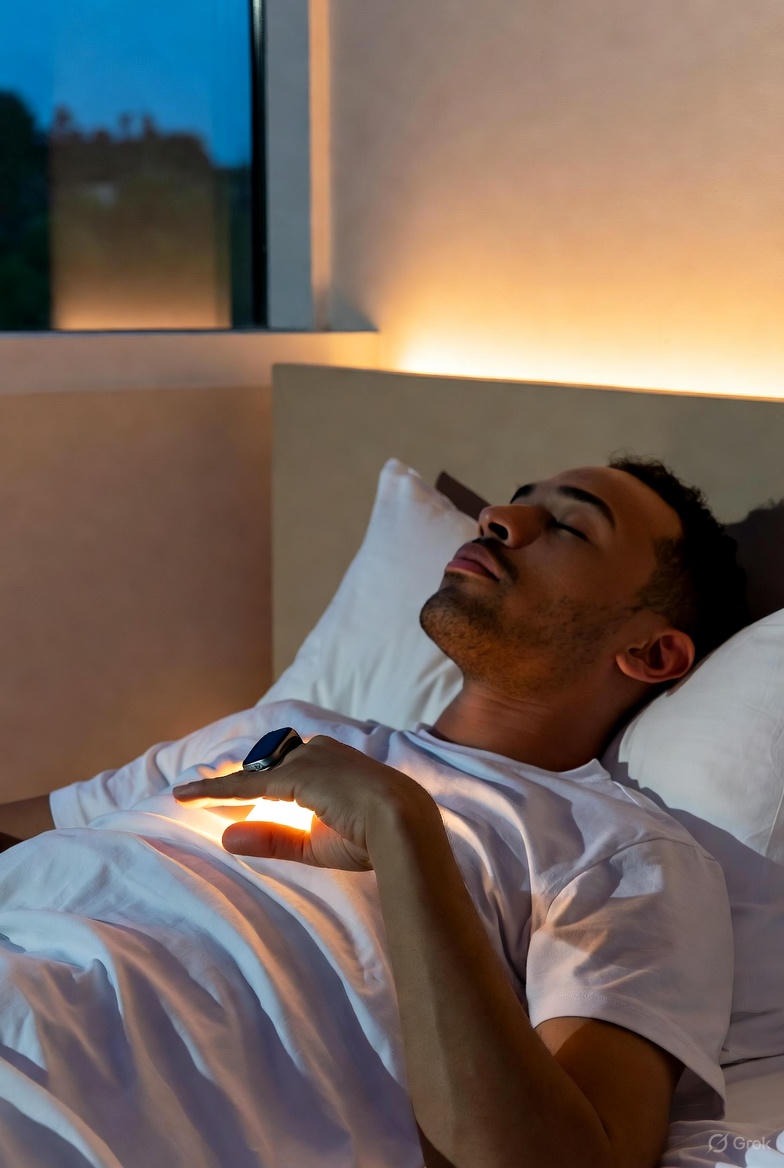
If heart rate monitoring is the ring’s foundation, then advanced sleep analysis is its crowning achievement. The night is when we restore, repair, and consolidate—and it’s also when a ring on your finger is at its observational best, free from the frantic motions of daily life. A worthwhile smart ring must do far more than simply guess when you’re asleep. It must accurately stage your sleep cycles: Light, Deep, and REM sleep.
This is accomplished through a sophisticated fusion of data: heart rate, HRV, body temperature trends, and movement (actigraphy). As you transition from wakefulness to light sleep, your heart rate and body temperature begin to drop. Deep sleep, the most physically restorative phase, is characterized by very low heart rates, high HRV amplitude, and minimal movement. REM sleep, where dreaming occurs, sees a heart rate that becomes more variable and can spike, resembling wakefulness, but with body paralysis.
The best rings on the market now use advanced algorithms, often validated by independent research against polysomnography (the lab sleep study), to map these phases with impressive accuracy. Why is this granularity essential?
This data coalesces into actionable insights. You can see the impact of that late evening coffee, the positive effect of a cool, dark room, or the negative influence of scrolling through work emails before bed, a habit deeply at odds with restful living. The ring becomes a personal sleep lab, empowering you to experiment and optimize. For instance, you might discover that a mindfulness practice 30 minutes before bed doesn’t just make you feel calmer; the data objectively shows it reduces your sleep latency and increases deep sleep percentage. This moves you from guessing to knowing, turning the pursuit of good sleep from a vague goal into a data-informed practice, a core tenet of any sustainable weekly plan for wellness.
If you take only one concept from modern physiological monitoring, let it be Heart Rate Variability. HRV is the measure of the subtle variations in time between each heartbeat. Contrary to what one might assume, a healthy heart is not a metronome; it has a dynamic, responsive rhythm. Higher HRV (greater variability) generally indicates a robust, resilient autonomic nervous system—your body is adept at shifting between the calming "rest and digest" (parasympathetic) mode and the energizing "fight or flight" (sympathetic) mode. Lower HRV suggests your system is stuck in a state of stress, fatigue, or overload.
A smart ring is arguably the perfect device for measuring HRV because it captures it most reliably during states of rest—overnight being the gold standard. A ring worth buying doesn't just show you a single number; it provides context through trends, baseline calculations, and meaningful interpretations.
HRV is the language your nervous system uses to communicate its state. A sophisticated smart ring acts as a translator, turning complex physiological signals into clear, actionable feedback. It empowers you to work with your body, not against it. This understanding is especially crucial for those in demanding roles, where managing energy is key to sustaining high performance through intelligent rest.
While heart rate and movement have been staples of wearables for years, the inclusion of continuous body temperature monitoring marks a significant leap forward. We’re not talking about a single spot check like a thermometer, but the tracking of your distal (extremity) temperature trend over 24 hours, which closely follows your core body temperature rhythm.
This circadian rhythm of temperature is a master biological clock. It naturally dips to its lowest point during the middle of your sleep and begins to rise towards morning, helping you wake. A well-defined rhythm is associated with good sleep, robust metabolism, and overall health. A flattened or erratic rhythm can signal circadian disruption, often caused by irregular sleep schedules, late-night light exposure, or illness.
Here’s where it gets revolutionary: a smart ring that tracks temperature can identify ovulation cycles with remarkable precision. The "basal body temperature" (BBT) method, long used for fertility awareness, requires a precise measurement immediately upon waking. A ring automates this perfectly, detecting the subtle post-ovulation temperature rise (about 0.3-0.5°C) that confirms ovulation has occurred. This provides invaluable data for women tracking fertility, whether to conceive or to better understand their hormonal cycles.
Perhaps even more impactful is the early illness detection capability. One of your body’s first defenses against a pathogen is to raise its core temperature to create a hostile environment. A smart ring, monitoring your temperature all night, can detect a sustained elevation long before you feel chills or reach for a thermometer. Imagine getting a notification: "Your nighttime temperature has been elevated for 12 hours. Consider resting and hydrating." This proactive health alert is a glimpse into the future of preventive care.
Furthermore, temperature data refines other metrics. It helps validate sleep staging (temperature drops in deep sleep) and provides another layer of context for poor recovery scores—was it caused by stress, or is your body fighting something off? This silent, continuous signal adds a dimension of understanding that was previously inaccessible outside a clinical setting.
A smart ring can have the most advanced sensors in the world, but if it’s uncomfortable, bulky, or aesthetically unpleasing, it will end up in a drawer. Wearability is a feature, and arguably the most important one. This encompasses size, weight, profile, materials, and overall design philosophy.
The goal is invisibility through comfort. You should only notice the ring when you intentionally look at it or when it provides a meaningful notification. This constant, comfortable wear is what enables the rich, continuous data stream that makes the ring so valuable. It respects the principle of minimalism in wellness tech—a single, elegant device that provides maximum insight without clutter or complexity.
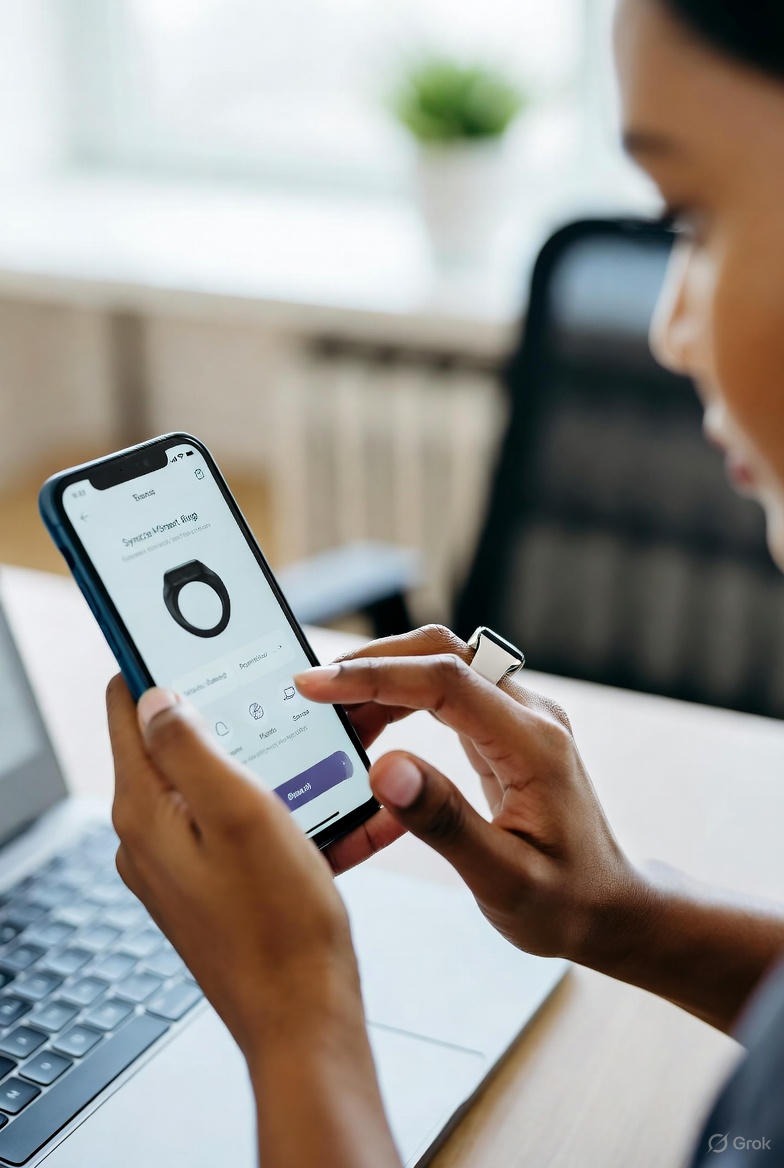
A device meant to be worn 24/7 to track biometrics cannot afford to be tethered to a charger for hours each day. Battery life is a critical, non-negotiable feature that directly impacts the utility and reliability of a smart ring. The best devices on the market currently offer between 5 to 7 days of battery life on a single charge, with some pushing even further.
Why does this matter? First, it ensures continuous data collection. Gaps in data, especially overnight, break the chain of insights. Missing a night’s sleep or recovery data because you had to charge the ring defeats its purpose. A multi-day battery allows you to charge at a convenient, predictable time—perhaps during your weekly Sunday evening routine or while you shower and get ready in the morning.
Second, it relates to charging mechanism convenience. There are generally two approaches:
The ideal scenario is a ring that charges from 0 to 100% in under 90 minutes, providing a week of use. This practical reliability means you’re not managing another high-maintenance device; it quietly works in the background of your life. This ease of use is vital for maintaining the consistent wear required for meaningful insights, whether you’re at home or following a travel guide for maintaining calm on the go.
The smart ring itself is merely a sophisticated data collection node. Its true brain and its value to you reside in the companion smartphone application. This software is where raw biometrics are transformed into insights, trends, and actionable guidance. A weak app can cripple an otherwise excellent hardware product.
A best-in-class app must excel in three areas:
The app is your daily interface with your own physiology. It should feel less like a spreadsheet and more like a knowledgeable coach. A well-designed app doesn’t just show you that you’re stressed; it might prompt you with a guided breathwork session to directly support your nervous system. This seamless loop from detection to suggested action is where behavioral change happens.
While not their primary strength compared to GPS-enabled watches, a worthwhile smart ring must still competently track daily activity and recognize workouts. This is about closing the loop: recovery (from sleep and HRV) informs activity, and activity impacts recovery.
Key capabilities include:
The goal here isn’t to replace a dedicated sports watch for the athlete tracking every split. It’s to provide a holistic picture of your daily movement and its intensity, which is a crucial piece of the recovery-activity puzzle. It answers the question: "Does my body’s readiness score match my actual activity load?"
We’ve touched on HRV as a stress indicator, but the best rings are now building dedicated, real-time stress monitoring systems. These systems use a combination of live heart rate, HRV, and sometimes skin temperature and electrodermal activity (a measure of tiny sweat changes) to estimate your moment-to-moment sympathetic nervous system arousal.
The power of this feature lies in its immediacy and its potential for intervention. The app might display a real-time "stress level" graph throughout your day. You can literally watch your stress spike during a tense meeting or a difficult commute. This objective mirror is often revealing—we frequently underestimate our physiological stress burden.
More importantly, this feature enables biofeedback. When the ring detects a sustained period of high stress, it can be programmed to nudge you—a gentle vibration—to take a break. The app can then offer a two-minute breathing guide to help you engage your parasympathetic nervous system and bring your physiology back to baseline. You can actively watch your stress graph fall as you breathe. This trains your mind-body connection, teaching you that you have agency over your stress response. It’s a practical tool for building resilience and protecting your energy, a fundamental practice of setting boundaries for sustained well-being.
No wearable is an island. A smart ring’s value is amplified by its ability to integrate into your existing digital ecosystem. App compatibility and data portability are essential features for the tech-savvy user.
An open, compatible ring respects that it is one part of your broader health and tech landscape. It avoids locking you into a walled garden and instead empowers you to build the personalized dashboard that works for you. This interconnectedness supports a holistic approach, where insights from your ring can inform everything from your dietary choices to calm your nervous system to your broader lifestyle planning.
When you invite a device to collect the most intimate data about your body—your heartbeat, your sleep patterns, your temperature rhythms—you are placing immense trust in the company behind it. How your data is handled, stored, and used is not a secondary concern; it is a primary feature.
Before purchasing, you must investigate:
A reputable company will be transparent, proactive, and clear about its data practices. They will treat your biometrics not as a commodity, but as a sacred trust. This foundation of security allows you to fully engage with the device's benefits, knowing your sensitive information is protected. This peace of mind is itself a form of restful living, freeing you from digital anxiety about your personal information.
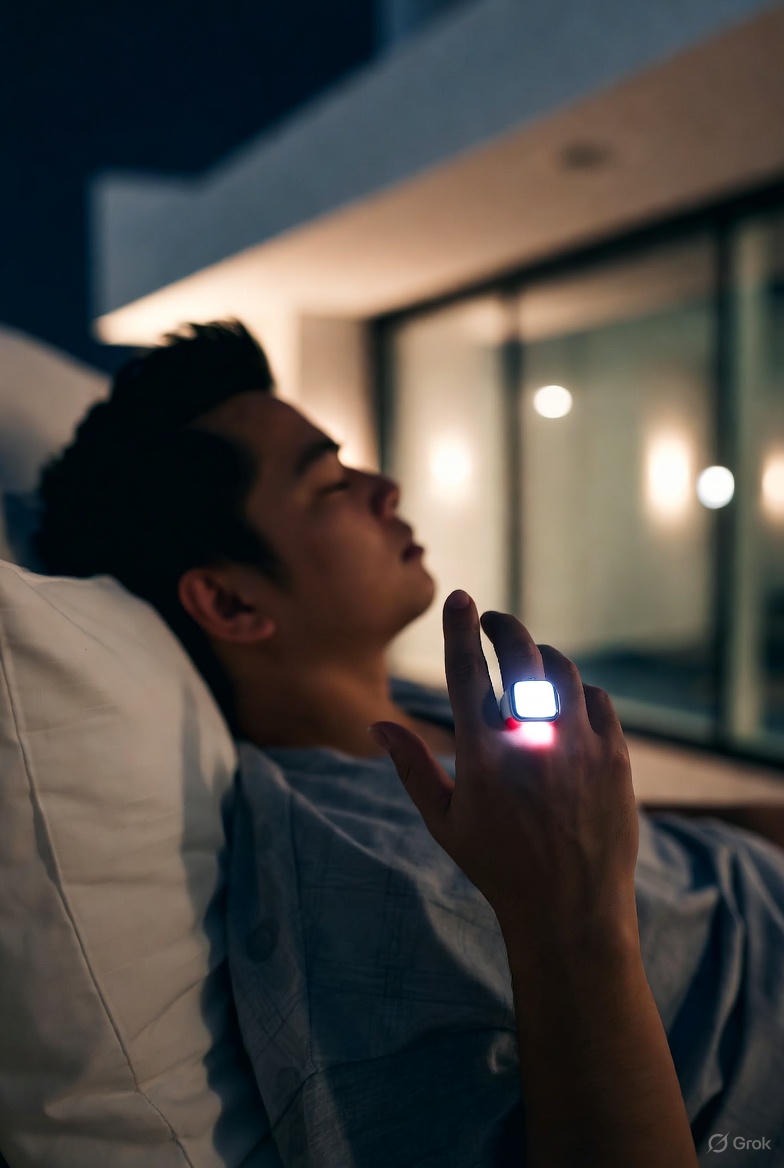
All the elegant design and sleek apps in the world mean nothing if the data coming from your smart ring isn’t accurate. In the wellness technology space, accuracy isn't a luxury; it's the very currency of trust. When a device tells you your deep sleep was low or your recovery is poor, you need to believe it. This belief must be rooted not in marketing claims, but in scientific validation and transparent methodology.
A smart ring worth buying undergoes rigorous third-party testing. Look for rings whose core metrics—heart rate, HRV, sleep staging, and temperature—have been validated against gold-standard medical equipment in peer-reviewed studies. This often means comparison to:
This validation should be publicly accessible, either in white papers published by the company or in independent research journals. Furthermore, the ring's algorithms should be continually refined. The best companies are open about their algorithm generations (e.g., "Sleep Staging Algorithm v3.1") and what improvements each iteration brings. They treat accuracy not as a box to check at launch, but as an ongoing commitment.
Consider the practical implications. An unvalidated ring might mistake restless light sleep for awake time, causing you to obsess over poor "sleep efficiency" that isn't real. It might under-report your HRV, leading you to believe your nervous system is more stressed than it is. Inaccurate data doesn't just misinform; it can actively cause anxiety and lead to misguided lifestyle changes. Conversely, validated accuracy turns the ring into a reliable compass. When it suggests you need rest, you can confidently prioritize it, knowing the suggestion is based on a true physiological signal. This reliability is critical for anyone using data to make meaningful changes, whether to improve their mood and relationships through better self-regulation or to fine-tune their athletic performance.
The human body is not a standard-issue machine; it is wildly individual. Your ideal sleep duration, your personal HRV baseline, your temperature rhythm—these are unique to you. Therefore, a one-size-fits-all algorithm is inherently limited. The next essential feature of a premium smart ring is its ability to learn your personal baselines and customize its insights accordingly.
This process, often called "personalized baselining," occurs over an initial period (typically 1-4 weeks). During this time, the ring observes your patterns without rushing to judgment. It learns what your normal resting heart rate is, what your typical HRV range looks like, and how your body temperature fluctuates. Only after establishing this personal fingerprint does it begin to flag meaningful deviations.
True personalization extends further into the app experience:
This level of customization ensures the ring’s feedback is relevant and meaningful. It moves from telling you what a textbook says is healthy to telling you what is specifically healthy for you. It respects your individuality, much like the principle of adapting your wellness approach through the seasons.
A smart ring is subjected to the harshest environment of any wearable: your hand. It encounters constant impacts, temperature changes, soap, lotion, sweat, and water. A device meant for 24/7 wear must be engineered to survive this reality. Therefore, robust durability and meaningful water resistance are not optional features; they are fundamental requirements for a usable product.
This ruggedness ensures the ring is a truly "wear and forget" device. You don't need to nervously remove it to wash your hands, do the dishes, or sweat during a workout. This freedom is liberating and ensures the continuity of your data. It allows the ring to be a constant companion through all of life’s activities, from a calm workday to a challenging workout, without becoming a source of worry or inconvenience.
While the smartphone app is the hub for deep analysis, there are times when you want a quick, discreet check-in without pulling out your phone. This is where on-device feedback becomes a valuable, user-centric feature. A ring with a small LED indicator, a micro-vibration motor, or even a minimalist touch-sensitive surface can provide this layer of immediate interaction.
Thoughtful implementations of on-device features include:
These features should be subtle, optional, and designed to minimize distraction. Their purpose is to provide a bridge between the constant data collection and your conscious awareness, without demanding you dive into the app. It’s a nudge, not a shout. For instance, a vibration reminding you to move after an hour of inactivity is more elegant and less disruptive than a phone notification. This subtlety supports a less intrusive, more minimalist approach to digital wellness.
As the smart ring market matures, many companies are adopting a hybrid business model: a one-time hardware purchase plus an optional software subscription for premium insights and features. This is a critical consideration. When evaluating a ring's worth, you must assess the total cost of ownership and the value proposition of the software.
A fair and transparent subscription model should offer clear, enhanced value, such as:
The key is that the core functionality—accurate data collection, daily scores, basic sleep and activity tracking—should remain intact without a subscription. The subscription should feel like hiring a personal coach on top of having a reliable measurement tool. It should provide interpretation, guidance, and structure that goes beyond the raw numbers. Before purchasing, scrutinize what is locked behind the paywall. Does it feel like essential functionality was removed to create a subscription, or does it feel like a genuine value-add that enhances an already complete product? This clarity ensures you’re investing in a tool for long-term growth, not being trapped in a cycle of payments for basic features.
Purchasing a smart ring is often the beginning of a journey, not the end. The experience is significantly enriched by a strong, active user community and responsive customer support. This ecosystem around the hardware and software is a soft feature that has hard impacts on your satisfaction and learning curve.
This ecosystem transforms the ring from a product into a platform for learning and growth. It provides a space to ask, "Has anyone else seen their temperature do this?" or "What habits most improved your deep sleep?" This collective intelligence helps you extract more value from your device and feel connected to a group with similar goals. For those navigating high-pressure careers, this community can be a source of shared strategies for achieving restful living within demanding professional environments.
Technology evolves rapidly. A smart ring is a significant investment, and while you shouldn't expect it to last a decade like a traditional piece of jewelry, you should have confidence that it won't be obsolete in a year. Future-proofing comes in two forms: hardware potential and software updates.
Choosing a ring from a company with a clear vision and a history of supporting its products ensures your device grows smarter over time. It becomes a partner in your long-term health journey, adapting and improving alongside you. This long-term perspective aligns with the commitment to sustainable structure in wellness practices, where tools support enduring change rather than short-term trends.
Smart rings range in price from under $100 for basic models to well over $400 for flagship devices from leading brands. Determining "worth" is deeply personal, but it requires an honest assessment of the price-to-value proposition. This isn't just about the cost of materials and sensors; it's about the value of the insights and potential behavioral changes the ring enables.
To evaluate this, ask yourself:
A premium ring should justify its price through unparalleled accuracy, robust build quality, a powerful and intuitive app, and a commitment to privacy and ongoing development. It should feel like a purchase that pays you back daily in the form of clarity and control over your well-being. It’s an investment not in a gadget, but in a foundational layer of self-awareness, a tool that supports the holistic practice of restful living in all its dimensions.
We have journeyed through the landscape of essential smart ring features, from the foundational accuracy of heart rate monitoring to the nuanced importance of community support. As you stand on the precipice of a purchasing decision, let’s consolidate this knowledge into a practical checklist. Use this to evaluate any contender and find the ring that aligns with your physiology, your lifestyle, and your goals.
The Non-Negotiable Core (Must-Have):
The High-Value Differentiators (Should-Have):
Considerations for Your Context:
Remember, the "best" ring is the one whose essential features most directly address your unique questions and goals, and that you will wear consistently. It should feel less like a piece of tech and more like an extension of your own pursuit of understanding—a silent partner in building a more resilient, rested, and aware version of yourself. By prioritizing these features, you move beyond the hype and invest in a tool with the genuine potential to illuminate the path to better health, guiding you toward a life of true, data-informed restful living and all its benefits.
Understanding features in a vacuum is one thing; witnessing their transformative power in the messy, beautiful chaos of daily life is another. The true worth of a smart ring is proven at the intersection of biometric data and human experience. Let's explore how these essential features coalesce to solve real problems for different archetypes of users.
For the Perpetually Stressed Professional: Meet Maya, a project manager whose cortisol levels felt like a permanent background hum. Her smart ring’s real-time stress monitoring feature became her biofeedback lighthouse. During back-to-back Zoom calls, she’d feel the gentle, coded vibration indicating a sustained stress response. This objective signal was her cue to excuse herself for two minutes, open the app, and follow a guided breathing exercise. Watching her live stress graph descend as she breathed taught her physiological agency. Furthermore, her ring’s HRV-based recovery score dictated her evenings. A "low recovery" reading meant she enforced a digital curfew and prioritized a wind-down routine, directly applying principles for creating calm in a demanding career. The data gave her permission to rest without guilt, transforming her relationship with productivity.
For the Fitness Enthusiast Chasing Gains: For Leo, a recreational cyclist, training was governed by guesswork and often led to overtraining. His ring’s accurate HRV and resting heart rate tracking provided the missing metric: recovery. Instead of rigidly following a pre-set training plan, he let his morning readiness score guide him. A high score meant a hard interval session; a low score meant an active recovery ride or a complete rest day. This data-driven autoregulation prevented burnout and led to better performance. His advanced sleep staging revealed that his post-long-ride deep sleep was consistently poor. By tagging "60+ mile ride" in the app, he correlated it with the data and experimented. Moving his post-ride protein shake earlier and implementing a longer cool-down with supported breathwork noticeably improved his deep sleep metrics, confirming he was recovering more effectively.
For the Health-Conscious Parent Navigating Hormonal Shifts: For Sarah, a new mother weaning off her baby, her body felt like unfamiliar territory. Her ring’s continuous temperature tracking provided objective clarity amidst subjective fatigue. It helped re-establish her basal body temperature rhythm and gave her clear insights into her returning menstrual cycle, aiding in family planning. When she felt run down but couldn't tell if it was just exhaustion or something more, the illness detection feature—a notification of elevated nighttime temperature—alerted her to a mild sinus infection before it became full-blown, allowing her to rest proactively. The ring’s sleep data, while fragmented, helped her maximize the quality of the sleep she did get, focusing on creating the conditions for deeper, more efficient rest whenever possible.
For the Individual Seeking Holistic Self-Knowledge: For David, who had no specific ailment but a general sense of being "out of tune" with his body, the ring served as a mirror. The simple act of observing his body temperature circadian rhythm made him more respectful of his sleep schedule. Seeing the direct impact of alcohol on his HRV and deep sleep provided a powerful, personal incentive to moderate his consumption. The activity tracking motivated him to take walking meetings. The ring didn’t prescribe a drastic lifestyle overhaul; it provided gentle, data-driven nudges towards better choices, fostering a minimalist, evidence-based approach to wellness without dogma.
In each case, the ring’s value wasn't in a single alert or number. It was in the continuous feedback loop: collecting data, providing insight, prompting action, and measuring the result. This loop turns abstract health goals into tangible, manageable daily practices.
To champion the smart ring as a transformative tool requires an equally honest discussion of its limitations and the ethical landscape it inhabits. A critical consumer understands what these devices cannot do and the questions they raise.
Technical and Physiological Limitations:
Ethical and Psychological Considerations:
Acknowledging these limitations is not a detraction; it's a mark of sophistication. It allows you to use the tool wisely, integrating its insights with common sense and professional medical advice. It encourages you to look at trends, not daily fluctuations, and to prioritize how you feel in conjunction with what the data says. This balanced approach ensures the technology serves you, not the other way around.
The smart ring we have described is impressive, but it is merely Chapter One. The trajectory of this technology points toward even deeper integration into proactive health management. Based on current research and patent filings, here are the frontiers that will define the next generation of essential features.
1. Non-Invasive Blood Glucose Monitoring: This is the holy grail for metabolic health tracking. Several companies are pouring resources into using advanced PPG and spectroscopy to estimate glucose trends from the finger. While likely years away from consumer-ready accuracy, its integration would revolutionize wellness for millions, providing continuous insight into metabolic health without finger pricks.
2. Advanced Biomarker Detection: Beyond glucose, researchers are exploring the detection of other biomarkers in interstitial fluid via optical sensors—electrolytes like sodium and potassium, lactate for endurance athletes, and even signs of dehydration or inflammation. This would turn the ring into a true, continuous health lab.
3. Enhanced Nervous System Mapping: Future algorithms will move beyond simple "stress" to map more nuanced states of the autonomic nervous system, potentially differentiating between types of stress (eustress vs. distress) or more accurately identifying states of focus, flow, and calm.
4. Deeper Ecosystem and AI Integration: The ring will become a more intelligent hub. Imagine it syncing with your smart home to gradually dim lights as your temperature drop indicates sleep onset, or prompting your coffee machine to delay brewing if your recovery score is poor. AI personal coaches, trained on your unique data, could provide hyper-personalized nutrition, workout, and sleep advice.
5. Medical Device Certification: As accuracy and reliability improve, we will see rings seeking FDA or other regulatory approval for specific medical applications, such as formal AFib detection and monitoring, or post-operative recovery tracking prescribed by doctors. This will blur, but carefully delineate, the line between wellness and medicine.
These advancements will further cement the smart ring's position as the most personal of all wearables. Its future is not just about more sensors, but about smarter, more contextual, and more actionable intelligence—all delivered with the same unobtrusive elegance that defines its current form.
After this comprehensive exploration, we can distill the essence of what makes a smart ring worth buying into a single, powerful concept: It is the device that turns the internal external.
For millennia, we have guessed at our internal states. We've described ourselves as "tired," "stressed," or "run down" based on vague feelings. The modern smart ring, when equipped with the essential features we've outlined, ends that era of guesswork. It externalizes the whispers of your nervous system, the rhythms of your heart, and the architecture of your sleep, presenting them on a screen for you to understand, respect, and act upon.
The worth, therefore, is measured in the currency of self-knowledge and agency. It is found in:
This is not about biohacking for the sake of optimization; it's about reconnection. It's a tool for the modern human, often disconnected from their body's signals by the noise of daily life, to rebuild that vital communication channel. It supports a philosophy of restful living as a foundation for longevity, where data informs rest, rest fuels performance, and performance is sustainable.
When you choose a ring with validated accuracy, robust build, intuitive software, and ethical data practices, you are not buying a gadget. You are investing in a personal health intelligence platform. You are acquiring a 24/7 companion that observes without judgment, informs without nagging, and ultimately, guides you toward a more harmonious, aware, and resilient way of living.
The smart ring’s journey from niche to essential is a testament to our collective desire for a more informed, intentional, and restful existence. By choosing wisely, focusing on the essential features that translate to real-world value, you secure a key that can unlock a deeper understanding of the most complex and fascinating system you will ever encounter: yourself.
Beyond the Basics: The Advanced Ecosystem of Smart Ring Value
The journey doesn't end with the purchase and daily wear of a sophisticated smart ring. Its true potential is often unlocked in the extended ecosystem—the ways it integrates with your broader digital life, connects you to communities of practice, and even influences the design of your environment. This final portion of our exploration examines the advanced, often overlooked layers of value that transform a smart ring from a personal biometric tracker into a central node in a holistic, intelligent wellness system.
One of the most underappreciated features of a high-quality smart ring is its ability to create a rich, longitudinal health record. While daily scores and nightly sleep graphs are immediately useful, the profound insights emerge over months and years. This timeline becomes your personal biomedical narrative, a story written in heartbeats, temperature shifts, and sleep cycles.
Consider the power of this timeline:
This longitudinal record turns the ring into a health diary written in the unambiguous language of physiology. It provides a concrete basis for discussions with healthcare providers, moving conversations from "I feel tired" to "My deep sleep has decreased by 25% over the last six months, and my resting heart rate trend is up." This shift represents a monumental leap in personal health advocacy and understanding.
Humans are social creatures, and motivation is often fueled by community and friendly accountability. Several smart ring platforms are introducing thoughtful social and shared wellness features that leverage data not for competition, but for connection and mutual support.
These features are designed with psychological safety in mind:
The key to valuable social features is granular control and positive framing. You must have absolute control over what you share and with whom. When implemented well, these features combat the isolation that can come with personal health journeys, creating a micro-community of support rooted in shared goals rather than comparison.
The most futuristic—and perhaps most impactful—layer of the smart ring ecosystem is its potential as a biometric authenticator and trigger for your ambient environment. When your ring knows you are stressed, asleep, or in deep recovery, it can, with your permission, instruct your surroundings to adapt accordingly. This is where the ring transitions from a passive tracker to an active participant in crafting a rest-conducive world.
Imagine these seamless integrations:
This level of integration represents the pinnacle of minimalism in action—where technology recedes into the background, acting on intelligent, biometric cues to create an environment that supports your well-being without requiring conscious effort. It turns the concept of a "smart home" into a "responsive home," one that listens to your body's language.
While our focus has been on the individual consumer, the essential features of smart rings are paving the way for serious applications in professional sports, corporate wellness, and clinical research.
In these contexts, the essential features—accuracy, comfort, and battery life—are not just convenient; they are critical to adoption and data fidelity. This professional validation further underscores the robustness of the technology and points to a future where our personal health devices seamlessly connect to preventative and therapeutic healthcare systems.
No discussion of value is complete without context. The smart ring exists in a landscape dominated by smartwatches and dedicated fitness bands like the Whoop strap. The choice is not about which is universally "best," but which best aligns with your philosophy of interaction and your primary goals.
The smart ring’s unique proposition is its commitment to being forgotten. It is jewelry first, a health tool second. This philosophical alignment is crucial. If your goal is to reduce screen time, improve sleep, and manage stress through biofeedback, the ring’s form factor and focus make it the superior, worthier choice. It supports a conscious digital detox by being a data source that doesn't demand your attention.
We have traversed the entire spectrum—from the granular specifics of photoplethysmography to the expansive vision of ambient, responsive living. The essential features we've detailed are not a random checklist; they are the interconnected components of a single promise: to make the invisible visible, and the unmanageable, manageable.
A smart ring worth buying does more than track. It educates. It teaches you the language of your own body—what a high HRV actually feels like in a state of calm, how true physical recovery manifests, and what the precursors of burnout look like in cold, hard data.
It empowers. It gives you the evidence to set boundaries without guilt ("My data shows I need to protect my sleep"), to celebrate rest as productive, and to make lifestyle choices that are informed rather than speculative. It provides the foundation for a structured, sustainable approach to well-being.
Ultimately, it reconnects. In a world of constant external noise, it provides a clear, internal signal. It is a tool for the most important project you will ever undertake: the care and understanding of your own life.
The worth of such a device cannot be measured solely in dollars. It is measured in the nights of deep, restorative sleep reclaimed. It is measured in the moments of stress diffused through a mindful breath. It is measured in the long-term health patterns recognized and corrected. It is measured in the quiet confidence that comes from knowing you are listening, finally, to the wisest voice you have—the one that speaks in heartbeats and rhythms, waiting to be heard.
By choosing a ring built on the essential features of accuracy, comfort, insight, and integrity, you are not just making a purchase. You are making a commitment to a more conscious, rested, and resilient way of being. You are choosing to wear your well-being, not just on your sleeve, but on your finger—a constant, gentle reminder that the greatest technology you possess is already within you, waiting to be understood.
Your Trusted Sleep Advocate: Sleep Foundation — https://www.sleepfoundation.org
Discover a digital archive of scholarly articles: NIH — https://www.ncbi.nlm.nih.gov/
39 million citations for biomedical literature :PubMed — https://pubmed.ncbi.nlm.nih.gov/
Experts at Harvard Health Publishing covering a variety of health topics — https://www.health.harvard.edu/blog/
Every life deserves world class care :Cleveland Clinic - https://my.clevelandclinic.org/health
Wearable technology and the future of predictive health monitoring :MIT Technology Review — https://www.technologyreview.com/
Dedicated to the well-being of all people and guided by science :World Health Organization — https://www.who.int/news-room/
Psychological science and knowledge to benefit society and improve lives. :APA — https://www.apa.org/monitor/
Cutting-edge insights on human longevity and peak performance:
Lifespan Research — https://www.lifespan.io/
Global authority on exercise physiology, sports performance, and human recovery:
American College of Sports Medicine — https://www.acsm.org/
Neuroscience-driven guidance for better focus, sleep, and mental clarity:
Stanford Human Performance Lab — https://humanperformance.stanford.edu/
Evidence-based psychology and mind–body wellness resources:
Mayo Clinic — https://www.mayoclinic.org/healthy-lifestyle/
Data-backed research on emotional wellbeing, stress biology, and resilience:
American Institute of Stress — https://www.stress.org/


