


The Complete Beginner's Guide to Active Living With Your Wellness Ring
This is a beginner's guide to using your ring to build and maintain an active life.
This is a beginner's guide to using your ring to build and maintain an active life.
%402x.svg)
Welcome to a new frontier of personal wellness, where the most profound insights about your health aren't found in a clinic, but on your finger. For centuries, rings have symbolized commitment, status, and style. Today, they represent something even more personal: a commitment to yourself. The modern wellness ring is a silent, elegant companion on your journey toward a more active, balanced, and informed life. It’s not just a piece of technology; it’s a personal health observatory, a recovery coach, and a daily motivator, all fused into a form you’ll hardly notice wearing.
If you’re holding this guide, you’ve likely taken the first step—either by acquiring a smart ring like those from Oxyzen or by seriously considering how this tiny device can revolutionize your daily routine. This isn’t about adding another chore to your day. It’s about seamlessly integrating awareness into your life, transforming passive existence into active living. An active life isn’t defined solely by how many steps you take or miles you run; it’s a holistic state of engaged, energized being, fueled by quality sleep, managed stress, balanced activity, and deep self-knowledge. Your wellness ring is the key to unlocking that state.
Forget the overwhelming dashboards and confusing metrics you might associate with health tech. This guide is your compass. We will demystify every light, every notification, and every data point. We’ll move beyond simply tracking to truly understanding and, most importantly, acting. You’ll learn how to interpret your body’s signals, correlate your daily habits with your biometric data, and make incremental changes that yield monumental results in how you feel, perform, and recover.
Think of this not as a manual, but as the beginning of a conversation—a dialogue between you and the most complex system you’ll ever manage: your own body. Your ring is the translator. Let’s begin.
Before we dive into the how, let's crystallize the what. A wellness ring is a wearable device, typically worn on your finger, that uses an array of miniature sensors to collect continuous biometric data. Unlike a smartwatch, which often prioritizes notifications and touch-screen interactions, a wellness ring is designed for passive, unobtrusive monitoring. Its primary goal is to gather the most accurate physiological data possible, 24/7, with minimal interference from you.
At its core, a ring like the Oxyzen uses photoplethysmography (PPG) sensors—those tiny green or red lights—to measure blood volume changes in the capillaries of your finger. This allows it to track your heart rate, heart rate variability (HRV), and blood oxygen saturation (SpO2). A 3-axis accelerometer detects movement, enabling sleep tracking, activity identification, and step counting. A temperature sensor monitors subtle shifts in your skin temperature, a key biomarker for stress, illness onset, and menstrual cycle phases. All this data is processed through sophisticated algorithms to provide insights into your sleep stages, recovery readiness, activity levels, and overall stress load.
Crucially, it's important to understand what a wellness ring is NOT.
It is not a medical device. It is a wellness tool. It won’t diagnose diseases, and its readings, while highly informative for trend analysis, are not clinical-grade. You should never use its data to replace professional medical advice. Instead, think of it as a powerful observatory giving you a window into your personal norms and deviations. Is your resting heart rate typically 58 but has been hovering at 68 for three days? That’s your ring prompting you to ask, “Why?” Are you logging 8 hours in bed but your deep sleep is consistently low? That’s an invitation to explore your sleep hygiene and environment.
The magic of the ring lies in its form factor. The finger is an ideal location for sensor accuracy—it has rich vascularity and minimal motion artifact compared to the wrist during sleep. This makes it exceptionally reliable for overnight data, which is the bedrock of any wellness insight. While you’ll find a detailed companion app, the ring itself is often your first indicator. A gentle vibration for an inactivity reminder, a soft glow indicating a completed activity goal, or a change in its LED color can serve as subtle, tactile feedback in your daily flow.
Brands like Oxyzen have refined this technology, focusing on elegant design that doesn’t scream “tech gadget.” The goal is for the device to become a natural part of you, collecting data in the background while you live your life in the foreground. This seamless integration is what separates a fleeting novelty from a transformative lifestyle tool. To understand the philosophy behind this seamless design, you can always read about the brand's journey and vision.
The moment you open the box is where the journey tangibly begins. A proper setup isn’t just a technical necessity; it’s the ritual that establishes your relationship with your new tool. Inside, you’ll typically find the ring itself (often nestled in a charging case), a wireless charging dock, and perhaps different sizing inserts to ensure a perfect fit. The fit is paramount: snug enough not to spin freely, but loose enough to slide over your knuckle with a bit of resistance. A ring that’s too tight will be uncomfortable and may affect circulation and sensor readings; one that’s too loose risks falling off or providing inconsistent data.
Once you’ve confirmed the fit, the next step is powering it on and pairing it with its dedicated smartphone app. Download the official app from your device’s store (always double-check you’re using the legitimate app for your specific ring brand). The pairing process is usually as simple as placing the ring on its charger (which activates it), opening the app, and following the on-screen prompts to connect via Bluetooth.
This initial sync is more than a handshake between devices. It’s where you lay the personal groundwork. You’ll be prompted to input your basic biographical data: age, height, weight, and gender. This isn’t for vanity; these metrics are crucial calibration points. The algorithms that interpret your raw heart rate, movement, and temperature data use this information to establish baselines for you. A “good” HRV for a 25-year-old athlete is vastly different from a “good” HRV for a 50-year-old beginner. Your personal profile ensures the insights are personalized, not generic.
Take your time here. Set your primary wellness goals. Are you focusing on improving sleep quality? Building consistent daily activity? Managing daily stress? Selecting one or two primary intentions helps the app tailor its notifications and highlight the most relevant metrics for you. Remember, this is a marathon, not a sprint. The goal is consistent, long-term insight, not immediate perfection.
Finally, let the ring do its initial data collection. Wear it continuously for at least 3-5 days, including during sleep, before you start deeply analyzing the scores. This allows the device to learn your unique patterns—your typical sleep and wake times, your normal resting heart rate range, your daily activity flux. This baseline period is critical. All future insights (“You’re less recovered than usual today,” “Your sleep depth was exceptional last night”) will be judged against this learned baseline of you. For any technical questions during this setup phase, the comprehensive FAQ page is an invaluable resource.

Now, with your ring humming quietly on your finger, the app becomes your portal. Opening it for the first time can be akin to looking at the cockpit of a spaceship—flashing numbers, graphs, and unfamiliar terms. Don’t panic. Let’s break down the core metrics you’ll encounter, transforming them from intimidating data points into empowering stories about your body.
1. Sleep Score: Your Nightly Report Card
This is often the centerpiece. It’s a composite number (usually out of 100) that summarizes the quality of your previous night’s sleep. It’s not just a measure of duration. It’s calculated from several sub-metrics:
A high sleep score means you gave your body ample time and the right conditions for repair. A low score is a clue, not a condemnation. It asks, “What interfered?”
2. Readiness/Recovery Score: Your Green Light for the Day
This is arguably the ring’s most actionable insight. Calculated upon waking, it synthesizes data from your night (like sleep score and HRV) and the previous day’s strain to answer a simple question: Is my body ready to perform, or does it need a gentler day?
A high readiness score suggests you’re fueled and recovered—a great day for a tough workout or a demanding project. A low score is your body’s request for a rest day, a focus on hydration, or an early night. Honoring this score is key to avoiding burnout and injury.
3. Activity & Movement: Beyond Step Count
While steps are tracked, modern wellness rings look at movement more holistically. You’ll see metrics for:
The goal isn’t to hit an arbitrary 10,000 steps every single day. It’s about achieving a healthy balance of movement throughout the week, listening to your readiness score to know when to push and when to prioritize restorative movement like walking or stretching.
4. Body Temperature: The Silent Signal
Continuous temperature tracking is a game-changer. Instead of telling you you have a fever, it shows you your typical baseline and alerts you to significant deviations. A sustained elevated temperature trend can be an early sign of illness, infection, or, for those who menstruate, it can help pinpoint ovulation. A lower-than-baseline temperature might indicate metabolic slowdown or extreme fatigue.
Understanding these four core metric families turns your app from a confusing chart into a daily briefing on your physical state. As you become fluent, you’ll start to see powerful correlations, which is where the real transformation begins. For a deeper exploration of the technology that makes this possible, consider reading about how these sensors and algorithms actually work.
Data in isolation is just noise. The profound power of your wellness ring emerges when you start connecting the dots—when you practice the art of correlation. This is the process of linking the peaks and valleys on your biometric charts to the actual events, choices, and behaviors of your daily life. Your ring tells you the what; correlation helps you understand the why.
Start by making a habit of a quick daily journal entry in your app’s note feature (most have one). It doesn’t need to be a novel. Just a few keywords:
After just a week, patterns will begin to surface. You’ll be able to tap on a night with a poor sleep score and see your note: “Finished big project at 11 PM, mind racing.” The correlation is clear: high cognitive stress before bed shattered your sleep architecture. Conversely, a high readiness score might correlate with: “Took a 20-min walk after lunch, no caffeine after 2 PM, phone in another room at night.”
Classic Correlations to Investigate:
This investigative process turns you from a passive data consumer into an active participant in your well-being. You’re running experiments on the single most important subject: yourself. The ring provides objective feedback, removing guesswork and denial. It quantifies the previously unquantifiable cost of that extra glass of wine or the benefit of that 15-minute meditation. To see how others have used these insights to transform their routines, you can browse real user testimonials and experiences.
In the world of wellness data, the most dangerous comparison you can make is to someone else. Your friend might boast a resting heart rate of 48, while yours is 65. That doesn’t mean you’re unfit; it means you have a different physiology. The only meaningful comparison is you vs. you. This is why establishing and understanding your personal baseline is the single most important step in using your wellness ring effectively.
Your baseline is your body’s unique fingerprint of normal function. It’s not a single number, but a range for each metric, observed when you are healthy, well-rested, and not under unusual stress. The ring’s algorithms start to build this after about a week of continuous wear, but it takes a full month of consistent use—including various types of days (workdays, weekends, active days, rest days)—to create a robust, reliable picture.
How to Identify Your Baselines:
Once you know your baselines, every daily reading becomes contextually rich. A resting heart rate that’s 8 bpm above your baseline is a much louder signal than a heart rate that’s simply “70 bpm.” It’s your body waving a flag, saying, “I’m working harder than usual at rest. Something is up.” It could be dehydration, the onset of an illness, excessive training load, or high emotional stress.
Respecting your baselines allows you to move from generic, one-size-fits-all health advice to truly personalized, responsive living. You’re no longer chasing an abstract ideal; you’re nurturing your unique system back to its own optimal state of balance, or “homeostasis.”

Sleep is the non-negotiable foundation of active living. It’s when 70-80% of human growth hormone is released, memories are consolidated, the immune system is bolstered, and the brain’s glymphatic system flushes out metabolic waste. Your wellness ring transforms this passive process into a visible, optimizable workshop. With its detailed sleep staging, you’re no longer guessing about your sleep quality; you’re managing it.
The first lesson from your ring will likely be that time in bed does not equal quality sleep. You can spend 9 hours in bed and get a poor sleep score due to frequent awakenings, low deep sleep, or misaligned timing. The goal is to maximize sleep efficiency—the percentage of time in bed you’re actually asleep—and the quality of that sleep time, particularly deep sleep.
Actionable Insights from Your Sleep Data:
Use your sleep score not as a judgment, but as a daily feedback loop. Make one small, evidence-based change per week based on your data. Did lowering your bedroom temperature by 2 degrees increase your deep sleep by 10 minutes? That’s a win. Document it. This iterative process, guided by objective data, is how you build an unshakeable foundation of recovery. For a comprehensive primer on all things sleep tracking, our Sleep Tracking 101 guide is an essential read.
Active living is a spectrum, from gentle movement to peak performance. Your wellness ring helps you navigate this spectrum intelligently, ensuring your activity supports—rather than undermines—your overall health and recovery. The old paradigm of “more is better” is replaced with a smarter motto: “the right dose, at the right time.”
From Steps to Strain:
While step counts are familiar, rings like Oxyzen calculate a more holistic metric often called “Activity Strain” or “Exertion.” This score considers the intensity and duration of your movement. A leisurely 30-minute walk and a high-intensity 30-minute interval run yield the same step count but create vastly different physiological strain. Your ring knows the difference. It uses your heart rate response and movement patterns to assign a more accurate load number. This helps you balance high-strain days with low-strain recovery days, guided by your morning readiness score.
Practical Integration for Beginners:
Remember, the goal of activity tracking isn’t to create a compulsive need to “close all rings” every single day at all costs. It’s to create an intuitive, responsive movement practice. Some days you’ll crush it. Other days, the most active thing you do will be walking to the kitchen. Both are perfect, as long as they are in harmony with what your biometrics say your body needs. This balanced approach is a core part of the Oxyzen philosophy and mission.
In our always-on world, chronic stress is a silent epidemic. It’s not just a feeling; it’s a physiological state with measurable impacts. Your wellness ring shines a light into this often-invisible realm by tracking two of its most direct biomarkers: Heart Rate Variability (HRV) and Resting Heart Rate (RHR). Together, they form a window into your autonomic nervous system (ANS)—the automatic control panel that governs your “fight-or-flight” (sympathetic) and “rest-and-digest” (parasympathetic) states.
HRV: The Measure of Your Resilience
Think of your heart not as a metronome, but as a jazz drummer. The subtle, complex variations between beats (HRV) are a sign of a healthy, adaptable system. When your parasympathetic nervous system is dominant (you’re relaxed, recovered), your brain sends varied signals to your heart, resulting in a higher HRV. When you’re stressed, sick, or overtrained, your sympathetic system takes over, sending more rigid, “beat-now!” signals, which lowers HRV.
RHR: The Baseline of Effort
Your resting heart rate is the minimum speed your engine needs to idle. When you’re well-recovered, it idles low. When your body is stressed (fighting an infection, digesting a huge meal, processing emotional anxiety, or recovering from hard exercise), it requires more resources, so your idle speed (RHR) creeps up. A RHR that’s 5-10 bpm above your personal baseline for multiple mornings is a significant flag.
Using the Data for Stress Management:
This biometric feedback loop is profoundly empowering. It moves stress management from a vague concept of “self-care” to a tangible, data-driven practice. You learn which levers to pull to bring your nervous system back into balance, building genuine resilience over time. To delve deeper into the fascinating science of your body’s most restorative state, explore what actually happens to your body during deep sleep.
Information without application is just trivia. The true value of your wellness ring is realized when its insights catalyze lasting behavioral change. This isn’t about a dramatic, unsustainable overhaul. It’s about the compound interest of small, consistent, data-informed habits. To cement your ring as a cornerstone of your active life, we propose a structured 30-Day Integration Challenge. This framework turns observation into action.
The Philosophy: One Change, One Metric.
Each week, focus on optimizing for one primary metric, making one small behavioral change to support it. This prevents overwhelm and allows you to clearly see cause and effect in your data.
Your 30-Day Roadmap:
Tracking Your Progress:
Use the app’s journal or notes feature religiously during this challenge. Log your daily habit compliance and any subjective feelings. At the end of the 30 days, review your data. Look at the graphs for your target metrics over the full month. You will almost certainly see tangible improvements—a higher average sleep score, a more stable HRV, a lower average RHR.
More importantly, you will have built a process. You’ll have learned how to run a personal health experiment, interpret the results, and adjust accordingly. This self-coaching skill, powered by your ring’s objective feedback, is the ultimate takeaway. It transforms you from someone who has a wellness ring to someone who lives actively with a wellness ring. For ongoing inspiration and new habit ideas, the Oxyzen blog is continually updated with expert insights and user stories.
What you eat and drink is the raw material from which your body builds energy, repairs tissue, and regulates every biochemical process. For decades, nutrition advice has been generalized, contradictory, and often detached from individual physiology. Your wellness ring changes that. While it won't tell you the carb count of an apple, it provides a powerful, indirect feedback loop on how your dietary choices affect your core systems. By learning to read your body's biometric responses to food and fluid, you can move from following rigid rules to cultivating an intuitive, personalized nutrition strategy that truly fuels your active life.
The Post-Meal Biometric Signature:
Every meal creates a physiological event known as postprandial stress—the work of digestion. In a healthy system, this is a normal, manageable process. However, the size, composition, and timing of a meal can amplify this stress, and your ring’s sensors are keen observers. Key metrics to watch in the 2-4 hours after eating include:
Conducting Your Own Food Experiments:
Use your ring's data to become a detective. For one week, make brief notes of your dinner composition and timing. The next morning, check your sleep data and morning readiness score.
The correlation isn't about labeling foods "good" or "bad." It's about understanding their cost to your recovery and energy systems. This objective data can motivate positive changes far more effectively than any generic diet plan. You're not avoiding pizza because a magazine said to; you're choosing to have it less frequently or earlier in the day because you've seen how it steals from your sleep and next-day vitality.
Hydration: The Most Overlooked Metric
Dehydration is a stealthy saboteur of performance and recovery. Even mild dehydration (a 1-2% loss of body water) can elevate resting heart rate, reduce blood volume (making the heart work harder), lower HRV, and increase perceived effort during activity. Your ring is an excellent hydration proxy.
By viewing nutrition and hydration through this biometric lens, you cultivate a deeper mind-body connection. You begin to feel the post-meal heart rate rise before you even check the app. You sense the need for water when your focus wanes. The ring accelerates this learning, turning abstract concepts into tangible, personal cause-and-effect relationships. For insights into how specific foods can influence your most restorative sleep phase, our guide to foods that increase deep sleep naturally offers delicious, data-backed suggestions.

Life isn't lived in a perfect, controlled laboratory. One of the ultimate tests of your wellness ring's value is how it helps you navigate the inevitable disruptions: time-zone-hopping travel, stressful work projects, holiday indulgences, or sudden illness. Rather than abandoning your health intentions during these times, your ring becomes an anchor—a source of objective data that helps you mitigate damage, adapt intelligently, and recover faster.
Mastering Jet Lag with Biometrics:
Travel, especially across time zones, is a brutal assault on your circadian rhythm. Your ring provides a real-time map of the damage and a guide for repair.
Navigating Stressful Periods and Illness:
Your ring excels at providing an objective picture of your stress load and immune system activity, often before you consciously acknowledge it.
By using your ring as a navigational tool during disruptions, you learn resilience. You see that setbacks are part of the journey, not the end of it. The data provides a calm, objective perspective, reducing anxiety and empowering you to make the best possible choices in less-than-ideal circumstances. For more on how life stages affect your body's baseline and recovery, consider reading about how age affects deep sleep and how to compensate.
Once you’ve mastered the core metrics of sleep, readiness, activity, and stress, your wellness ring dashboard reveals a deeper layer of advanced biomarkers. These data points offer nuanced insights into specific aspects of your physiology, allowing for even more refined optimization. Understanding them turns you from a competent user into a true connoisseur of your own health data.
1. Blood Oxygen Saturation (SpO2):
This metric measures the percentage of oxygen carried by your red blood cells. For most healthy people at sea level, it will consistently read between 95-100%. Its value lies in spotting trends and deviations.
2. Respiratory Rate:
This is the number of breaths you take per minute, typically measured during sleep. An adult’s normal sleeping respiratory rate is between 12-20 breaths per minute. Like many metrics, the individual baseline is key.
3. Skin Temperature Trends:
While we discussed temperature as a signal for illness, its advanced application lies in tracking subtle, cyclical trends.
4. Heart Rate Zones and Exercise Load:
While not exclusive to rings, the application of heart rate zone data is more accessible than ever. By understanding the time you spend in different zones (Zones 1-5, from very light to maximum effort), you can tailor your training for specific goals—fat burning, aerobic base building, or anaerobic capacity.
Mastering these advanced metrics fosters a profound sense of body literacy. You’re not just checking a score; you’re interpreting a complex, interconnected symphony of biological signals. This knowledge empowers you to have more informed conversations with coaches, trainers, and healthcare professionals, using your own data as a reference point. To see how elite performers leverage this data, explore our piece on deep sleep optimization for athletes.
Your wellness ring is a powerhouse of data, but it doesn't have to exist in a silo. One of its most powerful features is the ability to integrate with other apps and devices, creating a centralized, holistic health hub on your phone. This integration paints a fuller picture by combining your ring’s passive biometrics with your active logging from other areas of your life.
Common and Powerful Integrations:
The "Apple Health/Google Fit" Conduit:
Most wellness rings use these universal health platforms (Apple Health Kit on iOS, Google Fit on Android) as the central hub for all integrations. You grant your ring app permission to write data to Apple Health/Google Fit, and you grant your other apps (Strava, MyFitnessPal) permission to read from and write to it. This creates a secure, seamless flow of information.
The Power of the Hub:
By creating this connected ecosystem, you move from fragmented insights to holistic understanding. You can ask complex questions: "How does my workout intensity this week, combined with my protein intake, affect my deep sleep?" The interconnected data holds the answer. It transforms your smartphone from a distraction device into a powerful command center for your well-being, with your Oxyzen ring serving as the primary, always-on data scout. For a wide range of articles that can help you interpret this interconnected data, the Oxyzen blog is your ongoing resource.
As with any sophisticated tool, you’ll eventually encounter anomalies—readings that seem off, days where the data doesn’t match your feeling, or periods of inconsistency. This isn’t a sign of failure; it’s an invitation to deepen your expertise. Learning to troubleshoot your ring and interpret its data with nuance is the final step in mastering this technology.
Common Data Discrepancies and Their Causes:
When to Reset and Recalibrate:
If data seems consistently inaccurate (e.g., sleep tracking is completely off compared to your conscious awareness), try a soft reset of the ring via the app. If you’ve undergone a major lifestyle change (e.g., started a new intense training program, became a parent, changed time zones permanently), remember that it takes about a week for your baselines to adjust. Be patient during this recalibration period.
The Golden Rule: Trends Over Snapshots.
Never fixate on a single data point. The true power is in the line graph, not the dot. Look at your 7-day and 30-day averages for HRV, RHR, and sleep score. Is the line sloping in the right direction? That’s progress. Your wellness ring is a compass, not a GPS. It shows direction, not a fixed destination. It provides the feedback; you provide the wisdom to interpret it within the full context of your unique life. For any persistent technical issues, the support and FAQ section should be your first stop.
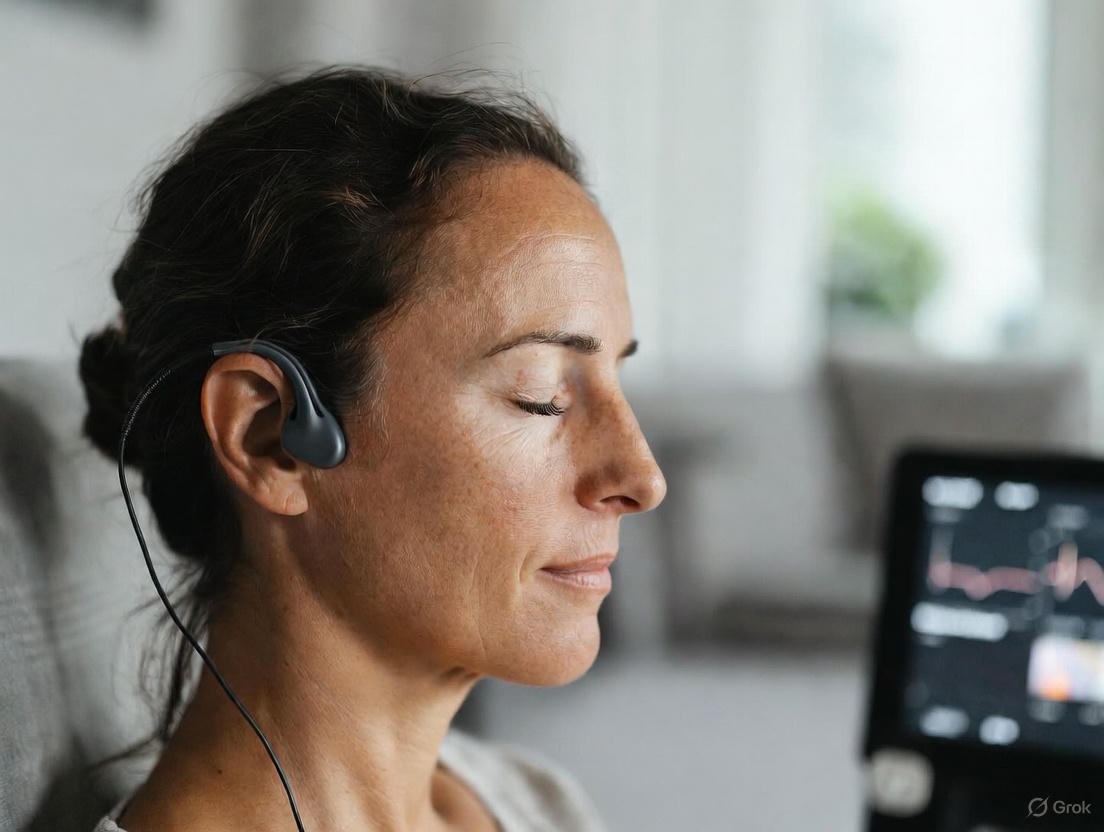
Wearing a wellness ring for a week is a novelty. Wearing it for a month creates awareness. Wearing it for a year or more catalyzes a genuine transformation. This final section isn't about new features or metrics; it's about the philosophical shift that occurs when biometric awareness becomes woven into the fabric of your life. It's the journey from being a tracker of health to an active architect of well-being.
The Evolving Relationship with Data:
In the beginning, you may feel a compulsive need to check your scores constantly, riding an emotional rollercoaster with each high and low. This is normal. Over time, as you internalize the lessons, this frequency diminishes. You transition from monitoring to checking-in. You might look at your readiness score each morning to plan your day, review your sleep once a week to spot trends, and dive deep into the data only when something feels "off" or when you're conducting a specific experiment (like changing your workout schedule). The ring becomes a trusted advisor you consult, not a master you obey.
From External Metrics to Internal Sensation:
The most profound transformation is the development of heightened interoception—your sense of the internal state of your body. The ring acts as a training wheel for this skill. After months of correlating a "heavy" feeling with a low HRV, or "morning grogginess" with low deep sleep, you begin to recognize these sensations without looking at the app. The data validates and refines your internal gauge. You learn to trust the subtle feeling that you need an early night, the instinct that a rest day is wiser than a hard workout, or the awareness that a certain food doesn't truly agree with you. The ring’s objective feedback accelerates this mind-body connection, making it stronger and more reliable.
Building a Legacy of Health:
The long-term data you accumulate is invaluable. A year’s worth of sleep, readiness, and activity data is a personal health journal written in the unbiased language of physiology. It can show you:
This historical record turns anecdotes into evidence. It allows you to look back and say with certainty, "When I prioritized sleep and consistent moderate activity, my overall resilience skyrocketed." This evidence is a powerful motivator to maintain healthy habits through life's inevitable ups and downs.
The Ultimate Goal:
The goal is not to become dependent on the ring forever. The goal is for the ring to teach you so well that its lessons become automatic. It’s to graduate from needing constant external feedback to living with an ingrained, intuitive sense of active, balanced living. The ring is the scaffold; your transformed habits and sharpened self-awareness are the permanent structure.
As you continue this journey, remember that the device on your finger is a tool for empowerment, not a source of anxiety. It’s there to reveal possibilities, not highlight shortcomings. It works for you. By committing to the long game, you’re not just collecting data; you’re curating a richer, more responsive, and more vibrant life. Your story of active living is just beginning, and every beat, every breath, and every cycle of sleep adds a new, informed chapter. To be inspired by how this journey has unfolded for others, explore the real experiences shared by our community.
In the initial stages of using your wellness ring, activity is often reduced to metrics: steps counted, calories burned, intensity zones achieved. But as you evolve from a beginner to a seasoned user, a deeper opportunity emerges: to cultivate mindful movement. This is the practice of syncing your physical activity with the rich, real-time biometric and somatic feedback from your body, facilitated by your ring. It’s the shift from exercising against your body to moving with it.
Listening to Your Body’s Real-Time Cues:
Your ring provides a live data stream that can transform any activity into a biofeedback session. Instead of blindly following a pre-set pace on a treadmill, you can learn to modulate your effort based on your body’s signals.
Embracing Non-Linear Progress:
Fitness culture often pushes a narrative of constant linear improvement. Your ring’s longitudinal data will show you the truth: progress is cyclical and deeply intertwined with recovery. You’ll see weeks where your performance metrics improve alongside your readiness scores, followed by planned de-load weeks where activity strain is purposefully lowered to allow for supercompensation. Watching your metrics—seeing your RHR drop and your HRV rise during a recovery week—validates this essential, non-linear process. It teaches patience and reinforces that true fitness is built in the rest periods as much as in the workouts.
The Joy of Movement Rediscovery:
With the security of your readiness score guiding you, you gain permission to explore movement purely for joy, not just for metric optimization. A low-readiness day isn’t a “lost” day; it’s an invitation for restorative movement. This could be a gentle walk in nature, a mobility flow, or playful movement like dancing. Your ring will still track this, but the goal shifts from achieving a number to noticing how the movement feels and observing its positive impact on your stress metrics afterwards. This re-engages the intrinsic motivation for movement, which is far more sustainable than any external goal.
By integrating this mindful approach, your relationship with activity matures. You stop “working out” and start “moving with intelligence.” Your ring is the bridge that connects the external act of movement with the internal landscape of your physiology, fostering a deeper, more respectful, and ultimately more effective partnership with your physical self. This holistic approach to activity is a core part of the vision you can learn more about by exploring the Oxyzen story and mission.
Humans are social creatures, and our wellness journeys are often enriched by connection and shared experience. While your biometric data is intensely personal, the insights derived from it can foster meaningful connections, healthy accountability, and even friendly motivation when shared thoughtfully. Modern wellness platforms, including those for smart rings, are increasingly incorporating community features that move wellness from a solitary pursuit to a shared expedition.
Shared Goals, Not Just Shared Scores:
The most positive use of social features is moving beyond simple score comparisons (which can lead to unhealthy competition or discouragement) toward sharing strategies and challenges. For example, you and a friend might both use the data from your rings to tackle a “Sleep Consistency Challenge” for the month, comparing notes on what wind-down routines worked best to improve your sleep scores. Or a running group might share not just their mileage, but how they’re using their readiness scores to plan their hard and easy days, leading to more intelligent group training sessions.
The Power of Normalization:
Seeing that a friend or community member also experiences a dip in HRV during a stressful work week, or a suppressed sleep score after travel, can be profoundly normalizing. It removes the isolation that can come from staring at your own “imperfect” data. Wellness communities built around devices like the Oxyzen ring create spaces where users can ask, “Has anyone else seen their temperature trend do this?” or “What habits helped you bring your resting heart rate down?” This shared problem-solving turns data interpretation from a lonely task into a collaborative learning experience. You can see this principle in action by browsing the real-world experiences shared in our testimonials.
Creating Accountability Structures:
Gentle, positive accountability can be a powerful catalyst for habit formation. Some apps allow you to share specific, opt-in goals with a “wellness buddy.” For instance, you might share your weekly “activity minutes” goal with a partner. Your ring provides the objective data, removing the need for self-reporting. This isn’t about policing each other, but about providing a supportive “check-in” that celebrates consistency. Knowing someone else can see your (voluntarily shared) progress can provide that extra nudge to take the evening walk or stick to your bedtime.
Ethical Considerations and Boundaries:
It is crucial to approach the social dimension with intentionality and clear boundaries.
When used wisely, the community aspect of your wellness ring ecosystem can provide motivation, reduce the learning curve, and make the journey toward active living feel less like a solo trek and more like a supported expedition. It reminds us that while the data is individual, the pursuit of well-being is a universal human endeavor.
A wellness ring is a sophisticated piece of hardware and software designed for years of daily use. To ensure it remains a reliable companion on your long-term journey, understanding its care, maintenance, and evolution is key. This isn’t just about preserving a device; it’s about safeguarding your continuous stream of self-knowledge.
Physical Care and Battery Longevity:
Your ring is built to be durable, but a few simple practices will extend its life.
Software: The Brains Behind the Hardware
The algorithms that interpret your raw sensor data are constantly being refined. Software updates are not mere bug fixes; they are performance enhancements for your insights.
The Upgrade Path: When Does It Make Sense?
Wearable technology evolves. Should you upgrade to a new model every year? For most users, no. The core value—accurate 24/7 biometric tracking—is established in a well-made ring. Consider an upgrade when:
Think of your ring as a long-term investment in self-knowledge. With proper care and a mindset open to its software evolution, it can serve as a faithful, insightful companion for many years, documenting not just your daily metrics, but the broader arc of your health and lifestyle evolution. For any technical questions about care or updates, the comprehensive FAQ is your go-to resource.
The principles of active living with a wellness ring apply broadly, but individual physiology and life circumstances add important layers of nuance. Your menstrual cycle, your age, your status as an athlete or a new parent—all of these factors change the context of your data. Learning to interpret your metrics through these personalized lenses is the hallmark of an advanced user.
For Women: Syncing with Your Cycle
For those who menstruate, the body is not a static system; it operates on a powerful hormonal cycle. Your ring’s data, particularly resting heart rate, skin temperature, HRV, and sleep patterns, will reflect this beautifully.
For the Aging Athlete & Active Agers:
Aging brings wise, predictable changes in physiology. A wellness ring helps you adapt intelligently, not just slow down.
For New Parents (And Anyone in a Sleep-Disrupted Phase):
During periods of forced sleep fragmentation (newborn care, caring for a sick loved one, intense work projects), the traditional sleep score can become a source of stress. This is a time to redefine your metrics of success.
By adapting your interpretation to your life stage and circumstances, your wellness ring becomes not a rigid judge, but a flexible, understanding guide. It helps you work with your biology, not against it, at every phase of life.
As we invite these devices deeper into our lives, recording our most intimate biological rhythms, a critical conversation about ethics, privacy, and psychological impact must accompany the technological enthusiasm. Being an empowered user means being an informed and conscientious one, understanding not just what your ring can do, but the implications of it doing so.
Data Privacy and Ownership: Your Biometric Sovereignty
Your heart rate, sleep patterns, and temperature trends are uniquely identifiable data. Who owns it? How is it used? Reputable companies are transparent about this.
Psychological Pitfalls: Avoiding Orthosomnia and Data Anxiety
A new condition has emerged in the wearable age: orthosomnia – an unhealthy preoccupation with achieving perfect sleep scores. Similarly, one can become anxious over a low HRV or a high RHR.
The Big Picture: Technology in Service of Humanity
Ultimately, your wellness ring is a tool. Like any tool, its value is determined by the wisdom of the user. It is meant to serve your human experience—to give you more energy to play with your kids, more focus to excel at your work, more resilience to enjoy life’s adventures, and more understanding to navigate its challenges. It should be a lens that brings your life into clearer focus, not a screen that you get lost in.
By approaching your device with this ethical and mindful framework, you ensure it remains a source of empowerment. You harness its power for insight while safeguarding your privacy and your peace of mind. This balanced approach ensures that technology truly enhances your journey of active living, without ever defining it. For more on weighing the value of this technology, our honest analysis of whether sleep tracking is worth it delves into these very pros and cons.
The wellness ring you wear today is a snapshot of a rapidly evolving field. The sensors will get smaller, the batteries longer-lasting, and the algorithms more astute. But looking ahead, the most exciting developments lie in the integration and application of this continuous data stream. For the committed user, understanding these horizons is like glimpsing the next chapter in your own health story.
Predictive Analytics and Proactive Wellness:
Today’s rings are largely descriptive and diagnostic (telling you what did happen). The next frontier is predictive health. By analyzing long-term trends and subtle, early deviations, algorithms may one day be able to provide gentle, probabilistic nudges.
Hyper-Personalized Lifestyle Integration:
Future ecosystems won’t just collect data; they will act upon it intelligently in your environment—a concept known as the “quantified self in a quantified world.”
The Expansion of Biomarkers:
New sensor technologies will likely emerge. Continuous non-invasive glucose monitoring (through sweat or interstitial fluid) is a holy grail of wearables, which would provide insights into metabolic health far beyond blood oxygen or heart rate. More advanced electrodermal activity sensors could provide finer-grained stress measurement. Each new biomarker adds another thread to the rich tapestry of your physiological story.
For the user committed to lifelong active living, this evolution means your ring will become an even more insightful partner. The fundamental principle, however, will remain: You are the protagonist. The technology’s role is to provide clearer maps and better tools for navigation. Staying informed about these developments, perhaps through resources like the Oxyzen blog, allows you to anticipate and wisely adopt new features that align with your personal health vision. The journey of understanding yourself is endless, and the tools are just beginning to catch up to the complexity and wonder of the human body they aim to measure.
Your Trusted Sleep Advocate (Sleep Foundation — https://www.sleepfoundation.org/)
Discover a digital archive of scholarly articles (NIH — https://www.ncbi.nlm.nih.gov/
39 million citations for biomedical literature (PubMed — https://pubmed.ncbi.nlm.nih.gov/)
experts at Harvard Health Publishing covering a variety of health topics — https://www.health.harvard.edu/blog/)
Every life deserves world class care (Cleveland Clinic -
https://my.clevelandclinic.org/health)
Wearable technology and the future of predictive health monitoring. (MIT Technology Review — https://www.technologyreview.com/)
Dedicated to the well-being of all people and guided by science (World Health Organization — https://www.who.int/news-room/)
Psychological science and knowledge to benefit society and improve lives. (APA — https://www.apa.org/monitor/)
Cutting-edge insights on human longevity and peak performance
(Lifespan Research — https://www.lifespan.io/)
Global authority on exercise physiology, sports performance, and human recovery
(American College of Sports Medicine — https://www.acsm.org/)
Neuroscience-driven guidance for better focus, sleep, and mental clarity
(Stanford Human Performance Lab — https://humanperformance.stanford.edu/)
Evidence-based psychology and mind–body wellness resources
(Mayo Clinic — https://www.mayoclinic.org/healthy-lifestyle/)
Data-backed research on emotional wellbeing, stress biology, and resilience
(American Institute of Stress — https://www.stress.org/)


