
Evening Wellness Rituals for Insomnia: Ring-Guided Sleep Improvement

You are not alone. The ceiling stares back at you, a blank canvas for your racing thoughts. The clock’s digital glow mocks you as minutes bleed into hours. You’ve tried warm milk, counting sheep, and white noise, yet restful sleep remains a distant memory. Insomnia isn't just about being tired; it's a thief stealing your vitality, focus, and emotional well-being.

But what if the solution wasn’t found in a pill bottle, but in a ritual? And what if that ritual could be guided, personalized, and made intelligent by the silent technology you wear on your finger? Welcome to a new frontier in sleep science: ring-guided sleep improvement. This isn't about passive tracking; it's about an active, data-informed partnership between you and your body’s innate rhythms. By leveraging the precise biometrics from a smart ring—your heart rate variability (HRV), skin temperature, and sleep stages—we can craft evening rituals that don’t just soothe your mind but speak directly to your nervous system. This is the art and science of preparing your biology for sleep, turning the nightly struggle into a graceful, restorative descent. Let's begin the journey back to rest.

The Modern Insomnia Epidemic: Why Our Brains Forgot How to Sleep

Insomnia is no longer a personal failing; it's a societal symptom. We live in an age of perpetual cognitive engagement. Our work follows us home in our pockets, blue light bathes us long after sunset, and our stress is chronic, low-grade, and ever-present. This creates a perfect storm for sleep disruption. The primal "sleep pressure" that should build throughout the day is constantly interrupted by micro-doses of cortisol from notifications and anxieties. Simultaneously, our natural circadian rhythms, governed by light exposure, are utterly confused.

The result is a state of hyper-arousal at bedtime. Your body is physically exhausted, but your brain is stuck in a loop of threat assessment and planning. This isn't just psychological. Physiologically, your sympathetic nervous system (the "fight or flight" system) remains partially engaged, keeping your heart rate subtly elevated and preventing the drop in core body temperature necessary for sleep initiation. Traditional sleep advice often misses this biological component. Telling someone to "just relax" when their nervous system is signaling danger is like telling a gazelle to nap in a lion's den.

This is where objective data becomes revolutionary. Without it, you're guessing. Are you truly relaxed, or just mentally drained? Is your body ready for sleep, or is it still metabolically active? A smart ring moves you from guesswork to knowledge. It reveals your personal baseline and shows, in cold, hard data, the physiological impact of your evening choices—that extra cup of tea, the late-night work email, or the calming meditation. Understanding this epidemic is the first step to fighting back not just with willpower, but with wisdom.

Beyond Step Counting: The Biometric Power of a Smart Ring

Most wearables live on your wrist, designed for daytime activity. A smart ring, however, is uniquely positioned for sleep. The finger hosts rich vascular beds, providing a highly accurate signal for photoplethysmography (PPG), the technology that measures heart rate and its subtle variations. This location, coupled with 24/7 wear, makes it a superior sleep and recovery lab.

The key metrics for sleep readiness that a ring excels at tracking are:

  • Heart Rate Variability (HRV): This is the golden metric of your nervous system balance. It measures the tiny variations in time between each heartbeat. A higher HRV generally indicates a more resilient, relaxed parasympathetic state ("rest and digest"), while a lower HRV can signal stress, fatigue, or illness. Tracking your nightly HRV trend is like having a direct line to your autonomic nervous system's recovery status.
  • Core Body Temperature Trend: Sleep onset is triggered by a deliberate drop in core body temperature, which is regulated by your circadian clock. A smart ring can track the distal temperature at your finger, a reliable proxy for this critical circadian shift. Seeing your personal temperature curve helps you identify your ideal biological bedtime.
  • Respiratory Rate: Your breaths per minute, especially during sleep, are a profound indicator of stress and metabolic load. An elevated resting respiratory rate can be an early sign of anxiety, illness, or poor recovery.
  • Sleep Stages (Estimated): By combining movement with pulse and temperature data, advanced algorithms can provide a detailed map of your light, deep, and REM sleep cycles. This reveals not just how long you slept, but how well you slept.

This biometric power transforms your smart ring from a simple tracker into a personal biofeedback device. It quantifies the previously unquantifiable: your body's readiness for restoration. It shows you the direct line between your evening ritual and your physiological state, allowing you to iterate and optimize. For instance, you can finally answer: does my 9 p.m. yoga session actually lower my heart rate and improve my deep sleep, or is it too stimulating? The data doesn't lie. This objective feedback loop is the cornerstone of building effective, personalized rituals, a concept central to developing long-term emotional and physiological equilibrium, much like building emotional stability through research-based architecture for long-term equilibrium.

Decoding Your Data: The Pre-Sleep Dashboard

Data is only useful if you can interpret it. Your pre-sleep ritual begins with a 5-minute review of your "Readiness" or "Recovery" score—the dashboard provided by your ring's app. Think of this not as a report card, but as a weather forecast for your internal landscape. Here’s how to read the signs:

  • A Low HRV Score: This is your body's flag that it's under strain. Don't panic. Instead, see it as a mandate for a gentler, more nurturing evening. It's a signal to prioritize activities that engage the parasympathetic nervous system. This is a perfect opportunity to employ techniques for strategic emotional disengagement to lower cognitive load.
  • Elevated Resting Heart Rate: If your daytime RHR is trending above your baseline, it often indicates systemic stress, dehydration, or the onset of illness. Your ritual should focus on cooling down—literally and metaphorically. A lukewarm bath (to aid the core temperature drop) and electrolyte-rich fluids might be key.
  • A Delayed Temperature Drop: If your temperature curve shows a late decline, your circadian rhythm may be out of sync. This calls for a ritual strong in circadian cues: strict dim lighting, zero blue light exposure, and perhaps a dose of morning sunlight the next day to reset the clock.
  • Poor Previous Night's Sleep: The app will show your sleep efficiency and time in deep/REM. A poor score means your sleep debt is higher. Tonight’s ritual isn't about forcing perfection; it's about maximizing opportunity. An earlier bedtime and minimizing sleep interruptions become paramount.

The goal of this decode session is to move from judgment to curiosity. Instead of thinking, "My HRV is terrible, I'm a wreck," you learn to think, "My nervous system is asking for extra support tonight. What gentle practice can I offer it?" This shift—from self-criticism to compassionate inquiry—is itself a powerful sleep-promoting tool. It fosters the kind of self-awareness that is foundational for understanding your emotional set point and baseline mood.

Ritual 1: The Digital Sunset - Winding Down Your Nervous System

The single most effective ritual you can institute is a mandatory digital sunset 90 minutes before your target bedtime. This isn't just about avoiding stimulating content; it's a biological imperative. The blue light emitted by screens directly suppresses melatonin production, the hormone that cues sleepiness. But the harm goes deeper.

Scrolling through social media, answering work emails, or even watching intense dramas activates cognitive and emotional centers in the brain. It can trigger comparison, anxiety, or problem-solving mode—all states antithetical to sleep. Your digital sunset ritual must be non-negotiable.

Implementation:

  1. Set a Physical Alarm: 90 minutes before bed, an alarm (not on your phone) signals the sunset.
  2. Charge Outside the Bedroom: Place all phones, tablets, and laptops on a charger in another room. If you must use your phone as an alarm, enable strict "Do Not Disturb" and grayscale mode (making the screen black and white, which is less stimulating).
  3. Create Transitional Activities: Fill the void with analog wind-down activities. This could be gentle stretching, reading a physical book under soft light, listening to calming music or a podcast on a dedicated device (with a blue-light filter enabled), or engaging in a quiet hobby like knitting or sketching.
  4. Use Your Ring Data: After a week of a strict digital sunset, check your sleep data. Look for improvements in sleep latency (time to fall asleep) and increases in deep sleep. This tangible proof reinforces the habit, turning it from a sacrifice into a gift you give yourself.

This ritual creates a sacred buffer between the demands of the day and the peace of the night. It’s a clear signal to your brain and body: the time for external engagement is over; the time for internal restoration has begun.

Ritual 2: The Temperature Tango - Using Warmth to Trigger Cool-Down

Your body's sleep switch is thermoregulatory. To fall asleep, your core temperature must decrease by about 1-2 degrees Fahrenheit. The clever hack? You can accelerate this drop by strategically raising your surface temperature first. This process, called distal vasodilation, involves sending warm blood to your hands and feet, which releases heat and cools the core. Your smart ring, tracking your finger temperature, is the perfect guide for this "temperature tango."

The Science-Backed Practice:
The most effective method is taking a warm bath or shower 60-90 minutes before bed. The key is timing and temperature. The water should be warm (around 104°F/40°C), not scalding, and you should emerge about 90 minutes before lights out. As you dry off, your dilated blood vessels release a significant amount of heat, catalyzing the core temperature drop your circadian rhythm is waiting for.

Ring-Guided Refinement:

  • Track the Curve: Observe your nightly temperature graph. Do you see a sharp decline after your bath? If the drop seems delayed, try adjusting the timing. Maybe your body needs the bath 2 hours before bed.
  • The Bedding Variable: Your ring's temperature data can also inform your bedding choices. If you see frequent nighttime awakenings correlated with temperature spikes, you may be overheating. This data empowers you to choose more breathable sheets or adjust your bedroom thermostat. The ideal sleep environment is cool, around 65-68°F (18-20°C).
  • The Sock Trick: If a bath isn't feasible, the principle remains. Warm your extremities. Wearing socks to bed (if they are not too restrictive) can help dilate blood vessels in the feet and initiate the heat-release process. Your ring can help you test if this simple hack improves your sleep onset data.

This ritual transforms a mundane hygiene task into a powerful physiological tool. It’s a direct, tangible way to "hack" your body's natural sleep mechanics, guided by the clear feedback on your temperature trend line.

Ritual 3: The Parasympathetic Pause - Breathwork & Heart Rate Coherence

When your mind is racing, your heart often follows. High cognitive load and anxiety create erratic breathing and heart rate patterns. The beautiful symmetry is that the pathway works both ways: by consciously regulating your breath, you can directly calm your heart and signal safety to your brain. This state is often called "heart rate coherence," where your heart rhythm becomes smooth and wave-like, a marker of parasympathetic dominance. Your smart ring’s real-time heart rate display is the perfect biofeedback monitor for this practice.

A Simple Coherence-Breathing Ritual:

  1. Find Your Posture: Sit comfortably or lie down 30-45 minutes before bed.
  2. Engage the App: Open your ring's app to the live heart rate screen.
  3. The 4-6-8 Breath: Inhale gently through your nose for a count of 4. Hold the breath comfortably for a count of 6. Exhale slowly and completely through your mouth for a count of 8. The extended exhale is key—it stimulates the vagus nerve, the main nerve of the parasympathetic system.
  4. Watch the Feedback: As you breathe rhythmically, watch your real-time heart rate on the screen. The goal isn't to force it down, but to observe it gradually settle and stabilize as your breath becomes consistent. Aim for 5-10 minutes of this practice.
  5. Correlate with HRV: Over time, check your morning HRV score on nights you practice this ritual versus nights you don't. This creates powerful positive reinforcement.

This ritual is more than relaxation; it's active nervous system training. You are teaching your body, through repetition and real-time feedback, how to shift from "fight or flight" to "rest and digest." It is a cornerstone practice for how mindfulness develops emotional balance over time, and the skills built here directly enhance your ability to manage stress not just at night, but throughout your day.

Ritual 4: The Intentional Unwind - Journaling to Offload the Mind

The "monkey mind" at bedtime is often a desperate attempt by your brain not to forget. It replays conversations, rehearses tomorrow's tasks, and worries over unresolved issues. Trying to silence this voice is futile. The solution is to give it a dedicated audience and a place to deposit its concerns before you get into bed. This is the purpose of an intentional unwind journaling session.

This is not a diary of your day. It's a structured, cognitive download designed to create psychological closure. The practice of expressive writing has been shown to reduce intrusive thoughts and lower physiological arousal.

The Ring-Informed Protocol:

  1. Timing & Setting: Do this after your digital sunset, in soft light, 45-60 minutes before bed.
  2. The Three-Prompt Structure:
    • The Brain Dump: Set a timer for 3 minutes. Write, without stopping or judging, every single thought, task, and worry in your head. No complete sentences needed.
    • The Gratitude Anchor: Next, write down three specific things from the day you are grateful for. Be sensory—"the taste of my afternoon coffee," "the sound of rain on the window." This actively shifts neural pathways.
    • The Tomorrow Template: Finally, write a simple, non-ambitious list for tomorrow. "1. Send project email. 2. Call Mom. 3. Go for a 20-minute walk." This tells your brain, "It's noted. We have a plan. We can let go now."
  3. Close the Book Literally: Physically close the journal and put it away. Symbolically, you are closing the chapter on the day.
  4. Data Connection: On nights you feel particularly anxious, note it. Then, check your sleep latency and resting heart rate data the next morning. You will likely see a correlation between completing this ritual and improved sleep metrics. For deeper emotional processing, this practice can be combined with more structured use of journaling for emotional balance and regulation.

This ritual transforms mental chaos into ordered lists, converting anxiety into actionable (or released) items. It clears the cognitive cache so your brain can power down, not just spin in idle.
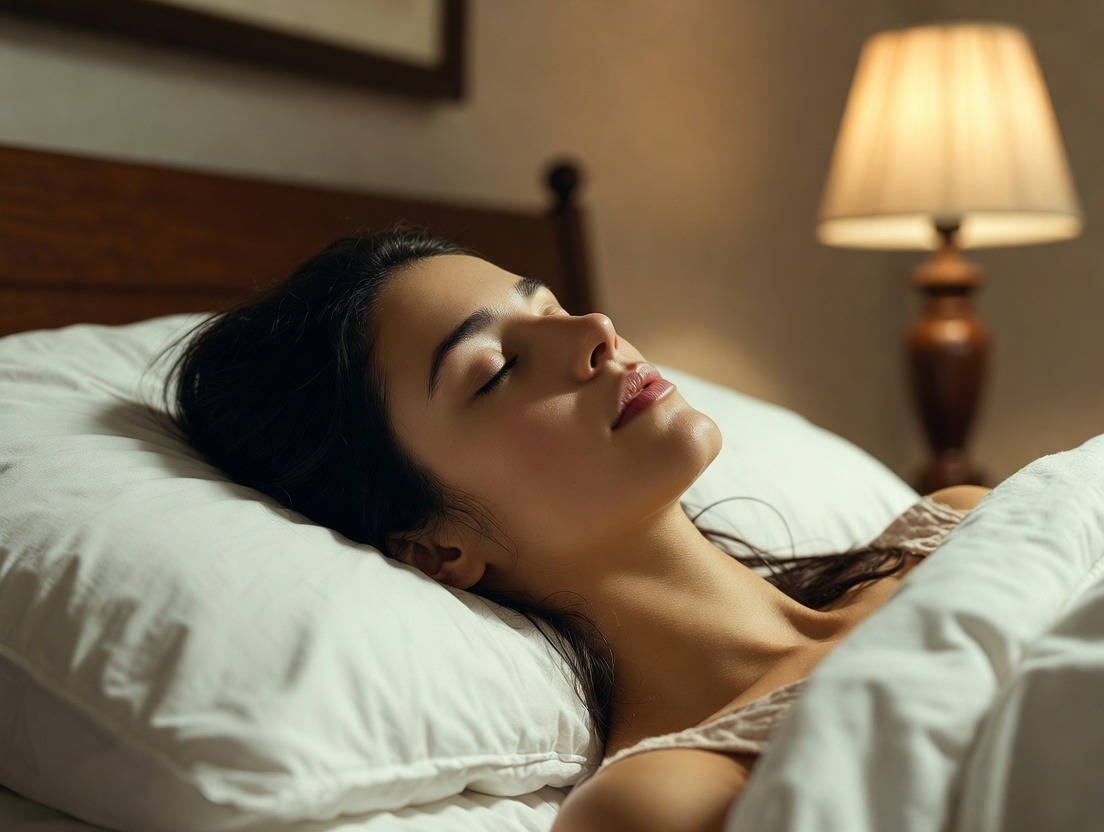
Ritual 5: The Sensory Sanctuary - Curating Your Sleep Environment

Your bedroom should be a sanctuary for sleep and intimacy only—not work, entertainment, or stress. Its environment sends powerful subconscious signals to your brain. Using your ring’s sleep quality data (specifically, measures of restlessness and awakenings), you can forensically audit and optimize this sanctuary.

The Multi-Sensory Audit:

  • Sight (Light): This is paramount. Even tiny amounts of light can disrupt melatonin and fragment sleep. Use blackout curtains or a high-quality sleep mask. Eliminate all standby LED lights (tape over them). Consider a sunrise-simulating alarm clock for a gentler wake-up, which also helps regulate your circadian rhythm for the following night.
  • Sound: Consistent, low-volume white noise or pink noise (which has deeper, softer frequencies) can mask disruptive environmental sounds like traffic or a partner's snoring. Your ring can help you see if nights with noise masking correlate with fewer registered awakenings.
  • Touch (Comfort): Your mattress, pillow, and sheets are non-negotiable investments. Data showing consistent mid-sleep awakenings or poor deep sleep might point to discomfort or temperature dysregulation from your bedding.
  • Smell: The olfactory system is directly linked to the brain's emotional and memory centers. Incorporating calming scents like lavender, chamomile, or sandalwood via a diffuser (turned off before sleep for safety) or a linen spray can become a powerful Pavlovian cue for relaxation.
  • The "Ring Test": Conduct a two-week experiment. For one week, meticulously optimize all these factors. The next, let things slide (e.g., phone in room, light pollution). Compare your ring’s sleep score, deep/REM sleep percentages, and resting heart rate. The data will make the case for sanctuary irrefutable.

Creating this sanctuary isn't about luxury; it's about creating external conditions that are so conducive to sleep, your nervous system has no excuse to remain on guard. It’s a foundational practice in protecting your peace through emotional boundaries, applied to your physical space.

Ritual 6: The Personalized Nutrition Window - Fueling Sleep, Not Fight

What and when you eat in the evening has a profound, measurable impact on your sleep architecture. A heavy meal too close to bedtime forces your digestive system to work overnight, raising core temperature and metabolism. Conversely, going to bed hungry can cause a cortisol spike that wakes you up. The goal is to find your "Goldilocks Zone"—the right size and timing for your last meal or snack. Your smart ring’s data on resting heart rate and HRV is an excellent guide.

Key Principles & Ring-Based Feedback:

  • The 3-Hour Rule (A Starting Point): Aim to finish your last large meal at least 3 hours before bedtime. This allows for significant digestion before you lie down.
  • Macronutrient Magic:
    • Complex Carbs: A small serving of complex carbohydrates (e.g., a small sweet potato, oatmeal) can facilitate tryptophan uptake in the brain, a precursor to serotonin and melatonin.
    • Magnesium-Rich Foods: Almonds, spinach, and pumpkin seeds are high in magnesium, a mineral that supports muscle relaxation and GABA function (a calming neurotransmitter).
    • Avoid Triggers: Spicy foods, excessive sugar, and heavy fats can disrupt sleep by causing indigestion or blood sugar swings.
  • The Caffeine & Alcohol Illusion: Caffeine has a half-life of 5-6 hours; consider a 1 p.m. cutoff. Alcohol may help you fall asleep faster, but it absolutely fragments the second half of your sleep, decimating REM sleep. Use your ring to track this: note a night of moderate drinking and observe the clear data showing increased restlessness and a suppressed HRV/Recovery score.
  • The Hydration Balance: Sip water steadily throughout the evening but taper off 60 minutes before bed to minimize sleep-interrupting bathroom trips. Mild dehydration can also elevate heart rate.

Personalization via Data: Try a light, sleep-friendly snack (e.g., a handful of almonds and a few cherries) 60-90 minutes before bed for a week. Note its composition and timing. Compare your sleep data to a week without it. Your ring will reveal if this practice lowers your nighttime heart rate and improves your deep sleep percentage. This biofeedback turns nutrition from a set of rules into a personal experiment in optimizing recovery, an important aspect of maintaining emotional balance during major hormonal transitions that also affect sleep.

Ritual 7: The Gentle Movement Gradient - From Tension to Tranquility

The relationship between exercise and sleep is profound, yet timing and intensity are everything. Vigorous exercise too close to bedtime can raise core temperature, adrenaline, and cortisol, putting your nervous system on high alert just as you’re trying to wind down. However, complete sedentariness in the evening can lead to physical restlessness and unresolved muscular tension. The solution is a deliberate "movement gradient"—a gradual shift from mild activity to complete stillness, designed to release physical stress without triggering a stress response. Your smart ring is the perfect arbiter for finding your personal threshold.

The Philosophy of the Gradient:
Think of your evening movement ritual as a descending staircase. You are moving your body from a state of daily accumulated tension down toward a state of physical surrender suitable for sleep. This is not about fitness; it’s about somatic signaling. The goal is to use movement to exorcise the physical manifestations of stress—tight shoulders, a clenched jaw, a rigid spine—and replace them with a sense of lightness and ease.

Implementing the Gradient with Data:

  1. The Early Evening Buffer (2-3 Hours Pre-Bed): If you crave more vigorous exercise, this is the latest it should occur. A brisk walk, a moderate bike ride, or a strength session should conclude here. Use your ring to monitor how your body recovers. Does your heart rate return to baseline within 45 minutes? Does your HRV dip or bounce back the next morning? This data will tell you if this timing and intensity work for your biology.
  2. The Transitional Movement (60-90 Minutes Pre-Bed): This is the core of the ritual. Focus on parasympathetic-nervous-system-engaging practices:
    • Restorative Yoga: Poses like Legs-Up-The-Wall (Viparita Karani), Supported Child’s Pose, and gentle supine twists. Hold each for 3-5 minutes, focusing on the exhale to release tension.
    • Tai Chi or Qigong: The slow, flowing, meditative movements are exceptional for harmonizing breath and body, calming the mind.
    • Gentle Mobility/Stretching: A non-goal-oriented routine focusing on areas of personal tightness—hips, hamstrings, chest, and neck.
  3. The Biofeedback Test: After your chosen gentle movement session, sit quietly for 5 minutes. Open your ring’s live heart rate. Is it lower than before you started? Is your breathing slower and more abdominal? This immediate feedback validates the practice. Furthermore, track the correlation over time: do evenings with this ritual show better "Sleep Latency" (time to fall asleep) and higher deep sleep scores?

This ritual teaches your body, through motion, that the day’s demands are over. It converts the stagnant energy of stress into the flowing energy of release, paving a physical pathway to sleep. This mindful connection to the body is a powerful practice that complements the cognitive work of building emotional balance without numbing feelings, as you learn to process physical sensation without judgment.

Ritual 8: The Cognitive Crossover - Guided Imagery & Non-Sleep Deep Rest

When your mind refuses to quiet, direct force fails. The technique of "cognitive crossover" involves engaging your brain’s vast imaginative capacity in a task so absorbing and non-threatening that it lulls the analytical prefrontal cortex into a state of quiet awe. This isn't about emptying the mind; it's about filling it with a restful alternative to worry. Two powerful methods for this are guided sleep imagery and the practice of Yoga Nidra, or Non-Sleep Deep Rest (NSDR).

Guided Sleep Imagery (The Internal Journey):
Unlike simple meditation focusing on the breath, guided imagery provides a detailed sensory narrative for your mind to follow. It leverages the brain's inability to distinguish between vividly imagined and real experiences in terms of emotional and physiological response.

  • How to Practice: In bed, with lights out, listen to a guided sleep story or visualization. The narrative should be calm, descriptive, and engaging but not intellectually demanding (e.g., "walking through a peaceful forest," "floating on a calm sea"). Your job is to try and see, hear, and feel the described scenario.
  • The Ring's Role: Track your "Time to Fall Asleep." You may find that with practice, you rarely hear the end of a 20-minute track. This is a success! The data objectively shows the technique reduced your sleep latency.

Yoga Nidra (Non-Sleep Deep Rest):
Yoga Nidra is a systematic form of guided meditation that induces a state of consciousness between waking and sleeping. It’s often called "psychic sleep," where the body achieves profound rest while the mind remains subtly aware. Studies show a 20-minute Yoga Nidra session can be as restorative as hours of sleep.

  • The Practice: You lie in Savasana (corpse pose) and follow a voice guiding you through a body scan, breath awareness, and visualization. The instruction to "not fall asleep" paradoxically often leads to sleep, as it removes the performance anxiety associated with trying to sleep.
  • Biometric Proof: This is where your ring shines. Perform a Yoga Nidra session before you intend to sleep. After the session, check your heart rate and HRV data from that period. You will likely see a dramatic dip in heart rate and a pattern of coherence that looks like deep sleep, even though you were conscious. This tangible proof—that you can drop your physiology into a restorative state at will—is incredibly empowering. It directly trains your nervous system in the art of letting go, a skill that is central to managing the emotional pendulum and understanding that balance means movement, not stillness.

These crossover rituals offer your busy mind a constructive, relaxing task. They provide a bridge from the discursive thinking of the day to the unconscious processing of the night, guided by the reassuring feedback of your physiological data.

Ritual 9: The Consistency Anchor - Programming Your Biological Clock

The most potent sleep tool at your disposal is not a gadget or a supplement; it is consistency. Your circadian rhythm thrives on predictable cues. Waking up and going to bed at wildly different times each day is like asking a symphony orchestra to play without a conductor. The result is dissonance and poor performance. The smart ring’s longitudinal data provides the ultimate motivation for this often-difficult ritual: it shows you the stark, beautiful difference consistency makes.

The Science of Entrainment:
Your suprachiasmatic nucleus (SCN), your brain's master clock, uses Zeitgebers ("time-givers") to synchronize with the 24-hour day. The most powerful is light, but behavioral cues are also critical. A fixed wake-up time is actually more important for setting your rhythm than a fixed bedtime. Waking at the same time every day (even on weekends) anchors your clock. Bedtime then naturally becomes more regular as your sleep pressure builds at a predictable rate.

The Ring as Your Accountability Partner:

  1. Set a Non-Negotiable Wake Time: Choose a time you can realistically maintain 7 days a week. Use morning light exposure to solidify this cue.
  2. Establish a Target Bedtime: Based on your wake time and needed sleep (7-9 hours), calculate a target bedtime. Use your evening rituals to begin winding down 90 minutes prior.
  3. Analyze the "Weekend Effect": For two weeks, be perfectly consistent. Then, allow yourself one weekend of staying up late and sleeping in. Compare the data. You will likely see:
    • Sunday Night Insomnia: Difficulty falling asleep at your "normal" time.
    • Poor Sunday Night Sleep: Fragmented sleep and low HRV.
    • Monday Morning Grogginess: A high resting heart rate and low readiness score.
    • This data-driven cause-and-effect is a powerful motivator to protect your schedule. It visualizes the "social jetlag" you impose on yourself.

Creating the Ritual:
Your consistency ritual is the framework that holds all others. It is the decision that, barring true emergencies, your sleep schedule is a sacred appointment with your health. Review your ring’s weekly sleep consistency score. Aim to get it above 85%. Watch as, over weeks of consistency, your nightly graphs of heart rate and temperature begin to look like perfectly repeating, smooth waves—a sign of a well-entrained, resilient biology. This foundational stability is the bedrock upon which all other wellness, including emotional balance and professional edge in work performance, is built.

Ritual 10: The Compassionate Response - When Rituals "Fail"

Here is the truth that no wellness blog often admits: some nights, you will do everything "right" and still lie awake. The danger here is not the insomnia itself, but the secondary wave of anxiety, frustration, and self-recrimination that follows. "I drank the herbal tea! I did the breathing! Why isn't this working?!" This catastrophic thinking activates the very stress response you’re trying to avoid. Therefore, the most advanced sleep ritual is not one that guarantees sleep, but one that teaches you how to respond with grace and compassion when sleep is elusive.

Reframing "Failure":
First, use your ring’s data to reframe. Even if you feel you were awake "all night," the data will likely show you had several hours of light sleep you weren't aware of. This is restorative. The goal shifts from "I must be unconscious for 8 hours" to "I will provide my body and mind with the most restorative conditions possible, whether sleep comes or not."

The Protocol for a Restless Night:

  1. The 20-Minute Rule: If you haven't fallen asleep after 20 minutes in bed, or if you wake up and can't return to sleep after 20 minutes, get up. Do not stay in bed frustrated. This prevents your brain from associating the bed with anxiety.
  2. The Boring, Dim-Lit Intervention: Go to another room. Engage in the most mundane activity possible in very dim light: read a dull physical book (no narrative page-turners), listen to a slow, instrumental podcast, or do a simple, repetitive puzzle. Avoid all screens.
  3. Return Only When Sleepy: Return to bed only when you feel unmistakable drowsiness (eyelids heavy, mind drifting). The goal of the intervention is not to make you sleepy, but to break the cycle of clock-watching and frustration.
  4. Morning Data Review: The next morning, do not fixate on your "Sleep Score." Instead, look at your HRV and resting heart rate. You may be surprised to see they are not as bad as you feel. This builds resilience and trust in your body's ability to cope. This compassionate approach is a direct application of skills needed to recover emotional balance after emotional outbursts—it's about non-judgmental course correction.

This ritual cultivates psychological flexibility. It removes the tyranny of the clock and replaces it with a trusting, gentle response. It acknowledges that some factors (hormonal shifts, subconscious stress, minor illness) are outside your direct control. Your power lies not in forcing sleep, but in how you meet the wakefulness.

Ritual 11: The Morning After - Using Data to Close the Loop

Your evening ritual truly begins in the morning. How you wake up and interpret your sleep data sets the stage for your entire day and informs your approach to the next night. This "closing the loop" ritual turns a nightly practice into a continuous cycle of learning and optimization. It moves you from being a passive patient of insomnia to an active scientist of your own sleep.

The Morning Data Review Ritual:

  1. Delay the Judgment: When you wake, before you even look at your phone, take 60 seconds to notice how you feel subjectively. Rate your mental fog, physical energy, and emotional baseline on a simple 1-5 scale.
  2. Then, Consult the Data: Open your ring's app. Look at three key metrics first:
    • Sleep Score/Recovery Score: This is the big picture.
    • HRV: Your nervous system's recovery report card.
    • Resting Heart Rate: An indicator of systemic stress or recovery.
  3. Correlate Sensation with Data: Does your subjective "3" feeling correlate with a low HRV? Often, it will. But sometimes, you may feel like a "2" and see a great HRV. This teaches you that morning mood isn't everything; your body may have recovered despite your mind's grumpiness.
  4. The Forensic Question: Ask: "What did I do differently yesterday or last evening?" Did you have that extra glass of wine? Did you skip your movement gradient? Did you have a difficult conversation right before bed? Or, conversely, did you take a bath and journal, and now see a 15% higher HRV? This is where insight is born.

Longitudinal Tracking for Wisdom:
Don't just look day-to-day. Use your app's weekly and monthly views. Look for patterns:

  • Do your best sleep scores consistently follow your days of moderate exercise?
  • Does your HRV dip predictably during your workweek and rebound on weekends, pointing to a chronic work stressor?
  • Is there a clear correlation between an early, consistent bedtime and your daytime energy levels?

This ritual transforms data into wisdom. It provides the positive reinforcement needed to maintain other rituals (seeing that HRV climb is addictive) and the gentle correction needed to abandon what isn’t working. It fosters a profound mind-body connection, making you an expert on your own needs. This systematic, evidence-based approach to self-care mirrors the process of developing emotional balance through therapy and counseling—it's guided, iterative, and focused on sustainable progress.

From Ritual to Rhythm: Integrating Practices into an Automatic Sleep Symphony

The true magic happens not when you perform a ritual, but when the rituals weave together into an automatic, self-reinforcing rhythm. This is the stage where effort fades and habit takes over, where your evenings begin to feel like a natural, graceful descent into rest rather than a checklist of tasks. Integration is the art of turning discrete practices into a seamless "sleep symphony," where each element supports and enhances the others, conducted by the intuitive feedback from your smart ring.

The Concept of Cue-Based Stacking:
Behavioral science shows that the most effective way to build a new habit is to "stack" it onto an existing one. Your evening rituals should form a chain, each acting as the cue for the next. For example:

  • Cue: The 9 p.m. alarm on your ring signaling the digital sunset.
  • Routine: You plug in your phone in the kitchen, then immediately prepare your cup of herbal tea (Nutrition ritual).
  • Cue: Holding the warm mug.
  • Routine: You sit in your designated chair to do your intentional journaling (Cognitive Unwind ritual).
  • Cue: Closing the journal.
  • Routine: You begin your 10-minute gentle mobility sequence (Movement Gradient ritual).

This stacking removes decision fatigue. You're not deciding if you'll journal; you're just responding to the cue of the warm mug in your hand after the digital sunset. Your ring can even be part of this cueing system—setting gentle vibrations or using its app notifications to prompt the next phase of your wind-down.

Creating Your Personalized Symphony:
Your data is the sheet music. A week of consistent tracking will reveal your personal pressure points. If your ring consistently shows a high resting heart rate at bedtime, your symphony might prioritize the Parasympathetic Pause (Ritual 3) and Temperature Tango (Ritual 2). If sleep latency is your issue, the Digital Sunset (Ritual 1) and Cognitive Crossover (Ritual 8) might take center stage. The goal is to design a 60-90 minute pre-sleep block that flows logically for you, addressing your unique biometric feedback. This process of self-design is an empowering act of assessing your current balance level through an emotional audit, but applied to your physiological sleep readiness.

The Deeper Layer: Addressing Sleep-Linked Anxiety and Emotional Regulation

For many, insomnia is not a standalone issue; it is the nocturnal manifestation of daytime anxiety and poor emotional regulation. The worry that floods your mind at 2 a.m. is often the unresolved emotional residue of the day. Therefore, the most advanced ring-guided rituals involve using your daytime data to pre-empt nighttime turmoil. Your smart ring’s daytime HRV and stress score features are critical tools here.

The Day-Night Connection:
A consistently low daytime HRV is a flashing indicator that your nervous system is running on fumes, making it hyper-reactive come nightfall. It's like trying to calm a startled gazelle; the baseline state is one of alertness. Therefore, improving sleep often requires daytime interventions.

Ring-Guided Daytime Practices for Nighttime Peace:

  • The Micro-Pause: Use your ring’s daytime stress alerts not as annoyances, but as invitations. When it vibrates with a "high stress" notification, see it as a cue for a 60-second reset: three deep 4-6-8 breaths, looking out a window at nature, or simply standing and stretching. These micro-practices prevent stress from accumulating into an unmanageable wave at night.
  • Emotional Off-Ramping: Before you even begin your evening wind-down, perform a 5-minute "emotional inventory." Using a notes app or journal, quickly answer: What emotion was strongest today? Where did I feel it in my body? Was it resolved? This practice, informed by the concept of understanding the neuroscience of emotional contagion and managing others' emotions, helps you separate from the day's emotional currents. It ensures you don't bring unresolved relational or work stress into your sanctuary.
  • Linking Data to Feeling: Notice if days with high social conflict or intense deadlines correlate with poor sleep data that night. This isn't cause for despair, but for insight. It tells you that on high-stress days, your evening rituals need to be more diligent, more nurturing. You might need a longer bath or an extended Yoga Nidra session. The ring removes the guesswork, showing you the direct cost of unmanaged daytime stress on your sleep.

By treating your sleep ritual as the final act of a day of emotional and physiological care, you create a holistic system for well-being. You learn to see sleep not as an isolated problem, but as the natural outcome of a balanced day.

Optimizing for Sleep Phases: Deep Sleep & REM Enhancement

Not all sleep is created equal. The restorative magic happens in the deep (slow-wave) sleep and REM (dream) sleep stages. Deep sleep is crucial for physical restoration, immune function, and memory consolidation. REM sleep is essential for emotional processing, creativity, and neural repair. Your smart ring’s estimated sleep stage data allows you to move beyond just "more sleep" to target "better quality sleep."

Influencing Deep Sleep:
Deep sleep is prioritized earlier in the night and is enhanced by factors that increase sleep pressure and calm the nervous system.

  • Daytime Factors (Visible in Recovery Data): Sufficient, consistent physical activity builds healthy sleep pressure. Your ring’s activity and recovery scores help you find the Goldilocks zone—enough movement to drive deep sleep, but not so much you’re overtrained and your HRV plummets.
  • Evening Rituals for Depth: The Temperature Tango (Ritual 2) is paramount, as cooler core temperature facilitates deep sleep. The Consistency Anchor (Ritual 9) ensures you're going to bed when your deep sleep propensity is naturally highest. Avoiding alcohol is non-negotiable, as it severely suppresses deep sleep.
  • Data Experiment: Try a protocol of a warm bath + consistent bedtime for 5 nights. Observe the "Deep Sleep" portion of your sleep graph. Compare it to a week without this protocol. The visual evidence of those thickened deep sleep blocks is powerful motivation.

Nurturing REM Sleep:
REM sleep occurs in longer cycles later in the night. It is easily disrupted by stress, alcohol, and—crucially—waking up too early (before your final REM cycle completes).

  • The Guardian Ritual: Your most important REM ritual is protecting your sleep time. If you need 7.5 hours to feel rested, and you must wake at 6:30 a.m., your bedtime must be 10:45 p.m. (allowing 15 minutes to fall asleep). Sacrificing this time guarantees you will truncate your final, REM-rich cycle.
  • Emotional Prelude: Since REM is involved in processing emotions, engaging in the Intentional Unwind journaling (Ritual 4) can be seen as "pre-processing," potentially leading to more efficient emotional work during REM and less distressing dream content.
  • Morning Light Lock-In: Getting bright light exposure within 30 minutes of waking helps solidify your circadian rhythm, which in turn regulates the timing and quality of your REM cycles later that following night. It’s a delayed benefit your ring will show in improved sleep architecture over time.

This phase-specific optimization represents the pinnacle of ring-guided sleep mastery. You are no longer just a sleeper; you are a curator of your own restoration cycles.

Navigating Special Circumstances: Shift Work, Jet Lag, and New Parents

Life often disrupts our best-laid plans. The power of a ring-guided approach is that it provides a adaptive framework even when perfect consistency is impossible. For those whose circumstances defy a 9-to-5 rhythm, the ring becomes an essential navigational tool.

For the Shift Worker:
The goal shifts from aligning with the solar day to creating the most stable, restorative personal day possible.

  • Ritual Adaptation: Your "evening" is before your daytime sleep. Your Digital Sunset becomes critical—use blackout shades, sleep masks, and white noise to simulate night. Your Temperature Tango still works; take a warm bath after your shift to trigger the cool-down before bed. Consistency is about keeping your sleep/wake times as regular as possible across the same shift cycles.
  • Data is Your Compass: Use your ring to find out what schedule works best for your body. Does sleeping in one 7-hour block after a night shift work better, or splitting sleep into a 5-hour block and a 2-hour nap? Your HRV and deep sleep data will reveal which pattern leads to better recovery.

For Managing Jet Lag:
The ring provides a real-time map of your internal clock's struggle.

  • Pre-Flight Ritual: Gradually shift your sleep schedule 1-2 days before travel toward your destination's time zone.
  • In-Flight & Post-Flight Guidance: Use light exposure strategically based on the new local time. Your ring’s temperature curve is a direct readout of your circadian phase. If it shows your temperature minimum (your biological night) is occurring at 2 p.m. local time, you know you need to seek bright light in the local evening to help shift it later. The data helps you move beyond generic advice to personalized circadian hacking.

For New Parents:
Sleep is fragmented, but recovery is non-negotiable. The ring’s function here is to maximize the quality of every minute of sleep and guide strategic rest.

  • The "Sleep When the Baby Sleeps" Data Twist: Your ring can help you identify which naps are actually restorative. A 45-minute nap that shows a significant dip in heart rate and even a few minutes of deep sleep is worth prioritizing over scrolling on your phone.
  • Partner Syncing: If you have a partner, share the data. It can help make objective decisions about night shifts. "My recovery score is 25% today; I really need a 4-hour uninterrupted block tonight if possible." This turns a potentially emotional negotiation into a data-informed strategy for team survival, fostering emotional balance in romantic relationships through independence and intimacy.
  • Focus on HRV: In this season, your primary metric should be HRV trend. It’s your best indicator of whether you’re managing the stress or heading toward burnout, guiding you to ask for more help or adjust expectations.

In all these cases, the ring provides objective grounding. It tells the story of your body's needs amidst the chaos, allowing you to make intelligent, compassionate choices for your well-being.

The Long Game: How Ring Data Reveals Your Progress and Prevents Relapse

The journey to overcoming chronic insomnia is not linear. There will be great weeks and difficult nights. The danger lies in the "what's the use?" frustration that can lead to abandoning all rituals. This is where the long-term historical data from your smart ring becomes your most powerful psychological asset. It provides perspective that your tired mind cannot.

Tracking the Macro-Trends:

  • The Quarterly Review: Every three months, look at your sleep and readiness data in the broadest view. Zoom out. You will almost certainly see that the monthly average for "Sleep Score" or "HRV" has trended upward since you began your rituals. The nightly spikes and dips smooth into a clear line of progress.
  • Identifying Your New Baseline: After 6-12 months, you can establish a new, healthy baseline for your metrics. This is empowering. A "bad" night now might be what a "good" night looked like a year ago. This reframes a setback as a temporary dip from a much higher plateau.
  • Predictive Insights: Over time, you may notice patterns you can act on. For example, your sleep might consistently degrade for two weeks every October, prompting you to investigate seasonal allergies or prepare for the time change. Or, you might see that your best recovery consistently follows weekends spent in nature. These insights move you from reactive to proactive health management.

The Relapse Prevention Protocol:
When you hit a rough patch—a week of poor sleep—follow this data-driven protocol:

  1. Don't Panic, Analyze: Open your weekly data. Is there an obvious culprit (illness, work project, family stress)? Often, just identifying the cause reduces anxiety.
  2. Return to Core Rituals: Strip your evening back to the non-negotiable fundamentals: Digital Sunset, Temperature Tango, Consistency Anchor. Don't try to do all eleven rituals perfectly; just commit to the foundational three.
  3. Trust the Process: Your historical data is proof that your system works. A rough patch is not evidence of failure, but a normal fluctuation. This long-term view is essential for cultivating the patience required for any long-term project of emotional balance and personal growth.

Syncing with Your Cycle: Hormonal Rhythms and Gender-Specific Sleep Optimization

Sleep architecture is not gender-neutral. Fluctuating hormones across the menstrual cycle, during pregnancy, postpartum, and through perimenopause and menopause create a dynamic internal landscape that profoundly influences sleep quality and needs. A one-size-fits-all ritual fails here. Your smart ring becomes an indispensable decoder, helping you align your evening rituals with your unique hormonal phase, transforming potential disruptions into predictable patterns you can work with, not against.

The Menstrual Cycle as a Sleep Blueprint:
For premenopausal women, the month can be divided into distinct sleep phases, guided by estrogen and progesterone.

  • Follicular Phase (Post-Period to Ovulation): Rising estrogen often correlates with easier sleep onset and more stable sleep. This is a time when your baseline rituals may work well. Your ring data might show your best HRV and deepest sleep during this window.
  • Luteal Phase (Post-Ovulation to Period): After ovulation, progesterone rises to support a potential pregnancy. This hormone is soporific (sleep-inducing) but can also increase core body temperature, making sleep more fragmented and sensitive to warmth. This is where Ritual 2: The Temperature Tango becomes critical. You may need to lower your bedroom thermostat, use lighter bedding, and be extra diligent with the pre-sleep cooling bath. Your ring's temperature graph will vividly show this nightly rise.
  • Premenstrual & Menstrual Days: Progesterone plummets, which can trigger insomnia, anxiety, and more frequent awakenings. This is a time to intensify Ritual 8: The Cognitive Crossover and Ritual 4: The Intentional Unwind to manage heightened emotional sensitivity and pre-sleep rumination. Data can be comforting here; seeing a predictable dip in your "Readiness" score pre-menstrually removes personal blame and frames it as a biological phase to support, not a personal failing.

Pregnancy and Postpartum:
Pregnancy brings dramatic hormonal shifts, physical discomfort, and later, the needs of a newborn.

  • Trimester-Guided Rituals: First-trimester fatigue calls for honoring sleep pressure with an earlier bedtime (Ritual 9). Third-trimester discomfort and frequent urination disrupt sleep continuity. Here, the goal shifts from perfect sleep to maximizing restorative moments. Ritual 10: The Compassionate Response is essential. Daytime naps, when possible, become a key part of the sleep toolkit, and your ring can help identify if a 20-minute nap actually provides physiological rest (a dip in heart rate).
  • Postpartum & Feeding: The absolute fragmentation of newborn sleep makes core metrics like HRV and resting heart rate more important than total sleep. They are your early warning system for burnout. This period demands radical flexibility and a focus on Ritual 11: The Morning After to make informed choices about when to nap or ask for help. Understanding these shifts is a profound part of navigating emotional balance during major hormonal transitions.

Perimenopause and Menopause:
The decline of estrogen often leads to the classic symptoms of night sweats and insomnia. The hot flash is not just an annoyance; it's a massive thermoregulatory event that shatters sleep architecture.

  • The Ring as a Thermoregulatory Detective: Your ring’s minute-by-minute temperature data is groundbreaking here. It can often detect the onset of a night sweat before you wake up drenched, showing a sharp spike. This data helps you and your healthcare provider understand the frequency and severity of events.
  • Ritual Intensification: All temperature-cooling rituals become paramount. Ritual 2 is your best defense. Layer bedding for easy removal, use moisture-wicking sleepwear, and consider a bedside fan. Ritual 5: The Sensory Sanctuary must be ruthlessly cool. Furthermore, the loss of estrogen's protective effects on mood can heighten anxiety; making Ritual 3: The Parasympathetic Pause a daily (not just nightly) practice can help stabilize the nervous system round-the-clock.

By using your ring to track these cycles over months, you move from feeling at the mercy of your hormones to understanding their rhythm. You can anticipate challenging phases and proactively adjust your rituals, turning a source of sleep disruption into a predictable element of your self-care calendar.

Beyond the Individual: Sleep Rituals for Couples and Shared Spaces

Sleep is often a shared experience, and one person's ritual can be another person's disruption. The snorer, the blanket hog, the early bird, and the night owl all share a mattress. Achieving ring-guided sleep improvement in a partnership requires diplomacy, empathy, and sometimes, a data-assisted negotiation.

The Dual Data Dialogue:
When both partners wear smart rings, you move from subjective complaints ("You're so restless!") to objective data ("My data shows 12 awakenings last night, correlated with movement on your side of the bed"). This depersonalizes the issue and turns it into a collaborative problem-solving session.

  • Identifying the Culprit: Is the disruption due to different sleep schedules? Different temperature preferences? Snoring or movement? Review both sets of data together. Does one partner's deep sleep graph flatline when the other comes to bed later? Does one show a heart rate spike when the other snores?
  • Crafting Compromise Rituals:
    • For Schedule Mismatch: The night owl agrees to a "bedtime entry" ritual: coming to bed quietly with a red-light headlamp to read, avoiding screen glow. The early bird might use a sunrise alarm that gently wakes them without a blaring sound.
    • For Temperature Wars: Use the ring's temperature data. If one partner runs hot and the other cold, solutions like the BedJet (personalized climate control) or dual-zone electric blankets can be justified by the clear data showing one partner's overheated nights.
    • For Snoring/ Movement: Data can motivate the seeker of solutions. Seeing the direct impact of their snoring on their partner's resting heart rate and sleep stages can be the push needed to try a mandibular advancement device, nasal strips, or a sleep study.

Shared and Separate Rituals:
Some rituals can be beautifully synchronized, strengthening your bond. A shared Digital Sunset where you both put away devices, a joint 10-minute Gentle Movement stretch, or a couples Parasympathetic Pause with synchronized breathing. Others might need to be separate. One partner might need 30 minutes of solo journaling, while the other listens to a podcast with headphones.

The key is to frame the conversation around a shared goal: "How can we use our data to help both of us get the best rest possible?" This collaborative, data-informed approach is a practical application of fostering emotional balance in romantic relationships through independence and intimacy. It respects individual biological needs while nurturing the shared space of the relationship.

The Edge Cases: When to Seek Professional Help—Data as Your Advocate

For all its power, a smart ring is not a medical device. It is a superb guidance system, but some sleep issues require professional navigation. Your ring's longitudinal data, however, makes you an empowered, prepared patient. It can be the key that unlocks a more accurate diagnosis and a more effective treatment plan.

Red Flags in Your Data:
While you should always consult a doctor for medical concerns, consistently alarming patterns in your ring data can signal it's time to seek help:

  • Chronic, Unremitting Low HRV: If your HRV remains in the basement for weeks despite excellent sleep hygiene, stress management, and good health, it could indicate an underlying health issue (e.g., thyroid disorder, autoimmune flare, untreated sleep apnea).
  • Severe Sleep Fragmentation with No Obvious Cause: Your graph shows you waking dozens of times per night, but you're not aware of pain, a partner's snoring, or a hot room. This is a classic sign of sleep apnea or periodic limb movement disorder.
  • Extreme Oxygen Desaturation (on rings with SpO2 sensors): Repeated, significant dips in blood oxygen levels during sleep are a primary indicator of sleep apnea and require immediate medical evaluation.
  • Consistent Tachycardia at Night: A resting heart rate that remains abnormally high throughout the sleep period, without explanation from stress or illness.

Becoming Your Own Best Advocate:
Walking into a sleep clinic with a 90-day printout of your sleep stages, HRV trends, and nightly heart rate is a game-changer.

  1. Document Your Rituals: Show what you've already tried. "Here are my consistent bedtimes, my temperature management, my wind-down routine. Despite this, here is my data showing severe fragmentation."
  2. Quantify Your Symptoms: Instead of saying "I'm tired," you can say, "My data shows my average deep sleep is 45 minutes per night, and my daytime HRV is consistently 30% below population average for my age."
  3. Track Treatment Efficacy: If prescribed a CPAP for sleep apnea or a dental device, your ring data will show its effectiveness objectively. Does your deep sleep increase? Does your overnight heart rate stabilize? This feedback loop with your doctor optimizes treatment faster.

Using your data this way shifts the dynamic from a subjective complaint to a collaborative analysis of objective biomarkers. It ensures your voice is heard and your experience is validated, which is especially crucial for conditions like insomnia and sleep apnea, which are often under-diagnosed or dismissed. This proactive self-advocacy is a powerful form of emotional and physical boundary-setting, a key component of protecting your peace through emotional balance and boundaries.

The Future of Ring-Guided Sleep: AI, Personalization, and Predictive Care

The current generation of smart rings is remarkable, but they represent just the dawn of personalized sleep medicine. The future lies in the convergence of continuous biometrics, sophisticated artificial intelligence, and integrated wellness ecosystems. Your ring will evolve from a tracker and guide to a true sleep partner.

Predictive, Not Just Reactive:
Future algorithms will analyze your real-time data stream (heart rate, HRV, temperature, movement) and predict sleep disturbances before they happen. Imagine your ring vibrating gently at 8 p.m. with the message: "Your stress biomarkers are elevated. Your sleep latency is predicted to be >30 minutes tonight. Consider a 15-minute Yoga Nidra session now." This shifts the intervention from post-hoc analysis to pre-emptive care.

Hyper-Personalized Ritual Generation:
AI will move beyond showing you data to prescribing your exact ritual cocktail. Based on your historical response patterns, it might say: "For your current state (elevated temp, low HRV), your optimal protocol tonight is: 15-min bath at 102°F, followed by the 'Forest Stream' audio visualization, with lights out by 10:17 p.m." It will learn that you respond best to breathwork, while your partner needs journaling, and tailor accordingly.

Integrated Ecosystem Commands:
Your ring will become the command center for your sleep sanctuary. Through IoT (Internet of Things) integration, it will:

  • Automatically dim your smart lights when it detects your temperature beginning its nocturnal drop.
  • Signal your thermostat to lower the bedroom temperature by 2 degrees at your precise bedtime.
  • Start a personalized wind-down playlist on your speaker when you begin your movement routine.
  • Silence your phone and enable Do Not Disturb when you enter your pre-sleep geo-fence.

Longitudinal Health Forecasting:
By correlating sleep data with long-term health outcomes (which large-scale studies will enable), your ring could provide early risk assessments. A sustained, gradual decline in deep sleep coupled with a rising resting heart rate might be flagged as a pattern associated with increased cardiovascular risk years before clinical symptoms appear, prompting preventative lifestyle and medical interventions.

Citations:

Your Trusted Sleep Advocate: Sleep Foundation — https://www.sleepfoundation.org

Discover a digital archive of scholarly articles: NIH — https://www.ncbi.nlm.nih.gov/

39 million citations for biomedical literature :PubMed — https://pubmed.ncbi.nlm.nih.gov/

Experts at Harvard Health Publishing covering a variety of health topics — https://www.health.harvard.edu/blog/  

Every life deserves world class care :Cleveland Clinic - https://my.clevelandclinic.org/health

Wearable technology and the future of predictive health monitoring :MIT Technology Review — https://www.technologyreview.com/

Dedicated to the well-being of all people and guided by science :World Health Organization — https://www.who.int/news-room/

Psychological science and knowledge to benefit society and improve lives. :APA — https://www.apa.org/monitor/

Cutting-edge insights on human longevity and peak performance:

 Lifespan Research — https://www.lifespan.io/

Global authority on exercise physiology, sports performance, and human recovery:

 American College of Sports Medicine — https://www.acsm.org/

Neuroscience-driven guidance for better focus, sleep, and mental clarity:

 Stanford Human Performance Lab — https://humanperformance.stanford.edu/

Evidence-based psychology and mind–body wellness resources:

 Mayo Clinic — https://www.mayoclinic.org/healthy-lifestyle/

Data-backed research on emotional wellbeing, stress biology, and resilience:

 American Institute of Stress — https://www.stress.org/
