


The Health Metrics That Correlate With Quality of Life
The metrics that correlate with an overall good quality of life.
The metrics that correlate with an overall good quality of life.
%402x.svg)
You know the feeling. You wake up after a full eight hours in bed, yet a fog of exhaustion clings to you all morning. You hit the gym regularly, but your energy levels feel more unpredictable than the weather. You tell everyone you’re “fine,” but a quiet, persistent sense of being off lingers just beneath the surface. For decades, we’ve gauged our health with crude, isolated numbers: a weight on a scale, a cholesterol reading at an annual physical, the number of hours we think we slept. These are mere snapshots, often disconnected from how we actually live and feel each day.
What if your vitality, mood, resilience, and overall zest for life weren't mysterious or subjective, but quantifiable? Modern science is revealing a profound truth: our subjective quality of life—our daily experience of energy, emotional balance, and cognitive sharpness—is directly mirrored in objective, biological data. We are entering an era of personalized, continuous health intelligence, moving beyond diagnosing sickness to optimizing human potential.
This long-form exploration dives deep into the specific, measurable health metrics that have the strongest, most validated correlation with your day-to-day quality of life. This isn't about chasing arbitrary fitness goals; it's about understanding the core physiological processes that form the bedrock of feeling truly well. We'll move beyond theory into practical understanding, showing how emerging technology, like advanced smart rings, is putting this precise, continuous bio-data right on your finger, transforming guesswork into actionable insight. The journey to a richer, more vibrant life begins not with a generic prescription, but with understanding your body's unique language.

For over a century, the "vital signs"—body temperature, pulse rate, respiration rate, and blood pressure—have been the cornerstone of medical assessment. They are brilliant, life-saving indicators of acute, imminent danger. A spiking temperature signals infection; abnormal blood pressure can warn of a cardiovascular event. But these markers are fundamentally designed to answer one question: "Is this person in immediate crisis?"
They are notoriously poor at answering the questions that define our modern existence: "Do I have the energy to be fully present with my family after work?" "Why do I feel chronically stressed even when nothing is 'wrong'?" "Am I recovering adequately from my workouts to build strength and resilience?" The pursuit of quality of life requires a new set of vital signs—dynamic, nuanced, and reflective of our complex daily rhythms.
These new vital signs are processes, not static points. They include the restorative depth of your sleep, your nervous system's balance between stress and calm, your body's metabolic efficiency, and the rhythmic patterns of your heart that speak volumes about your fitness and recovery status. Unlike a yearly cholesterol check, these metrics fluctuate hourly and daily, offering a real-time dashboard of your physiological state.
Access to this data was once confined to sleep labs and research clinics. Today, the miniaturization of biomedical sensors has democratized this knowledge. A sleek smart ring, worn 24/7, can now track these new vital signs silently and continuously, building a rich, personal baseline. This shift is monumental. It allows us to move from a reactive healthcare model ("You have high blood pressure, here's a pill") to a proactive wellness model ("Your resting heart rate variability is trending down, suggesting cumulative stress; let's prioritize recovery tonight"). By understanding these correlative metrics, we gain the power to not just live, but to thrive.

If quality of life were a building, sleep would be its foundation. And not just any sleep—architected sleep. The term "sleep architecture" refers to the cyclical structure of a night's rest, composed of distinct stages: Light Sleep (N1 & N2), Deep Sleep (N3, or Slow-Wave Sleep), and REM (Rapid Eye Movement) sleep. Each stage serves a non-negotiable, physiological purpose. It’s the balance and quality of these stages, more than the simple number of hours in bed, that dictates how restored you feel. You can learn more about this critical distinction in our detailed analysis on sleep quality vs. sleep quantity.
Deep sleep is the body's premier repair and regeneration phase. During this stage, growth hormone secretion peaks, facilitating tissue repair, muscle growth, and cellular rejuvenation. It's also crucial for immune function and clearing metabolic waste from the brain. Poor or insufficient deep sleep leaves you feeling physically drained and aches more persistent.
REM sleep, often called "dream sleep," is the mind's therapy and integration session. It is essential for memory consolidation, emotional processing, learning, and creativity. A deficit in REM can lead to brain fog, emotional volatility, and difficulty learning new skills. The cyclical dance between deep and REM sleep across the night is what creates true cognitive and physical restoration.
Modern sleep-tracking technology, especially the advanced photoplethysmography (PPG) and accelerometers in devices like smart rings, can estimate these sleep stages with remarkable accuracy by monitoring heart rate, heart rate variability, and movement. They generate a Sleep Quality Score—a composite metric that synthesizes stage duration, disturbances, and timing. This score isn't just a number; it's a direct report card on your foundational recovery. To truly understand what this number is telling you, we have a complete resource breaking down the sleep quality score explained.
When your sleep architecture is sound, the benefits permeate every aspect of quality of life: stable energy, balanced mood, sharp cognition, and a resilient stress response. When it's fragmented, it erodes your baseline. For a deep dive into the transformative biological processes that occur when you sleep well, explore the science of sleep quality.
Imagine two people with an identical resting heart rate of 60 beats per minute. On the surface, they appear equally fit. But if we zoom into the milliseconds between each heartbeat, a critical story emerges. One person's heart beats like a monotonous metronome: beat...beat...beat... The other's has a subtle, complex rhythm: beat...beat.....beat..beat.... This beat-to-beat fluctuation is Heart Rate Variability (HRV), and it is one of the most powerful, non-invasive windows into your autonomic nervous system (ANS) and your overall resilience.
A higher HRV (greater variability) generally indicates a healthy, adaptable ANS. It means your body can effortlessly switch between the sympathetic ("fight or flight") and parasympathetic ("rest and digest") branches. You recover from stress quickly, maintain emotional balance, and have a strong physiological foundation for performance. A lower, less variable HRV suggests a nervous system stuck in a state of high sympathetic tone—chronically stressed, fatigued, and less capable of deep recovery. It’s a strong correlate with burnout, overtraining, and poor emotional regulation.
HRV is profoundly sensitive to everything in your life: sleep quality, physical activity, emotional stress, nutrition, and even hydration. This makes it an exquisite daily feedback tool. By tracking your HRV trend—typically measured as your nightly average or morning reading—you get an objective readout of your body's readiness. A rising trend suggests you're effectively managing stress and recovering well. A sustained dip is a clear biological flag to prioritize rest, even if your mind says "push harder."
For the wellness enthusiast, monitoring HRV transforms self-care from a guessing game into a guided practice. It answers the perennial question: "Should I go hard today or take it easy?" with data from your own body. It directly correlates with your subjective feeling of being "run down" or "on point," providing a number to a sensation and empowering you to act before exhaustion sets in.
Your Resting Heart Rate (RHR)—measured as the number of heartbeats per minute while you are completely at rest, typically during sleep or upon first waking—is like your body's idle speed. A well-tuned, efficient cardiovascular system doesn't need to work hard to sustain baseline operations. Therefore, a lower RHR (generally within 50-70 bpm for adults, with athletes often lower) is a strong indicator of good cardiovascular fitness and efficient heart function. Each beat delivers oxygen-rich blood more effectively, placing less strain on the heart itself.
Trends in RHR are even more telling than a single number. A gradual decrease in your RHR over weeks or months of consistent training is a classic sign of improving aerobic fitness. Conversely, a sudden, unexplained increase in your RHR trend (e.g., 5-10 bpm above your personal baseline) can be one of the earliest and most sensitive signs of trouble. It often signals that your body is fighting something: the onset of illness, systemic inflammation, dehydration, or significant cumulative fatigue and under-recovery.
This makes RHR a fantastic early-warning system. You might feel "a bit off" but dismiss it. If your smart ring shows your RHR has been elevated for three nights in a row, it’s a data-driven mandate to listen to your body. Perhaps you need to skip the intense interval training, double down on hydration, or get to bed an hour earlier. In the context of quality of life, a stable, low RHR correlates with a feeling of internal calm and steady energy. A creeping RHR often precedes that frazzled, susceptible-to-colds feeling that diminishes daily joy.
While your average RHR is important, the pattern of your heart rate throughout the night holds a special secret. In a healthy, recovering individual, heart rate doesn't just stay low during sleep; it should dip significantly below daytime resting levels. This nocturnal heart rate dip (typically a 10-20% decrease from your daytime RHR) is the signature of profound parasympathetic ("rest and digest") activation. It's when your heart gets its deepest rest and your body dedicates maximum resources to repair.
An absent or blunted heart rate dip is a significant red flag. It suggests your nervous system cannot fully disengage from a state of heightened alertness, even when you are unconscious. This is common in states of chronic stress, anxiety, overtraining, or poor sleep hygiene. Your body is, in essence, standing guard all night, which drastically limits physical and mental restoration.
Tracking this dip provides a crystal-clear metric for recovery quality. You could log 8 hours of "sleep," but if your heart rate barely budges from its daytime level, you will wake feeling unrefreshed. This phenomenon is a core reason why you wake up tired despite sufficient time in bed. It connects directly to the architecture of your sleep—frequent disturbances or a lack of deep sleep prevent this crucial dip. By optimizing for a deep, sustained dip (through stress management, a cool dark sleep environment, and consistent timing), you directly invest in a morning feeling of true rejuvenation.

The human body is a masterpiece of thermal regulation. Your core body temperature isn't a fixed 98.6°F; it follows a delicate, predictable circadian rhythm. It drops to its lowest point in the early morning hours (facilitating deep sleep) and rises throughout the day, peaking in the late afternoon (supporting alertness and performance), before declining again in the evening to signal that it's time for sleep. This rhythm is governed by your master circadian clock and is a fundamental indicator of metabolic health and hormonal balance.
Deviations from this natural rhythm have powerful correlations with quality of life. A consistently elevated nocturnal temperature is a common sign of poor sleep quality, as the body cannot achieve the necessary cooling for deep sleep. It can also indicate underlying inflammation, the onset of illness, or significant hormonal fluctuations (like those in perimenopause). Conversely, a clear, robust rhythm with a distinct low point aligns with higher energy, better mood, and more resilient sleep.
Continuous temperature sensing via a wearable like a smart ring allows for tracking of this baseline and its variation. Seeing your personal temperature curve demystifies subjective feelings. That afternoon slump you feel? It likely coincides with your natural post-peak temperature decline. Feeling wired at bedtime? Your temperature graph may show it's still elevated, guiding you to adjust evening habits (like reducing screen time or intense exercise too late). By aligning your lifestyle with your thermal rhythm, you work with your biology, reducing internal friction and boosting daily vitality.
Often overlooked, your breathing rate—the number of breaths you take per minute—is a potent autonomic signal. A normal adult respiratory rate at rest is between 12-20 breaths per minute. Like heart rate, a lower resting respiratory rate often indicates greater fitness and parasympathetic calm. More importantly, its behavior during sleep is critical.
Sleep-disordered breathing, such as sleep apnea or even habitual heavy snoring, is characterized by pauses (apneas) or reductions (hypopneas) in breathing. These events cause micro-arousals, fragmenting sleep architecture and spiking stress hormones, even if you never fully remember waking up. The result is chronically poor sleep quality and its attendant drain on daytime function.
Modern wearables can estimate respiratory rate by analyzing the rhythmic patterns in heart rate data or through dedicated sensors. An elevated or highly variable nocturnal respiratory rate can be a non-invasive, early indicator of such disturbances. For someone who snores or feels perpetually tired, this data can be the nudge to seek a professional sleep evaluation. By ensuring smooth, regular breathing at night, you protect the integrity of your deep and REM sleep, safeguarding your cognitive function and emotional balance.
Quality of life isn't just about rest; it's about vibrant, capable movement. Tracking daily activity levels—steps, active minutes, and metabolic equivalents (METs)—provides the "energy expenditure" side of the equation. But the true correlation with well-being lies in the balance between this expenditure and your body's recovery signals (like HRV and RHR).
The goal isn't simply to maximize calories burned. It's to achieve a state where your activity supports, not undermines, your overall vitality. Data allows you to find this personal equilibrium. For instance, you might notice that on days you take a vigorous 45-minute walk, your subsequent sleep scores and morning HRV improve—a sign of positive adaptation. Conversely, you might see that consecutive days of high-intensity training crater your HRV and spike your RHR, signaling the need for a rest day.
Furthermore, continuous tracking can reveal your personal daily patterns of energy. You may discover you have a natural peak performance window in the late morning—the ideal time for focused work or your most challenging workout. Understanding your metabolic rhythms helps you structure your day to align with your biology, reducing effort and increasing output and satisfaction.
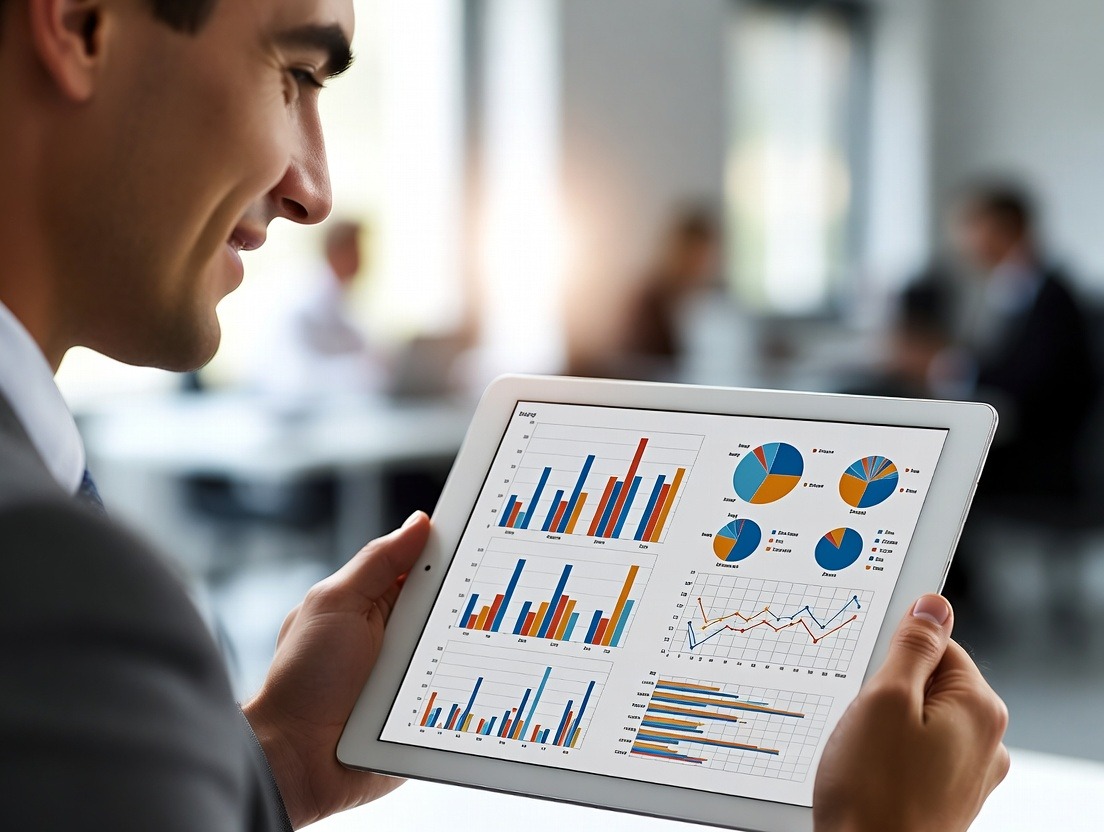
The true power of these biomarkers emerges not in isolation, but in their synergy. They form a complex, conversational network within your body. One metric can explain another, and together, they tell a coherent story about your state of being.
Consider this narrative, read from a week's worth of wearable data: Your HRV begins a steady decline on Tuesday. By Wednesday, your nocturnal heart rate is no longer dipping as deeply. On Thursday, your sleep graph shows increased wakefulness and reduced deep sleep. By Friday morning, your RHR is up 8 bpm, and you report feeling "run down." This data sequence clearly illustrates a cascade of accumulating stress or impending illness, likely starting days before you consciously felt "sick."
Another example: You prioritize a consistent sleep schedule and a dark, cool room. Your wearable shows an earlier, deeper nocturnal temperature drop. Consequently, your deep sleep duration increases. The next morning, your HRV is at its weekly high, and your RHR is at its low. Subjectively, you feel clear-headed and emotionally steady. This positive cascade demonstrates how a single behavioral intervention (sleep hygiene) can create a ripple effect of improved physiological metrics, culminating in a superior subjective experience.
This interplay transforms data from isolated numbers into a diagnostic and prescriptive toolkit. It moves you from wondering "Why do I feel bad?" to understanding "My poor sleep (Metric A) is likely driving my low resilience (Metric B), making me more reactive to daily stress." The solution then becomes targeted: focus on improving your sleep quality to break the cycle.
Amassing data is only the first step. The correlation with quality of life is forged in the next step: connecting the dots between your behaviors and your biometrics. This is the process of building personalized wisdom.
This involves mindful experimentation. Log an evening glass of alcohol and observe its devastating effect on your deep sleep and nighttime heart rate. Note how a difficult conversation at work triggers a measurable spike in your daytime heart rate that takes hours to settle. Celebrate how a 30-minute meditation session in the afternoon boosts your evening HRV reading. Discover that for you, exercising after 8 p.m. delays your body temperature drop and compromises sleep, while a morning workout sets a positive rhythm for the day.
Through this process, you establish your own personal baselines. The population average for HRV is meaningless; your high and your low are what matter. This self-knowledge is empowering. It replaces external, generic advice ("get 8 hours of sleep") with internal, specific guidance ("I need to be in bed by 10:30 p.m. to get my required 90 minutes of deep sleep, which keeps my HRV above 50ms"). You transition from following rules to understanding principles as they apply uniquely to you.
Understanding these metrics is futile without integration. The goal is not to become obsessed with numbers, but to use them as a gentle guide toward sustainable habits that enhance life. Here’s how to begin:
Technology is the enabler, but you are the agent. A smart ring provides the continuous, nuanced data—the how to measure sleep quality without a sleep lab at home—but you provide the context and the action. Together, they form a feedback loop that cultivates a higher quality of life, one informed choice at a time.
The ultimate correlation we seek is not between metrics and a single good day, but between our daily habits and our long-term healthspan—the number of years we live in good health, free from chronic disease and disability. The new vital signs are the bridge between our present actions and our future vitality.
Chronic conditions like cardiovascular disease, diabetes, and neurodegeneration don't appear suddenly. They develop over decades, often preceded by silent, measurable disturbances in sleep architecture, autonomic nervous system balance (HRV), and metabolic rhythms. By monitoring these correlative metrics now, we have the unprecedented opportunity to extend not just our lifespan, but our healthspan.
We are shifting the paradigm from treating disease to sustaining wellness, from guessing to knowing, from generic to personal. The journey to a life of greater energy, balance, and resilience begins with listening to the subtle, powerful language of your own body. The data is the translation. What story will you write?
The relationship between exercise and quality of life is often oversimplified to a linear equation: more movement equals better health. While movement is non-negotiable, the correlation with true vitality is governed by a more sophisticated principle: the balance between stress and adaptation. Exercise is a deliberate, hormetic stressor—a challenge that, when applied correctly, triggers a positive adaptive response, making you stronger, fitter, and more resilient. When mismanaged, it becomes a source of destructive strain, depleting your energy and undermining recovery.
Your biometrics are the direct channel for understanding this balance. They answer the essential question: "Did my body perceive that workout as a positive challenge or a destructive threat?"
This understanding transforms exercise from a blind routine into a conversational practice. Using your recovery metrics (particularly HRV and RHR trends) can guide daily decisions—a concept known as "readiness training." A high HRV and low RHR might signal it's a good day for a high-intensity session. A low HRV and elevated RHR are clear indicators to choose active recovery, yoga, or complete rest. This data-driven approach maximizes the longevity-enhancing, mood-boosting benefits of exercise while minimizing its risks, ensuring your movement practice consistently contributes to, rather than detracts from, your daily zest for life.
The age-old adage "you are what you eat" finds its modern, data-driven counterpart in "your biometrics reflect what you eat." Nutrition is far more than fuel; it is a primary source of information that regulates inflammation, hormonal signaling, gut health, and cellular repair—all processes that directly dictate how you feel hour by hour. While continuous glucose monitors (CGMs) have brought real-time sugar metabolism into sharp focus, a broader suite of biometrics reveals the fuller impact of your dietary choices.
We often relegate stress and emotion to the realm of the psychological, separate from the physical. This is a profound misunderstanding. Anxiety, worry, rumination, and even intense focused work are physiological events with concrete, measurable effects on the body's systems. Your biometrics don't distinguish between "good stress" (a work deadline) and "bad stress" (an argument); they simply register a stress response—the activation of the sympathetic nervous system and the release of cortisol and adrenaline.
This is where metrics like Heart Rate Variability (HRV) and heart rate become indispensable windows into your mental and emotional world.
Humans are an intrinsically social species. Our need for connection isn't just a sentimental preference; it's a biological imperative with deep roots in our evolutionary survival. Consequently, the quality and quantity of our social interactions have a direct, measurable impact on our physiology and healthspan. While we can't yet track "meaningful conversation" with a sensor, the downstream effects of social health are vividly apparent in our core biometrics.
Chronic loneliness and social isolation are now recognized as significant health risks, comparable to smoking or obesity. The physiological pathway is one of chronic, low-grade stress. Feeling socially threatened or isolated activates the same ancient neural pathways that respond to physical danger, triggering a sustained stress response.
This manifests in data you can track:
Conversely, positive, supportive social interactions have a buffering effect. They activate the parasympathetic ("rest and digest") nervous system, promoting feelings of safety and relaxation. A day filled with warm, connected interactions with friends, family, or community often correlates with a higher evening HRV and better sleep. Laughter, in particular, has been shown to cause immediate, positive shifts in HRV.
In the context of quality of life, this data reinforces that nurturing social bonds is not a luxury, but a core component of metabolic and nervous system health. It encourages us to view time spent building relationships not as time away from "productivity," but as an essential investment in our biological resilience and emotional well-being. If your biometrics show signs of chronic stress without an obvious cause, it may be worth auditing the quality of your social world.
Our bodies do not exist in a vacuum. They are in constant dialogue with our environment—a conversation that heavily influences our foundational metrics and, by extension, our daily experience. Two of the most powerful, yet often overlooked, environmental levers are light exposure and temperature.
By optimizing these environmental factors—seeking morning light, managing evening light, cooling the bedroom, and minimizing sleep disruptions—you remove invisible barriers to your body's natural restorative processes. The result is often a dramatic, data-validated improvement in sleep and recovery metrics, translating directly to more stable energy and mood.
Beneath the metrics of heart rate, sleep, and temperature flow the powerful, rhythmic currents of our endocrine system. Hormones like cortisol, melatonin, growth hormone, and sex hormones (estrogen, progesterone, testosterone) are the chemical messengers that orchestrate energy, mood, metabolism, reproduction, and repair. While directly measuring these requires lab tests, their influence—and their disruption—casts a long shadow over the biometrics we can track continuously.
Understanding that your biometrics are the output of these hormonal symphonies adds a crucial layer of depth. It reminds us that optimizing for better data (more deep sleep, a stable HRV) is, in effect, supporting healthier hormonal rhythms, which is the very essence of vitality and longevity.
The pursuit of quality of life is a lifelong journey, and the "optimal" zones for our health metrics are not static. They evolve gracefully as we age. What constitutes a "good" HRV for a 25-year-old athlete will differ from that of a healthy 65-year-old. Recognizing and embracing these shifts is key to aging with resilience and grace, rather than fighting a futile battle against time. Continuous tracking helps you establish your personal, age-appropriate baseline and track meaningful deviations from it.
By tracking these metrics over years, you gain an intimate understanding of your own aging process. You can distinguish between a normal, gradual shift and an abnormal, health-threatening change. This empowers you to partner with healthcare providers more effectively and make lifestyle choices that actively compress morbidity—shortening the period of decline at the end of life—and extend your vibrant, active healthspan.
In our quest to quantify quality of life, we must pause at a critical juncture: the line where data ends and lived experience begins. Biometrics are powerful proxies, but they are not the experience itself. A high HRV doesn't feel like anything; it correlates with a capacity for calm and resilience. The ultimate goal is not to become a perfectly optimized machine reading its own outputs, but a human being using tools to enhance their subjective, felt sense of well-being. This requires a balanced partnership between quantitative data and qualitative awareness.
By holding data in this proper context—as an immensely valuable, but incomplete, map—we avoid the trap of reductionism. We use technology to build a stronger, more resilient vessel, so that we can better navigate the vast and meaningful ocean of human experience.
We have journeyed through the landscape of correlative metrics, from the cellular whispers of HRV to the environmental levers of light and temperature. Now, we arrive at the synthesis: distilling this knowledge into a sustainable, personalized practice—a Quality of Life Protocol. This is not another rigid, one-size-fits-all program. It is a dynamic framework built on self-knowledge, designed to evolve with you. It integrates the objective (your data) with the subjective (your feelings and goals) to create a feedback loop for continuous, gentle improvement.
Your protocol rests on three pillars: Assess, Experiment, and Integrate.
1. Assess: Establish Your Baseline.
Before you can change, you must understand your starting point. Dedicate a minimum of two weeks to consistent tracking without making major changes. Simply wear your device, live your normal life, and collect data. At the end of this period, analyze your averages and ranges:
2. Experiment: The Art of the N=1 Trial.
With a baseline established, you can begin targeted experiments. The key is to change one variable at a time for a sufficient period (at least 5-7 days, as the body adapts) while holding others relatively constant.
Other powerful experiment ideas include: adjusting bedtime by 30 minutes, introducing a 10-minute morning meditation, swapping an evening workout for a morning one, or testing a week of no alcohol. Each experiment builds your personal library of cause and effect.
3. Integrate: Build Your Stack of Non-Negotiables.
Through experimentation, you will identify the handful of practices that have the most potent, positive effect on your core metrics and your subjective well-being. These become the non-negotiable pillars of your protocol. They are unique to you.
The power of this protocol lies in its specificity and its foundation in your own biological data. It moves you from following generic wellness trends to executing a personalized plan of action that you know works because you've seen the correlation in your own life. You are no longer guessing; you are engineering your environment and habits to reliably produce the physiological states that correlate with your highest quality of life.
As we continue, we will examine the cutting-edge technology that makes this entire process seamless and sophisticated, and look ahead to the future of predictive, truly personalized wellness. The tools are here. The science is clear. The opportunity to take deliberate, informed ownership of your health and vitality has never been greater. The journey from data to wisdom to a life richly lived is now yours to navigate.
The wristwatch has long been the default home for wearable technology. But for capturing the precise, uninterrupted physiological signals that correlate most strongly with quality of life, the finger presents a superior vantage point. The smart ring represents a paradigm shift in personal health monitoring, moving beyond activity tracking into the realm of clinical-grade wellness intelligence. Its form factor is its first genius: worn 24/7, it avoids the "charging gap" that plagues wrist-worn devices, ensuring truly continuous data capture during the most critical period—your sleep. It is also less prone to motion artifact during sleep than a watch on a flailing wrist, leading to cleaner, more accurate data for metrics like HRV and respiratory rate.
But the true revolution lies in the sophistication of its sensor fusion and its placement. The palmar side of the finger offers rich vascular access, allowing photoplethysmography (PPG) sensors to capture a strong, clear blood flow signal with each heartbeat. This is the raw data from which nearly all our correlative metrics are derived:
Advanced rings, like those pioneering this space, combine this PPG data with 3D accelerometers to precisely distinguish between sleep stages (by detecting micro-movements), measure actual activity and metabolic expenditure, and even employ advanced algorithms to generate composite scores like Readiness and Sleep Quality. This holistic, continuous data stream, captured from an unobtrusive device you can forget you're wearing, is what finally makes personal biomarker tracking a sustainable, integrated part of life, rather than a periodic chore.
The first generation of wearables was diagnostic: "Here is your sleep score from last night." The next generation, which we are now entering, is prescriptive and contextual. It doesn't just tell you what happened; it helps you understand why and suggests what to do about it. This shift is powered by artificial intelligence and machine learning models trained on vast, anonymized datasets.
Contextual intelligence means the device and its accompanying app begin to learn your personal patterns and the unique impact of your behaviors. It can move from stating, "Your HRV was low this morning," to providing a nuanced insight: "Your HRV was 15% below your baseline. This correlates with your late dinner last night and your high-intensity workout yesterday afternoon. For better recovery today, consider lighter activity and an earlier, carb-inclusive dinner."
This is the difference between data and actionable wisdom. The system can:
This transforms the wearable from a passive recorder into an active partner in your well-being. It uses your historical biometric data as a baseline to interpret real-time signals, offering personalized, timely recommendations that help you steer your daily choices toward better outcomes. This is the practical application of all the correlations we've discussed, automated and delivered in the moment you need it most.
The logical culmination of continuous tracking and AI-driven analysis is a shift from reactive insight to predictive foresight. By modeling your unique physiological patterns against known trajectories, future wellness technology will be able to forecast states before you consciously experience them, enabling truly preventative action.
Consider these potential near-future applications:
This predictive model turns healthcare inside-out. Instead of waiting for a disease to manifest to the point of symptoms and diagnosis, we maintain a constant, gentle vigilance over the biological processes that precede it. The goal becomes maintaining a state of "positive health" so robust that disease struggles to gain a foothold.
A critical and often overlooked aspect of this self-knowledge revolution is its role in the patient-provider relationship. Armed with months or years of continuous biometric data, you are no longer a passive subject describing symptoms in vague terms ("I'm tired all the time"). You become an active partner, bringing objective, longitudinal evidence to the conversation.
The ethical, informed use of personal biomarker data empowers you and equips your healthcare team with a richer, more dynamic picture of your health than has ever been possible. It bridges the vast chasm between the annual check-up and daily life.
As we reach the culmination of this exploration, it is vital to step back and view the entire landscape. We have dissected the metrics—sleep, HRV, temperature, rhythm. We have connected them to lifestyle—movement, nourishment, stress, environment. We have embraced the technology that reveals it and the future it foretells. Now, we must synthesize it into a philosophy for living.
The ultimate goal is not to achieve a perfect sleep score every night or an ever-rising HRV. These are means, not ends. The end is a life of vitality, presence, resilience, and joy. The metrics are the gauges on the dashboard of the complex vehicle that is your body. Learning to read them allows you to drive it skillfully, avoiding breakdowns, enjoying the journey, and reaching your desired destinations—whether that’s playing with grandchildren, mastering a craft, contributing to your community, or simply savoring peaceful moments.
This holistic view acknowledges that:
Living a life informed by these health correlations is an exercise in self-respect and curiosity. It is a commitment to listening to the ancient, intelligent language of your own biology and creating an external life that supports its inherent wisdom. It is about building a foundation of physical well-being so solid that it becomes the invisible springboard from which you launch into all that makes life meaningful: connection, creativity, contribution, and love.
The knowledge you now hold is a map. The territory is your one, precious life. The invitation is to begin exploring that territory with newfound awareness.
Your starting point is simple: Observe.
For the next week, practice pairing just one subjective question with one piece of objective data. When you wake up, before you check any device, ask yourself: "On a scale of 1 to 10, how rested do I feel?" Then look at your sleep score. Don't judge, just observe the correlation. Do this with energy in the afternoon. Do it with stress in the evening. Build the muscle of interoception.
Then, experiment with one gentle leverage point.
Based on your observations, choose one small change from the domains we've discussed. It might be:
Finally, remember the hierarchy of well-being.
The metrics of sleep and recovery are the foundational base of the pyramid. Upon that base rests nutrition and movement. Upon that rests stress management and emotional health. At the peak are purpose, connection, and growth. You cannot sustainably build the upper levels on a cracked and crumbling base. By focusing first on the correlative health metrics we've explored, you are not engaging in self-absorption; you are performing essential maintenance on the vessel that carries you through every beautiful, challenging, and meaningful moment of your existence.
The science is clear: our daily quality of life is written in our biology. Now, for the first time in history, we can read that story as it unfolds. We can understand the plot—the stressors, the recoveries, the rhythms. And with that understanding, we gain the profound ability to become co-authors. You have the opportunity to write a story not of decline and managing symptoms, but of resilience, vitality, and a deepening richness of experience across all your years. The pen is in your hand. The first sentence begins with your next mindful breath, your next night of prioritized sleep, your next conscious choice. Begin.
Your Trusted Sleep Advocate: Sleep Foundation — https://www.sleepfoundation.org
Discover a digital archive of scholarly articles: NIH — https://www.ncbi.nlm.nih.gov/
39 million citations for biomedical literature :PubMed — https://pubmed.ncbi.nlm.nih.gov/
Experts at Harvard Health Publishing covering a variety of health topics — https://www.health.harvard.edu/blog/
Every life deserves world class care :Cleveland Clinic - https://my.clevelandclinic.org/health
Wearable technology and the future of predictive health monitoring :MIT Technology Review — https://www.technologyreview.com/
Dedicated to the well-being of all people and guided by science :World Health Organization — https://www.who.int/news-room/
Psychological science and knowledge to benefit society and improve lives. :APA — https://www.apa.org/monitor/
Cutting-edge insights on human longevity and peak performance:
Lifespan Research — https://www.lifespan.io/
Global authority on exercise physiology, sports performance, and human recovery:
American College of Sports Medicine — https://www.acsm.org/
Neuroscience-driven guidance for better focus, sleep, and mental clarity:
Stanford Human Performance Lab — https://humanperformance.stanford.edu/
Evidence-based psychology and mind–body wellness resources:
Mayo Clinic — https://www.mayoclinic.org/healthy-lifestyle/
Data-backed research on emotional wellbeing, stress biology, and resilience:
American Institute of Stress — https://www.stress.org/


