


Health Metrics Explained: The Metrics Behind Readiness Scores
Explaining the metrics that go into calculating a "readiness" score.
Explaining the metrics that go into calculating a "readiness" score.
%402x.svg)
You wake up, glance at your smart ring’s app, and see it: your “Readiness Score.” A single, seemingly simple number that tells you whether you’re primed to tackle a tough workout, need a focused workday, or should prioritize deep recovery. But this number isn’t plucked from thin air. It’s the culmination of a silent, sophisticated conversation happening within your body—a conversation translated through raw physiological data.
In an age of information overload, readiness scores offer a powerful synthesis. They cut through the noise, providing a personalized, actionable verdict on your body’s current state. Yet, blind trust in a score without understanding its language is like following a GPS without a map. What happens when the signal drops? To truly harness the power of this technology for lasting wellness, you must become fluent in the metrics that build it.
This deep dive pulls back the curtain. We’ll move beyond the final number and explore the core physiological pillars—sleep, cardiovascular activity, nervous system balance, and more—that advanced wearables like smart rings analyze. You’ll learn not just what each metric means, but how it’s measured, why it fluctuates, and how these individual data streams converge into that critical daily readiness verdict. This is your guide to moving from passive observation to active, informed partnership with your own body’s data.

For generations, we’ve relied on internal, often unreliable, cues to gauge our readiness. Dragging yourself out of bed with a groan, feeling that lingering heaviness in your muscles, or sensing a low-grade mental fog—these were our primary metrics. While valuable, these subjective feelings are easily influenced by mood, motivation, and even yesterday’s expectations. The “I feel tired, so I must be tired” loop can lead to both underestimating our capacity and, more dangerously, overestimating it when we’re wired but truly depleted.
The advent of the readiness score, pioneered by devices like the Oura Ring and now central to platforms like WHOOP and advanced smart rings, marks a paradigm shift. It represents the democratization of biohacking, bringing laboratory-grade physiological monitoring into the seamless flow of daily life. These scores are built on the foundational principle of allostatic load—the cumulative wear and tear on the body from chronic stress and life demands. By quantifying this load through direct measurement, the score provides an objective counterpoint to our subjective reality.
The magic lies in the synthesis. A readiness algorithm doesn’t look at one data point in isolation. It performs a multi-system checkup while you sleep, integrating signals from your autonomic nervous system, your cardiovascular system, your thermoregulation, and your movement patterns. This holistic view is key. You might feel fine after a night of poor sleep fueled by adrenaline, but your heart rate variability (HRV) and resting heart rate (RHR) will tell a different, more accurate story about your underlying stress. By understanding the score’s components, you transition from a passenger to a co-pilot in your health journey, able to interpret the dashboard’s warnings and confirmations for yourself.
If readiness is a building, sleep is its bedrock. It is during these critical hours of restoration that your body performs its most vital repair work, consolidates memories, clears metabolic waste from the brain, and rebalances hormones. A readiness score weighs sleep quality more heavily than almost any other factor because without a solid foundation, every other system is operating at a deficit. It’s not merely about logging eight hours; it’s about what happens within those hours.
Modern wearables have moved far beyond simple motion-based sleep detection. Advanced photoplethysmography (PPG) sensors in devices like smart rings measure minute changes in blood volume at the capillary level, allowing for the identification of sleep stages—light, deep, and REM sleep. Each stage has a distinct physiological signature. Deep sleep, characterized by slow, synchronized brain waves (delta waves), is crucial for physical repair and immune function. REM sleep, with its rapid eye movements and brain activity akin to wakefulness, is essential for cognitive function, emotional regulation, and memory. A readiness algorithm analyzes the architecture of your night: the proportion of each stage, the number of disruptions, and the continuity of sleep.
A high sleep score contribution to readiness typically reflects sufficient duration, high efficiency (minimal time awake after sleep onset), a robust amount of deep and REM sleep, and minimal disturbances. Crucially, timing matters. Consistency in your sleep schedule, aligned with your circadian rhythm, reinforces your body’s internal clock, leading to more predictable and restorative sleep. As explored in our analysis of what is sleep quality and why does it matter more than hours, the structure of your sleep often tells a more important story than the clock time alone. If your readiness score is consistently low despite adequate time in bed, a deep dive into your sleep metrics is the first and most logical step, as detailed in our guide on the 10 factors that destroy sleep quality most people ignore.
Two of the most telling metrics in your sleep data are latency and efficiency. Sleep latency—the time it takes you to fall asleep—is a direct window into your nervous system’s state at bedtime. An ideal latency is typically between 10 and 20 minutes. Consistently taking too long (e.g., 30+ minutes) can indicate heightened arousal, anxiety, or poor sleep hygiene (like blue light exposure before bed). Falling asleep almost instantly (in under 5 minutes) is often a sign of significant prior sleep deprivation or a high allostatic load.
Sleep efficiency is the percentage of time you spend actually asleep while in bed. It’s calculated as (Total Sleep Time / Time in Bed) x 100. An efficiency of 85% or higher is generally considered good. Low efficiency points to fragmented sleep—frequent awakenings, long periods of lying awake. This fragmentation is especially detrimental because it disrupts the natural progression of sleep cycles, robbing you of the full benefits of deep and REM stages. Factors affecting efficiency range from environmental (noise, temperature, partner disturbance) to physiological (sleep apnea, pain, nocturia). Improving these gateway metrics can have an outsized impact on overall sleep quality and, by extension, your morning readiness. For a practical self-assessment, our sleep quality checklist can help you identify potential disruptors.
While all sleep is important, deep (N3) and REM sleep serve distinct, non-negotiable functions. Think of deep sleep as your body’s maintenance crew. During this stage, growth hormone secretion peaks, facilitating tissue repair, muscle growth, and cellular regeneration. Your heart rate and breathing are at their slowest and most regular, providing a period of profound cardiovascular rest. A lack of deep sleep leaves your physical recovery incomplete, which your readiness score will reflect as a higher need for physical recovery.
REM sleep, on the other hand, is your brain’s optimization software. It’s when neural connections are strengthened, memories are integrated, and emotional experiences are processed. It’s also when vivid dreaming occurs. Deprivation of REM sleep can lead to cognitive fog, emotional volatility, and impaired learning. Your brain prioritizes these stages differently throughout the night; deep sleep dominates the first half, while REM periods lengthen in the second half. This is why cutting your sleep short often results in a disproportionate loss of REM. Understanding this distinction is vital, as explored in our breakdown of sleep quality vs. REM sleep. A readiness score algorithm looks for a balanced, age-appropriate distribution of these stages as a marker of restorative sleep.

Your resting heart rate (RHR)—the number of times your heart beats per minute while you are completely at rest, typically measured during stable sleep—is a profoundly simple yet powerful metric. It’s your body’s idle speed. A lower RHR generally indicates a more efficient cardiovascular system and higher parasympathetic (“rest-and-digest”) tone. A well-conditioned heart can pump more blood with each beat (higher stroke volume), so it doesn’t need to beat as often to meet the body’s baseline demands.
From a readiness perspective, RHR is a sensitive barometer of stress, illness, and recovery status. Acute elevations in your nightly RHR (compared to your personal baseline) are a huge red flag for the algorithm. This can be caused by numerous factors:
Therefore, a readiness score will often penalize a significantly elevated RHR, as it signals your body is under load and diverting energy to manage stress rather than to rebuild and prepare for new challenges. Conversely, a gradual downward trend in your baseline RHR over months can be a positive sign of improving cardiovascular fitness—a factor that a sophisticated algorithm learns and incorporates into your long-term profile.
The absolute number is less important than the deviation from your normal. A “good” RHR is highly individual, influenced by genetics, age, fitness level, and medication. While 60-100 bpm is the general adult range, a fit individual might have a baseline in the 40s or 50s. The critical practice is to establish your own rolling baseline—typically a 2-4 week average—and then monitor daily deviations. A spike of 5-7 bpm above your baseline is noteworthy; a spike of 10+ bpm is a strong physiological indicator that your body is fighting something. Your readiness algorithm does this math for you, weighting recent RHR data heavily in its calculus. By paying attention to this metric yourself, you can start to correlate spikes with specific activities, meals, or stressors, building powerful self-awareness.
If RHR is the idle speed, Heart Rate Variability (HRV) is the sophistication of the engine’s control system. Contrary to what one might assume, a healthy heart does not beat with metronomic regularity. The tiny, millisecond variations in the time interval between successive heartbeats are a sign of a robust, adaptable nervous system. High HRV (greater variability) generally indicates strong parasympathetic activity and good resilience—your body can efficiently shift between states of arousal and relaxation. Low HRV suggests dominant sympathetic (“fight-or-flight”) tone and reduced adaptability to stress.
HRV is arguably the most important single metric for a readiness score because it provides a direct, non-invasive readout of your autonomic nervous system (ANS) balance. When you inhale, your heart rate slightly accelerates; when you exhale, it decelerates. This is called respiratory sinus arrhythmia, and it’s a sign of healthy vagal nerve function. During deep sleep, when parasympathetic activity is highest, HRV naturally rises. A readiness algorithm looks at your nightly average HRV, often using the root mean square of successive differences (RMSSD), which is particularly sensitive to parasympathetic influence.
A drop in HRV from your personal baseline is a clear signal of accumulated stress—be it from hard training, work deadlines, emotional strain, or poor sleep. It means your body’s resources are being mobilized for dealing with perceived threats, leaving less in reserve for growth, repair, and optimal performance. Therefore, a low HRV reading will directly lower your readiness score, suggesting you need a day focused on recovery. Conversely, a high or rising HRV suggests you are well-recovered and potentially primed for a challenging physical or mental task.
Like RHR, HRV is intensely personal. Comparing your number to someone else’s is meaningless. A value of 40 ms might be low for one person and high for another. The focus must be on trends. Is your 7-day rolling average trending up, down, or holding steady? A downward trend, even if daily values fluctuate, is a powerful indicator of escalating fatigue or chronic stress. Furthermore, it’s normal for HRV to dip after a hard training day—this is a sign of an appropriate stress response. The readiness score assesses whether you’ve had sufficient recovery for that dip to rebound. The goal isn’t to always have a high HRV, but to have a system that can respond to stress and then recover from it efficiently. Understanding this metric moves you from simply “feeling tired” to knowing your nervous system is objectively in a depleted state.

Your core body temperature is not a constant 98.6°F. It follows a precise circadian rhythm, dipping to its lowest point in the early morning hours (around 4-5 a.m.) and rising throughout the day to peak in the late afternoon or early evening. This rhythm is governed by your master circadian clock in the hypothalamus and is a fundamental marker of your biological timing. Deviations from your personal temperature rhythm can signal circadian misalignment, the onset of illness, hormonal changes, or inflammation.
Advanced wearables, particularly smart rings worn on the finger, are uniquely positioned to track this metric continuously. The finger provides a strong arterial blood flow signal, allowing for the detection of subtle shifts in peripheral temperature that correlate with core temperature changes and circadian phase. A readiness algorithm uses nocturnal temperature data in two key ways:
A significant deviation from your personal temperature baseline is a strong objective data point that something is amiss internally, often before you feel symptoms. As such, it’s a critical, albeit less discussed, component that can modulate a readiness score downward, flagging that your body’s resources are diverted.
For women, temperature data takes on an additional, powerful dimension. The rise and fall of basal body temperature across the menstrual cycle can be used to identify phases (follicular vs. luteal) and even confirm ovulation—a temperature shift of about 0.5-1.0°F typically occurs after ovulation due to rising progesterone. A readiness algorithm that incorporates this can provide cycle-aware insights. For instance, it may note that a slightly elevated RHR and lower HRV are normal during the luteal phase for a particular user, preventing those expected physiological changes from unfairly lowering her readiness score. This personalization is the frontier of truly intelligent health monitoring, moving beyond a one-size-fits-all model.
The number of breaths you take per minute at rest is another autonomic metric that is remarkably stable in healthy, relaxed individuals—typically between 12 and 20 breaths per minute. Like heart rate, it’s controlled automatically but can be influenced by conscious control and physiological state. Your respiratory rate during sleep is a particularly pure metric, as voluntary control is absent.
A readiness score monitors this for significant deviations. An elevated nocturnal respiratory rate can be a subtle early sign of:
It is also a key metric in screening for sleep-disordered breathing like apnea. Periods of paused breathing (apneas) followed by recovery breaths are detectable through the combination of respiratory rate, blood oxygen saturation, and heart rate movement. A stable, low respiratory rate during sleep is a sign of autonomic stability and efficient gas exchange, contributing positively to a readiness assessment. A sudden, unexplained increase, especially when coupled with elevated RHR and lowered HRV, forms a triad of data pointing strongly toward physiological strain.
Readiness is not just about recovery; it’s about the balance between stress and recovery. Therefore, any credible readiness score must account for the activity load you’ve recently placed on your body. This is often represented as a Strain or Activity Score—a composite metric that quantifies the cardiovascular and muscular stress of your day. It’s calculated using data like heart rate (both absolute intensity and time in various zones), accelerometer data (movement volume and intensity), and sometimes physiological models like TRIMP (Training Impulse).
Yesterday’s strain is a primary input for today’s readiness. The algorithm assesses whether the recovery metrics (sleep, HRV, RHR) have adequately responded to the previous day’s (or days’) strain. A high strain day followed by excellent recovery metrics might still yield a high readiness score, indicating you absorbed the load well. Conversely, a moderate strain day followed by poor recovery metrics will result in a low readiness score, suggesting you haven’t yet replenished your reserves. This creates a feedback loop: Strain informs the need for recovery, and recovery metrics dictate readiness for new strain.
This pillar prevents the readiness score from being a purely inward-looking metric. It grounds it in the reality of your external exertions. By accurately tracking strain—not just formal workouts but also non-exercise activity thermogenesis (NEAT), occupational demands, and life stress—the system can more accurately predict your body’s capacity. This is why manually logging workouts or confirming detected activities improves score accuracy; it gives the algorithm explicit confirmation of the stressor it’s trying to assess recovery from.
A sophisticated model recognizes that stress is not purely physical. While it may weight a vigorous cycling session heavily, it also considers prolonged elevated heart rate from a stressful work presentation, a day of travel across time zones, or a night of poor sleep as forms of strain on your system. This holistic view of “load” is what separates a modern readiness score from a simple post-workout recovery tracker. It acknowledges that life, in all its forms, demands adaptation, and your body’s resources are finite.
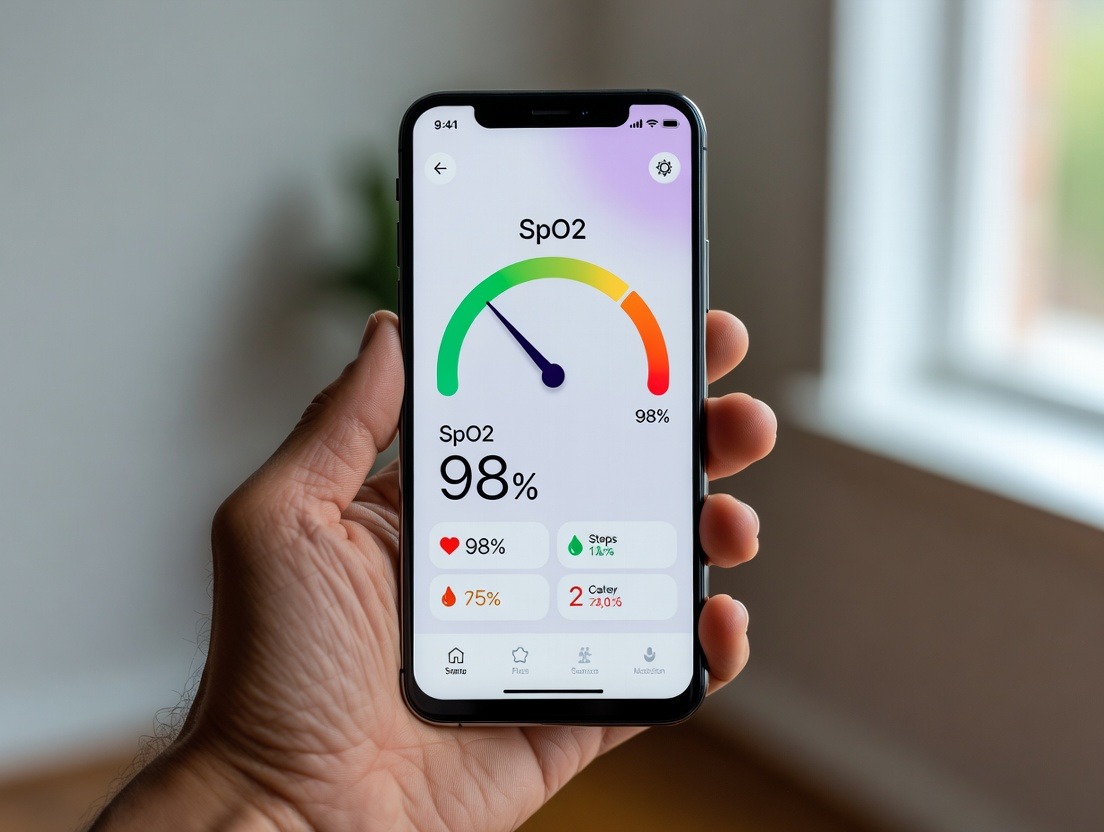
Blood oxygen saturation (SpO2) measures the percentage of hemoglobin in your blood that is carrying oxygen. At sea level, a normal, healthy reading is typically 95-100%. While this metric is usually very stable, nocturnal dips can provide critical insights. Brief, minor dips are normal during sleep, but sustained or significant dips below 92-94% can be indicative of sleep apnea or other respiratory conditions.
For the readiness algorithm, SpO2 serves as a system check. Consistently low overnight SpO2 values suggest your body is struggling to maintain oxygenation during rest. This forces your cardiovascular and nervous systems to work harder, disrupting sleep architecture and increasing sympathetic activation. This chronic, low-grade stress undermines recovery at a fundamental level. Therefore, a pattern of low SpO2 will negatively impact the sleep contribution to your readiness score and may be a root cause behind persistently poor recovery metrics like elevated RHR and low HRV. It’s a foundational metric for ensuring the basic process of physiological restoration—oxygen delivery to tissues—is functioning optimally during sleep.
Individually, these metrics are insightful. Together, they form a diagnostic symphony. But not every instrument plays the same volume in every piece. A readiness algorithm is not a simple average; it’s a dynamic, often proprietary, weighting system that prioritizes different signals based on context and your personal history.
The weighting is multi-layered. Sleep metrics are often the heaviest weighting factor, as sleep is the primary period for measurable recovery. Within sleep, continuity and the presence of deep/REM sleep are typically weighted more than simple duration. HRV and RHR are the next tier, providing the direct ANS and cardiovascular readouts. A significant deviation in either, especially HRV, can drastically lower a score even with good sleep. Temperature and respiratory rate act as corroborating evidence and early warning systems; a major deviation here can tilt the score, especially if other metrics are borderline. Finally, yesterday’s strain sets the context—the algorithm asks, “Given the stress applied, was recovery sufficient?”
Furthermore, the algorithm learns. It builds a personalized baseline over weeks. It may learn that you consistently have a slightly lower HRV on Mondays (the “back-to-work” effect) or that your temperature rises predictably in your luteal phase. A mature algorithm adjusts for these patterns, so they don’t unfairly penalize your score. This is why it’s crucial to wear your device consistently; the more data it has, the smarter and more personalized its output becomes. The final readiness score is this complex, contextual calculation—a probability assessment of your body’s capacity to perform, not a guarantee.
The most advanced systems now incorporate subjective data to refine the algorithmic output. Morning mood, perceived soreness, menstrual cycle status, and stress levels logged by you create a vital feedback loop. They help the algorithm interpret the objective data. For example, if your HRV is low but you log feeling “great,” the system might learn that for you, a certain HRV range is normal post-workout and not a sign of overreach. This human-in-the-loop design bridges the gap between cold data and lived experience, moving the score from a black-box number to a collaborative assessment.
A score of 85 is not inherently “good,” nor is 65 inherently “bad.” The number must be interpreted through the lens of trends, context, and personal feeling. This is where true wisdom replaces mere data tracking. The score is an advisor, not an autopilot.
Trend Analysis: Is your score on a downward trend over 4-5 days despite moderate activity? This is a stronger signal of accumulating fatigue than a single low score after a hard workout. Conversely, a steady upward trend during a deload week confirms your recovery strategy is working.
Life Context: Did you have three late nights in a row for work? Are you battling a head cold? Did you just return from travel? Your score will reflect these realities. The number validates what you may already suspect, giving you permission to rest without guilt.
The “Feel vs. Real” Check: Sometimes you will feel terrible with a high score (often due to mental fatigue or boredom). Sometimes you’ll feel amazing with a low score (often due to elevated adrenaline or caffeine). The discordance is a learning opportunity. A low score when you feel great is a caution to not overdo it, as your physiology is signaling depletion beneath the surface arousal. A high score when you feel off might suggest you need mental, not physical, recovery.
The most effective users of readiness scores don’t follow them slavishly. They use them to inform, not dictate, decisions. A low score might mean swapping a HIIT class for a walk or yoga, not skipping movement entirely. A high score might encourage you to go for that personal record, but you still must listen to your joints and mind in the moment. The score provides the physiological backdrop against which you make your final, conscious choice.
Let’s translate theory into practice by examining common scenarios and what the underlying metrics are likely telling you.
Scenario 1: The “False High” – Feeling Wired but Score is Low.
Scenario 2: The “Unexplained Low” – Feeling Fine but Score is Down.
Scenario 3: High Strain, High Recovery, High Readiness.
Scenario 4: Consistently Low Scores in a Training Block.
By learning to deconstruct these scenarios, you move from asking “What’s my score?” to asking “Why is my score what it is?” This is the essence of empowered self-knowledge.
Data without action is just noise. The ultimate purpose of understanding your readiness metrics is to make smarter daily choices. Here is a framework for responding to your data, moving from the general score down to specific metric-level interventions.
If Your Overall Readiness Score is Low (< 60-70 range):
If a Specific Metric is the Primary Culprit:
The journey from raw data to wisdom follows a clear path: Measure → Understand → Interpret → Act → Observe. By cycling through this process, using your readiness score and its underlying metrics as a guide, you cultivate a profound dialogue with your body, leading to more sustainable energy, better performance, and long-term health.
To truly grasp why sleep is weighted so heavily in readiness algorithms, we must examine the specific, bidirectional relationships between sleep metrics and the other pillars of your score. It’s not a one-way street where sleep affects recovery; it's a dynamic network where disruption in one area creates cascading failures across the entire system.
Consider Heart Rate Variability (HRV). The highest, most consistent HRV readings for most people occur during deep, non-REM sleep. This is when parasympathetic dominance is maximal. When sleep is fragmented—whether from sleep apnea, environmental noise, or poor sleep hygiene—the nervous system experiences micro-arousals. These are brief, often unconscious, shifts toward sympathetic activation. Each arousal suppresses parasympathetic activity, cratering HRV for that period. A night filled with these events results in a low average HRV, which the readiness algorithm interprets as poor autonomic recovery. The connection is so direct that chronic sleep disruption is a known clinical driver of low HRV. By improving sleep continuity, you directly create the physiological conditions for higher HRV and better nervous system resilience, as detailed in our exploration of the hidden link between sleep quality and mental health.
Similarly, Resting Heart Rate (RHR) is intimately tied to sleep quality. During deep sleep, your cardiovascular system gets its most profound rest, with heart rate and blood pressure dipping to their lowest daily levels. Poor sleep, particularly a lack of deep sleep, robs your heart of this essential downtime. The system remains in a state of higher tonic arousal, leading to an elevated RHR. Furthermore, sleep deprivation increases sympathetic nervous system activity and inflammatory cytokines, both of which can raise heart rate. Therefore, a high RHR in your morning data is often the direct consequence of insufficient or unrestorative sleep the night before, a phenomenon we break down in why you wake up tired: the sleep quality connection.
This interconnectedness validates the algorithm's heavy reliance on sleep. It’s the master regulator. By optimizing sleep, you aren’t just improving one metric; you’re creating a rising tide that lifts all recovery boats—HRV, RHR, temperature regulation, and immune function. This is why the first and most effective intervention for a chronically low readiness score is almost always a focused effort on sleep hygiene and duration.
A critical step in moving from data anxiety to data empowerment is understanding that your personal baselines are unique. The "normal" ranges for HRV, RHR, and even sleep architecture shift predictably with age, differ by biological sex, and are molded by your lifelong lifestyle choices. A readiness algorithm that learns your baseline is accounting for this, but you must also internalize it to avoid unfair comparisons.
Age: This is the most significant factor. As we age, several physiological changes occur that directly affect readiness metrics:
Biological Sex (Gender): Hormonal cycles create distinct physiological patterns that readiness technology is increasingly adept at detecting.
Lifestyle & Fitness: A sedentary individual who begins training will see their RHR drop and their HRV increase over months as cardiovascular efficiency improves. Conversely, a highly trained athlete entering a period of detraining will see these metrics slowly revert. The algorithm tracks these long-term trends. Crucially, consistent lifestyle stressors—like chronic work stress, poor diet, or high alcohol consumption—will suppress HRV and elevate RHR, creating a "new normal" baseline that is suboptimal. The readiness score reflects this adapted, stressed state. Improving these fundamentals can shift your entire baseline upward over time.
Even with perfect sensors, your data can be skewed by external and behavioral factors. Being aware of these prevents misinterpretation of a low readiness score.
Alcohol: This is one of the most potent disruptors. While it may induce sleep onset, alcohol:
Late/Eating: Consuming a large meal close to bedtime forces your digestive system to work overnight, raising metabolic rate, core temperature, and often heart rate. This can reduce sleep efficiency and skew RHR and temperature data. The algorithm may interpret this as unexplained physiological stress.
Dehydration: Even mild dehydration increases heart rate (as blood volume decreases, the heart must beat faster to maintain pressure) and can lower HRV. It can also make you feel fatigued. A low readiness score on a morning after a sweaty workout or inadequate fluid intake might be solved simply with electrolytes and water.
Extreme Environments: Sleeping in a room that is too hot prevents the core temperature drop necessary for deep sleep. A cold room may not be detrimental if you are properly covered. High altitude can cause lower SpO2 and elevated RHR as your body acclimatizes. Travel across time zones (jet lag) decouples your internal clock from the local environment, wreaking havoc on temperature rhythm, sleep timing, and all downstream metrics. For strategies to manage this, see our guide on sleep quality during travel.
Device Factors: A loose-fitting smart ring or watch can produce noisy PPG data, leading to inaccurate HRV or RHR readings. Ensuring a proper fit (snug but comfortable) is crucial for data fidelity.
Understanding these factors allows you to be a skilled interpreter. If your readiness is low after a night involving a celebratory dinner and drinks, you can correctly attribute it to behavior, not an underlying illness, and act accordingly—prioritizing hydration and gentle recovery.
Your data only becomes meaningful once you have a stable baseline for comparison. This process requires patience and consistency.
The Initialization Period (Weeks 1-4): During the first month of using a readiness tracker, your primary goal should be data collection, not interpretation. Wear your device consistently, especially during sleep. Avoid making drastic changes to your lifestyle based on single-day scores. The algorithm is learning your unique patterns—your typical HRV range, your normal RHR, your sleep architecture. At this stage, wild fluctuations are normal as it establishes what "normal" is for you.
Identifying Your True Baseline (Months 1-3): After about a month, you can start to see meaningful trends. Your baseline is not a single number but a range for each metric. For example, your HRV baseline might be 45-65 ms, and your RHR baseline 48-52 bpm. These ranges are influenced by your weekly cycle (e.g., lower HRV on Mondays, higher on weekends). The key is to look at a 7-day rolling average for trends. Is your average HRV slowly drifting downward? Is your average RHR creeping up? These are more significant than any single day's outlier.
The Art of Correlation: Start a simple journal (many apps have a note function). When you see a significant deviation—a readiness score 20 points below normal—note what was different:
When to Trust, When to Question: Trust the score when it aligns with multiple metric deviations (e.g., low HRV, high RHR, poor sleep efficiency). Question it when there is a disconnect: if you feel great but the score is low, check for a single skewed metric (like a temperature spike from a warm room) or a behavioral factor (late meal). Conversely, if you feel terrible but the score is high, consider non-physiological factors like mental fatigue or motivation. The score measures physiological readiness for stress, not psychological enthusiasm.
It's important to distinguish the depth of a dedicated readiness score from the more generic "recovery" metrics found on many fitness watches. While the terminology overlaps, the underlying science and application often differ significantly.
Data Sources & Depth:
Context & Personalization:
Actionable Insight:
In essence, a basic recovery metric is like a weather report telling you it's raining. A comprehensive readiness score is like a full meteorological briefing that tells you the rainfall amount, barometric pressure, wind direction, and forecast, allowing you to decide not just to carry an umbrella, but whether to postpone your outdoor plans entirely. For a comparison of tracking methods, our review of the best sleep quality tracking methods compared for beginners highlights these differences.
For athletes and dedicated fitness enthusiasts, the readiness score transitions from a wellness tool to a critical performance optimization system. It enables a shift from rigid, calendar-based periodization to dynamic, adaptive periodization—where your daily training is guided by your body's actual response, not a pre-written plan.
Traditional Periodization follows a planned schedule of increasing load (volume/intensity) followed by a deload week. The flaw is that it assumes your life stress, sleep, and recovery capacity are constant. They are not.
Dynamic Periodization with Readiness Data works as follows:
This approach maximizes training efficiency. You push hard when your body can handle it and pull back when it needs to recover. This avoids the common pitfall of "junk volume"—training hard on low-recovery days, which yields minimal adaptive benefit and maximum fatigue.
Real-World Athletic Examples:
The readiness score becomes the communication channel between your conscious training plan and your subconscious physiological state.
A significant limitation of current readiness technology is its focus on physiological readiness. Yet, we all experience days where our body's data looks primed, but our mind is scattered, anxious, or devoid of motivation. This is mental fatigue or low mental readiness. It's a real form of exhaustion stemming from cognitive overload, emotional stress, and lack of mental recovery.
While not directly measured by sensors, its impact is profound and interacts with physiological metrics:
How to Gauge Your Mental Readiness (The Subjective Audit):
Integrating Mental and Physiological Readiness: Your final decision matrix should incorporate both.
By adding this subjective layer, you create a truly holistic readiness model that respects the integration of mind and body.
We’ve established sleep is foundational. Let’s get granular on how specific, common sleep disruptors directly manipulate the raw metrics that feed your readiness algorithm, leading to a lower score.
1. Caffeine (Especially Late):
2. Alcohol:
3. Blue Light & Screen Time Before Bed:
4. High Room Temperature:
5. Untreated Sleep Apnea:
6. Inconsistent Sleep Schedule:
Fixing just one of these disruptors—like implementing a strict caffeine curfew or cooling your bedroom—can yield an immediate and dramatic improvement in your sleep metrics and, consequently, your morning readiness. For a comprehensive list of fixes, start with our guide on sleep quality improvement: where to start for maximum results.
We are on the cusp of moving from descriptive to predictive and prescriptive readiness analytics. The next generation of algorithms won't just tell you how recovered you are today; they will forecast your readiness for tomorrow and suggest specific interventions to improve it.
Predictive Modeling: By analyzing longer-term trends (weeks to months) and combining them with your schedule (e.g., "scheduled intense workout tomorrow," "cross-time-zone flight in two days"), AI-driven platforms will predict your readiness for future events. They might alert you: "Based on your current recovery trend, your readiness for Saturday's long run is projected to be low. Consider moving your Thursday session to lower intensity." This allows for proactive adjustment instead of reactive scrambling.
Integrated Biomarker Expansion: Future wearables may incorporate additional biomarkers:
Prescriptive & Personalized Recommendations: Beyond a score, the system will offer tailored "nudges":
Longitudinal Health Risk Screening: By establishing your ultra-personalized baseline, these devices could detect subtle, long-term drifts that signal the earliest stages of health issues—a gradual, sustained rise in resting heart rate or a slow decline in HRV that precedes clinical symptoms. Your readiness platform could become your first line of defense, prompting you to see a healthcare provider for investigation.
The goal is a closed-loop system: Measure → Analyze → Predict → Recommend → Act → Re-measure. This turns the wearable from a tracker into a true digital health partner, deeply integrated into your daily decision-making for performance, health, and longevity. The journey begins with understanding the metrics we've just explored—the fundamental language of your body's readiness to thrive.
To move from theoretical understanding to practical mastery, let's examine anonymized, composite case studies that illustrate how readiness metrics play out in real lives. These stories highlight the power of data to reveal hidden patterns, correct misconceptions, and guide transformative change.
Case Study 1: The "Overreaching Executive"
Case Study 2: The "Mystery Fatigue" Sufferer
Case Study 3: The "Cycle-Aware Athlete"
These cases underscore a universal truth: Your readiness data tells a story. Learning to read that story—connecting the dots between metrics, lifestyle, and subjective feeling—is the key to unlocking its transformative potential.
Standard 9-to-5 circadian rhythms are a privilege not afforded to all. For shift workers, frequent travelers, and those managing chronic health conditions, traditional notions of "good sleep" and recovery are challenged. Here’s how to interpret and use readiness metrics when your life doesn't fit the mold.
For Shift Workers:
The graveyard shift is a profound physiological stressor, fighting against deeply ingrained circadian biology. Your metrics will reflect this war.
For Frequent Travelers (Jet Lag):
Travel across time zones decouples your internal clock from the external environment. Your readiness score is your best tool for managing the transition.
For Those with Chronic Conditions (e.g., Autoimmune, Long COVID, Chronic Fatigue):
For this population, readiness metrics are less about performance and more about pacing and avoiding post-exertional malaise (PEM). The body's margin for error is slim.
In all these cases, the readiness score's value shifts from optimization to vital sign monitoring. It provides an objective, personalized dashboard for navigating a non-standard physiological landscape.
Readiness isn't just a cardiovascular or muscular state; it's a brain state. The metrics we track are downstream manifestations of central nervous system (CNS) function. Understanding this neuroscience deepens our appreciation for why recovery is non-negotiable for cognitive performance, emotional health, and motor skill learning.
The Glymphatic System: The Brain's Nightly Power Wash.
During deep NREM sleep, the brain's glymphatic system becomes highly active. Cerebrospinal fluid (CSF) pulses through brain tissue, flushing out metabolic waste products like beta-amyloid and tau proteins, which are associated with neurodegenerative diseases. This process is energy-intensive and requires the synchronized, slow brainwaves of deep sleep to function efficiently.
Synaptic Homeostasis and Neural Efficiency.
Wakefulness is a state of net synaptic potentiation—connections between neurons are strengthened through learning and experience. Sleep, particularly slow-wave sleep, is when the brain selectively downscales these connections, weakening the less important ones to save energy and strengthen the salient memories (a process called synaptic homeostasis).
Prefrontal Cortex Function and Emotional Regulation.
The prefrontal cortex (PFC), responsible for executive functions like decision-making, impulse control, and emotional regulation, is exquisitely sensitive to sleep deprivation and physiological stress (high allostatic load).
Neuroendocrine Balance: Cortisol, Growth Hormone, and Serotonin.
Sleep and recovery dictate the rhythm of crucial hormones.
In essence, when your readiness score is high, your brain is clean, efficient, well-regulated, and swimming in the right neurochemicals. When it's low, your brain is clogged, inefficient, impulsive, and chemically imbalanced. This is why pushing through low readiness isn't just hard—it's literally neurologically costly.
Once you understand why a metric is low, you can apply targeted, evidence-based interventions to improve it. This moves you from passive tracking to active biohacking.
To Elevate HRV (Improve Parasympathetic Tone):
To Lower Resting Heart Rate (Improve Cardiovascular Efficiency):
To Increase Deep Sleep (N3) Percentage:
To Stabilize Temperature Rhythm (Improve Circadian Alignment):
To Improve Sleep Efficiency (Reduce Fragmentation):
By applying these targeted strategies and watching how your readiness metrics respond, you engage in the most powerful form of learning: experiential biofeedback. You become the scientist of your own physiology.
As readiness scores gain popularity, misconceptions abound. Let’s set the record straight to ensure you use this tool effectively.
Myth 1: "A Higher Readiness Score Means I Should Always Train Harder."
Myth 2: "The Score is 100% Accurate. If it Says I'm Ready, I'll Have a Great Workout."
Myth 3: "My Friend and I Did the Same Workout and Slept the Same Hours, But Our Scores Are Different. One of Us is Wrong."
Myth 4: "If I Feel Good, I Can Ignore a Low Readiness Score."
Myth 5: "The Only Way to Get a High Score is to Sleep 10 Hours and Do Nothing."
Myth 6: "The Absolute Number is All That Matters."
By dispelling these myths, you protect yourself from misusing the technology and ensure it remains a servant to your goals, not a master of your anxiety.
Your readiness score doesn't live in a vacuum. Its power multiplies when integrated with other data streams from apps you already use, creating a unified dashboard of your health.
With Nutrition Trackers (MyFitnessPal, Cronometer):
With Strain/Fitness Apps (Strava, TrainingPeaks, Apple Fitness+):
With Mindfulness & Stress Apps (Headspace, Calm):
With Women's Health Apps (Flo, Clue):
The Vision of a Centralized Hub: The future lies in platforms that can pull all this data together—readiness, nutrition, training, mindfulness, cycle—and use AI to find cross-correlations that are invisible to the human eye. For example: "For you, combining a workout after 7 PM with a meal containing over 40g of fat leads to a 70% probability of sleep latency over 30 minutes and a 15% drop in next-day readiness." This level of personalized insight turns self-knowledge into self-mastery.
Your Trusted Sleep Advocate: Sleep Foundation — https://www.sleepfoundation.org
Discover a digital archive of scholarly articles: NIH — https://www.ncbi.nlm.nih.gov/
39 million citations for biomedical literature :PubMed — https://pubmed.ncbi.nlm.nih.gov/
Experts at Harvard Health Publishing covering a variety of health topics — https://www.health.harvard.edu/blog/
Every life deserves world class care :Cleveland Clinic - https://my.clevelandclinic.org/health
Wearable technology and the future of predictive health monitoring :MIT Technology Review — https://www.technologyreview.com/
Dedicated to the well-being of all people and guided by science :World Health Organization — https://www.who.int/news-room/
Psychological science and knowledge to benefit society and improve lives. :APA — https://www.apa.org/monitor/
Cutting-edge insights on human longevity and peak performance:
Lifespan Research — https://www.lifespan.io/
Global authority on exercise physiology, sports performance, and human recovery:
American College of Sports Medicine — https://www.acsm.org/
Neuroscience-driven guidance for better focus, sleep, and mental clarity:
Stanford Human Performance Lab — https://humanperformance.stanford.edu/
Evidence-based psychology and mind–body wellness resources:
Mayo Clinic — https://www.mayoclinic.org/healthy-lifestyle/
Data-backed research on emotional wellbeing, stress biology, and resilience:
American Institute of Stress — https://www.stress.org/


