


The Health Tracking Technology of Accelerometer Sensors
Explains the role of motion sensors as a foundational technology in all activity trackers.
Explains the role of motion sensors as a foundational technology in all activity trackers.
%402x.svg)
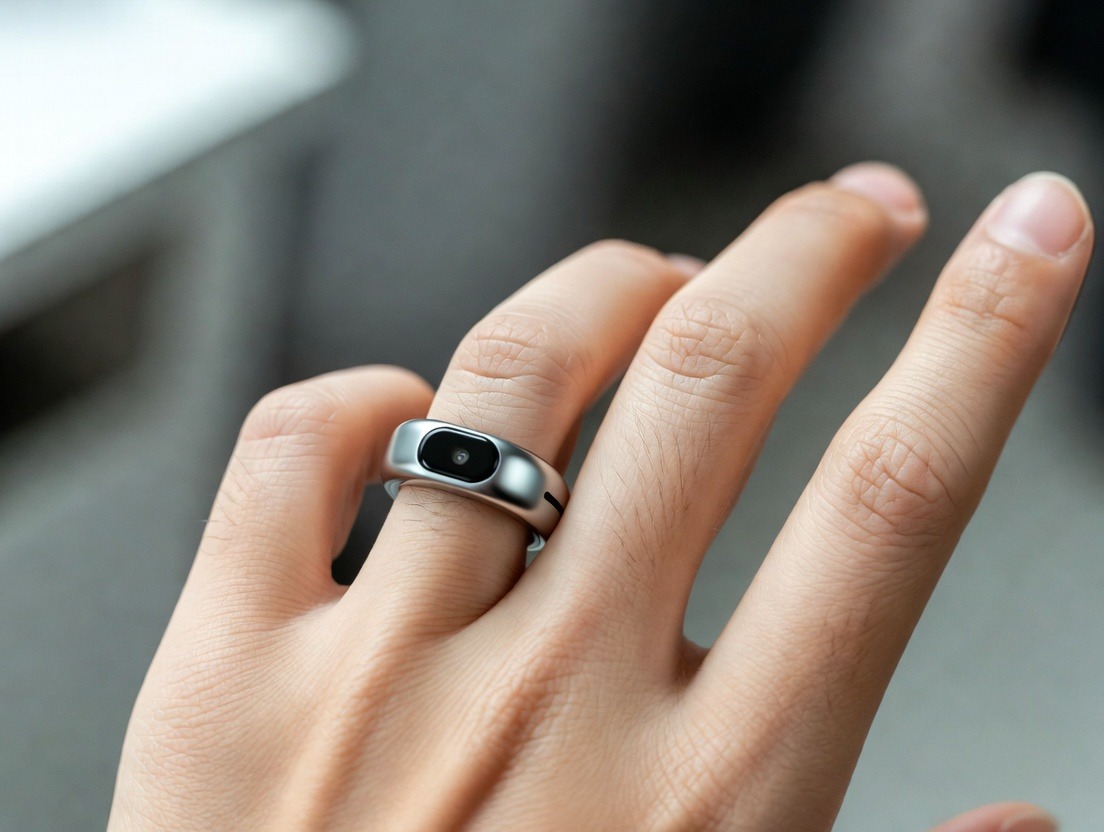
Imagine a device so small it fits on your finger, yet so perceptive it can detect the subtle tremor of your hand as your heart beats, the cadence of your walk, and even the quality of your sleep. This is the promise of the modern smart ring, a pinnacle of personal health technology. But beneath its sleek exterior lies a humble, foundational component that makes this intimate tracking possible: the accelerometer sensor. It is the unspoken observer of your body’s every move, the digital scribe recording the language of your physical existence. From counting steps to decoding sleep stages, from identifying stress through micro-movements to potentially flagging early signs of neurological changes, the accelerometer is the workhorse of wellness wearables. This article delves deep into the revolutionary health tracking technology of accelerometer sensors, exploring how this tiny piece of engineering translates your motion into a profound narrative of your health, empowering a future of preventative, personalized, and truly restful living.
At its core, an accelerometer is a micro-electromechanical system (MEMS) designed to measure proper acceleration – the rate of change of velocity relative to freefall. Simply put, it senses movement and orientation. In your smartphone, it rotates your screen. In your car, it triggers airbag deployment. But in a health wearable, it becomes a biometrical interpreter.
The most common type found in devices like smart rings and fitness trackers is a capacitive MEMS accelerometer. Imagine a microscopic structure: a tiny, movable "proof mass" suspended between fixed plates, creating capacitors. When you move, inertia causes this proof mass to shift, changing the capacitance between the plates. This minute electrical change is measured, amplified, and converted into a digital signal that represents acceleration along that axis. Modern 3-axis accelerometers have three such structures oriented perpendicularly, capturing movement in the X (side-to-side), Y (up-and-down), and Z (forward-backward) planes. This trio creates a vector, painting a precise, three-dimensional picture of your motion.
But raw data is just noise. The magic happens in the algorithms. The continuous stream of acceleration data—sampled dozens or hundreds of times per second—is processed through sophisticated software. These algorithms are trained to recognize patterns: the rhythmic oscillation of a step, the stillness of sleep punctuated by brief turns, the distinct vibrations of different activities like running vs. cycling. By analyzing the frequency, amplitude, and periodicity of the acceleration signals, the device can classify your activity, measure its intensity, and infer physiological states. This transformation of simple motion into meaningful health insights is the accelerometer’s paramount achievement, turning a physics sensor into a window to your wellbeing.
The journey of the accelerometer from a niche engineering tool to a ubiquitous health companion is a story of miniaturization, consumer demand, and algorithmic brilliance. The first mainstream foray was the humble pedometer. These simple devices, often based on a mechanical pendulum, could only count steps by detecting the distinctive "bounce" of a walk. They provided a single, often inaccurate, data point.
The revolution began with the integration of MEMS accelerometers into consumer electronics. The 2010s saw the explosion of wrist-worn fitness trackers. These devices leveraged the constant wearability of a watch to provide all-day activity tracking, introducing concepts like "active minutes" and sedentary alerts. The accelerometer was no longer just a step counter; it became an all-day movement logger. The subsequent integration of optical heart rate sensors created a powerful synergy, allowing devices to estimate calorie burn with more nuance by combining motion and heart rate data.
The latest and most intimate evolution is the smart ring. By moving to the finger, the accelerometer gains a unique vantage point. The rich vascular network and the subtle movements of the hand provide signals that are distinct from the wrist. The form factor allows for 24/7 wear, even during sleep, making it an ideal platform for comprehensive rest tracking. This evolution represents a paradigm shift: from tracking explicit exercise to monitoring implicit, continuous biomarkers of health. The accelerometer's story is now less about the steps you deliberately take and more about the story your body tells when you're not thinking about it—the fidgeting that may indicate focus or anxiety, the nocturnal movements that reveal sleep quality, and the gradual changes in gait that could signify broader health trends. It’s a shift from fitness to holistic wellness, a theme deeply connected to the philosophy of restful living and longevity.
Sleep is not a state of pure stillness; it is a dynamic process composed of cycles of light, deep, and REM (Rapid Eye Movement) sleep. Each stage has a characteristic signature in terms of brain waves, eye movements, and crucially, physical motility. This is where the accelerometer shines as a non-invasive sleep lab on your finger.
During sleep, the high-frequency, high-sensitivity accelerometer detects micro-movements. Deep sleep is characterized by profound physical stillness—the accelerometer data shows long periods of very low-amplitude signal. Light sleep involves more frequent position shifts and slight body movements. REM sleep, while the brain is highly active, is marked by muscle atonia (paralysis) in the major muscle groups, but also by the rapid, jerky eye movements that can sometimes cause subtle vibrations detectable by a sensitive ring sensor.
Advanced algorithms analyze the timing, duration, and pattern of movements throughout the night. They look for periods of sustained stillness, bursts of movement indicating a possible sleep stage transition or brief arousal, and the cyclical pattern of these phases. By correlating this motion data with time of night, heart rate variability (from a paired PPG sensor), and respiratory rate, the system can construct a detailed hypnogram—a map of your sleep architecture.
This data moves far beyond simple "sleep duration." It provides insights into sleep latency (how long it takes to fall asleep), sleep efficiency (percentage of time in bed actually asleep), and the crucial balance of deep and REM sleep. Understanding these metrics is foundational to creating a restful living plan, as they offer tangible feedback on how lifestyle choices—from evening routines to diet—directly impact the quality of our most essential restorative process.
Step count is a democratic metric, but it's a poor storyteller. Ten thousand shuffling steps in a grocery store are physiologically different from ten thousand vigorous hiking steps. The modern accelerometer, especially when fused with other sensors, is tasked with telling that deeper story by assessing activity quality.
The key lies in analyzing the acceleration waveform. The intensity, frequency, and impact of movements create unique signatures. Algorithms can distinguish between ambulation (walking), locomotion (running), cycling, swimming (in water-resistant devices), and even elliptical training. This is done by training machine learning models on vast datasets of labeled activity. For each classified activity, the device can then estimate metabolic equivalents (METs)—a measure of energy expenditure—and, by extension, calories burned with far greater accuracy than a step-count formula.
Perhaps more impactful for daily health is the detection of non-exercise activity thermogenesis (NEAT). These are the calories burned through all physical activity other than deliberate exercise: pacing while on the phone, gardening, taking the stairs, even fidgeting. The accelerometer is uniquely positioned to capture this all-day movement mosaic, which can be a major contributor to total daily energy expenditure. By highlighting patterns of sedentariness and encouraging NEAT, wearables promote a metabolically active lifestyle.
This granular view of activity quality empowers users to optimize their movement for specific goals, whether it's improving cardiovascular health, managing weight, or simply building more vitality into daily life. It turns the abstract concept of "being active" into a quantified, understandable narrative, showing how small, consistent movements contribute significantly to overall metabolic health and energy balance.
One of the most fascinating and emerging applications of accelerometer technology is in the realm of stress and nervous system monitoring. When we experience stress, anxiety, or intense focus, our sympathetic nervous system activates, priming the body for action. This "fight-or-flight" response creates subtle, often imperceptible physical manifestations: increased muscle tension, a slight tremor, or restless, fidgeting movements.
A high-precision accelerometer, sampling at a sufficiently high rate, can detect these micro-vibrations and subtle motion patterns. During a state of calm or parasympathetic ("rest-and-digest") dominance, movement tends to be more deliberate and smooth. During sympathetic arousal, movement can become more jerky, agitated, or simply more frequent in the case of nervous fidgeting.
By establishing a personalized baseline of your typical movement patterns during periods of known calm, algorithms can identify deviations that may indicate heightened nervous system arousal. This isn't about diagnosing anxiety, but about providing biofeedback. For example, a smart ring might notice a pattern of increased hand tremors and micro-movements during a long afternoon meeting, suggesting a buildup of tension.
This objective signal creates a powerful opportunity for intervention. It can prompt brief mindfulness or breathing exercises, a concept explored in depth in our guide on how breathwork supports restful living. By connecting these physical signals with practices that actively engage the parasympathetic system, we can use technology not just to monitor stress, but to manage it, fostering a state of resilience. This is especially crucial for high-achievers who seek performance through rest, as it provides a data-driven cue to strategically recover.

The way you walk—your gait—is a complex motor function that involves coordination between your nervous, musculoskeletal, and cardiorespiratory systems. Changes in gait can be early indicators of a wide range of conditions, from musculoskeletal pain and injury to neurological disorders, and even cardiovascular issues.
Clinical gait analysis typically requires a motion capture lab. However, research is increasingly showing that accelerometers, particularly when placed on the torso or lower back, can provide valuable insights. While a ring on the finger is not the primary location for full biomechanical analysis, it can still capture relevant proxies, especially when paired with advanced analytics.
The rhythm, symmetry, and variability of your steps create a unique acceleration pattern. A consistent, symmetrical gait produces a regular, periodic signal. Asymmetry due to pain (like a sore knee or hip) or neurological changes can introduce irregularities or changes in the timing between steps. Furthermore, metrics like walking speed and stride length, which can be estimated from accelerometer data, are powerful indicators of functional capacity and vitality, especially as we age.
Long-term tracking of these gait metrics by a wearable device could allow for the detection of subtle, progressive changes that might otherwise go unnoticed. A gradual decrease in walking speed or an increase in gait variability over months could serve as a digital biomarker, prompting earlier medical consultation. This transforms the accelerometer from a fitness tool into a potential guardian of long-term mobility and neurological health, aligning with a proactive approach to wellness that values subtle, early signals from the body.
The raw output of a 3-axis accelerometer is simply a torrent of numbers—three continuous streams of acceleration values. Turning this deluge into "30 minutes of deep sleep," "a period of high stress," or "an irregular walking pattern" is the monumental task of machine learning (ML) and signal processing algorithms.
The process begins with heavy filtering. Unwanted noise—high-frequency vibrations from machinery or transient shocks from bumping into something—must be removed. The clean signal is then segmented into windows (e.g., 30-second epochs for sleep, 2-minute windows for activity). For each window, hundreds of "features" are extracted. These are quantitative descriptors of the signal: its mean, variance, dominant frequencies, periodicity, entropy (randomness), and correlation between axes, among many others.
This is where machine learning takes over. Supervised learning models are trained on massive, labeled datasets. For sleep, this data might come from polysomnography (PSG) studies where participants wore an accelerometer while their sleep was clinically graded. The algorithm learns which combination of features correlates with "Deep Sleep," "REM," etc. For activity recognition, models are trained on people performing labeled exercises while wearing sensors.
The most advanced systems now use deep learning, such as convolutional neural networks (CNNs), which can automatically learn the most relevant features directly from the raw or lightly processed signal, often achieving higher accuracy. These models become the "brain" of the wearable, continuously classifying your state based on the live accelerometer feed. Their performance is never static; they are constantly refined as more data is collected, making the system smarter and more personalized over time. This iterative learning is what allows a simple motion sensor to generate increasingly sophisticated and personal health narratives.
While powerful alone, the accelerometer's true potential is unlocked when its data is fused with signals from other sensors. This multi-modal sensor fusion creates a holistic picture far greater than the sum of its parts. In a modern smart ring or watch, the accelerometer is almost never working in isolation.
Its primary partner is the photoplethysmogram (PPG) sensor, the green LED that measures blood volume changes to derive heart rate. Alone, PPG can struggle with motion artifacts. The accelerometer provides a precise map of that motion, allowing algorithms to subtract it from the PPG signal, resulting in cleaner, more accurate heart rate readings, especially during exercise. Conversely, heart rate data helps interpret accelerometer signals; a spike in heart rate without major motion could indicate psychological stress.
The combination is also crucial for measuring Heart Rate Variability (HRV), a key metric of autonomic nervous system balance. HRV calculation is extremely sensitive to movement. The accelerometer allows the device to identify and often discard periods of high motion, ensuring HRV readings are taken during valid, still periods for accurate rest and recovery insights.
Emerging wearables also include temperature and galvanic skin response (GSR) sensors. An accelerometer can contextualize temperature readings—a rise during exercise is expected, but a rise during sleep is more notable. It can also differentiate GSR spikes from exercise (high motion) vs. emotional stress (low motion). This sensor symphony, conducted by the accelerometer as the rhythm section, enables comprehensive insights into everything from workout efficacy and recovery status to how your diet calms your nervous system, as physiological responses to food can be seen in this multi-sensor data landscape.

The ability to continuously record the minutiae of our physical existence—how we sleep, move, and react—presents profound ethical and privacy considerations. The accelerometer data from your wearable is a deeply personal biometric timeline. It can potentially reveal not just when you're active, but when you're likely asleep (and therefore home), your daily routines, your work patterns, and even your emotional state.
First, there is the question of data ownership and consent. Who truly owns this intimate data stream? Is it the user, the device manufacturer, or the app developer? Transparent terms of service and clear, granular user controls over data sharing are non-negotiable. Users must be able to understand what is being collected, how it is used for their benefit (e.g., personal insights), and how it might be used by the company (e.g., anonymized aggregate research).
Second, there is data security. This information must be encrypted both in transit (from device to phone/cloud) and at rest. A breach of accelerometer data could be used for malicious profiling or surveillance.
Third, and perhaps most nuanced, is the risk of psychological harm or data anxiety. When every tremor and restless night is quantified, it can lead to obsession or "orthosomnia"—the unhealthy pursuit of perfect sleep data. The role of the technology should be to inform and empower, not to dictate or distress. It must be designed to highlight trends and offer suggestions, not to deliver clinical diagnoses or foster anxiety. This underscores the importance of a philosophy that uses data in service of restful living, not restless monitoring, knowing when to engage with insights and when to trust the feeling of your own body.
The frontier of accelerometer technology in health is vibrating with potential. We are moving from descriptive analytics ("what happened") to predictive and diagnostic insights ("what it means and what might happen next").
One exciting area is in fall detection and prevention for older adults. Advanced algorithms can now recognize the specific, abrupt acceleration signature of a fall, triggering automatic alerts. More proactively, long-term gait analysis could identify declining stability and balance, enabling targeted exercises to prevent a fall before it occurs.
In neurology, research is intensifying into using accelerometers for remote monitoring of conditions like Parkinson's disease. The characteristic tremor, bradykinesia (slowness of movement), and gait changes can be tracked continuously, providing clinicians with objective, real-world data on medication efficacy and disease progression far beyond a brief clinic visit.
Perhaps the most transformative future lies in the discovery of novel digital biomarkers. By applying advanced AI to years of longitudinal, multi-sensor data from millions of users, researchers may uncover subtle motion signatures that correlate with the early onset of conditions like influenza, depression, or cognitive decline. A slight decrease in nocturnal movement variability, a change in typing dynamics captured by a ring, or a shift in daily activity patterns could serve as early, passive warning systems.
This future positions the accelerometer not as a fitness gadget, but as a cornerstone of continuous, preventative health surveillance—a silent guardian that learns the unique language of your body's movement and alerts you when that language begins to change. It becomes an integral tool for maintaining vitality, closely aligned with the principles of adapting your wellness approach through the seasons of life.
With a crowded market of rings, watches, and bands, selecting a device that leverages accelerometer technology effectively requires looking beyond marketing claims. Here are key technical and experiential factors to consider.
First, sensor specifications. Not all accelerometers are equal. Look for a device that specifies a "3-axis" accelerometer with a high sampling rate (often measured in Hz). A higher rate (e.g., 100Hz vs. 25Hz) captures more detail, enabling better detection of micro-movements and more accurate activity classification. The bit resolution (e.g., 12-bit) also matters, dictating the sensitivity to different ranges of motion.
Second, sensor fusion. Ensure the device has a multi-sensor architecture (PPG, temperature, etc.) and explicitly mentions sensor fusion in its white papers or technical materials. The value is in the synthesis of data, not in isolated metrics.
Third, algorithmic transparency and validation. Where does the device's analysis come from? Has its sleep staging or activity recognition been validated against gold-standard methods (like PSG or indirect calorimetry) in peer-reviewed studies? Companies that invest in clinical validation typically provide more reliable insights.
Fourth, the form factor and wearability. The best sensor is useless if you don't wear it. A smart ring offers the advantage of continuous, unobtrusive wear, especially during sleep and activities where a wrist device is cumbersome. Consider your lifestyle—a device meant to support maintaining calm while traveling should be comfortable and discreet for 24/7 use.
Finally, the software intelligence. The raw data is meaningless without insightful presentation. Look for an app that provides context, trends over time, and actionable insights rather than just isolated numbers. It should help you connect dots—for example, how an afternoon of high stress detected via micro-movements might have impacted that night's sleep architecture. The ultimate goal is a device that fosters understanding and positive behavior change, helping you establish healthy boundaries for your energy based on concrete, personal data.
The human body communicates constantly through a lexicon of movement that often bypasses conscious control. Beyond deliberate steps and exercise, our posture, subtle tremors, and unconscious gestures form a continuous broadcast of our physiological and psychological state. The modern high-fidelity accelerometer, especially when worn on the finger—a point rich in expressive movement—is learning to decipher this silent language, opening a new frontier in personalized health insight.
Consider posture. While a chest- or waist-worn device is ideal for tracking spinal alignment, a finger-worn accelerometer can infer upper body posture through gravitational reference and movement patterns. When stationary, the sensor knows its orientation relative to Earth’s gravity. Prolonged periods with the hand low (while sitting at a desk, phone in lap) can suggest a slumped, forward-head posture. Conversely, more neutral hand positions might correlate with an upright spine. Over time, tracking these patterns can reveal postural habits linked to desk work, driving, or screen time, providing gentle nudges to adjust position and potentially reduce the risk of chronic neck and back pain.
More intriguing is the detection of physiological tremors. All humans exhibit a slight, involuntary oscillation in their limbs—a physiological tremor typically between 6-12 Hz. Its amplitude and frequency can be influenced by a multitude of factors: fatigue, caffeine intake, low blood sugar, stress, or the side effects of medication. A highly sensitive accelerometer can isolate this micro-signal from gross movement. An increase in tremor amplitude could be an early sign of exhaustion or excessive caffeine consumption, while changes in frequency might warrant further investigation. For individuals managing conditions like essential tremor, this passive monitoring could provide objective tracking of symptom progression or treatment efficacy.
Furthermore, the accelerometer picks up on non-verbal cues tied to cognitive and emotional states. Research in affective computing has shown that specific gestural patterns correlate with engagement, frustration, or concentration. The restless tapping of a finger, the anxious jiggling of a leg (which transmits vibrations to the hand), or the very stillness of deep focus all create distinct motion signatures. While not diagnostic, recognizing these personal patterns offers profound self-awareness. You might discover that your most focused work periods are accompanied by a specific, low-level fidget, or that your anxiety manifests as a rhythmic, lateral micro-movement. This awareness is the first step toward intervention, whether that’s taking a break, practicing breathwork to restore calm, or implementing boundaries to protect mental energy. By translating the body’s silent language into readable data, the accelerometer acts as a bridge between subconscious physiology and conscious self-regulation.
The journey of a single micromovement from your body to an insightful notification on your smartphone is a marvel of modern engineering, involving a tightly orchestrated pipeline across hardware, firmware, and software. Understanding this pipeline demystifies how a tiny sensor becomes a wellness advisor.
Stage 1: Sensing and On-Device Processing (The Ring). The process begins in the MEMS accelerometer chip itself. As the proof mass moves, it generates a tiny analog voltage. This signal is immediately converted to a digital stream by an Analog-to-Digital Converter (ADC). Here, the first level of smart filtering occurs. To save power, a low-power co-processor within the wearable often handles initial "gatekeeping." It applies basic filters to remove electronic noise and may run a simple activity detection algorithm. If the signal is deemed "quiet" (like during sleep), it may sample at a lower rate to conserve battery. If it detects the signature of walking or running, it increases the sampling rate and wakes the main processor. This on-device intelligence is crucial for power management, ensuring the ring can last days on a single charge.
Stage 2: Feature Extraction and Compression. The raw digital stream is far too data-dense to stream continuously to a phone via low-energy Bluetooth. Therefore, the device's firmware performs feature extraction. For a 30-second window of data, it might calculate 50-100 statistical features (like those mentioned earlier: variance, dominant frequency, etc.). This reduces a stream of thousands of raw acceleration points to a compact packet of meaningful descriptors. This packet is what is typically transmitted to your smartphone.
Stage 3: Cloud Processing and Advanced Algorithm Execution. Once your phone receives the data packet via its companion app, it often synchronizes it to a secure cloud server. This is where the heavy computational lifting happens. Powerful servers apply complex machine learning models—far too large and energy-intensive to run on the wearable or your phone—to this feature data. They classify sleep stages, identify activity types, detect stress signatures, and update your long-term health trends. The cloud environment allows for continuous improvement of the algorithms and personalization based on your growing historical data.
Stage 4: Presentation and Personalization (The App). The processed results are then sent back to your phone’s app, which is responsible for the user experience. This is where data becomes insight. A good app doesn't just show charts; it provides context. It might note, "Your deep sleep was 15% higher last night after your evening walk," or "You showed signs of elevated stress today at 3 PM; consider what triggered this." It synthesizes the accelerometer data with other sensor inputs (heart rate, temperature) and your own logged events (caffeine, meal times) to tell a cohesive story. This final stage is critical—it’s the difference between overwhelming data noise and a clear, actionable guidepost for creating a sustainable, restful living plan. The entire pipeline, from physical vibration to personalized insight, happens seamlessly in the background, empowering you with knowledge derived from your own body’s motion.
A fundamental truth in biometrics is that there is no universal "normal." A movement pattern that signifies vigorous activity for one person might be a leisurely pace for another. An HRV reading that is low for a 25-year-old athlete might be high for a 60-year-old. This is why the most advanced health wearables are moving from population-level averages to highly personalized baselines, and the accelerometer plays a starring role in this calibration process.
Initial calibration often begins implicitly from the moment you put the device on. The first few days and weeks of wear constitute a "learning period." Algorithms observe your unique movement signatures: your typical walking rhythm, your resting tremor profile, your sleep position shift patterns. They establish what "stillness" looks like for you, which is essential for accurate sleep and meditation tracking. They learn the acceleration amplitude of your running stride versus your walking pace.
Explicit calibration can also enhance accuracy. Some systems may ask you to perform a short series of controlled activities—standing still, walking at a normal pace for a minute, running in place—to capture clean reference signals. This helps the model anchor its classifications to your specific biomechanics.
Personalization extends beyond simple patterns to circadian and ultradian rhythms. Your activity capacity, reaction time, and even fine motor control fluctuate throughout the day in a cycle unique to your chronobiology. By tracking your movement quality (e.g., smoothness of motion, reaction time in simple app-based tests) across weeks, the system can map your personal performance peaks and troughs. It might learn that your motor precision is highest at 10 AM, but your physiological tremor is lowest—indicating optimal calm—at 4 PM. This allows for hyper-personalized suggestions: schedule demanding, detail-oriented work for your peak motor precision window, and save administrative tasks for your troughs.
This commitment to personalization ensures the technology adapts to you, not the other way around. It acknowledges that the path to restful living and longevity is individual. Your device becomes a mirror reflecting your unique physiology, helping you work with your body's natural rhythms rather than against a generic, one-size-fits-all ideal.

While accelerometers are remarkably versatile, they are not omniscient. A clear understanding of their limitations is essential for setting realistic expectations and preventing misinterpretation of data. A critical consumer recognizes that motion sensing is a powerful piece of the puzzle, but not the entire picture.
1. They Measure Movement, Not Direct Physiology. This is the cardinal rule. An accelerometer detects that your body is moving; it infers the physiological cause. It cannot measure blood glucose, blood pressure, oxygen saturation, or electrical brain activity directly. It infers sleep stages from movement and heart rate patterns, but it is not an EEG. It infers calorie burn from movement and heart rate, but it is not a metabolic cart. These are estimations, often very good ones, but still models based on correlation.
2. The Problem of Static Effort. Isometric exercises—like planks, wall sits, or holding a heavy weight in a fixed position—generate significant muscular and cardiovascular effort but produce minimal gross movement. An accelerometer alone will dramatically underestimate the metabolic cost of these activities. Advanced devices attempt to compensate by using a sustained elevated heart rate (from the PPG sensor) as a proxy, but pure accelerometer data will miss this entirely.
3. Context Blindness. The sensor detects a pattern of sharp, jarring movements. Is this high-impact interval training, or is it riding a bus down a bumpy road? It detects stillness. Are you in deep sleep, or are you simply lying still watching TV? Early algorithms struggled with this. Modern systems use contextual clues (time of day, heart rate, previous activity) and longer data windows to improve guesses, but ambiguity can never be fully eliminated. This is why user input (activity logging) can still enhance accuracy.
4. Placement Constraints. Data is dependent on where on the body the sensor is placed. A ring will not perfectly capture gait dynamics best measured at the hip or ankle. It may not detect leg fidgeting if your hands are still. The choice of form factor is always a trade-off between wearability and specific data quality.
5. The "Black Box" Algorithm Risk. As machine learning models grow more complex, their decision-making process can become less interpretable. Why did it classify 10 minutes as "light sleep" instead of "REM"? The inability to audit certain algorithms can be a limitation for both users and healthcare professionals relying on the data.
Acknowledging these limitations is not a critique but a mark of sophistication. It guides us to use the technology as an insightful guide rather than an oracle. It encourages a holistic view where sensor data is combined with subjective feeling—a principle at the heart of a balanced approach to wellness that values minimalism and simplicity in self-care. The goal is informed self-awareness, not data dependency.
Beyond the consumer wrist or finger, accelerometers are becoming indispensable tools in clinical research and epidemiology, providing objective, real-world data at scales previously unimaginable. This transition from the lab to daily life is revolutionizing how we understand health and disease.
In clinical trials, accelerometers offer a continuous, objective endpoint. Consider a trial for a new Parkinson's disease medication. Instead of relying solely on a clinician's assessment during a brief, potentially anxiety-inducing clinic visit every few months, patients wear an accelerometer continuously. Researchers can quantify tremor severity, bradykinesia, and gait parameters in the patient's natural environment over the entire trial period. This provides a far richer, more ecologically valid picture of the drug's real-world efficacy and side effects. Similarly, in sleep disorder studies, devices can provide long-term adherence and efficacy data for treatments like CPAP machines or cognitive behavioral therapy for insomnia.
In the realm of population health and epidemiology, large-scale studies are deploying accelerometers to understand the links between physical behavior and health outcomes with unprecedented precision. Landmark studies like the UK Biobank have collected accelerometer data from over 100,000 participants. By analyzing this data, scientists can move beyond self-reported questionnaires (which are notoriously inaccurate) to discover how patterns of moderate-to-vigorous activity, light activity, and sedentary bouts (prolonged uninterrupted sitting) independently correlate with risks for cardiovascular disease, cancer, diabetes, and mortality.
These studies are revealing nuanced insights. It's not just about getting 30 minutes of exercise; it's about breaking up sedentary time every hour. The accelerometer data shows that the pattern of movement throughout the 16 waking hours is as important as the dedicated workout. This research directly fuels the actionable insights in consumer wearables, creating a virtuous cycle where large-scale science improves personal guidance. It provides the empirical backbone for recommendations that go beyond fitness to encompass restful living at work, advocating for movement snacks and posture breaks integrated into the daily grind.
Furthermore, this data is crucial for identifying health disparities. Researchers can objectively measure activity levels across different socioeconomic, racial, and geographic groups, informing targeted public health interventions. The accelerometer, in this context, transforms from a personal gadget into a powerful instrument of public health science.
For a wearable designed for 24/7, uninterrupted health monitoring, battery life is not a convenience—it is a core feature that dictates data continuity and user compliance. The accelerometer sits at the heart of a critical power management equation. It is always "on," yet its power consumption must be minimized to enable multi-day wear. Achieving this requires ingenious engineering at every level.
The first line of defense is sensor hardware efficiency. Modern MEMS accelerometers designed for wearables have multiple power modes. A "low-power" or "sleep" mode maintains basic orientation sensing and wake-on-motion functionality, drawing mere microamps of current. A "high-performance" mode with a wider bandwidth and higher sampling rate is activated only when significant or specific motion is detected. Choosing an accelerometer IC (integrated circuit) with excellent low-power characteristics is a fundamental hardware decision.
The second layer is intelligent firmware. The device's microcontroller is programmed to be a frugal gatekeeper. Simple algorithms run directly on this low-power chip to classify the type of motion from the accelerometer's low-power stream. Is it the rhythmic pattern of walking? If yes, wake the main processor and the high-fidelity sensor mode. Is it just a single jolt from bumping a table? If yes, ignore it and stay in low-power mode. This "decision-making" at the firmware level prevents the energy-intensive main system from waking unnecessarily.
Third, adaptive sampling is key. There is no need to sample at 100 Hz during deep sleep. The system can dynamically reduce the sampling rate to 10-25 Hz during periods of stillness, ramping it up during activity. This dramatically reduces the data volume and processing load, saving power.
Finally, data management and transmission strategies are crucial. Processing and extracting features on-device (as described in the data pipeline) compresses data before it is sent via Bluetooth Low Energy (BLE) to the phone. Minimizing the frequency and size of these BLE transmissions is one of the largest battery saves. A well-designed device might cache hours of processed feature data and sync it in one efficient burst when the phone is in range, rather than maintaining a constant, power-hungry connection.
The result of this multi-layered efficiency crusade is a device that can last 5-7 days on a single charge while still collecting rich, continuous motion data. This endurance is what enables true longitudinal tracking, capturing full sleep cycles, weekly activity patterns, and circadian rhythms without the constant anxiety of a dying battery. It ensures the technology fades into the background of your life, supporting a sustainable, restful living routine rather than becoming another digital demand on your attention and charging habits.
The quest for seamless, continuous health monitoring is driving a revolution in where and how we place accelerometers. The wristwatch form factor dominated the first wave, but new frontiers are emerging, each with unique advantages for motion capture and user experience.
The Smart Ring: This represents a significant leap in intimacy and wearability. The finger offers a rich vascular bed for sensors like PPG, but for the accelerometer, it provides a unique kinematic profile. The hand is involved in a vast array of daily activities, from typing and eating to gesturing, offering a broad window into fine motor activity and upper body movement. Crucially, people are far more likely to wear a ring 24/7 than a watch, especially during sleep, sports, or formal occasions. The ring’s position can also be excellent for detecting full-body movements like walking (the arm swing transmits to the hand) and can even capture cardiac-induced micro-vibrations (ballistocardiography). Its main limitation is that it's distal from the body's center of mass, making some gait metrics less precise than a hip-worn device.
Adhesive Patches and Biosensors: For clinical-grade, short-term monitoring, disposable adhesive patches worn on the chest or upper arm are gold standards. They place the accelerometer directly on the torso, providing excellent data for respiratory rate (chest movement), gross body motion, and falls. Their medical-grade adhesion allows for uninterrupted monitoring in hospital settings or at-home clinical trials. While not yet consumer-friendly for long-term daily use, they represent the high-fidelity benchmark that consumer devices aim to approximate.
Embedded Clothing and Footwear: Smart fabrics with woven inertial sensors are emerging. A shirt with an accelerometer embedded at the sternum can provide impeccable posture and respiratory data. Smart socks or insoles with accelerometers and pressure sensors offer unparalleled detail on gait dynamics, foot strike, and running form. These solutions are often activity-specific (e.g., for athletic training or rehabilitation) rather than all-day wellness monitors, but they show the direction of ambient, context-specific sensing.
Furniture and Ambient Sensors: Looking beyond wearables, accelerometers are being embedded into beds (in mattresses or bed legs), chairs, and even floors. A bed sensor can monitor sleep movement, respiration, and heart rate without any contact with the body. A chair sensor can monitor sitting duration and fidgeting. This ambient approach completely removes the burden of wearability, aligning with a philosophy of minimalist, effortless wellness tracking. The trade-off is the loss of personal, all-day data when you leave the instrumented environment.
The proliferation of form factors signifies a move towards contextual, "right tool for the job" health sensing. The future likely holds a constellation of these devices—a ring for all-day baseline metrics, a patch for specific medical monitoring, smart clothing for athletic optimization—all syncing to a unified health profile, providing a multi-angled view of your movement and health.
The most sophisticated sensor array and algorithmic engine are rendered useless if the resulting data overwhelms, confuses, or stresses the user. Therefore, the design of the software experience—the app that presents accelerometer-derived insights—is as critical as the hardware itself. The goal is to foster health literacy and positive behavior change, not data obsession.
Principle 1: Progressive Disclosure. A user opening the app for the first time should not be greeted with 20 graphs. Good design starts with a simple, high-level summary: "You slept 7.5 hours with good consistency. You met your activity goal. Your readiness score is high." Details like sleep stage graphs, hourly step breakdowns, and movement minutiae should be available but tucked behind deliberate taps for those who want to dive deeper. This protects the majority of users from "analysis paralysis."
Principle 2: Translation, Not Just Presentation. Raw data is alienating. The app must act as a translator. Instead of "378 motion events during sleep," it should say, "You had a restful night with fewer tosses and turns than usual." Instead of a graph of high-frequency accelerometer variance, it might note, "We detected signs of physical tension this afternoon. Consider a 5-minute stretch." This translation turns engineering metrics into human-understandable concepts.
Principle 3: Focus on Trends and Patterns. Daily data is noisy and can be misleading. Did you truly sleep worse, or was it just one bad night? Effective apps emphasize trends over time—weekly, monthly, and seasonal views. They might highlight, "Your deep sleep has been increasing over the past month," or "Your afternoon activity levels dip every Wednesday." This longitudinal view helps users connect lifestyle changes to outcomes and understand their body's rhythms, a key aspect of adapting your approach through life's seasons.
Principle 4: Actionable Insights and Gentle Nudges. The bridge between data and improvement is actionable insight. The best systems provide context-specific suggestions. "You were restless between 2-3 AM. Try finishing your last coffee before 2 PM." "Your movement data suggests you've been sedentary for 90 minutes. Time for a quick walk?" These nudges should feel supportive, not nagging. They can even integrate with other wellness pillars, suggesting resources on foods that calm the nervous system after a day of high stress signals.
Principle 5: Positive Reinforcement and Celebrations. Behavioral psychology shows positive reinforcement works. Celebrating streaks of good sleep, acknowledging a new personal best in activity, or simply noting "Your body showed great recovery last night" builds a positive, encouraging relationship with the technology. It shifts the focus from fixing deficits to building upon strengths, fostering a mindset of growth and resilience for high achievers. A well-designed UX makes the accelerometer's silent observation feel like a supportive, knowledgeable companion on your health journey.
We stand on the cusp of the next paradigm shift: moving from reactive and descriptive health tracking to predictive and prescriptive guidance. In this near future, the accelerometer, supercharged by artificial intelligence, will evolve from a historian of your movement into a proactive health guardian and a personalized motion coach.
Predictive Health Analytics: By applying deep learning to years of longitudinal, multi-modal data from millions of users, systems will identify subtle, preclinical signatures in movement patterns. Imagine a scenario: Your device notices a gradual, almost imperceptible change in your gait symmetry and a slight increase in resting hand tremor variability over six weeks. Concurrently, your sleep movement has become slightly more agitated. Alone, each datum is meaningless. Together, they form a digital biomarker pattern that the AI correlates with a higher probability of an underlying issue, such as the onset of a nutrient deficiency, an inflammatory process, or early signs of a neurological condition. The device wouldn't diagnose but would prompt: "We've noticed subtle changes in your movement patterns. Consider discussing this with your doctor and getting your B12 and iron levels checked." This transforms wearables into early-warning systems for preventative care.
The AI Motion Coach: Beyond illness, AI will optimize for peak performance and resilience. Your device will learn not just what you do, but how you move. Using the accelerometer as a primary input, it could analyze your running form in real-time, providing auditory cues: "Shorten your stride slightly," or "Your left/right impact symmetry is off today; consider a lighter run." For recovery, it will precisely tailor recommendations. Instead of a generic "rest day," it might say, "Your nervous system activity (from micro-movements) remains elevated, but your muscles are recovered. Today is ideal for light, rhythmic movement like cycling or a walk in nature to down-regulate stress," directly supporting the practice of restful living for performance.
This coach will also manage energy dynamically throughout the day. By understanding your personal circadian rhythm in movement quality, it could schedule important meetings or creative work during your peak motor precision windows and suggest breaks or digital detox periods when your data shows signs of cognitive fatigue or tension.
The endpoint of this road is a truly symbiotic relationship with our technology. The accelerometer, as a constant, passive listener to the body's motion language, will provide the foundational data stream. AI will be the interpreter and strategist. Together, they will offer a level of personal health insight and guidance that is anticipatory, deeply personalized, and seamlessly integrated into the flow of life, ultimately empowering a state of sustained vitality and calm—the very essence of restful living.

In an age of biometric abundance, a new skill must be cultivated: data wisdom. The accelerometer provides a powerful, objective lens on our physical existence, but that lens can distort if we don't learn how to look through it correctly. The ultimate goal is not to become a slave to the numbers, but to use them as a compass—a tool for deepening somatic awareness and making values-aligned choices that foster genuine wellbeing.
The first step is recognizing the difference between data and insight. Data is the raw count of steps, the minutes in deep sleep, the graph of movement variance. Insight is the understanding that emerges when you connect that data to your lived experience: "I feel more energetic on days I exceed 8,000 steps because it usually means I walked in the park, not just around the office," or "My deep sleep plummets when I have a late, heavy dinner." The device's job is to provide the data and suggest correlations; your job is to engage in compassionate self-inquiry to derive the insight. This process transforms passive tracking into active self-discovery.
A critical practice is periodic data fasting. Just as a digital detox clears mental clutter, taking intentional breaks from checking your health metrics can reset your relationship with them. Try a weekend where you wear the device for data continuity (so as not to break long-term trends) but commit to not opening the app. Instead, tune into your body's own signals: How do you feel upon waking? What is your energy level mid-afternoon? This practice re-calibrates your internal barometer, ensuring you don't outsource all bodily awareness to the device. It builds trust in your own subjective experience, with the data serving as a periodic check-in rather than a constant authority.
Furthermore, it's essential to focus on directional trends, not daily absolutes. Daily biometrics are noisy, influenced by countless transient factors—a poor night's sleep due to a neighbor's party, an unusually stressful workday, a single indulgent meal. Obsessing over daily scores breeds anxiety. Wisdom lies in observing the slope of the line over weeks and months. Is your resting heart rate trending gently downward? Is your sleep consistency improving? These long-term vectors are the true measure of lifestyle impact, not the daily fluctuations. This aligns with the patient, seasonal perspective advocated in adapting your wellness through the seasons.
Finally, use the data to celebrate what's working, not just to fixate on deficits. Our psychology is wired to notice problems. A good practice is to use the weekly review to note one positive trend: "I hit my movement goal 5 out of 7 days," or "My sleep scores were consistently higher this week." This positive reinforcement loop makes the journey enjoyable and sustainable. By cultivating data wisdom, we harness the power of the accelerometer not as a judge, but as a curious, non-judgmental companion on the path to a more attuned and restful life.
To truly appreciate the accelerometer's role, we must venture into the microscopic world where it is born: the cleanroom. The fabrication of MEMS (Micro-Electromechanical Systems) accelerometers is a feat of semiconductor manufacturing, akin to building a tiny, moving machine on a silicon chip. The most common process is called surface micromachining.
The process starts with a silicon wafer. Layers of a "sacrificial" material (often silicon dioxide) and a "structural" material (often polysilicon) are deposited and patterned using photolithography. The structural material forms the tiny beams, plates, and the all-important proof mass. The sacrificial material is then selectively etched away in a final release step, leaving the mechanical structures free to move, suspended just microns above the silicon substrate. The gaps between the moving proof mass and the fixed electrodes are exquisitely small, often less than the width of a human hair, which is what allows for the sensitive capacitance changes that signal movement.
But the standalone MEMS die is just the beginning. In a modern wearable, it is almost always part of an Inertial Measurement Unit (IMU) or a more advanced sensor hub. An IMU typically combines a 3-axis accelerometer with a 3-axis gyroscope (which measures rotational velocity) on a single chip. This combination is powerful: the accelerometer measures linear movement but can confuse a tilt with linear acceleration due to gravity. The gyroscope precisely measures rotation, allowing algorithms to separate the two. This sensor fusion at the hardware level is crucial for accurate orientation tracking and complex motion analysis.
The latest evolution is the "Sensor Fusion" or "Hub" chip. This is a dedicated microcontroller that sits between the raw sensors (accelerometer, gyro, magnetometer, PPG, temperature) and the wearable's main application processor. Its sole job is to efficiently manage, pre-process, and fuse this sensor data in real-time. It runs algorithms for "always-on" features like step counting, tap detection, and wake-on-gesture at an extremely low power draw. By offloading this work from the main CPU, it dramatically extends battery life. This chip represents the nervous system of the wearable, intelligently coordinating the sensory inputs before presenting a coherent picture to the "brain" for higher-level analysis. This intricate hardware symphony, from the etched silicon mass to the fusion hub, is what enables the seamless, continuous, and intelligent motion tracking we now take for granted.
The real world is a messy laboratory for an accelerometer. Its mission—to isolate the meaningful signal of human health from a sea of environmental and behavioral noise—is a constant challenge. Understanding these sources of interference is key to interpreting data realistically and trusting the technology's limitations.
Mechanical and Environmental Noise: The sensor cannot distinguish between the vibration of your body walking and the vibration of a train carriage, a car on a rough road, or operating power tools. These external vibrations inject noise into the signal. During sleep, a partner's movements can transmit through the mattress, potentially being counted as your own restlessness. Advanced algorithms use frequency analysis to filter out common environmental vibration patterns, but perfect isolation is impossible. This is why context from the user (e.g., logging a long car journey) can be invaluable for accurate activity and calorie estimates.
Device-Worn Behavior: How you wear the device introduces variability. A ring worn on your dominant hand will register more movement during tasks like cooking or writing than one on your non-dominant hand. A loosely worn ring may experience "slip" during vigorous movement, creating impact artifacts. The consistency of wear—always on the same finger, snugly fitted—is important for clean data. Furthermore, specific hand-centric activities (typing, playing a musical instrument, knitting) create intense, localized motion signatures that the algorithms must learn to classify correctly and not mistake for full-body exertion.
Behavioral "Gaming" and the Observer Effect: This is a human-factor interference. Knowing you are being tracked can change your behavior—the Hawthorne or "observer" effect. You might take the stairs instead of the elevator to hit a step goal, or go for an extra walk before midnight to "close your rings." While this can be positive motivation, it means the data reflects a slightly modified version of your natural behavior. More problematic is deliberate "gaming," like shaking your wrist to artificially inflate step counts. Modern devices use complex pattern recognition to filter out such non-ambulatory movements, but it highlights that the data stream is a record of measured motion, which is not always perfectly synonymous with healthful activity.
Cross-Talk Between Sensors: Within the device itself, sensors can interfere. A bright PPG LED can cause localized heating, slightly affecting the temperature sensor. A strong haptic motor buzz can briefly saturate the accelerometer. Good hardware design (physical separation of components, shielding) and firmware timing (staggering sensor activation) minimize this internal noise.
Navigating this noise requires a degree of sophistication from both the technology and the user. The algorithms must be robust. The user must apply common sense, understanding that a spike in "activity" during a two-hour flight is a data artifact, not a metabolic event. This discernment is part of cultivating a mature, minimalist approach to data, where we look for the clear signals in the trend, not the noise in the moment.
As the algorithms interpreting accelerometer data grow more sophisticated—venturing into fall prediction, tremor quantification, and potential disease biomarker detection—the line between a general "wellness" product and a regulated "medical device" becomes increasingly blurred. This regulatory frontier is crucial for consumer safety, trust, and the future trajectory of the technology.
In the United States, the Food and Drug Administration (FDA) draws a critical distinction. A general wellness product makes claims related to maintaining or encouraging a healthy lifestyle, often using terms like "may help," "might promote," or "could support." An accelerometer that tracks "sleep" or "activity" for personal awareness typically falls here. It is low-risk and does not require FDA clearance.
A medical device is intended for the "diagnosis, cure, mitigation, treatment, or prevention of disease." If a wearable claims to "diagnose sleep apnea," "detect atrial fibrillation," or "predict falls for elderly patients with Parkinson's," it crosses into FDA-regulated territory. This requires a rigorous pre-market submission process (510(k) or De Novo) where the manufacturer must demonstrate substantial equivalence to a predicate device or provide valid scientific evidence of safety and effectiveness.
The accelerometer itself is just a sensor; the claims made by the software algorithms determine the regulatory pathway. For example:
This is why leading wearable companies are increasingly pursuing dual-track strategies. They maintain a robust wellness platform for the mass market while selectively pursuing FDA clearances for specific, high-confidence features. For instance, a company might get clearance for an algorithm that uses PPG and accelerometer data to identify atrial fibrillation, or for a specific motion-based fall detection algorithm intended for older adults.
For consumers, this landscape underscores the importance of marketing language. Be wary of devices that make bold diagnostic claims without mentioning FDA clearance. A cleared feature will be explicitly advertised as such (e.g., "FDA-cleared ECG app"). Understanding this distinction helps set appropriate expectations: your wellness ring is a phenomenal tool for self-awareness and trend spotting, but it is not, and should not be presented as, a substitute for professional medical diagnosis. Its greatest power lies in providing data that can inform a richer conversation with your healthcare provider, a principle that supports proactive, longevity-focused self-care.
To ground our exploration in a concrete example, let's examine the Oura Ring, a device that has set a benchmark for leveraging accelerometer technology in a wellness wearable. Its journey illustrates many of the principles discussed: intimate form factor, sophisticated algorithms, and a focus on holistic recovery.
Form Factor as a Strategic Advantage: Oura's foundational insight was that the finger is an ideal site for 24/7 wear, especially for sleep tracking. This guaranteed superior compliance for nighttime data collection compared to wrist-worn devices often removed for charging or comfort. The ring's accelerometer, combined with PPG and temperature sensors, creates a unique data stream. The finger's motion during sleep is less dramatic than the wrist's, potentially allowing for cleaner detection of subtle, cardioballistic movements and micro-awakenings.
The Readiness Score - A Fusion Masterpiece: Oura's flagship feature is the "Readiness Score," a composite metric designed to indicate your body's capacity for strain. The accelerometer is central to three of its key inputs:
This synthesis demonstrates how the accelerometer moves beyond simple step counting to become a core component of a holistic recovery assessment.
Evolution of Motion Insights: Initially focused on sleep and activity, Oura has progressively deepened its accelerometer analytics. It introduced "Daytime Heart Rate" (which requires clean accelerometer data to filter motion artifacts from the PPG signal). It launched an "Activity Score" that classifies different types of movement (using the accelerometer's signature recognition) and assesses workout timing and contribution to overall load. Most recently, features like "Moment" (for guided meditation) rely on the accelerometer to detect stillness and provide biofeedback.
The Research Validation Path: Oura has aggressively pursued clinical validation to bolster the credibility of its algorithms. It has partnered with institutions like UCLA and the University of California, San Francisco, to publish studies validating its sleep staging against polysomnography and exploring its ability to detect physiological changes related to illness onset. This research-driven approach aims to bridge the wellness-medical device gap, building trust that its accelerometer-derived insights are not just guesses, but data-driven estimations with scientific backing.
The Oura case study shows how a dedicated focus on one form factor and a philosophy centered on recovery (a cornerstone of restful living for high achievers) can drive innovative application of a foundational sensor. It proves that the value lies not in having the accelerometer, but in asking the right questions of the data it provides.
The choice between a smart ring and a smartwatch is often one of style and convenience, but from a data perspective, the location of the accelerometer fundamentally shapes the story it can tell. Understanding these differences helps users select the tool that aligns with their primary health goals.
Data Quality and Signal Context:
Primary Use Case and Philosophical Lean:
Practical Considerations:
The ideal scenario for a data-enthusiast might be complementary use. A watch for guided workouts, GPS, and daytime notifications; a ring for uninterrupted sleep, recovery, and all-day stress/recovery trend tracking. Together, they provide a multi-point motion analysis system. For the individual seeking minimalism and a deep focus on recovery and metabolic health, the ring's focused, intimate data stream may be superior. The choice ultimately hinges on whether you want a coach for your workouts or a guardian for your rest.
The constant feedback loop provided by accelerometer data is a powerful psychological force. It can be a catalyst for profound positive change, but it also carries the risk of fostering unhealthy obsession or anxiety. Navigating this impact is central to using the technology beneficially.
The Positive: Gamification and Intrinsic Motivation. Well-designed apps use the accelerometer's data to create engaging feedback loops. Closing "activity rings," earning badges for consistency, or seeing a streak of good sleep scores taps into our innate love of games and achievement. This extrinsic motivation can be incredibly effective for building initial habits. Over time, the goal is for this to morph into intrinsic motivation—where you feel the benefits of better sleep and more movement, and the data simply confirms and guides that positive feeling. The sense of autonomy and competence gained from seeing tangible progress can be deeply rewarding and support sustained structured wellness plans.
The Negative: Orthosomnia and Data Anxiety. A significant risk is "orthosomnia" – the preoccupation with achieving perfect sleep data, ironically leading to worse sleep due to performance anxiety. Similarly, "exercise addiction" can be fueled by an obsessive need to close activity goals, leading to overtraining and injury. When a single night of poor sleep or a missed step goal triggers disproportionate distress, the tool has become counterproductive. This anxiety is often exacerbated by rigid, non-personalized goals (e.g., the universal 10,000 steps) that don't account for individual context, illness, or need for recovery.
The Mechanism of Change: Feedback and Self-Efficacy. At its best, accelerometer data provides clear, immediate feedback. You can see in near real-time how a brisk walk changes your heart rate, or how a late coffee affects your sleep graph. This feedback builds self-efficacy—the belief that you can influence your own health outcomes. This is empowering. For example, seeing a direct correlation between an evening meditation (and the accompanying stillness detected by the accelerometer) and improved sleep scores reinforces the value of the practice, as detailed in guides on breathwork for calm.
Designing for Healthy Engagement: To mitigate risks and amplify benefits, both users and designers must be mindful. Users should:
The accelerometer's psychological power is immense. Used wisely, it is a mirror that reflects our habits and a gentle guide toward better ones. Used poorly, it becomes a harsh judge. The responsibility lies in cultivating a balanced relationship where data serves wellbeing, not the other way around.
The most profound health transformations occur at the intersection of cutting-edge technology and timeless wisdom. Accelerometer data, when viewed through the lens of integrative health practices, ceases to be mere numbers and becomes a dynamic map for applying ancient principles of balance in a modern context.
Ayurveda and Circadian Rhythm Alignment: Ayurveda, the traditional Indian system of medicine, emphasizes living in harmony with natural cycles (dinacharya). It identifies three daily cycles (doshas): Vata (movement, creativity) peaks at dawn and dusk, Pitta (metabolism, transformation) peaks at midday and midnight, Kapha (structure, stability) peaks in the morning and evening. Your accelerometer data can objectively reveal your personal rhythm. Are you most active and fidgety (Vata qualities) in the morning or evening? Is your digestive heat (correlated with a slight rise in resting metabolic rate/body temperature) strongest at noon? By observing your movement and temperature patterns, you can tailor activities: schedule creative work during your personal Vata time, intense exercise during Pitta, and winding-down routines during Kapha. This creates a high-tech, personalized application of a seasonal, adaptive approach to living.
Traditional Chinese Medicine (TCM) and Meridian Flow: TCM views health as the smooth flow of Qi (vital energy) through meridians. Stagnation leads to disharmony. The accelerometer, by tracking overall activity and sedentary patterns, can identify physical stagnation—prolonged sitting that may correlate with sluggishness or low back pain (Kidney/Bladder meridian areas). Data showing frequent, low-grade movement (NEAT) could be seen as promoting Qi flow. Furthermore, the time of day when you are naturally most active or still may relate to the TCM organ clock (e.g., the Liver time is 1-3 AM, a time when restlessness or waking could be flagged by the accelerometer). This data can inform the timing of practices like qigong or specific acupressure.
Mindfulness and Biofeedback: Meditation and mindfulness aim to cultivate present-moment awareness and calm the nervous system. The accelerometer provides direct biofeedback for these practices. A "body scan" meditation can be paired with viewing real-time motion data to see how close to true physical stillness you can achieve. Breathwork sessions can be analyzed post-hoc: did your physiological tremor (from accelerometer data) decrease during the practice? This turns subjective experience into an objective learning tool, deepening the practice as explored in breathwork for restful living. It validates the internal feeling of calm with an external metric.
Nutritional Timing and Movement: Integrative nutrition looks at when you eat as much as what you eat. Accelerometer data on sleep quality can provide powerful feedback on meal timing. Consistently poor sleep scores after late dinners offer a clear, personalized reason to shift eating windows earlier. Postprandial activity data can also be insightful: does a gentle 10-minute walk after a meal (detected by the accelerometer) correlate with better subsequent energy levels and digestion? This creates a data-driven argument for habits like "digestive walks," linking directly to a diet that calms the nervous system.
By bridging quantifiable motion data with holistic frameworks, we move beyond siloed tracking. The accelerometer becomes a tool for experimenting with and validating traditional practices in the context of our unique, modern lives, creating a truly personalized and integrative path to vitality.
As we have journeyed through the intricate world of the accelerometer—from its microscopic silicon origins to its macro-scale impact on our understanding of sleep, stress, activity, and health—a central theme emerges. This unassuming sensor is far more than a component; it is the foundational storyteller of our physical being in the digital age. It translates the silent, continuous narrative of our bodies—a narrative of pacing and stillness, of vigor and rest, of subtle tremors and deep slumbers—into a language we can see, understand, and ultimately, learn from.
The accelerometer's greatest gift is awareness. It makes the invisible visible. It reveals the connection between the afternoon spent sedentary and the fitful sleep that follows. It uncovers the calming effect of a mindfulness session not just in feeling, but in quantifiable micro-movement reduction. It shows us our personal rhythms, freeing us from rigid, one-size-fits-all health dogma and allowing us to craft a life that respects our unique physiology. This awareness is the first and most crucial step toward any meaningful change, whether that’s building boundaries to protect energy or designing a sustainable weekly plan for wellness.
However, this portion of our exploration serves as a powerful prelude. The accelerometer provides the "what" and the "when"—what movement occurred and when it happened. But the deeper, more transformative questions of "why" and "how to respond" require us to integrate this motion data with other profound layers of our health. The true symphony of wellbeing is conducted not by a single instrument, but by an orchestra of interconnected systems.
In the next portion of this comprehensive guide, we will delve into the vital collaborators that give context and depth to the accelerometer's story. We will explore:
We will see how the accelerometer's tale of motion becomes infinitely richer when intertwined with the story of your heartbeat, your inner temperature, and your nervous system's whispers. This journey will take us from tracking our bodies to truly understanding them, paving the way for a future of health technology that doesn't just monitor, but mentors; that doesn't just collect data, but cultivates wisdom. The foundation has been laid. Now, we build upon it.
Your Trusted Sleep Advocate: Sleep Foundation — https://www.sleepfoundation.org
Discover a digital archive of scholarly articles: NIH — https://www.ncbi.nlm.nih.gov/
39 million citations for biomedical literature :PubMed — https://pubmed.ncbi.nlm.nih.gov/
Experts at Harvard Health Publishing covering a variety of health topics — https://www.health.harvard.edu/blog/
Every life deserves world class care :Cleveland Clinic - https://my.clevelandclinic.org/health
Wearable technology and the future of predictive health monitoring :MIT Technology Review — https://www.technologyreview.com/
Dedicated to the well-being of all people and guided by science :World Health Organization — https://www.who.int/news-room/
Psychological science and knowledge to benefit society and improve lives. :APA — https://www.apa.org/monitor/
Cutting-edge insights on human longevity and peak performance:
Lifespan Research — https://www.lifespan.io/
Global authority on exercise physiology, sports performance, and human recovery:
American College of Sports Medicine — https://www.acsm.org/
Neuroscience-driven guidance for better focus, sleep, and mental clarity:
Stanford Human Performance Lab — https://humanperformance.stanford.edu/
Evidence-based psychology and mind–body wellness resources:
Mayo Clinic — https://www.mayoclinic.org/healthy-lifestyle/
Data-backed research on emotional wellbeing, stress biology, and resilience:
American Institute of Stress — https://www.stress.org/


