


How Your Wellness Ring Validates Movement as Preventive Medicine
It validates the concept of movement as a powerful form of preventive medicine.
It validates the concept of movement as a powerful form of preventive medicine.
%402x.svg)
For millennia, human intuition has whispered a simple truth: to move is to live well. From the ancient Greek gymnasia to the wisdom of traditional healers, physical activity has been revered not merely as a pastime, but as a foundational pillar of health. Yet, in our modern era, this timeless truth often gets lost in the noise of quick fixes, pharmaceutical marvels, and the sedentary demands of digital life. We’ve intellectualized the benefits of exercise while becoming increasingly disconnected from the actual, measurable, and deeply personal impact of daily movement on our biology.
Enter the silent revolution on your finger: the modern wellness ring. This unassuming piece of technology is doing more than counting steps or tracking sleep; it is fundamentally reshaping our relationship with movement by providing irrefutable, personalized, and continuous validation. It is transforming the abstract concept of “exercise is good for you” into a precise, data-driven narrative that positions consistent, mindful movement as one of the most powerful forms of preventive medicine available to us.
No longer is the evidence confined to population-wide studies or generalized health advisories. The proof now pulses quietly with your heartbeat, measured in heart rate variability (HRV) improvements, resting heart rate declines, sleep quality enhancements, and stress load reductions directly correlated to your daily activity. This device is your personal bio-feedback lab, turning your body’s responses into actionable intelligence.
This article delves into the profound shift occurring at the intersection of wearable technology and proactive health. We will explore how your wellness ring moves beyond simple fitness tracking to validate movement as a non-negotiable, daily therapeutic intervention. We’ll uncover the science it leverages, the behaviors it reinforces, and the future it promises—a future where we don’t just move because we’re told to, but because we have our own unique, quantifiable evidence that it is the most effective prescription we can fill for ourselves, every single day.
We live in a world engineered for stillness. From desk-bound jobs and lengthy commutes to endless streams of digital entertainment, the default setting of modern life is sedentary. The World Health Organization ranks physical inactivity as the fourth leading risk factor for global mortality, contributing to an estimated 3.2 million deaths annually. This isn't merely about missing a gym session; it's about a chronic, pervasive deficit in daily motion that our physiology is fundamentally unequipped to handle.
Our bodies are masterpieces of adaptive evolution, fine-tuned over millennia for regular, varied physical exertion. The human cardiovascular, musculoskeletal, metabolic, and even neurological systems thrive on the rhythmic stresses of walking, lifting, carrying, and climbing. When we remove these stresses, systems begin to degrade. Muscle atrophy accelerates, bone density wanes, metabolic efficiency plummets, and inflammation simmers. The consequences are not distant possibilities but present-day realities: metabolic syndrome, type 2 diabetes, cardiovascular disease, certain cancers, depression, and accelerated cognitive decline.
For decades, the medical establishment’s response to these chronic conditions has been largely reactive—diagnosing pathology and managing symptoms primarily through pharmaceuticals. While life-saving in acute cases, this model often fails to address the root cause: a lifestyle deficient in the essential "nutrient" of movement. Preventive medicine has been hampered by a critical lack of personal, engaging, and continuous feedback. Telling someone “exercise is good for you” is ineffective. Showing them, in their own data, how a 30-minute walk directly improves their sleep architecture and lowers their next-day stress response is transformative.
This is the gap the wellness ring fills. It personalizes the monumental scale of the inactivity epidemic, making it intimate and actionable. It shifts the paradigm from treating disease to sustaining health, positioning consistent movement not as a hobby for the health-conscious but as a foundational, non-negotiable component of modern medical self-care. By quantifying the lack of movement and its immediate physiological correlates (like elevated resting heart rate or poor sleep), the ring makes the cost of inactivity viscerally real. Conversely, it provides the reward system, validating movement as the potent, daily “cure” it truly is. To understand how this works in practice, you can discover how Oxyzen works to turn this data into meaningful insights.
Early activity trackers offered a simplistic, and often misleading, metric: the step count. While providing a basic motivational nudge, the fixation on 10,000 steps (a number with surprisingly commercial origins) failed to capture the nuanced physiological impact of movement. The human body does not respond to a "step" as a uniform unit of health. It responds to intensity, duration, heart rate elevation, recovery, and the intricate dance between exertion and rest.
The modern wellness ring represents a quantum leap in sophistication. It moves far beyond mere accelerometry to become a holistic biosensor, capturing a symphony of biomarkers that tell the true story of how movement shapes your health. Here’s what it’s really tracking:
1. Cardiovascular Strain and Adaptation: By continuously monitoring your heart rate, the ring measures the immediate cardiovascular demand of your activity. More importantly, it tracks long-term adaptations like a decreasing resting heart rate—a key indicator of improved cardiac efficiency and aerobic fitness. This shows you that your consistent movement is literally strengthening your heart muscle.
2. Heart Rate Variability (HRV): This is the gold standard for measuring autonomic nervous system balance and recovery. HRV is the subtle variation in time between heartbeats. A higher HRV typically indicates a resilient, adaptable nervous system with strong parasympathetic (“rest and digest”) tone. Your ring shows you how different types and timings of movement affect your HRV. A gentle walk may boost it, while an intense late-night workout may suppress it, offering invaluable guidance for optimizing your routine for recovery.
3. Activity-Informed Sleep Analysis: Movement and sleep exist in a bidirectional relationship. Your ring doesn’t track sleep in isolation; it correlates it with your daily activity. It can reveal how afternoon exercise promotes deeper, more restorative deep sleep vs. REM sleep, or how excessive inactivity leads to fragmented, light sleep. This creates a powerful feedback loop: move well to sleep well, and sleep well to move better.
4. Metabolic Signatures: Through sophisticated algorithms that combine movement, heart rate, and biometric data, advanced rings can estimate metabolic equivalents (METs) and even track trends in caloric expenditure with greater context than simple formulas based on weight and steps.
5. Stress Load and Recovery Needs: By analyzing heart rate patterns, skin temperature variations, and movement data, the ring can infer physiological stress. It validates how movement—especially mindful movement like yoga or a walk in nature—can actively lower this stress load, shifting your body from a state of sympathetic overdrive to one of recovery.
This multi-dimensional analysis transforms movement from a blunt instrument into a precision tool. You’re no longer just “exercising.” You’re engaging in “cardiovascular adaptation training,” “autonomic nervous system regulation,” and “sleep quality optimization.” The ring provides the certificate of authenticity, proving that your effort is paying dividends across the most critical systems in your body. For a deeper look into the technology that powers this tracking, you can read how sleep trackers actually work.
The data on your wellness ring dashboard is not just numbers; it is the surface-level readout of a profound, cellular-level transformation. Every bout of validated movement triggers a cascade of biological events that function as preventive medicine in its purest form. Let’s explore the proven science behind the metrics.
At the Cardiovascular Level: Movement is a demand signal that prompts your heart to become a more powerful, efficient pump. It stimulates the growth of new capillaries (angiogenesis), improving blood delivery to every tissue. It helps lower blood pressure, reduces arterial stiffness, and improves lipid profiles by raising HDL (“good”) cholesterol and modifying LDL particles to a less harmful form. The ring’s tracking of a declining resting heart rate is a direct proxy for this entire cascade of positive adaptation.
At the Metabolic Level: Skeletal muscle is your largest endocrine organ. When you contract it during activity, it releases myokines—hormone-like signaling molecules with far-reaching effects. These myokines improve glucose uptake by muscles, making you more insulin sensitive (a powerful guard against type 2 diabetes). They also have anti-inflammatory effects, helping to quell the chronic, low-grade inflammation that underpins most modern diseases. The metabolic flexibility you gain—the ability to efficiently burn both carbohydrates and fats—is directly cultivated through regular movement.
At the Neurological Level: Exercise is arguably the most potent, readily available neuroprotective therapy. It boosts Brain-Derived Neurotrophic Factor (BDNF), a protein that acts like “Miracle-Gro” for the brain, supporting the survival of existing neurons and encouraging the growth of new ones (neurogenesis) and synaptic connections. This enhances learning, memory, and cognitive resilience. Furthermore, as you can explore in our blog on deep sleep and memory, the movement-improved deep sleep is when this neural repair and consolidation peaks.
At the Cellular and Molecular Level: Movement stimulates autophagy, the body’s cellular “clean-up” process where old, dysfunctional components are recycled. It also positively influences telomere length—the protective caps on our chromosomes associated with cellular aging. Regular physical activity is associated with longer telomeres, suggesting a direct anti-aging effect at the DNA level.
Your wellness ring validates this invisible, internal rewiring. When you see your readiness score improve or your sleep graph show more deep sleep after a week of consistent activity, you are seeing the integrated output of these millions of microscopic upgrades. It’s tangible proof that you are not just passing time; you are actively engineering a more resilient, healthier biological system. This journey is supported by a community of users; you can read their real experiences in our customer testimonials.
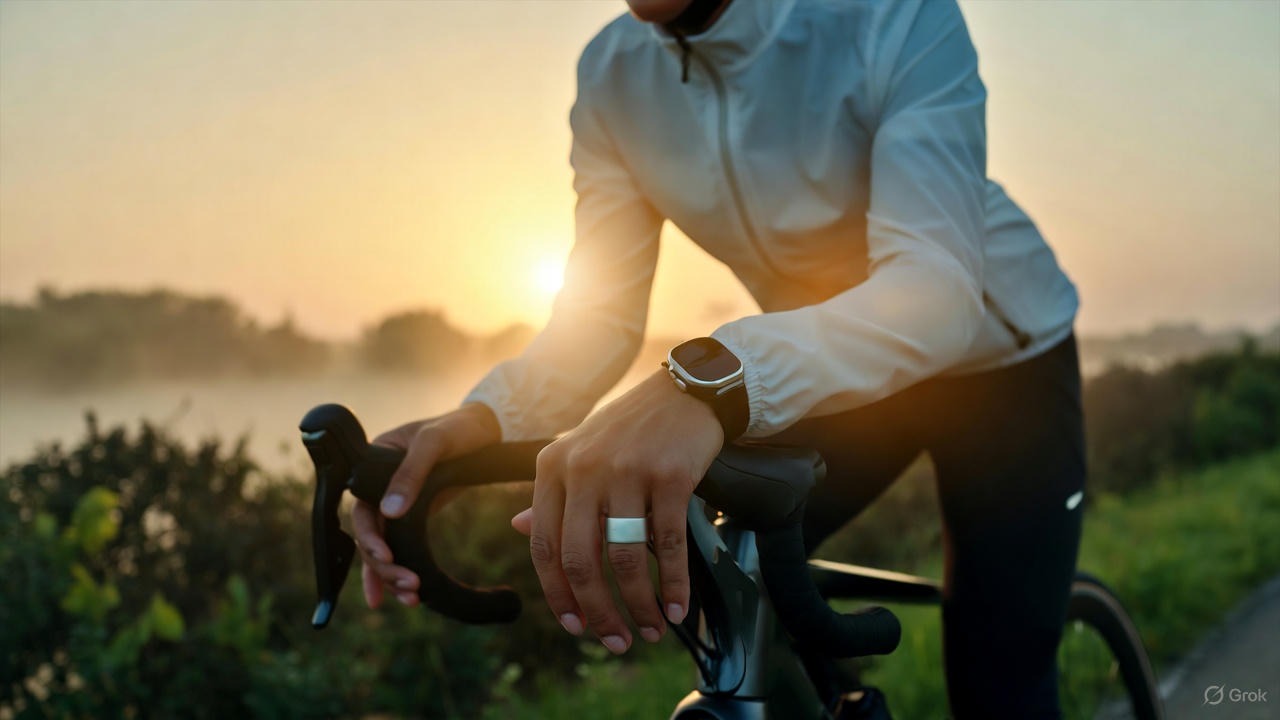
The cultural image of “exercise” is often a sweaty, hour-long ordeal in a gym. This intimidating perception leads many to believe that if they can’t dedicate that block of time, movement “doesn’t count.” This is a catastrophic misunderstanding of preventive medicine. Your wellness ring plays a crucial role in dismantling this myth by validating and elevating the profound importance of Non-Exercise Activity Thermogenesis (NEAT).
NEAT encompasses all the energy expended for everything we do that is not sleeping, eating, or sports-like exercise. It includes walking to your car, gardening, cooking, taking the stairs, fidgeting, and even standing. For most people, NEAT constitutes a significant portion of their daily caloric burn, but its greater value lies in its continuous metabolic engagement.
A body in motion throughout the day is a body constantly regulating blood sugar, stimulating circulation, supporting joint health, and engaging stabilizing muscles. Studies have shown that high levels of NEAT are strongly associated with healthy body weight and improved metabolic markers, independent of dedicated exercise. Conversely, even a one-hour gym session cannot fully offset the detrimental metabolic consequences of sitting for 10 hours.
This is where your ring becomes an essential behavioral coach. It recognizes and rewards this foundational movement:
By giving you credit for the small stuff, the ring reframes “movement as medicine” into a sustainable, all-day practice. It validates that taking the stairs is a dose of cardiovascular medicine. That pacing during a phone call is a dose of metabolic medicine. That an evening stroll is a dose of stress-relief medicine. This shifts the goal from sporadic, intense “treatment” to a constant, low-level “preventive regimen” that is far more effective and accessible for lifelong health. To get started with integrating these principles, the Oxyzen shop offers the tools to begin.
In our perpetually "on" world, chronic stress is a ubiquitous toxin. It keeps our sympathetic nervous system (the “fight or flight” response) dialed up, leading to elevated cortisol, inflammation, and a suppressed immune system. The paradox is that physical movement is a stressor—it temporarily increases heart rate, adrenaline, and cortisol—yet, when applied correctly, it is one of the most powerful tools to improve our resilience to psychological and emotional stress.
Your wellness ring acts as a translator for this paradox, showing you the delicate balance between eustress (good stress) and distress (bad stress). It validates movement as a regulator of your autonomic nervous system through several key metrics:
HRV as a Resilience Scorecard: As mentioned, Heart Rate Variability is a master indicator of nervous system balance. Consistent, moderate movement trains your system to be more adaptable—to ramp up effectively when needed (during a workout or a work deadline) and to recover deeply afterward. A rising trend in your HRV, often seen with a well-managed movement routine, signals a more resilient, vagally-toned system that is less reactive to daily stressors.
The Stress Score Correlation: Many rings now generate a “stress score” based on heart rate patterns and HRV. You can watch in real-time how a brisk walk or a yoga session lowers this score, providing physiological proof that you are actively downshifting your nervous system. This transforms movement from a physical task to a conscious therapeutic intervention for mental well-being.
Sleep as the Ultimate Recovery Proof: The most compelling validation comes the night after an active day. The ring shows how movement, especially when not performed too late, deepens sleep and increases the amount of restorative deep sleep. Since deep sleep is when the brain’s glymphatic system clears metabolic waste and the body’s repair processes peak, this is the ultimate evidence that your movement-induced “stress” was productive and has been effectively resolved.
By making this invisible process visible, the ring encourages you to use movement strategically. It might reveal that a 20-minute midday walk is more effective for your stress than a third cup of coffee. It validates that movement isn’t just about burning calories; it’s about burning off nervous energy, metabolizing excess cortisol, and resetting your physiological baseline to one of calm and readiness. For more on optimizing the critical recovery phase, our guide on deep sleep optimization for athletes offers valuable insights for everyone.
The era of generic workout plans is over. “Take two runs and call me in the morning” is no more effective than a one-size-fits-all drug prescription. We all have unique physiologies, lifestyles, stress loads, and recovery capacities. What is a restorative, health-boosting dose of movement for one person may be an excessive, inflammatory stressor for another. Your wellness ring enables the creation of a truly personalized movement prescription.
This prescription is built on daily feedback loops:
1. Readiness-Based Recommendations: Instead of blindly following a pre-set schedule, you can use your ring’s “readiness” or “recovery” score (derived from HRV, resting heart rate, sleep, and temperature) to guide your day’s activity. A high readiness score validates that you’re primed for a challenging, adaptive workout. A low score prescribes a different kind of medicine: gentle movement like walking or yoga, or even complete rest, to aid recovery. This prevents overtraining and teaches you to view rest as a productive part of the health-building process.
2. Chrono-Activity Optimization: Your ring helps you discover your personal ideal timing for movement. By tracking how different activities affect your subsequent sleep and next-day readiness, you can learn that you sleep better with morning workouts, or that your performance peaks in the late afternoon. This aligns your movement with your circadian biology for maximum benefit and minimal disruption.
3. Intensity Grading: The ring’s continuous heart rate monitoring allows you to see if you’re spending time in different beneficial zones (e.g., fat-burning, aerobic, anaerobic) throughout the week. It validates that a mix of low-intensity steady-state (LISS) movement and higher-intensity intervals creates a more comprehensive physiological adaptation than just doing the same thing every day.
4. Progressive Overload, Measured: The fundamental principle of fitness is gradual, progressive overload. The ring provides the objective metrics to track this progression safely—not just in pounds lifted or miles run, but in how your body is responding. Is your resting heart rate trending down over 8 weeks? Is your HRV during sleep trending up? These are the ultimate indicators that your movement prescription is effective, allowing you to adjust volume and intensity with precision.
This data-driven approach demystifies fitness. It turns guesswork into a guided, self-experiment where you are both the scientist and the subject, with your ring as the lab equipment. The result is a movement regimen that feels intuitively right because it is biologically validated, dramatically increasing adherence and long-term success. For answers to common questions on implementing this approach, our FAQ section is a great resource.
Understanding the science is one thing; building a lifelong practice is another. This is where the wellness ring’s true genius as a preventive medicine tool shines: it masterfully leverages principles of behavioral psychology to turn sporadic action into automatic habit. It provides the consistent, positive reinforcement our brains crave to lock in healthy behaviors.
1. Immediate Feedback and Micro-Validation: The brain learns through immediate consequences. When you finish a walk and instantly see your “active minutes” goal met, your stress score drop, or a positive heart rate recovery, you get a micro-dose of dopamine—the neurotransmitter associated with reward and motivation. This positive reinforcement makes you more likely to repeat the behavior. The ring validates your effort in real-time, making the abstract, long-term health benefits feel immediate and tangible.
2. Gamification for Engagement: Rings often use gamified elements—closing “rings,” earning badges, maintaining streaks. While seemingly simple, these tap into our innate desire for completion, achievement, and consistency. Protecting a 60-day move streak becomes a powerful motivator, ensuring you find a way to get your daily “dose” of movement medicine, much like you wouldn’t skip a crucial pill.
3. The Power of Quantified Self: Seeing your data trends over time creates a powerful narrative of self-improvement. A graph showing your average resting heart rate decline over six months is a story of your heart getting stronger. This cultivates a growth mindset toward health. You’re no longer just “exercising”; you’re “building a healthier cardiovascular system,” and you have the proof.
4. Social Connection and Accountability: Many platforms allow for secure, optional sharing with friends or communities. This adds a layer of gentle social accountability and shared purpose, which is a potent predictor of habit adherence. Knowing others are on their own journey can provide encouragement and make preventive medicine a shared, rather than solitary, pursuit.
5. Reducing All-or-Nothing Thinking: By valuing NEAT and all forms of movement, the ring helps dismantle the perfectionist trap. It validates that a 10-minute walk "counts," preventing the common derailment of “I don’t have time for a full workout, so I’ll do nothing.” This fosters consistency, which is infinitely more valuable than occasional perfection in building health.
By bridging the intention-action gap, the wellness ring transforms movement from a task that requires willpower into an ingrained, self-reinforcing part of your identity. It helps you become “someone who moves,” and that identity is the bedrock of lifelong preventive health. The Oxyzen blog is filled with articles that support this habit-building journey with tips and strategies.

Health is not a series of isolated metrics but an interconnected web. Nowhere is this connection more profound or more clearly validated by your wellness ring than in the symbiotic relationship between movement and sleep. They are the yin and yang of recovery and adaptation, and your ring is the lens that brings this dynamic duo into focus.
Movement exerts a powerful, dose-dependent effect on sleep architecture:
Conversely, sleep dictates your capacity for movement:
Your wellness ring creates a virtuous cycle of insight. It shows you: Move well → Sleep well → Recover well → Be ready to move well again. It turns two separate health pillars into a single, self-reinforcing system of preventive medicine. By tracking both, you learn your personal formula: maybe you discover that workouts ending 4 hours before bed are your sweet spot, or that on days after poor sleep, a gentle walk is the best medicine to help you sleep better the next night. For a comprehensive guide on this critical sleep stage, explore our deep sleep tracking guide.
The validation happening on your finger today is a precursor to a seismic shift in the healthcare landscape. The data from wellness rings is poised to move from personal curiosity to a core component of proactive, personalized medical care. We are moving toward a future where your movement data is not just for you, but a vital sign to be shared with healthcare providers for a more complete picture of health.
1. The Digital Health Record Integration: Imagine your annual physical where, alongside your blood pressure and cholesterol numbers, your doctor reviews a 90-day trend of your activity levels, resting heart rate, HRV, and sleep data. This provides context that a single snapshot in time cannot. A slightly elevated blood pressure reading at the clinic might be less concerning if your longitudinal ring data shows excellent cardiovascular fitness and recovery trends. Conversely, a concerning decline in activity or HRV could prompt earlier, preventative interventions.
2. Remote Patient Monitoring and Chronic Disease Management: For patients with hypertension, type 2 diabetes, or heart disease, consistent movement is a first-line therapy. A doctor could “prescribe” a daily activity goal and use shared, anonymized ring data to monitor adherence and physiological response remotely, adjusting treatment plans in real-time based on objective lifestyle data.
3. Pre-Habilitation and Surgical Outcomes: Before elective surgeries, patients could be given movement and recovery optimization targets via their ring. Improving their cardiorespiratory fitness and metabolic health pre-surgery (“pre-hab”) has been shown to drastically improve post-surgical recovery times and reduce complications.
4. Mental Health Correlations: Mental and physical health are inseparable. Forward-thinking therapists and psychiatrists could use movement and sleep data as objective correlates of mood and anxiety. They could track how prescribed behavioral activation (like daily walks) correlates with improvements in sleep architecture and autonomic balance, adding a powerful layer of biofeedback to treatment.
5. Population Health and Research: Aggregated, anonymized data from millions of users provides an unprecedented real-world dataset. Researchers can study the longitudinal effects of lifestyle on health at a scale never before possible, likely leading to new, more personalized public health guidelines.
Your wellness ring is the front-line sensor in this new paradigm. It empowers you with the data to own your health narrative and provides the objective evidence needed to make movement a central, respected component of your lifelong medical record. It validates that the most powerful tool in preventive medicine is not in a pharmacy, but on your hand, and in the daily choices it inspires you to make. This vision is rooted in a deep commitment to innovation, which you can learn about in our our story.
We’ve established that movement changes the body. But what of its power to reshape the mind, and how that, in turn, fuels a healthier body? The most advanced application of your wellness ring’s validation lies in its ability to illuminate the mind-body feedback loop, proving that how you move is as medicinal as the movement itself. It turns activities like mindful walking, yoga, tai chi, and even focused breathing from vague wellness concepts into quantifiable neurophysiological events.
Quantifying the "Mindful" in Movement: When you engage in mindful movement, you’re not just performing a physical action; you’re directing your attention to the sensations of the body and breath. This conscious focus has a measurable impact. Your ring can capture the physiological signature of this state:
Validating Recovery Beyond Rest: True recovery isn’t just passive rest; it’s active down-regulation. Your ring validates mindful movement as a potent form of active recovery. On days when your readiness score is low, a gentle, mindful movement session might improve your HRV and lower your resting heart rate more effectively than complete inactivity, proving you are actively repairing your nervous system.
The Cognitive Carry-Over: This validated mind-body connection has profound implications. It shows that using movement as a moving meditation is a direct training ground for emotional regulation. When you see the data proving that focusing on your breath during movement calms your physiology, you learn to apply that skill off the mat or trail. The ring provides the evidence that this practice is not “just relaxing”—it’s building cognitive resilience, a key component of preventive mental healthcare. For deeper exploration of how lifestyle impacts your nervous system, our article on the deep sleep formula involving temperature and timing explores related regulation mechanisms.
A single day’s data is a snapshot; a trend over weeks and months is the feature film of your health. The ultimate validation your wellness ring provides is longitudinal. It teaches you to think in trends and patterns, moving you away from anxiety over a single night of poor sleep or a low activity day and toward an understanding of your overall trajectory. This shift from data-point fixation to trend wisdom is critical for sustainable, preventive health.
Identifying Your Baselines and Ranges: Your ring helps you establish your personal normal. Is your resting heart rate typically between 55-58? Is your HRV range between 45-65 ms? Knowing your unique baselines makes deviations more meaningful. A resting heart rate that creeps up 5-7 beats per minute for three consecutive days might be a more significant signal of impending illness or overreaching than any single day’s score.
The Power of Correlation Logging: Advanced users learn to use their ring’s journaling features (or their own notes) to correlate lifestyle factors with their biomarkers. Did that late-night meal impact your deep sleep? Did two consecutive days of high-intensity training suppress your HRV? Did a weekend of hiking in nature boost it despite the physical load? Over time, you build a personalized guidebook. You move from “experts say” to “my data shows.” This self-knowledge is the pinnacle of personalized preventive medicine.
Seasonal and Lifecycle Trends: Your data will reveal your body’s responses to seasons, work cycles, and even hormonal cycles. You may see a natural dip in readiness or a change in sleep patterns at certain times. Viewing this data as a compassionate observer, rather than a harsh judge, allows you to adapt your movement prescription accordingly—perhaps opting for more gentle, restorative movement during a downward trend. This is echoed in our exploration of how age affects deep sleep, which highlights the importance of adapting to biological rhythms.
Validating Consistency Over Intensity: The trend graph is the ultimate testament to the power of consistency. It visually rewards you for the cumulative effect of daily, moderate movement. You’ll see that the slow, steady improvement in your cardiovascular baseline (resting heart rate) or nervous system resilience (HRV) wasn’t caused by any one heroic workout, but by the hundred small ones you almost forgot about. This is the core lesson of preventive medicine: small, daily doses are more powerful than sporadic, intense ones.
By teaching you to interpret the story in your trends, your wellness ring evolves from a tracking device into a life dashboard. It fosters a nuanced, patient, and empowered relationship with your own body, where movement is seen as a long-term investment in biological capital, paid out in the currency of resilience.
Humans are inherently social creatures, and our health behaviors are deeply influenced by our communities. The isolation of modern life can make a preventive health journey feel lonely and abstract. Wellness technology cleverly reintroduces a positive social layer, using connection and friendly accountability to reinforce the validation your ring provides, turning personal prevention into a shared journey.
Positive Peer Pressure and Shared Goals: Many platforms allow you to connect with friends or join groups with similar aims. Seeing a friend close their activity ring or complete a mindful minute challenge sends a powerful signal: you’re not alone in this pursuit. This creates a healthy, positive form of peer pressure that can be the nudge needed to take that evening walk. The validation becomes social; your effort is seen and indirectly celebrated by your circle.
Data-Sharing for Deeper Support: For those who choose to, sharing trends (not just daily scores) with a trusted partner, coach, or even a healthcare provider creates a support system grounded in objective reality. Instead of saying “I feel tired,” you can show a two-week trend of suppressed HRV and poor sleep. This facilitates more empathetic and effective support, moving conversations from subjective feelings to collaborative problem-solving based on shared data.
Collective Wisdom and Inspiration: Online communities built around specific devices or health goals are hubs of collective wisdom. Users share how they interpreted a data pattern, what movement routine finally improved their sleep, or how they modified an exercise to accommodate an injury. Your personal validation is amplified by the shared experiences of thousands, providing a rich tapestry of ideas and strategies to explore in your own self-experiment. You can find such inspiration in the real-world stories shared in our testimonials section.
Redefining Social Connection Around Health: In a culture where socializing often revolves around food and drink, having a community that values movement creates alternative, health-positive social bonds. Organizing a group hike, a virtual yoga session, or a step challenge reframes connection around shared vitality. Your ring validates the collective effort, showing how the social activity benefited everyone’s physiology.
This social dimension transforms preventive health from a solitary, sometimes punitive, obligation into a connected, rewarding aspect of your social identity. The ring’s data provides the common language for this connection, making the benefits of movement as visible to your community as they are to you, strengthening everyone’s commitment to a healthier life.

Let’s translate these concepts into a concrete narrative. Meet Alex, a 42-year-old knowledge worker with a sedentary job, moderate stress, and a vague goal to “get healthier.” Alex starts wearing a wellness ring. Here’s how the data validates movement as preventive medicine over a quarter-year.
Weeks 1-2: The Baseline (Confronting the Status Quo)
Weeks 3-6: Introducing the “Prescription” (The Experiment Begins)
Weeks 7-12: Adaptation and Personalization (The Refinement)
The 90-Day Outcome:
Alex’s story isn’t about weight loss (though some occurred) or running a marathon. It’s about the validated, physiological transformation from a state of pre-clinical dysregulation to one of robust resilience. The ring provided the objective proof that converted “movement as medicine” from a platitude into a personal, lived truth. Alex now has a data-backed understanding of how much and what type of movement is needed to maintain this new, healthier biological baseline. This journey mirrors the principles discussed in our guide on how to get more deep sleep, where small, consistent actions yield significant results.
The world of fitness and health is riddled with persistent myths. Your wellness ring acts as a personal myth-buster, cutting through dogma with the clear light of your own biometric data. This validation is crucial for adopting a sustainable, effective movement practice.
Myth 1: "More Sweat and Pain = More Benefit."
Myth 2: "You Must Exercise for an Hour to See Results."
Myth 3: "Late-Night Exercise Ruins Sleep for Everyone."
Myth 4: "Rest Days are for Laziness."
Myth 5: "Cardio is the Only Thing That Matters for Heart Health."
By debunking these myths with your own data, you are liberated to create a movement practice that is both enjoyable and supremely effective for you. This demystification is a core service of the device, moving you away from external, often conflicting, advice and toward an empowered, self-directed practice. For more on separating fact from fiction in health tracking, our blog post on sleep tracking accuracy offers valuable insights.
Beyond the profound personal benefits lies a compelling economic narrative. Chronic, lifestyle-driven diseases place an immense and growing burden on healthcare systems and personal finances. Your wellness ring, by validating and promoting movement, makes a silent but powerful economic argument: consistent physical activity is one of the highest-return investments an individual—and a society—can make.
The Personal P&L Statement of Health:
The Macro-Economic Validation:
On a larger scale, if the validation provided by devices like wellness rings leads to a more physically active population, the systemic savings are staggering. The Centers for Disease Control and Prevention (CDC) notes that increasing physical activity could prevent 1 in 10 premature deaths, 1 in 8 cases of breast and colorectal cancer, and 1 in 12 cases of diabetes. The ring makes this macro-benefit micro-personal. When you see your own metrics improve, you are participating in, and benefiting from, this larger economic and public health victory.
Shifting the Healthcare Incentive Model: Currently, healthcare systems are largely funded to treat sickness. Data from wellness devices points toward a future model that rewards health maintenance. Insurers and employers are already experimenting with incentives for meeting activity goals, using data from wearables. Your ring provides the verified, tamper-resistant proof of your engagement in preventive self-care, potentially lowering your insurance premiums or earning you wellness credits.
In essence, every step, every workout, every active minute validated by your ring is a micro-deposit into your personal health savings account. The interest compounds in the form of resilience, vitality, and future healthcare savings. It makes the case that buying and using a wellness ring is not a discretionary expense, but a strategic investment in your financial and biological future. Learn more about the mission behind creating technology that supports this proactive investment.
For all its power, the validation provided by a wellness ring is not absolute. A wise practitioner of preventive medicine understands the device’s limitations and navigates the ethical considerations of self-quantification. This critical awareness ensures the ring remains a tool for empowerment, not a source of obsession or anxiety.
Understanding the Limitations:
Navigating Ethical and Psychological Terrain:
By acknowledging these limitations, you elevate your use of the device from naive dependence to sophisticated partnership. The ring provides powerful validation, but you provide the wisdom, context, and self-compassion. Together, they form a complete system for sustainable health. For support on using your device wisely, our FAQ page addresses many common user concerns.
The current validation provided by wellness rings is just the beginning. We are on the cusp of a fully integrated health ecosystem where movement data will seamlessly interact with other biomarkers, genetic information, and even environmental data to create hyper-personalized, dynamic, and predictive prescriptions for health.
1. Multi-Modal Biomarker Fusion: Future devices may incorporate continuous glucose monitoring (CGM), advanced electrolyte sensing, or even non-invasive blood pressure tracking. Imagine your ring not only validating that a walk lowers your stress score, but also showing you how different types of movement affect your blood glucose stability in real-time, providing a direct window into metabolic health.
2. AI-Powered Predictive Coaching: With enough longitudinal data, artificial intelligence will move beyond describing trends to predicting them. Your ring’s companion app might say: “Based on your current HRV trend, sleep debt, and upcoming calendar stress, we recommend prioritizing Zone 2 cardio over high-intensity intervals this week to maintain resilience.” The validation becomes prescriptive and predictive.
3. Genomic and Phenomic Integration: Combining your movement and biometric data with genetic predispositions (e.g., for certain types of muscle fiber or injury risk) and phenotypic data from lab work could yield incredibly precise recommendations. It could validate that for your specific genotype, a particular movement pattern is the most effective preventive medicine against your personal risk profile.
4. Environmental Context Awareness: Future rings with environmental sensors could correlate your physiological responses with air quality, altitude, or ambient light. It could validate that your morning run in the park yields better recovery and cognitive scores than a run along a busy highway, adding a powerful layer of environmental medicine to your decision-making.
5. Seamless Healthcare Integration via APIs: The ultimate destination is for your validated movement and biometric data to flow securely, with your explicit permission, into your electronic health record via standardized APIs (Application Programming Interfaces). Your physician’s dashboard would include a graph of your activity levels and HRV alongside your cholesterol history, creating a truly holistic picture for collaborative care planning.
In this future, the validation is constant, contextual, and extraordinarily sophisticated. Your ring becomes less of a separate device and more of an invisible, intelligent layer of your being, continuously advocating for the right dose of movement medicine at the right time to optimize your healthspan. It will solidify the concept that movement is not just *a* pillar of health, but the dynamic foundation upon which all other preventive strategies are built. To stay updated on these evolving technologies and insights, we invite you to explore our blog.
The data streaming from your finger is rich with meaning, but its true power in preventive medicine is unlocked when it bridges the gap from personal validation to clinically actionable insight. This is where the wellness ring transcends the realm of fitness gadgets and enters the sphere of legitimate health tools, empowering both individuals and forward-thinking clinicians.
Creating a Shared Language with Health Professionals: Imagine walking into your doctor’s office not just with symptoms, but with a three-month trend report. You can say, “I’ve noticed my resting heart rate has been trending up by 8 bpm over the last six weeks, and my deep sleep has decreased by 15%, despite maintaining my walking routine.” This shifts the conversation from subjective (“I feel tired”) to objective, data-driven inquiry. It allows the clinician to ask more precise questions and potentially identify issues—like an undiagnosed infection, rising stress, or the early signs of overtraining—much earlier.
Informing Diagnostic Pathways: While not diagnostic itself, ring data can inform which diagnostic paths to pursue. Persistent poor sleep scores coupled with spikes in nighttime heart rate might warrant a referral for a sleep study to rule out sleep apnea. A sustained, unexplained drop in HRV and activity tolerance could prompt a check for underlying inflammatory or metabolic issues. The ring provides the longitudinal context that a single-point lab test cannot, making it a valuable triage and monitoring tool.
Personalizing Treatment and Monitoring Adherence: For conditions where movement is a prescribed therapy (e.g., cardiac rehab, physical therapy for chronic pain, management of anxiety/depression), the ring offers unparalleled adherence monitoring and dose-response feedback. A physical therapist can see not just that a patient said they did their exercises, but how their heart rate and recovery responded to the session. This allows for real-time adjustment of the “movement prescription” for optimal therapeutic effect.
The Rise of the Health Data Translator: This new paradigm is giving rise to a new professional: the health coach or clinician skilled in interpreting biometric data from wearables. These professionals can help individuals make sense of their trends, correlate them with lifestyle logs, and translate the validation into a coherent, personalized lifestyle medicine plan. They act as guides in the journey from data to wisdom. This collaborative approach is at the heart of our philosophy, which you can learn more about on our about us page.
Ultimately, this bridge turns passive patients into active participants in their health. The ring’s validation provides the evidence they need to engage in informed, productive dialogues with their care team, ensuring that the powerful medicine of daily movement is recognized, respected, and integrated into their overall care plan.
The validation happening on millions of individual wrists is aggregating into a world-changing dataset. This collective intelligence from wellness rings and other wearables is quietly revolutionizing epidemiology and public health, moving us from broad-stroke recommendations to nuanced, population-level insights about how movement truly functions as preventive medicine on a global scale.
Real-World Evidence (RWE) at Unprecedented Scale: Traditional health studies are constrained by cost, duration, and self-reported data, which is often unreliable. The aggregated, anonymized data from wellness rings provides continuous, objective Real-World Evidence (RWE) on a scale of millions of person-years. Researchers can now observe, in near real-time, how physical activity levels in a city correlate with seasonal illness patterns, how major societal events affect collective sleep and stress, or how different built environments (parks vs. food deserts) influence community activity metrics.
Identifying Social and Environmental Determinants of Health: By layering anonymized activity and sleep data with geographic and socioeconomic data, public health officials can identify “activity deserts” or “sleep hotspots” with precision. This allows for targeted interventions—like building safer parks, improving street lighting for evening walks, or creating community programs—based on objective need rather than guesswork. The ring data validates which environmental changes actually lead to measurable increases in community movement.
Refining Global Activity Guidelines: The “150 minutes of moderate activity per week” guideline is a vital starting point. But mass wearable data may reveal that the dose-response curve is different across ages, genders, and genetic backgrounds. It might show that for older adults, consistency of light activity is more protective against falls than weekly moderate exercise. This could lead to more personalized, sub-population specific public health messaging that is more effective and achievable.
Tracking Pandemic-Scale Health Behaviors: The COVID-19 pandemic offered a stark example. Wearable data from around the world showed dramatic, quantifiable shifts in global step counts, sleep patterns, and resting heart rates in response to lockdowns. This wasn’t just anecdotal; it was a quantified, global physiological response to stress and confinement. Future pandemic responses could use such aggregated, anonymized data to monitor population mental and physical health in real-time and tailor public health messaging accordingly.
Validating the Economic Impact of Prevention: On a macro scale, this data can be used to model the true economic impact of population-wide inactivity. By linking activity trends to predictive models of disease incidence, governments and insurers can more accurately calculate the return on investment for public health initiatives that promote movement, from bike lanes to corporate wellness programs.
Your personal validation, therefore, contributes to a larger mission. By opting in to share anonymized data, you become part of a global citizen science project that is refining our fundamental understanding of human health. It proves, with the weight of billions of data points, that moving our bodies is not a lifestyle choice—it is a public health imperative. For a deeper look at the foundational importance of one key health metric validated by these devices, consider reading about the deep sleep sweet spot by age.
The prescription for movement as preventive medicine is not static; it evolves dramatically across a lifetime. Your wellness ring provides age-appropriate validation, proving that the right kind of movement is essential medicine at every stage of life, with benefits that compound over decades.
Childhood & Adolescence: Validating Play as Foundational Development: While not typically worn by young children, the principles apply. Movement in youth is not just about energy expenditure; it’s the critical stimulus for bone mineralization, neuromuscular coordination, cognitive development, and establishing lifelong patterns. For teenagers, a wearable can validate the profound impact of sports and activity on sleep, mood regulation (via stress score tracking), and academic performance through improved sleep and recovery metrics. It can help reframe activity as a tool for managing the immense physiological and psychological changes of adolescence.
Early & Mid-Adulthood: The Prime of Prevention: This is the stage where the ring’s validation is most directly tied to staving off the onset of chronic disease. It proves that maintaining muscle mass through strength training is metabolic medicine, protecting against insulin resistance. It shows how consistent cardio is vascular medicine, keeping blood pressure and resting heart rate low. It validates that managing stress through mindful movement is neurological and immunological medicine, protecting against burnout and inflammation. The data from this era is an investment in “healthspan,” ensuring high-functioning decades to come.
The Perimenopausal and Menopausal Transition: This is a period of significant physiological upheaval where movement validation becomes crucial. The ring can help women navigate changes by showing how exercise mitigates symptoms. It can validate that strength training is potent medicine for preserving bone density and combatting the natural decline in metabolic rate. It can show how yoga or tai chi directly lowers physiological stress scores, helping manage hot flashes and sleep disturbances. The data provides objective proof that movement is a powerful ally during this transition.
Older Adulthood (65+): Movement as Functional Preservation Medicine: Here, the goal shifts from performance to preservation. The ring validates movement as the key to “geroprotection.” It shows how daily walking maintains cardiovascular health, directly correlated to a stable resting heart rate. It proves that balance and resistance exercises are direct medicine for fall prevention (the single greatest threat to independence). Perhaps most importantly, it can correlate physical activity with cognitive scores and sleep quality, validating that moving the body is one of the most effective ways to protect the aging brain. The ring’s gentle reminders and celebration of small achievements provide motivational validation that is essential for maintaining routine.
Across this entire continuum, the wellness ring tells a consistent story: to move is to thrive. It personalizes the narrative, showing each individual how their chosen movement serves as the most relevant, powerful form of preventive medicine for their current chapter of life, building a resilient foundation for the next. This lifecycle approach is supported by content like our article on foods that increase deep sleep naturally, which complements movement at any age.
We began this exploration with a simple, ancient truth: movement is life. We have journeyed through the science, the technology, the psychology, and the future-facing implications of that truth in the modern world. The through-line, made visible by the unassuming device on your finger, is validation.
Your wellness ring does not create the healing power of movement. That power is inherent in your biology, forged by evolution. What the ring does is reveal it. It translates the silent, invisible work of preventive medicine—the strengthening of your heart, the calming of your nervous system, the deepening of your sleep, the fortifying of your metabolism—into a language you can see and understand. It turns faith into fact.
This validation is transformative. It shifts your relationship with movement from one of obligation to one of partnership. You are no longer merely following orders from a doctor or a magazine. You are conducting a continuous, personal science experiment where you are both researcher and subject. The ring provides the lab results, proving your hypothesis: “When I move my body with consistency and intelligence, my health improves.”
In doing so, it empowers you to assume the most important role in your healthcare ecosystem: that of Chief Health Officer (CHO). As CHO, you are responsible for the long-term strategy of your wellbeing. You allocate resources (time, energy), you assess risk factors (sedentary behavior, stress), and you implement daily operational tactics (your movement routine). Your wellness ring is your dashboard, your quarterly report, your most trusted advisor providing real-time analytics.
The data it provides is not a verdict, but a conversation. It says, “Here is how your body responded. What would you like to try next?” This is the essence of empowered, preventive self-care.
The challenge of our age is not a lack of medical knowledge, but a failure to integrate that knowledge into the fabric of our daily lives. The wellness ring is a bridge across that gap. It validates that the most accessible, most effective, and most side-effect-free form of preventive medicine is already within you. It is the urge to walk, to stretch, to play, to breathe, to lift, to flow.
So, look at the data on your screen. See the proof that your walk lowered your stress. See the evidence that your workout deepened your sleep. See the trend that your consistent effort is strengthening your heart. Then, go out and fill that prescription again. Not because you have to, but because you now have undeniable proof—from your own body—that it works.
You hold the validation. You are the medicine. Now, move.
Your Trusted Sleep Advocate (Sleep Foundation — https://www.sleepfoundation.org/)
Discover a digital archive of scholarly articles (NIH — https://www.ncbi.nlm.nih.gov/
39 million citations for biomedical literature (PubMed — https://pubmed.ncbi.nlm.nih.gov/)
experts at Harvard Health Publishing covering a variety of health topics — https://www.health.harvard.edu/blog/)
Every life deserves world class care (Cleveland Clinic -
https://my.clevelandclinic.org/health)
Wearable technology and the future of predictive health monitoring. (MIT Technology Review — https://www.technologyreview.com/)
Dedicated to the well-being of all people and guided by science (World Health Organization — https://www.who.int/news-room/)
Psychological science and knowledge to benefit society and improve lives. (APA — https://www.apa.org/monitor/)
Cutting-edge insights on human longevity and peak performance
(Lifespan Research — https://www.lifespan.io/)
Global authority on exercise physiology, sports performance, and human recovery
(American College of Sports Medicine — https://www.acsm.org/)
Neuroscience-driven guidance for better focus, sleep, and mental clarity
(Stanford Human Performance Lab — https://humanperformance.stanford.edu/)
Evidence-based psychology and mind–body wellness resources
(Mayo Clinic — https://www.mayoclinic.org/healthy-lifestyle/)
Data-backed research on emotional wellbeing, stress biology, and resilience
(American Institute of Stress — https://www.stress.org/)


