


The Health Tracking Technology Behind Sleep Stage Classification
Details the process of classifying sleep into stages using a combination of movement and heart rate data.
Details the process of classifying sleep into stages using a combination of movement and heart rate data.
%402x.svg)
You've spent eight hours in bed. Your smart ring or fitness tracker buzzes with a morning report: "You slept 7 hours 42 minutes. 22% Deep Sleep. 54% Light Sleep. 24% REM. Sleep Score: 82." For millions, this digital summary has become as routine as morning coffee. But beneath that simple percentage lies one of modern wellness technology's most remarkable achievements—the ability to classify your sleep stages without a single wire, electrode, or sleep lab technician.
This isn't just data for data's sake. Understanding whether you're getting sufficient deep sleep for physical restoration, or enough REM sleep for cognitive function and emotional processing, represents a quantum leap in personal health awareness. For generations, detailed sleep analysis required polysomnography—an elaborate, invasive overnight study in a clinical lab with sensors glued to your scalp, face, chest, and legs. Today, that capability rests discreetly on your finger or wrist, collecting data night after night in your own bed.
But how does a device with no direct brainwave measurement distinguish between the subtle stages of sleep? The answer involves a fascinating convergence of biomedical engineering, sensor miniaturization, artificial intelligence, and sleep science. This technology doesn't just "guess" your sleep—it constructs a sophisticated physiological narrative from indirect signals, creating what experts call "actigraphy-plus" that approaches clinical-grade accuracy for most users.
In this exploration, we'll demystify exactly how your wearable discerns light sleep from deep sleep, REM from awake periods, and transforms raw signals into actionable insights. We'll journey from the basic biological signals your body emits during sleep, through the sensors that capture them, to the algorithms that interpret them, and finally to what this means for your daily wellbeing. By understanding this technology, you'll become not just a recipient of sleep data, but an informed interpreter of your own nocturnal journey—able to connect those percentages to your energy, mood, and long-term health in meaningful ways.
The implications extend far beyond curiosity. Research consistently shows that sleep architecture—the proportion and timing of sleep stages—matters as much as total sleep duration. Poor sleep stage distribution is linked to everything from impaired memory consolidation and emotional dysregulation to increased risks for metabolic disorders and cardiovascular disease. By making this previously invisible architecture visible, sleep stage tracking technology empowers a new form of preventative healthcare, one night at a time.
Before we examine how technology detects sleep stages, we must understand what it's looking for. Sleep isn't a uniform state of unconsciousness but a dynamically cycling symphony of distinct brain states, each with unique physiological signatures and restorative functions. The American Academy of Sleep Medicine classifies sleep into four primary stages that repeat in approximately 90-minute cycles throughout the night.
Stage 1: N1 (Light Sleep) marks the transition from wakefulness to sleep, typically lasting 1-5 minutes. During this phase, brain waves begin slowing from daytime alpha and beta waves to theta waves, muscle activity decreases, and you might experience sudden muscle jerks or the sensation of falling. This is the most fragile sleep stage, easily disrupted by environmental disturbances. While it constitutes only 5-10% of total sleep in healthy adults, its presence indicates smooth sleep onset.
Stage 2: N2 (Light Sleep) represents the true onset of sustained sleep, accounting for 45-55% of total sleep time. Characterized by sleep spindles (brief bursts of brain activity) and K-complexes (sharp high-voltage waves) on an EEG, this stage serves as a gatekeeper, deepening sleep stability and filtering external stimuli to prevent awakenings. Recent research suggests N2 plays a crucial role in memory consolidation and synaptic pruning—the brain's nightly "file management" system.
Stage 3: N3 (Deep Sleep or Slow-Wave Sleep) is the most physically restorative phase, dominated by slow, high-amplitude delta waves. During deep sleep, your body executes essential repair work: tissue growth and repair, immune system strengthening, and energy restoration. Growth hormone secretion peaks, and cerebrospinal fluid flows more vigorously through the brain, clearing metabolic waste products. This stage predominates in the first half of the night and diminishes with each sleep cycle. Adults typically spend 15-25% of their sleep in N3, with percentages decreasing with age.
REM Sleep (Rapid Eye Movement) emerges approximately 90 minutes after sleep onset, characterized by rapid eye movements, near-complete muscle paralysis (atonia), and vivid dreaming. Brain activity resembles wakefulness, with mixed-frequency waves, while the body remains immobile—a protective mechanism preventing you from acting out dreams. REM is crucial for emotional regulation, memory integration, and cognitive function. It occupies 20-25% of total sleep, with REM periods lengthening in later cycles toward morning.
This architectural pattern isn't random but evolutionarily optimized. The early-night dominance of deep sleep addresses physical restoration when sleep drive is highest, while later-night REM abundance supports cognitive and emotional processing as morning approaches. Disruptions to this architecture—whether from sleep disorders, lifestyle factors, or environmental interference—can leave you feeling unrefreshed despite adequate time in bed.
Understanding these stages provides context for why simple sleep duration tracking is insufficient. Six hours of well-architected sleep with robust deep and REM phases can be more restorative than eight hours of fragmented, light-dominated sleep. This nuance is precisely what modern sleep tracking technology aims to capture, transforming the binary question "Did I sleep?" into the more meaningful inquiry "How well did I sleep?"
The journey to understanding sleep stages began long before wearable technology. Ancient civilizations recognized sleep's importance but lacked tools to examine its structure. The true scientific revolution began in 1929 when German psychiatrist Hans Berger recorded the first human electroencephalogram (EEG), discovering that brain electrical activity changes dramatically during sleep. This breakthrough birthed modern sleep science but required bulky equipment limiting research to laboratory settings.
Throughout the mid-20th century, sleep research expanded with the development of polysomnography (PSG)—the comprehensive monitoring of brain waves (EEG), eye movements (EOG), muscle activity (EMG), heart rhythm (ECG), breathing effort, and blood oxygen levels. By the 1960s, researchers Allan Rechtschaffen and Anthony Kales published the standardized "R&K" sleep scoring manual, categorizing sleep into the stages we recognize today (though with slightly different terminology). This manual remained the gold standard until the American Academy of Sleep Medicine updated it in 2007.
For decades, PSG remained exclusively clinical, requiring individuals to sleep overnight in unfamiliar labs while wired with dozens of sensors—hardly conducive to natural sleep patterns. While invaluable for diagnosing disorders like sleep apnea and narcolepsy, PSG provided only a single-night snapshot under artificial conditions, missing the natural night-to-night variability crucial for understanding everyday sleep health.
The first technological democratization came with actigraphy in the 1990s. These wrist-worn devices used accelerometers to detect movement, employing a simple but effective principle: extended periods of immobility likely indicated sleep, while movement suggested wakefulness. While revolutionary for capturing sleep patterns longitudinally in natural environments, actigraphy couldn't distinguish sleep stages—it could only estimate sleep versus wake periods with about 90% accuracy compared to PSG.
The breakthrough toward stage classification came with the integration of multiple sensors. Early fitness trackers introduced basic heart rate monitoring, recognizing that heart rate follows distinct patterns across sleep stages: it typically decreases during N2 and N3 sleep and becomes more variable during REM, resembling waking patterns. This added a crucial physiological dimension beyond mere movement.
The current generation of advanced wearables and smart rings represents the convergence of several technological advancements: miniaturized multi-wavelength optical sensors for continuous pulse oximetry and heart rate variability (HRV) measurement, improved accelerometers detecting subtle movements like respiratory variations, temperature sensors tracking nocturnal body temperature fluctuations, and sophisticated machine learning algorithms trained on thousands of PSG-validated sleep recordings.
This evolution has transformed sleep analysis from a single-night clinical procedure to a continuous, personalized tracking experience. Modern devices don't merely replicate PSG—they provide something labs cannot: longitudinal data revealing how your sleep architecture responds to lifestyle variables like stress, exercise timing, caffeine intake, evening screen exposure, and even dietary choices. This empowers users to identify personal sleep disruptors and optimize their routines accordingly.
For instance, someone might discover through their device that consuming alcohol, while helping them fall asleep faster, dramatically reduces their REM sleep percentage—explaining why they wake feeling unrefreshed. Another might learn that their deep sleep increases significantly on nights following afternoon exercise but decreases when work stress peaks. These personalized insights, impossible to glean from a single lab study, represent the true value proposition of modern sleep stage tracking technology.
As we transition to examining the specific sensors enabling these insights, it's worth recognizing that today's wearables represent not a replacement for clinical sleep medicine, but a complementary tool bringing laboratory-grade insights into daily life. They serve as both early warning systems for potential disorders and optimization tools for generally healthy individuals seeking to maximize sleep's restorative power—a perfect example of how technology can democratize health awareness.
At the heart of every advanced sleep tracker lies an orchestra of miniaturized sensors, each playing a distinct part in capturing the physiological symphony of sleep. Unlike the direct brainwave measurements of clinical EEG, consumer devices must deduce sleep states from peripheral signals—a complex inference problem solved through multi-modal sensor fusion. Let's examine each key sensor type and the specific sleep-relevant data it captures.
Optical Photoplethysmography (PPG) Sensors serve as the workhorse of modern wearables. These sensors emit specific wavelengths of light (typically green, red, and infrared) into the skin, where blood absorbs and reflects varying amounts depending on its volume. By measuring the reflected light, the sensor detects the subtle pulsatile changes in blood flow with each heartbeat, generating both heart rate and heart rate variability (HRV) data.
During sleep, PPG sensors capture two crucial patterns. First, heart rate typically demonstrates a "decoupling" from movement during deep sleep—it remains low and steady even if the body shifts position. Second, the interval between heartbeats (HRV) shows stage-specific patterns: it increases during REM sleep, displaying variability similar to relaxed wakefulness, while decreasing during deep sleep. Advanced PPG systems also measure blood oxygen saturation (SpO₂) via red and infrared wavelengths, identifying potential breathing disturbances that fragment sleep architecture.
3-Axis Accelerometers and Gyroscopes have evolved far beyond simple movement detection. Modern MEMS (micro-electromechanical systems) accelerometers can detect movements ranging from gross body turns to the subtle rise and fall of the chest during breathing. By analyzing movement patterns, algorithms can identify sleep/wake transitions, periods of restlessness, and even specific sleep positions (back, side, stomach) that influence breathing quality.
Perhaps more innovatively, when combined with PPG data, accelerometers help distinguish sleep stages through respiratory sinus arrhythmia—the natural variation in heart rate that occurs with breathing. During light and REM sleep, this coupling is more pronounced, creating detectable patterns in the interplay between movement, breathing, and heart rate intervals.
Skin Temperature Sensors track the body's thermoregulatory journey through the night. Core body temperature follows a circadian rhythm, typically dropping 1-2°F to initiate sleep and reaching its nadir in the early morning hours. More importantly, the temperature gradient between the core and extremities—which wearables estimate through repeated skin temperature measurements—changes predictably across sleep stages. During deep sleep, blood vessels dilate to dissipate heat, often creating detectable skin temperature patterns that algorithms use as stage markers.
Galvanic Skin Response (GSR) Sensors, found in some advanced devices, measure subtle changes in the skin's electrical conductivity related to sweat gland activity. While more commonly associated with stress detection during wakefulness, GSR patterns during sleep can provide additional signals about autonomic nervous system activity, which differs between sympathetic-dominant REM sleep and parasympathetic-dominant deep sleep.
The true magic happens not in individual sensors but in their integration. A machine learning algorithm might weight PPG-derived heart rate variability more heavily for REM detection, accelerometer-derived breathing patterns more for deep sleep identification, and temperature trends for overall sleep/wake cycling. This sensor fusion approach creates a composite physiological profile far more accurate than any single metric could provide.
Consider what happens during a typical transition from light to deep sleep. The accelerometer detects decreased movement; the PPG sensor shows heart rate dropping and becoming more regular; the temperature sensor notes a gradual cooling trend; and breathing patterns (derived from both accelerometer micro-movements and heart rate oscillations) become slower and more rhythmic. The algorithm recognizes this convergence of signals as high-probability deep sleep onset.
This multi-sensor approach also helps overcome individual variability. Some people naturally have higher resting heart rates; others move more during sleep; still others have different thermoregulatory patterns. By examining multiple correlated signals, algorithms can identify each person's unique physiological "fingerprint" during different sleep stages, personalizing the classification model over successive nights.
As sensor technology continues advancing, we're seeing emerging capabilities like advanced pulse arrival time measurement (estimating blood pressure variations), improved SpO₂ accuracy for detecting hypoxic events, and even electrodermal activity sensors that might one day detect sleep-related stress responses. Each advancement adds another layer of resolution to our understanding of sleep physiology, bringing consumer devices ever closer to providing comprehensive sleep health insights previously available only in specialized clinics.
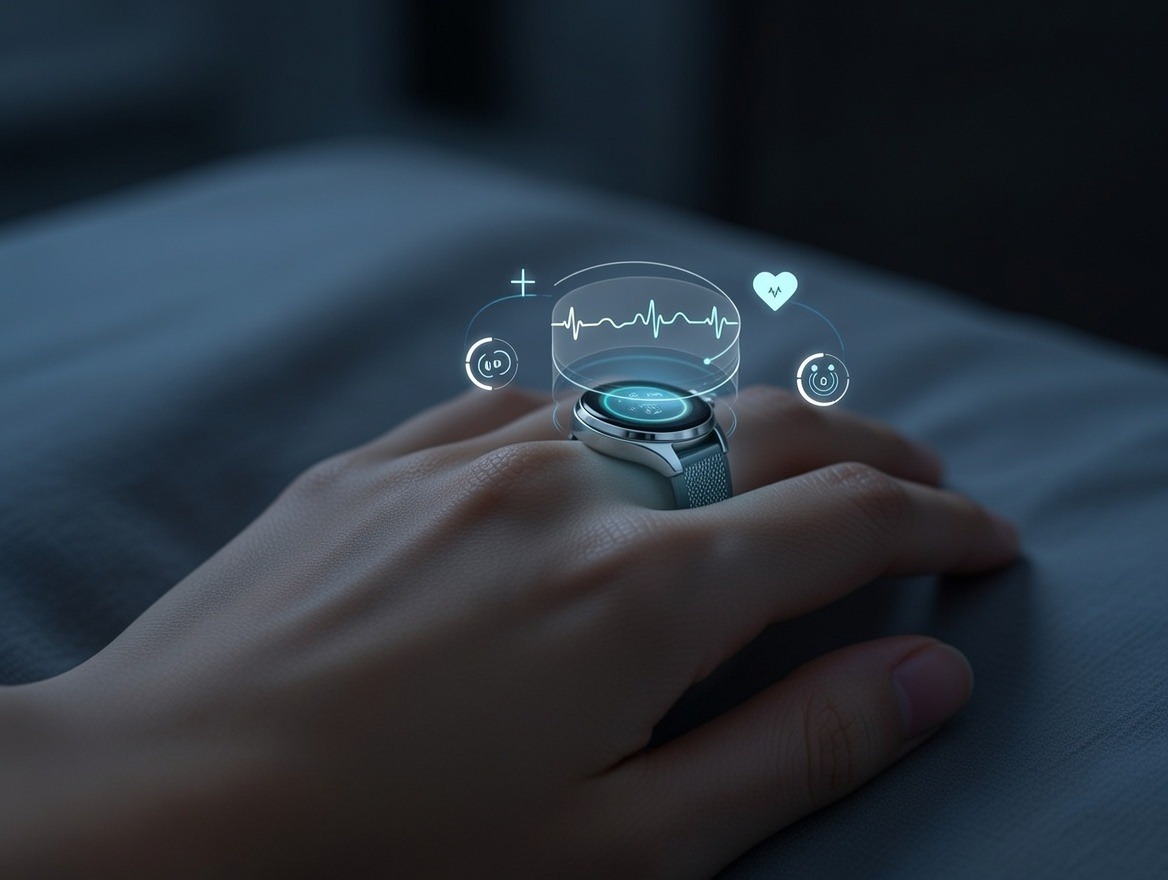
If one physiological parameter has revolutionized consumer sleep stage tracking, it's heart rate variability. HRV represents the subtle variations in time intervals between consecutive heartbeats, measured in milliseconds. Far from being a sign of cardiac irregularity, healthy HRV indicates a responsive, adaptable autonomic nervous system (ANS)—the intricate balance between sympathetic ("fight or flight") and parasympathetic ("rest and digest") branches.
During sleep, the ANS undergoes dramatic stage-specific shifts that manifest in HRV patterns. Wakefulness typically shows moderate HRV with sympathetic influence. As you transition to light sleep (N1), parasympathetic activity increases, often creating a noticeable rise in HRV. During deep sleep (N3), the parasympathetic nervous system dominates profoundly—heart rate drops, and HRV typically decreases but shows very specific, slow-oscillation patterns synchronized with delta brain waves. REM sleep presents the most fascinating pattern: despite muscle paralysis and unconsciousness, the brain becomes highly active, and the ANS exhibits a state resembling wakeful relaxation—sympathetic tone increases alongside parasympathetic activity, creating HRV patterns often higher than during deep sleep and similar to relaxed wakefulness.
Modern wearables calculate HRV through several methods, with RMSSD (Root Mean Square of Successive Differences) and SDNN (Standard Deviation of NN intervals) being most common in consumer devices. These algorithms analyze the subtle millisecond variations between beats captured by PPG sensors throughout the night. Advanced devices sample HRV continuously, not just in periodic snapshots, creating a rich timeline of autonomic activity.
The relationship between HRV and sleep stages isn't merely correlational but causal and bidirectional. The brain regions regulating sleep—particularly the hypothalamus and brainstem—directly influence autonomic output. Conversely, autonomic activity influences sleep depth and continuity. For instance, nighttime stressors that increase sympathetic tone can suppress deep sleep and prolong light sleep stages. This bidirectional relationship makes HRV an exceptionally powerful proxy for sleep stage classification when combined with other signals.
Consider how an algorithm uses HRV for classification: A period with low movement (from accelerometer), low heart rate, and specifically patterned HRV with strong low-frequency oscillations might be classified as deep sleep. A period with no movement, elevated heart rate variability with mixed frequency patterns, and occasional rapid eye movement proxies (detected through subtle signal artifacts) might indicate REM. Periods with movement and wake-like HRV patterns would correctly be scored as awake.
Beyond stage classification, nocturnal HRV provides broader health insights. Consistently low overnight HRV may indicate ANS imbalance, chronic stress, overtraining, or underlying health conditions. The nighttime HRV trend—how it evolves across the night—can reveal sleep quality beyond stages. Healthy sleep typically shows a gradual increase in parasympathetic dominance through the first half of the night (coinciding with deep sleep predominance), followed by more variable patterns during later REM-rich cycles.
Longitudinal HRV tracking also reveals how lifestyle affects sleep architecture. Users might discover that evening alcohol consumption, while perhaps increasing initial deep sleep, severely disrupts HRV patterns later in the night and diminishes REM sleep. They might notice that meditation or restful living practices before bed improves nocturnal HRV coherence. Or that high work stress decreases overall overnight HRV for several nights running—a quantifiable signal to prioritize recovery.
This connection between daytime stress management and nighttime physiology creates a powerful feedback loop. By observing how stressors affect their sleep architecture via HRV patterns, individuals can make more informed decisions about creating calm in demanding environments. They might implement digital boundaries, knowing that evening screen exposure not only delays sleep onset but alters HRV patterns throughout the night. Or they might adjust their exercise timing, recognizing that intense late-evening workouts can increase sympathetic tone during early sleep cycles, potentially reducing deep sleep.
The interpretation of nocturnal HRV requires context—it's not that "higher is always better." The specific patterns matter more than absolute values. That's why advanced algorithms don't rely on HRV alone but correlate it with movement, breathing, and other signals to create a holistic picture. This multi-parameter approach helps distinguish between healthy REM-related HRV increases and stress-related sympathetic activation that might appear numerically similar but have entirely different implications for restoration.
As research continues, we're discovering even more nuanced relationships between HRV and sleep. For example, the coupling between HRV oscillations and breathing patterns (respiratory sinus arrhythmia) appears differently across stages, providing another classification clue. The interaction between HRV and slow-wave brain activity (which some advanced devices estimate through pulse wave transit time analysis) may offer future insights into the brain-body connection during sleep. For now, HRV remains one of the most significant advancements in consumer sleep tracking, transforming a simple heart rate measurement into a window into the autonomic nervous system's nightly narrative.
While brain activity defines sleep stages medically, the body expresses these neurological states through distinctive movement and breathing patterns. Consumer sleep trackers have become remarkably adept at interpreting these physical signatures, using them as reliable proxies when direct brainwave measurement isn't available.
Movement Patterns vary systematically across sleep stages. During wakefulness, movement is voluntary, varied, and purposeful. As light sleep (N1) begins, movements decrease but don't cease entirely—you might experience hypnic jerks or position shifts. Deep sleep (N3) presents the most distinctive movement signature: near-complete skeletal muscle paralysis (with exceptions for autonomic functions like breathing and heart contractions). What movements do occur are slow, deliberate, and infrequent—typically only major position changes every 20-30 minutes. REM sleep presents a fascinating paradox: while the brain is highly active, the body experiences muscle atonia (paralysis) preventing dream enactment. However, not all muscles are equally affected—the diaphragm continues breathing, eyes dart rapidly, and small twitches may occur in fingers and facial muscles.
Modern accelerometers don't just detect "movement versus stillness." They classify movement types through pattern recognition. Gross body movements lasting several seconds typically indicate position changes or brief awakenings. Small, frequent movements might suggest restless light sleep or the beginning of an arousal. Minute, high-frequency twitches can correlate with REM sleep micro-movements. By analyzing movement amplitude, duration, frequency, and pattern, algorithms can infer likely sleep states with surprising accuracy.
Breathing Patterns provide equally valuable stage signatures. Breathing is controlled differently across sleep stages due to changing influences from brainstem respiratory centers, behavioral control systems, and metabolic demands. During wakefulness, breathing is irregular—influenced by talking, emotions, and conscious control. Light sleep (N2) brings more regular breathing with occasional sighs or breath-holding episodes. Deep sleep (N3) features the most regular, slow, deep breathing patterns—typically 12-14 breaths per minute with consistent tidal volume. REM breathing becomes irregular again—rapid, shallow, and variable, resembling wakeful breathing but without behavioral influences.
Consumer devices derive breathing patterns through two primary methods. First, accelerometers can detect the subtle chest or abdominal movements associated with inhalation and exhalation. Second, and often more precisely, PPG sensors capture respiratory-induced variations in the cardiac signal—a phenomenon called pulse rate variability or respiratory sinus arrhythmia. As you inhale, heart rate slightly increases; as you exhale, it decreases. This coupling creates a measurable oscillation in heart rate intervals that directly mirrors breathing rhythm. During deep sleep, this oscillation is strong and regular; during REM, it becomes irregular and less pronounced.
The combination of movement and breathing analysis creates powerful classification synergies. Consider distinguishing REM from wakefulness—both might show similar heart rate variability and irregular breathing. But REM typically shows muscle atonia (minimal movement) while wakefulness shows voluntary movements. Similarly, distinguishing deep sleep from quiet wakefulness: both might show minimal movement, but deep sleep shows characteristically slow, regular breathing patterns while wakeful rest shows more variable respiration.
Advanced algorithms also analyze the coordination between movement and breathing. During light sleep, movements often coincide with breathing pattern disruptions. During deep sleep, movements (when they occur) typically happen between breathing cycles without disrupting respiratory rhythm. During transitions between stages, specific sequences occur—like a deep sigh followed by reduced movement and breathing regularization, signaling descent into deeper sleep.
For users, understanding these physical signatures transforms abstract sleep percentages into tangible physiology. That period of "deep sleep" your device reports isn't just an algorithm's guess—it corresponds to actual periods where your breathing slowed and regularized, your body became still, and your heart rate settled into a steady rhythm. Your "REM sleep" corresponds to periods where your breathing became irregular but your body remained paralyzed (except for those subtle finger twitches), while your brain embarked on its nocturnal storytelling.
This understanding also empowers more effective sleep optimization. If your device shows fragmented deep sleep with frequent movement interruptions, you might investigate environmental factors—temperature fluctuations, uncomfortable bedding, or noise disturbances. If your breathing patterns show unusual variability without reaching REM, you might explore potential dietary factors affecting nervous system calm or consider positional adjustments if breathing irregularities suggest mild airflow limitation.
Perhaps most importantly, movement and breathing analysis provides early indicators of potential sleep disorders. While consumer devices aren't diagnostic, persistent patterns of excessive movement (periodic limb movements), breathing irregularities (possible sleep apnea indicators), or unusual REM-related muscle activity (possible REM behavior disorder signs) can prompt timely clinical consultation. This proactive health monitoring represents one of wearable technology's most significant contributions to preventive healthcare—catching potential issues in the natural sleep environment over many nights, rather than waiting for symptoms to become severe enough for a single-night lab study.
As sensor precision improves, we're approaching even finer distinctions. Some research-grade wearables can already differentiate between obstructive and central sleep apnea patterns through sophisticated breathing waveform analysis. Future devices may distinguish between different types of insomnia based on movement-breathing coordination patterns. Already, the current generation provides a wealth of insight into how your body—not just your brain—experiences each night's journey through sleep's architecture.
The human body is a thermoregulatory masterpiece, and its temperature fluctuations form an essential, often overlooked dimension of sleep architecture. Core body temperature follows a robust circadian rhythm, typically peaking in late afternoon and reaching its nadir in the early morning hours, usually between 3-5 AM. This thermal rhythm isn't merely coincidental with sleep—it's fundamentally intertwined with sleep initiation, maintenance, and staging.
Core-to-Periphery Heat Redistribution plays a crucial role in sleep onset. As bedtime approaches, blood vessels in the hands, feet, and skin dilate, dissipating core heat and reducing core temperature approximately 1-2°F. This process, mediated by the circadian system and influenced by melatonin secretion, creates the sensation of warmth that often accompanies sleepiness. Research shows that the rate of this temperature drop—not the absolute temperature—strongly correlates with sleep latency (how quickly you fall asleep). A faster drop predicts quicker sleep onset.
During sleep itself, temperature continues to exhibit stage-specific patterns. Deep sleep (N3) is particularly thermally distinctive. As the parasympathetic nervous system dominates, peripheral vasodilation continues, facilitating heat loss. Meanwhile, metabolic rate decreases, reducing internal heat production. This combination creates optimal conditions for physical restoration—the body cools while prioritizing energy toward cellular repair rather than temperature maintenance. Some studies suggest that even mild elevations in ambient temperature can suppress deep sleep, as the body must work harder to thermoregulate.
REM sleep presents a thermal paradox. Despite brain activity resembling wakefulness, the body loses much of its thermoregulatory capacity. During REM, the hypothalamus—the body's thermostat—largely suspends temperature regulation responses. Shivering, sweating, and peripheral vasoconstriction/dilation responses are diminished. This explains why we're more vulnerable to temperature extremes during REM periods and why disrupted REM often accompanies fever or environmental temperature challenges.
Consumer wearables track temperature through skin-contact sensors, typically using thermistors or infrared sensors. While they don't measure core temperature directly, skilled algorithms can infer circadian thermal patterns from skin temperature trends, especially when combined with heart rate and movement data. The distal-proximal temperature gradient (difference between torso and extremity temperatures) proves particularly informative for sleep staging, as this gradient changes predictably across stages.
Nocturnal Temperature Patterns and Sleep Quality extend beyond stage classification. Research has identified characteristic temperature patterns associated with high-quality versus fragmented sleep. Well-consolidated sleep typically shows a smooth, gradual cooling through the first half of the night (coinciding with deep sleep predominance), followed by a slight warming trend during later REM-rich cycles. Fragmented sleep often shows erratic temperature fluctuations, with increases preceding awakenings as the body reactivates thermoregulation.
The bidirectional relationship between sleep and temperature creates powerful optimization opportunities. By aligning environmental conditions with your body's thermal needs, you can significantly enhance sleep architecture. Most people sleep best in a cool room (approximately 65-68°F or 18-20°C) with adequate bedding for warmth without overheating. This environment facilitates the core temperature drop necessary for sleep initiation and supports the heat dissipation beneficial for deep sleep.
Your wearable's temperature data provides personalized insights beyond generic recommendations. You might discover that your optimal sleep temperature is slightly higher or lower than average. You might notice that evening exercise—while generally beneficial for sleep—needs to conclude at least 2-3 hours before bed to allow your elevated core temperature to normalize. You might identify that alcohol, while initially causing vasodilation and warmth sensation, later disrupts your thermal rhythm, leading to early morning awakenings as your temperature rebounds.
Temperature tracking also reveals how lifestyle factors beyond the bedroom affect sleep architecture. Chronic stress can alter circadian temperature rhythms, blunting the nocturnal drop and delaying sleep onset. Irregular sleep schedules confuse the circadian system, resulting in misaligned thermal rhythms. Even seasonal changes in light exposure and activity can shift your temperature rhythm, requiring adjustments to your sleep environment and schedule.
For those using advanced sleep tracking, temperature data adds crucial context to other metrics. A night with reduced deep sleep might coincide with an elevated nocturnal temperature pattern, suggesting environmental overheating. Increased nighttime awakenings might align with temperature fluctuations, indicating bedding or clothing adjustments are needed. The thermal signature of your sleep provides a tangible, often modifiable dimension of sleep quality that complements heart rate, movement, and breathing data.
Looking forward, temperature sensing may unlock even more sophisticated insights. Research is exploring how subtle temperature fluctuations within sleep cycles might correspond to specific restorative processes. Some studies suggest that the amplitude of the nocturnal temperature drop correlates with next-day cognitive performance. As algorithms become more refined, we may discover that individual "thermal phenotypes" exist—patterns that predict susceptibility to certain sleep disruptions or optimal timing for sleep interventions.
Already, understanding the thermal dimension of sleep empowers practical improvements. If your device shows your temperature remains elevated during early sleep, you might experiment with cooling techniques: a warm bath 1-2 hours before bed (paradoxically accelerating cooling through after-drop), lighter bedding, or bedroom temperature reduction. If you notice early morning awakenings with rising temperature, you might address circadian timing or consider temperature-regulating bedding. This thermal awareness transforms sleep from a passive state to an actively optimizable biological process—one where your wearable provides the feedback needed to create your personally ideal microclimate for restoration.
While breathing patterns provide valuable sleep stage clues, the quality of respiration—specifically how effectively oxygen is transferred and carbon dioxide removed—offers another dimension of sleep health insight. Nocturnal blood oxygen saturation (SpO₂) tracking, once confined to clinical sleep labs, has become increasingly accessible through consumer wearables equipped with advanced pulse oximetry sensors. This capability illuminates potential respiratory disturbances that fragment sleep architecture and diminish restorative quality.
The Physiology of Nocturnal Oxygenation follows predictable patterns in healthy sleep. During wakefulness, SpO₂ typically remains stable at 95-100% for most individuals at sea level. As sleep begins, a slight dip of 1-3% is normal due to reduced respiratory drive and minor upper airway resistance. During deep sleep, breathing becomes regular and efficient, often stabilizing oxygenation. REM sleep introduces vulnerability: muscle atonia extends to upper airway muscles, increasing collapsibility, while irregular breathing patterns and reduced ventilatory response to blood gas changes create conditions for more significant desaturations, even in healthy individuals.
Problematic patterns emerge when desaturations become frequent, deep, or prolonged. Obstructive Sleep Apnea (OSA)—the most common sleep-related breathing disorder—features repetitive airway collapses causing oxygen drops of 4% or greater, often followed by brief arousals that fragment sleep architecture. These micro-arousals may be too brief for conscious awakening but sufficient to disrupt sleep stage progression, particularly diminishing deep and REM sleep. Central Sleep Apnea, less common, involves the brain's temporary failure to signal breathing muscles, creating similar fragmentation patterns.
Modern wearable SpO₂ tracking utilizes reflectance pulse oximetry. Sensors emit red and infrared light into the skin; oxygenated and deoxygenated hemoglobin absorb these wavelengths differently. By measuring the ratio of absorbed to reflected light across pulse cycles, algorithms calculate oxygen saturation. Advanced systems sample continuously throughout the night, creating a detailed oxygenation timeline rather than spot checks.
When interpreting wearable SpO₂ data, context is crucial. Occasional, shallow dips (2-3%) are normal, especially during REM. Concerning patterns include: frequent dips (more than 5 per hour), deep dips (below 90%), prolonged desaturations (lasting 30+ seconds), or "sawtooth" patterns showing repetitive cycling. Equally important is what happens after dips—heart rate spikes and movement increases often indicate arousal responses, revealing how desaturations fragment sleep continuity.
Beyond Oxygen: Respiratory Rate and Effort provide complementary insights. Respiratory rate—breaths per minute—typically decreases during deep sleep (to 12-14) and increases during REM (to 15-20+). Some advanced devices estimate respiratory rate through the previously mentioned respiratory sinus arrhythmia in heart rate data or through micro-movements detected by accelerometers. Abnormally high or low nocturnal respiratory rates can indicate various issues, from sleep-disordered breathing to neurological conditions.
Respiratory effort—how hard the body works to breathe—is more challenging for wearables to measure directly but can sometimes be inferred from heart rate patterns, movement artifacts, or advanced photoplethysmography waveform analysis. Increased effort often precedes desaturations in obstructive events, as the body struggles against a collapsing airway before succumbing to apnea.
For users, these respiratory insights create awareness of previously invisible sleep disruptors. Someone might discover their reported "light sleep" dominance actually results from frequent subtle respiratory disturbances preventing descent into deep stages. Another might connect their morning headaches and daytime fatigue to recurrent nocturnal desaturations they never knew existed. This awareness becomes particularly valuable for populations at higher risk for sleep-disordered breathing but who might not exhibit classic symptoms like loud snoring or witnessed apneas.
Perhaps most importantly, wearable respiratory monitoring provides longitudinal perspective impossible in a single-night lab study. Sleep apnea severity varies night-to-night based on sleep position, alcohol consumption, allergies, weight fluctuations, and other factors. A home device tracking across weeks or months reveals these patterns, showing how lifestyle choices affect respiratory health. A user might discover their SpO₂ dips increase significantly after evening alcohol consumption, or improve substantially when sleeping on their side versus back.
This longitudinal data empowers proactive management even before clinical intervention. Users might experiment with positional therapy, nasal strips, or breathing practices that strengthen airway muscles. They might notice how dietary choices affecting inflammation or reflux impact their nocturnal respiration. They can track how weight changes or exercise routines influence their respiratory patterns. For those diagnosed with sleep apnea, wearables provide ongoing compliance and effectiveness feedback beyond CPAP machine data alone.
It's crucial to understand consumer wearables' limitations in this domain. They're screening tools, not diagnostic devices. Finger-based readings can be affected by motion artifacts, poor fit, or peripheral circulation issues. Regulatory agencies typically classify them as "wellness" rather than "medical" devices for this reason. However, their value lies in identifying patterns worthy of professional evaluation and in tracking trends over time. A consistent pattern of significant desaturations should prompt consultation with a sleep specialist who can order definitive testing.
Looking ahead, respiratory tracking continues advancing. Some next-generation wearables aim to distinguish between obstructive and central events through pattern recognition. Others explore estimating carbon dioxide levels indirectly through respiratory rate and heart rate variability patterns. The integration of sound analysis (through paired smartphones) adds snoring detection, completing the respiratory picture. As algorithms improve, we may reach a point where consumer devices provide sufficiently reliable data for preliminary diagnosis in some cases, though they'll likely remain adjuncts to rather than replacements for medical polysomnography.
For now, nocturnal SpO₂ and respiratory pattern tracking represents a significant leap forward in personal sleep awareness. It transforms sleep from a black box into a transparent process where breathing efficiency—a fundamental pillar of health—becomes observable and optimizable. By revealing how well oxygen travels from bedroom air to your cells throughout the night, these insights connect sleep quality to daytime vitality in the most direct physiological terms possible.
Raw sensor data—heart rate intervals, movement samples, temperature readings, light reflections—represent meaningless numbers without intelligent interpretation. The transformation of this multivariate time-series data into coherent sleep stage classifications represents one of the most sophisticated applications of machine learning in consumer health technology. These algorithms don't merely apply simple rules; they learn complex patterns from thousands of polysomnography-verified sleep recordings, creating models that generalize across individual differences.
Training the Algorithm: The PSG Gold Standard provides the foundational truth. To develop accurate sleep stage classifiers, researchers collect simultaneous data from two sources: traditional polysomnography (with expert-scored sleep stages based on EEG, EOG, and EMG) and the wearable sensor suite (PPG, accelerometer, temperature, etc.). By collecting thousands of these parallel recordings across diverse populations (different ages, genders, health conditions, sleep disorders), they create labeled datasets where sensor patterns are mapped to known sleep stages.
The machine learning process begins with feature extraction. Raw sensor signals are processed to identify meaningful characteristics. From heart rate data, features might include: mean heart rate, heart rate variability (RMSSD, SDNN), low-frequency/high-frequency power ratios, and respiratory sinus arrhythmia strength. From accelerometer data: movement count, movement duration, stillness periods, periodic limb movement indices. From temperature: rate of change, absolute values, distal-proximal gradients. From PPG waveforms: pulse amplitude, perfusion index, SpO₂ trends. Hundreds of features might be extracted from a single night's data.
These features are then fed into classification algorithms. Early consumer devices used simpler models like decision trees or linear discriminant analysis. Modern systems employ ensemble methods (like Random Forests or Gradient Boosting Machines) that combine multiple weaker classifiers into a robust predictor. The most advanced systems now use deep learning approaches—particularly recurrent neural networks (RNNs) and convolutional neural networks (CNNs)—that can automatically learn hierarchical features from raw or minimally processed signals, often achieving superior performance.
The Classification Challenge: Ambiguity and Transition presents particular difficulties. Sleep stages aren't always clearly demarcated; transitions between stages can be gradual, and some epochs (typically 30-second segments in sleep scoring) contain mixed characteristics. Additionally, individual physiological signatures vary significantly—an athlete's resting heart rate differs from a sedentary person's; older adults have different movement patterns than younger ones. Effective algorithms must balance general population patterns with personalized adaptation.
Most commercial systems now incorporate some form of personalization. The initial nights of use establish individual baselines for heart rate, movement, and temperature ranges. Over time, the algorithm may weight features differently for specific users—for someone with very low movement during sleep, heart rate variability might become a more important classifier; for someone with periodic limb movements, movement patterns might be discounted for stage classification. This adaptive approach improves accuracy as the device learns the wearer's unique physiology.
Validation studies demonstrate impressive performance. Compared to PSG, modern consumer sleep trackers typically achieve approximately 70-85% epoch-by-epoch agreement for four-class classification (Wake, Light, Deep, REM). Accuracy varies by stage: deep sleep is often detected with highest specificity (correctly identifying non-deep sleep), while REM detection varies more. Wake detection during the sleep period has historically been challenging but has improved significantly with multi-sensor fusion. Importantly, summary metrics like total deep sleep minutes or REM percentage often correlate strongly (r=0.8-0.9) with PSG-derived values, making them reliable for tracking trends over time.
Beyond Classification: Sleep Quality Metrics represent the next algorithmic frontier. Rather than just assigning stages, advanced algorithms now derive holistic sleep quality scores incorporating architecture, continuity, timing, and physiological indicators. These scores typically weigh different factors: deep and REM sleep percentages, sleep efficiency (time asleep versus time in bed), wake after sleep onset (WASO), sleep onset latency, and sometimes heart rate or HRV restoration patterns. Some systems even incorporate subjective morning questionnaire responses to calibrate scoring to individual perception.
The most sophisticated algorithms also identify specific sleep disruptors. By correlating sensor events with known patterns, they might flag potential causes for awakenings: temperature spikes suggesting overheating, movement clusters indicating discomfort, heart rate surges suggesting noise disturbances or sleep apnea events, or breathing pattern changes suggesting positional airway obstruction. This causal inference, while probabilistic rather than definitive, provides actionable insights beyond mere description.
For users, understanding that algorithms are probabilistic models managing uncertainty helps interpret data wisely. That "75% deep sleep confidence" for a particular period means the algorithm identified patterns strongly associated with deep sleep but acknowledges possible error. The occasional mis-scored night—perhaps during illness, alcohol consumption, or unusual stress when physiological patterns deviate from normal—becomes understandable rather than frustrating. This awareness encourages focusing on longitudinal trends rather than night-to-night absolute values.
Future algorithmic advancements will likely focus on several frontiers: better detection of sleep disorders through pattern recognition, integration of environmental data (via smart home devices), prediction of next-day functioning based on sleep physiology, and personalized recommendations for sleep optimization. Some research systems already attempt to predict optimal bedtime based on real-time physiological signals, or suggest specific interventions (cooling, breathing exercises, etc.) when early signs of sleep fragmentation appear.
Perhaps most exciting is the emerging field of sleep biomarker discovery. By analyzing massive aggregated datasets across populations, researchers are identifying subtle physiological patterns that correlate with health outcomes—specific HRV signatures during REM that predict next-day stress resilience, temperature patterns that indicate infection susceptibility, or breathing irregularities that precede metabolic changes. As these biomarkers are validated, they'll be incorporated into consumer algorithms, transforming sleep trackers from descriptive devices into predictive health tools.
For now, the machine learning behind sleep stage classification represents a remarkable achievement in applied artificial intelligence. It demonstrates how pattern recognition can extract meaningful health insights from noisy, indirect signals—a capability with implications far beyond sleep tracking. As you review your morning sleep report, you're not just seeing sensor data; you're witnessing the output of complex algorithms that have learned to read the story of your night written in the language of physiology, translated into insights you can use to awaken each day feeling more restored.
As sleep tracking technology proliferates, a crucial question emerges: How much can we trust these devices? The answer lies in understanding their validated capabilities alongside their inherent limitations. This balanced perspective prevents both undue skepticism and uncritical acceptance, allowing users to extract maximum value while maintaining realistic expectations about what consumer technology can and cannot deliver compared to medical-grade assessment.
Validated Performance Metrics vary across devices and studies, but several consistent patterns emerge from peer-reviewed validation research. For sleep versus wake classification during the main sleep period, most advanced consumer devices now achieve 85-95% agreement with polysomnography (PSG). This represents significant improvement over earlier actigraphy-only devices. For sleep stage classification, four-class accuracy (Wake, Light, Deep, REM) typically ranges from 70-85% on an epoch-by-epoch basis compared to expert-scored PSG.
However, accuracy isn't uniform across stages. Deep sleep (N3) detection generally shows the highest specificity—devices are good at identifying when you're not in deep sleep, though they may occasionally miss brief deep sleep periods. REM sleep detection varies more between individuals and devices, with some studies showing particular challenges in distinguishing REM from wakefulness during the later sleep cycles when REM periods lengthen. Light sleep (N1+N2) represents the largest category and often serves as the "default" classification when signals are ambiguous.
Perhaps more important than epoch-by-epoch agreement is correlation on summary metrics. For total deep sleep minutes, correlations with PSG typically range from r=0.7-0.9. For REM sleep percentage, correlations are slightly lower but often still strong (r=0.6-0.8). These correlations indicate that while a device might misclassify specific 30-second epochs, the overall picture across the night—how much deep sleep you got, how REM was distributed—generally aligns well with laboratory assessment.
Key Limitations and Sources of Error deserve equal understanding. First, wearables rely on peripheral signals, not direct brain activity. While physiological parameters correlate with sleep stages, they're not perfectly synchronous. The transition from wake to sleep on EEG may precede changes in heart rate, movement, and breathing by minutes—creating classification latency at sleep onset. Similarly, brief awakenings (micro-arousals) lasting only seconds might not register in peripheral physiology, potentially causing sleep to appear more continuous than it actually was.
Second, individual physiological variability challenges universal algorithms. People with certain medical conditions (arrhythmias, autonomic dysfunction), those taking specific medications (beta-blockers affecting heart rate, antidepressants affecting REM), or even highly trained athletes with unusual heart rate variability patterns may experience reduced accuracy. Age affects both sleep architecture and physiology—older adults typically have less deep sleep, more fragmented sleep, and different cardiovascular patterns, which some algorithms may not fully account for.
Third, situational factors introduce noise. Alcohol consumption dramatically alters sleep physiology—while it may increase initial deep sleep, it suppresses REM and increases sleep fragmentation later in the night. Devices may struggle to interpret these altered patterns accurately. Illness, particularly with fever, changes thermal and cardiovascular signals. Sleeping in unfamiliar environments (hotels, airplanes) or at unusual times (shift work, jet lag) presents patterns the algorithm hasn't been extensively trained on.
Comparative Accuracy Between Form Factors reveals interesting trade-offs. Smart rings often benefit from consistent finger placement with good vascular access for PPG signals, potentially offering more stable heart rate and SpO₂ measurements than wrist devices, which can shift during sleep. However, finger temperature may not perfectly represent core temperature trends. Wrist devices benefit from larger batteries and more sensors but may experience more movement artifacts. Chest-strap devices (less common for sleep) offer superior ECG-quality heart rate but less comfort for all-night wear. Each form factor represents different engineering compromises.
The Placebo and Nocebo Effects of sleep tracking represent psychological dimensions rarely discussed. Some users experience improved sleep simply from paying attention to it—the Hawthorne effect applied to rest. Others develop "orthosomnia"—an unhealthy preoccupation with perfect sleep data that ironically increases sleep anxiety and worsens sleep. Seeing a "poor" sleep score can become a self-fulfilling prophecy, affecting next-day mood and performance regardless of actual restoration. Wise users maintain perspective: the data should serve sleep quality, not become another source of performance pressure.
For those interested in cultivating a healthier relationship with technology, strategies like digital detox practices can help maintain balance. Periodic breaks from sleep tracking—perhaps one week per month—can reset your natural sleep awareness and prevent over-reliance on numbers. Using the data as one input among many (how you feel upon waking, daytime energy, cognitive clarity) creates a more holistic assessment than any algorithm can provide.
Appropriate Use Cases and Expectations help maximize value while minimizing frustration. Consumer wearables excel at:
They are less reliable for:
The most sophisticated users treat their sleep data as a directional guide rather than absolute truth. They look for patterns across multiple nights rather than overinterpreting single nights. They correlate data with subjective experience—if the device says they slept poorly but they feel great, they trust their body. They use the insights to experiment with adjustments (earlier bedtime, cooler room, etc.) and observe whether trends improve over time.
As technology advances, limitations will gradually diminish. Larger training datasets incorporating more diverse populations will improve algorithmic robustness. Multi-device correlation (wearable plus bed sensors plus environmental monitors) will provide more complete pictures. Integration with other health data (exercise, nutrition, stress tracking) will contextualize sleep within broader lifestyle patterns. Regulatory advancements may eventually allow some consumer devices to provide clinically actionable data for specific use cases.
For now, embracing both the power and the limitations of sleep stage tracking allows for informed, balanced utilization. Your wearable provides a remarkable window into your nocturnal physiology—one that generations before could only imagine. But it remains a tool, not an oracle. Its greatest value emerges not in isolated data points but in the patterns that emerge over time, guiding you toward the personalized habits and environments that help you awaken each morning feeling truly restored, regardless of what the numbers say.
The most sophisticated sleep stage classification remains merely academic unless it translates into tangible lifestyle improvements. The true value of sleep tracking emerges not in the morning report but in how its insights inform daily decisions that enhance nighttime restoration and daytime vitality. This integration requires moving beyond passive data consumption to active experimentation and habit formation—a process where sleep data becomes the feedback loop for personal optimization.
Identifying Personal Sleep Signatures begins with establishing your baselines. Most algorithms require several nights to learn your individual patterns, but meaningful baselines emerge over weeks. During this period, maintain relatively consistent sleep-wake times and minimize obvious disruptors (alcohol, late caffeine, intense evening exercise) to establish your "typical" architecture. Note not just percentages but patterns: When does your deep sleep typically occur? How are your REM periods distributed? What's your usual sleep onset latency? This personalized fingerprint becomes your comparison point for detecting deviations.
Once baselines are established, you can begin intentional experimentation. The scientific method applies beautifully to sleep optimization: form hypotheses, modify one variable at a time, observe outcomes across multiple nights, and draw conclusions. For example:
This systematic approach prevents overwhelmed confusion from changing multiple factors simultaneously. It also cultivates body awareness—you learn to connect daytime behaviors with nocturnal physiology in cause-effect relationships that become intuitive over time.
Lifestyle Integration Points occur throughout the 24-hour cycle. Morning behaviors influence that night's sleep through circadian entrainment. Exposure to bright morning light (especially sunlight) strengthens circadian rhythms, improving sleep architecture consistency. Morning exercise often improves deep sleep, though intense late-evening exercise may delay sleep onset for some. The timing and composition of meals, particularly foods affecting nervous system calm, create biochemical conditions favoring restorative sleep.
Afternoon decisions set the stage for sleep quality. Caffeine's 5-6 hour half-life means 3 PM coffee may still affect sleep onset. Managing stress through techniques like breathwork practices can reduce sympathetic activation that otherwise carries into the night. Strategic napping (before 3 PM, under 30 minutes) can complement nighttime sleep without reducing sleep drive.
Evening routines powerfully shape sleep architecture. The pre-sleep wind-down period should facilitate the core temperature drop and melatonin release necessary for sleep initiation. This might include reducing ambient light (using amber bulbs or dimmers), avoiding stimulating content, and practicing relaxation techniques. Consistency in bedtime—even on weekends—strengthens circadian timing, improving sleep efficiency and architecture regularity.
For those balancing demanding careers with sleep priorities, specialized approaches like restful living for high achievers offer frameworks for integrating quality rest into ambitious lifestyles. The principle "performance through rest" recognizes that optimal achievement requires optimal recovery, creating a virtuous cycle rather than sacrifice.
Environmental Optimization leverages sleep data to personalize your sleep sanctuary. Temperature adjustments might include programmable thermostats, cooling pillows, or moisture-wicking bedding. Light control extends beyond darkness to include morning light exposure strategies. Noise management could involve white noise machines or earplugs if your data shows awakenings during quieter periods. Even your sleep position—discoverable through movement patterns—might warrant adjustment if you notice better sleep quality in certain orientations.
Travel and Schedule Disruptions present particular challenges that sleep data can help navigate. Jet lag manifests in disrupted sleep architecture—reduced deep sleep, fragmented REM, and misaligned circadian rhythms. Using your wearable during travel helps identify recovery patterns and optimal adjustment strategies. For shift workers, data reveals how different shift rotations affect sleep quality, informing schedule choices where possible and compensatory strategies where not. Our travel guide for maintaining calm offers specific strategies for protecting sleep across time zones and unfamiliar environments.
Perhaps the most profound integration occurs in recognizing sleep's bidirectional relationship with overall health. Poor sleep architecture can exacerbate stress, impair metabolic function, and weaken immune response. Conversely, improved relationships and mood through social connection and emotional regulation can improve sleep quality. This holistic perspective prevents treating sleep in isolation and instead positions it as central to comprehensive wellbeing.
Avoiding Common Pitfalls ensures sustainable integration. Data obsession can backfire, creating performance anxiety that impairs sleep—sometimes called "orthosomnia." Periodic breaks from tracking (one week per month) maintain healthy perspective. Similarly, over-interpreting single nights leads to unnecessary concern; focus instead on weekly trends and averages. Not all sleep improvements manifest immediately in data; some interventions (like consistent sleep schedules) show benefits over weeks rather than days.
The most successful integrators develop what might be called "sleep intelligence"—the ability to interpret their body's signals alongside their device's data. They notice when fatigue patterns suggest needed schedule adjustments before the data confirms it. They recognize how stress manifests in their sleep architecture and proactively implement boundaries protecting their energy. They view their sleep data not as a report card but as a conversation with their physiology—one that guides increasingly refined self-care.
This integration journey ultimately transforms sleep from a passive biological requirement to an active pillar of health optimization. Your wearable provides the feedback, but you provide the wisdom—interpreting patterns within the context of your unique life, experimenting with adjustments, and observing what truly enhances your restoration. The goal isn't perfect sleep scores but improved vitality, resilience, and wellbeing—with sleep stage classification serving as one valuable guide on that journey toward waking up each day feeling genuinely restored, energized, and ready to engage fully with whatever the day may bring.
The morning ritual of checking your sleep score has become commonplace, but the true art lies not in reading the numbers but in interpreting their narrative. Each percentage point and stage duration tells a story about your body's restoration, your mind's processing, and your lifestyle's impact on nocturnal physiology. Moving beyond generic benchmarks to establish personal baselines transforms raw data into meaningful insights tailored specifically to your unique biology and circumstances.
Establishing Your Personal Baseline requires both patience and methodological consistency. While most devices provide population averages for comparison ("40% of users your age get more deep sleep"), these comparisons often mislead more than they inform. Genetic factors, lifestyle, training status, and even personality traits influence sleep architecture. Some individuals naturally thrive on less deep sleep but require robust REM; others show the opposite pattern. Your personal baseline emerges over approximately two weeks of consistent tracking under relatively stable conditions—what sleep researchers call your "habitual" sleep pattern.
To establish this baseline effectively, maintain consistency in key variables: sleep schedule (bedtime and wake time within 30 minutes), pre-sleep routine, exercise timing, caffeine and alcohol intake, and sleeping environment. During this period, avoid making intentional changes; you're collecting reference data, not optimizing. Note not just the sleep metrics but also subjective markers: morning alertness (on a 1-10 scale), daytime energy patterns, cognitive clarity, and emotional stability. This creates a multidimensional baseline connecting objective data with lived experience.
Once established, your baseline reveals your unique sleep signature. Perhaps you naturally experience your deepest sleep in the first two cycles, with REM dominating later cycles—a common pattern. Or maybe you show unusually consistent stage distribution throughout the night. Your typical sleep efficiency (time asleep versus time in bed) and sleep architecture percentages become your personal normal against which deviations gain meaning. A night showing 15% deep sleep might concern someone whose baseline is 25%, but be normal for someone whose baseline is 18%.
Interpreting Deviations from Baseline becomes the core skill of data-informed sleep optimization. Not all deviations are negative; some represent positive adaptation. A temporary increase in deep sleep percentage following a new exercise regimen or physical labor indicates appropriate recovery response. Increased REM sleep during periods of emotional processing or creative work might reflect cognitive integration. The context surrounding deviations determines their significance.
When examining deviations, consider these interpretive frameworks:
Temporary dips (1-3 nights) often reflect acute factors: stress events, minor illness, dietary indiscretions, environmental disruptions (noise, temperature), or schedule changes. These typically self-correct once the factor resolves.
Sustained shifts (5+ nights) suggest more systemic influences: chronic stress, medication changes, significant lifestyle adjustments (new job, relationship changes), training overload, or developing health issues. These warrant closer examination and potential intervention.
Cyclical patterns may align with menstrual cycles (with progesterone increasing deep sleep in luteal phase), seasonal changes (longer REM in darker months), or training cycles (increased deep sleep during intense training blocks). Recognizing these natural rhythms prevents overreaction to predictable variations.
The most insightful interpretations come from correlating sleep data with other lifestyle metrics. Many wearables and health apps now allow integration of exercise data, nutrition logging, stress scores, and menstrual cycle tracking. Seeing that poor sleep architecture consistently follows late-day intense workouts, or that REM sleep increases during periods of mindful living and reduced digital stimulation, creates actionable understanding.
Advanced Pattern Recognition moves beyond stage percentages to examine architecture quality. Two individuals might both show 20% deep sleep, but with different distributions: one has consolidated 90-minute blocks early in the night; the other has fragmented 10-20 minute segments scattered throughout. The former typically indicates healthier sleep continuity. Similarly, REM timing matters—REM periods should lengthen across the night, with the final REM period often being the longest. Disrupted REM progression can signal circadian misalignment or other issues.
Heart rate and HRV patterns add another interpretive layer. Your resting heart rate during sleep should typically be 10-20% lower than daytime resting values. The absence of this nocturnal dip ("non-dipping") associates with cardiovascular risk. Heart rate variability should show appropriate stage-specific patterns: higher during REM than deep sleep. Consistently flattened HRV across stages might indicate autonomic nervous system imbalance worthy of attention.
Temperature data reveals circadian alignment. Your core body temperature should reach its nadir approximately two hours before habitual wake time. If your temperature minimum occurs earlier or later, it suggests circadian timing that might not align with your schedule—explaining why you feel groggy despite adequate sleep duration. This insight can guide gradual schedule adjustments or light exposure timing.
Beyond the Night: Daytime Correlations complete the interpretation picture. The ultimate test of sleep quality isn't the numbers but how you function. Keeping a simple daily log of energy (morning, afternoon, evening), mood, focus, and physical vitality creates correlations that personalize interpretation. You might discover that your subjective energy correlates more strongly with REM percentage than with deep sleep, or that morning alertness depends more on sleep consistency than total duration. These personal correlations become your most valuable interpretive tool—far more relevant than population averages.
This personalized interpretation framework empowers intelligent response rather than reactive anxiety. When you see a deviation, you can ask systematic questions:
For those navigating particularly demanding seasons, this interpretive skill becomes crucial. High achievers might notice that during intense work periods, their deep sleep decreases while light sleep increases—a sign of hyperarousal carrying into the night. Implementing specific strategies for performance through rest can address this pattern proactively rather than waiting for exhaustion.
Similarly, those managing chronic conditions or stress might identify specific sleep architecture patterns that precede symptom flares or mood changes. This predictive capability allows preemptive self-care—perhaps increasing relaxation practices when sleep shows early signs of fragmentation, or adjusting nutritional support for nervous system calm when deep sleep becomes elusive.
The art of sleep data interpretation ultimately cultivates what we might call "nocturnal self-awareness"—an intuitive understanding of how your life manifests in your sleep, and how your sleep manifests in your life. Your wearable provides the vocabulary, but you learn the grammar—connecting physiological signals to lived experience in ways that guide increasingly refined self-care. This transformation from data consumer to skilled interpreter represents perhaps the most valuable outcome of sleep tracking technology: not just knowing how you slept, but understanding what it means for who you are and how you live.
With personalized baselines established and interpretation skills developed, the natural progression turns toward optimization: using sleep stage data to implement evidence-based strategies that enhance sleep architecture quality. This represents a shift from passive tracking to active enhancement, leveraging the feedback loop between lifestyle interventions and nocturnal physiology. The most effective approaches combine broad sleep hygiene principles with targeted adjustments informed by your unique data patterns.
Chronotype Alignment and Schedule Consistency form the foundation of architectural optimization. Your chronotype—whether you're naturally a morning lark, night owl, or somewhere between—influences not just sleep timing but stage distribution. Research indicates that sleeping against your natural chronotype reduces sleep efficiency and can alter the proportion of restorative stages. Your sleep data can reveal your natural pattern: night owls forced to wake early often show compressed or delayed REM periods, while morning types staying up late may experience reduced deep sleep.
Optimization begins with aligning sleep schedule with chronotype as much as life permits. If your data shows you consistently get better architecture (higher sleep efficiency, more balanced stages) when sleeping 1 AM to 9 AM versus 10 PM to 6 AM, that's valuable information for schedule planning. Within necessary constraints, gradual shifts (15 minutes every few days) can move your schedule toward better alignment. Consistency proves equally important—varying bedtime or wake time by more than an hour disrupts circadian rhythms, fragmenting sleep architecture. Your data will likely show this as increased light sleep percentage and decreased sleep efficiency on nights following schedule variability.
Temperature Optimization leverages one of the most powerful architectural levers. The relationship between thermal environment and sleep stages is well-established: cooler environments (around 65°F/18°C) typically facilitate deeper sleep initiation and maintenance. Your personal data provides finer calibration. If you notice your deep sleep increases when bedroom temperature drops below 68°F versus above 72°F, you have quantitative justification for adjusting your thermostat. Similarly, if your data shows frequent awakenings accompanied by temperature spikes, consider moisture-wicking bedding or lighter pajamas.
Advanced temperature strategies include:
Light Exposure Management influences architecture through circadian regulation. Morning bright light exposure (especially sunlight) strengthens circadian signals, improving sleep consolidation and potentially increasing deep sleep in the subsequent night. Evening light avoidance, particularly blue wavelengths from screens, prevents melatonin suppression that can delay sleep onset and alter stage progression. Your sleep data can quantify these effects: try wearing blue-light blocking glasses after sunset for a week and compare sleep onset latency and REM timing.
For those with limited morning light access, light therapy lamps (10,000 lux for 20-30 minutes upon waking) can provide similar circadian benefits. Your data might reveal whether this intervention improves your sleep efficiency or deep sleep percentage. Conversely, if you notice poorer architecture after evening screen use, implementing digital boundaries becomes quantitatively justified rather than merely theoretical.
Nutritional Timing and Composition affects sleep architecture through multiple pathways. The timing of meals influences core temperature and digestive activity during sleep. Large meals within 3 hours of bedtime may increase metabolism and temperature during early sleep cycles, potentially reducing deep sleep. Your data can test this: compare nights with early versus late dinners, observing deep sleep percentage and sleep continuity.
Specific nutrients influence neurotransmitter systems involved in sleep regulation:
Experimenting with these nutritional factors while tracking outcomes creates personalized nutritional guidelines for optimal sleep. You might discover that a small magnesium-rich snack before bed improves your sleep continuity, or that avoiding alcohol not only increases REM but improves next-day cognitive performance.
Exercise Timing and Type presents nuanced architectural effects. Regular exercise generally improves sleep quality and increases deep sleep percentage, but timing matters. Morning exercise often shows the most robust benefits for sleep architecture. Late-evening vigorous exercise (within 3 hours of bedtime) may increase sympathetic arousal that delays sleep onset or reduces deep sleep initially—though individual responses vary significantly. Your data provides personalized insight: track exercise timing and intensity against sleep architecture metrics to identify your optimal window.
The type of exercise also matters. Resistance training may increase deep sleep more than cardiovascular exercise in some individuals. Yoga and mindfulness-based movement, particularly in the evening, may improve sleep continuity through parasympathetic activation. By tagging different workout types in your tracking app and observing subsequent sleep patterns, you can optimize both your fitness and recovery routines.
Stress Management and Wind-Down Routines directly impact sleep architecture by modulating the autonomic nervous system balance. Chronic stress increases sympathetic tone, which can suppress deep sleep and increase sleep fragmentation. Your sleep data often reveals this as decreased deep sleep percentage, increased light sleep, and more frequent awakenings during stressful periods.
Targeted wind-down routines can counteract this. Practices like:
These interventions transition the nervous system toward parasympathetic dominance, creating physiological conditions favorable for balanced sleep architecture. Your sleep data quantifies their effectiveness—you might see deeper first sleep cycles or improved sleep efficiency after implementing such routines.
Environmental Refinements extend beyond temperature to noise, air quality, and electromagnetic fields. While research on some factors remains emerging, your personal data can guide experimentation. White noise or pink noise might improve sleep continuity if you notice fewer awakenings during its use. Air purifiers might improve architecture if allergies fragment your sleep. Even seemingly subtle changes like mattress firmness or pillow height might register in your movement and deep sleep patterns.
The optimization process ultimately follows a scientific method: hypothesize, intervene, measure, adjust. What distinguishes data-informed optimization from generic advice is personalization. You're not implementing "what works for most people" but discovering "what works for you" through systematic experimentation and objective measurement. This approach respects biological individuality while leveraging collective scientific knowledge—the perfect marriage of personal data and evidence-based practice.
As you refine your optimization strategies, you'll likely discover that improvements compound. Better sleep architecture improves next-day stress resilience, which improves next-night sleep. Enhanced deep sleep improves physical recovery, supporting more effective exercise, which further improves sleep. This virtuous cycle transforms sleep from a standalone health domain to the central hub of a holistic wellness ecosystem—one where your sleep data serves as both compass and map, guiding you toward nights of truly restorative architecture and days of vibrant vitality.
The journey through sleep stage tracking technology—from its sensor foundations to its algorithmic interpretations to its future possibilities—reveals a profound truth: understanding sleep architecture transforms our relationship with rest. What was once a mysterious, passive state becomes a measurable, optimizable pillar of health. The percentages on your morning report represent not just data points but windows into your body's nightly restoration, your brain's processing, and your life's impact on your most fundamental biological need.
This understanding carries practical implications that extend far beyond the bedroom. When you know that your deep sleep supports physical repair and immune function, you might prioritize sleep consistency during training cycles or illness recovery. When you recognize that REM sleep facilitates emotional processing and memory consolidation, you might protect sleep duration during periods of learning or stress. When you observe how lifestyle factors alter your architecture, you gain evidence-based motivation for changes that might otherwise feel merely theoretical.
The integration of this knowledge follows a natural progression: First, awareness—simply noticing your patterns without judgment. Then, understanding—learning what those patterns mean in physiological terms. Next, experimentation—testing interventions to improve specific aspects of architecture. Finally, integration—making those improvements habitual parts of a lifestyle that values restoration as much as achievement.
This integration aligns with broader wellness philosophies like restful living, which positions quality rest as foundational to healthspan and vitality. It resonates with approaches that help high achievers recognize that performance emerges from rest rather than in spite of it. It complements practices that use breathwork to modulate nervous system states conducive to better sleep architecture.
Perhaps most importantly, this knowledge cultivates what we might call "sleep wisdom"—the ability to balance data with intuition, science with self-awareness, optimization with acceptance. You learn when to intervene based on patterns and when to trust your body's natural variations. You understand when to consult professionals about concerning signs and when to simply adjust your habits. You develop a relationship with sleep that respects its complexity without becoming obsessed with its quantification.
This balanced approach proves particularly valuable in our achievement-oriented culture that often marginalizes rest. Your sleep data becomes objective validation that investing in restoration isn't laziness but biological necessity—that the hours you spend in bed are as productive for your health as hours spent exercising or eating well. This reframes sleep from time lost to time invested, from passive requirement to active self-care.
As sleep tracking technology continues advancing, this wisdom will become even more crucial. With more data comes more potential for misinterpretation, more temptation toward perfectionism, more risk of valuing numbers over lived experience. The most successful users will be those who maintain perspective: who use data as guide rather than gospel, who prioritize how they feel over what their device says, who remember that the goal isn't perfect sleep scores but perfect restoration.
Ultimately, the technology behind sleep stage classification serves a deeply human purpose: to help us reclaim the night. In a world of artificial light, constant connectivity, and competing demands, our natural sleep patterns have become fragmented. Our architecture has become disrupted. Our restoration has become compromised. By making the invisible architecture of sleep visible, tracking technology offers a path back—not to some idealized past, but to a future where we sleep in harmony with our biology, wake in alignment with our potential, and move through our days sustained by nights of truly restorative, architecturally sound, deeply human sleep.
Your Trusted Sleep Advocate: Sleep Foundation — https://www.sleepfoundation.org
Discover a digital archive of scholarly articles: NIH — https://www.ncbi.nlm.nih.gov/
39 million citations for biomedical literature :PubMed — https://pubmed.ncbi.nlm.nih.gov/
Experts at Harvard Health Publishing covering a variety of health topics — https://www.health.harvard.edu/blog/
Every life deserves world class care :Cleveland Clinic - https://my.clevelandclinic.org/health
Wearable technology and the future of predictive health monitoring :MIT Technology Review — https://www.technologyreview.com/
Dedicated to the well-being of all people and guided by science :World Health Organization — https://www.who.int/news-room/
Psychological science and knowledge to benefit society and improve lives. :APA — https://www.apa.org/monitor/
Cutting-edge insights on human longevity and peak performance:
Lifespan Research — https://www.lifespan.io/
Global authority on exercise physiology, sports performance, and human recovery:
American College of Sports Medicine — https://www.acsm.org/
Neuroscience-driven guidance for better focus, sleep, and mental clarity:
Stanford Human Performance Lab — https://humanperformance.stanford.edu/
Evidence-based psychology and mind–body wellness resources:
Mayo Clinic — https://www.mayoclinic.org/healthy-lifestyle/
Data-backed research on emotional wellbeing, stress biology, and resilience:
American Institute of Stress — https://www.stress.org/


