


How Different Life Stages Require Different Movement for Wellness
The ring shows how optimal movement needs change through different life stages.
The ring shows how optimal movement needs change through different life stages.
%402x.svg)
We are born to move. From the first flutter in the womb to a child’s unbridled sprint across a playground, movement is our primal language. Yet, as we journey through life, our relationship with movement undergoes a profound evolution—often without us even noticing. The play that came naturally at five feels like a chore at fifty. The recovery that was overnight in our twenties takes weeks in our forties. The truth we often ignore is that a one-size-fits-all approach to fitness is not just ineffective; it can be counterproductive, and sometimes, even harmful.
Welcome to a new paradigm of lifelong wellness: Stage-Specific Movement. This is the understanding that our bodies, hormones, neural pathways, and life demands shift in predictable, significant ways across decades. What fuels vitality at 25 is different from what sustains it at 45 or 65. The goal isn’t to chase the fitness fad of the moment, but to listen to the biological and psychological whispers (and sometimes shouts) of your current life chapter, and to move in a way that precisely meets those needs.
This comprehensive guide will navigate the distinct movement requirements of every major life stage. We’ll move beyond generic "exercise more" advice into the nuanced science of how movement builds the developing brain in childhood, stabilizes the transforming self in young adulthood, fuels peak performance in midlife, and preserves precious independence and joy in our later years. The ultimate aim is to equip you with the knowledge to craft a personal movement philosophy that adapts with you, ensuring that your activity is always in service of your holistic well-being—physical, mental, and emotional.
Imagine having a personalized guide for this journey. This is where modern technology, like the advanced sensors in a smart ring from Oxyzen, becomes invaluable. By tracking physiological signals like heart rate variability, sleep quality, and recovery metrics, a device like this offers an objective window into your body’s unique needs. It helps answer the critical question: Is my movement nourishing me or depleting me for this stage of my life? You can discover how this technology works by exploring the Oxyzen shop.
Let’s begin by understanding why our lifelong movement blueprint must be rewritten with every new chapter.
For decades, the fitness industry has sold us a static ideal: a perpetually lean, muscular, high-performance body. We’re told to find a workout we love and stick with it. But this "find your forever workout" philosophy is fundamentally flawed. It ignores the most powerful force in our lives: time. Clinging to the same movement patterns across decades is like trying to wear your childhood shoes as an adult—not only uncomfortable, but damaging.
The consequences of this mismatch are everywhere. The 45-year-old former college athlete pushing through high-impact runs despite nagging knee pain, believing they’re "staying young." The 60-year-old who avoids strength training for fear of injury, not knowing it’s the very key to their independence. The teenager specializing in a single sport year-round, sacrificing holistic physical development for early, narrow excellence. These are all symptoms of applying the wrong movement prescription for the life stage.
Biologically, we are in a constant state of flux. Key shifts occur that directly dictate our movement needs:
Ignoring these transitions leads to frustration, plateaus, burnout, and injury. It turns movement from a source of joy into a punishing grind. The alternative is to embrace movement as a dynamic dialogue with your body. It’s about asking, "What do I need now?" rather than "What did I used to do?"
This requires awareness, and that’s where data bridges the gap between intention and optimal action. For a deep dive into how biometric tracking can illuminate your body's needs, our blog offers a foundational resource: How Sleep Trackers Actually Work: The Technology Explained. Understanding this data is the first step to personalizing your movement for your current life stage.
Movement in childhood is not exercise; it is essential construction. Every hop, skip, roll, climb, and throw is a neurological wire being connected, a fundamental movement pattern being etched into the brain’s motor cortex. This stage is less about structured "workouts" and almost entirely about unstructured, varied play. The primary goal is to build a broad, resilient movement vocabulary that will serve as the foundation for all physical endeavors—and cognitive development—for life.
During these years, the brain exhibits peak plasticity. The body is building the proprioceptive map—the sense of where it is in space. Key focuses should be on:
These aren't just physical skills; they are cognitive ones. Research consistently shows a strong correlation between physical competence in childhood and academic performance, confidence, and social skills. Movement integrates the sensory systems, builds neural pathways for focus, and teaches risk assessment and resilience.
Two opposing forces threaten this critical developmental window. First, the trend toward early sports specialization—pushing a child into intensive, year-round training for a single sport before puberty. This narrows their movement repertoire, increases the risk of overuse injuries, and often leads to burnout. The body is designed to sample a wide variety of movements to build balanced strength and coordination.
Second, and more pervasive, is the rise of sedentary screen time, which replaces the active, outdoor play that once naturally filled this role. The result is a generation entering adolescence with underdeveloped motor skills, weaker bones and muscles, and a hampered sense of bodily confidence.
The optimal "program" for this stage is simple yet profound:
By investing in a rich movement childhood, we aren't just building healthier bodies; we are wiring more capable, confident, and resilient human beings. This foundational stage sets the trajectory for a lifetime of seeing movement not as a chore, but as a source of discovery and joy. For parents curious about how holistic tracking can support a child's overall wellness (including the critical role of rest), further reading is available on our blog about sleep and development.
Adolescence through young adulthood is a period of seismic transformation. The body undergoes puberty, surging with hormones that alter its shape, strength, and capabilities. The brain undergoes its final major rewiring, particularly in the prefrontal cortex—the seat of judgment, impulse control, and long-term planning. Simultaneously, the psychological self is forming an identity. In this maelstrom of change, movement takes on new, powerful roles: as a tool for self-mastery, social connection, and emotional regulation.
This stage offers a unique convergence of attributes: near-peak recovery capacity, hormonal support for building muscle and bone, and a brain still excellent at learning complex motor skills (think mastering a skateboard trick or a volleyball spike). It's a prime window for building peak physical potential.
Yet, this plasticity comes with vulnerability. Growth spurts can lead to awkward coordination and temporary imbalances. The social and academic pressures can be immense, leading to stress, anxiety, and poor sleep habits. The quest for identity can manifest in unhealthy relationships with body image and extreme diet or exercise trends.
The healthiest approach leverages movement to provide stability amidst the chaos:
The risks here are two-fold. For the athletic teen, it's the danger of overtraining and burnout, especially in single-sport specialization. The body needs cyclical rest and varied stimuli. For the non-athletic teen, it's the risk of disengaging from movement entirely, transitioning from active play to a sedentary lifestyle centered on digital worlds.
The ideal movement prescription balances structure with joy, competition with recovery, and individual goals with social fun. It’s also the perfect time to learn about the body’s signals. Understanding the critical link between activity and recovery, particularly sleep, is essential. As we explore in The Science of Deep Sleep: What Happens to Your Body, the restorative processes during sleep are when the benefits of training are physically realized. Young adults pushing their limits must prioritize recovery as part of their regimen.
Welcome to the "build and protect" decade(s). Biologically, this is our physical peak. Hormones are still favorable, recovery is relatively swift, and the foundational movement skills from youth should be fully online. Yet, life context introduces new, significant constraints: the demands of career-building, often starting a family, increased financial responsibilities, and a general decrease in free time. The movement focus must therefore become highly strategic and efficient. It’s no longer just about what you can do, but about what will deliver the maximum benefit for your long-term health within the limited time you have.
Around age 30, a silent shift begins. We start to lose lean muscle mass (sarcopenia) at about 1% per year if we are inactive. Bone density begins its very gradual decline. Metabolism starts to subtly slow. The injuries of our youth may whisper as old aches. The game changes from purely performance-based to performance and longevity-based.
The mentality must evolve from "How hard can I push?" to "How intelligently can I train to stay strong, resilient, and injury-free for the long haul?" This is the stage to invest in what we call "pre-hab"—the proactive strengthening of vulnerable areas (like knees, shoulders, and the core) to prevent future breakdown.
The key is to integrate movement into life, not just isolate it to a one-hour gym slot. Active commuting, walking meetings, play-based exercise with kids, and weekend adventure hobbies all count. Consistency with intelligent, focused training beats sporadic, brutal workouts.
This is also the stage where data becomes a powerful ally. Using a tool like the Oxyzen smart ring can help you navigate this tightrope. By monitoring your heart rate variability (HRV) and sleep quality, you get objective feedback on whether your training load is appropriate or if you need a recovery day. It turns guesswork into guidance, helping you train smarter, not just harder. You can explore how this technology supports strategic wellness at the Oxyzen shop.
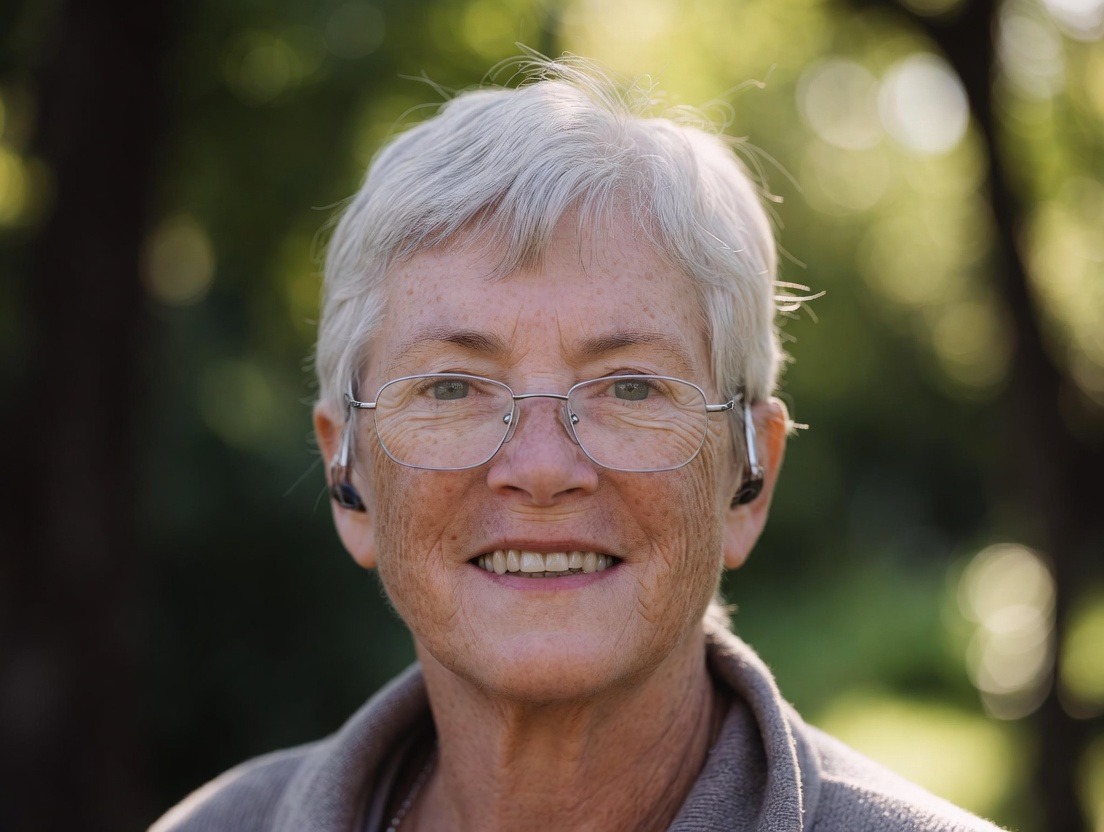
Midlife is not a decline; it's a recalibration. This period, particularly for women navigating perimenopause and menopause, involves some of the most significant hormonal shifts since adolescence. For men, testosterone levels gradually decrease. These changes directly impact body composition, energy, recovery, and injury risk. The old playbook often stops working. Trying to out-exercise a shifting metabolism or ignoring new recovery needs leads to frustration, injury, and a sense that your body is betraying you. The new goal is sustainable vitality—moving in ways that honor your changing biology to feel energized, strong, and agile for all of life’s roles.
The drop in estrogen (for women) and testosterone (for both sexes, but more sharply in men) has direct consequences:
The movement philosophy must become more nuanced and precise:
Midlife movement is about being a savvy, respectful steward of your body. It’s about working with your physiology, not against it, to build a sustainable, powerful version of health that can thrive for decades to come. For more insights on optimizing wellness during this transition, our blog offers a wealth of tailored resources.
This stage marks the transition into the "longevity zone." The primary goal of movement shifts decisively from aesthetics or peak performance to preserving function and independence. Every workout, walk, and stretch is an investment in your future quality of life. The focus is on maintaining the strength to get off the toilet unassisted, the balance to prevent a catastrophic fall, the cardiovascular health to play with grandchildren, and the mobility to travel and enjoy hobbies. This is movement as proactive healthcare.
Three areas require vigilant defense through movement:
The exercise prescription becomes highly functional and consistent:
In this stage, a smart ring like Oxyzen acts as a gentle guide and safety monitor. It can track activity to ensure you’re meeting movement goals, monitor sleep quality (critical for recovery and cognitive health), and even provide insights into daily heart rate patterns. Seeing concrete data can be motivating, proving that your efforts are paying off in measurable physiological ways. For those with questions about how such devices can support an active lifestyle at any age, our FAQ page provides clear answers. Furthermore, understanding your Deep Sleep Sweet Spot: Ideal Duration by Age helps ensure your recovery is aligned with your body's needs, maximizing the benefit of your movement.
Movement in our later years is a profound statement of resilience and a direct source of joy. The narrative that aging necessitates slowing to a stop is not just disempowering; it’s biologically incorrect. While capacities change, the body retains an incredible ability to adapt and strengthen at any age. The primary objectives here are to sustain independence, manage chronic conditions, preserve cognitive function, and, above all, to connect movement with pleasure and social engagement. This is about adding life to years.
Forget the gym if it doesn’t appeal to you. "Exercise" in this chapter can be:
The key is regular, joyful activity that gets the body moving against gravity and resistance, maintains heart health, and stimulates the brain and senses.
Safety and adaptation are paramount:
Emerging research powerfully links physical activity in older age to reduced risk of cognitive decline and dementia. Movement increases blood flow to the brain, stimulates the release of neuroprotective compounds, and can help maintain the size of the hippocampus, a brain area critical for memory. It’s exercise for the mind as much as the body.
In this chapter, the story of movement comes full circle, mirroring the play of childhood: it should be intrinsically rewarding, social, and explorative. It’s a celebration of what the body can still do, a grateful tending to its needs, and a powerful choice for vitality. For inspiration and to see how others have embraced technology to enhance their wellness journey at any age, you can read real user experiences in our testimonials.
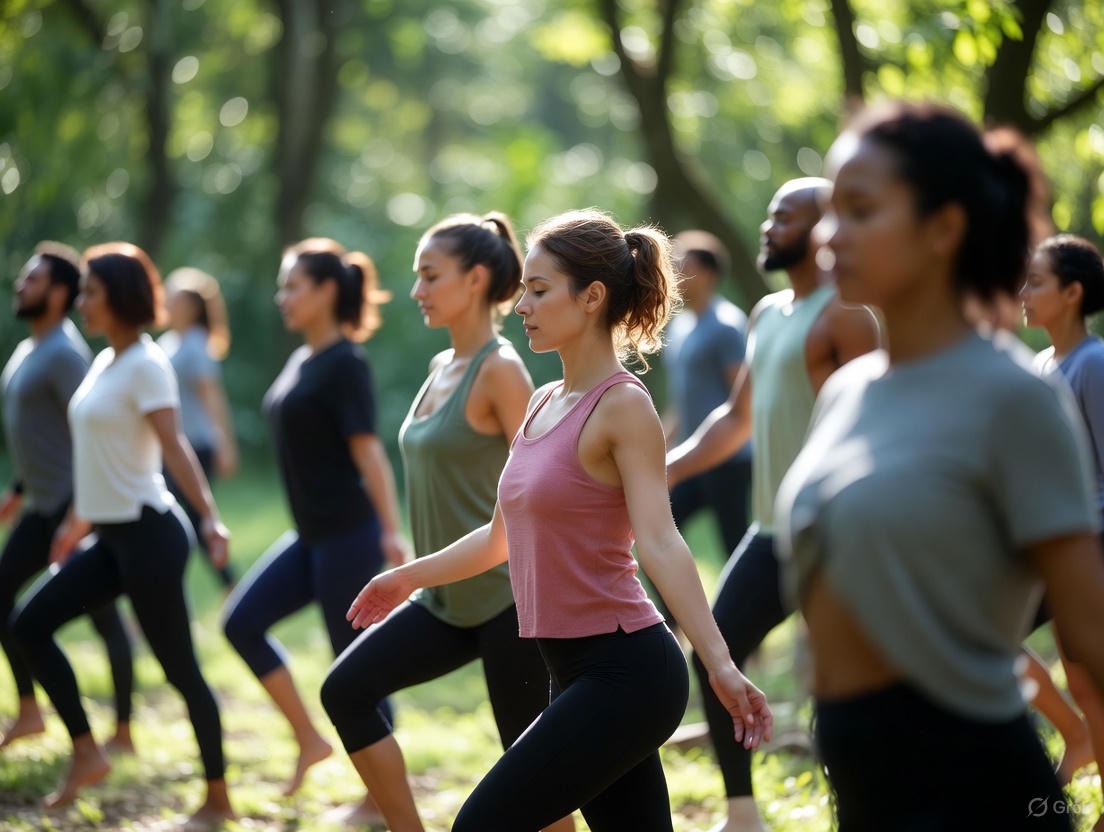
We have journeyed through the distinct movement needs of each decade, but there is a silent, non-negotiable partner that underpins success at every single stage: recovery, predominantly through sleep. You cannot discuss intelligent movement without discussing intelligent rest. They are two sides of the same coin. Exercise creates the stimulus for adaptation; sleep and recovery are when the adaptation—the muscle repair, memory consolidation, hormonal rebalancing, and neural restoration—actually occurs.
Ignoring sleep is like depositing checks into a bank account but never letting them clear. The work is done, but the benefit never materializes. For a comprehensive look at this critical relationship, especially the most restorative phase, our article on Deep Sleep and Memory: The Brain-Boosting Connection delves into the neuroscience.
This is where the synergy between movement philosophy and modern technology shines brightest. A device that tracks both activity and sleep provides a holistic feedback loop. You can see, in data:
This feedback allows you to dynamically adjust. Maybe you need a rest day, a focus on foods that promote deep sleep, or a change in your workout timing. It turns the guesswork of balancing activity and rest into an informed practice. Understanding the full picture is key, which is why we provide an honest look at the pros and cons in our article, Is Sleep Tracking Worth It? Honest Pros and Cons for 2025.
In our journey through stage-specific movement, one theme emerges: the need for personalized, responsive awareness. Our bodies communicate their needs, stresses, and recovery status through biomarkers we often miss. This is where a sophisticated, unobtrusive tool like a smart ring becomes not a gadget, but a personal biometric guide.
Modern wearable technology, like the Oxyzen ring, moves far beyond simple step counts. It provides a dashboard of the very metrics that define your capacity for and response to movement:
This technology provides the objective feedback to practice true body listening. It helps you align your movement choices not with an arbitrary calendar or outdated plan, but with the real-time state of your unique biology. To learn more about the vision behind creating such a personalized tool, you can read our story. It embodies the principle that wellness is not a static destination, but a personal, adaptive journey—one that your movement, and the tools you use to guide it, should reflect at every wonderful stage of life.
Understanding the theory of stage-specific movement is the first step. The transformative power, however, lies in the practical application—in building a flexible, personalized movement blueprint that evolves with you. This isn't about finding a new 12-week program; it's about developing a core philosophy and a toolkit of practices that you can adapt for the rest of your life. A blueprint is dynamic, allowing for seasons of intensity and seasons of restoration, for life's interruptions and its celebrations.
The foundation of this blueprint is Self-Awareness. Before you can prescribe the right movement, you must become a student of your own body. This means moving beyond the scale or the mirror and learning to interpret deeper signals: your energy levels throughout the day, your sleep quality, your motivation, your digestion, and your mood. It’s about connecting the dots between how you move, how you recover, and how you feel.
This is where your intention meets insight. For example, you might have the intention to strength train three times a week, but your body’s insight—perhaps from a biometric device showing chronically low HRV—might indicate you’re in a season of high life stress and need more restorative movement first. Your blueprint honors both the intention and the insight, creating a sustainable path. To get started with building awareness around a key pillar of recovery, explore our guide on Sleep Tracking 101: Everything Beginners Need to Know.
Let's build your blueprint from the ground up.
Your chronological age is the number of years you've lived. Your "Movement Age" is a holistic assessment of your body's functional capacity, resilience, and vitality. It's possible—and desirable—for your Movement Age to be significantly younger than your chronological age. This assessment is the starting point for any effective blueprint. It answers the question: "Given my life stage, what is my body actually capable of and what does it most need right now?"
Evaluate yourself honestly in these areas:
If you find significant gaps—for instance, you're 45 with the mobility of a 60-year-old or the balance of a teenager—these become the priorities in your blueprint, regardless of what a generic "45-year-old workout plan" might say.
Biometric devices provide unparalleled objectivity in this assessment. A smart ring like Oxyzen can establish baselines for:
Tracking these metrics for a few weeks gives you a data-rich picture of your starting Movement Age. You can see the direct impact of different activities on your sleep and readiness scores. For a deeper understanding of what those sleep numbers mean, refer to Sleep Tracking Accuracy: What Your Device Can and Can't Measure. This clarity removes guesswork and empowers focused, effective action.
Regardless of your life stage, a balanced, resilient body is built on four foundational pillars. Your blueprint will shift the emphasis, intensity, and modality of each pillar as you age, but neglecting any one of them creates a weak foundation. Think of them as non-negotiable categories in your movement portfolio.
This is the structural pillar. It encompasses resistance training, core work, and exercises that build the integrity of your joints and connective tissue.
This is the systemic pillar. It keeps your heart, lungs, and circulatory system healthy and regulates metabolism.
This is the freedom pillar. It ensures your body can move through its intended ranges of motion without pain or restriction.
This is the integration pillar. It involves exercises that challenge your coordination, balance, agility, and proprioception. It's training your brain and body to work together.
Your weekly movement blueprint should include elements from all four pillars. A 30-year-old's week might include 2 days of strength (Pillar 1), 2 days of HIIT (Pillar 2), daily mobility work (Pillar 3), and a weekend sport like basketball (Pillar 4). A 65-year-old's week might include 2 days of resistance band strength (P1), 3 days of brisk walking (P2), daily Tai Chi (P3 & P4), and specific balance drills (P4).
Athletes use "periodization"—the strategic cycling of training intensity and volume—to peak for competition. We can adopt this powerful concept for lifelong wellness, scaling it from weekly micro-cycles to decade-long macro-cycles. The principle is simple: you cannot and should not train at peak intensity year-round, or decade after decade. Your blueprint needs built-in waves of challenge and recovery.
Even within a stable life stage, your energy and stress fluctuate. Your movement should reflect this.
This is the grand application of periodization. Each decade, you deliberately shift the primary emphasis of your training to match your biological and lifestyle context.
This lifelong periodization prevents burnout, reduces injury risk, and keeps movement psychologically fresh and engaging. It’s the antithesis of the "forever workout." For a practical example of how to adjust a critical recovery component as you age, see our resource on Deep Sleep Optimization for Athletes: Recovery While You Rest, which contains principles applicable to active individuals at any age.
Movement does not exist in a vacuum. Its effects are amplified or diminished by the twin pillars of nutrition and sleep. Your movement blueprint is incomplete without considering this synergy. The right fuel and the right recovery turn activity from a stressor into a catalyst for adaptation.
Your movement blueprint should include notes on these synergies. For example: "In this 40s strength phase, I will prioritize consuming 30g of protein within an hour of my workout and protect a 7.5-hour sleep window to optimize muscle protein synthesis and recovery."
Knowing what to do is only half the battle. Each life stage comes with its own unique psychological and logistical barriers. A successful blueprint anticipates these and includes strategies to overcome them.
For Young Parents (Often 30s-40s):
For Midlife Professionals (40s-50s):
For Individuals in Later Life (60s+):
The Universal Mental Block: "All or Nothing" Thinking
We are social creatures, and our environment shapes our behavior. A personal movement blueprint is far more likely to succeed when it is supported by community and embedded in a conducive environment. These are the external scaffolds that hold your plan upright when internal motivation wavers.
Community provides accountability, shared joy, and a sense of belonging.

Your environment can either be a minefield of obstacles or a garden of cues that encourage movement.
Community and environment turn movement from a solitary discipline into a woven part of your social and physical world. For inspiration from others who have integrated wellness technology into their lives, browse our collection of real customer testimonials.
Life is not a linear path of perfect health. Your blueprint must be resilient enough to accommodate pregnancy, injury, chronic illness, and major life transitions. This flexibility is what makes it a true lifelong guide, not a temporary plan.
The key principle is adaptation, not abandonment. When life intervenes, you don't throw away your blueprint; you edit the current chapter. You reduce the intensity, change the modality, or shift the goal from physical transformation to emotional sustenance. Then, when the storm passes, you have a familiar structure to build back upon. This resilience is the ultimate goal of a stage-specific movement philosophy.
We have journeyed from the neurological wiring of childhood to the wisdom of movement in our later years, building a practical blueprint along the way. But what lies on the horizon for our understanding of movement and wellness? The future is not about more grueling workouts or extreme fitness cults. It points toward a deeply personalized, data-informed, and joy-centric paradigm where movement is seamlessly integrated into a holistic vision of health. This final section explores the cutting edge of movement science, the timeless role of play, and the ultimate integration of mind and body that defines true, lifelong wellness.
We are moving beyond the era of generic fitness trackers. The future lies in closed-loop biometric systems—technology that doesn't just collect data, but interprets it and provides actionable, personalized recommendations in real-time. This transforms your movement blueprint from a static plan into a dynamic, living document co-authored by you and your body's unique signals.
Imagine a system that integrates data from a smart ring (like Oxyzen), continuous glucose monitor, and even genetic or microbiome insights. This system could:
This is hyper-personalized periodization, not based on a calendar, but on your body's daily readiness. It respects the intricate connection between different body systems. For instance, understanding how your deep sleep impacts your body's recovery processes is a key data point such a system would use to modulate your training load. This level of personalization makes the stage-specific guidelines we've discussed even more precise, accounting for your unique genetics, lifestyle, and real-time physiological state.
Artificial intelligence will power these systems, learning your personal patterns over months and years. It could predict when you're likely to get sick based on subtle deviations in body temperature and resting heart rate, prompting preemptive rest. It could identify the exact type and duration of exercise that most improves your sleep, or which movements aggravate an old injury. This isn't science fiction; it's the logical endpoint of the wearable technology revolution, turning a device into a true wellness partner. To understand the foundation of this technology, you can explore how sleep trackers actually work.
In our focus on structure, pillars, and blueprints, we must not lose the most potent and often forgotten element of sustainable movement: play. Play is unstructured, intrinsically motivated, and joyful activity. It is the secret ingredient that prevents movement from becoming a rigid, joyless task. Crucially, play is not just for children; it is a psychological need and a wellness strategy for all ages.
Adult play isn't necessarily a game of tag (though it could be!). It's any movement activity done for the sheer pleasure of the experience itself, not for a calorie count or performance metric.
The benefits of play are profound:
Your movement blueprint should have a category for "Exploration & Play." Schedule it. It protects the spirit of movement from being extinguished by routine. This ethos of joyful exploration is at the heart of a sustainable wellness journey, a value you can learn more about in our story.
The highest expression of stage-specific movement is when physical activity transcends the purely physical and becomes a practice of moving meditation—a deep, embodied connection between mind and body. This is where movement fulfills its role not just in building muscle or stamina, but in cultivating presence, resilience, and inner peace.
This doesn't require sitting in silence. It can be applied to any movement form:
This mindful approach creates a positive feedback loop. As you become more attuned to your body through meditation in motion, you become better at interpreting the data from biometric devices, and that data, in turn, deepens your understanding of your body's responses. It closes the circle between high-tech insight and ancient wisdom.
Wellness is not just an individual pursuit; it's a cultural one that starts in the home. One of the most powerful things you can do at any life stage is to create a family culture of joyful, stage-appropriate movement. This isn't about forcing kids to exercise or dragging grandparents to the gym; it's about modeling and sharing the value of an active life in its many forms.
This legacy breaks the cycle of sedentary lifestyles and negative body relationships. It teaches that movement is:
By weaving movement into the fabric of family life, you contribute to a healthier future for generations to come. For families looking to understand and improve the foundational wellness of all members, resources like our blog on sleep tracking for beginners can be a great starting point for holistic health conversations.
We have traveled a long path, from debunking the myth of a static "fitness for life" to envisioning a future of deeply personalized, joyful movement. The core thesis remains: your body is a dynamic, ever-changing instrument, and the way you move with it should be an evolving dance—sometimes vigorous, sometimes gentle, always attentive.
This is not a prescription for perfection. It is an invitation to curiosity. It's about asking better questions: Not "How many calories did I burn?" but "How do I feel?" Not "Am I keeping up with others?" but "Is this serving my body's needs right now?" Not "What's the quickest fix?" but "What sustainable practices will support me for the next decade?"
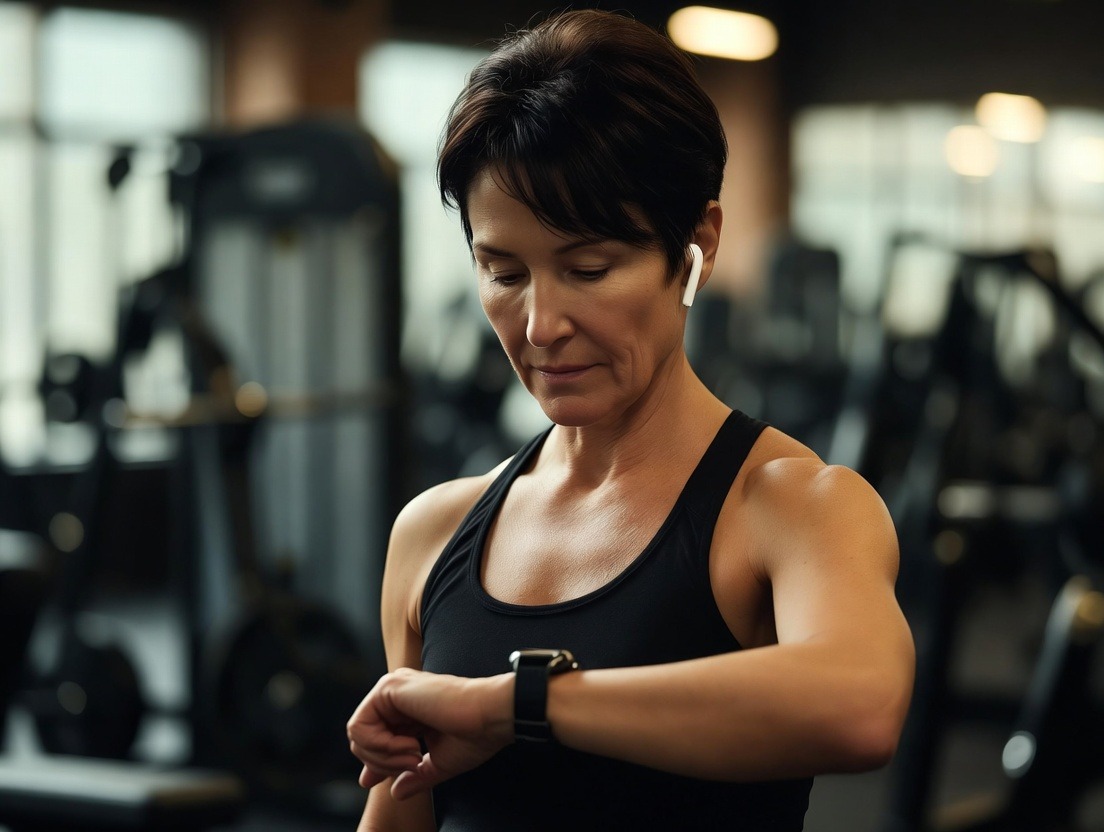
You now have a framework:
And you have potential allies in this journey. Whether it's the community you build, the professionals you consult, or the technology you choose to guide you, like the insights available from a device designed for holistic awareness (explore the possibilities at the Oxyzen shop), the support exists.
Your Trusted Sleep Advocate (Sleep Foundation — https://www.sleepfoundation.org/)
Discover a digital archive of scholarly articles (NIH — https://www.ncbi.nlm.nih.gov/
39 million citations for biomedical literature (PubMed — https://pubmed.ncbi.nlm.nih.gov/)
experts at Harvard Health Publishing covering a variety of health topics — https://www.health.harvard.edu/blog/)
Every life deserves world class care (Cleveland Clinic -
https://my.clevelandclinic.org/health)
Wearable technology and the future of predictive health monitoring. (MIT Technology Review — https://www.technologyreview.com/)
Dedicated to the well-being of all people and guided by science (World Health Organization — https://www.who.int/news-room/)
Psychological science and knowledge to benefit society and improve lives. (APA — https://www.apa.org/monitor/)
Cutting-edge insights on human longevity and peak performance
(Lifespan Research — https://www.lifespan.io/)
Global authority on exercise physiology, sports performance, and human recovery
(American College of Sports Medicine — https://www.acsm.org/)
Neuroscience-driven guidance for better focus, sleep, and mental clarity
(Stanford Human Performance Lab — https://humanperformance.stanford.edu/)
Evidence-based psychology and mind–body wellness resources
(Mayo Clinic — https://www.mayoclinic.org/healthy-lifestyle/)
Data-backed research on emotional wellbeing, stress biology, and resilience
(American Institute of Stress — https://www.stress.org/)


