How Health Tracking Technology Distinguishes Activity Types
Describes how devices differentiate between types of movement, like walking, running, and cycling.
How Health Tracking Technology Distinguishes Activity Types: The Invisible Intelligence Powering Your Wellness
We wake up, we move, we live. Our days are a complex tapestry of activities—from the purposeful stride of a morning run to the absent-minded fidgeting at a desk, from lifting grocery bags to lifting weights. For decades, health tracking technology saw this as a simple story of steps and heartbeats. A step was a step, a beat was a beat. But in the quest for true, actionable wellness insight, that simplistic narrative is no longer enough. The frontier of personal health technology has advanced to a far more nuanced question: What exactly are you doing?
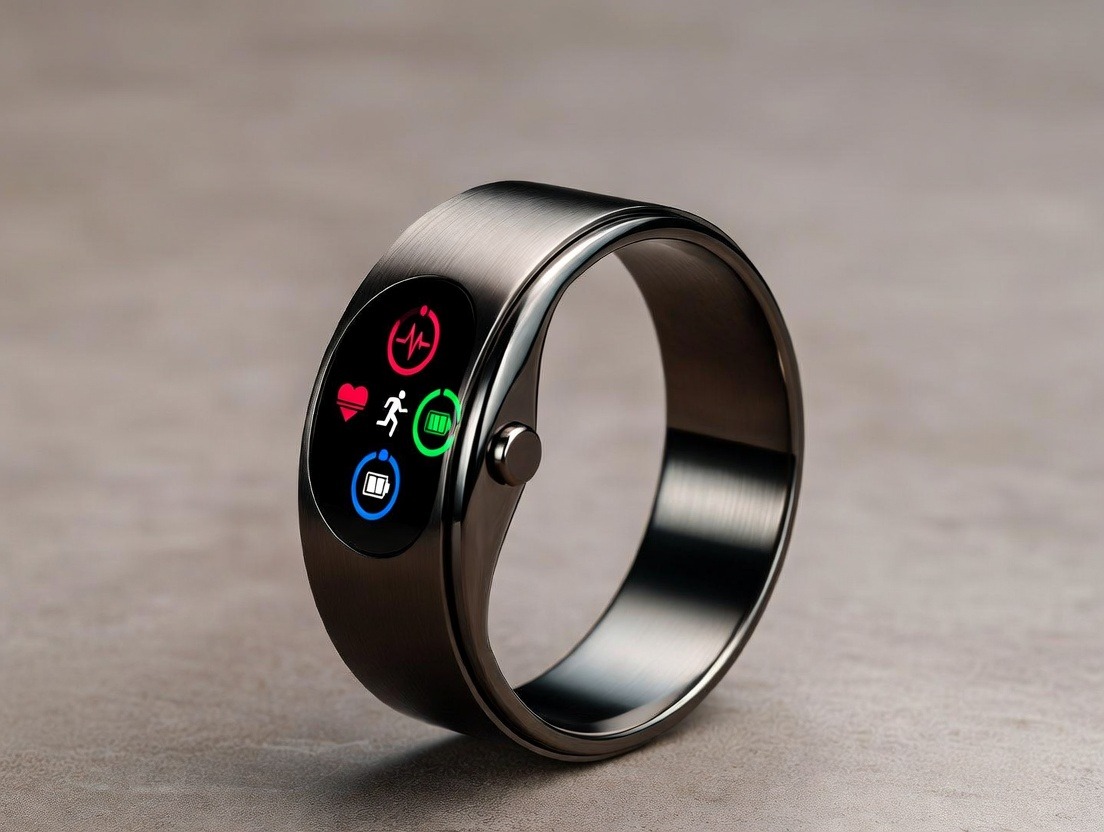
This is the silent revolution happening on your wrist, and now, elegantly, on your finger. Modern health tracking devices, particularly the latest generation of smart rings, are no longer mere pedometers or heart rate loggers. They are sophisticated activity detectives, employing a multi-sensory array of data and artificial intelligence to distinguish a swim from a cycle, a yoga session from a stretching routine, and even high-stress work from deep sleep. This capability—activity type identification—is the cornerstone of moving from generic data to personalized understanding. It transforms raw numbers about movement into a precise, contextualized log of your life’s physical signature.
But how does this digital discernment actually work? What sorcery allows a device to "know" you're taking a power walk versus chasing a bus? The answer lies in a fascinating confluence of inertial science, biometric profiling, and machine learning. By decoding the unique kinematic and physiological fingerprints of different activities, this technology provides a foundation for the most advanced pillar of modern wellness: restful living. True rest isn't just the absence of movement; it's a quality earned and informed by the specific types and intensities of activity that precede it. You cannot optimize recovery without first accurately quantifying exertion. This understanding is why the most holistic platforms, like Oxyzen, integrate deep activity intelligence with strategies for sustainable calm, showing how restful living improves relationships and mood through balanced exertion and recovery.
In this exploration, we will pull back the curtain on the sophisticated mechanisms that allow your wearable to become an expert witness to your day. We’ll journey from the basic physics of movement to the advanced algorithms that stitch it all together, revealing how distinguishing activity types is the critical first step in building a complete, intelligent, and truly useful picture of your health.
The Foundational Trio: Inertial Measurement Units (IMUs), Heart Rate, and the Rise of Photoplethysmography (PPG)
At the core of every modern activity tracker is a suite of sensors acting as its eyes and ears on your body. Understanding their individual roles is key to appreciating how they work in concert to identify what you’re doing.
The Inertial Measurement Unit (IMU): The Motion Cartographer The IMU is the primary detective of movement. It’s not a single sensor but a tiny package containing a triumvirate: an accelerometer, a gyroscope, and often a magnetometer.
Accelerometer: This measures linear acceleration—the rate of change of velocity along an axis. In simple terms, it feels the push and pull of your movements. It tells the device how fast you’re speeding up or slowing down, and crucially, it constantly feels the steady pull of Earth’s gravity. This allows it to know its orientation relative to the ground. The signature of a running stride—a rhythmic, forceful vertical oscillation combined with forward propulsion—creates a very specific, repetitive waveform in the accelerometer data that is distinct from the smoother, lateral sway of a walk.
Gyroscope: While the accelerometer measures linear movement, the gyroscope measures angular velocity—how quickly you are rotating around an axis. It detects the twist of your wrist during a tennis backhand, the roll of your arm during a freestyle swim stroke, or the subtle turning of your hand on a steering wheel while driving. This rotational data is crucial for distinguishing between activities that might have similar linear motions but different forms.
Magnetometer: This acts as a digital compass, measuring orientation relative to the Earth’s magnetic field. It helps in calibrating the gyroscope’s drift over time and can assist in mapping movement direction, though it is less critical for basic activity identification than the accelerometer and gyroscope.
Together, these sensors create a high-frequency, three-dimensional map of your movement in space. Every activity has a unique "motion signature" in this data stream.
Heart Rate Monitoring: The Metabolic Interpreter While the IMU describes the form of movement, the heart rate sensor describes its physiological cost. Heart rate (HR) data provides a real-time window into your cardiovascular system’s response to exertion.
Response Dynamics: Different activities elicit different HR responses. A steady-state run will typically push your heart rate into a sustained, elevated zone. High-Intensity Interval Training (HIIT) creates a characteristic "sawtooth" pattern of sharp peaks and troughs. A strength training session might show more sporadic spikes corresponding to sets, with lower heart rates during rest periods, while a stressful work meeting might cause an unexpected, stress-induced elevation without significant movement—a key differentiator.
Heart Rate Variability (HRV): Derived from the precise timing between heartbeats, HRV is a powerful indicator of autonomic nervous system balance. Its behavior during and after different activity types is a rich source of context. For instance, a restorative yoga session might show a different HRV pattern compared to a strength workout, even at a similar average heart rate.
Photoplethysmography (PPG): The Optical Lifeline This is the technology that enables continuous heart rate monitoring from a wearable. A PPG sensor shines green (and sometimes infrared or red) LED light into the skin and measures the amount of light reflected back. Since blood absorbs light, the tiny pulsatile changes in blood volume with each heartbeat cause subtle variations in the reflection, creating a waveform from which heart rate and HRV can be calculated.
The advancement of PPG technology, especially in the constrained form factor of a smart ring, is a marvel of modern engineering. A ring, positioned on a finger rich with capillaries, can often provide a stronger and more consistent PPG signal than a wrist-based device, which can suffer from "motion artifact" during exercise. This reliable biometric stream is the perfect partner to the IMU’s motion data. When your device sees the motion signature of a brisk walk and a corresponding rise in heart rate to, say, 110 BPM, its confidence in correctly labeling that activity skyrockets. This sensor fusion is where the magic begins.
Decoding the Motion Signature: How Algorithms "See" Your Activity
Raw sensor data is a chaotic, high-speed torrent of numbers. Translating this into a discrete label like "Running" or "Elliptical" is the job of sophisticated software algorithms. This process happens in multiple layers, often blending on-device processing with cloud-based machine learning.
Feature Extraction: Finding Patterns in the Noise The first step is to cut the continuous data stream into manageable windows, typically a few seconds long. For each window, the algorithm calculates a set of "features"—statistical and mathematical summaries that describe the nature of the motion.
Time-Domain Features: These are calculated directly from the sensor readings over time. Examples include the mean (average intensity), standard deviation (variability of movement), peak frequency (what’s the dominant rhythm?), and zero-crossing rate (how often does the signal change direction?).
Frequency-Domain Features: Using a mathematical tool called a Fast Fourier Transform (FFT), the algorithm converts the time-based signal into its frequency components. This reveals the "recipe" of rhythms that make up the movement. Cycling at 90 RPM, for example, will show a very strong frequency component at 1.5 Hz.
Signal Magnitude and Orientation: The algorithm calculates the vector magnitude of the accelerometer (the overall force of movement regardless of direction) and pays attention to the device’s orientation. Is it mostly horizontal (suggesting cycling or driving) or vertical (suggesting walking)?
The Classification Engine: From Signature to Label Once the feature vector for a time window is assembled, it is fed into a classification model. This is where machine learning truly shines.
Training the Model: During development, companies collect massive, labeled datasets. Thousands of participants wear research-grade sensors and perform a wide array of activities—running on treadmills at different inclines and speeds, using elliptical trainers, swimming laps, practicing yoga poses, typing, washing dishes. The sensor data from these sessions is painstakingly labeled with the ground truth of what the person was doing.
Learning the Patterns: Machine learning models (such as Random Forests, Support Vector Machines, or, more commonly now, Convolutional Neural Networks) "train" on this data. They learn, through millions of examples, which combinations of features correspond to which activities. They learn that a certain pattern of gyroscope rotation coupled with a specific frequency in the accelerometer and a lack of foot-impact shocks is a near-certain signature of cycling.
Probabilistic Output: The model rarely outputs a single, absolute label. Instead, it typically provides a set of probabilities: "This motion pattern is 85% likely to be Running, 10% likely to be Brisk Walking, and 5% likely to be other." This probabilistic approach allows for smarter logic downstream and helps manage ambiguous cases.
Contextual Smoothening: The "Common Sense" Layer An algorithm might misclassify a 10-second window of running as "fast walking." To prevent this from creating a jittery, inaccurate activity log, a post-processing layer applies contextual rules and smoothing.
Temporal Consistency: It uses logic like, "If the last 30 seconds were classified as running with high confidence, and the current 5-second window is ambiguous but similar, it's probably still running."
Transition Logic: It knows certain transitions are unlikely. You probably didn't go directly from "Deep Sleep" to "High-Intensity Interval Training" without a "Running" or "Warming Up" state in between.
User Confirmation and Adaptation: Many modern systems also incorporate user feedback. If you consistently correct an "Elliptical" label to "Stair Stepper," the system can adapt its future classifications for you personally, blending the general model with your individual movement patterns. This personalized learning is key to accurate tracking for unique activities or body mechanics.
One of the greatest challenges in activity recognition isn't classifying dedicated workouts—it's making sense of the messy, fragmented physicality of daily life. The line between "standing," "light activity," and "non-exercise activity thermogenesis" (NEAT) is blurry but metabolically significant. Advanced trackers are now delving into this granular realm.
Stationary vs. Sedentary: The Posture Detection Revolution A huge leap in meaningful tracking is the ability to distinguish between stationary but active and truly sedentary states. Sitting slouched at a desk, standing at a kitchen counter, and kneeling in the garden might all register as "zero steps," but their physiological impacts are different.
Postural Identification: Using the IMU’s orientation data (primarily the accelerometer’s relationship to gravity), algorithms can now reliably identify posture. They can differentiate sitting, standing, and lying down. This allows the device to prompt movement after prolonged sitting—a feature linked to better metabolic health.
The Fidget Factor: Even within a "sitting" classification, minute, subconscious movements (fidgeting) can be detected. While small, these movements contribute to NEAT and can be a marker of restlessness or focus. Distinguishing still sitting from fidgety sitting adds another layer of fidelity to your daily energy expenditure estimate.
The Domestic Detectives: Cleaning, Gardening, and Manual Tasks Activities like vacuuming, raking leaves, or washing a car present a unique challenge. They involve varied, often irregular, whole-body movements that don't fit a steady cardio or strength template. To identify these, algorithms look for specific hallmarks:
Repetitive, Upper-Body Dominant Motion: Vacuuming often involves a rhythmic pushing-pulling arm motion with a stable lower body stance.
Bending and Reaching Signatures: Gardening might be identified by sequences of bending down (a specific change in torso orientation) followed by a standing or kneeling posture.
Tool-Based Patterns: The use of tools like a rake or hammer creates distinctive, repetitive impact vibrations and motion arcs that can be learned.
Accurately logging these activities is vital because they represent a substantial portion of many people's real-world calorie burn and physical activity, moving us closer to a true 24/7 activity profile. Understanding this full spectrum of movement is the first step toward intentionally designing a life that balances exertion with deliberate recovery, a principle central to creating restful living at work and beyond.
Cardiovascular Exercise Recognition: Running, Cycling, Swimming & More
Dedicated cardio exercises are often the primary target for activity tracking, and for good reason. Their patterns are more rhythmic and distinct, making them somewhat easier to classify—but significant challenges and innovations remain, especially for wearables like rings.
Running & Walking: The Foundational Gaits This is the most mature area of activity recognition. Algorithms don't just count steps; they analyze the entire gait cycle.
Ground Contact Time & Vertical Oscillation: The pattern of the accelerometer signal during a run shows sharp impact peaks (heel strike), a mid-stance trough, and a propulsive push-off. The timing between these peaks (stride time) and the degree of upward movement (vertical oscillation) can distinguish an efficient run from a plodding one, and a run from a walk with high confidence. Walking has a double-peak pattern per step with less vertical force.
Pace & Cadence Estimation: By combining stride rate from the IMU with GPS data (if available on a paired phone) or through learned stride length models, the device can estimate pace and distance. A smart ring excels here by being on the finger; arm swing during running is a highly consistent pendulum, offering a clean signal for cadence.
Cycling: Conquering the Stationary Signal Cycling is tricky for wrist-worn devices because the wrist is relatively static on the handlebar. A smart ring on the finger, however, often moves more.
Lack of Impact: The first clue is the absence of foot-strike impacts in the accelerometer data.
Circular Rhythm: The gyroscope is key. It detects the subtle, regular supination and pronation (rolling) of the hand and forearm that occurs with each pedal stroke, especially during outdoor cycling where steering inputs are made. For indoor stationary cycling, the signal is more subtle but often involves tiny, rhythmic oscillations.
Heart Rate Correlation: A sustained, elevated heart rate with a rhythmic but non-impact motion signature is a strong indicator of cycling.
Swimming: The Ultimate Aqueous Challenge Water is a hostile environment for optical sensors and radio signals, making swimming a benchmark test for durable trackers.
Stroke Identification: The arm motion in different strokes (freestyle, breaststroke, backstroke, butterfly) creates highly distinctive gyroscopic and accelerometer patterns. A freestyle pull, for example, involves a large, rotating arm arc followed by a recovery phase. Algorithms can count strokes, identify stroke type, and even detect turn phases at the pool wall.
Signal Processing in Water: PPG doesn’t work underwater due to light scattering, so heart rate is often recorded post-swim. The focus is entirely on the IMU data, which must be processed to filter out the "noise" of water resistance and isolate the skeletal movement signals.
Distance and Efficiency: By knowing the stroke type and counting strokes per length (often combined with user-input pool length), the device can estimate distance and provide metrics like SWOLF (a measure of swimming efficiency).
Elliptical, Rowing, Stair Stepping: The Gym Equipment Puzzle These machines create constrained, repetitive motions that have unique signatures.
Elliptical: Mimics running but with no impact peaks and a more circular, continuous accelerometer pattern. The hands are often moving in opposition to the feet on moving handles.
Rowing: Provides one of the most comprehensive full-body signatures. A strong drive phase (accelerating pull) is followed by a distinct recovery phase (return). The accelerometer shows a powerful, periodic surge correlated with the drive.
Stair Stepper: Characterized by a consistent, up-down "bobbing" motion with a very regular frequency and minimal horizontal movement.
The accurate tracking of these dedicated efforts allows for precise measurement of training load, which is indispensable for structuring effective recovery. This is where intelligent tracking informs intelligent living, guiding you toward the dietary choices that support a restful living diet for nervous system calm after intense exertion.
This is arguably the final frontier for consumer-grade activity recognition. Strength training is inherently non-rhythmic, highly variable, and personalized. Yet, progress here is rapid and transformative.
The Rep Counting Challenge The fundamental unit of strength training is the repetition. Detecting a rep requires identifying the start and end of a distinct movement pattern against background noise.
Template Matching: For common exercises like bicep curls, squats, or bench presses, algorithms have learned "templates" of the ideal motion. They cross-correlate the live sensor data (especially from the arm or, for lower body, inferred from torso movement) with these templates to detect repetitions.
Peak Detection: In a simple bicep curl, the accelerometer on the wrist or finger will show a sharp change in direction at the top and bottom of the movement. By detecting these turning points, the device can count reps.
Concentric vs. Eccentric: More advanced analysis can even distinguish between the lifting (concentric) and lowering (eccentric) phases by analyzing the sequence of acceleration and the influence of gravity.
Exercise Identification: From Curls to Squats Going beyond rep counting to naming the exercise is exponentially harder. It requires the device to understand the spatial path of the limbs.
Multi-Limb Coordination: A shoulder press involves a different arm path relative to the torso than a lateral raise. A squat involves a characteristic bending and straightening of the knees and hips, which can be inferred from the motion of the torso (if the device is worn on the upper body) or from specific patterns if worn on the ankle or finger (which moves in space during a squat).
The Role of Wearable Placement: This is where device form factor matters immensely. A single wrist device struggles to accurately identify leg-dominant exercises. A smart ring has a similar limitation. The future lies in sensor fusion across multiple body-worn devices or using the primary device (like a ring) in conjunction with the sensors in a smartphone placed nearby (e.g., on the floor during a workout) to create a fuller picture.
Measuring "Intensity" Beyond Heart Rate In cardio, heart rate is a direct proxy for intensity. In strength training, it’s less reliable. The burn from a heavy, slow set of five squats is different from a light, fast set of twenty, even if the average heart rate is similar.
Movement Velocity: Emerging research and high-end devices are beginning to estimate bar speed or movement velocity via the accelerometer. Faster movement with sub-maximal weight indicates lower relative intensity; slower movement suggests you’re closer to muscular failure.
Time Under Tension: By detecting the start and end of each rep, the device can calculate total time under tension for a set, a key metric for hypertrophy training.
Volume Load Estimation: The holy grail is estimating total volume (sets x reps x weight). Some systems attempt this by having you log the weight manually, which the device then combines with its automated rep and set count. Truly automated weight detection remains a significant challenge.
Mind-Body Modalities: Tracking Yoga, Pilates, Tai Chi, and Stretching
The world of mindful movement presents a unique paradox for trackers: these are activities where internal awareness is prized, and external metrics can seem antithetical. Yet, the ability to track them marks a significant evolution in holistic health understanding, recognizing that not all beneficial movement is about elevating heart rate.
The Signature of Slow, Controlled Movement Unlike ballistic exercises, mind-body practices are characterized by sustained postures, slow transitions, and focused breath.
Static Posture Recognition: A significant portion of a yoga session involves holding asanas (poses). The IMU is excellent at identifying static orientations. By analyzing the angles of the limb wearing the device relative to gravity, an algorithm can make educated guesses: "The forearm is vertical and the upper arm is horizontal—this is likely a 'Warrior II' arm position."
Transition Fluidity: The smooth, deliberate flow between poses (e.g., in a Vinyasa flow) creates a signature pattern of angular velocity. It lacks the jerky, high-acceleration spikes of weightlifting but has more continuous motion than simple stretching.
Breath Synchronization: This is the most advanced frontier. Some research-grade devices and algorithms attempt to correlate the subtle, rhythmic expansion of the chest or the micro-movements of the torso with the inhalations and exhalations characteristic of practices like Tai Chi or Pranayama. This ties directly into the core of restful living, where controlled breathing is a cornerstone. For techniques to integrate this into daily life, exploring how breathwork supports restful living offers a practical guide.
Distinguishing Between Disciplines While similar, different practices have subtle kinematic differences.
Yoga vs. Pilates: A classical mat Pilates session might involve more small, isolated, and repetitive movements (like "hundreds") with the spine in neutral, while a yoga session might involve more large, static poses and spinal flexion/extension.
Stretching: Often identified by a period of minimal movement followed by a slow, sustained change in limb angle (a deep stretch), then a return to minimal movement.
The Value of Recognition: Compliance and Mindfulness Why track this? For many, the benefit is in habit formation and acknowledgment. Seeing a "Yoga - 30 min" log validates the time spent on restorative practice. It integrates these crucial, nervous-system-downregulating activities into the overall activity picture, preventing an overemphasis on high-intensity metrics alone. It reinforces the principle that restful living is active, not passive.
The Sleep-Wake Continuum: From Light Dozing to Deep and REM Sleep
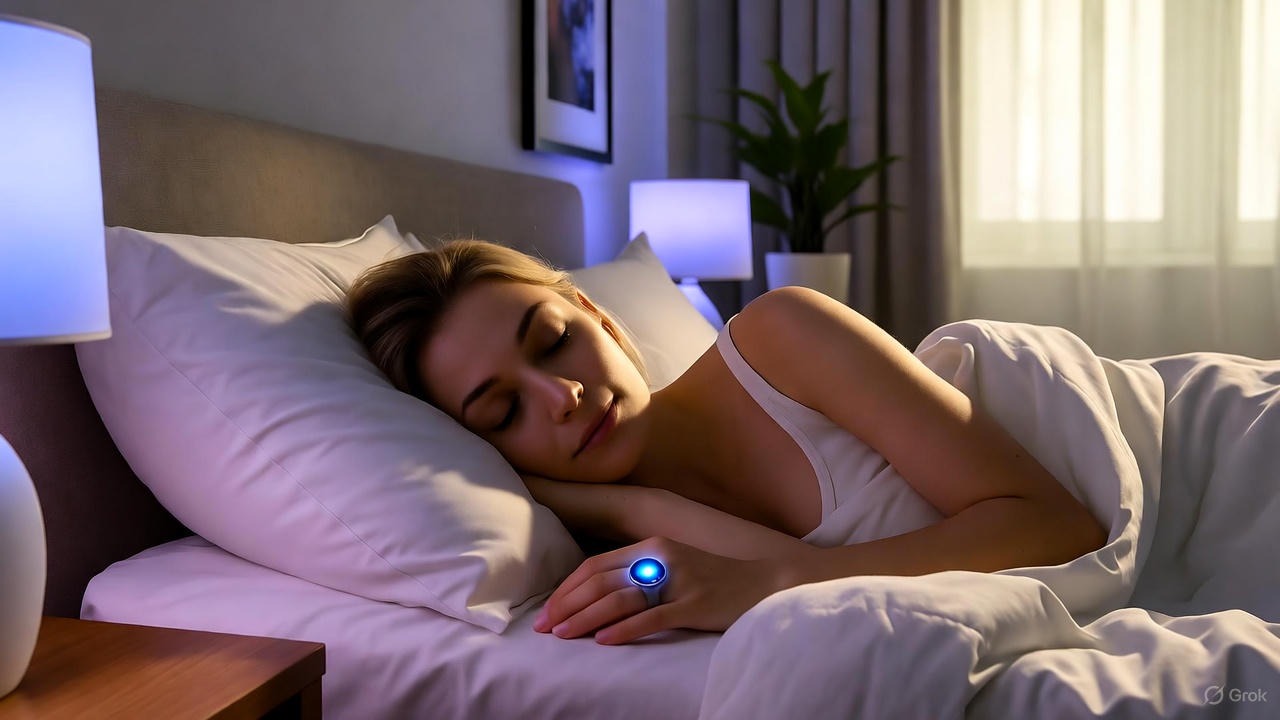
Activity type recognition doesn't stop when you close your eyes. In fact, sleep stage classification is one of the most sophisticated applications of the sensor fusion technology in wearables. It’s a perfect demonstration of using proxies (movement and heart rate) to infer a complex physiological state.
The Polysomnography (PSG) Gold Standard In a sleep lab, stages are determined by measuring brain waves (EEG), eye movements (EOG), and muscle tone (EMG). Wearables have none of these direct sensors. Instead, they use a combination of:
Actigraphy (Movement): Long used in clinical sleep research, actigraphy uses the accelerometer to detect gross body movement. Periods of very low movement suggest sleep. Frequent movement suggests wakefulness or light sleep.
Heart Rate & HRV: This is the game-changer. The autonomic nervous system modulates heart rate differently across sleep stages.
Deep Sleep (N3): Characterized by a very steady, slow heart rate and high HRV (indicating strong parasympathetic "rest and digest" dominance).
REM Sleep: Shows a more variable, often elevated heart rate (similar to awake levels) and lower HRV, but with an almost complete absence of body movement (muscle atonia).
Light Sleep (N1 & N2): A transitional state with heart rate and movement levels between wakefulness and deep sleep.
The Algorithmic Night Watch Sleep algorithms take these data streams and run them through models trained on thousands of nights of PSG-validated data from people wearing both lab equipment and a wearable.
Sleep/Wake Detection: First, they determine the overall sleep period—when you likely fell asleep and woke up. This uses a combination of movement, light exposure (if available), and heart rate dip.
Sleep Stage Classification: For each 30-second or 1-minute epoch within the sleep period, the algorithm analyzes the movement and heart/HRV patterns of that epoch and the surrounding ones. It asks: "Given the recent context, does this pattern of low movement, low heart rate, and high HRV most closely match the 'Deep Sleep' template my model learned?"
Accuracy and Limitations Consumer wearables are surprisingly good at distinguishing wake, light, deep, and REM sleep in a relative, trend-based sense. They are not medical-grade PSG devices and can make errors, especially in individuals with unusual sleep patterns or cardiac rhythms. However, their true power lies in longitudinal tracking. Seeing how your deep sleep percentage changes after a day of intense activity versus a day of restful living through digital detox provides profound personal insight. They answer the critical question: "Is my body truly recovering from the activities I'm tracking?"
If dedicated exercise is the overture of your daily movement, then NEAT is the constant, subtle background music. It encompasses all the energy expended for everything that is not sleeping, eating, or sports-like exercise. This includes walking to your car, typing, gardening, and even fidgeting. Tracking it accurately is monumentally difficult but essential for a complete metabolic picture.
The Inactivity Spectrum Modern trackers are moving beyond a binary "active/inactive" model to a spectrum of inactivity.
Truly Sedentary: Lying down or sitting completely still (e.g., watching TV, focused desk work).
Stationary but Active: Standing still, standing with weight shifts, or sitting with significant fidgeting.
Low-Intensity Ambulation: Walking slowly around the house or office.
Micro-Movement Detection Detecting NEAT requires extreme sensitivity to minor movements that are often filtered out as "noise" in exercise tracking.
The Fidget Signature: Small, irregular, and non-rhythmic twitches, leg bounces, or hand movements create a distinct, low-amplitude "buzz" in the high-frequency component of the accelerometer data.
Postural Shifts: The algorithm notes transitions from sitting to standing, or from standing on two feet to standing on one. Each of these burns more calories than remaining static.
The Metabolic Impact of NEAT Why does this granularity matter? Research shows that individuals with high NEAT can burn hundreds of extra calories per day without ever "exercising." Furthermore, breaking up prolonged sedentary bouts with even minute activity (standing up, walking for one minute) has outsized benefits for glucose metabolism and vascular health. By attempting to quantify NEAT, a device provides a more realistic estimate of your total daily energy expenditure (TDEE) and can offer smarter, more contextual prompts to move—not just for "60 minutes of exercise" but for "2 minutes of walking after 50 minutes of sitting." This aligns perfectly with the philosophy of integrating restful moments into the fabric of a busy day, a strategy explored in depth for those with demanding schedules in restful living for high achievers.
The Role of Machine Learning & Personalized Adaptive Algorithms
The static, one-size-fits-all algorithm is becoming obsolete. The future—and present, in leading devices—is adaptive, personalized intelligence. This is where activity recognition transforms from a generic tool into a personal coach.
Supervised vs. Unsupervised Learning
Supervised Learning: This is how initial models are built, as described earlier, using labeled data ("this is running").
Unsupervised Learning: This is where the device starts to learn about you without explicit labels. It might cluster your movement patterns and notice that you have a unique, recurring pattern every Tuesday evening that doesn't match any of its standard templates. It could then prompt you: "You seem to be doing a regular activity. Would you like to label this as 'Martial Arts Practice'?" This user confirmation then becomes a new labeled data point for your personal model.
Continuous Calibration Your personal biomechanics are unique. Your walking stride length, your arm swing during running, your typical cycling cadence—all these differ from the population averages in the baseline model.
GPS-Calibrated Stride Length: When you go for a walk or run with your phone (which provides accurate distance via GPS), the device learns how many of your steps it takes to cover a known distance. It then uses this personalized stride length to estimate distance more accurately when GPS is unavailable.
Heart Rate Zone Refinement: Over time, the system learns your actual maximum heart rate and resting heart rate trends, refining its estimation of your exercise intensity zones for different activities.
Contextual Awareness: The Final Layer The most advanced systems don't just look at your body; they consider your environment and habits.
Location & Routine: If your device (via connected smartphone) knows you're at a gym, the probability of an activity being a "Strength Workout" or "Treadmill Run" increases versus if you're at a park (where "Outdoor Run" is more likely).
Temporal Patterns: It learns that you typically run on weekday mornings and do yoga on Sunday evenings. This prior probability helps it classify activities faster and more accurately.
Biometric Fusion for State Detection: Ultimately, it's not just about naming the activity. It's about understanding your state. By fusing activity type with heart rate, HRV, skin temperature, and movement data, the system can begin to infer states like "Productive Work," "Stressed Work," "Relaxed Leisure," or "Active Recovery." This holistic state detection is the ultimate goal, providing a framework for balancing all aspects of life, much like a weekly restful living plan provides structure for sustainability.
Challenges, Limitations, and the Path to Greater Accuracy
For all its sophistication, activity recognition technology is not infallible. Understanding its limitations is crucial for interpreting its data wisely and managing expectations.
The "Black Box" Problem & Over-Fitting Machine learning models can be incredibly accurate, but it's sometimes difficult to understand why they made a particular classification. Furthermore, models trained on a specific demographic (e.g., young, athletic adults) may not generalize well to elderly populations or individuals with different gait patterns, leading to errors—a problem known as over-fitting to the training data.
Sensor Placement and Form Factor Biases The location of the sensor fundamentally dictates what it can see.
Wrist vs. Finger vs. Torso: A wrist-worn device will be excellent at detecting arm-centric exercises (bicep curls) but poor at identifying pure lower-body exercises (quad extensions) or accurately counting steps while pushing a shopping cart (where the arms are relatively still). A smart ring shares similar challenges with lower-body identification but can offer a cleaner signal for heart rate and certain hand-based motions.
The "Pocket Problem" and Device Removal: No wearable can track accurately if it's not worn. Data is lost during charging, swimming (for most), or when simply forgotten.
Ambiguous and Novel Activities The system struggles with activities that are either inherently ambiguous or completely novel to its training set.
Playing with Children: This might mix running, crawling, lifting, and squatting in an unpredictable sequence, potentially being logged as a series of short, separate activities or misclassified as "Other."
New Fitness Trends: A brand new type of exercise class won't be in the model's library until the company collects data and updates its algorithms.
The Future: Multi-Device Fusion and New Sensors The path forward involves overcoming these limitations through:
Sensor Fusion Across Devices: Combining data from a smart ring, smart clothing, and earphones could provide a full-body kinematic map, enabling flawless activity and exercise identification.
Novel Sensing Modalities: The integration of electromyography (EMG) to detect muscle activation, or more advanced bioimpedance sensors, could directly measure muscular effort and fluid shifts, providing ground truth for resistance training intensity.
On-Device AI: As processors in wearables become more powerful, more complex AI models can run directly on the device, making classification faster and more private, without needing to send data to the cloud.
This relentless pursuit of accuracy isn't about pedantry; it's about building a trustworthy foundation. When you can trust your device to correctly distinguish a stressful, sedentary workday from an active, joyful one, you gain the clarity needed to make intentional changes. It empowers you to protect your energy by understanding what depletes it and what restores it, a concept central to establishing restful living boundaries.
From Data to Insight: How Activity Intelligence Fuels Personalized Health
The journey from raw sensor data to a labeled activity log is a feat of modern engineering, but it is only the beginning. The true value of distinguishing activity types lies in what this intelligence enables: a profound transformation of disconnected data points into a cohesive, personalized, and actionable health narrative. This is where tracking transcends logging and becomes coaching, where a device evolves from a historian of your movements into an architect of your well-being.
Metabolic Calorie Expenditure: The Move from Estimates to Accurate Energy Budgets
For decades, wearable devices have provided calorie burn estimates, often viewed with healthy skepticism. The primary source of inaccuracy has been the failure to correctly identify what a user is doing. Generic formulas based solely on heart rate or steps are inherently flawed. Activity-specific algorithms are revolutionizing this metric, turning a rough guess into a reliable energy budget.
The Flaws of the One-Size-Fits-All Formula A traditional device might use a simple equation: Calories = (Average Heart Rate × Time × Age & Weight Factor). This fails spectacularly in many scenarios:
Strength Training: Heart rate may be moderately elevated, but the metabolic cost of repairing muscle micro-tears (Excess Post-exercise Oxygen Consumption, or EPOC) can keep calorie burn elevated for hours, an effect the simple formula misses.
High-Intensity Interval Training (HIIT): While average heart rate might be similar to a steady-state run, the anaerobic bursts and recovery periods create a different metabolic stimulus and a much higher EPOC.
Mind-Body Practices: Yoga or Tai Chi might show only a mild heart rate increase but can involve significant isometric muscle engagement and neurological activation not captured by cardio-centric models.
Activity-Specific Metabolic Equations: The Precision Tool By first correctly identifying the activity, the device can apply a metabolic model tailored to that specific type of work.
Running/Walking: Uses well-established equations based on speed, grade, and body mass that are far more accurate than heart rate alone.
Cycling: Applies models based on estimated power output (derived from movement cadence and, if available, heart rate as a proxy for effort).
Strength Training: This is the frontier. Advanced systems now attempt to model calorie burn based on estimated work volume (reps × sets × inferred load), time under tension, and muscle groups engaged, combined with a personalized EPOC model.
The Power of an Accurate Energy Budget Why does this matter? For anyone managing weight, body composition, or athletic performance, an accurate daily Total Daily Energy Expenditure (TDEE) is paramount.
Nutritional Planning: Knowing you truly burned 400 calories in a strength session versus 250 allows for precise nutritional refueling.
Weight Management: It removes the guesswork and frustration from calorie counting, creating a trustworthy energy-in/energy-out equation.
Holistic Health View: It integrates all movement—NEAT, exercise, and rest—into a single, credible metabolic picture. This empowers you to see how non-exercise activities, like a day of gardening after adopting a minimalist approach to living, contribute tangibly to your energy flow, reinforcing the value of all movement.
Training Load & Recovery Metrics: Quantifying Strain for Optimal Adaptation
In athletic training, the fundamental principle is stress + rest = adaptation. Too little stress, no progress. Too much stress without adequate rest leads to injury, burnout, or overtraining. The critical missing piece for most people has been an objective, quantitative measure of "stress." Activity type recognition provides this by enabling the calculation of Training Load.
What is Training Load? Training Load is a composite metric that quantifies the physiological stress imposed by a workout. It moves beyond duration and average heart rate to consider the intensity and type of strain.
External Load: This is the work performed—distance run, weight lifted, reps completed. The device captures this via activity type and associated metrics (pace, reps, etc.).
Internal Load: This is your body's physiological response to that work—primarily measured through heart rate and heart rate variability.
The Role of Activity Type in Load Calculation Different activities stress different systems. A running-focused metric would be useless for evaluating a heavy lifting day. Modern composite scores like EPOC-based load (used by Firstbeat and others) or Training Stress Score (TSS) rely on first knowing the activity.
Cardiovascular Load: For running, cycling, swimming, the load is calculated based on time spent in various heart rate zones relative to your maximum, often weighted for the specific sport.
Neuromuscular Load: For strength training, load is estimated from volume, time under tension, and the eccentric component. A set of heavy squats imposes a different neuromuscular load than a set of bicep curls, even with the same heart rate.
Metabolic Load: HIIT workouts generate high metabolic load due to glycolytic stress, which is modeled separately from steady-state aerobic load.
Recovery Metrics: The Other Side of the Coin Training load is meaningless without context. That context is provided by recovery metrics, which tell you how well you are adapting to the load.
Acute vs. Chronic Load: The Acute Training Load (stress over the last 7 days) is compared to your Chronic Training Load (your 42-day rolling average). This ratio indicates if you are in a safe, progressive, or risky training zone.
Recovery Status & Readiness: By analyzing your nighttime HRV, resting heart rate, sleep quality, and recent training load, devices generate a "Recovery" or "Readiness" score. This score answers: "Given the specific types of strain I've put on my body recently, and how my body is responding, am I ready for more strain today?"
Activity-Specific Recovery Advice: The most advanced systems don't just say "recover." They might suggest: "Your neuromuscular load is high, consider light cardio or mobility today," or "Your cardiovascular system is recovered, but sleep was poor, prioritize low-intensity activity."
This sophisticated dance between strain and recovery is the essence of sustainable performance. It provides a scientific framework for the intuitive practice of restful living through the seasons, adapting your exertion and recovery to your body's changing needs and the external environment.
Heart Rate Zone Training & VO2 Max Estimation: The Cardio-Specific Insights
For cardiovascular health and endurance performance, two metrics reign supreme: Heart Rate Zones and VO2 Max. Both are pillars of effective training, and both rely fundamentally on the device's ability to correctly identify and analyze cardio-specific activities.
The Critical Foundation: Correct Activity Identification for HR Zones Heart rate zones are percentages of your maximum heart rate (HRmax) or heart rate reserve (HRR). Training in different zones yields different adaptations (e.g., Zone 2 for aerobic base building, Zone 4 for anaerobic threshold). The accuracy of this entire system depends on the device knowing when you are performing a cardiovascular activity that validly stresses the heart and lungs.
Excluding Non-Cardio Elevations: If you're doing heavy squats, your heart rate might spike into Zone 4, but this is primarily a pressor response (increased blood pressure), not a valid cardiovascular training stimulus for zone-based running adaptation. The device must distinguish this strength set from a running interval to avoid polluting your cardio zone analysis.
Sport-Specific Max Heart Rates: Your HRmax can vary by sport (it's often lower in swimming due to the horizontal position and cooling effect of water). Activity identification allows the device to build sport-specific heart rate profiles for more accurate zone analysis.
VO2 Max: The Gold Standard of Aerobic Fitness VO2 Max measures the maximum volume of oxygen your body can utilize during intense exercise (mL/kg/min). It's a powerful predictor of health and longevity. Lab testing requires a mask and treadmill. Wearables estimate it with remarkable accuracy by analyzing the relationship between pace (or power) and heart rate during steady-state cardio activities.
The Algorithm's Requirement: The VO2 Max estimation algorithm only activates when it detects a suitable activity—typically a sustained run or cycle of at least 10-15 minutes on level ground. It analyzes how much your heart rate rises for a given increase in speed. A fitter person's heart rate will rise more slowly.
Activity-Specific Estimates: You may have a running VO2 Max and a cycling VO2 Max. The device maintains separate estimates because the muscle recruitment and efficiency differ. Correct activity identification is what triggers the correct calculation.
Trending for Progress: By consistently tracking your VO2 Max estimate from runs or rides, you get an objective measure of whether your training is improving your aerobic engine.
This precise cardio profiling enables highly efficient training. You can focus your limited time on the right intensity, knowing your device is interpreting your effort in the correct context. This efficiency creates mental space and physical capacity, reducing the feeling of being perpetually "on" and supporting the principles of digital detox for enhanced restful living.
Stress and Recovery Analysis: Connecting Physical Output to Nervous System State
Perhaps the most profound application of activity intelligence is in the realm of stress. The line between physical stress (eustress) and psychological stress (distress) is blurred in the body—both activate the sympathetic nervous system. The key to health is balance. Modern wearables use activity context to help untangle this web.
The Physiological Bridge: HRV as the Rosetta Stone Heart Rate Variability (HRV) is the minute variation in time between heartbeats. High HRV indicates a resilient, adaptable autonomic nervous system with strong parasympathetic (rest-and-digest) tone. Low HRV suggests sympathetic (fight-or-flight) dominance.
The Interpretation Challenge: A low HRV reading is ambiguous. It could mean you are physically exhausted from yesterday's marathon, mentally stressed from a work deadline, or coming down with an illness.
Activity Context is the Decoder: By layering your recent activity load on top of your HRV data, the device can make an educated inference.
Low HRV + High Recent Training Load = Likely physical fatigue. Recommendation: Prioritize rest, nutrition, sleep.
Low HRV + Low Recent Training Load = Likely non-physical stress (work, emotional, immune). Recommendation: Focus on stress-management techniques, gentle movement, calming foods for your nervous system.
High HRV + Moderate Training Load = Ideal state of readiness and adaptation.
Activity-Based Stress Detection The devices are now looking for stress signatures during activities that aren't traditionally "stressful."
The "Stressed Work" Signature: You might be physically sedentary at your desk, but your heart rate is elevated 10-15 BPM above your resting baseline, and your HRV is suppressed. The device, knowing you are "stationary" and not in a "workout," can interpret this as psychological stress. It might later prompt you with a breathing exercise.
Post-Exercise Stress vs. Recovery: After a workout, your body is in a sympathetic state. How quickly your HRV recovers to baseline is a measure of your fitness and recovery capacity. Without knowing you just finished a workout, a dip in HRV would be misinterpreted.
The Complete Stress-Recovery Cycle This creates a powerful feedback loop:
Activity Recognition: "User completed a 60-minute high-intensity cycling class."
Load Calculation: "This imposed a high cardiovascular and metabolic load."
Nervous System Monitoring: "Post-workout, HRV is very low (expected). 12 hours later, HRV is recovering but still below baseline."
Personalized Insight: "Your body is still recovering from yesterday's intense ride. Consider a walk instead of a run today to aid recovery without adding significant new strain."
This holistic view acknowledges that stress is cumulative and multidimensional. It validates that a hectic workday can be as draining as a hard workout, and that both require intentional recovery. This is the cornerstone of a sustainable lifestyle, especially for those who need to maintain calm while traveling or navigating high-pressure environments.
With a reliable log of what you do and how it affects you, the wearable can step into the role of an AI-powered personal trainer. This moves the platform from passive tracking to active guidance.
From Generic Plans to Dynamic Programming Most fitness apps offer static plans: "Run 3 miles, 4 times a week." An activity-intelligent system can create a dynamic plan that adapts daily.
Readiness-Based Workouts: Your daily readiness score determines your workout prescription. A high score might unlock a high-intensity interval session. A low score might change your planned run to a recommended walk or yoga session.
Auto-Regulation of Intensity: During a workout, the device can guide you in real time. "Your heart rate is in Zone 3, but today's target is Zone 2 for aerobic base. Please slow your pace."
Smart Goal Setting and Habit Formation Goals like "get more active" are vague and hard to sustain. Activity intelligence enables smart, adaptive goals.
Activity-Specific Goals: "Complete two strength training sessions this week." The device knows what constitutes strength training for you and tracks progress.
NEAT Goals: "Accumulate 60 minutes of non-exercise activity today." This encourages all-day movement, not just a single workout block.
Recovery Goals: "Achieve a sleep score of 85+ on nights after strength training." This ties behavior directly to outcome.
Form Feedback and Injury Prevention For specific activities, the device can offer rudimentary form cues.
Running Dynamics: A wrist- or ring-based device can estimate ground contact time and vertical oscillation. Consistently high vertical oscillation ("bouncing" too much) is inefficient and increases injury risk. The device can alert you to this trend.
Balance and Stability: By detecting asymmetries in movement (e.g., one arm swings less during running), it can suggest unilateral exercises to address imbalances.
Overtraining Alerts: By monitoring the relationship between training load and recovery metrics, the system can provide early warnings of potential overreaching, suggesting a deload week before you break down.
This level of personalization turns the device into a true partner in your health journey. It understands your patterns, respects your state, and guides you toward sustainable progress, embodying the philosophy of performance through strategic rest, a key tenet of restful living for high achievers.
The Smart Ring Advantage: Why Form Factor is a Feature for Activity Intelligence
The rise of the smart ring as a premier health tracking device is not merely an aesthetic choice. Its unique form factor—worn on the finger—confers specific advantages and some challenges for activity type recognition, making it a fascinating case study in sensor placement.
The Signal Strength Superpower: Finger-Based PPG The primary advantage is physiological. The finger, particularly the base near the palm, is rich with capillary beds and has less connective tissue between the skin and blood vessels than the wrist.
Superior PPG Signal: This results in a stronger, cleaner photoplethysmogram (PPG) waveform. For heart rate and, crucially, Heart Rate Variability (HRV) measurement, this is a significant benefit. More accurate HRV means more accurate recovery, stress, and sleep stage data—all of which depend on clean heart rate-derived metrics.
Reduced Motion Artifact: During many activities (like typing or walking), the finger moves less erratically than the wrist. This can lead to fewer "gaps" in heart rate data during daily life, though intense hand movement can still cause issues.
The Kinematic Profile of a Finger: Unique Motion Signatures The way a finger moves through space is different from a wrist. This changes the "motion signature" that algorithms must interpret.
Walking & Running: The arm swing pendulum is still captured, but the ring's motion is a smaller arc. However, the signal can be very clean and rhythmic, excellent for detecting cadence and gait regularity.
Cycling: The ring's position on the handlebar may detect subtle rotational forces from steering and the micro-movements of the hand and finger tendons during grip and pedal strokes, potentially offering a distinct and identifiable pattern.
Strength Training: This is a mixed bag. For any exercise involving a grip (deadlifts, rows, kettlebell swings), the ring is in direct contact with the source of force and will experience tremendous, distinctive accelerations—perfect for rep counting and exercise identification for those moves. For lower-body or non-gripping exercises, its utility diminishes.
Typing & Fine Motor Skills: The ring is uniquely positioned to detect keyboard typing, which has a very fast, bilateral, low-amplitude signature. This could be used to quantify productive work periods or even estimate cognitive load based on typing dynamics.
The Challenges: A Single-Point Perspective The ring's greatest limitation is also due to its form: it is a single point of measurement on a peripheral limb.
Lower-Body Activity Blindness: Pure lower-body exercises like leg extensions, squats (without weights in hand), or elliptical use (without moving handles) may be nearly invisible to the ring, as the fingers remain relatively stationary.
Whole-Body Ambiguity: Activities like swimming (where the hand moves in large arcs) will be detected well, but distinguishing between strokes might rely more on the specific finger/hand kinematics than whole-arm movement.
The Future: The Ring as a Hub The smart ring's future in activity intelligence likely lies not in trying to do everything alone, but in acting as the primary, always-on biometric hub. It can provide gold-standard heart rate, HRV, and sleep data 24/7. For complex activity profiling, it can fuse its data with:
Paired Smartphone Sensors: Using the phone's IMU in a pocket or armband during workouts to get torso or leg motion.
Other Wearables: Syncing with a smart scale for body composition, or even dedicated clothing for specific sports. This hub-and-spoke model leverages the ring's comfort and biometric strength while overcoming its kinematic limitations.
The smart ring, therefore, symbolizes a shift in priority: from capturing every possible movement with moderate biometric fidelity, to capturing the most critical biometric states (rest, recovery, stress) with high fidelity, using activity data as essential context. This aligns with a holistic view of health where understanding your body's internal state is as important as logging its output, a concept deeply intertwined with the pursuit of the connection between restful living and longevity.
Data Privacy, Security, and Ethical Considerations of Deep Activity Profiling
As health trackers grow more intimate in their knowledge of us—distinguishing not just that we exercised, but how we exercised, how we slept, and how stressed we are—the questions of data ownership, privacy, and ethical use become paramount. The depth of insight is a double-edged sword.
The Sensitivity of a Digital Phenotype The data collected creates a digital phenotype—a high-resolution, behavioral, and physiological map of you. This can reveal information far beyond fitness:
Routine and Lifestyle: Your activity log shows when you wake, work, exercise, and sleep. Gaps can indicate travel, illness, or changes in habit.
Mental State Inferences: Correlations between sedentary periods, elevated resting heart rate, and poor sleep could be used to infer periods of anxiety or depression.
Socioeconomic Clues: The types of activities you do (e.g., golf vs. swimming in a public pool) and the times you do them could imply certain lifestyle factors.
Who Owns and Controls This Data? This is the central question. In most cases, you own your raw data, but you grant the company a broad license to use it when you accept the Terms of Service.
Primary Use: To provide you with services (your dashboard, insights).
Secondary Use (Aggregated & Anonymized): For product improvement and research. When data is truly aggregated (e.g., "40% of our users swim"), the privacy risk is low.
Secondary Use (Individual): For personalized advertising, partnerships with insurers, or employers. This is where ethical lines are often crossed. Could your activity data one day affect your health insurance premiums?
Security Imperatives: Protecting Your Biological Fingerprint A health data breach is arguably more damaging than a credit card breach. Your biological data cannot be changed.
Encryption: Data should be encrypted both in transit (to/from the cloud) and at rest (on servers). Leading companies use bank-level encryption.
On-Device Processing: The strongest privacy model is to process as much data as possible directly on the wearable or your phone, never sending raw sensor streams to the cloud. Only anonymized insights or encrypted summaries are uploaded.
Transparency and Control: Users should have clear, granular controls over what data is collected, how it is used, and who it is shared with. They should be able to download and delete their data entirely.
Ethical Design: Avoiding Manipulation and Dependency The goal of this technology should be empowerment, not addiction or anxiety.
Avoiding Gamification Anxiety: While goals and streaks can motivate, they can also create unhealthy compulsions. Ethical design should encourage rest and balance, not just constant activity.
Algorithmic Bias: If training data for activity algorithms comes primarily from young, able-bodied, male populations, the models will be less accurate for others. Companies must invest in diverse datasets.
The "Quantified Self" vs. "Qualified Life": The ultimate ethical consideration is to ensure the technology serves to enhance lived experience, not replace intuition. It should answer "How do you feel?" with data, not override the answer. It should support, not undermine, the human need for unobserved, digitally detached rest.
Navigating this landscape requires informed consumers and responsible companies. The promise of personalized health is too great to forfeit, but it must be built on a foundation of trust and user sovereignty.
Integration with Broader Health Ecosystems: The Connected Wellness Picture
An activity tracker in isolation is powerful, but its true potential is unlocked when it becomes a node in a broader network of health data. This integration is where activity type intelligence becomes part of a diagnostic-grade wellness picture.
The Healthcare Trinity: Wearables, EHRs, and Provider Platforms The future of preventive medicine lies in connecting consumer-grade data with clinical systems.
Electronic Health Records (EHR): Imagine your doctor, with your permission, seeing a 90-day trend of your activity types, sleep, and resting heart rate before your annual physical. A trend of declining step count, increased sedentary time, and rising night-time heart rate could be an early indicator of subclinical issues long before lab tests change.
Remote Patient Monitoring (RPM): For patients with chronic conditions like heart failure, COPD, or diabetes, continuous activity and heart data can be lifesaving. A device that notices a patient has transitioned from "regular walks" to "mostly sedentary" and has a corresponding weight increase (from a connected smart scale) could alert a care team to potential fluid retention before an emergency hospitalization.
The Wellness Ecosystem: Apps, Devices, and Smart Homes On the consumer side, activity data becomes the engine for a seamless, responsive wellness environment.
Nutrition Apps: Apps like MyFitnessPal can adjust your daily calorie budget in real-time based on the type of activity you perform, not just generic "exercise" calories.
Smart Home Integration: Your wearable could signal your smart thermostat to lower the temperature as it detects you entering deep sleep, or your lights to gradually brighten during a light sleep phase in the morning.
Fitness Equipment Sync: Your smart bike or treadmill can automatically import your personalized heart rate zones from your wearable, creating a perfectly tailored workout.
The Central Role of Activity Type in This Integration For all these connections to be meaningful, the data must be contextualized. A stream of "heart rate: 150" is ambiguous. A data packet that says "Activity: Running, Heart Rate: 150 (Zone 4), Duration: 5 min interval" is rich, actionable information.
For a Nutrition App: It knows this was high-intensity work, suggesting a need for carbohydrate replenishment.
For a Physical Therapist: They can see if a patient is adhering to prescribed exercise types (e.g., low-impact walking vs. high-impact running) during rehab.
For a Mental Wellness App: It can correlate periods of high stress (from HRV) with activity logs to see if certain activities (e.g., a nature walk) are more effective at reducing stress markers than others.
This interconnected future positions the wearable not as a gadget, but as a personal health platform. It feeds intelligently categorized data into every aspect of your managed well-being, helping you design a life that is not just active, but holistically balanced. It provides the empirical backbone for a lifestyle philosophy that values intentional rest as much as intentional exertion, a balance essential for improving relationships and mood through calm.
The Future of Activity Recognition: Predictive Analytics, Closed-Loop Systems, and Invisible Intelligence
We are on the cusp of the next evolution, where activity recognition shifts from being descriptive and diagnostic to being predictive and prescriptive. The goal is to create a "closed-loop" system that doesn't just report on your health, but automatically acts to optimize it.
Predictive Health Analytics By combining long-term activity type data with biometrics, machine learning models can start to predict future states.
Illness Prediction: Subtle changes in activity patterns (less NEAT, more sedentary time), combined with a elevated resting heart rate and decreased HRV, can signal the onset of illness like a cold or flu 24-48 hours before symptoms appear.
Injury Risk Forecasting: Asymmetries in running gait or consistent overreaching in training load can feed models that predict your risk for common overuse injuries like plantar fasciitis or runner's knee, prompting pre-habilitation exercises.
Mental Well-being Trends: Predicting periods of higher stress or lower mood based on activity, sleep, and social interaction patterns (inferred from location and phone use), suggesting proactive interventions.
Closed-Loop Systems: The Device as an Automatic Regulator This is the concept of the device not just suggesting an action, but triggering one.
Dynamic Pacing: Your smartwatch could control the speed of your linked treadmill, automatically slowing it down if your heart rate goes above a target zone for that day's recovery-focused run.
Nutritional Integration: A system could communicate with a smart kitchen appliance. After a device-detected heavy strength session, your smart refrigerator or supplement dispenser could highlight protein-rich foods or prepare a recovery shake.
Autonomous Environmental Control: As mentioned, syncing with smart home devices to optimize your environment for recovery based on your detected state.
Invisible Intelligence: The Fading Interface The ultimate goal is for the technology to recede into the background.
Zero-Interaction Logging: Activity, sleep, and health monitoring happen seamlessly without any need to start/stop workouts or press buttons. The device simply knows.
Context-Aware, Proactive Notifications: Instead of a stream of generic alerts, you receive few, but highly relevant, insights. "You've been sitting for 90 minutes during a high-stress work period. A 5-minute walk now would lower your stress biomarkers." This requires deep activity and state intelligence.
Embodied Interaction: The device itself may become less of a screen and more of a subtle haptic interface—a gentle pulse to guide breathing, a different vibration pattern to suggest a change in pace.
In this future, the technology's greatest success will be its invisibility. It will empower us to live more in tune with our bodies by providing a quiet, intelligent layer of feedback that supports our innate intuition. It will help us structure our lives not around the technology's demands, but around the natural rhythms of exertion and recovery, ultimately serving the highest goal of all: a longer, healthier, more vibrant life in line with the principles of sustainable, restful living.



%402x.svg)