


How Health Tracking Technology Enables Remote Patient Monitoring
Explores the use of wearable technology by healthcare providers to monitor patients outside clinical settings.
Explores the use of wearable technology by healthcare providers to monitor patients outside clinical settings.
%402x.svg)
For decades, the gold standard of healthcare was episodic: a patient, feeling unwell, would travel to a clinic, describe their symptoms in a brief window of time, and receive a diagnosis and treatment plan based on that single snapshot. This reactive model, while foundational, is riddown with blind spots. It misses the subtle, continuous narrative of the human body—the nocturnal heart rate variability of a recovering cardiac patient, the gradual weight gain signaling worsening congestive heart failure, or the sleep pattern disintegration preceding a mental health crisis.
Today, a silent revolution is reshaping this paradigm. It’s not happening solely in sprawling hospital complexes but on the wrists, fingers, and smartphones of millions. Health tracking technology, once the domain of fitness enthusiasts counting steps, has evolved into a sophisticated, data-rich ecosystem capable of enabling true Remote Patient Monitoring (RPM). This convergence is transforming chronic disease management, post-operative recovery, and preventative care, shifting medicine from reactive to proactive and continuous. By weaving a digital thread of biometric data between patient and provider, it creates a living, breathing picture of health that empowers individuals and unlocks unprecedented clinical insight. This article explores the profound journey from consumer wearables to clinical-grade tools, delving into the technologies making it possible, the real-world impacts, and the future of a healthcare system no longer confined by walls.

The story begins not in a medical lab, but in the consumer marketplace. The first wave of health trackers were simple pedometers, celebrating movement and basic activity goals. They were motivational tools, built on the premise that awareness inspires change. However, the underlying technology—accelerometers, optical heart rate sensors, and Bluetooth connectivity—was a seed that would grow into something far more significant.
The pivotal shift occurred when the focus expanded from fitness to health. Manufacturers began integrating sensors capable of capturing more nuanced physiological data. Photoplethysmography (PPG) sensors, the tiny green lights on the back of a smartwatch or smart ring, evolved to not just measure heart rate, but to estimate blood oxygen saturation (SpO2), a critical vital sign. Accelerometers and gyroscopes became sophisticated enough to differentiate between types of movement, detect falls, and analyze sleep stages with remarkable accuracy. Temperature sensors were added, first for environmental data, then for tracking subtle changes in wrist or body temperature—a potential early indicator of infection or metabolic shift.
This technological arms race was driven by consumer demand for deeper insights, but it simultaneously created a data stream of immense potential clinical value. Researchers and forward-thinking clinicians took notice. Studies began to explore whether Apple Watch’s ECG app could reliably detect atrial fibrillation (AFib). Data from Garmin and Fitbit devices was analyzed for correlations between resting heart rate trends and illness. The Oura Ring and similar form factors demonstrated the power of continuous, unobtrusive nocturnal data collection for sleep and recovery analysis.
The bridge from consumer to clinical was built on three pillars: validation, integration, and intention. For a metric to be clinically useful, it must be validated against gold-standard medical equipment. This led to partnerships between tech companies and academic medical institutions. Secondly, raw data is noise; it must be integrated into a clinician’s workflow through secure, HIPAA-compliant platforms that present actionable insights, not just graphs. Finally, the intention of use changed. A device used for general wellness is deployed differently than one “prescribed” to a patient with hypertension for RPM. This evolution has birthed a new category: prescribable digital health tools. These are FDA-cleared or CE-marked devices, often resembling their consumer cousins, but designed and approved for specific medical use cases, such as continuous temperature monitoring for oncology patients or remote ECG patches for arrhythmia detection.
This journey from counting steps to managing heart failure underscores a fundamental truth: the human body is a continuous data generator. We are now finally building the tools to listen to that data stream, in context, over time. This forms the bedrock of modern remote patient monitoring.
At the heart of RPM lies the continuous, passive capture of core biometrics. These are the modern, expanded vital signs, moving beyond the traditional quartet of temperature, pulse, respiration, and blood pressure into a multidimensional health portrait.
Continuous Cardiovascular Monitoring: RPM transforms a sporadic pulse check into a 24/7 narrative of heart function. Heart rate (HR) and heart rate variability (HRV) are cornerstone metrics. While average resting HR is informative, it is HRV—the subtle variation in time between each heartbeat—that is a profound window into autonomic nervous system balance. High HRV generally indicates resilience and recovery, while depressed HRV can signal stress, overtraining, or the onset of illness. For cardiac patients, continuous tracking can flag concerning tachycardias or bradycardias. Paired with ECG functionality, devices can provide single-lead rhythm strips to a clinician, enabling the remote detection of arrhythmias like AFib, potentially preventing strokes.
Nocturnal Intelligence: Sleep is not a passive state but a critical, active physiological process. RPM leverages sleep as a diagnostic window. By analyzing sleep duration, consistency, stages (light, deep, REM), and disturbances, providers gain insight into conditions far beyond insomnia. Poor, fragmented sleep is tightly linked to glycemic control in diabetics, hypertension management, and immune function. A sudden deterioration in sleep efficiency for a patient with depression can be an early warning of relapse. The unobtrusive nature of a smart ring or wearable is perfect for this, as it avoids the cumbersome wires of traditional polysomnography, allowing for assessment in the patient’s natural environment for nights or even weeks.
Metabolic and Activity Signatures: Movement data has graduated from step counts to metabolic equivalents (METs) and active calorie expenditure. For patients in pulmonary or cardiac rehabilitation, ensuring they are active within a safe, prescribed zone is crucial. Inactivity alerts for elderly or post-surgical patients can help prevent deconditioning and complications like blood clots. Furthermore, trends in activity levels can be a subtle indicator of declining mental or physical health—a person with heart failure may unconsciously reduce activity as their condition worsens.
Advanced Metrics: The frontier is expanding to include continuous physiological data once only available in a clinic. Continuous Temperature Monitoring can detect the febrile response to infection or inflammation hours before a patient feels feverish, a critical tool for immunocompromised individuals. Pulse Oximetry (SpO2) tracking, especially overnight, can help manage conditions like COPD or sleep apnea. Respiratory Rate, often overlooked, is a sensitive marker for clinical deterioration; an rising trend can signal pulmonary edema or sepsis long before other symptoms appear.
This rich tapestry of data, woven together, creates a digital phenotype—a unique, dynamic pattern of health for each individual. The power is not in any single data point, but in the trends and deviations from baseline that signal a need for intervention. It turns subjective patient reporting (“I feel more tired”) into objective, quantifiable evidence (“Your nightly SpO2 has dropped 2%, and your resting heart rate has increased by 12 bpm over the past five days”). This objective foundation is what enables the next critical phase: actionable clinical insight.
Collecting terabytes of biometric data is meaningless without a coherent system to transform it into clinical action. The RPM workflow is a sophisticated, closed-loop process that connects patient, data, and caregiver. It’s the operational engine that makes remote monitoring effective and sustainable.
Step 1: Deployment & Onboarding: The process begins when a clinician “prescribes” an RPM program for a qualified patient—perhaps someone newly diagnosed with hypertension, discharged after a heart attack, or managing Type 2 diabetes. The patient receives their device (a Bluetooth blood pressure cuff, a smart scale, a wearable) and is onboarded via app or brief training. Critically, this step sets expectations: what data is being collected, why it matters, and how it will be used. Successful adoption hinges on simplicity and clear patient education.
Step 2: Continuous, Passive & Active Data Collection: Data flows in via two streams. Passive data is collected automatically by wearables (heart rate, sleep, activity). Active data requires patient engagement, such as stepping on a smart scale daily, taking a weekly blood pressure reading, or logging symptoms or medication adherence in an app. The blend is key; passive data provides context and continuity, while active data offers specific, patient-reported outcomes.
Step 3: Data Aggregation & Algorithmic Triage: This is where the magic happens. Raw data from devices streams into a secure, cloud-based RPM platform. Advanced algorithms clean the data, establish individual baselines, and apply clinical rules. These rules are programmed by healthcare providers: “Alert if systolic BP > 160 for two consecutive readings,” or “Flag if nightly resting heart rate increases by 20% from baseline,” or “Notify care team if patient weight increases by 2 lbs in 24 hours.” This automated triage is essential; it sifts through the noise to surface meaningful signals, preventing clinician alert fatigue.
Step 4: Clinical Dashboard & Intervention: The care team accesses a centralized, dashboard view of all their RPM patients. Instead of reviewing endless waveforms, they see exception reports, trend graphs, and risk scores. A nurse care manager can quickly see that “Patient A” has a yellow alert for trending hypertension, while “Patient B” is green and stable. This allows for risk-stratified care management. The clinician can then intervene appropriately: sending a secure message through the platform, scheduling a telehealth check-in, adjusting medication, or, in urgent cases, calling the patient directly to advise an ER visit.
Step 5: Patient Engagement & Feedback Loop: The patient’s app is the final, crucial piece. It’s not just a data sink; it’s an engagement engine. Patients can see their own trends, receive educational content, complete surveys, and communicate with their care team. This transparency and connection foster adherence and self-efficacy. Seeing a graph of their improving blood pressure control is a powerful motivator, turning abstract health goals into tangible, visual progress.
This seamless workflow transforms episodic care into a continuous partnership. It moves the point of care from the clinic to the patient’s life, catching issues early and empowering preventative action. For the patient, it provides peace of mind and connection; for the provider, it delivers situational awareness that was previously impossible. The efficiency gains are monumental, allowing a single nurse to manage dozens or even hundreds of high-risk patients proactively, a concept we will explore in depth next.
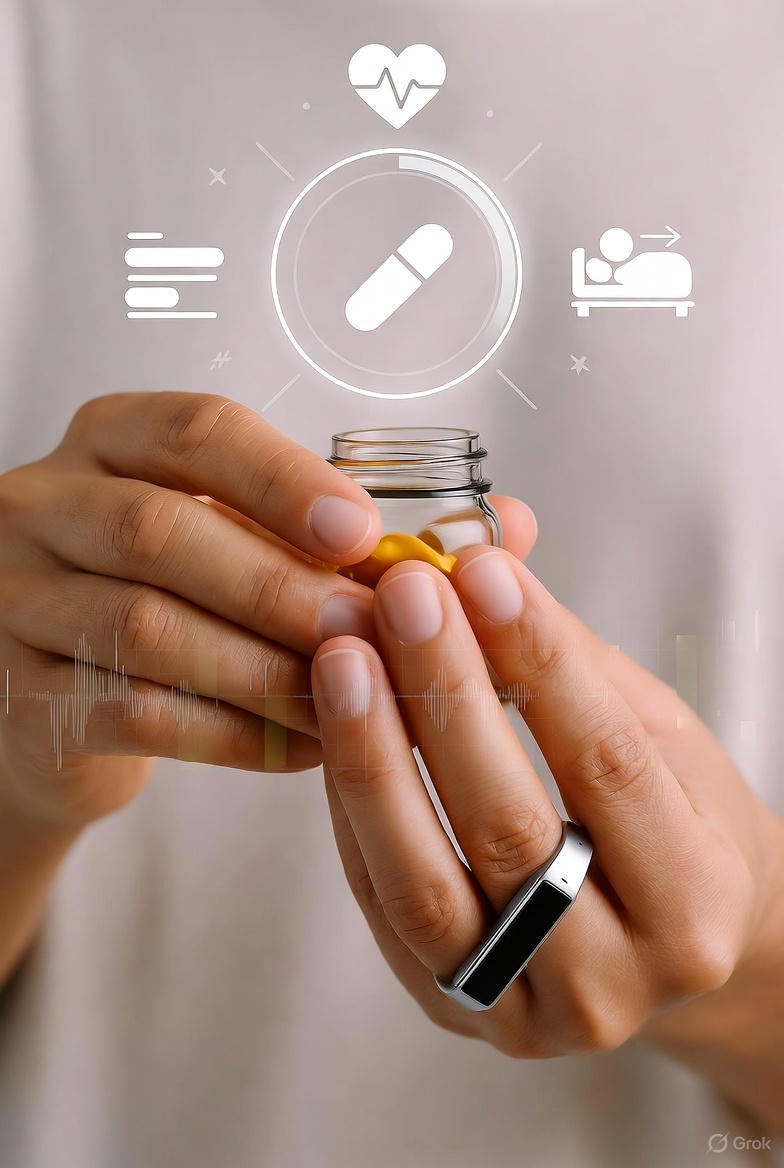
The most immediate and profound impact of RPM is on the management of chronic conditions, which account for the vast majority of healthcare spending and human suffering worldwide. Diseases like hypertension, diabetes, congestive heart failure (CHF), and chronic obstructive pulmonary disease (COPD) are not episodic; they are relentless, 24/7 conditions. Traditional care models, with quarterly 15-minute check-ups, are fundamentally mismatched to this reality. RPM re-engineers the relationship between patient, disease, and caregiver.
Hypertension: The Silent Killer, Silently Monitored. High blood pressure is notoriously asymptomatic until it causes damage. RPM enables true titration-to-target management. Patients use connected blood pressure cuffs at home, with readings automatically transmitted. The care team can monitor adherence (are they taking readings?) and control (are the readings in range?). If readings are elevated, medication adjustments can be made via telehealth in days, not months. Studies consistently show RPM leads to significantly greater reductions in systolic and diastolic blood pressure compared to usual care, directly reducing stroke and heart attack risk.
Congestive Heart Failure: Preventing Readmissions. CHF is the leading cause of hospital readmission. Fluid buildup is the primary culprit, and it manifests as weight gain. Here, RPM is brilliantly simple yet effective. Patients use a connected smart scale every morning. The platform is programmed with a strict clinical rule: an alert is triggered if the patient gains more than 2-3 pounds in 24 hours or a specific amount over a week. This early warning allows a nurse to intervene immediately, often by instructing the patient to take an extra diuretic (“water pill”), thereby averting a full-blown, costly, and traumatic hospitalization. The data is irrefutable: RPM programs for CHF dramatically reduce 30-day readmission rates.
Diabetes: Beyond the Glucose Log. While continuous glucose monitors (CGMs) are themselves a form of RPM, integrating CGM data with other biometrics creates a holistic picture. How does sleep quality affect next-day glucose variability? Does a period of stress (indicated by elevated resting HR and low HRV) lead to insulin resistance? RPM platforms can combine CGM data, passive data from a wearable, and patient food logs to provide personalized insights. For Type 2 diabetics, trends in activity and weight are equally critical. This integrated view supports more nuanced, lifestyle-based management alongside medication.
COPD & Asthma: Monitoring Respiratory Status. For patients with lung disease, early detection of exacerbations is key. RPM devices that track resting respiratory rate, SpO2, and cough frequency (via microphone or accelerometer algorithms) can detect deterioration. A gradual increase in respiratory rate or a dip in nocturnal oxygen saturation can signal the need for a steroid or antibiotic intervention before the patient is in acute distress.
The common thread across all these applications is predictive intervention. RPM shifts the model from “treating the crisis” to “preventing the crisis.” It replaces anxiety and uncertainty with data and connection. Patients feel supported and watched over, not abandoned between visits. This model not only improves clinical outcomes but also enhances the patient’s quality of life and sense of agency over their own health. It aligns perfectly with a philosophy of restful living through the seasons, where managing a chronic condition becomes a sustainable, integrated part of life, not a constant source of disruption and fear.
The journey home after a hospital stay or major surgery is often fraught with anxiety for both patient and provider. It’s a vulnerable transition from intensive, monitored care to relative independence. Complications like infections, blood clots, or poorly managed pain frequently arise during this period, leading to distressing and costly readmissions. RPM is revolutionizing this post-acute care phase, creating a virtual safety net that extends the hospital’s reach into the living room.
Virtual Hospital-at-Home Programs: The most advanced application is the full “hospital-at-home” model. Instead of occupying an inpatient bed, qualifying patients with conditions like pneumonia, cellulitis, or COPD exacerbation are sent home with a comprehensive RPM kit. This may include a wearable for vital signs, a Bluetooth blood pressure cuff, a pulse oximeter, a thermometer, and a tablet for daily video check-ins with a remote care team. Clinical staff monitor the data stream in a virtual command center, able to respond to alerts in real time. Studies show this model improves patient satisfaction (who prefers to recover in their own bed?), reduces infection risk, and lowers costs, all while achieving equal or better clinical outcomes.
Surgical Follow-Up: Beyond the Stitch Check. For patients recovering from joint replacements, cardiac surgery, or cancer resections, RPM provides objective recovery benchmarks. A patient with a new knee replacement can be monitored for pain levels (via digital surveys), mobility (via step count and activity patterns from a wearable), and signs of infection (via continuous temperature monitoring). A deviation from the expected recovery trajectory—such as a sudden drop in activity coupled with a fever spike—triggers an immediate clinical review. This allows for early intervention for wound issues or blood clots, potentially preventing a catastrophic setback.
Pain Management and Medication Adherence: Post-operative pain management is a delicate balance. RPM platforms can integrate patient-reported pain scores with activity and sleep data. If a patient reports high pain but is also showing unusually high activity, it may indicate under-medication or risky behavior. Conversely, if pain is low but sleep is severely fragmented, it might suggest an underlying issue like sleep apnea exacerbated by opioids. Furthermore, smart pill bottles or simple app prompts can track medication adherence, ensuring patients take their antibiotics or anticoagulants as prescribed, a major factor in recovery success.
Rehabilitation Compliance: For cardiac or pulmonary rehab, exercising within a prescribed heart rate zone is critical. A wearable allows therapists to remotely review a patient’s exercise session, verifying they worked at the correct intensity for the recommended duration. This “remote coaching” ensures the therapeutic benefits of rehab are safely achieved without unnecessary clinic visits.
The psychological impact of this technological safety net cannot be overstated. It alleviates the “post-discharge blues” and fear of being alone with a new health challenge. Patients recover with greater confidence, knowing their care team has a window into their recovery. For providers, it replaces blind spots with visibility, turning a historically risky period into one of supported, data-driven convalescence. This approach is a practical application of creating restful living at work for clinicians themselves, as it systematizes follow-up and prevents crises, reducing their own on-call stress.
Among the constellation of RPM devices, one form factor has emerged as a uniquely powerful tool for capturing high-fidelity, longitudinal data: the smart ring. Sleek, durable, and worn 24/7, rings like the Oura Ring, Movano Ring, and others are proving to be more than just jewelry; they are clinical-grade data hubs perfectly suited for the principles of RPM.
The Unobtrusive Advantage: The greatest barrier to continuous biometric monitoring is wearability. Watches can be bulky, interfere with sleep, or be removed for charging at inconsistent times. Patches can irritate the skin. A ring, however, is socially inert, comfortable for sleep, and easy to forget you’re wearing. This leads to exceptional wear-time compliance, which is the single most important factor for data continuity. A device that is not worn provides no data. The ring’s form factor ensures it is there, collecting data during the most physiologically revealing periods: sleep, rest, and daily activity.
A Portal to Nocturnal Physiology: The night is a controlled environment. Free from the noise of conscious movement, food intake, and cognitive stress, the body reveals its baseline state. The smart ring, with its PPG sensors and accelerometer positioned on the finger’s vascular-rich palmar digital arteries, excels at capturing this nocturnal intelligence. It provides meticulous detail on sleep architecture—time spent in light, deep, and REM sleep—as well as sleep latency and disturbances. Furthermore, it tracks nocturnal heart rate and HRV with precision. A rising trend in nighttime resting heart rate is one of the most sensitive early indicators of systemic stress, whether from infection, overtraining, or psychological load.
Core Biometrics, Continuously: Beyond sleep, modern smart rings track daytime heart rate, HRV, skin temperature variation, and activity levels (steps, active calorie burn). The combination of 24/7 HRV and temperature is particularly potent. A sustained elevation in skin temperature and a depression in HRV can signal the body’s inflammatory response, sometimes days before overt symptoms of illness appear. For an immunocompromised patient, this could be a lifesaving early warning.
Validated and Evolving: Leading smart ring companies are aggressively pursuing clinical validation and FDA clearances. They are moving from the wellness arena into the medical domain, with studies on applications ranging from fertility and menstrual cycle tracking to predicting viral illness onset and monitoring hypertension. Their role in RPM is expanding from general wellness monitoring to targeted programs for conditions where sleep and recovery are paramount, such as mental health disorders, long COVID management, and cardiometabolic health.
The smart ring embodies the ideal of seamless, patient-centric monitoring. It gathers deep, meaningful data without demanding change from the user. It empowers individuals with profound insights into their own bodies, fostering a mindset of preventative awareness. For a deeper understanding of how such detailed physiological data connects to overall well-being, one can explore the connection between restful living and longevity, where the metrics tracked by devices like these become the foundation for a longer, healthier life.
The biometric revolution is not confined to physical ailments. Mental and behavioral health, long reliant on subjective patient recall and intermittent therapy sessions, is being transformed by the objective, continuous data from health trackers. RPM offers a groundbreaking lens into the physiological correlates of mental states, enabling earlier intervention and more personalized treatment for conditions like depression, anxiety, PTSD, and burnout.
Quantifying the Stress Response: The autonomic nervous system (ANS) is the direct bridge between mind and body. Stress, anxiety, and depression manifest clearly in ANS imbalance, most sensitively measured through Heart Rate Variability (HRV). Chronic psychological stress typically suppresses HRV. By tracking HRV trends alongside activity and sleep, a provider can see the physiological cost of mental strain. A patient may report “managing okay,” but a weeks-long decline in their HRV baseline tells a different story, prompting a supportive check-in before a crisis occurs.
Sleep as a Diagnostic and Therapeutic Metric: Sleep disturbance is both a symptom and a cause of most mental health disorders. RPM provides an objective sleep diary. For a patient with Major Depressive Disorder, a fragmentation of sleep architecture—particularly reduced deep sleep and early morning awakening—can be an early indicator of relapse, even before the patient cognitively recognizes a mood shift. In treating PTSD, nightmare frequency and associated nocturnal heart rate spikes can be tracked to measure the efficacy of exposure therapy or medications.
Activity and Mood Correlations: Depression often has a behavioral signature of withdrawal and reduced activity. A wearable can detect this objectively. A gradual but persistent drop in step count, time spent outside (via GPS or light sensors), and social interaction (inferred from location or phone use patterns) can paint a picture of behavioral activation that complements patient self-report. Conversely, for a patient with anxiety, periods of agitation may be reflected in elevated resting heart rate and erratic activity patterns.
Medication Adherence and Response: In mental health, medication non-adherence is a massive challenge. While direct monitoring is complex, proxies exist. Significant changes in sleep or activity patterns following a prescription change can provide clues about tolerability and initial response. Furthermore, integrating simple, app-based ecological momentary assessments (EMAs)—short surveys pushed to the patient’s phone asking about mood or anxiety—with concurrent biometric data creates a powerful dataset. It can reveal, for example, that a patient’s self-reported anxiety peaks are always preceded by two hours of elevated resting heart rate, offering a concrete warning sign for cognitive behavioral therapy (CBT) techniques.
Burnout and Prevention: In workplace and high-performance settings, RPM is becoming a tool for prevention. Sustained patterns of poor sleep recovery, high resting heart rate, and low HRV are the biometric fingerprints of burnout. Organizations and coaches can use this data (with full consent and privacy controls) to encourage timely rest, workload adjustments, and support, fostering a culture of sustainable performance. This is directly aligned with the principles of restful living for high achievers, where data informs the balance between exertion and recovery.
The promise here is profound: moving mental healthcare from a reactive, episodic model based on subjective recall to a proactive, continuous model grounded in physiological reality. It destigmatizes mental health by framing it in the concrete language of biology and provides both patient and clinician with a shared, objective dashboard for the journey to well-being.
The power of RPM is inextricably linked to its most sensitive element: personal health data. The continuous stream of biometrics paints an intimate portrait of a person’s life—when they sleep, their stress levels, their heart’s rhythm. This creates a paramount imperative for robust privacy, security, and ethical frameworks. Trust is the currency of RPM; without it, adoption fails.
The Regulatory Backbone: HIPAA and Beyond. In the United States, any RPM program offered by a covered healthcare entity (hospital, clinic, physician practice) must comply with the Health Insurance Portability and Accountability Act (HIPAA). This means the platform vendor must be a HIPAA-compliant Business Associate, and data must be encrypted both in transit and at rest. Patient data cannot be used for marketing or sold to third parties without explicit, informed consent. The EU’s General Data Protection Regulation (GDPR) imposes even stricter controls, emphasizing data minimization and the “right to be forgotten.” Understanding these regulations is non-negotiable for any legitimate RPM program.
Informed Consent and Transparency: Consent in RPM must go beyond a standard medical form. Patients must clearly understand what data is being collected, how often, who can see it, how long it is stored, and how it will be used for their care. They should know that trend data, not raw waveforms, is typically viewed by their care team. Transparency about algorithm use—how alerts are generated—is also crucial. Consent should be an ongoing conversation, not a one-time signature.
Data Ownership and Patient Access: A critical ethical question: who owns the data? Best practice dictates that the patient is the ultimate owner of their health information. They should have easy access to download their own raw or processed data from the RPM platform, just as they can request their medical records. This empowers them to share it with other providers or use it for their own wellness purposes, fostering a sense of agency rather than surveillance.
The Risk of Data Misinterpretation and Alert Fatigue: Two key clinical risks exist. First, patient self-diagnosis and anxiety. A patient seeing a transient spike in heart rate may panic, not understanding normal variability. Education is key: data is for trend awareness, not self-diagnosis. Second, clinician alert fatigue. Poorly configured alert thresholds can bombard care teams with false positives, causing them to miss true emergencies. Alerts must be clinically validated, customizable, and tiered (e.g., yellow/warning vs. red/critical).
Algorithmic Bias and Health Equity: RPM algorithms are trained on datasets. If those datasets lack diversity, the algorithms may perform poorly for demographic groups not represented in the training data (e.g., people with darker skin tones for optical SpO2 sensors, or different age groups for sleep staging). This risks exacerbating health disparities. A commitment to inclusive design and validation across populations is an ethical imperative. Furthermore, access to RPM must be considered; programs cannot only serve the tech-savvy and affluent. Solutions must include support for elderly users and those with limited digital literacy.
The Future of Data Use: As data aggregates, the potential for population health research is enormous. De-identified RPM data could reveal new disease patterns and treatment responses. However, this must be done with explicit, opt-in consent frameworks. The line between care and research must be bright and respected.
Navigating this landscape is complex but essential. The goal is to harness the power of data while fiercely protecting the humanity and autonomy of the patient. It requires a partnership built on transparency, where technology serves as a tool for empowerment, not a source of vulnerability. Just as we establish restful living boundaries in our personal lives to protect our well-being, clear digital boundaries and ethical frameworks are necessary to protect our most personal data in the RPM ecosystem.
For RPM to move from a peripheral experiment to a core component of healthcare delivery, it must not create additional work for already burdened clinicians. The data it generates must flow seamlessly into the systems where care decisions are documented and coordinated: the Electronic Health Record (EHR). Integration is the unsung hero of scalable, effective RPM.
The Burden of the “Digital Silos.” Without integration, RPM exists in a silo. A nurse must log into a separate browser tab or app to check the RPM dashboard, then manually copy relevant notes or data points into the patient’s EHR chart. This double-documentation is a time sink and creates risk of error or omission. It ensures RPM will never be adopted at scale. True integration means the RPM data is contextualized within the full patient record.
Levels of Integration: Integration exists on a spectrum:
The FHIR Standard: The Key to Interoperability. Achieving this seamless flow is made possible by modern data standards, primarily Fast Healthcare Interoperability Resources (FHIR, pronounced “fire”). FHIR provides a common language for health data exchange. A well-designed RPM platform will have a FHIR-based API that allows it to “talk to” major EHR systems like Epic, Cerner, and Athenahealth. This standards-based approach is reducing the cost and complexity of integration, making scalable RPM a reality.
Workflow Re-Design: Technology alone is not enough. Clinics must thoughtfully redesign workflows around RPM. Who monitors the dashboard—a dedicated RPM nurse, a medical assistant, or the physician? How are alerts triaged and escalated? How are RPM data reviewed during a telehealth visit? Successful programs embed RPM into existing team-based care models, often leveraging nurses and medical assistants to manage the daily monitoring, freeing physicians to focus on complex decision-making triggered by the data.
The Power of Contextual Data: When RPM data sits alongside lab results, medication lists, and visit notes in the EHR, its power multiplies. A clinician seeing a trend of rising blood pressure can instantly check if the patient recently started a new medication or missed lab appointments. This holistic view enables more precise and efficient care.
In essence, EHR integration turns RPM from a standalone “cool tech” project into a fundamental piece of clinical infrastructure. It ensures the rich data stream generated by patients at home feeds directly into the engine of care delivery, making the entire system smarter, more responsive, and more efficient. This operational harmony is a prerequisite for the massive, system-wide benefits we will explore next.

The clinical benefits of RPM are compelling, but for healthcare systems and providers to invest at scale, a solid financial rationale is essential. The business case for RPM is robust, built on a foundation of cost avoidance, new revenue streams, and value-based care incentives. It shifts the economic model from paying for volume (fee-for-service) to paying for outcomes.
The King of Savings: Reducing Hospital Readmissions. This is the most direct and significant financial impact. A hospital readmission is enormously costly and, for Medicare patients in the US, often results in financial penalties under the Hospital Readmissions Reduction Program (HRRP). RPM programs for conditions like CHF, COPD, and post-surgical care have consistently demonstrated 20-50% reductions in 30-day readmission rates. Preventing even a handful of readmissions per year can save a hospital hundreds of thousands of dollars, directly justifying the investment in RPM technology and staff.
Optimizing Staff Efficiency and Panel Size. RPM enables a form of virtual care escalation. Nurses and care managers can monitor a large panel of high-risk patients from a central dashboard. They can identify the 10% who need attention today, while the 90% who are stable require no action. This is far more efficient than calling every patient for a check-in. It allows a single clinician to manage hundreds of patients, extending the reach of specialized care teams and improving access.
Reimbursement Codes: Getting Paid for Remote Care. In the US, the Centers for Medicare & Medicaid Services (CMS) have established specific CPT (Current Procedural Terminology) codes for RPM, creating a clear revenue pathway.
Value-Based Care and Risk Contracts. In value-based care models—like Medicare Advantage or Accountable Care Organizations (ACOs)—providers are paid a fixed capitated amount per patient and are financially responsible for the total cost of their care. In this environment, keeping patients healthy and out of the hospital is the primary financial imperative. RPM is a perfect tool for this, enabling proactive management that improves outcomes and reduces expensive acute care utilization. The ROI is captured directly by the provider or health system in the form of shared savings or performance bonuses.
The Intangible ROI: Patient Satisfaction and Loyalty. Patients enrolled in RPM programs report higher satisfaction. They feel cared for, listened to, and empowered. This builds deep loyalty to the provider and health system, impacting patient retention and positive word-of-mouth in a competitive healthcare market.
The financial equation is clear: RPM requires an upfront investment in technology, training, and workflow change. In return, it generates recurring revenue through reimbursements, achieves major cost savings by preventing acute care events, and positions the organization for success in the value-based future of healthcare. It is not an expense; it is a strategic investment in clinical and financial resilience.
Ultimately, the most transformative aspect of RPM may not be its clinical or economic impact, but its philosophical shift in the locus of control. RPM is a cornerstone of participatory medicine, dissolving the traditional paternalistic model and fostering a collaborative partnership between an informed patient and their care team. This empowers individuals to become active managers of their own health, laying the groundwork for a truly proactive, preventative system.
From Passive Recipient to Active Partner. RPM provides patients with the “why” behind medical advice. Instead of being told to “lower your salt intake,” a patient with hypertension can see a direct, near-real-time correlation between a salty meal and a spike in their afternoon blood pressure reading on their app. This biofeedback loop is a powerful teacher. They learn how sleep affects their glucose levels, how stress impacts their heart, and how activity improves their mood. This turns health from an abstract concept into a series of understandable, manageable cause-and-effect relationships.
Data-Driven Motivation and Behavioral Change. Knowledge alone is not enough; motivation is key. RPM apps gamify and visualize progress. Seeing a streak of “in-range” blood pressure days or watching their resting heart rate trend downward over months provides a powerful sense of achievement. This positive reinforcement is far more effective than fear-based messaging. It aligns with behavioral economics principles, using immediate data feedback to support long-term habit formation, much like the structured approach suggested in the weekly restful living plan.
The Future: Predictive Analytics and True Prevention. We are on the cusp of the next leap. As RPM datasets grow and are analyzed with artificial intelligence and machine learning, we will move from reactive monitoring to predictive health. Algorithms will learn an individual’s unique patterns so well that they can predict a likely health event—a migraine, an atrial fibrillation episode, a depressive relapse—hours or even days in advance, based on subtle precursor changes in multiple biometrics. This will allow for pre-emptive interventions: a notification to practice breathing exercises, take a medication, or contact a coach.
Personalized, Dynamic Care Plans. In this future, care plans will no longer be static documents. They will be dynamic algorithms themselves, adjusting recommendations for medication, activity, and diet based on continuous incoming data. A patient’s “health plan” for the week could be generated every Sunday by an AI, considering their recent sleep scores, stress levels, and activity, and might include personalized suggestions like prioritizing foods that calm your nervous system or scheduling a digital detox session.
The Wellness Continuum. RPM blurs the line between sick care and health care. The same device that manages a chronic disease can also be used by a healthy individual to optimize performance, sleep, and recovery. This creates a continuum where the goal for everyone is to move toward their personal peak of well-being, using data as a guide. It fosters a culture where health is a daily practice, not just the absence of crisis.
This patient-empowered, data-informed, proactive future is the true promise of health tracking technology. It represents a fundamental reimagining of healthcare’s purpose: not just to repair what is broken, but to nurture and sustain what is whole, enabling individuals to live longer, healthier, and more vital lives. The journey from the fitness tracker to this future is the story of technology finally learning to speak the language of the human body, and in doing so, giving us all a voice in our own well-being.
The seamless experience of RPM—a patient wearing a simple ring, a nurse seeing an alert on a dashboard—belies an incredibly complex and sophisticated technology stack working in harmony. This stack is a multi-layered architecture of hardware, software, and connectivity that transforms raw physical signals into actionable clinical intelligence. Understanding this foundation is key to appreciating the reliability and future potential of RPM systems.
The Hardware Layer: The Sense Organs. It all begins with the sensors embedded in wearable and connected devices. These are the data capture points.
The Connectivity Layer: The Nervous System. Collected data must travel. Bluetooth Low Energy (BLE) is the standard for short-range transmission from a device to a patient’s smartphone or home hub. The smartphone then uses Wi-Fi or cellular networks to upload data securely to the cloud. For devices without a smartphone intermediary (like a cellular-connected blood pressure cuff), LTE-M or NB-IoT cellular IoT protocols provide direct, low-power wide-area network connectivity. This ensures data flows consistently, even from patients with limited tech access.
The Cloud & AI Layer: The Brain. This is where data becomes insight. In the cloud, several processes occur in parallel:
The Presentation & Integration Layer: The Interface. Finally, insights are presented. For the clinician, via a HIPAA-compliant web dashboard or EHR-integrated view that highlights exceptions, trends, and risk scores. For the patient, via a mobile app designed for engagement—showing progress, offering education, and facilitating communication. The entire stack must be built with end-to-end encryption and operate with high availability, as lives can depend on its reliability.
This tech stack is not static. It is rapidly evolving with edge computing (processing data on the device itself for faster alerts), more sophisticated AI models for predictive analytics, and the integration of new sensor types. It is the unsung engineering marvel that makes the vision of connected, continuous care a tangible, daily reality.
Despite its compelling promise, the widespread adoption of RPM faces significant hurdles. These barriers exist at the level of the patient, the provider, and the healthcare system itself. Successfully navigating this complex landscape is critical for moving RPM from innovative pilot programs to standard of care.
Patient-Side Barriers:
Provider-Side Barriers:
System-Wide Barriers:
Overcoming these barriers requires a concerted, multidisciplinary effort. It involves patient-centered design, workflow engineering, financial acumen, and change management. The path forward is not to dismiss these challenges, but to systematically address them, recognizing that the payoff—a more proactive, efficient, and effective healthcare system—is worth the effort. This process of integration and adaptation mirrors the personal journey of establishing restful living boundaries, requiring clear intention and structure to reap the long-term benefits.

The potential of RPM extends far beyond the clinic walls of a single hospital; it holds transformative power for public health on a global scale. The application and impact of this technology vary dramatically across different healthcare ecosystems—from resource-rich nations to low- and middle-income countries (LMICs)—but the core promise of extending care and improving population health remains universal.
RPM in Mature Health Systems: Managing Aging Populations. In countries like Japan, Germany, and Italy, where aging demographics are putting immense strain on healthcare resources, RPM is a strategic tool for aging-in-place. By enabling the remote management of chronic conditions and providing safety nets (like fall detection) for the elderly, RPM can delay or prevent costly institutionalization in nursing homes. It empowers older adults to maintain independence while giving family members and care teams peace of mind. National health services in Europe are increasingly funding large-scale RPM pilots for conditions like hypertension and diabetes, viewing it as a cost-containment strategy for the coming demographic wave.
The LMIC Opportunity: Leapfrogging Infrastructure Gaps. In many parts of Africa, Southeast Asia, and South America, the challenge is not an aging population but a lack of basic healthcare infrastructure. There may be few specialists, clinics are distant, and transportation is unreliable. Here, mobile health (mHealth) and RPM can “leapfrog” traditional barriers. Community health workers (CHWs), equipped with smartphones and simple connected devices (pulse oximeters, Bluetooth blood pressure cuffs), can screen and monitor hundreds of patients in rural villages. Data is sent to a central hub where a physician can triage and advise. This task-shifting model dramatically expands the reach of limited medical expertise. For example, RPM programs for antenatal care can monitor high-risk pregnancies, and those for tuberculosis can ensure medication adherence via video-observed therapy.
Pandemic Response and Infectious Disease Management. The COVID-19 pandemic was a brutal crash course in the utility of RPM. “Virtual hospital” programs used RPM to monitor patients with moderate COVID-19 at home, tracking SpO2, temperature, and respiratory rate to identify the feared “silent hypoxia” and determine who needed hospital admission. This kept hospitals available for the critically ill. Moving forward, RPM will be a cornerstone of pandemic preparedness, enabling safe home isolation and monitoring for contagious diseases, and could be deployed for managing other infectious diseases like HIV or multi-drug resistant TB.
Public Health Surveillance and Early Warning Systems. Aggregated and anonymized RPM data from a population can serve as a powerful public health surveillance tool. Imagine a scenario where thousands of smart wearables in a city begin reporting subtle elevations in resting heart rate and decreased HRV—a possible early, pre-symptomatic signal of a flu outbreak or an environmental stressor like a heatwave. This syndromic surveillance could provide public health officials with a real-time, hyper-local early warning system, enabling faster, more targeted responses.
Addressing Health Disparities: This is the double-edged sword. If deployed equitably, RPM has the potential to reduce health disparities by bringing high-quality monitoring to underserved rural and urban communities. However, if access is dictated by wealth and tech-savviness, it risks widening the gap—a phenomenon known as the “digital divide.” Public health initiatives must therefore focus on equitable design and deployment, subsidizing devices and connectivity for vulnerable populations and ensuring solutions work in low-resource settings (e.g., solar-powered charging, SMS-based interfaces for basic phones).
The global perspective reframes RPM not merely as a clinical tool, but as a public health infrastructure. It is a flexible, scalable approach that can be adapted to the unique challenges and resources of any region, with the ultimate goal of creating more resilient, responsive, and equitable health systems for all. This vision of health that transcends geography aligns with the philosophy of maintaining well-being in any environment, as explored in the restful living travel guide, applying the principles of sustained care regardless of location.
Theoretical benefits are one thing; tangible, evidence-based results are another. Across the globe, RPM programs are delivering measurable improvements in clinical outcomes, patient satisfaction, and cost savings. These case studies provide the concrete proof that powers broader adoption.
Case Study 1: The Veterans Health Administration (VHA) and CHF Management. The VHA in the United States has been a pioneer in large-scale RPM. One of its flagship programs is Care Coordination/Home Telehealth (CCHT) for veterans with CHF. Veterans are provided with simple home telehealth units connected to peripherals like a weight scale and blood pressure cuff. Daily vital signs are transmitted. A seminal study published in Health Affairs showed the program resulted in a 25% reduction in bed days of care and a 19% reduction in hospital admissions for enrolled patients. For an organization serving millions of veterans with high chronic disease burden, this translates to thousands of hospitalizations prevented and tens of millions of dollars saved annually, while keeping veterans healthier at home.
Case Study 2: Kaiser Permanente’s “Advanced Care at Home.” This integrated health system launched a comprehensive acute-level hospital-at-home program. Patients with conditions like pneumonia, cellulitis, or heart failure exacerbations who met criteria were offered home-based care. They received a technology kit (tablet, wearable, blood pressure cuff, thermometer, pulse ox) and twice-daily virtual visits from a physician, with 24/7 remote monitoring from a command center. Results were striking: a 30% lower mortality rate compared to similar inpatients, a 70% reduction in 30-day readmissions, and sky-high patient satisfaction scores (avg. 4.9/5). This model proves that for a significant subset of patients, hospital-level care delivered virtually is not only possible but may be superior.
Case Study 3: The UK’s NHS “Virtual Wards” for COVID-19 and Beyond. During the pandemic, the UK’s National Health Service rapidly stood up “virtual wards” to manage COVID-19 patients at home. Patients used a smartphone app and a pulse oximeter to report symptoms and oxygen levels. A central clinical team monitored the data. An analysis found these virtual wards safely managed over 100,000 patients, freeing up crucial hospital beds. Post-pandemic, the NHS is now expanding virtual wards for other conditions like COPD and frailty, aiming to support up to 500,000 patients a year. This represents one of the world’s most ambitious scaling efforts of RPM at a national level.
Case Study 4: Startup Innovation: Livongo for Diabetes (Now Part of Teladoc). Livongo pioneered a consumer-facing RPM model specifically for diabetes. Members received a connected glucose meter with unlimited test strips. The device not only uploaded readings but also provided real-time, AI-powered “health nudges” (e.g., “Your reading is high. Did you forget your medication?”). Certified diabetes educators monitored trends and reached out proactively. Clinical data showed members experienced a significant 0.8% average reduction in HbA1c (a key diabetes control metric) and reported less distress about their condition. This model demonstrated the power of combining RPM with personalized, behavioral coaching.
Case Study 5: Remote Post-Surgical Monitoring in Orthopedics. A major U.S. hospital system implemented an RPM program for patients undergoing total knee and hip replacements. Patients were given a wearable to track mobility and sleep, and used an app to report pain and complete exercises. The care team monitored recovery trajectories. The program led to a 50% reduction in phone calls to the surgeon’s office, a 22% decrease in 30-day readmissions, and patients were 1.7 times more likely to achieve their target range-of-motion goals on time. This shows RPM’s value in standardizing and optimizing recovery pathways.
These diverse cases share common success factors: clear clinical protocols, dedicated monitoring staff, patient-friendly technology, and integration into care pathways. They move beyond pilot projects to become embedded, operational pillars of care delivery. They provide the hard evidence that RPM is not a futuristic concept, but a present-day solution delivering better health, better care, and lower costs—the elusive “triple aim” of healthcare.
As impactful as today’s RPM systems are, they represent merely the first chapter. The frontier is advancing toward a future where monitoring is not just remote and continuous, but predictive, deeply integrative, and seamlessly woven into the fabric of daily life. This next wave will be driven by leaps in artificial intelligence, sensor fusion, and a holistic understanding of health.
From Monitoring to Prediction with Multimodal AI. Current RPM is largely about detecting deviations from a baseline. The next generation will predict events before they occur. This requires moving from single-biometric alerts to multimodal AI models that analyze the complex interplay between all data streams. For example, a model might learn that for a specific cardiac patient, the precursor to an atrial fibrillation episode is not just a change in heart rate, but a specific pattern of sleep disturbance the night before, coupled with a slight dip in daytime activity and a rise in skin temperature variation. By recognizing this multivariate signature, the system could provide a personalized early warning 12-24 hours in advance, allowing for preventative medication or behavioral intervention. Researchers are already applying such models to predict hypoglycemic events in diabetics, migraines, and depressive episodes.
The Integrative Health Platform: Connecting Mind, Body, and Environment. Future RPM will break out of the “medical condition” silo. Your health platform will be a unified hub that synthesizes data from:
This platform will use AI to find non-obvious correlations. Could a spike in local air pollution explain a child’s asthma exacerbation, as captured by their connected inhaler? Does a period of high work stress (inferred from calendar and phone data) consistently alter gut microbiome markers? This holistic view, treating the individual as a complex system within an environment, is the essence of true precision health.
Passive, Effortless Sensing and the “Invisible” Interface. The ultimate goal is to remove all friction. Future sensing will be ambient and passive. Smart fabrics with woven sensors can monitor respiration and cardiac rhythm. Radar-based sleep sensors (like those from Google’s Nest Hub) can track sleep and breathing without any wearable. Continuous health sensing will be embedded in the mirrors, cars, and furniture of our daily lives, creating a seamless, always-on health data field without requiring conscious action from the individual. The interface will shift from smartphone screens to ambient notifications and conversational AI (e.g., a voice assistant suggesting, “Based on your recovery data, a gentle walk today would be better than a high-intensity workout.”).
Automated Clinical Action and Closed-Loop Systems. With high-confidence predictions and integrative data, the system can begin to recommend or even initiate clinical actions. For a patient with diabetes, the platform could not only predict a hypoglycemic event but automatically notify their connected insulin pump to slightly reduce basal insulin delivery. For someone with hypertension, it could suggest a same-day medication titration to their physician via the EHR, complete with the supporting trend data. This creates a closed-loop system where data leads to automated, precise adjustments within a safe, clinician-supervised framework.
Democratization of Deep Health Insights. This future will democratize access to profound health intelligence. Just as we now track our finances in real-time, we will have a dynamic, AI-powered “health dashboard” showing our current physiological state, resilience, and risk projections. This empowers a radical form of preventative self-care, where lifestyle choices are informed by deep, personal data. It fosters a culture where practices like how breathwork supports restful living are not generic advice, but precisely timed recommendations from your own physiology, suggesting a breathing exercise when your HRV trend indicates accumulating stress.
This horizon is not without its challenges—it intensifies all questions of data privacy, algorithmic bias, and the need for robust clinical validation. Yet, the trajectory is clear. RPM is evolving from a tool for managing sickness to a foundational infrastructure for sustaining and optimizing human health, creating a future where care is predictive, personalized, and participatory to an degree we are only beginning to imagine.
The journey we have traced—from the humble fitness tracker to predictive, integrative health platforms—reveals an inescapable trajectory. Health tracking technology is not a fleeting trend or a collection of gadgets; it is the enabling foundation for a fundamental restructuring of healthcare delivery. Remote Patient Monitoring represents the most mature and clinically validated application of this foundation today, proving that continuous, data-informed care delivered outside clinical walls is not only feasible but superior for a vast array of use cases.
We have moved from episodic snapshots to a continuous narrative of health. We have shifted the locus of care from the clinic to the context of life itself. We have begun to transform patients from passive recipients into empowered, informed partners. The evidence is overwhelming: RPM improves outcomes for chronic diseases, enhances recovery from acute events, provides groundbreaking insights into mental health, and delivers a compelling return on investment by preventing costly crises.
The barriers—technological, financial, behavioral, and regulatory—are significant but surmountable. They are the growing pains of a system in transition. Each case study, each validated algorithm, each seamless EHR integration chips away at these barriers, building the trust and infrastructure necessary for scale.
As we look ahead, the convergence of advanced sensors, ubiquitous connectivity, and sophisticated AI promises a future where healthcare is predictive and deeply personalized. This is the ultimate promise: a shift from a sick-care system that waits for breakdown, to a true health-care system that actively maintains and optimizes well-being. It aligns with a broader cultural movement towards intentional living, where data and self-knowledge guide choices, much like the principles of how minimalism enables restful living, by removing clutter and distraction to focus on what truly sustains us.
This first portion has laid the comprehensive groundwork—the evolution, the technologies, the workflows, and the proven impacts. The next sections will delve even deeper into the specialized applications, the socio-economic implications, the regulatory landscape, and the very human stories at the heart of this silent revolution. The story of connected care is still being written, but its direction is clear: towards a future where health is monitored, understood, and nurtured continuously, seamlessly, and proactively, empowering every individual to live their healthiest, most vital life.
Your Trusted Sleep Advocate: Sleep Foundation — https://www.sleepfoundation.org
Discover a digital archive of scholarly articles: NIH — https://www.ncbi.nlm.nih.gov/
39 million citations for biomedical literature :PubMed — https://pubmed.ncbi.nlm.nih.gov/
Experts at Harvard Health Publishing covering a variety of health topics — https://www.health.harvard.edu/blog/
Every life deserves world class care :Cleveland Clinic - https://my.clevelandclinic.org/health
Wearable technology and the future of predictive health monitoring :MIT Technology Review — https://www.technologyreview.com/
Dedicated to the well-being of all people and guided by science :World Health Organization — https://www.who.int/news-room/
Psychological science and knowledge to benefit society and improve lives. :APA — https://www.apa.org/monitor/
Cutting-edge insights on human longevity and peak performance:
Lifespan Research — https://www.lifespan.io/
Global authority on exercise physiology, sports performance, and human recovery:
American College of Sports Medicine — https://www.acsm.org/
Neuroscience-driven guidance for better focus, sleep, and mental clarity:
Stanford Human Performance Lab — https://humanperformance.stanford.edu/
Evidence-based psychology and mind–body wellness resources:
Mayo Clinic — https://www.mayoclinic.org/healthy-lifestyle/
Data-backed research on emotional wellbeing, stress biology, and resilience:
American Institute of Stress — https://www.stress.org/


