


Health Tracking Technology: FDA Approval and Medical Standards
Discusses the regulatory process for devices making health claims and the standards they must meet.
Discusses the regulatory process for devices making health claims and the standards they must meet.
%402x.svg)
For a moment, picture two scenarios. In the first, you glance at your smartwatch after a restless night. It reports a sleep score of 72, notes a slightly elevated resting heart rate, and suggests you “take it easy.” The data is interesting, perhaps nudging you toward an earlier bedtime. In the second scenario, a cardiologist reviews a report from a device you’ve worn for two weeks. She points to a clinically validated pattern of nocturnal tachycardia and says, “This data, cleared by the FDA as a diagnostic tool, indicates we need to run further tests for atrial fibrillation.” The information isn’t just interesting; it’s actionable, credible, and integrated into a life-saving medical pathway.
This chasm between “wellness information” and “medical-grade data” defines the current frontier of health tracking technology. As consumers, we’ve eagerly strapped on rings, watches, and patches that promise insights into our deepest biological rhythms. The global wearable market is exploding, projected to surpass $186 billion by 2030. Yet, a profound question lingers: Can the gadget on your wrist or finger truly inform a healthcare decision, or is it merely a sophisticated pedometer with a heart rate light?
The answer lies at the intersection of innovation and regulation, where the buzzwords of Silicon Valley meet the meticulous standards of Rockville, Maryland—home of the U.S. Food and Drug Administration (FDA). The journey from a consumer wellness gadget to a recognized medical device is a rigorous odyssey of validation, testing, and regulatory scrutiny. It’s a process that separates entertainment from efficacy, and trends from trustworthy tools.
This exploration is critical now more than ever. We stand at a precipice where personal health data is abundant but its clinical utility is often ambiguous. Understanding the distinction between an FDA-cleared feature and a general wellness metric is becoming essential knowledge for the modern health-conscious individual. It empowers you to discern marketing from medicine, to know when to bring data to your doctor, and to understand the true potential—and current limitations—of the technology you wear every day.
In this deep dive, we will unravel the complex tapestry of medical device regulation, demystify what FDA approval truly means for your smart ring, and examine why these standards are the bedrock of a future where technology doesn’t just track our lives but actively guards our health.
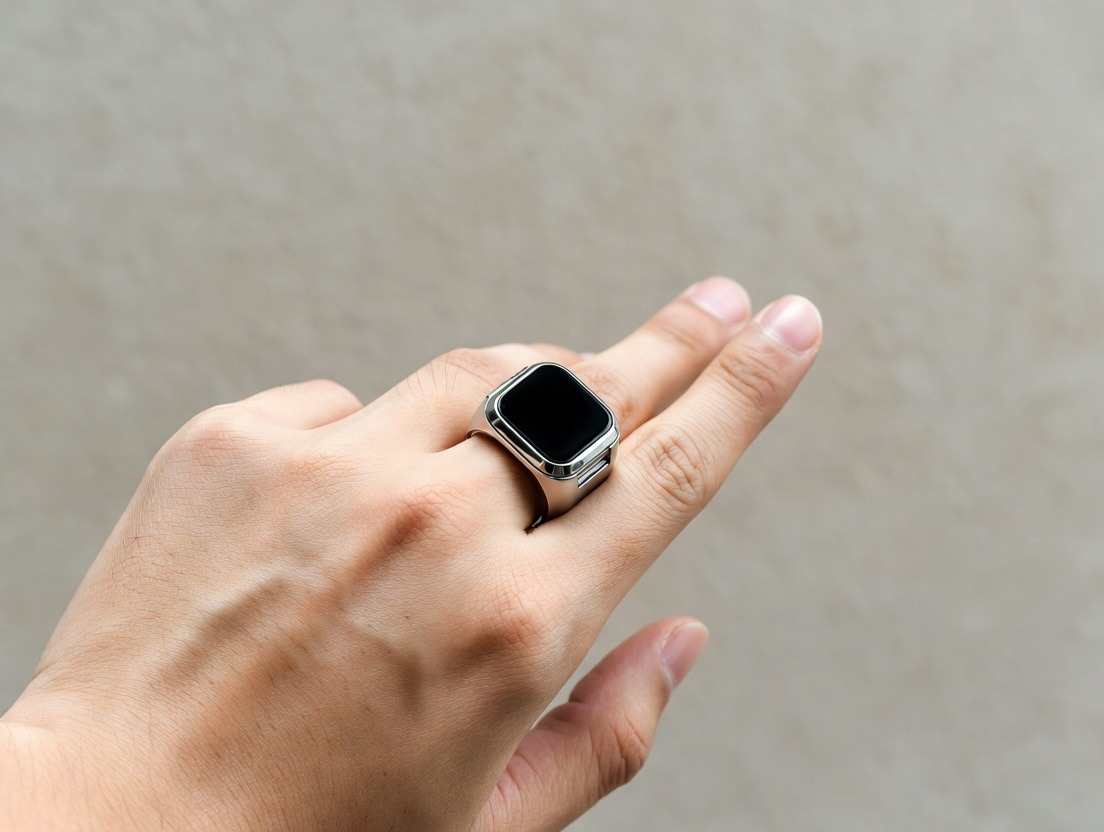
The story begins not in a sterile lab, but in the fitness-crazed culture of the early 2000s. The first wave was simple: step counters and basic heart rate monitors used by athletes. Then, the smartphone revolution turned every pocket into a potential health portal. Suddenly, apps could track runs, estimate calorie burn, and log sleep patterns with varying degrees of accuracy. The data was engaging but largely siloed.
The paradigm shift arrived with the mainstreaming of wearable devices. Companies like Fitbit, Apple, and later, a host of smart ring manufacturers like Oura and circular, moved sensing from our pockets to our bodies 24/7. This constant wear unlocked a treasure trove of longitudinal data: continuous heart rate, heart rate variability (HRV), skin temperature, blood oxygen saturation (SpO2), and sophisticated movement analytics.
The appeal was instant and powerful. For the first time, individuals could observe the direct impact of lifestyle choices on their physiology. They could see how a late-night coffee disturbed their sleep architecture, how a stressful meeting spiked their heart rate, or how consistent meditation improved their HRV. This era birthed the concept of the “quantified self”—the idea that through constant measurement, we could optimize our way to better health.
However, this frontier was, and in many ways remains, a “Wild West.” In the United States and many other countries, products marketed for general “wellness”—meaning they are intended to maintain or encourage a general state of health—are not subject to FDA premarket review. A company can sell a device that claims to track “stress,” “readiness,” or “recovery” without having to prove to a regulatory body that its algorithm correlates with a clinically accepted biomarker for those states.
This created a landscape of incredible innovation but also significant caveats. Device accuracy could vary dramatically between brands and even between individual units. Algorithms generating “scores” for sleep or recovery were often black boxes, proprietary and unvalidated against gold-standard medical measurements. The language used was often carefully crafted to suggest medical insight without making a medical claim, a crucial legal distinction.
For consumers, this means the data from most consumer wearables exists in a grey zone. It is phenomenally useful for building self-awareness and motivating behavior change—a core tenet of restful living and longevity—but it is not designed or legally permitted to be used for diagnosis, treatment, or monitoring of a disease. Your device might flag a high resting heart rate, but it cannot tell you if it’s due to dehydration, anxiety, or the onset of a cardiac condition. That interpretation, legally and safely, requires the context of medical standards.
The term “FDA Approved” is one of the most powerful and misunderstood phrases in consumer health. In the context of devices, “clearance” or “approval” is not a blanket seal of quality for the entire product. It is a specific, feature-by-feature authorization for a intended use that is medical in nature.
Here’s the critical breakdown:
Why does this matter to you? An FDA-cleared feature represents a quantum leap in reliability. It signifies that the data has been vetted for a specific clinical purpose and can, within its limitations, be trusted to inform a medical conversation. For a device aiming not just to contribute to a restful living plan but to potentially alert you to a serious arrhythmia, this regulatory hurdle is non-negotiable. It transforms the device from a lifestyle coach into a potential sentinel, blurring the line between consumer electronics and medical tools.
FDA clearance is the most recognized benchmark in the United States, but it exists within a global ecosystem of standards that ensure safety, efficacy, and interoperability. These standards are the unsung heroes of medical technology, providing the common language and testing protocols that build trust.
For the consumer, looking for these benchmarks is a shortcut to assessing a product’s seriousness. A company that invests in ISO 13485 certification, publishes its validation studies, and transparently discusses its regulatory strategy is signaling a commitment to medical-grade quality. This is the foundation upon which the future of remote patient monitoring and proactive healthcare is being built.
To see these abstract standards in action, let’s examine the most prominent example of consumer health tech crossing into the medical realm: single-lead ECG and atrial fibrillation (AFib) detection.
AFib is an irregular and often rapid heart rhythm that can lead to stroke, heart failure, and other complications. It is often intermittent (“paroxysmal”), making it notoriously difficult to catch during a brief doctor’s visit. Traditionally, diagnosis required wearing a Holter monitor for 24-48 hours or an event monitor for weeks—bulky, inconvenient, and sometimes ineffective if an episode didn’t occur during the monitoring period.
The breakthrough came when companies like Apple and AliveCor developed algorithms that could analyze the pulse wave data from a PPG sensor (the green light on your watch or ring) to screen for possible AFib. This was a screening tool. The confirmatory step was the integration of a single-lead ECG. By having a user place a finger on a wearable’s electrode, the device could generate an ECG waveform similar to Lead I of a traditional 12-lead ECG.
The path to FDA clearance for this feature was monumental. Studies involved thousands of participants. For example, the Apple Heart Study, published in the New England Journal of Medicine, enrolled over 400,000 participants. It validated that the PPG-based irregular pulse notification algorithm could identify AFib with a positive predictive value of 84%. The subsequent ECG app feature was cleared based on data showing its waveform and classification algorithm’s equivalence to a cardiologist’s interpretation.
What This Means in Practice:
This case study exemplifies the model: take a pervasive, consumer-friendly form factor, apply rigorous clinical science and regulatory navigation, and unlock a powerful new layer of preventive health capability. It turns a ubiquitous object into a potential lifesaver, seamlessly blending into the user’s pursuit of a healthy, restful living for high achievers lifestyle.

While cardiac monitoring has clear diagnostic endpoints, the realm of sleep is more nuanced. Consumer devices have long boasted about tracking “deep sleep,” “REM,” and “light sleep.” But how accurate are these claims, and when does sleep tracking transition from a curiosity to a clinical tool?
The gold standard for sleep analysis is in-lab polysomnography (PSG). It involves measuring brain waves (EEG), eye movements (EOG), muscle activity (EMG), heart rhythm, breathing effort, and blood oxygen. This multi-sensor approach allows a sleep technician to score sleep in 30-second epochs into Wake, N1, N2, N3 (deep sleep), and REM sleep with high precision.
Consumer devices, using only movement (actigraphy) and heart rate/HRV data (PPG), are attempting to approximate this complex neurophysiological state from the periphery of the body. For years, the consensus was that they were reasonably good at identifying sleep versus wake but poor at accurately distinguishing between sleep stages.
This is changing. Advanced algorithms, particularly those leveraging machine learning trained on massive datasets of concurrent PSG and wearable data, are dramatically improving accuracy. Some leading devices now claim accuracy in the 80-90% range for distinguishing light, deep, and REM sleep when compared to PSG. However, the critical step is the intended use.
The Medical Frontier of Sleep Tracking:
Currently, consumer sleep tracking is a wellness feature. Its medical application lies in specific, cleared indications:
The potential for holistic health is immense. Quality sleep is the cornerstone of physical and mental restoration, a theme deeply explored in resources on how breathwork supports restful living. A medically-validated sleep tracker could move beyond giving you a “score” to providing actionable insights recognized by a sleep specialist—such as identifying a correlation between late-night screen time and reduced REM sleep, or between alcohol consumption and increased sleep fragmentation. This elevates the conversation from self-experimentation to data-informed sleep hygiene, a key component of sustainable wellness explored in guides like the weekly restful living plan.
The modern wearable is a multisensor platform. Beyond heart rate and movement, two other key physiological signals—blood oxygen saturation (SpO2) and skin temperature—are moving from general wellness into the medical spotlight, while “stress” remains a complex biomarker frontier.
SpO2: From Altitude to Apnea.
Pulse oximetry, a staple in hospitals since the 1980s, measures the percentage of oxygen-saturated hemoglobin in the blood. In consumer tech, it was initially marketed for altitude acclimation or general wellness insights. The COVID-19 pandemic thrust it into a new role, as silent hypoxia (dangerously low blood oxygen without shortness of breath) was identified as a symptom.
Skin Temperature: The Subtle Signal.
Continuous skin temperature monitoring is a powerful feature for tracking circadian rhythm (your temperature dips at night and rises in the morning) and for identifying subtle deviations.
The “Stress” Enigma: HRV and the Nervous System.
This is perhaps the most popularized yet most complex metric. Heart Rate Variability (HRV)—the beat-to-beat variation in heart rate—is a proxy for autonomic nervous system balance. High HRV generally indicates parasympathetic (“rest-and-digest”) dominance and resilience; low HRV can indicate sympathetic (“fight-or-flight”) dominance and strain.
In the era of digital health, the hardware—the ring, the watch, the sensor—is often just a data-gathering shell. The true intelligence, the feature that may become a medical device, is the software algorithm that interprets the raw signal.
This is governed by a specific FDA framework: Software as a Medical Device (SaMD). The FDA defines SaMD as “software intended to be used for one or more medical purposes that perform these purposes without being part of a hardware medical device.”
What this means for your wearable:
This has profound implications:
Technology does not exist in a vacuum. For medical-grade health tracking to realize its potential, it must integrate into the real-world workflows of healthcare providers. This is a significant, often overlooked, challenge.
The Data Deluge: A primary care physician may have 15 minutes with a patient. A PDF containing weeks of continuous heart rate, sleep, HRV, and temperature data is overwhelming without curation. What is clinically relevant? What’s noise? Devices that provide cleared, summarized reports—like a weekly AFib burden percentage or a sleep apnea risk index—are far more useful than raw data dumps.
Liability and Interpretation: A doctor cannot be expected to be an expert in every proprietary algorithm. If a patient presents with device data, the physician must decide how much weight to give it. Clear regulatory status helps: “This AFib detection feature is FDA-cleared” carries more weight than “My watch says I’m stressed.” Guidance from professional medical societies on how to incorporate this PGHD is still evolving.
Reimbursement and Prescription: The holy grail for many health tech companies is to have their device prescribed by a doctor and reimbursed by insurance. This requires not just FDA clearance, but often additional studies proving that using the device improves health outcomes and reduces costs (a “value-based care” argument). This step moves the device from a direct-to-consumer product into the core of the healthcare system.
For the consumer, this means the most impactful devices will be those that bridge the gap between you and your care team seamlessly. They will generate not just insights for you, but actionable reports for your doctor, facilitating a more data-informed partnership in managing your health. This aligns with a holistic view of wellness, where technology supports—not replaces—the human elements of care, much like how restful living improves relationships and mood through better self-regulation and presence.
Medical-grade data is the most sensitive data imaginable. It’s a continuous, intimate biography of your body. Where it is stored, who can access it, and how it is used raises critical ethical and legal questions.
The Data Ecosystem:
Key Questions for the Discerning User:
The trust equation is simple: the more medically capable the device, the higher the standard for data stewardship must be. You are not just buying a product; you are choosing a custodian for your physiological fingerprint.
We are transitioning from an era of reactive sick care to one of continuous health care. Medical-grade wearables are the linchpin of this shift, enabling Remote Patient Monitoring (RPM) and decentralized clinical trials.
The Prescription Ecosystem: Imagine your doctor prescribing a smart ring post-cardiac surgery. It would continuously monitor your heart rhythm for AFib, track your activity to ensure you’re moving but not overexerting, and monitor your sleep for recovery quality. Alerts would go to a care team dashboard, allowing for early intervention if something drifts outside your personalized safe zone. This is not science fiction; it’s happening now in pilot programs.
Population Health and Prevention: On a macro scale, anonymized data from millions of devices could provide public health officials with real-time insights into disease spread (like tracking elevated resting heart rate and temperature trends during flu season), the impact of environmental events (like heat waves on sleep), or the effectiveness of wellness programs.
The Personalized Medicine Dream: The ultimate goal is a closed-loop system. Your wearable detects a pre-symptomatic anomaly, alerts you and your care team, suggests a personalized intervention (like a specific breathing exercise from a breathwork guide or a dietary adjustment), and then monitors your body’s response—all in real-time. This turns healthcare from an episodic event into a continuous, personalized partnership.
This future hinges on the foundation we’ve detailed: rigorous validation, thoughtful regulation, seamless clinical integration, and ironclad data ethics. The ring on your finger is no longer just a piece of jewelry or a fitness tracker; it is becoming a node in a vast, intelligent network of human health.

Armed with this knowledge, how do you, as a consumer, cut through the marketing and choose a device that aligns with your goals—whether for advanced wellness or for peace of mind with medical-grade features?
1. Decode the Language:
2. Demand Transparency:
3. Align Device with Purpose:
The most empowered user is one who understands both the dazzling potential and the important limitations of this technology. It is a tool for enhancing human health, not a replacement for professional medical judgment. It can guide you toward a more restful, minimalistic lifestyle by showing you the tangible effects of your choices, and it can, when built to the highest standards, stand as a vigilant sentinel for your most vital signs. The convergence of technology and medicine on our fingertips is one of the most exciting developments of our time, and understanding its foundations is the first step to harnessing its power responsibly.
The pursuit of medical-grade wearables is not confined by borders. While the U.S. FDA sets a widely recognized benchmark, a global patchwork of regulatory frameworks governs how health technology is approved, marketed, and used. For a company aiming to serve an international market—and for a consumer buying a device made abroad—understanding these differences is crucial. The journey of a smart ring from prototype to a trusted tool in Berlin, Tokyo, or Sydney involves navigating distinct philosophical and procedural approaches to patient safety and innovation.
The European Union: From Directives to a Dynamic Regulation
For decades, the EU’s Medical Device Directive (MDD) governed the market, relying on a system of “Notified Bodies”—private organizations designated to assess a device’s conformity. The CE mark, signifying compliance, allowed free movement across member states. However, high-profile scandals involving faulty implants exposed weaknesses in the system.
The response was the transformative Medical Devices Regulation (MDR), fully applicable since May 2021. The MDR is notably more stringent:
For wearables, this means that a feature claiming a medical benefit in Europe must undergo a rigorous conformity assessment by a Notified Body under MDR rules, which are now largely parallel to—and in some aspects, more demanding than—FDA requirements. A CE mark under the MDR is a powerful credential.
Asia-Pacific: Diverse Approaches in High-Tech Hubs
The “Digital Health Sandbox” Trend
Acknowledging that traditional regulatory pathways can be too slow for fast-evolving software, several countries have pioneered regulatory sandboxes. These are controlled environments where innovators can test their products with real users under regulatory supervision for a limited time, without needing full market approval. The UK’s Medicines and Healthcare products Regulatory Agency (MHRA), Singapore’s Health Sciences Authority (HSA), and the EU itself are developing such models. This allows for iterative development and real-world evidence gathering, which can then inform a more efficient full approval process.
For the global consumer, this landscape means that a device’s regulatory status may vary by country. A feature cleared by the FDA may be undergoing review by the PMDA or may be marketed as a wellness-only tool in another region. The most responsible companies are transparent about where their medical claims are recognized. This global race to regulate effectively is ultimately beneficial, pushing the entire industry toward higher standards of proof and safety, ensuring that the technology we wear is trustworthy, no matter where we live.
While smart rings and watches capture the consumer imagination, they are part of a broader, more specialized ecosystem of medical-grade wearables. These devices, often prescribed by a doctor, represent the current standard of care in remote monitoring and provide a crucial context for understanding what consumer tech is working toward.
The Prescribed Workhorses:
The Convergence: Where Consumer and Clinical Meet
The lines are blurring. Consider these hybrid models:
This ecosystem matters because it sets the performance bar. It shows what is possible when a device is designed from the ground up for a single, clinical purpose. The challenge—and opportunity—for consumer ring and watch makers is to approach that level of reliability for specific use cases, while retaining the usability, battery life, and affordability that drive mass adoption. The goal is not to replace the Holter monitor for all patients, but to create a pervasive, screening layer that can identify who needs one, and a monitoring layer that can provide longitudinal data between clinical visits. This represents a fundamental shift from episodic care to continuous, ambient awareness—a principle that aligns with cultivating a proactive state of health, much like the consistent practices advocated in resources on how digital detox enhances restful living.
One of the most pressing ethical and scientific challenges in health tech is ensuring that algorithms perform equally well for everyone. A medical device is only as good as the data it was trained on. If that data lacks diversity, the device risks failing—or, worse, causing harm—for populations not represented in its development.
The Problem of Homogeneous Training Data:
Historically, many physiological and clinical studies have disproportionately involved participants who are male, white, and of European descent. If an algorithm to detect atrial fibrillation is trained primarily on PPG data from light-skinned individuals, it may be less accurate on darker skin tones. This is because melanin absorbs the green light used by PPG sensors, potentially leading to a weaker signal and more noise. Similar issues can arise for women, older adults, or people with different body compositions.
Real-World Consequences:
The Path to Equitable Algorithms:
Responsible companies are now prioritizing representative clinical trials. This means proactively recruiting participant cohorts that reflect the racial, ethnic, gender, age, and skin-tone diversity of the intended user base. Regulatory bodies are taking note. The FDA has issued guidance encouraging diversity in clinical trials and is developing methods to identify and mitigate bias in AI/ML-based SaMD.
For consumers, this is a critical area for inquiry. When evaluating a device, especially one with medical-grade claims, ask: “Who was this tested on?” Look for companies that publish demographic breakdowns of their study populations and openly discuss their work on algorithmic fairness. Trust is built on inclusivity; a health tool should be effective for all of humanity, not just a subset. This commitment to equitable science is foundational to creating technology that truly serves a global community, supporting each individual’s unique journey toward health, whether they are following a restful living travel guide or managing a chronic condition at home.
The promise of health tracking is empowerment through data. Yet, for some individuals, this constant feedback can trigger anxiety, obsessive behaviors, or a phenomenon known as “orthosomnia” – a preoccupation with achieving perfect sleep data. The very tool meant to improve well-being can, paradoxically, undermine it. Understanding this psychological dimension is essential for using these technologies wisely.
The Quantified Self vs. The Qualified Self:
There’s a difference between using data to inform choices and becoming subservient to the numbers. When a nightly “Sleep Score” becomes a source of dread or self-recrimination, the tool has crossed from servant to master. The same can happen with daily readiness scores, stress metrics, or calorie counts. This can erode the very sense of restful living that the device is meant to promote.
The Placebo and Nocebo Effects of Data:
If you see a low HRV score in the morning, you might interpret your body as “weak” or “failing,” potentially creating a stress response that manifests as real fatigue—a digital nocebo effect. Conversely, a high readiness score might provide a confidence boost that enhances actual performance—a digital placebo. The data isn’t just reflecting your state; it’s actively influencing it through your perception.
Designing for Psychological Safety:
Forward-thinking companies are incorporating principles of behavioral science into their apps:
The most profound insight from tracking should be the realization that you are not a machine to be optimized, but a complex, adaptive human being. The data should reconnect you to your body’s signals, not replace your intuition. Sometimes, the most health-promoting act is to take off the ring, silence the notifications, and simply be present—a practice central to the philosophy of minimalism enabling restful living. Medical-grade validity ensures the data is accurate when you choose to look, but wisdom lies in knowing when to look away.
Who pays for medical-grade wearables? This economic question will determine their scale and impact. Currently, most advanced consumer devices are purchased out-of-pocket. For them to become central to healthcare, reimbursement pathways must open.
The Direct-to-Consumer (DTC) Model:
This is the current norm. Consumers pay a few hundred dollars for a device, valuing it for wellness, early warnings, and peace of mind. The value proposition is personal optimization and proactive awareness. This model drives rapid innovation and adoption but can exacerbate health inequities due to cost barriers.
The Prescription & Reimbursement Model:
This is the gateway to mainstream healthcare. For insurance to cover a device, it must demonstrably:
We are seeing early inroads:
The Value-Based Care Catalyst:
As healthcare shifts from fee-for-service (paying for each procedure) to value-based care (paying for health outcomes), wearables provide the continuous data needed to measure and manage value. A health system accountable for a diabetic population’s outcomes has a direct financial incentive to provide CGMs and smart scales to keep those patients healthy at home.
The future likely holds a hybrid model: a robust DTC market for the wellness-focused, and a growing prescription/reimbursement channel for those with specific clinical needs. This could lead to a “tiered” software approach on the same hardware, unlocking medical-grade features only when prescribed. The economic alignment will ultimately determine whether these technologies remain luxury lifestyle items or become standard tools for public health.
The holy grails of wearable tech are the non-invasive, continuous measurement of biomarkers that currently require a pinprick (glucose) or an inflatable cuff (blood pressure). Breakthroughs here would be truly revolutionary, opening new frontiers in managing hypertension, diabetes, and metabolic health.
The Blood Pressure Puzzle:
Cuffless, continuous blood pressure monitoring is an intense area of R&D. Most approaches use pulse wave analysis from a PPG sensor, estimating BP by analyzing the shape and timing of the pulse wave as it travels (Pulse Transit Time or PTA). The challenge is monumental because pulse wave shape is influenced by many factors beyond blood pressure, like blood vessel stiffness, age, and individual physiology.
The Glucose Sensing Frontier:
Non-invasive glucose monitoring is perhaps the most sought-after goal. Methods being explored include using optical sensors (Raman spectroscopy, NIR), radio waves, or measuring glucose in interstitial fluid through reverse iontophoresis (extracting fluid through the skin without a needle). Despite decades of research and many failed ventures, progress is being made.
Multi-Biomarker Synthesis and Predictive Analytics:
The real power may lie not in measuring one new thing perfectly, but in synthesizing many existing signals to infer new states. By combining continuous heart rate, HRV, skin temperature, SpO2, and movement with sophisticated AI, algorithms might be able to:
These “software-only” discoveries, derived from already-available sensors, could be the next wave of FDA-cleared innovations. They represent a shift from measuring what’s easy to measure, to interpreting the complex symphony of the body to reveal what’s most important to know. This aligns with a holistic view of health, where external data supports internal awareness, guiding users toward a lifestyle that includes a restful living diet and mindful practices that stabilize the very biomarkers being tracked.
The true test of medical-grade wearable technology is not in tracking the well, but in managing the unwell. For millions living with chronic conditions, the promise of these devices is a lifeline—a way to transform daily disease management from a series of discrete, often stressful events into a continuous, guided experience. This is where the convergence of sensor technology, validated algorithms, and clinical workflow moves from theoretical potential to tangible impact on quality of life and mortality rates.
Heart Failure: The Vanguard of Remote Monitoring
Heart failure, a condition where the heart cannot pump blood effectively, is a leading cause of hospitalization. A key metric in its management is fluid status. Too much fluid strains the heart. Traditionally, patients weigh themselves daily; a sudden gain can signal dangerous fluid retention (edema). Wearables are introducing a more nuanced, continuous picture.
Diabetes and Metabolic Health: Closing the Loop
While Continuous Glucose Monitors (CGMs) are the undisputed champions here, wearables add critical context to the glucose number.
Hypertension: The Silent Killer in Plain Sight
High blood pressure is often asymptomatic until it causes damage. While continuous, cuffless BP monitoring is still evolving, wearables play a crucial supporting role.
The Paradigm Shift: From Patient to Active Manager
The overarching theme is a transfer of agency. Chronic disease management is exhausting, often defined by restriction and fear of deterioration. Wearables, when integrated thoughtfully into care, can reframe this narrative. The patient is no longer a passive recipient of instructions but an active investigator and manager of their own condition, equipped with real-time data. The clinician shifts from a sole authority to a collaborative coach, interpreting trends and adjusting strategy. This partnership, built on shared objective data, reduces anxiety, improves adherence, and fundamentally improves outcomes. It represents the most humane application of this technology: reducing the burden of disease by making its management more intuitive, personalized, and empowering.
The brain does not emit a simple wireless signal we can decode—yet. However, the body is the brain’s loudspeaker. The autonomic nervous system, governed by the brain, orchestrates heart rate, breathing, temperature, and sweat. By reading these outputs with precision, wearables are opening a revolutionary window into mental and neurological states, moving mental health care toward objective biomarkers.
Anxiety, Depression, and the Autonomic Signature:
Mental health conditions have distinct physiological footprints. Chronic anxiety is often associated with a persistent sympathetic (“fight-or-flight”) dominance: elevated resting heart rate, low and chaotic HRV, and increased skin conductance. Depression can present with autonomic blunting: a lack of variability, flattened circadian rhythms in heart rate and temperature, and reduced physical activity.
Neurological Disorders: Parkinson’s, Epilepsy, and Beyond:
Here, wearables move from monitoring to sophisticated measurement.
The Ethical Frontier:
This application area is fraught with profound ethical questions. Mental health data is incredibly sensitive. False positives or misinterpretations of data could cause distress. The line between helpful biofeedback and an obsessive fixation on “mental metrics” is thin. Furthermore, access to this physiological data by employers or insurers poses serious risks. The technology must be deployed within strong ethical frameworks, with clear patient consent and control, and integrated into a supportive therapeutic relationship—not as a replacement for it. The goal is to use the cold precision of data to deliver warmer, more empathetic, and more effective care.
While chronic disease management focuses on bringing the body back to baseline, the world of elite sports aims to push human physiology far beyond it. Here, wearables are not medical devices but “performance instruments,” and the standards for accuracy, reliability, and actionable insight are, in many ways, even higher. The lessons learned in this extreme environment trickle down to inform consumer wellness features.
From Gut Feeling to Granular Data:
Gone are the days when coaches relied solely on perceived exertion. Today’s athletes are monitored 24/7 with a suite of devices:
The Readiness Score Decoded:
For an athlete, the single most important question each morning is: “Am I ready to train hard, or do I need to recover?” The readiness score—a composite index derived from sleep, HRV, RHR, and temperature—aims to answer this.
Sleep as the Ultimate Performance Enhancer:
Elite sports have fully embraced that sleep is non-negotiable recovery. Teams employ sleep coaches and use wearable data to:
Trickle-Down Technology:
The “readiness” concept has exploded in the consumer wellness space. While a consumer isn’t training for the Olympics, the same physiology applies. A busy professional under chronic work stress is in a state similar to an athlete in functional overreaching. For them, a readiness score isn’t about maximizing a squat lift; it’s about deciding if they have the physiological capacity for a critical presentation or if they need to prioritize restful living for high achievers by delegating and recovering. The sports world proves that these biomarkers are valid proxies for systemic stress and recovery, validating their use for anyone seeking to optimize their performance in life, not just sport.
Beyond the clinic and the stadium, wearables are proving indispensable in environments where traditional medical monitoring is impossible and failure carries catastrophic risk. Here, the device isn’t a convenience; it’s a critical piece of life-support infrastructure.
Space Medicine: Astronaut Health on Mars Time
NASA and other space agencies are pioneers in physiological monitoring. On a mission to Mars, astronauts will be years away from any hospital. Their wearables will be their first-line medical diagnostic system.
Military and First Responder Readiness:
For special forces, firefighters, and frontline personnel, operational readiness is a matter of life and death.
Deep-Sea and Polar Exploration:
In isolated, confined, and extreme (ICE) environments, wearables provide a health telemetry link to support physicians back at base. They monitor for signs of hypothermia, frostbite risk (via peripheral temperature gradients), and the psychological strain of isolation, which can manifest in disrupted sleep and circadian rhythms.
The Ultimate Validation:
These applications represent the highest-stakes testing ground for wearable technology. The algorithms must be robust, the sensors unfailing, and the data interpretation autonomous. Success here doesn’t just validate a device for consumers; it pioneers the future of remote, autonomous medicine for all of humanity. It demonstrates that with the right standards, a device on the wrist can stand in for an entire intensive care unit, enabling human exploration and safety in places we were never meant to survive. The lessons learned about resilience, adaptation, and the limits of human physiology under extreme duress directly inform our understanding of health and restful living through the seasons of life, even in less hostile environments.

We have established that a medical-grade wearable generates a rich, continuous biography of your body—a symphony of physiological data. This data has immense personal, clinical, and commercial value. The paramount question of the digital health era is: Who owns this symphony, and who gets to conduct its use?
The Current Landscape: A Trade of Service for Data
Most consumer wearables operate under a familiar digital model: you pay (or subsidize) the hardware cost, and in exchange for the service (the app, the insights), you grant the company a broad license to use your aggregated, anonymized data. The fine print in the Terms of Service and Privacy Policy dictates the reality:
The Emerging Risks and Battlegrounds:
The Movement Toward Biometric Sovereignty:
A growing consensus argues that physiological data should be treated as a form of personal property. This would entail:
The Role of Regulation:
Laws are struggling to keep pace. The EU’s GDPR establishes strong consent and “right to erasure” principles. In the U.S., a patchwork of state laws (like the California Consumer Privacy Act) is emerging. Future regulation must explicitly define biometric data ownership, enforce true interoperability, and create clear walls between wellness data and insurability. Until then, the onus is on the consumer to read policies, choose companies with ethical data stances, and advocate for their digital sovereignty. Protecting this data is as crucial to restful living boundaries as saying no to overcommitment; it is about safeguarding your most intimate self from unauthorized intrusion and commercial exploitation.
The ultimate promise of health tracking is not just to manage disease, but to delay its onset—to extend not just lifespan, but healthspan, the period of life spent in good health. By providing a continuous, multi-parameter dashboard of aging’s pace, wearables are becoming the central tool for the emerging science of quantified longevity.
Aging Biomarkers at Your Fingertip:
Aging is not just chronological; it’s biological, reflected in the gradual decline of organ system resilience. Wearables track proxies for this decline:
From Tracking to Intervention: The “Digital Twin” Concept
The vision is to use years of wearable data to create a personalized aging model—a “digital twin” of your physiology. This model could:
The Big Data of Aging:
When millions of users contribute decades of data, researchers can begin to answer profound questions. What combination of sleep, activity, and heart rate patterns at age 40 best predicts vitality at age 70? Are there physiological “early warning signs” of Alzheimer’s detectable 15 years prior? Wearable data, linked (with consent) to electronic health records and genomic data, could unlock the secrets of exceptional healthspan.
The Caution: Avoiding Neurosis About Decline
This pursuit must be balanced with wisdom. An obsessive focus on “slowing aging” metrics could create a new pathology. The goal of longevity science—and the wearable’s role in it—should be to inform a joyful, engaged life, not to breed a fear of inevitable decline. The data should serve to highlight the positive impact of healthy relationships, purpose, and how restful living improves relationships and mood, which are themselves key to a long, healthy life. The wearable is a compass, not the destination. It can show you the path to a longer healthspan, but you must walk it with your eyes up, enjoying the scenery, not perpetually staring at the map.
The very young and the very old represent populations with unique physiological patterns and acute vulnerability. Tailoring wearable technology for these groups presents distinct challenges and unparalleled opportunities for preventive care.
Pediatrics: Monitoring Development and Safeguarding the Vulnerable
Children are not just small adults. Their heart rates are faster, sleep architecture is different, and baselines change rapidly with growth.
Geriatrics: Enabling Aging in Place and Preventing Crises
For the aging population, the goal is maintaining independence and preventing the “geriatric cascade”—a minor fall or infection that leads to hospitalization, decline, and loss of autonomy. Wearables are ideal sentinels.
In both pediatrics and geriatrics, the ethical stakes are high. The data involves vulnerable individuals. Consent must be carefully managed (by parents or guardians for children, ensuring capacity for the elderly). The purpose must be clear: to empower caregivers and clinicians with insights that preserve dignity, safety, and independence, creating a digital safety net that supports, rather than replaces, human care and connection. This technology, when thoughtfully applied, can help honor the promise of a full life cycle, from a safe and healthy start to a secure and independent conclusion.
We are on the cusp of moving from descriptive and diagnostic wearables to predictive and prescriptive ones. This leap will be powered by artificial intelligence (AI) and machine learning (ML) models that don’t just analyze data, but synthesize new understanding, forecasting future health states before they manifest.
From Detection to Prediction:
Current FDA-cleared features are mostly detection algorithms: “You are in AFib right now.” The next wave is prediction algorithms: “You have a 40% probability of experiencing an AFib episode in the next 12 hours based on your current autonomic tone, sleep deficit, and recent caffeine intake.” This shifts medicine from reactive to pre-emptive.
Generative AI and the Health Coach of Tomorrow:
The interface with this data will also transform. Today’s apps show charts and scores. Tomorrow’s AI health assistant will synthesize data from your ring, your grocery receipts, your calendar, and your electronic health record into a conversational insight.
The Regulatory Frontier for Adaptive AI:
This presents a monumental challenge for agencies like the FDA. Traditional clearance is for a “locked” algorithm. How do you regulate an AI that continuously learns and adapts to an individual user? The FDA is pioneering frameworks for Software as a Medical Device (SaMD) Pre-Specifications and Algorithmic Change Protocols, where companies define the boundaries within which the AI can learn and must demonstrate ongoing safety and performance monitoring. This is uncharted territory, requiring a new partnership between regulators, data scientists, and clinicians.
The endpoint of this trajectory is a personal health AI. It knows your physiology better than any human doctor ever could because it observes it continuously. It doesn’t just sound alarms; it offers gentle, context-aware nudges to steer you through the daily choices that compound into a lifetime of health or disease. Its success will be measured not in the accuracy of its alerts, but in their rarity—in its ability to help you navigate life so smoothly that major health disruptions never come to pass. This is the ultimate fulfillment of the promise of medical-grade wearable technology: a seamless, intelligent guardian for a longer, healthier, and more restful life.
We have journeyed from the bustling, unregulated marketplace of wellness gadgets to the sterile, data-intensive halls of regulatory review. We’ve seen how a simple green light on a ring undergoes a metamorphosis through clinical trials and quality systems to become a medically trusted tool. We’ve explored the global frameworks, the ethical imperatives of unbiased algorithms, the psychological nuances of self-tracking, and the economic engines that will drive adoption.
This first third of our exploration establishes a crucial foundation: Trust is not a feature; it is the product. The value of a health wearable lies not in the number of sensors it boasts, but in the verifiable credibility of the insights it provides. FDA clearance, CE marking under MDR, ISO certifications, and peer-reviewed publications are not mere badges for marketing—they are the tangible outputs of a commitment to rigor. They are what allow data to safely cross the threshold from personal curiosity to clinical utility.
This trust enables a new partnership. It empowers you, the individual, with a deeper understanding of your physiology, equipping you to engage in more informed conversations with healthcare professionals. It provides clinicians with a new stream of objective, longitudinal data, moving medicine beyond the snapshot of an annual physical. And it challenges the entire industry to build technology that is not only intelligent and elegant but also equitable, secure, and psychologically wise.
As we look ahead to the next portion of this deep dive, we will build upon this foundation of trust. We will examine specific, cutting-edge applications: the role of wearables in managing chronic diseases like heart failure and diabetes, their transformative potential in mental health, their use in professional sports and extreme environments, and the looming questions of data ownership and the long-term societal implications of a perpetually monitored population. The story of health tracking technology is just beginning to transition from tracking our steps to safeguarding our lives, and the standards we’ve detailed here are the compass ensuring it moves in the right direction.
Your Trusted Sleep Advocate: Sleep Foundation — https://www.sleepfoundation.org
Discover a digital archive of scholarly articles: NIH — https://www.ncbi.nlm.nih.gov/
39 million citations for biomedical literature :PubMed — https://pubmed.ncbi.nlm.nih.gov/
Experts at Harvard Health Publishing covering a variety of health topics — https://www.health.harvard.edu/blog/
Every life deserves world class care :Cleveland Clinic - https://my.clevelandclinic.org/health
Wearable technology and the future of predictive health monitoring :MIT Technology Review — https://www.technologyreview.com/
Dedicated to the well-being of all people and guided by science :World Health Organization — https://www.who.int/news-room/
Psychological science and knowledge to benefit society and improve lives. :APA — https://www.apa.org/monitor/
Cutting-edge insights on human longevity and peak performance:
Lifespan Research — https://www.lifespan.io/
Global authority on exercise physiology, sports performance, and human recovery:
American College of Sports Medicine — https://www.acsm.org/
Neuroscience-driven guidance for better focus, sleep, and mental clarity:
Stanford Human Performance Lab — https://humanperformance.stanford.edu/
Evidence-based psychology and mind–body wellness resources:
Mayo Clinic — https://www.mayoclinic.org/healthy-lifestyle/
Data-backed research on emotional wellbeing, stress biology, and resilience:
American Institute of Stress — https://www.stress.org/


