
Movement and Wellness in Urban vs Rural Environments: A Modern Health Conundrum

We live in a world increasingly defined by where we choose to, or are forced to, lay our heads. The gravitational pull of bustling city centers, with their promise of opportunity and convenience, tugs against the primal yearning for open skies, quiet woods, and the rhythmic pace of the countryside. This fundamental choice—urban or rural—does more than dictate our commute or social calendar; it fundamentally sculpts our daily movement, shapes our stress, and ultimately, rewires our biology. In the pursuit of modern wellness, we often focus on the micro: the perfect supplement, the optimized workout, the latest superfood. Yet, we frequently overlook the macro-environment that cradles our entire existence—the very geography that dictates how we move, breathe, sleep, and connect.

This article isn't about declaring a winner in the age-old city vs. country debate. Rather, it's a deep exploration into how these profoundly different landscapes influence the core pillars of human health. We'll dissect the unique movement patterns forced upon us by concrete grids versus dirt paths, analyze how environmental stressors like noise pollution and light pollution silently chip away at our nervous systems in different ways, and examine the often-invisible social architectures that either support or hinder our wellness journeys.

In our hyper-connected era, we also possess unprecedented tools to measure this environmental impact on our personal biology. This is where advanced wearable technology, like the smart rings from Oxyzen, transforms from a simple gadget into a crucial lens for self-discovery. By quantifying the subtle interplay between your environment and your body's metrics—from sleep architecture and heart rate variability to activity patterns and stress markers—you move beyond guesswork. You gain a data-driven narrative of how your location is truly shaping your health. Whether you're a city dweller curious about the cost of your convenience, a rural resident wondering about access to optimal wellness resources, or someone contemplating a life-altering move, this exploration will provide the insights you need. Let's begin by understanding the foundational layer of our existence: how our environment dictates the very rhythm of our physical movement.

The Built Environment vs. The Natural World: A Primer on Movement Geography

Our bodies are designed for locomotion. For millennia, human movement was not a scheduled activity but a constant, necessary dialogue with the environment—hunting, gathering, farming, and migrating. Today, that dialogue is largely scripted by architects, urban planners, and transportation engineers. The "built environment" of the city—its streets, buildings, public transport hubs, and zoning laws—creates a specific movement grammar. Conversely, the rural "natural world" presents a different, often less predictable, lexicon of motion.

In the urban landscape, movement is often characterized by interrupted linearity. Think of your day: a walk to the subway station (often at a brisk, purposeful pace), standing on a train, walking from the station to your office, sitting at a desk, perhaps a lunchtime errand involving more short walks and queues. The movement is frequent but fragmented. It's a series of micro-bursts of activity punctuated by long periods of sedentariness. The infrastructure encourages efficiency, not meandering. Sidewalks are for getting from Point A to Point B; parks are oases you must specifically visit. This can lead to what researchers call "incidental exercise," which, while beneficial, is often low in volume and intensity unless consciously amplified.

The rural environment, in contrast, often necessitates integrated, task-based movement. The grammar here is less about navigating crowds and more about engaging with terrain and task. There is no "last mile" delivery; fetching groceries might involve a drive, but also carrying bags from the car to a kitchen that’s farther from the road. Maintaining a property means chopping wood, gardening, or repairing fences—activities that are inherently physical and often engage the body in complex, multi-planar ways. The distances are longer, but the pace can be more self-determined, less frantic. The line between "exercise" and "necessary chore" is beautifully blurred.

However, this dichotomy isn't purely black and white. Modern rural life has been transformed by technology and automotive dependence, sometimes creating its own sedentary traps. Similarly, urban centers are evolving, with bike-friendly infrastructure, sprawling parks, and a culture that increasingly prizes active commuting.

The Hidden Metric: NEAT (Non-Exercise Activity Thermogenesis)
This is where the concept of NEAT becomes crucial. NEAT is the energy expended for everything we do that is not sleeping, eating, or sports-like exercise. It includes walking to work, typing, performing yard work, and even fidgeting. The variance in NEAT between individuals in different environments can be staggering—amounting to hundreds of calories per day.

  • Urban NEAT: Often higher in short-burst, lower-intensity movement (walking to transit, taking stairs in a subway). It's highly dependent on lifestyle choice—the decision to walk versus Uber.
  • Rural NEAT: Can be significantly higher if one is engaged in land or home management, but can also plummet if one drives everywhere and has a desk job with no incidental movement triggers.

Understanding your personal movement geography is the first step to optimizing it. A device that tracks your all-day activity, like the Oxyzen smart ring, can reveal your unique NEAT profile. Are you getting frequent, small movement breaks, or long periods of stillness punctuated by a single workout? This data is the first clue in decoding how your environment serves or hinders your body's fundamental need to move. For a deeper look at how activity impacts other critical recovery metrics, our article on deep sleep optimization for athletes explores this vital connection.

The Daily Grind: Commuting, Chores, and Incidental Exercise

Let's zoom in from the broad geography to the daily script: the routines that consume the majority of our waking hours. The structure of our day—how we get to work, how we perform domestic tasks, and how we slip movement into the cracks—is perhaps the most direct way environment shapes our wellness.

The Urban Commute: A Stress-Movement Paradox
For the urbanite, the commute is a central life experience. It can be a source of "passive exercise" or a peak stress event.

  • Active Commuting: Walking or cycling to work is a phenomenal way to integrate consistent, moderate exercise into the day. It boosts cardiovascular health, improves mood, and bookends the workday with mental transition time. Cities with robust bike lanes and pedestrian-friendly zones actively promote this.
  • Public Transit Commuting: This often involves a hybrid: walking to and from stations, then standing or sitting on a bus or train. The walking portions contribute positively to NEAT. However, the experience is often fraught with unpredictability (delays, crowding), lack of personal control, and exposure to noise and pathogens, elevating cortisol levels. It's a mix of beneficial movement and chronic, low-grade stress.
  • Automobile Commuting: Perhaps the most detrimental to both movement and wellness. It is almost entirely sedentary, frequently stressful (traffic, road rage), and polluting. It represents a significant chunk of the day where physical and mental health are essentially in a holding pattern, often a negative one.

The Rural Commute: Distance vs. Serenity
The rural commute swaps density for distance.

  • The Drive: This is typically longer and non-negotiable—there is no subway alternative. It can be a prolonged sedentary block. However, the experience is qualitatively different. The stress is often lower (less traffic, more scenic routes), potentially allowing for podcasts, audiobooks, or mindful driving as a form of mental preparation or decompression. The key detriment remains the sheer volume of sedentary time.
  • The Integrated "Commute": For those working on farms or from home, the commute dissolves. Movement is woven into the work itself. The "chore" of checking livestock, maintaining equipment, or walking to a home office becomes the day's foundational activity.

Chores as Cross-Training
This is a major point of divergence. Urban chores are often about efficiency and outsourcing. Groceries are delivered, laundry is done in a building's basement, and home repairs are typically hired out. The movement involved is minimal.
Rural chores, however, remain intensely physical. Carrying firewood, shoveling snow, tending a large garden, cleaning outbuildings—these are full-body activities that build strength, stamina, and resilience. They are functional fitness in its purest form. This daily "cross-training" is a hidden wellness advantage of rural living that urban dwellers must consciously replicate through gym sessions or dedicated manual labor.

The Incidental Exercise Edge
Here, cities often have the advantage. Running an errand usually means walking a few blocks to a pharmacy or cafe. Meeting a friend often involves a walk through a park. The density of amenities creates countless opportunities for short, unplanned walks. In rural areas, an errand almost always means a drive. The conscious effort to "add in" movement—like parking farther away or taking a walk after dinner specifically for exercise—becomes more critical.

Tracking these daily patterns is enlightening. A smart ring like Oxyzen, worn continuously, can show you the tangible physiological impact of a stressful commute (elevated resting heart rate, lower HRV) versus an active one. It can quantify the metabolic boost from an afternoon of gardening versus a Saturday spent on the couch. By seeing the data, you can begin to engineer your daily grind, regardless of your postal code, to sneak in more movement and mitigate environmental stress. For those in urban settings looking to counterbalance commute stress, understanding how to increase your most restorative sleep is a critical strategy.

Green Space, Blue Space, and Gray Space: The Psychology of Your Surroundings

We are not just physical beings moving through space; we are psychological beings deeply affected by what we see, hear, and feel around us. The color palette of your environment—the dominance of green (nature), blue (water), or gray (concrete)—exerts a powerful, scientifically validated influence on your mental and physical well-being.

The Urban "Gray Space": Sensory Overload and Fatigue
The quintessential urban environment is a symphony of gray space: concrete, asphalt, glass, and steel. This landscape, while awe-inspiring in its human achievement, creates a state of constant, low-grade sensory stimulation. Our brains are forced to process a barrage of stimuli: visual advertising, constant auditory input (traffic, sirens, chatter), fragmented sightlines, and decision points (navigating crowds, crosswalks). This leads to attentional fatigue, a state where our direct, focused attention becomes depleted. The brain's restorative system, built to relax in environments where attention is effortless (like nature), is constantly engaged.

The psychological consequences are significant: increased perceived stress, anxiety, and a reduced capacity for focus. Physiologically, this often manifests as elevated cortisol, higher resting heart rates, and muscle tension. It's a state of sympathetic nervous system ("fight or flight") arousal that can become chronic. While exciting and stimulating in the short term, unmitigated gray space exposure takes a cumulative toll.

The Restorative Power of Green and Blue Space
This is where the concept of "green space" (parks, forests, gardens) and "blue space" (rivers, lakes, coasts) becomes not a luxury, but a biological necessity.

  • Stress Reduction Theory (Roger Ulrich) posits that exposure to natural environments promotes recovery from psychophysiological stress, lowering blood pressure, cortisol, and anxiety.
  • Attention Restoration Theory (Rachel and Stephen Kaplan) suggests that natural settings engage our "soft fascination," allowing our directed attention resources to replenish. A walk in a park doesn't demand focus; it invites gentle observation.

For the urban dweller, access to even small pockets of green or blue space is a critical buffer. A lunch break in a park, a walk along a riverfront, or even a view of trees from a window can provide micro-doses of restoration. Cities that prioritize these spaces are directly investing in the mental health of their citizens.

The Rural Immersion: A Different Psychological Load
Rural living offers a default immersion in green/blue space. The restorative benefits are ambient: waking to birdsong, seeing horizons, hearing the wind in trees. This provides a powerful, ongoing buffer against the kind of attentional fatigue endemic to cities. The psychological load is different. It can shift from sensory overload to potential sensory underload or isolation for some, which carries its own mental health challenges. The stress here may stem from economic pressures, physical isolation, or the unrelenting demands of land management, rather than from cognitive noise.

The key takeaway is that both environments present psychological challenges and benefits. The urbanite must be intentional about seeking restorative niches. The rural resident must be intentional about maintaining social connection and intellectual stimulation. Monitoring your body's response to these different "spaces" is powerful. Using a device that tracks stress through metrics like Heart Rate Variability (HRV) can show you, in real data, how a 30-minute walk in the park lowers your stress load compared to a 30-minute walk down a busy commercial street. It quantifies the therapy of nature. This foundational stress has a profound downstream effect, particularly on the quality of your sleep, which you can explore further in our guide on the science of deep sleep and what happens to your body.

Air Quality, Noise Pollution, and the Body's Silent Stressors

Beyond what we see, the invisible environmental factors we breathe and hear create a constant, often subconscious, dialogue with our nervous and endocrine systems. The urban and rural environments offer starkly different profiles of these silent stressors.

The Urban Atmosphere: A Chemical and Auditory Assault

  • Air Quality: Urban air is a complex cocktail of pollutants: nitrogen oxides from vehicles, particulate matter (PM2.5, PM10) from combustion and construction, ozone, and sulfur dioxide. These are not just lung irritants; they are systemic toxins. PM2.5, particles small enough to enter the bloodstream, is linked to systemic inflammation, cardiovascular disease, impaired cognitive function, and even disrupted sleep architecture. The body is in a constant state of low-grade defense, which drains metabolic and immune resources.
  • Noise Pollution: The urban soundscape is rarely below 50 decibels, often spiking much higher. Constant noise is a potent non-chemical stressor. It triggers the release of stress hormones like cortisol and adrenaline, even during sleep. The brain continues to process sound, preventing the descent into the deepest, most restorative stages of sleep. Chronic noise exposure is linked to hypertension, heart disease, poor concentration, and heightened irritability. It's an inescapable, cacophonous backdrop that the body never truly acclimates to in a healthy way.

The Rural Atmosphere: Purity with Pitfalls

  • Air Quality: Generally, rural air is cleaner, with lower levels of industrial and vehicular pollutants. This is a massive, underrated health benefit. Breathing cleaner air reduces systemic inflammation, improves cardiovascular function, and may even enhance cognitive clarity. However, it's not without seasonal exceptions: agricultural areas can have high levels of dust, pesticides, and during certain seasons, smoke from prescribed burns or wildfires, which can create extreme PM2.5 pollution that rivals cities.
  • Noise Pollution: The baseline noise level in rural areas is typically much lower, dominated by natural sounds (wind, birds, insects) which are generally non-stressful or even calming. This allows for true auditory rest and deeper sleep cycles. The stressor here is often intermittent, high-impact noise: tractors, chainsaws, barking dogs, or distant highway noise that carries surprisingly far on quiet nights. While less constant, these abrupt sounds can trigger a sharper, more acute stress response.

The Physiological Ledger
Your body keeps a ledger of these exposures. Poor air quality forces your respiratory and immune systems to work overtime. Constant noise pollution keeps your nervous system on a low alert. Over years, this "silent stress" contributes to allostatic load—the cumulative wear and tear on the body from chronic stress.

This is where biometric tracking becomes a revolutionary tool for personal environmental awareness. A smart ring that tracks SpO2 (peripheral blood oxygen saturation) and resting heart rate trends can provide clues about your body's response to air quality. A night of fragmented sleep with elevated heart rate in the city might be traced to traffic noise, while the same data in the country on a windy night might tell a different story. By correlating your location with your physiological data, you can make empowered decisions: using an air purifier, choosing a quieter bedroom, or timing your outdoor exercise to avoid pollution peaks. For a comprehensive look at how your environment affects your most crucial recovery period, our blog features an essential read on sleep tracking accuracy and what your device can and can't measure.

The Social Architecture of Wellness: Community, Isolation, and Access

Wellness is not a solitary pursuit. It is fostered or hindered by the social structures around us—the community support, the sense of belonging, and the practical access to resources. The social architecture of urban and rural life presents two very different blueprints.

The Urban Social Web: Access and Anonymity
Cities are hubs of access and choice. Within a few miles, you can likely find:

  • Wellness Infrastructure: Gyms (from budget to boutique), yoga studios, specialized fitness classes (HIIT, Pilates, rock climbing), meditation centers, organic grocery stores, and a variety of healthcare providers.
  • Social Potential: Vast networks of people with shared interests. Finding a running club, a hiking group, or a wellness community is relatively easy. This "tribal" aspect can be a powerful motivator for movement and healthy habits.

However, this abundance exists alongside the potential for anonymity and isolation. You can be surrounded by millions yet feel profoundly alone. The social web can be wide but shallow. The pressure of "choice" can also be paralyzing, and the cost of access (high gym fees, expensive organic food) can be prohibitive. Social comparison, driven by highly visible fitness cultures and social media, can also be a source of stress rather than motivation.

The Rural Social Fabric: Intimacy and Limitation
Rural communities often operate on a dense, interwoven social fabric. People know each other. This can create a powerful, intrinsic form of accountability and support. Your neighbors might notice if you're not on your morning walk. The local community center might host the only fitness class for miles, creating a tight-knit group. Wellness is often less commercialized and more integrated into community life—a church walking group, a volunteer fire department that trains together, a farmers' market that is as much a social event as a grocery run.

The challenge here is limitation and scarcity. Access is the defining constraint.

  • Infrastructure Gap: There may be one gym 30 minutes away with limited equipment. Specialized healthcare, physical therapists, or mental health professionals may require significant travel.
  • The "Food Desert" Reality: Despite being surrounded by farmland, access to fresh, diverse, and affordable produce can be surprisingly difficult, with convenience stores often filling the gap.
  • Social Isolation: For those who don't naturally integrate into the established community, or for marginalized individuals, isolation can be severe. The social pressure to conform can also be high.

Movement as Social Currency
In both settings, movement often becomes a social activity, but in different ways. In the city, you might "meet for a spin class." In the country, you might "help a neighbor build a fence." One is a scheduled, commercialized social fitness event; the other is an informal, task-oriented social collaboration. Both foster connection and movement, but their psychological and physical textures are distinct.

Navigating this social architecture is key to sustaining wellness. It’s about leveraging the advantages of your environment while creatively mitigating the disadvantages. Urban dwellers might need to consciously deepen a few key wellness relationships rather than skimming many. Rural dwellers might need to leverage online communities and resources to fill knowledge or support gaps. Sharing and comparing wellness data with a trusted friend or online community, perhaps using insights from a shared platform like Oxyzen, can bridge both geographic and social distance, turning personal tracking into a connective tool. For those leveraging technology to enhance their health journey, our FAQ page offers support on getting the most from your devices.

The Circadian Rhythm Disruptors: Light, Darkness, and Sleep Architecture

Our internal biological clock, the circadian rhythm, is the maestro of our health, conducting hormones, metabolism, body temperature, and sleep-wake cycles. It takes its primary cue from light. How we interact with light and darkness—arguably the most fundamental environmental signal—differs dramatically between city and country, with profound implications for sleep and overall wellness.

The Urban Lightscape: An Eternal, Blue-Tinted Dusk
Cities have effectively banished true darkness. We live under a perpetual light dome created by streetlights, building lights, and signage. This creates two major problems:

  1. Loss of Darkness: Darkness is not merely the absence of light; it is the active trigger for melatonin production, our master sleep hormone. Chronic exposure to light at night (LAN) suppresses melatonin. This disrupts the signal to begin the body's repair processes, leading to shallower, less restorative sleep and potentially increasing long-term risks for metabolic and mood disorders.
  2. Dominance of Blue Light: While natural evening light is rich in warmer, red tones, artificial light—especially from LEDs and screens—is heavy in blue wavelengths. Blue light is particularly potent at suppressing melatonin and alerting the circadian system that it's daytime. Our evenings are a minefield of this disruptive light from phones, computers, TVs, and even modern household bulbs.

The urban sleep environment is thus one of constant circadian confusion. The body receives conflicting signals: it's night, but the environment says it's a muted, blue-tinged day. This erodes sleep quality, most notably by cutting into the duration and quality of deep sleep (Slow-Wave Sleep) and REM sleep, the stages critical for physical restoration and memory consolidation. For a detailed breakdown of this, see our article on deep sleep vs. REM sleep and why the difference matters.

The Rural Night: True Darkness and Natural Cues
Rural areas, away from light pollution, offer access to the natural cycle of true darkness. This is a profound health advantage. The melatonin signal is strong and unimpeded, promoting a more robust and stable circadian rhythm. The morning cue is also clearer: waking to bright, full-spectrum natural light (as opposed to light filtered through a window or experienced after an underground subway ride) powerfully resets the clock for the day.

However, rural life is not without its circadian challenges. The reliance on artificial light indoors during winter months can still create issues. Furthermore, the demands of agriculture or animal care can lead to very early morning or late-night work, creating socially-driven circadian disruptions that are just as potent as light-driven ones.

Sleep Architecture: The Data Doesn't Lie
This is perhaps the clearest area where environment leaves a fingerprint on our biometrics. By tracking sleep with a precise device, the differences can be quantified.

  • Urban Sleep Signature: May show a longer sleep latency (time to fall asleep), more night-time awakenings (potentially from noise), reduced deep sleep percentage, and a fragmented sleep graph. The data might show a delayed circadian rhythm.
  • Rural Sleep Signature: May show faster sleep onset, more consolidated deep sleep blocks, and a stronger alignment with sunset/sunrise. However, if stress or isolation is high, sleep quality can still be poor, showing as elevated resting heart rate throughout the night.

Understanding your personal sleep architecture in the context of your environment is transformative. It moves you from feeling "tired" to knowing why. You can then take targeted action: investing in blackout curtains and amber night lights in the city, or ensuring you get bright morning light exposure in the country to anchor your rhythm. Tracking this journey towards better sleep is invaluable, and you can discover how Oxyzen works to provide these insights on your wrist. For those starting this journey, our Sleep Tracking 101 guide for beginners is an essential first step.

The Fitness Industry vs. Functional Fitness: Structured vs. Integrated Movement

Our approach to intentional exercise is heavily filtered through the lens of our environment's offerings and limitations. This creates a dichotomy between the commercialized, structured "fitness industry" model prevalent in cities and the necessity-driven, "functional fitness" model often inherent to rural life.

The Urban Fitness Landscape: A Commodity of Choice
In the city, exercise is largely a scheduled, purchased, and specialized activity. The fitness industry thrives here because it solves a problem: the lack of space and natural opportunity for vigorous movement. You pay for access and expertise.

  • The Model: You go to a specific location (gym, studio, pool) at a specific time to perform a specific set of movements, often guided by a professional. The activities—Spinning, weightlifting, Hot Yoga, CrossFit—are designed for efficiency and intensity within a confined space.
  • Advantages: Variety, expertise, motivation from group settings, climate control, and the ability to achieve high-intensity workouts safely. It's exercise optimized for the urban constraint of limited space.
  • Disadvantages: It can become transactional, separate from daily life. It creates another item on the schedule, another expense. It can also foster a mindset where "exercise" is the only valid movement, devaluing the NEAT accumulated throughout the day.

The Rural Fitness Reality: Movement as a Byproduct
In many rural settings, dedicated "exercise" can feel like an artificial construct because demanding physical labor is woven into the fabric of life. Fitness is often a byproduct of task completion.

  • The Model: Strength is built by lifting hay bales. Cardiovascular endurance is built by hiking a property or working a manual job. Flexibility and stability are maintained by navigating uneven terrain, repairing equipment, or gardening. This is the essence of functional fitness—movement patterns that directly translate to the demands of your life.
  • Advantages:
    • Contextual: It has immediate, tangible purpose.
    • Multi-Planar: It engages the body in the three dimensions it's designed for, not just the sagittal plane of a treadmill or bike.
    • Integrated: It doesn't require extra time carved out; it is the time spent on necessary tasks.
  • Disadvantages: It can be asymmetrical (leading to imbalances), lack progressive overload (you lift the same hay bale weight), and carries a higher risk of injury if done without attention to form. It may also lack the cardiovascular intensity needed for optimal heart health, which might need to be added intentionally through running or cycling.

Bridging the Gap with Data and Intention
The optimal approach for modern wellness likely lies in a hybrid model, and data is key to finding your balance.

  • The Urbanite can use functional fitness principles to break up sedentariness (bodyweight exercises, taking stairs, walking meetings) and can seek out gym training that emphasizes compound, multi-joint movements that mimic real-world strength.
  • The Rural Dweller might use structured workouts to address imbalances, ensure cardiovascular intensity, and provide progressive overload in a controlled setting, perhaps using minimal equipment at home.

A smart ring that tracks activity and readiness can guide this fusion. It can tell the rural worker who had a physically demanding day that a structured heavy lift session isn't advisable, but mobility work is. It can show the urban desk worker that despite a 45-minute spin class, their total daily calorie burn is low, prompting them to add more NEAT. It personalizes the prescription. For those using data to optimize recovery, understanding your deep sleep tracking numbers and what they should look like is a critical part of the equation.

The Mental Load: Stress, Stimulation, and the Pace of Life

Beyond the physical, the very tempo and cognitive demands of urban versus rural life impose a distinct "mental load" that directly impacts physiological stress levels, decision fatigue, and overall well-being.

The Urban Pace: Cognitive Overclocking
City life operates at a high clock speed. The pace is fast, decisions are constant, and stimuli are unrelenting. This creates a unique mental load characterized by:

  • Decision Density: From micro-decisions (Which subway car? How to navigate this crowd?) to macro ones, the cognitive cost is high. This leads to decision fatigue, depleting the mental energy needed for self-control, including making healthy food and exercise choices later in the day.
  • The "Hurry Sickness": A pervasive, often self-reinforcing, sense of time urgency. Even leisure can feel scheduled and optimized. This constant low-grade time pressure keeps the sympathetic nervous system engaged.
  • Multi-tasking as Default: Juggling a commute, podcasts, emails, and navigation simultaneously is commonplace. This fractured attention is cognitively exhausting and reduces the mind's capacity for deep, focused thought or true relaxation.

The physiological correlate of this mental load is often a sustained elevation in cortisol and a suppression of Heart Rate Variability (HRV), the metric that indicates your nervous system's resilience and ability to relax. The body stays in a state of readiness, which is metabolically costly and inhibits recovery.

The Rural Rhythm: A Different Kind of Load
The rural pace is often (but not always) dictated by natural and task-based cycles rather than the second hand. The mental load shifts:

  • Decision Sparsity: Fewer, but sometimes weightier, decisions. The cognitive tax comes less from density and more from magnitude and consequence (e.g., a major equipment purchase for the farm).
  • Monotasking and Deep Focus: Many rural tasks demand sustained, undivided attention—operating machinery, caring for animals, detailed repair work. This can be cognitively satisfying but also intense and isolating.
  • The Stress of Isolation and Scarcity: The mental load can be dominated by concerns over physical isolation, limited access to services, economic vulnerability, or the sheer, unending volume of manual work. The stress is less about cognitive noise and more about tangible burden and, for some, loneliness.

Here, the physiological stress signature might look different. Instead of a constant low-grade elevation, it might show as acute spikes in stress markers (heart rate, lowered HRV) during demanding tasks or moments of crisis, with potentially better recovery in between—if the social and psychological environment is supportive.

Quantifying the Mental Load
This is where wearable technology shines in making the intangible, tangible. You cannot easily measure your "decision fatigue," but you can measure its downstream effects on your nervous system.

  • An urban professional might see their HRV plummet and resting heart rate climb steadily throughout a workweek in the city, only to see it recover dramatically during a weekend in the countryside.
  • A rural farmer might see acute stress spikes during a morning of difficult livestock work, but their nightly deep sleep score might be excellent due to true darkness and physical exhaustion.

By observing these patterns, you can learn to identify your personal stress triggers in your specific environment and implement targeted recovery protocols. This data-driven awareness is the first step toward managing the mental load, not just enduring it. For strategies on managing stress to protect your sleep, our guide on how to get more deep sleep tonight with 7 proven strategies offers practical, immediate steps. To understand the broader mission behind creating tools for this kind of awareness, you can read about our company's story and vision.

Nutritional Ecosystems: From Food Deserts to Farmers' Markets

You are what you eat, and what you eat is profoundly shaped by what you can access, afford, and what your culture values. The "nutritional ecosystem" of urban and rural environments presents another complex trade-off between abundance of choice and authenticity of source.

The Urban Food Jungle: Infinite Choice, Questionable Roots
Cities are food paradises of variety and convenience. Within a short distance, you can find:

  • Global Cuisine: Access to ingredients and restaurants from every culinary tradition.
  • Specialty Markets: Organic grocers, vegan butchers, farmers' markets (often curated), and massive supermarkets.
  • Delivery Ecosystem: Any meal or ingredient can be at your door in minutes.

This abundance empowers dietary customization but creates its own challenges:

  • The Paradox of Choice: Overwhelming options can lead to decision fatigue, often resulting in defaulting to familiar, less healthy options or delivery.
  • Processed Food Swamp: Convenience is king. Ultra-processed foods, ready-meals, and fast-food outlets are omnipresent and often the most affordable, time-efficient choice for busy lives.
  • Disconnection from Source: Food is a commodity in a package. This disconnect can lessen the understanding of seasonality, nutritional value, and the work required to produce it.
  • "Food Mirage": The appearance of abundant healthy options can mask the reality that for many in lower-income urban areas, true access to affordable, fresh produce is limited—these are "food deserts" within the food jungle.

The Rural Food Landscape: Proximity with Gaps
Rural areas sit closer to the source of production, but this doesn't always translate to better access on the plate.

  • The Strengths:
    • Direct Source Access: The potential for hunting, fishing, foraging, and growing your own food is real. This provides ultra-fresh, nutrient-dense, and sustainable food.
    • Farmers' Markets & CSAs: These are often authentic community hubs where you know the producer. The food is seasonal and local.
    • Home Preservation Culture: Canning, freezing, and preserving seasonal abundance is a common practice, promoting a cyclical diet.
  • The Challenges:
    • Actual Food Deserts: Many rural towns lack a full-service grocery store. Residents may rely on dollar stores or gas stations for groceries, which are dominated by shelf-stable, processed foods.
    • Limited Variety: Access to specialty dietary items (gluten-free, international ingredients) or even a wide variety of fresh fruits and vegetables year-round can be very limited.
    • The Convenience Trap: Just as in cities, processed foods from the lone supermarket or fast-food chains on the highway are often the easy default after a long day.

Movement and Nutrition: The Energy Balance
Your environment also dictates the "energy out" side of the equation, which interacts with your "energy in." An urban desk worker with low NEAT has a much lower calorie requirement than a rural manual laborer. Misjudging this balance is easy without data. A smart ring that provides an estimate of your daily energy expenditure (calories burned) offers a personalized benchmark against which to gauge your nutrition, regardless of whether your calories come from a city food delivery app or your own garden. This data helps you align your intake with your environment's physical demands. For insights on how nutrition specifically influences critical recovery, explore our list of 10 foods that increase deep sleep naturally.

Technology as the Great Equalizer: Wearables, Data, and Personalized Environmental Mastery

For centuries, our health was largely a product of our environment, genetics, and luck. Today, a fourth pillar stands with transformative power: personal data. Advanced wearable technology, particularly sleek, continuous trackers like smart rings, is emerging as the great equalizer in the urban-rural wellness divide. It doesn't change your postal code, but it gives you the power to understand its unique impact on your biology and to craft a hyper-personalized plan to thrive within it.

From Guesswork to Ground Truth: Quantifying Your Environmental Impact
Before wearables, the effects of your environment were felt, not measured. You knew you slept poorly in the city, but was it the noise, the light, the stress of the day, or the late coffee? You felt more tired on the farm in winter, but was it the workload or the lack of sunlight? We operated on anecdote and assumption.

Now, biometric devices provide a continuous stream of ground truth. They translate the silent language of your physiology into actionable data:

  • Sleep Architecture: Is your deep sleep chronically low in the city but recovers on a rural weekend? The data shows it.
  • Stress & Recovery (HRV): Does your nervous system resilience plummet during a hectic urban workweek but stabilize in a quieter setting?
  • Activity & NEAT: Are you overestimating your rural "activity" because it's all low-intensity tasks, or underestimating your urban NEAT from walking?
  • Environmental Response: Does your resting heart rate spike on high-pollution days, or does your blood oxygen saturation dip?

This feedback loop is revolutionary. It moves you from being a passive recipient of environmental forces to an active investigator and manager of your own health within any context.

Bridging the Access Gap with Virtual Resources
Wearables are often paired with apps and platforms that themselves become a bridge over environmental gaps in wellness access.

  • For the Rural Dweller: The device and its app can connect you to a world of guided workouts (from yoga to high-intensity interval training) you can do at home with minimal equipment, bypassing the 30-mile drive to the nearest gym. It can provide sleep hygiene education and stress-management techniques (like guided breathing) that might not be available locally. Platforms like the Oxyzen.ai blog offer a deep library of research-backed wellness knowledge, from understanding your sleep stages to optimizing recovery, accessible from anywhere with an internet connection.
  • For the Urban Dweller: The technology can cut through the noise of conflicting wellness advice. Instead of jumping on every urban fitness fad, your data tells you what actually works for your body. It can guide you to find the right balance between high-intensity gym sessions and restorative practices, showing you when your body needs a green-space walk more than another spin class.

Personalized Mitigation Strategies
Armed with data, you can implement precise countermeasures to your environment's downsides:

  • Urban Example: Your data shows poor sleep efficiency and low HRV. You invest in blackout curtains, a white noise machine, and a 10-minute evening meditation. The data then confirms: sleep scores improve, morning HRV rises. You’ve successfully mitigated light/noise pollution and mental load.
  • Rural Example: Your data reveals low cardiovascular strain and muscle load despite feeling "busy all day." You implement three 20-minute home workout sessions per week focusing on heart rate elevation and strength. The data shows improved readiness scores and better sleep following activity. You’ve successfully augmented functional fitness with structured intensity.

This process of measure, interpret, act, and verify turns your wearable from a tracker into a personal health navigator. For those new to this journey, understanding the technology is key—our article on how sleep trackers actually work demystifies the process behind the insights. And when you're ready to take control, your journey can begin at our main storefront and shopping entry point.

Designing Your Micro-Environment: Thriving in Any Zip Code

You may not be able to single-handedly change your city's air quality or your county's economic landscape, but you have immense sovereignty over your immediate surroundings—your home, your daily routines, your micro-community. This is the art of designing your micro-environment: creating a personal oasis that maximizes the benefits and minimizes the detriments of your macro-location.

The Urban Sanctuary: Engineering Calm in the Chaos
For the urban dweller, the goal is to create a habitat that actively counteracts the city's assaults.

  1. The Sleep Citadel: This is non-negotiable. Prioritize creating a cave-like bedroom.
    • Light: Blackout curtains or shades are essential. Use warm, dimmable bulbs for evening lighting. Consider wearing blue-light-blocking glasses after sunset.
    • Sound: Double-glazed windows, heavy curtains, and a consistent white noise or sound machine can mask traffic, sirens, and neighbor noise. This directly protects your deep sleep, the brain-boosting connection crucial for cognitive recovery.
    • Air: A high-quality HEPA air purifier in the bedroom can significantly reduce particulate matter, improving sleep quality and next-day respiratory function.
  2. The Movement-Forward Home: Integrate movement into your domestic landscape.
    • Create a dedicated "movement zone" even in a small apartment—a corner with a yoga mat, resistance bands, and space for bodyweight exercises.
    • Use furniture that encourages good posture (standing desk converters, ergonomic chairs).
    • Make your home a transit hub for active commuting: have a dedicated, convenient spot for your bike, walking shoes, and gym bag.
  3. The Digital Green Space: If physical green space is distant, bring it indoors. Houseplants improve air quality and psychological well-being. Use nature sounds and imagery for meditation breaks. Schedule "green appointments" in your calendar as diligently as business meetings.

The Rural Fortress of Health: Cultivating Connection and Diversity
For the rural resident, the goal is to fortify against isolation and resource scarcity while leveraging natural advantages.

  1. The Social Connector Hub: Design your home to encourage connection.
    • Create a welcoming space for community gatherings—a large kitchen table, a fire pit, a workshop space.
    • Invest in robust internet connectivity. This is your lifeline to virtual communities, telehealth, online fitness resources, and continued learning. It turns physical isolation into optional solitude.
  2. The Home Wellness Infrastructure: Compensate for the lack of commercial facilities.
    • Build a versatile home gym setup. This doesn't require expensive machines: a set of adjustable dumbbells/kettlebells, a pull-up bar, a plyometric box, and a cardio option (jump rope, rowing machine) can provide endless variety.
    • Develop your food production system. Start a garden, even if it's just herbs and tomatoes. Consider a chest freezer to preserve bulk purchases from local farms or hunters.
  3. The Circadian Anchor: Leverage your dark skies, but don't be sabotaged by indoor lighting.
    • Use bright, full-spectrum light lamps in the morning, especially during winter months, to combat Seasonal Affective Disorder (SAD) and anchor your rhythm.
    • Maintain a consistent sleep schedule, as the lack of external social pressure (late-night city events) can sometimes lead to irregular sleep patterns.

In both cases, your wearable data is the blueprint for this design. It tells you what to prioritize. If your sleep is poor, focus on the sanctuary. If your activity is low, focus on the movement infrastructure. If your stress is high, focus on the social or calming elements. This is personalized environmental design at its most effective. For more on creating the ideal conditions for rest, explore our guide on the deep sleep formula of temperature, timing, and habits.

The Blurring Lines: Suburban, Exurban, and the Rise of the Hybrid Lifestyle

The binary of "urban" and "rural" is increasingly an oversimplification. Most people in developed nations live in the vast, varied in-between: suburbs, exurbs, and small towns that blend characteristics of both. Furthermore, modern work and life patterns are creating new hybrid lifestyles that defy traditional geographic categorization.

The Suburban/Exurban Experiment: The Promise and the Pitfall
Suburbs and exurbs (communities beyond the suburbs) were often designed with the promise of "the best of both worlds": more space and greenery than the city, more amenities and connection than the country. The wellness reality is complex.

  • Movement: This landscape is often the most car-dependent. The separation of residential, commercial, and retail zones by design destroys walkability. Incidental exercise plummets. The daily routine becomes a series of car trips between disconnected pods. The "functional fitness" of rural life is absent, and the walkability of urban life is gone, often leaving structured gym workouts as the only movement option.
  • Social Architecture: Social connection can be more challenging than in dense urban neighborhoods or tight-knit rural communities. It often requires deliberate effort to build community without the organic collisions of city life or the inherent interdependence of rural living.
  • Nature Access: While green space is often present in yards and parks, it can be highly curated and lack the biodiversity and wildness that confer the deepest psychological benefits. The "nature" is often visual, not immersive.

The Hybrid Lifestyle: Digital Nomads, Remote Work, and Multi-Local Living
Technology is decoupling work from place, creating unprecedented freedom. The "digital nomad," the remote worker, and the multi-local family (splitting time between a city apartment and a country house) actively craft a hybrid environment to optimize wellness.

  • The Strategic Split: Spending weekdays in the city for social/cultural intensity and weekends in the country for restoration. Or reversing it: working from a rural base for focus and making monthly "sprints" to the city for meetings and connection.
  • Data-Driven Location Independence: This lifestyle is perfectly suited to biometric tracking. You can empirically answer: "Do I sleep better in the mountains? Is my creativity higher by the coast? Does my stress drop in the city because I'm energized, or in the country because I'm calm?" The data allows you to optimize not just your daily habits, but your very geography on a seasonal or project-based rhythm.
  • The New Challenge: This freedom requires a high degree of self-knowledge and discipline. You must consciously import the wellness structures you need wherever you land. Your micro-environment design skills become portable.

For the hybrid lifestyler, a tool like the Oxyzen smart ring becomes a travel companion and truth-teller, providing consistency of measurement across changing backdrops. It helps answer the fundamental question: "Where and how do I thrive?" This kind of personalized insight is at the core of our mission at Oxyzen.

The Future of Environmental Wellness: Biophilic Cities and Smart Countrysides

Looking forward, the goal is not for everyone to choose a side, but for both urban and rural environments to evolve—intentionally designed to promote human health. This is the frontier of "environmental wellness," and technology is a key driver.

Biophilic Cities: Re-Wilding the Urban Experience
The concept of biophilic design—integrating natural elements and processes into the built environment—is moving from boutique architecture to urban policy. The city of the future aims to function more like an ecosystem.

  • Movement: Cities will prioritize "active design" as default. This means not just bike lanes, but staircase design that invites use, greenways that connect neighborhoods, and mixed-use zoning that makes daily needs walkable. The goal is to make the healthy choice the easy, inevitable choice.
  • Air & Environment: Widespread sensor networks will provide hyper-local air quality data, integrated with public health alerts and navigation apps that suggest cleaner routes. Green roofs and vertical gardens will become standard, combating the urban heat island effect, filtering air, and managing stormwater.
  • Circadian Health: Municipal lighting policies will shift to warmer, shielded, circadian-friendly streetlights that minimize blue light emission and light pollution, protecting both human sleep and nocturnal wildlife.
  • Social Architecture: Public spaces will be designed for interaction and relaxation, with abundant seating, greenery, and free public Wi-Fi, fostering community and providing third places beyond work and home.

Smart Countrysides: Closing the Gap with Connectivity
The rural future is about leveraging technology to overcome the tyranny of distance without sacrificing the essence of place.

  • Healthcare Telemedicine: will become robust and routine, providing specialist access and chronic disease management without hours of travel. Remote patient monitoring, integrated with wearables, will allow proactive care.
  • Mobility: Autonomous vehicle networks and on-demand ride-sharing could revolutionize mobility in low-density areas, reducing isolation and car dependence for non-drivers.
  • Economic & Educational Opportunity: High-speed broadband, treated as essential infrastructure like electricity, will enable remote education, entrepreneurship, and a diversified rural economy, reducing the stress of economic vulnerability.
  • Precision Wellness: Local clinics could integrate community-wide environmental and biometric data (e.g., tracking allergy seasons, local outbreak patterns alongside aggregated wearable data) to provide population-level health insights and targeted interventions.

In both futures, the individual wearable device becomes a node in a larger, smarter health network—providing personal insights while contributing (anonymously) to community health understanding. This is the promise of a world where our environments are not adversaries to our wellness, but active partners in cultivating it. To see how real people are using today's technology to enhance their lives, you can read real customer reviews and testimonials.

A Data-Driven Guide to Choosing (or Optimizing) Your Environment

Ultimately, the "urban vs. rural" question is deeply personal. There is no universal answer, only what's right for you at a given life stage. Instead of relying on romanticized notions or societal pressure, you can use a framework informed by both subjective preference and objective data.

The Self-Assessment: What Does Your Biology Crave?
Before looking at maps, look inward—and at your data.

  1. Audit Your Current State: If you currently use a wearable, conduct a 30-day review focused on environment. Tag days spent in different settings (e.g., "city workweek," "country weekend," "business travel"). Look for patterns in:
    • Sleep Scores: Where is your sleep most restful and consistent?
    • Stress/Readiness (HRV): Where does your nervous system show the most resilience and recovery?
    • Activity Patterns: Where do you naturally move more? Is it the structured movement of the city or the integrated movement of the country?
    • Subjective Feeling: Journal how you feel: energized, anxious, calm, isolated, stimulated? Correlate this with the data.
  2. Identify Your Non-Negotiables: Beyond data, what are your core needs?
    • Social Battery: Are you energized by constant human interaction (leaning urban) or drained by it (leaning rural)?
    • Stimulation vs. Serenity: Do you need cultural novelty and intellectual buzz, or do you prioritize quiet and space for deep thought?
    • Tolerance for Hassle vs. Distance: Do you prefer dealing with the daily micro-stresses of density (parking, crowds) or the macro-inconveniences of distance (long drives for essentials)?

The "Try Before You Buy" Experiment
If contemplating a move, treat it like a scientific experiment.

  • Extended Stay: Don't just vacation. Rent a home in the prospective area for a month, if possible, and live as a local. Work from there. Do the chores. Experience the weekly rhythm.
  • Track Relentlessly: Wear your biometric device throughout. Compare the data benchmark to your baseline. Did your deep sleep improve? Did your step count collapse? Did your HRV trend in a promising direction?
  • Test Your Micro-Design Ideas: While there, implement the sanctuary or fortress strategies. See how feasible and effective they are in that real context.

The Optimization Path: Bloom Where You're Planted
For most, a radical move isn't feasible. The powerful path is optimization.

  1. If You Are Urban:
    • Prescribe Yourself Nature: Use your data to hold yourself accountable for regular green/blue space exposure. Is a weekly park walk enough to move your HRV needle? If not, increase the dose.
    • Engineer Incidental Exercise: Commit to walking or biking for any trip under a mile. Get off the subway a stop early. Make movement non-optional in your commute.
    • Build Your Bubble: Double down on creating your sleep sanctuary and stress-buffering rituals. Your home must be a true haven.
  2. If You Are Rural:
    • Schedule Intensity and Socialization: Intentionally calendar your structured workouts and social outreach. Treat them as critical appointments for your health.
    • Leverage Technology for Access: Curate your online resources. Use telehealth, virtual fitness communities, and educational platforms to fill resource gaps.
    • Deepen Your Local Engagement: Combat isolation by investing deeply in local community—volunteer, join a board, host gatherings. Make the social fabric work for you.

In this entire process, a device like the Oxyzen smart ring is your compass and your map. It provides the objective metrics to cut through nostalgia or anxiety about a place, showing you the tangible impact of your environment on the only thing that truly matters: your own body's state of well-being. For further reading on balancing all aspects of your health, our blog offers a wealth of additional resources.

The Long-Term View: Aging, Lifestyle Diseases, and Environmental Mismatch

Our environmental needs are not static. They evolve dramatically across a lifetime. A fast-paced urban environment might be exhilarating and manageable at 30, but become overwhelming and unhealthy at 60. A physically demanding rural life might be fulfilling at 40, but unsustainable at 70. A critical, long-term wellness strategy involves forecasting this mismatch and planning ahead.

The Urban Aging Challenge: Isolation and Accessibility
As urbanites age, the challenges can shift.

  • The Social Network Erosion: Friends move to the suburbs or retire elsewhere. Work colleagues fade away. Without the built-in social generator of an office or young family activities, urban isolation can become acute, especially if mobility decreases.
  • The Physical Environment Turns Hostile: Walk-ups become impossible. Navigating crowded, fast-paced sidewalks with a cane or walker is stressful and dangerous. Noise pollution can become more intolerable to an aging nervous system.
  • The Advantage: Access to world-class healthcare, senior centers, cultural stimulation, and delivery services for everything can be a tremendous benefit, if one can afford them and navigate the city's physical demands.

The Rural Aging Challenge: Distance and Dependence
Aging in place in rural areas presents a different set of difficulties.

  • The Healthcare Chasm: Distance to specialized medical care becomes a critical, often dangerous, barrier. An ambulance ride can be 45 minutes. Routine specialist visits require monumental planning.
  • The Mobility Cliff: The inability to drive, in a place with no public transit, represents a total loss of independence. Access to groceries, pharmacy, and social contact evaporates.
  • The Physical Burden: Maintaining a large property, managing heating systems (e.g., wood stoves), and dealing with harsh weather become increasingly perilous.

Planning for Environmental Transition
Proactive wellness means viewing your environment as a portfolio that may need rebalancing over time. Data can inform this life transition.

  • Early Warning Signs: A gradual decline in activity scores (steps, intensity) might signal that your environment is becoming too physically challenging. A sustained increase in stress markers might indicate that the cognitive load of your location is no longer serving you.
  • The Data-Driven Downsize or Relocation: When considering a move for later life, use the same "try before you buy" experimental approach. Test-drive that suburban senior community or that walkable small town. Track your biometrics there. Does the quieter environment lower your stress? Does the single-level home and proximity to amenities increase your activity and social engagement?
  • Hybrid Solutions: The multi-local model can be ideal for aging—spending milder months in a rural setting and winter months in a more accessible, services-rich urban or suburban setting.

Understanding how sleep needs change with age is a crucial part of this planning. Our article on how age affects deep sleep and how to compensate provides vital insights for long-term health strategy. The goal is to ensure your environment is always a scaffold for your health, not an obstacle to it.

Conclusion of This Portion: The Synthesis of Place and Person

We began this exploration by framing the urban-rural divide as a modern health conundrum. Through examining movement geography, daily routines, sensory environments, social architectures, and circadian rhythms, a clear picture emerges: there is no perfect place. There are only places with different profiles of costs and benefits to your physical and mental well-being.

The ultimate truth is that wellness is not found in a zip code, but in the conscious, intentional interaction between an individual and their environment. The rural setting offers profound gifts of space, natural rhythm, and functional movement, but can demand a high price in access, convenience, and sometimes, social connection. The urban setting offers incredible stimulation, convenience, and cultural richness, but exacts a toll in sensory overload, pollution, and fragmented movement.

The power to thrive in either—or in the vast landscapes between—lies in moving from passive inhabitant to active designer. It requires:

  1. Awareness: Understanding the specific forces your environment exerts on you, both felt and unseen.
  2. Measurement: Using technology to translate those forces into objective data about your sleep, stress, activity, and recovery.
  3. Intentionality: Designing your micro-environment (your home, your habits, your community) to amplify the benefits and mitigate the drawbacks of your macro-environment.
  4. Adaptability: Recognizing that your needs will change, and being willing to re-optimize or even reconsider your location as your life evolves.

In this endeavor, tools like advanced smart rings are more than gadgets; they are translators. They decode the silent conversation between your body and your world, giving you the vocabulary to take the lead in that dialogue. They empower you to build a life where your location doesn't dictate your health, but rather, serves it.

Whether you are a city dweller learning to prescribe yourself nature, a rural resident using technology to bridge distances, or someone charting a hybrid path, the principles remain the same: listen to your body's data, honor your subjective experience, and craft a life where movement is joyful, rest is restorative, and your environment is not just a backdrop, but a partner in your well-being.

The Biometric Correlations: Decoding What Your Data Says About Your Environment

Moving from principles to practice requires translating raw biometric data into a narrative about your environmental fit. Let’s decode the key metrics tracked by advanced wearables and what they can reveal about your interaction with your urban or rural setting. This transforms numbers into a personalized environmental audit.

Heart Rate Variability (HRV): The Ultimate Stress and Adaptation Metric
HRV measures the subtle variations in time between your heartbeats. A higher HRV generally indicates a resilient, adaptable nervous system that can toggle smoothly between stress (sympathetic) and recovery (parasympathetic) states. It is exquisitely sensitive to environmental factors.

  • The Urban Signature: It’s common to see lower average HRV and higher volatility in city dwellers. The constant low-grade stressors—commute unpredictability, decision density, noise—keep the nervous system in a state of mild sympathetic arousal, limiting its ability to fully relax. You might see HRV dip sharply after a high-stress workday or a night of poor sleep due to light/noise. A consistent recovery pattern often requires deliberate effort (e.g., post-work meditation, weekend nature exposure).
  • The Rural Signature: Often shows higher average HRV with less daily volatility, thanks to lower ambient sensory stress and stronger circadian signals. However, acute physical stressors (a day of heavy labor) or significant psychosocial stress (economic worry, isolation) can cause dramatic, single-day dips. The key is the recovery trajectory; a healthy system in a supportive environment should bounce back quickly.
  • Actionable Insight: If your HRV is chronically low and erratic in the city, your micro-environment interventions (sanctuary creation, green space dosing) aren’t sufficient. You may need to evaluate more fundamental changes. If your HRV in the country is high but spikes down and stays down, investigate sources of sustained mental or social stress.

Sleep Stages: Deep Sleep and REM as Environmental Canaries
The architecture of your sleep—the proportion of Light, Deep (Slow-Wave Sleep), and REM sleep—is a direct report card on your environment’s impact on your nervous system and recovery.

  • Deep Sleep (Physical Restoration): This stage is crucial for cellular repair, immune function, and growth hormone release. It is highly vulnerable to disruption.
    • Urban Threats: Noise pollution is a primary deep sleep assassin, causing micro-arousals that prevent sustained time in this stage. Elevated evening cortisol from chronic stress also inhibits deep sleep entry. Poor data often manifests as low total deep sleep percentage (<15-20% for adults) and fragmented deep sleep blocks.
    • Rural Advantages: True darkness and quiet are deep sleep allies. However, physical overexertion without adequate nutrition or hydration can also disrupt deep sleep, as can temperature extremes in poorly insulated homes.
  • REM Sleep (Mental & Emotional Processing): This stage is vital for memory consolidation, learning, and emotional regulation.
    • Urban Threats: Alcohol consumption (often higher in urban social scenes) and late-night screen use (blue light) severely suppress REM. Antidepressants (SSRIs) also commonly reduce REM.
    • Rural Notes: While less studied, consistent sleep schedules and lower substance use can promote robust REM. However, significant anxiety or depression related to isolation can fragment REM sleep.
  • Actionable Insight: Use your sleep stage data to target interventions. Low deep sleep? Prioritize soundproofing and stress management before bed. Low REM? Enforce a digital sunset and review substance use. Understanding your ideal deep sleep duration by age gives you a clear target to aim for in any environment.

Resting Heart Rate (RHR) & Oxygen Saturation (SpO2): The Cardiorespiratory Snapshot

  • Resting Heart Rate (RHR): A lower RHR typically indicates better cardiovascular fitness and efficient autonomic function.
    • Environmental Influences: Heat, humidity, and air pollution can elevate RHR as the heart works harder. Urban heat islands and seasonal pollution spikes can thus raise RHR trends. Dehydration and poor sleep quality from environmental disruptions also raise RHR. Consistent functional movement in rural settings can contribute to a lower baseline RHR.
  • Blood Oxygen Saturation (SpO2): While generally stable in healthy individuals, trends can be revealing.
    • Environmental Influences: High-altitude rural living will naturally result in a lower baseline SpO2 (acclimatization). Urban air pollution (especially high PM2.5) can cause minor, temporary dips during sleep or after exposure. Allergens prevalent in either setting (urban pollution vs. rural pollen/mold) can impact nighttime SpO2 if they cause inflammation or mild sleep apnea.
  • Actionable Insight: Track RHR and SpO2 trends against environmental data. Does your RHR climb during a summer heatwave in your non-AC city apartment? Does your SpO2 dip slightly on high-pollen-count days in the country? This connects external conditions to internal physiology.

Activity and Caloric Burn: The NEAT vs. Exercise Breakdown
Modern wearables estimate total daily energy expenditure (TDEE), breaking it into Active and Resting calories.

  • The Urban Profile: May show a higher proportion of calories from "Active" if one engages in structured exercise, but a potentially lower "Resting" metabolic rate if chronic stress and poor sleep are degrading metabolic health. NEAT can be highly variable.
  • The Rural Profile: May show a significant caloric burn from NEAT (classified as "Active" if it involves movement) from daily tasks, even without "exercise." A life of integrated movement can lead to a higher, more stable TDEE.
  • Actionable Insight: Don’t be fooled by a hard gym session. If your TDEE is consistently low, your environment is keeping you too sedentary. Aim to increase your non-exercise movement, whether that’s walking more in the city or adding in manual tasks in the country.

By learning this language of your own body, you can move beyond generic advice to create a truly personalized environmental wellness plan. For support in interpreting your data, our FAQ section is a great resource.

Case Studies: Data-Backed Stories of Environmental Adaptation

Theory and data come alive through real-world examples. These anonymized case studies illustrate how individuals have used biometric awareness to understand and optimize their relationship with their environment.

Case Study 1: The "Burnt-Out Urbanite" – Maya, 34, Marketing Director, Major City

  • Presenting Issue: Chronic fatigue, anxiety, feeling "wired but tired." Assumed it was just job stress.
  • Baseline Biometrics (3-Month Urban Average):
    • Sleep Score: 68/100. Deep sleep: 14%. Consistently took 45+ minutes to fall asleep.
    • HRV: Low average (32 ms), highly erratic. Sharp drops every Sunday night.
    • RHR: Elevated at 68 bpm.
    • Activity: High "Active" calories from 4x/week spin class, but very low NEAT on workdays.
  • Environmental Audit: Maya lived in a bright, noisy apartment on a busy street. Her commute was a packed 40-minute subway ride. Her weekends were filled with social brunches and errands, with little true downtime in nature.
  • Data-Driven Interventions:
    • Micro-Environment Redesign: Installed blackout curtains, a white noise machine, and an air purifier. Created a "no phone" buffer zone 90 minutes before bed.
    • Movement Re-engineering: Switched one spin class per week for a long walk in the city's large central park. Started taking walking phone meetings.
    • Circadian Discipline: Committed to 15 minutes of morning sunlight on her balcony with her coffee.
  • Results (After 8 Weeks):
    • Sleep Score: Improved to 82/100. Deep sleep increased to 19%. Sleep latency dropped to 20 minutes. She learned more about this from our article on what deep sleep is and why you're not getting enough.
    • HRV: Rose to an average of 41 ms with less volatility. The "Sunday night drop" softened.
    • RHR: Dropped to 62 bpm.
    • Subjective Report: "I feel less reactive. The city feels stimulating again, not assaulting. I finally understand the need to actively manage my input."

Case Study 2: The "Isolated Rural Homesteader" – Ben, 41, Remote Software Developer & Homesteader

  • Presenting Issue: Feeling physically drained but mentally restless. Concerned about declining motivation and low mood in winter months.
  • Baseline Biometrics (Winter Average):
    • Sleep Score: 75/100. Good deep sleep (22%), but frequent early morning awakenings.
    • HRV: High but declining trend over the winter (from 65 ms to 52 ms).
    • RHR: Good at 58 bpm.
    • Activity: High TDEE from daily chores, but almost all in low heart-rate zones. No elevated heart rate for sustained periods.
  • Environmental Audit: Ben’s property provided ample functional movement. His social contact was limited to his family and monthly trips to town. His home office had poor, warm-toned lighting. Winter days were short and gray.
  • Data-Driven Interventions:
    • Structured Intensity: Added three 30-minute high-intensity interval training (HIIT) sessions per week in his barn, using kettlebells and bodyweight exercises. His ring data confirmed these spiked his heart rate effectively.
    • Social & Cognitive Connection: Joined two online professional communities and scheduled two virtual "co-working" sessions per week with a distant colleague. Committed to hosting a local potluck once a month.
    • Circadian Support: Installed a bright, tunable LED light panel in his office for morning use (10,000 lux for 30 min). Used the Oxyzen app’s bedtime reminders to maintain a consistent schedule despite lack of external cues.
  • Results (After 10 Weeks):
    • Sleep Score: Improved to 84/100. Early awakenings reduced. He felt more refreshed.
    • HRV: Trend reversed, stabilizing around 60 ms.
    • RHR: Unchanged, confirming added intensity wasn't overtraining.
    • Activity Profile: Now showed clear periods of "Cardio" and "Peak" heart zone activity.
    • Subjective Report: "The HIIT gives me an energy boost that chores don't. The virtual social calls break up the mental monotony. The light lamp made a huge difference in my winter mood. I feel engaged again."

These cases show that optimization is possible in any setting. The key is using data to identify the specific levers to pull—levers that are often invisible without objective measurement. To read about others' experiences with using data for wellness, visit our testimonials page.
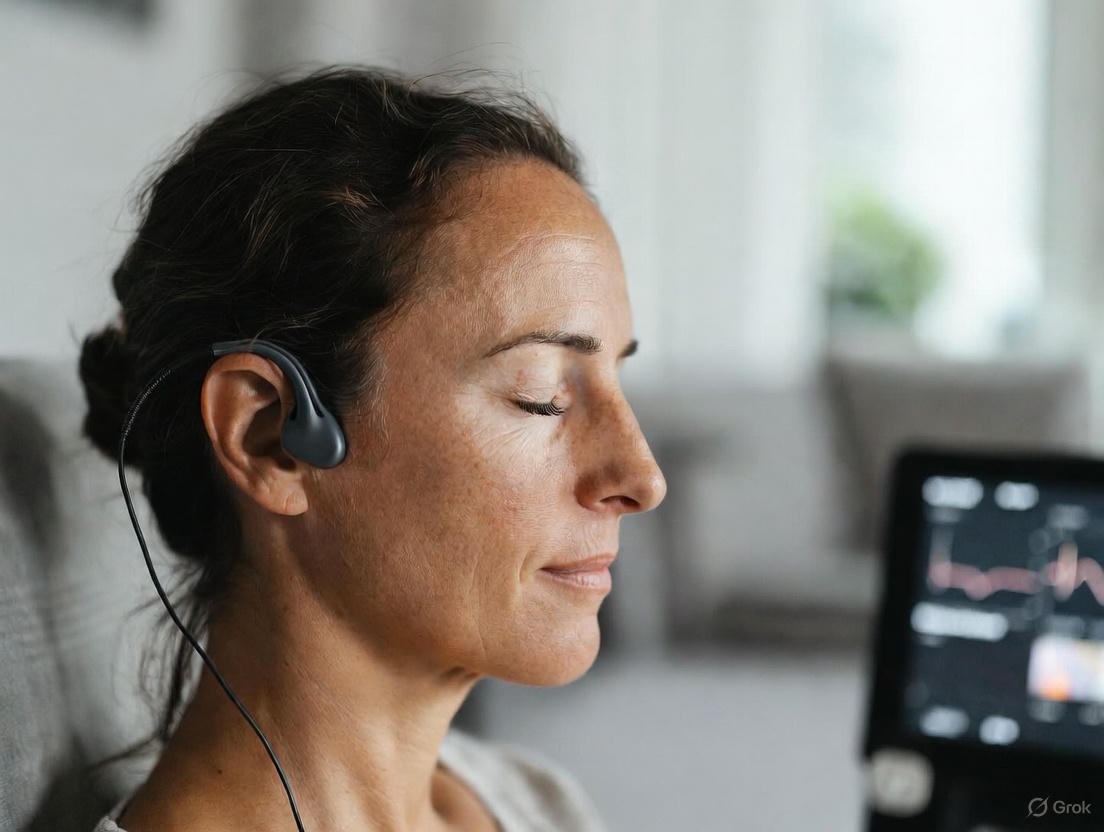
The Actionable Checklists: Your Blueprint for Environmental Wellness

Based on everything we’ve explored, here are condensed, actionable checklists. Use them as a starting point to audit and optimize your life, whether you're in a high-rise or on a homestead.

For the Urban Dweller: The Sanctuary Builder's Checklist

  • Sleep Citadel:
    • Invest in true blackout window coverings.
    • Use a white noise/sound machine to mask inconsistent noise.
    • Set bedroom temperature to 65-68°F (18-20°C).
    • Install a HEPA air purifier, especially if near traffic.
    • Enforce a "digital sunset" 90 minutes before bed. Use blue-light blocking glasses if screens are necessary.
  • Movement Integration:
    • Make walking or cycling the default for trips <1.5 miles.
    • Get off public transit 1-2 stops early.
    • Use a standing desk converter.
    • Schedule "walking meetings" or walking phone calls.
    • Find a park and use it for exercise, not just passing through.
  • Stress & Sensory Buffer:
    • Schedule a daily 20-minute "green appointment" in a park.
    • Practice a 5-10 minute mindfulness/breathing exercise midday.
    • Cultivate an indoor green space with houseplants.
    • Use noise-canceling headphones in loud transit environments.
  • Data Review:
    • Weekly: Check sleep consistency and deep/REM percentages against your ideal targets by age.
    • Daily: Monitor HRV trends. What causes dips? What prompts recovery?
    • Seasonal: Note RHR changes with heatwaves or pollution alerts.

For the Rural Dweller: The Connected Fortress Checklist

  • Health Infrastructure:
    • Establish a relationship with a telehealth provider.
    • Create a well-stocked home gym for structured exercise (adjustable dumbbells, resistance bands, cardio option).
    • Ensure your home first-aid kit is comprehensive.
  • Social & Cognitive Engagement:
    • Join or start a local club/group (book, hobby, farming co-op).
    • Curate a list of online communities for professional and personal interests.
    • Schedule regular video calls with distant friends/family.
    • Host gatherings to strengthen local ties.
  • Movement Enhancement:
    • Audit your activity data: Is your heart rate ever in "Cardio" or "Peak" zones? If not, add structured intensity 2-3x/week.
    • Use your natural terrain for "rucking" (walking with a weighted pack) or hill sprints.
    • Balance asymmetrical chores with targeted mobility and unilateral strength work.
  • Circadian & Seasonal Support:
    • Use a dawn simulator or bright light therapy lamp in morning, especially in winter.
    • Maintain a strict sleep schedule—don't let the lack of external structure lead to irregularity.
    • In summer, use blackout curtains to align sleep with actual darkness, not just sunset.
  • Data Review:
    • Monitor HRV for signs of prolonged stress from isolation or workload.
    • Track sleep for early morning awakenings, a potential sign of mood disturbances.
    • Ensure your TDEE remains adequate; manual labor can require significant nutritional support.

For both groups, the ultimate tool is a consistent, curious review of your data. It’s your personal guidebook. To begin your own journey of discovery, the Oxyzen smart ring is available at our main shop.

The Ethical and Philosophical Layer: Beyond the Quantified Self

As we embrace data to master our environmental interactions, we must also step back and consider the broader implications. The "quantified self" movement holds immense power, but it shouldn’t eclipse the qualitative, philosophical aspects of place and well-being.

Avoiding Environmental Determinism
Data might show you sleep better in the country. Does that mean everyone should move there? Absolutely not. Wellness is a holistic equation that includes purpose, community, creativity, and love—factors notoriously hard to quantify. An urban artist might have higher stress biomarkers but a profound sense of purpose and connection that feeds their soul in ways a lower RHR cannot capture. The data should inform, not dictate. It is one crucial input in a much larger decision matrix about how and where to live a meaningful life.

The Risk of "Optimization" Over Experience
There’s a danger in becoming so focused on optimizing our biometrics that we lose the spontaneous joy of experience. We might avoid a late-night dinner with dear friends in the city because it will "ruin our sleep score," or skip a fulfilling day of helping a rural neighbor because it doesn’t fit our "activity zone targets." The goal of environmental wellness is to create a foundation of health that enables richer life experiences, not to become a slave to the metrics that measure that foundation. Sometimes, the most wellness-promoting thing you can do is to ignore the data and be fully, joyfully present in a moment that defies quantification.

Cultivating Biophilia as an Ethic, Not a Hack
Our discussion of green space should evolve from using nature as a "stress-reduction hack" to cultivating a genuine ethic of biophilia—a love of life and the living world. This shift changes our relationship with our environment from transactional to reciprocal. It means:

  • Urban: Advocating for more parks and green corridors, supporting local wildlife, and reducing your own environmental footprint.
  • Rural: Practicing sustainable land stewardship, supporting biodiversity, and protecting dark skies and quiet.
    This ethic ensures our pursuit of personal wellness contributes to the health of the very environments we depend on.

The Privilege of Choice and Data
It’s vital to acknowledge that the ability to choose one’s environment, design a micro-sanctuary, or purchase advanced biometric tracking is a privilege. For many, due to economic, social, or systemic constraints, their environment is a given, not a choice. The conversation around environmental wellness must therefore expand to include advocacy for healthier urban planning, rural broadband equity, and accessible healthcare—making the benefits of a health-supporting environment a right, not a luxury. At Oxyzen, we believe in this broader mission, which you can learn more about on our 'About Us' page.

Final Synthesis: Crafting Your Personal Ecology of Well-Being

We have journeyed from the macro differences between city grids and country lanes down to the micro-vibrations of your heartbeat during sleep. The overwhelming conclusion is that the quest for wellness is an ecological one. You are an organism within a habitat. Your health is the dynamic outcome of that relationship.

Your personal ecology of well-being is built on three interdependent layers:

  1. The Macro-Environment (Your Habitat): The given landscape of your city, town, or countryside with its inherent structural gifts and challenges—pollution levels, walkability, social density, natural beauty, and access to resources.
  2. The Micro-Environment (Your Niche): The space you actively design within that habitat—your home, your daily routines, your social circles, your chosen exposures. This is your realm of direct agency.
  3. The Self (The Organism): Your unique biology, psychology, and values—measured by both subjective feeling and objective biometric data. This is what tells you if the niche you’ve built within your habitat is truly sustaining you.

The art of modern wellness lies in skillfully managing the interactions between these three layers. It requires you to be:

  • An Observer: Using tools and awareness to understand your habitat and its effects on you.
  • A Designer: Proactively crafting your niche to thrive within that habitat.
  • An Adaptor: Being willing to adjust your niche or, when necessary, seek a new habitat as your life and needs evolve.

A Call to Conscious Habitation
Whether you are energized by the urban pulse or rooted in rural tranquility, the invitation is the same: move from being an unconscious occupant to a conscious, active participant in your own environmental well-being. Stop blaming "the city" for your stress or "the country" for your isolation. Start investigating, measuring, designing, and adapting.

Use the data not as a judge, but as a guide. Let it show you the hidden costs of your convenience and the silent benefits of your space. Let it empower you to ask better questions: Not "Which is better, urban or rural?" but "How can I design my life here to support my sleep, movement, connection, and peace?"

The tools exist. The knowledge is available. The power is in your hands—and on your finger. Your journey toward a life where your environment nourishes you, rather than depletes you, begins with a single step of awareness, and a single point of data.

Citations:

Your Trusted Sleep Advocate (Sleep Foundation — https://www.sleepfoundation.org/)

Discover a digital archive of scholarly articles (NIH — https://www.ncbi.nlm.nih.gov/

39 million citations for biomedical literature (PubMed — https://pubmed.ncbi.nlm.nih.gov/)

experts at Harvard Health Publishing covering a variety of health topics — https://www.health.harvard.edu/blog/)

Every life deserves world class care (Cleveland Clinic -

https://my.clevelandclinic.org/health)

Wearable technology and the future of predictive health monitoring. (MIT Technology Review — https://www.technologyreview.com/)

Dedicated to the well-being of all people and guided by science (World Health Organization — https://www.who.int/news-room/)

Psychological science and knowledge to benefit society and improve lives. (APA — https://www.apa.org/monitor/)

Cutting-edge insights on human longevity and peak performance

 (Lifespan Research — https://www.lifespan.io/)

Global authority on exercise physiology, sports performance, and human recovery

 (American College of Sports Medicine — https://www.acsm.org/)

Neuroscience-driven guidance for better focus, sleep, and mental clarity

 (Stanford Human Performance Lab — https://humanperformance.stanford.edu/)

Evidence-based psychology and mind–body wellness resources

 (Mayo Clinic — https://www.mayoclinic.org/healthy-lifestyle/)

Data-backed research on emotional wellbeing, stress biology, and resilience

 (American Institute of Stress — https://www.stress.org/)
