


The Health Tracking Technology of Multi-Sensor Data Fusion
Describes how combining data from multiple sensors improves the accuracy and reliability of insights.
Describes how combining data from multiple sensors improves the accuracy and reliability of insights.
%402x.svg)
For decades, the quest to quantify our health has been a story of isolated numbers. A heartbeat on a watch face. A step count on a phone. A red light on a fingertip measuring blood oxygen in a moment of pandemic-fueled anxiety. We’ve collected data points like scattered stars, trying to divine meaning from constellations we couldn’t fully see. This fragmented approach has left us with more questions than answers: Why do I feel exhausted despite sleeping eight hours? Is this elevated heart rate from stress, caffeine, or the onset of illness? What does my body’s data actually mean in the context of my unique life?
Enter the quiet, powerful revolution happening not on our wrists, but on our fingers: the emergence of sophisticated smart rings and the advanced health tracking technology of Multi-Sensor Data Fusion (MSDF). This is not merely an incremental upgrade; it’s a paradigm shift from isolated data points to a holistic, contextual, and profoundly intelligent understanding of human physiology.
Think of it as the difference between listening to a single instrument and hearing a full orchestra. A single accelerometer tells you the violin is playing. But Multi-Sensor Data Fusion harmonizes the violin (movement), the cello (heart rhythm), the oboe (skin temperature), the percussion (blood oxygen), and the subtle atmospheric sounds of the concert hall (ambient environment and galvanic skin response). It synthesizes these disparate streams into a resonant, cohesive symphony—the symphony of you.
At its core, Multi-Sensor Data Fusion is a sophisticated branch of data science and artificial intelligence that integrates information from multiple, diverse sensors to produce a more accurate, complete, and actionable picture than any single sensor could provide alone. It resolves conflicts, fills in gaps, and uncovers correlations that are invisible in a single data stream. In the realm of health wearables, this means moving beyond generic metrics to personalized, predictive, and preventative insights.
This technological leap is particularly potent in the form factor of the smart ring. The finger’s rich vascular bed offers superior optical sensors for heart-related metrics. Its relative immobility during sleep provides clinical-grade sleep staging. Its constant, intimate contact with the skin allows for continuous core temperature trends. When you combine this ideal anatomical position with the power of MSDF, you have a device capable of understanding your health not as a series of events, but as a continuous, flowing narrative.
In this article, we will delve deep into the architecture, science, and profound implications of this technology. We will explore how raw photoplethysmogram (PPG) signals are transformed into emotional stress scores, how nocturnal temperature shifts whisper secrets about your metabolic health, and how the fusion of movement and heart rate variability (HRV) can coach you toward restful living for high-achievers performance through rest. We will demystify the algorithms that turn noise into knowledge and examine how this convergence is setting the stage for a future where our wearables don’t just track—they understand, anticipate, and guide.
This is the beginning of a new era in personal wellness, one defined not by more data, but by deeper wisdom. Welcome to the fusion age.

To appreciate the revolution, we must first understand the limitation of the old paradigm. Traditional health trackers operate on a principle of "single-sensor, single-metric." A photodiode measures light absorption to guess heart rate. A triaxial accelerometer counts movements as steps. A thermistor takes a sporadic skin temperature reading. Each sensor works in a silo, reporting its finding to your app dashboard as an independent, often uncontextualized, statistic.
The problem is that the human body is a dynamic, interconnected system—a complex web of feedback loops and compensatory mechanisms. Your heart rate doesn’t elevate in a vacuum. It could be a response to physical exertion, emotional stress, dehydration, caffeine, an immune response, or simply a change in posture. A single sensor cannot discern the "why." It can only report the "what." This leads to data that can be inaccurate (e.g., optical heart rate sensors confused by motion artifacts), misleading (e.g., a high step count on a day of high stress and poor sleep), or simply too shallow to act upon.
Multi-Sensor Data Fusion (MSDF) is the engineered solution to this complexity. Originating in military and aerospace applications—where fusing radar, infrared, and visual data is critical for navigating jets or guiding missiles—MSDF is a multi-layered process of combining data from disparate sources to achieve inferences that would be impossible from a single source.
In the context of a modern health wearable like an advanced smart ring, this process unfolds across three fundamental levels:
The sensors involved in this orchestra are precisely chosen for their complementary strengths. The optical PPG sensor is the workhorse, monitoring blood volume pulses to derive heart rate, HRV, and blood oxygen saturation (SpO2). The 3D accelerometer and gyroscope provide the crucial context of movement and orientation, distinguishing sleep from rest, walking from running, and filtering motion artifact from vital signs. The skin temperature sensor adds a slow-moving but critical physiological baseline, tracking circadian rhythms, menstrual cycles, and inflammatory states. Galvanic skin response (GSR) or electrodermal activity sensors, found in some advanced devices, measure subtle changes in the skin’s electrical conductivity, a direct window into sympathetic nervous system arousal and emotional stress.
By fusing these streams, the device stops seeing unrelated metrics and starts seeing physiological stories. It’s no longer just "72 BPM and 98.6°F." It’s: "Resting heart rate is typical, but its rhythmic variability is suppressed, and core temperature is trending 0.5°C above your personal baseline despite being at rest, suggesting your body is allocating resources to a metabolic or immune challenge."
This foundational shift from a collection of parts to an integrated whole is what enables technology to support a holistic philosophy like restful living through the seasons adapting your approach, providing personalized feedback that adapts to your body’s ever-changing needs.
If the sensors are the orchestra, the algorithms are the conductor and the score. The raw potential of multi-sensor data remains chaotic noise without the sophisticated computational architecture designed to harmonize it. This isn't a simple averaging of numbers; it's a real-time, intelligent reasoning system built on layers of signal processing, statistical modeling, and machine learning.
The journey begins with Signal Pre-processing and Cleaning. Each sensor stream is inundated with noise. The PPG signal is corrupted by motion (known as "motion artifact"). The temperature sensor is influenced by ambient air. The first job of the fusion architecture is to clean each instrument before it plays in the ensemble. Advanced digital filters (like bandpass and Kalman filters) are applied to isolate the physiological signal of interest. The accelerometer is pivotal here, as its data is used as a noise reference to actively cancel out motion interference from the PPG in real-time, a technique known as adaptive noise cancellation. This step alone dramatically improves the fidelity of all heart-derived metrics.
Once cleaned, the system enters the Time-Synchronization and Alignment phase. Data arriving from different sensors have different sampling rates and may experience micro-delays. A millisecond misalignment can blur the causal relationship between, say, a heartbeat and the subsequent slight change in skin conductivity. The architecture timestamps all data on a unified clock and uses interpolation techniques to align every stream on a common timeline, ensuring that a "moment" in the body is analyzed as a cohesive, multi-sensor event.
With clean, aligned data, the core fusion engines engage. Several powerful algorithmic approaches are employed:
The architecture is often hybrid and hierarchical. A Kalman filter might provide a rock-solid, real-time estimate of core heart rate. Those heart rate values, along with features from other sensors, are then fed into a neural network every 30 seconds to classify sleep stage. The outputs of several such specialized models (a sleep model, a stress model, a recovery model) are then fused at a final decision layer to produce the user-facing insight: "Your sleep was fragmented with low deep sleep. Coupled with elevated resting heart rate, your recovery score is low. Consider a digital detox to enhance restful living today to support nervous system recovery."
This seamless, hidden computational dance is what transforms a ring of metal and silicon into a responsive, intelligent bio-feedback tool, capable of guiding users toward more sustainable habits.
At the center of the modern health wearable is a tiny, rapidly flashing green light. This is the photoplethysmogram (PPG) sensor, and it is the primary window into your cardiovascular system. Understanding its strengths and, crucially, its weaknesses is key to understanding why fusion is not just beneficial but essential.
The principle of PPG is elegant in its simplicity. Light-emitting diodes (LEDs) shine light (typically green for its optimal absorption by red blood cells) into the skin's capillary bed. A photodetector measures the amount of light that is reflected back. With each heartbeat, a surge of blood momentarily increases the blood volume in the capillaries, absorbing more light. The resulting signal is a waveform—a repeating pulse where the trough corresponds to the heart's diastolic phase and the peak to the systolic phase. From this fundamental plethysmogram, a universe of metrics is derived: Heart Rate (the time between peaks), Heart Rate Variability (the subtle, beat-to-beat changes in that interval), Blood Oxygen Saturation (using additional infrared and red LEDs), and even estimates of blood pressure and respiratory rate.
However, the PPG signal is notoriously fragile. It is an optical measurement easily corrupted by what engineers call "noise sources," which are often other physiological processes. This is the sensor's Achilles' heel and the primary reason it cannot work alone:
This is where fusion becomes the hero. The accelerometer and gyroscope act as the PPG's guardian. By providing a precise, millisecond-by-millisecond map of the ring's movement and rotation, they give the fusion algorithms a perfect reference of what external motion looks like. Sophisticated algorithms can then subtract this motion signature from the corrupted PPG signal, isolating the true cardiac component. This is data-level fusion in its most critical application, enabling accurate heart rate monitoring during daily life, not just at rest.
Furthermore, the skin temperature sensor provides context that helps interpret PPG-derived metrics. A rising core temperature trend can cause peripheral vasodilation (widening of blood vessels), which strengthens the PPG signal. Conversely, the system can understand that a very weak PPG signal in a cold environment is likely due to vasoconstriction, not a device error. More importantly, when fused, PPG and temperature tell a richer story. A simultaneous rise in resting heart rate (from PPG) and skin temperature could strongly indicate the body's pyrogenic (fever) response to an infection, rather than just dehydration or a warm room.
Perhaps the most profound fusion is between PPG and movement data to derive Heart Rate Variability (HRV). HRV, the slight variation in time between heartbeats, is a gold-standard, non-invasive measure of autonomic nervous system balance. High HRV generally indicates a resilient, adaptable system with strong parasympathetic ("rest-and-digest") tone. Calculating HRV requires detecting the exact millisecond of each heartbeat (the "R-peak" in the waveform). Motion artifact is the enemy of this precise detection. By using the accelerometer to clean the PPG signal, the device can accurately locate these peaks during sleep and periods of rest, providing a reliable, clinical-grade HRV metric. This metric becomes the backbone for insights into stress, recovery, and overall nervous system health, directly supporting practices of restful living for improved relationships and mood.
Through fusion, the fragile PPG signal is hardened, contextualized, and elevated from a simple pulse counter to a cornerstone of a deeply insightful health monitoring system.
When most people think of an accelerometer in a wearable, they think of step counts. In the paradigm of Multi-Sensor Data Fusion, this view is charmingly antiquated. The modern triaxial accelerometer (and its companion, the gyroscope) is not merely a pedometer; it is the primary source of contextual intelligence, the sensor that tells the system what you are doing so all other physiological data can be understood in light of that activity.
Its role is multifaceted and foundational:
1. Motion Artifact Rejection for Vital Signs: As detailed, this is its most critical fusion function. It provides the noise map that allows algorithms to clean the PPG signal. Without this, continuous, accurate heart rate and SpO2 during daily life would be impossible.
2. Activity and Exercise Recognition: By analyzing the unique frequency and amplitude patterns of movement, machine learning models can classify activities with high accuracy. The signature of a brisk walk is distinct from a run, which is distinct from cycling, weightlifting, or typing. This automatic classification does more than log exercise; it provides the essential context for heart rate data. An elevated heart rate during a classified "run" is expected and healthy. The same elevated heart rate during a classified "sitting" period is a significant flag for potential stress, anxiety, or illness. This contextualization turns raw physiology into meaningful insight.
3. Sleep Staging and Analysis: The accelerometer is quiet hero of sleep tracking. While PPG provides the primary data for sleep/wake discrimination and REM detection (via heart rate variability), body movement is a cornerstone of the standard polysomnography (PSG) used in sleep labs. In fusion-based systems, the lack of gross body movement (from the accelerometer), combined with a stable, low heart rate and specific HRV patterns (from PPG), is a strong indicator of deep sleep (N3). Periods of no major movement but with elevated heart rate and variable HRV indicate REM sleep. The fusion of these signals allows smart rings to achieve a remarkably high correlation with clinical PSG, moving sleep tracking far beyond simple "hours in bed."
4. Posture and Breathing Detection: Subtle micromovements captured by high-fidelity accelerometers can be analyzed to detect breathing patterns (via the chest wall movement transmitted through the arm and hand) and even changes in posture. Sitting slumped versus sitting upright creates a different gravitational load on the sensor. This can feed into insights about ergonomics, stress breathing, and even conditions like sleep apnea, where pauses in breathing (detectable via both PPG and the absence of the rhythmic breathing motion) followed by a movement arousal are key markers.
5. Providing the "Ground Truth" for Calibration: The accelerometer provides an objective, external reality check. If the accelerometer shows you are completely still, but the PPG is reporting a wildly fluctuating heart rate, the system knows the PPG signal is corrupted and can discard that data or flag it as low confidence. This inter-sensor validation is a core tenet of robust system design.
By fusing this rich contextual layer from the accelerometer with the deep physiological layers from the PPG, temperature, and other sensors, the device builds a timeline that isn't just a log of events, but a contextualized biography of your body. It knows you were stationary at your desk (accelerometer), yet your heart rate spiked and your skin conductance jumped (GSR/PPG fusion)—that's an acute stress event. It knows you went for a 30-minute run (classified activity) and can now track how long your heart rate takes to return to baseline (heart rate recovery), a powerful indicator of cardiovascular fitness. This holistic understanding is what enables a device to offer truly personalized advice, guiding you toward integrating principles of the weekly restful living plan structure for sustainability into your unique, sensor-understood life.

While heart rate and movement provide a dynamic, minute-by-minute narrative, the skin temperature sensor offers a slower, deeper story—one written in the subtle language of metabolism, circadian rhythm, and internal balance. Worn continuously on the finger, a high-precision thermistor can track these changes with surprising fidelity, and when fused with other data, it unlocks a dimension of health tracking that feels almost prophetic.
The body's core temperature is not a fixed 98.6°F (37°C). It follows a circadian rhythm, typically lowest in the early morning (around 4-5 AM) and highest in the late afternoon or evening. This rhythm is governed by the suprachiasmatic nucleus, the body's master clock, and is a fundamental marker of circadian health. A smart ring tracking distal skin temperature (which closely follows, with a slight lag and offset, the core temperature rhythm) can map this curve. A flattened, erratic, or phase-shifted temperature rhythm is a powerful indicator of circadian disruption, often caused by poor sleep hygiene, jet lag, shift work, or excessive blue light exposure at night. By fusing this temperature rhythm with sleep timing data from the accelerometer and resting heart rate from the PPG, the system can provide personalized feedback for chronotype alignment and restful living through the seasons adapting your approach.
For women, this temperature tracking is transformative. The menstrual cycle creates a biphasic temperature pattern: lower temperatures in the follicular phase (post-menstruation) and a sustained rise of about 0.3-0.5°C after ovulation, maintained throughout the luteal phase until menstruation begins. By fusing this clear thermal signature with resting heart rate (which often also rises post-ovulation) and sleep patterns, a smart ring can non-invasively predict and confirm ovulation with high accuracy and track cycle phases. This provides invaluable insight for fertility awareness, cycle syncing, and understanding the hormonal underpinnings of energy, mood, and recovery throughout the month.
Perhaps the most compelling application of fused temperature data is in early illness detection and immune system monitoring. The body's febrile (fever) response is a coordinated defense. Before you feel chills or consciously recognize you're getting sick, your hypothalamus raises your temperature set-point. Your body begins to generate and conserve heat—a process that manifests as a rising nocturnal skin temperature trend and an elevated resting heart rate (as the heart works harder to distribute heat). By establishing your personal baseline, a fusion algorithm can detect these subtle, correlated deviations. An alert might read: "Unusual physiological pattern detected. Your nighttime temperature and resting heart rate are elevated above your baseline, suggesting your body may be fighting something. Prioritize sleep, hydration, and reduce stress." This is preventative health in action—a warning system that gives you a 12-24 hour head start to support your immune system.
Furthermore, temperature fusion aids in recovery and metabolic insight. Intense exercise causes micro-inflammation and increased blood flow to muscles for repair, which can subtly elevate skin temperature for hours or even a day post-workout. When fused with HRV data (which typically drops after intense strain as the body prioritizes repair over autonomic flexibility), this provides a nuanced picture of training load and recovery status. It can help distinguish between productive training stress and the brink of overtraining.
Finally, temperature data provides essential context for other sensors. As mentioned, it helps interpret PPG signal strength. It also adds a layer to stress detection. A stress response typically causes peripheral vasoconstriction (cold hands), which a ring might detect as a transient drop in finger temperature, coinciding with a spike in heart rate and a change in GSR. This multi-sensor correlation makes the stress detection far more specific and reliable.
In essence, the temperature sensor is the bass line of the physiological symphony—a slow, powerful rhythm that grounds the faster melodies of heart rate and movement, revealing the deeper metabolic and hormonal currents that govern our health.
While PPG, accelerometers, and temperature sensors paint a broad picture of physiological state, there is a sensor that tunes directly into the live wire of your nervous system: the Galvanic Skin Response (GSR) or Electrodermal Activity (EDA) sensor. This technology, long used in polygraph tests and psychological research, measures the subtle changes in the electrical conductivity of your skin. Its integration into multi-sensor fusion represents the final frontier in wearables: the objective, continuous quantification of emotional and sympathetic nervous system arousal.
The science is rooted in the function of sweat glands, which are exclusively innervated by the sympathetic ("fight-or-flight") branch of the autonomic nervous system. When you experience stress, excitement, anxiety, or cognitive load—even if you're not consciously aware of it—your brain sends a sympathetic signal. This doesn't necessarily produce visible sweat, but it causes the sweat glands to partially fill, increasing the skin's moisture level minutely. Moist skin conducts electricity better than dry skin. By passing a tiny, imperceptible current between two electrodes on the device (like the inner and outer surfaces of a ring), the sensor detects these sudden drops in electrical resistance, known as skin conductance responses (SCRs).
On its own, EDA is insightful but ambiguous. A spike in skin conductance could mean you're stressed, but it could also mean you're engaged, surprised, or physically exerting yourself. This is where fusion achieves its interpretive power.
Fusion with PPG/HRV: This is the most critical partnership. The autonomic nervous system has two branches: sympathetic (arousing) and parasympathetic (calming). EDA is a pure, direct measure of sympathetic arousal. Heart Rate Variability (HRV), specifically its high-frequency component, is a strong indicator of parasympathetic ("rest-and-digest") activity. By fusing EDA and HRV in real-time, the system can assess the balance of your nervous system. A simultaneous EDA spike and a plunge in HRV is a textbook signature of acute stress with low resilience. Conversely, a calm state shows low, stable EDA and high HRV. This allows the device to distinguish between the stress of a difficult work email (sympathetic spike) and the stress of a hard workout (where EDA may rise, but HRV might not crash if fitness is high).
Fusion with the Accelerometer: Context is, again, everything. An EDA spike while the accelerometer shows you are running is expected physiological arousal. The same EDA spike while the accelerometer shows you are sitting motionless at your desk is a clear signal of psychological or emotional stress. This fusion allows the system to filter out "good" arousal from "distressing" arousal.
Fusion for Sleep Analysis: Even during sleep, our nervous system is active. Sudden sympathetic bursts (detected as EDA spikes) during sleep can be associated with nightmares, sleep apnea events (where the brain arouses briefly to restart breathing), or disrupted sleep cycles. Correlating these with movement arousals (accelerometer) and heart rate spikes (PPG) can provide a much deeper understanding of sleep quality beyond simple duration and staging, highlighting micro-disturbances that impact true restoration.
The applications of this fused nervous system data are profound. It enables objective stress tracking throughout the day, identifying patterns and triggers—perhaps your 11 AM meeting or your commute consistently causes sympathetic activation. This awareness is the first step toward management, allowing you to employ techniques like how breathwork supports restful living daily to consciously rebalance your system.
It creates a feedback loop for mindfulness and relaxation training. You can use the device in a meditation session, watching in real-time as your EDA smooths out and your HRV increases, providing tangible biofeedback that the practice is having a physiological effect.
Ultimately, the fusion of EDA completes the holistic portrait. It adds the explicit "emotional" and "nervous system" layer to the cardiac, movement, and thermal layers. It allows a wearable to understand not just what your body is doing, but how your mind is reacting, paving the way for truly integrated mind-body insights and coaching. This empowers users to build the crucial restful living boundaries saying no to protect your energy, based on data-driven evidence of their physiological limits.
Sleep is the ultimate multi-system physiological process, and until recently, accurately measuring it outside a lab required being tethered to a dozen wires in a polysomnography (PSG) study. Multi-Sensor Data Fusion has democratized this, bringing lab-grade sleep analysis into the home. The night is where fusion shines brightest, as the relative lack of motion allows each sensor to perform at its peak, and their combined story is richer than any single metric could ever tell.
Traditional consumer sleep trackers relied heavily on movement. No movement for an hour? You must be asleep. This is woefully inadequate, confusing restful wakefulness with sleep and missing the critical architecture of sleep stages. Fusion-based systems use a coordinated sensor strategy:
The fusion engine takes these four continuous data streams and runs them through machine learning models trained on thousands of hours of PSG-validated data. The model doesn't just look at one signal; it looks at the constellation. For example, the signature for REM sleep might be: Low/absent movement (accelerometer) + High heart rate variability and variable heart rate (PPG) + No drop in temperature (thermistor) + Irregular breathing (PPG-derived).
The output is not just "7 hours of sleep." It's a detailed hypnogram showing time spent in Wake, Light (N1/N2), Deep (N3), and REM sleep, along with critical quality metrics:
This comprehensive profile allows for actionable insight. You can see how late-night eating (which raises core temperature) impacts your deep sleep. You can observe how alcohol, while sedating, suppresses your REM sleep and increases awakenings in the second half of the night. You can learn how the restful living diet foods that calm your nervous system might improve your sleep architecture. You get data-driven feedback on how your daily choices—from caffeine timing to evening screen use—cascade into the quality of your most important recovery period.
The most profound power of Multi-Sensor Data Fusion is not in measuring you against a population average, but in measuring you against yourself. A resting heart rate of 65 BPM might be healthy for one person and a sign of distress for another whose personal baseline is 52. A nighttime temperature of 36.7°C might be normal for Jane but a significant fever-level elevation for John, whose baseline is 35.9°C. This concept of the personalized, dynamic baseline is what separates advanced health technology from generic fitness tracking, and it is entirely enabled by continuous, multi-sensor data fusion.
Establishing this baseline is the first critical task of a fusion-powered device. Over an initial period (typically 1-2 weeks), the system observes you in various states—sleeping, resting, active, stressed—across all its sensor modalities. It isn't just learning your average heart rate; it's learning the complex, multi-dimensional pattern that is "you at rest," "you in deep sleep," "you under mild stress." This creates a multi-sensor fingerprint of your normalcy.
Once this baseline is established, the adaptive algorithms go to work. Their job is to detect meaningful deviations from your unique pattern. This is where fusion proves indispensable, as a deviation in a single metric can be noise, but a correlated deviation across multiple, independent sensors is almost certainly signal.
Consider the process of detecting overtraining or insufficient recovery:
Similarly, the system learns your circadian and cyclic patterns. It maps your typical temperature curve. For women, it learns the distinct patterns of the follicular and luteal phases. This allows it to provide phase-appropriate feedback. An elevated resting heart rate in the luteal phase is normal physiology; the system knows not to flag it as an anomaly. It can instead provide insights tailored to that phase, such as suggestions for supporting progesterone production or managing inflammation.
These adaptive, personalized algorithms are the essence of predictive health. By recognizing early, multi-system deviations, they can alert you to potential issues—like illness, burnout, or metabolic disruption—often before you subjectively feel them. This shifts the paradigm from reactive (treating a problem once you feel sick) to proactive (supporting your body to avoid the problem altogether).
Furthermore, this personalization extends to behavioral coaching. Generic advice like "get more sleep" is less effective than personalized insight: "Your data shows you consistently get less deep sleep on nights when your last caffeine intake is after 2 PM. For better recovery, try limiting caffeine to before noon." This is actionable, data-driven wisdom derived from the continuous fusion of your life's signals, guiding you toward sustainable habits that align with your unique biology.
The theoretical prowess of Multi-Sensor Data Fusion is compelling, but its true value is realized in tangible improvements to daily life, performance, and long-term health trajectories. This technology is moving wearables from the realm of fitness motivation into the domain of quantified physiology, with applications that span from elite athletics to chronic disease management.
For the Athlete and Fitness Enthusiast: Fusion enables precision training. It moves beyond "time and distance" to a holistic view of load and adaptation. By fusing heart rate, HRV, heart rate recovery, training intensity (from accelerometer), and nocturnal metrics (sleep quality, resting HR, HRV), an athlete gets a daily "readiness to perform" score. This helps avoid overtraining and guides optimal training intensity—pushing hard when the body is resilient and pulling back when signs of strain appear. It answers the critical question: "Did that workout make me stronger, or just more tired?" Recovery is no longer a guess; it's a quantified state.
For the Stress-Prone Professional: In an age of burnout, fused data provides an objective mirror to subjective feeling. A professional can see that while they feel "fine," their EDA shows frequent sympathetic spikes during work hours, their nighttime HRV is chronically suppressed, and their sleep is fragmented. This data becomes the impetus for change, supporting the implementation of restful living at work creating calm in stressful jobs. It validates the need for breaks, mindfulness, and boundary-setting with hard evidence from their own nervous system.
For the Health-Conscious Individual: Fusion technology empowers preventative self-care. The early illness detection capability allows one to act at the first sign of immune activation—resting, hydrating, and reducing stress—potentially shortening the severity or duration of an illness. Tracking menstrual cycles and associated symptoms (mood, energy, cravings) alongside physiological data (temperature, RHR, HRV) provides women with unparalleled insight into their hormonal health. Long-term tracking of trends like resting heart rate, HRV, and sleep efficiency can serve as early warning signs for metabolic or cardiovascular issues, prompting earlier consultations with healthcare providers.
For the Chronic Condition Manager: For individuals managing conditions like hypertension, atrial fibrillation, or anxiety disorders, continuous, fused monitoring is a game-changer. A ring can detect nocturnal hypertension patterns or cardiac arrhythmias (via advanced PPG analysis, validated by motion context) and log them for a cardiologist. For anxiety, it can identify physiological triggers and provide biofeedback for relaxation techniques, creating a closed-loop system for management. It offers a way to monitor the physiological impact of lifestyle interventions, whether dietary changes, new medications, or meditation practices.
The ultimate promise, however, lies in longevity and healthspan. The core metrics derived from fusion—high HRV, low resting heart rate, robust deep sleep, stable circadian rhythms, and low inflammatory load (inferred from temperature and HRV)—are all strongly correlated with reduced risk of chronic disease and mortality. By providing continuous, personalized feedback on these pillars of health, multi-sensor wearables act as a daily coach for the behaviors that extend not just life, but vital life. They operationalize the science of longevity, making it a daily practice informed by your own body's data. This continuous loop of measurement, insight, and action fosters a lifestyle that inherently supports the connection between restful living and longevity, making profound health outcomes an accessible, data-informed journey.

Despite its transformative potential, Multi-Sensor Data Fusion in consumer wearables is not without its limitations and serious ethical considerations. Acknowledging these is crucial for responsible development and informed use.
Technical and Scientific Limitations:
Ethical and Societal Considerations:
Navigating this horizon requires a partnership between responsible companies, informed consumers, and thoughtful regulators. The goal must be to harness this powerful technology to enhance human wellbeing without compromising privacy, equity, or mental peace. It should integrate seamlessly into a philosophy of wellness, perhaps even encouraging periodic how digital detox enhances restful living, reminding us that sometimes, the most profound health data is the subjective feeling of being present and unmeasured.
The trajectory of Multi-Sensor Data Fusion in health wearables points toward a future that feels less like tracking and more like having a continuous, intelligent companion for your biology. The next five to ten years will see breakthroughs that further blur the line between consumer wellness and clinical-grade monitoring, driven by advances in sensor miniaturization, AI, and system integration.
1. Next-Generation Sensor Integration: Future devices will incorporate new sensing modalities directly into the fusion engine.
2. Advanced AI and Predictive Personalization: Machine learning will evolve from classifying states to predicting future states.
3. Ecosystem Integration and the Digital Health Twin: The fused data stream will not live in a single app. It will become the core of your Digital Health Twin—a dynamic, virtual model of your physiology that updates in real-time.
4. Non-Wearable and Ambient Fusion: The fusion concept will extend beyond the body. Radar sensors in a bedroom could monitor sleep breathing and movement without any wearable. Camera-based systems (with strict privacy controls) could assess gait and posture. These ambient data streams will then fuse with your wearable data, creating a comprehensive, 360-degree view of your health in your living environment.
The destination is a seamless, anticipatory, and deeply personalized health-supporting ecosystem. It will be technology that understands the context of your life, whether you're at home, maintaining calm on the go with restful living travel guides, or in the office. It will move from asking you to log your life to automatically understanding it, freeing you to focus on living well, supported by an invisible layer of intelligent, fused insight. This is the promise of Multi-Sensor Data Fusion: not more numbers, but a clearer path to a healthier, more balanced life.
The magic of Multi-Sensor Data Fusion isn't spontaneous; it is forged in a meticulously engineered computational pipeline—an invisible assembly line that transforms chaotic, raw physical signals into clean, contextual, and actionable health insights. This journey, hidden from the user, is where the true complexity and brilliance of the technology reside. To understand the power of the final output, we must venture into this digital engine room.
The pipeline operates in a continuous loop, often in real-time or near-real-time on the device itself (a process known as edge computing), and consists of several critical stages that build upon one another.
Stage 1: Acquisition and Raw Signal Buffering
It begins at the hardware level. Each sensor—the PPG’s photodetector, the accelerometer’s micro-electromechanical system (MEMS), the thermistor—generates a stream of raw, analog electrical signals. These are instantly digitized by analog-to-digital converters (ADCs), creating high-frequency data streams (e.g., PPG might be sampled at 100-256 Hz, accelerometer at 50 Hz). These raw digital streams are placed into synchronized time-series buffers, awaiting processing. At this point, the data is pure but unusable: it’s a torrent of numbers representing light intensity, gravitational force, and electrical resistance.
Stage 2: Signal Pre-processing and Artifact Removal
This is the first and most crucial cleaning stage. Each signal is subjected to a series of digital filters designed to isolate the physiological component from noise.
Stage 3: Feature Extraction
Once cleaned, the signals are processed into intermediate, clinically meaningful "features." This is where waveforms become metrics.
Stage 4: Intermediate Fusion and State Classification
The extracted features from all sensors are now fused at the feature level. They are fed into specialized machine learning models, each trained for a specific classification task using vast, labeled datasets.
Stage 5: High-Level Fusion and Insight Generation
This is the decision-level fusion stage. The outputs from the various classification models, along with long-term trend data from the user’s personal baseline, are synthesized. A final reasoning engine assesses all this information. For instance:
Inputs: Sleep model reports "reduced deep sleep." Recovery model reports "lowered HRV trend." Readiness algorithm reports "elevated resting heart rate."
Context: User’s calendar shows a high-pressure work project. Historical data shows similar patterns precede mild illness for this user.
Fused Insight Output: "Recovery Deficit. Multiple indicators suggest your body is under sustained strain, impacting sleep quality and nervous system recovery. This pattern often precedes lowered immunity. Prioritize rest, nutrition, and consider stress-management techniques. Explore our guide on how minimalism enables restful living to reduce cognitive load."
Stage 6: Visualization and User Feedback
The final insight is then formatted for the user interface. This involves intelligent data reduction—transforming thousands of data points per second into clear graphs, scores (like a Sleep Score or Readiness Score), and concise, actionable narratives. The best systems avoid data dumping and focus on guided insight, helping the user understand not just what happened, but why it might matter and what they can do about it.
This entire pipeline, a symphony of signal processing, statistics, and machine learning, runs continuously. It is the unseen cognitive engine that elevates a piece of hardware into an intelligent health companion, capable of providing the nuanced feedback necessary for a practice like restful living through the seasons adapting your approach, as it understands your body’s responses in a deeply contextual way.
The human body offers several sites for wearable sensors—the wrist, the chest, the ear, the finger. Each has trade-offs. When it comes to hosting a multi-sensor fusion system for 24/7 health monitoring, the finger emerges as a uniquely advantageous, and in many ways superior, platform. This is not a coincidence of design but a convergence of anatomical, physiological, and practical factors that make the finger the "goldilocks zone" for this technology.
1. Superior Vascular Access for Optical Sensors: The fingertip and the base of the finger (where a ring sits) are rich with capillaries and arterioles. This high vascular density provides a strong, clear signal for PPG sensors. Compared to the wrist, where bones, tendons, and variable fat layers can scatter light and weaken the signal (a problem known as "optical noise"), the finger offers a more direct and consistent optical path to blood flow. This results in more reliable heart rate, HRV, and SpO2 readings, especially during critical periods like sleep, where signal fidelity is paramount for accurate staging.
2. Reduced Motion Artifact: While not immune to movement, the finger experiences a different quality of motion than the wrist. Wrist movements are frequent, large, and complex—typing, gesturing, lifting objects. Finger movements, while also frequent, are often more coupled with hand and wrist motion. More importantly, during key monitoring periods like sleep, the hand and fingers are remarkably still, especially compared to the wrist and arm, which can shift and toss frequently. This relative stillness during sleep provides an almost lab-like environment for the sensors, minimizing motion noise and allowing the fusion algorithms to work with the cleanest possible physiological data. This is why smart rings consistently demonstrate higher correlation with polysomnography for sleep staging than most wrist-based devices.
3. Ideal Site for Core Temperature Estimation: The finger’s role in the body’s thermoregulation makes it a strategic site for temperature sensing. To release heat, the body perfuses blood to the extremities (vasodilation); to conserve heat, it restricts flow (vasoconstriction). While this means finger temperature is more variable than core temperature, that variability is itself rich with information about autonomic nervous system activity, circadian rhythm, and metabolic state. With sophisticated algorithms that filter out ambient effects and track trends (not absolute values), the finger provides an excellent proxy for tracking the body’s thermal cycles. This is far more effective than the wrist, where temperature is more insulated and less responsive to these subtle regulatory changes.
4. Discreetness and Wearability: A ring is socially discreet, aesthetically flexible, and physically unobtrusive. It can be worn continuously—during sleep, showers, swimming (if rated), and formal events—where a wrist device might be removed. This enables truly continuous, uninterrupted data collection, which is the bedrock of establishing accurate personal baselines and detecting subtle trends. The "always-on" form factor is essential for catching infrequent events like nocturnal arrhythmias or for understanding the full arc of a woman’s menstrual cycle without data gaps.
5. Ergonomics for Additional Sensors: The ring’s form factor naturally provides two distinct contact points—the inner band against the palm-side skin and the outer surface. This is perfect for sensors like Galvanic Skin Response (GSR) or Electrocardiogram (ECG) that require two electrical contact points to measure the body’s electrical properties. This configuration is more challenging to implement reliably on a wrist device, where consistent skin contact with two separate electrodes is less guaranteed.
In essence, the finger provides a unique combination of strong physiological signals, reduced noise, and continuous wearability. This triad creates an optimal data capture environment. For a Multi-Sensor Data Fusion system, high-quality input data is everything. Garbage in, garbage out. The finger provides the cleanest, most consistent "raw material," allowing the sophisticated fusion algorithms to perform at their peak, generating insights with higher confidence and clinical relevance. This robust data foundation supports more personalized and reliable guidance, whether you're optimizing athletic performance or navigating the demands of restful living for high-achievers performance through rest.
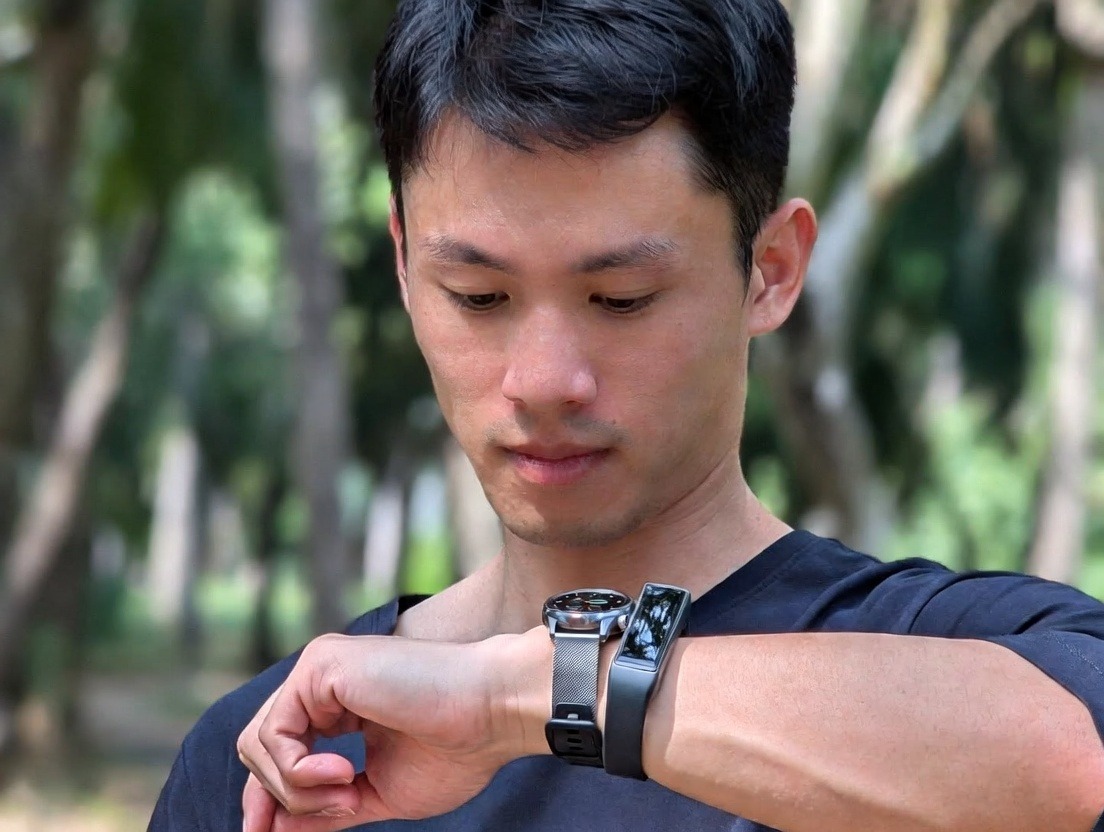
While the smart ring is a pinnacle of consumer-focused multi-sensor fusion, this technological paradigm is radiating outward, transforming the entire health technology landscape. The core principle—that combining disparate data streams yields superior insight—is being applied across scales, from the microscopic level of implantables to the macroscopic level of population health. This expansion is creating a more connected, intelligent, and proactive healthcare ecosystem.
1. Clinical and Medical Device Integration:
2. The Smart Home as a Health Sensor Network:
The home itself is becoming a multi-sensor fusion platform. This "ambient sensing" aims to monitor health passively, without any wearables.
3. Digital Therapeutics and Behavioral Health Platforms:
Fusion is key to creating closed-loop digital therapies. For example:
4. Population Health and Research:
On a macro scale, aggregated, anonymized fused data from millions of users can become a powerful tool for public health.
The smart ring, therefore, is not an island. It is a potent node in this expanding network. Its data can fuse with your smart scale (body composition), your food logging app, and your electronic medical record. This creates a Personal Health Cloud—a fused data repository that gives a complete picture of your health, empowering both you and your care team. This interconnected future moves us toward a system where health management is continuous, contextual, and deeply personalized, supporting everything from daily energy management to long-term adherence to a weekly restful living plan for structure and sustainability.
The most sophisticated Multi-Sensor Data Fusion system is only as valuable as the human interpreting its output. The shift from simple step counts to complex, multi-dimensional health narratives requires a parallel shift in user literacy and mindset. Navigating this new world of rich data without falling into common psychological and analytical traps is essential for reaping the benefits and avoiding new forms of stress.
From Metric Fixation to Pattern Recognition:
The biggest pitfall is "metric fixation"—obsessing over a single number from a single moment. In the fusion paradigm, the power lies in patterns and correlations over time. A low HRV score on one morning is a data point; a week-long declining trend in HRV coupled with rising resting heart rate and restless sleep is a meaningful story. Users must be educated to look at the dashboard holistically, to understand the narrative woven by the fused data, not to hyper-focus on individual threads. The technology itself should guide this by emphasizing trends, providing "scores" that integrate multiple metrics, and using language that speaks to states ("Recovery," "Strain," "Balanced") rather than just presenting raw numbers.
Understanding Context and "The Why":
Fused data provides exceptional what and when, but the user must often supply the why. The device might tell you that you had high sympathetic arousal at 3:22 PM. It’s up to you to recall that this was exactly when you had a difficult conversation with your boss. This act of conscious correlation is where behavior change ignites. Journaling features that allow users to log tags like "caffeine," "hard workout," "argument," "deadline" alongside their physiological data are crucial. Over time, both the user and the device’s AI learn personal triggers. This transforms data from a report card into a diagnostic tool for one’s life.
Avoiding Orthosomnia and Health Anxiety:
A real and growing concern is "orthosomnia," a term coined by sleep researchers to describe the pursuit of perfect sleep data, leading to increased anxiety about sleep. When users become overly preoccupied with achieving a "perfect" sleep score or a specific HRV number, the tool designed to improve health can paradoxically harm it. The same can happen with stress scores or recovery metrics. The antidote is a focus on functional outcomes. Do you feel more rested? Are you performing better in your workouts? Is your mood more stable? The data should be used to inform behaviors that improve these subjective experiences, not become an end in itself. Sometimes, the best use of the data is to ignore it and practice how digital detox enhances restful living, trusting your embodied sense of wellbeing.
Navigating Individual Differences and Avoiding Comparison:
Fusion technology is powerful because it personalizes. This means that comparison is not only useless but misleading. Your friend’s HRV of 80 ms and deep sleep of 90 minutes might be normal for them, while your baseline of 45 ms and 60 minutes is normal and healthy for you. Comparing absolute numbers can lead to unnecessary worry or complacency. The only valid comparison is you vs. you. Educational content must reinforce this constantly, teaching users to understand their own "zones of normalcy" and to look for deviations from their personal baseline, not from population averages or their peers’ social media posts.
The Role of Professional Guidance:
As this data becomes richer, its potential integration with professional healthcare grows. Users should be encouraged to share longitudinal trends with their doctors, not daily fluctuations. A printout showing a months-long trend of rising nighttime resting heart rate or deteriorating sleep efficiency is far more valuable to a physician than a single day’s "poor" score. This data can help pinpoint the timing of issues, assess the effectiveness of interventions, and foster a more collaborative patient-provider relationship. It can be the objective bridge between the patient’s subjective feeling of "I’m always tired" and a clinical investigation.
Ultimately, the human factor is about fostering a healthy relationship with data. It’s a tool for self-awareness and experimentation, not a source of judgment or anxiety. The goal is to use these profound insights to make gentle, sustainable adjustments—perhaps inspired by the restful living diet foods that calm your nervous system—that support the body’s innate wisdom, creating a virtuous cycle where technology enhances human intuition, rather than replaces it.
To truly grasp the transformative power of Multi-Sensor Data Fusion, let's follow a single night's data for a hypothetical user, "Alex," and see how isolated signals become a coherent, actionable health story. This granular look reveals the interplay of sensors and the layered intelligence that simple trackers cannot provide.
The Raw Streams (11 PM - 7 AM):
Stage 1: Sleep Staging (Feature-Level Fusion in Action)
The fusion algorithm takes 30-second "epochs" of this data:
Stage 2: Identifying Events (Sensor Correlation)
Stage 3: The Morning Report (High-Level Fusion & Insight Generation)
Alex wakes up and checks his app. He does not see raw sensor data. He sees a synthesized Sleep Score: 78/100.
The narrative explains:
The Difference:
A non-fused device might have simply said: "You slept 7.2 hours. Light Sleep: 5h, Deep Sleep: 1h, REM: 1h." It would miss the low HRV trend, the correlation with caffeine, the breathing disturbances, and the specific heart rate anomalies. It provides a skeleton; fusion provides a living, breathing diagnosis of the night.
This single night’s snapshot, when fused with weeks of similar data, can reveal powerful trends about Alex’s response to training load, his susceptibility to stress, and his overall metabolic health. It turns a night of unconsciousness into a rich chapter in the ongoing story of his wellbeing, providing the specific clues needed to tailor his approach to restful living for improved relationships and mood, knowing that his sleep quality is the foundation of his daily resilience.
Your Trusted Sleep Advocate: Sleep Foundation — https://www.sleepfoundation.org
Discover a digital archive of scholarly articles: NIH — https://www.ncbi.nlm.nih.gov/
39 million citations for biomedical literature :PubMed — https://pubmed.ncbi.nlm.nih.gov/
Experts at Harvard Health Publishing covering a variety of health topics — https://www.health.harvard.edu/blog/
Every life deserves world class care :Cleveland Clinic - https://my.clevelandclinic.org/health
Wearable technology and the future of predictive health monitoring :MIT Technology Review — https://www.technologyreview.com/
Dedicated to the well-being of all people and guided by science :World Health Organization — https://www.who.int/news-room/
Psychological science and knowledge to benefit society and improve lives. :APA — https://www.apa.org/monitor/
Cutting-edge insights on human longevity and peak performance:
Lifespan Research — https://www.lifespan.io/
Global authority on exercise physiology, sports performance, and human recovery:
American College of Sports Medicine — https://www.acsm.org/
Neuroscience-driven guidance for better focus, sleep, and mental clarity:
Stanford Human Performance Lab — https://humanperformance.stanford.edu/
Evidence-based psychology and mind–body wellness resources:
Mayo Clinic — https://www.mayoclinic.org/healthy-lifestyle/
Data-backed research on emotional wellbeing, stress biology, and resilience:
American Institute of Stress — https://www.stress.org/


