


Health Tracking Technology: The Next Decade of Innovation
Predictions for the next ten years of innovation in health tracking technology.
Predictions for the next ten years of innovation in health tracking technology.
%402x.svg)
Imagine a world where your wearable doesn't just tell you what is happening with your body, but why it’s happening, and precisely what to do about it. A world where a silent, elegant ring on your finger can predict a looming illness before you feel a single symptom, guide your nervous system from stress to calm in real-time, and offer a deeply personalized blueprint for longevity. This is not science fiction. It is the imminent future of health tracking technology, poised to transition from passive monitoring to active, intelligent health guardianship over the next ten years.
We stand at a critical inflection point. The last decade was defined by democratization—making basic step counting, heart rate tracking, and sleep staging accessible to millions. These devices created a foundation of awareness, a quantified self. But awareness without insight is merely data. The coming decade will be defined by interpretation, prediction, and personalization. Fueled by leaps in artificial intelligence, sensor miniaturization, and a deeper understanding of human physiology, health tech will evolve from a dashboard on your wrist into an integrative health partner.
This seismic shift will redefine our relationship with our own well-being. It will move healthcare from a reactive, clinic-centric model to a continuous, personalized, and proactive practice embedded seamlessly into our daily lives. The implications are profound, touching everything from how we manage chronic conditions and optimize mental resilience to how we fundamentally conceive of preventive medicine. In this deep exploration, we will chart the course of this revolution, examining the key innovations that will transform how we live, rest, and thrive.

The first generation of health trackers excelled at counting. Steps, calories, hours in bed, resting heart rate—these were simple, aggregate metrics. While valuable for fostering general awareness, they provided a shallow, one-dimensional view of health. The next decade’s foundation is being built on a profound shift: moving from counting external actions to interpreting internal states. This requires diving into the autonomic nervous system (ANS), the master regulator of our stress response, recovery, digestion, and overall homeostasis.
Modern advanced wearables, particularly those leveraging the vascular-rich finger like smart rings, are now capturing biomarkers that offer a direct window into ANS activity. Heart Rate Variability (HRV) has moved from an obscure metric for athletes to a central pillar of holistic health tracking. HRV measures the subtle variations in time between each heartbeat, a non-invasive snapshot of your body’s resilience and capacity to adapt to stress. A higher HRV typically indicates a more relaxed, resilient state (parasympathetic dominance), while a lower, less variable heart rate can signal stress, fatigue, or poor recovery (sympathetic dominance).
But the innovation lies not in measuring HRV alone, but in contextualizing it. Next-generation algorithms are learning to disentangle the myriad factors influencing your ANS. Was your HRV dip caused by a strenuous workout, a latent infection, an emotional conflict, or a poor night’s sleep? By correlating HRV trends with data on sleep stages, activity levels, respiratory rate, and even skin temperature, devices are beginning to answer these questions. This transforms raw data into physiological insight. For instance, a sustained drop in nocturnal HRV coupled with a rising baseline skin temperature might provide an early signal of immune system activation days before you feel unwell.
This foundational layer of physiological insight is crucial for everything that follows. It moves us from “I slept 7 hours” to “My deep sleep was fragmented due to elevated sympathetic nervous system activity last night, likely linked to the late work stress, and my body is showing signs of incomplete recovery.” This is the language of true health understanding, and it forms the essential bedrock for the predictive, personalized, and actionable future we are heading toward. This deep dive into the nervous system’s state is also the core principle behind restful living and longevity, where modulating this balance is key to a longer, healthier life.
With a rich, multi-layered stream of physiological insight as its input, the true powerhouse of the next decade emerges: the Artificial Intelligence Health Guardian. This is not mere pattern recognition; it is a continuously learning, personalized model of you. Its primary function evolves from reporting the past to predicting and preventing future deviations from your optimal health trajectory.
Imagine your device analyzing months of your biometric data—your sleep architecture, workout recoveries, stress responses, menstrual cycle phases, and HRV trends. It learns your unique baseline and the nuanced patterns that signify “normal for you.” Then, it begins to detect anomalies. Sophisticated machine learning models will identify subtle precursors to known issues. Research is already showing the potential to predict episodes of conditions like atrial fibrillation, glycemic variability in diabetics, or the onset of depressive or anxious states through changes in sleep, activity, and autonomic tone.
The AI Guardian will provide actionable foresight. Instead of an alert saying “High Heart Rate,” you might receive a notification: “*Biometric patterns suggest a high likelihood of a migraine within the next 12-24 hours. Consider prioritizing hydration, reducing screen time, and practicing the breathing exercise we discussed. Your stress load has been elevated for 48 hours.*” Or, for an athlete: “*Recovery metrics are suboptimal despite 8 hours of sleep. Inflammation markers (via skin temp and HRV) are elevated. Recommend a light, restorative walk instead of today’s planned high-intensity session to avoid overtraining.*”
This predictive capability will fundamentally alter the doctor-patient relationship. You will arrive at appointments not with vague symptoms, but with a detailed, longitudinal report of pre-symptomatic biometric shifts. This shifts medicine from sick-care to true health-care. The AI acts as a 24/7 preventative sentinel, identifying risks early when they are most malleable and least costly to address. This proactive framework is essential for modern professionals, as managing these precursor states is key to creating calm in stressful jobs and sustaining performance.
The form factor of health technology is undergoing a quiet revolution. While smartwatches will remain popular, there is a powerful trend toward miniaturization and discretion, with the smart ring leading the charge. The next decade will see these devices become virtually invisible—not just in design, but in their seamless integration into our lives.
The finger offers a superior physiological vantage point for many key biomarkers. With a denser vascular bed and less motion artifact during sleep and daily activities than the wrist, it provides a more reliable signal for pulse oximetry (blood oxygen), heart rate, and HRV. This makes it an ideal form factor for the most important pillar of health: sleep. Unobtrusive, comfortable, and capable of collecting clinical-grade data night after night, the smart ring is becoming the cornerstone of continuous, non-invasive monitoring.
But innovation won’t stop at rings. We will see a proliferation of sensor-enabled everyday objects. Smart fabrics with woven fiber optics will monitor respiration and muscle exertion. Adhesive epidermal patches, lasting weeks, will track advanced biomarkers like interstitial glucose or lactate. Even our environments will become sensing platforms—smart mirrors that analyze facial micro-circulation for signs of fatigue or stress, or car seats that monitor posture and alertness.
The goal is a “sensor ecosystem.” Your ring handles core biometrics, your shirt monitors workout form and thoracic breathing, your ear buds track core temperature, and your environment fills in the contextual gaps. All this data is synthesized by your AI Guardian into a coherent picture. This discreet, continuous, and multi-point monitoring is the only way to capture the full spectrum of human health, which unfolds not in discrete moments at a clinic, but in the continuous flow of daily life. This aligns with the principle of minimalism enabling restful living—technology that fades into the background, reducing cognitive load and digital clutter while enhancing self-awareness.
One of the most exciting frontiers in the next decade of health tracking is the exploration of our internal ecosystem, specifically the gut-brain axis. We are beginning to understand that digestive health is not an isolated system but a central communicator with our brain, immune function, and even our mood through the vagus nerve. The future of wearables will extend beyond external metrics to include insights into this critical dialogue.
While we may not have implantable gut sensors anytime soon, non-invasive proxy metrics will provide unprecedented insight. Devices will increasingly track markers that reflect digestive health and its impact on overall well-being. For example, continuous core body temperature monitoring can help identify subtle, localized inflammation. Heart rate variability, especially its respiratory-linked component (known as respiratory sinus arrhythmia), is heavily influenced by vagal tone, which is the activity of the primary nerve connecting gut and brain.
More directly, next-generation devices may incorporate breath analysis sensors. Early prototypes can detect volatile organic compounds (VOCs) in exhaled breath, which can indicate specific gut fermentation processes, metabolic states, or even the presence of certain pathogens. Coupling this with detailed food and mood logging (powered by effortless AI-assisted journaling), your health guardian could begin to draw correlations. It might identify that meals high in certain FODMAPs consistently lead to a 15% dip in your HRV three hours later and fragmented sleep, or that a probiotic regimen correlates with improved morning readiness scores.
This holistic view transforms how we approach issues like bloating, brain fog, or low-grade anxiety. Instead of treating them as separate symptoms, the data may reveal a common root in gut dysbiosis or food sensitivities. The guidance shifts from generic “eat healthy” to personalized, data-driven recommendations: “Your data suggests poor vagal tone after late meals. Try finishing dinner 3 hours before bed and see the impact on your deep sleep.” Or, “The fermented foods you introduced last week correlate with a steady improvement in your stress resilience scores. Consider maintaining this dietary addition.” This deep, systemic understanding is a natural extension of learning about foods that calm your nervous system, providing a high-tech feedback loop for dietary choices.
The stigma around mental health is slowly eroding, and technology is poised to play a transformative role by making the invisible visible. The next decade will see mental well-being elevated to the same level of biometric tracking as physical activity. The goal is not to diagnose conditions, but to provide objective, correlative data on emotional and cognitive states, creating a powerful tool for self-awareness and proactive management.
Wearables will track a suite of biomarkers that serve as proxies for mental load and emotional state. As mentioned, HRV is a premier metric for stress and resilience. But we will see increased focus on physiological stress signatures. This includes electrodermal activity (EDA), which measures tiny changes in skin sweat, a direct indicator of sympathetic nervous system arousal. It also includes voice pattern analysis via smartphone integration—detecting subtle changes in tone, pace, and cadence that can indicate anxiety or low mood.
The most significant advance will be in passive, continuous context. Your AI Guardian will learn what biometric patterns look like for you during a focused work session, a tense conversation, a relaxing meditation, or a period of rumination. It can then prompt you in the moment. For example, if it detects a rising EDA signal and increased respiratory rate while you’re sitting at your desk, it might suggest a 90-second breathing break before you consciously recognize your own agitation. It can correlate social interaction (via calendar and phone use data, with privacy controls) with subsequent changes in HRV, helping you understand which activities genuinely recharge you versus those that drain you.
This creates a powerful feedback loop for emotional regulation. Over time, you don’t just feel better after a walk in nature; you can see the 25% increase in your HRV and the shift in your EDA baseline, reinforcing the positive behavior. For those managing anxiety or working on emotional resilience, this objective data demystifies internal experiences and empowers actionable change. It turns subjective feeling into manageable information, a critical step for high-achievers seeking performance through rest and managing the psychological demands of success.
The era of one-size-fits-all nutrition advice is ending. The next decade will usher in hyper-personalized nutrition, guided by real-time metabolic data from our wearables. While continuous glucose monitors (CGMs) have provided a glimpse of this future, the innovation will be in integrating this data stream with a symphony of other biomarkers to provide a holistic view of metabolism, not just sugar levels.
Future devices may use non-invasive or minimally invasive spectroscopic sensors to track not just glucose, but key ketones, lactate, and perhaps even markers like cortisol or CRP (C-reactive protein, for inflammation) from interstitial fluid. The AI’s role is to make sense of this complex metabolic orchestra in the context of your life. It will learn how your body uniquely responds to different foods, meal timings, and combinations.
The insights will be revolutionary. Your device could tell you that a breakfast of oatmeal spikes your glucose and triggers an inflammatory response (via rising skin temperature and lowered HRV), while an omelet provides steady energy and supports metabolic flexibility. It could identify that your optimal eating window for weight management and energy is 10 hours, not 8. It could alert you that a period of high work stress is driving metabolic resistance, making you more prone to storing fat, and suggest specific dietary adjustments to counteract it.
This goes far beyond weight loss. It’s about metabolic health—optimizing energy, reducing systemic inflammation, and preventing insulin resistance. The guidance becomes dynamic. Before a meal, you could scan a food item and receive a prediction of your likely biometric response. After a meal, you’ll get feedback on how well your body processed it. This turns every meal into a learning opportunity about your unique biology, moving from dogma (“carbs are bad”) to personalized truth (“sourdough bread works for my metabolism, but white pasta does not”). This continuous feedback is the ultimate tool for adapting your approach to wellness through the seasons of life and changing metabolic needs.

Sleep tracking will evolve from a simple report card into a dynamic optimization engine. We will move beyond knowing how much deep sleep we got, to understanding why we didn’t get enough and what we can do to improve it, night by night. Sleep will be treated not as an isolated event, but as the pinnacle of the daily recovery process, influenced by everything that happens in the preceding 16 hours.
Next-generation sensors will provide a more nuanced picture of sleep physiology. Advanced PPG (photoplethysmography) and novel sensors will better distinguish between sleep stages, detect micro-arousals (brief awakenings that fragment sleep quality), and even provide insights into sleep architecture stability. Integration with environmental sensors will quantify room temperature, humidity, light pollution, and noise levels, directly correlating them with sleep disruptions.
The AI Sleep Coach will use this data to provide prescriptive feedback. Its analysis won’t be, “You got 45 minutes of deep sleep.” It will be: “*Your deep sleep was fragmented because your core body temperature didn’t drop sufficiently due to a late, high-glycemic dinner. Furthermore, elevated cortisol from yesterday’s late work session delayed sleep onset by 22 minutes. For tonight: 1) Consume your last meal 4 hours before bed. 2) Perform the 10-minute legs-up-the-wall yoga pose to aid thermoregulation at 9 PM. 3) Disable work notifications after 7 PM.*”
Furthermore, we’ll see the rise of closed-loop sleep environments. Your wearable will communicate with your smart thermostat to gradually lower the bedroom temperature as you progress through sleep stages. It could interface with a smart speaker to play soundscapes that entrain brainwaves for deeper sleep or use gentle haptic vibrations to guide you through breathing exercises if it detects elevated heart rate during the night. This transforms the bedroom into an active recovery pod, intelligently orchestrated to deliver the most restorative sleep possible. Mastering this is a cornerstone of any weekly plan for sustainable wellness.
As health tracking becomes more intimate, predictive, and powerful, the questions of ethics, privacy, and data ownership move from the periphery to the center of the conversation. The next decade of innovation must be built on a foundation of trust. Users will rightly demand not just clever features, but ironclad guarantees about who owns their most personal data—their biological blueprint—and how it is used.
The successful health platforms of the future will be those that adopt a “Privacy-First by Design” philosophy. This means:
The business models will also shift. The most trusted brands will likely move away from monetizing user health data outright. Instead, value will come from premium subscriptions for advanced insights, integration with professional healthcare systems, or selling the hardware and software as a service to corporations for employee wellness programs (with strict employee data protections). Winning the next decade is as much about winning user trust as it is about technological brilliance. This necessitates a conscious digital detox to enhance restful living, ensuring our relationship with technology remains healthy and balanced.
For health tracking to realize its ultimate potential, it must break out of the consumer wellness silo and integrate meaningfully with the professional healthcare system. The next decade will see the rise of the “Connected Health Ecosystem,” where patient-generated health data (PGHD) flows seamlessly and securely into electronic health records, empowering clinicians and creating a continuous feedback loop between check-ups.
This integration faces hurdles—data standardization, clinical validation of consumer-grade sensors, and physician workflow integration—but the momentum is unstoppable. We will see the development of FDA-cleared or CE-marked “prescribable wellness” devices. A cardiologist might “prescribe” a smart ring to a patient with hypertension to monitor sleep apnea risk and stress load. A psychiatrist could use longitudinal mood and arousal data from a wearable to objectively track the efficacy of a new medication or therapy protocol.
The clinician’s dashboard will not show raw step counts. It will display interpreted trends: “*Patient’s sympathetic overdrive has reduced by 40% since starting beta-blockers, and sleep efficiency has improved correlating with reported mood improvement.*” For chronic disease management, this is transformative. A diabetic patient’s CGM, activity, and sleep data could be synthesized into a weekly report for their endocrinologist, highlighting patterns of nocturnal hypoglycemia linked to late exercise.
This ecosystem also enables remote patient monitoring (RPM) at an unprecedented scale and sophistication. Post-operative patients, elderly individuals living independently, or those with chronic heart conditions can be monitored continuously, with AI flagging only concerning deviations for human clinician review. This makes healthcare more proactive, preventive, personal, and efficient, reducing hospital readmissions and catching complications early. When individuals are empowered with this level of insight, it naturally improves relationships and mood by reducing the anxiety and helplessness that often accompany health management.
The convergence of all these trends points toward the ultimate goal: a data-driven, personalized longevity blueprint. Health tracking in the next decade will increasingly focus on measuring and optimizing the very hallmarks of aging itself. It will shift from managing discrete diseases to extending our “healthspan”—the number of years we live in good health.
Wearables will begin to track proxies for biological age. This includes:
Your AI Guardian will use these markers to construct a dynamic “Vitality Score” or “Biological Age Estimate.” More importantly, it will test interventions in real-time. It can run n=1 experiments: “*For the next two weeks, we will suggest a 16-hour fasting window on Mondays and Wednesdays and measure the impact on your morning metabolic flexibility score and inflammation markers.*” Or, “*Implementing a consistent 10 PM bedtime for one month improved your deep sleep percentage by 18% and reduced your estimated biological age metric. This is a high-impact lever for you.*”
This turns longevity from a vague, distant goal into a daily, optimized practice. You will have a continuous readout on the metabolic, neurological, and cellular health of your body, allowing you to make lifestyle choices that directly influence your health trajectory. This proactive ownership of one’s aging process is the pinnacle of protecting your energy with boundaries, saying no to what depletes your biological capital and yes to what enriches it.
For all this technology to be adopted and sustained, the human interface must evolve from app-centric notifications to something far more ambient, intuitive, and psychologically empowering. The goal is to reduce digital friction and anxiety while increasing actionable insight. The interface of the future will be less about staring at charts and more about seamless integration into our cognitive and physical environment.
We will see a shift toward:
This human-centric design is crucial for long-term engagement. It ensures the technology serves our well-being without becoming a source of obsession or stress. It empowers us with knowledge while respecting our cognitive bandwidth, allowing us to stay connected to our bodies without being tethered to our screens. This philosophy is essential for maintaining calm on the go, where simplicity and intuitive feedback are paramount. Furthermore, it complements foundational practices like how breathwork supports daily calm, where the device can initiate and guide the very behaviors that improve our health.
The pinnacle of next-generation health technology is not just superior sensing or even brilliant prediction—it’s the ability to close the loop. This means the system doesn't just identify a problem ("elevated stress," "poor recovery," "metabolic inflexibility") but automatically suggests or initiates a personalized, context-aware intervention to correct it. The device transitions from a diagnostician to a therapist and coach, actively guiding behavior in real-time.
This closed-loop functionality will manifest in several ways. For acute stress modulation, your device, upon detecting a spike in sympathetic arousal via HRV and EDA, could automatically launch a guided breathing exercise on your phone or through your earbuds, using haptic pulses to pace your inhales and exhales. The session would continue until your biometrics show a return to baseline, providing immediate biofeedback. For recovery, if your sleep data indicates poor thermoregulation, your wearable could signal your smart bed or thermostat to adjust temperature mid-sleep cycle.
The most profound impact, however, will be on long-term behavioral change. Leveraging principles from behavioral psychology, the AI will learn your unique motivators and barriers. It will understand that you are more likely to take a walking meeting after lunch if it’s sunny, or that you consistently skip evening wind-down routines when you have a late video call. Instead of generic, nagging reminders, it will deliver hyper-contextual suggestions: “*You have a 20-minute gap before your next call. A brisk walk now would improve your afternoon focus scores based on past data.*” Or, “You’re planning a high-intensity workout tomorrow morning. Starting your breathwork routine now will improve your sleep architecture and readiness.”
The system will also master motivational timing. It will know when to celebrate a streak of good sleep with positive reinforcement and when a gentle nudge is needed after a slip. By tying microscopic, daily actions to macroscopic, long-term trends (“Sticking to your sleep schedule this month has increased your average HRV by 12%”), it makes the abstract goal of “better health” feel tangibly achievable. This turns the wearable into a true partner in habit formation, seamlessly integrating the science of structured sustainability into the fabric of daily life.
Our health is not an isolated system; it is in constant dialogue with our environment. The next decade will see health trackers evolve to understand this dialogue, synthesizing personal biometrics with external environmental data to provide a complete picture of the factors influencing well-being. Your device will become an interpreter of your personal ecosystem.
This integration will happen on multiple levels. First, the immediate micro-environment: Future devices or their companion smartphones will incorporate or access data from environmental sensors measuring air quality (PM2.5, VOCs), noise pollution, light spectrum (especially blue light exposure), and local weather (barometric pressure, humidity). Your AI Guardian will correlate these with your biometrics. It might identify that your elevated resting heart rate and poor sleep on certain nights consistently coincide with high pollen counts or a spike in indoor CO2 levels from poor ventilation. It could then recommend running an air purifier, taking an antihistamine at a specific time, or adjusting your home's ventilation.
Second, the macro-environment and geography: By incorporating location data (with explicit user permission and privacy controls), the system can add another layer of context. It could learn that your stress biomarkers are consistently lower when you work from a park or a café versus your home office. It could track how travel across time zones affects your circadian rhythm with precision, offering a tailored jet-lag protocol that starts before you even board the plane. For those with chronic conditions like migraines or arthritis, correlating symptoms with hyperlocal barometric pressure changes could provide predictive warnings.
This environmental intelligence turns your tracker into a guardian of your personal space. It can offer prescriptive advice for optimizing your surroundings: “The light in your home office is deficient in morning-spectrum brightness, which correlates with your afternoon energy slump. Consider a sunrise-simulation lamp.” Or, “Air quality is poor today. Reschedule your outdoor run for tomorrow and do the indoor strength workout instead to protect your respiratory recovery.” This holistic view is essential for anyone looking to build a resilient lifestyle, especially when traveling and maintaining calm on the go in unfamiliar environments.
A transformative and potentially disruptive frontier in the coming decade is the migration of advanced diagnostic capabilities from the clinic to the consumer wearable. While not replacing medical devices, next-generation sensors will screen for and monitor conditions that currently require periodic lab tests or bulky equipment, enabling continuous, at-risk monitoring and early detection.
We are already seeing the early stages. Smart rings and watches with PPG sensors are exploring the potential for detecting atrial fibrillation (AFib) through irregular rhythm algorithms. The next steps are profound:
This democratization empowers individuals with unprecedented visibility into their own physiology. It enables a shift from episodic, symptom-driven healthcare to continuous, data-driven health management. A person at risk for hypertension can see the direct impact of a meditation session on their BP trend line. A woman can understand her unique cycle and plan her training, diet, and cognitive work accordingly. This level of personal insight is a powerful tool for protecting energy with boundaries, as it provides concrete, biological justification for honoring one's cyclical needs.
Human beings are social creatures, and our health is deeply influenced by our connections. The next wave of health technology will thoughtfully incorporate a social dimension, moving beyond competitive leaderboards to foster supportive communities, shared accountability, and even the study of interconnected well-being.
We will see platforms evolve to enable privacy-focused, opt-in wellness circles. Imagine a small, trusted group—family members, close friends, or a fitness team—who choose to share key, anonymized wellness metrics like “Readiness Score,” “Sleep Stability,” or “Stress Load.” The system could then identify positive correlations or offer supportive nudges. For example, it might notice that when you and your workout partner both have high readiness scores, you complete 20% more volume in your shared sessions. Or, for a couple, it could correlate periods of mutual high stress with sleep disruption and suggest a joint digital wind-down routine.
On a broader scale, anonymous, aggregated community data will become a powerful resource for public health and personal insight. Users could opt-in to contribute anonymized data to study seasonal affective disorder patterns by region, the impact of a local wildfire on community sleep and stress, or the average recovery time from a prevalent virus. In return, individuals could benchmark their own biometrics against relevant, anonymous cohorts (e.g., “Your sleep depth is in the top 10% for women your age in your climate zone”), providing context that is more meaningful than a generic population average.
This social layer must be handled with extreme care to avoid anxiety or social pressure. The focus will be on support, not competition; on understanding collective rhythms, not comparison. The AI could facilitate this by prompting positive, supportive actions: “Your partner had a low recovery score last night. Perhaps suggest a relaxing evening walk together.” This harnesses the power of community to reinforce positive habits, directly supporting the principle that restful living improves relationships and mood by creating shared language and goals around well-being.
For health tracking to become a true, 24/7 companion, the hardware itself must become physically and psychologically unnoticeable. The final barrier to seamless adoption is the device’s material presence on our bodies. The next decade will see a revolution in material science, power management, and design that aims to make the wearable literally fade away.
Advanced Materials: We will move beyond generic silicone and metals to smarter materials. These include:
Energy Harvesting and Battery Life: The need for nightly charging is a major friction point. Innovations here are critical:
Radical Miniaturization: The goal is the “sensor as a jewel.” The bulk of the electronics will be condensed into a tiny module, while the band or ring itself becomes a elegant, customizable piece of personal adornment. The Apple Watch and Oura Ring pointed the way; the future will see collaboration between tech engineers and luxury jewelry designers to create objects of desire that happen to be powerful health guardians. This pursuit of invisible, effortless technology is the ultimate expression of minimalism enabling restful living, removing technological friction and clutter from our pursuit of well-being.
As the world grows more demanding, the science and technology of rest will become a primary focus. The next decade will see “recovery” elevated from a passive byproduct of sleep to an active, engineered process that we can measure and optimize in real-time. Health trackers will become the central command for a personalized recovery protocol.
This goes far beyond sleep staging. It involves tracking multiple dimensions of recovery simultaneously:
Your AI will synthesize these into a Dynamic Recovery Needs Assessment. Instead of a single score, it will identify what kind of recovery you need most. It might prescribe:
This turns recovery into a precise, proactive practice. It validates the need for true rest and provides a science-backed rationale for stepping back, which is the core challenge for high-achievers seeking performance through rest. The device becomes a permission slip and a guide for deep, systemic restoration.

While much of health tech has focused on the body, the next frontier is the direct, non-invasive tracking of cognitive fitness and brain health. We are entering an era where wearables will not just infer mental state from heart rate, but will begin to measure aspects of brain function itself, providing insights into focus, cognitive load, mental fatigue, and long-term neurological resilience.
This will be achieved through a combination of novel sensor modalities and sophisticated inference algorithms. Passive, low-power EEG sensors integrated into headbands, earbuds, or even the frames of smart glasses will measure brainwave patterns (alpha, beta, theta, delta) during daily activities. This won’t require a clinical lab setup; instead, AI will identify meaningful patterns from noisy, real-world data. Your device could detect the onset of "flow state" during deep work (characterized by specific alpha/beta ratios) or identify the brainwave signature of mental fatigue and diminishing returns after 90 minutes of focused effort, prompting an optimal break.
Beyond electrical activity, functional Near-Infrared Spectroscopy (fNIRS) is a promising technology for wearables. It uses light to measure blood oxygenation in the prefrontal cortex, a key area for decision-making and executive function. This could provide a real-time readout of cognitive load. Imagine your device suggesting, "Your prefrontal oxygenation is showing signs of high cognitive strain. It's time to switch to a less demanding task for 20 minutes to restore efficiency," or helping you identify the specific work environments or times of day when your brain is primed for its most demanding analytical tasks.
The implications for long-term brain health are profound. By establishing a baseline of your unique cognitive "fingerprint"—your typical focus cycles, your stress recovery speed, your sleep's impact on next-day clarity—the AI can monitor for concerning deviations. Gradual, subtle declines in processing speed or focus stamina, detectable over months, could be early indicators warranting professional cognitive assessment. Conversely, the system can validate the cognitive benefits of lifestyle interventions, showing you the direct impact of meditation, aerobic exercise, or a new supplement on your measurable brain function. This turns the abstract concept of "brain health" into a series of manageable, optimizable metrics.
For the Integrative Health Avatar to become a reality, the current landscape of walled gardens and proprietary data silos must dissolve. The next decade will be forced toward interoperability—the seamless, secure, and user-controlled flow of health data between devices, apps, and healthcare institutions. The winning platform will not be the one with the most locked-in users, but the one that serves as the most intelligent, trusted hub for a user's entire health ecosystem.
We will see the rise of Open Health Platforms built on standards like HL7 FHIR (Fast Healthcare Interoperability Resources). These will be operating systems for your health data. You will grant permission for your smart ring to share sleep and recovery data with your fitness app, for your continuous glucose monitor to inform your nutrition app, and for all of this aggregated, interpreted data to populate a standardized "Personal Health Record" (PHR) that you own and control. This PHR becomes your portable health asset, which you can choose to share with a new doctor, a specialist, or a health coach with a few clicks.
This interoperability unlocks true personalization. Your AI Health Guardian won't just see your Oura ring data; it will see your Withings scale weight trends, your Headspace meditation session impact, and your Labcorp at-home blood test results. It can then draw correlations no single device or service could. It might find that a specific combination of macronutrients (from your food-tracking app), followed by a specific type of exercise (from your fitness app), leads to your most optimal sleep and next-day cognitive scores.
For the healthcare system, this is revolutionary. A doctor could receive a holistic, pre-consultation report that includes not just patient-reported symptoms, but months of validated, trended biometric data. This reduces diagnostic latency and enables more productive consultations. The movement towards this open, user-centric model is a critical step in reducing digital complexity and fostering the kind of minimalism that enables restful living, where technology serves you cohesively rather than fracturing your attention across a dozen incompatible apps.
As hardware becomes more sophisticated and commoditized, and as the core value shifts from the sensor to the AI-driven insight and coaching, the business models of health technology will fundamentally transform. The era of buying a $300 device and using its basic features forever is ending. The future lies in value-driven subscriptions to health intelligence and outcomes.
Companies will increasingly adopt a hardware-plus-service model. The initial cost of the device may even decrease, as the recurring revenue from software and services becomes the core business. This subscription will provide access to:
This shifts the company's incentive from selling hardware units to ensuring user engagement and positive health outcomes. Their success depends on you feeling healthier, sleeping better, and managing stress more effectively—because that's what keeps you subscribed. This aligns corporate goals with user well-being more directly than ever before.
For employers and insurers, these subscription models are equally compelling. Investing in employee wellness through subsidized access to these advanced health platforms can reduce healthcare costs, decrease absenteeism, and improve productivity. The data (anonymized and aggregated) can help organizations understand population health trends and design better workplace policies, from lighting and noise control to meeting schedules and mental health benefits. This creates a financial ecosystem where investing in proactive, personalized health tracking makes clear economic sense.
As these technologies advance in sophistication and cost, a critical challenge and moral imperative of the next decade will be ensuring they do not exacerbate global health inequalities. The vision of a hyper-personalized health future must be balanced with a drive for equitable access and global health utility. Innovation must flow in two directions: towards ever-more-precise tools for the wealthy early adopters, and towards rugged, affordable, life-saving applications for underserved populations.
In high-resource settings, the focus will be on the "healthspan" and luxury of optimization. In low-resource settings, the same core sensor technologies—PPG, temperature, motion—can be deployed to tackle foundational public health challenges. We will see the development of ultra-low-cost, durable health monitors for:
The AI in these contexts is not a personal coach but a public health triage engine. It can prioritize which patients in a region of 10,000 need to see the one visiting doctor most urgently. Furthermore, the vast, diverse datasets collected from global populations will be invaluable for medical research, helping to create health models that are truly representative of humanity, not just wealthy Western cohorts.
Bridging this gap requires conscious design, cross-subsidization models, and partnerships with NGOs and global health bodies. The goal is a future where the life-saving potential of continuous health monitoring is not a privilege, but a progressively universal component of healthcare, tailored to the needs and constraints of every community. This holistic view of health—from the individual to the population—is a necessary expansion of the conversation beyond personal optimization.
Beneath all the sensors, algorithms, and predictions lies a deeper philosophical shift: technology is offering us an unprecedented mirror for self-knowledge. The next decade will force us to grapple with fundamental questions. What does it mean to know ourselves through data? How do we integrate quantitative biometric truth with qualitative, felt experience? And how do we prevent this knowledge from becoming a source of anxiety or a new orthodoxy?
The most advanced health platforms will need to incorporate psychological safeguards and philosophical wisdom. This includes:
This philosophically-grounded approach ensures technology enhances human flourishing rather than undermining it. The goal is integrated self-awareness, where data deepens your intuition rather than replacing it. You learn to sense your body's need for rest before the red "Low Recovery" alert appears, because you've been taught what that state feels like, backed by months of correlating feeling with data. This is the ultimate synthesis: the ancient wisdom of listening to one's body, amplified and validated by modern science.
As health wearables evolve from wellness gadgets into diagnostic and therapeutic tools, they will increasingly collide with the world of medical regulation. The next decade will see a complex dance between rapid innovation and necessary oversight, shaping which technologies reach the market and how they are used.
We will witness the expansion of the Digital Therapeutics (DTx) and Software as a Medical Device (SaMD) categories. A smart ring's algorithm for detecting atrial fibrillation will require FDA clearance. An AI coaching program designed to lower blood pressure through personalized lifestyle intervention may seek FDA approval as a treatment for pre-hypertension. This regulatory pathway, while rigorous, confers immense value: it validates the efficacy of the technology, allows for prescription by doctors, and opens the door for reimbursement by insurance companies.
This creates a two-tiered market:
Navigating this frontier will be a key challenge for companies. It requires investment in clinical research and regulatory affairs. For consumers, it will become crucial to understand the distinction. The label "FDA-cleared" or "CE-marked as a medical device" will be a key marker of trust and validated efficacy for high-stakes health applications.
Regulators, for their part, will need to adapt. Traditional approval processes are too slow for iterative AI algorithms that learn and improve continuously. We may see the advent of adaptive regulatory frameworks that approve a core, validated algorithm and a process for its safe, monitored evolution. This ensures safety without stifling the pace of innovation that could benefit public health.
To crystallize this vision, let's imagine a day in the life of Alex, a knowledge worker in 2034, guided by their Integrative Health Avatar.
6:45 AM: Alex's smart ring, a sleek titanium band, uses gentle haptic pulses to wake them at the optimal point in their sleep cycle, just after a REM period. The bedside lamp simulates a sunrise. The morning report on the ambient kitchen display shows: "Excellent Recovery (92%). Sleep efficiency 94%, with strong slow-wave sleep. Immune and inflammation markers are optimal. Today's Insight: Your cognitive readiness score peaks between 9-11 AM. Schedule your most demanding analytical work then."
7:30 AM: After a shower, Alex uses a smart mirror for a quick health scan. It analyzes facial microcirculation and pupillary response, confirming the high recovery score and adding: "Hydration optimal. Slight sinus congestion detected (likely environmental allergies); consider your prescribed antihistamine." Alex confirms and the system logs the medication.
9:00 AM - 11:00 AM (Deep Work Block): As Alex begins a complex data modeling task, their smart earbuds with fNIRS detect the brainwave signature of deep focus. The home office lights adjust to a concentration-boosting spectrum, and "do not disturb" mode is automatically enabled on all devices. At 10:50 AM, a subtle haptic nudge from the ring: "Focus efficiency declining. Optimal break window."
11:00 AM - 11:20 AM: Alex takes a walk outside. The ring notes the combination of daylight exposure, gentle movement, and shift in gaze focus, logging it as a "Category A Cognitive Reset. Expected benefit: 85-minute renewed focus period."
1:00 PM: Post-lunch, the ring and CGM patch note a moderate glucose rise followed by a smooth return to baseline. The AI comments: "Meal handled well. Metabolic flexibility score maintained. Note: Adding leafy greens to that meal has shown a 15% improvement in afternoon energy stability in your history."
3:30 PM: During a tense virtual negotiation, the ring detects a sharp rise in EDA and a drop in HRV. A discreet, optional notification appears on the laptop's edge: "Stress response elevated. Breathe?" Alex clicks yes, and the earbuds guide a 60-second covert breathing exercise, using haptics to pace. The biometrics normalize.
6:00 PM: The evening report generates. "Today's Stress Load: Moderate. Recovery Capacity: High. Recommendations: 1) 30-minute zone 2 cardio to clear metabolic byproducts from today's mental work. 2) Finish dinner by 8 PM to align with your optimal circadian fasting window. 3) Digital curfew at 9:30 PM – your wind-down protocol is queued."
10:00 PM: In bed, the ring detects that Alex's core temperature is dropping slower than ideal for their sleep phenotype. It signals the smart bed to activate cooling on their side. A personalized soundscape of pink noise begins. As sleep onset begins, the biometrics show a smooth transition into deep sleep. The system logs the start of another cycle of restoration.
This is not a fantasy. It is the logical endpoint of the trends we see today—deeply personalized, context-aware, and seamlessly integrated, all in service of a healthier, more resilient human experience.
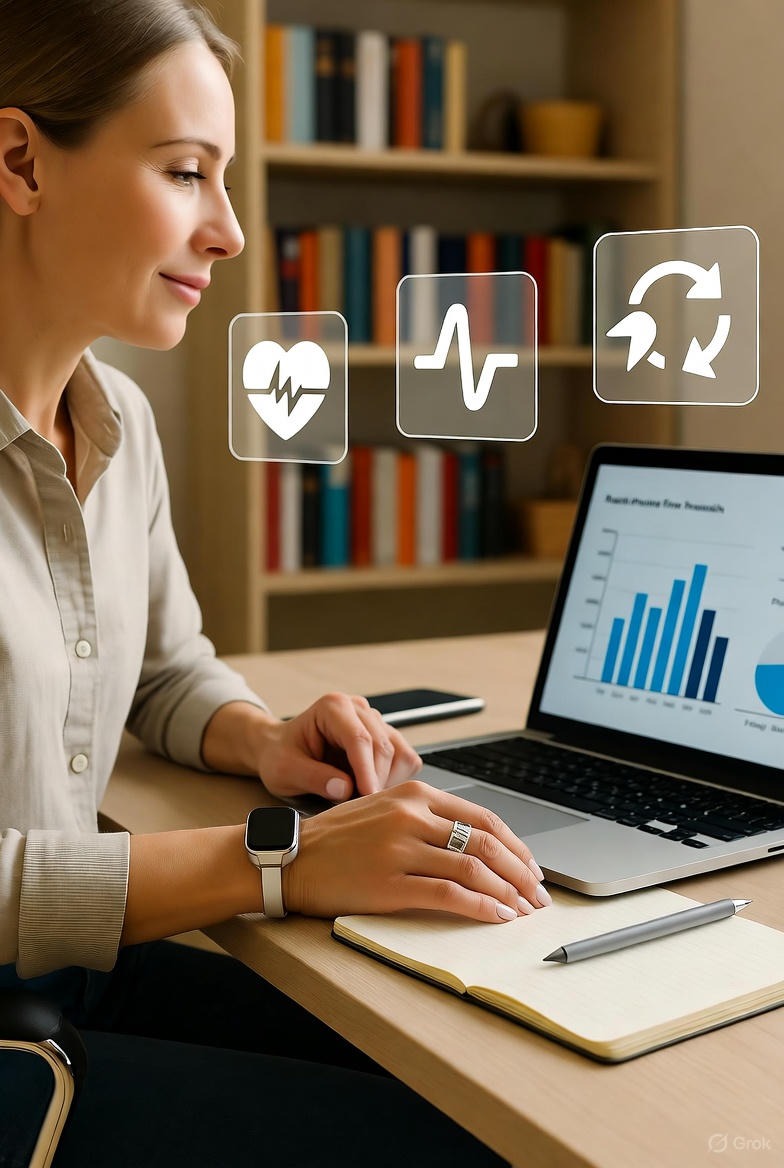
While much of the wellness narrative focuses on optimization and prevention, the most profound near-term impact of next-generation health tracking may be in the management of chronic diseases. For the millions living with conditions like diabetes, hypertension, heart failure, COPD, and autoimmune disorders, continuous, passive monitoring offers a revolutionary shift from episodic crisis management to daily, data-driven stability.
The model moves from reactive intervention to continuous titration. Imagine a patient with congestive heart failure. Today, they weigh themselves daily and watch for swelling, signs that often appear only after significant fluid retention has occurred. In the near future, a smart ring or patch will monitor a suite of precursor biomarkers 24/7: nocturnal heart rate trends, heart rate variability (HRV), respiratory rate, peripheral perfusion (via PPG waveform analysis), and even subtle changes in thoracic fluid content inferred from bioimpedance or pulse wave velocity. An AI trained on decompensation events will identify the unique, early warning signature for that individual—perhaps a steady, slight rise in respiratory rate coupled with a drop in HRV over 48 hours—long before clinical symptoms manifest. An alert would be sent to the patient and their care team: “Early signs of fluid accumulation detected. Consider taking an extra dose of diuretic as per your action plan, and contact your nurse if symptoms develop.” This prevents emergency hospitalizations.
For Type 2 Diabetes, management becomes a dynamic feedback loop. A continuous glucose monitor (CGM) is just the start. When combined with a wearable tracking activity, sleep, stress (via HRV/EDA), and meal timing, the AI can move beyond glucose reporting to predictive coaching. “*Given your current stress biomarkers and yesterday’s poor sleep, your insulin sensitivity is projected to be 20% lower today. Your usual breakfast will likely cause a higher spike. Consider reducing the carbohydrate portion or adding a 10-minute post-meal walk.*” It personalizes the complex interplay of diet, movement, stress, and medication in real-time.
This paradigm requires and fosters a new partnership between patient and provider. The clinician’s role evolves from sole authority to interpreter of longitudinal data and consultant on trendlines. Reviews are based on weeks of continuous data, not a single snapshot. This not only improves outcomes but also empowers patients, reducing the anxiety and helplessness that often accompanies chronic illness. It provides a tangible sense of control through information.
Health tracking will expand beyond the individual to create interconnected Family Health Ecosystems. For parents, the ability to passively monitor a child’s well-being—with appropriate privacy safeguards that evolve with the child’s age—offers unprecedented peace of mind and proactive care.
For infants and toddlers, wearable socks or onesies with medically-validated sensors could monitor heart rate, blood oxygen (SpO2), respiratory rate, and skin temperature. AI could learn a child’s baseline and flag subtle deviations indicative of early infection, apnea events, or distress. This is not about creating anxious parents, but about providing tools for confidence. For example, a notification might say: “Leo’s respiratory rate has been elevated by 25% for the past 3 hours and his temperature is rising 0.5°C above his normal circadian curve. This matches the pattern of his previous ear infections. Consider a pediatric consultation.” This moves care from guessing based on fussiness to acting on pre-symptomatic data.
For older children and teenagers, the focus shifts to establishing healthy baselines and educating about self-awareness. A smart ring for a teen could help them understand the direct impact of late-night screen time on their sleep quality and next-day focus, or how nutrition choices before sports practice affect their performance and recovery. In a world of adolescent mental health crises, passive monitoring of sleep patterns, activity levels, and circadian stability (via temperature and HRV) can provide objective indicators for parents and therapists when a teen is struggling, even if they are not verbally communicating their distress. The data becomes a bridge for conversation: “I notice your sleep has been really fragmented this week and your readiness scores are low. Want to talk about what’s going on?”
Critically, these systems must be designed with graduated autonomy and privacy. As a child matures, control over their data and who sees it should transition from parent to child, teaching digital literacy and bodily autonomy. The Family Ecosystem should be a framework for education and support, not surveillance, embodying the principles of fostering calm and improving relationships through shared understanding.
Employer-sponsored wellness programs are poised to evolve from discounted gym memberships and annual biometric screenings into sophisticated, continuous human performance and resilience platforms. In an era of rampant burnout, attrition, and rising healthcare costs, corporations will invest in these technologies not merely as a perk, but as critical infrastructure to protect their most valuable asset: their employees’ cognitive and physical capacity.
The future corporate wellness platform will be a privacy-first, opt-in ecosystem where employees are provided with a advanced health wearable (like a smart ring). The key differentiator is that raw individual data never goes to the employer. Instead, on-device AI processes the data and provides only two streams of information:
This allows organizations to make data-driven decisions to improve workplace culture and performance. They can:
For the employee, it provides a sanctioned, supported framework to prioritize their well-being without stigma. It creates a common language around sustainable performance, directly supporting restful living for high-achievers within the architecture of their job. The company becomes a partner in health, aligning its success with the sustained vitality of its workforce.
As we embrace this data-rich future, we must confront its inherent psychological risks. The very tools designed to improve health can, for some, become sources of obsession, anxiety, and unhealthy behaviors. The next decade must see the development of digital wellness ethics baked into the technology itself.
Orthosomnia is a coined term for the insomnia fueled by a preoccupation with perfect sleep data. A user becomes so anxious about achieving a "perfect" sleep score that the pressure itself prevents restful sleep. Similarly, an obsessive focus on HRV or calorie burn can lead to compulsive exercise or restrictive eating. This is the Quantification Paradox: the pursuit of quantified health undermines the qualitative experience of well-being.
Next-generation platforms must be architected to mitigate these risks:
The goal is to use data as a guide, not a grade. It should inform intuition, not replace it. This requires a design philosophy that values psychological safety as highly as sensor accuracy, ensuring the path to minimalism and restful living isn’t blocked by the very technology meant to enable it.
The true magic of the next decade will not come from a single, miraculous sensor, but from the AI-driven fusion of multiple, imperfect data streams. By combining inputs from optical (PPG), electrical (ECG/EDA), thermal, motion, and audio sensors, systems will infer biomarkers and states that no single sensor can detect reliably. This is the field of sensor fusion or multi-modal AI.
For example:
This approach is inherently more robust. It allows the system to maintain accuracy even if one sensor is temporarily compromised (e.g., poor optical contact during intense movement). It also enables the discovery of novel digital biomarkers—complex patterns across data streams that correlate with specific health outcomes, potentially leading to new, non-invasive diagnostic tools for conditions we can't easily screen for today.
The burgeoning field of longevity medicine, which seeks to extend healthspan by targeting the biological hallmarks of aging, will become one of the primary clinical consumers of consumer wearable data. Longevity clinics and physicians will shift from relying solely on annual lab tests (like epigenetic clocks) to incorporating continuous physiological clocks derived from wearables.
These clinics will prescribe specific wearables to establish a High-Definition Aging Baseline. They will track:
The wearable becomes the tool to run n=1 experiments on longevity interventions. A patient starts a new supplement, a time-restricted eating protocol, or a novel exercise regimen. Instead of waiting a year for new lab results, the clinician and patient can monitor the continuous physiological response in near real-time. Does the intervention improve deep sleep, lower resting heart rate, increase HRV, and enhance circadian amplitude? The data provides immediate, personalized feedback on efficacy.
This creates a closed-loop longevity practice. The wearable data informs the clinician's recommendations, and the outcomes of those recommendations are verified by the subsequent wearable data. It turns longevity from a theoretical, one-size-fits-all pursuit into a precise, personalized, and dynamically-optimized science. This empirical, data-driven approach is the ultimate expression of taking ownership of one's health trajectory.
The ultimate success of this technology hinges on its ability to fade into the background. The constant pull to look at a smartphone screen for health insights is itself a source of fragmentation and stress. The future is ambient, context-aware coaching that integrates into our physical environment and subconscious cues, heralding a post-smartphone era for wellness.
We will see intelligence distributed across our ambient ecosystem:
The AI becomes an invisible companion that understands context. It knows not to interrupt you during a deep work session or a conversation. It delivers insights at the optimal moment for receptivity and action. This shifts the interaction model from pull (you seeking data) to judicious, intelligent push (the system offering the right insight at the right time).
This ambient future is critical for reducing cognitive load and achieving the digital tranquility necessary for true digital detox and restful living. The technology's highest purpose is to give us back our attention and our intuition, using its vast computational power to create pockets of calm and clarity in our daily lives.
As wearables collect the most intimate data possible—the real-time functioning of your body—they become the ultimate prize for cybercriminals and a potential tool for surveillance. A hack of biometric data is not like a credit card breach; it is a violation of your biological identity. The next decade will see an arms race in biometric data security, demanding new standards and paradigms.
End-to-End Encryption (E2EE) will become the non-negotiable baseline for all raw biometric data in transit and at rest. But we must go further:
Furthermore, we must guard against function creep—the use of health data for purposes beyond individual wellness. Insurance companies, employers, or governments must be legally barred from mandating or using this data for underwriting, hiring, or social scoring. The sanctity of this data is paramount. Users must have absolute transparency and control, ensuring the technology remains a servant to personal health, not a tool for external judgment or control. This foundational security is what allows users to truly trust the system and reap the relationship and mood benefits of lowered anxiety about their personal information.
We have traversed the landscape of the next decade—from the cellular level of metabolic tracking to the societal level of corporate wellness and global health equity. The unifying thread is symbiosis. The future of health technology is not about machines replacing human intuition or medical expertise. It is about creating a symbiotic partnership where technology augments our innate abilities.
It augments our self-awareness, giving us a clear, objective window into the whispers of our body long before they become cries of distress.
It augments our agency, providing personalized, actionable knowledge so we can make informed choices about our lifestyle, diet, and rest.
It augments our resilience, offering real-time tools to modulate stress and optimize recovery in a demanding world.
It augments the clinical practice, giving providers a continuous narrative of health to complement the snapshot of a clinic visit.
This augmented future promises a world where we spend less time and energy worrying about our health because we have the tools to understand and manage it with confidence. It promises a shift from a healthcare system that waits for you to break, to a culture of health that supports you in staying whole.
The journey there requires not just technological brilliance, but wisdom. It demands that we design for privacy, psychological safety, and equitable access with the same fervor we pursue sensor accuracy. It asks us to remember that the goal of all this data is not a perfect score, but a peaceful, vibrant, and fully lived life.
The next decade will determine whether we harness this power to create a more restful, resilient, and healthy humanity, or whether we succumb to new forms of anxiety and inequality. The path forward is clear: technology in service of human flourishing, data in service of wisdom, and innovation in service of a calmer, healthier world for all.
Your Trusted Sleep Advocate: Sleep Foundation — https://www.sleepfoundation.org
Discover a digital archive of scholarly articles: NIH — https://www.ncbi.nlm.nih.gov/
39 million citations for biomedical literature :PubMed — https://pubmed.ncbi.nlm.nih.gov/
Experts at Harvard Health Publishing covering a variety of health topics — https://www.health.harvard.edu/blog/
Every life deserves world class care :Cleveland Clinic - https://my.clevelandclinic.org/health
Wearable technology and the future of predictive health monitoring :MIT Technology Review — https://www.technologyreview.com/
Dedicated to the well-being of all people and guided by science :World Health Organization — https://www.who.int/news-room/
Psychological science and knowledge to benefit society and improve lives. :APA — https://www.apa.org/monitor/
Cutting-edge insights on human longevity and peak performance:
Lifespan Research — https://www.lifespan.io/
Global authority on exercise physiology, sports performance, and human recovery:
American College of Sports Medicine — https://www.acsm.org/
Neuroscience-driven guidance for better focus, sleep, and mental clarity:
Stanford Human Performance Lab — https://humanperformance.stanford.edu/
Evidence-based psychology and mind–body wellness resources:
Mayo Clinic — https://www.mayoclinic.org/healthy-lifestyle/
Data-backed research on emotional wellbeing, stress biology, and resilience:
American Institute of Stress — https://www.stress.org/


