


How Your Smart Ring Motivates Sustainable Movement for Wellness
It uses data to motivate sustainable movement habits that support lifelong wellness.
It uses data to motivate sustainable movement habits that support lifelong wellness.
%402x.svg)
We live in an age of quantified everything. Steps, heartbeats, calories burned, hours slept—our lives are rendered into streams of data. For many, this data-driven approach to health begins with a burst of enthusiasm, a new gadget strapped to the wrist, and a promise to finally “get fit.” But so often, that initial motivation fades. The device becomes another silent, judgmental piece of tech on the charger, a monument to another wellness goal abandoned. The problem was never a lack of data; it was a lack of sustainable motivation.
Enter the smart ring. Discreet, comfortable, and worn 24/7, it represents a fundamental shift from intermittent tracking to continuous, holistic sensing. This isn’t just a step counter you take off at the end of the day. It’s a personal wellness companion that learns your unique rhythms. The true magic of a device like the Oxyzen smart ring lies not in its ability to tell you what you did, but in its profound potential to guide you toward sustainable movement—movement that integrates seamlessly into your life, supports your overall well-being, and, most importantly, sticks.
This article delves deep into the psychology, physiology, and technology behind this quiet revolution. We’ll explore how the subtle, always-on nature of a smart ring moves beyond mere tracking to become a catalyst for lasting change. We’ll uncover the science of sustainable motivation, the critical link between movement, recovery, and sleep, and how personalized data transforms vague intentions into actionable, life-enhancing habits. This is the story of how a small piece of wearable tech on your finger can become the most powerful tool in your journey toward enduring wellness.
We’ve all been there. You set a lofty goal: “I will work out five days a week.” For the first two weeks, fueled by sheer willpower, you succeed. Then, a busy day at work leaves you drained. You skip one session. Guilt sets in. Soon, skipping becomes easier than going, and the goal is quietly shelved. This cycle isn’t a personal failing; it’s a predictable outcome of misunderstanding how human motivation truly works.
Willpower is a finite cognitive resource, like a muscle that fatigues with use. Relying on it to sustain a complex behavior like regular exercise is a recipe for burnout. Sustainable movement, therefore, must be built on systems, not on fleeting motivation. This is where the smart ring excels. It operates on several key psychological principles that bypass the need for constant willpower.
First, it leverages the power of micro-feedback. Unlike a weekly weigh-in or a monthly fitness assessment, a smart ring provides gentle, continuous feedback. A gentle nudge about prolonged inactivity, a celebratory vibration for reaching a small step goal, or a visible indicator of your daily activity score creates a constant, low-stakes conversation with your goals. This transforms the journey from a daunting, all-or-nothing challenge into a series of manageable, daily wins.
Second, it fosters intrinsic motivation. Extrinsic motivators (“I must burn 500 calories”) are powerful in the short term but often lead to resentment. A smart ring, by providing a holistic view of how movement impacts your sleep quality, stress resilience, and daily readiness, helps reframe exercise. It’s no longer just about punishment or aesthetics. You begin to see movement as a gift you give your body—a way to ensure deeper sleep that night or to better manage stress tomorrow. This shift from “I have to” to “I get to” is fundamental for sustainability. For a deeper dive into how quality rest powers your daily life, our blog offers a comprehensive resource on why sleep tracking is worth the investment.
Third, it utilizes the endowed progress effect. Behavioral scientists have found that people are more likely to complete a goal if they feel they have already made some progress toward it. A smart ring’s continuous tracking means you never start from zero. Even on a “lazy” day, you can see the baseline activity you’ve accumulated simply by living. This visual proof of progress, however small, creates momentum and makes it psychologically easier to take that extra walk around the block to “complete” your movement circle or improve your activity score.
Finally, it reduces cognitive load and decision fatigue. “Should I work out today? What should I do? For how long?” These questions drain mental energy. A smart ring that suggests an optimal time for activity based on your circadian rhythm and recovery status, or simply reminds you to move after an hour of sitting, removes those decisions. It becomes a trusted guide, simplifying the path to wellness. By understanding these psychological underpinnings, we can begin to see the smart ring not as a tracker, but as a behavior design tool, engineered to make sustainable movement the path of least resistance.
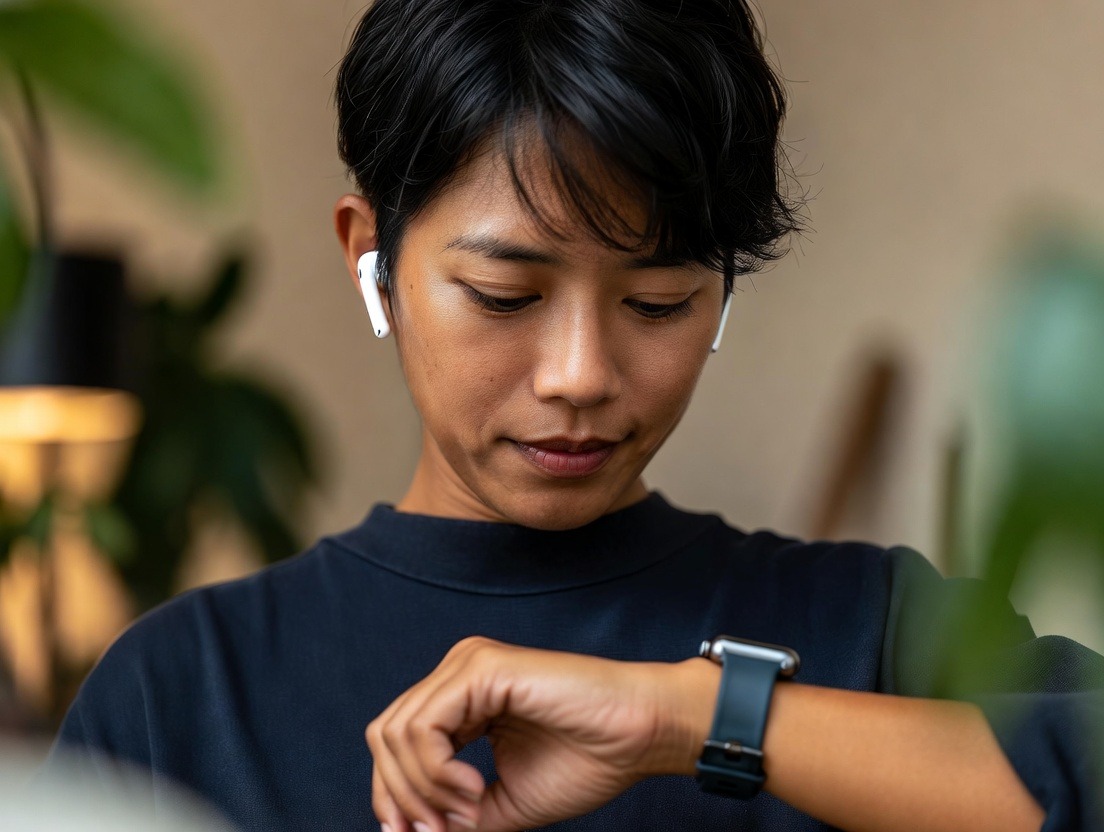
A smart ring’s ability to motivate hinges on one critical factor: the accuracy and depth of its understanding. It’s not just counting steps; it’s interpreting a symphony of physiological signals to paint a complete picture of your body’s state. This transformation of raw data into personal insight is where the true magic happens.
At the core of this understanding are advanced, miniaturized sensors. Typically, these include:
The raw data from these sensors is meaningless without sophisticated algorithms. This is where a platform like Oxyzen distinguishes itself. The algorithms perform a complex, multi-layered analysis:
This integrated analysis creates a dynamic, personalized Body Battery or Readiness Score. Instead of being told you took 8,214 steps, you are given a holistic assessment: “Your body is 72% recovered. Your sleep was restorative but your stress load was high yesterday. A moderate, steady-state walk is recommended today instead of high-intensity training.” This transforms data from a report card into a prescription.
This deep understanding also powers predictive insights. By establishing your personal baselines over time, the ring can detect deviations that signal trends. You might receive an insight stating, “Your resting heart rate has been 5 bpm above your baseline for three days, often correlated with overreaching. Consider prioritizing recovery.” This proactive guidance moves you from reactive health management to proactive wellness optimization. To appreciate the technological marvel behind this, you can explore our detailed explanation on how sleep trackers actually work.
To effectively guide your movement, your smart ring speaks in a language of key metrics. Understanding this language is empowering—it turns abstract feelings of “tiredness” or “energy” into concrete, actionable data. Let’s decode the primary metrics that inform your sustainable movement strategy.
Heart Rate Variability (HRV): Your Internal Stress Barometer
HRV is arguably the most important metric for guiding daily movement intensity. It measures the subtle variations in time between each heartbeat. A higher HRV generally indicates a resilient, relaxed nervous system (parasympathetic dominance), ready for challenge. A lower HRV suggests your body is under stress—physical, mental, or emotional—and is in “fight or flight” mode (sympathetic dominance).
Resting Heart Rate (RHR): Your Metabolic Signature
Your RHR, best measured during deep sleep, is a fundamental indicator of cardiovascular fitness and overall metabolic health. A lower RHR typically signifies a stronger, more efficient heart. Crucially, tracking its trends is more valuable than the absolute number.
Sleep Stages & Quality: The Foundation for Daily Activity
Sleep is non-negotiable recovery. The quality of your movement today is directly dependent on the quality of your sleep last night. A smart ring tracks sleep architecture—light, deep, and REM sleep—providing a score that reflects how restorative your night was.
Activity & Caloric Burn: Beyond the Step Count
While steps are a simple proxy, advanced smart rings estimate active calorie burn and metabolic equivalents (METs) to give a more accurate picture of your total energy expenditure. This includes everything from formal workouts to non-exercise activity thermogenesis (NEAT)—the calories burned fidgeting, standing, and doing daily chores.
By learning to interpret these core metrics together, you move from guessing how you feel to knowing how your body is prepared to perform. This evidence-based self-awareness is the first, critical step toward motivation that is responsive, not forced.
The era of “no pain, no gain” is being replaced by “train smart, recover well.” Generic workout plans fail because they don’t account for your body’s daily readiness. One-size-fits-all intensity can lead to undertraining on days you’re capable of more, or worse, overtraining on days you need to rest. This is where personalized activity zones, powered by your smart ring’s biometric data, revolutionize your approach.
Instead of prescribing a fixed workout, your ring helps you understand what type of movement is optimal for you today. It uses your real-time heart rate data, contextualized against your recovery metrics (HRV, sleep), to guide you into different intensity zones. Think of it as having a personal coach on your finger who adjusts the plan based on your physiological feedback.
Zone 1: Recovery & Regeneration (Very Light)
Zone 2: Aerobic Base Building (Light to Moderate)
Zone 3: Aerobic/Anaerobic Threshold (Moderate to Hard)
Zone 4 & 5: Maximal Effort (Very Hard to Maximal)
The genius of this zonal approach is that it decouples movement from ego. A “good” workout isn’t defined by how hard you pushed, but by how well you matched the workout to what your body needed. This personalized guidance ensures every movement session has a purpose—to either build fitness, aid recovery, or manage stress—making your routine profoundly more efficient and sustainable. For athletes looking to fine-tune this balance, our guide on deep sleep optimization for recovery is an essential read.
Lasting change is built on habits, not heroic efforts. Charles Duhigg, in his book The Power of Habit, outlines the “Habit Loop”: a neurological pattern consisting of a Cue, a Routine, and a Reward. Your smart ring is a master architect of this loop, systematically engineering habits of sustainable movement.
1. The Cue: Making the Invisible Visible
Habits start with a trigger. For movement, the cue is often internal and easy to ignore: a feeling of stiffness, a sense of low energy. The smart ring creates clear, external, and timely cues.
2. The Routine: Simplifying the Action
The routine is the behavior itself. The ring lowers the barrier to starting the routine.
3. The Reward: The Dopamine of Data and Completion
This is where traditional habit formation often falters. The rewards of exercise (better health, mood) are long-term and diffuse. The smart ring provides immediate, tangible rewards that satisfy the brain’s craving for positive feedback.
By consistently executing this loop—Cue (vibration) → Routine (5-minute walk) → Reward (ring closure & stress graph drop)—the smart ring rewires your neural pathways. The action of moving in response to your body’s signals becomes automatic, ingrained, and self-reinforcing. The effort of decision-making is removed, and sustainable movement simply becomes what you do. For more on building life-changing wellness routines, our blog is a treasure trove of practical strategies.
Perhaps the most powerful motivational tool your smart ring provides is the clear, irrefutable evidence of the symbiotic relationship between movement and sleep. They are not separate pillars of wellness; they are two sides of the same coin, engaged in a continuous, reinforcing dialogue. Your ring is the translator of this dialogue, showing you in hard data how each one empowers the other.
How Quality Movement Fuels Restorative Sleep:
How Quality Sleep Enables Effective Movement:
The Ring as Cycle Optimizer:
Your smart ring closes this loop brilliantly. You wake up and check your Sleep Score. A score of 85+ with ample deep sleep is your license to engage in more intense activity (Zone 3-4). A score of 65 following a restless night directs you toward Zone 1 or 2 recovery movement.
The next night, you see the result. That afternoon Zone 2 jog you did is correlated with a 12% increase in deep sleep duration. Conversely, pushing through a high-intensity workout on a low-recovery day is followed by a fragmented sleep graph. This creates a powerful feedback mechanism. You are no longer guessing. You are experimenting on yourself and receiving clear data on what works. This transforms wellness from a chore into a fascinating personal science project. To delve into the specifics of measuring this vital sleep stage, read our guide on what your deep sleep numbers should look like.
For decades, exercise was measured in miles run, weights lifted, and calories burned. But this ignores a critical component of your total daily load: psychological and emotional stress. Your smart ring, by tracking HRV and resting heart rate, quantifies this stress load, revolutionizing how you manage your energy for movement.
Stress: The Invisible Training Load
Your nervous system does not distinguish between the stress of a deadline, an argument, or a heavy squat session. They all contribute to your allostatic load—the cumulative burden of stress on your body. Ignoring life stress and blindly following a rigid workout plan is a classic path to overtraining syndrome, illness, and fatigue.
How Your Ring Quantifies Stress:
Motivating Movement Through Stress Awareness:
This data fundamentally changes your relationship with exercise.
By integrating stress into your movement calculus, you adopt a truly holistic training model. You learn that sometimes the most productive thing you can do for your fitness is to not train harder, but to manage life stress better. This wisdom, delivered through your biometric data, is the cornerstone of a sustainable, lifelong practice. For strategies on managing stress to protect your sleep, consider our insights on the deep sleep formula involving temperature, timing, and habits.
Daily scores and instant feedback are powerful, but the true transformative power of a smart ring is revealed over weeks, months, and years. This longitudinal data tells the story of you—your patterns, your responses, your progress. It shifts the focus from daily fluctuations (which can be discouraging) to meaningful trends (which are empowering). This long-view perspective is arguably the most potent motivator for sustainable change.
Why Daily Data Can Be Deceptive:
A single night of poor sleep or a day of low activity is a data point, not a destiny. Relying solely on daily feedback can lead to a rollercoaster of emotions. The trend line smooths out this noise and reveals the true signal.
The Motivational Insights from Trend Analysis:
The Ring as Your Health Historian:
This long-term data narrative fosters a compassionate, curious relationship with your body. A “bad” week is just a chapter in a much longer book. You can see how far you’ve come, understand your unique rhythms, and make informed decisions about your future. This deep self-knowledge is profoundly motivating. It moves you from chasing arbitrary, external goals to nurturing your internal, biological potential. It’s the difference between a fad diet and a sustainable lifestyle. To see how this story evolves over a lifetime, explore our analysis on how age affects deep sleep and how to compensate.

While the journey to wellness is personal, it need not be solitary. Human beings are inherently social creatures, and our behaviors are deeply influenced by those around us. The final, powerful layer of motivation that a smart ring ecosystem provides is the potential for positive social connection and accountability. This moves the motivation from purely intrinsic (“I want to do this for me”) to a blend of intrinsic and social (“We’re in this together”).
From Isolation to Connection:
Wearing a discreet ring instead of a visible watch can feel like a private endeavor. However, the companion app often serves as a gateway to a community of like-minded individuals.
Accountability Without Anxiety:
The key to healthy social motivation is positive accountability, not shame-based pressure. A smart ring community, when well-designed, focuses on support.
Your Ring as a Conversation Starter:
The device itself can become a point of positive social connection. When someone asks about your ring, it’s an opportunity to share not about a gadget, but about your journey toward understanding your body. You’re not bragging about workouts; you’re discussing the fascinating science of sleep, stress, and recovery. This can inspire others and deepen your own commitment as you articulate your “why.”
In essence, the community layer transforms your smart ring from a personal informant into a node in a network of wellness. It provides encouragement, normalizes setbacks, and celebrates the incremental wins that constitute sustainable change. It reminds you that while the data is yours alone, the journey is shared by many. For a dose of real-world inspiration, browse through the genuine experiences shared in our customer testimonials.
For millions, the greatest barrier to sustainable movement isn’t a lack of will; it’s a lifestyle built around sitting. Modern work, commutes, and leisure often chain us to desks and sofas for 8, 10, or even 12 hours a day. The thought of finding an extra 60 minutes for a “workout” can feel insurmountable. This is where the philosophy of your smart ring shines brightest: it champions the radical power of micro-habits and redefines movement from a scheduled event to a woven-in lifestyle practice.
The science is clear: prolonged sitting is an independent risk factor for poor health, even for those who get regular exercise—a phenomenon dubbed “the active couch potato.” The antidote is not necessarily more grueling gym sessions, but more frequent, low-grade movement throughout the day. This is Non-Exercise Activity Thermogenesis (NEAT), and it’s your smart ring’s primary battleground for creating sustainable change in a sedentary world.
Your Ring as an Inactivity Sentinel:
The most basic, yet profound, feature is the inactivity alert. Unlike a wrist-based device you might take off at your desk, the ring is always on, always sensing. A gentle, discreet vibration after 50 or 60 minutes of uninterrupted stillness is a perfectly timed intervention. It breaks the trance of deep work or binge-watching not with judgment, but with a biological reminder: your body needs to move.
From Alert to Action: The Micro-Habit Menu:
The magic is in what happens next. The ring or its app doesn’t just say “MOVE.” It provides a menu of frictionless, context-appropriate actions:
Stacking for Sustainability:
This is where habit-stacking, a concept popularized by James Clear, comes into play. You attach the new micro-habit of moving to an existing, ingrained habit.
Your smart ring’s data validates these tiny actions. You’ll see your daily step count climb without a dedicated “walk.” You’ll notice your stress graph shows fewer prolonged high-stress blocks. Most powerfully, you may see a direct correlation between the number of inactivity alerts you “answer” and an improvement in that night’s sleep score. This feedback loop proves that these micro-movements are not trivial; they are the essential mortar holding the bricks of your health together.
By focusing on integration over addition, the smart ring makes sustainable movement possible for the busiest, most desk-bound individual. It dismantles the myth that you need large blocks of time and instead shows you that health is built in the hundreds of small decisions you make from the moment you wake up until you go to sleep. For more on building foundational health habits, our FAQ section addresses many common starting-point questions.
Movement does not exist in a vacuum. It is fueled and recovered from by what you eat and drink. For years, nutrition and fitness were separate domains, tracked in different apps with no dialogue between them. Your smart ring changes this by providing objective, physiological feedback on how your dietary choices directly impact your capacity for movement and recovery. It turns your body into a real-time bioassay.
Hydration: The Silent Performance Killer
Even mild dehydration (a loss of just 1-2% of body water) can significantly impair physical performance, increase perceived effort, and hinder cognitive function. Your smart ring detects the subtle signs:
The Motivation: Seeing your afternoon walk generate a heart rate zone 5-10 bpm higher than usual for that pace, coupled with a higher starting RHR, is a powerful cue to assess your water intake. It moves hydration from an abstract “good thing to do” to a concrete performance variable. You start to drink water not because you’re “supposed to,” but because you want your next movement session to feel easier and be more effective.
Nutrition: Fueling vs. Draining Your System
While smart rings don’t track calories ingested, they exquisitely track the metabolic consequences of your food choices.
The Motivation: This data allows for powerful, personal experimentation. Try eating a lighter, protein-and-vegetable-based lunch and see if your typical 3 PM energy dip and stress spike disappear. Notice how your sleep and next-morning readiness score change after a weekend of celebratory meals versus a weekend of whole-food nutrition. The ring provides non-judgmental feedback, allowing you to connect the dots: “When I eat like X, I feel (and my data shows) Y. When I eat like A, I feel (and my data shows) B.”
This transforms nutrition from a realm of dogmatic rules and calorie counting to one of bio-individuality and curiosity. You are motivated to make better choices not for weight loss alone, but for better sleep, lower stress, and more energizing movement. It aligns your diet with your movement goals in the most personal way possible. For insights into foods that specifically support your recovery, explore our list of 10 foods that increase deep sleep naturally.
Every wellness journey encounters plateaus. The initial rapid improvements in energy, sleep, and fitness stabilize, and motivation can wane. This is the point where many people give up, believing they’ve reached their limit. Your smart ring, with its longitudinal data and nuanced metrics, is the ultimate tool for diagnosing and overcoming these stalls. It shifts the question from “Why am I not getting better?” to “What is my body telling me I need to change?”
Diagnosing the Type of Plateau:
By providing an objective diagnosis, the smart ring removes the emotional frustration of a plateau. It becomes a fascinating puzzle to solve, reigniting your curiosity and engagement with your own biology. You are no longer guessing in the dark; you are tuning a complex system with precise feedback. To understand the critical brain-based component of recovery that plateaus often disrupt, read about the connection between deep sleep and memory.
The smart ring on your finger today is just the beginning. This form factor—continuous, unobtrusive, and rich with vascular data—is poised to become the central hub of a hyper-personalized, predictive health ecosystem. Understanding this future direction underscores the long-term value of the device and its role in motivating not just today’s movement, but a lifetime of wellness.
Beyond Tracking: Predictive Health & Early Warning
The next frontier is moving from descriptive analytics (“Your sleep was poor”) to prescriptive and predictive insights.
Hyper-Personalized AI Coaching:
Imagine an AI coach that doesn’t just read your heart rate, but understands your life context.
Seamless Ecosystem Integration:
The ring will become the authenticator and data source for a wellness-centric smart home and office.
This evolving future makes the smart ring not a purchase, but an investment in a continuously improving health partnership. The motivation it provides will become increasingly intelligent, contextual, and anticipatory, solidifying its role as an indispensable tool for sustainable wellness. To learn about the brand pioneering this future, visit our page on the Oxyzen story and vision.

Armed with the knowledge of how and why a smart ring motivates, let’s translate this into action. How do you start, avoid overwhelm, and build a lasting practice from day one? This practical guide leverages the ring’s features to create a foolproof onboarding process.
Phase 1: The Observation Week (Become a Scientist)
For the first 5-7 days, do not change a thing. Wear your ring continuously (check Oxyzen.shop for proper sizing guides to ensure optimal data accuracy). Your only job is to observe.
Phase 2: The Micro-Habit Integration (Start Small, Win Often)
Now, introduce one or two tiny changes based on the ring’s most obvious cues.
Phase 3: Align Movement with Recovery (Listen to Your Data)
After 2-3 weeks, you’ll have enough data to see patterns. Now, begin to let your daily readiness or recovery score guide the intensity of your movement.
Phase 4: Optimize the Cycle (Connect Sleep & Movement)
Begin actively experimenting with the sleep-movement synergy.
Phase 5: Engage & Evolve (Long-Term Sustainability)
Remember, the ring is a tool for self-knowledge, not a taskmaster. The ultimate goal is to internalize its feedback, so you eventually develop an intuitive sense of what your body needs. You’ll know when to push and when to rest, making sustainable movement a natural, joyful part of your life. For ongoing support and answers to common questions, always refer to our comprehensive FAQ page.
The final, and perhaps most profound, way a smart ring motivates sustainable movement is by revealing its purpose extends far beyond physical fitness. It illuminates movement as a core component of holistic wellness—a direct mediator of mental clarity, emotional resilience, and cognitive function. This reframes exercise from a body-shaping activity to a brain-building, soul-nourishing practice.
Movement as a Cognitive Enhancer:
We often seek brain boosts from caffeine or supplements, but one of the most powerful nootropics is movement. Your ring provides the evidence:
Movement as an Emotional Regulator:
The ring quantifies what many feel intuitively: movement is a powerful tool for emotional processing and regulation.
The Mind-Body Feedback Loop Made Visible:
This is where all the metrics converge. A period of high work stress (low HRV) leads to poor sleep. Poor sleep tanks your readiness for movement. Skipping movement further harms sleep and stress. It’s a vicious cycle.
The smart ring breaks this cycle by making the connections undeniable. It shows you that the single most effective lever you can pull to improve your mental state is often physical. It motivates you to go for that walk not just for your heart, but for your overwhelmed mind. It encourages you to do yoga not just for flexibility, but to calm your nervous system.
By positioning movement as the foundational pillar of a holistic wellness system—affecting sleep, stress, cognition, and emotion—the ring provides the ultimate motivation: the promise of a more vibrant, focused, and resilient life. It’s no longer about adding years to your life, but about adding life to your years. This expansive view of movement’s role is what makes the practice truly sustainable and meaningful for a lifetime.
Sustainable movement isn't a 12-week program; it's a lifetime practice. The true test of any motivational tool is its ability to evolve with you through life's inevitable shifts—career changes, parenthood, aging, injury, and changing interests. The smart ring's greatest strength is its capacity to be a constant, adaptable companion through all these phases, ensuring that your relationship with movement matures and endures, rather than fizzles out.
Adapting to Life's Seasons:
Your biometric data provides an objective narrative of your life's chapters, allowing your movement practice to flex, not break.
From External Validation to Internal Wisdom:
In the beginning, motivation is heavily driven by the ring's external feedback—the buzz, the badge, the closed ring. Over months and years, a profound shift occurs: you begin to internalize the wisdom.
The Motivation of Legacy Data:
Longitudinal data is a storybook of your health. Looking back over a year or more, you don't just see fitness metrics; you see a narrative of resilience. You can see the data from a difficult life period and how your movement habits helped you navigate it. This historical record is a deep well of motivation. It proves to you, unequivocally, that the small, consistent habits you've built have a cumulative, protective effect. It shows you are the author of your health story, one day of sustainable movement at a time.
This long-game perspective, facilitated by continuous, unobtrusive wear, is what separates the smart ring from other fitness tech. It's not for a training cycle; it's for life. It motivates by showing you that wellness is a dynamic, lifelong conversation with your body—and it gives you the vocabulary to have it. For a deeper look at the philosophy behind this long-term approach, explore our company's mission and values.
Adopting any new technology for wellness comes with questions and skepticism. Addressing these head-on is crucial for building trust and ensuring users understand the tool's true purpose—not as a magic solution, but as an empowerment device.
Myth 1: "It's Just Another Gadget That Will End Up in a Drawer."
Myth 2: "The Data Will Make Me Anxious or Obsessive."
Myth 3: "I'm Not an Athlete, So I Don't Need This."
Myth 4: "The Technology Isn't Accurate Enough."
Overcoming the "I Already Know My Body" Objection:
Many believe they can intuit their needs. The ring doesn't replace intuition; it enhances it. It reveals blind spots. You might feel fine, but your HRV trend shows three weeks of cumulative stress. You might think you slept "okay," but the data shows you got almost no deep sleep. It provides an objective check on subjective feeling, leading to more informed and ultimately more compassionate self-care decisions.
By debunking these myths, we clear the path for the ring to fulfill its true role: not as a dictator of health, but as a democratizer of self-knowledge, making advanced biometric feedback and sustainable motivation accessible to everyone.
In a world increasingly concerned with sustainability and ethical consumption, adopting a technology for personal wellness invites important questions. How does this device fit into a holistic view of well-being that includes planetary health? The conversation around smart rings must extend beyond the individual to consider their broader impact.
The Sustainability of the Device Itself:
A commitment to personal wellness should align with environmental responsibility.
Data Ethics: Your Biomarkers, Your Choice:
The intimate nature of the data collected—your sleep patterns, stress levels, heart rhythms—carries significant ethical weight.
Wellness Beyond the Screen: Avoiding Digital Dependency
The goal of the smart ring is to enhance your lived experience, not to tether you more tightly to a screen.
Promoting a Holistic "One Health" Model:
Personal wellness is inextricably linked to planetary health. A device that motivates sustainable movement often leads to broader lifestyle shifts—choosing to walk or bike for local trips, spending more time in nature, and developing a deeper appreciation for the body that requires clean air, water, and food. The ring, by fostering a connection to your own physiology, can indirectly motivate a more conscious and sustainable lifestyle overall.
In choosing a smart ring from a company that prioritizes these ethical and environmental dimensions, you make a statement. You support a model of tech wellness that is responsible, respectful, and designed for the long-term well-being of both the individual and the planet. This alignment of values provides a deeper, more meaningful layer of motivation for your journey.
To crystallize everything we've explored, here is a actionable, phased roadmap. This is your guide to transitioning from a curious newcomer to someone for whom sustainable, data-informed movement is a seamless part of life.
Year 1: Foundation & Discovery
Year 2: Mastery & Personalization
Year 3 & Beyond: Wisdom & Fluency
This roadmap isn't rigid; it's a flexible framework. The pace is yours. The smart ring's unwavering, non-judgmental feedback is what supports you through every single step, making the path not just clear, but compelling.

We began by examining the failure of willpower and the empty promise of data without insight. We have journeyed through the psychology of habit formation, the science of biometrics, the synergy of sleep and movement, and the long-term practice of integrated wellness. The throughline is this: the smart ring succeeds as a motivator because it operates on a level deeper than conscious choice. It becomes an unseen motivator, weaving positive prompts and validating feedback into the very fabric of your daily existence.
It doesn't shout; it whispers. It doesn't demand; it suggests. A vibration on your finger, a gentle notification, a graph that shows cause and effect—these are the subtle threads it uses to guide you back to your body's innate wisdom. It reveals that sustainable movement isn't something you add to your life; it's a quality you weave into your life. It is the walk after a meal, the stretching break between meetings, the choice to bike for errands, the joyous dance in your kitchen, and the conscious rest when your body calls for it.
This device, particularly one crafted with the intention and precision of Oxyzen, offers a profound gift: the restoration of a conversation with yourself that modern life often drowns out. It gives you the language of your own physiology—heart rate variability, sleep stages, recovery cycles—and in doing so, empowers you to become the expert on your own well-being.
The ultimate motivation it provides is not for a smaller body or a faster race time, though those may come. The ultimate motivation is for a more vibrant, resilient, and attuned life. It is for waking up with energy, navigating stress with grace, sleeping deeply, and moving with joy because you understand how profoundly good it is for every system within you. It motivates you to invest in yourself not out of vanity, but out of reverence for the incredible biological machine you inhabit.
The future of wellness is not in more extreme diets or punishing workouts. It is in intelligent, personalized, and sustainable stewardship of our own health. The smart ring, worn on the finger as a symbol of commitment and a window into the inner workings of life, is a pioneering tool in this new era. It reminds us that the most sustainable movement is the kind that feels not like an obligation, but like a celebration of being alive.
Ready to begin this conversation with yourself? Explore the technology designed to facilitate it at Oxyzen.shop, and arm yourself with knowledge from our comprehensive blog resources to guide every step of your journey. Your most sustainable, motivated self awaits.
Your Trusted Sleep Advocate (Sleep Foundation — https://www.sleepfoundation.org/)
Discover a digital archive of scholarly articles (NIH — https://www.ncbi.nlm.nih.gov/
39 million citations for biomedical literature (PubMed — https://pubmed.ncbi.nlm.nih.gov/)
experts at Harvard Health Publishing covering a variety of health topics — https://www.health.harvard.edu/blog/)
Every life deserves world class care (Cleveland Clinic -
https://my.clevelandclinic.org/health)
Wearable technology and the future of predictive health monitoring. (MIT Technology Review — https://www.technologyreview.com/)
Dedicated to the well-being of all people and guided by science (World Health Organization — https://www.who.int/news-room/)
Psychological science and knowledge to benefit society and improve lives. (APA — https://www.apa.org/monitor/)
Cutting-edge insights on human longevity and peak performance
(Lifespan Research — https://www.lifespan.io/)
Global authority on exercise physiology, sports performance, and human recovery
(American College of Sports Medicine — https://www.acsm.org/)
Neuroscience-driven guidance for better focus, sleep, and mental clarity
(Stanford Human Performance Lab — https://humanperformance.stanford.edu/)
Evidence-based psychology and mind–body wellness resources
(Mayo Clinic — https://www.mayoclinic.org/healthy-lifestyle/)
Data-backed research on emotional wellbeing, stress biology, and resilience
(American Institute of Stress — https://www.stress.org/)


