


Healthy Lifestyle Tips That Improve Your Smart Ring's All-Important HRV Reading
Specific habits aimed at improving your Heart Rate Variability, a crucial metric from your ring.
Specific habits aimed at improving your Heart Rate Variability, a crucial metric from your ring.
%402x.svg)
You slipped that sleek, intelligent band onto your finger with a singular promise: to unlock the secrets of your body. No more guesswork. Just data-driven clarity about your health, your recovery, and your readiness to conquer the day. And there, nestled among the metrics of deep sleep and resting heart rate, lies the crown jewel of biofeedback: Heart Rate Variability, or HRV.
For a moment, it feels like a report card from your own nervous system. A high HRV score? You feel validated, a beacon of resilience. A low, dipping score? A flicker of concern. It’s easy to start viewing this number as a verdict—a passive grade you simply receive each morning.
But what if you’ve got it backwards?
Your smart ring isn’t a judge; it’s a translator. It’s not giving you a score. It’s reading the score that your lifestyle is writing, moment by moment, day by day. HRV, at its core, is the ultimate biofeedback loop—a real-time reflection of how your nervous system responds to everything life throws at it. Stress, nutrition, movement, connection, and, most powerfully, rest.
This article is your masterclass in authorship. We’re moving from passive observation to active creation. We will dive deep into the lifestyle levers that directly compose the symphony your HRV measures. This isn’t about hacking a single number; it’s about architecting a life of sustainable vitality, where an elevated HRV is the natural, welcome byproduct. From the food on your plate to the thoughts in your mind and the rhythm of your breath, we’ll explore the profound, tangible actions that speak directly to your autonomic nervous system. Let’s begin writing a story your smart ring will be proud to tell.
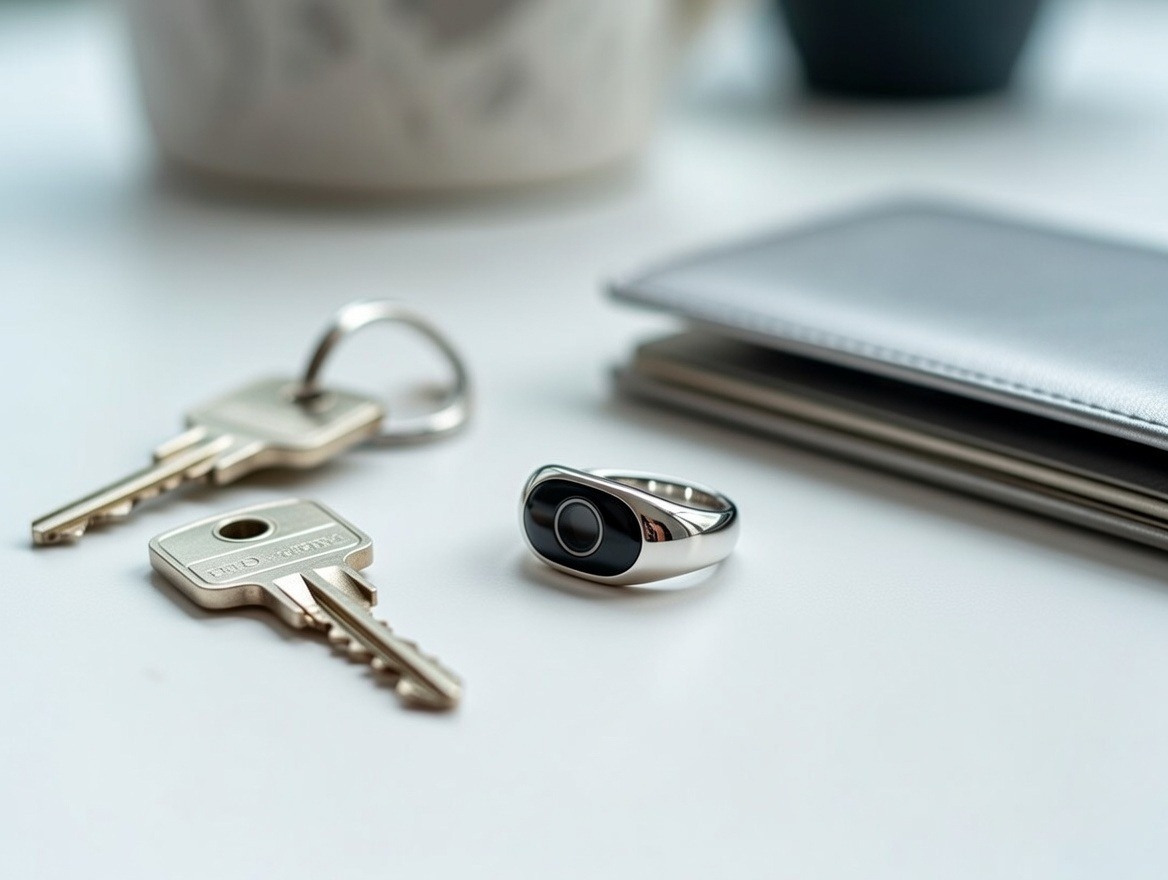
Before we can improve something, we must understand what it truly is. Heart Rate Variability, or HRV, is often misunderstood as the variation in your heart rate. A more accurate description is the variation in the time intervals between consecutive heartbeats, measured in milliseconds. If your heart beats exactly once every second (60 BPM), the interval is a consistent 1000 milliseconds. That’s actually low HRV. If one interval is 950 ms, the next is 1050 ms, and the next is 980 ms—that’s high HRV. This subtle, millisecond-level fluctuation is a sign of supreme health.
Why? Because your heart isn’t a metronome. It’s under the constant, dynamic tug-of-war of your autonomic nervous system (ANS). Think of your ANS as your body’s autopilot, managing everything you don’t consciously control.
A high HRV indicates a robust, responsive ANS. It means your body can swiftly rev up to meet a demand (sympathetic tone) and then efficiently downshift to recover (parasympathetic tone). It’s a sign of resilience, adaptability, and cardiovascular fitness. A low HRV suggests a nervous system that is stuck—often in a state of chronic stress (sympathetic dominance), overwhelmed, fatigued, or inflamed, lacking the flexibility to switch gears effectively.
Your smart ring, using optical sensors and sophisticated algorithms, captures these intervals overnight. Morning HRV is considered a particularly pure read, free from the acute noises of daily activity, giving you a baseline of your recovery status. It’s your body’s most honest review of yesterday. Did you fuel, move, and rest in a way that built capacity? Or did you deplete your reserves?
This metric is your north star because it’s integrative. It doesn’t just measure your heart; it reflects your brain’s communication with your heart, which is influenced by everything: emotional stress, physical training, nutritional status, and sleep quality. By tuning your lifestyle to elevate your HRV, you aren’t gaming a metric—you are systematically building a foundation of holistic, neurological, and physical health. The ring is merely the messenger, and we’re about to craft a much better message.
We all know the edict: get 7-9 hours of sleep. But for HRV optimization, what happens during those hours is infinitely more important than the clocking of them. You can be in bed for 8 hours but if your sleep is fragmented, shallow, or disrupted, your nervous system never gets the deep, restorative parasympathetic immersion it needs to recharge and express high HRV.
Sleep architecture—the cyclical journey through light, deep, and REM sleep stages—is the real playground for HRV recovery. Deep sleep (N3), in particular, is when the magic happens. This is when your body performs its most critical repair work: tissue growth and repair, immune system strengthening, and energy restoration. Critically for HRV, deep sleep is a period of profound parasympathetic dominance. Your heart rate is at its lowest, your body is still, and your nervous system is in a state of dedicated recovery. More and higher-quality deep sleep directly correlates with higher morning HRV readings.
Conversely, sleep fragmentation—waking up multiple times, even briefly—kicks in the sympathetic system. Each micro-arousal is a mini stressor, pulling you out of restorative states and forcing your ANS to switch gears. This fragmentation is a primary killer of HRV. It’s not just about "bad sleep" making you tired; it’s about interrupted sleep preventing the specific physiological state that allows your HRV to flourish.
This is where your smart ring transforms from a tracker to a coach. Don’t just look at the "Sleep Score." Dive into the data:
This data is your diagnostic tool. A low HRV paired with poor deep sleep and high fragmentation points directly to a sleep quality issue. The lifestyle interventions then become clear: it’s not about going to bed earlier, but about creating the conditions for uninterrupted, deep sleep. This foundational understanding shifts the entire HRV optimization game from a numbers chase to a quality-focused endeavor, where every habit we build is in service of granting your nervous system the undisturbed sanctuary it craves.
Your bedroom is not just a room with a bed. For your HRV, it is the primary recovery chamber. Every sensory input in this space—light, sound, temperature—is a signal to your autonomic nervous system, telling it either "You are safe. Rest now," or "Stay alert. Be ready." Optimizing your sleep environment is the most direct, controllable lever you have to pull for better sleep quality and, by extension, higher HRV.
Temperature: The Master Regulator. Core body temperature must drop to initiate and maintain sleep. A room that’s too warm (typically above 68°F or 20°C) impedes this natural drop, leading to restlessness, more awakenings, and less deep sleep. A cool, but not cold, room (around 65°F or 18°C) is ideal. It facilitates the temperature decline, supporting the parasympathetic shift. Consider this your first and most critical environmental adjustment. For a deep dive into perfecting this element, our guide on how temperature control completes your nighttime routine explores the science and practical steps in detail.
Light: Resetting Your Circadian Rhythm. Light is the most powerful zeitgeber (time-giver) for your internal clock. Exposure to blue and green wavelengths in the evening, especially from screens, suppresses melatonin production, delaying sleep onset and degrading sleep architecture. The goal is progressive darkness.
Sound & The "Safe" Signal. Unexpected noises—a door slamming, traffic, a partner snoring—trigger micro-arousals via the sympathetic nervous system. Consistent, predictable, low-frequency sound can mask these disruptions. White noise or pink noise machines are excellent tools. They create an auditory blanket, signaling to a primal part of your brain that the environment is stable and safe, allowing the parasympathetic system to stay in the driver’s seat. Creating this optimal sanctuary is a foundational step. For a comprehensive room-by-room setup, see our resource on nighttime wellness routine setting up your bedroom.
By intentionally crafting this sanctuary, you are not just making a nicer bedroom. You are systematically removing antagonistic signals to your stress response and replacing them with cues that consistently whisper "rest" to your nervous system, night after night. It’s the physical bedrock upon which all other HRV-boosting habits are built.

You cannot sprint into bed and expect your nervous system to slam on the parasympathetic brakes. The transition from the high-stimulus, high-demand waking world to the restorative state of sleep requires a bridge. This is the pre-sleep wind-down: a dedicated, consistent 60-90 minute ritual designed to consciously decelerate your physiology and mind. It’s the process of manually shifting your ANS from sympathetic to parasympathetic dominance, setting the stage for high-quality sleep and a strong HRV reading.
This ritual is about replacing stimulating inputs with calming ones. The modern evening is a minefield of HRV suppressors: scrolling through stressful news or engaging social media (cognitive and emotional stimulation), intense work emails (mental load and cortisol), and vigorous exercise (physiological arousal). Your wind-down ritual must create a buffer against all of this.
The Digital Sunset. The single most impactful step is a strict digital curfew 60 minutes before bed. This isn’t just about blue light; it’s about the content. Social media induces social comparison and anxiety. Email activates work-related stress. The endless scroll keeps your brain in a state of seeking and alertness. Put your devices in another room. If you must use them, employ strict blue light filters and engage only with calm, non-interactive content.
Conscious Relaxation Practices. This is where you actively engage your parasympathetic nervous system.
Even if your schedule is packed, a shorter, focused ritual is infinitely better than none. We've crafted a specific guide for those busy days: the 15-minute power nighttime routine when time is tight. This ritual teaches you how to achieve maximum nervous system downshift in minimal time. The key is consistency. By performing the same sequence of calming activities each night, you create a powerful Pavlovian response: this routine becomes the signal for your body to release the day and prepare for recovery. It’s the deliberate practice of teaching your smart ring what true readiness for rest looks like.
Food is more than calories; it’s information. Every meal sends biochemical instructions that either promote inflammation and stress or support regulation and repair. For HRV, the goals of nutrition are threefold: 1) Stabilize energy and blood sugar, 2) Reduce systemic inflammation, and 3) Provide the raw materials for neurotransmitter and hormone production. When you eat can be just as crucial as what you eat.
The Blood Sugar Rollercoaster: An HRV Antagonist. Sharp spikes and subsequent crashes in blood glucose are perceived by your body as a stress event. This triggers the release of cortisol and adrenaline (sympathetic activators) to mobilize energy. Chronic blood sugar instability leads to chronic, low-grade sympathetic arousal, directly suppressing HRV. To stabilize it:
Anti-Inflammatory Foundations. Chronic inflammation is a constant stressor on the body, keeping the immune system activated and the nervous system on alert. An anti-inflammatory diet is inherently pro-HRV.
The Strategic Use of Supplements & Timing. Certain nutrients can directly support the pathways that influence HRV. Magnesium, for instance, is a natural nervous system relaxant and is crucial for hundreds of enzymatic processes. Zinc and B-vitamins are co-factors in neurotransmitter synthesis. However, when you take them matters. Some supplements are energizing and best taken in the morning, while others support relaxation and sleep. To navigate this complex landscape, our article on nighttime wellness routine and supplements timing matters provides a detailed, evidence-based breakdown. By aligning your nutrition with your HRV goals, you move from eating for taste or convenience to eating for direct, biochemical support of your resilience and recovery.
Physical activity is a paradoxical stressor for HRV. In the acute phase, exercise is a sympathetic stressor—it raises heart rate, releases cortisol, and temporarily lowers HRV. This is normal and expected. The magic happens in the recovery period after the workout. A healthy, resilient body responds to this stress by supercompensating: it rebuilds stronger, enhances parasympathetic tone, and, over time, leads to a higher baseline HRV. This is the essence of adaptation. However, the line between productive stress and overwhelming stress is thin. Overtraining, or chronic under-recovery, keeps you in a perpetual state of sympathetic excess, leading to suppressed HRV, fatigue, and increased injury risk.
Using HRV for Daily Readiness. This is where your smart ring shifts from a sleep tracker to a true fitness advisor. Don’t just follow a rigid weekly workout plan. Practice autoregulation: use your morning HRV (and RHR) to guide your day’s exertion.
The HRV-Boosting Exercise Spectrum. Not all exercise impacts HRV equally.
Non-Exercise Movement (NEM): Never underestimate the power of all-day, low-grade movement—taking the stairs, walking calls, gardening. This combats sedentariness, which is independently linked to poor autonomic function. By listening to your HRV and balancing stress with recovery, you turn exercise from a potential source of chronic strain into the most powerful tool for building the very resilience your HRV measures.

Your thoughts and emotions are not separate from your physiology; they are driving forces of it. A stressful thought can trigger the same cortisol release as a physical threat. Chronic worry, anxiety, and rumination keep the sympathetic nervous system in a state of low-grade, persistent activation—a surefire path to suppressed HRV. Therefore, managing your mental and emotional landscape is not "soft" work; it is direct, biohacking intervention on your autonomic nervous system.
The Cortisol-HRV Connection. Cortisol, your primary stress hormone, follows a natural diurnal rhythm: high in the morning to help you wake, gradually declining throughout the day to allow for rest. Chronic psychological stress flattens this curve—keeping cortisol elevated at night, which directly interferes with sleep architecture and parasympathetic recovery, cratering your HRV. Mental stress management is, in effect, cortisol rhythm management.
Practical Tools for Mental Decompression:
Reframing Your Relationship with the Ring Itself. This is critical: Do not let your smart ring become a new source of anxiety—a phenomenon sometimes called "orthosomnia." Obsessing over a low HRV score can create a performance anxiety feedback loop that further lowers your HRV. Use the data with curiosity, not judgment. See a low score not as a failure, but as a compassionate inquiry: "My body is telling me it's under stress. What can I do to support it today?" This mindset shift is perhaps the most profound HRV booster of all. It turns the device from a taskmaster into a partner in your wellness journey, fostering a kinder internal dialogue that your nervous system will thank you for with greater variability.
If you could only practice one habit to immediately influence your HRV, it should be conscious breathing. Breathing is unique—it’s an automatic function that we can also consciously control. This gives us a direct line to the autonomic nervous system, specifically the vagus nerve, the longest cranial nerve and the command center of your parasympathetic "rest-and-digest" system. By changing the rhythm, depth, and pattern of your breath, you send direct signals to your brainstem to downshift out of stress mode.
The Physiology of Calm Breathing. When you are stressed or sympathetic-dominant, your breathing becomes shallow, rapid, and high in the chest. To reverse this, you practice the opposite:
HRV-Boosting Breathing Protocols (You Can Do Anytime):
Integration into Daily Life. You don’t need a 30-minute meditation cushion. Practice for 5 minutes upon waking to set a calm tone. Use a 2-minute breathing reset before a stressful meeting. Most importantly, make a 5-10 minute slow breathing session the cornerstone of your pre-sleep wind-down. This direct vagal stimulation is like hitting the "recovery" button for your nervous system, clearing the static of the day and creating the cleanest possible signal for your smart ring to read overnight. It is the most immediate, portable, and evidence-based tool in your HRV-optimization kit.
Beyond macronutrients, the fluids you consume—and their timing—play an outsized role in autonomic balance. Dehydration, caffeine, and alcohol are not neutral actors; they are potent pharmacological agents that directly influence heart function, nervous system arousal, and sleep architecture.
Hydration: The Foundation of Circulation. Your blood is roughly 90% water. Even mild dehydration increases blood viscosity (thickness), forcing your heart to work harder to pump, elevating resting heart rate, and reducing the flexibility (variability) between beats. Chronically low fluid intake creates a constant, low-grade cardiovascular strain. Aim for consistent hydration throughout the day, not just gulping water before bed (which will lead to disruptive nighttime trips to the bathroom). A good rule is to drink enough so your urine is pale yellow. Proper hydration ensures your cardiovascular system can operate with effortless efficiency, which is reflected in a higher HRV.
Caffeine: The Delayed Stressor. Caffeine is an adenosine receptor antagonist—it blocks the neurotransmitters that make you feel tired. It’s also a potent sympathetic nervous system stimulant, increasing heart rate, blood pressure, and cortisol. While a morning coffee can enhance performance, its half-life (5-6 hours) means an afternoon cup can still be significantly affecting your nervous system at bedtime, delaying sleep onset and reducing sleep quality. The subsequent sleep disruption is what ultimately lowers HRV. For HRV optimization, establish a "caffeine curfew"—typically no later than 2 PM. Observe if your sleep data and morning HRV improve with this single change.
Alcohol: The Deceptive Depressant. Alcohol may help you fall asleep faster, but it devastates sleep architecture. It suppresses REM sleep (the mentally restorative stage) and causes sleep fragmentation in the second half of the night as your body metabolizes it. This fragmentation leads to sympathetic awakenings and destroys deep, parasympathetic-dominant sleep. The result? A precipitous drop in HRV, even if you sleep for 8 hours. Furthermore, alcohol is a diuretic, contributing to dehydration. For the highest HRV readings, consider alcohol a significant compromise. If you do choose to drink, do so early in the evening, hydrate copiously alongside it, and be prepared for your ring to give you honest, data-driven feedback on its impact.
Monitoring your smart ring data after nights with caffeine or alcohol consumption provides objective, personal evidence of their effects. This biofeedback is invaluable for making conscious, informed choices that align with your recovery goals, moving beyond general advice to understand what your unique nervous system needs.
Your autonomic nervous system is a creature of habit. It thrives on circadian rhythm—the predictable, 24-hour cycle of light and dark, activity and rest, feeding and fasting. This predictability allows your body to anticipate demands and allocate resources efficiently, a state known as entrainment. When your HRV, sleep, and energy are entrained to a consistent rhythm, your nervous system operates with less stress and more efficiency. Inconsistency—wildly varying bedtimes, meal times, and wake times—is interpreted as environmental instability, triggering a low-grade stress response and suppressing HRV.
The Pillars of Circadian Consistency:
The Ultimate Challenge: Travel and Disrupted Routines. Travel—especially across time zones—is a nuclear bomb to your circadian rhythm (jet lag). Your external environment is out of sync with your internal clock, leading to poor sleep, digestive issues, and crushed HRV. This is where a strategic, portable routine becomes essential. You can't control the hotel room perfectly, but you can bring your own cues. For a complete system to maintain your wellness on the road, our guide for nighttime wellness routine in hotels maintaining consistency is invaluable. It covers everything from portable blackout solutions to managing time zone shifts.
The "Weekend Effect" and HRV. Many people see a dip in HRV on Monday morning. Often, this is the result of "social jet lag": staying up late and sleeping in on Friday and Saturday, then trying to revert to an early schedule on Sunday night. The inconsistency is more damaging than the occasional late night itself. If you want to enjoy a different weekend rhythm, do so with minimal shift. Perhaps you sleep 60-90 minutes later, not 3-4 hours. For a nuanced look at this balance, explore our thoughts on the weekend nighttime routine should it be different.
By prioritizing consistency, you are sending a powerful, repeated message to your nervous system: "The environment is stable. You are safe. You can focus on growth, repair, and recovery." This security is the bedrock upon which a high, resilient HRV is built. Your smart ring’s data will become less volatile and more reflective of your true adaptive capacity, not just your schedule’s chaos.
The concept of "stress" in the pursuit of a higher HRV isn't limited to psychological or metabolic strain. Controlled, acute exposure to environmental extremes—specifically cold and heat—can act as a powerful hormetic stressor. Hormesis is the principle that a small, intentional dose of stress can trigger an overcompensating adaptive response, making the system stronger and more resilient. When applied correctly, these practices become profound tools for enhancing autonomic nervous system flexibility, directly reflected in improved HRV over time.
Cold Exposure: The Ultimate Vagus Nerve Shock. Deliberate cold exposure, such as cold showers, ice baths, or cold plunges, creates a massive, acute sympathetic nervous system response: a gasp, a spike in heart rate and blood pressure, and a surge of norepinephrine. However, the magic lies in the recovery. As you consciously steady your breathing and endure the cold, you are actively engaging your parasympathetic system to override the initial panic. This is a high-stakes workout for your vagus nerve. The consistent practice of this "stress-and-recover" cycle teaches your ANS to handle acute stress more efficiently and return to baseline faster—the very definition of high HRV. Studies show regular cold exposure increases parasympathetic tone and can significantly elevate HRV. Start with 30-60 seconds at the end of your regular shower, focusing on deep, calm breaths.
Heat Therapy: The Deep Relaxation Signal. On the opposite end of the spectrum, heat therapy—in the form of saunas, steam rooms, or hot baths—is a potent parasympathetic stimulant. The rise in core body temperature induces a "fake fever," triggering adaptive processes like increased heat shock proteins (which support cellular repair) and a dramatic release of nitric oxide, which improves blood vessel dilation and lowers blood pressure. The experience in the heat is followed by a profound relaxation response. Crucially, the post-sauna or post-bath cooldown period, as your body works to thermoregulate, mimics the natural temperature drop required for sleep onset, priming you for deeper rest. A warm bath 1-2 hours before bed is a classic, science-backed sleep aid. For a comprehensive look at integrating this, see our guide on how temperature control completes your nighttime routine, which covers both ends of the thermal spectrum.
The Contrast Protocol: The Ultimate ANS Workout. Alternating between hot and cold—3-5 minutes in heat followed by 1 minute in cold, repeated 2-3 times—is like interval training for your blood vessels and nervous system. It forces a rapid, repeated switching between vasodilation (parasympathetic-dominant) and vasoconstriction (sympathetic-dominant). This "pumping" action is believed to greatly enhance cardiovascular efficiency and autonomic flexibility. Many athletes report improved recovery metrics, including HRV, from regular contrast therapy. Crucial Note: Always end on cold if done in the morning for an energizing effect, or on heat if done in the evening for a relaxing effect. Listen to your body and your HRV data; these are intense practices, and overdoing them can contribute to sympathetic overload.
Integrating these thermal practices requires careful attention to your smart ring's feedback. A temporary dip in HRV the night after an intense first cold plunge is normal (an acute stress response). But over weeks, you should see a gradual upward trend in your baseline HRV, indicating improved resilience. They are not for everyone, but for those who adapt, they offer a direct, primal pathway to telling your nervous system: "I am strong, I can adapt to anything."

Human beings are wired for connection. Our nervous systems are not isolated units; they are social organs that co-regulate with those around us. This profound truth has direct, measurable implications for your Heart Rate Variability. Positive, secure social connections are a potent source of parasympathetic activation and emotional safety, boosting HRV. Conversely, chronic loneliness, social conflict, and emotional suppression are among the most significant, yet often overlooked, sources of chronic stress that suppress HRV.
The Physiology of Co-Regulation. When you are with someone you trust and feel safe with—sharing a laugh, a meaningful conversation, or even comfortable silence—your nervous systems can literally synchronize. Heart rates and breathing patterns can align, often leading to a state of calm, parasympathetic-dominant coherence. This is co-regulation in action: using the calm state of another to stabilize your own. Positive physical touch, like a hug from a loved one, releases oxytocin, a hormone that reduces stress reactivity and supports vagal tone. These moments of connection are active HRV-boosting sessions.
Loneliness as a Chronic Stressor. Loneliness isn't just a feeling; it’s a biological state interpreted by the brain as a threat to survival. In our evolutionary past, being isolated from the tribe meant increased danger. Today, chronic loneliness triggers a persistent low-grade fight-or-flight response, keeping cortisol elevated and suppressing parasympathetic activity. Studies consistently show that individuals reporting high loneliness have significantly lower HRV than those with strong social networks. Addressing social health is not separate from biohacking HRV; it is central to it.
Emotional Expression vs. Suppression. How you process emotions also directly impacts your autonomic nervous system. Emotional suppression—the act of consciously inhibiting the expression of your feelings—requires constant physiological effort. It’s like holding a beachball underwater; it creates internal tension and is associated with increased sympathetic activity and lower HRV. Emotional expression, in a healthy and regulated way (through conversation, creative arts, or journaling), allows for the completion of the emotional cycle and the release of that physiological tension, promoting parasympathetic recovery. This is why practices like nighttime wellness rituals for mental health support are so effective; they provide structured outlets for processing the day's emotional residue, clearing the decks for restorative sleep.
Actionable Steps for Social HRV Optimization:
Your smart ring cannot measure your social calendar, but it absolutely measures the physiological fallout of your emotional and relational world. By investing in meaningful connection and emotional health, you are nourishing the very core of what allows your nervous system to remain flexible, resilient, and variable.
Once the foundational pillars of sleep, nutrition, movement, and stress management are solidly in place, you can explore the next layer of HRV optimization: strategic supplementation. This is not about replacing a poor lifestyle with pills, but about using specific, evidence-backed compounds to support the biochemical pathways underlying nervous system resilience. The key is to think of these as supplements, not solutions, and to introduce them one at a time while monitoring your smart ring’s data for personal reactions.
Adaptogens: The Stress-Response Modulators. Adaptogens are a class of herbs that help the body "adapt" to stress by modulating the hypothalamic-pituitary-adrenal (HPA) axis—your central stress response system. They don't blunt stress; they help your system respond more efficiently and return to baseline faster.
Direct Nervous System Supporters.
Precision and Timing Are Everything. The effects of supplements are highly individual. More importantly, when you take them can determine whether they help or hinder your HRV and sleep. An energizing adaptogen like Rhodiola is best taken in the morning, while magnesium and ashwagandha are typically better in the evening. To navigate this complex timing for optimal recovery, our dedicated resource on nighttime wellness routine and supplements timing matters is essential reading before building your stack.
The Golden Rule: Biofeedback is King. Start with a low dose of one new supplement. Use your smart ring to track your sleep latency, deep sleep percentage, resting heart rate, and most importantly, your morning HRV trend over 2-3 weeks. Does it improve? Stay the same? Worsen? Your data provides the only answer that matters for your unique biochemistry. This evidence-based approach moves you beyond internet dogma and into personalized, data-driven wellness.
The journey to optimizing your HRV is not a linear ascent. It is a winding path with peaks, valleys, and plateaus. A single night's reading is a data point, not a destiny. The true power of your smart ring lies in its ability to reveal trends and correlations over weeks and months. Learning to interpret this longitudinal data—and to maintain a healthy psychological distance from it—is the final, critical skill for sustainable success.
Looking at the Forest, Not the Trees. Instead of fixating on today's HRV number, focus on these key views in your app:
Interpreting Setbacks with Curiosity, Not Judgment. You will have low HRV days despite "perfect" habits. This is normal and informative. It could mean:
Avoiding "Orthosomnia": When Tracking Harms Sleep. The term "orthosomnia" describes the insomnia that arises from an obsessive preoccupation with perfect sleep data. If checking your smart ring app is the first thing you do in the morning, and a "bad" score ruins your day or creates anxiety about the next night, the tool has become counterproductive. Remember: The data is a guide, not a grade. Its purpose is to inform gentle adjustments, not to fuel self-criticism. If you find yourself slipping into obsession, take the ring off for a week. Reconnect with how you feel. The goal is wellness, not a perfect graph.
To master this balanced, data-informed approach, learning how to nighttime wellness routine optimization using your sleep data is the logical culmination of your journey. It teaches you how to move from passive viewing to active interpretation and intelligent experimentation, making you the expert of your own body's signals. This is where technology and intuition finally merge into a powerful, self-reinforcing cycle of growth.
We have journeyed through the discrete levers that influence your Heart Rate Variability: sleep, environment, wind-down, nutrition, movement, breath, hydration, rhythm, thermal stress, connection, and strategic support. Now, let's weave these threads into a practical, sustainable daily blueprint. This is not a rigid prescription, but a flexible framework you can adapt. The goal is to create a lifestyle rhythm that consistently signals "safety," "recovery," and "adaptation" to your nervous system.
The Morning Anchor (6:00 AM - 9:00 AM): Setting the Rhythm
The Daytime Sustain (9:00 AM - 6:00 PM): Balancing Stress and Recovery
The Evening Wind-Down (6:00 PM - 10:30 PM): The Deceleration Highway
The Sleep Sanctuary (10:30 PM - 6:00 AM): Optimizing the Recovery Chamber
Weekly & Seasonal Rhythms:
This blueprint is a symphony, not a checklist. Some days you'll follow it closely; other days, life will intervene. The framework is there to return to, a north star for your choices. Over time, these habits cease to be "things you do for your HRV" and simply become "how you live." And as that happens, you'll find the most satisfying data point of all won't just be on your smart ring—it will be the sustained energy, resilience, and calm you carry through your life.
The universal advice of "sleep 8 hours from 10 PM to 6 AM" is a wellness myth that can actively harm the HRV of a significant portion of the population. Your chronotype—your genetically influenced, natural predisposition for sleep and wake times—plays a monumental role in how your autonomic nervous system responds to your schedule. Fighting your chronotype is a constant, low-grade source of circadian stress, suppressing HRV. Working with it is a revelation.
Understanding the Spectrum: Lions, Wolves, and Dolphins. While there are formal classifications (Morning, Evening, Intermediate), think of it as a spectrum:
HRV Implications of Chronotype Misalignment. When a Wolf works a traditional 9-to-5 job, their entire week is a battle against their biology. They use caffeine and willpower to wake early, but their deepest, most restorative sleep window (say, 3 AM to 11 AM) is brutally truncated. This leads to chronic sleep debt and a nervous system in perpetual sympathetic arousal from the constant alarm-clock jolt. Their HRV will be chronically suppressed. Conversely, a Lion who forces late nights for social events pays a heavy price in recovery.
Optimizing HRV for Your Chronotype:
Your smart ring is your best tool for discovering your chronotype. Don't look at a single night. Look at weeks of data when you are on vacation or have a free schedule. When did you naturally fall asleep and wake up? What was your sleep quality and HRV like during that free-run period? That is your body's truth. Designing your life—as much as possible—to align with this truth is one of the most powerful HRV optimization strategies that exists.
The connection between your gut and your brain is not metaphorical; it is a hardwired, bidirectional superhighway called the gut-brain axis, with the vagus nerve serving as its primary information cable. The state of your digestive system—the balance of your gut microbiome, the integrity of your gut lining, and the presence of inflammation—sends constant signals to your brain that directly influence mood, stress response, and autonomic balance. Therefore, gut health is not a separate wellness category; it is foundational to achieving a high, stable HRV.
The Vagus Nerve: The Gut's Direct Line to Your HRV. Approximately 80-90% of the fibers in the vagus nerve are afferent, meaning they carry signals from the gut to the brain. Your gut microbes produce a plethora of neurotransmitters and neuroactive compounds (like GABA, serotonin, and short-chain fatty acids) that travel this highway. A healthy, diverse microbiome produces signals that promote calm and parasympathetic tone. A disrupted, inflamed gut (dysbiosis) produces inflammatory cytokines and stress signals that activate the sympathetic nervous system and the HPA axis, suppressing HRV.
Key Gut Factors That Impact HRV:
Actionable Steps for an HRV-Supporting Gut:
The Gut-Sleep-HRV Triad. Poor gut health can directly disrupt sleep through discomfort, acid reflux, or even the circadian rhythm of your gut microbes. Poor sleep, in turn, alters gut microbiome composition and increases intestinal permeability. This creates a vicious cycle that crushes HRV. Breaking the cycle requires a holistic approach: nourishing the gut to support sleep and using sleep to heal the gut. When your gut is calm and healthy, it sends a continuous stream of parasympathetic-promoting signals up the vagus nerve, creating the internal stability necessary for a high and variable heart rate. Your smart ring's HRV reading becomes, in part, a report card on your digestive ecosystem.
Sex hormones—estrogen, progesterone, testosterone—are not just about reproduction; they are potent neuromodulators that significantly influence autonomic nervous system function, inflammation, and sleep architecture. For both women and men, natural hormonal fluctuations across the lifespan and monthly cycles are major, often overlooked, variables in the HRV equation. Understanding these patterns is key to avoiding misinterpretation of your data and to tailoring your lifestyle for hormonal balance.
The Menstrual Cycle: A Monthly HRV Rhythm. For cycling women, HRV is not a static metric to be compared day-to-day without context. It follows a predictable pattern:
Actionable Cycle-Syncing for HRV:
Menopause & Perimenopause: The Great HRV Shift. The decline of estrogen and progesterone during perimenopause can be disruptive. Common symptoms—hot flashes (nocturnal sympathetic storms), sleep fragmentation, increased anxiety, and weight gain—all directly suppress HRV. The strategy shifts to adaptation:
Andropause & Male Hormonal Health. Gradual, age-related declines in testosterone in men can also impact HRV. Low testosterone is associated with increased body fat, reduced muscle mass, fatigue, and poorer sleep quality—all factors that can lower HRV. For men, maintaining healthy testosterone levels through strength training, adequate sleep (especially deep sleep, where testosterone is produced), managing stress (high cortisol antagonizes testosterone), and ensuring sufficient zinc and Vitamin D is a pro-HRV strategy.
The lesson here is context. A low HRV reading for a woman in her late luteal phase has a different meaning than the same reading for a man in a training camp. Use your smart ring's tagging or notes feature to track your cycle or life stage. This turns hormonal fluctuations from a confusing source of noise into a comprehensible, manageable pattern, allowing you to work with your biology, not against it.
Our modern environment is saturated with invisible forces that can subtly, yet persistently, antagonize the autonomic nervous system. While the research is evolving and individual sensitivity varies, it is prudent for the HRV-optimizer to consider the potential impact of electromagnetic fields (EMFs) and excessive blue light exposure—not just from screens, but from our ambient environment. The goal isn't to live in a Faraday cage, but to minimize unnecessary exposure, especially during critical recovery periods.
EMFs and the Nervous System: A Theory of Interference. The human body uses subtle electrical currents for communication (e.g., neural firing, heart rhythm). The theory posits that chronic exposure to artificial EMFs from Wi-Fi routers, cell phones, Bluetooth devices (including your smart ring during the day), and power lines may create "electrosmog" that interferes with these natural bioelectrical processes. Some studies suggest this can lead to increased oxidative stress, disruption of circadian rhythms, and a state of mild, constant sympathetic arousal. For the highly sensitive individual, this could manifest as restless sleep and lowered HRV.
Practical, Precautionary Measures for Sleep & Recovery:
The Blue Light Environment: Beyond Screens. We've discussed screen curfews, but ambient lighting in your home matters. Many modern LED bulbs, even "warm" ones, emit spikes in the blue spectrum that can suppress melatonin. This is a 24/7 circadian disruptor if your home lighting is wrong.
The Principle of Prudent Avoidance. You don't need to fear technology. The key is to be intelligent about creating periods of low technological stress, particularly in the 90 minutes before and during sleep. Your bedroom should be a sanctuary for biological rhythms, not a hub for wireless signals. By reducing these pervasive, low-grade environmental stressors, you remove another layer of sympathetic noise, allowing your nervous system's true, resilient signal—your HRV—to shine through more clearly on your smart ring's display.
Your Trusted Sleep Advocate: Sleep Foundation — https://www.sleepfoundation.org
Discover a digital archive of scholarly articles: NIH — https://www.ncbi.nlm.nih.gov/
39 million citations for biomedical literature :PubMed — https://pubmed.ncbi.nlm.nih.gov/
Experts at Harvard Health Publishing covering a variety of health topics — https://www.health.harvard.edu/blog/
Every life deserves world class care :Cleveland Clinic - https://my.clevelandclinic.org/health
Wearable technology and the future of predictive health monitoring :MIT Technology Review — https://www.technologyreview.com/
Dedicated to the well-being of all people and guided by science :World Health Organization — https://www.who.int/news-room/
Psychological science and knowledge to benefit society and improve lives. :APA — https://www.apa.org/monitor/
Cutting-edge insights on human longevity and peak performance:
Lifespan Research — https://www.lifespan.io/
Global authority on exercise physiology, sports performance, and human recovery:
American College of Sports Medicine — https://www.acsm.org/
Neuroscience-driven guidance for better focus, sleep, and mental clarity:
Stanford Human Performance Lab — https://humanperformance.stanford.edu/
Evidence-based psychology and mind–body wellness resources:
Mayo Clinic — https://www.mayoclinic.org/healthy-lifestyle/
Data-backed research on emotional wellbeing, stress biology, and resilience:
American Institute of Stress — https://www.stress.org/


