


Healthy Movement Habits That Prevent Chronic Disease
Highlights habits proven to prevent chronic diseases.
Highlights habits proven to prevent chronic diseases.
%402x.svg)
We live in an age of miraculous convenience. Food arrives with a tap. Work happens from a couch. Entertainment streams endlessly into our living rooms. But this engineered ease has a dark, silent underbelly: we are a species built to move, now living lives designed for stillness. The result is a slow-burning health crisis of staggering proportions. Chronic diseases—heart disease, type 2 diabetes, certain cancers, osteoporosis, and debilitating chronic pain—are no longer rare afflictions of old age. They are the predictable, and largely preventable, consequences of a lifestyle our biology never imagined.
The data is unequivocal. The World Health Organization identifies physical inactivity as the fourth leading risk factor for global mortality. It’s a primary contributor to an estimated 3.2 million deaths annually worldwide. Yet, here’s the hopeful counterpoint: movement is medicine. Not the grueling, all-or-nothing kind of exercise that feels like punishment, but consistent, intentional, integrated healthy movement habits. These habits aren’t just about burning calories; they are fundamental signals that tell our cells, hormones, bones, and brains to function optimally, to repair, and to resist disease.
This isn’t another article demanding you spend two hours daily in a gym you hate. This is a deep exploration of movement as a nutrient—as essential as water, sleep, or wholesome food. We will dismantle the myth that only vigorous "exercise" counts and rebuild a practical, sustainable philosophy of daily motion that actively constructs a fortress against chronic illness. By understanding the "why" at a cellular level, the "what" becomes not a chore, but a compelling act of self-preservation. From the science of synovial fluid to the power of post-meal walks, we will map the direct pathways between simple habits and profound long-term health.
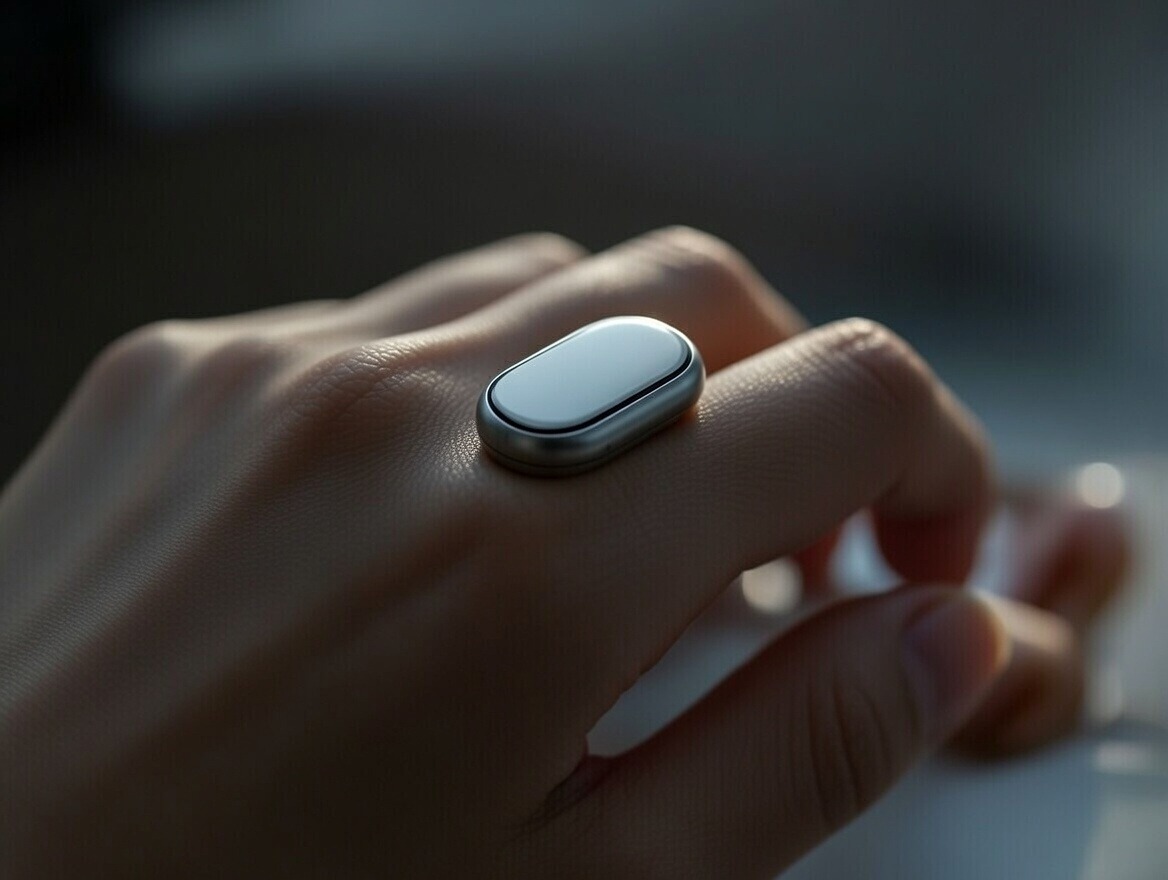
And in our modern quest for quantifiable wellness, technology like the Oxyzen smart ring serves as a powerful ally, moving beyond simple step counts to provide nuanced insights into how our daily rhythms—our activity, recovery, and sleep—orchestrate our health. By tracking physiological markers like heart rate variability and temperature, a device from Oxyzen.shop can help you personalize these movement principles, showing you not just if you moved, but how well your body responded to that movement, creating a true feedback loop for health optimization. For a deeper understanding of how this technology integrates with holistic wellness, you can learn more about our mission at Oxyzen.ai.
Our journey begins by confronting the very architecture of our sedentary world and understanding the non-negotiable biological imperative we must reclaim.
We must first name the enemy to defeat it. That enemy is not laziness or lack of willpower—it is design. Our homes, workplaces, cities, and even our social structures have been meticulously architected to minimize physical exertion. This is a historical anomaly. For 99.9% of human history, movement was synonymous with survival: hunting, gathering, building, farming, fleeing. Our physiology was forged in this crucible of constant, varied, low-to-moderate intensity activity interspersed with periods of rest.
The Industrial Revolution began the shift, but the Digital Revolution cemented it. Today, the average office worker sits for 10-15 hours a day—commuting, working, eating, and relaxing. This prolonged, unbroken sitting is not mere inactivity; it is a pro-active state of physiological shutdown. Researchers now call it "The Sitting Disease." When we sit for extended periods:
The insidious part is that a one-hour gym session, while beneficial, does not fully erase the metabolic damage of 10 hours of continuous sitting. The harm is in the duration of the sedentary bouts. This is why the foundational healthy movement habit is not about adding more "exercise" on top of a sedentary life, but about disrupting sedentariness itself. It’s about changing the baseline environment.
Consider the story of James, a 45-year-old software developer. He "exercised" three times a week, yet found himself with rising blood pressure, pre-diabetic blood sugar levels, and chronic lower back pain. His doctor’s prescription wasn’t for more intense workouts. It was: "Get a standing desk. Set a timer to walk for five minutes every hour. Park in the farthest spot. Never take the elevator for three flights or less." Within six months of these tiny, consistent disruptions to his sitting time, his biomarkers improved more dramatically than they had from his years of sporadic, intense gym sessions. His story is a testament to the power of environmental redesign.
For those seeking to understand the full spectrum of how daily habits and metrics interconnect, our Oxyzen.ai blog offers a wealth of resources on everything from activity patterns to the critical role of recovery sleep.
The goal is to make movement the default, not the exception. It starts with recognizing that every chair, every elevator, every convenient parking spot is a potential trap. The first and most critical habit in preventing chronic disease is simply to break the sedentary sentence, minute by minute, hour by hour. This foundational layer of "movement snacks" prepares the body for the more structured nutrient movements we will explore next.
If we could distill the complex prescription for chronic disease prevention into one single, accessible, and profoundly effective habit, it would be walking. Often dismissed as "not real exercise," walking is, in fact, humanity's fundamental movement superpower. It is a low-impact, full-body, rhythmic activity that we are exquisitely evolved to perform for hours each day. When made consistent, it acts as a master regulator for the two systems most vulnerable to modern disease: metabolism and the cardiovascular system.
The metabolic benefits are direct and powerful. A brisk post-meal walk, for instance, is one of the most effective tools for managing blood glucose. When you walk after eating, your muscles actively uptake glucose from the bloodstream for fuel, significantly blunting the postprandial (after-meal) blood sugar spike. This single habit reduces the demand on the pancreas to pump out insulin, directly combating insulin resistance. A 2022 study in Sports Medicine concluded that light walking after meals was more effective for moderating blood sugar than a single 45-minute walk at another time of day.
For the heart and blood vessels, walking is a tonic. It is a dynamic, aerobic activity that:
But how much is enough? The magic of the famed "10,000 steps" is more in its consistency than its specific number. The key is progressive consistency. Start by establishing a baseline (most smartphone health apps can track this). If you average 3,000 steps a day, aim for 4,500. The focus should be on brisk walking—a pace where you can talk, but not sing. This gets you into the moderate-intensity zone where the cardiovascular benefits truly shine.
Crafting Your Walking Habit:
Walking is the bedrock. It requires no special equipment, no membership, and is infinitely scalable. It is the daily practice that keeps the metabolic and cardiovascular systems tuned and resilient. It also primes the body for the next layer of essential movement: building the strength to carry us through a long life.
While walking protects the engine (your heart) and manages the fuel (your blood sugar), strength training builds the very chassis of the vehicle—your muscles, bones, and connective tissue. This is non-negotiable for chronic disease prevention, particularly as we age. The age-related loss of muscle mass, known as sarcopenia, is not just about weakness; it is a primary driver of metabolic decay, frailty, and loss of independence.
Muscle is metabolically active tissue. It is a major site for glucose disposal and calorie burning, even at rest. More muscle mass means a higher basal metabolic rate and greater insulin sensitivity. But the benefits extend far beyond metabolism:
The greatest misconception is that strength training requires a gym full of intimidating equipment. The principle is simple: progressively challenge your muscles against resistance. That resistance can be your bodyweight, resistance bands, a set of dumbbells, or even a heavy bag of groceries.
Foundational Strength Habits for Disease Prevention:
Strength training is an investment in your future mobility and metabolic health. It ensures that the body you walk with today remains capable and robust for decades to come. It also highlights a critical principle: what happens after your movement—during rest and recovery—is just as important as the movement itself. This is where the worlds of activity and sleep converge powerfully.

We often frame movement and sleep as separate domains of wellness. In reality, they are locked in a vital, symbiotic dialogue. You cannot sustainably build healthy movement habits without prioritizing sleep, and quality sleep is impossible without adequate daily movement. This cycle is the engine of true physiological resilience and a major front in the war against chronic disease.
During deep, restorative sleep, particularly deep sleep (N3 sleep) and REM sleep, the magic of repair happens. This is when the adaptations from your movement habits are physically encoded into your body:
Conversely, consistent movement is one of the most reliable, drug-free ways to improve sleep quality and architecture. Aerobic activity helps regulate the circadian rhythm, the body's internal clock that governs sleep-wake cycles. It can increase the time spent in deep sleep, the most physically restorative phase. However, timing matters. Intense exercise too close to bedtime can be activating for some people, while gentle movement like yoga or stretching can be powerfully soporific.
This is where a tool like the Oxyzen smart ring becomes invaluable. By wearing it 24/7, it can track not just your activity levels but also the quality of your recovery. It can show you if your deep sleep duration is sufficient (you can check your numbers against ideal durations by age on our blog), and how your nighttime heart rate and heart rate variability (HRV)—a key marker of autonomic nervous system recovery—respond to different types and timings of movement. This data allows you to personalize the cycle. You might learn that a late-evening strength session disrupts your sleep onset, but an afternoon walk improves your deep sleep percentage. This feedback loop is the future of habit optimization.
For a deep dive into this critical relationship, explore our articles on how to increase your deep sleep and the science of what happens to your body during deep sleep.
Understanding this symbiosis turns movement and sleep into non-negotiable partners. You move better when you sleep well, and you sleep well when you move consistently. It transforms them from isolated chores into a unified practice of daily renewal.
If strength training builds a strong house, mobility and flexibility ensure the doors and windows open smoothly. This is the most neglected dimension of movement in chronic disease prevention, yet it is crucial for maintaining pain-free function and preventing the injuries that can halt all other healthy habits. Chronic pain, often stemming from joint stiffness and muscular imbalances, is itself a debilitating chronic condition that movement can prevent.
Mobility refers to the active range of motion a joint can move through under control. Flexibility is the passive range of motion. Both are essential. Modern life creates predictable patterns of shortening and tightening: hips from sitting, chest and shoulders from hunching over screens, and ankles from wearing supportive shoes. These adaptions pull joints out of alignment, leading to compensations, wear-and-tear, and pain (e.g., tight hips contributing to lower back pain).
The practice here is not about achieving gymnast-level contortions. It is about maintaining the movement capacity you were born with.
Daily Mobility Habits for a Pain-Free Life:
Integrating these habits ensures that your walking and strength training are performed with good mechanics, enhancing their benefits and protecting you from the overuse injuries that derail consistency. As we build this full-spectrum movement practice, we must also consider the profound impact of our immediate environment—not just the office, but the very air we breathe and the surfaces we walk on.
Moving your body is powerful. Moving your body in nature is transformative. "Green exercise" or "forest bathing" (Shinrin-yoku) is not just a wellness trend; it is a science-backed amplifier of all the benefits of movement, with unique additions that directly combat the stressors linked to chronic disease. The chronic stress of modern life, with its constant digital notifications and urban cacophony, elevates cortisol, disrupts sleep, and promotes systemic inflammation. Nature acts as a physiological and psychological reset.
The benefits of taking your movement habits outdoors are layered:
Habits to Harness Nature’s Power:
For those using a wellness tracker like the Oxyzen ring, compare your stress and recovery metrics (like HRV) after an outdoor walk versus a treadmill walk. The data often tells a compelling story of deeper restoration. To see how real people have integrated these principles, you can read their experiences in our Oxyzen.ai testimonials.
By making nature your primary gym, you add a powerful, synergistic layer of protection against the inflammatory and stress-related pathways to chronic disease. This holistic approach perfectly sets the stage for our next principle: the power of rhythm and how aligning our movement with our body's innate cycles can optimize its benefits.
Our bodies are not linear machines; they are rhythmic organisms governed by intricate, overlapping cycles. The most powerful of these is the circadian rhythm—the roughly 24-hour internal clock that regulates everything from hormone release and body temperature to digestion and sleep propensity. Aligning our movement habits with this natural rhythm, rather than fighting against it, can dramatically enhance their disease-preventive effects and make them easier to sustain. This practice is known as chrono-activity.
The core principle is that there are biologically optimal times for different types of movement, based on when our physiology is primed for them.
Habits for Rhythmic Living:
Aligning movement with rhythm turns it from a scheduled task into a flowing part of your day. It reduces the friction of "finding motivation" because you are working with your body's energy, not against it. This principle of harmony leads us to consider not just when we move, but how we think about moving—the mindset that turns these actions from prescriptions into pleasures.
The Mind-Movement Connection: Cultivating the Psychology of Sustainable Habits
The most perfectly designed movement plan is useless if it is abandoned in two weeks. The final, and perhaps most critical, piece of the chronic disease prevention puzzle is not physical, but psychological. Lasting change is forged in the mind. We must move from a paradigm of exercise as punishment (for what we ate, for how we look) to movement as nourishment and celebration. This cognitive shift is what transforms short-term exertion into lifelong, health-sustaining habits.
The key psychological pillars are autonomy, competence, and relatedness—the core components of Self-Determination Theory, a robust framework for intrinsic motivation.
Mindset Habits for Lifelong Movement:
This mindful, psychologically intelligent approach ensures that your movement habits are resilient to life's inevitable disruptions—stress, travel, illness, busy periods. They bend but do not break. And as we cultivate this gentle, persistent practice, we begin to see it not as a separate part of our day, but as the very medium through which we live. This holistic integration is the ultimate destination: movement not as something we do, but as a fundamental way of being in a body, from morning until night, seamlessly woven into the fabric of a healthy life.
Understanding the why and the what of movement for chronic disease prevention is only half the battle. The true transformation occurs in the translation—the art of weaving these principles into the immutable tapestry of your daily responsibilities, energy levels, and environments. This is not about adding more to your to-do list; it’s about reimagining your existing life through a movement-centric lens. The goal is to create a default setting where healthy movement is the path of least resistance, not a heroic feat of willpower.
Consider your day as a series of "containers": the morning container, the work container, the family/evening container, and the weekend container. The strategy is to identify the predictable friction points in each container and design simple, non-negotiable movement "protocols" that fit within them. For example:
This systematic approach removes decision fatigue. You are not deciding if you will move; you are simply executing your pre-decided, context-specific protocol. Technology can scaffold these habits beautifully. Setting recurring reminders on your phone or using a smart ring’s inactivity alerts from Oxyzen.shop can provide the gentle, external nudge needed until these protocols become automatic. The data from such a device can also show you the powerful cumulative effect of these micro-habits on your daily activity score and resting heart rate, providing positive reinforcement. For those troubleshooting common integration challenges, our FAQ page offers practical advice on making technology work for your lifestyle.
This practical integration forms the bedrock. Now, let’s explore the next critical, yet often overlooked, dimension: the literal ground beneath our feet and how reconnecting with it can further fortify our health.
We’ve covered moving outdoors, but what we move on matters just as much as where. For millennia, humans walked, ran, and rested on natural, variably textured, conductive surfaces: earth, grass, sand, stone. Today, we spend nearly 100% of our time on flat, unyielding, electrically insulating surfaces: pavement, hardwood, laminate, and carpet. This shift represents a profound loss of a critical environmental input, one with direct implications for inflammation, pain, and nervous system regulation—key players in chronic disease.
The practice of "grounding" or "earthing"—making direct skin contact with the Earth's surface—has moved from fringe idea to a subject of growing scientific interest. The Earth carries a subtle negative electrical charge. The theory, supported by an increasing body of research, posits that when we make direct contact, our bodies equalize with this charge. This exchange of electrons is believed to have potent antioxidant and anti-inflammatory effects. Chronically inflamed individuals often have a surplus of positively charged free radicals; the negatively charged electrons from the Earth may neutralize them.
Beyond the electrical hypothesis, moving on natural surfaces provides a wealth of mechanical benefits:
Habits for Reconnecting with the Ground:
Integrating this element doesn’t require moving to the wilderness. It simply asks for intentional moments of direct, sensory connection with the natural world beneath us. This reconnection grounds us not just electrically, but metaphorically, reducing the disembodied stress of modern life and providing a novel, health-promoting stimulus that flat floors cannot. As we tune into these subtler inputs, we must also pay attention to one of the most powerful yet simple tools we have: our breath.
Movement is not solely about limbs and locomotion. The most fundamental, continuous movement of the human body is breathing. And yet, in our stressed, sedentary state, most of us have developed dysfunctional breathing patterns: shallow, rapid, chest-dominated breaths that keep us in a perpetual state of low-grade sympathetic (fight-or-flight) arousal. Relearning how to breathe—specifically, engaging in deep, diaphragmatic breathing—is a potent form of internal movement that directly modulates the stress and inflammation pathways linked to chronic disease.
The diaphragm is a large, parachute-shaped muscle that sits beneath the lungs. When it contracts downward on an inhale, it creates intra-abdominal pressure, massages internal organs, and facilitates optimal gas exchange. Proper diaphragmatic breathing:
Habits to Train Your Breath:
For those tracking their health metrics, observe how a dedicated breathing practice influences your heart rate variability (HRV) score on your Oxyzen ring. Improved HRV is a direct indicator of enhanced autonomic nervous system balance and resilience. Understanding these intricate connections between our internal rhythms and external habits is part of the vision and values we explore in our Oxyzen.ai Our Story page.
By treating breath as a core movement practice, we address chronic disease at the level of the nervous system. A calm, resilient nervous system is the foundation upon which all other healthy habits stand. Now, let's examine how we can structure our weekly movement to mimic the varied demands our ancestors faced, creating a truly robust physiology.
The human body is an adaptation machine. It gets supremely efficient at whatever you consistently ask it to do. This is great for skill mastery, but problematic for holistic health if your "ask" is limited and repetitive. Doing the same 30-minute treadmill walk at the same speed, or the same weightlifting routine with the same exercises for months on end, leads to a plateau not just in results, but in the breadth of health benefits. Our ancestors' movement was inherently varied: some days were long, slow treks; others involved short bursts of sprinting or climbing; others involved lifting heavy, irregular objects. This variability provided a complete stimulus for the cardiovascular, muscular, neurological, and skeletal systems.
The principle of variability is essential for preventing the overuse injuries and metabolic stagnation that can come from repetitive routines. It keeps the body guessing, forcing new adaptations, and engaging different muscle fibers and energy systems.
Habits to Inject Healthy Variability:
This philosophy keeps movement engaging and expansive. It protects against the boredom that kills long-term adherence and ensures you are building a comprehensively capable body. As we embrace variability, we must also pay special attention to a phase of life where movement habits become absolutely critical: the middle years and beyond.

The principles of healthy movement are universal, but their application and emphasis must intelligently evolve with each decade of life. The habits formed in our 40s, 50s, 60s, and beyond are not about chasing fitness; they are direct, proactive medicine for preserving function, independence, and vitality. This is when the preventive work of earlier years pays dividends, and when strategic movement can dramatically alter the trajectory of aging.
The key physiological shifts—gradual loss of muscle mass (sarcopenia), declining bone density, reduced joint lubrication, and a slower metabolic rate—are not sentences to decline. They are calls to action for specific, prioritized movements.
Lifespan-Tailored Habits:
Using a smart ring can be particularly valuable here, offering gentle insights into recovery readiness and tracking trends in resting heart rate and HRV, which are vital signs of overall physiological resilience as we age. This data can help you wisely adjust intensity day-by-day. For a comprehensive look at what optimal recovery metrics look like over time, our guide on deep sleep tracking and ideal numbers provides a useful reference.
This lifespan lens ensures that your movement habits remain relevant, effective, and safe, allowing you to reap the disease-preventing benefits of an active life for all of your life. Finally, we must address the invisible force that can derail even the best-laid plans: the mind's response to discomfort and the stories we tell ourselves about rest.
The final barrier to sustainable movement is psychological and sensory: the anticipation of discomfort, the whisper of "I'm too tired," and the cultural stigma around rest. We often frame rest as laziness and discomfort as a sign we should stop. To build lifelong habits, we must cognitively reframe both. Discomfort is often a signal of adaptation, not danger. And rest is not the opposite of effective movement; it is its essential partner.
Reframing Discomfort: There is a vast difference between pain (sharp, localized, a warning sign of injury) and discomfort (a diffuse feeling of muscular burn, fatigue, or mental resistance). Learning to sit with productive discomfort—the last two reps of a strength set, the final minute of a brisk walk up a hill—is a skill. It teaches the nervous system resilience. The habit here is to practice "curious awareness" of discomfort. Instead of "this is hard, I need to stop," try "this sensation is interesting. My heart is pounding. My muscles are burning. This is my body getting stronger. I can stay here for 30 more seconds."
Redefining Rest: In a culture obsessed with productivity, rest is seen as unproductive. This is a catastrophic error for health. There are two types of rest:
Both are medicinal. Active rest, in particular, is a powerful habit for recovery days. It maintains momentum without impairing repair. It tells the body, "We are still alive and capable," while allowing resources to be diverted to healing tissues and replenishing energy stores.
Habits for Managing Mind and Rest:
By mastering the mental game and sanctifying rest, you create a sustainable cycle. Movement leads to productive fatigue, which necessitates quality rest, which enables more quality movement. This positive feedback loop is the ultimate shield against chronic disease. It is a lifestyle where movement and recovery are in harmonious dialogue, guided by self-awareness rather than external dogma.
You now possess a robust framework for constructing a movement-centric life that actively prevents chronic disease. In the next portion, we will delve even deeper into advanced applications: the science of hormetic stress (how the right kind of stress makes you stronger), the gut-movement axis, the role of community and social connection, crafting your personalized movement "blueprint," troubleshooting plateaus and setbacks, and the future of personalized movement technology. We will also provide detailed, sample weekly templates for different life stages and goals.
The journey continues from building a strong fortress of habits to mastering the art of lifelong adaptation and growth. To explore how one piece of technology can help illuminate this entire journey, discover the full potential of the Oxyzen smart ring at Oxyzen.shop. For continued learning on any of the topics touched upon here, from the intricacies of sleep science to the nuances of daily habits, our complete library awaits you on the Oxyzen.ai blog.
The Hormesis Edge: How the Right Kind of Stress Makes You Resilient
Our journey thus far has focused on building protective habits against the negative stresses of modern life—inactivity, poor posture, chronic inflammation. Now, we pivot to a fascinating and powerful concept: the intentional application of positive, hormetic stress. Hormesis is a biological phenomenon where exposure to a low-dose stressor that is damaging at high doses, actually strengthens the organism and makes it more resilient to future challenges. It is the principle behind vaccination, and it is the secret to leveling up your movement practice from disease prevention to thriving resilience.
Movement, at its core, is a controlled application of stress. Lifting weights creates micro-tears in muscle (stress), which then repair to be stronger. Running challenges your cardiovascular and metabolic systems (stress), which then adapt to become more efficient. The key is in the dose and recovery. By strategically and safely incorporating hormetic stressors into your routine, you trigger profound adaptive responses that fortify you against a wider array of chronic diseases and age-related decline.
1. High-Intensity Interval Training (HIIT): The Cardio-Metabolic Catalyst
HIIT involves short bursts of all-out or near-maximum effort (e.g., 30 seconds of sprinting, cycling, or kettlebell swings) followed by periods of active recovery or complete rest. This pattern is intensely stressful to the mitochondria (your cells' power plants) and metabolic pathways. The adaptation? Your body becomes incredibly efficient at producing energy, clearing lactate, and burning both fat and glucose. Studies show HIIT can improve insulin sensitivity more effectively than steady-state cardio in a fraction of the time. It's a potent stimulus for cardiovascular health, triggering the release of beneficial hormones like brain-derived neurotrophic factor (BDNF), which supports brain health.
2. Cold Exposure: The Anti-Inflammatory Shock
While not "movement" in the traditional sense, controlled cold exposure (cold showers, ice baths) is a hormetic stressor that pairs synergistically with physical training. The acute cold stress triggers a massive sympathetic nervous system response, followed by a powerful parasympathetic rebound. It constricts blood vessels and then, upon warming, causes a robust flush of circulation. This process:
3. Fasted Movement: The Metabolic Flexibility Trainer
Exercising in a fasted state (e.g., a morning walk or light workout before breakfast) is a mild hormetic stress on your fuel systems. With lower glycogen stores, your body is nudged to rely more on fat oxidation for energy. This trains metabolic flexibility—your body's ability to efficiently switch between fuel sources. A metabolically inflexible person, reliant solely on carbs, is at higher risk for energy crashes, weight gain, and insulin resistance. Fasted movement teaches your metabolism to be agile and resilient.
By judiciously applying these hormetic principles, you are not just avoiding disease; you are actively building a more robust, adaptable, and resilient physiology. This sophisticated approach requires even greater attention to the signals your body sends about recovery—a process where modern technology offers unparalleled insight. A device like the Oxyzen ring can help you gauge whether you are adequately recovered for a hormetic stress session by tracking your heart rate variability (HRV) and resting heart rate trends, allowing you to practice hormesis intelligently, not recklessly.
This concept of intelligent adaptation leads us to another crucial, often hidden, system that movement profoundly influences: the complex ecosystem within our gut.
We often think of exercise as shaping our muscles, heart, and lungs. But one of its most profound effects occurs in an entirely different organ system: the gut. The trillions of bacteria, viruses, and fungi that comprise your gut microbiome are not passive passengers; they are active regulators of inflammation, metabolism, immune function, and even mental health. Emerging research reveals that physical activity is a powerful modulator of this internal ecosystem, creating a vital "gut-movement axis" that is a key frontier in chronic disease prevention.
A diverse and balanced gut microbiome is associated with lower risks of obesity, type 2 diabetes, cardiovascular disease, autoimmune conditions, and depression. Sedentary behavior, conversely, is linked to reduced microbial diversity and an overgrowth of inflammatory species. Movement acts as a prebiotic-like stimulus, creating an environment in which beneficial microbes thrive.
How Movement Reshapes Your Inner Garden:
Movement Habits to Cultivate a Healthy Microbiome:
The gut-movement axis illustrates that the benefits of your habits are far more systemic than you might imagine. Every step you take is a step toward a healthier, more resilient internal ecosystem. Tracking broader wellness metrics can sometimes reveal this connection indirectly; improvements in general inflammation or energy levels noted by users of holistic trackers often have roots in better gut health. To understand more about the full spectrum of factors that devices like the Oxyzen ring are designed to illuminate, you can explore the company's vision on Oxyzen.ai/about-us.
As we see how interconnected our systems are, it becomes clear that our movement journey need not—and perhaps should not—be a solitary one. The next pillar of prevention taps into a fundamental human need: connection.
Humans are inherently social creatures. Our biology is wired for connection. When we leverage this wiring for our movement habits, we unlock a powerful force multiplier for adherence, enjoyment, and results. The "Social Movement Effect" is the observed phenomenon that we are more likely to stick with an activity, perform it with greater effort, and derive more psychological benefit from it when it is done in a community or with an accountability partner. This goes far beyond simple motivation; it taps into deep-seated psychological needs and creates a protective web of support that itself buffers against chronic stress and disease.
The science is compelling. A study published in the British Journal of Sports Medicine found that people who participated in group exercise (like fitness classes or running clubs) reported greater reductions in stress and improvements in mental and physical quality of life compared to those who exercised alone. The social connection provides:
Habits to Harness the Social Effect:
For those using personal tech, sharing anonymized trends or achievements (like a consistent weekly activity score from your Oxyzen ring) with a trusted friend can create a positive feedback loop. It transforms data from a private number into a conversation starter about shared goals. Seeing real-world applications of this principle is powerful; browsing Oxyzen.ai testimonials can show how community and technology often intersect in users' wellness journeys.
The social fabric woven around movement creates a resilience that extends beyond the physical. It combats loneliness, provides emotional support, and embeds healthy habits into the structure of your relationships. With this powerful external support system in place, we are now equipped to turn inward and craft the most personalized tool of all: your unique movement blueprint.

You are now armed with a comprehensive philosophy and a toolkit of principles: from foundational steps and strength, to recovery, variability, hormesis, gut health, and social connection. The final step in mastery is to synthesize these elements into a living, breathing, personalized plan—your Movement Blueprint. This is not a rigid, one-size-fits-all prescription, but a flexible framework you own and adapt for life. It accounts for your unique body, preferences, lifestyle, and goals.
Step 1: The Honest Audit (Where Are You Now?)
Take a week to observe without judgment. Use a notepad or the basic health apps on your phone. Track:
This audit isn't about shaming; it's about gathering strategic intelligence. If you have a smart ring, its historical data can provide an objective starting point for metrics like activity levels and sleep.
Step 2: Define Your "Why" and "What Feels Good"
Go beyond "prevent disease." Connect to a deeper, positive motivation. Is it to play with your grandchildren without getting winded? To hike a specific trail next summer? To feel strong and confident in your body? This is your North Star.
Simultaneously, list movement activities you enjoy or are curious about. Your blueprint must be built on enjoyment, not dread.
Step 3: Design Your Weekly Pillars
Using the containers of your week, assign pillars. A sample template for a busy professional might look like:
Step 4: Integrate Advanced Layers
Sprinkle in your hormetic and specialty practices:
Step 5: Establish Feedback Loops
Schedule a monthly 15-minute "Blueprint Review." Ask:
Your blueprint is a living document. It should change with your life's seasons, injuries, interests, and discoveries. For inspiration and to see how the principles behind such personalization are baked into our products, you can read about our foundational journey at Oxyzen.ai/our-story.
Even with the perfect blueprint, the path is not always linear. Let's prepare for the inevitable: plateaus, setbacks, and life's interruptions.
No long-term journey is without its detours and flat stretches. A plateau in progress, a setback from illness or injury, or a life event that disrupts your routine (a new job, a new baby, travel) can feel like failure and derail your momentum. The key to lifelong habit sustainability is to reframe these not as catastrophes, but as integral parts of the process. Your response to these challenges determines your long-term success more than any perfect week of training ever could.
Strategy 1: The Plateau—A Signal to Evolve
A plateau—where progress in strength, endurance, or body composition stalls—is not a sign to work harder. It's a signal from your body that it has adapted to the current stimulus. It's time to apply the Variability Principle.
Strategy 2: The Setback—Illness or Injury
This is the most critical test. The instinct is often to push through or, conversely, to abandon all habits. The wise path is the middle way: active patience.
Strategy 3: The Life Interruption—Travel, Busy Periods
When your routine is shattered, switch from a "routine mindset" to a "minimum viable habit (MVH) mindset."
Strategy 4: The Mental Burnout
When you're just mentally exhausted and cannot fathom your routine, practice radical permission.
Mastering these navigation skills makes your habits anti-fragile—they get stronger from volatility. You learn that your identity isn't "someone who never misses a workout," but "someone who always returns to their blueprint, no matter what." This resilience is the ultimate protection against the chronic disease of giving up.
As we learn to adapt our habits intelligently, we stand on the brink of a new era where the very technology we use will learn and adapt with us. Let's glimpse that future.
We live in the era of the Quantified Self, where steps, heart rate, and sleep stages are at our fingertips. But this is just the beginning. The future of movement for chronic disease prevention lies in hyper-personalization, predictive analytics, and seamless integration—a shift from tracking what you did to guiding what you should do next for optimal health. This is where advanced wearable technology, like the next generation of smart rings, and artificial intelligence converge to create a truly personalized health guardian.
Imagine a device and app ecosystem that doesn't just count your steps but understands their context and quality:
This future is not about outsourcing your intuition to a machine. It is about augmenting your self-awareness with profound, objective insight. The goal is a symbiotic relationship where technology handles the complex data analysis, freeing you to focus on the lived experience of movement—the wind on your face, the feeling of strength, the joy of play. To stay abreast of how these technological advancements are being realized in practical products, explore the latest at Oxyzen.shop.
This brings us to the culmination of our exploration. We have journeyed from the cellular impacts of sitting to the horizon of AI-guided health. Let's now tie it all together into a final, empowering call to action.
We conclude this portion not with a summary, but with a declaration—a Movement Manifesto. This is a commitment to a new relationship with your body and your life, forged through the conscious, daily practice of movement.
I. I Reject the Sedentary Sentence.
I recognize that my modern environment is designed for stillness, and I choose to be an active rebel within it. I will break sitting, seek stairs, and make motion my default.
II. I Embrace Movement as a Nutrient.
I will feed my body with the essential nourishment of daily walking, the strength-building protein of resistance, the flexibility of full ranges of motion, and the restorative power of recovery. I understand that this nutrient is as critical as the food I eat.
III. I Listen to the Dialogue.
I will attend to the symbiotic conversation between my movement and my sleep, my stress and my breath, my gut and my muscles. I will use tools not to drown out my body's voice, but to learn its language more fluently.
IV. I Seek Joy and Connection.
My movement will not be punishment. I will find forms that delight me and seek communities that inspire me. I will remember that play is a valid and powerful path to health.
V. I Respect the Seasons.
I will adapt my blueprint to the seasons of my life, my energy, and my circumstances. I will meet plateaus with curiosity, setbacks with patience, and interruptions with flexibility. My consistency is measured in years, not days.
VI. I Move for a Future Self.
Every step, every lift, every stretch is a vote for the person I am becoming. I move to prevent disease not out of fear, but out of love for the future me who is strong, capable, and free to live fully.
This manifesto is your anchor. Return to it when motivation wanes or confusion sets in. The path to preventing chronic disease through movement is not a straight line on a map; it is the cultivation of a rich, dynamic, and deeply personal practice of embodiment. You now have the philosophy, the pillars, the strategies, and the vision.
The next part of this comprehensive guide will provide the final, actionable synthesis: detailed sample blueprints for various life stages and goals, a deep dive into nutrition's role in fueling and recovering from movement, advanced recovery modalities, and a resource guide for your ongoing journey. The first step, however, has always been and will always be the one you take right now.
Your journey continues. For ongoing support, evidence-based insights, and a community focused on this holistic vision of health, we invite you to make the Oxyzen.ai blog a regular resource. And to begin quantifying your unique path, the tools to start are waiting at Oxyzen.shop.
Your Trusted Sleep Advocate (Sleep Foundation — https://www.sleepfoundation.org/)
Discover a digital archive of scholarly articles (NIH — https://www.ncbi.nlm.nih.gov/
39 million citations for biomedical literature (PubMed — https://pubmed.ncbi.nlm.nih.gov/)
experts at Harvard Health Publishing covering a variety of health topics — https://www.health.harvard.edu/blog/)
Every life deserves world class care (Cleveland Clinic -
https://my.clevelandclinic.org/health)
Wearable technology and the future of predictive health monitoring. (MIT Technology Review — https://www.technologyreview.com/)
Dedicated to the well-being of all people and guided by science (World Health Organization — https://www.who.int/news-room/)
Psychological science and knowledge to benefit society and improve lives. (APA — https://www.apa.org/monitor/)
Cutting-edge insights on human longevity and peak performance
(Lifespan Research — https://www.lifespan.io/)
Global authority on exercise physiology, sports performance, and human recovery
(American College of Sports Medicine — https://www.acsm.org/)
Neuroscience-driven guidance for better focus, sleep, and mental clarity
(Stanford Human Performance Lab — https://humanperformance.stanford.edu/)
Evidence-based psychology and mind–body wellness resources
(Mayo Clinic — https://www.mayoclinic.org/healthy-lifestyle/)
Data-backed research on emotional wellbeing, stress biology, and resilience
(American Institute of Stress — https://www.stress.org/)


