


How Sleep Cycles Factor into Understanding Body Recovery
How different sleep stages contribute to specific healing processes.
How different sleep stages contribute to specific healing processes.
%402x.svg)
Imagine the most sophisticated regeneration lab on the planet. It's available to you every single night, free of charge. It repairs muscle tissue, consolidates memories, flushes metabolic waste from your brain, and recalibrates your hormone system. This lab isn't a futuristic clinic; it's your own sleep cycle—a complex, staged process that is the absolute bedrock of physical and mental recovery. Yet, most of us treat sleep as a monolithic block of downtime, a simple off switch for consciousness. We chase duration—"I got my 8 hours"—while largely ignoring the profound, non-negotiable architecture within those hours. The truth is, understanding the intricate dance of sleep cycles isn't just academic; it's the master key to unlocking peak performance, resilience, and long-term health.
In our hustle-centric culture, recovery is often an afterthought, something that happens passively if we simply stop moving. But modern science, aided by wearables like smart rings, reveals a different story: recovery is an active, measurable, and optimizable process. And at its core lies sleep architecture. The quality of your recovery is not defined by the time your head hits the pillow, but by the journey your brain and body take through the distinct stages of Non-Rapid Eye Movement (NREM) and Rapid Eye Movement (REM) sleep, repeated in cycles throughout the night.
Each stage serves a unique and vital purpose. Deep NREM sleep is the foreman of physical repair, directing growth hormone release and cellular restoration. REM sleep is the architect of cognitive and emotional recovery, pruning neural connections and processing experiences. Disrupt this cycle—through poor habits, stress, or misaligned timing—and you fracture the foundation of recovery, leading to accumulated fatigue, injury risk, and stagnant progress, no matter how hard you train or how clean you eat.
This article is your deep dive into the nocturnal engine of human regeneration. We'll dismantle the sleep cycle piece by piece, explore its direct, evidence-based connection to every facet of body recovery—from muscle synthesis to immune function—and reveal how modern technology is giving us an unprecedented window into this hidden world. By the end, you won't just see sleep as rest. You'll see it as your most powerful performance-enhancing tool, and you'll know exactly how to leverage its cycles for a stronger, sharper, and more resilient you.
Cognitive and Emotional Reset: How REM Sleep Processes Stress and Prunes the Mind
While deep sleep is the foreman of the body's repair shop, REM sleep is the director of the mind's editing room. This psychologically active stage is essential for learning, memory consolidation, emotional regulation, and creative problem-solving—all critical components of holistic recovery, especially for mental resilience and motivation.
Memory Consolidation and Neural Pruning
During waking hours, your brain accumulates a massive amount of information and experiences, forming temporary connections in the hippocampus. REM sleep is crucial for sorting, strengthening, and integrating these memories. It's during REM that the brain rehearses newly learned skills (procedural memory) and integrates facts and experiences (declarative memory) into your long-term cortical storage. Simultaneously, the brain engages in a process called synaptic homeostasis—pruning away weaker, less important neural connections to make room for stronger ones and maintain cognitive efficiency. This is why "sleeping on a problem" often yields a solution; REM sleep facilitates novel connections and insights.
Emotional Metabolism
Perhaps one of REM sleep's most vital roles for recovery is in emotional processing. The brain, particularly the amygdala (the emotional center) and the prefrontal cortex (the rational center), reprocesses emotional experiences from the day in a neurochemically safe environment. Levels of the stress-related neurotransmitter norepinephrine are shut off during REM, allowing you to re-engage with emotional memories without the associated "fight-or-flight" response. This acts as a form of nocturnal therapy, diminishing the visceral charge of stressful events and contributing to emotional resilience. Chronic REM sleep deprivation is strongly linked to increased emotional reactivity, anxiety, and difficulty managing stress—all of which can sabotage recovery by keeping the nervous system in a heightened state of alert.
The REM-Recovery Link for Athletes and Professionals
For anyone engaged in physical or mental training, this cognitive-emotional reset is non-negotiable. An athlete must not only have physically recovered muscles but also a sharp, focused, and motivated mind to execute complex skills and push through discomfort. A professional needs cognitive clarity and emotional stability to make sound decisions and collaborate effectively. Disrupted REM sleep leads to brain fog, poor focus, impaired coordination, and a negative mindset—directly undermining performance and the ability to engage in effective recovery practices.
Understanding this, it becomes clear that recovery is not just physical. A body repaired by deep sleep is useless if the mind governing it is fatigued, unfocused, and emotionally volatile. True recovery requires both pillars. Tracking your sleep architecture can reveal if you're skimping on this critical mental maintenance. For instance, alcohol is a notorious suppressor of REM sleep; you might sleep for 8 hours after a few drinks, but your brain is denied its essential emotional processing time. Seeing this reflected in your data—a long sleep duration but low recovery score and poor subjective mood—is a powerful incentive for behavior change. This holistic view is central to mastering what we term the sleep-performance-recovery triangle.
It’s tempting to fixate on maximizing one particular sleep stage—chasing more deep sleep or longer REM periods. However, the true power of sleep for recovery lies in the orchestration of the entire cycle. Each stage sets the stage for the next, and the sequence of NREM and REM sleep across multiple cycles is what orchestrates a complete recovery symphony. Disrupting the continuity or altering the natural progression is like having an orchestra where sections play out of order or are constantly interrupted; the individual notes might be there, but the music is lost.
The Progression of the Night
A healthy sleep architecture follows a predictable pattern. As mentioned, the first two cycles of the night are rich in deep NREM sleep, as the body addresses its most urgent physical repair needs. As the night progresses, deep sleep periods shorten, and REM sleep periods lengthen, sometimes lasting up to an hour in the final cycle before waking. This isn't random; it reflects a shifting recovery priority from predominantly physical to predominantly cognitive and emotional. Waking up naturally at the end of a cycle, during light sleep, is why you often feel more refreshed than when jarred awake by an alarm from deep sleep.
The Cost of Fragmentation
Continuity is king. The body and brain need sustained periods in each stage to complete their work. Fragmented sleep—waking up multiple times throughout the night, even if briefly—resets the cycle progression, often forcing a restart from lighter stages. You may accumulate total minutes of deep sleep, but if it's broken into tiny fragments by sleep apnea, a noisy environment, or digital interruptions, its restorative power is severely diminished. The hormonal pulses are disrupted, and the cellular repair processes are interrupted before they can reach completion.
Cycle Alignment and Recovery Debt
This is where the concept of "recovery debt" becomes intimately tied to sleep cycles. One night of poor, fragmented sleep might leave you with a minor deficit. But consistently interrupting your sleep architecture—whether through late nights, poor sleep hygiene, or mismatched circadian timing—leads to accumulated fatigue that isn't resolved by one good night. It creates a debt in both physical and cognitive recovery accounts. Your body hasn't completed its deep repair work, and your mind hasn't fully metabolized stress. This debt manifests as plateaued performance, irritability, increased perceived effort in training, and a higher susceptibility to illness. Our dedicated article on recovery debt and how your smart ring tracks accumulated fatigue delves deeper into this critical concept.
Modern wellness wearables provide the clearest picture of this continuity. Instead of just showing pie charts of sleep stages, advanced algorithms can visualize your sleep architecture, showing the flow from light to deep to REM sleep across the night. Seeing a solid, uninterrupted block of cycles is the visual hallmark of great recovery sleep. Seeing frequent awakenings or a lack of deep/REM sleep provides a clear diagnostic for why you might feel unrested despite sufficient time in bed. This data is foundational for anyone looking to move from guessing about their recovery to strategically managing it, a core principle of a smart ring approach to training load management.
Your sleep cycles don't operate in a vacuum. They are conducted by a master internal clock known as your circadian rhythm—a roughly 24-hour biological cycle that regulates not only sleep and wakefulness but also hormone secretion, body temperature, digestion, and cellular function. This rhythm is synchronized primarily by light exposure, especially morning sunlight, which signals to your brain's suprachiasmatic nucleus (SCN) that it is time to be awake and alert. As daylight fades, the SCN triggers the release of melatonin, the hormone that promotes sleepiness, setting the stage for your sleep cycles to begin.
Alignment is Everything for Recovery
The synchronization between your circadian rhythm (when your body wants to sleep) and your actual sleep schedule (when you choose to sleep) is perhaps the single greatest determinant of sleep quality and, by extension, recovery quality. When these are aligned—you go to bed as melatonin rises and wake as cortisol naturally increases—your sleep cycles flow optimally. Deep sleep is more robust, REM periods are well-timed, and you wake feeling restored.
Conversely, circadian misalignment—such as that caused by shift work, jet lag, or chronic late-night screen use—severely disrupts this process. It's like trying to force the orchestra to play its nightly symphony at noon; the musicians are present, but the performance is off. This misalignment leads to:
The Body Temperature Rhythm
A key circadian signal for sleep cycles is core body temperature. Your temperature follows a daily rhythm, peaking in the late afternoon and reaching its nadir in the middle of your sleep period, usually during the core deep sleep phases. The gradual cooling of your body in the evening is a potent signal for sleep onset. A rising temperature in the early morning helps facilitate awakening. Disruptions to this temperature rhythm, such as sleeping in a room that's too warm or exercising too late at night, can interfere with your ability to fall asleep and cycle effectively through deep sleep stages.
This is an area where a smart wellness ring offers a unique advantage. By continuously monitoring your peripheral body temperature (a proxy for circadian rhythm phase) and overnight skin temperature changes, it can identify your personal circadian patterns. You can see if your temperature is dropping appropriately at night, indicating good circadian alignment, or if it's flat or erratic, suggesting misalignment. This biofeedback allows for incredibly personalized adjustments. You might learn that your natural rhythm runs later (a "night owl"), and instead of fighting it, you can optimize your schedule around it, ensuring you still get complete cycles. Or, you might see that late evening blue light exposure is blunting your nighttime temperature drop, prompting you to adopt earlier screen curfews. Understanding this rhythm is the first step toward establishing your own personalized exercise and recovery balance.

Even with the best intentions, countless factors can fragment and degrade the quality of your sleep cycles, turning what should be a regenerative night into a missed recovery opportunity. Becoming aware of these saboteurs is the first step toward defending your sleep architecture. They generally fall into three categories: behavioral, environmental, and physiological.
Behavioral & Chemical Disruptors:
Environmental Disruptors:
Physiological Disruptors:
Identifying your personal disruptors is where data becomes transformative. You might think a nightcap helps you sleep, but your ring's data could show a stark reduction in REM sleep and an elevated resting heart rate, telling a different story. You might notice that on nights after high-stress workdays, your sleep latency (time to fall asleep) is longer and your HRV is lower. This objective feedback turns vague feelings of "poor sleep" into actionable insights. For strategies on adjusting your activity based on this feedback, our guide on how to adjust exercise based on your smart ring recovery score is an essential resource.
For most of human history, sleep was a black box. We knew we needed it, but we had no objective way to measure its quality or structure outside of a clinical sleep lab. The advent of consumer wearable technology, particularly advanced smart rings, has democratized access to this intimate physiological data, allowing us to move from subjective guesswork to objective analysis of our nightly recovery engine.
Beyond Step Counting: The Physiology of Sleep Tracking
Modern wellness rings like Oxyzen utilize a suite of sensors to act as a personal, at-home polysomnography (sleep study) device. They track:
From Raw Data to Recovery Intelligence
The raw sensor data is processed through sophisticated, scientifically-validated algorithms to generate your personal sleep architecture—a visual and quantitative breakdown of your time in light, deep, and REM sleep, as well as awakenings. This is where the magic happens. Instead of saying "I slept poorly," you can see: "I had 45 minutes of deep sleep (below my 90-minute goal) and my sleep was fragmented by 12 awakenings, likely due to late dinner and room temperature."
This intelligence allows for cause-and-effect learning. You can run personal experiments:
By correlating lifestyle inputs with sleep cycle outputs, you build a personalized guide to optimal recovery. This process of discovery is at the heart of using a wellness ring not as a passive tracker, but as an active tool for mastery in optimizing your training and life.
Seeing your sleep architecture graphed out is one thing; knowing what to do with that information is where the true transformation occurs. Data without interpretation is just noise. The goal is to translate the patterns in your sleep cycles into specific, actionable insights that you can use to enhance your recovery and, by extension, your waking performance.
Key Metrics to Analyze for Recovery:
Connecting Sleep Data to Daytime Readiness:
This is the critical link. Your sleep data should inform your daily decisions. Most advanced wellness platforms synthesize this sleep data with other metrics to produce a single, easy-to-understand Recovery Score or Readiness Score.
Learning to respect this feedback loop—where last night's sleep architecture dictates today's activity plan—is the cornerstone of intelligent, sustainable progress. It prevents the boom-and-bust cycles of overtraining and under-recovering. For a practical framework on applying this weekly, explore our guide on how to use your wellness ring to plan your training week.
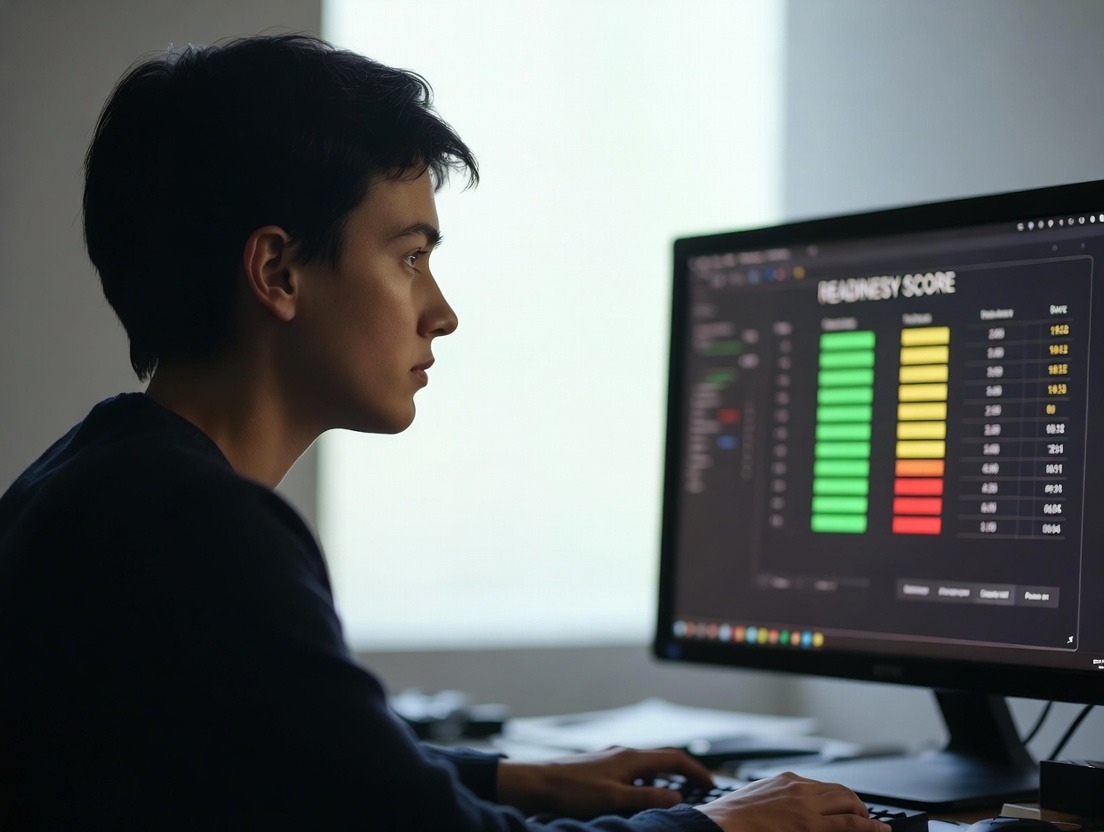
Armed with an understanding of sleep architecture and your personal data, you can now move from observation to intervention. Optimizing your sleep cycles is a proactive engineering project. The goal is to create the ideal internal and external conditions for your natural sleep rhythm to unfold without interruption, maximizing the yield of both deep and REM sleep.
Behavioral and Environmental Engineering:
Strategic Recovery and Training Alignment:
Your training itself must be planned with sleep in mind. This is the pinnacle of integrating the sleep-performance-recovery triangle.
By treating your sleep environment and habits with the same seriousness as your training regimen, you effectively double your investment in recovery. The work done in the gym breaks you down; the work done in the cycles of deep and REM sleep builds you back stronger, smarter, and more resilient. This is not a passive hope but an active process you can measure, manage, and master.
Viewing sleep cycles solely through the lens of next-day recovery is like judging a symphony by its first note. The true, profound impact of sleep architecture is cumulative, playing out over weeks, months, and decades. Consistent, high-quality sleep cycles are not a luxury for peak performers; they are a fundamental pillar of longevity, a robust immune system, and resilience against chronic disease. The nightly regeneration sequence is, in essence, your body's most critical maintenance program for long-term operational integrity.
Sleep Architecture and the Aging Process
Aging and sleep have a bidirectional relationship. While sleep patterns naturally change with age—with reduced deep sleep and more fragmented sleep—evidence strongly suggests that the preservation of good sleep architecture can slow markers of biological aging.
The Immune System's Nightly Reboot
Your immune system is perhaps the most dramatic beneficiary of complete sleep cycles. Sleep is often called the "elixir of immunity," and for good reason.
The Metabolic Connection: Sleep Cycles and Glucose Regulation
Even a single night of disrupted sleep architecture can have immediate negative effects on your metabolism, primarily by impairing insulin sensitivity.
The long-term message is clear: investing in your sleep architecture is an investment in your healthspan. It is proactive medicine. The data from a wellness ring becomes a long-term health ledger. Tracking trends in HRV (a marker of systemic resilience), resting heart rate, and sleep stability provides an early-warning system for creeping inflammation or metabolic strain long before symptoms arise. It allows you to course-correct with lifestyle adjustments, making sleep cycle optimization a cornerstone of a truly preventive health strategy. For those in demanding, long-term training pursuits, this perspective is key to understanding how exercise and recovery balance affects long-term fitness gains and preventing the burnout detailed in our article on smart ring data that prevents burnout and plateau.

While environment and behavior are the primary levers for sleep, nutrition acts as both a powerful supporter and a potential saboteur of your sleep cycles. The timing, composition, and quality of your food and drink can either facilitate the smooth transition into deep and REM sleep or create biochemical roadblocks that fragment your night. This isn't about a single "sleep food," but about creating a daily nutritional pattern that serves your circadian biology.
Macronutrient Timing for Cycle Support
Key Micronutrients and Compounds
Certain nutrients play direct roles in the biochemistry of sleep:
Supplements and Herbal Allies (Use with Caution and Professional Guidance)
The Ultimate Biofeedback Tool
This is where personalized data from a device like the Oxyzen ring becomes invaluable. You can test the impact of nutritional changes directly. For instance:
Nutrition for sleep is highly individual. By pairing mindful dietary adjustments with objective sleep architecture data, you move beyond generic advice to discover your own unique nutritional formula for optimal recovery sleep. This level of personalization is what allows for true hormone optimization through exercise and recovery balance.
For many, poor sleep is a matter of modifiable habits. However, for a significant portion of the population, fragmented sleep and unrefreshing rest persist despite excellent sleep hygiene. This is where the diagnostic power of continuous physiological monitoring can illuminate hidden pathologies. A smart wellness ring, while not a medical device, can serve as a powerful screening tool and provide compelling data to bring to a healthcare professional.
Spotting the Signature of Sleep Apnea
Obstructive Sleep Apnea (OSA) is a shockingly common disorder where the airway collapses during sleep, causing breathing to stop (apnea) or become shallow (hypopnea). These events trigger micro-arousals to restart breathing, severely fragmenting sleep architecture. Crucially, many people with OSA are unaware they have it, attributing their daytime fatigue to other causes. A smart ring can reveal telltale signs:
Seeing this pattern of repeated SpO2 dips alongside terrible sleep scores is a strong impetus to seek a formal sleep study for diagnosis.
Unmasking Insomnia Subtypes
Insomnia isn't just "trouble sleeping." A ring's data can help differentiate between:
Revealing Circadian Rhythm Disorders
For individuals with Delayed Sleep Phase Disorder (night owls who can't fall asleep until very late) or Advanced Sleep Phase Disorder (early birds who crash very early), temperature and sleep/wake data over weeks will show a consistent, rigid pattern misaligned with desired social or work schedules. This objective data is far more convincing than a subjective complaint of being a "night person" and can guide targeted chronotherapy.
Tracking Restless Leg Syndrome (RLS) Impact
While a ring can't diagnose RLS, it can quantify its impact. The characteristic urge to move the legs typically occurs at night and can delay sleep onset and cause frequent awakenings. The ring's movement and sleep discontinuity data will show the direct correlation between these restless periods and broken sleep.
From Data to Actionable Dialogue
Armed with this data, a conversation with a doctor or sleep specialist transforms. Instead of saying, "I'm tired all the time," you can say, "My wearable shows I have an average of 22 oxygen dips per hour, my heart rate spikes repeatedly at night, and I never get more than 10 minutes of continuous deep sleep. Here are the graphs from the last month." This objective evidence can fast-track referral and treatment.
For the vast majority without a clinical disorder, this level of tracking provides profound reassurance. Seeing solid, uninterrupted sleep cycles validates your recovery efforts. For those on the edge, it provides the critical nudge to seek help, turning years of poor recovery into a solvable problem. Understanding these nuances is part of the comprehensive approach we advocate for in achieving true exercise and recovery balance mastery.
For the competitive athlete or dedicated amateur, sleep isn't just about health—it's a legal, quantifiable performance enhancer. The difference between a podium finish and the middle of the pack can literally be made in the depth and architecture of sleep. Different sports impose unique physical and cognitive demands, and the recovery priorities within sleep cycles can be strategically aligned to meet them.
Strength and Power Athletes (Weightlifting, Sprinting, Football)
For these athletes, the primary recovery focus is on the musculoskeletal and central nervous systems (CNS). Their sleep cycle optimization prioritizes maximizing deep NREM sleep.
Endurance Athletes (Runners, Cyclists, Triathletes)
Endurance athletes need a dual recovery focus: muscular/glycogen replenishment (deep sleep) and cognitive/motor skill consolidation (REM sleep). Long training sessions deplete fuel stores and require fine motor pacing and technique.
These athletes have perhaps the most complex recovery profile, requiring physical repair, cognitive sharpness, reaction time, and emotional regulation—demanding both deep and REM sleep in abundance.
The Common Thread: Data-Driven Periodization
Across all sports, the modern approach is to periodize sleep and recovery alongside training. In a high-volume/high-intensity block, sleep is defended fiercely. In a taper phase before competition, sleep optimization becomes the primary focus to ensure peak freshness. The smart ring provides the continuous feedback loop to make this periodization precise and personalized, moving away from guesswork. This is how pro athletes use wellness rings to gain a marginal edge that becomes decisive.

The most perfect sleep environment is useless if the mind inhabiting it is a storm of anxiety, rumination, or stress. Psychological factors are among the most pervasive disruptors of sleep cycle integrity. Fortunately, the mind is also a trainable tool, and specific practices can directly calm the nervous system and promote the seamless progression through NREM and REM sleep. This is mental hygiene for recovery.
Cognitive Behavioral Therapy for Insomnia (CBT-I)
CBT-I is the gold-standard, first-line treatment for chronic insomnia. It's a structured program that addresses the thoughts and behaviors that perpetuate sleep problems. Key components a smart ring user can integrate include:
Mindfulness and Meditation Practices
These practices work by activating the parasympathetic nervous system and creating distance from racing thoughts.
Biofeedback and Data-Assisted Relaxation
Here, your smart ring transitions from a passive tracker to an active biofeedback device.
The Role of Daytime Stress Management
Sleep quality is built during the day. Chronic, unmanaged stress leads to elevated cortisol levels that can spill into the night, blocking the transition into deep sleep.
By treating mental calm as a skill to be practiced, you build "sleep resilience." You're not just hoping your mind will be quiet at night; you're actively training it to disengage. The correlation will show in your data: lower resting heart rate, higher HRV, reduced sleep latency, and more consolidated deep sleep. This mental piece completes the holistic picture, ensuring your recovery window is timed perfectly not just environmentally, but neurologically as well.
We stand at the precipice of a revolution in our understanding and optimization of sleep. The current generation of wearables, like smart rings, has brought sleep architecture out of the lab and onto our fingers. But the future promises a shift from monitoring to active modulation—a move toward truly intelligent sleep environments and interventions that are dynamically tailored to our unique, real-time physiological needs. This isn't science fiction; it's the logical next step in the quest for perfect recovery.
From Tracking to Guiding: Closed-Loop Sleep Systems
Imagine a system that doesn't just tell you your sleep was fragmented, but actively works to prevent the fragmentation as it happens. This is the concept of a closed-loop sleep system:
Advanced Biomarkers and Predictive Health
Future wearables will monitor a broader suite of biomarkers directly relevant to recovery quality:
Personalized Chronotherapy and Nutrient Delivery
With a hyper-accurate map of your personal circadian rhythm, interventions can be timed with exquisite precision:
The Role of AI and Machine Learning
The sheer volume of longitudinal data—sleep cycles, HRV, HR, temperature, activity, nutrition logs—is too complex for the human brain to analyze fully. AI will become the ultimate sleep coach:
While this future is being built, the foundation is laid by today's technology. The Oxyzen smart ring and its ecosystem represent the critical first step: building a comprehensive, accurate dataset of your baseline biology. This dataset is the training ground for the AI and the reference point for all future personalized interventions. By engaging with this technology now, you are not just optimizing your current recovery; you are preparing to be an early beneficiary of the coming revolution in human performance and longevity. Staying informed through resources like the Oxyzen blog ensures you'll be at the forefront of these developments.
Knowledge is powerless without action. Understanding sleep cycles is fascinating, but weaving that understanding into the fabric of your daily life is transformative. This section provides a synthesized, actionable protocol that integrates all the preceding principles—circadian alignment, sleep hygiene, nutrition, stress management, and data interpretation—into a cohesive strategy for mastering recovery. Consider this your operating manual for the regeneration lab.
The Daily Ritual (The 24-Hour Recovery Cycle)
The Weekly Rhythm (Periodizing Recovery)
Your sleep needs aren't static; they fluctuate with your training and life load. A smart weekly plan anticipates this.
The Quarterly Audit
Every 3-4 months, take a macro view:
This 360-degree protocol turns sleep cycle science from a concept into a lived practice. It creates a virtuous cycle: better daily habits → improved sleep architecture → higher quality recovery → better daytime decisions and performance → less physiological stress → even better sleep. You become the architect of your own regeneration.
We began this exploration by reimagining sleep—from a passive void to an active, architecturally complex regeneration lab. We've journeyed through the distinct stages of the sleep cycle, understanding deep sleep's role as the foreman of physical repair and REM sleep's function as the director of cognitive and emotional reset. We've seen how this nightly symphony is conducted by our circadian rhythm, vulnerable to a host of modern disruptors, yet beautifully revealed by the biometrics from a device on our finger.
But more than a tour of physiology, this has been an argument for agency. In a world that glorifies burnout and constant doing, reclaiming your sleep is a radical act of self-optimization and health preservation. It is the recognition that recovery is not what happens when you stop; it is the essential, active process that makes all progress possible.
The data from advanced wearables like the Oxyzen ring is the catalyst for this shift. It transforms recovery from a vague feeling ("I'm tired") into a measurable, manageable variable. It shows you the direct line between the 9 PM decision to put down your phone and the 6 AM readiness score that empowers a personal-best workout. It reveals the hidden cost of that nightcap and the profound benefit of a consistent bedtime. This feedback loop is the cornerstone of modern, intelligent self-care.
This knowledge empowers you to move beyond generic advice and become the expert on your own body. You learn your personal sleep need, your ideal temperature, your unique response to stress and nutrition. You discover how to balance high-intensity exercise with adequate recovery and how to listen when your body's data is telling you to pull back. You stop guessing and start knowing.
Ultimately, understanding and optimizing your sleep cycles is about more than better workouts or sharper focus—though those are wonderful benefits. It is about investing in the foundational process of being human. It is about supporting your immune system for decades to come, protecting your brain's long-term health, and slowing the cellular processes of aging. It is about waking up each day not just rested, but truly restored—physically capable, mentally clear, and emotionally resilient.
The night is no longer a blank space between days. It is your most potent territory for growth and repair. Own it. Measure it. Optimize it. Your future self, in every aspect of performance and well-being, will thank you for the investment made in the quiet, regenerative dark.
Ready to begin decoding your own sleep architecture and taking command of your recovery? The journey starts with understanding your unique data. Discover how the Oxyzen smart ring provides the precise, comfortable, and continuous tracking you need to transform your sleep from a mystery into your greatest asset. For more insights and deep dives into the science of recovery, explore our full library of articles on everything from specific training protocols to holistic wellness strategies. Your regeneration lab is waiting.
Your Trusted Sleep Advocate (Sleep Foundation — https://www.sleepfoundation.org/)
Discover a digital archive of scholarly articles (NIH — https://www.ncbi.nlm.nih.gov/
39 million citations for biomedical literature (PubMed — https://pubmed.ncbi.nlm.nih.gov/)
experts at Harvard Health Publishing covering a variety of health topics — https://www.health.harvard.edu/blog/)
Every life deserves world class care (Cleveland Clinic -
https://my.clevelandclinic.org/health)
Wearable technology and the future of predictive health monitoring. (MIT Technology Review — https://www.technologyreview.com/)
Dedicated to the well-being of all people and guided by science (World Health Organization — https://www.who.int/news-room/)
Psychological science and knowledge to benefit society and improve lives. (APA — https://www.apa.org/monitor/)
Cutting-edge insights on human longevity and peak performance
(Lifespan Research — https://www.lifespan.io/)
Global authority on exercise physiology, sports performance, and human recovery
(American College of Sports Medicine — https://www.acsm.org/)
Neuroscience-driven guidance for better focus, sleep, and mental clarity
(Stanford Human Performance Lab — https://humanperformance.stanford.edu/)
Evidence-based psychology and mind–body wellness resources
(Mayo Clinic — https://www.mayoclinic.org/healthy-lifestyle/)
Data-backed research on emotional wellbeing, stress biology, and resilience
(American Institute of Stress — https://www.stress.org/)


