


Exercise and Recovery Balance During Competition Seasons
Special considerations during competition seasons.
Special considerations during competition seasons.
%402x.svg)
The whistle blows, the final buzzer sounds, or the finish line appears in the distance. For athletes at any level—from weekend warriors to elite professionals—the competition season represents both the culmination of training and the ultimate test of physical and mental fortitude. Yet hidden within the glory of performance lies a delicate, often overlooked equation: the precise balance between explosive effort and essential recovery.
In the high-stakes environment of competition seasons, we often celebrate the grueling workouts, the extra repetitions, and the relentless drive to push limits. But modern sports science reveals a paradoxical truth: the path to peak performance isn’t paved solely with harder work, but with smarter recovery. The most successful athletes aren’t just those who train hardest, but those who recover most effectively, creating a sustainable rhythm that carries them through weeks or months of competitive pressure without breaking down.
Enter the era of data-driven wellness. Just as coaches once relied on stopwatches and instinct, today's athletes are turning to sophisticated technology to navigate this critical balance. At the forefront of this revolution is wearable technology that moves beyond basic step counting to provide genuine physiological insights. Devices like the Oxyzen smart ring represent a paradigm shift, offering continuous, non-invasive monitoring of key recovery metrics that were once only measurable in sleep labs or sports science facilities.
This comprehensive guide will explore the intricate dance between exercise and recovery during competition seasons. We’ll move beyond platitudes to examine the physiological mechanisms at play, identify the silent signals of imbalance, and provide a actionable framework for optimizing both effort and rest. Whether you’re a marathon runner in race season, a soccer player navigating a packed fixture list, or a recreational athlete preparing for a championship, mastering this balance is what separates personal bests from breakdowns.
To understand why the exercise-recovery balance is so crucial during competition, we must first look under the hood at what actually happens to the human body under athletic stress. The process follows a fundamental biological principle known as the General Adaptation Syndrome, applied to sports as the supercompensation cycle.
When you exercise—especially at competitive intensities—you aren't building strength or endurance in the moment. You're actually breaking down tissue, depleting energy stores, and accumulating metabolic waste. Microscopic tears form in muscle fibers, glycogen reserves in muscles and liver diminish, and systems from hormonal to neurological experience significant stress. This is the catabolic phase: a controlled breakdown that serves as the stimulus for adaptation.
Recovery is when the magic happens. During rest periods—particularly sleep—the body enters an anabolic state of repair and rebuilding. It patches those muscle tears with stronger protein structures, replenishes glycogen stores to greater levels than before (supercompensation), clears metabolic byproducts like lactate, and rebalances hormones like cortisol and testosterone. The nervous system resets, inflammation is regulated, and the immune system is bolstered. This is where you become fitter, faster, and stronger. Without adequate recovery, the breakdown phase continues unchecked, leading to a downward spiral of diminished performance, injury, and illness.
During a competition season, this cycle is compressed and intensified. The frequent, high-intensity outputs required for performance leave less margin for error. The window for recovery shrinks, while the physiological debt accumulates. An athlete might successfully push through for a week or two on grit alone, but as the season progresses, the lack of balance manifests in measurable ways: declining power output, increased perceived exertion for the same workload, slower reaction times, disturbed sleep, irritability, and a heightened susceptibility to upper respiratory infections.
Dr. Emily Stone, a sports physiologist who works with Olympic athletes, explains it succinctly: "We used to think of fatigue as purely muscular. Now we understand it as systemic. The heart, the brain, the endocrine system, the gut—they all contribute to an athlete's readiness state. Competition season asks for repeated withdrawals from your physiological bank account. Recovery is how you make deposits. If you're only withdrawing, you will eventually go bankrupt."
This is where objective data becomes invaluable. Subjective feelings can be deceiving, especially in the adrenaline-filled context of competition. An athlete may "feel fine" while their heart rate variability (HRV) is plummeting, indicating autonomic nervous system strain. Technology like the Oxyzen ring shines a light on these hidden metrics, tracking everything from sleep architecture and resting heart rate to body temperature trends and blood oxygen saturation—all of which provide a composite picture of recovery status. By understanding the hard science of stress and adaptation, athletes can move from guessing to knowing when to push and when to pull back.
One of the greatest challenges during a competition season is distinguishing between normal, productive fatigue and the early warning signs of a more dangerous downward spiral. The line between being optimally trained and overtrained is often blurry, crossed not in a single workout but through the accumulated residue of small recovery deficits.
The term "overtraining syndrome" (OTS) is often misused. True OTS is a severe, chronic condition requiring months—sometimes years—of rehabilitation. More common, and highly relevant to competition seasons, is what experts now call "under-recovery syndrome" or "non-functional overreaching." This is a state where an athlete's capacity to perform and adapt is compromised by an imbalance between stress and recovery. The body is stuck in a catabolic state, unable to complete the repair cycle before the next stressor arrives.
The red flags of under-recovery are both physiological and psychological. Physically, athletes may notice:
Mentally and emotionally, the signs can be just as telling:
The insidious nature of under-recovery is that it often disguises itself as dedication. Pushing through fatigue is glorified in sports culture. Skipping a rest day to get "extra work" in can feel productive, even when the data suggests it's counterproductive. This is the athlete's paradox: the discipline to work hard is abundant, but the discipline to rest equally hard is rare.
Modern wellness technology provides a crucial reality check. By monitoring key biomarkers 24/7, devices offer an objective dashboard of recovery status. For instance, a wellness ring that tracks heart rate variability (HRV) can serve as a daily "readiness score." HRV measures the subtle variations in time between heartbeats, which is governed by the autonomic nervous system. A higher HRV typically indicates a resilient, recovered state where the "rest-and-digest" (parasympathetic) system is dominant. A trend of declining HRV is one of the most sensitive and early indicators that the body is under strain and recovery is inadequate.
Similarly, tracking sleep quality goes far beyond just duration. The distribution of sleep stages (light, deep, and REM sleep) is critical for different recovery processes. Deep sleep is paramount for physical repair and growth hormone release, while REM sleep is crucial for cognitive recovery and emotional regulation. An athlete logging 8 hours of fragmented sleep with minimal deep sleep is not recovering effectively. By identifying these red flags early—through both self-awareness and data—athletes can intervene with proactive recovery strategies before a minor dip becomes a season-derailing crash.
For a deeper look at the practical tools available, our wellness ring basics guide on activity and movement tracking explains how continuous monitoring works to paint this full picture.

For generations, coaches and athletes relied on subjective feedback—"How do you feel?"—and basic metrics like morning pulse to gauge readiness. While valuable, this approach is inherently limited by perception and lacks granularity. Today, the fusion of miniature sensors, advanced algorithms, and artificial intelligence has made it possible to quantify the previously intangible state of "readiness" with remarkable precision.
At the core of this technological leap is the ability to monitor the autonomic nervous system (ANS) continuously and non-invasively. The ANS is the body's master control system for stress and recovery, governing heart rate, respiration, digestion, and countless other automatic processes. It has two primary branches: the sympathetic ("fight-or-flight") and the parasympathetic ("rest-and-digest"). Competition and intense training heavily engage the sympathetic system. True recovery requires a shift toward parasympathetic dominance. The balance between these two systems is the very definition of your body's readiness for stress.
This is where devices like the Oxyzen smart ring operate. Worn continuously, they act as a personal biometric lab, collecting data streams that feed into a composite readiness score. Let's break down the key metrics:
The real power isn't in any single metric, but in their synthesis. An AI-powered platform takes these data points, contextualizes them with the user's activity data (training load), and generates an easy-to-understand readiness score or "recovery index." This isn't a diagnosis, but a powerful piece of guidance. It can answer questions like: "Should I do my planned high-intensity session today, or would I be better served with a light active recovery day?" or "Am I fully recovered from last weekend's game?"
This represents a fundamental shift from training by plan to training by state. Instead of blindly following a pre-written calendar, the data-literate athlete can adapt their daily regimen based on their body's actual readiness. This dynamic approach is infinitely more responsive to the unpredictable demands of a competition season, where travel, stress, and the emotional toll of competition itself add to the physiological load.
The science behind this modern health tracking technology is fascinating and constantly evolving, enabling a level of personalization previously unimaginable.
The traditional concept of periodization—dividing a training year into distinct phases (off-season, pre-season, in-season, transition)—remains a cornerstone of athletic planning. However, the classic model often treats recovery as a passive backdrop, something that happens between training blocks or after the season. Modern periodization, or "Periodization 2.0," actively integrates recovery as a planned, proactive, and dynamic component within every phase, especially the competitive season.
Think of your competition season not as a monolithic block of "performance," but as a rhythmic wave of stress and recovery micro-cycles. A weekly micro-cycle for a team-sport athlete might look like: Game Day (high stress) -> Day After (complete restoration) -> Mid-Week (moderate intensity training) -> Pre-Game (taper/activation) -> Game Day. Each day has a specific goal, and recovery modalities are scheduled with the same intentionality as drills and conditioning.
Here’s how to build recovery into your season plan:
1. The Macro View: Seasonal Recovery Landmarks
Before the first competition, identify natural breaks or lighter periods in your schedule. These become planned "re-loading" weeks. The goal here isn't complete rest, but a significant reduction in volume and intensity (by 40-60%) to allow deeper physiological and psychological restoration. Mark these in your calendar in ink—they are non-negotiable performance appointments.
2. The Micro View: The 24-Hour Recovery Cycle
Post-competition and post-training recovery begins immediately. The first hour after exertion is a critical window for rehydration, glycogen replenishment, and protein synthesis to initiate repair. Plan your nutrition and cool-down routine as meticulously as your warm-up.
3. Dynamic Adjustment Based on Readiness
This is where data transforms the plan. Your pre-written schedule is a template, not a commandment. If your readiness score is low on a planned high-intensity day, you have the evidence to pivot. Swap that session for a restorative yoga flow, a mobility session, or a walk in nature. Conversely, if you feel mediocre but your data shows high readiness, you can execute your hard session with confidence, knowing your body is primed for it. This flexible approach prevents digging a deeper hole on bad days and capitalizes on great ones.
4. Tapering with Precision
The final approach to a championship or key event—the taper—is a delicate art. Reduce load too much, and you feel flat. Reduce too little, and you’re fatigued. Data provides clues. A rising HRV trend and improved sleep quality during a taper are positive signs of "supercompensation." If metrics aren't improving, it may indicate the taper needs adjustment.
For the individual athlete, this personalized approach is revolutionary. As detailed in our analysis of how health tracking technology enables personalized wellness, the one-size-fits-all training plan is becoming obsolete. A smart ring can help you identify your unique response patterns: how long it takes you to recover from a specific type of session, how travel affects your sleep, or how your menstrual cycle influences your readiness metrics. This intelligence allows you to craft a season plan that isn't just based on sport science theory, but on the empirical science of you.
Ultimately, Periodization 2.0 is about respect—respecting recovery as the active, productive phase of training that it truly is. By scheduling it, measuring it, and honoring it, you ensure that your competitive season is a journey of sustained excellence, not a burnout spiral.
The final buzzer sounds or the finish line is crossed, but the athlete's work is far from over. In fact, the actions taken in the minutes, hours, and first night after competition are arguably as consequential for season-long performance as the event itself. This is the critical window where the body is most receptive to repair signals, and a structured protocol can dramatically accelerate the recovery process, setting the stage for the next performance sooner and more completely.
Let's walk through the science-backed, actionable 24-hour recovery protocol.
Phase 1: The "Golden Hour" (0-60 Minutes Post-Exertion)
This period is characterized by maximally open metabolic windows. The goal is to halt catabolic processes and kickstart anabolism.
Phase 2: Strategic Restoration (1-12 Hours Post)
The acute inflammation from tissue damage peaks during this phase. The goal is to manage this inflammation productively—not blunt it completely, as it's a necessary part of the repair signal—and continue the repair process.
Phase 3: The Sleep Optimization Window (Night 1 Post-Competition)
Sleep is the single most powerful recovery tool available. The first night after extreme exertion is when a significant portion of physiological repair occurs.
This protocol isn't guesswork; its effectiveness can be validated. Using a device that tracks sleep quality and nocturnal HRV, an athlete can objectively see the impact. A successful 24-hour protocol should be reflected in a relatively high percentage of deep sleep and a stable or improving HRV reading the following morning, indicating effective nervous system recovery. For more on building these critical restorative habits, explore our guide on how a wellness ring can help build healthy habits.
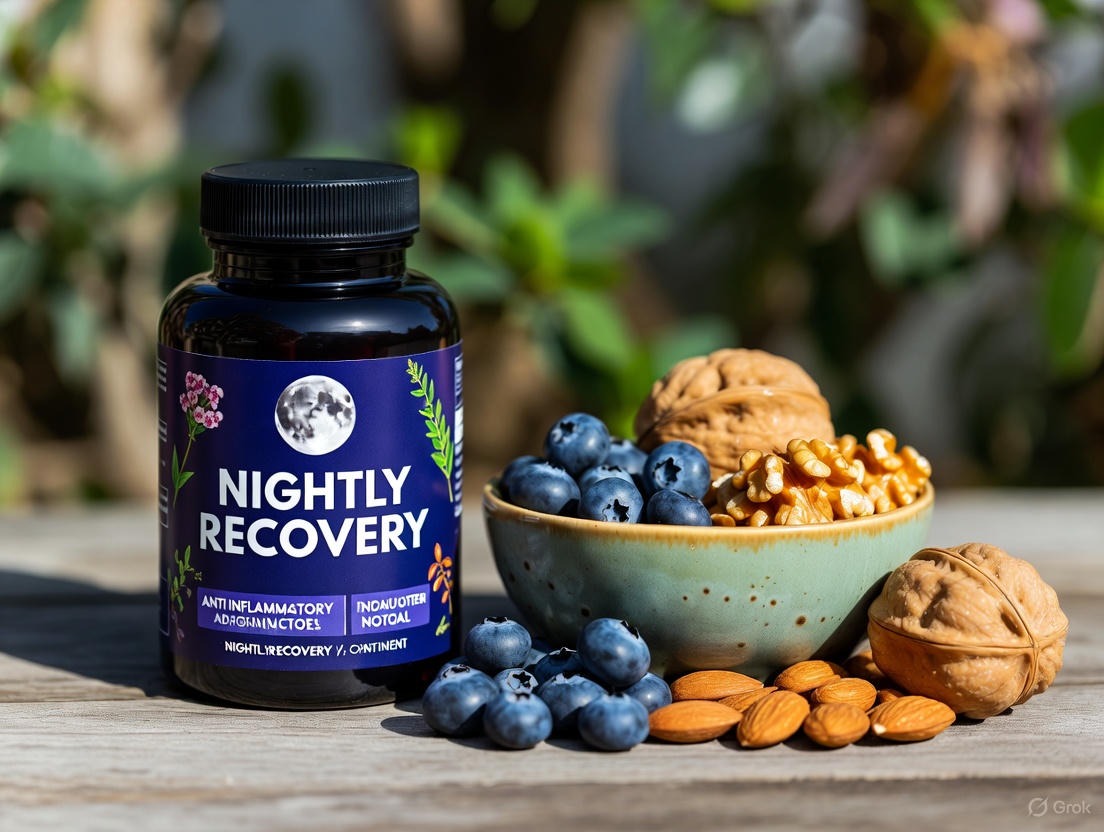
During competition season, food ceases to be just sustenance or pleasure—it becomes a precise tool for performance and repair. Every meal and snack is an opportunity to either accelerate recovery or hinder it. The goal of recovery nutrition is threefold: to replenish energy stores, to provide building blocks for tissue repair, and to modulate the inflammatory response.
The Macronutrient Triad:
The Micronutrient & Hydration Arsenal:
Nutrient Timing Strategy for Competition Season:
The beauty of modern wellness tracking is that it can provide feedback on your nutritional strategies. For instance, if you notice your resting heart rate is elevated and sleep is poor after a day of poor hydration and processed foods, you have a clear, causal link. Conversely, when you nail your post-competition nutrition and hydration, you'll likely see it reflected in a better recovery score the next morning. It turns the abstract concept of "eating well" into a measurable component of your performance toolkit.
If nutrition provides the building blocks for recovery, sleep is the foreman, the architect, and the construction crew all in one. No other single activity has a more profound impact on physical repair, cognitive function, emotional regulation, and hormonal balance. For the competing athlete, sleep isn't a luxury—it's a fundamental part of the job description.
During sleep, the body shifts decisively into an anabolic state. Human Growth Hormone (HGH), which is critical for tissue repair and muscle growth, is primarily secreted during deep sleep (stages 3 and 4 of non-REM sleep). The brain's glymphatic system, a waste-clearance pathway, becomes highly active during sleep, clearing metabolic byproducts that accumulate during the day—think of it as taking out the neural trash. Sleep is also when the immune system releases proteins called cytokines, some of which are needed to fight infection or inflammation.
The consequences of sleep deprivation for an athlete are severe and multifaceted:
During a competition season, sleep challenges multiply. Travel across time zones disrupts circadian rhythms. Pre-competition anxiety can lead to restless nights. Late games or events can push bedtime far into the night. The goal, therefore, is not just to get more sleep, but to aggressively protect and optimize the sleep you can get.
The Athlete's Sleep Optimization Checklist:
This is where a device with advanced sleep stage tracking becomes an invaluable coach. It moves you beyond guessing about your sleep to knowing. You can see exactly how much deep and REM sleep you're getting, how many times you wake up, and how consistent your bedtimes are. You can run experiments: Does tart cherry juice before bed increase my deep sleep percentage? Does my post-game routine result in fragmented sleep? The data provides answers, allowing you to refine your sleep hygiene into a precision recovery tool. To understand the full potential of this kind of monitoring, learn about the difference between continuous vs. periodic monitoring in wearables.
The term "recovery day" often conjures an image of total passivity—lounging on the couch, moving as little as possible. While complete rest has its place, the more common and often more effective tool in the athlete's kit is active recovery. Understanding the difference and when to apply each is key to maintaining momentum during a long season.
Active Recovery refers to low-intensity, low-impact movement performed on days following strenuous competition or training. Think of it as "movement with a purpose"—the purpose being to enhance physiological restoration without adding significant stress.
Complete Rest means exactly that: no structured physical activity. This is a day for physical and mental disengagement from the sport.
How to Choose? Let the Data Guide You.
This decision shouldn't be arbitrary. Your body's readiness metrics can provide the answer.
A practical application during a competition season with weekend games might look like this:
By thoughtfully alternating between these modalities, you create a rhythm that sustains performance. You avoid the trap of being either "always on" or "completely off," instead finding the productive middle ground where the body is constantly guided toward its optimal, recovered state. For athletes looking to personalize this balance, our resource on how wellness rings support different health goals offers tailored insights.
The physical demands of a competition season are only half the battle. The psychological toll—the pressure to perform, the emotional rollercoaster of wins and losses, the constant public or self-scrutiny, the travel disruptions—can be equally draining. Mental fatigue is real, and it directly impairs physical performance, decision-making, and resilience. Therefore, psychological recovery is not a soft skill; it is a critical performance component that must be trained and scheduled with the same rigor as physical recovery.
Mental fatigue manifests as reduced concentration, increased perception of effort, emotional volatility, and a diminished capacity to cope with adversity. An athlete who is mentally drained will struggle to execute complex tactics, maintain technical precision under pressure, or bounce back from a mistake.
Strategies for Psychological Recovery:
The Mind-Body Feedback Loop:
The fascinating intersection of mental and physical recovery is where wearable data again proves its worth. Elevated resting heart rate and low HRV are not only signs of physical strain but are highly correlated with psychological stress. By monitoring these metrics, an athlete can become aware of subconscious mental load. For example, you might see your HRV drop during a week of intense media scrutiny or academic exams, even if your training load is light. This is a data-driven prompt to double down on your psychological recovery strategies.
Furthermore, the practice of mindfulness can directly influence these physiological markers. Studies show that regular meditation can increase HRV over time, indicating a more resilient and balanced autonomic nervous system. This creates a virtuous cycle: psychological practices improve physiological readiness, which in turn supports better mental state.
The modern athlete’s edge no longer comes solely from harder work or superior genetics, but from superior information. In the thick of a competition season, when intuition can be clouded by fatigue, adrenaline, or pressure, objective data serves as an unwavering guide. This is the era of the quantified athlete, where wearable technology transitions from a passive recorder to an active, intelligent coach on your wrist—or, more discreetly and effectively, on your finger.
Imagine this scenario: It’s Wednesday morning during a tough three-game week. You have a high-intensity training session on the schedule. You slept okay but feel a bit "off"—a common, vague sensation. In the past, you faced a dilemma: Push through on grit and risk digging a deeper recovery hole, or skip it and potentially lose a crucial training stimulus. Now, you consult your data. Your smart ring's readiness score, synthesized from your overnight HRV, respiratory rate, and sleep quality, shows a 15% dip from your baseline. The recommendation? "Recovery Focus." Armed with this, you confidently swap the intense session for a mobility flow and an extra hour of rest. Two days later, your score has rebounded to a new high, and you dominate in the next game.
This is the practical power of leveraging data. It transforms decision-making from reactive and emotional to proactive and strategic. The technology provides three key coaching functions:
Key metrics to watch daily during competition season include:
The goal is not to become a slave to the numbers, but to use them as a conversation with your body. They provide a language for what your body is trying to say. For those new to this world, our FAQ page addresses common questions about how this technology integrates into daily life. The ultimate aim is to foster a deeper body literacy, where the data serves as a teacher, helping you recognize subtle internal cues you may have previously ignored.

The competition schedule rarely respects circadian rhythms or the comforts of home. For athletes, especially at higher levels, travel is an inescapable part of the season—and a massive, often underestimated, stressor on the recovery balance. Jet lag, disrupted sleep, dehydration from dry cabin air, prolonged sitting, and unfamiliar food all conspire to impair performance and increase injury risk. Successfully navigating these challenges is a competitive advantage.
The core issue is circadian rhythm disruption. Your body's internal clock, set by light exposure, regulates sleep-wake cycles, hormone release (like cortisol and melatonin), core body temperature, and digestion. Crossing multiple time zones desynchronizes this clock from the local environment, leading to fatigue, insomnia, digestive issues, and poor cognitive function—a state commonly known as jet lag.
The Athlete’s Travel Recovery Protocol:
Environmental stressors extend beyond travel. Competing in extreme heat, humidity, or altitude adds another layer of physiological strain that demands adjusted recovery protocols. Heat increases fluid and electrolyte loss, elevates core temperature, and raises cardiovascular strain. Altitude affects oxygen availability, disrupting sleep and increasing metabolic stress. In these conditions, recovery isn't just about bouncing back from the workout, but from the environment itself. Hydration, nutrition, and sleep become even more critical, and monitoring metrics like nocturnal blood oxygen saturation (SpO2) at altitude or heart rate trends in the heat can provide early warnings of maladaptation.
By viewing travel and environmental challenges as planned stressors—and having a deliberate protocol to manage them—you turn a potential performance liability into a mastered skill. To see how everyday users leverage technology to navigate life's stresses, you can read real customer reviews and experiences.
All the diligent balancing of exercise and recovery throughout a season builds toward one goal: peak performance at the right moment. The strategic reduction of training load before a key competition—the taper—is the final, crucial piece of the puzzle. When executed correctly, it allows fatigue to dissipate while fitness is maintained or even enhanced, leading to that elusive state of feeling fresh, powerful, and mentally sharp on race day. When done poorly, it can leave an athlete feeling flat, heavy, or anxious.
The physiology of the taper is a beautiful demonstration of supercompensation. By significantly reducing volume (the primary lever to pull), you decrease the daily muscle damage, glycogen depletion, and neurological fatigue. This allows the body to fully replenish energy stores, repair tissue to a greater level, and upregulate enzyme activity and hormone profiles favorable to performance. The result is an increase in muscle power, cardiovascular efficiency, and a psychological readiness to compete.
Key Principles of an Effective Taper:
How Technology Perfects the Taper:
This is where a season's worth of data pays its highest dividend. Instead of relying on a generic plan, you can taper based on your body's signals.
The final 48 hours are about fine-tuning: optimal hydration, carbohydrate loading for endurance events, familiarizing yourself with the course or venue, and engaging in brief, sharp "activation" sessions to prime the nervous system without causing fatigue. By using data to navigate the taper, you remove the guesswork and anxiety, arriving at the start line not just hoping you're ready, but knowing you are. For a perspective on where this personalized approach is heading, explore our thoughts on the future of wearable health tech.
In our quest to quantify every aspect of recovery, we must avoid a critical pitfall: outsourcing all our wisdom to the device. The most successful athletes cultivate a deep sense of body literacy—an intuitive feel for their state of readiness—and use data to refine, validate, or challenge that intuition, not replace it. The ideal state is a synergistic dialogue between subjective feeling and objective measurement.
Your body is constantly sending signals: energy levels, mood, motivation, hunger, thirst, the quality of muscle soreness, and general sense of well-being. These are the subjective metrics. A smart ring provides the objective metrics: HRV, sleep stages, temperature. The magic happens in the correlation.
Creating Your Personal Algorithm:
When to Override the Data:
Data is a guide, not a dictator. There are times when intuition should lead:
The goal is to become the CEO of your own body. The data from your wellness ring is your chief of staff, providing reports, forecasts, and recommendations. But you make the final executive decision, synthesizing the hard numbers with the lived experience of being in your unique body. This integrated approach fosters self-trust and resilience, which are ultimately the bedrock of long-term athletic success. To understand the philosophy behind creating technology that supports this kind of holistic self-knowledge, you can learn more about our story and mission.
We've explored the science, the signals, the tools, and the strategies. Now, it's time to synthesize this knowledge into a actionable, personalized blueprint—a living document that guides your decisions throughout the competitive campaign. This isn't a rigid set of rules, but a flexible framework informed by your sport, your body, and your data.
Step 1: Establish Your Baselines (Pre-Season Work)
Before competition begins, use a period of consistent training to establish your personal norms. Wearing your wellness tracker daily, note your average:
Step 2: Create Your Hierarchy of Recovery Tools
Not all recovery strategies are equal, and you won't have time for everything every day. Rank them based on impact and practicality for you.
Step 3: Design Your Standard Operational Protocols
Have a default plan for common scenarios, so you don't have to think when tired.
Step 4: Implement Your Decision-Making Matrix
Create a simple daily flowchart based on your subjective feel and objective data:
Step 5: Schedule Weekly and Seasonal Reviews
Once a week, spend 15 minutes reviewing your data trends. Is your HRV baseline slowly drifting down? That suggests chronic load is too high and you may need to plan a deliberate recovery week. After a travel block or a series of tough games, schedule a "re-loading" mini-break. Use your wellness ring's integration with other health apps to correlate training load (from your workout app) with recovery metrics for the clearest picture.
Step 6: Embrace Iteration
Your blueprint is a first draft. You will learn that you need more sleep than you thought, or that contrast therapy works wonders for you, or that your ideal taper is 10 days, not 14. Use the season as a laboratory. The data provides the feedback. Adjust your blueprint accordingly. This process of continuous learning and adaptation is what turns knowledge into wisdom and potential into peak performance.
By taking the time to build this personalized blueprint, you move from being a passive participant in your season to the active architect of your performance. You replace uncertainty with confidence, and guesswork with strategy. The competition season becomes not just a test of your fitness, but a masterful demonstration of your ability to manage your most important asset: yourself.
The concept of periodization—structuring training into distinct phases—is well-established. Yet, few athletes apply this same strategic thinking to their nutrition. Your body’s fuel and repair requirements are not static; they fluctuate dramatically between the off-season, pre-season, competition phase, and taper. Nutritional periodization is the practice of aligning your dietary intake with the specific physiological goals of each training phase, ensuring you provide the right building blocks at the right time for optimal adaptation and performance.
During the intense, high-frequency stress of a competition season, your nutritional strategy must serve two primary, sometimes competing, masters: acute recovery from the last event and chronic adaptation to sustain performance for the next one. This requires a dynamic approach that moves beyond a single, rigid "diet."
The Four Nutritional Phases of a Competition Season:
The Data Connection: How do you know if your nutritional periodization is working? Your recovery metrics provide direct feedback.
By treating food as a targeted recovery tool that changes with the season’s demands, you move from simply eating to eating with purpose. This approach ensures you’re not just recovering from yesterday, but building a more resilient body for tomorrow. For foundational habits that support this kind of targeted nutrition, our guide on how a wellness ring helps build healthy habits offers practical strategies.

For nearly half the athletic population, the recovery equation includes a critical, often overlooked variable: the menstrual cycle. The fluctuating levels of estrogen and progesterone across a cycle don't just affect reproduction; they significantly influence energy metabolism, ligament laxity, core temperature, hydration status, and inflammatory response. Ignoring this rhythm can lead to suboptimal recovery, increased injury risk, and frustration. Embracing it, however, can unlock a powerful tool for periodizing training and recovery within the monthly cycle and across the entire competition season.
Understanding the Phases & Their Impact on Recovery:
A Recovery-First Approach to the Cycle:
For the female athlete navigating a competition season, this knowledge is empowering. It reframes challenging days not as personal failures, but as predictable physiological states to be managed. It allows for proactive planning—perhaps scheduling a rest day or a lighter training load during the premenstrual phase of a key competition week. By syncing with, rather than fighting, their hormonal rhythm, female athletes can create a more sustainable, resilient, and ultimately successful season. The journey toward this personalized understanding is part of the broader shift in health tracking technology enabling personalized wellness.
An athlete’s engine is only as good as its fuel processing system. Beyond macronutrients and calories lies a complex, often neglected recovery factor: gut health. The gastrointestinal tract is far more than a passive tube for nutrient absorption; it’s a densely innervated "second brain," a primary immune system organ, and home to trillions of bacteria that directly influence inflammation, sleep, mood, and energy metabolism. The gut-brain-axis—the bidirectional communication network linking the enteric nervous system of the gut with the central nervous system—plays a profound role in how well you recover from and adapt to training stress.
How Exercise and Competition Stress the Gut:
Intense physical exertion diverts blood flow away from the gut and towards working muscles. This can compromise the intestinal barrier, potentially leading to "leaky gut" symptoms—where endotoxins from gut bacteria leak into the bloodstream, triggering systemic inflammation. This is a major contributor to post-exercise immune suppression and prolonged recovery. Add in the stress of competition, travel, and unfamiliar foods, and the gut can become a significant bottleneck to performance.
Signs Your Gut May Be Hindering Recovery:
Strategies to Support the Gut for Optimal Recovery:
The Recovery Feedback Loop: A healthy gut promotes better sleep (via serotonin and melatonin production), modulates inflammation (leading to less muscle soreness), and enhances nutrient absorption (making your good food work harder). You can infer gut health from broader recovery metrics: improvements in sleep quality and a reduction in resting heart rate after prioritizing gut-friendly practices are strong indicators that you’re on the right track.
By nurturing your gut, you’re not just avoiding stomach trouble; you’re building a more robust, anti-inflammatory, and resilient foundation for the entire recovery process. It’s a critical piece of the holistic performance puzzle that connects what you eat directly to how you think, feel, and perform. For more on how continuous monitoring can reveal these systemic connections, see our explanation of continuous vs. periodic monitoring.
A truly successful competition season is one that ends with you healthy, motivated, and poised for future growth—not broken down and burned out. This requires zooming out from the weekly micro-cycles and even the annual season plan to view an athletic career through the lens of macro-cycle planning. This is the multi-year perspective that prioritizes long-term athletic development and health over short-term gains, ensuring that each season builds upon the last without accumulating irreversible wear and tear.
The principle is one of managed accumulation and dissipation of fatigue. Think of fatigue not as something to be eliminated, but as a currency. You strategically invest it (through training and competition) to earn fitness dividends. But you must also have periods where you deliberately "cash out" and reset the system to avoid bankruptcy (injury, overtraining, burnout).
Components of a Sustainable Macro-Cycle Plan:
The Role of Technology in Macro-Cycle Planning:
Long-term data is a goldmine. By reviewing annual trends from your wellness tracker, you can answer pivotal questions:
This longitudinal view turns each season into a learning cycle. You finish a season, review the data—what worked, what didn’t, when did injuries almost happen?—and use those insights to craft a smarter, more resilient plan for the following year. It’s the ultimate expression of self-coaching, where you use your own historical biometrics to write a better future. For a look at the cutting edge of this longitudinal health data, explore our article on health tracking technology in 2025 and what's possible.
The principles of exercise-recovery balance are universal, but their application varies dramatically across sports. The physical, metabolic, and neurological demands of a marathoner are worlds apart from those of a gymnast, a football lineman, or an esports competitor. By examining case studies, we can extract sport-specific lessons and uncover unifying truths.
Case Study 1: The Collegiate Soccer Player – Managing Fixture Congestion
Case Study 2: The Masters Marathoner – Quality Over Quantity
Case Study 3: The Competitive Weightlifter – Neurological and Tendon Recovery
Case Study 4: The Esports Professional – Cognitive and Circadian Recovery
The Unifying Principle: In every case, the athlete who listens—whether to their body's whispers or their device's data—and has the courage to adapt their plan, will outperform the athlete who blindly follows a program. Recovery is the great differentiator. For inspiration from those who have integrated this balance, browse real customer testimonials and user experiences.
We stand at the frontier of a new era in athletic performance and recovery science. The convergence of advanced wearable sensors, artificial intelligence, genomics, and personalized medicine is poised to shatter our current paradigms. The future of recovery isn't just about tracking more metrics—it's about creating a fully integrated, predictive, and hyper-personalized system that guides an athlete from session to session and season to season with unprecedented precision.
Emerging Technologies on the Horizon:
The Human Element in a Tech-Dense Future:
With this incredible power comes a critical responsibility. The risk is "analysis paralysis" or an over-reliance on technology that erodes an athlete's intrinsic connection to their body. The future champion will be the one who masters the integration of this flood of data with their own hard-earned intuition and the irreplaceable wisdom of a human coach. The technology will provide the "what" and the "when," but the athlete and coach will still determine the "why" and the "how."
The goal is not to create a perfectly optimized machine, but to empower a resilient, adaptable, and joyful human performer. This future, where technology removes guesswork and amplifies human potential, is being built today. To understand the foundation of this revolution, delve into the science behind modern health tracking technology.
We have journeyed from the microscopic tears in muscle fibers to the multi-year arc of an athletic career, from the foundational power of sleep to the futuristic promise of predictive AI. The throughline is unequivocal: In the high-stakes theater of competition, recovery is not the opposite of work—it is the most productive part of the work.
Mastering the exercise-recovery balance is not about finding a single secret. It is about cultivating a mindset—a discipline of recovery. This discipline has several core tenets:
In this endeavor, technology like the Oxyzen smart ring is a transformative ally. It acts as your continuous biometric translator, turning the subtle language of your physiology into clear, actionable insights. It provides the objective truth that cuts through the noise of adrenaline, ego, or societal pressure to "always push harder." It helps you build that essential body literacy, so you can eventually make better calls even without it.
The modern competition season is a marathon of sprints. It asks everything of you. By elevating recovery to the same pedestal as exertion—by giving it the same planning, respect, and relentless pursuit of excellence—you do more than just survive the season. You thrive within it. You unlock performances you didn't know were possible, not because you trained infinitely harder, but because you recovered infinitely smarter.
This is the new frontier of athletic achievement: where balance is the ultimate advantage, and the best athletes are not just the strongest or the fastest, but the wisest stewards of their own potential.
Ready to take the next step in mastering your recovery? Discover the tool that provides the continuous, nuanced data essential for this journey. Explore the Oxyzen smart ring and begin building your personal recovery blueprint at our main shop. For more in-depth articles on implementing these principles, visit our blog.
Your Trusted Sleep Advocate (Sleep Foundation — https://www.sleepfoundation.org/)
Discover a digital archive of scholarly articles (NIH — https://www.ncbi.nlm.nih.gov/
39 million citations for biomedical literature (PubMed — https://pubmed.ncbi.nlm.nih.gov/)
experts at Harvard Health Publishing covering a variety of health topics — https://www.health.harvard.edu/blog/)
Every life deserves world class care (Cleveland Clinic -
https://my.clevelandclinic.org/health)
Wearable technology and the future of predictive health monitoring. (MIT Technology Review — https://www.technologyreview.com/)
Dedicated to the well-being of all people and guided by science (World Health Organization — https://www.who.int/news-room/)
Psychological science and knowledge to benefit society and improve lives. (APA — https://www.apa.org/monitor/)
Cutting-edge insights on human longevity and peak performance
(Lifespan Research — https://www.lifespan.io/)
Global authority on exercise physiology, sports performance, and human recovery
(American College of Sports Medicine — https://www.acsm.org/)
Neuroscience-driven guidance for better focus, sleep, and mental clarity
(Stanford Human Performance Lab — https://humanperformance.stanford.edu/)
Evidence-based psychology and mind–body wellness resources
(Mayo Clinic — https://www.mayoclinic.org/healthy-lifestyle/)
Data-backed research on emotional wellbeing, stress biology, and resilience
(American Institute of Stress — https://www.stress.org/)


