


Exercise and Recovery Balance: The Sleep-Performance-Recovery Triangle
The interconnected relationship between sleep, performance, and recovery.
The interconnected relationship between sleep, performance, and recovery.
%402x.svg)
You’ve crushed the workout. You’ve meal-prepped the perfect macros. You’re logging miles and lifting plates. Yet, progress plateaus. Energy flags. Motivation wanes. That nagging injury won’t fully heal. You’re stuck, pouring effort into the output of fitness while ignoring the critical input systems that truly determine success.
For decades, fitness culture glorified the grind—"no pain, no gain" was the mantra. Recovery was an afterthought, sleep was a luxury, and performance was measured solely by the weight on the bar or the speed on the track. This fragmented approach is collapsing under the weight of modern science. We now understand that peak human performance and lasting health are not the product of isolated efforts, but the emergent property of a delicate, dynamic balance. This is the Sleep-Performance-Recovery Triangle.
Imagine a three-legged stool. One leg is Sleep, the non-negotiable foundation of physiological and psychological restoration. The second is Performance, the targeted stress you apply—through exercise, cognitive work, or life demands. The third is Recovery, the active and passive processes that repair the damage of performance and prepare you for the next challenge. Shorten or weaken any single leg, and the entire structure—your wellbeing—becomes unstable and eventually crashes.
This isn't just theory for elite athletes. It’s the fundamental operating system for every human being striving for a better life, whether your goal is lifting heavier, running faster, thinking clearer, managing stress, or simply waking up feeling vibrant. The problem? This triangle operates largely in the dark. We are notoriously poor at subjectively gauging our sleep quality, our body’s true recovery state, and the precise impact of our training load. We fly blind, guided by guesswork and fatigue.
But a revolution is underway, moving us from guesswork to precision. It’s powered by a new generation of personal health technology that sheds light on this critical triangle. At the forefront are discreet, powerful devices like the advanced smart rings from innovators like Oxyzen. Worn continuously, they move beyond counting steps to measuring the biomarkers of balance: heart rate variability (HRV), resting heart rate, skin temperature, blood oxygen saturation, and detailed sleep architecture. They translate the silent language of your nervous system into actionable insights, revealing how your body is truly responding to the pressures of life and training.
This article is your definitive guide to mastering the Sleep-Performance-Recovery Triangle. We will dismantle outdated paradigms, dive deep into the biochemistry of each corner, and reveal how modern technology is empowering individuals to optimize this balance like never before. This is not about working harder in isolation, but about working smarter within a connected system. The path to your peak self begins not with another set of burpees, but with understanding the profound, data-informed connection between how you rest, how you strain, and how you rebuild.
We live in an era of fitness abundance. Unlimited workout tutorials, sophisticated training apps, and high-tech gyms are at our fingertips. The logical assumption is that with more tools and more effort, we should see linear, uninterrupted progress. Yet, a pervasive and frustrating phenomenon is widespread: the plateau. The regression. The overuse injury. The burnout. This is the modern fitness paradox—the counterintuitive reality that increasing exercise volume or intensity can sometimes decrease overall performance and health.
This paradox stems from a fundamental misunderstanding of how the body adapts. Exercise is not the moment of transformation; it is the catalyst. It is a controlled, intentional stressor that breaks down muscle fibers, depletes energy stores, and challenges homeostasis. The actual transformation—the strengthening, the speed gain, the endurance boost—occurs afterward, during recovery. When you skip that crucial recovery phase, you are essentially repeatedly tearing down a construction site without ever allowing the builders to come in and create something stronger. You accumulate micro-traumas that never fully heal, stress hormones that never quite normalize, and a nervous system stuck in a perpetual state of sympathetic "fight or flight" overdrive.
The symptoms of this imbalance are the silent saboteurs of goals:
For too long, we’ve used only external metrics to guide us: pounds lifted, miles run, calories burned. These are outcome measures, lagging indicators. To solve the paradox, we must shift to monitoring the internal inputs: the state of our nervous system, the quality of our sleep, the rate of our physiological repair. This is where the paradigm shifts from "pushing through" to "training smart." It’s about listening to the data your body is broadcasting 24/7 and having the wisdom to adjust your workout, prioritize sleep, or integrate active recovery. Brands leading this personalized health revolution, like Oxyzen, are built on this precise philosophy—equipping you with the continuous, nuanced data needed to navigate out of the paradox and into a state of sustainable, balanced growth. You can explore the science behind modern health tracking technology to understand exactly how this data is captured and validated.
To master the triangle, we must first understand its three core components not as isolated events, but as interconnected, continuous processes. Each corner has a distinct function, yet they are in constant communication, influencing and regulating each other.
Sleep: The Master Regulator
Sleep is far from a passive state of unconsciousness. It is an intensely active period of biological maintenance, the cornerstone upon which both performance and recovery depend. During sleep, especially deep (slow-wave) and REM sleep, the body executes critical functions: Human Growth Hormone (HGH) is released, driving tissue repair and muscle growth; memories are consolidated and learning is solidified; the glymphatic system "washes" the brain of metabolic toxins like beta-amyloid; the immune system releases cytokines to fight inflammation and infection; and hormones like cortisol (stress) and leptin/ghrelin (hunger) are rebalanced. Poor or insufficient sleep doesn't just make you tired—it directly undermines your ability to perform athletically, recover from workouts, regulate emotions, and make sound decisions. It weakens the foundation of the entire triangle.
Performance: The Applied Stress
Performance is the broad category of intentional stress we place on our system to provoke adaptation. While most often associated with athletic training—strength sessions, cardio intervals, sports practice—it also encompasses significant cognitive work, demanding professional projects, and even high-stress life events. The principle of progressive overload applies: to improve, we must systematically challenge our current capacity. However, this stress must be eustress (positive, adaptive stress) rather than distress (negative, debilitating stress). The line between the two is thin and highly individual, dictated by your current recovery status and sleep quality. Performance is the catalyst for growth, but without the other two legs, it becomes purely destructive.
Recovery: The Adaptive Response
Recovery is the multifaceted process of repair, replenishment, and supercompensation that happens in the absence of the performance stress. It is both passive (occurring during sleep and rest) and active (strategies we employ to facilitate it). Key recovery processes include:
Recovery is where the adaptation promised by your workout actually materializes. It’s not merely the absence of training; it’s the essential, productive phase of the growth cycle. Modern tools are pivotal here, moving us beyond vague feelings to precise metrics. For instance, a device that tracks HRV and sleep stages provides an objective window into your recovery status, helping you distinguish between general tiredness and systemic overload. To see how users leverage this data in real life, you can read through authentic real customer reviews and user experiences.
The magic—and the challenge—lies in the dynamic interplay. A poor night's sleep impairs recovery, which limits your next performance. An overly intense performance disrupts sleep, which again hampers recovery. It's a continuous feedback loop. The goal of the modern health-conscious individual is to become the attentive conductor of this loop, using data and awareness to keep all three elements in harmonious balance.
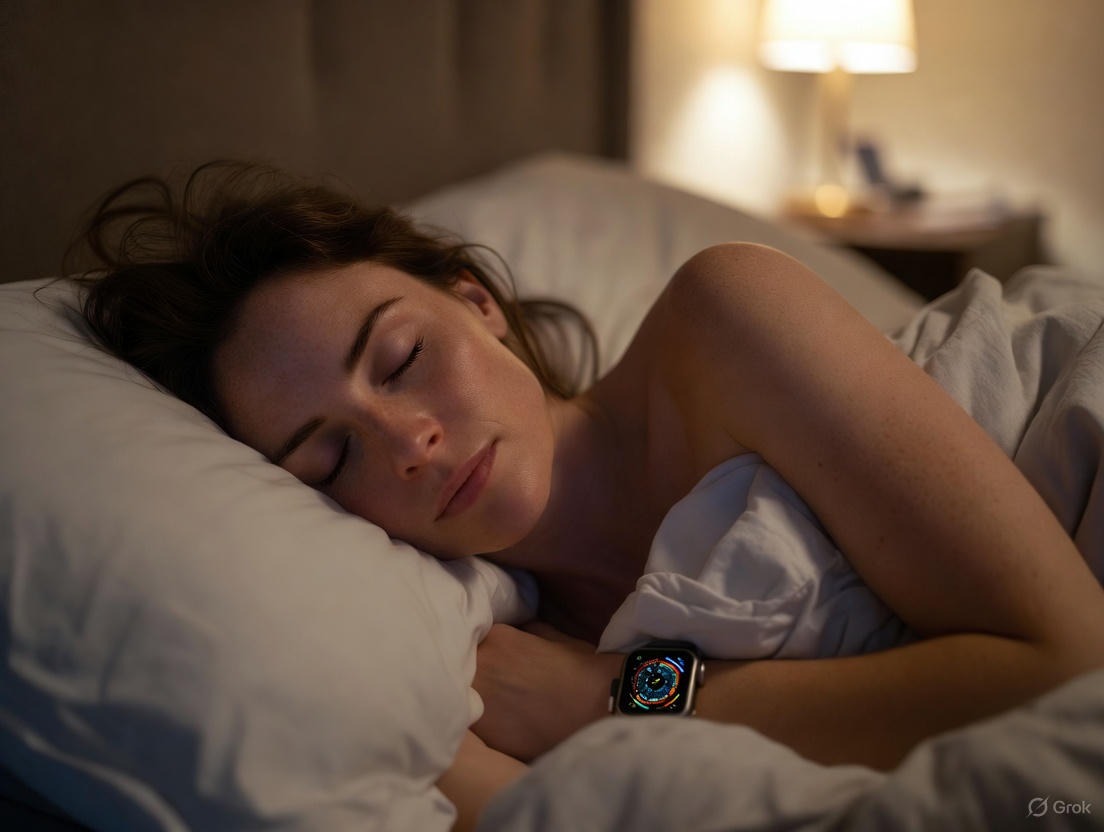
If the Sleep-Performance-Recovery Triangle were a hierarchy, sleep would sit unquestionably at the base. It is the single most potent performance-enhancing and recovery tool at our disposal, and it is entirely natural and free. Yet, in our 24/7 culture, it is often the first sacrifice we make, mistakenly trading it for more hours of productivity or entertainment. Understanding sleep's architecture is key to honoring its role.
Sleep is composed of cyclical stages, each with a distinct purpose:
An optimal night's sleep isn't just about duration (though 7-9 hours for adults is the well-established sweet spot); it's about quality—achieving sufficient cycles with adequate time in each stage. Factors that destroy sleep quality include:
The consequences of sleep debt on the triangle are severe:
Therefore, prioritizing sleep is not a sign of laziness; it is the strategic behavior of a high performer. It means creating a consistent sleep sanctuary, managing light exposure, and winding down effectively. The most advanced practitioners don't just guess at their sleep quality; they measure it. By using a device that tracks sleep stages, resting heart rate, and nighttime HRV, you move from hoping you slept well to knowing how restorative your sleep truly was. This objective data allows you to correlate your sleep metrics with your daytime energy and performance, making it an indispensable tool for anyone serious about optimizing their foundation. For a deeper dive into how technology enables this kind of preventive monitoring, explore our article on how to enable preventive health monitoring.
When we hear "performance" in a wellness context, our minds jump to the gym, the track, or the yoga mat. But to truly manage the triangle, we must expand this definition. Performance is any significant output—physical, mental, or emotional—that draws upon your physiological and psychological reserves and requires a period of recovery to restore homeostasis.
Physical Performance: This is the most direct form. It includes structured exercise (resistance training, cardio, HIIT, sports) as well as physically demanding labor or activities. The key variables are Volume (how much), Intensity (how hard), and Frequency (how often). The art of training is manipulating these variables to apply the optimal dose of stress to trigger adaptation without tipping into overload.
Cognitive & Emotional Performance: A demanding work project, an intense period of study, navigating complex personal relationships, or managing financial stress—these are all performance stressors. They activate the same hypothalamic-pituitary-adrenal (HPA) axis as physical stress, leading to the release of cortisol and adrenaline. Chronic cognitive-emotional stress can deplete your recovery capacity just as surely as a hard workout, leaving fewer resources for physical repair. This is why you can feel physically exhausted after a mentally taxing day, even without setting foot in a gym.
The Principle of Allostatic Load: This is the crucial concept that ties it all together. Allostatic load is the cumulative "wear and tear" on the body from adapting to all stressors—physical, mental, environmental. Your body doesn't compartmentalize "work stress" from "workout stress"; it experiences a total load. A hard training session on top of a stressful work week and poor sleep creates a very high allostatic load. When this load chronically exceeds your capacity to recover, you enter a state of allostatic overload—the precursor to burnout, injury, and illness.
Therefore, intelligent performance management requires a holistic view of your stress. It’s about periodization not just in your training plan, but in your life. It might mean dialing back workout intensity during a busy work deadline, or recognizing that a week of poor sleep necessitates a "deload" week in the gym rather than pushing for personal records.
This is where objective data becomes transformative. A smart wellness device acts as an objective reporter of your total stress load. By monitoring metrics like your Resting Heart Rate (RHR) and Heart Rate Variability (HRV)—a direct measure of your autonomic nervous system's flexibility and recovery status—you get a daily, personalized readout of your internal strain. A trend of rising RHR and dropping HRV is a clear, data-driven signal that your allostatic load is high and your recovery capacity is low, regardless of the source of the stress. This empowers you to make informed decisions: maybe today is for a light walk instead of heavy squats, or for an evening meditation instead of late emails. It’s about working with your body's current state, not against an idealized plan on a calendar. For beginners looking to start this journey, our guide on how to make the perfect wellness ring for beginners is an excellent resource.
If performance is the question, recovery is the answer. It is the silent, productive phase where the magic of adaptation—supercompensation—occurs. After a training stimulus, your body doesn't just repair itself back to its pre-workout baseline; if given adequate resources and time, it overcompensates, rebuilding tissues slightly stronger, replenishing energy stores a little fuller, and enhancing enzymatic activity to better handle the same stress in the future. This elevated state is supercompensation, and it is the entire point of training.
Recovery is not monolithic; it operates on multiple interconnected timelines:
Effective recovery strategies must address multiple systems:
The modern recovery advantage lies in moving from a fixed schedule (e.g., always taking one rest day per week) to an adaptive recovery strategy. Instead of guessing, you use biomarkers to answer the question: "Am I recovered and ready for my next performance challenge?"
By wearing a device that provides a Recovery Score—a composite metric often derived from HRV, RHR, sleep quality, and sometimes body temperature—you start each day with a personalized readiness assessment. A high score suggests your body has absorbed the previous stress and is primed for a new challenge. A low score is a clear directive to prioritize restorative practices: perhaps opting for a nap, a gentle yoga session, extra protein, or an early bedtime instead of a planned intense workout.
This data-driven approach prevents the two most common recovery errors: under-recovering (which leads to overtraining) and over-recovering (which leads to detraining and lost progress). It allows you to strike the precise balance where you train at the optimal time, leading to consistent, sustainable supercompensation and progress. Understanding the sensors that make this possible is fascinating; learn more in our breakdown of health tracking technology sensors, algorithms, and AI.
The Sleep-Performance-Recovery Triangle is not a static model where you attend to one corner at a time. It is a dynamic, closed-loop system where each element is in constant, bidirectional communication with the others, creating a continuous feedback cycle that dictates your daily wellbeing and long-term progress. Understanding this conversation is key to effective intervention.
The Feedback Loops:
The Role of the Central Governor:
This intricate conversation is orchestrated by what some sports scientists call the "Central Governor"—essentially, the brain's subconscious assessment of your overall readiness and safety. It integrates signals from muscles, joints, the cardiovascular system, and your perceived effort to regulate how much power and effort you can actually muster. When your brain receives signals of high fatigue, poor sleep, or inadequate recovery (e.g., via elevated inflammation markers), it downregulates performance to protect you from harm. This is why you sometimes "just don't have it" in a workout, despite your conscious motivation.
The breakthrough of modern wearables is that they allow you to listen in on this silent conversation. They give you proxy data for what your Central Governor is seeing. A plummeting HRV and rising RHR are the biometric equivalent of your brain saying, "Resources are low, stress is high. Proceed with caution." A high HRV and low RHR after a good night's sleep is it saying, "Systems are green. We are ready for a challenge."
By learning this language, you can move from being a passive passenger to an active co-pilot. You can anticipate how last night's sleep will impact today's workout, or how yesterday's stressful meeting might necessitate a focus on neurological recovery tonight. This systems-thinking approach transforms wellness from a series of disconnected tasks (work out, eat, sleep) into a holistic practice of managing energy and adaptation. To see how this technology integrates into a broader health ecosystem, read about how wellness rings can integrate with other health apps.
To navigate the Sleep-Performance-Recovery Triangle with precision, you need a reliable, objective compass. Enter Heart Rate Variability (HRV), which has emerged from sports science labs to become the premier biomarker for assessing autonomic nervous system balance, recovery status, and overall resilience.
What is HRV?
Contrary to popular belief, a healthy heart does not beat with the metronomic regularity of a drum machine. The time interval between successive heartbeats (measured as R-R intervals) constantly fluctuates, varying by milliseconds. This subtle, natural variation is HRV. It is controlled by the two branches of your autonomic nervous system: the sympathetic (which speeds up the heart, decreasing variability) and the parasympathetic (which slows it down, increasing variability). Think of it as the dynamic tension between your body's accelerator and brake.
A High HRV is Generally Good: It indicates a strong, responsive parasympathetic tone and a nervous system that can adapt efficiently to stress and recover quickly. It suggests good cardiovascular fitness, resilience, and a readiness to perform.
A Low HRV is a Warning Signal: It indicates sympathetic dominance—your body is in a state of stress, fatigue, or incomplete recovery. It can be caused by overtraining, poor sleep, illness, dehydration, or psychological stress.
Why HRV is the Linchpin of the Triangle:
HRV doesn't exist in a vacuum; it is the integrated output of the entire system. It reflects how well you have recovered from yesterday's performance, how restorative your sleep was last night, and how prepared you are for today's challenges. It is the single number that best captures the state of the Sleep-Performance-Recovery conversation.
How to Use HRV Practically:
The power of HRV lies in tracking trends, not obsessing over daily numbers. The goal is to establish your personal baseline over several weeks of normal training and lifestyle. Once established:
Advanced wellness rings like those developed by Oxyzen have made continuous, comfortable HRV monitoring accessible. By wearing the ring 24/7, it can capture not just a morning snapshot, but night-time HRV (a powerful indicator of sleep quality) and how your nervous system responds throughout the day. This creates a rich, multi-dimensional picture of your resilience that is far more actionable than any single fitness metric. It transforms recovery from a passive hope into an active, guided process. For those curious about the journey of this technology, our article on the evolution of health tracking technology provides fascinating context.

The paradigm shift from external performance tracking to internal readiness monitoring didn't happen in a lab or a coach's office for the general public; it happened on the wrists and fingers of everyday fitness enthusiasts, biohackers, and wellness seekers. This awakening was spearheaded by two pioneering devices: the Oura Ring and the Whoop Strap. Their success story is not merely about selling hardware; it's about educating millions on the critical importance of the Sleep-Performance-Recovery Triangle and providing the tools to manage it.
The "Readiness Score" Revolution:
Prior to these devices, consumer wearables (like basic fitness trackers) were primarily pedometers with sleep estimates. They told you what you did (steps, active minutes, estimated sleep duration). Oura and Whoop introduced a radical new concept: a single, composite Readiness or Recovery Score. This score, derived from HRV, RHR, sleep quality, and other biomarkers, answered the far more important question: "Based on how your body has recovered, what are you capable of doing today?"
This flipped the script. Instead of being nudged to "close your rings" or hit a step goal regardless of how you felt, users were now being advised to take it easy if their score was low. This validated the experience of feeling run down and gave people permission to rest without guilt—backed by their own biometric data. It made the concept of listening to your body tangible and objective.
Creating a New Language of Wellness:
These platforms didn't just provide data; they provided education. Through their apps and communities, they popularized terms like HRV, Sleep Stages, Restorative Sleep, and Strain. They taught users about circadian rhythms, the impact of alcohol on sleep, and the difference between acute and chronic training load. They created a framework where users could run self-experiments: "If I stop drinking coffee after 2 PM, how does it affect my deep sleep?" or "If I do a calming meditation before bed, does my HRV increase?"
The Legacy and the Next Frontier:
The Oura and Whoop era proved there was massive, global demand for deeper health insights. They moved wellness technology from "fitness tracking" to "physiological monitoring." However, the market continues to evolve. User preferences diverge between wrist-worn straps and more discreet, jewelry-like rings. Battery life, form factor, algorithm accuracy, and the depth of actionable insights are all areas of rapid innovation.
This competitive landscape benefits you, the consumer. It drives companies to refine sensors, improve algorithms, and create more personalized guidance. The core lesson that has permeated the culture, however, is indelible: Optimizing for recovery and readiness is more important than blindly chasing output. Whether you choose a ring from Oura, Whoop's strap, or an emerging, purpose-driven brand like Oxyzen, you are now part of a movement that prioritizes balance. The question is no longer if you should track these biomarkers, but which tool best aligns with your lifestyle and goals to help you implement these principles daily. To aid in that decision, a detailed comparison chart of top brands can be invaluable.
The Sleep-Performance-Recovery Triangle, while a robust biological framework, exists not in a vacuum, but in the chaotic, high-demand environment of 21st-century life. We are not hunter-gatherers with circadian rhythms governed by sunrise and sunset. We are knowledge workers, parents, students, and caregivers navigating a world of perpetual connectivity, artificial light, and psychological pressure. This modern environment is filled with silent saboteurs—subtle, pervasive forces that systematically attack the integrity of each leg of your triangle, often without you even realizing it.
Understanding these saboteurs is the first step in building effective defenses. They don't just cause poor sleep or fatigue; they disrupt the fundamental communication loops within the triangle, making your efforts in one area less effective and derailing your progress.
1. The Blue Light Assault on Sleep Architecture:
Our evenings are bathed in the cool, stimulating glow of LEDs—from smartphones, laptops, tablets, and televisions. This blue-wavelength light is a potent signal to the brain’s suprachiasmatic nucleus (SCN), the master circadian clock. It suppresses the secretion of melatonin, the hormone that cues sleepiness and regulates sleep-wake cycles. The result isn't just difficulty falling asleep; it's a degradation of sleep quality. Research shows that blue light exposure before bed reduces time in REM and deep sleep stages—precisely the phases critical for cognitive recovery and physical repair. You might clock 8 hours in bed, but if your deep sleep is compromised, you wake up unrefreshed, undermining the foundation of your entire next day's performance and recovery capacity.
2. Chronic Psychological Stress and the HPA Axis Hijack:
Unlike the acute stress of a predator (which ends quickly), modern stress is chronic: looming deadlines, financial worries, social media comparison, and the "always-on" work culture. This activates the hypothalamic-pituitary-adrenal (HPA) axis in a sustained, low-grade manner, leading to consistently elevated cortisol levels. Cortisol is catabolic—it breaks tissue down. Chronically high cortisol directly opposes recovery by impairing muscle protein synthesis, promoting glycogen breakdown, and increasing systemic inflammation. It also fragments sleep, creating a vicious cycle: stress ruins sleep, poor sleep elevates cortisol further. This keeps your nervous system locked in sympathetic overdrive, which is visibly reflected in a suppressed Heart Rate Variability (HRV). You are perpetually in a state of "fight or flight," leaving no resources for "rest and digest."
3. The Misalignment of Social and Biological Time (Social Jetlag):
Your biological clock wants you to sleep and wake at consistent times aligned with daylight. Society often has other plans: late-night social events, early morning meetings, shift work, or simply the temptation to binge-watch a series on weekends. This discrepancy between your social schedule and your internal circadian rhythm is called "social jetlag." It's the physiological equivalent of flying across time zones every weekend. This misalignment disrupts the timing of core body temperature drops, melatonin release, and hunger hormones. It leads to poor-quality sleep during the week and difficulty adjusting back, creating a perpetual state of circadian confusion that impairs metabolic health, cognitive function, and athletic performance.
4. Inflammatory Diets and Poor Nutritional Timing:
The food you eat is more than fuel; it's information. The modern diet, often high in ultra-processed foods, refined sugars, and industrial seed oils, promotes a state of low-grade systemic inflammation. This inflammation is a significant recovery debt. It taxes the immune system, diverts resources away from muscle repair, and can disrupt sleep. Furthermore, poor nutritional timing—such as consuming large, heavy meals or alcohol close to bedtime—forces your digestive system to work overnight, raising core body temperature and preventing you from entering the deepest, most restorative stages of sleep. Conversely, under-fueling, common in restrictive diets, fails to provide the amino acids and carbohydrates necessary to complete the recovery process after performance stress.
5. The Sedentary-Intense Exercise Dichotomy:
Modern life often presents the worst of both worlds: long hours of sedentary behavior (sitting at a desk, commuting) punctuated by short bursts of intense, sometimes compulsive, exercise. This "polarized" lifestyle is particularly damaging to the triangle. Prolonged sitting contributes to poor circulation, musculoskeletal imbalances, and metabolic sluggishness, which can impair sleep quality and general recovery. Then, the transition from zero to one hundred in a workout places an enormous, sudden strain on an underprepared system. This lack of consistent, low-grade movement (often called Non-Exercise Activity Thermogenesis or NEAT) throughout the day means your body is less efficient at managing the flood of inflammatory byproducts and metabolic waste from an intense session, slowing overall recovery.
These saboteurs work in concert. A stressful day at work (saboteur #2) leads to late-night scrolling for relief (saboteur #1), which delays sleep and causes social jetlag (saboteur #3). You wake up tired, skip breakfast, and grab a sugary snack (saboteur #4), sit all day (#5), then force yourself through a grueling workout your low-HRV body isn't ready for. The triangle isn't just unbalanced; it's under siege.
The solution isn't to retreat to a cave. It's to build awareness and implement strategic counter-measures. This is where technology shifts from a luxury to a necessity. A continuous health monitor acts like a personal biosecurity system. It detects the early warnings of these saboteurs—like a falling HRV trend indicating HPA axis overload, or a elevated nighttime heart rate showing disrupted sleep—allowing you to intervene before a bad day becomes a bad month. It provides the objective feedback needed to prove that turning off screens an hour early actually improves your deep sleep score, or that a midday walk actually helps your nervous system recover. For practical advice on setting up your device to fend off these saboteurs, our guide on personalizing your wellness ring to your body offers essential steps.
Knowing the saboteurs is half the battle. The other half is constructing a personalized, resilient defense system. Fortifying the Sleep-Performance-Recovery Triangle requires deliberate, consistent actions that target each corner, turning your daily routine into a protocol for sustained high performance. Here is a tactical toolkit.
Fortifying Sleep: Beyond Just More Hours
Optimizing Performance: Training Smarter, Not Just Harder
Accelerating Recovery: Active and Passive Techniques
The golden rule is personalization. Use your wearable data to test what works for you. Does a 20-minute afternoon nap spike or crash your HRV? Does magnesium glycinate before bed improve your deep sleep percentage? Your data is the feedback loop that turns generic advice into a finely-tuned personal operating system. For a comprehensive list of daily practices that sync with your data, our resource on 50 healthy aging tips a smart ring helps implement daily is full of actionable ideas.

We have moved past the era of training by feel alone. While interoception (listening to your body) is a critical skill, it is fallible and easily biased by emotion, motivation, or ego. The modern approach is to become a Data-Driven Athlete—someone who uses objective biometrics to inform, validate, and sometimes override subjective feelings, creating a feedback loop of unparalleled precision.
This is not about becoming a slave to numbers or creating anxiety. It's about developing a collaborative relationship with your data, where it serves as an impartial coach, providing insights you cannot perceive on your own. Here’s how to translate raw metrics into daily wisdom.
Your Morning Check-In: The Readiness Ritual
Before coffee, before checking email, develop a 60-second ritual. Open your wellness app (like the one paired with an Oxyzen ring) and review your key scores:
Making the Decision: How to Act on the Data
The data provides the "what"; your wisdom provides the "so what."
Tracking Trends: The True Power of Longitudinal Data
The daily score is a tactical tool. The long-term trend is your strategic map. Over weeks and months, you can answer profound questions:
This process transforms you from someone who has workouts to someone who manages a training and adaptation process. It replaces guilt with intelligent adjustment. It turns rest from a sign of weakness into a strategic, data-backed pillar of success. To truly master this data-driven approach, from unboxing to expert interpretation, our guide on wellness ring mastery from unboxing to expert user walks you through every step.
The Sleep-Performance-Recovery Triangle is not exclusive to physical endeavor. It is the universal blueprint for any form of high output. For the knowledge worker, the artist, the programmer, or the entrepreneur, "performance" is cognitive and creative labor. This mental strain draws from the same physiological pool of resources and is governed by the same principles.
Cognitive Performance and the Prefrontal Cortex:
Demanding mental work—solving complex problems, writing, analyzing data, making decisions—heavily taxes the prefrontal cortex (PFC), the brain's executive function center. Like a muscle, the PFC fatigues. Symptoms include diminished working memory, reduced inhibitory control (getting distracted easily), and decision fatigue. This is "mental rep failure."
Sleep's Role in Cognitive Recovery:
Sleep, particularly REM sleep, is when the brain consolidates the day's learning, forms novel connections, and clears out metabolic waste products like adenosine. A night of poor sleep means you start the next day with a "dirty brain" and a fatigued PFC. Your cognitive performance—your ability to focus, innovate, and think critically—is fundamentally compromised.
The Concept of "Cognitive Recovery":
Just as you wouldn't do heavy squats every single day, you cannot sustain peak cognitive output for 8-10 hours straight. Cognitive recovery involves activities that allow the PFC to rest and the default mode network (DMN)—associated with mind-wandering and creativity—to activate. This is why breakthroughs often happen during a shower or a walk, not while staring at a screen.
Actionable Strategies for the Mind:
Your wellness ring is as crucial for cognitive work as it is for physical training. A low HRV and poor sleep score are indicators that your brain's recovery capacity is depleted. They are a signal that today is for clearing your inbox, not writing the visionary proposal. By applying the triangle's principles to your mental world, you protect your most valuable asset: your focused, creative, and resilient mind. For those whose health goals are centered on mental performance and stress management, our article on how wellness rings can support different health goals provides targeted insights.
Nutrition and hydration are not a separate pillar; they are the essential raw materials that permeate every corner of the Sleep-Performance-Recovery Triangle. They are the bricks and mortar for repair, the fuel for performance, and the lubricant for every biochemical process. Optimizing them is not about restrictive dieting, but about strategic fueling aligned with your triangle's demands.
Nutrition for Sleep: Building a Sleep-Promoting Plate
What you eat in the evening can be a powerful sleep modulator.
Nutrition for Performance: The Art of Timing
Nutrition for Recovery: The 24-Hour Refuel
Recovery nutrition extends far beyond the post-workout shake. It's about your overall daily intake supporting reduced inflammation and providing a constant stream of nutrients.
Hydration: The Universal Solvent
Water is the medium in which every metabolic reaction occurs. Even mild dehydration (a 2% loss of body weight) impairs cognitive function, increases perceived effort during exercise, reduces blood volume (straining the cardiovascular system), and can disrupt thermoregulation and sleep.
Your biometric data can reveal the impact of your nutrition. Did a night of indulgent food and drink lead to a high resting heart rate and low HRV? Did a day of poor hydration correlate with a terrible sleep score? Use this feedback to connect the dots between your fuel choices and your system's performance. Making these daily decisions is easier with the right tools; discover how a smart ring can help you build healthy habits through consistent feedback.
In the journey to master the Sleep-Performance-Recovery Triangle, knowledge and intention are your compass, but technology is your engine. Advanced wellness wearables, particularly smart rings, represent the culmination of this data-driven approach, acting as a 24/7 personal health coach that closes the feedback loop between your actions and your body's responses.
Why the Ring Form Factor is a Game-Changer:
While wrist-worn devices are common, the finger offers distinct physiological and practical advantages for continuous monitoring:
The Sensor Suite: Your Window Into the Autonomic Nervous System
A sophisticated smart ring is a clinical-grade lab on your finger. Key sensors include:
From Raw Data to Actionable Wisdom: The AI-Powered App
The hardware collects data; the software and algorithms provide the insight. A powerful app does three things:
Closing the Loop: The True Value Proposition
This technology closes the critical feedback loop that has been missing in personal wellness. You try a new sleep habit (e.g., no caffeine after 2 PM) → the ring measures the outcome (increased deep sleep percentage, higher morning HRV) → the app confirms the positive change → you are reinforced and motivated to maintain the habit. This creates a powerful positive reinforcement cycle grounded in objective evidence, not fleeting motivation.
For the individual committed to mastering their triangle, this isn't a gadget; it's an essential tool for self-optimization. It provides the missing link between effort and effect, allowing you to navigate the complexities of modern life with the precision of a scientist and the self-awareness of a master. To understand the full potential of where this technology is headed, our exploration of the future of wearable health tech offers a compelling vision.
Periodization for Life: Structuring Your Training Around Your Data
The principle of periodization—systematically varying training stress over time to maximize adaptation and avoid plateaus—is a cornerstone of athletic coaching. However, when applied through the lens of the Sleep-Performance-Recovery Triangle and powered by daily biometric feedback, periodization transforms from a rigid, pre-written plan into a dynamic, living framework for all of life’s stresses. This is adaptive periodization: structuring your training, work, and life intensity not by a calendar, but by the real-time readiness of your nervous system.
Moving Beyond the 4-Week Block:
Traditional periodization often operates in 3-4 week mesocycles of progressive overload, followed by a planned "deload" week. This is effective but imperfect, as it assumes your life stress, sleep, and recovery capacity remain constant. Adaptive periodization respects the plan but allows the data to dictate the timing. Your planned "overload" week gets pushed back if your readiness scores are in the red from a work crisis or poor sleep. Your deload week might come early if your HRV trend shows sustained depletion.
How to Implement Adaptive Periodization:
Case Study: The Data-Driven Deload
Sarah, a marathon trainer, had a 20-mile long run scheduled for Saturday. Her plan was rigid. However, her Oxyzen ring showed a steadily declining HRV all week, and her resting heart rate was 8 bpm above average on Friday morning, despite good sleep. The data indicated her body was fighting something—perhaps a mild virus or cumulative fatigue. Instead of forcing the run, she swapped it for a 45-minute walk. Her recovery score remained low for three more days. By listening to the data, she likely avoided a serious overtraining injury or illness that could have derailed months of training. She resumed her plan the following week when her metrics returned to green, having lost only a few days rather than several weeks.
Periodizing Life Stress:
Adaptive periodization applies to cognitive work as well. Plan your most demanding project work, creative sessions, or important meetings for periods when your biometrics show high readiness. Schedule administrative tasks, meetings that require less energy, and routine work for lower-readiness days. This aligns your cognitive output with your biological capacity, leading to higher-quality work and less burnout.
This approach requires a shift in mindset from "completing the plan" to "optimizing the adaptation." It turns your training log from a record of what you did to a story of how you responded. The plan becomes a guide, but the data is the ultimate authority. For those making the transition from manual tracking to smart technology, the article on the evolution from manual to smart ring tracking highlights the profound shift in capability this enables.

Injuries are not random events. They are almost always the culmination of a series of micro-stressors—excessive training load, inadequate recovery, poor movement patterns, and lifestyle strain—that eventually exceed a tissue's tolerance. The body sends whispers of warning long before a tendon screams in pain or a muscle tears. The key to injury prevention lies in developing the ability to hear these whispers. Biometric data provides the amplification.
The Pre-Injury Biometric Signature:
Research and anecdotal evidence from coaches and athletes using HRV monitoring consistently point to a pattern preceding overuse injuries:
Using Data for Pre-Hab, Not Just Re-Hab:
The Mental Component: Data Overrides Ego
Injury often comes from the clash between a fatigued body and a motivated mind. Ego says, "I can't miss this workout." The plan says, "It's speed day." Your body whispers, "I'm tired," but you ignore it. Biometric data changes this dynamic. It provides an objective, third-party opinion that overrides ego. It's harder to argue with a red recovery score and a 10-beam drop in HRV than it is to ignore a general feeling of fatigue. It gives you permission to rest, backed by science.
By treating your biometric dashboard as an early-warning system, you shift from a reactive model of injury care (waiting for pain to stop you) to a proactive model of injury prevention (adjusting behavior to avoid the pain altogether). This transforms your relationship with your body from adversarial to collaborative. For practical insights from medical professionals on the most valuable data, our piece on what doctors find most useful in wellness rings is enlightening.
The ultimate goal of mastering the Sleep-Performance-Recovery Triangle transcends peak performance for a race or a season. It is about healthspan—the number of years you live in good health, free from chronic disease and disability. The same principles that optimize an athlete for competition are the very principles that slow biological aging and build resilience against age-related decline. This triangle is your framework for longevity.
How Each Corner Combats Aging:
Biomarkers of Aging You Can Influence:
The data from a sophisticated wellness ring tracks proxies for several key biomarkers of aging:
The Longevity Lifestyle, Guided by Data:
Adopting a longevity mindset means shifting from acute goals (lose 10 pounds, run a 5K) to chronic habits that support the triangle decade after decade. Your wearable becomes your lifelong coach in this endeavor.
Playing the longevity game means investing in your recovery bank every day. The dividends are paid out in energy, vitality, and independence for decades to come. This proactive approach is at the heart of how health tracking technology has changed preventive medicine.
Even with the most meticulous management, life happens. You catch a virus. You have to travel across time zones for work. A family emergency creates intense emotional stress. These events are not failures; they are data points. The true test of your mastery over the triangle is not avoiding these events, but how skillfully you navigate them using your data as a guide.
The Biometric Signature of Sickness:
Your body begins fighting an infection long before symptoms appear. Your wearable often detects this first.
Protocol for the Onset of Illness:
Mastering Jet Lag and Travel Disruption:
Travel is a massive assault on the triangle: circadian disruption, dehydration, poor sleep, and physical inactivity or strange activity.
Managing Emotional and Psychological Stress Events:
A stressful life event—a loss, a major work problem—creates a physiological strain identical to physical strain. Your cortisol rises, HRV drops, sleep suffers.
In these scenarios, your wearable transforms from an optimization tool to a protective tool. It gives you an objective measure of your systemic load when life gets chaotic, helping you make decisions that protect your health rather than compromise it further. It's the difference between pushing through and breaking down. For support and answers during challenging adjustments, our comprehensive FAQ page is always available.
Your Sleep-Performance-Recovery Triangle does not exist in isolation. It is embedded within a larger ecosystem: your social relationships, your physical environment, and your community. These external factors exert a powerful, often underestimated, influence on your internal balance. Optimizing your triangle requires you to audit and, where possible, optimize this ecosystem.
The Social Circuit: How Relationships Fuel or Drain Recovery.
Humans are social creatures, and our connections have direct neurobiological impacts.
Action Step: Audit your social energy. Which interactions leave you feeling energized and which leave you drained? Protect time for connection that fuels you, and set boundaries around interactions that deplete you. Consider syncing schedules with household members to protect shared wind-down time before bed.
The Built Environment: Designing Spaces for Balance.
Your home and workspace are not passive backdrops; they are active participants in your physiology.
The Digital Environment: Curating Your Inputs.
Your information diet is as important as your food diet.
Action Step: Perform a digital sunset. Implement app limits and use "Do Not Disturb" modes aggressively. Curate your social media feeds to include inspiring, educational, or positive content and mute stress-inducing sources. Treat your attention as the precious, recovery-dependent resource that it is.
By taking a holistic view that includes your social and environmental ecosystem, you move from simply managing yourself to managing your niche. You create external conditions that are conducive to internal balance, making the daily work of sustaining the triangle significantly easier. This philosophy of holistic environmental design is core to the mission of brands focused on sustainable wellness, as explored in our section on the company's vision and values.
The power of the Sleep-Performance-Recovery Triangle is not limited to solo pursuits. When applied at a team or organizational level, it transforms culture, safety, and productivity. In high-stakes environments like professional sports, healthcare, aviation, and tech, understanding and supporting this balance is becoming a competitive advantage and an ethical imperative.
From Burnout Culture to Sustainable Performance Culture:
The traditional corporate model often glorifies burnout—long hours, constant connectivity, and sacrificing personal well-being for output. This is a fundamentally broken model that leads to high turnover, increased errors, low creativity, and soaring healthcare costs. A triangle-informed organization flips this script. It recognizes that:
Practical Applications for Leaders and Coaches:
Case Study: The High-Performance Team
A software development team facing a critical launch was working 80-hour weeks. Bugs were increasing, morale was plummeting, and key members were getting sick. A triangle-informed manager mandated: 1) No work after 7 PM or on weekends, 2) Daily 10 AM stand-ups to replace constant Slack pings, 3) A "recovery hour" each afternoon for walking, napping, or meditation. Initially met with skepticism, the results were clear within two weeks: fewer bugs, faster problem-solving, and the launch was successful. The team learned that constraining work time and prioritizing recovery paradoxically increased output and quality.
The Bottom Line:
An organization that invests in the collective Sleep-Performance-Recovery Triangles of its people is investing in resilience, innovation, and sustainable success. It creates an environment where humans can thrive, not just survive. This represents the cutting edge of health tracking technology's integration into systemic health, moving from individual curiosity to organizational infrastructure.
We stand at the precipice of a new era in personal health. The current model of tracking the Sleep-Performance-Recovery Triangle is reactive and diagnostic: it tells you what has happened to your body. The near future, powered by advances in artificial intelligence (AI) and machine learning, is predictive and prescriptive: it will tell you what will happen and precisely what to do about it.
From Descriptive to Predictive Analytics:
Today's apps tell you, "Your HRV was low this morning because you slept poorly." Tomorrow's AI-powered systems will analyze a multitude of longitudinal data points—your biometrics, training log, calendar, weather, even your voice tone from smart speaker interactions—and predict: "Based on your current load and forecasted work stress, if you complete your planned hard workout tomorrow, there is an 82% probability your HRV will crash for three days and a 30% increased risk of upper respiratory infection. Instead, we recommend a Zone 2 cycle and an early bedtime tonight."
Hyper-Personalized "N-of-1" Insights:
Current baselines are personal, but recommendations can still be generic ("get more sleep"). Future AI will move to true N-of-1 medicine, where the algorithm learns exclusively from your data to understand your unique patterns.
Integration with Expanded Biomarkers:
The triangle of the future will be informed by a much richer dataset. Next-generation wearables and rings may incorporate:
The Seamless, Ambient, and Proactive Interface:
The future interface will be less about checking an app and more about ambient, proactive guidance. Your AI health coach, living in your ring and earpiece, might give a gentle vibration and whisper, "Your stress biomarkers are elevated. Let's do 90 seconds of coherence breathing before that meeting," or "Your temperature trend suggests you're fighting something. I've rescheduled your high-intensity workout for Friday and ordered electrolyte packets to your door."
Ethical Considerations and Human Agency:
This powerful future comes with necessary questions about data privacy, algorithmic bias, and the risk of outsourcing health decisions to machines. The goal must be augmented intelligence, not artificial replacement. The human must remain in the loop—the final arbiter of their choices, with the AI serving as an incredibly well-informed advisor, providing options grounded in a vast analysis of their personal biology.
This evolving future makes the foundational work of understanding and engaging with your Sleep-Performance-Recovery Triangle today all the more critical. By building the habits and literacy now, you prepare yourself to harness these transformative technologies not as a passive consumer, but as an empowered, discerning partner in your own health journey. To glimpse what's on the horizon, explore our thoughts on health tracking technology in 2025 and what's possible.
Theory is essential, but transformation requires action. This 14-day protocol is designed to help you reset your Sleep-Performance-Recovery Triangle, integrate the core principles, and establish a baseline of data and feeling. It is structured in two phases: Week 1 (The Reset) and Week 2 (The Reintroduction). If you have a wellness ring, you will see dramatic data shifts. If you don't, you will feel them.
Phase 1: Days 1-7 – The Foundation Reset
Goal: Maximize recovery, optimize sleep, and reduce systemic stress load.
Phase 2: Days 8-14 – The Intelligent Reintroduction
Goal: Carefully reintroduce performance stress while monitoring the response, establishing your personal tolerance thresholds.
Post-Protocol: Building Your Sustainable Framework
After 14 days, you have achieved a reset and collected priceless personal data. Now, build forward using the principles of adaptive periodization:
This 14-day journey is your personal experiment in becoming the expert of your own biology. It provides the lived experience that turns concepts like HRV and recovery from abstract ideas into tangible, felt reality. For ongoing support and to share your journey with a community, remember that our blog is a resource for further reading and discovery.
Your Trusted Sleep Advocate (Sleep Foundation — https://www.sleepfoundation.org/)
Discover a digital archive of scholarly articles (NIH — https://www.ncbi.nlm.nih.gov/
39 million citations for biomedical literature (PubMed — https://pubmed.ncbi.nlm.nih.gov/)
experts at Harvard Health Publishing covering a variety of health topics — https://www.health.harvard.edu/blog/)
Every life deserves world class care (Cleveland Clinic -
https://my.clevelandclinic.org/health)
Wearable technology and the future of predictive health monitoring. (MIT Technology Review — https://www.technologyreview.com/)
Dedicated to the well-being of all people and guided by science (World Health Organization — https://www.who.int/news-room/)
Psychological science and knowledge to benefit society and improve lives. (APA — https://www.apa.org/monitor/)
Cutting-edge insights on human longevity and peak performance
(Lifespan Research — https://www.lifespan.io/)
Global authority on exercise physiology, sports performance, and human recovery
(American College of Sports Medicine — https://www.acsm.org/)
Neuroscience-driven guidance for better focus, sleep, and mental clarity
(Stanford Human Performance Lab — https://humanperformance.stanford.edu/)
Evidence-based psychology and mind–body wellness resources
(Mayo Clinic — https://www.mayoclinic.org/healthy-lifestyle/)
Data-backed research on emotional wellbeing, stress biology, and resilience
(American Institute of Stress — https://www.stress.org/)


