


Exercise and Recovery Balance: The Hormone Optimization Approach
How balance affects hormone levels and optimization.
How balance affects hormone levels and optimization.
%402x.svg)
For decades, the fitness conversation has been dominated by a simple, brutal arithmetic: calories in versus calories out, push harder to go further, and no pain, no gain. We’ve worshipped at the altar of max heart rates, crushed personal records, and quantified every step and rep. Yet, a quiet revolution is happening, led by a growing chorus of athletes, biohackers, and wellness experts who are hitting a wall—not the metaphorical one you push through, but a very real physiological plateau of fatigue, injury, and burnout. They’re discovering that the missing variable in the peak performance equation isn’t more effort; it’s intelligent balance, guided by the body’s most fundamental messaging system: our hormones.
This article is your departure from the outdated grind mentality and your entry into the sophisticated world of hormonal synchrony. Here, we redefine "optimization." It’s no longer just about optimizing your workout schedule; it’s about optimizing the intricate biochemical conversation between exercise and recovery. Hormones are the master conductors of this dialogue. They decide when to build muscle (anabolism) and when to break it down (catabolism), when to mobilize energy, and, critically, when to repair and restore. Ignoring this conversation is like trying to navigate a complex city without a map or traffic signals—you might eventually get somewhere, but you’ll experience unnecessary stress, delays, and collisions along the way.
We stand at the convergence of ancient physiological wisdom and cutting-edge technology. While our understanding of endocrinology has deepened, we now possess the tools to listen to our body’s hormonal whispers in real-time. This is where modern wearable technology, like the advanced sensors in a wellness ring from Oxyzen, transforms theory into personal practice. By tracking biomarkers like Heart Rate Variability (HRV), resting heart rate, skin temperature, and sleep architecture, these devices provide a window into your autonomic nervous system and hormonal ebb and flow. This data is the key to moving from guessing to knowing, from following generic plans to executing a personalized, hormone-aware strategy for sustainable vitality. It’s about making your biology work for you, not against you.
Our journey will dismantle the "harder is better" myth and rebuild a framework for lifelong strength, resilience, and health. We’ll explore how different forms of exercise act as hormonal signals, why recovery is not passive but an active, hormonally-driven state, and how to orchestrate the two for results that extend far beyond the gym—into your sleep, mood, cognitive function, and longevity. This is the hormone optimization approach: your blueprint for not just living longer, but living stronger, every single day.
The Hormonal Symphony: Understanding Your Body's Chemical Conductors
Imagine your endocrine system as the world's most complex, sensitive orchestra. Each gland is a section—strings, brass, woodwinds—and each hormone is a musician playing a specific part. The goal isn’t for one instrument to drown out the others; it’s to create a harmonious, dynamic performance that adapts to the moment. A sprint demands a powerful, percussive burst. Deep sleep requires a slow, soothing melody. Your body’s maestro, primarily the hypothalamus and pituitary gland in your brain, directs this show based on a constant stream of data from your environment, your actions, and your thoughts.
In the context of exercise and recovery, several key "musicians" take center stage. Cortisol, often labeled the "stress hormone," is your body’s principal alarm system and energy mobilizer. During a tough workout, cortisol rises appropriately to increase blood sugar, enhance metabolism, and sharpen focus—it’s the brass section sounding the charge. Testosterone (in both men and women) and Growth Hormone are the master builders. They promote muscle protein synthesis, strengthen bones, and aid in repair. Think of them as the skilled craftsmen working behind the scenes during recovery. Insulin is the nutrient regulator, shuttling glucose and amino acids into cells, crucial for replenishing energy stores and facilitating repair after exertion.
The critical concept is rhythm and relationship. These hormones exist in a delicate push-and-pull, a diurnal (daily) rhythm, and a response rhythm to stimulus. Chronic stress and poorly managed exercise can turn the symphony into cacophony: cortisol remains elevated long after the workout ends, drowning out the reparative notes of testosterone and growth hormone. This state, often signaled by a consistently low HRV, is a one-way ticket to overtraining, where the body is perpetually in a catabolic breakdown state. You can’t build a house while the demolition crew is still on site.
This is where objective data becomes your program notes. You can’t directly measure these hormones at home without lab tests, but you can accurately infer their activity through their effects on your nervous system. A smart ring that tracks HRV and sleep patterns, like the one developed by Oxyzen, acts as a live audio feed of your hormonal orchestra. A rising HRV trend suggests your recovery hormones are leading a successful restorative performance. A downward trend, coupled with elevated resting heart rate and poor sleep, is a clear sign of dissonance—often high cortisol drowning out the rest. By learning to interpret these signals, you move from being a passive audience member to an active sound engineer for your own health. For a deeper dive into how these biomarkers interconnect, our blog explores the science-backed healthy aging tips that actually work in 2025.
Beyond Burnout: Why "No Pain, No Gain" Is Scientifically Flawed
The "no pain, no gain" ethos is more than just a motivational slogan; it's a deeply ingrained cultural belief that has fueled generations of fitness enthusiasts. Its roots are in a fundamental truth—progressive overload, the practice of gradually increasing stress on the body, is essential for adaptation. However, this principle has been grotesquely misinterpreted. The flaw lies in equating "pain" (and chronic fatigue) with "gain," and in viewing all stress as productive. From a hormonal perspective, this approach is catastrophically simplistic and ultimately self-defeating.
Exercise is a hormetic stressor—a beneficial dose of a potentially harmful agent. Like a vaccine or exposure to cold, the right amount triggers a positive adaptive response: your muscles rebuild stronger, your cardiovascular system becomes more efficient, and your hormone receptors become more sensitive. However, the dose makes the poison. Excessive, unrelenting exercise without adequate recovery shifts the stress from hormetic to toxic. The body loses its ability to distinguish between a demanding workout and a genuine survival threat. The adrenal glands, tasked with cortisol production, become overworked, potentially leading to dysregulation (often mislabeled as "adrenal fatigue" in functional medicine circles). The anabolic signals from testosterone and growth hormone are suppressed because, from an evolutionary standpoint, building new tissue is a luxury the body cannot afford during a perceived crisis.
The physical symptoms of this hormonal rebellion are what we call overtraining syndrome: persistent muscle soreness, plateaued or declining performance, increased resting heart rate, susceptibility to illness and injury, and disturbed sleep. But the damage isn't just physical. This state creates a neuroendocrine cascade that impacts mood (increasing anxiety and irritability), cognitive function (causing brain fog), and metabolic health (promoting abdominal fat storage). You are, quite literally, burning the candle at both ends and melting the middle.
Abandoning the "pain for gain" model doesn't mean embracing a life of lethargy. It means embracing a philosophy of "stimulus and response." The workout is the stimulus; the gain happens during the recovery response. Without honoring the response phase, the stimulus becomes an act of vandalism against your own physiology. Modern tools allow us to precisely gauge our readiness for that stimulus. Instead of blindly following a calendar-based plan that dictates "hard leg day Tuesday," you can adopt a metric-informed approach. If your Oxyzen ring shows a low HRV score and poor sleep efficiency, that’s your body communicating that its hormonal resources are depleted. The intelligent response is to swap the high-intensity interval training (HIIT) for gentle mobility work or a walk in nature—a strategic pause that allows the symphony to re-tune. This data-driven flexibility is the cornerstone of preventing burnout and is a theme we explore in our guide on how a wellness ring validates effective healthy aging tips.

Cortisol is arguably the most misunderstood hormone in the human body. Demonized as the culprit behind belly fat and sleepless nights, its vital role is often overlooked. In reality, cortisol is essential for life. It regulates metabolism, reduces inflammation, controls the sleep-wake cycle, and helps the body respond to stress. The problem is never cortisol itself, but its pattern—its rhythm, amplitude, and duration.
In a healthy, hormonally-balanced individual, cortisol follows a distinct diurnal rhythm. It should peak sharply within 30-60 minutes of waking (the "cortisol awakening response"), providing natural energy and alertness to start the day. It then gradually declines throughout the afternoon and evening, reaching its lowest point around midnight to facilitate deep, restorative sleep. This rhythm is the steady drumbeat of your daily energy cycle.
Exercise interacts powerfully with this rhythm. A morning workout can amplify the natural morning peak, reinforcing a healthy circadian signal. However, intense exercise—especially long-duration cardio or heavy resistance training—is itself a potent cortisol-elevating event. This is fine, and even desirable, if properly placed and followed by adequate recovery. The acute spike helps mobilize energy stores (breaking down glycogen and fat) and sharpens mental focus for the task at hand. The issue arises when we chronically force this spike at the wrong times or never allow levels to descend.
The major pitfalls are:
The goal of hormone optimization is not to eliminate cortisol but to harness its power and respect its rhythm. This means strategically timing your most intense training sessions (often in the morning or early afternoon), actively managing life stress through practices like meditation or nature exposure, and fiercely protecting your sleep. Tracking your nighttime skin temperature and sleep stages with a device like the Oxyzen smart ring provides direct feedback on your cortisol management. A cooler skin temperature and abundant deep sleep indicate a successful nightly cortisol drop. Persistent nighttime warmth and restless sleep are a red flag that your stress hormone rhythm is disrupted. For those navigating significant life transitions, understanding these patterns is crucial, as detailed in our article on healthy aging tips for women navigating hormonal changes.
The Builders: Anabolic Hormones and the Art of Strategic Recovery
If cortisol is the project manager that breaks down resources for immediate use, testosterone and growth hormone are the architects and construction crews that build lasting structures. These anabolic (building) hormones are the biological agents of repair, growth, and renewal. They don't peak during the stress of the workout; they surge in response to it, primarily during the deep, restorative phases of sleep. This is the fundamental paradigm shift: Recovery is not the absence of work; it is the active, hormonally-driven process where the actual adaptation occurs.
Growth Hormone (GH) is secreted in pulsatile waves, with the most significant surge occurring in the first few hours of deep, slow-wave sleep. GH stimulates tissue growth, muscle repair, bone building, and fat metabolism. Its release is exquisitely sensitive to lifestyle factors. It’s enhanced by high-intensity exercise, quality sleep, and certain amino acids (like arginine and glutamine). It’s suppressed by high blood sugar, cortisol, and sleep deprivation.
Testosterone, while often associated with male physiology, is a critical hormone for both sexes, influencing muscle mass, bone density, libido, mood, and overall vitality. Like GH, testosterone production follows a circadian rhythm (typically highest in the morning) and is boosted by intense, heavy resistance training—particularly compound movements like squats and deadlifts that recruit large muscle groups. However, this boost is contingent on the body being in a recoverable state. Chronic stress, overtraining, poor sleep, and low-calorie diets all suppress testosterone.
The "art of strategic recovery," therefore, is about creating the optimal hormonal environment for these builders to thrive. It involves two pillars:
Without objective data, it’s easy to misjudge your recovery status. You might "feel fine" but still be operating with a suppressed anabolic environment. This is where continuous monitoring shines. By observing trends in your sleep data and HRV from your wellness tracker, you get a report card on your recovery effectiveness. A steady improvement in deep and REM sleep percentages, coupled with a rising HRV baseline, is strong circumstantial evidence that your anabolic hormones are doing their repair work unimpeded. This proactive approach to preserving your physical foundation is vital at any age, as discussed in our resource on healthy aging tips to maintain muscle mass after 60.
In the hormone optimization approach, subjective feeling is important, but it is notoriously unreliable. "Feeling tired" can be laziness, or it can be the first whisper of overtraining. "Feeling great" can be genuine readiness, or it can be a last surge of nervous energy before a crash. We need a more objective language. Fortunately, our autonomic nervous system (ANS) provides that language, and modern technology allows us to interpret it in real-time. The ANS is the direct interface between your central nervous system and your hormonal output, and it speaks through biomarkers like Heart Rate Variability (HRV), resting heart rate (RHR), and sleep architecture.
Heart Rate Variability (HRV) is the single most valuable metric for gauging your hormonal and nervous system balance. It measures the subtle variations in time between each heartbeat. A higher, rising HRV indicates a dominant "rest and digest" (parasympathetic) state, where recovery hormones can operate effectively. It suggests good resilience and adaptability. A lower, dropping HRV indicates a dominant "fight or flight" (sympathetic) state, signaling high systemic stress (from training, life, or both) and a suppressed recovery capacity. Tracking your HRV trend—not just a single day’s reading—allows you to predict your readiness for stress. It is your body’s daily "readiness score."
Resting Heart Rate (RHR) is a simpler, but still useful, companion metric. A sudden, sustained increase in your morning RHR (taken before you get out of bed) is a classic sign of accumulated fatigue, incomplete recovery, or impending illness. It often mirrors a drop in HRV.
Sleep is not just a metric; it is the primary theater of hormonal recovery. Tracking sleep goes far beyond duration. The breakdown of sleep stages—light, deep, and REM—is critical. Deep sleep (slow-wave sleep) is prime time for GH release and physical repair. REM sleep is essential for cognitive recovery, memory consolidation, and emotional regulation. Waking up frequently, spending too little time in deep or REM sleep, or having an elevated skin temperature (a proxy for elevated nighttime cortisol) all point to a disrupted recovery environment.
By synthesizing these data points each morning, you move from guessing to strategic decision-making. For example, a low HRV, elevated RHR, and poor sleep efficiency would clearly prescribe a recovery day: think walking, yoga, or meditation. A high HRV, low RHR, and excellent sleep architecture gives you the green light for an intense, productive session. This practice of daily biofeedback turns your smart ring into a personal recovery coach, guiding you to train with your biology, not against it. To understand how this plays out over the long term, see how HRV monitoring supports healthy aging goals with ring data.
Exercise as a Hormonal Signal: Tailoring Your Training to Your Goals
Once you understand how to listen, you can begin to speak your body's language with precision. Exercise is not merely a calorie-burning activity; it is a potent endocrine signal. Different types of exercise send different hormonal messages, and we can choose the signal based on our physiological readiness and long-term goals. This moves us from a one-dimensional training plan to a multi-faceted hormonal communication strategy.
Strength Training (Heavy Resistance): This is the premier signal for anabolic hormone production. Lifting heavy loads (with good form) for low to moderate repetitions sends a powerful message to release testosterone and growth hormone to build and strengthen muscle tissue. It also improves insulin sensitivity, making your body more efficient at managing blood sugar. The hormonal benefits are maximized when sessions are intense but not excessively long (often 45-75 minutes) and followed by significant recovery.
High-Intensity Interval Training (HIIT): HIIT is a potent, but stressful, signal. It creates a significant acute spike in both cortisol and catecholamines (like adrenaline) for energy mobilization, followed by a robust post-exercise elevation in GH and metabolic rate (EPOC). Because of its high systemic stress, HIIT must be dosed carefully—often just 1-3 times per week—and should only be performed when recovery metrics are favorable. It’s a powerful tool for improving metabolic health and cardiovascular capacity, but it's easy to over-signal.
Low-Intensity Steady State (LISS) & Movement: Activities like walking, cycling at a conversational pace, or gentle swimming primarily signal the parasympathetic nervous system. They promote blood flow and nutrient delivery without a significant cortisol cost. This type of movement can actually aid recovery by reducing inflammation and promoting a calm state. It’s an excellent signal for active recovery days or when HRV is low.
Mobility & Mind-Body Practices (Yoga, Tai Chi): These practices send a dual signal. They provide a gentle physical stimulus while powerfully down-regulating the sympathetic nervous system and lowering cortisol. They enhance mind-body connection, improve stress resilience, and support the hormonal shift into recovery mode.
The art of hormone-optimized training lies in sequencing these signals appropriately throughout the week and adjusting based on your daily readiness. It’s a dynamic, responsive approach. A sample week might include: 2 heavy strength signals on high-readiness days, 1 HIIT signal on another high-readiness day, LISS/movement on lower-readiness days, and a mind-body practice to bookend the week. This strategic variation prevents habituation, keeps the body adapting, and respects the need for different hormonal responses. For a decade-by-decade look at applying these principles, explore our article on healthy aging tips and movement strategies for every decade.
The Recovery Ecosystem: Sleep, Nutrition, and Stress Management
Viewing recovery as a single act—like lying on the couch—is a profound oversimplification. True recovery is an ecosystem, a synergistic environment composed of several interdependent pillars. If one pillar is weak, the entire structure is compromised. Exercise provides the stimulus for adaptation, but this ecosystem determines whether that adaptation is positive (growth) or negative (breakdown). The three non-negotiable pillars of this ecosystem are sleep, nutrition, and stress management.
Sleep: The Non-Negotiable Foundation
Sleep is the most potent anabolic, recovery, and detoxifying state we have. As discussed, it’s when GH and testosterone do their major work, when memories are solidified, and when cellular repair processes peak. Sleep quality is the foundation of healthy aging tips that actually move the needle. Optimizing sleep isn't just about getting 8 hours; it's about protecting the architecture. This means maintaining a cool, dark, and quiet sleep environment, having a consistent wind-down routine, and avoiding blue light and heavy meals before bed. Your wearable data is crucial here; it tells you not just how long you slept, but how well you slept, allowing you to troubleshoot issues like late-night awakenings or insufficient deep sleep. For a dedicated exploration, read our piece on how sleep quality became the foundation of healthy aging tips.
Nutrition: The Raw Materials for Repair
You cannot build a brick house without bricks. Nutrition provides the substrates for hormone production, tissue repair, and energy system replenishment. A hormone-aware nutrition plan focuses on:
Stress Management: Quieting the Noise
Chronic psychological stress is physiologically identical to chronic physical stress in its impact on cortisol and the ANS. A hard workout is a clear, acute stress signal. Anxiety, work pressure, and relationship strife are a constant, low-grade static that elevates your baseline. Effective stress management—through practices like meditation, diaphragmatic breathing, time in nature, or hobbies—isn't "soft"; it's essential metabolic hygiene. It lowers the background noise so that the clear signal of your workout can be heard and responded to appropriately. This mind-body connection is explored in our article on healthy aging tips for stress management and connection.
The principle of periodization is well-known in athletic training: the systematic planning of training phases (macrocycles, mesocycles, microcycles) to peak for competition and avoid plateaus. In the context of hormone optimization, we must adopt a broader view: Periodization for Life. This is the practice of intentionally cycling through phases of stress (hormetic challenge) and recovery (hormonal restoration) not just to win a race, but to sustain vitality, resilience, and health for decades.
The traditional, linear approach of constantly adding weight or distance week after week is a recipe for hormonal burnout. The body adapts to chronic sameness, and the diminishing returns are often paid for with high cortisol and suppressed anabolic function. Intelligent periodization, guided by biofeedback, respects the body's need for undulation.
This lifelong periodization model acknowledges that you are not a machine with a linear output. You are a dynamic, adaptive organism that thrives on rhythm. By building deloads, varied training focuses, and complete breaks into your annual plan, you prevent the cumulative hormonal fatigue that leads to long-term plateaus, injury, and disenchantment. It’s the ultimate application of working with your biology. Tracking your progress with a device like the Oxyzen smart ring allows you to see these cycles play out in your data, confirming that your strategy is working, as highlighted in how a smart ring tracks healthy aging progress over time.
The hormone optimization approach would remain an abstract theory for most without the advent of personal biometric technology. We've moved from sporadic lab tests and guesswork to continuous, non-invasive monitoring that provides a dynamic picture of our internal state. Wearables have democratized access to the language of our autonomic nervous system, the proxy for our hormonal health.
Early fitness trackers focused on external outputs: steps, distance, active minutes. The revolution lies in tracking the internal inputs and responses: how your body is reacting to all the stressors in your life. A modern smart ring, like the one offered by Oxyzen, represents a significant leap in this domain. Worn on the finger, it leverages the rich vascularity of the finger to provide clinical-grade measurements of key biomarkers throughout the day and night, with minimal obtrusiveness.
Let's break down how specific ring metrics translate to hormonal insight:
The power of a platform like Oxyzen is not just in collecting this data, but in synthesizing it into actionable insights. A simple "Readiness Score" that weighs your HRV, sleep, and RHR gives you a clear, immediate directive for the day. Over time, the trends reveal your unique patterns: how you respond to different types of workouts, how much sleep you truly need, and what lifestyle factors most disrupt your balance.
This turns the ring from a gadget into a true partner in your hormone optimization journey. It provides the objective feedback loop necessary to validate what works, troubleshoot what doesn’t, and personalize the principles in this article to your unique biology. It closes the gap between knowing what to do and knowing when and how to do it for you. To see this technology in action and learn more about its capabilities, you can discover how Oxyzen works and explore the full potential of having a 24/7 wellness companion.
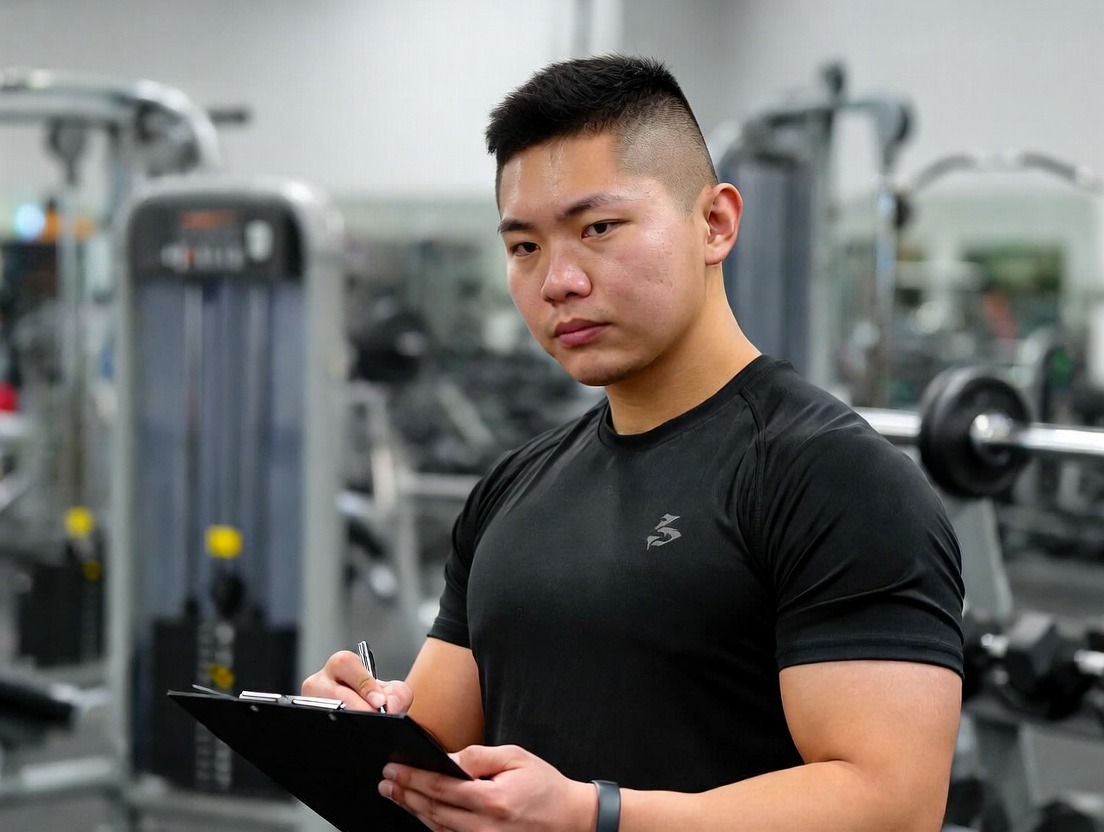
Understanding the theory is one thing; implementing it is another. Let’s translate the principles of hormonal signaling, recovery listening, and ecosystem support into a tangible, flexible weekly template. This is not a rigid prescription, but a dynamic framework you can adapt based on your daily readiness scores from your Oxyzen ring or other biometric tracker. The goal is to create a rhythm that promotes anabolic peaks and cortisol resets naturally.
The Foundational Rhythm: The 7-Day Hormone Wave
A hormonally-optimized week rarely contains the same intensity or volume on the same days each week. It ebbs and flows. Here’s a sample framework for someone with a goal of building strength and maintaining metabolic health:
This template’s power lies in its flexibility. If Wednesday morning shows a crashed HRV, you simply swap the planned HIIT for a Thursday-style recovery day. The data guides the dance. This responsive approach is how you build resilience without burnout, a concept central to healthy aging tips that start working at any age.
While the fundamental principles of stress, recovery, and hormonal balance apply to all humans, the endocrine landscape differs significantly between biological males and females, primarily due to the menstrual cycle in women. Ignoring these differences can lead women, in particular, to follow male-centric training models that clash with their physiology, often resulting in fatigue, amenorrhea, and frustration. Hormone optimization demands we honor these biological rhythms.
For Women: Syncing with the Menstrual Cycle
The female menstrual cycle is a ~28-day hormonal wave, divided into two main phases (follicular and luteal) with distinct hormonal profiles. Exercising with this cycle, not against it, can enhance performance, recovery, and overall well-being.
Post-menopause, the hormonal cycle ceases, but the need for intelligent periodization remains. The decline in estrogen increases the risk of muscle loss and bone density reduction, making consistent strength training non-negotiable. However, the body’s tolerance for high-volume, high-frequency stress may be lower. Emphasizing recovery, protein intake, and stress management becomes even more critical, aligning with strategies in healthy aging tips for women navigating hormonal changes.
For Men: The Androgen Rhythm
Men experience a milder, daily (circadian) rhythm in testosterone, with levels typically highest in the morning. The primary challenge for men in modern society is less about a cyclical fluctuation and more about the chronic suppression of testosterone and elevation of cortisol due to lifestyle factors.
For both genders, the universal tool is biofeedback. A woman might notice her HRV predictably dips in her luteal phase, guiding her to adjust. A man might see a sustained HRV decline, signaling the need for a deload. The Oxyzen smart ring provides this objective insight, moving hormone-aware training from theoretical syncing to data-confirmed personalization.
The Gut-Hormone Axis: How Digestion Influences Your Endocrine Health
We cannot discuss hormone optimization without venturing beyond the gym and the bedroom and into the gut. The gastrointestinal system is not just a digestion tube; it’s a massive endocrine organ and a central hub of the immune system. It communicates bidirectionally with the brain and profoundly influences systemic inflammation and hormone regulation. This gut-hormone axis is a critical, yet often overlooked, piece of the recovery puzzle.
The Gut as an Endocrine Organ: Enteroendocrine cells lining the gut produce over 20 different hormones that regulate appetite, blood sugar, digestion, and even mood (like serotonin, 95% of which is made in the gut). When the gut is inflamed or the microbiome is imbalanced (dysbiosis), this signaling becomes dysfunctional.
Inflammation: The Silent Hormone Disruptor: Chronic, low-grade gut inflammation, often from food sensitivities, poor diet, or intestinal permeability ("leaky gut"), leads to elevated levels of inflammatory cytokines (like TNF-alpha and IL-6). This systemic inflammation directly interferes with hormone function:
Supporting the Gut for Hormonal Harmony: Optimizing gut health is a powerful lever for improving hormonal responses to exercise and stress.
When your gut is healthy, you absorb nutrients more efficiently (providing better raw materials for hormone production), manage inflammation better, and regulate stress more effectively. This creates a stable internal environment where the signals from exercise can be processed cleanly, and recovery can proceed unimpeded. The role of cellular health in this process is explored further in our article on healthy aging tips to fight cellular aging.
While exercise and recovery are the primary focus, several other lifestyle factors exert massive influence on your hormonal symphony. These are the environmental and behavioral "levers" you can pull to support—or sabotage—your hard work in the gym.
Light Exposure & Circadian Biology: Light is the primary zeitgeber (time-giver) for your circadian clock, which governs the release of cortisol, melatonin, growth hormone, and more.
Cold & Heat Exposure: These are potent hormetic stressors that can improve hormonal sensitivity and resilience.
Social Connection & Purpose: Loneliness and lack of purpose are profound psychosocial stressors that elevate cortisol and inflammation. Strong social bonds and a sense of meaning are associated with healthier levels of oxytocin (the "bonding hormone"), which can buffer against stress. Making time for community and meaningful activities is not an indulgence; it’s metabolic support.
Digital Detox & Mental Space: Constant connectivity creates a state of "cognitive load" and low-grade anxiety, keeping the sympathetic nervous system subtly engaged. Scheduled periods of digital disconnection—be it a Sunday morning or an evening walk without your phone—allow the nervous system to truly downshift, supporting the parasympathetic dominance needed for recovery.

Integrating these levers doesn’t require perfection. Start with one: get 10 minutes of morning sunlight, implement a screen curfew, or schedule a weekly social activity. The cumulative effect on your hormonal baseline can be profound, making your dedicated exercise and recovery efforts far more effective. For a comprehensive collection of strategies that incorporate these levers, explore our blog for more wellness tips and resources.
We’ve referenced biometric data throughout; now let’s crystallize how to use a device like the Oxyzen smart ring as the central command center for your hormone optimization practice. It transforms abstract principles into a personalized, daily feedback loop.
The Morning Ritual: Your Daily Readiness Assessment
Instead of basing your day on how you "feel," you start with data. Open your Oxyzen app and review:
Synthesize this into a simple decision:
The Experimentation Phase: Finding Your Unique Levers
Use your ring to run n=1 experiments:
The ring provides objective answers. You learn whether that extra coffee, that stressful meeting, or that new supplement actually helps or harms your unique system. This is the essence of personalized health.
Long-Term Trend Analysis: Preventing Plateaus and Overtraining
By reviewing weekly and monthly trends, you can spot patterns invisible in daily fluctuations. You might see that every fourth week your metrics dip, indicating a natural need for a deload. You might correlate periods of high work stress with a suppressed HRV, reminding you to dial back training during those times. This macro-view is essential for tracking healthy aging progress over time and making proactive adjustments, not reactive fixes.
The Oxyzen ecosystem is designed for this depth of insight. By offering a sleek, comfortable form factor for 24/7 wear and a user-friendly app that highlights trends and correlations, it empowers you to become the expert on your own body. To see real-world examples of this data in action, you can read real customer reviews and user experiences.
Even with the best intentions and tools, it’s easy to fall into common traps on the path to hormonal balance. Here’s a troubleshooting guide for frequent stumbling blocks.
Pitfall 1: Ignoring Low-Readiness Signals Because You "Feel Fine."
Pitfall 2: Under-Eating on Recovery Days.
Pitfall 3: Over-Reliance on Chronic Cardio.
Pitfall 4: Sacrificing Sleep for Early Morning Workouts.
Pitfall 5: Neglecting Life Stress in the "Total Load" Calculation.
Ultimately, the hormone optimization approach is not a 12-week fitness challenge. It is a philosophy for lifelong health, performance, and independence. The goals evolve from chasing personal records in your 30s to preserving muscle mass, cognitive function, and metabolic flexibility in your 50s, 60s, and beyond. This framework is inherently future-proof because it’s based on respecting and working with your body’s fundamental communication systems.
Shifting the Focus from Performance to Resilience: As we age, the margin for error with recovery shrinks. The ability to bounce back from stress (hormonal, physical, immunological) is a key marker of biological age. The practices outlined here—strength training to maintain anabolic signals, prioritizing sleep, managing stress, and nurturing the gut—are direct investments in your resilience capital. They help you withstand life’s inevitable stressors without breaking down.
Preserving Muscle and Bone: A Hormonal Imperative: Age-related sarcopenia (muscle loss) and osteoporosis are not inevitable. They are largely a result of disuse and declining anabolic hormone sensitivity. Consistent, intelligently-dosed strength training is the most powerful signal to maintain muscle and bone density. It tells the body, "We still need this tissue," promoting a healthier hormonal environment to support it. This is the core of healthy aging tips to maintain muscle mass after 60.
Cognitive Protection: The brain is a massive target organ for hormones. Insulin resistance in the brain is linked to cognitive decline. Disrupted cortisol rhythms affect memory and focus. The improved insulin sensitivity, reduced inflammation, and better sleep fostered by this approach are among the most powerful protective strategies for cognitive function, a topic we delve into in our article on healthy aging tips to protect cognitive function.
The Role of Continuous Monitoring: In this long game, a smart ring becomes an essential healthspan tool. It’s not just for optimizing workouts; it’s an early warning system. A gradual, sustained decline in HRV could indicate an underlying issue. Changes in sleep patterns or resting heart rate can be discussed with a healthcare provider with concrete data in hand. It empowers proactive health management, keeping you attuned to the subtle shifts in your internal state as you age.
This journey is about empowerment. It’s about moving from being a passenger in your body to being its skilled pilot, using data as your instrument panel. By understanding and optimizing the hormonal conversation between exercise and recovery, you build a foundation of vitality that supports every aspect of a long, healthy, and independent life. It’s the ultimate application of modern science to the ancient goal of thriving at every age.
To learn more about the technology that can guide you on this journey, we invite you to discover the Oxyzen smart ring and its features or to learn about the mission and vision behind creating tools for a smarter, more balanced approach to wellness.
We’ve established nutrition as a pillar of the recovery ecosystem. Now, let’s elevate the discussion to nutritional synergy—the strategic interplay of what you eat, when you eat it, and how it serves as a direct lever for hormonal optimization. This moves beyond basic "clean eating" into the realm of using food as information to guide your endocrine system.
Pre-Workout: Priming, Not Just Fueling
The goal of pre-workout nutrition is to provide energy without causing a significant insulin spike that could lead to a subsequent crash, and to prime the body for performance and subsequent repair.
Intra-Workout: The Advanced Signal
For sessions under 90 minutes, water and electrolytes are typically sufficient. For longer, intense endurance sessions or two-a-days, intra-workout nutrition becomes a hormonal tool. A drink with branched-chain amino acids (BCAAs) or essential amino acids (EAAs) can serve as an anti-catabolic signal, reducing muscle breakdown during the workout and potentially blunting the cortisol rise. Simple carbs (like glucose or highly branched cyclic dextrin) can spare glycogen and stabilize blood sugar, further modulating the stress response.
The Post-Workout "Anabolic Window": Refined
The concept of a rigid 30-minute "anabolic window" has been exaggerated, but there is a priority window for optimal recovery. Consuming a meal with protein (20-40g) and carbohydrates within 1-2 hours post-exercise accomplishes several hormonal goals:
Strategic Fasting and Feeding Windows:
Time-Restricted Eating (TRE) or intermittent fasting can be a powerful tool for improving insulin sensitivity and cellular health, but it must be harmonized with training.
Nutrient Density for Endocrine Support: Beyond macros, specific micronutrients are co-factors for hormone production and function.
Tracking how dietary changes affect your biometrics is a game-changer. Notice if increasing your magnesium intake improves your deep sleep score in the Oxyzen app. See if a higher-protein day correlates with better HRV recovery. This is the pinnacle of personalized nutrition. For more on integrating such strategies into daily life, our blog offers 50 healthy aging tips a smart ring helps implement daily.
The hormone optimization approach is a powerful framework for self-management, but it exists within a broader healthcare context. It is crucial to know when your efforts are sufficient and when to seek professional guidance. This is not about replacing medical care but about being an informed, proactive partner in your health.
When to Consult a Professional: Red Flags and Plateaus
Integrating with Modern and Functional Medicine:
A Note on Supplements and "Biohacking":
The supplement industry is vast and unregulated. While specific supplements (like Vitamin D, Magnesium, or high-quality Omega-3s) can address deficiencies and support hormonal pathways, they are not magic bullets.
Your journey is unique. The framework in this article provides the map, but working with a professional can help you navigate complex terrain. For common questions about integrating technology with health management, our comprehensive FAQ is a valuable resource.
Adopting a hormone optimization approach requires a profound psychological shift. It means moving away from the external validation of "grind culture" and toward the internal wisdom of sustainable growth. This mental transition is as critical as the physical one.
Deconstructing the "Worth = Work" Fallacy: For many, self-worth is tied to productivity and visible effort. Skipping a workout or taking a rest day can trigger feelings of guilt or laziness. You must cognitively reframe rest and recovery as the most productive things you can do for your long-term goals. It is the phase where growth is solidified. This isn't about doing less; it's about accomplishing more by strategically doing less at the right times.
Embracing Autoregulation as Empowerment: Following a rigid plan that ignores your body's signals fosters a disconnect. Learning to autoregulate—to modify intensity based on your Oxyzen readiness score—is an act of empowerment and body literacy. It builds trust in your own intuition and data. You move from being a slave to a calendar to being the CEO of your own physiology.
Managing Social and Gym Culture Pressure: The gym can be a hotspot for outdated "no pain, no gain" rhetoric. You may need to develop a quiet confidence in your approach. You're not "skipping" leg day; you're "executing a planned recovery protocol based on biomarker feedback." Your results—sustainable energy, consistent progress, and absence of injury—will become your best argument.
Celebrating Non-Scale, Non-PR Victories: Shift your success metrics. Celebrate a week of perfect sleep scores. Celebrate a rising HRV trend. Celebrate the feeling of calm energy throughout a stressful workday. Celebrate the ability to play with your kids or grandkids without fatigue. These are the true indicators of hormonal health and longevity. This mindset is central to a fulfilling journey, as explored in our piece on healthy aging tips to preserve independence longer.
Building Consistency Through Systems, Not Willpower: Willpower is a finite resource. Build systems that make the right choices easy.
By focusing on systems and trusting the process, you cultivate the patience required for this long-game approach. The daily fluctuations matter less than the undeniable upward trend in your healthspan that emerges over months and years.
Implementing Your Personalized Hormone Optimization Blueprint
Theory, protocols, and psychology now converge into action. Here is a step-by-step guide to building and implementing your personalized blueprint. Start slowly; mastery is a process of layered habits.
Phase 1: The Baseline Audit (Weeks 1-2)
Phase 2: Foundational Fixes (Weeks 3-6)
Phase 3: Strategic Exercise Integration (Weeks 7-12)
Phase 4: Refinement and Deep Dives (Ongoing)
Remember, the blueprint is a living document. Your life, stress, and goals will change. Your protocol should evolve with them, always guided by the objective feedback from your body. This iterative process is the core of living a data-informed, hormone-optimized life.
We began by challenging the simplistic calculus of fitness—the idea that more effort invariably yields more results. We’ve journeyed through the complex, beautiful science of your endocrine system, understanding how hormones like cortisol, testosterone, and growth hormone are the true arbiters of adaptation. We’ve seen how exercise is not merely a physical act but a precise hormonal signal, and how recovery is the active, non-negotiable phase where those signals are answered with growth and repair.
This hormone optimization approach redefines what it means to be fit. Fitness is no longer just the weight on the bar or the time on the clock. True fitness is resilience. It is the ability of your hormonal symphony to play a powerful, percussive movement when challenged, and then to transition seamlessly into a restorative, healing adagio. It is the capacity of your body to handle stress and then to deeply recover from it. This resilience is what protects you from burnout, injury, and illness. It is the foundation upon which longevity and vitality are built.
The revolutionary tool in this new paradigm is not a louder whistle or a heavier weight; it is the ability to listen. Technology like the Oxyzen smart ring grants us this ability. It translates the silent language of your autonomic nervous system—the proxy for your hormonal state—into a clear, daily dialogue. Your HRV, your sleep architecture, your resting heart rate: these are the notes on the sheet music. Learning to read them allows you to conduct your own symphony, rather than playing out of tune through guesswork and cultural dogma.
This is an invitation to a more intelligent, more compassionate, and ultimately more effective relationship with your body. It is an invitation to trade short-term intensity for long-term vitality. To shift from chasing fleeting peaks of performance to cultivating a durable plateau of health that spans decades. The practices outlined here—from syncing your training with your cycles, to nourishing your gut, to prioritizing sleep above all else—are investments in your future self. They are the healthy aging tips that actually work, not as a list of chores, but as an integrated system for living well.
The journey starts with a single step of awareness. Put on the ring. Observe your sleep. Listen to what a low HRV day is telling you. Make one change based on that data. This is how you begin to orchestrate balance. This is how you move from being subject to your hormones to strategically working with them. The path to sustainable vitality is not a straight line of increasing effort; it is a dynamic, responsive wave of stress and recovery, guided by the wisdom of your own biology.
Your body is ready to communicate. It’s time to listen, to learn, and to lead it toward a lifetime of strength, balance, and health.
Ready to begin your personalized hormone optimization journey?
Citations:
Your Trusted Sleep Advocate (Sleep Foundation — https://www.sleepfoundation.org/)
Discover a digital archive of scholarly articles (NIH — https://www.ncbi.nlm.nih.gov/
39 million citations for biomedical literature (PubMed — https://pubmed.ncbi.nlm.nih.gov/)
experts at Harvard Health Publishing covering a variety of health topics — https://www.health.harvard.edu/blog/)
Every life deserves world class care (Cleveland Clinic -
https://my.clevelandclinic.org/health)
Wearable technology and the future of predictive health monitoring. (MIT Technology Review — https://www.technologyreview.com/)
Dedicated to the well-being of all people and guided by science (World Health Organization — https://www.who.int/news-room/)
Psychological science and knowledge to benefit society and improve lives. (APA — https://www.apa.org/monitor/)
Cutting-edge insights on human longevity and peak performance
(Lifespan Research — https://www.lifespan.io/)
Global authority on exercise physiology, sports performance, and human recovery
(American College of Sports Medicine — https://www.acsm.org/)
Neuroscience-driven guidance for better focus, sleep, and mental clarity
(Stanford Human Performance Lab — https://humanperformance.stanford.edu/)
Evidence-based psychology and mind–body wellness resources
(Mayo Clinic — https://www.mayoclinic.org/healthy-lifestyle/)
Data-backed research on emotional wellbeing, stress biology, and resilience
(American Institute of Stress — https://www.stress.org/)


