


How to Build a Natural Energy Booster Stack Using Your Wellness Ring Feedback
Building a personalized stack of natural energy boosters using feedback from your ring.
Building a personalized stack of natural energy boosters using feedback from your ring.
%402x.svg)
You know the feeling. The afternoon slump that hits like a freight train, the morning fog that coffee can’t seem to penetrate, the sheer exhaustion that makes even simple tasks feel Herculean. In our relentless pursuit of productivity and performance, we’ve turned to quick fixes: triple-shot espressos, sugary “energy” drinks, and an ever-growing cabinet of supplements promising instant vigor. But these artificial peaks are always followed by crushing valleys, leaving us more depleted than before. What if the secret to boundless, sustainable energy wasn’t found in another external stimulant, but in learning to listen to and systematically support your own body’s unique rhythms?
Enter the era of the wellness smart ring. This unassuming piece of wearable technology is revolutionizing personal health by moving us from guesswork to genuine insight. It’s not just tracking steps; it’s decoding the subtle, foundational language of your physiology—your heart rate variability (HRV), your sleep architecture, your body temperature trends, and your stress-induced nervous system responses. This is the data of your energy potential.
This article is your master blueprint. We will move beyond generic life-hacks and build a personalized, dynamic, and powerfully effective Natural Energy Booster Stack—a synergistic combination of lifestyle practices, nutritional timing, and recovery protocols—all guided and validated in real-time by the objective feedback from your wellness ring. Forget one-size-fits-all solutions. We’re building yours.
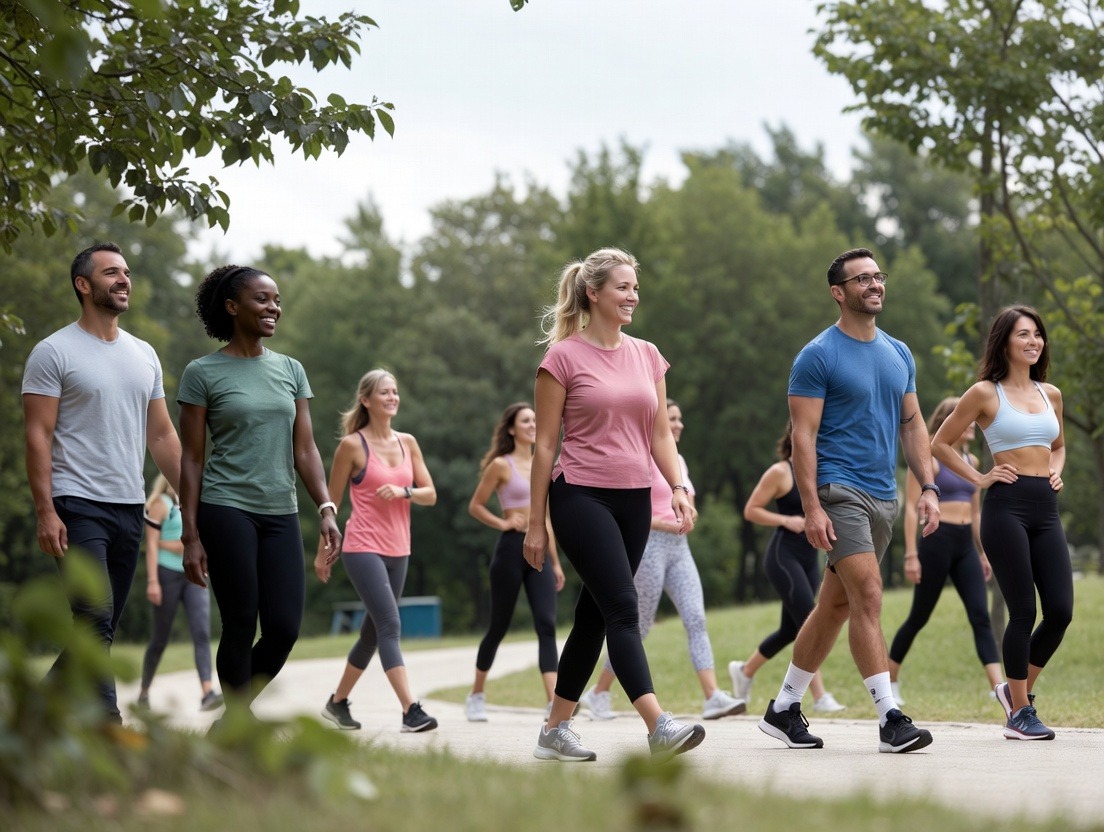
Before we can build an energy stack, we must first understand the raw material: you. Your smart ring is a 24/7 biometrical anthropologist, quietly gathering the story of your body. But data without interpretation is just noise. Let’s translate the key metrics into an energy narrative.
Heart Rate Variability (HRV): The Master Energy Gauge
HRV is not your heart rate. It’s the subtle, millisecond variation in time between each heartbeat. Think of it as your body’s internal conversation between the "gas pedal" (sympathetic nervous system) and the "brake" (parasympathetic nervous system). A higher, stable HRV typically indicates a resilient, adaptable system with strong recovery capacity—the bedrock of sustained energy. A low or plummeting HRV is your body’s distress flare, signaling systemic stress, poor recovery, or impending illness. Your ring’s nightly HRV average is your single most important scorecard for energy resilience.
Sleep Architecture: Where Energy is Manufactured
Your ring tracks far more than just hours in bed. It analyzes the cyclical journey through light, deep, and REM sleep.
Resting Heart Rate (RHR) & Body Temperature: The Baselines
A creeping rise in your Resting Heart Rate is often one of the earliest signs of overtraining, dehydration, or that your body is fighting something off. A low, steady RHR generally indicates good cardiovascular fitness and efficient autonomic function. Similarly, nocturnal body temperature trends can reveal hormonal shifts, the onset of illness, or whether your sleep environment is optimal for recovery.
Activity & Recovery Balance: The Fuel Gauge
This is where your ring stops being just a tracker and becomes a coach. By analyzing your heart rate data and movement against your sleep/recovery scores, it can suggest whether today is a day for energetic output or for prioritizing restoration. Ignoring a “Take It Easy” recommendation is like ignoring a low fuel light on a long drive.
The first step in building your energy stack is establishing your personal baseline. Spend a week simply observing this data without judgment. Notice the patterns. How does a poor HRV night correlate with your energy the next day? What happens to your deep sleep after a late, heavy meal? This foundational awareness is what separates a precise, personalized strategy from throwing generic advice at the wall. For a deeper exploration of establishing and understanding these critical baselines, our guide on wellness fundamentals understanding personal baseline is an essential read.
You cannot supplement your way out of a chaotic lifestyle. The most potent "energy supplements" are free, but they require consistency. Think of this as the solid ground upon which we’ll build your sophisticated energy stack. Your ring will provide immediate, undeniable feedback on your adherence to these five pillars.
1. Sleep Consistency: Your Energy’s Anchor
This is the king of all fundamentals. Going to bed and waking up at the same time every day (yes, even on weekends) is more powerful for energy regulation than any sleep hack. It reinforces your circadian rhythm, the master clock that governs everything from hormone release (cortisol, melatonin) to digestion and cellular repair. Your ring will show you the direct correlation between a fixed schedule and improved sleep scores, deeper sleep, and a higher, more stable morning HRV.
2. Strategic Light Exposure: Programming Your Internal Clock
Your circadian rhythm is set by light. Aim for 10-30 minutes of bright, outdoor morning sunlight (without sunglasses). This signals to your brain that the day has begun, suppressing melatonin and setting a timer for its release 12-16 hours later. Conversely, minimize exposure to blue and bright light after sunset. Use dim, warm lights and consider blue-light blockers on screens. Your ring’s sleep latency metric will often improve dramatically with this practice alone, as you more cleanly separate your “day” and “night” physiology. This is a core component of a wellness fundamentals approach to healthy aging and daily vitality.
3. Nutrient Timing & Hydration: Fueling the Rhythm
4. Daily Movement: The Energy Catalyst
This isn’t about crushing workouts. It’s about consistent, rhythmic movement that promotes circulation, lymphatic drainage, and metabolic health. A daily 30-60 minute walk, especially in nature, can lower stress hormones and improve sleep quality. Your ring’s activity and recovery balance feature will help you modulate intensity based on your readiness. Remember, wellness fundamentals make movement non-negotiable medicine.
5. Stress Management as Maintenance, Not Crisis Control
Chronic, low-grade stress is a continuous energy leak. It keeps your sympathetic nervous system ("fight or flight") subtly engaged, depleting resources. Five minutes of deliberate, deep diaphragmatic breathing several times a day can work wonders. Your ring’s HRV is the perfect biofeedback tool for this. Try this: Sit quietly, take a 5-minute breathing break (inhale for 4 seconds, exhale for 6), and watch your real-time HRV respond. It’s direct proof that you are shifting your physiology from energy depletion to restoration. This practice is the essence of why wellness fundamentals are the foundation for stress management.
Master these five, and your ring’s data will shift. You’ll establish a higher energy baseline. This is the prerequisite work, the foundation that makes the advanced "stacking" techniques powerfully effective instead of just marginally helpful.
With your foundational habits dialed in, your ring’s data becomes a precise diagnostic tool. Energy crashes aren’t random; they have causes written in your biometrics. Let’s learn to play detective.
The Post-Lunch Crash: Is it Carbs, Cortisol, or Chaos?
Everyone blames the sandwich, but the cause is often more nuanced. Cross-reference your energy dip with your ring’s data:
The Morning Fog: Waking Up Tired
If you’re consistently waking up exhausted, your ring holds the clues.
The "Wired but Tired" Phenomenon
You feel physically exhausted but mentally buzzing, unable to unwind. This is classic sympathetic nervous system dominance.
By learning to ask these questions of your data, you stop being a passive victim of fatigue. You become an active investigator, identifying the specific "energy leaks" in your system so you can patch them with precision.
Now we begin to construct the stack. The first layer is aligning your fuel intake with your body’s innate energy cycles, using your ring for validation and fine-tuning.
Circadian Fasting: The Energy Cleanse
Time-restricted eating (TRE) isn’t just for weight management; it’s a powerful energy regulator. By compressing your eating window (e.g., to 8-10 hours), you give your digestive system an extended break, reduce metabolic inflammation, and can improve mitochondrial efficiency—your cells' energy factories. How your ring validates it: Monitor your deep sleep and HRV. Many people see noticeable improvements in both metrics within days of adopting a consistent TRE schedule, as the body dedicates fewer nighttime resources to digestion and more to repair. Start gently—a 12-hour window is a great starting point—and let your recovery metrics guide you.
Macro Timing: Fueling for the Task
The Hydration-Energy Link Revisited
Dehydration directly reduces blood volume, forcing your heart to work harder (higher RHR) and reducing the delivery of oxygen and nutrients to your brain and muscles (fatigue, brain fog). Use your ring’s daytime heart rate trends as a cue. A gradual creep in heart rate during a sedentary work period can often be reversed with a large glass of water. For a comprehensive system that integrates these nutritional principles with daily tracking, our complete system for daily health optimization mastery offers a detailed framework.
Exercise is a paradox: it consumes energy in the short term to create more in the long term. The key is dosing it correctly, and your ring is the ultimate dosage meter.
Training Based on Readiness, Not Rigid Schedules
Throw out the Monday-Chest, Tuesday-Back mentality. Instead, let your ring’s readiness score or recovery status guide your intensity.
The Unbeatable Energy Elixir: Low-Intensity Steady State (LISS)
Don’t underestimate the power of a daily 45-60 minute walk. It’s arguably the single best exercise for sustainable energy. It improves mitochondrial biogenesis (creating more energy factories), enhances insulin sensitivity (stabilizing energy), and lowers cortisol (preventing energy leaks). It’s the ultimate foundation for sustainable health built on wellness fundamentals. Your ring will consistently reward this practice with stable HRV and excellent sleep efficiency.
Post-Exercise Recovery: Where Energy is Built
The energy boost from exercise comes from the adaptation to it, not the act itself. This adaptation happens during recovery.
True energy mastery is the ability to consciously shift your physiological state. Your autonomic nervous system is the dial, and your ring’s HRV is the display. This layer is about learning to turn the dial.
HRV Biofeedback Training: The Direct Method
This is a game-changer. Use a brief breathing session with your ring’s live HRV display (if available) or review the session’s impact afterward.
The Strategic Power Nap (Validated by Data)
If you need a quick energy reset, a short nap can be miraculous—if done correctly. The goal is to enter light sleep without dropping into deep sleep, which can cause sleep inertia (grogginess).
Environmental Engineering for Energy
Your surroundings directly impact your nervous system.
By mastering this layer, you move from being at the mercy of your stress responses to being the conductor of your own energy state. This skill is foundational for achieving peak performance through wellness fundamentals.

Now we talk about supplements. They are the fine-tuning tools, not the foundation. Used without the previous layers, they are wasteful and ineffective. Used with your ring’s feedback, they become precision instruments.
Adaptogens: Bi-Directional Supporters
Adaptogens like Rhodiola Rosea, Ashwagandha, and Panax Ginseng help the body adapt to stress. They are not stimulants.
Caffeine as a Performance Tool, Not a Crutch
Caffeine is a powerful adenosine receptor antagonist—it blocks the "sleepiness" signal. Used poorly, it wrecks energy; used strategically, it enhances it.
Magnesium: The Recovery Mineral
Magnesium is involved in over 300 enzymatic reactions, including energy production (ATP) and nervous system regulation. Magnesium Glycinate or L-Threonate before bed is renowned for improving sleep quality and reducing nervous system excitability.
Important Note: Always consult with a healthcare professional before starting any new supplement regimen, especially if you have underlying health conditions or are on medication. Your ring provides data on the effect; a professional helps ensure safety.
We’ve covered the components. Now it’s time to assemble your personalized, living system. This isn’t a rigid plan; it’s a dynamic protocol based on continuous feedback.
Step 1: The Baseline Audit (Week 1-2)
Do nothing but observe. Wear your ring, live your normal life, and simply track the five foundational metrics: Sleep, HRV, RHR, Activity, and subjective energy. Note patterns without judgment.
Step 2: Fortify the Foundation (Week 3-4)
Choose ONE of the Foundational Five pillars to optimize. Perhaps it’s fixing your sleep schedule or adding a morning walk. Implement the change consistently for two weeks. Watch your ring’s data. Does your HRV improve? Does your sleep graph look cleaner? Only when you see a stable positive shift do you consider adding the next layer.
Step 3: Layer In with Single-Variable Testing
This is the golden rule of biohacking: Change only one major variable at a time.
Step 4: Develop Your Daily Decision Matrix
Create a simple flow chart based on your ring’s morning readiness score:
Step 5: The Monthly Review
At the end of each month, spend 30 minutes reviewing your trends. Look at your 30-day HRV average, sleep consistency, and activity/recovery balance. Is your energy baseline rising? Are your "red" days becoming less frequent? This review informs your next single-variable test. Perhaps you’ve mastered sleep, so now you experiment with macro timing.
This protocol turns you from a passive consumer of health trends into the principal investigator of your own energy laboratory. The ring provides the unbiased data; you provide the curiosity and discipline.
The final piece of the puzzle is bridging the gap between how you feel and what your data says. This creates powerful intuition.
The Energy-Data Journal
For two weeks, keep a very brief notes column in your phone or alongside your ring app.
Identifying Your Personal "Tells"
Everyone has unique biometric warning signs.
This synthesis of subjective and objective is the pinnacle of personalized health. It moves you from tracking to true self-knowledge, a state where you can often predict what your ring will show you because you’ve learned to listen to the quieter signals. This integrated awareness is the ultimate goal of any lifelong health strategy using smart technology.
You’ve built your foundational stack and learned to interpret daily signals. Now, we elevate the game from managing day-to-day energy to engineering long-term energy resilience. This is where your wellness ring transitions from a dashboard to a strategic planning tool, helping you move from a reactive stance (“I’m tired, what do I do?”) to a predictive one (“My data suggests a dip is coming; I’ll proactively adjust”).
Seasonal and Cyclical Energy Mapping
Your energy is not meant to be a flat line. It ebbs and flows with natural cycles—circadian (daily), ultradian (90-120 minute cycles within a day), and infradian (monthly for many, seasonal for all). Your ring’s long-term data trends make these invisible cycles visible.
The Concept of “Energy Periodization”
Just as athletes periodize their training (building, peaking, recovering), you can periodize your life energy for big projects, events, or goals.
By reviewing your monthly trends, you can plan these periods intentionally, using your energy strategically instead of spending it haphazardly until you’re bankrupt. This strategic view is a core principle of lifelong health strategies that build habits for the long term.
We are not isolated systems. Our interactions—both positive and negative—have a direct, measurable impact on our physiological energy state. Your wellness ring can quantify the cost or boost of your social world.
The Drain of Toxic Interactions & Chronic Loneliness
A stressful argument, a draining work meeting, or simply feeling isolated can trigger a fight-or-flight response.
The Boost of Positive Co-Regulation
Just as toxic interactions drain, positive connections recharge. Laughter, deep conversation, physical touch (hugs, intimacy), and shared positive experiences can stimulate the release of oxytocin and endorphins, which have calming, restorative effects.
Digital Socialization: The Energy Wild Card
Endless scrolling, contentious online debates, and the “comparison trap” of social media are potent energy vampires. While your ring can’t see your screen, you can conduct an experiment.
Your surroundings are not a passive backdrop; they are an active participant in your energy equation. Light, sound, air, and temperature constantly signal to your nervous system. Use your ring to audit and optimize your environments.
The Home Sanctuary Audit
Your home should be a net energy charger, not a drain.
The Workspace Tune-Up
Since you spend hours here, small optimizations yield large energy dividends.
Nature as the Ultimate Energy Environment
This is the most powerful environmental stack layer. The Japanese practice of Shinrin-yoku (forest bathing) has robust science showing it lowers cortisol, pulse rate, and blood pressure.
Even the best-designed system will hit plateaus or face disruptions from illness, travel, or life stress. This is normal. The key is to use your ring’s data not as a judgment, but as a diagnostic tool to troubleshoot effectively.
Diagnosing a Plateau
You’re doing everything “right,” but your energy feels stagnant and your HRV/sleep scores have flatlined.
Navigating Setbacks: Illness, Travel, and Disruption
The Danger of Data Obsession
This is a critical warning. The goal of the ring and the stack is to build somatic awareness—to feel what good energy feels like—so you eventually need the data less, not more. Checking your app incessantly, feeling anxiety over a low HRV score, or becoming a slave to the metrics is counterproductive and stressful. Designate one or two check-in times per day (e.g., morning review, evening planning). Then, live your life. Let the tool serve you, not the other way around. This balanced approach is what makes the system accessible and sustainable for the long haul.

Your energy needs at 25 are not the same as at 45 or 65. The beauty of a data-informed, fundamentals-first approach is that it gracefully scales with you. Your ring provides the continuous feedback needed to adapt.
The 20s & 30s: Building Resilience and Capacity
This is the decade of high output and often poor habits fueled by a resilient biology. The focus should be on establishing the rock-solid Foundational Five to prevent the slow leak of energy that leads to burnout in your 40s. Use your ring to explore limits safely—how much work, training, and social activity can you handle while maintaining solid recovery metrics? You’re building your energy “muscle” and learning your personal patterns. This is the ideal time to master the wellness fundamentals that matter more than advanced tactics.
The 40s & 50s: Precision and Recovery
Metabolic and hormonal shifts begin. Recovery becomes slower and more crucial. The energy stack shifts from “how much can I do?” to “how well can I recover from what I do?” Your ring’s recovery metrics become paramount. You may need to be more stringent with sleep consistency, more strategic with caffeine, and more dedicated to strength training to preserve metabolic rate and joint health. Nutrition becomes more important as a tool for managing inflammation and blood sugar stability. This is where the precision of your stack pays the highest dividends for maintaining vibrant energy.
The 60s and Beyond: Sustainability and Quality
The goal shifts to maintaining functional independence, cognitive sharpness, and a high quality of life. Energy is less about brute output and more about consistency and absence of fatigue. Your ring is a guardian, alerting you to deviations from your baseline that could indicate underlying issues. The stack emphasizes movement as medicine (daily walking, balance work, resistance training), sleep quality, and social connection. It validates that the fundamentals are not just for the young; they are the pillars of healthy aging and lifelong vitality.
At every stage, the principle remains: use objective feedback to honor your body’s changing needs, and support it with the timeless fundamentals. Your stack evolves, but its core—sleep, light, movement, nourishment, and calm—remains constant.
Your wellness ring is a powerful personal tool, but it is not a medical device. Its true power is often unlocked when its data is used to enhance conversations with healthcare professionals.
Creating a Data-Enriched Health History
Walking into a doctor’s office and saying “I’m tired” is vague. Walking in with a 3-month trend showing a gradually rising RHR, declining HRV, and disrupted sleep despite good sleep hygiene provides objective, actionable context. It can help differentiate between potential causes like sleep apnea, adrenal dysfunction, anxiety, or other metabolic issues.
Working with a Functional Medicine Practitioner or Health Coach
These professionals are often exceptionally receptive to this kind of data.
Red Flags: When Data Demands a Professional Opinion
Your ring can highlight anomalies that warrant medical attention.
You understand the layers. Now, let's construct a specific, actionable 90-day protocol designed to systematically reboot your energy systems, using your wellness ring as your compass and validator. This plan is cyclical, moving from reset to exploration to integration.
Phase 1: The Deep Reset (Days 1-30)
Goal: Establish an unshakable foundation and gather pristine baseline data.
Phase 2: The Strategic Layer Integration (Days 31-60)
Goal: Methodically test one new stack layer at a time, using data to confirm efficacy.
Phase 3: Refinement & Personalization (Days 61-90)
Goal: Synthesize learnings and build your permanent, personalized daily protocol.
This 90-day cycle isn't a one-time event. It's a template you can return to annually or when life throws you off course, using your ring to guide you back to your center.
Let’s move from theory to applied reality. Here are composite case studies, built from common patterns, showing how ring data diagnoses and solves specific energy crises.
Case Study 1: The "Burnt-Out Executive"
Case Study 2: The "Active But Stagnant" Fitness Enthusiast
Case Study 3: The "Perimenopausal Energy Rollercoaster"
Your personal data is powerful. Anonymous, aggregated data from a community of ring users is revolutionary. This is the next frontier of your energy stack: understanding your biology in context.
Benchmarking Without Comparison
Wellness ring platforms often provide age- and gender-matched percentile rankings for metrics like HRV and sleep. This is not for competition, but for context.
Learning from the Collective
Some platforms allow you to see anonymized, aggregate trends. What do the highest-HRV users have in common? You might discover that:
The "Normative" vs. "Optimal" Distinction
This is a critical insight. Community data shows you what is average. Your personal experimentation reveals what is optimal for you. Your goal is not to be average, but to find your personal peak within your genetic blueprint. The community data tells you the playing field; your personal data shows you how to play your unique game.
Your wellness ring is the cornerstone, but it is not the entire cathedral. For the ultimate energy optimization stack, consider integrating these complementary data streams to fill in the blanks.
Continuous Glucose Monitoring (CGM) for Metabolic Energy
Your ring shows the effect of blood sugar dysregulation (poor sleep, low HRV). A CGM shows the cause.
Heart Rate Chest Straps for Training Intensity
While rings are excellent for 24/7 monitoring and recovery, chest straps still provide the gold standard for accuracy during high-intensity interval training (HIIT) or sports.
Subjective Logging Apps: The Qualitative Layer
Apps like Bearable or even a simple Day One journal allow you to log mood, digestion, focus, menstrual symptoms, and social interactions.
By making your ring the central hub that correlates with these other inputs, you build a comprehensive "Health OS" that gives you an unparalleled understanding of your energy systems. This multi-modal approach is the hallmark of a complete guide to lifelong health strategies that actually work.
The most advanced tool is useless without the right mindset. Building a sustainable energy stack requires a shift from being a passive patient to becoming an active, "bio-literate" architect of your own well-being.
Adopting the "N=1" Experimenter Mindset
You are a study population of one. What works for a biohacker on YouTube, your friend, or even the "average" person in the community data, may not work for you. Embrace this. Every change you make is an experiment. Your ring provides the results. There are no failures, only data points. A supplement that does nothing for your HRV isn't a waste of money; it's a valuable discovery that clears the path for what will work.
Developing Data Compassion, Not Data Obsession
This is paramount. Your metrics will have bad days. A low HRV score is not a "bad grade." It is a piece of information asking a question: "What happened?" It could be a hard workout, an emotional conversation, an incoming virus, or simply a random fluctuation. Respond with curiosity, not criticism. Use the data to support yourself, not to berate yourself. This compassionate objectivity is what makes the practice sustainable for decades.
Viewing Energy as a Currency to Invest, Not a Tank to Drain
Shift your metaphor. You are not a car with a finite gas tank. You are an investor with an energy portfolio. The foundational habits (sleep, nutrition, movement) are your safe, reliable bonds—they provide steady, compound interest. The strategic stack layers (targeted supplements, biofeedback) are your higher-risk, higher-reward plays. Social connection and nature are dividend-paying assets. Stress and poor choices are market downturns. Your role is to manage the portfolio for long-term growth, not to extract every last joule for short-term gain. This investor mindset naturally leads to the sustainable health created by wellness fundamentals.
The Principle of Minimum Effective Dose (MED)
In stacking, more is rarely better. The goal is to find the smallest intervention that produces the desired result. Can you improve your HRV with 7 hours of sleep instead of 8? Can you get the same energy boost from 100mg of caffeine as you do from 300mg? Use your ring to titrate downwards. Finding your MED for every intervention maximizes efficiency, minimizes side effects, and leaves room in your "system bandwidth" for life itself.
We are on the cusp of a revolution where your energy stack will become predictive, prescriptive, and almost autonomous. Your current ring is the training wheels for this AI-powered future.
From Descriptive to Predictive Analytics
Current rings tell you what happened: "Your HRV was low last night." The next generation will tell you what will happen: "Based on your current stress load, sleep debt, and menstrual phase, there is an 85% probability you will experience an energy crash between 3-4 PM tomorrow. Recommended action: schedule a 20-minute walk at 2:30 PM and consider a protein-rich lunch."
Your stack becomes dynamic, adjusting day-by-day based on predictive algorithms trained on your personal historical data.
Hyper-Personalized "Digital Twin" Simulations
Imagine creating a computer model of your physiology—a digital twin. You could simulate the effect of a new supplement, a different workout time, or even a job change on your energy metrics before trying it in real life. "What if I switched to a plant-based diet?" Your digital twin, fed by years of your ring data, could simulate the likely impact on your HRV, sleep, and inflammation markers, allowing you to make informed decisions.
Closed-Loop Integration with Your Environment
Your ring won't just suggest you sleep more; it will communicate with your smart home. Upon detecting a rising nocturnal temperature, it will subtly lower your smart thermostat. When it senses you're in a stress-induced low-HRV state after work, it could cue your lighting system to shift to calming, warm tones and play a specific playlist known to improve your nervous system metrics. The stack becomes ambient, woven into the fabric of your life.
Preparing for this future starts now. By diligently using your current ring, you are generating the high-fidelity, long-term personal dataset that will train these future AI systems. The more consistent you are today, the smarter and more helpful your personal energy AI will be tomorrow. You are not just building a stack for 2024; you are laying the data foundation for your optimized self for the next decade. This journey of continuous learning and adaptation is the very definition of using a smart ring for lifelong health strategies across decades.
We have traversed from the microscopic view of heart rate variability to the macroscopic view of a lifetime of energy optimization. The journey reveals a profound and beautiful symmetry: the path to boundless, natural energy is not found in a single heroic intervention, but in the quiet, daily practice of attending to your fundamental biology.
Your wellness ring is the Rosetta Stone that translates the whispers of your body into a language you can understand and act upon. It demystifies fatigue. It validates your efforts. It protects you from your own ambition and the noise of conflicting health advice.
The "Natural Energy Booster Stack" you have learned to build is, in its highest form, a philosophy. It is the practice of conscious participation in your own well-being. It is:
You now hold the blueprint. Start with one metric. Master one habit. Let the objective feedback from your finger guide you. The fog of fatigue will lift, not by the force of a stimulant, but by the clarity of understanding. You will discover that the most potent energy booster was within you all along—it simply needed the right conditions, the right support, and the right listener to come fully to life.
We have journeyed from the basics of interpreting your ring’s flickering lights to constructing a multi-layered, personalized architecture for sustainable energy. This is not a destination, but the beginning of a lifelong practice of attentive self-care.
You now possess the framework:
This process transforms your relationship with your own body. You move from being a passenger, subject to unpredictable waves of fatigue, to being the pilot, navigator, and engineer of your own vitality. The tiredness, the brain fog, the afternoon slump—they are no longer mysterious afflictions. They are puzzles with solutions, written in the language of your own physiology.
Start simple. Pick one foundational pillar. Observe your data. Make one change. Observe again. Let the objective feedback from your finger guide you toward the most powerful energy booster ever discovered: the profound understanding of, and harmonious partnership with, your own biological genius.
Your Trusted Sleep Advocate: Sleep Foundation — https://www.sleepfoundation.org
Discover a digital archive of scholarly articles: NIH — https://www.ncbi.nlm.nih.gov/
39 million citations for biomedical literature :PubMed — https://pubmed.ncbi.nlm.nih.gov/
Experts at Harvard Health Publishing covering a variety of health topics — https://www.health.harvard.edu/blog/
Every life deserves world class care :Cleveland Clinic - https://my.clevelandclinic.org/health
Wearable technology and the future of predictive health monitoring :MIT Technology Review — https://www.technologyreview.com/
Dedicated to the well-being of all people and guided by science :World Health Organization — https://www.who.int/news-room/
Psychological science and knowledge to benefit society and improve lives. :APA — https://www.apa.org/monitor/
Cutting-edge insights on human longevity and peak performance:
Lifespan Research — https://www.lifespan.io/
Global authority on exercise physiology, sports performance, and human recovery:
American College of Sports Medicine — https://www.acsm.org/
Neuroscience-driven guidance for better focus, sleep, and mental clarity:
Stanford Human Performance Lab — https://humanperformance.stanford.edu/
Evidence-based psychology and mind–body wellness resources:
Mayo Clinic — https://www.mayoclinic.org/healthy-lifestyle/
Data-backed research on emotional wellbeing, stress biology, and resilience:
American Institute of Stress — https://www.stress.org/


