


How Smart Rings Make Wellness Fundamentals Accessible
How smart rings make basic wellness tracking easy to access.
How smart rings make basic wellness tracking easy to access.
%402x.svg)
For decades, the pursuit of optimal health felt like a full-time job. It was a juggling act of food diaries, gym memberships, sporadic meditation apps, and frantic Google searches at 2 AM for “why am I always tired?”. The data was fragmented, the advice contradictory, and the tools—from bulky fitness trackers to intrusive sleep monitors—often felt more like burdens than helpers. Wellness, in essence, became another item on the to-do list, accessible only to those with the time, money, and obsessive dedication to manage it all.
Enter the smart ring: a silent revolution disguised as minimalist jewelry. This unassuming device, worn on your finger, represents a fundamental paradigm shift in personal health technology. It’s not about adding more noise, chores, or gadgets to your life. Instead, it’s about seamlessly integrating the core principles of well-being—sleep, recovery, stress management, and activity—into your very existence, making the fundamentals of health passively, continuously, and powerfully accessible.
The genius of the smart ring lies in its elegant convergence of three critical concepts: unobtrusiveness, comprehensive data synthesis, and actionable insight. By moving from the wrist to the finger, it solves the discomfort and “techwear” aesthetic of watches, enabling 24/7 wear. This constant contact, particularly on a finger rich in capillaries, allows for remarkably precise physiological measurement. But more than just a sensor, the smart ring acts as a personal health interpreter. It doesn’t just count steps; it connects the dots between your heart rate variability last night, your daytime stress spikes, and your afternoon energy crash. It transforms raw data into a coherent story about you.
This article is your deep dive into how this tiny device is democratizing wellness. We will explore the sophisticated technology packed within its slender form, decode the critical metrics it tracks, and illustrate how it brings the science of sleep, stress, fitness, and longevity directly to your fingertips—literally. We’ll move beyond the hype to provide a clear-eyed view of how smart rings work, what they can genuinely tell you, and how you can use that knowledge to build sustainable, foundational health habits. This is not about biohacking for the elite; it’s about making the essential building blocks of well-being understandable, manageable, and integrated into every life.
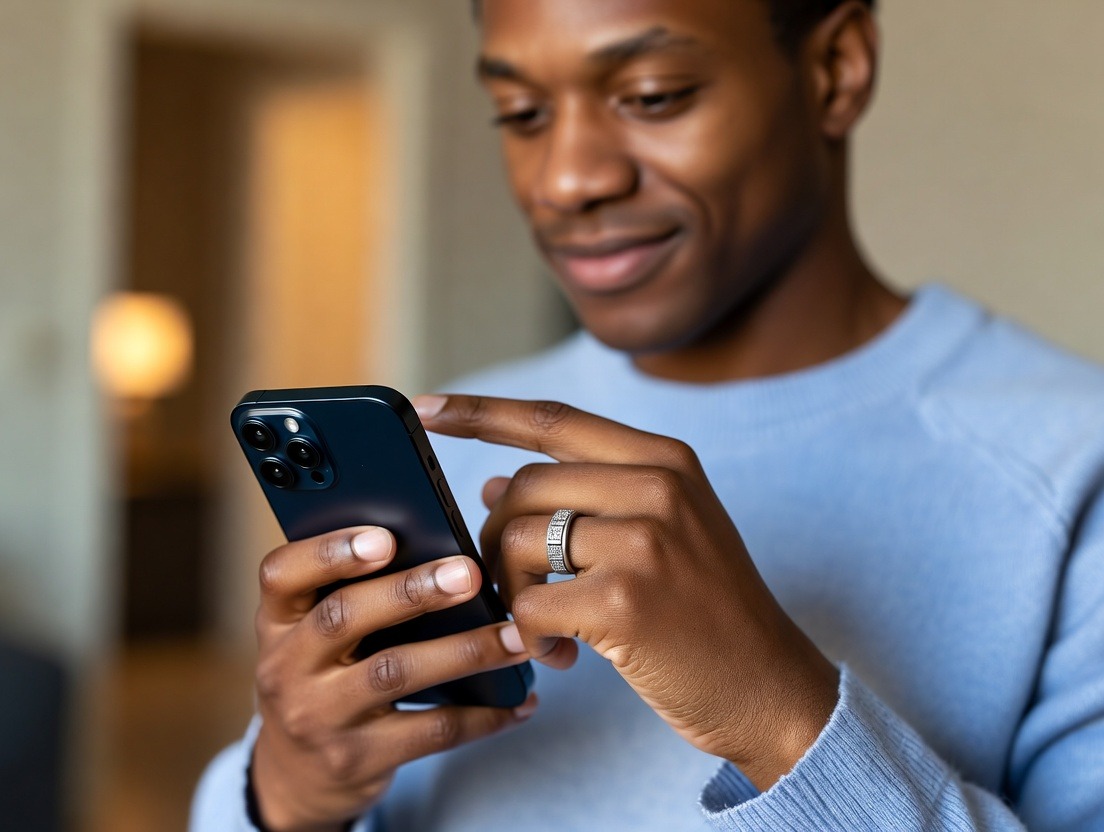
The journey to the smart ring is a story of technology learning to be humble. The first generation of personal health trackers was, frankly, loud. They were plastic wristbands that screamed “I’M WORKING OUT!” and watches that demanded constant interaction with glowing screens. They were worn on the body but never truly with it. Their obtrusiveness created a fundamental problem: compliance. People took them off to charge, to shower, to sleep comfortably, or simply to dress for an occasion. Each removal created a data gap, a blank space in the story of one’s health.
This gap is critical because our bodies don’t operate in isolated intervals. The quality of your 3 PM workout is intrinsically linked to the depth of your sleep at 3 AM. Your afternoon focus is a direct product of your nervous system’s recovery overnight. By failing to capture a continuous data stream, early devices offered a fragmented, often misleading picture. They could tell you what you did, but struggled to explain how you truly recovered and adapted.
The smart ring emerged as the philosophical and practical answer to this problem. Its design principles are rooted in discretion and continuity. Made from lightweight, durable materials like titanium and ceramic, it is designed to be forgotten. It is waterproof for 24/7 wear, including showers and swims. Its battery lasts days on a single charge, minimizing downtime. Crucially, it lacks a screen. This is a feature, not a flaw. It removes the constant notifications, the compulsive checking, and the digital anxiety associated with smartwatches. The ring doesn’t demand your attention; it quietly gathers insight, shifting the paradigm from active tracking to passive monitoring.
This evolution from an obtrusive manager to a discreet companion marks a pivotal moment in personal wellness. It makes consistent health monitoring not just possible, but effortless. The barrier to entry—the “friction” of wearing a device—disappears. You don’t have to be a tech enthusiast or a fitness fanatic; you just have to wear a ring. This unobtrusive nature is the first, and perhaps most important, step in making wellness fundamentals accessible. It meets people where they are, integrating into their lives rather than demanding life to integrate around it. For a deeper look at how continuous, comfortable tracking benefits a core pillar of health, you can explore our article on building a natural sleep foundation, which is only possible with consistent, overnight data.
Beneath the sleek exterior of a smart ring lies a dense constellation of micro-technologies, each dedicated to listening to your body’s subtle language. Understanding this suite of sensors is key to appreciating the data it provides. This is not a simple pedometer; it’s a clinical-grade bio-monitoring station, miniaturized.
The workhorse is the Photoplethysmogram (PPG) sensor. This is the green LED light you might see on the inner curve of the ring. It works by shining light into the capillaries in your finger and measuring the amount of light absorbed. With each heartbeat, blood volume in the capillaries pulses slightly. The PPG sensor detects these minute changes, allowing it to track your heart rate (HR) continuously, day and night. But its capabilities go far beyond pulse counting. By analyzing the precise timing between beats, it derives Heart Rate Variability (HRV)—a gold-standard, non-invasive metric for your autonomic nervous system balance and recovery status. A higher HRV generally indicates better resilience and recovery, while a lower HRV can signal stress, fatigue, or illness.
Complementing the PPG sensor is a 3-axis accelerometer. This tiny motion detector tracks movement and orientation. Overnight, it differentiates between periods of stillness (likely deep sleep) and movement (restless light sleep or wakefulness). During the day, it helps classify activity type and intensity, though its role is more nuanced than in a wrist-based step counter.
Perhaps the most surprising sensor is the skin temperature thermometer. This isn’t measuring the temperature of the room, but your precise peripheral body temperature, which follows a delicate circadian rhythm. Your core temperature drops to initiate sleep and rises to promote wakefulness. The ring tracks this subtle nightly dip and, more importantly, deviations from your personal baseline. A consistently elevated nighttime temperature can be an early objective sign of inflammation, illness onset, or hormonal fluctuation.
Finally, an infrared sensor often works in tandem with the PPG, using a different light wavelength for more reliable readings during high-motion activities. Some advanced rings also include a pulse oximeter (SpO2), which uses red and infrared light to measure the oxygen saturation of your blood—a key metric for assessing sleep quality and breathing disturbances.
The magic isn’t just in the individual sensors, but in their sensor fusion. The ring’s algorithm doesn’t look at heart rate, motion, and temperature in isolation. It cross-references them in real-time. For instance, to confirm a sleep stage, it doesn’t just rely on motionlessness. It looks for the tell-tale combination of low movement, a heart rate that has dropped to its nocturnal minimum, and the onset of the circadian temperature drop. This multi-modal validation is what leads to the superior accuracy smart rings are known for, especially in sleep staging, as detailed in our comparison of how accurate is sleep tracking: smart rings vs. watches.
If the sensors are the translators, the metrics they produce are the dialect of your body. Smart rings move far beyond the elementary vocabulary of steps and calories, teaching us the more nuanced language of autonomic function and systemic recovery. Three metrics form the holy trinity of this new language: Heart Rate Variability (HRV), Sleep Phases, and Readiness/Recovery Scores.
Heart Rate Variability (HRV) is arguably the most transformative metric brought to the mainstream by smart rings. Contrary to intuition, a healthy heart does not beat with the metronomic regularity of a drum machine. The tiny, millisecond variations between beats are a sign of a responsive, adaptive nervous system. Your heart speeds up slightly as you inhale and slows down as you exhale (a phenomenon called respiratory sinus arrhythmia). High HRV indicates strong parasympathetic (“rest-and-digest”) tone and good resilience—your body can easily switch between effort and recovery. Low HRV suggests dominant sympathetic (“fight-or-flight”) activity, meaning your body is under stress, whether from training, work, emotional duress, or illness. By tracking your nightly average HRV, the ring gives you an objective, daily report card on your recovery status. Seeing a sustained dip can be your earliest warning to prioritize rest, hydrate, or ease up on training.
Sleep Analysis is where smart rings truly excel. They don’t just track duration but architecturally deconstruct your night. Using the fused sensor data, they estimate time spent in Light, Deep, and REM (Rapid Eye Movement) sleep. Each stage is crucial: Deep sleep for physical restoration and immune function, REM for memory consolidation and emotional processing. The ring also tracks sleep latency (how long it takes to fall asleep), wake events, and sleep efficiency (time asleep vs. time in bed). This granular view moves you from asking “Did I sleep enough?” to “Did I sleep well?”. Understanding the architecture of your sleep is the first step to improving it, a process we break down in our complete guide to understanding your sleep tracking data.
Synthesizing these inputs—HRV, sleep quality, resting heart rate, temperature, and recent activity—the ring’s algorithm generates a singular, user-friendly metric: the Readiness or Recovery Score. This is the ring’s executive summary. A high score suggests your body is primed for challenge—go ahead with that intense workout or big presentation. A low score is a clear recommendation to focus on restorative activities: gentle movement, hydration, stress management, and early nights. This score makes complex physiological data instantly actionable, guiding your daily decisions toward what your body genuinely needs, not just what your schedule demands.
For most people, sleep is a black box. We close our eyes and hope for the best, judging the success of the night by a foggy feeling in the morning. The smart ring transforms your bedroom into a continuous, personal sleep laboratory, illuminating every aspect of your nocturnal journey with unprecedented clarity and convenience.
The cornerstone of this analysis is multi-parametric sleep staging. As you sleep, your body cycles through predictable stages, each with distinct physiological signatures. The ring’s sensors detect these signatures in concert:
By mapping these cycles, the ring reveals your sleep architecture. You can see if you’re getting sufficient deep sleep for physical recovery or enough REM for cognitive and emotional maintenance. It highlights disruptions—those unexplained spikes in heart rate or movements that fragment your cycles.
Beyond staging, the ring provides critical biomarker tracking. Resting Heart Rate (RHR) is tracked across the entire sleep period, giving a purer measure than a single morning spot-check. A trend of rising nighttime RHR can indicate systemic stress, overtraining, or illness onset. Skin temperature trends are invaluable; a failure to achieve the normal nocturnal dip can signal circadian disruption, while a significant upward shift can be the first sign your body is fighting something off. Respiratory Rate, derived from the rhythmic heart rate patterns tied to breathing, is another key vital sign monitored effortlessly.
Most powerfully, the ring establishes your personalized baseline. It learns what your normal deep sleep percentage, REM duration, and nighttime HRV look like. This is the critical context. Generic “goals” are meaningless compared to knowing you typically get 90 minutes of deep sleep, but last night you only managed 45. This personalized feedback loop is what turns data into insight. For those just beginning this journey, starting with the fundamentals is key, which is covered in our guide on sleep tracking for beginners: getting started without overwhelm.
In our perpetually "on" world, stress is often a silent tax on our well-being, paid in gradual installments of fatigue, irritability, and poor health. We frequently fail to recognize its physiological footprint until it manifests as burnout or illness. The smart ring acts as an objective, real-time stress barometer, making the invisible visible and providing a pathway from mere detection to active management.
The primary tool for this is, once again, Heart Rate Variability (HRV). While your nightly average HRV reflects overall recovery, observing your HRV in real-time during the day is revelatory. During a calm, focused state, your HRV shows healthy, rhythmic oscillations. When a stressor hits—a tense meeting, a difficult conversation, even a stimulating movie—your sympathetic nervous system engages. This causes your heart rate to rise and, crucially, your HRV to dip and become less variable. The ring can detect these acute stress responses, sometimes before your conscious mind has fully registered the feeling of anxiety.
By correlating these physiological dips with your daily log (or even just your memory of the day), you begin to identify your unique stress triggers. Is it back-to-back video calls? A noisy commute? Certain social interactions? The data provides an unbiased audit of your day, highlighting moments of strain you might have normalized or ignored.
This awareness is the first and most critical step in stress management: interception. With practice, you can use a quick glance at your ring’s app after a detected stressful event to practice a minute of deliberate, paced breathing. The direct biofeedback is powerful—you can often watch your HRV begin to recover in real-time as you breathe. This builds a positive reinforcement loop: stress detected → mindful intervention → physiological calm observed.
Over time, this practice builds true emotional resilience. You’re not just putting out fires; you’re training your autonomic nervous system to return to baseline more quickly after a disturbance. You learn which activities truly de-stress you (is that evening scroll actually lowering your heart rate, or is it keeping it elevated?). The ring transforms stress from an abstract, overwhelming feeling into a measurable, manageable physiological process. It empowers you to take micro-actions throughout the day—a breathing break, a short walk, a moment of mindfulness—that collectively fortify your mental and physical health against the pressures of modern life.
Modern fitness culture has long been dominated by the mantra of “more is more”—more miles, more weight, more intensity. This one-size-fits-all approach ignores a fundamental biological truth: adaptation and improvement do not happen during the stress of exercise, but during the recovery that follows. Overtraining is not a badge of honor; it’s a fast track to injury, illness, and stagnation. The smart ring ushers in an era of intelligent, personalized recovery, teaching you to listen to and honor your body’s unique needs.
The ring’s Readiness or Recovery Score is your personalized daily coach. This single number is the synthesis of all the data we’ve discussed. It answers the critical question: “Based on how my body recovered last night and the strain it’s under, what is it capable of today?”
This moves you from training by a rigid calendar (“It’s Tuesday, so it’s leg day”) to training by physiological feedback. You learn your personal recovery patterns. Perhaps you see that intense evening workouts consistently trash your sleep and next-day readiness, prompting you to move them to the morning. Maybe you discover that you need a full 48 hours of lighter activity after a long run to see your HRV fully rebound.
The ring also helps you quantify non-exercise strain. That score might be low not because of a workout, but because of a stressful work deadline, poor sleep due to alcohol, or fighting off a cold. It validates that mental and emotional loads are real physiological burdens that demand recovery. This holistic view prevents you from mistakenly blaming a poor performance on lack of willpower when the real culprit was a hidden systemic strain.
By following this personalized guidance, you create a virtuous cycle. You stress the body appropriately when it’s ready, and you give it the quality rest it needs to adapt and grow stronger. This is how sustainable, long-term progress is built—not through relentless grinding, but through intelligent partnership with your own physiology.

One of the greatest ironies of the wearable technology revolution has been its tendency to contribute to the very problem it seeks to solve: digital overload and stress. The constant buzz of notifications, the compulsive checking of metrics, and the glow of a screen on the wrist can turn a tool for wellness into a source of anxiety. The smart ring, by design, elegantly sidesteps this pitfall, positioning itself as a silent, insightful coach rather than a nagging taskmaster.
This is achieved through a notification-free, screenless interface. The ring itself does not ping, vibrate, or light up with messages, emails, or social media alerts. It is a data-gatherer, not a data-distractor. This singular focus on pure biometrics is its greatest strength. Your interaction with it is intentional—you open the companion app on your phone when you are ready to reflect, typically once or twice a day for a few minutes to review your sleep and readiness scores.
This design philosophy fosters a healthier relationship with your data. Instead of real-time anxiety over every heart rate spike, you engage in mindful reflection. You look at the trends over time. You see how a week of prioritizing sleep elevated your baseline HRV. You notice how the stressful project at work created a visible dip in your recovery scores for a fortnight. The app becomes a journal of your body’s story, reviewed with curiosity rather than compulsive control.
The ring’s coaching happens in the background, through gentle, data-driven nudges. The morning report isn’t a judgment; it’s an assessment. “Your recovery was poor last night. Consider a lighter day.” “Your body temperature is elevated. Make sure to stay hydrated and monitor for signs of illness.” “You achieved excellent sleep consistency this week. Keep it up!” These insights are grounded in your personal physiology, not generic advice.
This approach empowers autonomous decision-making. The ring provides the “what” and the “why”—your readiness is low because your deep sleep was lacking and your nighttime heart rate was elevated. It then leaves the “how” up to you, informed by your self-knowledge. Do you need an early night? A meditation session? A phone call with a friend? You become the expert on your own life, equipped with better information. For those interested in how this data can inform a structured plan, our 12-week transformation plan for better sleep provides a framework for applying these insights.
The smart ring thus redefines the human-tech relationship in wellness. It is a tool of augmentation, not replacement. It provides the objective feedback your subjective mind can miss, then steps back to let you live your life, trusting you to use that wisdom to make better choices, naturally and sustainably.
Just a decade ago, the biometrics provided by a smart ring were largely confined to clinical settings, elite athletic labs, or cumbersome, expensive research devices. Accessing detailed data on your autonomic nervous system balance (HRV), core circadian rhythms (temperature), and sleep architecture required overnight stays in sleep clinics or thousands of dollars in specialized equipment. The smart ring has effectively dismantled these barriers, democratizing advanced physiological insights and putting them directly on the finger of the everyday user.
This democratization is powered by the miniaturization and cost-reduction of medical-grade sensor technology. The PPG sensors used in high-end rings are direct descendants of those found in hospital pulse oximeters. The algorithms that derive HRV and analyze sleep stages are built upon decades of published clinical research, now processed by powerful, compact chips. What was once a suite of machines is now integrated into a device weighing a few grams.
The impact of this accessibility is profound. First, it enables preventative, proactive health management. Instead of waiting for a pronounced symptom to see a doctor, individuals can now observe subtle, long-term trends in their own data. A gradual, weeks-long decline in HRV or a creeping rise in resting heart rate can be an early warning system, prompting lifestyle adjustments or a timely conversation with a healthcare professional before a minor issue becomes a major one. It shifts the focus from treating illness to sustaining vitality.
Second, it empowers personalized experimentation. You become the subject of your own N-of-1 study. Does a caffeine curfew at 2 PM improve your deep sleep? Does a 10-minute meditation before bed raise your next morning’s HRV? Does a particular type of exercise leave you energized or depleted? With continuous, precise data, you can test hypotheses about your own life and see the objective results, moving away from guesswork and generic blogs toward what actually works for your biology.
Finally, it enhances collaboration with health professionals. Walking into a doctor’s or coach’s office with months of longitudinal data on your sleep, stress, and recovery patterns is transformative. It moves the conversation from “I feel tired” to “My data shows my deep sleep has been below my personal baseline for three weeks, coinciding with a drop in my HRV.” This objective, quantitative context can lead to faster, more accurate diagnoses and more tailored recommendations for sleep hygiene, stress reduction, or training load.
By bringing the lab home, the smart ring doesn’t just give people data; it gives them agency. It makes them active, informed participants in their own health journey, equipped with a level of self-knowledge that was previously unimaginable outside of elite institutions.
The ultimate test of any wearable is not its spec sheet, but a simple question: Will people actually wear it, all the time? A device that spends more time on the charger or in a drawer than on the body is a failure, no matter how sophisticated its sensors. This has been the Achilles’ heel of many wellness technologies. The smart ring, through its fundamental design, achieves what watches and bands could not: truly seamless integration into the fabric of daily life.
This integration is multifaceted. Physically, its form factor is a triumph. It is lightweight, with no protruding screens or bulky sensors to catch on clothing. It is waterproof, removing the need to ever take it off for showers, swimming, or washing hands. Its multi-day battery life (often 5-7 days) means charging is a brief, weekly task rather than a daily chore that creates data gaps. You can forget you’re wearing it, which is the highest compliment a health monitor can receive.
Aesthetically, the ring bypasses the “tech-gear” look. Crafted from materials like brushed titanium, polished ceramic, or even gold, it is designed to be worn alongside traditional jewelry. It doesn’t clash with professional attire or formalwear. For many, it becomes a single, constant piece of adornment, replacing a traditional ring. This social and stylistic acceptance is a non-trivial factor in 24/7 compliance.
Practically, its placement on the finger is a data-collection advantage. The finger provides a rich vascular bed for optical sensors, often yielding stronger PPG signals than the wrist, especially during sleep when the wrist can be bent in ways that occlude blood flow. The finger is also less prone to extraneous movement artifacts than the highly active wrist, leading to cleaner data for metrics like resting heart rate and HRV.
This constant wear creates the holy grail of health tracking: a continuous, unbroken data stream. There are no gaps during workouts, showers, or sleep. It captures your full circadian rhythm, your body’s complete cycle of exertion and recovery. This continuity is what allows the ring to build such an accurate, nuanced baseline. It knows your whole story, not just the chapters where you remembered to put the device on.
In essence, the smart ring succeeds by removing friction and becoming invisible. It doesn’t ask you to change your behavior for it; it adapts to you. This effortless integration is the final, critical link in the chain of accessibility. The most powerful health insights in the world are useless if the device required to gather them is a hassle to use. The smart ring solves this, finally making continuous, comprehensive health monitoring a natural, effortless part of living.
A common pitfall in the world of quantified self is data paralysis—the overwhelming influx of numbers, graphs, and charts that, without interpretation, lead to confusion rather than clarity. Am I supposed to have 25% deep sleep or 20%? Is an HRV of 65 ms good or bad? The smart ring’s true value isn’t in presenting data, but in facilitating the crucial journey from raw data to personal insight, and finally, to sustainable wisdom and action.
This translation happens in layers. The first layer is contextualization. A good smart ring app doesn’t just show you a number; it frames it. It shows your current HRV against your personal 30-day rolling average. It doesn’t say “10% REM sleep,” it says “Your REM sleep was 25% below your baseline last night.” This shifts the focus from chasing arbitrary, population-wide ideals to understanding your own unique patterns and deviations from them. The goal becomes consistency and optimizing your personal normal.
The second layer is correlation. The best apps allow you to log simple tags or lifestyle factors: alcohol consumption, caffeine intake, late meals, intense workouts, stressful events, meditation sessions. Over time, you can review the data and see clear correlations. “On the 12 nights I logged even one drink, my deep sleep percentage dropped by an average of 30%.” “On days after I did my 20-minute meditation, my daytime HRV was 15% higher.” The ring provides the objective physiological outcome; your logs provide the potential cause. This turns abstract health advice into personal, undeniable cause-and-effect evidence.
The third and most important layer is habit formation. Armed with these personalized correlations, you can make micro-adjustments with high confidence. You don’t have to give up alcohol because a magazine said so; you can choose to limit it because you’ve seen its precise, negative impact on your recovery. You’re not meditating because it’s trendy; you’re doing it because your data proves it calms your nervous system. This creates powerful, intrinsic motivation.
The ring then provides positive reinforcement. When you see your sleep score improve after sticking to a consistent bedtime for a week, or your readiness score climb after you started prioritizing post-workout recovery, it validates your efforts. This reinforcement loop—action → positive data feedback → motivation for continued action—is the engine of lasting behavior change.
Ultimately, the smart ring guides you to listen to your body’s language. The numbers are just a translation. The wisdom comes from understanding that a low readiness score means “be kind to yourself today,” that a high HRV means “you’re thriving,” and that a temperature spike means “slow down and rest.” It transforms wellness from a set of external rules to an internal, responsive dialogue, empowering you to build the habits that genuinely serve your unique biology. To see how this applies to a common challenge, our guide on natural sleep maintenance for staying asleep all night shows how data can inform specific solutions.
The current capabilities of smart rings are impressive, but they represent merely the first chapter in a much larger story. As sensor technology, artificial intelligence, and biomedical research continue to advance at a breakneck pace, the smart ring is poised to evolve from a sophisticated wellness tracker into a central hub for predictive, preventative, and highly personalized healthcare. The future worn on your finger holds transformative potential.
In the near-term, we can expect a wave of new, non-invasive biomarkers to be measured from the finger. Continuous blood glucose monitoring (CGM) through optical sensors is a major frontier, offering insights into metabolic health, energy crashes, and food responses without skin-prick tests. Blood pressure estimation via PPG waveform analysis is another active area of research, promising passive, cuff-less tracking of a critical cardiovascular metric. Electrodermal activity (EDA) sensors, which measure minute changes in skin sweat, could provide even finer-grained data on emotional and sympathetic nervous system responses.
The true revolution, however, lies in the predictive power of longitudinal AI. As millions of users generate years of continuous data, the algorithms will learn to detect subtler and subtler patterns. The goal moves from describing your current state to forecasting future risks. Could a specific combination of sleep disturbance, HRV trend, and temperature variation predict the onset of a migraine, a depressive episode, or a common cold 24-48 hours before symptoms appear? Could it identify early signs of metabolic syndrome or cardiovascular strain years before clinical diagnosis? This shift from reactive to predictive health would be paradigm-shattering.
This future also points toward deeper healthcare integration. Imagine your ring data seamlessly and securely populating a section of your electronic health record, providing your physician with a rich, objective history between visits. It could enable remote patient monitoring for chronic conditions, post-operative recovery, or mental health treatment, allowing for timely interventions. The ring could serve as a passive, continuous companion in clinical trials, providing real-world data on drug or treatment efficacy.
Finally, the ring will become more context-aware and prescriptive. By integrating with other data sources (with user permission)—like your calendar, location, and even weather—it could offer hyper-contextual suggestions. “You have a big presentation in 2 hours and your stress biomarkers are elevated. Would you like to launch a 5-minute breathing exercise?” Or, “The pollen count is high today and your respiratory rate is elevated. You might want to take your antihistamine.”
The smart ring’s journey is just beginning. Its potential to make the fundamentals of health not just accessible, but anticipatory and integrated into every facet of our care ecosystem, positions it not as a gadget, but as a foundational pillar of a smarter, more personalized, and profoundly proactive approach to human well-being.

The human body is not a collection of separate systems operating in isolation; it is a deeply interconnected network where a change in one area cascades through all others. The smart ring, by its nature as a continuous, multi-sensor device, is uniquely positioned to move beyond isolated metrics and reveal this profound interconnectivity. It becomes your personal Holistic Health Dashboard, visualizing the dynamic relationships between sleep, stress, activity, and even inferred nutritional impacts.
This dashboard concept is powerful because it fights reductionist thinking. You no longer look at a poor night’s sleep as an isolated event. Instead, you see the chain: a high-stress workday (evidenced by depressed daytime HRV) → led to difficulty falling asleep (increased sleep latency) → resulted in reduced deep sleep → which caused a low morning readiness score → which predicts lower exercise performance and higher stress susceptibility later that day. The ring illuminates this cause-and-effect loop, making the systemic nature of health undeniable.
One of the most critical connections it reveals is the Sleep-Stress Cycle. Poor sleep lowers your emotional threshold, making you more reactive to stressors the next day. This heightened stress response, in turn, releases cortisol and adrenaline, which can fragment sleep the following night, creating a vicious, self-reinforcing downward spiral. The ring provides an objective escape hatch. By showing you the physiological data of both sides of the cycle, it allows you to strategically intervene. Seeing a trend of high daytime stress, you might prioritize a wind-down routine, knowing it will protect your sleep, which will then help break the cycle tomorrow.
Similarly, the Activity-Recovery Balance is laid bare. The dashboard doesn’t just celebrate a hard workout; it shows the cost. You can see the spike in resting heart rate and the dip in HRV that follows intense exertion—a normal, expected stress response. The true insight comes in watching the rebound. Does your HRV recover to baseline within 24-48 hours, indicating good adaptation? Or does it stay suppressed, signaling that the load was too great or your recovery resources (sleep, nutrition) were insufficient? This turns fitness from a game of constant output into a strategic dance of stress and supercompensation.
While smart rings do not directly track food intake, they provide powerful proxy data for nutritional and lifestyle impacts. That glass of wine with dinner? It may show up as an elevated nighttime heart rate, suppressed deep sleep, and a higher morning resting heart rate. A late, heavy meal might correlate with restless sleep and a blunted temperature drop. Conversely, a week of consistent hydration and whole-food eating might manifest as a gradual upward creep in your baseline HRV and more stable sleep scores. You begin to see the physiological signature of your choices, creating a powerful feedback loop that often leads to more mindful consumption.
This holistic view fosters compassionate self-awareness. A low readiness score isn’t a failing grade; it’s a diagnostic readout. It prompts you to ask systemic questions: “What combination of factors led here? Was it sleep, stress, or overexertion? Or all three?” The dashboard empowers you to become the chief wellness officer of your own life, equipped with an integrated report that guides holistic, sustainable adjustments rather than isolated, quick fixes. For a deep exploration of how foundational sleep connects to all other health pillars, our resource on the building blocks of great rest offers a complementary perspective.
In the noisy world of health optimization, comparing yourself to population averages or arbitrary “optimal” targets is not only unhelpful—it can be actively harmful and demotivating. The promise of the smart ring is not to make you fit some external ideal, but to help you discover and optimize your unique, individual biology. This process begins and ends with one concept: your personal baseline.
Your baseline is your body’s unique fingerprint of normal function. It is not a single number, but a dynamic range for each key metric—your typical HRV span, your usual deep sleep percentage, your regular nocturnal temperature minimum. The smart ring dedicates its initial weeks of wear to learning this signature with quiet diligence. It answers the only question that truly matters: What does “normal” look like for you?
This focus on the personal baseline is revolutionary for several reasons. First, it eliminates unhealthy comparison. An HRV of 40 ms might be dangerously low for one person and a sign of robust health for another, depending on age, genetics, and fitness level. Knowing that your healthy range is between 35-50 ms liberates you from worrying that a friend’s ring shows 100 ms. You are competing only with yourself, striving for consistency within your own optimal zone.
Second, it enables precise detection of deviations. The real power of continuous tracking isn’t in the absolute daily number, but in spotting meaningful departures from your norm. The ring’s algorithms are designed to flag these anomalies. A nighttime heart rate that is 8-10 beats per minute above your baseline for two nights in a row is a far more sensitive indicator of impending illness or overreaching than any single morning’s reading. A sustained 20% drop in your HRV average over a week is a glaring red flag, regardless of what the raw number is. Your baseline provides the context that turns data into a true early-warning system.
Third, it measures progress meaningfully. In wellness, progress is rarely linear and is almost never about hitting a universal target. True progress is seen in the upward drift of your baselines over months and years. Perhaps after a consistent year of better sleep and managed stress, your nightly HRV range shifts from 30-45 ms to 40-55 ms. That 10 ms upward shift in your personal range is a monumental victory, a quantifiable sign of improved autonomic resilience. Your deep sleep baseline might move from an average of 12% to 15%. These are the metrics that signify genuine, systemic improvement.
Finally, personalized benchmarking guides intelligent experimentation. When you try a new intervention—a change in workout timing, a new supplement, a different bedtime routine—you have a stable reference point against which to judge its effect. Did it push your metrics toward the positive edge of your baseline, or did it cause a negative deviation? This turns self-improvement into a rational, data-informed process.
By anchoring you to your own physiology, the smart ring cultivates a form of bio-individuality that is both empowering and compassionate. It tells you to listen not to the crowd, but to the subtle, unique language of your own body. To understand how to effectively track and interpret the data that defines your baseline, our sleep tracking 101 for beginners is an essential primer.
A critical question for any health-tracking device is: Can I trust the data? While all wearables involve some degree of estimation, the anatomical and practical advantages of the finger position give smart rings a distinct and significant edge in measuring the very biomarkers that matter most for wellness fundamentals: sleep, recovery, and autonomic function.
The cornerstone of this advantage is superior signal acquisition. The primary sensors (PPG) rely on reading blood flow through capillaries. The finger, particularly the base, is rich with large, dense vascular beds. This provides a strong, clean signal for the optical sensor to capture. The wrist, by contrast, has fewer and smaller capillaries, and the bone and tendon structure can make obtaining a consistent signal more challenging, especially during movement or when the wrist is flexed.
This becomes crucial during sleep tracking. At night, we often sleep with our wrists bent or tucked under pillows or chins. This can partially occlude blood flow or cause the watch sensor to lift off the skin, leading to signal loss or motion artifacts that the device may misinterpret as wakefulness or inaccurate heart rate. A ring on the finger is far less prone to these positional disruptions. The result is a more reliable, continuous data stream throughout the night, which is the foundation for accurate sleep stage estimation and recovery metric calculation. For a technical deep dive into this comparison, our analysis of sleep tracking accuracy: smart rings vs. watches explores the evidence in detail.
The precision of Heart Rate Variability (HRV) measurement is particularly dependent on signal fidelity. HRV analyzes the tiny, millisecond variations between heartbeats. Any artifact or “noise” in the heart rate signal—from a loose watch, wrist movement, or poor sensor contact—can dramatically distort these interval measurements, rendering the HRV data unreliable. The ring’s stable position and strong signal provide a cleaner raw data feed, leading to more valid and consistent HRV readings, which are the cornerstone of most recovery algorithms.
Furthermore, skin temperature tracking is more standardized and meaningful on the finger. Peripheral temperature (from the hands and feet) is a key driver of the circadian rhythm and sleep initiation. A wrist, often covered by blankets or pressed against the torso, is subject to more external temperature influences. The finger, typically exposed during sleep, offers a more consistent reading of the body’s deliberate thermoregulatory processes.
It’s important to note the trade-off: the wrist is generally superior for continuous, granular activity tracking like step count, specific workout types (like weightlifting reps), and GPS-based pace/distance during runs. The smart ring acknowledges this, often focusing its daytime movement analysis on broad activity levels (active vs. sedentary periods) and using heart rate to estimate calorie expenditure, while leaving hyper-specific workout tracking to dedicated devices.
Therefore, the choice becomes one of priority. If your primary goal is to understand your foundational health—your sleep quality, nervous system recovery, stress resilience, and circadian rhythms—the accuracy advantage of the smart ring for these core, passive metrics is clear. It prioritizes getting the most important physiological signals right, all day and all night, with minimal interference. Understanding the science behind how these sensors read your sleep further clarifies why placement matters so profoundly.
Walking into the app of a smart ring can feel like reading a medical chart in a foreign language. Acronyms (HRV, RHR, SpO2) and technical terms (sleep latency, REM rebound) abound. To truly harness the power of this tool, we must translate these metrics from clinical jargon into plain-English insights about your daily life. Let’s demystify the core dashboard.
Sleep Metrics: The Architecture of Your Night
Cardiovascular & Recovery Metrics: Your Body’s Stress Gauges
Other Vital Signs
The key is to look for patterns, not perfection in a single night. One night of poor data is noise. A week-long trend is a signal. By understanding what each metric represents, you can move from confusion to clarity, using the data as a guide, not a gospel. Our sleep tracking metrics decoded guide offers an even more detailed breakdown of each piece of the puzzle.
The most powerful moment with a smart ring occurs not during the night it tracks, but in the first minutes of your morning. This is when you transition from passive data collection to active life integration. A data-informed morning routine transforms abstract numbers into a concrete plan for your day, setting you up for success based on what your body actually needs, not what your preconceived schedule demands.
The process begins with The Mindful Check-In. Instead of grabbing your phone and diving into email, you open your ring’s app. This 60-second review is a moment of connection with your physiology. You’re not judging; you’re observing. “What did my body do last night? How did it recover from yesterday?”
Next, you Interpret Your Readiness Score. This is your daily directive.
Then, you Drill Down into the “Why.” The score tells you what; the metrics explain why. If your score is low, investigate:
Finally, you Set Your Daily Intention. Based on this analysis, you consciously set one or two health priorities for the day. For a high-score day, it might be: “Crush my workout and pitch.” For a low-score day: “Walk at lunch and be in bed by 9:30 PM.”
This ritual does more than optimize performance; it cultivates self-compassion and biological obedience. On a low-readiness day, you’re not lazy; you’re strategically recovering. You learn to work with your body’s rhythms, not against them. This informed start builds resilience over time, as you consistently give your body what it needs when it needs it, preventing the chronic burnout that comes from ignoring its signals. For those whose data consistently points to sleep as the leverage point, a structured approach like our 12-week transformation plan for better sleep can provide a powerful framework.
We often think of sleep as something that just happens when our head hits the pillow. In reality, sleep is a physiological process that must be prepared for hours in advance. The smart ring provides the ultimate feedback loop for this preparation, allowing you to engineer your evenings not by following generic advice, but by using data to discover what truly works for your unique biology. This is the art and science of the optimized wind-down.
The process starts with identifying your personal sleep detractors. Your ring’s historical data is a treasure trove of clues. Use the tagging or journal feature to note evenings with certain variables, then look at the corresponding sleep data. You might discover:
Armed with this personal evidence, you can build a Data-Backed Wind-Down Protocol. Instead of a vague “relax before bed,” you create a sequenced, intentional routine designed to trigger the specific physiological shifts needed for sleep: a drop in core temperature, a rise in melatonin, and a shift toward parasympathetic dominance.
A science-informed protocol might look like this, adjusted by your personal data:
The ring then validates your efforts. The next morning, you don’t just feel better; you see the proof. Did your sleep latency decrease? Did your deep sleep increase? Did your nighttime HRV improve? This positive reinforcement turns your wind-down from a chore into a rewarding experiment in self-care.
Over time, you become an expert in your own sleep hygiene. You learn which levers are most powerful for you, and you can adapt your routine dynamically. If your data shows high daytime stress, you might extend your wind-down. If you have an early morning, you might start the process earlier. The ring provides the objective measure of success, empowering you to continuously refine the most important health habit of all.
Life is not a controlled laboratory experiment. It is a dynamic journey through different seasons—periods of high stress at work, joyous but disruptive vacations, intense training blocks, recovery from illness, or the profound changes of pregnancy and aging. A rigid health plan shatters against these realities. The smart ring, however, shines in these moments, becoming a stabilizing companion that helps you navigate change with awareness and adaptability, rather than rigid rules.
Travel and Jet Lag present a classic circadian challenge. The ring provides an objective map of your internal clock’s struggle. As you cross time zones, you can watch your body temperature rhythm, heart rate pattern, and sleep architecture slowly realign to the new local day. This data helps you strategize. Seeing that your temperature minimum is still occurring at your home-country’s 3 AM, you know to seek bright light exposure at the local morning to help shift it. You can time exercise and meals to further entrain your rhythm. The ring turns the subjective misery of jet lag into a manageable, tracked reset process. For more on adapting your sleep through life’s shifts, see our guide on better sleep naturally through seasons of life.
Periods of High Stress (work deadlines, family crises) are when we most often abandon wellness habits. The ring provides crucial objectivity here. It validates that yes, your body is under strain (low HRV, high RHR), which can be a permission slip to simplify and seek support. More importantly, it helps you find micro-opportunities for recovery even within the storm. Can you protect just 30 minutes of wind-down time to salvage some sleep quality? Would a 10-minute walk at lunch improve your afternoon stress biomarkers? The data shows you the ROI of even small restorative acts, encouraging you to maintain foundational habits when it matters most.
Illness and Recovery are vividly illustrated. The ring often provides the earliest sign—a creeping elevation in resting heart rate and a drop in HRV a day or two before symptoms appear. During illness, it quantifies the burden: sleep becomes fragmented, temperature elevated, and recovery scores plummet. This makes it clear that rest is non-negotiable. Most valuable is the convalescence map. As you recover, you can track the slow, often non-linear return of your biomarkers to baseline. This prevents the common mistake of returning to full activity too soon, which can cause relapse. You wait until your data, not just your mood, says you’re ready.
Life Transitions like changing fitness regimens, dietary shifts, or hormonal changes (e.g., perimenopause) can be tracked with curiosity. Is the new workout program improving your recovery capacity over weeks, or is it too much? How does your sleep architecture change with hormonal fluctuations? The ring provides a neutral, factual record, helping you collaborate with coaches or healthcare providers to tailor approaches to your evolving biology.
In all these seasons, the ring teaches adaptability over rigidity. The goal isn’t to maintain perfect scores through a stressful move or international travel; it’s to understand your body’s response, minimize the damage, and guide it back to balance efficiently. It turns life’s inevitable disruptions from derailments into mapped passages, fostering resilience and a deep, data-backed trust in your body’s capacity to weather change.
While health is deeply personal, humans are inherently social creatures, and our well-being is often influenced by and intertwined with those around us. The next frontier for smart ring data lies in moving beyond the individual dashboard to foster connected wellness—using shared, anonymized insights to build healthier habits within relationships, families, and even communities, all while maintaining strict privacy controls.
The most immediate application is in partner or family wellness. With consent, partners can choose to share certain high-level metrics with each other. This isn’t about surveillance; it’s about empathy and coordination. Seeing that your partner has a low recovery score can prompt a supportive conversation: “I see you’re run down. Let me handle the kids’ bedtime tonight.” It can help synchronize routines for mutual benefit—agreeing on a household “digital sunset” time because the data shows it improves both people’s sleep latency. For new parents, tracking can reveal the shared impact of infant sleep cycles and help them strategize shifts more effectively, fostering teamwork during a challenging season.
On a broader scale, anonymous, aggregated community data holds immense public health potential. Imagine if millions of ring users (with explicit, informed consent) contributed anonymized data trends to research. Scientists could observe, in real-time, how a new viral strain propagates through populations via subtle changes in resting heart rate and sleep before symptoms appear. They could study the physiological impact of heat waves, pollen seasons, or even societal stressors on a massive scale. This could lead to earlier public health warnings and more targeted interventions.
Within dedicated groups—like a fitness team, a corporate wellness program, or an online health community—challenges and benchmarks can be transformed. Instead of competing for the most steps, groups could compete for the most consistent sleep or the greatest improvement in HRV over a month. This shifts the focus from performance outputs to health inputs, promoting sustainable behaviors. A coach working with a team could use aggregated, anonymous readiness data to guide training loads, potentially reducing injury rates.
Crucially, this social dimension must be built on a foundation of privacy-by-design and user sovereignty. Sharing must always be an opt-in choice, with clear, granular controls over what data is shared (e.g., only a readiness score, never raw sleep graphs) and with whom. The value is in the trend and the insight, not the intimate detail.
By facilitating a mindful, consent-based sharing of insights, smart rings can help weave a fabric of social wellness. They can turn health from a solitary pursuit into a shared value, fostering environments where supportive behaviors are encouraged by a deeper, data-informed understanding of our collective human need for rest, recovery, and resilience. This connected layer adds a profound dimension to the technology’s promise, suggesting that the greatest impact may lie not just in optimizing single lives, but in fostering healthier cultures.
Your Trusted Sleep Advocate: Sleep Foundation — https://www.sleepfoundation.org
Discover a digital archive of scholarly articles: NIH — https://www.ncbi.nlm.nih.gov/
39 million citations for biomedical literature :PubMed — https://pubmed.ncbi.nlm.nih.gov/
Experts at Harvard Health Publishing covering a variety of health topics — https://www.health.harvard.edu/blog/
Every life deserves world class care :Cleveland Clinic - https://my.clevelandclinic.org/health
Wearable technology and the future of predictive health monitoring :MIT Technology Review — https://www.technologyreview.com/
Dedicated to the well-being of all people and guided by science :World Health Organization — https://www.who.int/news-room/
Psychological science and knowledge to benefit society and improve lives. :APA — https://www.apa.org/monitor/
Cutting-edge insights on human longevity and peak performance:
Lifespan Research — https://www.lifespan.io/
Global authority on exercise physiology, sports performance, and human recovery:
American College of Sports Medicine — https://www.acsm.org/
Neuroscience-driven guidance for better focus, sleep, and mental clarity:
Stanford Human Performance Lab — https://humanperformance.stanford.edu/
Evidence-based psychology and mind–body wellness resources:
Mayo Clinic — https://www.mayoclinic.org/healthy-lifestyle/
Data-backed research on emotional wellbeing, stress biology, and resilience:
American Institute of Stress — https://www.stress.org/


