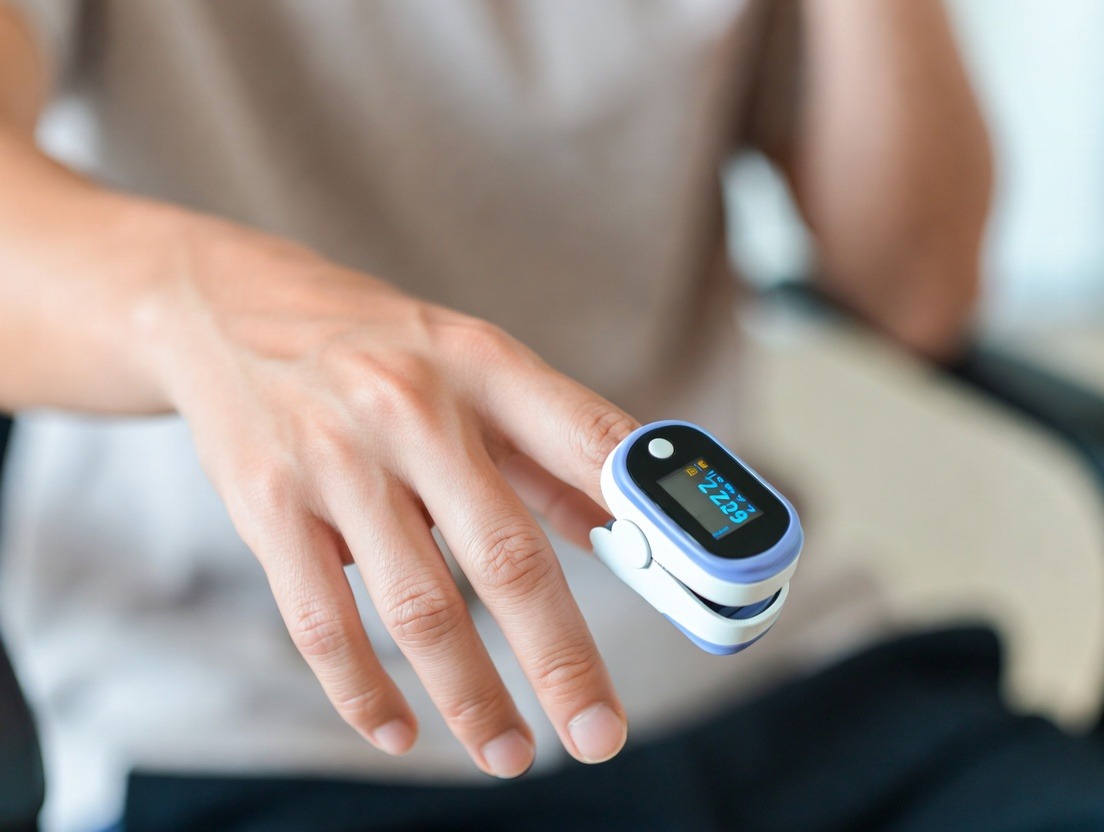
Modern Health Monitoring: Biomarkers We Can Now Track Daily
Lists the specific biological markers that can now be conveniently tracked outside a lab.
Modern Health Monitoring: Biomarkers We Can Now Track Daily
For centuries, understanding our body’s internal state was a reactive endeavor. We waited for a cough to turn into a chest infection, for fatigue to become debilitating, or for a doctor’s visit—often prompted by noticeable symptoms—to reveal numbers from a single point in time. Health was a snapshot, often developed in a dim room after a fast. But what if your health could be a continuous, high-definition movie? What if you could see the subtle daily fluctuations of your heart, your metabolism, your nervous system, and your resilience, not as isolated events, but as a flowing narrative about you?
Welcome to the era of modern health monitoring, a paradigm shift from episodic check-ups to daily, actionable self-knowledge. This revolution is powered by two converging forces: groundbreaking advances in miniaturized biosensor technology and a profound deepening of our scientific understanding of biomarkers.
Biomarkers are the measurable signals our bodies broadcast every second. They are the objective clues to our physiological state—from the obvious, like heart rate, to the deeply molecular, like cortisol rhythms. For decades, tracking these reliably meant bulky hospital machines or invasive blood draws. Today, wearable technology, epitomized by the sophisticated simplicity of the smart ring, has democratized this access. These devices are no mere step-counters; they are personal biostations, capturing a symphony of data from your finger—a uniquely rich vascular site—while you work, sleep, and live.
This article is your deep dive into this new world of self-quantification. We will move beyond the basics and explore the specific, powerful biomarkers we can now track daily. We’ll unravel what they truly mean for your vitality, performance, and long-term health, moving from the foundational metrics of sleep and activity to the cutting-edge frontiers of metabolic and nervous system monitoring. This is not about fostering anxiety over every data point; it’s about cultivating empowerment through context. It’s about learning the unique language of your body so you can make informed choices that enhance your wellbeing, prevent burnout, and optimize your life.
The journey from data to wisdom begins here. Let’s explore the biomarkers that turn everyday wearables into windows to your wellness.
The Foundational Quartet: Sleep, Activity, Heart, and Recovery
Before we ascend to the complex peaks of metabolic health and nervous system balance, we must establish base camp. The foundation of any effective daily health monitoring regimen rests on four interconnected pillars: Sleep, Activity, Heart Rate, and Recovery. These are not siloed metrics; they form a dynamic, conversational ecosystem. Poor sleep undermines your workout performance and elevates resting heart rate. Strenuous activity, if not balanced with proper recovery, fragments sleep. Understanding this dialogue is the first step toward true health intelligence.
Sleep: The Non-Negotiable Pillar of Biomarker Regeneration Sleep is far from a passive state. It is a highly active, curated period of biological maintenance where critical biomarkers are regulated and restored. Modern wearables track far more than just “time in bed.” They analyze the architecture of your sleep through metrics like:
Sleep Stages: The cyclical journey through light, deep, and REM sleep. Deep sleep is crucial for physical repair and immune function, while REM sleep is essential for memory consolidation and emotional processing.
Sleep Latency: The time it takes you to fall asleep. Consistently prolonged latency can be a key indicator of stress or poor sleep hygiene.
Sleep Efficiency: The percentage of time in bed actually spent sleeping. Low efficiency often points to frequent awakenings or restless sleep.
Wake After Sleep Onset (WASO): The total time spent awake after initially falling asleep. This is a critical metric for assessing sleep continuity.
Tracking these parameters transforms abstract feelings of “tiredness” into objective data. You might discover that your perceived 8-hour sleep is only 6.5 hours of actual, efficient rest. This data is the catalyst for change, guiding you toward establishing a wind-down ritual. For a structured approach to improving this foundational pillar, consider exploring our science-backed nighttime routine for better sleep.
Activity and Movement: Beyond the 10,000-Step Myth While step count is a useful baseline, modern monitoring embraces a richer picture of movement. This includes:
Active Minutes: Time spent in moderate-to-vigorous activity, which directly correlates with cardiovascular benefit.
Non-Exercise Activity Thermogenesis (NEAT): The calories burned through all movement outside of formal exercise—fidgeting, standing, walking. NEAT can be a major lever for metabolic health.
Activity Patterns: The rhythm of sedentariness vs. movement throughout your day. Breaking up long periods of sitting with brief walks has profound benefits for glucose metabolism and vascular health.
Heart Rate: The Rhythmic Drum of Your Physiology Your heart rate is a responsive, real-time biomarker. Daily tracking reveals your personal baselines and variations:
Resting Heart Rate (RHR): Measured best during stable sleep or upon waking, a lower RHR generally indicates better cardiovascular fitness and efficient autonomic function. A sustained elevation can signal illness, dehydration, or excessive stress.
Heart Rate Variability (HRV): The subtle, millisecond variations in time between each heartbeat. Contrary to intuition, higher HRV is typically better, indicating a robust, adaptable autonomic nervous system. We will delve into HRV’s profound significance in a dedicated section later.
Recovery: The Metric That Tells You When to Push and When to Pause Recovery is the outcome of the sleep-activity-heart conversation. It’s a composite score, often synthesized from RHR, HRV, sleep quality, and recent activity load. A high recovery score suggests your body is primed for physical or mental challenge. A low score is a clear signal from your body to prioritize rest, hydration, and stress management. Ignoring this biomarker is a fast track to overtraining, burnout, and diminished returns on your efforts.
Mastering this foundational quartet provides the essential context for all other biomarkers. They are the canvas upon which the more detailed picture of your health is painted.
Heart Rate Variability (HRV): Your Ultimate Stress and Resilience Gauge
If you were to choose one biomarker that most elegantly summarizes the dynamic balance within your body, Heart Rate Variability would be a prime contender. Far from being an obscure metric for elite athletes, HRV has emerged as a profoundly accessible window into your autonomic nervous system (ANS) and your overall resilience. Understanding HRV is a masterclass in listening to your body’s most subtle signals.
What HRV Actually Measures: The Wisdom of the Interval HRV measures the tiny variations in time between successive heartbeats, typically measured in milliseconds. If your heart beat like a perfect metronome—1000 ms, 1000 ms, 1000 ms—your HRV would be zero. But a healthy heart, under the influence of the continuous tug-of-war between the two branches of your ANS, displays beautiful irregularity: 980 ms, 1012 ms, 995 ms, and so on.
The sympathetic nervous system (fight-or-flight) accelerates heart rate and decreases variability.
The parasympathetic nervous system (rest-and-digest) slows heart rate and, crucially, increases variability.
Thus, a higher HRV generally indicates strong parasympathetic tone and a nervous system that is resilient, adaptable, and well-recovered. A lower HRV suggests dominant sympathetic drive, often from stress, illness, poor sleep, or overtraining.
Interpreting Your Daily HRV: Trends Over Absolute Numbers The most critical principle with HRV is to track your own trends, not compare your number to others. Your baseline is unique. A reading of 45 ms might be low for one person and excellent for another.
A Rising Trend: This is a positive sign. It can indicate that your training is effective, your stress management is working, your sleep quality is improving, or you’re adapting positively to a new healthy habit.
A Sustained Declining Trend: This is your body’s early-warning system. It often appears before you feel overtly sick or exhausted. A consistent drop can flag impending illness, chronic stress, insufficient recovery, or poor lifestyle choices.
Actionable Insights from HRV Data HRV moves you from guessing to knowing.
Training Optimization: Use HRV to guide workout intensity. A notably low HRV reading upon waking might suggest opting for a light recovery day instead of a high-intensity session, preventing overtraining and injury.
Stress Management Validation: See the direct impact of meditation, breathwork, or a nature walk on your nervous system. A practice like a calming nighttime wellness routine for anxious minds can have a measurable, positive effect on next-morning HRV.
Lifestyle Experimentation: Test how different factors affect you. Does alcohol lower your HRV for two days? Does an earlier bedtime raise it? Does a difficult work project create a detectable dip? HRV provides objective feedback, making you the scientist of your own life.
By paying attention to HRV, you learn to respect your body’s need for balance. It is the quintessential biomarker for the modern era, teaching us that true strength lies not in constant output, but in our capacity to recover, adapt, and thrive amidst life’s demands.
Body Temperature: The Circadian Rhythm’s Rosetta Stone
For generations, we’ve understood body temperature in a binary context: normal or fever. But continuous temperature monitoring, particularly the subtle variations of your core temperature, reveals a different story—a story of rhythmic, predictable fluctuation that is fundamental to nearly every aspect of your health. Your body temperature is not a flat line; it is a wave, and riding that wave effectively is key to energy, sleep, metabolism, and immune function.
The Core Temperature Rhythm: Your Internal Tide A healthy circadian rhythm orchestrates a daily temperature curve:
Morning: Your temperature is at its lowest point, typically in the early morning hours (e.g., 4-6 AM). This dip helps facilitate deep sleep.
Daytime: Upon waking, your temperature begins a steady climb, peaking in the late afternoon or early evening. This rise promotes alertness, cognitive function, and physical performance.
Evening: As bedtime approaches, your core temperature begins a deliberate decline. This drop is a critical biological signal for sleep onset—it’s your body’s way of opening the “gate” to sleep.
This elegant rhythm is governed by your master biological clock in the hypothalamus and is exquisitely sensitive to light, activity, and behavior.
What Daily Tracking Reveals: Beyond Fever Detection A wearable that tracks peripheral temperature (like your finger) can infer this core rhythm and provide groundbreaking insights:
Circadian Rhythm Health: A flattened, erratic, or phase-shifted temperature curve is a major red flag for circadian disruption. This can be caused by shift work, excessive blue light at night, inconsistent sleep schedules, or cross-time-zone travel.
Ovulation Prediction: For women, continuous temperature tracking can identify the subtle rise in basal body temperature (BBT) that occurs after ovulation due to increased progesterone. This provides valuable data for fertility awareness or simply understanding cyclical energy patterns.
Illness Onset Prediction: One of the most powerful applications. Many viral and bacterial infections trigger an inflammatory response before you feel symptoms. This often manifests as an elevated resting temperature—a “fever trend”—overnight or upon waking. Seeing this early warning can allow you to proactively rest, hydrate, and modify your plans, potentially shortening illness duration.
Metabolic Insights: An abnormally low baseline temperature can sometimes indicate a sluggish thyroid (hypothyroidism), while the body’s ability to regulate temperature is tied to metabolic efficiency.
Optimizing Your Life with Temperature Data Understanding your temperature rhythm allows you to harmonize your schedule with your biology.
Schedule Important Work: Plan cognitively demanding tasks for your peak temperature window in the late afternoon.
Optimize Sleep Timing: Initiate your wind-down routine as your temperature naturally begins to fall in the evening. This aligns your behavior with your biology for easier sleep onset.
Listen to Early Warnings: A sustained elevation in your nightly temperature baseline is a clear signal to prioritize immune-supportive behaviors: extra sleep, reduced stress, and nourishing food.
In essence, body temperature tracking decodes your circadian health. It teaches you to respect your internal clock, making you more resilient, productive, and in tune with your body’s natural wisdom.
Blood Oxygen Saturation (SpO2): Monitoring Your Vital Gas Exchange
Breathing is so automatic we rarely give it a second thought—until it becomes difficult. Blood Oxygen Saturation, or SpO2, is the metric that quantifies the silent, vital process of gas exchange in your lungs. It represents the percentage of hemoglobin in your blood that is carrying oxygen. While a clinical-grade measurement is essential for diagnosing conditions, daily wearable tracking of SpO2 trends has opened a new frontier in personalized respiratory and sleep health awareness.
Understanding SpO2: The 95–100% Zone At sea level, a normal SpO2 reading for a healthy individual typically ranges from 95% to 100%. Values consistently below 95% (especially during rest) warrant medical consultation, as they can indicate potential issues with lung function, circulation, or breathing. The power of wearable tracking lies not in diagnosing hypoxemia (low blood oxygen), but in monitoring variations and nocturnal trends that were previously invisible.
The Nighttime Story: Unveiling Sleep-Related Breathing While your SpO2 should remain stable during wakeful rest, sleep tells a different story. This is where continuous monitoring becomes exceptionally valuable.
Normal Nocturnal Dips: It’s common for SpO2 to dip slightly (by 2-4%) during sleep due to reduced breathing drive. This is usually insignificant.
Significant Nocturnal Dips: Repeated, pronounced dips below 92-90% can be a strong indicator of sleep-disordered breathing. The most common form is Obstructive Sleep Apnea (OSA), where the airway partially or fully collapses during sleep, interrupting breathing and causing oxygen desaturations. These events fragment sleep (even if you don’t fully wake) and strain the cardiovascular system.
Actionable Insights from Daily SpO2 Monitoring
Sleep Quality Investigation: If you consistently wake feeling unrefreshed despite adequate sleep duration, and your wearable shows frequent SpO2 dips, it provides objective data to discuss with a sleep specialist. It moves the conversation from “I’m tired” to “My data shows 15 events per hour where my oxygen dropped below 90%.”
Wellness and Fitness Context: Observe how lifestyle factors affect your respiratory baseline. Acute alcohol consumption before bed is a known respiratory depressant and can worsen nocturnal SpO2 dips. Altitude changes will also directly affect readings.
Illness Recovery Tracking: During respiratory illnesses like colds, flu, or bronchitis, monitoring SpO2 can provide reassurance that levels remain stable or alert you to seek care if they trend downward.
Holistic Health Correlation: Low nocturnal SpO2 can contribute to morning headaches, daytime fatigue, and elevated resting heart rate. Seeing these correlations in your data helps you connect disparate symptoms.
Integrating SpO2 into a Holistic View SpO2 data should never be viewed in isolation. It gains profound meaning when correlated with other biomarkers.
SpO2 + Heart Rate: A simultaneous spike in heart rate during an SpO2 dip is a classic sign of a breathing event, as your body’s stress response activates to restore airflow.
SpO2 + Sleep Stages: Desaturations often cause micro-arousals, pulling you out of deep or REM sleep without full consciousness, leading to poor sleep architecture.
SpO2 + HRV: Chronic sleep fragmentation from breathing issues can suppress HRV, indicating long-term stress on the nervous system.
By tracking SpO2, you gain a silent guardian for your respiratory health. It empowers you to investigate the quality of your sleep’s restorative power, ensuring that the air you breathe is truly fueling your body through the night. For those looking to improve the foundational quality of their rest, addressing breathing is a key component, which can be supported by building a nighttime routine that actually sticks.
Respiratory Rate: The Silent Messenger of Stress, Fitness, and Sleep
While we consciously control our breathing during meditation or exercise, our resting respiratory rate (RR)—the number of breaths we take per minute while at ease—is an involuntary process masterfully regulated by the brainstem. This autonomy makes it a remarkably honest biomarker. Free from conscious manipulation, your respiratory rate is a direct telegraph of your physiological and psychological state, offering deep insights into fitness, stress, and sleep quality.
The Baseline of Breath: What’s Normal? For a healthy adult at rest, a typical respiratory rate falls between 12 and 20 breaths per minute. Like heart rate, your personal baseline is what matters most. An endurance athlete might have a resting RR of 10-12, reflecting highly efficient gas exchange. Continuous tracking establishes your normal, making deviations meaningful.
Decoding the Messages in Your Breath Rate
The Stress Signal: The sympathetic nervous system’s “fight-or-flight” response doesn’t just accelerate the heart; it also quickens the breath to prepare for action. A sustained elevation in your resting RR, especially when sitting quietly, can be one of the earliest and most sensitive indicators of psychological stress, anxiety, or even subclinical inflammation. It’s your body whispering “I’m on alert” before your mind acknowledges it.
The Fitness Indicator: With improved cardiovascular fitness and lung efficiency, the body requires fewer breaths to achieve the same gas exchange. A gradual lowering of your average resting RR over months can be a rewarding, objective sign of improved aerobic fitness.
The Sleep Architecture Revealer: Respiratory rate follows a distinct pattern during sleep. It typically slows and becomes very regular during deep sleep (N3). In REM sleep, breathing becomes more variable and irregular, mirroring the brain’s activity. Wearables can track this, providing another layer of sleep stage validation. Furthermore, a pattern of paused breathing (apneas) or dramatic increases in RR followed by drops can indicate sleep-disordered breathing events.
The Illness Harbinger: Similar to resting heart rate, a unexplained increase in resting respiratory rate can be an early sign of an oncoming infection, such as a cold or flu, or a flare-up of a pulmonary condition. It’s a parameter often monitored closely in clinical settings for this reason.
From Awareness to Action: Using RR Data
Real-Time Stress Management: Notice your RR creeping up during a stressful workday? That’s your cue to take a five-minute break for diaphragmatic breathing (which consciously lowers RR) to reset your nervous system.
Recovery Guidance: A higher-than-normal resting RR post a strenuous workout or competition can indicate that your body is still in a heightened metabolic state and needs more focus on cool-down and recovery protocols.
Sleep Quality Investigation: Correlate periods of erratic or elevated RR during sleep with times of restlessness or low SpO2. This can build a stronger case for investigating sleep quality issues beyond just feeling tired.
Holistic Health Correlation: Track how different elements of your wind-down routine affect your nocturnal respiratory rate. A calm, stable RR during sleep is a sign of a well-regulated nervous system, something that can be cultivated through consistent evening habits. You can find foundational steps to start this process in our guide to the minimal nighttime wellness routine with 5 essential steps.
In a world of constant stimulation, respiratory rate is a grounding metric. It reminds us that the simple, automatic act of breathing holds a wealth of information about our inner state, waiting to be listened to.
The Emerging Frontier: Glucose and Metabolic Health
For decades, understanding your body’s response to food required a visit to the lab for a fasting glucose test or an arduous hemoglobin A1c. While these are critical diagnostic tools, they provide a static, averaged picture. The new frontier of daily health monitoring is dynamic glucose monitoring (DGM), which reveals the real-time spikes, dips, and rhythms of your blood sugar throughout the day and night. This isn’t just for diabetics; it’s for anyone interested in optimizing energy, mood, cognitive function, and long-term metabolic health.
Why Everyone Should Care About Glucose Variability Even in non-diabetic individuals, large and frequent swings in blood glucose—a rollercoaster of spikes after meals and subsequent crashes—can have detrimental effects:
Energy and Mood Crashes: A glucose crash (hypoglycemia) triggers the release of stress hormones like cortisol and adrenaline, leading to irritability, anxiety, brain fog, and intense food cravings.
Inflammatory Response: Post-meal glucose spikes can induce oxidative stress and acute inflammation, a driver of cellular aging.
Metabolic Strain: Consistently demanding large insulin responses to manage high glucose peaks can, over time, contribute to insulin resistance, the precursor to Type 2 diabetes.
What Continuous Glucose Data Reveals Using minimally invasive sensors (often on the arm), DGM tracks your glucose levels every few minutes, painting a detailed picture of your personal metabolism.
Personalized Nutrition: This is the most powerful application. You discover which foods your body processes well, and which cause disproportionate spikes. The classic example: two people can eat the same bowl of oatmeal and have wildly different glucose responses based on their individual insulin sensitivity, microbiome, and activity level.
The Impact of Meal Sequencing: Data shows that eating vegetables and protein before carbohydrates can dramatically flatten the glucose curve of the subsequent carbs.
The Exercise Effect: See the immediate glucose-lowering impact of a post-meal walk and the longer-term improvements in baseline glucose from regular exercise.
Stress and Sleep Connections: Observe how a poor night’s sleep or a stressful day can lead to higher glucose responses to identical meals, mediated by cortisol.
Nocturnal Patterns: Discover if you experience “dawn phenomenon” (a natural pre-waking rise) or if your glucose dips dangerously low during sleep, which can disrupt rest.
Integrating Glucose Awareness with Foundational Habits Metabolic health is deeply intertwined with circadian and sleep health.
Meal Timing: Aligning eating windows with your circadian rhythm (e.g., avoiding large meals late at night) can improve glucose metabolism.
Sleep’s Critical Role: Poor sleep directly impairs insulin sensitivity. Prioritizing high-quality sleep is a non-negotiable pillar of good glucose control. For those with busy schedules, finding ways to integrate realistic nighttime routines for busy professionals is a key strategy.
The Activity Link: Light activity after meals is a potent tool for glucose management, connecting directly to the NEAT (Non-Exercise Activity Thermogenesis) data from your movement tracker.
Glucose monitoring democratizes a level of metabolic self-knowledge previously unavailable. It moves nutrition from generic rules to personalized, data-informed choices, empowering you to fuel your body in a way that sustains steady energy, sharp cognition, and long-term health.
Nervous System Balance: From Sympathetic Drive to Parasympathetic Rest
Our exploration of biomarkers brings us to the command center that influences nearly all of them: the autonomic nervous system (ANS). As we’ve seen with HRV and respiratory rate, the ANS is a constant balancing act between the accelerator (sympathetic “fight-or-flight”) and the brake (parasympathetic “rest-and-digest”). Modern health monitoring doesn’t just measure outcomes of this balance; advanced wearables are now beginning to provide more direct, nuanced insights into your nervous system’s state throughout the day and night.
Beyond HRV: New Metrics of ANS Activity While HRV is a superb composite metric, new analytical models and sensor data allow for deeper inference:
Sympathetic and Parasympathetic “Load” Estimates: Some advanced algorithms now attempt to quantify the relative contribution or activation level of each branch over time. You might see data showing high sympathetic drive during a work presentation, followed by a slow return to parasympathetic dominance during a walk in nature.
Stress State Detection: By combining heart rate, HRV, heart rate dynamics, and sometimes motion, wearables can label periods of your day as “stressful” or “calm” with increasing accuracy. This isn’t about judging emotional stress, but identifying physiological stress responses.
Recovery State Analysis: Similarly, they can identify when you are in a true recovery state—characterized by low heart rate, high HRV, and stable breathing—which is when the most profound physical and mental repair occurs.
The 24-Hour Nervous System Rhythm: A Story of Peaks and Valleys A healthy nervous system is dynamic, not static. It’s designed to engage powerfully when needed and disengage completely for restoration.
The Ideal Day: A healthy rhythm shows moderate sympathetic activation during waking hours, enabling focus, productivity, and physical activity, punctuated by parasympathetic breaks (like after a meal). The sympathetic system should disengage as evening approaches.
The Evening Wind-Down: A successful transition to sleep is parasympathetically led. This is why activities that stimulate the “rest-and-digest” system—like gentle stretching, reading, or meditation—are so effective before bed. This transition is so critical that we’ve dedicated an entire guide to how a nighttime routine transforms your sleep quality.
The Nocturnal Reset: Deep sleep should be a period of profound parasympathetic dominance and low sympathetic activity. If your data shows high sympathetic “load” or frequent stress state detections during sleep, it is a major disruptor of cellular repair, memory consolidation, and hormonal regulation.
Using Data to Train Your Nervous System This level of insight turns your wearable into a biofeedback device.
Identify Stress Triggers: You may discover that a certain type of meeting, your commute, or even specific digital interactions reliably trigger a physiological stress state you weren’t fully conscious of.
Validate Calming Practices: Quantify the nervous system impact of your meditation, breathwork (like 4-7-8 breathing), or time in nature. See how quickly they can shift you from a “stress” to a “calm” state.
Optimize Work-Rest Cycles: Use your data to implement true breaks. If you work for 90 minutes and your data shows sustained sympathetic activation, a 10-minute parasympathetic-boosting break (not scrolling on your phone) can reset your system for the next focus block.
Protect Sleep Integrity: Let nervous system data reinforce the non-negotiable nature of your pre-sleep routine. Seeing the direct correlation between a chaotic evening and a sympathetic-dominant night of sleep is a powerful motivator for change.
Understanding your nervous system balance is the pinnacle of biomarker intelligence. It empowers you to move from being a passenger to being a pilot of your own physiological state, consciously cultivating resilience and ensuring that your body’s most fundamental control system is operating in harmony.
The Recovery Matrix: Synthesizing Data for Holistic Insight
By this point, we’ve journeyed through a landscape of individual biomarkers—each a vital instrument in the orchestra of your health. But the true magic, the symphony itself, emerges when these instruments play together. This is the domain of the Recovery Matrix: the synthetic, intelligent interpretation of multiple data streams to provide a cohesive, actionable picture of your readiness and resilience. It’s where raw data transforms into personal wisdom.
What is a Recovery Score? Most advanced wellness platforms synthesize key biomarkers into a single daily score or status (e.g., “Ready,” “Recovering,” “Strained”). This score is typically derived from:
Sleep Quality & Quantity: The foundation of recovery.
Heart Rate Variability (HRV): The prime indicator of autonomic nervous system balance.
Resting Heart Rate (RHR): Its deviation from your baseline.
Recent Activity Load: How much physiological stress you’ve incurred from exercise.
Respiratory Rate & Temperature: Their stability or deviations.
The algorithm weighs these factors against your personal baselines, not population averages. A score of 85% doesn’t mean you’re 85% healthy; it means your body’s systems are indicating a high state of readiness relative to your own normal capacity.
Interpreting the Composite Picture The power lies in the interplay. For example:
Scenario A (High Readiness): You scored 8.5 hours of sleep with high efficiency, your HRV is at your 90th percentile, RHR is at your baseline, and your activity load from yesterday was moderate. The Recovery Matrix will likely show a high score, signaling “Go—you’re primed for a challenging workout or a demanding cognitive day.”
Scenario B (Low Readiness – Fatigue): You slept only 5 hours with high restlessness, HRV is very low, RHR is elevated by 8 BPM, but your activity load was zero. The matrix will show a low recovery score, suggesting “Rest—your body is dealing with a stressor (likely sleep debt), not exercise load. Prioritize sleep and gentle recovery.”
Scenario C (Low Readiness – Overreaching): You slept 9 hours, but your HRV is low and RHR is elevated after three consecutive days of intense training. The matrix flags “Strained”—this is likely exercise-induced fatigue. The prescription might be an active recovery day, not complete rest.
The Matrix as a Decision-Support Tool This synthesized insight moves you beyond guesswork in daily choices:
Training Planning: It provides objective feedback to periodize your workouts, helping you avoid the common pitfall of chronic overreaching, which leads to plateaus and injury.
Lifestyle Pacing: On days with low recovery scores, you might choose to delegate a stressful task, say no to an extra commitment, or be more diligent with nutrition.
Experiment Analysis: Did that new supplement, earlier dinner, or different workout time help or hurt your overall recovery? The composite score gives you a clear, holistic answer.
Long-Term Trend Analysis: Watching your recovery score trends over weeks and months reveals your resilience cycle. You can identify patterns of gradual build-up and necessary deload periods, both in fitness and in life.
Ultimately, the Recovery Matrix teaches a critical modern skill: listening to the integrated voice of your body. It helps you align your ambition with your capacity, ensuring that your drive for achievement is sustainably supported by a foundation of genuine recovery. For anyone looking to systematically improve this foundation, examining and refining your evening habits is a powerful lever. You can start by exploring nighttime wellness rituals that take less than 30 minutes.
Personal Baselines and Longitudinal Tracking: You vs. You
In a world saturated with health comparisons—from social media fitness ideals to generalized population ranges—the most liberating and scientifically sound principle of modern health monitoring is this: Your most important benchmark is your past self. The ultimate power of daily tracking is not in hitting a mythical “optimal” number, but in establishing your unique, personal baselines and observing meaningful deviations from them over time. This longitudinal view turns data into your personal health biography.
Why Population Averages Are Often Misleading A chart showing “normal” HRV from 20-200 ms or “average” sleep duration of 7 hours is of limited use to you as an individual. Your genetics, age, fitness level, lifestyle, and even personality traits create a unique physiological fingerprint.
Your “normal” resting heart rate might be 58 BPM, while your partner’s is 68 BPM. Neither is inherently better; what matters is when your 58 BPM jumps to 65 BPM for three days straight.
Your deep sleep might naturally constitute 15% of your sleep, while another person reliably gets 25%. Chasing someone else’s percentage is futile and stressful. The goal is to stabilize and protect your pattern.
The Process of Establishing Your Baselines A reliable wearable, worn consistently, needs time—typically at least two to four weeks of normal routine—to learn your rhythms. During this period, it’s gathering data on:
Circadian Rhythms: Your typical temperature minimum and peak, your HRV and RHR patterns throughout the day.
Sleep Architecture: Your personal ratio of light, deep, and REM sleep.
Activity Responses: How your heart rate and HRV typically respond to different types and intensities of exercise.
Weekly Patterns: How your metrics differ between weekdays and weekends.
Once these baselines are established, the software can identify statistically significant deviations, flagging what is truly unusual for you.
The Profound Insights from Long-Term Trends Looking at your data over months and years reveals stories that daily snapshots cannot.
Aging Gracefully: You can observe the natural, gradual changes in your physiology—like a very slow rise in resting heart rate or a change in sleep structure—and differentiate them from acute health issues.
Lifestyle Impact Analysis: See the long-term effect of a consistent meditation practice, a change in diet, a new job, or becoming a parent on your foundational biomarkers. This is evidence-based life analysis.
Seasonal Cycles: You may discover you need more sleep in winter (your data shows longer sleep duration and higher sleep drive scores) or that your HRV is highest in autumn. This allows you to adapt your routines to your body’s seasonal needs with intelligence, not just guesswork.
Preventative Awareness: A gradual, multi-month decline in HRV or a creeping increase in resting heart rate, despite stable habits, can be an early prompt to investigate underlying factors like subtle chronic stress, a dietary intolerance, or the need for a more thorough medical check-up.
Cultivating a Healthy Relationship with Your Data Longitudinal tracking encourages a healthy, non-obsessive perspective. You learn that a single “bad” day of data is noise. You become less reactive to daily fluctuations and more attentive to sustained trends. This fosters self-compassion and curiosity rather than judgment. You start asking “What is my body telling me?” instead of “Why am I failing?”
This journey of you vs. you is the heart of personalized health. It empowers you to become the world’s leading expert on your own body, making informed decisions that are perfectly tailored to your unique, evolving biology.
The Technology Enabling This Revolution: From Clinic to Wrist (and Finger)
The profound insights we’ve explored are not the result of abstract science alone; they are made tangible by a breathtaking acceleration in biosensor technology, data science, and wearable form factors. The journey of these biomarkers from the confines of a sleep lab or clinical spirometer to a device you forget you’re wearing is a story of miniaturization, optical innovation, and computational power. Understanding the “how” deepens our appreciation of the data and helps us use these tools more effectively.
The Mighty Photoplethysmogram (PPG) Sensor At the core of most wearables is a PPG sensor. This deceptively simple technology uses light to measure blood volume changes in microvascular beds.
How It Works: Green LED light (optimal for detecting blood flow in capillaries) is shone onto the skin, typically on the wrist or finger. A photodetector measures how much light is absorbed or reflected. With each heartbeat, blood volume in the vessels increases, absorbing more light. The detector captures these subtle, rhythmic changes.
The Data Stream: This raw PPG signal is a treasure trove. Its primary frequency gives us heart rate. The subtle variations in the timing between peaks are analyzed to calculate Heart Rate Variability (HRV). The amplitude and shape of the waveform can infer blood oxygen saturation (SpO2) by using additional red and infrared LEDs. Even respiratory rate can be derived, as breathing causes a slow, periodic modulation in the baseline of the PPG signal (known as Respiratory Sinus Arrhythmia).
Why the Finger? The Smart Ring Advantage While wrist-based wearables are common, the finger—specifically the base of the finger—presents unique advantages for biomarker capture:
Arterial Richness: The palmar digital arteries provide a strong, central arterial pulse signal, often cleaner than the more peripheral capillaries of the wrist.
Reduced Motion Artifact: During sleep and daily typing, the finger is relatively still compared to the wrist, leading to cleaner data, especially for HRV and SpO2.
Consistent Wear: A well-designed ring is less likely to be removed, ensuring continuous 24/7 data capture, which is critical for temperature and circadian rhythm tracking.
Thermal Coupling: The finger provides a reliable site for continuous peripheral temperature monitoring, which closely follows core temperature rhythms.
Inertial Measurement Units (IMUs) and Beyond PPG is complemented by accelerometers and gyroscopes (IMUs) that track movement. This is crucial for:
Activity Recognition & Intensity: Differentiating a walk from a run, counting steps, and estimating caloric expenditure.
Sleep Stage Estimation: While not a substitute for polysomnography (PSG), sophisticated algorithms use movement and heart rate patterns to make highly educated inferences about sleep stages (wake, light, deep, REM).
Guided Breathing: Using haptic feedback to pace your breathing for relaxation.
The Intelligence Layer: Algorithms and Machine Learning The raw sensor data is just the beginning. The true value is created by proprietary algorithms that:
Clean the Signal: Filter out noise from motion.
Derive Metrics: Calculate HRV, SpO2, respiration, etc., from the PPG waveform.
Synthesize Insights: Create recovery scores and stress states by fusing multiple data streams.
Personalize: Continuously learn and adapt to your individual baselines using machine learning.
This technological symphony—hardware miniaturization, optical sensing, and intelligent software—has democratized health awareness. It has placed a personal health observatory on your body, silently gathering the narrative of your physiology, day and night. To ensure this technology captures your most restorative data, it’s essential to pair it with habits that promote signal quality, like minimizing disruptive motion before bed, a concept explored in our article on nighttime routine mistakes that ruin your sleep.
From Data to Behavior: The Psychology of Sustainable Change
We now arrive at the most critical junction in our journey: the bridge between insight and action. Amassing a library of beautiful biomarker data is intellectually fascinating, but its true purpose is to inspire and guide positive, sustainable change. Without this step, monitoring risks becoming a source of anxiety or a passive spectator sport. The ultimate goal is to use these objective mirrors of our physiology to cultivate a more attuned, responsive, and healthier relationship with ourselves.
Navigating the Pitfalls: Data Anxiety and Obsession The first challenge is psychological. The constant availability of data can lead to:
Orthosomnia: A preoccupation with perfecting sleep data, which in itself can create performance anxiety and ironically worsen sleep.
Biomarker Hypochondria: Fretting over every minor dip in HRV or spike in resting heart rate, attributing normal biological variability to pathology.
Comparison Despair: Using community forums or social media to compare your numbers to others, leading to feelings of inadequacy.
The antidote to these pitfalls is the longitudinal, personal baseline mindset we previously established. Remember: Trends are teachers; single points are noise.
The “Test, Learn, Adapt” Framework Transform your relationship with data from passive observation to active experimentation. This is a cyclical process:
Observe & Question: “I notice my HRV is consistently lowest on Monday mornings. I also feel groggy. What’s different about Sunday?”
Form a Hypothesis: “I usually have a glass of wine and stay up later watching movies on Sunday night. Maybe that’s disrupting my sleep and recovery.”
Intervene & Test: “For the next two Sundays, I’ll skip alcohol and start my wind-down routine by 9:30 PM with a book instead of a screen.”
Measure the Impact: Check your Monday morning HRV, sleep efficiency, and resting heart rate for the next two weeks. Did they improve? How do you feel?
Adapt and Integrate: If the data and feeling align positively, you’ve discovered a powerful personal insight. Integrate this change. If not, form a new hypothesis (e.g., “Maybe it’s the late, heavy dinner…”).
Building Keystone Habits: The Power of the Evening Routine The most effective interventions are often not grand overhauls but small, consistent keystone habits that positively influence multiple biomarkers simultaneously. The pre-sleep routine stands as the supreme keystone habit for holistic health because it directly impacts:
Sleep Quality & Quantity: The obvious and primary target.
Nervous System Balance: Shifting from sympathetic to parasympathetic dominance.
Circadian Rhythm: Reinforcing the temperature drop signal for sleep.
Next-Day Recovery & Readiness: Setting the stage for high HRV and low RHR upon waking.
This is why so many high-performers are meticulous about their evenings. It’s not about rigidity; it’s about creating a protective ritual for their recovery. You can delve into the structures that work for others in our piece on how successful people structure their nighttime routines.
Celebrating the Feeling, Not Just the Number Finally, the most important metric of all is your subjective lived experience—your energy, mood, focus, and sense of vitality. Use your biomarker data to explain and enhance your feelings, not replace them. The goal is for the data on your phone to eventually resonate so clearly with your internal sense of wellbeing that your intuitive choices align seamlessly with what the numbers suggest. You become embodied and data-informed.
This is the promise of modern health monitoring: not a life governed by graphs, but a life enriched by self-knowledge. It’s the journey from tracking biomarkers to cultivating bio-awareness, where technology serves as a guide back to your own innate wisdom.
The Future Is Now: Predictive Analytics and Proactive Health
The evolution of health monitoring is on the cusp of its most profound leap: moving from descriptive and diagnostic insights to predictive and prescriptive intelligence. We are transitioning from understanding what happened to your body yesterday to forecasting what is likely to happen tomorrow and receiving personalized suggestions to alter that trajectory for the better. This is the shift from reactive wellness to proactive, truly preventative health.
The Predictive Power of Biomarker Convergence A single biomarker like elevated resting heart rate can hint at many things. But when an algorithm analyzes the convergence of multiple subtle deviations—a slight elevation in nocturnal temperature, a 10% dip in HRV, an increase in sleep latency, and a jump in resting respiratory rate—it can identify a pattern. This pattern, compared against vast anonymized datasets, can predict with increasing probability that you are in a pre-symptomatic state, likely to feel the onset of an illness like a common cold within 24-48 hours. This isn't science fiction; it's the logical next step of the longitudinal baselines we've established. Your body telegraphs its distress long before your conscious mind perceives "I'm getting sick."
From Prediction to Prescription: The "Nudge" Ecosystem Prediction alone can induce anxiety. The true value lies in the prescriptive "nudge"—the actionable recommendation based on that prediction.
Scenario: Your wearable's algorithm detects a high-probability "immune stress" pattern on Tuesday evening.
Prescriptive Nudge: Instead of just a red alert, you receive a notification: "Your body is showing signs of fighting something off. For optimal recovery tonight, consider: 1) Advancing your bedtime by 45 minutes. 2) Drinking an extra glass of water. 3) Skipping intense exercise tomorrow in favor of gentle movement. Here’s a quick, 30-minute nighttime wellness ritual to support your system."
Outcome: You heed the nudge. By Thursday, your biomarkers stabilize, and you never develop full-blown symptoms. You’ve successfully used data for prevention.
Personalized Habit Coaching Beyond acute predictions, this technology will evolve into a true habit coach. By learning your unique responses, it can guide optimization in real-time.
"Your glucose data shows a significant spike after your usual lunch. Try adding a 10-minute walk afterward—it typically reduces your post-meal spike by 35%."
"Your HRV recovery after workouts is slowest when you exercise after 8 PM. For better overnight recovery, aim to finish your session by 7 PM."
"You have a high-stress day on your calendar. Your body tends to benefit from a 5-minute breathing session at 11 AM and 3 PM on such days. Would you like to schedule a reminder?"
This transforms the device from a tracker to an intelligent partner in health, offering micro-suggestions that compound into massive long-term benefits.
The Integration with Digital and Clinical Health The future is connected. Secure, privacy-focused sharing of your longitudinal biomarker trends with your healthcare provider can revolutionize consultations.
Instead of "I've been tired," you can say, "My data shows a 40% reduction in my deep sleep percentage and a rising resting heart trend over the last six weeks."
Remote patient monitoring for chronic conditions like hypertension or metabolic syndrome becomes seamless, with clinicians alerted only to meaningful, sustained deviations.
This creates a "continuous check-up" model, where health is managed in the flow of life, not just in 15-minute annual appointments.
This predictive, integrated future is where daily biomarker tracking fulfills its ultimate promise: giving us the foresight and the tools to not just manage health, but to cultivate and protect it proactively, turning the science of longevity into a daily practice.
Biomarkers in Action: Targeted Protocols for Common Goals
With a firm grasp on the individual biomarkers and the future landscape, let's apply this knowledge pragmatically. How do we orchestrate these data points to achieve specific, real-world wellness goals? Below are targeted protocols that combine biomarker awareness with actionable lifestyle changes.
Goal 1: Enhance Cognitive Function & Mental Clarity
Brain fog, afternoon slumps, and lack of focus are often biomarkers in disguise. The protocol for mental clarity targets the trifecta of metabolic stability, cerebral blood flow, and nervous system balance.
Key Biomarkers to Monitor:
Glucose Variability: Aim for flat, steady curves. Sharp spikes and crashes directly impair cognitive function and promote neuroinflammation.
HRV: Higher HRV is correlated with better executive function, faster reaction times, and emotional regulation.
Sleep (Deep & REM): Deep sleep clears metabolic waste from the brain (via the glymphatic system), while REM sleep is essential for memory consolidation and creativity.
Actionable Protocol:
The Clarity-Focused Morning: Delay caffeine by 90 minutes after waking to avoid the adenosine crash later. Start with sunlight exposure and hydration. Use your first peak of cortisol for focused, deep work.
Fuel for Steady Fire: Build meals with fiber, healthy fat, and protein to blunt glucose spikes. A mid-afternoon dip? Try a walk and a handful of nuts instead of a sugary snack. Observe how these choices reflect in your glucose and energy stability.
Strategic Recovery Breaks: Use your wearable’s stress or recovery score as a cue. When it indicates tension, take a 5-minute break for box breathing (in for 4, hold for 4, out for 6). This boosts parasympathetic activity (HRV) and resets focus.
The Cognitive Wind-Down: Protect sleep architecture fiercely. The brain’s cleaning and filing processes are non-negotiable. This means a consistent, screen-light pre-bed routine is a cognitive performance strategy, not just a sleep aid. For professionals, this is a competitive advantage, which is why we detail nighttime wellness for busy professionals.
Goal 2: Optimize Athletic Performance & Recovery
For athletes and fitness enthusiasts, biomarkers shift the training paradigm from "harder is better" to "smarter is superior." The goal is to maximize adaptive response while minimizing injury and overtraining risk.
Key Biomarkers to Monitor:
HRV & Recovery Score: Your daily "readiness" gauge. The single best indicator of whether to train hard, train light, or rest.
Resting Heart Rate (RHR): A sustained elevation of 7+ BPM above baseline often indicates incomplete recovery.
Nocturnal Heart Rate: Should be low and stable. Elevated nighttime heart rate is a classic sign of metabolic stress from overreaching.
Sleep (Deep Sleep): Critical for human growth hormone (HGH) release and physical repair of muscles and tissues.
Actionable Protocol:
Let Data Dictate the Day’s Intensity: Make it a rule to check your recovery score before planning your workout. A low score means pivoting to mobility, technique work, or complete rest. This prevents digging a deeper recovery hole.
Quantify the Impact: Post-workout, note not just how you felt, but how your body responded. Did that new interval session cause a concerning HRV drop or elevated RHR for two days? That’s valuable feedback on the session's stress load.
Leverage Nutritional Timing: Use glucose monitoring to see how different pre- and post-workout fuels affect your performance and recovery metrics. Does a banana 30 minutes before a run stabilize your energy? Does post-workout protein aid in overnight HRV recovery?
Prioritize the Sleep of Champions: Athletic recovery happens almost exclusively during deep sleep. An athlete’s nighttime routine is as important as their training plan. It should be non-negotiable, focusing on cooling the body, calming the nervous system, and ensuring duration. Discover specialized strategies in our guide to the nighttime routine for athletes maximizing recovery while you rest.
Goal 3: Build Resilience to Chronic Stress
Chronic stress wears down the body systemically. This protocol isn't about eliminating stress (an impossibility), but about raising your resilience threshold—your ability to experience stress and return to baseline quickly.
Key Biomarkers to Monitor:
HRV Trend: Your resilience scorecard. A chronically low or declining trend is the hallmark of depleted resilience.
Resting Respiratory Rate: A canary in the coal mine for autonomic nervous system tension.
Sleep Latency & WASO: Stress directly hijacks the ability to fall and stay asleep.
Nocturnal Cortisol (inferred): While not directly measured, frequent nighttime awakenings (especially between 2-4 AM) and elevated nighttime heart rate can indicate a dysregulated cortisol rhythm.
Actionable Protocol:
Identify Your Unique Stress Signatures: Use your data to discover your body’s first physical sign of stress overload. Is it a clenched jaw noticed via increased waking? A quickened breath rate? An elevated resting heart rate by noon? This awareness allows for early intervention.
Schedule Parasympathetic Breaks: Don’t wait until you’re overwhelmed. Schedule short, deliberate recovery periods based on your daily rhythm. After a known stressful meeting, block 10 minutes for a mindful walk or breathing exercise. Use these breaks to actively improve your real-time physiology.
Craft a Buffering Evening Ritual: The hours before bed are critical for stress decompression. This ritual must actively dismantle the sympathetic charge of the day. This could involve journaling to download worries, gentle yoga to release physical tension, or a gratitude practice. For those whose stress manifests as anxiety, a tailored approach is essential, as outlined in the nighttime wellness routine for anxious minds.
Practice Cyclical Living: Resilience is built in cycles of stress and recovery, not in a state of constant grind. Use your weekly biomarker trends to plan a true recovery day each week—a day with no obligatory work, extra sleep, time in nature, and activities that bring joy. This deliberate down-regulation prevents burnout.
By applying biomarker intelligence to these specific goals, we move beyond generic advice. We enter a realm of personalized, feedback-driven self-optimization, where every choice is informed by a deeper understanding of its impact on our intricate biology.
Navigating Limitations and Cultivating Data Wisdom
As we embrace the power of daily biomarker tracking, it is equally critical to navigate its limitations with clear eyes and cultivate a mindset of "data wisdom." Technology is a magnificent tool, but it is not a substitute for clinical expertise, bodily intuition, or common sense. A mature approach balances enthusiasm with discernment.
Understanding the Technical Limitations
Precision vs. Clinical Accuracy: Wearables provide high-precision data (they measure consistently), but their absolute accuracy can differ from gold-standard medical devices. A smart ring SpO2 reading of 94% is a reliable trend indicator but should not be used for a clinical diagnosis of hypoxemia. The trends are the treasure.
Inferential, Not Direct Measurement: Wearables infer most biomarkers (like sleep stages, HRV) from peripheral signals like heart rate and movement. They are sophisticated estimators, not direct brain or blood monitors. A sleep tracker labels "REM sleep" based on heart rate variability and immobility; it doesn't measure brain waves.
The Placebo and Nocebo Effect of Tracking: The mere act of tracking can change behavior (the Hawthorne Effect). This is generally positive! However, an obsessive focus on a "bad" number (the nocebo effect) can create stress that worsens the very metric you're worried about.
When to Consult a Healthcare Professional Biomarker data is a powerful conversation starter with your doctor, but it is not a replacement for their training. Seek professional advice when:
You observe sustained, concerning trends that deviate from your baseline: e.g., a consistent drop in HRV over weeks with no lifestyle change, persistently elevated RHR, or regular, significant nocturnal SpO2 dips.
You have specific, recurring symptoms (e.g., daytime fatigue, chest pain, shortness of breath) that correlate with abnormal data.
You wish to use the data to manage a diagnosed condition (like hypertension, insomnia, or metabolic syndrome). A doctor can help you integrate this data into a formal care plan.
Crucially: Never delay seeking urgent medical care based on a normal reading from a wearable. If you feel acutely unwell, trust your symptoms first.
Cultivating Data Wisdom: The Balanced Approach
Focus on Macro-Trends, Not Micro-Fluctuations: A one-day dip in a metric is noise. A two-week trend is a signal. Train yourself to look at weekly and monthly averages.
Prioritize Subjective Feeling: Always cross-reference your data with your lived experience. If your recovery score is 90% but you feel exhausted, honor the fatigue. The data may have missed something, or your body may be asking for rest beyond what the algorithm can detect. You are the ultimate integrator.
Use Data to Foster Self-Compassion, Not Self-Judgment: See a poor sleep score not as a failure, but as evidence that your nervous system needs more support. Let the data guide you toward kinder choices, not harsher criticism.
Take Regular "Data Holidays": Consider taking a day or a weekend off from checking your metrics, especially if you feel it’s becoming compulsive. Reconnect with how you feel without the numbers. This can reset your relationship and prevent burnout from tracking itself.
Let Data Reveal, Not Rule: The goal is for the insights to become so internalized that you naturally make better choices. Eventually, you may not need to check your sleep score to know you benefit from a wind-down routine; you simply feel the difference and do it. The data has served its purpose as a teacher.
By embracing both the potential and the limitations, we avoid the trap of becoming servants to our data. Instead, we become masters of it, using this extraordinary technological mirror to see ourselves more clearly, act more wisely, and live more vitally.
The Ethical Frontier: Privacy, Ownership, and the Future of Our Biological Data
As we enthusiastically map the intimate terrain of our bodies, we must pause to consider the ethical landscape we are creating. The data generated by daily health monitoring—our sleep patterns, stress responses, metabolic fluctuations, and circadian rhythms—is not just data; it is highly sensitive biological information. It reveals not only our current state of health but also intimate patterns of behavior, potential future vulnerabilities, and our unique physiological identity. Navigating the ownership, privacy, and use of this data is the next critical frontier.
The Value and Vulnerability of Biomarker Data This data has immense value:
To You: For self-optimization and health empowerment.
To Researchers: In aggregate and anonymized form, it can unlock population-level health insights faster than any clinical study in history.
To Companies: It can fuel the development of better algorithms and products.
To Insurers and Employers: This is where ethical lines blur. Could patterns in your sleep data be used to infer mental health status? Could trends in your HRV be used as a proxy for "stress resilience" in a workplace wellness program with punitive premiums?
The central question becomes: Who owns the narrative of your body?
Principles for Ethical Data Engagement As consumers and users, we must be proactive and informed:
Ownership and Portability: You should own your raw biomarker data. Seek out platforms that allow you to easily download and export your complete data history in a standardized format (like JSON or CSV). This prevents vendor lock-in and gives you control.
Transparent Privacy Policies: Read how a company uses your data. Do they sell aggregated, anonymized data to third parties? Do they use your individual data to train their algorithms? Is data shared with affiliates for marketing? Opt for companies with clear, "plain English" policies that prioritize user privacy.
The Anonymization Imperative: For data used in research, true anonymization—where it is impossible to re-identify the individual—is non-negotiable. Be wary of vague promises of "de-identification," which can sometimes be reversed.
Guarding Against Bias: Algorithms trained on non-diverse datasets can produce biased results. A sleep staging algorithm trained primarily on young, male athletes may misclassify sleep for an older woman. Ethical companies are transparent about their training data diversity and work to mitigate algorithmic bias.
Shaping a Responsible Future The wellness tech industry and its users must collectively advocate for:
A "Hippocratic Oath" for Health Data: A commitment by companies to first, do no harm with user data, using it primarily to benefit the individual user.
Strong Regulatory Frameworks: Policies that treat intimate biomarker data with the same sensitivity as genetic information, protecting it from use in insurance underwriting or employment decisions without explicit, informed consent.
Digital Health Literacy: Educating users not just on how to read their data, but on their digital rights. Understanding terms like "data provenance" and "algorithmic transparency" will become as important as understanding HRV.
Our biomarkers tell the story of our life in process. As we author this story with our daily choices, we must also fiercely protect the rights to the manuscript. The future of health monitoring must be built on a foundation of trust, transparency, and individual sovereignty, ensuring that the quest for optimization never comes at the cost of our privacy or autonomy.
Conclusion to Part One: Integrating Biomarkers into a Cohesive Life Philosophy
We have journeyed from the foundational rhythms of sleep and heart rate to the predictive horizons of proactive health, from the technical marvel of photoplethysmography to the ethical imperatives of data ownership. This exploration reveals a profound truth: modern health monitoring, at its best, is not a hobby for quantified-self enthusiasts. It is a foundational tool for conscious living in a high-demand world.
The myriad biomarkers we can now track daily are not isolated metrics to be hacked in isolation. They are interconnected threads in the tapestry of your wellbeing. Pulling one thread—say, sacrificing sleep for more work—unravels others: HRV drops, glucose control suffers, stress resilience plummets, and temperature rhythms blur. Conversely, strengthening one foundational thread, like protecting your sleep with a consistent step-by-step nighttime wellness routine, strengthens the entire fabric: recovery improves, metabolic health stabilizes, and cognitive function sharpens.
The ultimate goal of this knowledge is not to live by the graph, but to let the graph inform a richer, more attuned life. It is to replace the vague sense of "I'm tired" or "I'm stressed" with clarity and agency. It is to move from being a passenger in your body to being a skilled pilot, capable of reading the instrument panel and navigating toward vitality.
This first portion of our exploration has laid the comprehensive groundwork. We have defined the landscape of daily biomarkers, understood their meanings, and seen how to apply them to common goals. We've peered into the future and established crucial ethical guardrails.
In the next portion of this article, we will dive even deeper. We will explore advanced topics such as:
The Biomarkers of Longevity: Tracking the metrics most associated with healthspan and cellular aging.
Gender-Specific Biomarker Rhythms: A deep dive into how menstrual cycles and menopause affect biomarker baselines and interpretation.
Advanced Biohacking Synergies: How to combine biomarker data with specific interventions like cold exposure, targeted supplementation, and light therapy.
Building Your Personal Biomarker Dashboard: A practical guide to prioritizing which metrics matter most for your unique goals and creating a simple, actionable review system.
Case Studies in Transformation: Real-world examples of individuals who used biomarker tracking to solve persistent health puzzles, from unexplained fatigue to athletic plateaus.
The journey into self-knowledge is continuous. You have now equipped yourself with the map and the compass. The path to a more intentional, vibrant, and resilient life, guided by the silent language of your own body, lies ahead.



%402x.svg)