


How Modern Health Monitoring Changed Sleep Science
Details how modern sleep tracking technology has revolutionized our understanding of personal sleep health.
Details how modern sleep tracking technology has revolutionized our understanding of personal sleep health.
%402x.svg)
For centuries, sleep was a silent, mysterious kingdom. We entered it nightly, surrendered to its depths, and emerged with only fragmented dreams and a vague sense of rest to report. Doctors and scientists, armed with nothing but patient questionnaires and rudimentary observations, could only scratch the surface of what truly transpired in the dark. Sleep science, as a field, was forced to rely on subjective, often flawed data—how long did it take you to fall asleep? How many times did you wake up? How rested do you feel? The answers were estimations at best, fabrications at worst, painting a blurry picture of a critically important biological process.
Then, a revolution began—not in a lab with a giant MRI machine, but on our wrists and, more discreetly, on our fingers. The advent of modern health monitoring, particularly through consumer-grade wearable technology like smart rings and advanced watches, has fundamentally and irrevocably transformed our understanding of sleep. It has democratized sleep science, turning every user into a walking (and sleeping) repository of objective, biometric data. We are no longer merely subjects of sleep studies; we have become active participants in a grand, global experiment in nocturnal self-knowledge.
This seismic shift is about more than just counting steps or hours in bed. It’s about decoding the hidden architecture of sleep through heart rate variability (HRV), tracking the subtle dance of core body temperature, monitoring blood oxygen saturation (SpO₂) throughout the night, and analyzing movement patterns with astonishing precision. This continuous, granular data stream has debunked long-held myths, revealed profound personal variations, and created a new paradigm: sleep is not a monolithic state of "off," but a complex, dynamic, and highly measurable pillar of health. This article explores how the lens of modern health monitoring has refocused, sharpened, and expanded the entire field of sleep science, moving us from an era of generalized guesswork to one of personalized, data-driven insight. The journey into the night has never been clearer.

Before the soft glow of LED screens displaying sleep scores, humanity’s relationship with sleep was shrouded in mystery and mythology. Ancient civilizations often attributed sleep to supernatural forces—the departure of the soul, the influence of gods, or a state akin to temporary death. Medical understanding, from the humoral theories of Galen to the musings of the Renaissance, was speculative at best. The 19th century saw the first inklings of a more scientific approach, but the tools were blunt. The invention of the electroencephalogram (EEG) in the 1920s by Hans Berger was the true Big Bang of sleep science, allowing researchers to see the electrical symphony of the brain for the first time and leading to the classification of sleep stages: wake, N1, N2, N3 (deep sleep), and REM.
However, this breakthrough created a significant dichotomy. In the controlled environment of the sleep lab—the polysomnography (PSG) suite—science flourished. Researchers could collect a rich, multi-modal data set: brain waves (EEG), eye movements (EOG), muscle activity (EMG), heart rate, and breathing. This was and remains the gold standard for diagnosing disorders like sleep apnea, narcolepsy, and parasomnias. But it had a critical, inherent flaw: the first-night effect. The experience of sleeping in a strange room, tethered to a nest of wires, with cameras observing and technicians monitoring, is profoundly unnatural. The data captured, while physiologically precise, could be ecologically invalid—it wasn’t necessarily representative of how a person slept in the comfort and security of their own bed.
For the vast majority of people outside the lab, understanding their sleep remained an exercise in subjectivity. Sleep diaries and retrospective questionnaires like the Pittsburgh Sleep Quality Index were the primary tools. These relied entirely on imperfect human perception and memory. How accurately can anyone recall the exact moment they drifted off? Can we truly count micro-awakenings we don’t fully remember? This era was defined by a massive data gap. Clinicians were making life-altering diagnoses and recommendations based on lab data that might not reflect reality, or on patient reports that were inherently fuzzy. The landscape was one of extremes: either the intrusive, high-fidelity world of the lab, or the low-resolution, guesswork-based world of the home. There was no bridge between them, leaving a chasm in our true understanding of sleep as a lived, nightly experience.
The bridge was built not by sleep scientists, but by the relentless march of consumer electronics and miniaturized sensor technology. The journey began with basic accelerometers in fitness trackers that could crudely distinguish between wake and sleep based on movement. While a monumental first step, it was like judging a symphony by feeling the floor vibrate—you knew something was happening, but you couldn't appreciate the complexity.
The true revolution arrived with the integration of photoplethysmography (PPG). This technology, which uses tiny LED lights to measure blood flow changes under the skin, unlocked a treasure trove of biometric data. Suddenly, a device on your wrist or finger could continuously track heart rate, and more importantly, heart rate variability (HRV)—the subtle, millisecond variations between heartbeats that serve as a powerful proxy for your autonomic nervous system's state. High HRV during sleep generally indicates better recovery and restorative rest, a metric previously reserved for elite athletes in lab settings.
This was swiftly followed by sensors for peripheral blood oxygen saturation (SpO₂), skin temperature, and even electrodermal activity. The smart ring, a form factor gaining rapid popularity, offers a unique advantage here. Positioned on the finger, it often provides more consistent and accurate PPG data than the wrist, which is prone to movement artifacts, especially during sleep. Devices like the Oura Ring pioneered this space, but the market has expanded significantly, with offerings from companies like Circular, RingConn, and Ultrahuman.
The impact of this democratization cannot be overstated. Sleep science exploded in scale. Instead of studies with dozens or hundreds of participants burdened by the first-night effect, researchers could now design large-scale, longitudinal studies using data from hundreds of thousands of users sleeping in their natural environments. This "big data" approach has revealed patterns and correlations that were previously invisible. It has shifted the focus from diagnosing pathology in a small subset to understanding optimization for the entire population. The question is no longer just "Do you have a sleep disorder?" but "How efficient is your sleep architecture?" and "Is your sleep truly restorative?" The laboratory came home, and it became personal.
For decades, the monolithic "eight hours of sleep" was the undisputed mantra of public health advice. It was a simple, round number that was easy to communicate, but it obscured the profound complexity of what actually happens during those hours. Modern health monitors have shattered this one-size-fits-all dogma by providing a clear, visual map of sleep architecture—the cyclical pattern of sleep stages we progress through each night.
By analyzing combinations of movement, heart rate, and HRV, advanced algorithms can now make highly educated estimates of these stages. Users see not just a block of "sleep," but a detailed hypnogram showing their journey through Light Sleep (N1/N2), Deep Sleep (N3, or Slow-Wave Sleep), and REM Sleep. This visualization has been revelatory. It has shown scientists and users alike that:
By moving the conversation from duration to architecture, health monitors have empowered people to become experts on their own sleep patterns. They can see the direct impact of a late-night workout, a glass of wine, or a stressful day on the delicate balance of their stages. The goal is no longer a vague "eight hours," but a personal, optimal structure that prioritizes the continuity and proportion of these vital stages.
If sleep architecture is the "what" of sleep, then the autonomic nervous system (ANS) is the "why." The ANS, comprising the sympathetic ("fight-or-flight") and parasympathetic ("rest-and-digest") branches, governs all the automatic processes in our body. For decades, measuring its state was a clinical procedure. Now, through the analysis of heart rate variability (HRV), health monitors provide a nightly window into this critical system.
HRV is not your average heart rate. While resting heart rate tells you how many times your heart beats per minute, HRV measures the precise, millisecond variations between each beat. A higher, more variable HRV is generally indicative of a strong, resilient parasympathetic nervous system and good cardiovascular fitness. It signifies a body that is adaptable and in a state of recovery.
During sleep, a healthy pattern emerges. As we transition into deep sleep, the parasympathetic system should dominate, promoting deep rest and recovery. This is often reflected in a higher, more chaotic HRV. Conversely, if the sympathetic system remains activated—due to stress, illness, or poor lifestyle choices—HRV can remain suppressed, and the body misses its crucial recovery window.
This real-time ANS feedback is arguably the most significant contribution of modern health monitoring to sleep science. It reframes the core purpose of sleep from simple "rest" to systemic recovery and nervous system regulation. The data makes it undeniable: a night where you log 8 hours of "sleep" but have a low, flat HRV is not a restorative night. You may have been physically still, but your nervous system was on high alert.
This insight has profound implications. It connects sleep quality directly to stress resilience, athletic performance, metabolic health, and mental well-being. It explains why simply being in bed isn't enough. To truly harness sleep's power, we must create conditions—both internally and externally—that promote parasympathetic dominance. This understanding naturally leads to the development of targeted nighttime wellness rituals that take less than 30 minutes to signal safety to the nervous system, a far more sophisticated approach than the old advice of just "going to bed earlier."
One of the most direct and potentially life-saving impacts of modern health monitoring has been in the realm of sleep-disordered breathing. Obstructive Sleep Apnea (OSA), characterized by repeated pauses in breathing during sleep, has long been under-diagnosed. Many sufferers have no memory of their nightly struggles, attributing their daytime fatigue and brain fog to other causes. The path to diagnosis traditionally required an intimidating and often backlogged sleep lab study.
The integration of pulse oximetry (SpO₂) sensors into wearables has changed this landscape. By tracking blood oxygen levels throughout the night, these devices can detect the characteristic "sawtooth" pattern of cyclic dips (desaturations) caused by apneas and hypopneas. While not a diagnostic replacement for a medical-grade PSG, they serve as a powerful screening and awareness tool.
For the first time, individuals can see objective data showing their oxygen levels dropping precipitously dozens or even hundreds of times a night. A graph showing frequent dips below 90% saturation is a compelling, visual alarm bell that prompts medical consultation. This has led to a surge in people seeking treatment who otherwise might have suffered for years, unknowingly increasing their risk for hypertension, heart disease, and stroke.
Furthermore, advanced devices now use their motion and PPG sensors to estimate respiratory rate. A stable, slow respiratory rate during sleep is a sign of good autonomic regulation. Significant deviations or erratic patterns can provide additional clues about sleep quality and stress. This constant monitoring has also revealed phenomena like sleep hypoventilation (shallow breathing) and the impact of sleeping position on breathing, allowing for personalized interventions like positional therapy.
By bringing this silent, nocturnal threat into the light of day through accessible data, health monitors have created a new first line of defense in public health. They have transformed users from passive sleepers into informed guardians of their own respiratory health, enabling earlier intervention and fundamentally changing the narrative around this common and dangerous disorder.
The old adage of being a "morning lark" or a "night owl" was often dismissed as personal preference or poor discipline. Modern health monitoring, by tracking the precise timing of sleep onset, wake times, and the quality of sleep in different hours, has validated the science of chronobiology on a mass scale. It has proven that our chronotype—our innate, genetically influenced biological clock—is a powerful determinant of sleep quality and overall health.
Devices that track sleep consistency show a clear picture: when you sleep in alignment with your chronotype, the metrics improve. Sleep efficiency (the percentage of time in bed actually spent asleep) goes up, deep and REM sleep become more abundant, and morning resting heart rate tends to be lower. Conversely, forcing an owl into an early lark schedule, or vice versa, creates social jetlag—a chronic misalignment between your internal clock and social obligations. Health monitors quantify this jetlag, linking it to poorer sleep metrics, higher stress (via HRV), and increased daytime fatigue.
This has revolutionized sleep advice. Instead of universally recommending a 10 p.m. bedtime, the focus is now on regularity and personal rhythm. The data empowers individuals to find their own "golden window" for sleep onset and to protect their natural wake-up time, even on weekends, to maintain circadian stability. It also highlights the critical role of light exposure in setting this clock. Many apps now integrate with wearable data to provide personalized advice on morning light viewing and evening light avoidance, creating a feedback loop where behavior modifies biology, and biology is then measured again.
Understanding your chronotype through data isn't just about better sleep; it's about scheduling demanding cognitive work, workouts, and meals at optimal times for your body. It’s a move towards truly personalized health, acknowledging that the timing of our behaviors is as important as the behaviors themselves. For those struggling to adapt, exploring a science-backed nighttime routine for better sleep that respects individual chronotype can be transformative.
Prior to continuous biometric tracking, understanding the impact of daily habits on sleep was a game of correlation and guesswork. You might feel like coffee after 2 p.m. hurt your sleep, or that a stressful meeting left you tossing and turning. Now, health monitors allow for a precise cause-and-effect audit. The "Readiness" or "Recovery" score in the morning becomes a quantitative verdict on the previous day's choices.
Users can engage in personal experiments with clear results:
This ability to audit turns sleep from a passive state into an active performance metric. It fosters a profound sense of agency. People are no longer victims of "bad sleep." Instead, they are investigators using data to identify the lifestyle "levers" they can pull to improve their recovery score. This scientific approach to self-experimentation is at the heart of modern biohacking and personalized wellness. It moves beyond folklore ("have a warm milk") to actionable, individualized insight. For the busy professional trying to navigate these choices, finding a realistic nighttime routine that positively moves these metrics is key.
The culmination of all these data streams—architecture, HRV, SpO₂, temperature, and lifestyle logging—has birthed a new paradigm: proactive sleep optimization. We are no longer simply trying to fix "bad sleep" after it happens (reactive). We are now using daily data to predict and positively influence tonight's sleep (proactive).
Modern health platforms don't just show you what happened; they offer personalized, contextual recommendations. If your resting heart rate is elevated and your HRV is low for the third morning in a row, the system might detect a pattern and suggest: "Your body is showing signs of sustained stress. Consider a lighter workout today and focus on wind-down relaxation tonight." It might notice that on days you log a 30-minute walk after dinner, your sleep latency (time to fall asleep) decreases, and gently nudge you to repeat that behavior.
This transforms the device from a simple tracker into a sleep coach. It helps users understand the concept of sleep pressure (the build-up of adenosine) and circadian drive, and how daytime habits affect both. It encourages behaviors that build strong sleep pressure (like morning light and physical activity) while protecting the wind-down process that allows the circadian rhythm to take over smoothly.
The goal becomes maximizing sleep efficiency and restorative value, not just duration. It's about creating the ideal internal and external environment for the complex physiological processes of sleep to unfold unimpeded. This proactive stance is the essence of modern sleep science applied personally. It’s what makes building a nighttime routine that actually sticks so powerful—it’s a systematic, data-informed method for ensuring your body and mind are primed for optimal recovery every single night.
While the impact of modern health monitors is undeniable, it is crucial to understand their limitations—a sign of a maturing, responsible science. These devices are powerful estimators, not medical devices. Their "sleep stages" are algorithmic predictions based on movement, heart rate, and HRV patterns, not direct measurements of brain waves (EEG). The correlation with PSG is strong, particularly for distinguishing wake, light, and deep sleep, but errors can occur, especially in accurately pinpointing REM sleep, which shares some physiological similarities with light sleep.
Furthermore, they cannot diagnose the content of sleep. They can't see brain wave fragmentation (a sign of poor sleep quality even without conscious awakening), measure specific neurotransmitter levels, or decode the narrative of dreams. The subjective, experiential quality of sleep—the feeling of refreshment—remains partially elusive to pure biometrics.
This is where the future is headed. The next generation of sleep science, supercharged by health monitoring, lies in multi-modal integration and advanced sensing. We are seeing the beginnings of:
The trajectory is clear: towards more seamless, comprehensive, and clinically precise monitoring that blends objective biometrics with subjective well-being. The goal is a complete, 360-degree view of sleep health, where data from your ring, your bed, your environment, and even your own reports fuse into a coherent, actionable picture.
The ultimate value of all this data is not in the numbers themselves, but in the behavioral change they inspire. Modern sleep science, delivered via your health monitor, provides the "why" and the "what," but the "how" is up to you. The final step is using these insights to consciously craft your personal sleep sanctuary—an environment and a routine engineered for restorative success.
This means acting on the audit. If your data shows your temperature doesn't drop efficiently, you might prioritize a cool bedroom (65-68°F or 18-20°C) and a hot bath 90 minutes before bed (which causes a compensatory cool-down). If HRV indicates high stress at bedtime, you might integrate a consistent wind-down protocol featuring breathing exercises, gentle stretching, or meditation to activate the parasympathetic system. If your sleep architecture is fragmented, you might look at noise and light pollution, investing in blackout curtains and a white noise machine.
The data allows you to move from generic advice to precision sleep hygiene. Your sanctuary becomes unique to you: the right temperature, the right sounds, the right pre-sleep ritual, all validated by your own biometric feedback. It turns your bedroom from a mere place to collapse into a dedicated recovery zone. For those starting this journey, a great foundation can be found in a minimal nighttime wellness routine of 5 essential steps, which uses core principles that positively influence nearly every metric we've discussed.
The final, crucial piece of the modern sleep optimization puzzle exists not within our bodies, but around them. While we’ve unlocked the biometric language of sleep through wearables, the environment we sleep in acts as the translator, either facilitating a smooth conversation between our physiology and rest or introducing disruptive noise. The "Data-Driven Bedroom" is the concept of using objective feedback from health monitors to systematically engineer the physical space and sensory inputs of the sleep environment for maximum restorative efficiency. This is where personal insight meets practical application.
For generations, advice on the sleep environment was generic: "keep it dark, quiet, and cool." Health monitoring has now given us the tools to define those terms with personal precision. What is "cool" for you? Your core body temperature data can reveal the exact thermal range in which you experience the most stable, deep sleep. What is "quiet"? Your sleep fragmentation graph can show you if subtle, inconsistent noises (a partner’s snoring, distant traffic, a creaking house) are causing micro-awakenings you don’t consciously recall, but which sabotage sleep continuity. Even "dark" has a new dimension. Light exposure data, coupled with sleep latency (time to fall asleep) metrics, can illustrate how even small amounts of blue light from a charger LED or street lamp can delay melatonin release and push back your sleep onset.
This environmental audit, guided by data, moves us from guesswork to scientific iteration. You might install blackout shades and see a measurable increase in your REM sleep duration. You might experiment with a white noise machine and watch your "time awake" metric drop. You could lower your thermostat by two degrees and observe a faster decline in your nighttime heart rate, indicating a more efficient transition into parasympathetic dominance. The bedroom becomes a laboratory, and your sleep score is the daily result. This process of environmental tuning is a foundational step for anyone, but it’s especially critical for anxious minds whose nervous systems are hyper-vigilant to external disruptions.
We've examined the individual instruments—HRV, SpO₂, temperature, movement—but the true power of modern sleep science lies in the symphony they create when played together. No single metric tells the whole story. It is the integration and cross-analysis of these data streams that provides a holistic, robust picture of nocturnal health and daytime readiness.
Consider a night with three data points:
This is a limited, frustrating picture. Now, layer in the full biomarker symphony:
Suddenly, the vague "terrible sleep" has a detailed diagnostic profile. The integrated data suggests interventions: evaluate sleep posture or allergies (for SpO₂), cool the bedroom and stop eating 3 hours before bed (for temperature), and implement a rigorous wind-down routine to lower sympathetic tone (for HRV). The device isn't just reporting a problem; it's guiding the solution by showing which physiological systems are off-track.
This holistic view is the cornerstone of advanced platforms that provide a single "Readiness" or "Recovery" score. These scores are not arbitrary; they are weighted algorithms that synthesize the night's biometric symphony into a single, actionable piece of intelligence for the day ahead. They answer the critical question: "Given how my body recovered last night, what is it capable of today?" This allows for truly intelligent daily planning, aligning workload, workout intensity, and social demands with your body's actual capacity, a principle that is central to how successful people structure their nighttime routines—they use data to inform tomorrow's actions.
Beyond diagnosing classic conditions like severe sleep apnea, the sensitivity of modern health monitors has unveiled a spectrum of subclinical and previously elusive sleep disruptions. These are the disorders that might not qualify for a clinical diagnosis in a traditional sleep lab but are significant enough to erode sleep quality, impair daytime function, and increase long-term health risks.
Upper Airway Resistance Syndrome (UARS) is a prime example. Unlike obstructive sleep apnea, UARS doesn't always cause full apneas (complete breathing pauses) or major oxygen desaturations. Instead, it involves increased respiratory effort against a partially narrowed airway, leading to frequent Respiratory Effort-Related Arousals (RERAs). These are micro-awakenings, often too brief to remember, that fragment sleep architecture. In a standard at-home sleep test focused on oxygen dips, UARS can be missed. However, a sophisticated health monitor tracking heart rate variability and pulse wave amplitude can detect the telltale signs: a spike in heart rate followed by a surge in HRV at the termination of the effort, a pattern that repeats hundreds of times a night. Seeing this "sawtooth" pattern in your HRV graph, correlated with a high resting heart rate and poor sleep scores despite adequate time in bed, can be the first clue to seek a specialist familiar with UARS.
Similarly, monitors are revealing the impact of periodic limb movement disorder (PLMD) and subtle bruxism (teeth grinding) through movement and heart rate signatures. They can highlight non-24-hour sleep-wake disorder in blind individuals or shift workers by meticulously tracking how their sleep timing drifts each day. This granular data empowers individuals to present concrete evidence to their doctors, moving the conversation from "I'm tired" to "My data shows 47 potential arousal events per hour linked to breathing irregularities." It is catalyzing a new era of precision sleep medicine focused on optimization at the margins, not just the remediation of severe pathology.
A fascinating and perhaps unexpected outcome of the health monitoring revolution is the powerful psychological and behavioral feedback loop it creates. The mere act of observing one's own sleep data has a profound impact on sleep-related behaviors and even perceptions—a phenomenon rooted in behavioral psychology and the Hawthorne Effect (where individuals modify their behavior in response to being observed).
This loop operates in several key ways:
This feedback loop is the secret sauce that turns information into transformation. The monitor becomes a coach, a mirror, and a motivator, closing the gap between knowledge and action in a way that pre-digital sleep science never could.
One of the most promising frontiers in modern sleep science is the use of longitudinal sleep and biometric data as a predictive diagnostic tool. Because sleep is a period of heightened vulnerability and systemic restoration, subtle deviations in its patterns can serve as early-warning signs of impending illness, metabolic shifts, or mental health challenges, often days before overt symptoms arise.
Health monitors, by establishing an individual's personal biometric baseline, become exquisitely sensitive detectors of deviation. Researchers and algorithm developers are now identifying telltale patterns:
This predictive capacity transforms the health monitor from a sleep tracker into a continuous health sentinel. It enables a proactive, preventative approach to health management. Rather than waiting for a problem to become symptomatic enough to visit a doctor, individuals can note these deviations and take supportive actions—increased rest, hydration, stress management—potentially mitigating the severity or duration of an issue. It represents a shift from sick-care to true health-care, with sleep data at its core.
The trajectory of sleep science, supercharged by health monitoring, points toward a future of deeply personalized, algorithm-driven sleep medicine. We are moving beyond the era of simple tracking and into the realm of prescriptive analytics and closed-loop systems. The future sleep clinic may not involve a bed in a strange room, but a continuous data stream from your life, analyzed by AI to provide hyper-personalized guidance.
This future is being built on several key pillars:
In this future, sleep optimization becomes a seamless, almost invisible part of daily life. The goal is not just to measure sleep, but to orchestrate it perfectly in harmony with an individual's unique physiology, lifestyle, and goals. This is the ultimate promise of the data revolution: not just understanding sleep, but mastering it.
As we enthusiastically embrace the insights from our sleep data, we must also navigate the complex and critical ethical landscape that this new technology creates. The data generated during sleep is arguably some of the most intimate and vulnerable health data we can produce—a nightly polygraph of our physical and mental state. Who owns this data? How is it used? Who benefits? These questions are paramount.
Key ethical considerations include:
Navigating this ethical terrain is as important as the technological advances themselves. The future of sleep science must be built on a foundation of trust, equity, and transparency to ensure its benefits are realized widely and responsibly.
The aggregation of millions of individual sleep datasets is creating an unprecedented resource: a real-time, global map of human sleep health. This population-level data is moving public health policy and workplace wellness from theoretical models to evidence-based strategies grounded in the actual behavior and physiology of people in their natural environments.
The insights from this "big sleep data" are already profound:
This shift transforms sleep from a private affair to a public health vital sign, as important as diet and exercise. It allows us to see sleep not just as an individual responsibility, but as an outcome shaped by societal structures, policies, and the built environment. The goal becomes creating a world that is conducive to healthy sleep for all.
To move from theory to tangible impact, let's examine how modern health monitoring is changing lives in concrete ways. These anonymized case studies illustrate the power of data-driven insight.
Case Study 1: The "Healthy" Snorer
Case Study 2: The Chronotype Warrior
Case Study 3: The Overtraining Enigma
Modern health monitoring has shattered the illusion that sleep exists in a vacuum. One of the most profound revelations from continuous biometric data is the intricate, two-way street between nocturnal recovery and daily nutrition. We are no longer asking, "What did I eat today?" and "How did I sleep last night?" as separate questions. Instead, we are analyzing how the timing, composition, and quantity of our food directly script the physiological narrative of our sleep. This synergy is rewriting the rules of both sleep science and nutritional biochemistry.
For decades, the advice was simple and temporal: "Don't eat too close to bedtime." Wearable data has provided the "why" with stunning clarity, primarily through two biomarkers: core body temperature and resting heart rate. The digestive process is metabolically demanding, requiring increased blood flow and metabolic activity—a state of work, not rest. When you consume a large or heavy meal within 2-3 hours of sleep, your health monitor often tells a consistent story:
Conversely, data is validating the concept of circadian-aligned eating—consuming the majority of calories earlier in the day and allowing for a longer overnight "fasting" window. Individuals who adopt this pattern, guided by their sleep scores, often see measurable improvements in sleep onset latency, HRV, and morning resting heart rate. The data suggests that aligning food intake with our innate circadian metabolic rhythms (higher insulin sensitivity in the morning) reduces the metabolic burden during the sleep period, freeing the body to focus on repair, detoxification, and memory consolidation.
This has given rise to a new field of personalized experimentation. Users can now test how specific macronutrients affect their sleep. Does a high-fat dinner lead to more restless data? Does a protein-rich snack before bed stabilize blood sugar and improve sleep continuity for some? The answers are no longer generic; they are written in the unique biometric language of each individual. This personalized approach to evening nutrition is a cornerstone of any effective step-by-step nighttime wellness routine, allowing you to isolate and adjust dietary factors with precision.
Perhaps no two substances have been more clearly exposed by health monitoring data than caffeine and alcohol. The gap between their perceived effects and their actual, measurable impact on sleep physiology is a powerful lesson in the value of objective data.
The Caffeine Half-Life Illusion:
Subjectively, a late-afternoon coffee might feel like it "wears off" by bedtime. Biometric data tells a different story. Caffeine's half-life is approximately 5-6 hours, meaning at 10 p.m., half of a 4 p.m. coffee's caffeine is still active in your system. The data reveals its insidious effects:
The Seductive Deception of Alcohol:
Alcohol presents the most stark paradox. Subjectively, it is a sedative—it hastens sleep onset and can make you feel drowsy. This has cemented its place as a misguided "nightcap." Biometric data categorically debunks this myth, revealing alcohol as one of the most potent sleep architecture disruptors we commonly consume.
Seeing the brutal reality of a post-alcohol sleep graph—the shredded architecture, the sympathetic nervous system dominance—is often the final, persuasive piece of evidence that leads people to modify their habits. It moves the conversation from "Maybe I shouldn't" to "My data shows my recovery is destroyed." This objective feedback is crucial for making lasting changes, a key strategy in how a nighttime routine transforms your sleep quality by eliminating such disruptive factors.
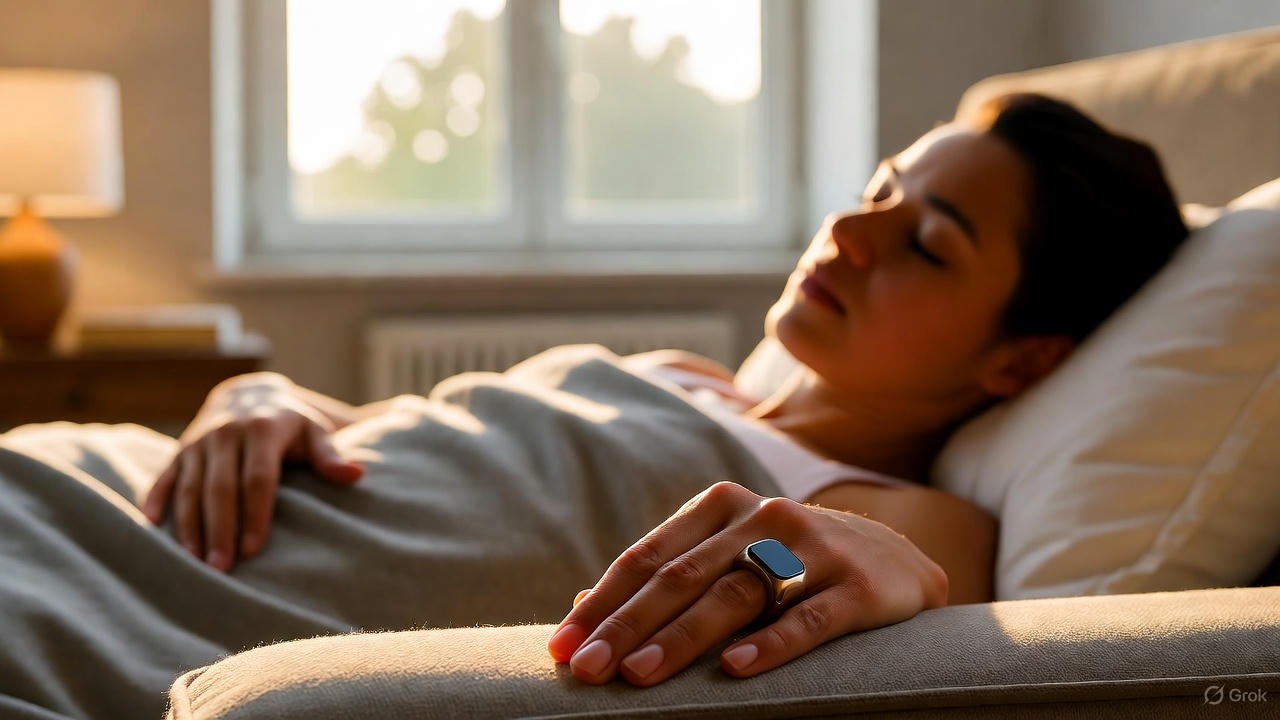
The relationship between sleep and metabolism, once considered correlative, is now understood through monitoring data to be a deeply causal and bidirectional loop. Poor sleep doesn't just make you crave unhealthy food; it directly dysregulates the hormones that control hunger, satiety, and blood sugar. Wearables are quantifying this dysregulation in real time.
The Hormonal Disruption Quantified:
This creates a vicious cycle: Poor Sleep → Hormonal Dysregulation → Poor Food Choices & Metabolic Strain → Worse Sleep. The cycle fuels weight gain, increases diabetes risk, and further degrades sleep architecture.
However, health monitoring empowers users to create a virtuous cycle. By using sleep data to prioritize restorative sleep, they can improve next-day metabolic responses. Seeing a direct link between a high sleep score and better next-day glucose control (from a CGM) or more stable energy levels provides powerful motivation. Furthermore, the data can show how dietary improvements—more fiber, balanced macros, consistent meal timing—feed back to improve sleep metrics like HRV and restfulness. This holistic view is essential for breaking the cycle and is a core focus of seasonal nighttime routines that adapt to your body's needs, as metabolism and nutritional requirements shift throughout the year.
One of the most exciting frontiers in sleep science is the exploration of the gut-brain axis as it pertains to sleep. While consumer wearables cannot directly measure gut microbiome composition, they are providing the phenotypic data—the sleep outcomes—that correlate with emerging research on the microbiome. This is creating a compelling picture of a "gut-sleep axis."
Early research suggests that the diversity and health of our gut microbiota influence sleep through several pathways:
While we await consumer-level tools to directly track microbiome states, sleep data is allowing for indirect experimentation. Users anecdotally report that interventions known to support gut health—increased dietary fiber, fermented foods, probiotic supplementation, and reduced processed food intake—often correlate with gradual improvements in sleep consistency and subjective sleep quality over time, sometimes reflected in more stable HRV trends. This area represents the next wave of personalized health, where sleep data, dietary logs, and eventually, affordable gut microbiome testing will combine to provide a complete picture of digestive and nocturnal health.
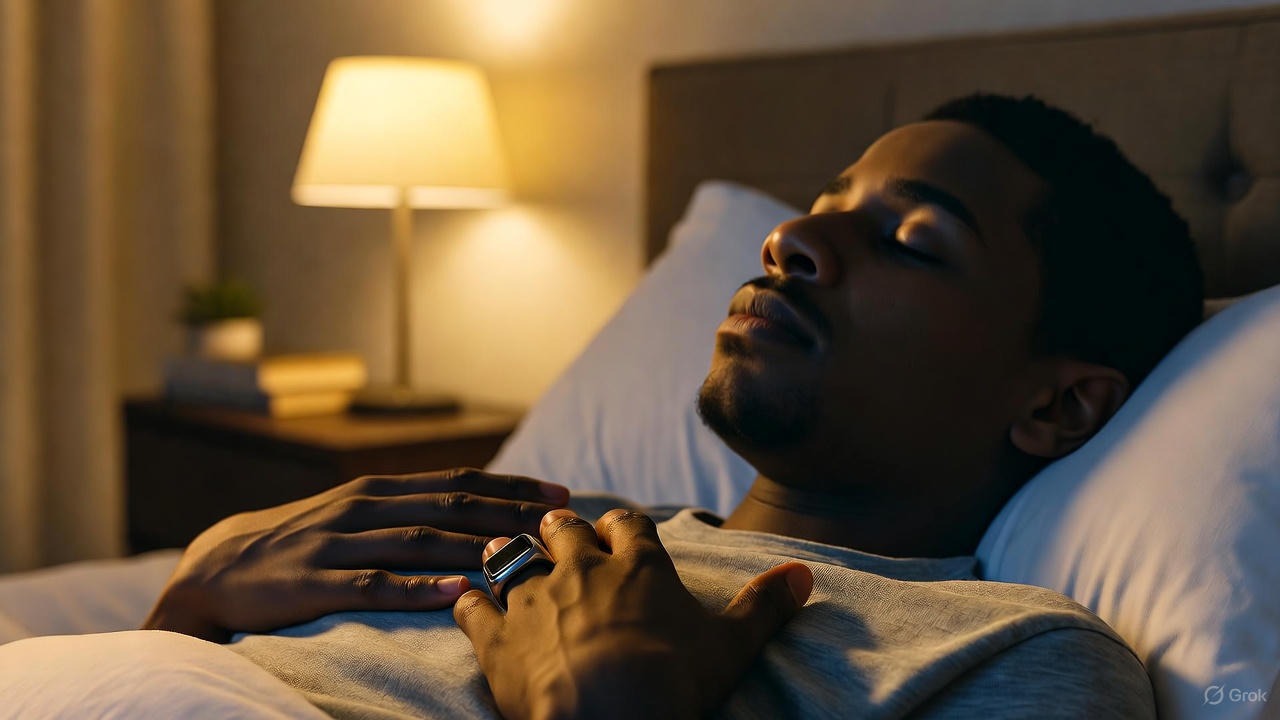
If sleep is the body's prime repair shift, then nutrition provides the raw materials for the work crew. Modern health monitoring, especially in athletic populations, has sharpened the focus on recovery nutrition—strategically consuming nutrients to maximize the anabolic (building) and repair processes that occur during deep sleep.
Key data-informed principles include:
The critical insight from data is that there is no universal "recovery shake." The optimal protocol depends on the individual's activity level, metabolic response (visible on CGMs), and personal sleep data. An endurance athlete might benefit from different nighttime fueling than a strength athlete. Tracking the interplay of evening nutrition, sleep biometrics, and next-day performance/recovery feeling is the ultimate tool for personalizing this process. For those dedicated to this level of optimization, the principles are detailed in guides for nighttime routines for athletes.
Hydration status is another daily factor whose impact on sleep has been clarified by health monitoring. The relationship is a delicate balance, and the data exposes the consequences of getting it wrong.
Dehydration's Impact: Even mild dehydration can elevate core body temperature and increase heart rate as the body works harder to maintain circulation—two states directly antagonistic to sleep initiation and maintenance. Data may show slightly elevated nighttime heart rate and more restless sleep on days of low fluid intake.
Overhydration's Disruption: The more common, data-visible issue, however, is excessive fluid intake too close to bedtime. This leads to nocturia—the need to wake to urinate. Each bathroom trip is a full awakening, fragmenting sleep architecture and causing a sympathetic nervous system spike (visible as a heart rate jump). The sleep stage data will show clear awakenings, and the overall sleep score plummets due to reduced continuity.
The data-driven strategy is to front-load hydration during the day, tapering off in the last 1-2 hours before bed, while ensuring electrolytes are balanced (especially magnesium and potassium) to support proper cellular hydration without excess fluid retention. Observing the correlation between late-evening fluid intake and "time awake" metrics provides a simple, powerful incentive to adjust habits.
Looking ahead, the convergence of sleep biometrics, continuous health monitoring, and nutrigenomics—the study of how genes affect nutritional response—promises the ultimate in personalization. We are moving toward a future where your sleep and genetic data will combine to create a uniquely tailored nutritional blueprint for optimal sleep.
Imagine a profile that reveals:
In this future, AI will analyze your nightly sleep data (HRV, deep sleep, awakenings) in the context of your genomic profile and daily food log. It won't just say "avoid late meals"; it might say, "Based on your genetic profile for fat metabolism and tonight's low HRV after dinner, consider reducing saturated fat at your evening meal and replacing it with lean protein and complex carbs on days you aim for peak recovery."
This hyper-personalized approach will render generic sleep and diet advice obsolete, replacing it with a dynamic, evolving prescription based on your body's unique genetic script and its nightly performance data. It represents the final maturation of the data-driven sleep science revolution, where every recommendation is as individual as a fingerprint.

Beyond the pure physiology, health monitoring data is also shedding light on the psychological dimensions of evening eating and its impact on sleep. Many people engage in nighttime eating as a form of stress relief or comfort—a behavior often at odds with physiological signals of satiety.
This is where data serves as a powerful reality check and behavioral modifier:
In this way, sleep data acts as a bridge between the psychological drivers of behavior and their tangible physiological costs, fostering greater mindfulness and self-regulation around evening nutrition.
Translating these insights into action requires a structured, personal framework. Here is a step-by-step approach, using your health monitor as a guide:
This framework turns you into a nutritional scientist of your own sleep. It removes dogma and replaces it with personal, empirical evidence. By following this methodical approach, you are directly contributing to the growing body of knowledge on how nighttime routines reduce morning grogginess through strategic daytime and evening choices. The goal is not perfection, but an optimized, personalized pattern that fuels your body for its most important restorative work.
We stand at a remarkable inflection point in human history. The ancient, impenetrable mystery of sleep has been illuminated by the soft, persistent light of data. Modern health monitoring has done more than change sleep science; it has democratized and personalized it. It has shifted the power dynamic from the exclusive domain of the sleep lab to the empowered individual in their own home.
The field has evolved from classifying broad stages to interpreting the nuanced language of the autonomic nervous system via HRV. It has moved from diagnosing severe disorders to optimizing for peak performance and resilience. It has traded subjective surveys for objective, night-long biometric storytelling. We now understand sleep not as a single state but as a dynamic, multi-stage, physiologically rich process that is intimately influenced by everything we do, eat, and experience during the day.
This is not the end of the journey, but a bold new beginning. The convergence of continuous biometrics, artificial intelligence, and personalized medicine promises a future where sleep optimization is seamlessly integrated into daily life, preventing illness and enhancing well-being long before problems arise. The night is no longer a black box. It is a domain we can measure, understand, and ultimately, master. The story of how we rest is being rewritten, one night of data at a time.
Your Trusted Sleep Advocate: Sleep Foundation — https://www.sleepfoundation.org
Discover a digital archive of scholarly articles: NIH — https://www.ncbi.nlm.nih.gov/
39 million citations for biomedical literature :PubMed — https://pubmed.ncbi.nlm.nih.gov/
Experts at Harvard Health Publishing covering a variety of health topics — https://www.health.harvard.edu/blog/
Every life deserves world class care :Cleveland Clinic - https://my.clevelandclinic.org/health
Wearable technology and the future of predictive health monitoring :MIT Technology Review — https://www.technologyreview.com/
Dedicated to the well-being of all people and guided by science :World Health Organization — https://www.who.int/news-room/
Psychological science and knowledge to benefit society and improve lives. :APA — https://www.apa.org/monitor/
Cutting-edge insights on human longevity and peak performance:
Lifespan Research — https://www.lifespan.io/
Global authority on exercise physiology, sports performance, and human recovery:
American College of Sports Medicine — https://www.acsm.org/
Neuroscience-driven guidance for better focus, sleep, and mental clarity:
Stanford Human Performance Lab — https://humanperformance.stanford.edu/
Evidence-based psychology and mind–body wellness resources:
Mayo Clinic — https://www.mayoclinic.org/healthy-lifestyle/
Data-backed research on emotional wellbeing, stress biology, and resilience:
American Institute of Stress — https://www.stress.org/


