


Modern Health Monitoring: The Ethics of Continuous Surveillance
Explores the ethical dilemmas posed by the constant surveillance of our own bodies.
Explores the ethical dilemmas posed by the constant surveillance of our own bodies.
%402x.svg)
We live in an era of unprecedented self-knowledge. On our wrists, in our pockets, and now on our fingers, miniature supercomputers quietly log the intimate rhythms of our existence. They count our steps, parse our sleep, measure our heartbeats, and gauge our stress. This is modern health monitoring, a revolution powered by the seamless integration of biometric sensors into the fabric of our daily lives. At the forefront of this quiet revolution is the smart ring—a discreet, always-on sentinel promising a holistic portrait of our well-being. Devices like the Oura Ring, the Ultrahuman Ring Air, and other emerging players offer a compelling proposition: by quantifying the previously unquantifiable, we can optimize our health, preempt illness, and unlock peak human performance.
But this cascade of data comes with a profound and complex shadow. The very essence of this technology—continuous, passive, biometric surveillance—forces us to confront urgent ethical questions that we, as a society, are only beginning to articulate. What does it mean to outsource the sensing of our most fundamental bodily processes to a corporate-owned device? Where is the line between empowering self-care and fostering obsessive anxiety? Who truly owns the constellation of data that defines our physiological identity—the resting heart rate that betrays our fitness, the sleep graph that reveals our mental state, the temperature shift that hints at ovulation or illness?
This article is not merely a review of technology, but a deep dive into the ethical landscape it is creating. We will move beyond the glossy marketing of "optimization" to examine the real-world implications of wearing a health monitor that never sleeps. We'll explore the seductive promise of biohacking, the creeping threat of data commodification, the psychological impact of constant scoring, and the societal shifts toward surveillance and hyper-responsibility. This is an investigation into the paradox at the heart of the wellness tech boom: a tool designed to grant us more control over our lives may also be normalizing a regime of constant observation that challenges our very notions of privacy, autonomy, and what it means to be well in the modern world.
The journey begins here, with the device on your finger, silently watching, waiting, and wondering about you.

The human desire to measure and understand our bodies is ancient. We’ve long tracked cycles, counted breaths, and noted pulses. But the “Quantified Self” movement, formally coalescing in the early 2000s, transformed this curiosity into a systematic, data-driven philosophy. Its mantra, “self-knowledge through numbers,” initially appealed to tech enthusiasts and biohackers who manually logged everything from mood to caffeine intake. The tools were primitive—spreadsheets, basic pedometers, and sheer willpower.
The catalyst for mainstream adoption was the smartphone and the concurrent miniaturization of sensors. The humble pedometer evolved into the Fitbit, introducing the concept of daily step goals and sleep tracking to millions. The Apple Watch medicalized the wrist, adding ECG and blood oxygen sensing. Each iteration brought more sensors, more data points, and a more passive, seamless experience. The goal shifted from manual logging to ambient, background monitoring.
This evolution finds its most intimate expression yet in the smart ring. The finger, rich with vascular access, provides a superior signal for metrics like heart rate variability (HRV) and core body temperature compared to the wrist. The form factor allows for 24/7 wearability, even during sleep, making it the ideal device for continuous, holistic health surveillance. Unlike a phone left on a nightstand or a watch taken off to charge, the ring aims to become a permanent, unnoticeable part of you—a true always-on biomonitor.
The data collected is staggering in its personal detail. Modern rings don’t just track sleep duration; they chart sleep architecture (light, deep, REM), pinpoints disturbances, and infer sleep quality. They don’t just measure heart rate; they analyze its variability—a key biomarker of nervous system resilience and stress. They detect subtle shifts in skin temperature, potentially flagging illness, menstrual cycles, or metabolic changes. They combine these inputs to generate proprietary “readiness” or “recovery” scores, offering a single number that dictates how hard you should push yourself each day.
We’ve moved far beyond counting steps. We are now in the era of predictive biometrics, where the data isn’t just descriptive but purportedly prescriptive. The promise is no less than the ability to see illness coming, to optimize fertility, to tailor training with laboratory precision, and to extend our healthspan. This represents a fundamental shift from episodic, reactive healthcare (visiting a doctor when you feel sick) to a continuous, proactive model of health management. The ring on your finger is the vanguard of that shift, a personal health dashboard that operates in perpetuity. But as we’ll see, the weight of that responsibility—and the access granted to the device—carries significant ethical baggage.
Walk into any modern wellness community or browse health-tech forums, and you’ll encounter a new language of numerical performance. “My HRV dipped to 42 last night.” “My sleep score was 89, but my readiness is only 72.” “I’m in the green zone for recovery.” This is the language of the score, and it represents one of the most powerful—and ethically fraught—psychological engines of continuous health monitoring: gamification.
Gamification uses game-design elements (points, badges, leaderboards, levels) in non-game contexts to motivate and engage. In health tech, it transforms abstract health concepts into tangible, daily objectives. Closing your activity ring, achieving a perfect sleep score, or maintaining a “productive” HRV trend provides a potent hit of dopamine—a sense of accomplishment and control. This can be genuinely beneficial, turning healthy behaviors like consistent sleep schedules or daily movement into rewarding habits.
However, the seduction of the score has a dark side. When your biological state is distilled into a single, proprietary number—like a readiness score—it can morph from a helpful guideline into a tyrannical oracle. The score becomes an external authority on your internal state, one you may start to trust more than your own bodily sensations. Did you wake up feeling great but your score is low? You might now question your own perception, leaning into fatigue you didn’t initially feel. This external validation can erode interoceptive awareness—the critical ability to listen to and trust the signals from your own body.
This dynamic feeds directly into anxiety and orthosomnia—a clinically recognized condition where individuals become obsessed with achieving perfect sleep data. The pursuit of the perfect score can create performance anxiety around sleep itself, ironically making restful sleep harder to achieve. The bed becomes a site of pressure, not relaxation. The same pattern can extend to activity, recovery, and stress management. Wellness becomes a high-stakes game you can lose daily, fostering a mindset where you are perpetually “failing” or “not optimizing enough.”
Furthermore, the algorithms generating these scores are black boxes. Users don’t know the exact weight given to deep sleep vs. resting heart rate, or how their data is benchmarked against population norms. A low score can provoke anxiety without offering transparent, actionable insight into why. This lack of transparency places immense power in the hands of the platform, making users dependent on its judgment.
The ethical question here is about agency and psychological well-being. Are these devices creating empowered, informed individuals, or are they fostering a new form of digital hypochondria and performance anxiety? The line between supportive tool and neurosis-inducing crutch is thin. A healthy relationship with this technology requires recognizing the score as a single, flawed data point in the rich, subjective narrative of your health—not the definitive verdict. For those struggling with sleep anxiety, understanding this balance is crucial, as explored in our guide on creating a nighttime routine for anxious minds, which emphasizes disengaging from data before bed.

When you strap on a smartwatch or slip on a smart ring, you are not just buying a device. You are entering into a data-sharing relationship. Every heartbeat logged, every sleep cycle charted, every temperature fluctuation recorded is transmitted, stored, and processed on servers owned by a corporation. This creates the core ethical dilemma of modern health monitoring: Who owns the most intimate data of all—the continuous story of your body?
The legal framework is murky. While regulations like HIPAA in the United States protect health information shared with doctors, hospitals, and insurers, they generally do not cover data generated by consumer wellness devices. This data falls under the purview of general data privacy laws and the company’s own terms of service—a lengthy document few read. By using the device, you typically grant the company a broad license to use your aggregated and anonymized data for purposes like product improvement and research. But “anonymization” of rich biometric data is a contentious concept. Could your unique pattern of heart rate, sleep, and activity—your biometric fingerprint—truly be made anonymous, or could it be re-identified when combined with other data points?
The risks are multi-layered. At the individual level, there is the threat of data breaches. A hacked database of sleep patterns and heart rates may not seem as immediately critical as stolen credit cards, but it represents a profound invasion of biological privacy. This data could be used for blackmail, discrimination, or highly targeted manipulation.
On a societal scale, the business model itself is ethically charged. The value for companies like Fitbit, Oura, and Apple is not just in selling hardware; it’s in amassing vast, unprecedented datasets of human biology. This data is immensely valuable for medical research, which can be a force for good. However, it is also valuable for targeted advertising, insurance modeling, and even employers seeking to monitor workforce wellness. Could your resting heart rate data one day affect your health insurance premiums? Could an employer, offering a ring as a “wellness benefit,” use aggregated data to infer stress levels across departments or identify individuals as “high risk”?
This leads to the critical question of data ownership and portability. If you decide to switch from one ecosystem to another, can you take your years of historical biometric data with you in a usable format? Or is it locked in a proprietary silo, ensuring your continued loyalty? The ethical imperative is for user sovereignty—clear, transparent policies that give individuals true control over their data, including the right to delete it entirely, to understand exactly how it is used, and to share it with third-party health providers on their own terms. Without this, the promise of personal health empowerment is built on a foundation of corporate data control.
Modern health monitors are increasingly venturing beyond wellness into the territory of medical hints. Devices that detect atrial fibrillation through ECG, flag potential sleep apnea through blood oxygen dips, or identify a fever through persistent temperature elevation are acting as algorithmic screening tools. This represents a seismic shift, placing diagnostic-like capabilities in the hands of consumers and the algorithms of tech companies.
The potential benefit is enormous: early detection of serious conditions. A ring that notices a persistent elevated temperature and subtle heart rate increase could prompt someone to test for COVID-19 or another infection earlier. An irregular rhythm notification can send someone to a cardiologist before a stroke occurs. This democratization of health surveillance can save lives.
But the ethical and legal pitfalls are deep. First is the problem of accuracy and false signals. Consumer devices are not medical-grade diagnostic tools. They operate in the messy, noisy real world. An irregular rhythm notification could be atrial fibrillation, or it could be a benign arrhythmia or even motion artifact. A low blood oxygen reading could be sleep apnea, or it could be the ring being worn too loosely. False positives can generate immense anxiety and lead to unnecessary, costly medical visits. False negatives can breed a dangerous false sense of security, causing someone to ignore actual symptoms because “my ring says I’m fine.”
This creates a liability quagmire. If a device fails to flag a serious condition, can the manufacturer be sued? If it incorrectly suggests a condition, leading to mental distress or unnecessary procedures, who is responsible? The current legal shield is the disclaimer that these are “wellness” devices, not medical ones. But as their capabilities and marketing language edge closer to diagnostics, this shield will be tested in court.
Perhaps the most profound ethical shift is the erosion of traditional clinical authority. Patients now arrive at doctors’ offices armed with graphs, trends, and scores, asking for interpretation. This can be positive, leading to more data-informed conversations. However, it can also create conflict when the patient’s interpretation of their data clashes with the physician’s clinical judgment. It places the doctor in the position of having to validate or refute the output of a proprietary algorithm they do not understand.
The ethical path forward requires humility and clarity from device makers. They must be transparent about the limitations of their data, avoid language that medicalizes their features without validation, and design systems that guide users toward appropriate clinical pathways—not replace them. The goal should be to create an informed patient, not a self-diagnosing cyborg who trusts an algorithm over a trained professional. The data should serve the clinical relationship, not supplant it.
The defining feature of the smart ring is its constancy. It is designed to be worn through showers, workouts, sleep, and every moment in between. This continuous surveillance normalizes a state of being perpetually measured, a life where no biological process is considered off-limits or too private to quantify. We are acclimating to a world where our bodies are perpetually “on the record.”
This normalization has subtle but powerful psychological and cultural consequences. It reinforces a paradigm of hyper-performance and bio-optimization, where the goal is not just health, but peak function at all times. The mindset shifts from “How do I feel?” to “How am I performing?” Rest becomes “recovery,” a strategic phase to maximize future output rather than an inherent good. This can erode the ability to simply be in our bodies without the mediation of a metric.
Furthermore, when worn by children or mandated in workplace wellness programs, this continuous monitoring takes on a disciplinary dimension. For children, it could externalize the sense of self from a young age, teaching them to view their worth and state through a data lens. In the workplace, as explored in the next section, it can blur the line between voluntary wellness and coercive surveillance, pressuring employees to meet biometric benchmarks for sleep or activity to receive insurance discounts.
The ethical concern is about the colonization of the private self. There is a value in having spaces—both physical and physiological—that are unobserved, unquantified, and simply experienced. The sanctity of a night’s sleep that isn’t graded. The spontaneity of a day not planned around activity rings. The internal, felt sense of energy that isn’t cross-referenced with a readiness score. Continuous monitoring, by its very nature, threatens to shrink this private space.
The question we must ask is: What are we sacrificing in our quest for total self-knowledge? Is there a virtue in sometimes not knowing our heart rate variability, in trusting the foggy, subjective, gloriously analog feeling of being tired or energized? The ethical use of this technology may depend on our ability to periodically take it off—not just to charge it, but to reclaim the unobserved, unoptimized human experience. Learning to disconnect is part of a healthy relationship with technology, a principle central to building a nighttime routine that actually sticks, which includes creating tech-free zones for genuine mental rest.
One of the most contentious ethical arenas for continuous health monitoring is the workplace. Many companies, seeking to reduce healthcare costs and boost productivity, have embraced corporate wellness programs. These programs are increasingly incorporating wearable devices, offering them to employees for free or at a discount, often tied to financial incentives like reduced insurance premiums or cash rewards.
On the surface, this appears benevolent: a win-win where employers support employee health and employees get free tech and savings. But peel back the layers, and a dystopian potential emerges. When an employer-provided device tracks sleep, activity, and heart rate, the line between “voluntary wellness” and coercive surveillance becomes dangerously thin.
The central ethical issue is one of power and pressure. Can an employee truly refuse to participate when their colleagues are joining and financial benefits are on the line? Is it truly voluntary when non-participation means paying more for health insurance—a modern-day version of a “wellness penalty”? This creates a soft coercion that undermines the notion of informed consent.
Then comes the question of data access and use. Reputable programs often use third-party administrators who provide only aggregated, anonymized data to the employer. But the risk of function creep is real. Could this data, even in aggregate, be used to make inferences about team stress levels, to judge the impact of deadlines, or to identify departments with “poor recovery” scores? Could it eventually be used in performance reviews or promotion decisions, under the guise of assessing “resilience” or “engagement”?
The most alarming scenario is the individual targeting of data. While currently rare and legally risky, the possibility exists that an employer could access individual data to question sick days (“Your ring showed you were in bed by 10pm and had a high sleep score, why are you calling in sick?”) or to pressure employees about lifestyle choices. This turns the wearable from a wellness tool into a panopticon on your finger, a constant reminder that your employer has a biometric window into your private life.
The ethical safeguards here must be robust: absolute transparency about what data is collected, who can see it (individual, aggregated, employer, insurer), ironclad guarantees of non-retaliation for non-participation, and a strict firewall between biometric data and employment decisions. Without these, the corporate wellness ring becomes a symbol not of care, but of control, normalizing employer oversight of our most private biological functions.
True consent requires understanding. In the context of continuous health monitoring, obtaining informed consent is nearly impossible, and this represents a fundamental ethical breach. Users agree to lengthy Terms of Service they don’t read, written in dense legalese. But even if they did, the core functionality of the device—its algorithmic intelligence—remains a profound mystery.
The algorithms that transform raw photoplethysmography (PPG) signals into sleep stages, readiness scores, and stress metrics are proprietary trade secrets. They are black boxes: we see the inputs (our data) and the outputs (the scores), but the reasoning in between is opaque. How does the algorithm weigh deep sleep versus REM sleep for a given individual? How does it account for age, sex, or underlying health conditions when determining a “normal” HRV range? What is the confidence interval on that fever detection alert?
This opacity violates the spirit of informed consent. You cannot meaningfully consent to being diagnosed, guided, or judged by a process you cannot comprehend. When a low readiness score advises you to take a rest day, you are being directed by logic you cannot audit. This creates a power imbalance where the user is perpetually in the position of a supplicant, trusting the oracle’s decree.
The problem is exacerbated by algorithmic bias. These algorithms are trained on massive datasets. If those datasets are not diverse—overrepresented by young, male, affluent, and healthy tech early adopters—the resulting “norms” will be biased. A sleep score algorithm trained primarily on 30-year-old athletes may pathologize the normal sleep patterns of a 60-year-old woman or a shift worker. The device may consistently tell them their sleep is “poor” relative to a benchmark that was never meant for them, causing unnecessary concern or pushing them toward unnatural sleep behaviors.
The ethical imperative is for Algorithmic Transparency and Auditing. While companies cannot reveal their source code, they can and should disclose the general parameters, inputs, and known limitations of their algorithms. They should publish details on the demographic makeup of their training data and undergo independent audits for bias. Users should be given clear, accessible explanations of what their scores mean and, crucially, what they don’t mean. Consent should be an ongoing process, not a one-time clickwrap agreement. Only when users can peer, even slightly, into the black box can they truly be considered informed partners in their own health monitoring.
The sleek marketing of smart rings and advanced wearables paints a picture of a health-optimized future for all. The ethical reality is that these technologies risk exacerbating deep existing inequalities, creating a two-tiered health system: one for the data-rich and one for the data-poor.
The barriers are immediate: cost. High-end devices like the Oura Ring or Apple Watch Series with advanced health features are luxury items, costing hundreds of dollars. This puts them far out of reach for low-income individuals and families. When access to predictive health insights, early illness detection, and personalized wellness coaching is gated behind a significant paywall, health equity suffers. The “quantified self” becomes the privilege of the affluent self.
But the divide is more than just economic. It’s also technological and educational. Effectively using and interpreting this data requires a degree of digital literacy, time, and health literacy that is not evenly distributed. The individual is burdened with the responsibility of making sense of complex graphs and scores—a task that can overwhelm or alienate those without a technical background or who are already marginalized by the healthcare system.
This leads to a dangerous narrative of hyper-responsibility. The wellness tech industry heavily promotes the idea that health is a personal project, achievable through the right data and the right routines. While empowering on one level, this narrative can stigmatize those who are sick or struggling, implying their poor scores or health outcomes are a personal failure of optimization, rather than the result of genetics, environment, socioeconomic stress, or systemic healthcare gaps.
The ethical consequence is the potential blaming of individuals for health outcomes shaped by forces far beyond their control, all while the tools to “succeed” are sold only to those who can afford them. It risks creating a world where the wealthy biohack their way to longevity, while the poor are not only left behind but also implicitly blamed for their poorer health metrics.
Addressing this requires a conscious effort from tech companies and policymakers. Could there be subsidized programs or public health partnerships to provide validated monitoring tools to underserved populations for managing chronic diseases? Can device interfaces be designed for maximal accessibility and clarity? The goal must be to ensure that the benefits of health technology work to close equity gaps, not widen them into canyons. True wellness is not a competitive sport for the elite; it is a fundamental human right.
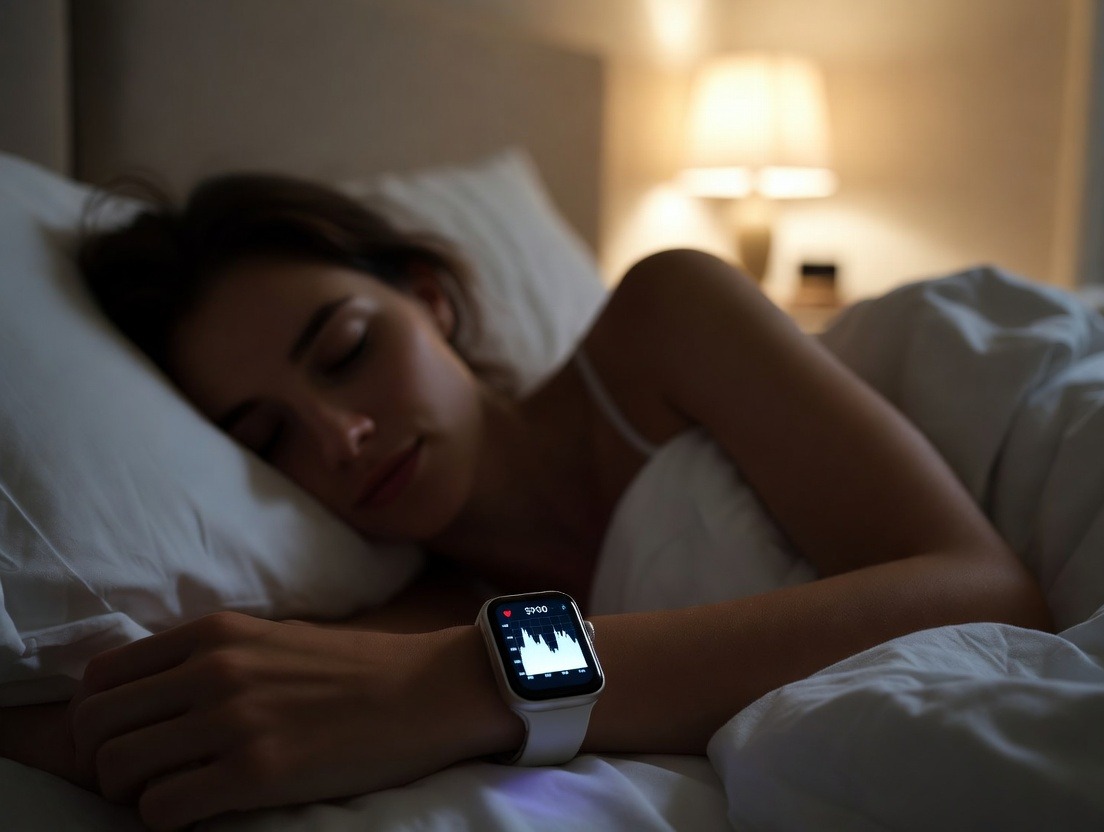
For generations, we have navigated our health through a combination of intuitive feeling, learned experience, and professional advice. We knew we were tired because our bodies felt heavy. We knew we were stressed because our shoulders were tight and our patience thin. This intuitive health sense is a fundamental human faculty—a direct, somatic line of communication with our own biology.
Continuous health monitoring has the potential to sever this line. When we are trained to check our ring’s app to know if we are “ready” for the day, we outsource our intuition to an algorithm. We begin to privilege the objective metric over the subjective feeling. This creates a form of psychological dependence where we cannot trust our own senses without technological validation.
This dependence is actively cultivated by the design of the devices. The daily score, the push notifications (“Time to wind down for optimal sleep!”), the weekly reports—all of these create a feedback loop that reinforces the device’s authority. The technology becomes a cybernetic crutch, a necessary mediator for understanding ourselves. What happens when the battery dies, or you forget to wear it, or the company’s servers go down? Does your sense of self and well-being become destabilized?
The loss of intuitive health has deeper philosophical implications. It represents a further step in the Cartesian separation of mind and body, where the body is objectified as a machine to be tuned and optimized, rather than lived in as a subjective whole. The felt experience of vitality, fatigue, or peace is reduced to a set of sympathetic and parasympathetic nervous system readings. This disenchantment of the bodily experience can leave us feeling alienated from ourselves, more connected to the data-doppelgänger in the cloud than to the flesh-and-blood person living the life.
The ethical challenge is to design and use these technologies in a way that enhances intuitive awareness rather than replaces it. Can the device be used as a tool for education, helping users correlate certain feelings (e.g., morning grogginess) with measurable patterns (e.g., late alcohol consumption or insufficient deep sleep), as discussed in our analysis of how nighttime routines reduce morning grogginess? The goal should be to use the data to deepen the mind-body connection, creating a bilingual fluency in both sensation and metric, so that eventually, the user needs the device less, not more. The pinnacle of health tech success should be helping us reconnect with our own innate, unmediated wisdom.
We are standing on the precipice of the next frontier: truly predictive health analytics. Current devices offer retrospective analysis (“You slept poorly last night”) and present-moment assessment (“Your readiness is low today”). The holy grail is the algorithmic crystal ball—using continuous biometric streams, combined with AI, to predict future health events. The ring that warns you of an impending migraine 12 hours in advance. The device that spots the subtle biomarker signature of seasonal depression onset. The sensor that identifies the earliest harbingers of metabolic syndrome or autoimmune flare-ups.
The promise is the ultimate form of proactive, personalized medicine. It could transform healthcare from a sick-care system to a true health-preservation system, preventing suffering and reducing costs on an unimaginable scale.
Yet, this predictive power is ethically double-edged. With prediction comes the burden of preemptive responsibility. If your device predicts a 85% probability of a cold in 48 hours, are you now ethically obligated to cancel social plans, work from home, and start interventions? Does a predictive alert become a de facto diagnosis, with all the lifestyle restrictions that implies? This could create a world of the “worried well,” living in fear of algorithmic prophecies.
More dystopian is the potential for social and institutional control. Imagine this predictive data integrated into the systems discussed earlier. Could a health insurer adjust your premium in real-time based on a predictive “risk score” generated by your wearable? Could an employer receive alerts that a team is heading toward collective burnout? Could government health agencies, in a pandemic scenario, mandate or strongly incentivize the wearing of predictive monitors for public health surveillance?
This moves us from a paradigm of surveillance into one of preemption. The goal is no longer just to monitor what is happening, but to model and intervene in what might happen. The ethical safeguards for such a world are not yet written. They must include absolute user control over predictive data sharing, strict prohibitions on its use for discrimination (in insurance, employment, or lending), and robust public debate about the limits of algorithmic forecasting in human life.
The future of predictive health must be navigated with extreme caution. We must ask not only “Can we build it?” but “Should we deploy it?” and “Who gets to control it?” The goal must be to use prediction to empower individuals with more agency and better care, not to trap them in a deterministic future dictated by an algorithm and used by powerful institutions to manage populations. The line between a guardian angel and a digital prison warden is terrifyingly thin.
The allure of continuous health monitoring rests on a foundational promise: data accuracy. We are asked to make significant life decisions—to rest, to push, to change our habits—based on the numbers presented. These devices project an aura of scientific precision, with graphs that look like hospital readouts and scores calculated to a decimal point. But how accurate are they, really? The ethical concern here is about the fidelity of the data and the consequences of building a health identity on potentially shaky ground.
Consumer wearables and smart rings are engineering marvels, but they are not medical devices. They use optical sensors (PPG) to infer heart rate, blood oxygen, and respiration through the skin. This method is inherently prone to signal noise. Motion artifact, skin tone, tattoo ink, body temperature, and even how tightly the device is worn can skew readings dramatically. A study comparing a leading smart ring to polysomnography (the clinical gold standard) found it was good at detecting sleep versus wake but had significantly lower accuracy in distinguishing between sleep stages (light, deep, REM). An elevated nighttime heart rate could be stress or illness, or it could simply be that you slept on your hand.
The problem is not that the data is imperfect; all real-world data is. The problem is the illusion of precision presented to the user. The app shows a neat, confident graph of your sleep cycles, not a fuzzy band of probabilities. It gives you a readiness score of 79, not "between 65 and 85." This presentation obscures the underlying uncertainty, leading users to grant the data an authority it may not deserve. We mistake a plausible inference for a precise measurement.
This leads to a phenomenon we might call biometric theater—the performance of health optimization based on data that may be more suggestive than definitive. You might forgo a morning workout because your score is "low," when the true cause was a loose ring fit or a single night of poor sleep measurement. You might obsess over a dip in deep sleep that falls within a normal range of sensor error. The data becomes a script, and we become actors playing the part of an "optimized human," sometimes based on a flawed director's notes.
The ethical obligation for companies is two-fold. First, they must invest in and be transparent about validation studies. How does their device stack up against gold-standard clinical equipment across diverse populations? Second, they must improve user interface transparency. Visualizations could include confidence intervals, indicators of signal quality during a measurement period, and clear, accessible explanations of the technology's limitations. A note that says, "Skin temperature trends are most reliable for detecting shifts over days, not absolute values," would foster a more sophisticated and empowered user.
Without this, we risk creating a society anxious over artifacts, making life decisions based on digital phantoms, and ultimately, discrediting a technology that, when understood properly, can still offer immense value. A critical part of this understanding is knowing what to prioritize; for instance, focusing on consistent behavioral cues over nightly score fluctuations, a principle explored in the minimal nighttime wellness routine.

You purchase a smart ring for $300. You are the customer. But in the ecosystem of continuous health monitoring, you are also, profoundly, the product. This is the core business reality of much of the tech world, and it has uniquely disturbing implications when the raw material being commodified is your beating heart, your sleeping brain, and your stress response.
The primary revenue model for many of these companies is not solely hardware sales. It is the aggregation and analysis of population-level biometric data. Your individual data points, combined with hundreds of thousands of others, create a map of human health that is priceless for research and development. This data can be used to:
Often, this is done under the banner of "anonymized and aggregated data," which is presented as benign. But the ethical lines are blurry. Biometric data is notoriously difficult to truly anonymize. Your pattern of sleep, activity, and heart rate is as unique as a fingerprint. When cross-referenced with other data brokers who have your location, purchase history, or demographic information, re-identification is a real risk.
Furthermore, the informed consent for this commercial use is buried in Terms of Service written in impenetrable legalese. Do users genuinely understand they are contributing to a for-profit data refinery every time they wear their device to bed? The exchange feels unequal: you give up a continuous stream of your most intimate biological data; in return, you get a sleep score and the promise of better health. The corporation gets a perpetual, renewable resource to monetize.
This commercialization extends to the subscription model now embraced by several leading smart ring companies. You buy the hardware, but to access the full depth of your own analyzed data—the insights that make the device useful—you must pay a monthly or annual fee. This creates a "razor and blades" model for your body: you own the sensor, but you rent the understanding of your own biology. It locks you into an ecosystem and raises troubling questions about access to your own historical data if you stop paying.
The ethical path requires a radical shift toward data cooperatives or user-centric data ownership models. What if users could choose to donate their anonymized data to specific, ethically-reviewed medical research projects and get compensated for it? What if they could see a clear dashboard showing exactly which third parties have accessed aggregated data pools that include their contribution? Transparency alone is not enough; we need architectures that give individuals genuine agency and a fair stake in the immense value generated from their bodily existence.
The expansion of continuous monitoring into the lives of children and vulnerable populations (such as the elderly or those with cognitive impairments) presents a thicket of unique ethical challenges. Here, the user of the device is often not the person consenting to its use or the primary beneficiary of its data.
Parental Monitoring of Children: Devices like smartwatches with location tracking and basic health metrics are marketed to parents as tools for safety and wellness. Smart ring technology is likely to follow. Parents can track a child's sleep, activity, and potentially even stress indicators. The stated goals are noble: ensuring adequate sleep for development, encouraging activity, and identifying fevers early.
However, this normalizes surveillance from the earliest age, potentially impacting a child's developing sense of autonomy, privacy, and bodily integrity. A child grows up knowing their physiological states are constantly visible to an authority figure. This could discourage them from learning to interpret their own bodily signals ("I'm tired") and instead rely on external validation ("My mom says my data says I'm tired"). It also risks creating performance anxiety around sleep and activity, turning natural childhood variability into a problem to be managed.
The issue of consent is paramount. A young child cannot meaningfully consent to continuous biometric surveillance. The parent is making a proxy decision that will generate a permanent digital footprint of the child's biology—data that could follow them in ways we cannot yet imagine. Who owns this data when the child turns 18? Can it be deleted?
Monitoring the Elderly and Cognitively Impaired: For aging populations or those with dementia, continuous monitoring can offer independence and safety, allowing them to live at home while alerting caregivers to falls, irregular heart rhythms, or deviations from normal sleep patterns that could indicate infection or distress.
The ethical tightrope here is between dignity and safety. Monitoring can easily slip into oppressive oversight, stripping individuals of privacy and reinforcing a sense of infantilization. The data, intended for care, could also be used by family members or institutions to make decisions against the person's will or to justify removing freedoms. The potential for covert monitoring—placing a device in a ring or watch without the wearer's full understanding—is a profound violation of autonomy, even if done with loving intent.
For all vulnerable populations, the ethical principles must be: maximal consent (involving the individual to the greatest extent of their capacity), purpose limitation (using data only for the specific, agreed-upon protective purpose), sunset provisions (deleting data when it is no longer needed for that purpose), and transparency (ensuring all involved understand what is being collected and why). We must guard against using technology as a substitute for human connection and attentive care, and ensure it amplifies dignity rather than eroding it.
The ethical analysis of continuous health monitoring often focuses on the digital and psychological spheres. But the physical world bears a cost, too. The pursuit of the optimized self has a material footprint that is rarely accounted for in its glossy marketing.
E-Waste and Planned Obsolescence: Smart rings, watches, and wearables are consumer electronics with short lifespans. Batteries degrade. New sensors and faster processors are released every 12-24 months. Companies often stop providing software updates for older models, rendering them functionally obsolete. This cycle drives a constant churn of consumption and disposal. These devices contain rare earth metals, batteries, and complex circuitry that make them difficult to recycle responsibly. Millions of outdated trackers end up in landfills, leaching toxins, a hidden environmental cost of our self-quantification.
The Carbon Footprint of Data: Continuous monitoring means continuous data transmission. Every night of sleep data, every hour of heart rate, is synced via Bluetooth to a phone, then via WiFi/cellular networks to the cloud, where it is processed in energy-intensive data centers. While the per-device data load is small, the aggregate impact of millions of devices streaming biometric data 24/7 is a non-trivial contributor to the digital carbon footprint. The "cloud" where our health lives is, in reality, a vast network of power-hungry servers.
The Social Cost of Hyper-Individualism: The wellness tech narrative is intensely individualistic. Health is framed as a personal project of optimization, achieved through the right purchase and the right data discipline. This framing can erode social and communal conceptions of health. It downplays the societal determinants of health—clean air, safe neighborhoods, living wages, social connection—in favor of a focus on individual biometric control.
This fosters a mentality where well-being is a personal achievement, and poor health is a personal failing. It can reduce empathy ("If they just tracked their sleep, they wouldn't be so tired") and divert political energy away from collective action for public health and toward individual consumer solutions. Why advocate for a community park when you can hit your step goal on a personal treadmill while watching a quantified-self podcast?
An ethical approach to this technology requires extended producer responsibility (where companies take back and recycle old devices), design for longevity and repairability, and a conscious acknowledgment by users that the quest for personal optimization exists within a fragile ecological and social system. True wellness cannot be sustainable if it consumes the planet or atomizes the society that sustains us.
Confronting the ethical labyrinth of continuous health monitoring can feel paralyzing. The technology offers real benefits, yet is intertwined with significant risks. Abandoning it is neither practical nor desirable for many. So, how do we navigate forward? The solution lies in demanding ethical design from corporations and cultivating empowered, conscious use as individuals.
Principles for Ethical Design & Corporate Responsibility:
Principles for Empowered, Conscious Use:
The future of health technology doesn't have to be a dystopia of surveillance and anxiety. It can be a tool for genuine empowerment, but only if we build it and use it with our eyes wide open to both its light and its shadow. It requires a new social contract between users and creators, founded on transparency, trust, and a shared understanding that the ultimate goal is human flourishing—not just a perfect score.
The biometric data economy is a Wild West, with tech companies as pioneers staking claims in uncharted territory. A significant driver of the ethical dilemmas we face is a profound regulatory lag. The laws and frameworks designed to protect patient privacy and consumer rights were built for a different era—one of paper charts, episodic doctor visits, and clearly defined medical devices. Continuous health monitoring exists in a gray zone between wellness consumer product and medical diagnostic tool, and it is sprinting ahead of the policymakers tasked with governing it.
The HIPAA Gap: In the United States, the Health Insurance Portability and Accountability Act (HIPAA) is the bedrock of medical privacy. However, it generally applies only to “covered entities” like healthcare providers, insurers, and their business associates. When you generate health data on your personal smart ring and it sits on the servers of a tech company, it is not protected by HIPAA. It is governed by the company’s own privacy policy and by broader, less stringent consumer protection laws like the FTC Act (which prohibits “unfair or deceptive acts”). This means your sleep data from a hospital sleep study has strong legal protections; the nearly identical data from your Oura ring has far fewer.
The Medical Device Dilemma: Regulatory bodies like the U.S. Food and Drug Administration (FDA) have a clear pathway for approving software as a medical device (SaMD). Some wearables have sought and obtained FDA clearance for specific features, like the Apple Watch’s ECG for atrial fibrillation detection. However, most features—sleep staging, readiness scores, stress metrics—are explicitly marketed as “wellness” tools to avoid the costly and rigorous FDA process. This creates a bifurcation: the same device platform delivers both wellness information (unregulated) and potential diagnostic alerts (regulated), confusing users about the level of trust they should place in the data stream.
The Global Patchwork: Globally, regulations are a patchwork. The European Union’s General Data Protection Regulation (GDPR) offers stronger individual data rights, including the right to access, port, and erase data, which applies to biometric information. However, enforcement is complex and evolving. Other regions have little to no specific protection for biometric wellness data. This inconsistency allows companies to operate under the most permissive regulatory regimes, creating risks for users worldwide.
The ethical consequence of this vacuum is accountability without responsibility. Tech companies wield immense influence over health behaviors with their algorithms but can shield themselves from liability behind “wellness” disclaimers. They amass incredibly sensitive data without being subject to the strict data stewardship required of hospitals. This imbalance is unsustainable.
The path forward requires new, agile regulatory frameworks. These must:
Until policy catches up, users are left in a vulnerable position, forced to trust corporate benevolence in a space where the stakes are nothing less than the privacy and interpretation of their own bodies.
Mental health represents one of the most promising and perilous frontiers for continuous monitoring. Devices already track proxies for mental state: sleep disruption is a core symptom of anxiety and depression; heart rate variability (HRV) is a direct indicator of autonomic nervous system balance and resilience to stress; resting heart rate can elevate during periods of prolonged anxiety. The next logical step is for algorithms to synthesize these data streams to flag potential episodes of depression, anxiety, or burnout, and even to suggest micro-interventions.
The potential benefit is transformative. Imagine a device that notices the early signs of a depressive episode—gradually declining activity, consistent sleep fragmentation, and a dampened HRV—and gently prompts you to reach out to your therapist, practice a breathing exercise it guides you through, or get sunlight. This could enable preventive mental healthcare, catching crises before they fully manifest.
Yet, the risks are profound. Mental health data is arguably the most sensitive of all. The ethical pitfalls are deep:
For the technology to be ethically deployed in the mental health sphere, several non-negotiable principles must be established:
The goal must be to create a tool that fosters self-awareness and agency, not one that triggers fear or creates a commercial panopticon of the mind. The human element in mental healthcare is not a bug; it is the core feature, and technology must be designed to enhance it, never to replace it. For individuals, learning to manage stress and anxiety often begins with foundational habits, as detailed in our guide on nighttime wellness rituals that take less than 30 minutes, which can create stability without data dependence.
The dream of many in digital health is the seamless integration of continuous monitoring data into the electronic health record (EHR). The vision is compelling: instead of relying on a patient’s recollection of how they’ve slept the past month, a doctor can view a validated graph. Instead of a snapshot blood pressure reading in the clinic, a physician can assess a week-long trend from a wearable. This promises a shift from episodic, reactive care to continuous, collaborative health management.
The reality of integration is fraught with technical, clinical, and ethical hurdles.
Clinical Utility vs. Data Noise: The primary challenge is signal vs. noise. A primary care physician has 15 minutes per patient. A raw dump of 30 days of sleep, HRV, activity, and temperature data is overwhelming and unusable. For this data to be clinically valuable, it must be intelligently summarized, highlighting meaningful deviations and trends. The algorithms that perform this summarization again become a point of trust and potential bias. Who curates the narrative of the patient’s data for the doctor?
Liability and Standard of Care: If a patient’s wearable data is in their official medical record, does the physician have a duty to review it? If they miss a trend in that data that later proves significant, are they liable? Conversely, if they act on wearable data that is inaccurate, leading to an unnecessary test or procedure, who is responsible? The integration of non-validated consumer data into clinical workflow creates a liability quagmire that hospitals and doctors are rightfully wary of.
The Digital Divide in the Clinic: This integration risks exacerbating healthcare inequalities. It creates two classes of patients: those whose health is richly documented by continuous data (typically more affluent, tech-savvy individuals), and those whose health is described only by sparse clinic visits. Physicians may unconsciously give more weight or attention to the “data-rich” patient, disadvantaging those who cannot afford or navigate these technologies.
Patient-Provider Dynamics: The influx of personal data can shift the dynamics of the clinical encounter. A patient armed with graphs may become a more empowered partner—or they may become a combative “expert” challenging the doctor’s judgment based on their misinterpretation of their own data. The physician’s role risks being reduced to that of a data interpreter for hire, rather than a holistic clinician.
Ethical integration requires:
The integration of continuous monitoring into traditional healthcare is inevitable and holds great promise. But it must be pursued not as a tech-driven conquest, but as a careful, ethical collaboration that enhances the human art of medicine without burying it in an avalanche of unreviewed data points.
Beneath all the practical ethical concerns lies a deeper, philosophical question that continuous monitoring forces us to confront: What is the self in the age of biometric quantification? When an algorithm can purportedly know your stress level before you consciously feel it, or predict your performance capacity based on last night’s sleep architecture, it challenges fundamental notions of identity, autonomy, and free will.
The Data-Doppelgänger: We are creating a persistent, externalized digital twin—a data representation of our biological being. This doppelgänger lives in the cloud, is analyzed by corporate algorithms, and is often granted authority over our decisions. A gap can emerge between the lived, subjective self and the quantified, objective data-self. Which one is more “real”? Which one should you trust when they conflict? This can lead to a sense of self-alienation, where you feel estranged from your own bodily experience, viewing it through the lens of its digital proxy.
The Illusion of the Transparent Self: The technology sells a fantasy of total self-knowledge—the idea that if we just collect enough data, we will finally understand ourselves completely. This is a reductionist fantasy. Human health, mood, and consciousness are emergent properties of staggering biological and psychological complexity. They cannot be fully captured by heart rate, movement, and skin temperature. The belief that they can leads to a flattening of the human experience, where mystery, nuance, and the unquantifiable aspects of being are seen as problems to be solved rather than essential parts of life.
Agency in an Algorithmic World: When we let a readiness score decide our workout or a sleep score dictate our mood, are we exercising agency or surrendering it? The technology can create a form of passive determinism. “I can’t help being irritable; my data says my recovery is poor.” This outsources responsibility and can undermine the development of internal locus of control—the psychological belief that we are the authors of our own actions and states.
This is not an argument to abandon technology, but to use it philosophically. We must consciously define the role of the data in our self-conception. It can be a tool for reflection, not a mirror of truth. It can provide clues, not commands. The goal should be to use the data to deepen our subjective experience, not to replace it. Perhaps the highest form of biohacking is to use the technology to reach a point where you no longer need it—where you have internalized the lessons and regained a confident, intuitive connection to your own body, one that embraces both its quantifiable rhythms and its unmeasurable depths. This journey often starts with mastering the fundamentals of rest, as seen in the routines of successful people who structure their nighttime for clarity, focusing on environment and habit over data.
Theory meets reality in specific applications. Examining real-world scenarios and near-future case studies helps crystallize the ethical principles at stake.
Case Study 1: The Corporate “Resilience” Mandate
A Fortune 500 company, in partnership with a smart ring maker, offers all employees a free ring and subscription. Participation is “voluntary,” but to receive a $1,000 annual wellness bonus and the lowest-tier health insurance premium, employees must maintain an average “Recovery Score” of 75+ and a “Sleep Consistency” score of 80+. The data is aggregated by a third-party wellness platform.
Case Study 2: The Predictive Mental Health App
A popular meditation app acquires a smart ring company. It develops an algorithm that uses sleep, HRV, and activity data to generate a “Burnout Risk” score. Users scoring above a threshold receive push notifications: “Your data suggests high burnout risk. Try our new ‘Stress Immunity’ premium course (20% off!).” The aggregated, anonymized data is also sold to a pharmaceutical company researching drugs for adjustment disorders.
Case Study 3: The Remote Patient Monitoring (RPM) Pilot
A Medicaid program in a rural state pilots a project providing smart rings to patients with congestive heart failure (CHF). The rings monitor resting heart rate, nightly respiratory rate, and sleep position. Algorithms flag potential fluid buildup (a key danger sign) and alert a nurse, who can then call the patient for assessment, potentially preventing a costly and traumatic ER visit.
These cases show that the ethics are not inherent to the technology, but to its application. The same ring can be an instrument of corporate control or a lifeline for a vulnerable patient. The difference lies in intent, design, consent, and the distribution of power and benefit.
Navigating the ethical minefield of continuous health surveillance cannot be left to consumers alone, nor can it be entrusted solely to the corporations who profit from the data. It requires a coordinated, multi-stakeholder effort to build guardrails and principles for a future where this technology serves humanity, not the other way around.
For Tech Companies & Developers:
For Policymakers & Regulators:
For Healthcare Professionals & Institutions:
For Users & The Public:
The ring on your finger is more than a gadget; it is a portal to a possible future. One path leads to a hyper-optimized, but surveilled and anxious society, where health is a private, competitive responsibility and our biology is a commodity. The other path leads to a more empathetic, proactive, and equitable healthcare landscape, where technology augments human intuition, strengthens the patient-provider bond, and brings advanced insights to all. The choice is not yet made. It will be determined by the ethical decisions we make now—in the design labs, the legislative chambers, the doctor’s offices, and in the quiet moment each morning when we decide whether to let a score dictate our day, or simply to begin it.
Your Trusted Sleep Advocate: Sleep Foundation — https://www.sleepfoundation.org
Discover a digital archive of scholarly articles: NIH — https://www.ncbi.nlm.nih.gov/
39 million citations for biomedical literature :PubMed — https://pubmed.ncbi.nlm.nih.gov/
Experts at Harvard Health Publishing covering a variety of health topics — https://www.health.harvard.edu/blog/
Every life deserves world class care :Cleveland Clinic - https://my.clevelandclinic.org/health
Wearable technology and the future of predictive health monitoring :MIT Technology Review — https://www.technologyreview.com/
Dedicated to the well-being of all people and guided by science :World Health Organization — https://www.who.int/news-room/
Psychological science and knowledge to benefit society and improve lives. :APA — https://www.apa.org/monitor/
Cutting-edge insights on human longevity and peak performance:
Lifespan Research — https://www.lifespan.io/
Global authority on exercise physiology, sports performance, and human recovery:
American College of Sports Medicine — https://www.acsm.org/
Neuroscience-driven guidance for better focus, sleep, and mental clarity:
Stanford Human Performance Lab — https://humanperformance.stanford.edu/
Evidence-based psychology and mind–body wellness resources:
Mayo Clinic — https://www.mayoclinic.org/healthy-lifestyle/
Data-backed research on emotional wellbeing, stress biology, and resilience:
American Institute of Stress — https://www.stress.org/


