


Healthy Movement Habits vs Compulsive Exercise: Finding Balance
Promotes balanced movement habits over compulsive exercise.
Promotes balanced movement habits over compulsive exercise.
%402x.svg)
In a world that glorifies hustle, tracks every step, and celebrates “no days off,” our relationship with movement has become profoundly complex. Exercise, once a simple prescription for health, has morphed for many into a source of anxiety, identity, and even self-punishment. We wear our workout streaks like badges of honor, push through pain and exhaustion as a testament to willpower, and secretly wonder if the very thing meant to heal us is slowly causing harm. This is the modern paradox of movement: the thin, often invisible line between a healthy habit that builds a vibrant life and a compulsive ritual that can dismantle it.
The rise of wearable technology, from fitness trackers to advanced smart rings, has cast this tension into sharp relief. These devices offer unprecedented insight into our physiology—tracking heart rate variability, sleep quality, recovery status, and activity levels. This data can be a powerful ally, guiding us toward personalized, sustainable wellness. Yet, in the wrong mindset, these same numbers can become a tyrannical scoreboard, fueling a cycle of overtraining, guilt, and disordered behavior. The question is no longer just "Are you moving?" but "Why are you moving, and at what cost?"
This article is a deep exploration of that critical divide. We will journey into the psychology and physiology of movement, dissecting the core differences between exercise as a nourishing practice and exercise as a compulsion. We will examine how technology, particularly sophisticated tools like the Oxyzen smart ring, can be consciously harnessed as a compass for balance rather than a whip for self-enforcement. You’ll learn to decode your body’s subtle signals, redefine what "productive" movement truly means, and build a resilient, joyful, and truly healthy relationship with your body for the long term. This isn't about doing less; it's about being more—more attuned, more compassionate, and ultimately, more effective in your pursuit of lifelong vitality.
We live in an era of curated fitness. Social media feeds are saturated with images of sculpted bodies, grueling workout routines, and motivational mantras that equate sweat with sanctity. The global wellness industry, valued in the trillions, sells us the promise of transformation through movement. On the surface, this is a positive shift—a move away from sedentary lifestyles toward conscious physicality. Yet, beneath this celebratory surface runs a powerful undercurrent of performance anxiety and exhaustion.
The cultural narrative has subtly shifted from “exercise for health” to “exercise for optimization.” Movement is no longer just about feeling good; it's about hitting personal records, closing all three rings, earning badges, and showcasing endurance. This performance-driven model turns our daily activity into a relentless pursuit of metrics, where rest is seen as failure and listening to fatigue is a sign of weakness. The language itself reveals the problem: we “crush” workouts, “attack” the day, and “destroy” our goals. The inherent violence in this terminology points to a disconnect from the body’s innate wisdom.
This paradox creates a perfect storm for compulsive exercise to flourish. When self-worth becomes entangled with calorie burn, step counts, or workout frequency, movement transitions from a voluntary act of self-care to a mandatory ritual for maintaining esteem. The individual begins to exercise not out of desire, but out of fear—fear of weight gain, fear of losing progress, fear of being perceived as lazy, or fear of the anxiety that arises on a “rest day.” The gym becomes a church of atonement, where one pays penance for dietary indulgences or a sedentary job.
Technology amplifies this dynamic. A simple pedometer has evolved into a 24/7 biofeedback device. Seeing a “low” activity score or a “poor” recovery metric can trigger a compulsive need to “fix” it, overriding the body’s genuine need for rest. The data, meant to inform, instead becomes a source of stress. This is why the philosophy behind the tool is as important as the technology itself. At Oxyzen, our mission is rooted in providing insights for harmony, not for obsession. As detailed in our story, we believe technology should support a nuanced, compassionate dialogue with your body, not a punitive monologue.
The consequences of this paradox are not just psychological. Physiologically, chronic overtraining without adequate recovery leads to a state of sympathetic nervous system dominance—perpetual “fight or flight.” This suppresses immune function, disrupts hormonal balance (particularly cortisol and sex hormones), increases injury risk, and paradoxically, can hinder fitness goals by breaking down muscle and storing fat. It undermines the very health benefits we seek. Understanding this foundational tension is the first step toward reclaiming movement as a source of joy and vitality, a theme we explore further in resources like our article on stress management and its deep connection to longevity.
To navigate toward balance, we must first clearly define the poles of the spectrum. Healthy movement and compulsive exercise are not distinguished solely by volume or intensity, but by their underlying motivation, emotional context, and impact on overall well-being.
Healthy Movement is characterized by:
Compulsive Exercise (Exercise Dependence) is characterized by:
It’s crucial to understand that compulsive exercise exists on a continuum. It is not a binary “you have it or you don’t” condition. Many people may find themselves exhibiting several of these characteristics during periods of high stress or when pursuing a specific fitness goal, without having a full-blown disorder. The red flag is a consistent pattern where movement feels like a demanding, punishing obligation rather than a liberating, empowering choice.
For those using wearables, this distinction becomes critical. Data should support the principles of healthy movement. For instance, a smart ring that tracks Heart Rate Variability (HRV) can provide objective feedback on your body’s readiness. Learning to let a low HRV score guide you toward a gentle walk or yoga session instead of a high-intensity workout is applying technology for balance. We delve into how HRV monitoring specifically supports healthy aging and intelligent training by honoring your body’s daily needs.
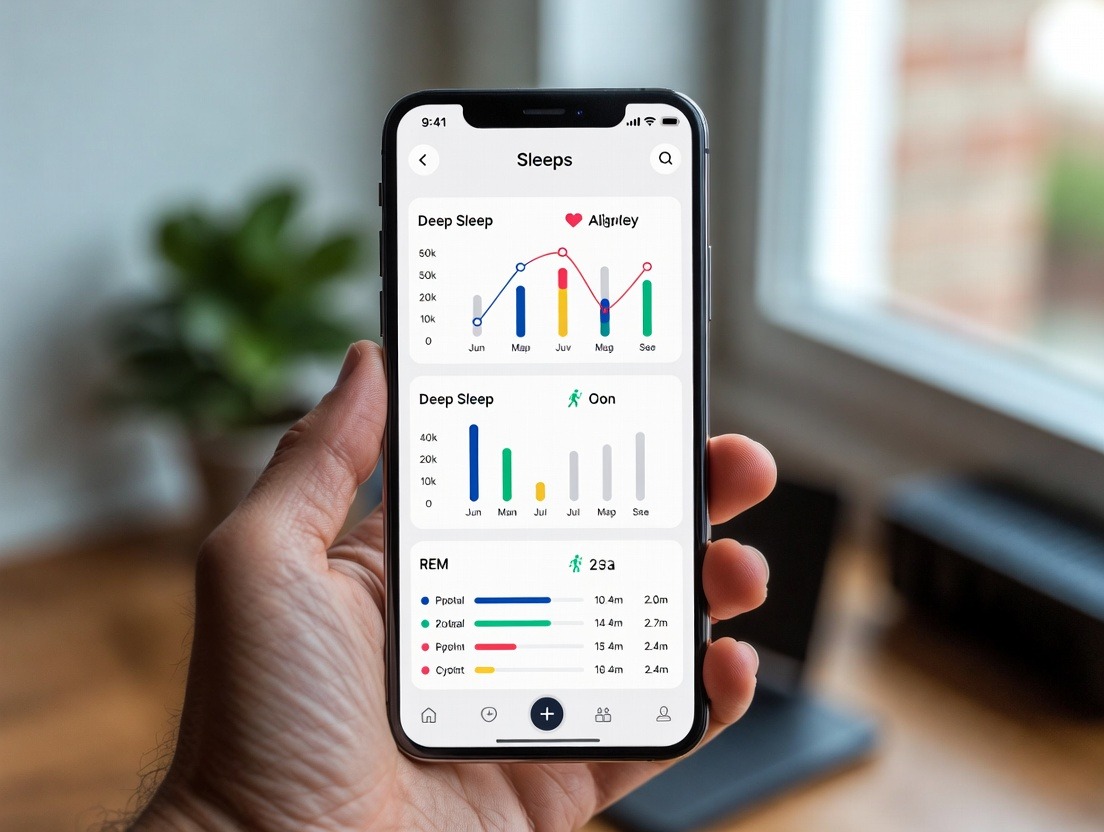
Understanding why a healthy habit can morph into a compulsion requires a look into the powerful psychological and neurochemical mechanisms at play. At its core, compulsive exercise often functions as a maladaptive coping strategy—a way to regulate emotions, manage anxiety, and create a sense of control in an unpredictable world.
1. The Neurochemical Reward (and Trap): Exercise reliably releases endorphins, dopamine, and serotonin—neurochemicals associated with pleasure, reward, and mood regulation. This is one of its greatest benefits. However, for someone prone to anxiety, depression, or perfectionism, this biochemical shift can become addictive. The workout becomes the most reliable way to escape negative mental states. Over time, tolerance can build, requiring longer or more intense sessions to achieve the same mental relief, creating a classic cycle of dependence.
2. Control and Ritual: In areas of life where we feel powerless, a strict exercise regimen provides a tangible domain of absolute control. Deciding exactly when, how, and how hard to work out creates a predictable structure and a sense of mastery. This ritualistic aspect can be soothing for an anxious mind. When the ritual is disrupted, the underlying anxiety floods back, reinforcing the need to maintain the compulsion to keep those difficult feelings at bay.
3. Identity and Self-Worth: For many, “being a fitness person” becomes a core part of their identity. This identity can be a source of great community and pride. But when it becomes the primary source of self-esteem, it’s fragile. Any perceived failure in that domain—a missed workout, a decline in performance—feels like a threat to the entire self. The exercise is no longer something you do; it becomes who you are. This fusion makes stepping back psychologically terrifying.
4. Avoidance and Numbing: Exercise is a powerful distraction. The intense physical focus can temporarily mute rumination, relationship stress, work pressures, or traumatic memories. While healthy distraction is useful, using exercise as a primary tool to avoid processing emotions or dealing with life problems is a form of psychological avoidance. The body moves, but the mind remains stuck.
5. Perfectionism and “All-or-Nothing” Thinking: The black-and-white cognitive style of perfectionism is fertile ground for compulsive exercise. Rest is seen as “all bad,” while exercise is “all good.” There is no comfortable middle ground. This mindset is often intertwined with disordered eating patterns, where exercise is used as a compensatory tool to “earn” food or “undo” eating, creating a punishing cycle of behavior.
Recognizing these psychological drivers is not about assigning blame, but about cultivating self-compassion and awareness. It allows you to ask the pivotal question: Am I moving to enhance my life, or to escape from it? Technology can either feed these psychological traps by providing more metrics to obsess over, or it can help break them by offering data that encourages nuance and rest. The design philosophy behind a tool like the Oxyzen ring, which you can explore at our main shop, is centered on providing holistic wellness insights—like sleep and recovery—that naturally encourage a more balanced view, countering the “more is always better” exercise narrative.
While the psychological signs of compulsive exercise are critical, the body sends its own unmistakable—and often ignored—distress signals. Pushing past these red flags is where the pursuit of health actively destroys it. Learning to recognize and respect these physiological warnings is a non-negotiable skill for sustainable wellness.
1. The Overtraining Syndrome (OTS) Continuum: OTS is not a myth; it’s a medically recognized condition resulting from an imbalance between training load and recovery. It begins with functional overreaching (short-term performance decline with adequate recovery), progresses to non-functional overreaching (prolonged stagnation and fatigue), and culminates in full overtraining syndrome, which can take months or even years to recover from. Symptoms are systemic:
2. The Injury Cycle: Compulsive exercisers often interpret pain as a challenge to overcome. This leads to training through minor aches, which inevitably develop into chronic overuse injuries: stress fractures, tendinopathies, chronic muscle strains, and joint issues. The body uses pain as its final, most emphatic communication. Ignoring it doesn’t build resilience; it builds forced, long-term rest.
3. Metabolic and Nutritional Strain: When energy expenditure chronically outpaces intake (often intentionally or unintentionally), the body enters a state of low energy availability. This doesn’t just affect body fat; it robs energy from vital systemic functions like bone remodeling, cellular repair, and thermoregulation. The long-term consequences include decreased bone density (osteopenia/osteoporosis), a compromised immune system, and cardiovascular strain.
4. Autonomic Nervous System Dysregulation: This is the cornerstone of the physiological fallout. The sympathetic (“fight or flight”) system becomes dominant, while the parasympathetic (“rest and digest”) system is suppressed. This affects digestion (bloating, IBS symptoms), emotional regulation (anxiety, irritability), and cardiovascular health. Recovery isn’t just about muscle repair; it’s about nervous system reset.
The critical lesson here is that more is not better; better is better. Quality of movement, adequate recovery, and periodization are what drive true, sustainable physiological adaptation. A smart ring that monitors metrics like sleep quality, resting heart rate, and HRV becomes an essential tool for honoring these red flags. It provides an objective, outside view of your internal state, cutting through the denial or perfectionism that might whisper “just push harder.” For a deeper understanding of how foundational sleep is to this recovery process, our article on how sleep quality became the foundation of healthy aging is an essential read. It underscores that recovery is not passive; it’s an active, physiological process as important as the workout itself.
Wearable technology sits at the fascinating and fraught intersection of this entire discussion. A fitness tracker or smart ring is, in essence, a neutral device—a collection of sensors and algorithms. Its impact, however, is profoundly shaped by the mindset of the person wearing it. It can be the most powerful tool in your wellness arsenal for achieving balance, or it can become the digital embodiment of compulsive pressure.
The Potential for Empowerment (When Used Consciously):
The Risk of Anxiety (When Used Compulsively):
Strategies for a Healthy Relationship with Your Wearable:
When used with intention, a sophisticated wearable becomes a coach for balance. It can show you the direct connection between a late-night stressful work session and your next day’s low readiness, or how a consistent sleep schedule improves your HRV trend. This fosters a cause-and-effect understanding of holistic health. For those curious about real-world applications, our testimonials page shares stories from users who have leveraged this data to find a more balanced, sustainable approach to their fitness and wellness.
In a culture that prizes mental override—“pushing through,” “mind over matter”—the most radical and healing act may be to simply listen. Rebuilding a trusting dialogue with your body is the antidote to compulsive exercise. This isn’t about becoming passive; it’s about developing a sophisticated, responsive intelligence that optimizes your health from the inside out.
The Language of Sensation: Your body communicates constantly through sensation, not words. Learning this language is key:
Practical Tools for Reconnection:
Rebuilding this connection is a cornerstone of aging vibrantly. As we get older, listening becomes not just beneficial but essential for preventing injury and maintaining lifelong mobility. Our article on healthy aging tips with movement strategies for every decade emphasizes this adaptive, listening-based approach. It’s about working with your body’s changing needs, not against them. This philosophy is central to our approach at Oxyzen, where we design technology to support this adaptive, intelligent dialogue, a principle you can learn more about on our about us page.
Reframing Rest: From Guilty Obligation to Strategic Superpower
If compulsive exercise has a nemesis, it is rest. In the performance paradigm, rest is framed as lost time, laziness, or backsliding. To find balance, we must dismantle this destructive myth and rebuild an understanding of rest as the most potent, non-negotiable component of any effective wellness regimen. Rest is not the absence of training; it is the phase where the body adapts and grows stronger.
The Science of Supercompensation: The physiological principle of supercompensation is clear: you break down tissue (muscle, connective tissue) during a workout. It is during the subsequent rest period that your body repairs this micro-damage, rebuilding it slightly stronger and more resilient than before. Without adequate rest, you only have breakdown. No amount of protein or supplements can override this biological truth.
Types of Rest (All Essential):
Strategies to Embrace Rest:
For the high-achiever, understanding that strategic rest is what allows for sustained high performance is a game-changer. It’s the difference between a bright, short-burning flame and a steady, enduring torch. This principle is critical for long-term healthspan. The data from a smart ring can be your greatest ally in this reframe, objectively proving that on days you prioritized rest, your body became stronger and more resilient. For more science-backed strategies that support this holistic view, including the role of rest, our blog offers a wealth of information, such as science-backed healthy aging tips that actually work.
With awareness of the pitfalls and a newfound respect for rest, we arrive at the creative, liberating work: constructing a movement practice that is inherently sustainable and joyful. This is not a one-size-fits-all prescription, but a set of principles you can adapt to build a routine that feels like an expression of self-care, not self-punishment.
1. Define Your “Why” – Dig Deep: Move beyond superficial goals. Instead of “I want to lose 10 pounds,” ask “Why?” Perhaps it’s “to have more energy to play with my kids,” “to feel confident and strong in my body,” or “to manage my stress so I’m more present.” Anchor your practice to these deeper, intrinsic values. When motivation wanes, reconnect to this core “why.”
2. Embrace Variety (Cross-Training): Doing the same activity daily is a fast track to overuse injuries, mental boredom, and plateaus. Build a weekly schedule that includes:
* Cardiovascular Health: Running, cycling, swimming, dancing.
* Strength & Stability: Weight training, bodyweight exercises, resistance bands.
* Mobility & Flexibility: Yoga, Pilates, dedicated stretching routines.
* Play & Skill: Sports, rock climbing, martial arts.
This not only protects your body but keeps your brain engaged. For ideas on incorporating varied movement as you age, see our guide on maintaining muscle mass after 60.
3. Prioritize Consistency Over Intensity: The single most important factor for long-term results is showing up consistently. A 20-minute daily walk is infinitely more impactful for lifelong health than a brutal 2-hour workout you dread and thus only do once a month. Start small, make it easy, and build the habit.
4. Integrate Movement into Life (NEAT): Formal exercise is only one piece. Non-Exercise Activity Thermogenesis (NEAT)—the energy you burn walking to the mailbox, gardening, taking the stairs, cooking—can be a massive contributor to overall health and metabolic rate. Cultivate an active lifestyle, not just an active workout hour.
5. Find Your Community (Carefully): Social connection can make movement joyful. Join a hiking group, a recreational sports league, or a friendly fitness class. However, be mindful of communities that foster comparison or a “no pain, no gain” extremism. Choose groups that celebrate effort and enjoyment over performance and aesthetics. The importance of this social factor for overall well-being is explored in healthy aging tips focused on social connection.
6. Periodize Your Training: Plan seasons of your year. Have a “build” phase focused on progressive overload, a “maintain” phase, and an “active recovery” phase. This structured variation respects your body’s need for different stimuli and prevents physical and mental burnout.
7. Let Technology Serve the Practice: Use your wearable to support these principles. Set a movement reminder to boost NEAT. Use the sleep tracker to ensure your rest supports your activity. Look at weekly activity balance rather than daily extremes. If you have questions about optimizing device settings for this purpose, our FAQ page is a great resource.
A sustainable practice is one you can imagine happily doing in 10, 20, or 30 years. It’s a practice that bends with life’s changes—through busy seasons, injuries, and aging. It is, ultimately, an act of self-respect. This journey toward balanced, lifelong movement is a core theme in our content, such as the article on 50 healthy aging tips a smart ring helps implement daily, providing actionable steps to weave these principles into the fabric of your life.
For many, the journey into fitness begins as an exploration—a path to feel better, look better, or manage stress. But a subtle, powerful shift can occur over time: the activity becomes an identity. "I am a runner." "I am a CrossFitter." "I am a yogi." While these labels can provide a sense of community and purpose, they can also construct an invisible, high-pressure cage. When your sense of self is fundamentally tied to a specific form of movement, stepping away from it—even for legitimate recovery or life demands—feels like an existential threat.
This fusion of activity and identity is a primary psychological driver behind compulsive exercise. The workout is no longer something you do; it is a ritual that confirms who you are. Missing it doesn't just mean skipping a task; it creates cognitive dissonance: "If I don't run today, am I still a runner?" The anxiety this question provokes is often what fuels the "I have to go" compulsion, even when exhausted or injured. The identity becomes a strict inner critic, enforcing rules to maintain its own existence.
The Social Media Amplification: In the age of Instagram and Strava, this identity is often performed for an audience. The curated feed of workout accomplishments, race medals, and physique photos generates external validation that further cements the identity. The "likes" and comments become social reinforcement, making it even harder to deviate from the script. You're not just letting yourself down by resting; you're letting down the persona you've built for your followers. The pressure to maintain the narrative can override biological needs.
Breaking Free from the Identity Cage:
Ultimately, a healthy identity related to movement is fluid and descriptive, not rigid and prescriptive. It allows you to adapt, grow, and honor your body's changing needs without experiencing a crisis of self. This journey back to a multifaceted self is a powerful component of long-term well-being. For those navigating major life transitions where identity can feel particularly unstable—such as the hormonal shifts of midlife—finding this balance is crucial, as discussed in our resource on healthy aging tips for women navigating hormonal changes.
The impact of compulsive exercise extends far beyond the individual's physiology and psychology; it sends ripples through their entire social ecosystem. Relationships are often the first casualty of a rigid, all-consuming fitness regimen. When exercise is prioritized above all else, it creates a silent hierarchy where loved ones and social commitments are consistently demoted.
The Erosion of Connection:
The Justification Trap: The individual often justifies this prioritization with the language of health: "I'm doing this to be healthy for my family," or "This is my self-care." While this may contain a kernel of truth, it obscures the immediate relational harm caused by the compulsion. True health includes nurturing the social bonds that are scientifically proven to lengthen and enrich life. When "self-care" consistently hurts others, it's worth re-examining.
Communication and Repair: If you recognize these patterns, open communication is the first step toward repair. This requires vulnerability. Instead of defensively stating, "I need to work out," try expressing the underlying need: "I'm feeling really anxious today, and exercise has been my way to manage that. Can we talk about how I can meet that need while also being present with you tonight?" This shifts the conversation from the act to the function of the act, opening doors for compromise and alternative coping strategies.
Furthermore, involving loved ones in your journey toward balance can be transformative. Explain the new data you're learning from your wellness ring—show them how a good night's sleep improves your readiness score, or how you're learning that a rest day can lead to a better performance tomorrow. This can turn them from adversaries of your routine into allies in your pursuit of sustainable health. Exploring the real user experiences on our testimonials page can provide relatable examples of how technology has helped others improve their health without sacrificing connection.
Ultimately, movement should enhance your life, not impoverish it. A key marker of balance is when your fitness routine integrates with your relationships—perhaps through partner hikes, family bike rides, or simply having the energy and presence to fully engage with the people you love after you've trained. This holistic integration is a cornerstone of the philosophy we champion at Oxyzen, where wellness is seen as a tapestry woven from physical, mental, and social threads.
The relationship between movement and nutrition is intimate and complex. In a balanced paradigm, nutrition fuels performance and aids recovery. In the compulsive exercise paradigm, this relationship becomes transactional, punitive, and fraught with anxiety. Food becomes either "fuel" to be meticulously calculated or a "reward" to be "earned" and "burned off." This distorts both eating and exercise from natural, pleasurable acts into a rigid economy of calorie debits and credits.
The Transactional Trap:
The Physiological Fallout: This mindset doesn't just harm psychology; it sabotages physiology. When exercise is used to "burn off" food, it's often performed in a stressed state (high cortisol), which is less effective for fat metabolism and muscle building. More critically, if energy expenditure chronically exceeds intake (a state of low energy availability), the body enters a conservation mode. It shuts down "non-essential" systems like reproduction (leading to amenorrhea), bone remodeling (increasing fracture risk), and immune function. The body, in its wisdom, prioritizes survival over performance.
Rebuilding a Nourishing Relationship:
The goal is to reach a place where you move to feel alive and capable, and you eat to nourish and enjoy that vitality. They become two harmonious parts of a single system of self-care, not opposing forces in a moral battle. For those seeking to implement this balanced approach at any age, our article on healthy aging tips that start working at any age provides foundational principles that apply here.
If exercise is the stimulus for growth, then sleep is the non-negotiable workshop where that growth occurs. There is no more potent recovery tool, no more critical component of a balanced movement practice, than consistent, high-quality sleep. The compulsive exerciser, however, often views sleep as downtime—a passive interval between active, productive sessions. This is a catastrophic misunderstanding. Sleep is an incredibly active physiological state where the magic of adaptation happens.
The Symphony of Sleep and Repair:
The Vicious Cycle of Overtraining and Poor Sleep: Compulsive overtraining directly sabotages sleep. Elevated cortisol and a revved-up sympathetic nervous system make it difficult to fall asleep and can lead to fragmented, shallow sleep. In turn, poor sleep impairs recovery, lowers pain tolerance, reduces motivation, and decreases athletic performance. The next day, the fatigued individual may push even harder to overcome the sluggishness, digging the hole deeper. It's a textbook negative feedback loop.
Using Technology to Break the Cycle: This is where a smart ring or wearable becomes an invaluable sleep coach. It moves you beyond subjective feeling ("I slept okay") to objective data:
By correlating your workout data with your sleep data, you can make empowered choices. For instance, you might notice that high-intensity evening workouts consistently trash your deep sleep. The solution isn't to stop training hard, but to schedule such sessions for the morning or early afternoon. Or, you might see that on nights after you've practiced a wind-down routine, your sleep score and next-day readiness soar. Our dedicated piece on how sleep quality became the foundation of healthy aging tips explores this data-driven approach in detail.
Prioritizing Sleep Hygiene: Beyond tracking, commit to sleep as a pillar equal to training:
When you start treating sleep with the same strategic importance as your hardest workout, you unlock a new level of performance, resilience, and balance. The data from your wearable provides the proof that this "passive" time is where you truly get stronger.

In our quest for optimized movement, we often lose the most fundamental aspect of the experience: the experience itself. We listen to podcasts to "optimize" our gym time, stare at screens on the treadmill to distract from the effort, and fixate on metrics to validate the session. While there's a place for this, compulsive exercise is often characterized by this profound disconnection—a "checking out" to get through the task. The antidote is mindfulness: the practice of bringing non-judgmental awareness to the present moment.
Moving from "Doing" to "Being": Mindful movement shifts the goal from external output (burned calories, miles run) to internal sensation. It's about feeling the ground beneath your feet, the rhythm of your breath, the contraction and release of your muscles. This simple act of paying attention transforms exercise from a chore to be endured into a rich, sensory experience to be savored.
The Benefits of a Mindful Movement Practice:
Practical Ways to Incorporate Mindfulness:
Mindfulness also applies to how we interact with our wellness technology. Instead of anxiously checking your ring's app every hour, try checking it once in the morning with curiosity: "What is my body telling me it needs today?" and once in the evening with reflection: "How did my choices today affect my physiology?" This turns data review into a mindful practice, not a compulsive one. For more on integrating mindful technology use with wellness goals, explore our blog for additional resources and related articles.
Ultimately, mindful movement re-enchants the ordinary. It turns a simple walk into a meditation, a strength set into a study of power and control. It is the ultimate protection against burnout, because when movement is a present-moment experience, it is inherently renewable and satisfying.
A rigid, unchanging fitness identity is not only psychologically confining; it is physiologically at odds with reality. Our bodies are not static machines; they are dynamic, aging biological systems with changing needs, capacities, and priorities. The 25-year-old's high-intensity, high-impact routine is not only unsustainable for the 55-year-old body—attempting to maintain it without adaptation is a direct path to injury, burnout, and a loss of confidence in movement altogether. Healthy movement requires lifecycle awareness: the wisdom to evolve your practice in harmony with your body's natural arc.
Decades of Change – A Guiding Framework:
The Role of Technology Across the Lifespan: A sophisticated wearable like the Oxyzen ring becomes increasingly valuable as we age. It provides objective data to guide these necessary adaptations.
Ignoring these lifecycle signals is a form of compulsive exercise—a refusal to adapt based on an attachment to a past identity or routine. Embracing them is an act of intelligence and self-respect. It allows you to be a lifelong athlete, redefining what athleticism means at each new stage. The goal is not to fight aging, but to age with strength, grace, and vitality. This is the core of our article on smart rings tracking healthy aging progress over time, demonstrating how data can celebrate positive trends in healthspan, not just fitness peaks.
The journey continues as we move into the practical systems and daily frameworks that turn these principles of balance into a lived reality. We will explore how to design a personalized, flexible training plan, set boundaries with technology, and cultivate the resilience needed to maintain a joyful, sustainable relationship with movement for the rest of your life.
Armed with an understanding of the "why" behind balance, we now turn to the "how." The compulsive approach relies on rigid, non-negotiable schedules. The balanced approach thrives on a framework—a set of guiding principles and flexible structures that accommodate life's dynamism while ensuring consistent progress toward holistic health. Your Personal Movement Blueprint is not a prison of sets and reps; it's a living document for vitality.
Step 1: Conduct a "Whole-Life" Audit.
Before writing a single workout, look at your life context. This is the antithesis of forcing a fitness plan onto an incompatible schedule.
Step 2: Embrace the "Pillars of Movement" Approach.
Instead of fixating on one activity, build your weekly schedule around complementary pillars that create a resilient, capable body. A balanced week touches on each:
Step 3: Implement Flexible Periodization.
Periodization is simply planning variation. A rigid plan breaks under stress; a periodized framework bends.
Step 4: Integrate "Micro-Movements" and NEAT.
Formal workouts are the punctuation; Non-Exercise Activity Thermogenesis (NEAT) is the prose of your active life. Build movement into your day’s fabric:
This blueprint is yours to adapt. It respects your biology, psychology, and real-world constraints. For a practical example of how this adaptable approach can be implemented with the help of technology, consider exploring how a wellness ring can track what truly matters beyond just steps, providing feedback on how your unique blueprint is serving your overall vitality.
Wearable technology offers a feast of data, but not all of it is nourishing. Without boundaries, it's easy to develop data indigestion—a state of anxiety, confusion, and compulsion driven by constant metrics. Cultivating a healthy relationship with your device requires an intentional "data diet": consciously choosing what to consume, when, and for what purpose. This turns your wearable from a source of stress into a source of insightful, empowering feedback.
Rule 1: Define Your "Primary Metric."
You cannot optimize for everything at once. Choose one primary metric to guide your training focus for a 4–6 week block, aligning it with your broader wellness goals.
Rule 2: Establish Sacred "Data-Free" Windows.
Constant biometric surveillance creates psychological pressure. Designate times when you are simply a human being, not a data point.
Rule 3: Curate Your Notifications Aggressively.
Turn off every alert that triggers guilt, anxiety, or a compulsive response.
Rule 4: Schedule "Data Review" Appointments.
Instead of compulsive checking, schedule 2-3 times per week to sit down and review your data with curiosity. Look for trends, not daily fluctuations. Ask:
Rule 5: Practice Regular "Tech Fasting."
Take one day a week—perhaps a Sunday—and leave the device off. Go for a hike, play with your kids, or enjoy a meal without a single metric being tracked. This resets your reliance on external validation and reconnects you with the intrinsic joy of experience. It’s a powerful reminder that you are more than your data.
These boundaries ensure you remain in the driver's seat. Your Oxyzen ring is a sophisticated dashboard, but you are the pilot. For troubleshooting specific questions about managing device settings or interpreting data in a balanced way, our comprehensive FAQ page is designed to be a supportive resource.

Motivation is a fickle fuel. It waxes and wanes with stress, weather, and life events. Compulsive exercise often masquerades as "high motivation," but it's usually fear-driven. Sustainable movement is built on systems—automated habits and environmental designs that make the healthy choice the easy choice, regardless of how you feel. When you focus on systems, you're not chasing a finish line (a goal); you're enjoying and improving a journey (a practice).
The Problem with Outcome-Only Goals:
Goals like "lose 20 pounds" or "run a marathon" are binary. You either achieve them or you don't. This can lead to an "all-or-nothing" mindset where a single missed workout feels like failure, triggering a shame spiral that derails everything. Furthermore, once the goal is reached, the system often collapses because it was built for a single outcome, not a lifelong practice.
The Power of Identity-Based Systems:
James Clear, in Atomic Habits, proposes a powerful shift: focus on who you wish to become. Instead of "I want to run a marathon" (goal), think "I want to become a runner" (identity). Then, build systems that prove this identity to yourself with small wins.
Designing Your Movement System:
Using Your Wearable as a System Accelerator:
Your device isn't just for tracking; it's for reinforcing identity and systems.
By building systems, you create a self-reinforcing cycle. The system leads to small, consistent actions. These actions prove your new identity. That identity makes the actions easier and more automatic. This is the engine of lifelong, balanced movement. For inspiration on building holistic systems that extend beyond movement, our blog offers resources like science-backed healthy aging tips that actually work, providing system-level approaches to overall vitality.
For the compulsive exerciser, a "rest day" is a void—an anxious space of inactivity to be endured. This mindset makes rest feel like failure. The solution is to reframe rest days as "Active Recovery" days—a vital, intentional, and productive component of your training designed to enhance adaptation, not hinder it. Active recovery is the bridge that turns breakdown from a workout into a stronger body.
What Active Recovery Is (And Isn't):
Active Recovery is low-intensity, low-impact movement performed with the explicit goal of enhancing physiological recovery. It is not a "light workout." There is no pushing, no striving, no target heart rate zone. The primary intention is circulatory, neurological, and psychological refreshment.
The Science of Active Recovery:
Examples of True Active Recovery:
How Your Wearable Guides Active Recovery:
This is where your smart ring’s data shifts from being a performance metric to a recovery coach.
By scheduling and celebrating Active Recovery days, you dismantle the "more is better" myth. You learn that strategic, gentle movement is a sophisticated tool. This approach is fundamental to aging well, as the body's need for intelligent recovery increases. It’s a practice in respecting your body’s wisdom, a theme explored in our article on how HRV monitoring supports healthy aging goals by providing a clear signal for when to move and when to recover.
Even the most balanced movement practice will face storms. Injury, illness, a family crisis, or a demanding work project—these are not failures of your system; they are tests of its resilience. The compulsive mindset sees these events as catastrophes, often leading to rushing back too soon or spiraling into negative self-talk. The balanced approach sees them as part of the human experience and navigates them with adaptability and self-compassion.
The Mindset Shift: From "Setback" to "Pivot."
Language matters. A "setback" implies you've lost ground and are moving backward. A "pivot" implies you are changing direction intelligently based on new information. You are not off the path; you are choosing a different part of the path for now.
Strategies for Intelligent Navigation:
1. During Injury:
2. During Illness (Like a Cold or Flu):
3. During Life Stress (Work Deadlines, Family Demands):
The Role of Technology in Setbacks:
Your wearable becomes a compassionate, objective guide during these times.
Navigating these interruptions with grace is the ultimate test of a balanced practice. It proves that your commitment is to your health, not just to a workout schedule. For more on building resilience that helps you weather these storms at any age, consider our piece on healthy aging tips to protect cognitive function, which emphasizes the role of stress management and adaptability.
Humans are social creatures, and movement is often more joyful and sustainable when shared. However, the wrong community can amplify compulsive tendencies, fostering comparison, extremism, and guilt. The right community provides accountability, encouragement, and shared joy without making your worth conditional on performance. Finding or building this "Tribe of Balance" is a critical step.
The Dangers of Performative Communities:
Many fitness spaces, both online and in-person, can subtly (or not so subtly) promote a "more is better" ethos. They celebrate extreme feats, drastic transformations, and unwavering consistency, often shaming rest or moderation. In these environments, your value is tied to your output, your physique, or your adherence to the group's dogma. This can quickly turn supportive accountability into coercive pressure.
Seeking Signs of a Healthy Movement Community:
How to Find or Build Your Tribe:
The Power of a Single "Accountability Buddy":
Sometimes, the perfect tribe is just one person. Find a friend who shares your desire for a sustainable approach. Check in with each other not just on workouts, but on sleep, stress, and whether you're listening to your bodies. This one-on-one connection can provide profound support without the noise of a larger group.
A supportive community reinforces the identity of being a "healthy, balanced person." It provides external validation for the choices that your internal wisdom and your wearable data are already telling you to make. Sharing the journey makes it more enjoyable and infinitely more sustainable. For stories of how others have integrated technology and community for better health, our testimonials page offers real-world inspiration.
The final, and perhaps most profound, step in this journey is to zoom out. Movement is not the destination; it is a vehicle. A vehicle for what? For a life of greater purpose, connection, and joy. When we stop making movement the central plot of our lives and instead make it a supporting character that enables our larger story, we achieve true, effortless balance.
Movement as an Enabler, Not the End Goal:
Ask yourself: What does being fit and healthy allow me to do that matters to me?
Creating a "Life-Forward" Practice:
Design your movement around upcoming life events you want to thrive in—a family vacation involving hiking, a friend's destination wedding where you want to dance all night, a demanding creative project that requires sustained mental energy. Train for those events. This creates powerful, positive motivation that is about gaining capability, not just losing weight or looking a certain way.
The "Energy Return on Investment" (EROI) Mindset:
Evaluate your movement choices through this lens: Does this activity leave me with more or less energy for the things that truly matter? A compulsive, exhausting workout has a low EROI—it drains you for the rest of the day. A balanced, energizing session has a high EROI—it leaves you feeling vibrant and capable. Use your wearable's data to find your personal EROI sweet spot.
Celebrating Non-Physical Wins:
Track victories that have nothing to do with the scale or the stopwatch.
The Ultimate Integration:
When movement becomes so seamlessly woven into the fabric of your life that it doesn't feel like a separate "workout" agenda, but simply part of how you live—walking to think, stretching to unwind, playing for fun, training for an adventure—you have arrived at balance. Your wearable is now a silent partner in this integrated life, providing gentle nudges and insightful feedback, not commands.
This is the long game: a lifetime of vitality, capability, and joy, supported by a compassionate and intelligent relationship with your body and the technology that helps you understand it. It’s a journey that honors both effort and ease, both striving and surrender. To continue exploring how to build this kind of holistic, purpose-driven wellness at any stage of life, we invite you to discover more resources on our blog.
Your Trusted Sleep Advocate (Sleep Foundation — https://www.sleepfoundation.org/)
Discover a digital archive of scholarly articles (NIH — https://www.ncbi.nlm.nih.gov/
39 million citations for biomedical literature (PubMed — https://pubmed.ncbi.nlm.nih.gov/)
experts at Harvard Health Publishing covering a variety of health topics — https://www.health.harvard.edu/blog/)
Every life deserves world class care (Cleveland Clinic -
https://my.clevelandclinic.org/health)
Wearable technology and the future of predictive health monitoring. (MIT Technology Review — https://www.technologyreview.com/)
Dedicated to the well-being of all people and guided by science (World Health Organization — https://www.who.int/news-room/)
Psychological science and knowledge to benefit society and improve lives. (APA — https://www.apa.org/monitor/)
Cutting-edge insights on human longevity and peak performance
(Lifespan Research — https://www.lifespan.io/)
Global authority on exercise physiology, sports performance, and human recovery
(American College of Sports Medicine — https://www.acsm.org/)
Neuroscience-driven guidance for better focus, sleep, and mental clarity
(Stanford Human Performance Lab — https://humanperformance.stanford.edu/)
Evidence-based psychology and mind–body wellness resources
(Mayo Clinic — https://www.mayoclinic.org/healthy-lifestyle/)
Data-backed research on emotional wellbeing, stress biology, and resilience
(American Institute of Stress — https://www.stress.org/)


