


Modern Health Monitoring: Regulatory Oversight and Standards
Discusses the role of government agencies in regulating devices that make health claims.
Discusses the role of government agencies in regulating devices that make health claims.
%402x.svg)
Every morning, millions of people glance at their wrists or fingers, not to check the time, but to assess their readiness for the day. A heart rate variability score, a sleep stage breakdown, a stress level graph—these digital pulses have become the new vital signs, curated not by a doctor in a clinic, but by sensors embedded in sleek rings, watches, and patches we wear 24/7. This is modern health monitoring: a profound, silent revolution happening on our very bodies. It promises hyper-personalized insights, preventative care, and a democratization of health knowledge. But as this data stream flows from our capillaries to the cloud, a critical, behind-the-scenes framework determines its trustworthiness, safety, and ultimate value: the complex world of regulatory oversight and standards.
This isn't just about bureaucratic red tape. It's about the invisible architecture that decides whether the "low oxygen alert" on your smart ring is a reliable medical warning or a glitch. It's the difference between a wellness gadget and a prescribable digital therapeutic. For consumers navigating a market flooded with claims of "clinical-grade accuracy" and "FDA-cleared" technology, understanding this landscape is no longer a niche interest—it's essential for making informed decisions about personal health. This article delves deep into the engines of governance and validation that power the devices tracking our every heartbeat, breath, and sleep cycle.
We’ll explore why a simple step count requires less scrutiny than an ECG reading, how global standards shape the algorithms that analyze your sleep, and what the future holds for AI-driven diagnostics. We’ll untangle the acronyms—FDA, CE, ISO, IEC—that serve as the gatekeepers of the digital health revolution. This journey is about empowering you to look beyond the marketing and understand the rigorous, often unsung, processes that ensure the technology you rely on is not just innovative, but also safe, accurate, and ethically accountable. The trust we place in these devices is built, line by line, within the codes, regulations, and standards we are about to explore.

The traditional model of healthcare was episodic and reactive. You felt ill, you visited a doctor, who performed tests, often in a clinical setting, leading to a diagnosis and treatment. Health data was a snapshot—a single blood pressure reading, an annual lab panel. The modern paradigm, powered by wearable technology, is continuous, ambient, and profoundly personal. It shifts the focus from treating illness to optimizing wellness and preventing disease, generating a torrent of biometric data points throughout the day and night.
This shift is monumental. Devices like the Oura Ring, Apple Watch, and a growing ecosystem of smart sensors collect data on parameters once only accessible in a hospital: continuous heart rate and rhythm, blood oxygen saturation (SpO2), skin temperature variability, and detailed sleep architecture. This isn't just about tracking; it's about translating physiological signals into actionable insights about recovery, stress resilience, and metabolic health. For instance, understanding your nighttime biometrics is foundational, which is why many turn to resources like The Science-Backed Nighttime Routine for Better Sleep to contextualize their device's data.
The drivers of this revolution are multifaceted. Consumer demand for proactive health ownership has skyrocketed. Technological advancements in miniaturization, battery life, and sensor fidelity have made powerful monitors wearable and affordable. Furthermore, the rise of artificial intelligence and machine learning allows for the sophisticated analysis of massive, complex datasets, identifying patterns and correlations invisible to the human eye. A device can now suggest that a subtle change in your heart rate during sleep, coupled with a slight elevation in nightly skin temperature, might indicate your body is fighting off an infection—days before you feel symptoms.
This consumer-led movement creates a fascinating dual identity for these devices. They are lifestyle and wellness products purchased in electronics stores, yet they generate deeply intimate health information. This duality sits at the very heart of the regulatory challenge: when does a "wellness tool" become a "medical device"? The answer to that question triggers a cascade of legal, ethical, and technical requirements that define the product's development, claims, and market access. It's a threshold that every manufacturer must carefully navigate, and its implications ripple out to every user.
In an unregulated wild west of health technology, claims would run rampant. A smart ring could falsely advertise the ability to detect atrial fibrillation without validation. A sleep tracker could misdiagnose sleep apnea, leading to undue anxiety or, worse, a lack of treatment for a serious condition. Data could be sold to third parties without consent, or vulnerable algorithms could produce biased results for certain demographics. Without oversight, the very tools meant to empower could mislead, harm, or exploit.
Regulatory frameworks exist to create guardrails that protect public health while fostering innovation. They enforce a baseline of safety, effectiveness, and truthfulness. When a device carries a regulatory mark—like the U.S. Food and Drug Administration (FDA) clearance or the European Union's CE marking for medical devices—it is not a mere stamp. It is a public declaration that the device has undergone a rigorous review process. Its claims are backed by substantial clinical evidence. Its software algorithms have been validated. Its hardware meets electrical safety and electromagnetic compatibility standards. Its manufacturing process ensures consistency and quality.
For the consumer, this translates to trust. When you see an ECG app is FDA-cleared, you can have a higher degree of confidence that its rhythm classification algorithm has been tested against a gold standard and found to be acceptably accurate. When a pulse oximeter is CE-marked as a medical device, you can trust its SpO2 readings within a stated margin of error for wellness monitoring. This trust is the currency of the digital health ecosystem. It allows users, and increasingly, healthcare professionals, to integrate this data into personal and clinical decision-making with greater assurance.
Moreover, regulation drives quality and standardization. It compels companies to adopt rigorous design controls, document their processes, and conduct risk management throughout a product's lifecycle. This structured approach often leads to better, more reliable products. It also creates a common language and set of expectations for the industry, which is crucial for interoperability—the ability of devices and software from different manufacturers to communicate and work together, a key component for the future of integrated digital health. In essence, regulation transforms exciting prototypes into dependable tools, ensuring that the promise of modern health monitoring is grounded in reality.
The global regulatory landscape for health technology is a complex mosaic, with different regions governed by different authorities and rules. Understanding the major players is crucial to deciphering what a device's certification truly means.
The U.S. Food and Drug Administration (FDA): Often considered the global benchmark, the FDA regulates medical devices in the United States under the Federal Food, Drug, and Cosmetic Act. The FDA classifies devices into three categories (Class I, II, III) based on their risk to the patient. A Class I device (e.g., a manual toothbrush) poses minimal risk and is subject to general controls. A Class III device (e.g., a pacemaker) sustains life and undergoes the most stringent pre-market approval (PMA) process. Most software and wearable devices that make medical claims fall into Class II, requiring a "pre-market notification" or 510(k) clearance, where the manufacturer must demonstrate the device is "substantially equivalent" to a legally marketed predicate device in terms of safety and effectiveness.
The European Union's Medical Device Regulation (MDR): In the EU, the CE marking indicates conformity with health, safety, and environmental protection standards. For medical devices, the path to a CE mark under the MDR (which replaced the older Medical Device Directives) involves working with a "Notified Body"—an independent organization designated by an EU country to assess conformity. The MDR is notably strict, emphasizing clinical evaluation, post-market surveillance, and transparency. A device's risk classification (Class I, IIa, IIb, III) determines the conformity assessment procedure.
Other Major Regulators:
International Standardization Bodies: While not regulators themselves, organizations like the International Organization for Standardization (ISO) and the International Electrotechnical Commission (IEC) are pivotal. They develop voluntary international standards (e.g., ISO 13485 for quality management systems for medical devices, IEC 60601 for electrical safety) that are often adopted or referenced by regulatory bodies. Compliance with these standards is frequently the most efficient way to demonstrate conformity with regulatory requirements globally. For a wellness device, adhering to relevant ISO standards for software lifecycle processes or usability engineering is a mark of mature, systematic development, even if it isn't making medical claims.
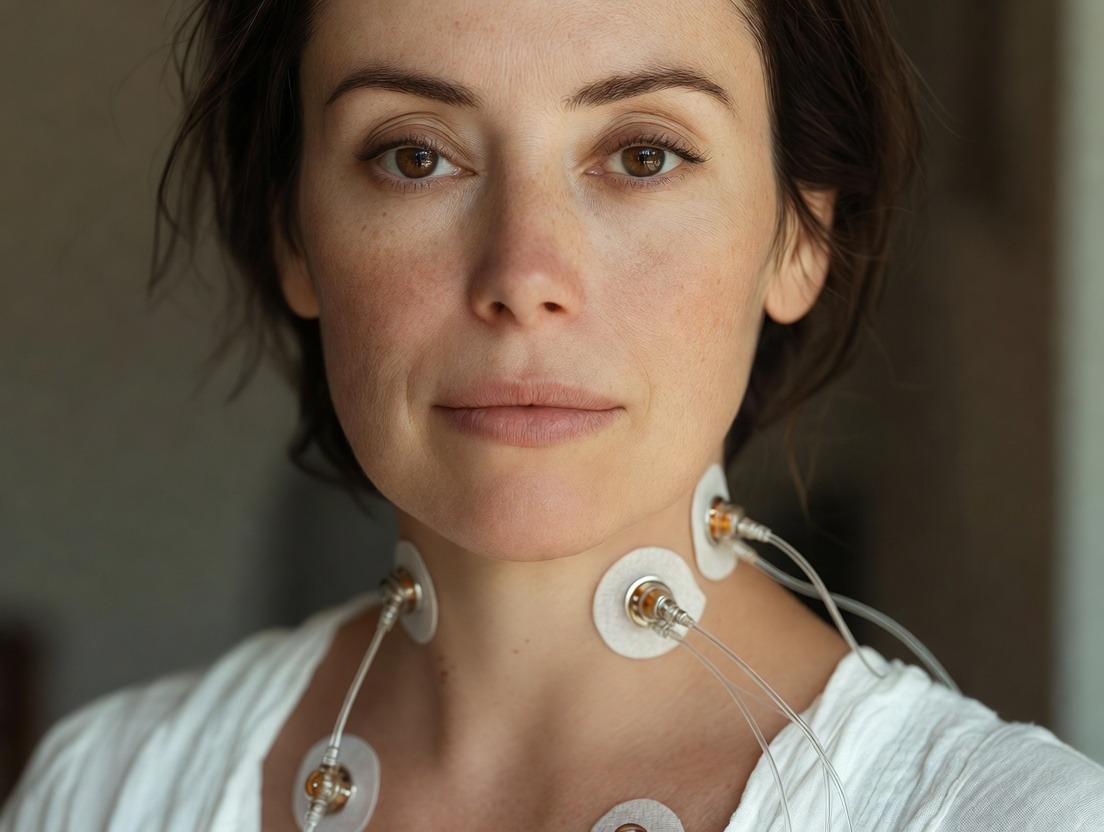
This is the single most important legal and strategic decision a health tech company makes: how to classify its own product. The line between a "general wellness" product and a "medical device" is defined by intended use and claims.
A general wellness product is intended for maintaining or encouraging a general state of health or activity. Its claims relate to lifestyle, relaxation, stress management, mental acuity, or fitness. Examples include a device that tracks step count and calories burned for fitness awareness, or one that monitors sleep patterns to provide insights into sleep duration and consistency. The data is for informational and motivational purposes only. These products typically face minimal regulatory oversight (e.g., FDA Class I exemption, or no specific medical device regulation), though they must still comply with consumer protection laws, data privacy regulations, and electrical safety standards. A product in this category might offer tips for winding down, which you can supplement with ideas from Nighttime Wellness Rituals That Take Less Than 30 Minutes.
A medical device, as defined by the FDA, is "an instrument, apparatus, implement, machine, contrivance... intended for use in the diagnosis of disease or other conditions, or in the cure, mitigation, treatment, or prevention of disease." In the EU, the definition is similar but includes devices for "prediction and prognosis." The moment a company claims its device can diagnose, treat, monitor, or prevent a specific disease or condition, it crosses into medical device territory.
Real-World Examples:
The implications are vast. Medical device classification triggers mandatory quality management systems (like ISO 13485), design controls, clinical investigations, rigorous risk management files, and ongoing post-market surveillance. It increases development time and cost exponentially but also allows for more powerful, clinically-relevant claims and can open doors to reimbursement and integration with healthcare systems. For the user, it's vital to read marketing materials critically: is a device offering "health insights" or making a "medical claim"? Your understanding of that difference, rooted in this regulatory divide, dictates the appropriate level of trust and action you should place in its data.
A sleek design and a compelling app are meaningless if the underlying data is inaccurate. This is where clinical validation and performance standards come in—they are the scientific engine of credibility. For a medical device, this process is mandated. For a wellness device, leading companies voluntarily invest in it to build trust and differentiate themselves.
Clinical Validation is the process of gathering evidence to confirm that a device accurately measures what it claims to measure (accuracy) and that its measurements are consistent (precision). This is typically done through a clinical study where the new device is tested head-to-head against an accepted "gold standard" reference method in a controlled setting with human participants.
Performance Standards are published protocols that dictate how these validations should be conducted. Key standards include:
Adherence to these standards ensures validation studies are designed robustly, with appropriate participant demographics, statistical power, and reporting transparency. When a company states its device is "clinically validated," the discerning question is: "Against what gold standard, following which protocol, and with what results?" Peer-reviewed publication of these studies in scientific journals is the highest form of this evidence, moving from marketing to academic scrutiny.
Regulation isn't just about testing the final product; it's about governing the entire process of creating it. For medical devices, this is enforced through Quality Management Systems (QMS) and Design Controls. The central standard is ISO 13485:2016 - Medical devices — Quality management systems — Requirements for regulatory purposes.
Think of ISO 13485 as the blueprint for building a culture of quality and risk management throughout a company's operations. It covers everything from management responsibility and resource provision to product realization, measurement, analysis, and improvement. Certification by an accredited auditing body is often a prerequisite for regulatory submission.
A core component of a QMS is Design Controls, a set of interrelated practices that translate user needs into a safe and effective finished device. The process is highly structured:
This rigorous, documented framework is what separates a hobbyist project from a reliable health tool. It ensures traceability: if a problem is found post-market, the company can trace it back through the design history to understand the root cause. For consumers, the knowledge that a device is manufactured under an ISO 13485-certified QMS is a powerful indicator of its foundational reliability and the company's commitment to systematic excellence. It's the procedural backbone that supports the scientific claims of clinical validation.

Modern health monitors are not just hardware; they are sophisticated software platforms. The sensor collects raw photoplethysmography (PPG) signals or motion data, but it is the algorithms—often complex AI models—that transform this noise into insights about sleep, stress, and recovery. Regulating this software is a paramount challenge.
Software as a Medical Device (SaMD) is a key concept defined by the International Medical Device Regulators Forum (IMDRF). SaMD is software intended to be used for one or more medical purposes without being part of a hardware medical device. The algorithm itself is the device. Examples include software that analyzes photos of skin lesions for cancer risk, or an algorithm that takes heart rate and activity data from a consumer wearable to identify potential atrial fibrillation. The FDA, EMA, and others have specific guidances for SaMD, focusing on its algorithmic change protocol (how updates are managed and validated) and clinical evaluation.
Cybersecurity is a non-negotiable pillar of safety. A vulnerable device is an unsafe device. Regulators require manufacturers to build security into the design lifecycle (a "security by design" approach). This includes:
The consequences of a breach are severe, ranging from theft of sensitive health data to the potential for malicious actors to manipulate device functionality.
Algorithmic Transparency and Bias represent the emerging frontier of software regulation. If an AI model is trained on a dataset that lacks diversity (e.g., predominantly on younger, male, light-skinned individuals), its predictions may be less accurate for women, older adults, or people with darker skin tones—a documented issue with some optical heart rate and SpO2 sensors. Regulators are increasingly demanding that manufacturers address algorithmic bias by using representative training datasets and demonstrating performance across different demographic groups. Transparency—explaining in understandable terms how an algorithm reaches its conclusion—is also becoming a focus, moving away from "black box" AI. For users, this means the quest for accurate data is also a quest for equitable data; the best devices will be validated across the full spectrum of human diversity.
The intimate data generated by health wearables—your sleep habits, stress patterns, heart rhythms—is arguably more sensitive than your financial information. How this data is collected, used, shared, and protected is governed by a patchwork of privacy laws and ethical considerations that users must understand.
Key Privacy Regulations:
Critical Questions for Consumers:
Ethical Governance goes beyond legal compliance. It's about corporate responsibility. Are the company's data practices aligned with its stated mission to improve health? Is there an independent ethics board overseeing research? Is the company transparent about potential conflicts of interest? For example, if a device maker partners with a pharmaceutical company, how is user data insulated from marketing use? Choosing a device is, in part, choosing a steward for your most personal information. Their approach to privacy and ethics is a direct reflection of their respect for the user, a principle that extends to all aspects of wellness, including how data informs daily habits, as explored in guides like How to Build a Nighttime Routine That Actually Sticks.
A device's journey doesn't end at regulatory clearance and store shelves. In fact, one of the most critical phases begins: Post-Market Surveillance (PMS). This is the ongoing, systematic process of collecting and analyzing real-world data on a device's safety and performance once it is in widespread use. Regulators like the FDA and EU MDR have stringent PMS requirements because clinical studies, while essential, have limitations: they involve a limited number of participants in controlled conditions for a finite time. The "real world" is far messier and more diverse.
Key Components of PMS:
Field Safety Corrective Actions (FSCAs): If a serious risk is identified, the manufacturer must take action. This could be a Device Recall (correction or removal from the market), a Software Update to patch a bug or security vulnerability, or a Field Safety Notice sent to users informing them of new instructions or limitations.
This ecosystem of vigilance is designed to be proactive and reactive. It protects users by ensuring that signals of problems are detected early and addressed swiftly. For the consumer, it underscores the importance of:
A company's commitment to robust PMS is a hallmark of maturity and long-term responsibility. It demonstrates an understanding that launching a product is the beginning of a stewardship journey, not the end of a development cycle. This commitment to user safety post-purchase is as vital as the initial accuracy of the device, ensuring that the tool you integrate into your life, much like the The Minimal Nighttime Wellness Routine: 5 Essential Steps, is supported by a framework of continuous care and improvement.
A modern smart ring or wearable is not a solitary device; it is a node in a vast and growing ecosystem of connected health. This ecosystem includes companion smartphone apps, cloud-based AI analysis platforms, electronic health record (EHR) integrations, telehealth services, and even connections to other smart home devices. The regulatory and standards-based framework we've explored must therefore extend beyond the physical hardware to govern these digital connections and data flows. This interconnectedness amplifies both the potential benefits and the inherent risks.
Consider a scenario: Your smart ring detects a pattern of unusually elevated resting heart rate and diminished sleep quality over three nights. Its onboard algorithm flags this as a potential "recovery deficit" and suggests you review stress. But within the broader ecosystem, this data point could be automatically shared (with your explicit consent) with your digital fitness coach app, which then adjusts your workout intensity for the day. Simultaneously, a trend analysis dashboard visible to you in the companion app might correlate this data with a spike in your environmental pollen data, suggesting a possible immune response. In a more advanced, regulated setup, this same data stream, if from an FDA-cleared device, could be integrated into a remote patient monitoring (RPM) platform watched by your cardiologist's office, triggering a nurse to call you for a check-in.
This is the promise: seamless, contextual, and actionable health intelligence. However, each handshake between systems—ring to app, app to cloud, cloud to clinician portal—represents a potential point of failure, data corruption, or security breach. Interoperability standards like Fast Healthcare Interoperability Resources (FHIR) are becoming the critical lingua franca for this ecosystem. FHIR, developed by Health Level Seven International (HL7), provides a modern framework for exchanging healthcare information electronically. It allows the data from your consumer wearable to be structured in a way that a hospital's EHR system can potentially understand and ingest, bridging the chasm between consumer tech and clinical care.
The regulatory implications are profound. If a company's app or cloud service is integral to the device's medical function (e.g., the algorithm that performs the AFib detection runs in the cloud), then that software component is part of the regulated device. Data integrity—ensuring that the numbers measured by the sensor are not altered or degraded as they move through the ecosystem—is a key validation point. Furthermore, if a device maker partners with a third-party app (like a meditation or fitness platform), they become responsible for ensuring that partnership doesn't compromise the device's safety, effectiveness, or the privacy of the shared data. The ecosystem doesn't dilute responsibility; it expands the scope of a manufacturer's regulatory and ethical duties.
A device can be clinically accurate and built under a perfect QMS, but if users can't understand it, wear it comfortably, or interpret its data correctly, it fails. This is where Usability Engineering (or Human Factors Engineering) becomes a regulated discipline, especially for medical devices. Standards like IEC 62366-1 specify a process for analyzing, specifying, developing, and evaluating the usability of a device as it relates to safety. The goal is to minimize use errors and use-associated risks.
Usability engineering is not just about making a pretty interface. It's a rigorous, user-focused design process that runs parallel to technical development. It involves:
For consumer health technology, even when not mandated, best-in-class companies adopt these principles. The result is devices that are intuitive, accessible, and less prone to generating anxiety or confusion. Clear data visualization, actionable insights instead of raw medical jargon, and comfortable, unobtrusive form factors are all outcomes of human-centered design. For example, a good sleep tracker won't just show a confusing hypnogram; it will provide a simple "Sleep Score" with clear, actionable feedback like "Your restfulness was lower because your sleep was fragmented. Consider reducing screen time before bed," potentially pointing users to resources like Nighttime Routine Mistakes That Ruin Your Sleep for deeper understanding. This thoughtful design bridges the gap between complex biometrics and meaningful, positive behavior change.
Navigating the path to market across different countries is a strategic challenge for manufacturers, requiring careful planning and investment. The process of demonstrating that a device meets all applicable regulatory requirements is called Conformity Assessment. The pathways differ significantly by region, creating a "global patchwork" that companies must piece together.
United States (FDA Pathway):
For a Class II medical device, the most common path is the 510(k) clearance. The manufacturer submits a pre-market notification demonstrating "substantial equivalence" to a "predicate" device already on the market. This involves a detailed comparison of technological characteristics and performance data. For novel devices with no predicate (or higher-risk Class III devices), the more arduous Pre-Market Approval (PMA) is required, involving clinical trials and comprehensive scientific evidence to prove safety and effectiveness. The FDA also offers the De Novo classification for novel, low-to-moderate risk devices without a predicate, creating a new regulatory classification for future devices to follow.
European Union (CE Marking under MDR):
The process is more decentralized. The manufacturer must:
Rest of World (ROW): Many countries accept or have harmonized their requirements with U.S. FDA or EU MDR standards, but often with local nuances. Canada requires a Medical Device License. Japan's PMDA approval is known for its meticulous review. China's NMPA requires extensive clinical data, often from trials conducted within China, and has a unique registration system.
For a company, this means pursuing a global regulatory strategy. Often, they will seek approval in a major market first (e.g., the U.S. or EU) and then use that approval as a cornerstone of their technical documentation to streamline submissions in other regions—a concept known as "reliance." However, local testing, labeling in the local language, and appointment of an in-country representative are almost always required. For consumers, this explains why some devices launch in certain countries years before others, and why the feature set or claims might vary slightly from region to region based on what was approved by each local authority.

The frontier of health technology is being shaped by two powerful forces: adaptive Artificial Intelligence/Machine Learning (AI/ML) and Digital Therapeutics (DTx). These advancements are actively testing the limits of existing regulatory frameworks, which were largely designed for static hardware and software.
AI/ML-Enabled Devices: Traditional medical device software is locked; its algorithm is fixed at the time of regulatory review. Modern AI/ML, however, is designed to learn and adapt from new real-world data. A sleep staging algorithm could continuously refine its model as it processes data from millions of new users. This "locked" vs. "adaptive" algorithm dichotomy poses a core challenge: how can a regulator approve a device that will change after it goes to market?
The FDA has pioneered a potential solution with its Predetermined Change Control Plan (PCCP) framework. In this approach, manufacturers submit—at the time of initial application—a plan for the anticipated modifications to the AI/ML model. This plan must specify the types of changes (the "Software as a Medical Device Pre-Specifications"), the methodology used to implement them in a controlled manner (the "Algorithm Change Protocol"), and the assessments that will be done to ensure safety and effectiveness remain acceptable. This allows for iterative improvement within a pre-approved, bounded framework, balancing innovation with ongoing regulatory oversight.
Digital Therapeutics (DTx): DTx are evidence-based therapeutic interventions driven by software to prevent, manage, or treat a medical disorder or disease. They are not just tracking tools; they are the treatment. Examples include FDA-authorized apps for cognitive behavioral therapy (CBT) for insomnia or substance use disorder, or software that manages a digital treatment plan for diabetes. DTx are subject to the highest levels of clinical evidence, akin to pharmaceuticals. They undergo randomized controlled trials (RCTs) to prove they achieve a clinically meaningful endpoint. Regulators like the FDA have established pathways for DTx, and some, like Germany, have even begun creating reimbursement models for "prescribed" apps.
The convergence of wearables and DTx is particularly potent. A smart ring providing continuous physiological data could inform and personalize a DTx for insomnia management in real-time, creating a closed-loop therapeutic system. Regulating these adaptive, software-driven, combination products is the next great challenge for agencies worldwide. It demands a shift from reviewing static dossiers to overseeing dynamic, learning systems and their clinical impacts—a shift that is already underway.
Armed with an understanding of the regulatory landscape, you are no longer a passive buyer but an empowered evaluator. When assessing a health or wellness wearable, you can move beyond marketing buzzwords and ask critical, informed questions. Here is a practical framework for due diligence:
1. Scrutinize the Claims:
2. Demand Transparency on Validation:
3. Investigate Data Governance:
4. Assess the Company's Post-Market Vigilance:
5. Consider the Ecosystem and Interoperability:
By applying this lens, you align your purchasing power with companies that prioritize scientific rigor, user safety, and ethical data practices. You become a participant in shaping a responsible health tech market, rewarding the manufacturers who invest in the hard work of validation and regulation. This informed approach allows you to confidently integrate technology into your health journey, whether you're optimizing performance or managing a condition, using data from tools that have earned your trust.
The regulatory and standards environment is not static; it evolves in response to technological breakthroughs and societal needs. Several key trends will define its trajectory in the coming years:
1. The Rise of Real-World Evidence (RWE): Regulators are increasingly accepting data collected outside traditional clinical trials—from EHRs, claims data, and yes, consumer wearables—as complementary evidence for decision-making. The FDA's Digital Health Center of Excellence is actively exploring how RWE from wearables can support new indications for existing devices or monitor post-market safety. This could accelerate innovation by allowing faster, more efficient studies.
2. Increased Focus on Algorithmic Fairness and Equity: As discussed, bias in AI is a critical risk. Expect regulators to demand more comprehensive demographic breakdowns of validation study results and ongoing monitoring of algorithmic performance across subgroups. Standards bodies are already working on guidelines for assessing and mitigating bias in health AI.
3. Harmonization and International Cooperation: The global patchwork is inefficient for both industry and regulators. Forums like the International Medical Device Regulators Forum (IMDRF) are working to align regulatory requirements and expectations across major markets. While full harmonization is distant, convergence on core principles (like those for SaMD and AI/ML) is likely to reduce barriers and speed global access to safe innovations.
4. Cybersecurity as a Foundational Requirement: Threats are becoming more sophisticated. Future regulations will likely mandate even more rigorous "security by design" principles, penetration testing, and vulnerability disclosure programs. Cybersecurity will be treated with the same gravity as electrical safety.
5. Personalization vs. Standardization Tension: The ultimate promise of wearables is hyper-personalized health insights—algorithms that learn your unique baseline. However, regulation thrives on standardization and predefined performance criteria. Bridging this gap—creating frameworks that allow for safe personalization without forgoing oversight—will be a central puzzle for the next decade. The PCCP framework is a first step in this direction.
These trends point toward a future where oversight becomes more agile, data-driven, and focused on the entire lifecycle of increasingly intelligent and connected health tools. The goal remains constant: to foster an environment where groundbreaking technology can reach the public quickly, but never at the expense of safety, equity, and trust.
We have journeyed through the intricate, often unseen, world that underpins the modern health monitoring revolution. From the critical distinction between a wellness gadget and a medical device, through the rigors of clinical validation, quality management, and software scrutiny, to the ethical imperatives of data privacy and post-market vigilance, a clear picture emerges. The numbers on your smart ring's screen are not born in a vacuum. They are the output of a vast, interconnected system of rules, standards, evidence, and ethical considerations.
This framework is the bedrock of trust. It is what allows you to consider your sleep score as more than a random number, to view a resting heart rate trend as a meaningful signal, and to potentially act on a health notification with a degree of confidence. It is also what protects you from false claims, insecure data practices, and poorly made products.
Understanding this landscape does more than make you a savvy consumer; it makes you an active partner in your own health management. It enables you to ask better questions, choose tools wisely, and interpret data with appropriate context. You can now appreciate why one device might cost more than another, or why a feature is available in one country but not yet in yours.
As the technology continues its rapid advance—with AI, DTx, and deeper ecosystem integration—this foundational knowledge becomes even more vital. The relationship between innovation and regulation will continue to be a dynamic dance, one that ultimately determines the pace and safety of the health tools that become woven into the fabric of our daily lives. In the next portion of this exploration, we will delve into the specific applications of this framework, examining case studies, the role of healthcare providers, and the profound societal implications of a continuously monitored world.
The invisible guardians—the regulations and standards—are there to ensure that as we reach for a future of empowered health, the ground beneath our feet remains solid, safe, and built to last.
Understanding the theoretical framework is one thing; seeing it applied in the real-world battles and triumphs of specific technologies brings it into sharp focus. Let’s examine three landmark case studies that illustrate the pivotal role of regulatory pathways, clinical validation, and post-market evolution.
Case Study 1: The Apple Watch ECG – Redefining Consumer Medical Devices
In 2018, Apple received FDA clearance for the electrocardiogram (ECG) app and irregular rhythm notification feature on the Apple Watch Series 4. This was a watershed moment, moving a mainstream consumer electronics product firmly into the Class II medical device territory.
Case Study 2: The Rise (and Regulatory Scrutiny) of Pulse Oximetry in Wearables
The integration of pulse oximetry (SpO2) into smart rings and watches, especially during the COVID-19 pandemic, highlighted the fine line between wellness and medical intent.
Case Study 3: Prescription Digital Therapeutics (PDT) – The Software Pill
Companies like Pear Therapeutics (with reSET for substance use disorder and Somryst for chronic insomnia) achieved the first FDA prescription authorizations for software-only treatments. This established the Digital Therapeutics (DTx) category.
These cases demonstrate that regulatory strategy is not an afterthought but a core component of product design and market success. They show how validation builds trust, how post-market vigilance is essential, and how the most impactful health technologies are those that successfully navigate the complex journey from a promising sensor to a trusted, evidence-based tool.
The proliferation of consumer health data is fundamentally changing the patient-provider relationship. The era of "Bring me your data" is replacing "Tell me your symptoms." For healthcare professionals, this presents both unprecedented opportunities and significant challenges, mediated largely by the regulatory and validation framework we've outlined.
The Opportunity: A Continuous Window into Health
Traditionally, a physician might see a patient with hypertension once every six months for a single blood pressure reading—a snapshot prone to "white coat syndrome." Now, a patient can arrive with weeks or months of continuous blood pressure, heart rate, and sleep data from a wearable. This longitudinal data can:
The Challenge: The Data Deluge and the "Garbage In" Problem
The primary challenge for clinicians is clinical utility and signal-to-noise ratio. Not all data is useful, and inaccurate data is worse than no data. Key concerns include:
Building a Bridge: The Path to Professional Acceptance
For consumer health data to be truly integrated into clinical care, several bridges must be built:
The clinician's perspective is the ultimate stress test for the regulatory framework. A device that earns both a regulatory clearance and clinical trust becomes more than a consumer product; it becomes a potential point-of-care tool, extending the reach and insight of the healthcare system into daily life. This integration represents the most profound promise of the modern health monitoring revolution.
For companies in the health technology space, regulatory strategy is not a compliance checkbox handled by a back-office team; it is a core business function that shapes product roadmaps, investment requirements, time-to-market, and competitive advantage. Navigating this landscape successfully is what separates fleeting gadgetry from enduring health solutions.
The Cost of Compliance: A Strategic Investment
Pursuing medical device classification requires a massive upfront and ongoing investment. Costs include:
This creates a high barrier to entry, favoring well-funded, serious players. For a startup, the decision is strategic: start as a wellness product to generate revenue and user data, then pursue medical device clearance for advanced features (a common "de-risked" path), or seek venture funding specifically to cover the long, expensive medical device pathway from day one.
The Value Proposition: Trust as a Market Differentiator
In a crowded market, regulatory credentials are a powerful marketing tool and a key differentiator. They communicate:
This trust can command a price premium, attract partnerships with healthcare institutions, and open doors to B2B (Business-to-Business) and B2B2C (Business-to-Business-to-Consumer) channels. For example, a validated smart ring company might partner with a corporate wellness provider to offer the device as part of a sleep health program, or with a health system for a cardiac rehab remote monitoring program.
The Risk of Non-Compliance: Fines, Recalls, and Reputational Ruin
The consequences of regulatory missteps are severe. Agencies can issue:
Beyond regulatory action, the reputational damage from a safety issue or a recall can be fatal to a brand, especially in the health space. A single incident of biased algorithm outcomes or a major data breach can erase years of built trust overnight. Therefore, a robust compliance strategy is, fundamentally, a risk mitigation strategy for the entire business.
In essence, for health tech companies, the regulatory pathway is the business pathway. It dictates the product’s allowed claims, its target market, its development timeline, and its ultimate potential for impact. Companies that deeply integrate regulatory thinking into their culture—viewing it as a framework for building superior, trustworthy products rather than a bureaucratic hurdle—are the ones positioned to lead the next wave of innovation.
Beyond legal compliance lies a broader ethical landscape that the health tech industry and its regulators must navigate. The power of these tools to shape health outcomes comes with a responsibility to ensure that power is distributed fairly and justly. Three ethical imperatives stand out: equity, access, and algorithmic justice.
1. The Equity Challenge: Beyond the "Standard Patient"
Historically, much of medical research, including device validation, has been conducted on homogeneous populations—often predominantly white, male, and of specific age ranges. This has led to a legacy of bias in medicine. Wearables and health AI risk perpetuating and even scaling these biases if not consciously addressed.
2. The Access Divide: Luxury or Public Health Tool?
High-end smart rings and watches are often priced as luxury electronics, creating a digital health divide. Those who could benefit most from continuous monitoring—individuals with chronic conditions in underserved communities—may be least able to afford it. This raises critical questions:
3. Algorithmic Justice and Psychological Impact
The ethics of data interpretation are equally important. Algorithms that label sleep "poor" or stress "high" can have a real psychological impact, potentially inducing anxiety—a phenomenon sometimes called "quantified-self anxiety." The ethical design of insights is crucial:
Ultimately, the ethical health tech company views regulation as a floor, not a ceiling. It strives to build products that are not only safe and effective but also fair, accessible, and psychologically supportive, ensuring the revolution in personal health data truly leads to a revolution in personal and public health outcomes.
As we peer into the next decade, the trajectory of health monitoring points toward greater integration, intelligence, and intimacy with our biology. The regulatory and ethical frameworks must evolve in tandem to steward this future responsibly. Here are key horizons on the map:
1. Multi-Modal Sensing and the "Digital Phenotype"
Future devices won't rely on a single sensor (like PPG) but will fuse data from multiple sensors—optical, electrical (ECG), bioimpedance (for body composition), acoustic, chemical (via sweat or interstitial fluid), and even environmental (air quality, light, sound). This will create a rich "digital phenotype"—a high-resolution, dynamic portrait of an individual's health status. The regulatory challenge will be validating not just individual sensors but the emergent insights from sensor fusion. Does a combined signal of elevated skin temperature, increased resting heart rate, and decreased HRV reliably indicate an impending illness? Proving such novel, multi-parameter claims will require new clinical study designs and analytical frameworks.
2. The Era of Proactive, Predictive, and Preventative Health
The ultimate goal is to move from descriptive ("You slept poorly") to predictive ("Based on your current stress load and recovery deficit, you have a 70% likelihood of developing an upper respiratory infection in the next 3-5 days") and ultimately prescriptive ("To prevent this, follow this tailored protocol for sleep, nutrition, and stress management"). This shift represents a massive leap in utility and, consequently, in regulatory scrutiny. Predictive algorithms will be held to an extremely high standard of accuracy to avoid false alarms and missed detections. The line between a wellness suggestion and a medical prediction will become even finer and more hotly contested.
3. Deep Integration with Healthcare and the "Federated" Health Record
The future envisions a seamless flow of data. Your smart ring detects a concerning cardiac rhythm, generates an alert in your app, which automatically sends a summary report via FHIR to your cardiologist's EHR portal, and populates a dashboard in a remote monitoring center. Your doctor reviews it and sends a treatment adjustment back to your app. This closed-loop, interoperable ecosystem demands not just technical standards but also legal frameworks for data sharing, liability assignment, and professional reimbursement. The concept of a personal health ecosystem, where you control a "federated" record that pulls data from all your devices and apps, giving you the power to share slices with providers as you choose, is a likely evolution, empowering the individual as the true steward of their data.
4. Neurotechnology and Mental Health Monitoring
The next frontier is the brain and mind. Emerging devices using simplified EEG (electroencephalography) or other modalities promise to track stress, focus, and emotional states. The potential for mental health monitoring and support is enormous, but so are the ethical and privacy stakes. Regulating devices that claim to interpret mental or cognitive states will be exceptionally complex, requiring profound sensitivity and robust safeguards against misuse.
5. Global Governance and the "Common Framework"
The current patchwork of national regulations is unsustainable for a global digital health market. Pressure will grow for greater international harmonization. We may see the emergence of a "common framework" for digital health, perhaps built through the IMDRF, that defines core principles for safety, efficacy, data privacy, and cybersecurity that major economies can adopt, while allowing for local adaptations. This would reduce duplication, accelerate innovation, and ensure a baseline of protection for citizens worldwide.
The journey of modern health monitoring is just beginning. The rules, standards, and ethical principles we craft today will determine whether this powerful technology becomes a force for universal health empowerment or a source of new inequalities and anxieties. By understanding and engaging with this framework—as consumers, creators, clinicians, and citizens—we can all play a part in shaping a future where technology truly serves humanity's deepest goal: a healthier, more vibrant life for all.
Your Trusted Sleep Advocate: Sleep Foundation — https://www.sleepfoundation.org
Discover a digital archive of scholarly articles: NIH — https://www.ncbi.nlm.nih.gov/
39 million citations for biomedical literature :PubMed — https://pubmed.ncbi.nlm.nih.gov/
Experts at Harvard Health Publishing covering a variety of health topics — https://www.health.harvard.edu/blog/
Every life deserves world class care :Cleveland Clinic - https://my.clevelandclinic.org/health
Wearable technology and the future of predictive health monitoring :MIT Technology Review — https://www.technologyreview.com/
Dedicated to the well-being of all people and guided by science :World Health Organization — https://www.who.int/news-room/
Psychological science and knowledge to benefit society and improve lives. :APA — https://www.apa.org/monitor/
Cutting-edge insights on human longevity and peak performance:
Lifespan Research — https://www.lifespan.io/
Global authority on exercise physiology, sports performance, and human recovery:
American College of Sports Medicine — https://www.acsm.org/
Neuroscience-driven guidance for better focus, sleep, and mental clarity:
Stanford Human Performance Lab — https://humanperformance.stanford.edu/
Evidence-based psychology and mind–body wellness resources:
Mayo Clinic — https://www.mayoclinic.org/healthy-lifestyle/
Data-backed research on emotional wellbeing, stress biology, and resilience:
American Institute of Stress — https://www.stress.org/


