How to Maintain Healthy Movement Habits During Travel
Teaches how to maintain habits while traveling.
How to Maintain Healthy Movement Habits During Travel: Your Ultimate Guide to Staying Active on the Go
Travel promises adventure, discovery, and a break from routine. Yet, for those of us committed to our well-being, it also presents a formidable challenge: how do you maintain the hard-won rhythm of healthy movement when you’re flung from the comforting structure of home? Between cramped flights, endless meetings, sightseeing marathons, and the siren call of a hotel minibar, our best intentions can crumble faster than a souvenir snow globe. The result isn’t just a few missed workouts; it’s returning home feeling sluggish, stiff, and mentally foggy, needing a vacation from your vacation.
But what if travel didn’t have to derail your progress? What if you could explore new cities, relax on pristine beaches, or navigate business trips while enhancing your vitality, rather than sacrificing it? This comprehensive guide is your roadmap to doing exactly that. We’ll move beyond the simplistic advice of “use the hotel gym” and dive into the nuanced science and strategy of sustaining movement in any environment. You’ll learn how to listen to your body’s signals, adapt to unpredictable schedules, and use cutting-edge technology—like the discreet, powerful Oxyzen smart ring—to make data-informed decisions that keep you feeling your best.
Think of this not as a rigid fitness plan, but as a masterclass in kinetic flexibility. It’s about weaving movement seamlessly into the tapestry of your journey, so you arrive home not depleted, but rejuvenated, energized, and still securely connected to the healthy habits you’ve built.
The Traveler’s Paradox: Why Movement Matters More When You’re Away
We often frame exercise on vacation as a way to “burn off” indulgences, but this transactional view sells short its profound importance. Movement during travel is not a penalty; it is a powerful, non-negotiable tool for preserving your physical and mental health in disruptive circumstances.
Scientifically, the act of travel is a significant stressor on the body. Long periods of immobility during transit lead to circulatory stagnation, muscle stiffness, and a heightened risk of deep vein thrombosis. The disruption to your circadian rhythm—your body’s internal clock—from crossing time zones (jet lag) impairs everything from hormone regulation to cognitive function. Furthermore, the psychological stress of navigating unfamiliar places, coupled with potential dehydration and altered dietary patterns, creates a perfect storm for inflammation and immune suppression.
This is where intentional movement becomes your first line of defense. Physical activity is a potent circadian cue, helping to realign your sleep-wake cycle by elevating body temperature and influencing hormone release. It stimulates lymphatic drainage, reducing swelling and flushing out metabolic waste. It boosts endorphin and serotonin levels, counteracting travel anxiety and boosting mood—a phenomenon often dubbed the “traveler’s high.” Crucially, it also promotes deeper, more restorative sleep, which is the bedrock of recovery and adaptation in new environments. For a deeper understanding of this critical connection, our article on the science of deep sleep and what happens to your body explores how movement sets the stage for nightly repair.
Consider the story of Maya, a consultant who spent three weeks hopping between European capitals. Initially, she saw her trip as a hiatus from her regular 5 a.m. gym sessions. By the second week, she was plagued by insomnia, digestive issues, and a lingering sense of fatigue that no café au lait could fix. When she began incorporating just 30 minutes of deliberate, mindful movement each day—a brisk morning walk along the Seine, some bodyweight stretches in her hotel room before bed—the transformation was stark. Her sleep improved, her energy stabilized, and she found she could actually enjoy the cultural experiences she had been too drained to appreciate.
The modern wellness traveler understands this paradox: to fully receive the gifts of travel—wonder, connection, relaxation—you must actively invest in the vessel having the experience: your body. It’s not about maintaining a bodybuilder’s routine; it’s about sustaining the foundational habits of vitality so you can be fully present, resilient, and open to the journey.
Rethinking “Exercise”: Embracing Micromovements and NEAT
The most significant mistake travelers make is an all-or-nothing mindset. They envision a required hour of high-intensity training and, when that seems impossible amid a packed itinerary, they do nothing at all. To maintain healthy movement habits on the road, we must first dismantle this limited definition of “exercise” and embrace a broader, more forgiving philosophy of daily motion.
The cornerstone of this philosophy is NEAT, or Non-Exercise Activity Thermogenesis. This encompasses all the energy you expend for everything that is not sleeping, eating, or sports-like exercise. It includes walking to a meeting, taking the stairs, standing while waiting, fidgeting, and even gardening. For most people, NEAT accounts for a substantial portion of their daily calorie expenditure, often more than dedicated workouts. When you travel, your structured exercise may vanish, but your opportunity for NEAT can skyrocket—if you’re intentional about it.
This is where the concept of micromovements becomes your secret weapon. Instead of one monolithic workout block, focus on sprinkling small bouts of activity throughout your day. These micro-sessions are stealthy, require no equipment, and are remarkably effective at counteracting the stiffness and stagnation of travel.
Here’s how to operationalize NEAT and micromovements during travel:
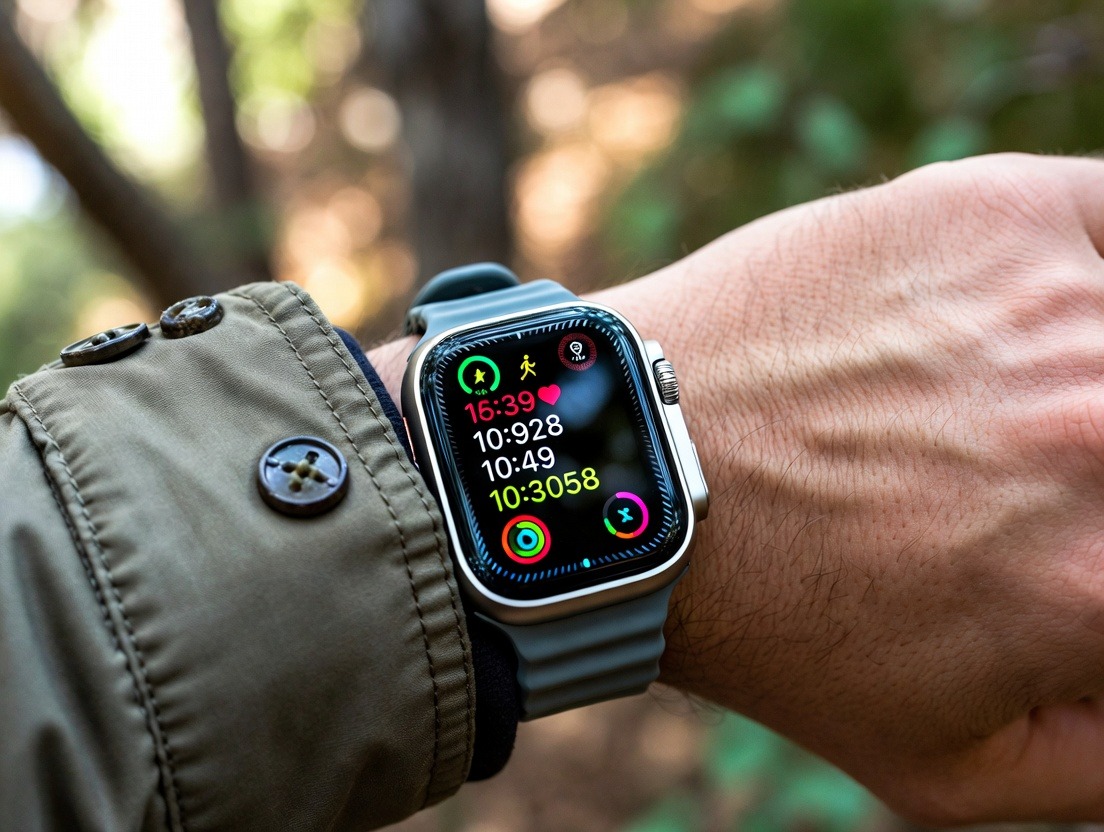
Commit to a Step-First Policy: Before you even consider a “workout,” focus on your daily step count. Aim to outwalk the locals. Explore neighborhoods on foot instead of by cab or metro. Get intentionally lost (safely). Choose the restaurant that’s a 15-minute walk away over the one in your hotel lobby. A device like the Oxyzen smart ring can be an invaluable, unobtrusive companion here, gently nudging you with vibration alerts when you’ve been sedentary too long and providing real-time feedback on your progress toward a dynamic daily step goal.
Master the Art of the “Movement Snack”: Schedule five-minute movement breaks every 60-90 minutes, especially on travel days or during conferences.
Airport/Station Circuits: Do 20 bodyweight squats at your gate, calf raises while in line, or isometric glute squeezes while seated.
Hotel Room Revivers: Set a timer for 5 minutes and flow through a sequence of cat-cows, spinal twists, sun salutations, and standing quad stretches.
Conference Call Calisthenics: On a virtual meeting where your camera is off, stand and do lateral leg lifts, gentle torso rotations, or wall push-ups.
Intermittent Standing: Challenge yourself to never sit for more than 45 minutes consecutively. Stand during taxi rides (when safe), while reading emails on your phone, or when waiting for your coffee. This simple act engages postural muscles and improves circulation.
The goal is to shift your identity from “someone who works out” to “someone who moves well and often.” This fluid approach is infinitely more sustainable and adaptable to the unpredictable flow of travel. By prioritizing consistent, low-grade movement throughout the day, you maintain joint mobility, stabilize energy levels, and prevent the physical “crash” that often follows a day of passive sitting. For those curious about how technology can support this shift by tracking subtle activity patterns, our blog offers insights into the fundamentals of wearable tech.
The Pre-Travel Blueprint: Strategic Planning for Kinetic Success
A successful active travel experience doesn’t begin when you arrive at your destination; it begins the moment you start packing. Proactive planning is the multiplier that transforms good intentions into seamless execution. This phase is about auditing your itinerary, setting intelligent goals, and packing a “movement toolkit” that empowers you, no matter what surprises arise.
Step 1: The Movement-First Itinerary Audit As you plan your days, consciously schedule movement as an activity itself, not just as a logistical transition.
Research Movement-Oriented Attractions: Look for botanical gardens, scenic waterfront promenades, historic walking tours, or cities with renowned bike-share programs. Plan a hike to a viewpoint instead of driving to it.
Block “Green Time”: Use Google Maps to locate parks or green spaces near your accommodations or meetings. Schedule 20-30 minutes to walk or simply move there.
The Hotel Investigation: Don’t just check for a gym. Ask specific questions: Are there stairs accessible to guests? Is there a safe, well-lit area for walking or jogging nearby? What is the layout of the rooms? (A longer walk from the elevator to your room is a hidden NEAT bonus). Some hotels now offer in-room yoga mats or guided channel workouts—inquire in advance.
Step 2: Setting SMART Goals for Travel Your travel fitness goals should be Specific, Measurable, Achievable, Relevant, and Time-bound, but also flexible.
Poor Goal: “I’ll work out a lot.”
SMART Travel Goal: “I will accumulate at least 10,000 steps daily, and I will complete three 15-minute bodyweight resistance sessions (focusing on legs, push, and pull movements) over my 5-day trip.”
Process-Based Goal: “I will start each day with 5 minutes of mobility stretches, and I will always take the stairs for journeys of three floors or less.”
Step 3: The Ultimate Travel Movement Packing List Your luggage should contain a minimal, versatile kit that unlocks countless movement possibilities.
The Non-Negotiables: Comfortable, versatile walking shoes. Breathable, quick-dry athletic wear that can double as loungewear or sleepwear.
The Micro-Gym:
Resistance Bands: A set of looped and tube bands with a door anchor provides resistance for every major muscle group, weighs nothing, and fits in a shoe pocket.
Jump Rope: The ultimate cardio tool for a space the size of a doormat.
Grip-Size Stress Ball or Putty: Perfect for maintaining hand and forearm strength during long flights or train rides.
The Digital Toolkit: Curate a playlist of high-energy songs for impromptu dance parties or brisk walks. Download offline workout apps or follow-along YouTube videos that require minimal space (e.g., “Yoga for Jet Lag,” “15-Minute Hotel Room HIIT”). For a tech-assisted approach, ensure your wellness wearable is charged and ready. A device like the Oxyzen ring shines here, offering comprehensive activity and sleep tracking without the bulk of a watch, providing crucial data on how travel is affecting your recovery. To understand the full potential of such devices, you might explore resources like our guide on how sleep trackers actually work.
By investing time in this pre-travel blueprint, you erect a scaffold of support around your habits. You reduce decision fatigue—the enemy of willpower—because the “what” and “how” are already decided. You arrive not as a passive passenger in your journey, but as its active, prepared architect.
Conquering the Journey: Movement Strategies for Planes, Trains, and Automobiles
The transit phase is often treated as a physiological dead zone—a period to be endured in stillness. However, this is precisely when your body is under the greatest strain from immobilization, pressure changes, and dehydration. Transforming this “dead time” into “movement prep time” is a game-changer for how you feel upon arrival.
The Airtight In-Flight Movement Protocol:
Pre-Boarding: Never sit at the gate. Walk the terminal perimeter. Perform standing leg swings and torso rotations near your gate.
In Your Seat (The Isometric Arsenal): Isometric exercises contract muscles without moving joints, making them perfect for confined spaces.
Glute Bridges: Press your heels into the floor and squeeze your glutes, holding for 30 seconds. Repeat every 20 minutes.
Seated Leg Lifts: Extend one leg straight (or as far as comfortable), hold for 10 seconds, and lower slowly. Alternate.
Abdominal Bracing: Gently draw your navel toward your spine, engaging your core as if bracing for a light punch. Hold for 15-second intervals.
Ankle Alphabet: Lift one foot and trace the letters of the alphabet with your big toe. This promotes ankle mobility and calf pumping.
The Mandatory Cabin Cruise: Set a timer to stand and walk the aisle every 45-60 minutes. Use the galley space for discreet calf raises or standing hip circles. On long-haul flights, this is non-negotiable for circulatory health.
Road Trip & Train Tactics:
The Pit Stop Workout: Turn every fuel or rest stop into a mini-training station. Do 10 push-ups against the hood of the car, 20 air squats, and a 60-second plank. A 5-minute burst of activity will dramatically improve alertness for the next driving shift.
Station Stretching: On train journeys, use the space between cars (where safe and permitted) or the area by the doors to do standing stretches, heel raises, and gentle twists each time the train stops at a station.
The Hydration-Movement Synergy: A deliberate hydration strategy forces movement. Drink water consistently. You’ll need to use the restroom more frequently, which creates a natural, non-negotiable reminder to get up and walk. This simple hack ensures regular postural shifts and breaks from sitting.
The psychological benefit of these transit movements is as important as the physical. You are taking conscious control of an experience that often feels controlling. You’re signaling to your body that you are an active participant in this journey, not just cargo. This proactive mindset sets a powerful precedent for the entire trip. For insights into how sleep is impacted by long journeys and how to recover, our analysis of deep sleep and memory highlights the cognitive importance of post-travel recovery.
The Hotel Room Gym: Your 150-Square-Foot Fitness Studio
The hotel gym can be a dice roll—sometimes fantastic, often dismal, and occasionally non-existent. But your private room is a consistently available, versatile space waiting to be transformed. With zero equipment beyond what you’ve packed (or just your body), you can design incredibly effective workouts.
Designing Your No-Equipment Routine: The Bodyweight Hierarchy Structure a balanced session by choosing 1-2 exercises from each movement category. Perform them in a circuit (3-4 rounds) or as a straight set (e.g., 3 sets of each).
Lower Body (The Foundation):
Squat Variations: Bodyweight squats, pistol squat progressions (using the desk chair for support), split squats.
Hinge Movements: Single-leg deadlifts (focus on balance), glute bridges (elevate feet on bed for added difficulty).
Lunges: Walking lunges across the room, reverse lunges, lateral lunges.
Upper Body Push & Pull:
Push: Incline push-ups (hands on desk or windowsill), decline push-ups (feet on bed), pike push-ups for shoulders.
Pull: This is the trickiest without equipment. This is where your resistance bands are critical. Use the door anchor for rows and lat pulldowns. No bands? Improvise: place a towel over the top of a sturdy, closed door and use it for towel rows.
Core & Stability:
Anti-Extension: Planks (standard, side planks), dead bugs, hollow body holds.
Anti-Rotation: Pallof press with a resistance band anchored to the door, bird-dogs.
Rotation: Seated Russian twists (hold your toiletries bag for weight), standing wood chops with a band.
The “Furniture Gym” Guide:
The Bed: A soft platform for incline/decline push-ups, step-ups, elevated hip thrusts, or a stretching surface.
The Desk/Chair: A stable base for tricep dips, elevated feet for push-ups or pikes, a support for Bulgarian split squats.
The Wall: Your partner for wall sits, handstand push-up progressions, and a reference point for posture checks.
The Floor: The most underutilized piece of equipment. Perfect for floor-based core work, yoga flows, and cool-down stretches.
Sample 20-Minute High-Intensity Circuit:
Warm-up: 2 minutes of jumping jacks, arm circles, leg swings.
Circuit (Repeat 4 times):
:40 seconds of Air Squats / :20 seconds rest
:40 seconds of Push-Ups / :20 seconds rest
:40 seconds of Alternating Lunges / :20 seconds rest
Cool-down: 3 minutes of static stretching for quads, hamstrings, chest, and back.
This approach proves that a lack of machinery is no barrier to a potent, sweat-inducing session that maintains muscle engagement, boosts metabolism, and floods your system with endorphins to start or end your day powerfully. For those tracking the impact of such workouts on their recovery metrics, understanding your deep sleep numbers can provide valuable feedback on your body’s response.
Walking as Exploration: Transforming Tourism into Training
Walking is the most human, accessible, and enriching form of travel movement. It’s not merely a way to get from Point A to Point B; it’s a mode of perception, a way to absorb the soul of a place at a pace that allows for discovery. By elevating walking from a default activity to a deliberate practice, you fulfill sightseeing, transportation, and fitness goals simultaneously.
The Art of Intentional Walk-Seeking:
Ditch the Door-to-Door Mentality: Use apps like Citymapper or local maps to find “pleasant walk” routes, not just the fastest ones. Choose a path that meanders through a park, along a river, or through a historic district.
The “Last Mile” Rule: When using public transport, purposefully get off one stop early or park a few blocks further away than necessary. These accumulated extra steps are the cornerstone of travel NEAT.
Schedule Walking Meetings: If traveling for business, suggest a “walking talk.” The side-by-side conversation can be more productive and creative than a stifling conference room, and you both get the benefit of movement.
Techniques to Amplify the Benefits of Walking: A simple stroll is great, but you can easily increase the intensity without changing the activity itself.
Pace Play: Use landmarks for interval training. Walk at a brisk, purposeful pace for two blocks, then recover at a moderate pace for one block. Repeat.
Incline Hunting: Seek out hills, staircases (like the famous steps in places like Rome’s Spanish Steps or Medellin’s escalators), or bridges. Inclines dramatically increase cardiovascular and muscular demand.
Load Carrying: Wear a comfortably weighted daypack or simply carry your refillable water bottle. Adding minimal load increases energy expenditure.
Mindful Walking for Stress Reduction: Travel can be overstimulating. Use walking as a moving meditation.
Sensory Walks: Dedicate a portion of your walk to each sense. Five minutes noticing colors and sights, five minutes listening to the soundscape, five minutes noticing smells (bakery, rain, flowers). This grounds you in the present moment.
Breath-Step Synchronization: Try to sync your breath with your steps. Inhale for 3-4 steps, exhale for 3-4 steps. This calms the nervous system and turns a commute into a centering ritual.
Walking in this way does more than burn calories; it weaves you into the fabric of your destination. You notice hidden courtyards, hear snippets of local conversation, and stumble upon cafes you’d never find from a bus window. It is the ultimate fusion of wellness and wanderlust. To complement this active exploration, ensuring quality rest is key; our guide on how to get more deep sleep tonight offers strategies to optimize recovery after a day of immersive walking.
Synchronizing Movement with Circadian Rhythms: The Time-Zone Hack
Your body’s master clock, the suprachiasmatic nucleus (SCN), governs your circadian rhythms—the 24-hour cycles regulating sleep, hormone release, body temperature, and metabolism. Crossing time zones throws this delicate system into disarray, causing jet lag. Strategic movement is one of the most powerful tools you have to reset this clock and accelerate adaptation.
Understanding the Light-Movement Synergy: The primary cue for your SCN is light exposure. The secondary, yet potent, cue is physical activity. Exercise elevates core body temperature and stimulates cortisol release in a healthy pattern, both of which help signal “wake time” to your brain.
The Golden Rules for Using Movement to Beat Jet Lag:
Eastward Travel (Flying ahead in time, e.g., NYC to Paris): You need to shift your cycle earlier. Upon arrival, resist the urge to nap. Instead, get outside into bright morning light and engage in moderate to vigorous movement (a brisk walk, a hotel room workout, a jog). This combo powerfully signals that the new day has begun. Avoid intense exercise in the evening, as it may further delay your ability to fall asleep early.
Westward Travel (Flying back in time, e.g., Paris to NYC): You need to shift your cycle later. Here, exposure to afternoon and early evening light is key. Schedule your movement session for late afternoon. This can help you stay awake longer, aligning with the later sunset at your destination, and ease you into the new schedule.
The Arrival Day “Sweet Spot”: A study in the Journal of Physiology suggests that exercising at 7 a.m. or between 1 p.m. and 4 p.m. (local time at your destination) can most effectively help shift your circadian clock to reduce jet lag symptoms.
Practical Application: A Sample Eastward Travel Day (Landing at 9 a.m. in Europe):
10:00 a.m. (Local): Drop bags at hotel. Immediately go for a 45-minute brisk walk in a nearby park under the morning sun.
1:00 p.m. (Local): Feeling an energy dip post-lunch? Take a gentle, 15-minute “movement snack” walk instead of a crash nap.
4:00 p.m. (Local): If energy permits, a 20-minute bodyweight resistance circuit in your room to re-energize.
Critical: After 7 p.m., wind down. Only gentle stretching or restorative yoga. This helps prepare your body for the earlier bedtime you need.
Listening to Biofeedback with Technology: This is where a sophisticated wellness wearable becomes an expert travel coach. A device like the Oxyzen ring continuously tracks your body temperature, heart rate variability (HRV), and sleep stages. You can see objective data on how well your internal clock is adapting. If your data shows your body temperature rhythm is still off or your deep sleep is fragmented, it validates the need to persist with your light and movement timing strategy. For a deeper dive into this relationship, read about the deep sleep formula involving temperature, timing, and habits.
By consciously aligning your movement with light exposure, you move from being a victim of jet lag to an active director of your circadian realignment, drastically cutting recovery time and preserving your vitality.
Nutrition as Fuel for Motion: Eating to Move Well on the Road
You cannot out-move a poor diet, especially while traveling. The food choices you make are the literal fuel for your activity and recovery. Navigating unfamiliar cuisines, irregular meal times, and limited healthy options requires a strategy that supports, rather than sabotages, your movement goals.
The Traveler’s Nutrition Trinity: Hydration, Protein, and Smart Carbs.
Hydration is Non-Negotiable: Dehydration is the number one cause of travel fatigue, headaches, and poor performance. It makes movement feel harder and recovery slower. Carry a reusable water bottle everywhere. Aim to drink enough that your urine is light yellow. Increase intake dramatically during flights and in hot/dry climates.
Prioritize Protein at Every Meal: Protein supports muscle repair, satiety (keeping you full), and metabolic function. When options are limited, seek out:
Snacks: Pack portable options like single-serve nut butter packets, roasted chickpeas, or jerky (check import regulations).
Choose Complex Carbohydrates Wisely: Carbs are your primary energy source for movement. Opt for whole, fiber-rich sources that provide sustained energy: oats, quinoa, sweet potatoes, whole-grain bread, and fruits. Limit refined sugars and white flours, which cause energy spikes and crashes.
Strategic Eating Around Movement:
Pre-Activity (1-2 hours before): Have a small, easily digestible snack combining a simple carb with a little protein/fat. Examples: banana with a handful of almonds, a rice cake with nut butter, a small oatmeal pot.
Post-Activity (Within 45-60 minutes): This is the “recovery window,” especially important if your movement was intense. Aim to consume a mix of protein and carbs to replenish glycogen and kickstart muscle repair. A post-walk smoothie (if available), a chicken and avocado wrap, or yogurt with berries are ideal.
On Long Sightseeing Days: Never get “hangry.” Carry healthy snacks (nuts, fruit, protein bar) to maintain stable blood sugar. This prevents the desperate, poor-choice meal when you’re ravenous.
Navigating Restaurants and Local Cuisine: This is not about deprivation; it’s about mindful selection that fuels adventure.
Scan the Menu with a Purpose: Look for keywords: grilled, baked, steamed, roasted, poached. Be wary of: fried, crispy, creamy, breaded, au gratin.
The Plate Method (Visual Guide): Aim for ½ of your plate to be vegetables/salad, ¼ lean protein, and ¼ complex carbohydrates.
Embrace Local Superfoods: Explore how healthy local ingredients are prepared. Mediterranean? Enjoy olive oil, fish, and fresh vegetables. Southeast Asia? Seek out fresh spring rolls, grilled satay, and coconut-based curries (ask for less oil).
Remember, consistency beats perfection. One indulgent meal will not break your progress, but a pattern of poor choices will make every step feel like a chore. By viewing food as the premium fuel for your travel experiences, you empower your body to move with energy and recover efficiently. For insights into how nutrition specifically influences your most restorative sleep phases, which is critical for recovery from daily activity, see our list of 10 foods that increase deep sleep naturally.
The Mental Game: Cultivating Consistency and Overcoming “All-or-Nothing”
The final, and perhaps most crucial, frontier in maintaining movement habits is psychological. Travel is a festival of excuses: “I’m too tired,” “I don’t have time,” “I’ll start fresh when I get home.” Winning the mental game requires tactics to build resilience, maintain motivation, and practice self-compassion.
Defeating the “All-or-Nothing” Monster: This cognitive distortion is the ultimate habit killer. You miss one planned workout and decide the whole day—or trip—is a write-off.
Reframe with the “Something is Better Than Nothing” Mantra: Five minutes of stretching is a victory over zero minutes. A 10-minute walk is a success. Celebrate the micro-wins that maintain the habit loop, not just the intensity of the activity.
Embrace “Imperfect Consistency”: Showing up in any form is what matters. Did you only do one circuit instead of three? You still showed up. That maintains the neural pathway of the habit.
Anchoring New Habits to Existing Travel Routines (Habit Stacking): Linking a new, desired behavior to an established one increases adherence dramatically.
“After I brush my teeth in the hotel bathroom, I will do 2 minutes of calf raises and shoulder rolls.”
“Before I turn on the TV to unwind in the evening, I will lay out my yoga mat and do 5 minutes of foam rolling.”
“When I return to my hotel room after sightseeing, I will immediately change into my workout clothes.”
Leveraging Technology for Accountability and Insight: A smart wellness device provides objective feedback that transcends motivation.
Progress, Not Perfection: Watching your daily activity rings close or seeing a consistent step trend provides a powerful, visual reward that reinforces your efforts.
Biofeedback for Pacing: Monitoring your heart rate variability (HRV) and resting heart rate can tell you if your body is stressed or recovering. If your data indicates high stress or poor recovery, it’s objective feedback to choose a gentle walk or yoga over a high-intensity workout that day. This personalized insight is a key advantage of using a comprehensive tool like the Oxyzen ring; you can learn more about its features to understand how it provides this crucial context.
Social Accountability (Optional): Share your travel activity goals with a friend back home or use social media features on fitness apps for a light layer of accountability.
The Power of Self-Compassion: Travel is unpredictable. A delayed flight, a sudden downpour, or an unexpected work demand can derail your plans. When this happens, practice self-compassion, not self-criticism.
Acknowledge and Pivot: “Okay, my planned run isn’t happening. That’s frustrating, but it’s not a failure. What can I do with the 15 minutes I have? I can do a quick mobility flow in my room.”
Focus on the Next Right Move: Don’t dwell on the missed opportunity. Direct your energy to the next possible point of action.
By mastering the mental game, you build a flexible, resilient mindset that protects your habits from the inevitable chaos of travel. You learn to adapt, pivot, and persist, ensuring that your commitment to movement is a durable thread woven through the entire tapestry of your journey, no matter how unpredictable the pattern becomes. For more strategies on building lasting wellness habits, our full repository of expert advice is available on the Oxyzen blog.
Recovery and Regeneration: The Unsung Hero of Travel Fitness
In the pursuit of staying active, we often glorify the “doing” and neglect the “undoing.” Yet, recovery is not the absence of training; it is the essential, active process through which adaptation occurs. During travel, when stress loads are high and sleep is often compromised, prioritizing regeneration isn't a luxury—it's the strategic foundation that allows you to sustain movement without burning out or getting injured.
Understanding Travel-Induced Stress: Travel itself is a multifaceted stressor. It’s a combination of physical stress (immobility, carrying luggage, altered movement patterns), environmental stress (new allergens, pollution, altitude), circadian stress (jet lag, poor sleep), and psychological stress (decision fatigue, navigation, social demands). This cumulative load elevates cortisol and inflammatory markers, leaving your body in a heightened state of wear with a diminished capacity to repair.
Active Recovery vs. Passive Recovery:
Active Recovery: Light movement that promotes circulation without adding significant strain. This is your best friend on travel days or between more intense sessions. Examples include:
Walking: A gentle, 20-30 minute walk after a long flight or a day of sightseeing.
Swimming: If your accommodation has a pool, gentle laps or aquatic walking is fantastic for unweighting joints.
Mobility Flows: Slow, controlled movements through full ranges of motion, like a gentle yoga or tai chi sequence.
Passive Recovery: Complete rest and practices that downregulate the nervous system.
Sleep Optimization: This is the pinnacle of passive recovery. Creating an environment conducive to deep sleep is critical, as this is when growth hormone is released, tissues are repaired, and memories are consolidated. For travelers, this means prioritizing sleep hygiene: using eye masks and earplugs, minimizing blue light before bed, and striving for a cool, dark room. For a deep dive into optimizing this crucial phase, our guide on deep sleep optimization for athletes contains principles applicable to any active traveler.
Hydration & Nutrition: As covered, fueling and hydrating properly are direct inputs for the recovery process.
Mindfulness & Breathing: 5-10 minutes of diaphragmatic breathing or a guided meditation app session can lower cortisol and shift the body from “fight or flight” to “rest and digest.”
The Traveler’s Recovery Toolkit: Pack items that facilitate regeneration:
Portable Foam Roller or Massage Ball: A lacrosse ball or a specialized travel roller can release tight muscles in your calves, glutes, and back.
Compression Socks/Calves: Worn during long flights or after heavy walking days, they aid circulation and reduce swelling.
Epsom Salt Packets: A bath with magnesium-rich Epsom salts can soothe muscles and promote relaxation. Most hotel bathtubs will suffice.
Technology for Insight: A wearable like the Oxyzen smart ring provides invaluable recovery metrics. Tracking your heart rate variability (HRV) trend is like having a direct line to your autonomic nervous system. A rising HRV trend suggests good adaptation and recovery; a declining trend is a red flag that you need more rest. Similarly, monitoring your resting heart rate and sleep stage data—particularly the amount of deep and REM sleep you’re achieving—gives you an objective measure of your recovery status, helping you decide whether to push harder or pull back. Understanding what your sleep device can and can’t measure allows you to interpret this data wisely.
By scheduling recovery with the same intention as you schedule activity, you create a sustainable cycle. You move well, you recover well, and you wake up each day ready to explore and engage fully, rather than dragging yourself through a fog of cumulative fatigue.
Adapting to Environments: From Beaches to Mountains to Urban Jungles
A one-size-fits-all movement plan is doomed to fail because a beach vacation in Bali demands a different kinetic approach than a business trip to Manhattan or a hiking expedition in the Alps. The master traveler adapts their movement philosophy to leverage the unique opportunities and navigate the specific constraints of each environment.
The Beach & Resort Environment:
Opportunities: Soft sand (an unstable surface that increases muscular demand), water resistance, ample space, and a generally relaxed schedule.
Movement Strategies:
Sand Training: Walk, run, or do bodyweight exercises (lunges, squats) in the soft sand near the water. The instability engages stabilizer muscles you rarely use on solid ground.
Aquatic Fitness: Use the ocean or pool for resistance training. Treading water, swimming against a gentle current, or doing aqua jogging provides joint-friendly, high-resistance cardio.
Sunrise/Sunset Rituals: Use the breathtaking scenery as a backdrop for yoga, meditation, or a barefoot walk. The connection to nature enhances the mental benefits.
Pitfalls to Avoid: Overheating and sunburn. Schedule intense activity for early morning or late afternoon. Stay hyper-vigilant about hydration.
The Urban & City Environment:
Opportunities: Walkability, public stairs, park infrastructure (calisthenics bars, tracks), and often, a vibrant “fitness on demand” scene (drop-in classes, bike shares).
Movement Strategies:
City as Gym: Use park benches for step-ups, tricep dips, and incline push-ups. Find a long staircase for repeats. Use the curb for calf raises.
Cultural Movement Immersion: Seek out local fitness experiences. Take a capoeira class in Rio, a Muay Thai session in Bangkok, or a group run with a local club in Berlin.
Strategic Walking: As previously detailed, make walking your primary transport mode. The constant stop-start, uneven pavement, and inclines of a city provide a dynamic, full-body challenge.
Pitfalls to Avoid: Pollution and overstimulation. On high-smog days, consider an indoor session. Use mindful walking to create mental space amidst the chaos.
The Mountain & Wilderness Environment:
Opportunities: Natural inclines, altitude (which can boost red blood cell production over time), and the ultimate full-body workout: hiking with a pack.
Movement Strategies:
Altitude Acclimatization: Move gently for the first 24-48 hours at high altitude. Focus on hydration and walking before attempting strenuous hikes. Listen to your body—headaches and nausea are signs to descend.
Hiking with Intent: Use trekking poles to engage your upper body and reduce knee impact. Practice mindful stepping on uneven terrain to build proprioception.
Camp-based Conditioning: At camp, use your bodyweight and nature (logs for lifts, rocks for carries) for functional strength sessions.
Pitfalls to Avoid: Altitude sickness and overexertion. Know the symptoms and have a turnaround plan. The remoteness increases the consequence of injury, so prioritize stability and control over speed or load.
The Business/Conference Environment:
Opportunities: Hotel amenities, potential for walking meetings, and scheduled breaks between sessions.
Movement Strategies:
The Conference Room Covert Op: Isometric exercises are your stealth tool. Glute squeezes during presentations, calf raises while standing, discreet desk stretches.
Networking in Motion: Suggest a walking one-on-one instead of a coffee meeting. Use fitness centers for networking (“Meet you at the hotel gym at 6 a.m.”).
Power Hour Utilization: Use the single free hour in your schedule not for email, but for a potent 30-minute workout and a quick shower. It will boost your energy and focus for the next session more effectively than caffeine.
Pitfalls to Avoid: The “conference slouch” and endless sitting. Set a vibrating alert on your phone or smart ring every 30 minutes as a reminder to stand, stretch, or take a lap around the venue.
The key is to conduct a pre-trip “environmental audit.” Ask: What is the genius loci—the spirit of the place—and how can my movement honor and engage with it? By doing so, you transform constraints into creative challenges and opportunities into unforgettable kinetic experiences. For more on adapting wellness routines to different life stages and challenges, which parallels this environmental adaptation, explore our article on how age affects deep sleep and how to compensate.
Leveraging Technology: Your Smart Travel Companion
In the modern travel ecosystem, technology is the force multiplier that can make maintaining healthy habits not just easier, but more intelligent and personalized. From planning to execution to analysis, the right digital tools act as a 24/7 coach, accountability partner, and biofeedback lab, all from your wrist or finger.
The Smart Wearable Advantage: Beyond Step Counting A sophisticated device like the Oxyzen ring moves far beyond basic activity tracking. It provides a holistic dashboard of your well-being, which is invaluable in the variable conditions of travel.
Circadian and Readiness Scoring: By analyzing your sleep data, HRV, resting heart rate, and body temperature, advanced algorithms can provide a “Readiness” or “Recovery” score each morning. This single number, offered by platforms connected to devices like Oxyzen, is a scientifically-informed recommendation on how hard to push your body that day. A high score after a good night’s sleep in your new time zone? Perfect day for a long hike or intense exploration. A low score after a red-eye flight? That’s your cue to prioritize gentle walking, hydration, and early sleep instead of forcing a workout.
Sleep Stage Analysis in Unfamiliar Beds: Understanding how you slept is more important than just how long. Seeing a breakdown of your light, deep, and REM sleep stages shows if your body is truly recovering. If you’re getting long duration but poor-quality sleep with little deep sleep, it explains daytime fatigue and informs your intervention—perhaps better evening habits or a different room temperature. Learn about your deep sleep sweet spot by age to set appropriate goals.
Activity Autodetection & Goal Setting: The best wearables automatically detect walks, runs, swims, and even specific exercises. This removes the friction of manual logging and ensures all your travel movement is captured. You can set dynamic daily goals that adapt based on your own historical data, keeping you challenged but not overwhelmed.
Essential Apps for the Kinetic Traveler:
Offline Workout Libraries: Apps like Nike Training Club, Peloton, or Down Dog offer downloadable workout sessions (yoga, HIIT, strength) that require no internet connection, perfect for hotel rooms or remote locations.
Maps & Exploration: AllTrails for finding local hikes, Citymapper for navigating urban walks and transit, and Google Maps’ “Area Tourist Busyness” feature to find quiet walking routes.
Mindfulness & Sleep: Apps like Calm or Headspace have travel-specific meditations for anxiety, sleep stories to drown out unfamiliar noises, and breathing exercises for in-transit stress.
Nutrition Navigation: Apps like MyFitnessPal for general tracking or local apps to find healthy restaurant options, farmers' markets, or grocery stores.
The Data-Informed Feedback Loop: This is the true power of technology. It closes the loop between action and outcome.
Action: You go for a vigorous 2-hour walking tour of a hilly city.
Data Capture: Your ring tracks elevated heart rate, steps, and estimated calorie burn.
Recovery Measurement: That night, it measures your sleep depth and early-morning HRV.
Insight & Adaptation: The next morning, your readiness score is low. The data clearly shows your body needs a lighter day. You heed the advice, choosing a gentle museum visit and an early night.
Result: You avoid cumulative fatigue, prevent a potential cold (as poor recovery compromises immunity), and enjoy the rest of your trip more.
This objective feedback is crucial for overcoming the “I feel fine” fallacy, where mental excitement masks physical exhaustion. Technology provides the unbiased truth, allowing you to travel smarter, not just harder. To explore the pros and cons of investing in such technology, our honest breakdown on whether sleep tracking is worth it provides a balanced perspective.
Building a Travel-Resilient Body: Foundational Strength and Mobility
All the strategies in the world are built upon a physical foundation. A body that is strong, mobile, and resilient at home will be infinitely more adaptable and injury-resistant on the road. Pre-travel training shouldn’t just be about looking good in photos; it should be about “pre-hab”—preparing your body for the unique demands of travel.
The Pillars of Travel Fitness:
Core Stability & Anti-Rotation: Travel involves constant bracing—carrying a suitcase in one hand, twisting to look at a map, stabilizing on a moving train. A strong core that resists unwanted movement prevents back pain.
Key Exercises: Planks (all variations), Pallof presses, dead bugs, bird-dogs.
Glute and Posterior Chain Strength: These are the powerhouses for walking hills, climbing stairs, and lifting luggage. Weak glutes lead to overcompensation by the lower back and hamstrings.
Key Exercises: Hip thrusts, glute bridges, Romanian deadlifts, split squats.
Ankle Mobility and Foot Strength: Hours in restrictive shoes followed by long walks on uneven terrain demand mobile ankles and strong intrinsic foot muscles. This prevents plantar fasciitis and ankle sprains.
Key Exercises: Ankle alphabet, calf raises (straight and bent knee), marble pickups with toes, walking barefoot on varied surfaces.
Thoracic (Upper Back) Mobility: Counteract the “travel hunch” from looking down at phones, maps, and laptops. Good T-spine mobility improves posture, breathing, and shoulder health.
Key Exercises: Cat-cow, open books (lying rotational stretch), foam rolling the upper back.
The 8-Week Pre-Travel Conditioning Plan (Conceptual Framework): If you have a major trip coming up, structure your training to mimic its demands.
Weeks 1-4: Foundation. Focus on building strength in the pillars above with 2-3 full-body strength sessions per week. Incorporate daily mobility work (10-15 minutes).
Weeks 5-8: Specificity & Conditioning.
If you’re going hiking: Add weighted carries (suitcase farmers walks!), incline treadmill walking with a backpack, and step-ups.
If you’re going city touring: Dramatically increase your daily step count. Practice walking in the shoes you plan to wear. Do lunges and calf raises to prepare for stairs.
If you’re going to a beach resort: Incorporate sand training if possible, or add instability (Bosu ball, single-leg exercises) to mimic soft ground. Focus on swimming if that’s your planned activity.
Consistently: Practice bodyweight-only workouts. Get comfortable training without equipment, as this will be your reality on the road.
The “Never Skip” Daily Mobility Routine (5 Minutes): A short, consistent practice maintains joint health and prevents stiffness. Do this every morning or evening while traveling:
Neck Circles: 30 seconds.
Cat-Cow: 30 seconds.
Thread the Needle (for spine/hips): 30 seconds per side.
World’s Greatest Stretch (lunge with rotation): 30 seconds per side.
Couch Stretch (for quads/hip flexors): 30 seconds per side.
Ankle Rolls: 30 seconds per side.
By investing in this foundational resilience, you ensure that your body is not a limiting factor in your adventures. It becomes a capable, adaptable vehicle, ready to carry you through whatever your journey brings. This physical readiness is complemented by sleep readiness; understanding the difference between deep sleep and REM sleep helps you appreciate how different types of recovery support physical repair versus mental processing.
The Return Home: Integrating Travel Lessons into Everyday Life
The final test of a successful active travel experience is not just how you felt on the trip, but the legacy it leaves on your life once you return. Do you collapse in a heap, vowing to “get back on track” on some distant Monday, or do you carry forward the insights, routines, and renewed appreciation for movement into your daily existence?
Conduct a Post-Travel Debrief: Within a few days of returning, take 20 minutes to reflect.
What movement did I genuinely enjoy most? Was it the exploratory walking, the sunrise yoga, the bodyweight circuits? This points to intrinsic motivations you can harness at home.
What was surprisingly easy to maintain? Did you find you loved starting the day with a walk? That you didn’t miss the heavy gym weights as much as you thought? Identify the simple, portable habits.
What was the biggest obstacle, and how did I (or could I have) overcome it? This turns challenges into learning for the next trip and for navigating busy periods at home.
The “Travel Hack” Home Integration: Don’t let the magic fade. Import your successful travel strategies.
Become a Tourist in Your Own Town: Apply the “walking as exploration” mindset to your neighborhood. Discover new routes, parks, or staircases. You’ll hit your step goal and see your surroundings with fresh eyes.
Embrace Micromovement at Work: Just as you did in airports and conference rooms, schedule movement snacks at your desk. The science of NEAT is just as valid in an office.
Simplify Your Home Workouts: If you thrived on short, effective bodyweight sessions while away, design a weekly schedule that includes 2-3 such sessions at home, even if you also have gym access. It builds consistency for future travel and busy weeks.
Protect Your Sleep Sanctuary: If you used an eye mask and earplugs to sleep well in hotels, don’t abandon them at home. Commit to the same dark, cool, quiet environment you fought to create on the road.
Managing the Re-Entry Fatigue: It’s normal to feel a lingering fatigue, often called a “travel hangover,” for a few days after a significant trip, especially across time zones. This is a critical window.
Listen to Your Data: Your wearable’s recovery metrics are key here. Continue to monitor your readiness score and sleep data. Give your body the grace to readjust. Don’t jump immediately into your hardest pre-travel workout.
Focus on Hydration and Whole Foods: Reset your system with nutrient-dense meals and plenty of water to flush out travel toxins.
Gentle Movement is Medicine: Light jogging, cycling, swimming, or yoga will boost circulation and help resynchronize your circadian rhythms better than complete inactivity or extreme exertion.
Returning home is not an endpoint, but a pivot. A truly transformative travel experience changes you. By consciously integrating the kinetic wisdom you gained on the road, you elevate your baseline. You prove to yourself that your healthy habits are not fragile things dependent on a perfect environment, but resilient practices that you own and can deploy anywhere in the world. This fosters a powerful, lasting self-efficacy. For continued inspiration and to deepen your understanding of the wellness principles that make this possible, the full collection of resources at the Oxyzen blog is always available. You can also discover the story behind the technology designed to support this very journey of resilient, intelligent well-being.
Movement for Every Traveler: Tailoring Strategies by Demographics and Trip Type
A universal blueprint fails because a 25-year-old backpacker, a 55-year-old business executive, and a family with young children experience travel—and movement—in fundamentally different ways. The core principles remain, but their application must be skillfully tailored. Let’s explore how to adapt these strategies for different traveler profiles, ensuring inclusivity and practical success.
The Business Traveler & Digital Nomad
Core Challenge: High cognitive load, prolonged sitting (flights, meetings, remote work), and the blurring of lines between “work” and “off” time in a hotel room.
Tailored Strategies:
The Power-Position Workstation: Never accept a sedentary hotel desk setup. Use a luggage rack, stacked pillows, or even the safe to create a standing workstation. Alternate between sitting and standing every 30 minutes. This simple act engages postural muscles and boosts circulation.
The “Conference Call Calisthenics” Protocol: On audio-only calls, make movement mandatory. Pace the room, do bodyweight squats, or perform isometric holds (wall sits, planks). For video calls where you’re on camera but not always speaking, keep a resistance band at your feet for discreet leg extensions or ankle rotations.
Leverage Transit for Micro-Workouts: Turn layovers into fitness opportunities. Many major airports now have yoga rooms or walking paths. A 20-minute power walk between terminals is better than scrolling at the gate.
The Digital Nomad’s “Third Space”: Instead of working solely from your accommodation, choose co-working spaces or cafes that are a brisk 15-20 minute walk away. This builds non-negotiable daily activity into your commute.
Data-Driven Downtime: Use your wearable’s stress or body battery feature to identify periods of high cognitive strain. Schedule a 10-minute walk or mobility break precisely when your device suggests you’re depleted, not when you’re already crashing. This proactive approach sustains performance.
The Adventure Traveler & Backpacker
Core Challenge: Already highly active, but risks overtraining, injury from unfamiliar loads/terrain, and poor recovery due to rustic conditions.
Tailored Strategies:
Movement as Skill Acquisition: Your activity is the trip’s purpose. Focus on movement quality. Before a multi-day trek, practice with your loaded pack. Before a surfing trip, work on rotational core strength and shoulder mobility. Prepare your body for the specific skill demands.
Recovery as a Discipline: In environments where a comfortable bed and good food aren’t guaranteed, you must be militant about recovery. This means diligent hydration (with electrolytes), prioritizing sleep even in communal hostels (eye mask, earplugs, sleep supplement if needed), and daily self-maintenance like foam rolling with a water bottle or using a massage ball on feet and shoulders.
Listen to Biofeedback, Not Just Itinerary: It’s easy to push through pain to keep up with a group or a schedule. A wearable that tracks HRV and resting heart rate can provide an objective “pull back” signal before overuse injury strikes. If your recovery metrics plummet, it’s smarter to take a light day than to risk a trip-ending injury.
Nutritional Scarcity Planning: In remote areas, quality protein and complex carbs can be scarce. Pack portable, nutrient-dense supplements: single-serve protein powders, nut butter packets, and high-quality energy bars. Fueling adequately is non-optional for sustained activity.
The Family & Multi-Generational Traveler
Core Challenge: Coordinating varying energy levels, interests, and capabilities while managing logistics that inherently limit spontaneous, solo movement.
Tailored Strategies:
Reframe “Exercise” as “Family Adventure”: Sell movement as part of the fun. “Who can find the steepest street?” “Let’s race to that lighthouse.” “How many flights of stairs can we climb in this castle?” Geocaching or scavenger hunt apps turn walking into a game.
Build-In Active Pit Stops: On road trips, choose rest stops with playgrounds or open fields. Everyone gets out and moves—kids play, adults walk or do light stretches. This is far more regenerating than a quick gas station stop.
Leverage Accommodation Architecture: Choose hotels with pools (swimming is a family-friendly full-body activity), courtyards for tag, or multiple buildings that require walking. A resort with a lazy river still involves walking to and from it, and swimming against the current is great resistance work for adults.
The “Tag-Team” Workout: Parents can support each other’s movement goals. One parent takes the kids to the pool for an hour while the other does a hotel room workout or goes for a run, then swap. This requires planning but preserves sanity and health.
Modeling Behavior: Children learn through observation. When they see you choosing the stairs, doing a few stretches in the morning, or opting for a walk to get ice cream, you’re instilling lifelong habits of integrating movement into daily life seamlessly.
The Older Traveler or Traveler with Physical Considerations
Core Challenge: Maintaining joint health, managing chronic conditions, and adapting to physical limitations while still engaging fully with the travel experience.
Tailored Strategies:
Pre-Travel Physio Consultation: A session with a physical therapist or trainer to address specific concerns (e.g., knee pain, back issues) and get a personalized set of “travel exercises” is a brilliant investment.
Embrace Aqua Fitness: Swimming and water walking are supreme. The buoyancy unloads joints while providing excellent resistance. Prioritize accommodations with a pool or access to a safe swimming area.
Focus on Range of Motion and Balance: Daily movement should prioritize maintaining what you have. Simple routines like seated leg lifts, ankle circles, arm raises, and gentle standing balance exercises (holding onto a sturdy chair) are incredibly valuable and can be done anywhere.
Strategic Use of Aids Without Stigma: Trekking poles aren’t just for mountains; they provide stability and reduce knee/hip impact on long city walks. A lightweight, foldable cane can be a game-changer for museum days. Think of them as performance tools, not signs of limitation.
Plan for Pacing, Not Peaks: Research destinations for their accessibility. Many cities have fantastic riverfront promenades, botanical gardens with smooth paths, or hop-on/hop-off bus systems that let you control your walking dosage. The goal is consistent, gentle movement throughout the day, not a single exhausting burst.
The golden thread through all these profiles is intentional adaptation. By honestly assessing your own profile and constraints, you can selectively apply the principles that will deliver the greatest return on your movement investment, ensuring travel remains enriching and sustainable at every stage of life. For those particularly interested in how recovery needs shift over time, our resource on how age affects deep sleep offers parallel insights into the body’s evolving requirements.
Destination Deep Dives: Movement-Centric Itineraries for Iconic Trip Types
Let’s move from theory to applied practice. Here we construct movement-rich frameworks for common travel archetypes. These are not rigid schedules, but templates showing how to weave activity intrinsically into the journey’s narrative.
Itinerary 1: The 5-Day European City Break (e.g., Lisbon, Prague, Barcelona)
Movement Philosophy: Urban hiking, cultural immersion through motion, stair mastery.
Sample Day Framework:
Morning (Circadian Reset): Sunrise walk or jog before the city wakes up. In Lisbon, run along the Tagus River. In Prague, walk the empty Charles Bridge. This provides serene sightseeing and sets your body clock to local time with morning light and movement.
Mid-Morning (Exploration & NEAT): Choose a hilltop neighborhood (Alfama, Prague Castle, Gracia) and explore on foot. Intentionally get lost in the side streets. Your step count will soar naturally.
Afternoon (Active Cultural Visit): Choose one major sight. Walk to it, even if it’s 30 minutes away. Inside, practice “museum posture”—stand tall, engage your core as you walk, take the stairs between floors.
Late Afternoon (Strategic Recovery): The “siesta” period is perfect for active recovery. A 20-minute mobility or yoga session in your hotel room to counteract the day’s walking stiffness. Follow with a shower to refresh.
Evening (Movement as Transit): Walk to dinner. After dinner, take a leisurely “digestive walk” through a different neighborhood or along a scenic route. This aids digestion and contributes to your daily movement goal without feeling like exercise.
Lisbon-Specific Hack: The city is built on seven hills. Reframe hills as your gym. Use the iconic Tram 28 for uphill transport if needed, but always walk downhill. Seek out the miradouros (viewpoints)—the walk up is the workout, the view is the reward.
Itinerary 2: The 7-Day Tropical Wellness Retreat (e.g., Bali, Costa Rica, Tulum)
Movement Philosophy: Natural element integration, mindful movement, and community-based activity.
Sample Day Framework:
Morning (Nature Connection): Sunrise yoga or Qi Gong on the beach or in the jungle. The soft sand or uneven ground adds a balance challenge. Follow with a swim in the ocean or pool.
Late Morning (Skill-Based Activity): Book a lesson in a local movement art—surfing in Bali, paddleboarding in Tulum, a jungle hike with a naturalist in Costa Rica. This is structured, joyful movement that connects you to the place.
Afternoon (Heat Management & Restoration): During peak heat, engage in passive recovery: reading in a hammock, getting a massage, or napping. This is critical for avoiding heat stress and aligns with local rhythms.
Late Afternoon (Community Movement): Join a group beach volleyball game, a guided sunset hike, or a dance class (traditional or modern). The social component boosts motivation and joy.
Evening (Integration): A gentle, guided meditation or sound bath session. While passive, this downregulates the nervous system, promoting the deep sleep essential for repairing muscles used during the day’s activities.
Bali-Specific Hack: Many villas and retreats have private pools. Design a 20-minute “aqua circuit”: 2 minutes treading water, 1 minute of poolside push-ups, 2 minutes of aqua jogging, 1 minute of leg lifts on the steps. Repeat.
Itinerary 3: The 10-Day National Park Road Trip (e.g., Western USA, Canadian Rockies)
Movement Philosophy: Functional fitness for hiking, combating sedentary driving, and altitude adaptation.
Sample Day Framework:
Pre-Drive Mobilization (10 mins): Before hitting the road, do a dynamic warm-up: arm circles, torso twists, walking lunges, leg swings. This preps your body for hours of sitting and later activity.
On-the-Road Strategy (Every 90 mins): Mandatory pit stop. 5-minute movement snack: walk briskly around the rest area, do 10 air squats and 10 push-ups against a picnic table, stretch your hip flexors.
Post-Drive Hike (The Main Event): Plan your driving to arrive at a trailhead with 2-3 hours of daylight. Embark on your hike. Use trekking poles to distribute effort and save your knees.
Campground Recovery: After setting up camp, dedicate 15 minutes to mobility: foam roll your legs with a Nalgene bottle, stretch your calves and hamstrings, and do some gentle spinal twists. This dramatically reduces next-day stiffness.
Evening (Circadian Alignment): Around the campfire, avoid slouching. Sit on the ground in different positions (cross-legged, hero’s pose) to maintain hip and ankle mobility. The exposure to firelight (minus blue light) followed by true darkness helps solidify circadian rhythms.
Altitude-Specific Hack: On your first full day at high altitude (>8,000 ft), plan only a light, short hike. Use the extra time for focused hydration (with electrolytes) and a longer mobility session. Let your body’s oxygen saturation (a metric some advanced wearables can track) guide your exertion. Pushing too hard too fast impairs adaptation.
These itineraries prove that movement isn’t an added task; it’s the mode through which you experience the destination most fully and feel your best while doing it. For travelers using wearables to optimize such active trips, understanding deep sleep tracking and what your numbers should look like is key to ensuring your adventurous days are matched by truly restorative nights.
The Psychology of Habit Adherence: Advanced Techniques for the Frequent Traveler
For those who travel constantly—consultants, flight crews, touring artists—the challenge isn’t a single trip; it’s a lifestyle. Here, advanced psychological techniques are required to make movement an automatic, non-negotiable part of your nomadic identity, resisting the erosion of constant change.
1. Identity-Based Habits: The most powerful behavioral shift occurs when you change your self-perception. Instead of “I’m trying to workout on trips,” cultivate the identity: “I am the kind of person who moves well, no matter where I am.” This identity then drives actions that prove it true. Every time you choose the stairs, do a hotel room workout, or go for a walk in a new city, you are providing evidence to support this identity, reinforcing the loop.
2. Implementation Intentions (The “If/Then” Plan): Willpower is a poor strategy. Pre-decide your responses to common travel triggers.
“If my flight is delayed more than an hour, then I will walk the terminal for 15 minutes.”
“If I finish checking into my hotel room, then I will immediately unpack my workout clothes and lay them on the bed.”
“If I feel stiff after a long meeting, then I will do 5 minutes of doorway stretches before my next task.” These plans are stored in your brain’s automatic pilot system, drastically reducing decision fatigue.
3. The Two-Day Rule (The Anti-Breakchain Strategy): A golden rule for perpetual travelers: Never miss two days in a row. Missing one day is a lapse—life happens. Missing two days starts forming a new, unwanted habit (“not moving”). This rule creates a powerful urgency. If you were sedentary all day Tuesday due to back-to-back flights, Wednesday’s movement becomes non-negotiable, even if it’s just 15 minutes of yoga before bed. It protects you from the slippery slope of complete abandonment.
4. Environmental Design for the Unknown: You can’t control the hotel gym, but you can control your immediate environment.
The “First Things” Principle: The first thing you do in a new hotel room sets the tone. Make it a movement cue. Place your resistance bands on the desk. Hang your workout clothes in the bathroom so you see them first thing. Plug your wearable charger next to the bed. You are designing a micro-environment that whispers “movement.”
The “Nothing is Nothing” Mantra: In a terrible hotel gym with broken equipment, don’t walk out. “Nothing is nothing.” Do bodyweight squats in the corner. Use the treadmill for incline walking. Do push-ups off the bench. Reframe the space: it’s a room with a floor and some air. That’s all you need.
5. Leveraging Variability as a Stimulus: Frequent travelers can reframe constant change as a fitness advantage—a built-in principle of muscle confusion. One week you’re walking historic cobblestones (unstable terrain), the next you’re swimming in a coastal sea (resistance training), the next you’re hiking mountain trails (inclines and load). Your body never fully adapts, which can lead to better overall fitness than a monotonous home routine. Embrace this variety as your periodization plan.
6. The Ritual of Re-entry: Create a sacred, non-negotiable movement ritual for the day you return home. This could be a specific 30-minute home yoga flow, a walk in your local park, or a session with your own weights. This ritual serves two purposes: it actively aids in physiological re-acclimatization, and it psychologically bookends the trip, signaling a seamless transition back into your home rhythm without a “fitness hangover.”
For the perpetual traveler, consistency isn’t about doing the same thing everywhere; it’s about the unwavering commitment to the principle of movement, expressed through endlessly creative adaptation. This mindset is supported by tools that provide continuity of data; a device like the Oxyzen smart ring becomes your one constant, offering a continuous thread of insight through all the changing scenery, helping you stay true to your “move well, anywhere” identity. For stories of others who have integrated wellness into a mobile lifestyle, our testimonials page shares real user experiences.
Beyond the Physical: Movement for Mental Clarity and Creative Flow
While we’ve focused extensively on the physiological benefits, the impact of travel movement on our mental and creative states is perhaps its most profound gift. Motion can be a direct conduit to mental clarity, problem-solving, and creative breakthroughs—invaluable assets whether you’re traveling for business or inspiration.
The Neurological Mechanism: Physical activity increases cerebral blood flow, delivers oxygen and nutrients to the brain, and stimulates the release of Brain-Derived Neurotrophic Factor (BDNF), a protein that supports neuroplasticity—the brain’s ability to form new neural connections. It also modulates key neurotransmitters: boosting serotonin and norepinephrine (which improve mood and focus) and balancing dopamine (linked to motivation and reward).
Intentional Movement for Specific Mental Outcomes:
1. For Problem-Solving & Decision Fatigue:
The Scenario: You’re on a business trip, facing a complex negotiation or a strategic impasse.
The Movement Prescription: Rhythmic, Moderate-Intensity Cardio. A 30-minute brisk walk or gentle run, preferably outdoors in a green space. The rhythmic, repetitive motion allows the default mode network (DMN) in your brain—responsible for background processing and making connections—to activate. This is the state where “aha!” moments often occur. The key is to move without consuming new information (no podcasts about work; opt for music or nature sounds).
2. For Creative Insight & Ideation:
The Scenario: You’re a writer, designer, or entrepreneur on a retreat seeking fresh ideas.
The Movement Prescription: Novel, Coordinative Movement. Take a dance class in a style you’ve never tried. Go for a hike on a technically challenging, unfamiliar trail. Try rock climbing or a stand-up paddleboard yoga class. Novel movement forces your brain out of its well-worn neural ruts, forging new pathways. This state of “beginner’s mind” directly translates to increased cognitive flexibility and originality in your work.
3. For Anxiety & Overwhelm:
The Scenario: Travel logistics, cultural overload, or loneliness are triggering anxiety.
The Movement Prescription: Somatic, Grounding Practices. Weight-bearing, deliberate movement like yoga, Tai Chi, or even slow, mindful walking where you feel each foot connect with the ground. These practices increase interoception—your sense of the internal state of your body—pulling your awareness away from racing thoughts and into physical sensation. The focus on breath and movement rhythm also activates the parasympathetic nervous system, inducing calm.
4. For Mental Reset & Context Switching:
The Scenario: Transitioning from a full day of work to an evening of exploration, or needing to be fully present after a long travel day.
The Movement Prescription: The “20-Minute Buffer Workout.” A short, potent bodyweight circuit or a swim. This acts as a “cognitive shower.” It elevates your heart rate, flushes stress hormones, and triggers an endorphin release. The clear physiological shift helps your brain compartmentalize, making it easier to mentally close one chapter (work/travel) and open another (leisure/connection).
Creating a “Movement Journal”: Enhance the mind-movement connection by keeping a simple log. After a deliberate movement session aimed at a mental goal, jot down:
Pre-movement state: (e.g., “foggy, anxious about presentation”)
Movement type & duration: (e.g., “45-minute trail run”)
Post-movement state: (e.g., “clear, three good ideas for opening hook emerged”) Over time, this journal becomes a personalized guide, showing you which movements best serve your mental needs in different travel contexts. This practice of self-observation aligns perfectly with the data from a smart wearable; correlating your subjective journal notes with objective sleep and recovery metrics from a device like Oxyzen can reveal powerful patterns, such as how afternoon movement affects your deep sleep quality that night, which in turn influences next-day cognitive performance. Explore the brain-boosting connection between deep sleep and memory to understand this critical loop.
By intentionally wielding movement as a tool for mental optimization, you transform it from a bodily maintenance task into a secret weapon for professional success and personal enrichment on the road.



%402x.svg)