


Quick Recovery Meals for Busy Lives
Quick, nutritious meal ideas that support recovery for time-poor people.
Quick, nutritious meal ideas that support recovery for time-poor people.
%402x.svg)
You know the feeling. The clock hits 6 PM, your energy is a distant memory, and the thought of cooking a nutritious meal feels like a Herculean task. You’re caught between the drive-through’s siren call and the guilt of another neglected dinner plan. This isn’t just about hunger—it’s about the deep, cellular need for recovery after a day that demanded everything from you. In our non-stop world, the concept of a “recovery meal” has evolved. It’s no longer just for elite athletes cooling down after a marathon. It’s for you, after your marathon day of meetings, deadlines, commutes, and mental gymnastics.
Modern life is a constant strain on our physiological resources. Stress depletes magnesium and B vitamins. Cognitive work burns through glucose. Poor posture and inactivity create muscular imbalances. True recovery—the process of restoring your body and mind to a state of readiness—is the most overlooked pillar of high performance. And it starts on your plate. But who has the time?
This guide is your definitive answer. We’re moving beyond bland bodybuilder chicken and rice. Here, we fuse cutting-edge nutritional science with the practical reality of a busy schedule. We’ll explore how strategic, quick-to-prepare meals can accelerate physical repair, reduce inflammation, balance hormones, and sharpen mental clarity. And we’ll introduce a secret weapon: using personalized data from a wearable like the Oxyzen smart ring to tailor your recovery nutrition to your body’s actual needs, not guesswork. Imagine knowing precisely if you need more anti-inflammatory fats after a stressful day or more replenishing carbohydrates post-workout. This is the future of personalized wellness, and it starts with your next meal.
Why Your “Quick Bite” Is Undermining Your Recovery (And What To Do Instead)
We’ve all been there. Starving, short on time, we grab whatever is fastest: a protein bar, a processed snack, a quick-serving pasta. Convenience, however, often comes at the cost of actual nourishment. These choices may silence hunger pangs, but they do little to support the complex biochemical processes of recovery. In fact, they can actively hinder them.
The typical “quick bite” is often high in refined sugars, industrial seed oils, and sodium, while being critically low in the nutrients your body craves for repair. This nutritional gap creates a cycle of false energy—a short spike from simple carbs followed by a crash that leaves you more fatigued than before. True recovery nutrition focuses on three core pillars: replenishment, repair, and rebalancing.
Replenishment is about refilling energy stores. Your muscles and liver store glycogen, the body’s primary fuel source. After activity or sustained mental effort, these tanks need refilling with quality carbohydrates. Repair involves providing the amino acids (from protein) necessary to fix micro-tears in muscle tissue and support the production of neurotransmitters and enzymes. Rebalancing is perhaps the most crucial yet ignored aspect. It’s about using food to lower systemic inflammation, balance blood sugar, and support the nervous system’s shift from “fight-or-flight” (sympathetic) to “rest-and-digest” (parasympathetic) mode.
The modern obstacle is time. The perceived labor of chopping, cooking, and cleaning becomes a barrier. This is where strategy defeats effort. The solution isn’t to find more time; it’s to make the time you have radically efficient. It’s about batch cooking core components on a less busy day (like Sunday). It’s about intelligent shortcuts: pre-washed greens, frozen roasted vegetables, pre-cooked lentils, or a high-quality rotisserie chicken. It’s about redefining a “meal” – a powerful recovery bowl can be assembled in 5 minutes from pre-prepared ingredients.
Consider this: What if you had a tool that took the guesswork out? A device that could tell you your stress load, sleep quality, and energy expenditure? This is where a holistic health tracker like the Oxyzen smart ring becomes invaluable. By monitoring your physiological data 24/7, it can provide insights into whether your body is dealing with high inflammation, poor recovery from a workout, or chronic stress. You can then use these insights to choose a recovery meal that directly addresses your body’s current state. For example, a night of poor sleep tracking on your ring might prompt you to choose a dinner richer in magnesium and tryptophan to support the next night’s rest. Discover how this technology enables a new level of personalized wellness on our blog.
Recovery isn’t a single event; it’s a cascade of biological processes. To speed it up, we need to supply the right raw materials at the right time. Let’s break down the key nutrient players and understand why they’re non-negotiable for the time-pressed individual.
Protein: The Master Builder. Beyond building muscle, protein provides amino acids that are precursors for hormones, neurotransmitters (like serotonin for calm), and immune cells. For quick recovery, the goal is speed of absorption and completeness. Fast-absorbing proteins like whey isolate or lean poultry are excellent post-exercise. For longer-lasting repair throughout the night, casein (found in cottage cheese or Greek yogurt) or combined plant proteins (like rice and beans) are ideal. Aim for 20-40 grams per recovery meal.
Carbohydrates: The Strategic Fuel. Carbs are not the enemy; poor-quality carbs are. The right carbohydrates replenish glycogen and help shuttle amino acids into muscles via the insulin response. Focus on fiber-rich, complex carbs that provide sustained energy: sweet potatoes, quinoa, oats, and legumes. Timing matters: consuming carbs alongside protein after exertion significantly accelerates recovery compared to protein alone.
Fats: The Inflammation Managers. Healthy fats are essential for absorbing fat-soluble vitamins (A, D, E, K), producing hormones, and modulating inflammation. Omega-3 fatty acids (from fatty fish, walnuts, flaxseeds) are powerfully anti-inflammatory, directly countering the inflammation caused by stress and physical strain. Monounsaturated fats (from avocado, olive oil) support heart health and provide steady energy. Don’t fear fats in your recovery meal; they are crucial for hormonal and cellular repair.
Micronutrients: The Recovery Catalysts. These vitamins and minerals are the co-factors that make every process possible.
The challenge is knowing your personal micronutrient needs, which can fluctuate daily. This is the promise of advanced health tracking technology. While a ring can’t yet measure serum magnesium levels, by analyzing trends in heart rate variability (HRV), sleep stability, and activity, it can infer your recovery status and stress load, prompting you to choose foods rich in the nutrients you likely need. The science behind modern health tracking reveals how these devices connect lifestyle data to physiological outcomes, empowering smarter daily choices.
Efficiency in recovery cooking is 90% preparation. A well-stocked kitchen and the right tools turn a 45-minute recipe into a 10-minute assembly job. Let’s build your arsenal.
The Non-Negotiable Tools:
The Pantry & Freezer Staples (The “Recovery Pantry”):
The Fresh Staples (Buy Weekly):
With this arsenal, you’re never more than 10 minutes from a recovery meal. A handful of spinach, frozen berries, protein powder, and almond milk become a recovery smoothie. Canned salmon, pre-made quinoa, and frozen avocado chunks become a nutrient-dense bowl. This system removes the “what” and “how” from the equation, freeing your mental energy. For those interested in taking systemization further, our blog offers a guide on how technology can help build healthy habits through data and reminders, creating a seamless wellness infrastructure.
The 5-Minute Recovery Smoothie: Beyond the Basic Banana Blend
The smoothie is the quintessential quick meal, but not all smoothies are created equal. A sugar-laden fruit bomb can spike your blood sugar and leave you hungry an hour later. A strategically designed Recovery Smoothie, however, is a complete, easily digestible nutrient delivery system.
The Recovery Smoothie Formula:
Recovery-Specific Smoothie Recipes:
The beauty of the smoothie is its flexibility based on your day’s needs. Did your smart ring indicate a high-stress day with elevated resting heart rate? Opt for the Inflammation Soother. Did you crush a workout with high activity tracking? The Post-Workout Replenisher is your go-to. This is the essence of data-informed nutrition. For more ideas on using data for daily health optimization, explore our article on 50 healthy aging tips a smart ring helps implement.

When you imagine cooking, you likely imagine constant stirring and monitoring. The one-pan roast liberates you from that. It’s a set-it-and-forget-it method that yields incredible flavor and nutrient retention through caramelization, all while making cleanup a breeze. This is your weekly meal prep powerhouse.
The Method:
Recovery-Focused Combinations:
The key to making this a true “quick” meal is doubling or tripling the recipe. The leftovers become tomorrow’s lunch, tossed into a salad or wrapped in a whole-grain tortilla. This approach to batch cooking is a foundational habit for sustained wellness, much like the consistent monitoring provided by a wellness ring. For those new to this holistic approach, our wellness ring basics for beginners guide is a perfect starting point.
Bowls are the ultimate vehicle for a balanced, visually appealing, and quick recovery meal. The formula is simple, infinitely variable, and perfect for prepping days in advance, especially in mason jar form.
The Bowl Formula (The “Recovery Rainbow”):
Mason Jar Salad Magic (The No-Soggy Secret):
Layer your jar from bottom to top: 1. Dressing, 2. Hard Vegetables (like carrots, cucumbers, chickpeas), 3. Softer Vegetables & Protein (tomatoes, chicken, tofu), 4. Base (grains or greens), 5. Nuts/Seeds (in a small bag on top). When ready to eat, shake vigorously or dump into a bowl. The dressing stays at the bottom until the last moment.
Recovery-Boosting Dressings:
These meals are designed for portability and customization. Just as you can personalize your bowl, you can personalize your wellness tracking with a device like Oxyzen to focus on the metrics that matter most to your recovery goals, whether that’s stress, sleep, or activity.
The Instant Pot Revolution: Set-It, Forget-It Soups & Stews for Deep Recovery
For true, deep nourishment that feels like a hug from the inside, nothing beats a soup or stew. Traditionally, these require hours of simmering. The Instant Pot or multi-cooker changes the game, delivering the same rich flavors and tender textures in a fraction of the time, often with no active monitoring. These meals are also perfect for making in large batches and freezing for future “emergency” recovery nights.
Why Soups & Stews Are Recovery Superstars:
Quick-Pressure Recovery Recipes:
The “set-it-and-forget-it” nature of these meals aligns perfectly with a busy life. While your dinner cooks itself, you can unwind, perhaps checking the stress and recovery metrics on your Oxyzen app to see how your body is responding to the week’s demands. Understanding this data can be simple; our FAQ page answers common questions about interpreting health metrics from wearables.
Sometimes, a full meal isn’t feasible, but a snack is necessary to prevent an energy crash and keep recovery processes fueled. “Smart” snacking is proactive, not reactive. It’s a planned, balanced mini-meal designed to provide specific nutrients and stabilize blood sugar until your next proper meal.
The Smart Snack Formula: Always combine a protein/fat with a complex carbohydrate. This combo provides immediate and sustained energy, avoiding the sugar spike and crash.
Recovery-Focused Smart Snacks (No Prep Required):
The Role of a Smart Ring in Snacking: Cravings and energy dips often have a physiological trigger. A smart ring can alert you to trends. Are you always snacking at 3 PM when your data shows a dip in heart rate variability (a sign of accumulated stress)? This insight might prompt you to schedule a proactive, balanced snack at 2:30 PM to prevent the craving altogether. It’s about moving from reactive to predictive health, a concept explored in our piece on how health tracking technology enables personalized wellness.
Hydration & Recovery: The Overlooked Catalyst (It’s Not Just Water)
We meticulously plan our proteins, carbs, and fats, yet often relegate hydration to a simple “drink eight glasses” mandate. This is a critical oversight. Hydration is the fundamental solvent and transport medium for every single recovery process in your body. Dehydration, even mild, can slow protein synthesis, reduce blood volume (forcing your heart to work harder), impede the removal of metabolic waste, and significantly dull cognitive function. For the busy professional, chronic low-grade dehydration is a silent thief of energy and recovery potential.
Beyond H2O: Electrolytes are the Game Changer. When we sweat, stress, or consume caffeine, we don’t just lose water; we lose essential electrolytes—sodium, potassium, magnesium, and chloride. These minerals are responsible for conducting electrical impulses that govern nerve function, muscle contraction, and fluid balance within and outside your cells. Drinking plain water in excess without replenishing electrolytes can actually dilute their concentration in the blood, a condition called hyponatremia, which can be dangerous.
Signs Your Recovery is Thirsty (For More Than Water):
Strategic Hydration for Accelerated Recovery:
Connecting Hydration to Data: How do you know if you’re optimally hydrated? While a smart ring like Oxyzen doesn’t measure hydration directly, it provides powerful proxies. Heart rate variability (HRV)—a key metric of recovery and nervous system balance—is highly sensitive to hydration status. A sudden drop in your baseline HRV can sometimes indicate dehydration. Similarly, elevated resting heart rate can be a sign. By tracking these metrics, you can learn your body’s unique signals and proactively hydrate before performance or recovery is compromised. This is a prime example of how continuous vs. periodic monitoring provides a more complete picture of your health than occasional check-ups.

The principles of recovery are universal, but their application must be personalized. Whether you follow a specific diet by choice (vegan, keto) or necessity (celiac disease, food allergies), you can absolutely master the quick recovery meal. The key is understanding how to swap components while preserving the core pillars of replenishment, repair, and rebalancing.
For the Plant-Based (Vegan/Vegetarian) Recovery:
The primary focus is on achieving complete protein and ensuring adequate intake of iron, B12, and omega-3s.
For the Low-Carb/Keto Recovery:
The goal shifts to maximizing fat for fuel, maintaining moderate protein, and using non-starchy vegetables for micronutrients and fiber.
For Gluten-Free Recovery:
The focus is on avoiding gluten-containing grains (wheat, barley, rye) while ensuring adequate fiber and nutrient density from alternative sources.
No matter your dietary path, the foundation is planning and prep. Having your “allowed” staples on hand is 90% of the battle. For individuals managing specific health conditions, the insights from a health tracker can be invaluable in understanding how different foods and dietary patterns affect your unique physiology. Reading about real customer reviews and user experiences with tools like Oxyzen can provide inspiration for how others have successfully personalized their approach.
The Psychology of Eating for Recovery: Mindset, Mindfulness, and Breaking the Stress-Eat Cycle
You can have the most perfectly balanced, nutrient-dense recovery meal prepared, but if you inhale it over your keyboard while answering emails, you’ve lost half the benefit. The psychological state in which you eat—your meal mindset—profoundly impacts digestion, nutrient absorption, and satiety signals. Stress activates the sympathetic nervous system, diverting blood flow away from the digestive tract and shutting down optimal function. This is the biological basis of “stress eating,” where we seek quick, high-calorie comfort foods and often overeat without truly tasting or enjoying.
Building a Recovery Mindset at Mealtime:
Breaking the “I’m Too Busy to Eat Well” Story: This is often the core psychological barrier. Reframe the narrative. Preparing and consuming a proper recovery meal isn’t a cost to your productivity; it’s the essential fuel and repair that makes sustained high performance possible. It’s a non-negotiable investment, like charging your laptop.
How Technology Can Support a Healthy Mindset: A smart ring can serve as an objective reminder to pause. A gentle vibration alert when your device detects a prolonged period of high stress can be the cue you need to step away, breathe, and approach your next meal with intention. This function transforms the device from a passive tracker to an active partner in habit change. To learn more about how these devices are designed to support holistic well-being, you can read about the vision and values behind brands focused on this mission.
The single most effective strategy for guaranteeing quick, healthy recovery meals all week is structured batch preparation. This doesn’t mean pre-cooking and eating the same meal five days in a row (though you can if you love it!). It means preparing versatile, foundational components that can be mixed and matched into different meals. Here is a realistic, efficient 2-hour blueprint.
The Golden Rule: Cook Once, Eat Twice (or Thrice). Always make extra.
The 2-Hour Sunday Prep Session:
Your Week of Mix-and-Match Meals:
This system eliminates decision fatigue and the temptation to order takeout. It aligns with the principle of making healthy choices the default, easy choice. For those who thrive on systemization, the process of setting up and using a smart health device follows a similar logic. Our guide on wellness ring mastery from unboxing to expert user walks you through creating an efficient personal health-tracking system.
The Long Game: Cultivating a Recovery-Conscious Mindset for Life
Mastering the balance between a vibrant social life and essential rest is not a one-time achievement; it's a lifelong practice of tuning and refining. It requires a fundamental shift in mindset—from viewing recovery as an emergency protocol for when you break down, to seeing it as the essential, ongoing maintenance that prevents breakdowns and amplifies your capacity for joy and connection. This is the long game: building a lifestyle where recovery is woven into your identity, not squeezed into your schedule.
This mindset shift has several core components:
From Guilt to Respect: You must move past the cultural guilt associated with saying "no," taking time for yourself, or prioritizing sleep. Begin to frame these choices not as selfish acts, but as profound respect—for your body's limits, for the quality of the energy you bring to others, and for the longevity of your relationships and ambitions. When you cancel a plan to honor your need for rest, you are not rejecting the person; you are honoring the future of the relationship by ensuring you can show up fully next time.
From Static to Dynamic: Your recovery needs are not a fixed setting. They fluctuate with stress, menstrual cycles, seasons, age, and training load. A recovery-conscious mindset embraces this fluidity. It asks, "What do I need today?" rather than rigidly adhering to a one-size-fits-all weekly plan. This is where the dynamic feedback from a tool like a wellness ring becomes indispensable. It helps you move past assumptions and respond to your body's real-time state, allowing for a social life that ebbs and flows with you, not against you.
From Performance to Presence: Much of our social exhaustion comes from "performing"—trying to be the life of the party, the perfect host, the most interesting conversationalist. The recovery-conscious mindset prioritizes authentic presence over performance. It understands that a quieter, more grounded presence is often more connecting and certainly less draining. It gives you permission to listen more than you speak, to enjoy the background of a gathering, and to value depth of connection over breadth of interaction. For insights on how technology can aid in fostering this mindful presence, our blog explores how smart rings can help build healthy habits centered on awareness.
Cultivating this mindset is the ultimate form of self-efficacy. It means you are no longer at the mercy of your calendar or others' expectations. You become the author of your energy story, capable of writing chapters of vibrant social engagement and chapters of deep, restorative quiet, knowing that each makes the other possible. To understand the philosophy behind tools designed for this kind of empowered self-knowledge, you can explore Oxyzen's story and mission.

We readily accept that physical fitness requires progressive overload and recovery—you stress a muscle, then you allow it to repair and grow stronger. What if we applied the same framework to our social capacity? This is the concept of "Social Fitness": the idea that our ability to engage in meaningful, energizing connection is a trainable capacity that also requires strategic stress and dedicated recovery.
The Principles of Social Progressive Overload:
Just as you wouldn't run a marathon without training, jumping from a quiet lifestyle into a week of non-stop social events is a recipe for burnout. To build social stamina, you can apply gentle, progressive overload.
Social Recovery as the Growth Phase:
This is the critical, overlooked half of the equation. After a socially demanding period (the "stress" or "load"), you must schedule dedicated social recovery. This isn't just being alone; it's engaging in the specific activities that restore your particular social battery. For an extrovert, that might be switching from large groups to a deep talk with a best friend. For an introvert, it is likely genuine solitude. This recovery period is when your brain processes social interactions, consolidates new connections, and restores the neurochemical balance needed to seek connection again. Without it, you risk social "overtraining," leading to irritability, social avoidance, and cynicism.
Measuring Your Social Fitness:
How do you know if you're improving? Subjective metrics are key:
Objective data can support this. A wellness ring tracking HRV can show you how your nervous system is handling your social load. You might see your HRV baseline improve over months as you get fitter at managing social energy, or you might see it crash if you've exceeded your capacity. This biofeedback allows you to adjust your "social training plan" in real time. For those interested in the granular data, our article on the accuracy revolution in health tracking technology explains how these insights are derived.
Viewing your social life through the lens of fitness transforms it from a chaotic external demand into a personal development domain. It empowers you to grow your capacity for connection intentionally and sustainably, ensuring your social life is a source of strength, not chronic stress.
No discussion of modern social recovery is complete without confronting the digital elephant in the room: our smartphones and social media. These platforms present a unique paradox—they promise connection and relaxation but often deliver the opposite: a state of "phantom recovery" that leaves us more drained and less connected to our real needs.
Social Media as a Hyper-Stimulating Social Surrogate:
Scrolling through feeds gives the illusion of social engagement without the substance. It triggers micro-doses of dopamine (from likes, new content) but bypasses the oxytocin-driven, co-regulatory benefits of real human connection. Furthermore, it often induces a state of Compare and Despair, activating our stress response as we measure our behind-the-scenes lives against others' curated highlights. This is not recovery; it's a cognitively taxing, low-grade stressor disguised as downtime.
FOMO: The Engine of Social Depletion:
Fear Of Missing Out is perhaps the single greatest disruptor of intentional social recovery. It's the anxiety that pushes you to say "yes" when your body is screaming "no," to stay out later than you should, and to fill every white space in your calendar. FOMO thrives on the imaginary—the potential joy you might miss. It robs you of the ability to be fully present and satisfied in your chosen activity, whether that's a quiet night in or a different social plan. Crucially, FOMO often dissipates the moment you make a firm, intentional decision. The suffering is in the ambivalence.
Strategies for Digital Boundary Setting:
Reclaiming your recovery requires treating your digital habits with the same intention as your in-person social life.
From Phantom to Profound Recovery:
The goal is to replace the hollow, draining activity of passive digital consumption with activities that offer profound recovery. Instead of 30 minutes of scrolling before bed, could it be:
By solving the digital dilemma, you clear enormous mental and energetic space. This space is where true recovery happens and where the capacity for genuine, satisfying social connection is rebuilt.
Your optimal balance of social engagement and rest is not a permanent setting. It changes with the seasons of the year and the seasons of your life. Ignoring these natural rhythms and trying to maintain a constant social pace is like wearing a winter coat in summer—it leads to discomfort and exhaustion. Wisdom lies in learning to flow with these cycles.
The Annual Seasons:
The Lifecycle Seasons:
By acknowledging and planning for these rhythms, you relieve yourself of the pressure to maintain a single, constant social speed. You give yourself permission to have seasons of abundant connection and seasons of sacred quiet, trusting that each serves the other in the long arc of a well-lived life.
Physical recovery is only one piece of the puzzle. In the knowledge economy, cognitive recovery—restoring mental clarity, focus, and emotional resilience—is equally vital. The brain, while only 2% of body weight, consumes about 20% of the body’s energy. It has unique nutritional demands, and the right foods can sharpen it, while the wrong ones can fog it.
Key Nutrients for the Busy Brain:
Quick Mental Recovery Meal & Snack Ideas:
Connecting Diet to Cognitive Metrics: While we can’t yet directly track neurotransmitter levels with a wearable, we can track the outcomes of optimal brain fueling. Improved sleep quality scores, more stable daytime heart rate (indicating lower stress), and even subjective journal entries about focus can be correlated with dietary changes. By experimenting with adding more omega-3s or B vitamins to your diet and observing the changes in your activity and movement tracking data (like steadier energy levels for walks or workouts), you engage in a powerful form of biohacking. The evolution of health tracking technology points toward even more sophisticated cognitive and metabolic insights in the near future.
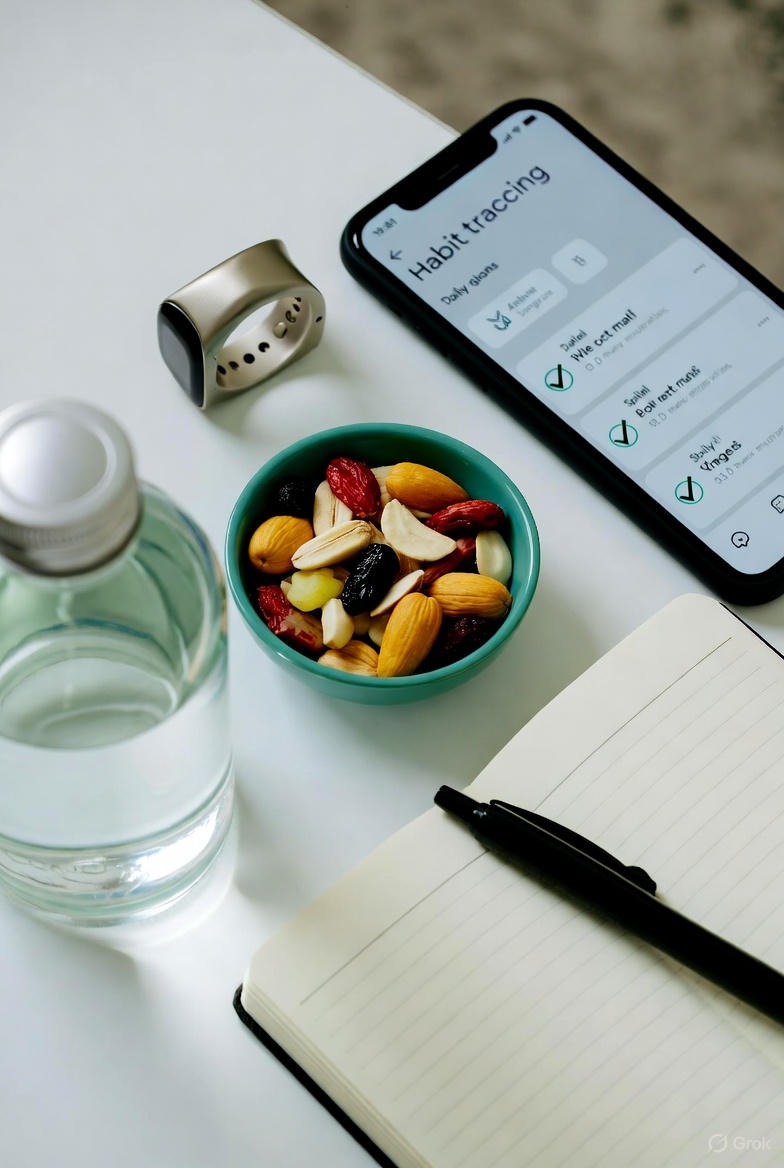
Nutrient timing is a nuanced concept, often overcomplicated for athletes but underappreciated by everyday professionals. You don’t need to eat within a strict “anabolic window,” but aligning your food intake with your body’s natural rhythms and daily demands can significantly amplify recovery.
The Three Key Recovery Timing Windows:
Listening to Your Body’s Data-Linked Clock: Your personal optimal timing may vary based on your chronotype (night owl vs. early bird), schedule, and stress load. This is where a 24/7 wearable shines. If you notice that your heart rate variability (HRV) consistently dips after late-night meals, that’s a clear data point to move dinner earlier. If your sleep tracking shows less restful sleep after evening workouts without a post-exercise snack, that’s another cue. This personalized feedback loop, moving from generic advice to what your specific biomarkers tell you, represents the cutting edge of preventive health monitoring.
In an ideal world, we would get every micronutrient, amino acid, and bioactive compound from whole foods. In the real world of busy lives, environmental stressors, and less-than-perfect diets, strategic supplementation can act as an insurance policy and an accelerant for recovery. Supplements are not magic pills, nor should they replace food. They are, as the name implies, meant to supplement a solid nutritional foundation. Used wisely, they can help bridge nutritional gaps and provide therapeutic doses of compounds that are difficult to obtain in sufficient quantities from diet alone.
Key Supplements for Enhanced Recovery (And When to Consider Them):
A Critical Warning on "Quick Fixes": The supplement industry is rife with exaggerated claims. Be deeply skeptical of anything promising miraculous recovery or fat loss. The most profound recovery supplements are often the most boring: protein, omega-3s, magnesium, and Vitamin D. Quality matters immensely—look for brands that use third-party testing (USP, NSF, Informed-Sport certifications) to ensure purity and potency.
Personalizing Supplementation with Data: This is the frontier. While you should always discuss supplements with a doctor, your own biometric data can provide clues. Chronically low HRV and poor sleep scores might lead you to investigate magnesium and adaptogens. Persistent feelings of lethargy despite good sleep could point toward a potential Vitamin D or B12 deficiency. A smart ring won't diagnose, but the trends it reveals can form powerful, personalized questions to bring to your healthcare provider. For more on how technology is creating this new dialogue, read about how doctors find data from modern wearables most useful in clinical conversations.
Your immune system is your silent recovery partner, constantly fighting low-grade battles against pathogens and repairing cellular damage. During periods of high stress, poor sleep, or intense training, it becomes suppressed—a state known as "open window" theory, where you're more susceptible to catching a cold or flu. The foods you eat directly fuel your immune army (white blood cells) and either promote or calm inflammation, which is at the root of both overactive (autoimmune) and underactive immune responses.
Nutritional Building Blocks of Immune Resilience:
Quick Immune-Boosting Recovery Meals for When You're Run Down:
The Stress-Immunity Connection & How to Track It: Chronic stress elevates cortisol, which directly suppresses the production of protective antibodies and immune cells. This is why you often get sick after a big project ends—your body finally lets its guard down. A wearable like Oxyzen can make this invisible process visible. By monitoring your stress load through HRV and resting heart rate trends, you can see when your nervous system is in overdrive. This is your signal to double down on immune-supportive nutrition, prioritize sleep, and perhaps scale back intensity. It's a proactive defense strategy, moving from getting sick and recovering to preventing illness altogether. Learn more about this proactive approach in our article on how to enable preventive health monitoring with modern wearables.
Mastering quick recovery meals is a phenomenal skill, but it exists within a larger ecosystem of your life. For lasting results—more energy, resilience, and vitality—you must build a sustainable system that makes healthy recovery the default, not the constant struggle. This system rests on three pillars: Habit Stacking, Informed Tracking, and Graceful Consistency.
1. Habit Stacking for Automatic Success:
Don’t try to overhaul everything at once. Use the concept of "habit stacking" from James Clear's Atomic Habits: attach a new, desired behavior to an existing habit.
2. Informed Tracking with a Purpose:
Data is only as valuable as the action it inspires. Wearing a smart ring is pointless if you never check the app or, conversely, if you become obsessed with every minor fluctuation.
3. Graceful Consistency, Not Perfection:
The goal is 80% consistency, not 100% perfection. Some days, your "recovery meal" will be a sensible takeout order. Some weeks, you won't meal prep. That's life. The system is not broken. Graceful consistency means returning to your positive habits at the very next opportunity without self-flagellation. Your wearable data teaches this beautifully—it shows you that one bad night of sleep doesn't ruin your weekly average, just as one less-nutritious meal doesn't derail your health. It’s the long-term trend that matters. For support and community in building this mindset, you can read real customer testimonials from others on a similar journey.
We began this journey addressing that universal feeling of exhaustion at the end of a demanding day, facing the dreaded question: "What's for dinner?" We've traveled through the science of nutrients, the efficiency of kitchen hacks, the psychology of eating, and the cutting-edge integration of personalized data. The path to quick recovery meals is no longer a mystery—it's a masterable skill set.
The core takeaway is this: Recovery is not a luxury or an afterthought. It is the essential, non-negotiable process that converts effort into growth, stress into resilience, and fatigue into renewed potential. By investing a small amount of strategic time into your nutrition, you are not taking time away from your productivity, your family, or your passions. You are fundamentally upgrading the quality of the time you spend in every other arena of your life.
You now have the templates:
More importantly, you have a new framework for thinking about recovery: it's personalized, data-informed, and holistic. It connects the food on your plate to the sleep you get, the stress you manage, and the energy you expend. In this modern approach, a tool like the Oxyzen smart ring ceases to be just a tracker; it becomes a recovery compass, providing objective feedback on whether your nutritional and lifestyle choices are truly moving the needle on your well-being.
This is the future of self-care: not generic advice, but a tailored strategy built on the unique story your body tells every day. It’s about moving from feeling at the mercy of your schedule to feeling empowered by your choices.
Your Next Step: This doesn't require a drastic overhaul. Start with one thing. This week, try the 2-Hour Sunday Prep Session. Or, commit to the 5-Minute Pre-Meal Buffer to eat more mindfully. Observe how you feel. If you're curious about quantifying that feeling, about seeing the impact of these changes on your physiology, consider exploring what modern health technology can offer. You can start by comparing the top brands or learning how to make an informed purchase decision for a wellness ring.
Remember, the goal is not to add more to your to-do list, but to transform your to-do list into a life filled with more vitality, clarity, and sustained energy. Your recovery is the foundation of it all. Start building it today, one quick, nourishing meal at a time.
Your Trusted Sleep Advocate (Sleep Foundation — https://www.sleepfoundation.org/)
Discover a digital archive of scholarly articles (NIH — https://www.ncbi.nlm.nih.gov/
39 million citations for biomedical literature (PubMed — https://pubmed.ncbi.nlm.nih.gov/)
experts at Harvard Health Publishing covering a variety of health topics — https://www.health.harvard.edu/blog/)
Every life deserves world class care (Cleveland Clinic -
https://my.clevelandclinic.org/health)
Wearable technology and the future of predictive health monitoring. (MIT Technology Review — https://www.technologyreview.com/)
Dedicated to the well-being of all people and guided by science (World Health Organization — https://www.who.int/news-room/)
Psychological science and knowledge to benefit society and improve lives. (APA — https://www.apa.org/monitor/)
Cutting-edge insights on human longevity and peak performance
(Lifespan Research — https://www.lifespan.io/)
Global authority on exercise physiology, sports performance, and human recovery
(American College of Sports Medicine — https://www.acsm.org/)
Neuroscience-driven guidance for better focus, sleep, and mental clarity
(Stanford Human Performance Lab — https://humanperformance.stanford.edu/)
Evidence-based psychology and mind–body wellness resources
(Mayo Clinic — https://www.mayoclinic.org/healthy-lifestyle/)
Data-backed research on emotional wellbeing, stress biology, and resilience
(American Institute of Stress — https://www.stress.org/)


