


The Smart Ring Features That Enable Family Health Tracking
Describes features that allow family members to share and view each other's wellness data.
Describes features that allow family members to share and view each other's wellness data.
%402x.svg)
In the quiet hum of modern family life, a silent crisis often unfolds. A parent notices their teenager is unusually irritable, but chalks it up to typical adolescent angst. An aging mother forgets her medication, but waves it off as a simple slip of memory. A partner’s chronic fatigue is buried under the blanket of “just being busy.” We strive to protect our loved ones, yet we are often flying blind, relying on fragmented observations and after-the-fact doctor visits to gauge the most precious asset we have: our collective health.
Enter the smart ring—an unassuming band of titanium or ceramic, worn on a finger, that is quietly emerging as the central nervous system for the modern family’s wellbeing. This is not merely a step-counting gadget or a sleep tracker for biohackers. This is a paradigm shift. It moves health monitoring from the reactive to the proactive, from the individual to the ecosystem. It provides a continuous, objective, and deeply personal stream of data that, when harnessed correctly, can transform how a family cares for one another.
Imagine having a gentle, always-on guardian for every member of your household. One that can flag subtle deviations in a child’s rest before a big exam, provide tangible data to support an elderly parent’s needs, or reveal the silent impact of work stress on a partner’s nervous system. This is the promise of family-centric smart ring features. They empower us with knowledge, foster empathetic conversations grounded in data, and create a shared language of wellness that transcends age and tech-savviness.
This article delves into the core technologies and innovative features that make this family health tracking revolution not just possible, but profoundly practical. We will explore how these discreet devices capture the biological rhythms of each family member and synthesize that data into actionable insights for a healthier, more connected home.
Before we can appreciate how a smart ring binds a family’s health data together, we must understand what it actually measures. Unlike a smartphone that lives in your pocket or a smartwatch that shouts from your wrist, a ring’s power lies in its intimate, constant contact with a unique vascular pathway on your finger. This privileged position allows it to capture a symphony of physiological signals with clinical-grade precision.
Heart Rate & Heart Rate Variability (HRV): The Twin Pillars of Autonomic Nervous System Insight
At its core, the photoplethysmography (PPG) sensor in a smart ring uses tiny green LED lights to detect blood volume changes in the capillaries of your finger. From this, it derives not just your beats per minute, but the nuanced millisecond variations between them—your Heart Rate Variability (HRV). HRV is your body’s most honest conversation. A higher, more variable HRV typically indicates a resilient, adaptable nervous system poised in "rest-and-digest" mode. A suppressed HRV is a flare gun signaling stress, overload, or impending illness.
For a family, tracking HRV across individuals is revolutionary. It allows you to see beyond surface-level moods. A child’s tantrum might align with a plummeting HRV, indicating genuine overwhelm, not just defiance. A partner’s short temper in the evening could be objectively linked to a day of stressful meetings that crashed their nervous system recovery. By moving from "Why are you so grumpy?" to "I see your body had a really stressful day," conversations become supportive, not accusatory. Understanding this foundational metric is key to cultivating a restful living environment for everyone under your roof.
Body Temperature: The Silent Sentinel of Health Trends
Continuous wrist-based temperature sensing has been a game-changer, but the finger provides a more stable, less environmentally influenced core temperature reading. Smart rings now monitor your peripheral temperature 24/7, establishing a personalized baseline. The magic is in the deviation. A sustained elevation of even 1 degree Fahrenheit can be the earliest sign of an oncoming infection, often days before symptoms appear or you think to reach for a thermometer.
In a family setting, this feature acts as an early warning network. Parents can receive a notification that a child’s temperature trend is rising, allowing for preemptive care, hydration, and rest before a full-blown fever derails the week. For elderly family members, whose immune responses can be blunted, this silent sentinel offers an extra layer of security, potentially catching urinary tract infections or other ailments before they cause confusion or falls.
Sleep Architecture: Decoding the Nightly Rebuilding Process
Sleep is the cornerstone of health for every age group, and smart rings provide its most accurate wearable analysis outside a lab. By combining movement, heart rate, HRV, and temperature, they paint a detailed picture of sleep stages: Light, Deep, and REM sleep. Each stage has a distinct purpose—physical repair in Deep, memory consolidation and emotional processing in REM.
For a family, sleep data is a treasure trove. It can reveal why a teenager is struggling to focus (chronically short on Deep sleep), or why a new parent feels emotionally fragile (fragmented REM sleep). It can show the tangible impact of a late-night screen session on sleep quality or prove the benefit of a consistent bedtime routine. This data empowers families to make collective commitments to better sleep hygiene, turning the abstract goal of "get more sleep" into a targeted plan for restorative rest for all.
Activity & Recovery: The Delicate Balance of Doing and Replenishing
While steps and active minutes are tracked, the advanced smart ring’s genius is in its insistence on balancing activity with recovery. It doesn’t just cheer for more movement; it warns you when you’re not recovering enough to benefit from it. Using a composite score of sleep, HRV, temperature, and activity, it provides a daily "Readiness" or "Recovery" score.
This teaches a vital family lesson: health is not a relentless pursuit of more, but a mindful rhythm of exertion and repair. It can help an athletic child understand why their performance is lagging (they’re chronically under-recovered), guide a workaholic parent to take a true rest day, and encourage an aging adult to stay active within their optimal recovery zone. This philosophy aligns perfectly with principles of restful living for high-achievers, where strategic rest is the engine of sustained performance for every family member, from the student to the CEO to the retiree.

The raw biometric data is powerful, but its true transformative potential for families is unlocked through software. A device that only serves an individual is a wellness tool. A device that seamlessly integrates the data of an entire household into a single, intuitive command center is a family health platform.
Creating Individual Profiles: Privacy Meets Personalization
The first step is the creation of separate, secure profiles for each family member. A quality family health tracking system understands that a 7-year-old, a 45-year-old parent, and a 75-year-old grandparent have vastly different health baselines and goals. The setup process involves inputting basic biometrics (age, height, weight) and allowing the ring’s AI to learn each individual’s unique patterns over a week or two.
Crucially, each profile is a private vault. While a parent or guardian may have administrative access to view aggregated data for dependents, the system is built on consent and clear boundaries. Teenagers, for instance, might have control over who sees certain data, fostering trust and autonomy while keeping parents informed on key wellness trends. This respects individual privacy—a cornerstone of restful living boundaries—even within the family unit.
The Unified Family Dashboard: A Single Pane of Glass for Household Wellness
This is the feature that changes everything. Imagine opening one app on your phone and seeing a gentle, color-coded overview of your family’s vital wellness metrics. Green for "optimal," yellow for "pay attention," red for "action needed." At a glance, you can see:
This dashboard transforms health from a solitary pursuit into a shared family value. It removes the guesswork and constant checking-in. Instead of interrogating a grumpy teen about their sleep, a parent can simply say, "I noticed your recovery score was low this morning. Want to take it easy after school?" It creates a proactive, data-informed culture of care.
Role-Based Permissions and Notifications: Tailoring Alerts to Responsibility
Not every piece of data requires every family member’s attention. A robust system allows for customizable notifications based on role. A primary caregiver might receive alerts for any significant deviations in a child’s or elder’s temperature or rest. A partner might only get a notification if the other’s "stress score" remains critically high for an extended period.
These intelligent, tiered alerts prevent notification fatigue and ensure that serious vitals are seen by the right person at the right time. They act as a digital support system, distributing the cognitive load of caring for a family and allowing everyone to operate from a place of informed calm, much like the structure recommended in a weekly restful living plan.
This is where the smart ring transitions from a wellness advisor to a guardian angel. For children, elderly parents, or family members with specific health considerations, "Guardian Alerts" are the most critical feature. These are not mere data points; they are actionable intelligence designed to prompt care before a minor issue becomes a major one.
Fever & Illness Onset Predictions: As mentioned, a sustained elevation in baseline temperature is a key trigger. A guardian can receive a push notification: "Alex’s temperature has been elevated for 6 hours above his personal baseline. He may be fighting an onset of illness." This allows for early intervention—increasing fluids, ensuring rest, and monitoring symptoms closely.
Significant Sleep Disruption Alerts: For an elderly family member living independently, a notification of "Unusual sleep pattern detected for Mom last night: multiple prolonged awakenings" could be a vital clue. It might indicate discomfort, anxiety, or the need for a medication review, prompting a supportive check-in call.
Activity & Fall Detection (Advanced Models): Some rings incorporate sophisticated accelerometers and algorithms to detect a sudden, hard impact followed by immobility—a potential fall. An immediate alert can be sent to guardians with the wearer’s location, enabling a rapid response. For an active child, an alert might notify a parent if the ring detects a significant impact during sports play.
Personalized "Check-In" Prompts: Beyond critical alerts, the system can foster connection through gentle nudges. If a teenager’s data shows high stress and poor sleep for several days, the app might suggest to a parent: "Consider checking in with Sam about his workload. His body is showing signs of prolonged stress." This bridges the gap between internal experience and external support, using data as a catalyst for compassionate communication.
Sleep is not an individual event in a family; it’s a domino chain. A crying baby, a restless partner, a teenager creeping in late—everyone’s sleep affects everyone else’s. Smart ring data reveals this interconnected web and provides the insights to weave a stronger, more restorative tapestry of family rest.
Visualizing the Family Sleep Timeline: Advanced apps can overlay the sleep timelines of multiple family members on a single chart. This visualization is often an "aha!" moment. You can see exactly how a parent’s light sleep stage aligns with a toddler’s wake-up, or how a teenager’s late-night phone usage (indicated by a late sleep onset) creates a morning rush that stresses the entire household.
Identifying and Mitigating Sleep Disruptors: With this data, families can problem-solve strategically. If the data shows that the family dog jumping on the bed consistently disrupts a parent’s deep sleep, a new sleeping arrangement for the pet can be tested and its impact verified. If a child’s nightmares are causing awakenings that also wake a light-sleeping sibling, targeted solutions like night lights or calming bedtime routines can be implemented and their efficacy tracked.
Coordinating Bedtimes for Household Harmony: For families with young children, synchronizing sleep cycles can be a survival tactic. Data can help parents optimize their own bedtime to maximize their own deep sleep before the first predictable nighttime waking. It can also guide the delicate process of adjusting a teenager’s sleep schedule for better alignment with school starts, using gradual, data-verified shifts rather than punitive arguments.
This holistic approach to sleep moves the family towards a shared rhythm of restful living through the seasons, adapting routines as children grow and family dynamics change, always grounded in what the objective data reveals.
Wellness is more sustainable—and more fun—when it’s a shared journey. Smart ring platforms are incorporating social features designed specifically for families, turning health into a collaborative game rather than a chore.
Step Challenges with a Purpose: Gone are the days of simple, competitive step counts. Family challenges can be cooperative: "Collectively, we need to reach 100,000 steps this weekend to unlock a family movie night." This teaches teamwork and shared accomplishment. Challenges can also be inclusive, with personalized goals based on age and ability—Grandma’s goal might be a gentle 5,000 steps, while the teenager’s is 15,000.
"Recovery Day" Challenges: Perhaps the most innovative goal is the collective "Recovery Day." The challenge is for every family member to hit their individual recovery score target, perhaps by prioritizing quiet time, engaging in breathwork, or taking a family nature walk. This reinforces the critical lesson that rest is an active, valued part of health.
Goal-Based "Wellness Trees" or Rewards: Visual motivators, like a digital tree that grows leaves as family activity minutes accumulate or sleep goals are met, provide a positive, shared visual of progress. Rewards are aligned with family values—an extra hour of playtime, choosing the weekend hike, or a special homemade meal—tying health achievements directly to family connection.
Teaching Lifelong Habits: For children, these gamified experiences, tied to their own cool piece of tech, instill a foundational literacy in listening to their bodies. They learn to connect feeling energetic with a good night’s sleep shown on their chart, or to understand that feeling cranky might be linked to a low recovery score. This early education is an invaluable gift.
Stress is a universal human experience, but its sources and manifestations differ dramatically across a lifespan. A smart ring that offers a one-size-fits-all "stress score" is of limited use. The next generation of family tracking provides nuanced, age-appropriate insights into the nervous system state of every member.
For Children & Teens: School, Social, and Developmental Stress
The ring can detect the physiological signature of stress—suppressed HRV, elevated resting heart rate—and contextualize it. Did it spike during a known math class? In the hour before a big game? During a late-night social media session?
For Parents & Working Adults: The Burnout Barometer
For the sandwich generation, stress is often chronic and multifaceted. The ring’s recovery score becomes a non-negotiable burnout barometer. It can show the tangible impact of back-to-back meetings, business travel, or financial worries on the body.
For Seniors: Health-Related Anxiety and Physical Stress
For older adults, stress is often linked to health concerns, loneliness, or the physical strain of aging bodies. A smart ring can distinguish between the stress of an acute worry and the physical stress of an emerging ailment (often paired with temperature data).

While rings don't directly scan food, they are the perfect complement to nutrition tracking. By integrating with popular food-logging apps or providing simple family-friendly logging features, they create a powerful feedback loop between fuel and physiological outcomes.
The "Family Meal" Effect: A family can log a shared dinner—say, a hearty vegetable lasagna—and then see in the following hours how it impacted everyone’s metrics. Did it lead to a calm, gradual rise in nighttime body temperature (a sign of good metabolic processing) for most, but cause a spike in resting heart rate and poor sleep for one member who might be sensitive to gluten or dairy? This turns meal time into a collective discovery process.
Hydration Alerts Based on Activity & Temperature: Smart algorithms can cross-reference a family member’s activity level, ambient temperature, and their own historical sweat patterns to send personalized hydration reminders. "You’ve been active and it’s warm out—don’t forget your water bottle!" These nudges are far more effective than generic "drink 8 glasses" advice.
Correlating Food with Energy and Mood: For a teenager prone to afternoon slumps, the data might reveal a clear pattern: high-sugar lunch, followed by a crash in HRV and energy 90 minutes later. This objective evidence is more persuasive than parental nagging and teaches mindful eating. It encourages choosing foods that support a calm, sustained energy, akin to a restful living diet for the whole family.
The most profound value of continuous tracking is revealed not in daily scores, but in long-term trends. A family health platform becomes a living, digital family health journal, capturing the evolving wellness story of each member over months and years.
Growth & Development Tracking for Kids: For children, the ring can track the gradual decrease in average resting heart rate and increase in HRV that comes with cardiovascular development. It can document how sleep needs shift from childhood into adolescence. This becomes a unique health timeline, a modern-day growth chart for their nervous system resilience.
Aging Gracefully with Data: For aging parents, trend analysis is a tool for graceful aging. Gradual changes in sleep architecture (less deep sleep), average activity levels, or baseline temperature can be discussed proactively with doctors. A noticeable downward trend in activity might prompt a family conversation about mobility aids or physical therapy to maintain independence, a key aspect of planning for long-term restful living and longevity.
Seasonal Pattern Recognition: The entire family’s data will show fascinating seasonal rhythms. You might see a collective dip in recovery scores during the dark, busy holiday season, or a peak in activity and sleep quality during summer vacations. Recognizing these patterns allows for anticipatory adjustments—prioritizing rest more in winter, or capitalizing on natural energy surges in spring.
The Power of the "Before and After": This long-term view allows families to measure the impact of lifestyle changes. Did moving to a new, quieter neighborhood improve everyone’s deep sleep? Did adopting a family dog increase collective activity and lower stress scores? Did implementing a minimalist approach to toys and clutter reduce the children’s cortisol markers? The data provides clear, motivating answers.
Family vacations, business trips, and visits to relatives are notorious for derailing health routines. Jet lag, unfamiliar foods, and broken schedules can leave everyone exhausted. Advanced smart rings offer a "Travel Mode" that helps families navigate these disruptions with minimal collateral damage to their wellbeing.
Proactive Jet Lag Mitigation: Based on flight itineraries, the app can generate a personalized family plan to minimize jet lag. It might suggest gradually shifting bedtimes in the days before a trip, recommend optimal light exposure upon arrival, and provide guidance on meal timing to help reset everyone’s circadian rhythms faster.
Adaptive Baseline Adjusting: In Travel Mode, the ring’s algorithms temporarily adjust what’s "normal." It understands that a higher resting heart rate in a hot climate, or slightly disrupted sleep in a new hotel bed, is expected. This prevents the app from sending alarming "your health is declining" notifications and instead focuses on providing supportive, context-aware insights.
Family "Anchor" Routines: The app can help families identify and maintain one or two non-negotiable wellness anchors while traveling. This could be a brief, shared family breathing session in the morning using built-in breathwork guides, a commitment to a 15-minute walk together before dinner, or a strict digital curfew to protect sleep. These anchors provide stability amidst the chaos.
Health Security Away from Home: For families traveling with children or elders, the core Guardian Alert features remain active. Fever detection, unusual sleep disruption alerts, and activity monitoring provide a continuous safety net, giving parents peace of mind whether they’re at a foreign theme park or a relative’s crowded house. This aligns with the principles of maintaining restful living while traveling, ensuring that adventures don’t come at the cost of core health.
Entrusting the most intimate physiological data of your entire family to a digital platform is a profound act of trust. This cannot be an afterthought; it must be the foundational promise of any family health tracking system. Understanding the safeguards is paramount.
End-to-End Encryption & Anonymization: The gold standard is data encrypted on the device (the ring) and only decrypted on the user’s authorized phone. Data transmitted to the cloud should be anonymized, stripped of directly identifying information, and aggregated under a random identifier. This means even if a database were compromised, your family’s data would not be easily linked back to your identities.
Granular User Permissions: As discussed in the Family Hub, each member (or guardian) should have precise control. A parent can decide to share a child’s sleep trend with a pediatrician via a secure, time-limited link. A teenager can choose to keep their stress log private while sharing activity goals. This mirrors the healthy boundaries essential in both digital and real-life family dynamics.
Clear Data Usage Policies: Transparent companies will explicitly state that user health data will never be sold to third parties (like insurers or marketers) or used for targeted advertising. Data should only be used to improve the user’s own insights and, in anonymized aggregate, to improve the product’s algorithms.
Local-Only Processing Options: The most privacy-conscious systems may offer an option where all data processing happens locally on the user’s smartphone, never touching a company server. While this may limit some advanced cloud-based features, it provides maximum security for families who prioritize it above all else.
This foundation of trust is what allows families to fully embrace the benefits of shared health tracking. When you know the digital guardian is loyal and secure, you can relax into the insights it provides, using them to build a healthier, more connected, and more resilient family unit—one data point at a time.
The true power of family health tracking is fully realized when the rich, longitudinal data collected in the home can inform and enhance professional medical care. The smart ring is not intended to replace a physician’s diagnosis, but to become a vital tool in a collaborative care model. By seamlessly integrating with broader healthcare ecosystems, it transforms fragmented annual check-ups into a continuous dialogue about health, providing clinicians with the context they desperately need.
Secure Data Sharing Portals & HIPAA Compliance: Forward-thinking smart ring platforms are developing secure, HIPAA-compliant portals within their apps. This allows a user (or a guardian) to select specific data ranges—for example, two weeks of sleep architecture, heart rate trends, and temperature data—and generate a secure, shareable report for a healthcare provider. Imagine a parent preparing for a pediatrician visit by sharing a report showing their child’s declining sleep efficiency and elevated nighttime heart rate in the weeks leading up to recurring ear infections. Or an adult sharing a year’s worth of stress and recovery data with a cardiologist to provide a holistic view of their cardiovascular resilience beyond a single EKG reading. This turns appointments from “What’s wrong today?” to “Here’s what’s been happening,” making them exponentially more productive.
Remote Patient Monitoring (RPM) for Chronic Conditions & Aging in Place: For families managing chronic conditions like hypertension, heart failure, or diabetes, or supporting an elderly relative who wishes to “age in place,” this integration is revolutionary. With patient consent, key ring metrics can be fed directly into a clinician’s Remote Patient Monitoring dashboard. A cardiology team could monitor a patient’s nighttime resting heart rate and activity tolerance trends post-discharge, potentially catching signs of decompensation days before symptoms become severe. For a diabetic family member, trends in sleep quality and stress (both major influencers of glucose control) can be viewed alongside CGM data, creating a complete picture. This provides immense peace of mind for families, knowing that a professional safety net is watching the same vital signs they are.
Medication & Treatment Adherence and Efficacy Tracking: The ring can serve as an indirect but powerful tool for measuring adherence and response to treatment. Did a new sleep medication actually improve deep sleep percentage and next-day recovery scores? Is a new anti-anxiety medication helping to raise baseline HRV? For a child starting ADHD medication, does the data show a calmer physiological state and more consistent sleep? This objective feedback loop empowers families and doctors to make data-informed adjustments, moving away from trial-and-error based solely on subjective reporting.
Pre-Visit Questionnaires and Symptom Journals: Some platforms are integrating with electronic health record (EHR) systems to allow patients to pre-populate visit questionnaires with their historical ring data. Instead of trying to recall “How have you been sleeping the last month?” a patient can authorize the import of their average sleep duration and quality scores. A symptom journal for migraines, IBS flare-ups, or panic attacks can be enriched with pre-event data, revealing potential triggers like poor recovery, sleep disturbances, or elevated stress hours before the episode. This turns the patient into a prepared partner in their own care.
This seamless bridge between daily life and the clinic demystifies health, making it a continuous, shared responsibility. It empowers families to come to the table with evidence, fostering a collaborative relationship with healthcare providers that is focused on prevention and precise, personalized management.
Data without understanding is just noise. The most impactful family health platforms go beyond charts and graphs; they serve as gentle, ongoing educators. They translate complex biometrics into actionable wisdom for every generation, fostering a shared family language of health literacy that will benefit children for a lifetime.
For Kids: Gamified Learning About Their Bodies: Children’s interfaces are designed with engagement in mind. A child might see their sleep data represented as a garden that blooms after a good night’s rest, or their activity as a character that gains energy. Simple, positive messages teach core concepts: “Your heart was nice and calm while you slept! That’s your body fixing your muscles!” or “Wow, you played hard today! Your body needs extra water and quiet time to feel strong again tomorrow.” This early association between internal feelings and physiological states builds profound self-awareness from a young age.
For Teens: Empowerment Through Autonomy and Understanding: The teen interface shifts from pure gamification to empowerment. It provides clear explanations of HRV (“this is your body’s stress and recovery battery”), sleep stages (“REM sleep is when your brain files away what you learned”), and recovery (“this score tells you if you’re ready to crush your workout or need a chill day”). It can offer contextual insights: “Your stress score spiked during your history presentation. That’s a normal reaction. Here’s a quick breathing exercise for next time.” This gives teens a sense of control over their own wellbeing and provides a neutral, scientific basis for conversations about screen time, sleep schedules, and social stress, reducing defensive reactions.
For Adults & Parents: Contextualized Science and Actionable Recommendations: Adult insights delve deeper, connecting dots across the system. The app might explain: “Your deep sleep was lower last night, which aligns with your elevated temperature trend. This could be your body fighting something off. Prioritize hydration and rest today.” Or, “Your recovery score has been low for three days following your intense workout. Consider focusing on active recovery like walking or yoga to let your nervous system reset.” This continuous education helps adults understand the “why” behind the scores, moving them from passive trackers to active managers of their health. This is a practical application of creating structure for sustainability in one’s wellness approach.
For Seniors: Gentle Guidance and Reassurance: For older adults, the educational tone is one of reassurance and simple cause-and-effect. “You took 500 more steps than yesterday! That’s great for keeping your heart strong.” Or, “You had a very restful night. See how your morning heart rate is nice and slow?” It can provide gentle reminders tied to data: “Your activity was lower this week, which can sometimes affect sleep. A short afternoon walk might help you sleep more soundly.” This positive reinforcement encourages maintenance of healthy habits without intimidation.
By making every family member, regardless of age, a student of their own biology, the smart ring becomes a catalyst for generational change. It replaces fear and confusion with knowledge and agency, creating a home where health is understood, discussed, and nurtured together.
The current capabilities of smart rings are just the foundation. The next five years will see an explosion of integrated sensors and AI-driven features that will further blur the line between consumer wellness and clinical-grade monitoring, all designed with the family unit in mind.
Non-Invasive Blood Glucose Trend Monitoring: Several major tech companies are deep in R&D on using PPG and other optical sensors to derive glucose trends. While not a diagnostic tool, a ring that could show family members how their sleep, food choices, and stress affect their glucose variability would be a monumental leap in metabolic health awareness. It would allow families to see the direct impact of that sugary breakfast cereal on a child’s energy crash or help pre-diabetic adults understand their unique triggers.
Blood Pressure Estimation: Advanced algorithms are already being trained to estimate blood pressure from pulse wave velocity data captured by the PPG sensor. While requiring periodic calibration with a cuff, continuous, passive BP trend monitoring would be a game-changer for families with genetic hypertension risks. Guardians could monitor a parent’s response to new medication or observe a teenager’s BP trends during exams, providing invaluable long-term data.
Advanced Electrodermal Activity (EDA) for Emotional Wellbeing: EDA sensors, which measure tiny changes in skin sweat, are a direct proxy for emotional arousal and sympathetic nervous system activation. Future rings could use EDA to detect moments of high anxiety, frustration, or excitement throughout the day. For a child with anxiety, parents could see patterns (e.g., spikes every weekday at 9 AM) and work on targeted coping strategies. For couples, it could foster empathy by revealing unspoken stressful moments in each other’s days.
Environmental Sensor Integration (Air Quality, UV, Allergens): Future rings may incorporate micro-sensors or pull data from connected home devices to contextualize health data. Did the whole family’s HRV dip and sleep quality suffer on a day with exceptionally high pollen counts or poor air quality? Did a child’s cough correlate with a mold spore spike in the basement? This turns the ring into an environmental health detective, helping families create a healthier home ecosystem. Understanding these external triggers is a key component of a holistic, seasonally-adapted approach to restful living.
Predictive AI for Family Health Forecasting: This is the ultimate frontier. Machine learning models, trained on millions of anonymized family datasets, could move from describing the present to predicting the near future. The AI might send a gentle alert: “Based on sleep debt and rising stress trends, there’s a 75% probability Emma will come down with a cold in the next 48 hours. Suggest prioritizing rest.” Or, “The data patterns for Dad show a high correlation with past migraine onset. Recommend hydration, low light, and preventative medication now.” This shifts the paradigm from reactive healthcare to truly preventative family stewardship.
These emerging technologies promise a future where the family smart ring is an indispensable, anticipatory partner in health, quietly working in the background to keep every member of your household not just tracked, but truly protected and understood.
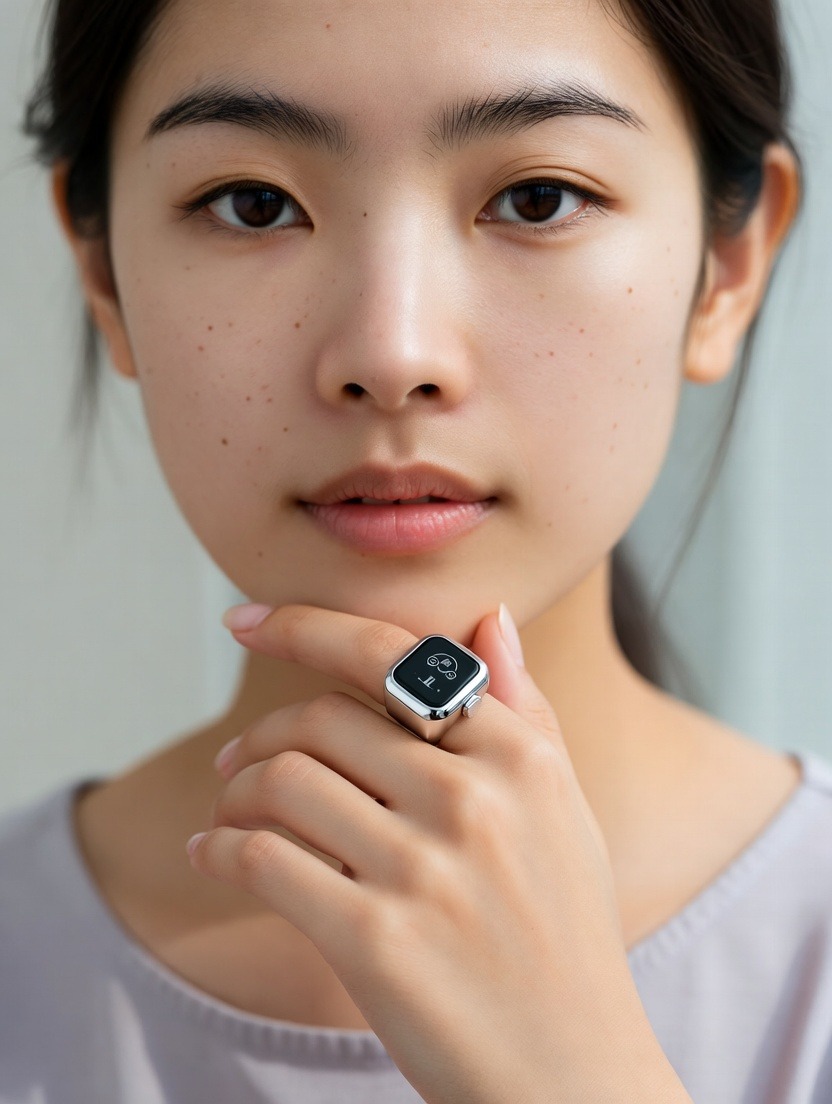
With a clear understanding of the transformative features available, the next step for any family is the practical one: selection. Not all smart rings are created equal, and the ideal choice hinges on your family’s unique composition, needs, and values. This isn't a one-size-fits-all purchase; it’s about curating the right technological partners for your household's wellness journey.
Assessing Family Needs: Age, Activities, and Health Goals
The first question isn't “Which ring is best?” but “Who are we tracking, and why?”
The Critical Comparison: Accuracy, Battery Life, and App Ecosystem
Once you’ve identified your needs, compare the core specifications that will dictate daily experience.
Cost Considerations for Multi-Device Households
Budgeting for a family is a significant factor. Consider the following models:
Choosing the right ring is an investment in your family’s health infrastructure. Taking the time to align hardware capabilities with human needs ensures the technology will be adopted, valued, and used consistently to fuel your collective wellness journey.
The arrival of smart rings in your home presents a pivotal moment. Handled poorly, it can feel like surveillance, breeding resentment and secrecy. Handled with intention, it can become the cornerstone of a supportive, open, and data-informed family health culture. The implementation philosophy is as important as the technology itself.
The Family Meeting: Framing the “Why” Together
Begin with a conversation, not a box opening. Gather the family and explain the purpose in an age-appropriate way. For kids: “We’re getting these cool rings to help us all have more energy for play and sleep better for adventures!” For teens and adults: “We want to better understand how our busy lives affect our health so we can support each other. This gives us a common language beyond ‘I’m tired.’” Emphasize curiosity over judgment, support over control. This aligns with using data to foster better relationships and mood through understanding.
Establishing Ground Rules: Privacy, Permission, and Positive Language
Co-create the rules of engagement.
Leading by Example: Parental Modeling of Data-Informed Behavior
Children, and especially teens, are astute observers of hypocrisy. Parents must be the first to embrace the ring’s insights openly and non-defensively. Verbally model the process: “My ring is suggesting I need a recovery day today. I’m going to take a walk instead of a hard workout.” Or, “My data shows I sleep terribly when I’m on my phone late. I’m going to charge it outside the room tonight.” This shows that the tool is for everyone’s benefit, not a tool for parents to wield over children.
Celebrating Collective Wins, Not Just Individual Scores
Use the family dashboard to highlight positive collective trends. “Look! Our family’s average sleep score improved by 10% this month since we started our quiet hour before bed!” Or, “We all hit our step challenge! Pizza and movie night is on!” This reinforces that health is a team sport and that the technology is there to celebrate your family’s collective vitality, fostering unity and shared purpose.
Creating this culture transforms the rings from tracking devices into symbols of a family’s commitment to caring for one another in a modern, informed, and compassionate way.
Even with the best intentions and the perfect ring, families will encounter hurdles. Acknowledging and planning for these challenges is key to long-term, sustainable adoption.
Navigating the Privacy Paradox in a Connected Family
The tension between a guardian’s duty of care and an individual’s right to privacy is real, particularly with adolescents.
Avoiding Analysis Paralysis and Health Anxiety
For some personalities, constant data can fuel anxiety—obsessively checking scores, worrying over a slight dip, turning life into a constant optimization puzzle.
Managing Tech Fatigue and Ensuring Consistent Wear
The novelty of a new gadget wears off. Rings get forgotten on nightstands, charging becomes a hassle, and alerts become annoying.
Addressing Skepticism from Family Members
You may encounter a partner, teen, or elder who is resistant: “It’s creepy,” “I don’t need a device to tell me how I feel,” or “This is a waste of money.”
By anticipating these challenges and having compassionate strategies ready, your family can navigate the initial adoption phase and integrate the technology smoothly into the fabric of your lives, maximizing benefits while minimizing friction.
Theory and features come alive through stories. These anonymized composite case studies, built from common user experiences, illustrate the profound, practical impact of family health tracking.
Case Study 1: The Over-Scheduled Family of Five
Case Study 2: Supporting an Elderly Parent Living Independently
Case Study 3: Identifying a Child’s Hidden Stressor
These stories underscore that the value isn’t in the numbers themselves, but in the compassionate, informed actions they empower a family to take.

As smart rings weave themselves into the fabric of family health, they bring with them a complex web of ethical considerations that extend far beyond simple data privacy. Implementing this technology requires a thoughtful navigation of consent, the preservation of personal autonomy, and a conscious avoidance of fostering an unhealthy dependence on quantified metrics. This is not just about using a tool well; it's about shaping a healthy relationship with technology itself.
Informed Consent Across the Age Spectrum
True consent requires understanding. For each family member, the “why” behind wearing the ring must be clear, and their agency must be respected.
Preserving Human Judgment and the “Unexplained Feeling”
A major ethical risk is the gradual substitution of data for intuition and subjective experience—a phenomenon known as “quantified self-tyranny.” The ring might say your recovery is high, but you feel exhausted. Or it might show optimal sleep, but a parent’s intuition screams that something is off with their child.
Avoiding the Creation of “Health Anxiety” in Children
There is a profound responsibility in giving a child a device that constantly assesses their body’s state. We must avoid creating a generation hyper-vigilant about biometrics, viewing normal fluctuations as failures.
The Long-Term Data Legacy: Who Owns a Family’s Health History?
As years pass, a family amasses a priceless asset: a longitudinal, multi-generational health dataset. This raises novel questions.
Navigating this ethical dimension is an ongoing process, not a one-time checklist. It requires regular family conversations, a commitment to putting people before data, and a critical awareness of the subtle power dynamics technology can introduce. By prioritizing ethics, you ensure the smart ring remains a tool for human flourishing, not a source of new familial friction.
Adoption is the first step; mastery is the lifelong journey. To move from simply wearing the rings to truly leveraging their potential, families can adopt advanced, proactive strategies that turn data into enduring wisdom and lasting habit change.
Creating Family “Bio-Hacks” Based on Collective Data
Move beyond passive observation to active experimentation. Use your family data lab to test what genuinely works for your unique household.
Using Data for Proactive Family Calendar Planning
Integrate wellness forecasting into your family’s logistics.
Seasonal “Family Health Resets” Guided by Trends
Use the longitudinal trend analysis to guide quarterly or seasonal family check-ins.
Fostering Intergenerational Health Dialogue
The ring provides a neutral, scientific platform for conversations that can otherwise be loaded.
By embracing these proactive strategies, the smart ring evolves from a reporting tool into the central nervous system of a learning, adapting, and thriving family organism—constantly providing feedback to optimize the health of the whole.
In our enthusiasm for data-driven health, it is imperative to acknowledge the boundaries of technology. A clear-eyed understanding of what smart rings cannot do protects families from over-reliance, misplaced expectations, and the subtle devaluation of the unquantifiable aspects of human health and connection.
They Cannot Diagnose Medical Conditions
This is the most critical limitation. A smart ring is a wellness device, not a medical device. It can show a trend suggestive of atrial fibrillation (noted by extreme, erratic heart rate), but it cannot diagnose AFib. It can suggest a fever is coming, but it cannot identify the pathogen. It can show plummeting HRV, but it cannot tell you if the cause is anxiety, overtraining, or an underlying thyroid issue. Any persistent, concerning trend must always be validated by a healthcare professional. The ring’s role is to provide compelling evidence for seeking that professional opinion sooner rather than later.
They Cannot Measure Emotional Depth or Quality of Relationships
The rings can measure the physiological correlates of emotion—a spike in heart rate, a dip in HRV. But they cannot tell you if that spike is from joy, anger, fear, or love. They cannot quantify the healing power of a heartfelt family conversation, the comfort of a hug, or the laughter that shakes the dinner table. They cannot tell you if your teenager feels truly seen and supported, only if their nervous system is calm. The rich, qualitative tapestry of family life—the shared jokes, the quiet moments of understanding, the resolved conflicts—exists entirely outside their sensor array. Prioritizing these unmeasurable connections is the essence of a life that balances technology with true restful living for relationships.
They Cannot Replace Parental Intuition or Direct Observation
No algorithm can match the nuanced intuition of a parent who knows the specific shade of their child’s cheeks when they’re getting sick, the particular tone of their voice when they’re hiding worry, or the look in their eyes when they’re truly exhausted. The data should confirm or question your intuition, not replace it. If the ring says “all systems optimal” but your gut says “something is wrong,” trust your gut. The human senses, honed by love and attention, remain the most sophisticated diagnostic tools we possess.
They Can Create a “Proxy” Health Experience if Misused
There is a danger in becoming so focused on the metrics of health that you forget to experience health directly. Watching your child’s sleep score improve is not the same as seeing them bounce out of bed with energy. Tracking a partner’s stress score downward is not the same as feeling the lightness in their embrace at the end of the day. The goal is to use the data to create more of those direct, unmeasured experiences—more energy, more calm, more joy. The moment the proxy (the data) becomes more engaging than the reality (the lived experience), the technology has failed in its purpose.
They Cannot Provide Motivation or Willpower
The ring can inform and suggest. It can say, “Your recovery is low. Consider a rest day.” It cannot generate the willpower to actually take that rest day instead of pushing through. It cannot create the family discipline to enforce screen-time boundaries. The technology provides the what and the why; the human spirit must supply the how. The hard, beautiful work of behavior change—of choosing the salad, going to bed, putting the phone away—remains a deeply human endeavor.
Acknowledging these limitations is not a critique of the technology; it is the key to using it wisely. It places the smart ring in its proper role: a powerful, illuminating, but ultimately subordinate tool in service of the timeless, unquantifiable project of caring for a family. It ensures we remain the masters of our technology, not the servants of our data.
Your Trusted Sleep Advocate: Sleep Foundation — https://www.sleepfoundation.org
Discover a digital archive of scholarly articles: NIH — https://www.ncbi.nlm.nih.gov/
39 million citations for biomedical literature :PubMed — https://pubmed.ncbi.nlm.nih.gov/
Experts at Harvard Health Publishing covering a variety of health topics — https://www.health.harvard.edu/blog/
Every life deserves world class care :Cleveland Clinic - https://my.clevelandclinic.org/health
Wearable technology and the future of predictive health monitoring :MIT Technology Review — https://www.technologyreview.com/
Dedicated to the well-being of all people and guided by science :World Health Organization — https://www.who.int/news-room/
Psychological science and knowledge to benefit society and improve lives. :APA — https://www.apa.org/monitor/
Cutting-edge insights on human longevity and peak performance:
Lifespan Research — https://www.lifespan.io/
Global authority on exercise physiology, sports performance, and human recovery:
American College of Sports Medicine — https://www.acsm.org/
Neuroscience-driven guidance for better focus, sleep, and mental clarity:
Stanford Human Performance Lab — https://humanperformance.stanford.edu/
Evidence-based psychology and mind–body wellness resources:
Mayo Clinic — https://www.mayoclinic.org/healthy-lifestyle/
Data-backed research on emotional wellbeing, stress biology, and resilience:
American Institute of Stress — https://www.stress.org/


