


Smart Ring Features Explained: Complete Guide to Every Capability
An exhaustive guide detailing every feature and capability available in modern smart rings.
An exhaustive guide detailing every feature and capability available in modern smart rings.
%402x.svg)
In an era where technology is woven into the very fabric of our lives, a quiet revolution is happening on our fingers. The smart ring has emerged from the realm of science fiction to become one of the most personal, intuitive, and powerful wellness devices you can own. It’s not merely a shrunken-down smartwatch. It’s a fundamentally different proposition: an unobtrusive, always-on companion that gleans profound insights from your body’s most fundamental signals, working silently in the background to map the terrain of your health, performance, and recovery.
This guide is your definitive map to that terrain. We will embark on a deep, comprehensive exploration of every capability housed within these elegant bands of titanium, ceramic, and carbon fiber. Forget vague promises and marketing jargon. We’re diving into the science of the sensors, the practical application of the data, and the real-world impact these features can have on your daily life. From decoding the mysteries of your sleep architecture to managing stress in real-time, from optimizing your workouts to predicting illness before you feel a single symptom, this guide will illuminate how a device that weighs less than a car key can become your most trusted health advisor.
Whether you’re a biohacker seeking an edge, a professional navigating burnout, an athlete fine-tuning recovery, or simply someone who wants a proactive, rather than reactive, relationship with their well-being, understanding these features is the first step. This is more than a list of specs; it’s a masterclass in modern, personalized health intelligence. Let’s begin by understanding the remarkable piece of engineering that makes it all possible.

Before we explore the life-changing data a smart ring provides, we must first appreciate the miniature laboratory it houses. The magic isn’t in the ring’s exterior—though design matters—but in the sophisticated array of sensors and components packed within its tiny, water-resistant chamber. Understanding this hardware is key to trusting the insights it generates.
At the heart of every advanced smart ring is a core triumvirate of sensors:
Photoplethysmography (PPG) Sensor: This is the workhorse, the primary source for most health metrics. It’s a small LED light, typically green and sometimes infrared or red, that shines into the capillaries on the underside of your finger. A photodetector then measures the minute changes in light absorption as blood volume pulses with each heartbeat. This continuous stream of data is the raw material from which heart rate, heart rate variability (HRV), blood oxygen saturation (SpO2), and even respiratory rate are derived. The finger is an ideal location for PPG, often providing a stronger, less movement-prone signal than the wrist.
3-Axis Accelerometer & Gyroscope: These are the motion detectives. The accelerometer measures linear movement (up/down, left/right, forward/back), while the gyroscope measures orientation and rotational movement. Together, they create a precise picture of your activity: steps taken, distance moved, active minutes, and sleep movement. More importantly, they differentiate between walking, running, cycling, and rest, and are crucial for detecting specific sleep stages by monitoring micro-movements.
Skin Temperature Sensor: A tiny, high-precision thermometer pressed against your skin, tracking your body’s peripheral temperature fluctuations throughout the day and night. This isn’t about telling you if you have a fever (though it can); it’s about observing your body’s subtle, natural circadian rhythm. A dip at night aids sleep onset, while a rise in the morning helps you wake. Deviations from your personal baseline are powerful, early indicators of illness, stress, inflammation, or hormonal changes.
Supporting this core suite is the battery and charging system, engineered for maximum uptime (often 5-7 days) with minimal bulk. Bluetooth Low Energy (BLE) enables seamless, energy-efficient syncing with your smartphone, while NFC capabilities in some rings allow for contactless payments or smart home control. All of this is governed by a low-power processor that performs initial data processing before transmitting it to more powerful algorithms in the companion app.
The design challenge is monumental: balancing sensor size and power with battery life, all while ensuring the ring is comfortable for 24/7 wear and aesthetically neutral. Materials like titanium are favored for their strength, hypoallergenic properties, and lightness. The interior must be smooth to prevent irritation, yet secure enough to maintain consistent sensor contact.
This compact hardware symphony works ceaselessly, generating thousands of data points per hour. But raw data is just noise. The true transformation happens next, in the digital realm of algorithms and insights—where your personal biometric story begins to be told.
Two of the most critical and frequently cited metrics from any smart ring are Heart Rate (HR) and Heart Rate Variability (HRV). While often mentioned together, they reveal distinctly different chapters of your body’s story. Moving beyond simple numbers to understand their meaning is the key to unlocking a deeper awareness of your physiological state.
Resting Heart Rate (RHR): More Than Just a Number
Your resting heart rate, measured best during deep sleep or upon waking, is a fundamental vital sign. For most adults, a typical RHR ranges from 60 to 100 beats per minute (bpm), with well-conditioned athletes often in the 40-50 bpm range. But the trend is infinitely more valuable than a single reading.
A consistently low RHR generally indicates efficient cardiovascular fitness—your heart is a strong pump, requiring fewer beats to circulate blood. However, smart ring tracking reveals the nuances. A sudden, sustained increase in your nightly or morning RHR is one of the clearest and earliest signs your body is under strain. This could be due to:
By establishing your personal baseline, your ring can alert you to these deviations, prompting you to rest, hydrate, or take it easy before symptoms fully manifest.
Heart Rate Variability (HRV): The Window to Your Nervous System
If RHR is about the heart’s pace, HRV is about its rhythm. It measures the millisecond variations in time between each consecutive heartbeat. Contrary to what one might think, a higher HRV is generally better. It indicates a resilient, adaptable autonomic nervous system (ANS).
Think of your ANS as your body’s autopilot. It has two main branches:
HRV is the balance between these two forces. A high HRV suggests a strong parasympathetic tone—your body is in a state capable of rest, recovery, and handling stress effectively. A low HRV indicates sympathetic dominance—your body is under constant perceived pressure, leaving fewer resources for repair and resilience.
Your smart ring tracks HRV continuously, but the most important reading is your nightly average or morning reading. This is when external distractions are minimized, and you get the cleanest signal of your recovery status. A trend of declining HRV signals accumulated fatigue, whether from physical training, emotional stress, or poor lifestyle choices. It’s a direct plea from your body for more rest. Conversely, a rising HRV trend is a gold-star indicator that your fitness, recovery habits, and stress management are working.
Practical Application: The Readiness Score
Together, RHR and HRV (often combined with sleep and temperature data) form the cornerstone of most smart rings’ Readiness or Recovery Scores. This single, easy-to-interpret metric synthesizes complex data to answer a simple, vital question: "Is my body primed for performance today, or does it need rest?" It empowers you to make evidence-based decisions—to push hard on a workout when your score is high, or to opt for a walk or yoga when it’s low, thereby preventing burnout and injury. This proactive approach to managing energy is a cornerstone of what we call restful living for high achievers, where performance is fueled by strategic recovery, not endless strain.
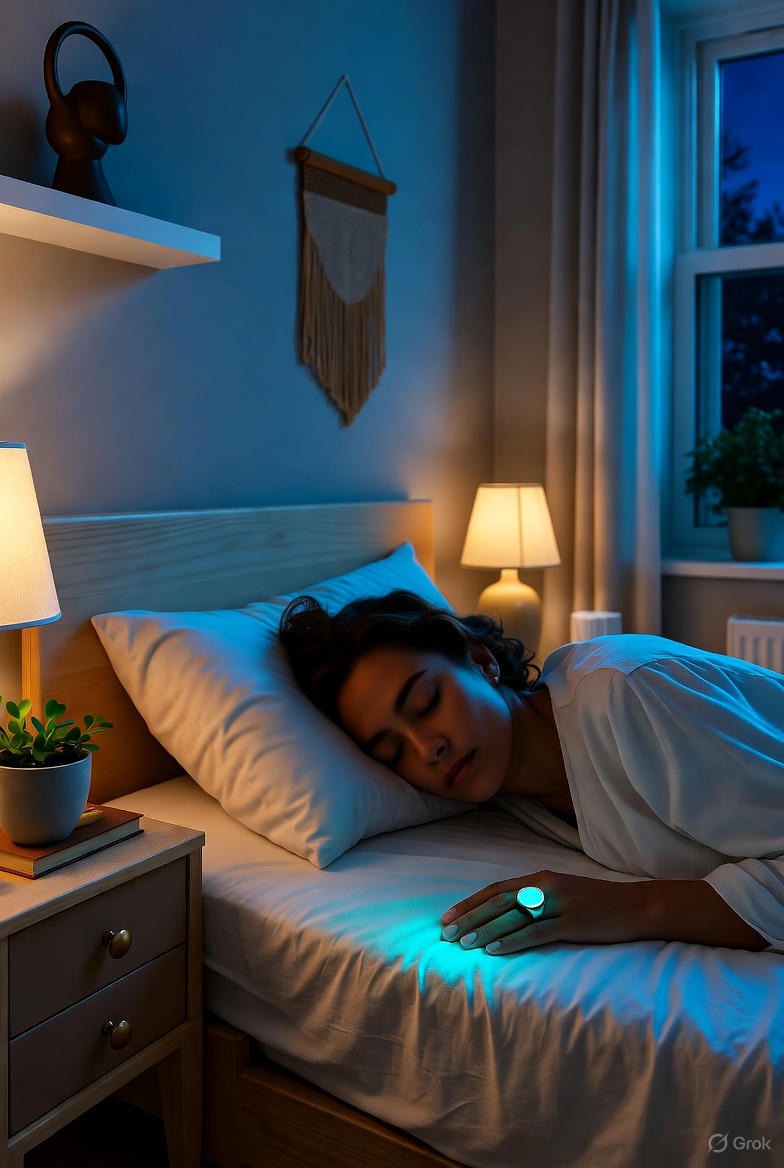
For decades, understanding sleep meant knowing only its quantity: "I got 8 hours." But just as not all food is equally nutritious, not all sleep is equally restorative. Smart rings have democratized access to the kind of detailed sleep staging once confined to clinical sleep labs, transforming our understanding of what happens during those critical hours of darkness.
Decoding the Stages of Sleep
Using a combination of heart rate trends, HRV, movement (via the accelerometer), and body temperature, advanced algorithms can now accurately distinguish between the four key stages of sleep with impressive precision:
A healthy sleep cycle typically moves through these stages every 90-120 minutes, repeating several times per night. The proportion is key: early cycles are richer in deep sleep, while later cycles contain more REM.
Key Metrics for Sleep Quality
Your smart ring translates this staging into actionable metrics:
The Power of the Nightly Trend
Observing these metrics for a single night offers a snapshot. Observing them over weeks and months reveals your personal sleep architecture—and how it’s impacted by your life. You’ll see tangible proof of how alcohol destroys deep sleep, how late-night screen time delays sleep onset and suppresses REM, how an intense evening workout can elevate nighttime heart rate, or how stress manifests as fragmented sleep with high WASO.
This data is the ultimate accountability partner and guide. It moves you from guessing about your sleep to knowing with certainty. By identifying and mitigating your personal sleep disruptors, you can systematically engineer a sleep sanctuary, directly supporting your body’s repair processes. This is the very essence of the connection between restful living and longevity, where quality sleep is the non-negotiable foundation of a long, healthy life.
While we’re accustomed to using temperature to confirm a full-blown fever, the smart ring’s continuous skin temperature tracking reveals a far more subtle and powerful narrative. It tracks the circadian ebb and flow of your body’s peripheral temperature, establishing a highly personal baseline and detecting meaningful deviations that often precede other symptoms by 12-48 hours.
Circadian Rhythm and Temperature
Your body temperature isn’t static; it follows a predictable 24-hour rhythm, orchestrated by your master circadian clock. Typically, it begins to drop in the evening, reaching its lowest point in the early hours of the morning—a cooling that facilitates the onset and maintenance of deep sleep. Upon waking, it begins a steady climb, peaking in the late afternoon or early evening, supporting alertness and metabolism. A smart ring charts this daily wave, and a stable, predictable rhythm is a hallmark of robust circadian health, which is intrinsically linked to sleep quality, mood, and metabolic function.
Deviations as Diagnostic Clues
The true power of continuous monitoring lies in spotting when this rhythm goes awry. A sustained elevation of your nocturnal temperature—even just 0.5 to 1 degree Celsius above your personal norm—is a significant red flag. Your body is essentially turning up its internal thermostat, a sign it is mobilizing resources to fight a threat. This can indicate:
Conversely, an unusually low temperature trend can sometimes point to metabolic slowdown, extreme fatigue, or thyroid issues.
From Detection to Action
This predictive capability transforms your approach to health from reactive to proactive. Seeing a rising temperature trend, you can immediately implement supportive measures: prioritize extra sleep, increase hydration, nourish your body with anti-inflammatory foods (as explored in the restful living diet), reduce training intensity, and manage stress. You might avoid getting sick altogether, or experience a much milder version.
This feature underscores a paradigm shift in healthcare: continuous, passive monitoring that provides context and early warning, empowering you to be the primary guardian of your own well-being. It turns a simple metric into a conversation with your body, allowing you to respond to its whispers before they become shouts.
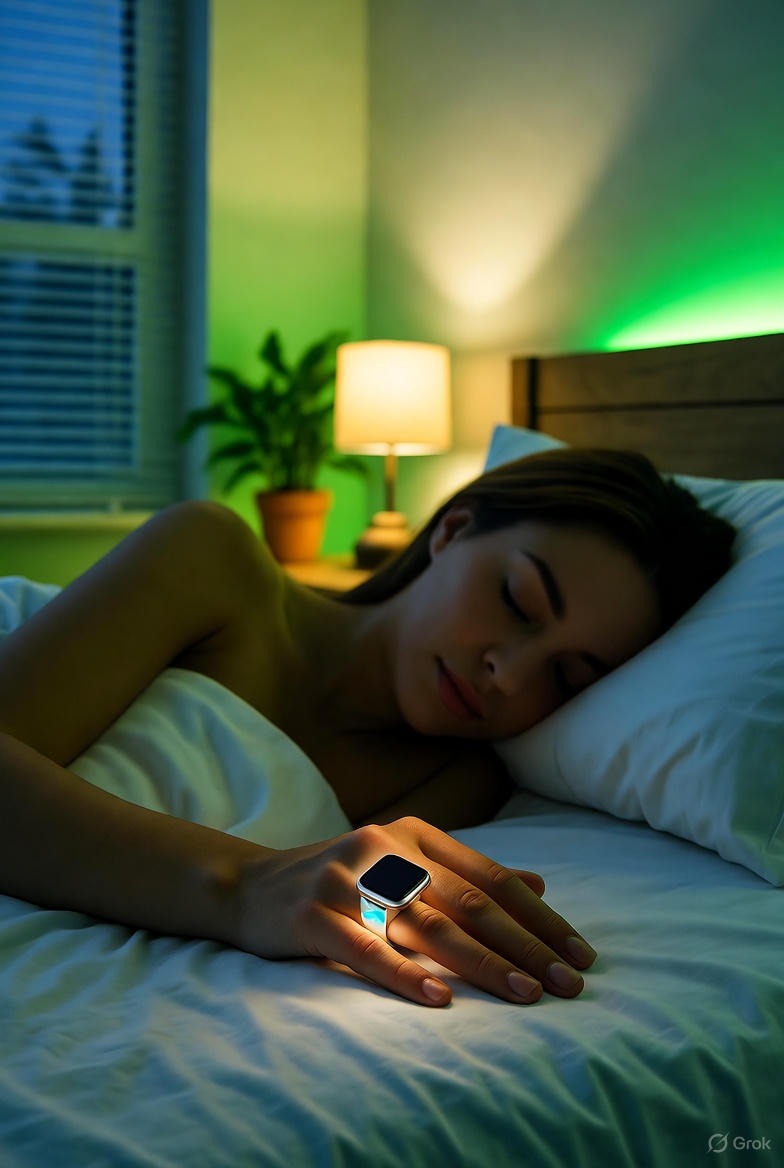
In our perpetually "on" world, stress is often a background hum we learn to ignore—until it crescendos into burnout, anxiety, or illness. Smart rings bring this invisible force into the light by providing an objective, physiological measure of your stress load and recovery status, moving beyond subjective feelings to hard data.
How a Ring Measures Stress
The primary proxy for acute stress is heart rate variability (HRV) and heart rate (HR). When your sympathetic nervous system (the "fight-or-flight" branch) is activated by a stressor—be it a tight deadline, an argument, caffeine, or even intense exercise—your heart rate increases and, critically, your HRV decreases. The interval between beats becomes more regimented as your body prepares for action.
Advanced smart rings use this principle to calculate a continuous Stress Score or to identify periods of "stress" throughout the day. They establish your personal resting baseline and then detect moments when your physiology indicates a stress response, even if you are mentally distracted and don't consciously feel stressed.
Understanding Your Stress Patterns
The value isn't in a single spike—it’s normal to have stress responses to daily events. The value lies in the patterns and totals:
The Recovery Imperative
This data creates a powerful feedback loop. You can run experiments: after a stressful meeting, try three minutes of breathwork for restful living and watch your ring's real-time graph show your HRV climbing and stress score dropping. You’ll see the physiological impact of a lunchtime walk versus scrolling through social media.
Most importantly, the ring highlights the non-negotiable need for parasympathetic recovery periods to counterbalance stress. This is the science behind deliberate rest. Your ring’s recovery metrics (often distilled into a morning "Readiness" score) tell you if you’ve had enough balance. If your overnight recovery is poor despite adequate sleep, it’s a signal that your day was too packed, your mind too active, or your lifestyle out of sync. It provides the hard evidence needed to create boundaries and protect your energy, making "no" a data-driven decision for your health.
While step counting is a ubiquitous feature, smart rings leverage their sensor fusion to provide a much richer, more nuanced picture of your daily movement and specific workouts. They answer not just "how much?" but "how intense?" and "what type?"
All-Day Movement Analysis
Using the 3-axis accelerometer and gyroscope, the ring continuously classifies your movement:
Workout Mode: Intentional Exercise Tracking
For dedicated exercise, most rings offer a manual Workout Mode. Activating it tells the device to prioritize heart rate sampling frequency and GPS data (if connected to your phone) for greater accuracy during that period. Key workout metrics include:
The Holistic Activity Picture
The ring’s greatest strength in activity tracking is its 24/7 context. A fitness tracker might tell you you crushed a 45-minute run. Your smart ring will show you that same run, but also reveal that you were physically stressed all morning before it, slept poorly the night before, and that the run drove your stress score up and kept it elevated for hours, impacting your recovery. This holistic view prevents you from treating exercise in a vacuum.
It helps you balance activity with recovery, understanding that ten thousand steps on a day when your body is pleading for rest may be counterproductive. It encourages you to value low-intensity, parasympathetic-boosting movement like walking, which is brilliantly captured without the need to start a "workout." This balanced approach to movement is a key component of a sustainable, structured weekly plan for restful living, where activity serves recovery and energy, not just calorie burn.
Blood oxygen saturation, or SpO2, is a measure of the percentage of oxygen-carrying hemoglobin in your blood. While commonly used in clinical settings to check acute respiratory function, its continuous monitoring via a smart ring—particularly during sleep—opens a window into a critical aspect of your health: breathing quality.
How Ring-Based SpO2 Monitoring Works
The ring uses its PPG sensor, typically employing red and infrared light wavelengths. Oxygenated hemoglobin and deoxygenated hemoglobin absorb these wavelengths differently. By analyzing the light reflected back, the ring can estimate the proportion of oxygen-saturated hemoglobin, giving you a percentage. A healthy, sea-level reading is generally between 95% and 100%.
The Critical Application: Nocturnal Monitoring
While daytime spot checks can be informative, the most valuable application is overnight monitoring. During sleep, our breathing control shifts to more automatic brainstem processes, and our muscles relax. This is when breathing irregularities often surface.
The ring tracks your SpO2 levels throughout the night, looking for significant dips or desaturations. Brief, minor fluctuations are normal. However, repeated, pronounced dips—where SpO2 falls below 92-90%—can be indicative of sleep-disordered breathing.
Identifying Potential Sleep Apnea Signals
Frequent oxygen desaturations are a primary marker for Obstructive Sleep Apnea (OSA), a condition where the airway repeatedly collapses or becomes blocked during sleep, interrupting breathing. These events cause micro-awakenings (often unnoticed by the sleeper) that fragment sleep architecture, preventing restorative deep and REM sleep.
Symptoms include loud snoring, daytime fatigue, morning headaches, and poor concentration. A smart ring cannot diagnose sleep apnea—that requires a clinical sleep study. However, it can serve as a powerful screening tool. A pattern of frequent, significant overnight SpO2 dips provides compelling, objective data to bring to a healthcare professional, moving the conversation from "I'm tired" to "My data shows repeated oxygen drops during sleep."
Beyond Apnea: A Broader Health Indicator
Even outside of sleep apnea, SpO2 trends can offer clues. Consistently lower-than-baseline overnight averages could suggest other respiratory issues, significant congestion, or the impact of sleeping at high altitude. For athletes, understanding nocturnal respiration can be part of altitude training adaptation or general recovery assessment.
By adding SpO2 to the sleep analysis picture, the smart ring completes a more comprehensive portrait of your sleep health. It tells you not just how you slept, but how well you breathed while sleeping, ensuring your body’s cells were adequately oxygenated during this critical repair period. This focus on foundational, life-sustaining processes is a key pillar of a holistic approach to wellness, much like adapting your restful living practices through different seasons of life and environment.
The smart ring is a brilliant data collector, but its true intelligence is realized within its companion smartphone application and the broader digital ecosystem. This is where raw biometrics are transformed into coherent narratives, personalized insights, and actionable guidance. The user experience here is what separates a mere data logger from a true health companion.
The Companion App: Your Daily Health Dashboard
Upon opening the app, you’re typically greeted by a clean, intuitive dashboard presenting your key daily scores: Readiness/Recovery, Sleep, and Activity. This triage offers an at-a-glance understanding of your body’s status. Tapping into each reveals layers of detail:
Personalization and Insights
Beyond dashboards, advanced apps use algorithms to provide personalized insights. These are not generic health tips. They are specific observations based on your data: "Your resting heart rate was 8 bpm higher last night. You had two intense workouts this week—consider a recovery day." or "Your deep sleep decreased by 25% on nights you had alcohol after 8 PM." These cause-and-effect correlations are the most powerful tool for behavior change.
Integration: The Connected Health Hub
No device is an island. The best smart rings function as a hub within your broader health ecosystem through integrations:
The Importance of User Experience
The app’s design philosophy is crucial. It should educate, not overwhelm. It should highlight meaningful trends, not just dump data. The goal is to create a positive, informative feedback loop where checking your app becomes a moment of self-awareness, not anxiety. A well-designed ecosystem empowers you to make informed decisions without needing a degree in data science, supporting a lifestyle of intentionality. This intentional management of your personal data and energy is a modern form of minimalism that enables restful living, cutting through the noise to focus on what truly matters for your well-being.
One of the most transformative, user-driven features of a smart ring is the ability to tag or log daily behaviors and events. This simple act of annotation turns the ring from a passive observer into an active research partner, enabling you to run personalized experiments and discover the unique cause-and-effect relationships that govern your physiology.
What is Tagging?
Tagging is the process of marking a specific time in your app with a label indicating what you were doing, consuming, or experiencing. Common tags include:
Conducting Your Own N=1 Experiments
Once you’ve tagged events consistently for a few weeks, you can use the app’s analytics to explore their impact. The software can isolate days with a specific tag and compare your biometrics on those days against your baseline or against non-tagged days.
The Revealing Insights
The discoveries can be profound and deeply personal:
From Data to Empowered Action
This is biofeedback at its most practical. Tagging moves you from generic advice ("alcohol disrupts sleep") to personalized, quantifiable truth ("My deep sleep drops from an average of 90 minutes to 50 minutes when I have a glass of wine"). This evidence is a powerful motivator for change. It empowers you to make intentional trade-offs: "Is this glass of wine worth losing 40 minutes of physical restoration tonight?"
The practice of mindful tagging cultivates a heightened awareness of how your choices resonate through your body. It turns daily life into a continuous learning experience, fostering a sense of agency over your health. This scientific, curious approach to self-care helps you design a lifestyle that truly supports you, whether you're at home or need to maintain that balance while traveling and on the go.
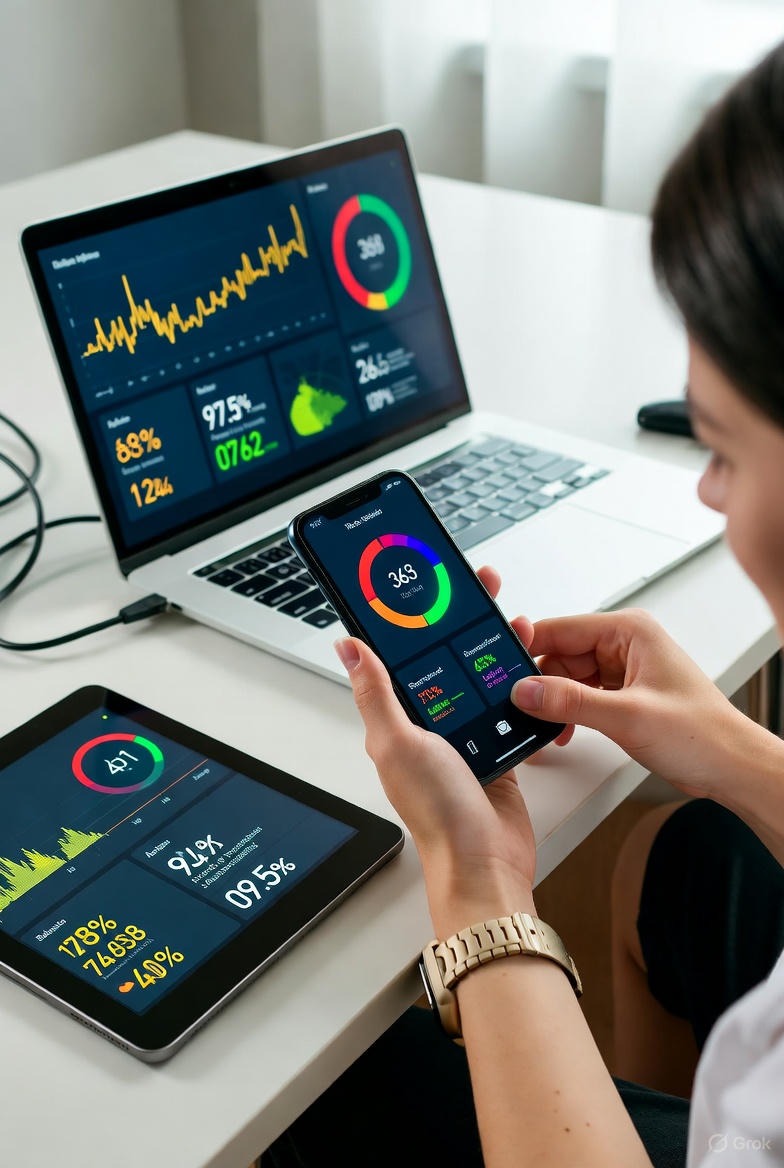
A smart ring’s value is contingent on its ability to be a seamless, worry-free part of your life 24/7. This makes practical considerations like battery life, durability, and comfort not mere specs, but fundamental determinants of the device’s utility and your commitment to wearing it. Let’s demystify what to expect from this category of wearable.
Battery Life and Charging Rituals
Modern smart rings typically offer 5 to 7 days of battery life on a single charge, with some models pushing beyond a week. This is a significant advantage over most smartwatches, which often require daily charging.
Durability and Water Resistance
These are devices meant for every moment of your life.
Comfort and Sizing for 24/7 Wear
A ring must be comfortable to wear at night, during workouts, and in all temperatures.
The Invisible Companion
When these practical elements are executed well, the smart ring achieves its ultimate goal: becoming an invisible companion. You don’t think about charging it often, you don’t worry about damaging it, and you forget you’re wearing it—until it provides a timely, invaluable insight into your well-being. This frictionless integration is what makes long-term, meaningful health tracking finally sustainable.
While the core biometric features form the foundation, the leading edge of smart ring innovation lies in specialized capabilities that cater to specific user needs and glimpse the future of the form factor. These features expand the ring’s utility from a general health monitor to a more personalized life tool.
Women’s Health and Menstrual Cycle Tracking
For female users, the smart ring is uniquely positioned to provide profound insights into hormonal health throughout the menstrual cycle. By tracking basal body temperature (BBT), resting heart rate, HRV, and sleep patterns continuously, the ring can detect the subtle, biologically-driven shifts that occur.
NFC for Payments and Access
Some smart rings incorporate an NFC (Near Field Communication) chip, turning your hand into a contactless tool.
On the Horizon: Emerging Technologies
The smart ring platform is ripe for future sensor integration:
These specialized features demonstrate the smart ring’s evolution from a fitness tracker to a comprehensive life and health platform. They show how a device can adapt to the user, providing tailored value that respects individual biology and lifestyle needs, ultimately supporting not just personal health, but also improving relationships and mood through greater self-awareness and balance.
You now have a dashboard glowing with metrics: a readiness score of 72%, a sleep breakdown showing 1.5 hours of deep sleep, a stress graph with three peaks, and a temperature line that’s 0.3°C above baseline. What now? The sheer volume of data can be overwhelming, leading to what’s known as "analysis paralysis" or even "health anxiety from wearables." The true mastery of a smart ring lies not in collecting data, but in wisely interpreting it to inform better decisions, not create new anxieties.
Embrace Trends, Not Isolated Data Points
The single most important principle in biometric interpretation is this: Ignore the daily noise; follow the weekly and monthly trends. Your body is not a machine that performs identically every day. A single night of poor sleep or a low HRV reading is meaningless without context. It could be due to a late meal, a vivid dream, or simply biological variation.
Context is King: The Story Behind the Number
Every metric must be viewed through the lens of your life. This is where your behavior tagging becomes invaluable.
The Pitfalls to Avoid: Data Doomscrolling and Over-Attachment
Wearable data can become a source of stress if mishandled.
Asking the Right Questions
Shift from "What does this number mean?" to actionable questions:
By adopting this curious, trend-focused, and context-rich approach, you transform the data stream into a personal empowerment tool. It stops being a report card and starts being a conversation—a continuous feedback loop between your actions and your body’s responses, guiding you toward a more attuned and balanced life.
The wearable technology landscape offers multiple choices, each with distinct strengths and philosophies. Choosing the right device isn't about finding the "best" one, but the one that best aligns with your primary goals, lifestyle, and comfort. Let's compare the smart ring to its two main competitors: the smartwatch and the chest strap heart rate monitor.
Smart Ring: The 24/7 Biometric Guardian
Smartwatch: The Connected Wrist Computer
Chest Strap Heart Rate Monitor: The Athletic Gold Standard
The Synergistic Approach: Wearing Multiple Devices
Many informed users don't choose one—they use a combination for optimal coverage:
The Verdict: Philosophy Over Features
The choice ultimately reflects your health philosophy. A smartwatch is an extension of your phone, focused on fitness and connectivity. A chest strap is a dedicated performance tool. A smart ring is an extension of your body, focused on health, balance, and the subtle, continuous language of your autonomic nervous system. It champions the principle that the most important health metrics are those you can track effortlessly all day and night, building a foundation of restful living that enhances every other aspect of performance.
In an age of digital footprints, the data collected by a smart ring is among the most personal imaginable. It’s a continuous log of your body’s inner workings: your sleep habits, stress levels, menstrual cycle, and location during activities. Understanding how this sensitive information is handled, stored, and protected is not a secondary concern—it is a prerequisite for trust.
What Data is Collected and How It’s Used
Reputable smart ring companies are transparent about their data practices. The data typically falls into two categories:
Primary Use: Your Personal Insights
The fundamental and essential use of your data is to power your personal dashboard and insights. The algorithms process your raw sensor data to create your sleep scores, readiness scores, and trend analyses. This requires your data to be processed on the company’s secure servers.
Aggregate and Anonymized Data for Research
Companies often state in their privacy policies that they may use aggregated and anonymized data for "research and development" or to "improve our services." This means your individual data is stripped of all personally identifiable information (name, email, etc.) and combined with data from thousands of other users to look for large-scale trends. This is how features improve and new insights are discovered. It’s crucial to verify that the company’s policy explicitly states that data is anonymized for such purposes.
Data Sharing with Third Parties
This is the critical section to scrutinize. A responsible company will:
Data Security: How Your Information is Protected
Security measures should be robust:
Your Rights: Data Ownership and Control
In many jurisdictions, you have legal rights regarding your data. A trustworthy company will provide tools for you to:
Questions to Ask When Choosing a Ring
Choosing a device from a company that is transparent, prioritizes security, and views data as a sacred trust is paramount. Your journey to greater self-knowledge should not come at the cost of your digital privacy. This careful stewardship of your personal space—both physical and digital—is analogous to the practice of setting boundaries to protect your energy in your daily life.
To get the most reliable data and meaningful insights from your smart ring, a little thoughtful setup and habitual care go a long long way. These pro tips cover placement, device management, and habit integration to ensure your ring works as intended and provides a seamless experience.
1. Achieving the Perfect Fit
This is the single most important factor for data accuracy. A poorly fitted ring will produce unreliable readings.
2. Ensuring Sensor Contact and Cleanliness
The PPG sensor needs clear skin contact.
3. Syncing and Battery Management
4. Behavioral Best Practices for Clean Data
5. Integrating Insights into Your Life
By following these practical steps, you elevate the smart ring from a simple gadget to a finely tuned instrument. It becomes a reliable partner in your health journey, providing the cleanest possible data to fuel the insights that lead to meaningful, sustainable change. This intentional, optimized approach mirrors the philosophy of adapting your wellness practices through life’s seasons, where you fine-tune your tools and habits to serve you best in every circumstance.
For generations, the concept of recovery in fitness and health was passive, vague, and often neglected: "take a day off." Today, fueled by the continuous data from devices like smart rings, recovery is being recognized as an active, measurable, and trainable component of performance and health. This paradigm shift is moving us from guessing about rest to engineering it with precision.
Recovery as a Physiological Process, Not Just Time
Recovery is the period where the body repairs, adapts, and strengthens itself in response to stress (exercise, work, mental load). Smart rings measure the state of this process through key biomarkers:
The Readiness Score: A Synthesis of Recovery Status
The "Readiness" or "Recovery" score offered by smart rings is an algorithmically weighted synthesis of these inputs. A high score doesn’t just mean you slept well; it means your ANS is balanced, inflammation is low, and your body has successfully managed the stress of the previous day. It’s a green light for performance. A low score is a composite red flag that repair is incomplete, signaling a need for deliberate restorative practices.
Active Recovery Strategies Validated by Data
Smart rings allow you to test and validate which recovery modalities actually work for you:
Periodization and Overtraining Prevention
For athletes, this is revolutionary. Instead of following a rigid calendar-based training plan, you can adopt a data-informed, flexible periodization model. If your readiness score is low on a planned heavy training day, you automatically switch to a light, restorative session. This prevents digging a deeper recovery hole and reduces injury risk. Conversely, if you feel mediocre but your data shows you’re fully recovered, you can confidently push hard, knowing your body can handle the load.
Redefining "Lazy" as "Strategic"
This science transforms our cultural view of rest. A rest day guided by low HRV and high RHR isn’t "laziness"; it’s strategic investment in future performance and health. It’s the embodiment of working with your biology, not against it. This intelligent approach to energy management ensures that your activity, work, and ambition are sustainably fueled, directly supporting the concept of performance through rest for high achievers. In this new paradigm, recovery isn’t what you do when you’re tired; it’s what you do to ensure you never get chronically tired.
The true power of smart ring data is revealed in its application to specific life contexts. Let’s explore how different archetypes of users leverage these capabilities to solve real-world problems and achieve distinct goals. These are composite narratives based on common use patterns.
Case Study 1: The Endurance Athlete (Marathon Training)
Case Study 2: The High-Pressure Executive
Case Study 3: The Individual Managing a Chronic Condition (e.g., Anxiety, Long COVID, ME/CFS)
Case Study 4: The Biohacker/Optimization Enthusiast
These cases illustrate that the smart ring is a versatile tool, its value shaped by the user's intent. It provides the objective, personalized feedback loop necessary to move from generalized advice to a truly customized, effective strategy for health and performance, whether the arena is a marathon, a boardroom, or daily life with a chronic illness.
The smart ring market is accelerating beyond fitness tracking into the realm of predictive health and AI-driven personal guidance. The hardware is stabilizing, but the software intelligence is where the next great leaps will occur. Here’s a look at the near and medium-term future of this transformative wearable category.
Hyper-Personalization through Machine Learning
Current algorithms apply broad physiological models to individual data. The next generation will use machine learning (ML) to build a model unique to you.
Integration with Broader Digital Health Ecosystems
The ring will become the primary biometric sensor in a connected web of health data.
Advanced Sensor Integration
Future hardware iterations may incorporate new sensing modalities:
The Shift from Tracking to Coaching
The ultimate evolution is from a dashboard to a digital health companion.
The Ethical Frontier
This powerful future comes with significant responsibilities. The industry must navigate:
The future smart ring will be less of a ring and more of an AI-powered health guardian. It will move from telling you what happened to anticipating what might happen and guiding you toward choices that fortify your long-term well-being. This aligns with the deepest goal of modern wellness: not just living longer, but living better, with greater resilience and vitality—a true embodiment of the principles behind the connection between restful living and longevity.
Your Trusted Sleep Advocate: Sleep Foundation — https://www.sleepfoundation.org
Discover a digital archive of scholarly articles: NIH — https://www.ncbi.nlm.nih.gov/
39 million citations for biomedical literature :PubMed — https://pubmed.ncbi.nlm.nih.gov/
Experts at Harvard Health Publishing covering a variety of health topics — https://www.health.harvard.edu/blog/
Every life deserves world class care :Cleveland Clinic - https://my.clevelandclinic.org/health
Wearable technology and the future of predictive health monitoring :MIT Technology Review — https://www.technologyreview.com/
Dedicated to the well-being of all people and guided by science :World Health Organization — https://www.who.int/news-room/
Psychological science and knowledge to benefit society and improve lives. :APA — https://www.apa.org/monitor/
Cutting-edge insights on human longevity and peak performance:
Lifespan Research — https://www.lifespan.io/
Global authority on exercise physiology, sports performance, and human recovery:
American College of Sports Medicine — https://www.acsm.org/
Neuroscience-driven guidance for better focus, sleep, and mental clarity:
Stanford Human Performance Lab — https://humanperformance.stanford.edu/
Evidence-based psychology and mind–body wellness resources:
Mayo Clinic — https://www.mayoclinic.org/healthy-lifestyle/
Data-backed research on emotional wellbeing, stress biology, and resilience:
American Institute of Stress — https://www.stress.org/


