


How Smart Ring Features Integrate With Popular Health Apps
Explains how rings can sync and share data with other popular health and fitness platforms.
Explains how rings can sync and share data with other popular health and fitness platforms.
%402x.svg)
Imagine a world where your health isn't a series of disconnected metrics in disparate apps, but a flowing, cohesive story. Your sleep quality doesn't exist in a vacuum—it directly explains your afternoon energy crash. Your morning heart rate variability is not just a number; it’s a whispered forecast of your day’s stress resilience. Your daily activity isn't merely a step count; it's the foundational rhythm that influences everything from your mood to your metabolic health. For years, we’ve lived in a fragmented wellness landscape: a fitness tracker for workouts, a meditation app for mindfulness, a notes app for symptoms, and a spreadsheet for nutrition. The quest for holistic health became an exhausting exercise in manual data aggregation, often leaving us with more questions than answers.
Enter the smart ring: the minimalist, always-on health concierge. Sleek, unobtrusive, and worn during the most revealing hours (while you sleep), this tiny device has emerged as a powerhouse of continuous biometric monitoring. But its true genius isn't locked inside its titanium alloy band. The revolutionary leap happens in the silent, automated handshake between your ring and the ecosystem of health applications you already use. This integration transforms the smart ring from a solo instrument into the conductor of your personal health orchestra, synchronizing data from every section—sleep, activity, nutrition, mindfulness, and medical records—into a single, comprehensible symphony of insight.
This deep dive explores the intricate world of smart ring integration. We’ll move beyond basic step syncing to uncover how this seamless data fusion is creating a new paradigm in personalized wellness, predictive health, and proactive living. From the robust ecosystems of Apple Health and Google Fit to the specialized realms of sleep coaching, marathon training platforms, and clinical research, we’ll examine how the continuous, authentic data from your finger is empowering you to write a better, healthier story for yourself.
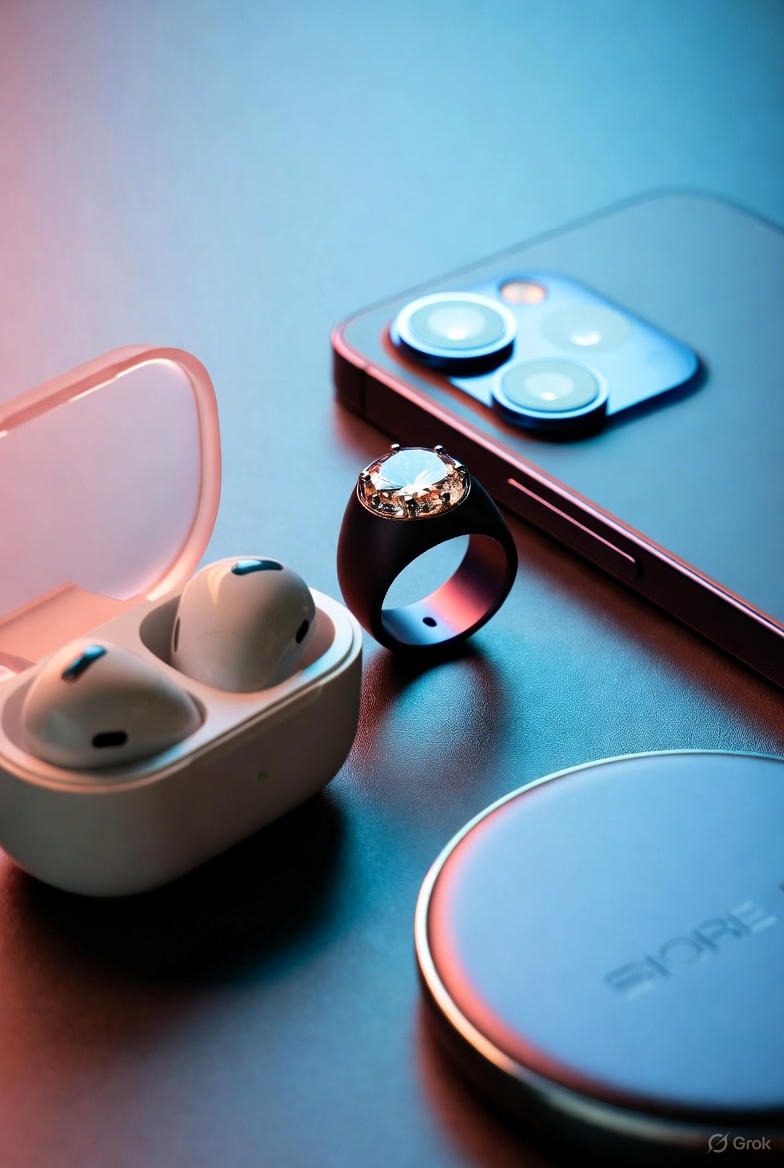
Before we can appreciate the magic of integration, we must first understand what data the smart ring brings to the table. Unlike a smartphone that lives in your pocket or a smartwatch you take off to charge, a smart ring’s superpower is its persistent, intimate proximity. It’s on your finger 24/7, granting it privileged access to a rich, uninterrupted stream of physiological signals.
At its core, a modern smart ring like the Oura Ring, Ultrahuman Ring Air, or Circular Ring Slim employs a suite of miniature sensors. These typically include:
The result is a comprehensive, nightly biometric report card. You receive scores for sleep quality (broken into efficiency, timing, and architecture), readiness or recovery (a composite of HRV, resting heart rate, sleep, and temperature), and activity (balancing exertion with recovery). This data is inherently more holistic than a spot-check from a watch. It’s a continuous narrative, especially potent during sleep—the body’s prime recovery and regulatory period.
This foundational data set is the "raw material." Its value multiplies exponentially when it’s not confined to a single app. When your ring’s precise sleep data informs your meditation app’s recommendations, or when its activity data fuels your personalized fitness plan on a platform like Strava, the technology stops being a mere tracker and starts being a true health partner. This seamless exchange is the key to moving from observation to actionable insight, a principle at the heart of restful living and longevity.
For the vast majority of users, the health data journey begins and ends with their smartphone’s native health platform. Apple Health (for iOS) and Google Fit (for Android) serve as the central hubs, the "universal translators" of the digital wellness world. Their primary role is to aggregate data from a wide array of sources—your smart ring, smart scale, nutrition app, gym equipment, and electronic medical records—into a single, unified dashboard.
Smart ring integration with these platforms is typically deep and automatic. Once you grant permission, your ring app begins a constant, bidirectional sync.
What Flows Into the Hub (From Ring to Apple Health/Google Fit):
The Power of the Consolidated View:
The magic happens when this ring data sits side-by-side with data from other sources. In Apple Health, you might see a night of poor deep sleep (from your ring) correlated with a late-day caffeine log (from your nutrition app) and a high-stress score (from your mindfulness app). Google Fit might show that a high Readiness score from your ring coincided with a personal best during a GPS-tracked run.
This integration does three vital things:
For anyone pursuing a holistic view of their health, ensuring their smart ring seamlessly feeds into Apple Health or Google Fit is the essential first step in building a connected, intelligent health ecosystem.
While native health hubs aggregate data, specialized sleep applications like Sleep Cycle, Pillow, and AutoSleep exist to interpret and act upon it. Smart ring integration elevates these apps from educated guesswork to precision science.
Traditional sleep apps rely on your smartphone’s microphone and accelerometer. They analyze sound (snoring, talking) and movement from your nightstand to estimate sleep stages. While innovative, this method is susceptible to environmental interference—a partner’s movement, street noise, or simply placing the phone on a different surface can skew results.
Enter the Smart Ring as the Definitive Source:
When you connect your smart ring to one of these apps, you are essentially replacing its estimation engine with a clinical-grade data stream. The ring provides:
The sleep app then layers its own expertise on top of this robust data. It applies sophisticated algorithms, offers intuitive graphs and trends over time, and provides a library of educational content, soundscapes, and smart alarm functions. The smart ring provides the "what," and the sleep app provides the "so what" and "now what."
A Practical Example:
You wake feeling unrested. Your smart ring’s own app shows poor sleep efficiency. You open your connected sleep app, Pillow, which now uses the ring’s data. It shows your deep sleep was fragmented. By cross-referencing with its audio log, it highlights a period of snoring and a slight dip in SpO2 at 3:42 AM. The app suggests a possible link, offers articles on positional sleep apnea, and recommends a breathing exercise for tonight. This is integrated health insight in action—moving from a simple score to a diagnosable pattern and a potential solution. This kind of detailed analysis is a cornerstone of understanding your personal needs for restful living through the seasons.
For the athlete—from the dedicated marathoner to the weekend warrior—data is the currency of improvement. Fitness platforms like Strava (the social network of athletes) and TrainingPeaks (a serious coaching and planning tool) are where training gets logged, analyzed, and shared. Smart ring integration brings a crucial, often-missing element to these platforms: quantified recovery.
Historically, these platforms focused on outputs: pace, power, distance, elevation. You logged a hard run on Strava, and your friends gave you kudos. You executed a brutal interval workout in TrainingPeaks, and it turned the cell green, indicating completion. But a green cell doesn’t tell you if your body was ready for that workout or has properly recovered from it.
How the Smart Ring Changes the Game:
By connecting your ring to Strava or TrainingPeaks, you inject readiness metrics directly into your training log. After granting permission, your daily readiness or recovery score (a composite of sleep, HRV, RHR, and temperature) can be automatically posted as a status or included in your activity description.
This integration fosters a culture of "training by feeling, informed by data." It shifts the ethos from "more is always better" to "smarter is better," ensuring that your fitness journey is sustainable, effective, and aligned with your body’s actual capacity.
Mindfulness and meditation apps like Calm and Headspace aim to reduce stress and improve mental well-being. Their traditional model is one-size-fits-all: a library of meditations, sleep stories, and breathing exercises for you to choose from based on how you "feel." Smart ring integration personalizes this process by providing an objective, physiological measure of how stressed or calm you actually are.
Consider the connection: The primary biometric output of effective meditation or mindfulness is a shift in autonomic nervous system balance, often visible in increased Heart Rate Variability (HRV) and a decreased resting heart rate (RHR). These are precisely the metrics your smart ring tracks continuously and reliably.
The Future of Personalized Mindfulness:
While full, automated integration is still emerging, the paradigm is clear. Imagine these scenarios:
This creates a powerful, closed-loop system: Use the app to de-stress -> The ring measures the physiological impact -> The data informs the app to provide better, more personalized guidance. It turns mindfulness from a subjective practice into an objective, optimizable component of your health regimen, a key strategy in creating calm in stressful jobs.
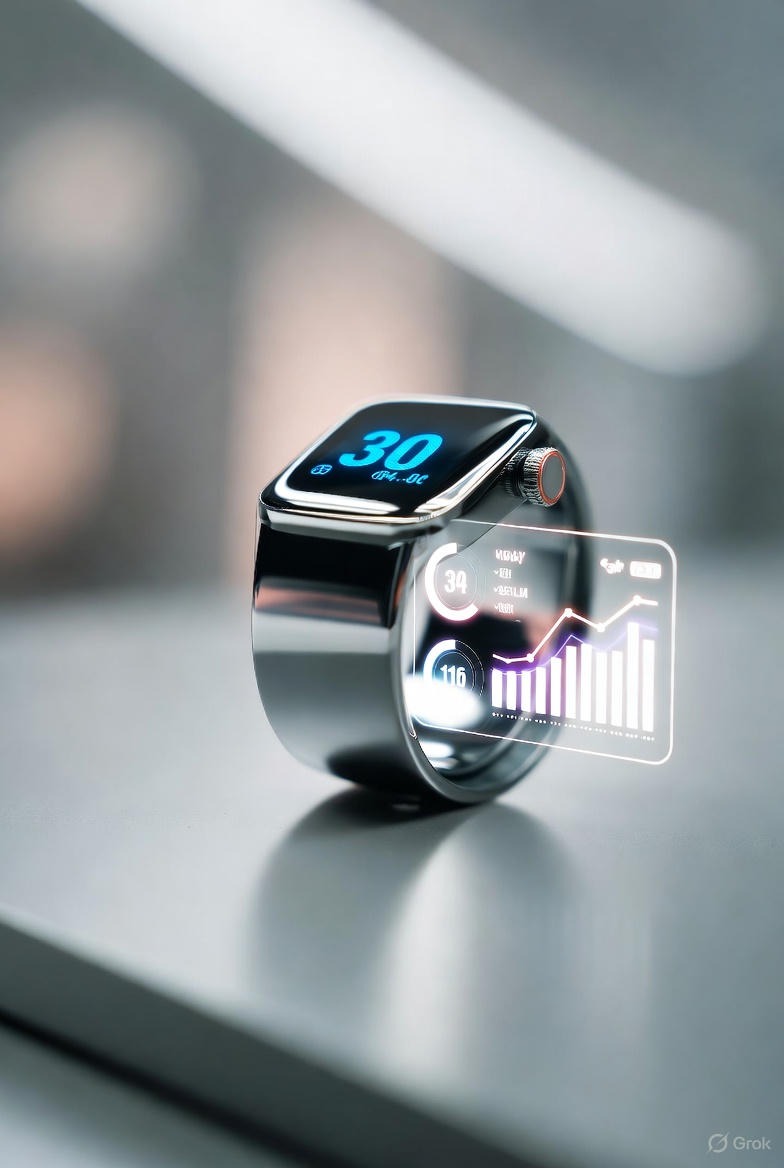
Nutrition apps like MyFitnessPal and Cronometer are digital food diaries. You log your meals, and they provide a breakdown of macronutrients (carbohydrates, protein, fat) and micronutrients (vitamins, minerals). The goal is typically weight management or ensuring nutritional adequacy. However, the traditional model has a glaring gap: it operates in a vacuum, with little direct feedback on how your diet is actually affecting your body’s internal state.
Smart ring integration bridges this gap by providing daily, objective biofeedback. Your body's response to your nutritional choices is written in the language of physiology, which the ring translates.
Connecting the Dots Between Diet and Data:
By viewing your nutrition log side-by-side with your ring’s biometric trends (easily done if both feed into Apple Health), you move from calorie counting to system tuning. You’re not just eating for a scale weight; you’re eating for optimal sleep, recovery, and energy. This empirical approach aligns with the principles of a diet that calms your nervous system, using food as foundational support for overall well-being.
Women’s health has been notoriously underserved by generic health tracking. The menstrual cycle is not a bug in the female operating system; it’s a core feature that influences virtually every aspect of physiology—from basal body temperature and resting heart rate to sleep architecture, metabolism, and injury risk. Smart rings, with their continuous temperature and biometric monitoring, are uniquely positioned to revolutionize this space through integration with dedicated cycle-tracking apps like Natural Cycles (FDA-cleared for birth control) and Clue.
The Temperature Tracking Revolution:
The cornerstone of fertility awareness methods (FAM) is tracking basal body temperature (BBT)—your body’s temperature at complete rest. A sustained rise in BBT indicates ovulation has occurred. Traditionally, this required taking your temperature orally with a specialized thermometer at the exact same time every morning, before even sitting up. It was prone to error and hugely inconvenient.
A smart ring automates and perfects this process. It measures skin temperature continuously throughout the night, identifying the precise, subtle shift that signals ovulation with incredible accuracy and zero effort from the user.
Integration in Action:
When you connect your smart ring to Natural Cycles or Clue, you grant it access to this pristine temperature data.
This integration empowers women with a profound understanding of their cyclical biology. It transforms the cycle from a mysterious monthly event into a predictable, manageable rhythm that can inform training, nutrition, work productivity, and emotional well-being. It’s personalized health at its most fundamental level.
The potential of smart ring integration extends far beyond wellness optimization and into the critical realm of chronic disease management. For conditions like Type 2 Diabetes, hypertension (high blood pressure), and cardiovascular disease, continuous, passive monitoring of key biometrics can provide invaluable insights for both patients and clinicians.
While smart rings are not yet diagnostic devices, their trend data can serve as an early-warning system and a powerful adherence tool.
Potential Integration Pathways:
This represents the most profound promise of integration: moving from reactive sick-care to proactive health-care. The smart ring becomes a sentinel, providing a continuous stream of real-world evidence that helps individuals and their care teams manage chronic conditions with unprecedented granularity and foresight.
The corporate wellness industry is a multi-billion dollar sector, with companies investing in programs to improve employee health, reduce absenteeism, and boost productivity. Traditional programs often rely on annual biometric screenings, step challenges, and wellness portals with low engagement. Smart ring integrations are poised to transform this model by providing continuous, engaging, and deeply personalized wellness insights at scale.
Companies like Aura (by Oura) and partnerships with platforms like Vitality or Welltok are pioneering this space. Here’s how it typically works:
The Integrated Corporate Wellness Platform:
Benefits and Considerations:
The benefit for employees is access to cutting-edge health technology and personalized guidance they might not seek out themselves. For employers, it’s a move from generic wellness to data-informed well-being strategy, potentially reducing healthcare costs and improving morale.
However, this integration must be handled with extreme care. Transparency, voluntary participation, and ironclad data privacy are non-negotiable. The goal is empowerment, not surveillance. When done ethically, it represents a powerful fusion of personal tech and public health, creating environments that support sustainable performance by teaching employees how to build structure for sustainability in their own lives.
For the tech-savvy user, the most exciting frontier of smart ring integration lies in platforms like IFTTT (If This, Then That) and Zapier. These services act as middleware, creating automated workflows ("applets" or "zaps") between web-connected services that were never designed to talk to each other. When a smart ring offers IFTTT integration (as Oura Ring does), it opens a universe of personalized, creative automation.
The Philosophy: "If" [Smart Ring Event], "Then" [Action in Another App].
This allows you to use your biometric data as a trigger for actions in your smart home, productivity, and lifestyle apps.
Practical, Powerful Examples:
These custom integrations make your health data truly actionable and contextual. Your environment and digital tools begin to adapt to you, not the other way around. It’s a step toward a truly ambient computing experience where technology supports well-being silently and intelligently in the background, minimizing digital friction and maximizing the benefits of a digital detox by automating instead of demanding attention.
We are on the cusp of the most significant leap in health data integration, driven by a global push for interoperability—the seamless, secure exchange and use of health information. The key technological standard enabling this is FHIR (Fast Healthcare Interoperability Resources), pronounced "fire."
FHIR is a framework that allows different health systems (hospital EHRs, wearable apps, lab systems) to share data in a common language. Apple Health already uses FHIR to pull in medical records from thousands of institutions. The vision is a future where your smart ring data is just another standardized data stream in your comprehensive personal health record.
The Integrated Future Landscape:
This level of interoperability will dissolve the final barriers between consumer wellness technology and clinical healthcare. Your smart ring will transition from a lifestyle gadget to a legitimate component of your longitudinal health profile, empowering you with a unified view of your well-being that bridges the gap between daily life and medical science.

The journey of smart ring integration is one of remarkable empowerment, stitching together the fragmented quilt of our health data into a cohesive, intelligent tapestry. Yet, as we have seen, this power flows from a continuous river of our most intimate biometrics: the rhythm of our heart, the depth of our sleep, the subtle whispers of our stress. With great data comes great responsibility—for both the user and the technology companies stewarding this information. Before we delve into the practical steps of setting up your own connected ecosystem, we must first navigate the critical landscape of privacy, security, and ethical data stewardship.
In the integration model, your data often travels: from the ring’s sensors to the ring’s proprietary app, then onward to Apple Health/Google Fit, and finally to any third-party apps you authorize. At each handoff, a critical question must be asked: Who controls this data, and how is it used?
Understanding the Data Flow & Permissions:
Modern privacy frameworks, like those enforced by Apple’s App Store and GDPR in Europe, require explicit, granular consent. When you connect your Oura Ring to Strava, you are not giving Strava blanket access to all your Oura data. You are typically granting permission for specific data points—like “readiness score” or “sleep data”—to be shared in one direction. It is a controlled valve, not an open pipe.
The Anonymization Safety Net:
For corporate wellness and research applications, the gold standard is aggregation and anonymization. Your individual data points are stripped of all personally identifiable information (PII) and combined with others to reveal population-level trends. This allows for meaningful insight generation while protecting individual identity. A reputable program will be transparent about this process and will never provide employers with individual employee data.
Ultimately, privacy in an integrated world is an active practice. It requires you to be the curator of your permissions, regularly auditing which apps have access and understanding that your biometric data is a valuable asset—one that should be exchanged only for clear, valuable services in return. This conscious management is a modern form of setting restful living boundaries, protecting your digital energy and identity.
If privacy is about control, security is about protection. A smart ring generates a unique biometric signature that is inherently personal. The security of this data, both in transit and at rest, is paramount.
How Leading Smart Rings Architect Security:
The User’s Security Responsibility:
Technology can only do so much. The user forms the final layer of defense.
The integration ecosystem is only as strong as its weakest link. By choosing devices and platforms with transparent, robust security postures and practicing good digital hygiene, you can confidently leverage the power of connected health without undue vulnerability.
With a foundation of understanding and caution, the exciting part begins: building your personalized health intelligence hub. While each smart ring brand has its own app and specific steps, the integration philosophy follows a common pathway. Here is a practical guide to get you started.
The Universal Foundation: Apple Health or Google Fit
Connecting to Third-Party Apps:
The process now typically follows one of two models, depending on the app:
Brand-Specific Highlights:
Pro-Tip for Power Users: Periodically review the “Privacy” or “Data Access” section within Apple Health or Google Fit. You will see a list of all apps that have requested access to your data and what kind of access they have. Revoke access for any apps you no longer use. This regular audit is a cornerstone of maintaining a minimalist, intentional digital environment, reducing clutter and potential points of exposure.
Even the most elegant technology can hiccup. When your biometric data stops flowing seamlessly between apps, it breaks the magic of integration. Here are the most common issues and their solutions.
1. The “No Data” or “Failed to Sync” Problem:
2. Data Appears in One App But Not Another:
3. Inconsistent or Delayed Data:
4. When All Else Fails:
Remember, the goal of integration is to reduce friction, not create IT headaches. A methodical, step-by-step approach to troubleshooting will almost always restore the flow of your data, letting you return to the insights that matter. This systematic problem-solving is akin to building a weekly plan for sustainable wellness—addressing small issues before they become disruptive.
While integration with giants like Apple, Google, and Strava serves millions, the true breadth of the smart ring’s potential is revealed in niche applications. These specialized platforms cater to specific communities, pushing the boundaries of what integrated biometrics can achieve.
1. For the Quantified Self and Biohacker:
2. For Mental Health and Therapy:
3. For Longevity and Advanced Healthspan Tracking:
These niche integrations represent the cutting edge. They are for the pioneers who view their own body as a system to be understood and optimized, using every tool at their disposal to write their own manual for well-being.
Data alone is cold. Graphs and numbers, while informative, lack the narrative power to inspire lasting change. The final, and perhaps most profound, stage of integration is storytelling—the human interpretation of the data stream to create meaning, motivation, and a coherent sense of self.
From Data Points to Personal Narrative:
Consider two scenarios:
How Integration Enables the Story:
Tools for Narrative Building:
When we weave our data into a story, it stops being an external judgment and becomes an internal compass. It helps us understand our unique plotlines—our rhythms, our resilience, our needs. This is the ultimate goal of integration: not just to inform the mind, but to speak to the human spirit, guiding us toward more intentional and flourishing lives, even when maintaining calm on the go.
As we stand in awe of this connected health future, it is crucial to maintain a balanced perspective. Smart rings and their integrations are powerful tools, but they are not magic. They have inherent limitations, and understanding these boundaries is key to using them wisely and avoiding “data anxiety” or misplaced expectations.
Technical and Biometric Limitations:
The “Why” Gap:
This is the most significant limitation. Your ring can tell you what is happening with stunning clarity: “Your deep sleep dropped 50% and your resting heart rate is elevated.” The integrations can add layers: “This started after you began logging a new supplement.” But the combined data very rarely tells you the definitive why. Is it the supplement? An incoming illness? Dehydration? Emotional stress?
The Promise on the Horizon:
These limitations are not dead ends; they are the frontiers of innovation.
The journey is just beginning. The smart ring of today is a brilliant health observatory. With thoughtful integration, it becomes a powerful guidance system. And as technology advances, its potential to act as a true, preventative health guardian—seamlessly connected to every facet of our care—will only grow, bringing us closer to a world where health is not something we periodically check, but something we continuously and effortlessly cultivate.
The narrative of smart ring integration is not confined to our wrists and smartphones; it ripples outward, influencing healthcare systems, reshaping industries, and posing profound ethical questions. As this technology moves from early adopters to the mainstream, its broader implications come into sharp focus. We now turn from the personal to the panoramic, examining the societal shifts, navigating the ethical frontier, and finally, providing a clear-eyed guide to choosing your own portal into this connected health world.
Imagine a public health model that moves from reacting to outbreaks and chronic disease epidemics to predicting and preventing them at the population level—with the informed, anonymized consent of the populace. This is the promise of smart ring data at scale. While individual integration empowers the person, aggregated and anonymized integration could revolutionize our approach to community well-being.
Early Detection of Illness Clusters:
Smart rings, by tracking resting heart rate, respiratory rate, and skin temperature, are exceptionally good at detecting the early physiological signatures of viral infection, often 24-48 hours before symptoms appear. At an aggregate, anonymized level:
Chronic Disease Prevention and Management:
Public health initiatives often struggle with engagement. Integrated smart ring programs could change this.
Challenges and Prerequisites:
This vision hinges on two pillars: trust and equity. Citizens must trust that their data is anonymized and used for the public good, not surveillance. And there must be a conscious effort to prevent a “biometric divide,” where only the wealthy have access to these insights, exacerbating health disparities. Widespread adoption through employer programs, insurance incentives, or public health initiatives would be necessary for this data to be truly representative. The goal is to use integration not just for personal optimization, but to foster restful living and longevity as a communal value.
As the integration ecosystem grows more sophisticated and begins to influence everything from insurance premiums to clinical suggestions, a host of ethical dilemmas demand our urgent attention. The technology is advancing faster than the frameworks to govern it.
Algorithmic Bias in a Biometric World:
The algorithms that interpret raw sensor data into “sleep scores” or “readiness” are trained on datasets. If those datasets are not diverse—encompassing a wide range of ages, ethnicities, body types, and medical conditions—the outputs can be biased.
Dynamic, Truly Informed Consent:
Current consent models are often a one-time “click-through” wall of text. This is insufficient for dynamic health data that flows to multiple endpoints. We need a model of layered, ongoing consent.
Data Ownership and Portability:
The concept of “you own your data” is championed, but the practicality is messy. True ownership means the ability to easily download your raw biometric data in a standardized format (like FHIR) and take it to a competing platform. While Apple Health allows export, proprietary scores like “Readiness” or “Sleep Score” are interpretations, not raw data. The ethical push is for greater transparency and genuine user sovereignty over the complete data record, enabling true choice and fostering competition that benefits the user. This level of control is a digital expression of setting healthy boundaries to protect your energy.
With the landscape and implications laid bare, the practical question remains: which ring is right for you? The decision is no longer just about hardware specs, but about the integration ecosystem—the openness of its API, the breadth of its partnerships, and the philosophy of its data sharing. Here, we compare the leaders.
Oura Ring: The Established Integrator
Ultrahuman Ring Air: The Metabolic Health Platform
Circular Ring Slim: The Affordable All-Rounder
The Emerging Contender: Samsung Galaxy Ring
Choosing your ring is choosing your ecosystem’s center of gravity. Do you want a connected command center (Oura), a metabolic cockpit (Ultrahuman), a streamlined data feeder (Circular), or a brand-locked harmony (Samsung)? Your answer dictates your integration journey.
We are on the cusp of the next evolutionary leap: from descriptive integration (“here’s what happened”) to predictive and prescriptive integration (“here’s what will happen, and here’s what you should do about it”). This will be powered by artificial intelligence analyzing the vast, multi-stream datasets that integration creates.
The Predictive Health Assistant:
Imagine an AI that has access to your ring data, your calendar, your local weather, and your historical response patterns. It doesn’t just react; it forecasts.
Hyper-Personalized Protocol Generation:
Today, we follow generic advice: “get 8 hours of sleep,” “do 150 minutes of cardio.” Tomorrow, integration will spawn protocols unique to you.
Ambient Health: The Disappearing Interface:
The ultimate goal of integration is for it to become ambient. The technology fades into the background, and the benefit flows seamlessly into your life.
In this future, health is not a destination you work toward in discrete sessions; it is a continuous, supported state. The smart ring and its web of integrations become an invisible guardian, not a demanding coach. It’s the realization of technology that doesn’t ask for our attention, but pays attention to us, fostering an environment where performance through rest is automatically orchestrated by our surroundings.
We have traversed the entire spectrum of smart ring integration—from the microscopic flow of photons in a PPG sensor to the macro-level potential for public health transformation; from the practical steps of connecting apps to the ethical cliffs we must carefully scale. This journey reveals a fundamental shift: the democratization of health intelligence.
For centuries, deep insight into the body’s inner workings was the exclusive domain of healers and, later, clinical institutions. We visited these temples of knowledge episodically, bearing symptoms in exchange for fragmented snapshots of our health. The smart ring, and the integrated ecosystem it fuels, inverts this model. It brings the observatory home. It provides a continuous, personal stream of physiological truth.
Integration is the catalyst that transforms this stream from a curiosity into a currency—a currency you can spend to buy better sleep through connected mindfulness, invest in stronger performance through recovery-informed training, and save for a healthier future through early-warning insights. It breaks down the silos between different aspects of our well-being, proving what we intuitively know: that everything is connected. Our sleep affects our diet, our stress affects our recovery, our activity affects our mood.
Yet, as we embrace this power, we must wield it with wisdom. We must be vigilant curators of our privacy, thoughtful interpreters of our data, and compassionate authors of our own health stories. We must demand ethical design, inclusive algorithms, and systems that prioritize human flourishing over mere data extraction.
The promise of this integration is not a life quantified to the point of anxiety, but a life qualified—made richer, more resilient, and more attuned. It is a tool that, when used with intention, can help us reclaim agency over our well-being, listen to the subtle language of our bodies, and ultimately, craft a life of sustained vitality and peace. The conductor’s baton is now in your hand. The symphony of your health awaits its maestro.
Your Trusted Sleep Advocate: Sleep Foundation — https://www.sleepfoundation.org
Discover a digital archive of scholarly articles: NIH — https://www.ncbi.nlm.nih.gov/
39 million citations for biomedical literature :PubMed — https://pubmed.ncbi.nlm.nih.gov/
Experts at Harvard Health Publishing covering a variety of health topics — https://www.health.harvard.edu/blog/
Every life deserves world class care :Cleveland Clinic - https://my.clevelandclinic.org/health
Wearable technology and the future of predictive health monitoring :MIT Technology Review — https://www.technologyreview.com/
Dedicated to the well-being of all people and guided by science :World Health Organization — https://www.who.int/news-room/
Psychological science and knowledge to benefit society and improve lives. :APA — https://www.apa.org/monitor/
Cutting-edge insights on human longevity and peak performance:
Lifespan Research — https://www.lifespan.io/
Global authority on exercise physiology, sports performance, and human recovery:
American College of Sports Medicine — https://www.acsm.org/
Neuroscience-driven guidance for better focus, sleep, and mental clarity:
Stanford Human Performance Lab — https://humanperformance.stanford.edu/
Evidence-based psychology and mind–body wellness resources:
Mayo Clinic — https://www.mayoclinic.org/healthy-lifestyle/
Data-backed research on emotional wellbeing, stress biology, and resilience:
American Institute of Stress — https://www.stress.org/


