


The Smart Ring Features That Make Them Ideal for Seniors
Highlights features like fall detection or simple metrics that make rings suitable for older adults.
Highlights features like fall detection or simple metrics that make rings suitable for older adults.
%402x.svg)
In a world saturated with wearable technology—bulky watches, chunky bracelets, and dangling pendants—a quiet revolution is taking place on the ring finger. Smart rings, sleek and unassuming, are emerging not just as tech novelties, but as powerful, life-enhancing tools for a demographic that stands to benefit immensely: seniors. For the aging population, maintaining health, safety, and independence is paramount. Traditional medical alert systems and periodic check-ups, while valuable, offer only snapshots of well-being, often missing the subtle, continuous narrative written by our bodies every minute of every day.
Enter the smart ring. This discreet device, worn like any piece of fine jewelry, operates as a 24/7 personal health sentinel. It moves beyond the step-counting gimmickry of mainstream wearables to deliver profound, actionable insights into the core metrics of longevity and quality of life. It monitors sleep architecture, resting heart rate, heart rate variability (a key marker of stress and resilience), blood oxygen saturation, skin temperature, and activity levels—all from a device that forgets it’s there. For seniors, this isn't about fitness optimization; it's about proactive health management, fall detection, medication reminders, and the priceless peace of mind that comes from knowing someone—or something—is always watching over them.
This article delves deep into the specific smart ring features that make them not just suitable, but ideal, for senior users. We will explore how these elegant bands of technology empower older adults to live more independently, provide crucial data to caregivers and medical professionals, and seamlessly integrate into a holistic philosophy of restful living and longevity. In an era where aging in place is a cherished goal, the smart ring stands as a silent guardian, a bridge between independence and safety, and a testament to how thoughtful technology can honor and enhance our later years.

For any wearable technology to be adopted by seniors, it must first pass the comfort and simplicity test. Large, complicated devices with fiddly chargers and intrusive notifications often end up in drawers, dismissed as more hassle than they’re worth. The smart ring’s fundamental genius lies in its form factor. It is, quite simply, jewelry. A lightweight, smoothly contoured band that sits snugly on the finger, it eliminates the bulk, the strap-adjusting, and the conspicuous "tech" aesthetic that can be a barrier for older adults.
This unobtrusiveness is the cornerstone of its utility. Because it’s so comfortable and forgettable, seniors are far more likely to wear it continuously—through sleep, showers (if waterproofed), and daily activities. This 24/7 wearability is critical. Health insights derived from a device worn only intermittently are fragmented and unreliable. Continuous wear enables the ring to build a comprehensive, longitudinal baseline of the wearer’s vital signs. It learns what their normal resting heart rate is, what their typical sleep pattern looks like, and what their daytime activity rhythm entails. Deviations from this personal baseline are infinitely more meaningful than comparisons to generic population averages.
Consider the alternative: a senior living alone might use a blood pressure cuff once a day and a fingertip pulse oximeter only when feeling short of breath. These are single-point measurements, moments in time that can be influenced by immediate activity or stress. A smart ring, in contrast, provides the context around those moments. Was their resting heart rate elevated all night before that morning's high blood pressure reading? Did their blood oxygen dip repeatedly during sleep, explaining their daytime fatigue? This continuous data stream transforms reactive health care into proactive well-being management. The ring’s design ensures it’s always on, always collecting, and always ready to alert to meaningful changes, all while feeling like a natural part of the wearer’s daily life.
Sleep is not a luxury; it is a non-negotiable pillar of health, especially as we age. Seniors often experience changes in sleep architecture—lighter sleep, more frequent awakenings, and shifts in circadian rhythm. Poor sleep is intricately linked to a host of issues, from cognitive decline and weakened immunity to increased risk of falls and cardiovascular events. Traditional sleep tracking, when done at all, might involve disruptive lab-based polysomnography or inaccurate smartphone apps. The smart ring offers a laboratory-grade solution in the comfort of one’s own bed.
Using advanced photoplethysmography (PPG) sensors and accelerometers, a high-quality smart ring doesn’t just track how long you’re in bed. It analyzes the quality of your sleep with remarkable depth. It differentiates between light, deep, and REM sleep stages, identifying patterns and disruptions. It measures sleep latency (how long it takes to fall asleep) and sleep efficiency (the percentage of time in bed actually spent sleeping). Crucially, it tracks nighttime biomarkers like heart rate variability (HRV) and resting heart rate (RHR), which are direct indicators of nervous system recovery. A rising nighttime RHR or a plummeting HRV can be early signs of oncoming illness, excessive stress, or overexertion.
For a senior, this insight is transformative. A caregiver or family member can review sleep trends via a companion app, noticing if a loved one’s deep sleep has been declining for a week—a possible precursor to a health event. The data can help correlate poor sleep days with medication timing or daytime activities. Furthermore, by understanding their sleep patterns, seniors can adopt practices to improve them, directly contributing to a more restful living diet and overall routine. The ring becomes a guide, showing not just the problem but also the path to a solution, empowering users to take control of their most fundamental restorative process.
The rhythm of the heart tells a story far more elaborate than just beats per minute. While continuous heart rate monitoring can alert to concerning tachycardias (abnormally high heart rates) or bradycardias (abnormally low heart rates), the deeper narrative is found in Heart Rate Variability. HRV is the measure of the subtle variations in time between each heartbeat. Contrary to what one might assume, a higher HRV is generally a sign of good health—it indicates a resilient, adaptable autonomic nervous system that can smoothly shift between stress (sympathetic) and relaxation (parasympathetic) states.
For seniors, HRV is a potent, non-invasive window into overall physiological stress and fitness. A consistently low HRV can be a marker of chronic stress, fatigue, inflammation, or underlying cardiovascular issues. By tracking HRV trends over time, a smart ring can provide early warnings. A sudden, sustained drop in a user’s baseline HRV might precede noticeable symptoms of a cold, flu, or other infection. It can also indicate that the body is not recovering well from daily stressors.
This continuous cardiac monitoring serves as a personalized early-warning system. Imagine a scenario where an older adult with a manageable heart condition wears a smart ring. The device notes a gradual but steady increase in resting heart rate over several days, coupled with a decrease in HRV. This data, shared with a cardiologist via a simple report, could allow for a proactive medication adjustment or lifestyle intervention before an emergency room visit becomes necessary. It shifts the paradigm from "wait for chest pain" to "manage the precursors." This kind of insight fosters a profound sense of security, allowing seniors to live more actively while knowing their heart has a digital guardian. Integrating daily practices like those found in how breathwork supports restful living can further help improve HRV, creating a powerful feedback loop between technology and mindful habit.
Blood oxygen saturation (SpO2) is a vital sign that often goes unmonitored outside of clinical settings, yet it is a critical indicator of respiratory and circulatory health. Normal SpO2 levels are typically at or above 95%. For seniors, particularly those with conditions like COPD, congestive heart failure, or sleep apnea, monitoring SpO2 can be life-saving. A smart ring with SpO2 capabilities uses the same PPG sensors to estimate the oxygen levels in the blood, often during sleep—the time when problematic dips are most likely to occur.
Nocturnal hypoxemia (low blood oxygen at night) is a serious but often undetected condition. It can fragment sleep, strain the heart, and contribute to morning headaches, daytime confusion, and excessive fatigue. A smart ring can silently track SpO2 levels throughout the night, creating a report that shows the duration and frequency of any significant dips. This data can be the first clue pointing toward undiagnosed sleep apnea, prompting a visit to a sleep specialist armed with concrete evidence.
Similarly, respiratory rate—the number of breaths taken per minute—is a key vital sign. An elevated respiratory rate, especially at rest, can be an early sign of medical distress, including conditions like pneumonia or heart failure. While we rarely count our own breaths, a smart ring does it continuously and unobtrusively. A sustained increase in a senior’s baseline respiratory rate could be an early indicator of a developing problem, allowing for earlier medical consultation. This feature transforms the ring from a wellness device into a legitimate health monitoring tool, providing caregivers and medical professionals with objective data that goes far beyond "I just don’t feel right." It empowers seniors to understand their body’s oxygen needs, especially when adapting their lifestyle for restful living through the seasons, where environmental changes can affect respiration.
One of the body's most fundamental responses to infection, inflammation, or other imbalances is a change in core body temperature. While a fever is a clear sign of illness, more subtle shifts in baseline temperature can precede obvious symptoms by days. Traditional thermometers provide a single, often variable, point-in-time measurement. A smart ring, with sensors in constant contact with the skin, can track relative temperature trends with high precision.
By establishing a user’s unique circadian temperature rhythm—typically lowest in the early morning and highest in the late afternoon—the ring can detect meaningful deviations. A sustained elevation of even half a degree Celsius from one’s personal baseline, particularly overnight, can be a powerful early indicator that the body is fighting something. For seniors, whose immune responses may be less robust, this early warning is invaluable. It can prompt them to rest, hydrate, and monitor other symptoms more closely, potentially avoiding a full-blown illness or allowing for earlier medical intervention.
This feature is particularly beneficial for managing chronic conditions. For example, subtle temperature changes can sometimes correlate with flare-ups of autoimmune diseases or reactions to new medications. By providing a longitudinal temperature graph, the ring adds a crucial data point to the health puzzle. It moves healthcare from a reactive model ("I have a fever, I am sick") to a proactive one ("My body is showing signs of stress; I need to prioritize rest and recovery"). This aligns perfectly with a holistic approach to wellness, where understanding bodily signals is key to maintaining balance and practicing true restful living for high-achievers—a category that includes seniors actively managing their health.
Perhaps the most fear-inducing risk for seniors living independently is the risk of a fall. According to the CDC, falls are the leading cause of injury and injury death among adults aged 65 and older. The psychological impact is equally profound, often leading to a debilitating fear of falling that curtails activity and diminishes quality of life. While traditional medical alert pendants require the user to be conscious and able to press a button, modern smart rings are incorporating sophisticated fall detection algorithms.
Using a combination of high-precision accelerometers and gyroscopes, these rings can detect the sudden, specific motion patterns associated with a hard fall. Upon detection, the device can initiate a countdown, vibrating to give the wearer a chance to cancel the alert if it was a false alarm. If no cancellation occurs, the ring can automatically send an alert to pre-designated emergency contacts or a monitoring center via its connected smartphone. The alert typically includes the type of incident (fall detected) and, if GPS is enabled via the phone, the location.
This feature provides an unparalleled safety net. It works in the shower, on a walk in the garden, or in the middle of the night—places where a pendant might not be worn or a phone might be out of reach. For children of aging parents, this offers profound peace of mind. It means that if a parent falls and is unable to call for help, the technology can do it for them. This safety feature doesn’t just respond to emergencies; it actively promotes independence by reducing the anxiety associated with living alone. Knowing there is a silent guardian on their finger can give seniors the confidence to maintain an active, engaged lifestyle.
Cognitive lapses, such as forgetting to take medication or drink enough water, are common concerns as we age. The consequences, however, can be severe—from dangerous medication mismanagement to dehydration leading to urinary tract infections, dizziness, and falls. While smartphone reminders exist, they are easy to ignore or silence, and the phone may not always be within reach. A smart ring brings these essential reminders directly to the body in a gentle, tactile way.
Users or their caregivers can program custom reminders into the ring’s companion app. At the scheduled time, the ring will emit a discreet but unmistakable vibration. This haptic alert is more difficult to ignore than a sound and is private, not drawing attention in social settings. A senior can be reminded to take their afternoon blood pressure pill, their evening dose of medication, or to have a glass of water every two hours.
This functionality turns the smart ring into a proactive health companion. It helps establish and maintain crucial daily routines that underpin health stability. For a senior managing multiple chronic conditions, this consistent support can be the difference between stability and a hospital visit. It also alleviates the mental burden of having to remember everything, reducing anxiety and freeing up cognitive space for more enjoyable pursuits. This supportive nudging is a form of digital caregiving that complements human care, ensuring that the fundamentals of daily wellness are consistently addressed, a key principle in any weekly restful living plan.
While intense exercise may not be the goal, maintaining a baseline level of daily movement is critical for senior health. It preserves muscle mass (combating sarcopenia), supports joint mobility, improves circulation, boosts mood, and helps maintain a healthy weight. However, motivation can wane, and the concept of "exercise" can feel daunting. Smart rings reframe this by focusing on non-exercise activity thermogenesis (NEAT)—the calories burned through all daily movements outside of formal workouts.
A smart ring sets personalized, achievable movement goals. Instead of a generic 10,000 steps, which may be unrealistic for some, it can encourage a gradual increase from a user’s own baseline. It tracks active minutes, calories burned, and general movement patterns. Many rings feature gentle vibration alerts to nudge users who have been sedentary for too long, prompting them to take a short walk around the house or garden.
This subtle encouragement is powerful. It fights the inertia that can come with aging or recovering from an illness. By celebrating small wins—"You reached your movement goal for the day!"—the ring provides positive reinforcement. For seniors, this can mean the difference between a day spent largely in a chair and a day punctuated with healthy, limb-stretching activity. This steady, gentle promotion of movement is essential for maintaining functional independence, ensuring that the body remains capable of performing the activities of daily living. It’s a technological companion that whispers encouragement, supporting a lifestyle that values consistent, gentle activity as a cornerstone of well-being.
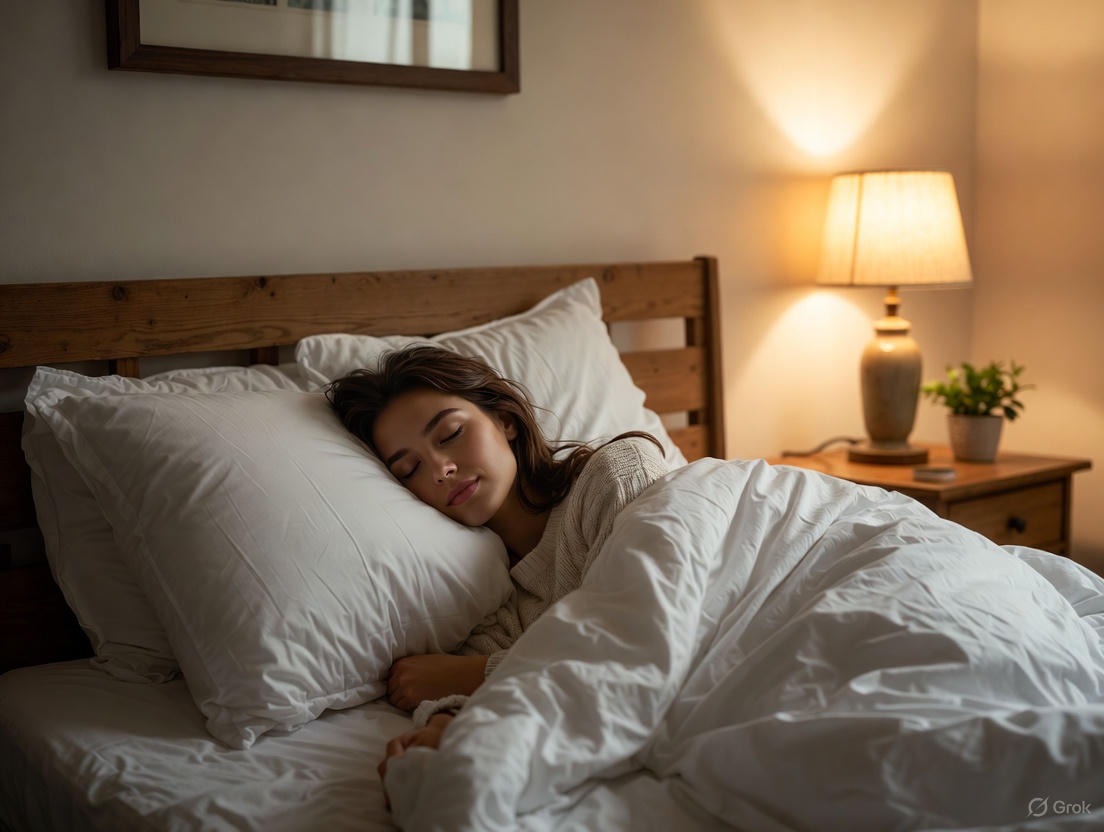
Stress is not merely a psychological state; it is a full-body physiological response with measurable impacts. For seniors, chronic stress can exacerbate virtually every age-related condition, from hypertension and diabetes to cognitive decline. However, stress can be insidious, especially if one has grown accustomed to a certain level of background anxiety. A smart ring makes the invisible visible by quantifying stress and recovery through the dual lenses of Heart Rate Variability (HRV) and sleep data.
Advanced algorithms analyze daytime HRV patterns, skin temperature, and activity data to assign a "stress" score throughout the day. The ring might indicate that a morning doctor’s appointment spiked stress levels, or that a particular social interaction was more taxing than realized. More importantly, it measures whether the body is adequately recovering from that stress. The ultimate metric of recovery is the quality of deep and REM sleep, coupled with a strong, elevated HRV during the night.
This feedback loop is educational and empowering. A senior can learn which activities truly drain them and which replenish them. They might discover that while they enjoy watching the evening news, it actually elevates their stress levels before bed, harming their sleep. This could lead them to adopt a calming pre-sleep ritual instead, such as reading or listening to music. By understanding their personal stress signatures, they can make informed choices to protect their energy and prioritize genuine restoration. This is the essence of learning how restful living improves relationships and mood—by first understanding and managing one’s own internal state. The ring acts as a biofeedback tool, guiding users toward a more balanced, less reactive nervous system.
Technological complexity is a significant barrier to adoption for many seniors. Devices that require daily charging, have finicky magnetic connectors, or feature confusing battery indicators often end up abandoned. A leading smart ring for seniors must prioritize exceptional battery life and utterly simple charging. The best devices on the market now offer between 5 to 7 days of continuous use on a single charge, with some pushing even further.
This extended battery life is a critical feature. It means a senior can wear the ring for days on end without worrying about it dying overnight and missing crucial sleep data. It reduces the cognitive load of device management. When charging is finally needed, the process should be as intuitive as possible: a simple docking station where the ring is placed, or a wireless charger with an obvious orientation. The companion app should provide a clear, large-font battery percentage indicator.
Simplicity in maintenance ensures consistency in data collection. A device that is always charged is a device that is always working, providing an unbroken stream of health insights. For caregivers helping from a distance, knowing that their loved one’s monitoring device has a reliable, long-lasting battery adds another layer of reassurance. It eliminates one more potential point of failure in the system of care. This focus on practical, user-friendly design is what separates a truly senior-friendly smart ring from a tech-first gadget, ensuring the technology serves the human, not the other way around.
The power of a smart ring is magnified exponentially when its data can be easily and securely shared. For a senior living independently, the ring is a personal health dashboard. For their adult children, distant relatives, or professional caregivers, that shared data is a window into well-being and a powerful tool for proactive care.
Companion apps for these devices typically feature "Family" or "Circle" settings. With the senior’s permission, selected caregivers can be granted secure, read-only access to the app’s dashboard. From their own smartphone, a daughter living across the country can see that her father slept well, maintained good activity levels, and had stable vitals. More importantly, she can be alerted to significant deviations. She might receive a notification if a fall is detected, if his resting heart rate shows an unusual pattern, or if his sleep quality has been poor for three nights in a row.
This creates a connected care ecosystem. It allows for gentle, informed check-ins. Instead of a worrying phone call asking "Are you okay?" based on a vague feeling, a caregiver can say, "I noticed your sleep hasn't been great this week, is anything bothering you?" or "The ring reminded you about your medication today, were you able to take it?" This data-informed caring is less intrusive and more supportive. It empowers seniors to maintain their autonomy while giving their loved ones a meaningful way to stay involved in their health and safety. This balance is crucial for sustainable care relationships and is a practical application of setting healthy restful living boundaries within family dynamics, where concern is channeled through useful information rather than anxiety.
Having explored the core health and safety features that make smart rings ideal for seniors—from continuous cardiac monitoring to proactive fall detection—we now turn our attention to the crucial aspects of integration, usability, and the broader lifestyle context. Technology, no matter how advanced, is only as good as its ability to fit seamlessly into daily life and provide clear, actionable insights. For the senior user and their support network, the journey doesn't end with purchasing the device; it begins with setting it up, understanding its data, and weaving its capabilities into a holistic approach to well-being. This portion of our guide delves into the practicalities of adoption, the importance of data literacy, and how the smart ring's insights can synergize with timeless wellness practices to support a vibrant, independent, and restful life in one's later years.
A brilliant sensor-packed ring can be rendered useless by a confusing, cluttered, or overly complex smartphone application. The companion app is the portal through which the rich data collected by the ring is translated into meaningful insights. For senior users, this interface must be designed with deliberate attention to accessibility and cognitive load. Leading smart ring developers are increasingly embracing principles of universal design, creating apps that feature high-contrast visuals, large, legible fonts, intuitive navigation icons, and simplified menu structures.
The dashboard of a senior-friendly app should prioritize clarity over complexity. Instead of overwhelming graphs and dozens of metrics on one screen, the home view might highlight three key takeaways: Sleep Score, Readiness/Recovery Score, and Activity Goal completion. Tapping on each provides deeper, but still clearly explained, detail. Terminology should be plain language—"How rested you are" instead of "Nocturnal HRV RMSSD." Notifications should be customizable, allowing the user or caregiver to choose which alerts are vital (e.g., fall detection, abnormal heart rate) and which are merely informational.
Furthermore, the setup and pairing process must be frictionless. The best systems use near-field communication (NFC) or Bluetooth Low Energy for a simple tap-to-pair experience, with clear on-screen instructions featuring diagrams. For seniors less comfortable with technology, the initial setup presents a perfect opportunity for a caregiver or family member to assist—an activity that is collaborative rather than patronizing. Once configured, the app should run quietly in the background, requiring minimal daily interaction unless the user wishes to explore their data. This thoughtful design ensures the technology remains a helpful servant, not a demanding master, aligning with the principle of how digital detox enhances restful living by keeping essential tech simple and non-invasive.
The power of continuous monitoring hinges on its ability to notify the right people at the right time about the right events. A one-size-fits-all alert system would be a source of nuisance or alarm fatigue. Therefore, granular customization is paramount. Seniors and their caregivers should have full control over which biometric thresholds trigger an alert. For instance, a user with known atrial fibrillation might set a tight threshold for irregular heart rhythm notifications, while another might only want alerts for extreme highs or lows.
Similarly, fall detection sensitivity can often be adjusted. A very active senior who gardens or engages in hobbies that involve quick movements might experience false positives and can lower the sensitivity, while a more frail individual would set it to maximum. The destination of these alerts is equally customizable. Critical alerts, like a detected fall or a dangerously low SpO2 reading, can be configured to go to multiple emergency contacts simultaneously and repeat until acknowledged. Less urgent trends, like a week of poor sleep, might generate a weekly summary report emailed to a family member.
This customization dovetails with robust privacy controls. Seniors must feel confident that their intimate health data is secure and shared only with their explicit consent. Reputable smart ring companies employ end-to-end encryption for data in transit and at rest. The app should provide clear, easy-to-understand privacy settings, allowing the user to decide exactly what data is shared with family circles and what remains private. This balance of connectivity and control is essential. It provides safety without surveillance, offering peace of mind to both the wearer and their loved ones while fiercely protecting the senior’s autonomy and dignity. Establishing these digital boundaries is as important as setting personal ones, a concept explored in depth regarding restful living boundaries.

The true clinical value of a smart ring unfolds over weeks, months, and years. While daily metrics are informative, the long-term trends reveal the most significant stories about a person’s health trajectory. A senior-friendly app should excel at visualizing this longitudinal data. Graphs that show resting heart rate over six months, sleep efficiency over a year, or activity trends seasonally can uncover patterns invisible in day-to-day fluctuations.
Perhaps a user’s baseline resting heart rate has crept up by five beats per minute over the past year—a subtle but potentially important cardiovascular trend. Maybe their deep sleep duration shows a clear decline each winter, suggesting a link to seasonal affective disorder or reduced vitamin D. This trend analysis empowers seniors and their families to have more productive conversations with healthcare providers. Instead of describing a general feeling of fatigue, a patient can present a graph showing a documented decline in sleep quality and daytime HRV since a medication change.
To bridge the gap between consumer wearable and clinical tool, leading apps now offer "doctor-ready" report generation. With a few taps, a user can compile a specific time period’s data—say, the two weeks leading up to a cardiology appointment—into a clean, printable PDF. This report highlights key statistics, trends, and notable events (like episodes of tachycardia or oxygen desaturation). It transforms subjective symptoms into objective data, giving physicians a valuable, complementary view of the patient’s health outside the sterile clinical environment. This proactive data-sharing fosters a partnership in care, where the senior is an engaged, informed participant, using technology to advocate for their own health in a tangible way.
The smart ring should not be an isolated island of data. Its utility is magnified when it can interact with the wider ecosystem of technology in a senior’s life. Forward-thinking integration turns the ring from a monitor into a controller and a communicator within a connected, supportive living environment.
Imagine these scenarios: A ring detecting that the wearer has fallen in their living room could automatically turn on smart lights to full brightness to aid first responders, unlock the smart deadbolt on the front door for emergency access, and send an alert with precise location to a telehealth service. Or, a ring noticing elevated stress biomarkers in the afternoon could trigger a smart speaker to play a calming playlist or suggest a guided breathing exercise. For medication management, a missed vibration acknowledgment could prompt a smart display in the kitchen to flash a visual reminder.
Furthermore, integration with formal telehealth platforms is a growing frontier. Data from the ring could be securely fed into a patient’s electronic health record (EHR) or a remote patient monitoring (RPM) dashboard used by a healthcare provider. A nurse managing a panel of heart failure patients could be alerted if a patient’s ring data shows a sustained increase in resting heart rate and weight (from a connected smart scale), indicative of potential fluid retention, enabling a timely intervention. This creates a true “aging in place” technological scaffold, where the smart ring acts as the central, wearable hub of a non-intrusive, responsive care network. This system supports independence not in isolation, but within a web of intelligent support, much like maintaining restful living on the go requires a supportive system of habits and tools.
For seniors managing chronic illnesses, the smart ring transitions from a wellness device to a crucial daily management tool. Its continuous, passive monitoring provides a dynamic picture of how a condition is behaving in real-time, beyond the snapshot of a clinic visit.
This condition-specific monitoring empowers seniors. It moves them from a passive "patient" role to an active "manager" role. They can see the direct impact of a good night's sleep on their well-being or how a relaxing walk improves their physiological stress markers. This fosters a sense of agency, which is psychologically beneficial and often leads to better health outcomes. It’s a perfect example of using data to enable a more mindful, controlled approach to chronic disease.
The upfront cost of a premium smart ring, often ranging from $250 to $400, can give pause. It’s essential to frame this not as a discretionary consumer electronics purchase, but as an investment in long-term health, safety, and independence—with a potential for significant financial return in avoided medical costs.
Consider the economics of a single prevented adverse event:
When viewed through this lens, the smart ring transforms from an expense into a strategic health investment. It provides value through prevention, early intervention, and the preservation of independence—outcomes that are priceless for quality of life and often tremendously cost-effective for the healthcare system and family finances.
For a generation that did not grow up with smartphones, adopting a sophisticated wearable can feel daunting. Successful adoption requires patience, support, and a focus on benefits over features. Here is a step-by-step guide for seniors and their families:
This gradual, supportive process mirrors the approach of building any new sustainable habit, akin to following a weekly restful living plan—it's about consistency and positive reinforcement, not perfection.
It’s important to position the smart ring as a complement to, not a replacement for, traditional medical alert systems (pendants with a home base station), especially for seniors with significant health risks. The two systems have different strengths and, together, create a more robust safety net.
Traditional Medical Alert Systems:
Smart Ring:
The ideal setup for many seniors is a hybrid approach. The traditional system provides the critical, voice-based lifeline to professional help for any emergency the user can articulate. The smart ring provides the automatic fall detection, the rich health data for proactive care, and fills the gaps when the pendant is not worn. This dual-layer system offers maximum coverage, addressing both the urgent "I need help now" scenario and the continuous "How is my health trending?" need. It’s a comprehensive strategy for safety that leverages the best of both technological generations.
The current generation of smart rings is powerful, but the future lies in predictive analytics and personalized artificial intelligence. As algorithms mature and data sets grow, these devices will evolve from descriptive ("This happened") to diagnostic ("This is what it might mean") to truly predictive ("This is what might happen").
Future developments may include:
This AI-driven future promises a shift toward truly anticipatory and personalized healthcare. For seniors, it means a device that doesn’t just monitor, but actively partners in their health, learning their unique physiology and helping them navigate the aging process with more confidence and control. It represents the ultimate fusion of technology and personalized care.
As we embrace this data-driven approach to senior care, we must navigate important ethical considerations with wisdom and care. Technology should enhance humanity, not replace it.
Navigating these ethics requires a balanced perspective. The smart ring is a powerful tool, but it is just that—a tool. Its value is realized when used within a framework of respect, consent, and human connection, ensuring technology serves to uphold the dignity and independence of our aging population.
The journey into the world of smart rings for seniors is not merely about purchasing a device; it is about welcoming a new, intelligent partner into daily life—one that offers insights, security, and a deeper connection to one's own well-being. Having explored the extensive features, from predictive health analytics to ethical considerations, we now arrive at the most human-centric portion of our guide: the practical, lived experience. This final segment addresses the day-to-day realities, the lifestyle synergies, and the long-term vision of aging gracefully with technology as a supportive ally. Here, we move beyond specifications to discuss how the ring becomes an extension of the self, supporting not just physical health, but the emotional and social pillars of a fulfilling life. We will cover real-world routines, common challenges and solutions, and how the data from your finger can inspire a more mindful, engaged, and restful existence in your golden years.
Data, in isolation, is just numbers. Its power is unlocked through consistent, mindful review. For a senior using a smart ring, establishing a simple, sustainable ritual for checking in with the data transforms it from passive information into active self-knowledge. This practice should feel like a friendly check-in, not a medical audit.
A suggested daily ritual might take just five minutes with morning coffee. Open the companion app and glance at the three key summaries from the past night: Sleep Score, Resting Heart Rate, and Recovery/Readiness Score. Don't just note the numbers; observe the trends. Is your sleep score consistently higher on nights you don't watch the news before bed? Did your resting heart rate dip lower than usual, perhaps reflecting a particularly relaxing day? This isn't about judgment ("I slept poorly"), but about curiosity ("What contributed to that?").
Then, once a week—perhaps on a Sunday morning—engage in a slightly longer weekly review. This is where the ring's trend analysis shines. Look at the weekly graphs for your key metrics. Has your average daily activity level held steady? Is there a noticeable pattern to your stress scores (e.g., higher on days with appointments)? Use this review to set one gentle, positive intention for the coming week. For example: "My deep sleep was lower this week; I'll try turning off screens an hour earlier." Or, "My activity was great; I'll aim to repeat that."
This ritual fosters a powerful connection between action and outcome. It turns abstract health advice into personal, lived experience. By consistently observing how lifestyle choices—like a leisurely afternoon walk or a stressful phone call—manifest in your biometrics, you become the expert on your own body. This reflective practice is a cornerstone of mindful living, closely aligned with the principles of creating structure for sustainable weekly plans. It’s not about rigid tracking, but about cultivating awareness and making small, empowered adjustments for continuous well-being.
While the smart ring provides unparalleled objective data, the subjective human experience holds equal importance. How you feel—your energy levels, mood, moments of joy, and periods of stress—is the essential context for the ring’s numbers. Pairing the ring’s analytics with a simple wellness journal creates a complete picture of health that honors both the quantitative and the qualitative.
This doesn't need to be elaborate. A small notebook or a notes app on a tablet can serve as the journal. The practice is simple: each evening, jot down a few brief notes alongside the day’s ring data. Note things like:
After a few weeks, patterns will emerge that the ring alone could never reveal. You may see that your highest "Readiness" scores consistently follow days you socialized with friends, highlighting the health impact of connection. You might discover that a specific food, while not causing immediate distress, correlates with a slight elevation in nighttime resting heart rate. Perhaps you’ll note that your subjective feeling of "restlessness" aligns perfectly with the ring’s measured increase in sleep disturbances.
This combined log becomes an invaluable tool for conversations with doctors, offering a holistic narrative. More importantly, it empowers you. It helps you identify not just what drains you, but what truly fills you up. You move from managing symptoms to cultivating a lifestyle that proactively generates vitality. This process of linking external data with internal awareness is a profound step toward integrated well-being, a practice that complements efforts to build restful living that improves relationships and mood by first understanding your own patterns.
Even the most elegantly designed technology can encounter minor hiccups. Being prepared to troubleshoot common issues ensures they don’t become barriers to long-term use.
Approaching these issues with a problem-solving mindset keeps the experience positive. Most challenges have simple solutions, ensuring the technology remains a reliable and comfortable companion.
One of the greatest gifts of the smart ring is the freedom it fosters—the freedom to travel, to explore, and to live independently at home with reduced anxiety. It acts as a portable guardian, adapting to your environment whether you’re across town or across the globe.
For Travel:
The ring is the perfect travel companion. Its discreet design doesn’t attract attention, and its health monitoring is invaluable in unfamiliar environments. Use it to:
For "Aging in Place":
At home, the ring’s role expands into creating a foundation for secure, independent living.
In both contexts, the ring transforms uncertainty into managed confidence. It allows seniors and their families to say "yes" to more of life’s adventures and experiences, knowing that a sophisticated layer of awareness and protection is always present.
The impact of a smart ring extends far beyond the physical; it delivers profound social and psychological benefits that are essential for holistic wellness in later life.
In essence, the ring becomes a tool for sustaining not just physical health, but also psychological resilience and social vitality, key components for thriving in later life.
While the core features are similar across the premium market, nuances in design, app experience, and specific functionalities can make one ring more suitable for a given senior than another. Here’s a comparative overview of leading models with senior needs in mind:
Oura Ring (Generation 3):
Ultrahuman Ring AIR:
Circular Ring Slim:
General Advice for Choosing:
The "best" ring is the one that the senior will wear consistently and whose data they can understand and use.
The true measure of this technology lies in the lives it touches. Here are composite narratives based on real user experiences that illustrate the transformative potential of smart rings for seniors.
Case Study 1: "The Early Warning" – Robert, 78, living with controlled AFib.
Robert’s smart ring had been tracking his heart rhythm for months. One afternoon, he felt a bit "off" but not enough to call his doctor. His ring, however, sent a notification to his daughter and generated a report showing several short, asymptomatic episodes of irregular rhythm over the past 48 hours—a change from his baseline. His daughter encouraged him to send the report to his cardiologist. The doctor reviewed it, adjusted his medication dosage remotely, and potentially prevented a stroke-causing clot from forming. For Robert, the ring provided the objective data that turned a vague feeling into a precise, life-saving intervention.
Case Study 2: "Restoring Independence" – Margaret, 82, widowed, living alone.
After a minor fall in her kitchen, Margaret’s children were anxious and suggested assisted living. Margaret was determined to stay in her home. They compromised by getting her a smart ring with fall detection and a traditional medical pendant. The ring gave the entire family peace of mind. It also revealed that Margaret’s deepest sleep occurred on days she attended her weekly gardening club. This objective proof of the mental and physical benefits of her social hobby helped convince her children that her active, engaged lifestyle at home was her best medicine. The ring didn’t just monitor her; it defended her independence with data.
Case Study 3: "The Sleep Solution" – Arthur, 75, with persistent fatigue.
Arthur complained of constant tiredness. His doctor found nothing conclusive in standard tests. His son gifted him a smart ring. The sleep data immediately showed severe fragmentation and almost no deep sleep, with frequent blood oxygen dips. This concrete evidence led to a sleep study and a diagnosis of moderate sleep apnea. With treatment (a CPAP machine), Arthur’s ring data showed his deep sleep skyrocketing and his daytime resting heart rate dropping. His subjective energy returned. The ring identified the invisible culprit and then objectively proved the treatment was working, keeping Arthur motivated to use his CPAP.
These stories underscore the ring’s role as a catalyst for better care, a defender of autonomy, and a bridge to more precise medical help.
The smart ring’s ecosystem thrives on connection. Thoughtfully building a support system around the data ensures it enhances relationships rather than complicating them.
A well-integrated support system turns the smart ring from a solitary device into the heart of a collaborative, respectful, and empowering care community.
The ultimate promise of the smart ring for seniors is not to fight aging, but to navigate it with unparalleled awareness, grace, and intention. It supports a vision of aging that is proactive, not reactive; engaged, not passive; and focused on optimizing one’s functional healthspan.
With years of longitudinal data, an individual and their doctor can observe the rate of change in key biomarkers. Is muscle mass decline (inferred from activity and metabolic data) proceeding at an expected pace, or can it be slowed with targeted nutrition and exercise? How is the nervous system’s resilience (HRV) holding up over time? This long-term view allows for subtle, early-course corrections—the lifestyle equivalent of trimming a sail rather than trying to steer out of a storm.
This data-informed journey aligns with a philosophy of restful living and longevity, where the goal is a long life densely packed with quality, vitality, and peace. The ring becomes the tool that helps calibrate that life. It shows when to push and when to rest; it reveals the activities that truly nourish and the ones that deplete; it provides the confidence to live fully while having a safety net.
In this vision, technology and humanity are in harmony. The ring provides the insights, but the human spirit provides the wisdom to use them—to choose connection, to seek joy, to find rest, and to embrace each day with the confidence that comes from truly knowing oneself.
From its unassuming presence on your finger to the profound insights on your screen, the smart ring for seniors represents a paradigm shift in personal health technology. It is a convergence of medical-grade monitoring, thoughtful design, and empathetic technology. We have journeyed through its life-saving safety features, its deep health analytics, the practicalities of daily use, and its power to strengthen social bonds and peace of mind.
The ideal smart ring for a senior is more than a device; it is a silent partner. It is a partner in safety, watching for falls. A partner in health, revealing the rhythms of your heart and sleep. A partner in independence, providing the data-backed confidence to live on your own terms. And a partner in connection, offering a shared language of care with your loved ones.
As you consider this path, remember that the goal is not perfection, but awareness. Not control, but empowerment. The data is not a report card, but a conversation starter with your own body. By integrating this elegant technology into a life that also values mindful practices, social connection, and a diet that supports calm, you create a powerful synergy for thriving in your later years.
Embrace the smart ring not as a symbol of aging, but as a tool for living—fully, safely, and vibrantly. Let it be the silent guardian that works in the background, so you can focus on what matters most: enjoying the richness of life, experience, and connection, today and for all the days to come.
The journey through the smart ring’s landscape for seniors reveals a device of remarkable depth and compassion. It is far more than a piece of technology; it is a wellness companion, a safety sentinel, a data-driven health advocate, and a bridge connecting seniors to their own bodies and to their caring circles. From its unobtrusive design that encourages all-day wear to its advanced sensors providing a continuous stream of vital signs, from its life-saving fall detection to its gentle nudges toward better sleep and activity, the smart ring addresses the core challenges of aging with elegance and intelligence.
It empowers seniors to take an active, informed role in their health, transforming anxiety about the unknown into confidence built on knowledge. It provides families and caregivers with meaningful insights, replacing worry with connected, informed support. And when its data is woven into a broader lifestyle that values rest, mindful movement, and stress management—principles explored in resources like how minimalism enables restful living and restful living at work—it supports a holistic vision of longevity that is not just about adding years to life, but life to years.
As we look ahead, the potential of these devices, fueled by AI and deeper ecosystem integration, promises even greater support for aging with grace and independence. Yet, the foundational promise remains the same: to provide a sense of security, a wealth of understanding, and the priceless gift of empowered independence. For seniors embarking on this chapter of life, the smart ring stands ready not as a reminder of limitation, but as a sophisticated tool for liberation, enabling them to live fully, safely, and on their own terms.
Your Trusted Sleep Advocate: Sleep Foundation — https://www.sleepfoundation.org
Discover a digital archive of scholarly articles: NIH — https://www.ncbi.nlm.nih.gov/
39 million citations for biomedical literature :PubMed — https://pubmed.ncbi.nlm.nih.gov/
Experts at Harvard Health Publishing covering a variety of health topics — https://www.health.harvard.edu/blog/
Every life deserves world class care :Cleveland Clinic - https://my.clevelandclinic.org/health
Wearable technology and the future of predictive health monitoring :MIT Technology Review — https://www.technologyreview.com/
Dedicated to the well-being of all people and guided by science :World Health Organization — https://www.who.int/news-room/
Psychological science and knowledge to benefit society and improve lives. :APA — https://www.apa.org/monitor/
Cutting-edge insights on human longevity and peak performance:
Lifespan Research — https://www.lifespan.io/
Global authority on exercise physiology, sports performance, and human recovery:
American College of Sports Medicine — https://www.acsm.org/
Neuroscience-driven guidance for better focus, sleep, and mental clarity:
Stanford Human Performance Lab — https://humanperformance.stanford.edu/
Evidence-based psychology and mind–body wellness resources:
Mayo Clinic — https://www.mayoclinic.org/healthy-lifestyle/
Data-backed research on emotional wellbeing, stress biology, and resilience:
American Institute of Stress — https://www.stress.org/


