


The Smart Ring Features That Track Workout Performance
Describes features that automatically detect and record workouts, providing performance metrics.
Describes features that automatically detect and record workouts, providing performance metrics.
%402x.svg)
In the relentless pursuit of fitness, we’ve become a culture obsessed with metrics. We count steps, measure heart rates, and track calories with the devotion of archivists. Yet, for all our data, a fundamental gap often remains: the profound disconnect between how we feel and what the numbers say, and more critically, a holistic understanding of whether our efforts are truly building a stronger, more resilient body or simply draining our energy reserves. Enter the smart ring—a minimalist piece of wearable technology quietly emerging as the most intuitive, 24/7 performance coach you never knew you needed.
Gone are the days of bulky chest straps and chunky wrist watches that scream "athlete" at the office. The smart ring operates on a principle of elegant, unobtrusive continuity. It sleeps when you sleep, works when you work, and trains when you train, gathering a continuous stream of physiological data from the body’s most reliable pulse points. This isn't just about recording your 5K time; it’s about understanding the entire ecosystem of your performance. It answers the critical questions modern athletes and wellness enthusiasts are asking: Did I recover enough to train hard today? Is this fatigue normal or a sign of impending burnout? How does my stress from a demanding workday impact my strength session?
This article will delve deep into the specific smart ring features dedicated to tracking and optimizing workout performance. We will move beyond basic activity counting and explore how advanced sensors and algorithms are measuring everything from your cardiovascular efficiency and workout strain to your precise recovery status and sleep quality. You’ll discover how this constant, passive data loop creates a feedback system more valuable than any standalone workout log, connecting the dots between your rest, your stress, your daily life, and your time on the track, in the gym, or on the mat. This is the future of personalized fitness: not just working out harder, but working out smarter, guided by the silent, insightful intelligence on your finger.
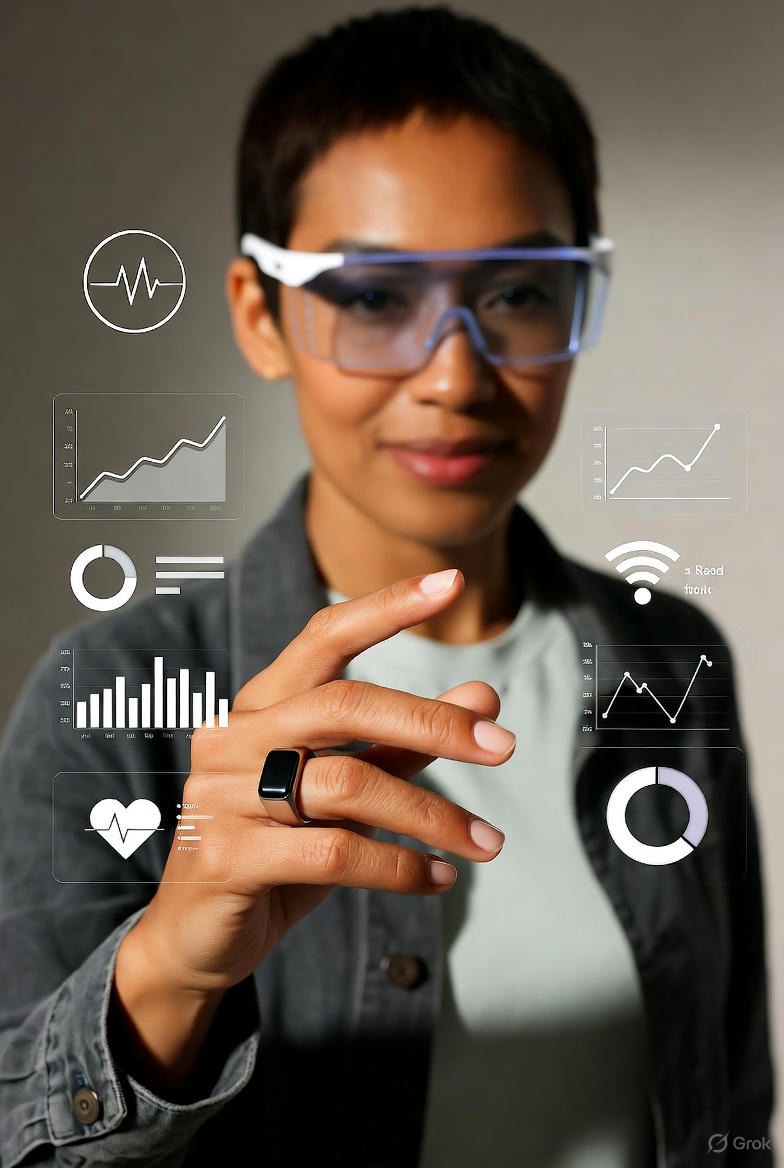
Before we dive into rep counts and VO2 max, we must start with the vital signs. These are the foundational biometrics that every legitimate smart ring captures, and they form the essential language through which your body communicates its readiness, effort, and recovery. Think of them as the core pillars of your physiological dashboard.
Continuous Heart Rate Monitoring is the cornerstone. Unlike watches that take periodic readings, the best smart rings offer true continuous monitoring, even during high-intensity movements. This provides a flawless heart rate curve for your entire workout, allowing for the calculation of accurate calorie burn (moving beyond generic formulas), the identification of your specific heart rate zones (Zone 2, anaerobic threshold, etc.), and the observation of how quickly your heart rate recovers after a strenuous set—a powerful indicator of cardiovascular fitness. Seeing your heart rate remain elevated long after a workout can be an early signal of excessive strain or inadequate recovery.
Heart Rate Variability (HRV) is the star metric of the recovery world. It measures the subtle variations in time between each heartbeat. A higher, more variable HRV generally indicates a relaxed, resilient nervous system ready for challenge. A lower HRV suggests your body is under stress—be it from illness, overtraining, or psychological pressure. For workout performance, tracking your nighttime HRV—measured during deep sleep when external variables are minimized—is gold. It provides an objective, daily "readiness to perform" score. Heading into a heavy leg day with a precipitously low HRV? That might be your ring suggesting an active recovery day instead, potentially saving you from injury or wasted effort.
Blood Oxygen Saturation (SpO2) monitoring, once confined to clinics, now lives on your finger. While its constant monitoring is key for understanding overall wellness, its application post-workout is particularly insightful. After intense exercise, seeing how efficiently your SpO2 levels rebound can inform on your respiratory recovery and overall oxygen utilization efficiency. Furthermore, consistent nocturnal SpO2 monitoring can reveal sleep disturbances that directly rob you of next-day performance, ensuring your training isn’t undermined by poor sleep quality.
Together, this trio tells a complete pre- and post-workout story. They answer: Is my body calm and prepared (high HRV)? How hard did my cardiovascular system actually work (heart rate curve)? And is my body effectively recovering and rejuvenating itself overnight (SpO2 & HRV trends)? Without this foundation, you’re training in the dark. With it, you have a 24/7 baseline from which all performance metrics gain context and meaning. Understanding this mind-body connection is the first step toward restful living for high-achievers, where performance is fueled by strategic recovery, not just brute force effort.
The modern fitness journey is rarely confined to a single activity. One day it’s a weightlifting session, the next a long run, followed by a yoga flow or a spirited game of basketball. A superior smart ring doesn’t just count this movement as generic "activity"; it seeks to understand the unique physiological signature of each discipline. This is where advanced algorithms and inertial measurement units (IMUs) move beyond step counting into true workout intelligence.
Automatic Exercise Detection is a game-changer for seamless tracking. The ring learns the specific motion patterns of activities like running, cycling, elliptical training, and even strength training. Imagine finishing a spontaneous jog or a gym session and having the ring automatically log the start time, duration, and estimated calorie expenditure without you ever pressing a button. This not only ensures no effort goes unrecorded but also builds a comprehensive, hassle-free picture of your weekly movement patterns.
Sport-Specific Tracking Modes take this a step further for the dedicated athlete. When you manually start a "Running" mode, the ring prioritizes data relevant to a runner: real-time heart rate zones, pace (when connected to GPS via your phone), and post-run insights like the aforementioned heart rate recovery. A "Weightlifting" or "Functional Training" mode might focus on tracking heart rate throughout the session to measure metabolic strain, workout duration, and active calories, while also capturing the broad "activity load" of the session for later recovery calculations. For mindfulness practices like yoga or pilates, the focus might shift to tracking calm, steady heart rates and contributing to stress-reduction metrics, acknowledging that not all beneficial movement is high-intensity.
The True Measure: Activity & Movement Indexes Beyond simple step goals, sophisticated rings compile raw data into proprietary scores like an "Activity Score" or "Movement Index." This is a holistic number that considers the volume, intensity, and duration of your daily movement. It credits you for that heavy gardening session or the long walk with the dog, not just formal workouts. This encourages a philosophy of consistent, all-day movement, which is the true bedrock of metabolic health and athletic longevity. It helps answer the critical question: "Was I truly active today in a meaningful way?" This aligns with a holistic approach to restful living through the seasons, where your activity naturally ebbs and flows with your energy and the environment, guided by data, not guilt.
In fitness, more is not always better. The principle of progressive overload is balanced by the law of diminishing returns and the very real risk of overtraining. This is where the nebulous concept of "how hard you worked" gets translated into objective, comparable data through Workout Strain and Training Load metrics.
What is Workout Strain? This is a composite score generated by analyzing your heart rate data throughout an exercise session relative to your personal baselines. It considers not just your average heart rate, but most importantly, the time spent in elevated heart rate zones. A one-hour Zone 2 steady-state run and a 30-minute high-intensity interval training (HIIT) session might both leave you feeling "worked," but the smart ring will quantify their strain differently. The HIIT session, with its repeated spikes into the anaerobic zone, will likely produce a higher strain score per minute than the sustained, moderate run. This allows you to compare apples to oranges: understanding that 45 minutes of CrossFit imposes a different physiological demand than 45 minutes of swimming.
The Critical Role of Training Load (or ACWR) The most advanced performance tracking introduces the concept of Acute Chronic Workload Ratio (ACWR). This is the crown jewel of injury prevention and optimized performance. Here’s how it works:
The magic number range for optimal performance and minimal injury risk is typically between 0.8 and 1.3. A ratio below 0.8 suggests you're in a detraining phase (like after a deload week or illness). A ratio consistently above 1.5 is a flashing red warning light, indicating you’re doing significantly more than your body is conditioned for, dramatically increasing your risk of injury, illness, or burnout.
Practical Application: Imagine your ring shows your ACWR has jumped to 1.6 after a week of aggressive new workouts. This isn't a critique of your effort; it's an objective, data-driven recommendation to pull back slightly—perhaps swap a high-strain day for active recovery—to bring your body back into the "sweet spot." This transforms your training from a guesswork-based grind into a scientifically-guided adaptation process. Managing this load is intrinsically linked to managing your total life stress, a topic explored in depth in our guide on restful living at work, as mental stress directly contributes to your physiological load.

If strain is the accelerator, recovery is the brake, the mechanic, and the refueling station all in one. Training provides the stimulus, but it is during recovery that your body actually adapts and grows stronger. Ignoring recovery is like constantly withdrawing from a bank account without ever making a deposit. Smart rings specialize in measuring the balance of that account with sophisticated Recovery Scores.
How a Recovery Score is Calculated: This is not a single metric, but a nuanced algorithm synthesizing several key nocturnal readings:
Upon waking, the ring analyzes this data cocktail and presents a simple, often color-coded score (e.g., Red/Yellow/Green or a score out of 100). This is your daily performance directive.
Interpreting Your Daily Readiness: A "Green" or High Score is your body’s blessing to go hard. Your nervous system is calm, you’re well-rested, and you’re primed to handle a high-strain workout. This is the day to attempt a personal record or complete that intense interval session.
A "Yellow" or Moderate Score suggests caution. Maybe your HRV is slightly depressed or your sleep was a bit short. Your body is signaling it’s under mild stress. This is an ideal day for a moderate, skill-focused session, lighter aerobic work, or a technique drill. It’s not a day to add extra volume or intensity.
A "Red" or Low Score is a clear mandate for rest. Pushing through a red score is the fastest route to overtraining, injury, or illness. This is a day for genuine rest, gentle stretching, or a leisurely walk. It’s a day to focus on the restful living diet, hydration, and stress management. The ring is essentially telling you that the greatest contribution you can make to your long-term fitness today is to not train hard.
This objective, daily guidance removes ego and guesswork from the equation. It teaches you to listen to the subtle signals of your body, quantified. It fosters a respectful partnership with your physiology, where you train with your body, not against it.
You cannot separate workout performance from sleep performance. They are two sides of the same coin. Sleep is when human growth hormone is released, muscles are repaired, memories (including muscle memory) are consolidated, and the immune system is bolstered. Tracking sleep with a smart ring provides unparalleled insight into the quality of this non-negotiable recovery period.
Beyond Duration: The Sleep Stage Breakdown Anyone can track hours in bed. Smart rings use heart rate variability, heart rate, movement, and sometimes SpO2 to estimate time spent in each critical sleep stage:
A smart ring shows you not just that you slept 7 hours, but that you achieved 1.5 hours of deep sleep and 1.8 hours of REM, allowing you to see if you’re getting the right type of sleep for your training demands.
Latency, Disturbances, and Efficiency: How long does it take you to fall asleep (latency)? How many times did you wake up, even briefly (disturbances)? What percentage of the time you were in bed were you actually asleep (efficiency)? These metrics are critical. Tossing and turning for an hour or having fragmented sleep severely undermines the restorative power of your night, leaving you with "junk sleep" despite adequate time in bed.
The Impact on Performance: A night of poor sleep, particularly low deep sleep, will manifest directly in your next workout. You’ll perceive exertion as higher, your coordination and reaction time may diminish, your motivation will wane, and your muscle recovery will be incomplete. By tracking sleep meticulously, you can draw direct correlations. That terrible, heavy-legged run likely followed a night of poor sleep efficiency. This creates powerful motivation to prioritize sleep hygiene—turning your bedroom into a recovery sanctuary, a principle central to minimalism enabling restful living, where a calm, uncluttered environment fosters deeper, more regenerative rest.
The "calories burned" figure on gym equipment is famously—often hilariously—inaccurate. It uses generic formulas based on averages, not your unique physiology. Smart rings, with their continuous heart rate monitoring and understanding of your personal metrics like resting metabolic rate (RMR), aim to bring far greater precision to this foundational number.
From Steps to Metabolism: Early activity trackers estimated calorie burn based almost solely on steps and a generic user profile. Smart rings operate on a more sophisticated model. They use your heart rate—a direct proxy for metabolic effort—as the primary input. The algorithm understands that an elevated heart rate during weightlifting, where you might be relatively stationary, represents significant energy expenditure that a step-based model would completely miss.
Active Calories vs. Total Daily Energy Expenditure (TDEE): It’s crucial to distinguish between these two:
A smart ring provides estimates for both. Seeing your TDEE is particularly powerful for holistic nutrition and body composition goals. It provides a dynamic, daily look at your true energy output, which, when understood alongside nutritional intake, is the key to fueling performance, managing weight, or supporting muscle growth effectively.
Context is King: The ring adds context to these numbers. Burning 400 active calories in a 60-minute Zone 2 cycle is a different physiological stimulus than burning 400 calories in a 30-minute HIIT session, even if the calorie count is identical. The ring’s accompanying strain score and heart rate curve provide that critical context, helping you understand the type of energy system you taxed. This nuanced view of energy supports a balanced approach to fitness and the connection between restful living and longevity, where sustainable energy management is more important than constant, exhaustive output.
Physical training is a form of intentional, acute stress placed on the body to provoke adaptation. However, it is layered on top of the background stress of daily life—work deadlines, relationship tensions, financial worries, and digital overload. All stress, physical or mental, is processed by the same system: your Autonomic Nervous System (ANS). A smart ring’s ability to measure ANS balance through Stress Scores is perhaps its most revolutionary feature for the modern athlete.
The Physiology of Stress Tracking: The ring doesn’t ask you how stressed you feel; it measures it physiologically. It primarily uses heart rate variability (HRV) for this. When you are in a relaxed, recovered state ("rest and digest" mode, governed by the parasympathetic nervous system), your HRV is high and variable. When you are stressed, anxious, or fatigued ("fight or flight" mode, driven by the sympathetic nervous system), your HRV drops and becomes more rigid. The ring tracks these fluctuations throughout the day and night to assign a stress level.
The Impact on Training: A chronically elevated stress score means your sympathetic nervous system is in a state of persistent activation. This has direct, negative consequences for performance:
Using the Data: Seeing a high stress score during your workday explains why you might feel unusually drained before your evening workout. It can guide you to incorporate intra-day breathwork or mindfulness sessions to down-regulate your nervous system before training—a practice detailed in how breathwork supports restful living. Furthermore, recognizing that life stress accumulates can guide periodization. During a particularly stressful work project (a high "life load"), it may be wise to reduce your "training load" slightly to keep your total stress burden manageable and avoid burnout. The ring makes the invisible, visible.
One of the most cutting-edge features emerging in advanced smart rings is continuous body temperature monitoring. While a single temperature reading is of limited use, tracking baseline temperature trends over time unlocks a deep layer of insight into metabolic health, menstrual cycle phases, illness onset, and overall physiological strain.
Understanding Circadian Rhythm and Metabolism: Your core body temperature follows a circadian rhythm, naturally dipping to its lowest point in the early morning hours and rising throughout the day. A smart ring tracks this nightly nadir with precision. Significant deviations from your personal baseline can be highly informative. A sustained elevation in your baseline temperature can indicate:
Application for Athletes: For performance, this is an early-warning system. Seeing your basal temperature tick upward for two consecutive nights might be the first sign that you’re fighting off a pathogen. This is a critical signal to prioritize sleep, hydration, nutrition, and perhaps swap an intense workout for rest—potentially stopping a full-blown illness in its tracks and saving a week or more of training.
For athletes who menstruate, understanding the distinct phases of their cycle through temperature and other biometric shifts is transformative. Performance capabilities, recovery needs, and injury risk can vary significantly from the follicular phase to the luteal phase. Training in sync with these phases, rather than against them, is the next frontier of personalized fitness, and temperature tracking provides the foundational data.
The Big Picture: Temperature trend data adds another reliable thread to the tapestry of your physiological story. It’s a direct measure of your internal environment, complementing data from your heart, nervous system, and activity. Managing this internal environment is a core tenet of sustainable health, much like maintaining calm on the go requires attention to your external environment to support consistent performance.
VO2 max – the maximum rate at which your body can consume oxygen during intense exercise – is considered the gold standard metric for cardiovascular fitness. It’s a powerful predictor of endurance performance and overall health longevity. Traditionally, measuring it required a grueling, maximal-effort test in a lab with a mask and gas analyzer. Smart rings now provide estimates of this crucial metric through advanced algorithms, making it accessible for everyday tracking.
The Estimation Method: Rings cannot directly measure oxygen consumption. Instead, they use a combination of data points collected during submaximal exercise (like a steady-state run or brisk walk) to make an educated prediction. The algorithm typically analyzes:
Why Tracking VO2 Max (Estimate) Matters: While not a lab-grade measurement, the trend is invaluable. Over weeks and months of consistent training, you should see this number gradually increase, confirming that your cardio training is effectively improving your aerobic engine. Conversely, a stagnating or declining trend, despite consistent effort, is a major red flag. It can indicate:
Using the Data for Training: You can use this metric to gauge the effectiveness of different training blocks. Did a 6-week focus on Zone 2 base building lift your estimated VO2 max? Did a period of high-intensity intervals cause a jump? It turns your training into an experiment with measurable outcomes. It also provides powerful motivation; seeing a tangible improvement in a metric tied to longevity and performance is incredibly rewarding. This focus on sustainable improvement aligns with building a weekly restful living plan, where progress is built on consistent, well-structured habits rather than chaotic bursts of effort.

For nearly half the population, a critical, cyclical variable dramatically impacts workout performance, recovery, injury risk, and nutritional needs: the menstrual cycle. Yet, for decades, sports science and fitness technology largely treated the male physiology as the default. Smart rings, with their constant, passive biometric monitoring, are uniquely positioned to close this gap and provide female athletes with unparalleled insight into their unique physiology.
Beyond Logging: Physiological Phase Detection While apps allow manual period logging, a smart ring can automatically predict and confirm cycle phases through biometric signals. The primary metric is basal body temperature (BBT), which shows a distinct, sustained rise after ovulation due to increased progesterone. The ring’s continuous temperature sensing captures this shift with precision. This data, combined with trends in resting heart rate (which often rises in the luteal phase) and HRV (which may dip), allows the ring to identify the four key phases: menstruation, follicular phase, ovulation, and luteal phase.
Performance Implications Across the Cycle:
A Revolutionary Tool for Female Athletes: By understanding their cycle phase, female athletes can periodize their training in sync with their biology. They can push hard when their physiology is primed for it and embrace recovery-focused work when their body demands it, reducing frustration and optimizing results. It also helps explain fluctuations in energy, mood, and performance that were previously mysterious, fostering a more intuitive and respectful relationship with the body. This holistic, attuned approach is the essence of a lifestyle that values how restful living improves relationships and mood, starting with the most fundamental relationship: the one with yourself.
A smart ring is not just a sensor; it is the data collection hub for a broader digital wellness ecosystem. Its true power is unlocked within its companion smartphone application, where raw data is transformed into actionable insights through intuitive dashboards, long-term trend analysis, and smart integrations.
The Dashboard: Your Daily Performance Briefing A well-designed app presents your key metrics as a cohesive story each morning. At a glance, you see your Recovery Score, last night’s Sleep Score, your current Stress level, and perhaps a Readiness to Perform recommendation. This one-screen summary allows you to make an informed decision about your day’s activity in seconds. Drilling down reveals the rich details: sleep stage graphs, workout strain breakdowns, hourly stress curves, and trendlines for HRV and resting heart rate.
Long-Term Trend Analysis: Seeing the Patterns The real "aha" moments come from viewing data over weeks, months, and seasons. This is where you spot the correlations:
This macro view moves you from reactive daily checking to proactive lifestyle management. You learn your personal patterns and can anticipate your body’s needs.
Smart Integrations: The Connected Fitness Hub The most powerful rings don’t operate in a silo. They can integrate with other platforms you already use:
This ecosystem turns the smart ring into the central command for your holistic health, connecting the dots between movement, recovery, nutrition, and mindfulness. It empowers you to make informed choices that support your fitness goals while honoring your body’s need for balance, a principle that is deeply explored in resources on creating a sustainable, calm lifestyle that enhances every aspect of performance.
Collecting data is only the first step. The true value of a smart ring lies in its ability to transform complex biometric streams into clear, actionable feedback. This is where technology evolves from a passive recorder to an active guide. The most effective systems don't just show you numbers; they tell you what those numbers mean and, crucially, what you should consider doing about them.
From Metrics to Meaning: A superior companion app acts as a translator. Instead of just displaying an HRV of 42 ms, it might say, "Your HRV is 15% below your 7-day average, indicating elevated stress. Consider a light activity day." Instead of a simple sleep duration of 6h 30m, it might note, "Your deep sleep was optimal, but you had 22% more disturbances than usual. Limiting screen time before bed may help." This contextual interpretation bridges the gap between raw data and practical understanding, turning intimidating graphs into personalized coaching notes.
Personalized Recommendations: This is the frontier of smart ring technology. Based on your unique data patterns, the system can offer tailored suggestions:
The Feedback Loop and Behavioral Change: The constant presence of this feedback creates a powerful biofeedback loop. You begin to see, in near real-time, the impact of your choices. Did that evening glass of wine lower your deep sleep percentage? Did the 20-minute meditation before work actually lower your afternoon stress score? Did taking a rest day when your ring suggested it lead to a stronger performance the following day? This loop fosters mindfulness and empowers informed self-experimentation. You become the scientist of your own body, testing hypotheses and observing the quantified results, which is the most direct path to sustainable, positive behavioral change. This process of mindful adjustment is a core skill for maintaining balance, much like the principles discussed in how digital detox enhances restful living, where intentional disconnection provides the space for reconnection with one's own physiological signals.
In the world of fitness biometrics, comparing yourself to others is not only futile but often counterproductive. A "good" HRV for a 25-year-old elite cyclist is meaningless for a 45-year-old yoga practitioner. The most powerful insights from a smart ring come from comparing you to yourself. This is the principle of personal baselining.
Establishing Your Normal: During setup and over the first few weeks of wear, the ring’s algorithms learn your unique rhythms. It calculates your average resting heart rate, your typical HRV range, your normal sleep architecture, and your baseline temperature. These aren't compared to population averages; they become the personalized standard against which all future data is measured. This is critical because individual variation is enormous. Your "normal" might be someone else's "red flag," and vice versa.
The Power of Deviations: Once your baseline is established, the ring becomes exquisitely sensitive to deviations. A 10% drop in your HRV is significant, even if the absolute number is still "high" compared to others. A 0.5°C rise in your basal body temperature is a major signal for you, regardless of what anyone else's temperature is. This allows for incredibly early detection of issues like impending illness, overreaching, or excessive life stress before they manifest as noticeable symptoms or performance crashes.
Tracking Progress Over Time: Personal baselining is also how you measure real progress. Is your own resting heart rate trending downward over six months of consistent cardio? That’s a clear sign of improved cardiovascular efficiency. Is your own HRV baseline gradually increasing? That suggests your nervous system is becoming more resilient. Is your heart rate recovering faster to baseline after your own standard workout? That’s tangible proof of improved fitness. These intra-individual comparisons are the only metrics that truly matter for personal development. They foster a focus on self-improvement rather than comparison, creating a healthier mindset. This inward focus is a cornerstone of building a sustainable practice, akin to the personal focus required for setting restful living boundaries, where the primary metric is your own preserved well-being, not external expectations.
A smart ring’s value isn't solely in post-workout analysis. Its 24/7 wear enables a proactive, almost anticipatory form of health and performance monitoring through intelligent alerts. These notifications are designed to catch meaningful physiological events as they happen, allowing for immediate intervention.
Abnormal Heart Rate Alerts: One of the most vital features. The ring can detect and notify you of unexplained tachycardia (high heart rate) while you are at rest. If you're sitting quietly and your heart rate spikes and stays elevated for a sustained period (e.g., over 120 bpm for 10 minutes), the ring can send an alert. This can be crucial for identifying potential health issues like arrhythmias, extreme stress reactions, or the onset of illness. Conversely, alerts for unusually low heart rate (bradycardia) can also be informative for some users.
Temperature Trend Alerts: As discussed, a sustained rise in basal body temperature is a key early indicator. A sophisticated system won't alert on a single-night fluctuation but may notify you if your temperature remains elevated above your personal baseline for 48 hours or more. This "pre-symptomatic" heads-up can be the difference between pushing through a workout that worsens an oncoming flu and taking a rest day to nip it in the bud.
Activity and Inactivity Prompts: While less medical in nature, these alerts serve performance and general health. Inactivity reminders can nudge you to move if you've been sedentary for a long period, helping to maintain NEAT (Non-Exercise Activity Thermogenesis) and circulation. Some systems offer optimal workout timing suggestions based on your circadian rhythm and recovery score, like a midday notification: "Your energy levels are typically high now. Good time for a workout?"
The Safety and Performance Net: Together, these alerts create a lightweight safety net. They externalize awareness of internal states we often ignore or normalize. For the athlete, this transforms the ring from a historian into a sentinel. It’s watching your vitals so you can focus on your life and training, with the confidence that you’ll be notified if something significant deviates from your personal norm. This constant, gentle monitoring supports a proactive approach to health that complements reactive training, embodying a philosophy of stewardship over one’s body that is essential for long-term restful living and longevity.
For a performance-tracking device, reliability is non-negotiable. The most advanced sensors are useless if the device is constantly dead or uncomfortable to wear during key activities. The smart ring form factor inherently solves many wearability challenges posed by wrist-worn devices, but it introduces its own considerations.
The 24/7 Imperative and Battery Demands: To build accurate baselines and capture nocturnal data (the most important for recovery metrics), the ring must be worn continuously. This places a premium on battery life. Leading rings typically achieve 5-7 days on a single charge. This cadence is crucial—it needs to last long enough to be forgotten as a daily task but be rechargeable quickly (often in 60-90 minutes) to minimize data gaps. A ring that dies every other day becomes a burden and breaks the continuous data stream, rendering trend analysis spotty and less valuable.
Design for Activity: A ring designed for athletes must be:
Sensor Accuracy During Motion: This is a key technical differentiator. The photoplethysmogram (PPG) optical heart rate sensor must contend with motion artifact—the noise introduced by rapid hand and finger movement. Advanced rings use multiple sensors, faster sampling rates, and sophisticated algorithms to filter out this noise and maintain accurate heart rate readings during activities like running, boxing, or CrossFit. The ability to deliver clinical-grade data on the move separates the best from the rest.
The Unobtrusive Advantage: The ultimate wearability win of a smart ring is its psychological and social invisibility. It doesn’t look like a fitness device. You can wear it to formal events, during sleep, and in every workout without it feeling out of place or drawing attention. This normalizes constant biometric monitoring, making it a seamless part of your life rather than a gadget you put on for a specific task. This seamless integration is the hardware equivalent of the philosophy behind minimalism enabling restful living—removing friction and distraction to allow the core benefit (insight, in this case) to come through clearly.
An athlete’s life is not clean, dry, or gentle. Sweat is a given. Rain happens. Workouts extend to pools, lakes, and oceans. Chalk dust flies in gyms. For a device meant to be worn through it all, robust ingress protection (IP rating) is not a luxury; it is a fundamental requirement for reliable performance tracking.
Understanding IP Ratings: The IP code (International Protection Marking) indicates the level of protection against solids (first digit) and liquids (second digit). For a smart ring:
The Impact on Training Freedom: High water resistance (IP68 or equivalent) fundamentally changes how you interact with the device. You don’t think about it. You can:
Material and Build Integrity: The rating is only as good as the build. A titanium or ceramic casing, coupled with a resilient inner seal, ensures the ring can handle thermal expansion/contraction (from cold water to hot showers), chemical exposure (chlorine, salt, sweat), and physical pressure changes (like diving). This durability ensures the ring is a dependable partner through every season and every type of athletic pursuit, much like the adaptable strategies needed for restful living through the seasons.
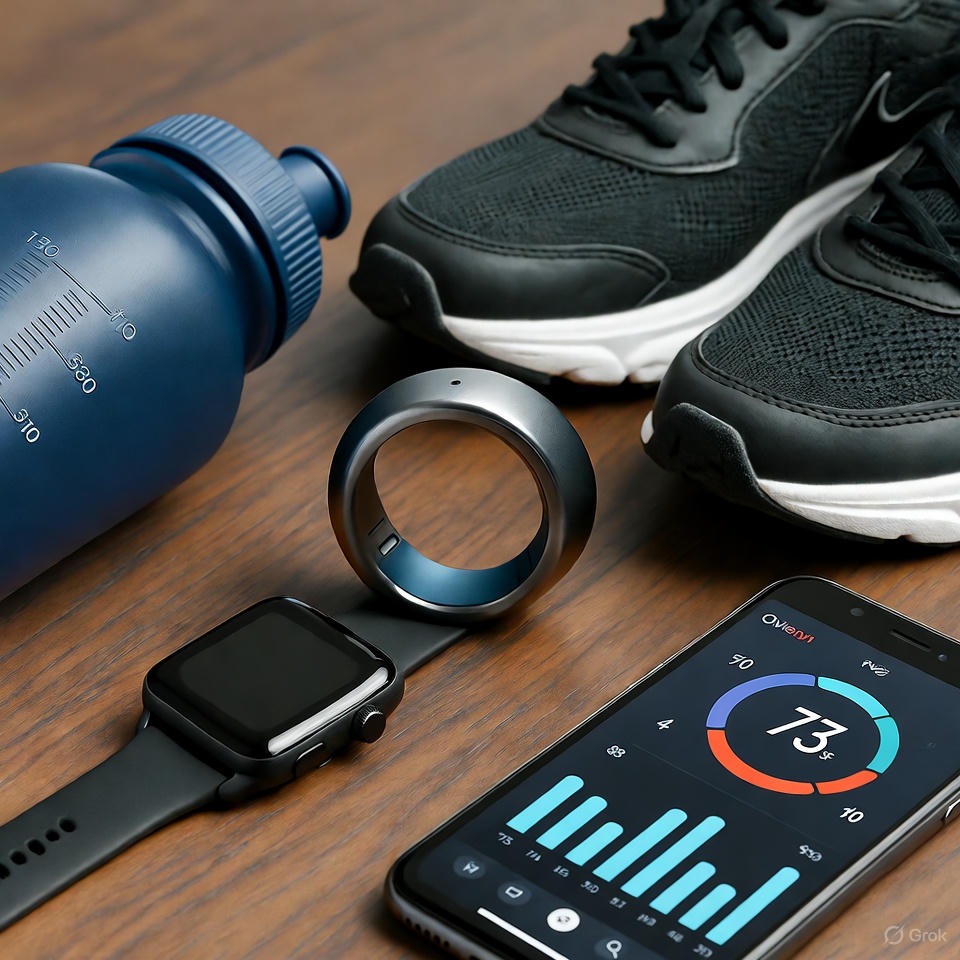
The wearable market has long been dominated by the smartwatch. For the fitness-focused individual, the choice between a ring and a watch is not about which is universally "better," but which is better suited to your specific priorities. Understanding the core strengths and trade-offs of each form factor is essential.
The Smartwatch: The Multitasking Powerhouse
The Smart Ring: The Specialized Biometric Guardian
The Performance-Centric Verdict: If your primary need is holistic performance optimization—understanding recovery, readiness, sleep quality, and long-term training load—the smart ring’s continuous, medical-grade biometric monitoring and comfort give it a decisive edge. It is the tool for the athlete who views fitness as a 24-hour endeavor and values deep insight over on-wrist interaction.
If your primary need is real-time workout coaching, navigation, or multimedia control during activity, and you don't mind charging nightly, a high-end sports watch remains a powerful tool. Increasingly, the most informed athletes are choosing both: using the ring for constant biometrics and recovery, and a simple GPS watch or dedicated fitness tracker for workout-specific displays and mapping. This combination provides the most complete picture, aligning technology with the multifaceted goal of achieving peak performance through managed energy, a concept central to restful living for high-achievers.
The smart ring category is evolving at a breathtaking pace. The features we see today are just the foundation. Looking forward, several emerging technologies and data applications promise to make these devices even more integral to the science of athletic performance.
Non-Invasive Blood Glucose & Metabolic Monitoring: This is the holy grail. Several companies are developing sensors that use spectroscopic techniques to estimate glucose trends non-invasively through the skin. For an athlete, this would be transformative. Understanding real-time fuel utilization (are you burning carbs or fats?), optimizing nutrient timing, and managing energy levels with precision would become possible. It could guide intra-workout fueling strategies and provide deep insight into metabolic health.
Advanced Hydration & Electrolyte Balance Estimates: By analyzing specific optical signals and skin conductivity, future rings may be able to estimate hydration status or electrolyte imbalances. An alert suggesting you drink an electrolyte beverage before a long run based on your physiological state could prevent performance degradation and cramping.
Muscle Oxygen (SmO2) Sensing: While currently found in specialized armbands, integrating Near-Infrared Spectroscopy (NIRS) into a ring form factor is a tantalizing prospect. SmO2 monitoring shows the oxygen saturation in the muscle bed itself, providing a direct, localized measure of muscular effort and fatigue. This could guide rep-by-rep intensity during strength training or pacing during endurance events, telling you exactly when a specific muscle group is nearing exhaustion.
AI-Powered Predictive Coaching: As datasets grow, artificial intelligence will move beyond descriptive analytics ("this happened") to predictive and prescriptive insights. An AI coach could analyze your recovery, sleep, stress, past performance, and calendar to generate a fully personalized, adaptive weekly training plan. It might say: "Based on your high readiness and a light day tomorrow, increase your planned interval workout by 2 reps per set. Also, your data suggests you perform best when you train before 10 AM."
Enhanced Mental Load and Cognitive Strain Tracking: By combining HRV, stress scores, and perhaps new metrics derived from temperature and micro-movements, rings could begin to quantify cognitive fatigue. This would be invaluable for athletes in skill-based sports, helping to determine when mental sharpness for technique work is optimal or diminished.
These advancements will further blur the line between consumer wellness devices and professional sports science tools. The smart ring is poised to become the primary interface for quantified self-optimization, providing a continuous, multi-system dashboard that empowers individuals to make daily choices that compound into extraordinary performance and healthspan. This aligns with a future where technology enables deeper self-knowledge, a theme explored in contexts like how breathwork supports restful living, where ancient practices and modern sensors converge for well-being.
Abstract features come to life through real-world application. Let’s explore hypothetical but data-grounded scenarios illustrating how smart ring insights can directly alter training outcomes and prevent setbacks for different types of athletes.
Case Study 1: The Overtraining Executive (Marathon Trainer)
Case Study 2: The Strength Athlete Hitting a Plateau
Case Study 3: The HIIT Enthusiast with Inconsistent Results
These cases demonstrate the transition from guessing to knowing. The smart ring provides the objective evidence needed to make smarter, more sustainable decisions, transforming frustration into empowered strategy.
Navigating the burgeoning smart ring market can be daunting. With new entrants and evolving features, selecting the right ring is a critical decision that will impact the quality of your data and your experience for years to come. This guide moves beyond marketing claims to focus on the key performance-tracking criteria for the serious user.
Sensor Accuracy: The Non-Negotiable Foundation
The entire value proposition rests on accurate data. Prioritize rings with:
Battery Life & Real-World Usability: Advertised battery life often differs from real-world use with all sensors active. Aim for a device that delivers a minimum of 5 full days with continuous heart rate, temperature, and sleep tracking enabled. This ensures you can charge it on a predictable schedule (e.g., Sunday morning during a long shower) without creating significant data gaps. Fast charging (to 80%+ in under an hour) is a major quality-of-life bonus.
App Intelligence & Ecosystem: The hardware is only half the product. The companion app must be:
Comfort & Sizing for 24/7 Wear: This is paramount. A ring that is uncomfortable will end up on your nightstand.
The Budget vs. Value Equation: Smart rings range from ~$250 to over $500. The cheapest options often compromise on sensor quality, algorithm sophistication, or durability. The most expensive may offer marginal gains or premium materials. Determine your non-negotiable features (e.g., accurate HRV, temperature trends, multi-day battery) and find the best ring that meets them. Consider it an investment in a multi-year performance and health monitoring tool.
The Final Checklist Before Purchase:
Choosing carefully ensures your smart ring becomes a trusted partner, not a source of frustration or inaccurate data. This due diligence is an act of setting a boundary for quality in your wellness technology, mirroring the intentionality behind setting restful living boundaries in other areas of life.
Your first month with a smart ring is a critical calibration period. This is when the device learns your unique physiology and you learn to interpret its language. A thoughtful setup establishes the foundation for meaningful, long-term insights.
The Initial Calibration Period: Most apps will explicitly state they are in a "learning phase" for the first 14-30 days. During this time:
Establishing Personal Baselines: After the calibration period, you’ll see your metrics settle into ranges. Key baselines to note:
Integrating with Your Existing Tech Stack: To avoid data silos:
Developing Your Initial "Rules of Thumb": Start simple. Based on early data, create personal guidelines. For example:
These self-created rules begin the process of turning data into action. This structured, learning-focused start is akin to following a weekly restful living plan—establishing rhythms and observational habits before making major changes.
With baselines set, the daily flow of data can feel overwhelming. The key is to stop looking at metrics in isolation and start listening to the symphony they create together. A single note (a low HRV) can be misleading; the chord (HRV + RHR + Sleep + Temperature) tells the true story. Here’s a practical framework for your morning review.
The Morning Triage: A Three-Point Check
Each morning, before making decisions about your day’s training, check these three interlinked metrics in order:
Understanding Conflicting Signals: Data won’t always point in one clear direction. Here’s how to navigate conflicts:
The Art of Correlation: Use the tagging feature religiously. After 60-90 days, look for patterns:
These personal correlations are your most powerful insights. They move you from generic advice ("alcohol disrupts sleep") to personalized quantification ("two glasses of wine reduces my deep sleep by 40% and increases my next-day RHR by 7 bpm"). This empirical self-knowledge is the cornerstone of intelligent self-management, a skill that enhances all areas of life, from managing diet for a calm nervous system to optimizing work performance.
Data is inert without action. The ultimate goal is to distill your biometric insights into a set of personalized, evolving guidelines that govern your training decisions. This creates a dynamic, responsive training plan that respects your body’s current state.
From Metrics to Decision Trees: Build simple "if/then" logic based on your data.
Incorporating the Acute Chronic Workload Ratio (ACWR): This should be a weekly check-in.
Building in Flexible Periodization: Your plan should not be a rigid calendar, but a flexible framework. Have an "A" plan (ideal week), a "B" plan (moderate week), and a "C" plan (recovery week). Let your morning data choose the plan for the day or the week. This autoregulation is the hallmark of advanced, intelligent training. It requires humility to follow the data when it contradicts your ambition, but it leads to better long-term results and health. This flexible, responsive approach is the training equivalent of adapting your restful living approach through the seasons—working with your natural rhythms, not against them.
We’ve established sleep as the ultimate recovery metric. Now, let’s translate that data into actionable strategies for improvement. Your smart ring provides the "what"—the precise sleep stage deficits or efficiency problems. Your job is to execute the "how."
Targeted Interventions Based on Sleep Stage Data:
Using the Ring for Sleep Experimentation: Treat your sleep as a lab. Implement one change at a time for 5-7 nights and observe the results in your app.
The Pre-Sleep Check: Make a habit of checking your ring’s afternoon/evening stress graph. If it’s still elevated, that’s a direct predictor of poor sleep onset. Implement a deliberate de-stressing ritual—10 minutes of box breathing, a gentle walk, a hot bath—to lower your physiological stress before attempting to sleep. Managing this transition is as crucial for athletes as any cool-down, a principle that benefits everyone, especially high-achievers seeking performance through rest.
Your smart ring provides unparalleled output data—your Total Daily Energy Expenditure (TDEE) and the physiological cost of your workouts. This empowers you to match your fuel input with precision, moving beyond guesswork to targeted nourishment for performance and recovery.
Using TDEE for Intelligent Fueling: Your ring’s TDEE is your starting point.
The Critical Role of Protein: Regardless of goal, protein intake is non-negotiable for the training individual. It provides the building blocks for muscle repair. Use the ring’s recovery and muscle load data as feedback:
Hydration and Biometric Feedback: While rings don’t yet measure hydration directly, they provide strong clues:
Use these signals as prompts. If your RHR is up 5 bpm for no clear reason, drink 16-24 oz of water and monitor. This biofeedback turns hydration from a generic rule ("drink 8 glasses") into a responsive practice.
Experimenting with Macronutrient Timing: Use your workout strain and recovery data to experiment.
The Connection to Nervous System Calm: What you eat affects your stress metrics. Highly processed foods and sugar spikes can trigger inflammation and sympathetic nervous system activation. Conversely, a diet rich in magnesium (leafy greens, nuts), omega-3s (fatty fish), and antioxidants can support a calmer baseline. If your stress score is chronically high, examine your diet through the lens of foods that calm your nervous system. The ring’s stress graph becomes your outcome measure for dietary experiments.
Life stress and training stress are additive. A smart ring quantifies this totality, showing you when your "life load" is consuming the recovery resources needed to adapt to your "training load." Managing this is not a wellness side project; it is a core component of performance programming.
Identifying Your Stress Signatures: Look at your daily stress graph.
Each signature suggests a different intervention point.
Strategic De-Stressing for Athletes:
The Concept of "Life Load Periodization": Just as you periodize training, you must sometimes periodize life.
Your ring’s recovery score and HRV trend are the guides for this balancing act. Ignoring high life stress and pushing training is a recipe for stagnation and burnout. This holistic view is what separates perennial performers from those who flame out, and it deeply impacts how restful living improves relationships and mood, creating a positive feedback loop for all of life.
Travel is a known performance killer—jet lag, disrupted sleep, poor food options, and dehydration. A smart ring becomes your essential travel coach, providing objective data to navigate these disruptions and minimize their impact on your fitness.
Pre-Travel Baselining: In the days before a trip, ensure you are well-recovered. Go into travel with high readiness scores and good sleep. This gives you a resilience buffer.
Using the Ring During Travel:
Adapting Training While Traveling: Let your recovery score be your absolute guide.
The Travel Mindset: The goal of training while traveling is to maintain, not to progress. It’s about supporting your health and circadian rhythm, not hitting PRs. This requires flexibility and a commitment to self-care in suboptimal conditions, a skill set detailed in our restful living travel guide. The ring’s objective data helps suppress the athlete’s guilt about "missing a workout" by clearly showing that a rest day is the correct physiological prescription.
This is the most critical chapter. Biometric tracking is a tool for freedom and self-knowledge, not a source of anxiety or a new master. The goal is to use the data to develop intuitive wisdom, not to become enslaved to every numerical fluctuation.
Recognizing the Signs of Data Anxiety:
Establishing Healthy Data Habits:
Remembering the "Why": The ultimate purpose of all this tracking is to enhance your life and performance, not become your life and performance. It should give you more energy for your relationships, your passions, and your pursuits. If it’s causing stress, it’s self-defeating. This is where the principles of minimalism in restful living apply to data: pare back to the essential insights that serve you, and let go of the compulsive need to track everything perfectly.
The Ring as a Teacher, Not a Tyrant: Your smart ring is a mirror, reflecting your physiology. It is a teacher providing feedback. But you are still the pilot. Use its lessons to make informed choices, then put the phone down and live your life. The balance lies in letting data inform your intuition, not replace it.
The most profound insights from a smart ring are not found in daily scores, but in the multi-year narrative. This long-term dataset becomes an invaluable biography of your body, revealing patterns tied to aging, lifestyle changes, and the compounding effects of good (or poor) habits.
Watching Your Physiological Age: Key metrics like Resting Heart Rate (RHR) and Heart Rate Recovery (HRR) are strong indicators of cardiovascular aging. With consistent training, you can see your RHR trend downward and your HRR (how many beats your heart rate drops one minute after peak exercise) improve over years, effectively demonstrating that you are "aging slower" than your chronological age. Your estimated VO2 max trend is another powerful longevity marker.
Seasonal and Cyclical Patterns: Over years, you’ll see undeniable patterns.
Informing Major Decisions: This historical data becomes a powerful consultant for future choices.
The Ultimate Reward: Sustainable Performance: The long view reinforces that fitness is not a straight line upward. It is a series of peaks, valleys, and plateaus. The smart ring helps you navigate the valleys without panic and ascend the peaks with confidence. It teaches patience and reinforces that the goal is sustainability—the ability to move, feel strong, and enjoy an active life for decades. This long-term perspective is the very heart of the connection between restful living and longevity. The smart ring, in this light, becomes a tool not just for your next race, but for the marathon of your life.
We have journeyed deep into the core features that make a smart ring a revolutionary tool for workout performance tracking. From the foundational biometrics of heart rate and HRV to the sophisticated calculations of training load and recovery scores, from the silent vigilance of temperature trends to the future promise of metabolic monitoring, one theme is clear: The era of training blind is over.
The smart ring succeeds not by being another loud, distracting gadget, but by being a quiet, constant observer. It moves the focus from the single hour of exertion to the holistic 24-hour cycle of stress and adaptation. It redefines "hard work" from simply logging grueling sessions to intelligently balancing strain with restoration. It provides the missing data link between how you live and how you perform.
This integration of technology fosters a new athletic mindset: one of collaboration with your body. You are no longer a commander issuing orders to a reluctant vessel, but a coach partnering with a complex, intelligent system. The ring provides the system's feedback. This partnership is the key to unlocking sustainable progress, resilience, and longevity in fitness and in life.
The ultimate goal is not to become a slave to data, but to use data to cultivate profound self-awareness. The insights gleaned should guide you toward a lifestyle where performance is one harmonious aspect of a balanced existence—where training, nutrition, sleep, and stress management are woven together intentionally. This is the pinnacle of modern wellness: using the most advanced technology not to push human limits recklessly, but to understand and honor them, creating a foundation for a lifetime of health and vitality. This holistic integration is the very essence of a restful living plan for sustainability, where every piece of data, every workout, and every moment of rest contributes to a coherent, thriving whole.
In the next portion of this comprehensive guide, we will delve into the practical implementation: How to choose the right smart ring for your specific needs, how to accurately interpret its data to create your personal training rules, and how to integrate these insights seamlessly into your existing fitness philosophy to build a stronger, smarter, and more resilient you
Your Trusted Sleep Advocate: Sleep Foundation — https://www.sleepfoundation.org
Discover a digital archive of scholarly articles: NIH — https://www.ncbi.nlm.nih.gov/
39 million citations for biomedical literature :PubMed — https://pubmed.ncbi.nlm.nih.gov/
Experts at Harvard Health Publishing covering a variety of health topics — https://www.health.harvard.edu/blog/
Every life deserves world class care :Cleveland Clinic - https://my.clevelandclinic.org/health
Wearable technology and the future of predictive health monitoring :MIT Technology Review — https://www.technologyreview.com/
Dedicated to the well-being of all people and guided by science :World Health Organization — https://www.who.int/news-room/
Psychological science and knowledge to benefit society and improve lives. :APA — https://www.apa.org/monitor/
Cutting-edge insights on human longevity and peak performance:
Lifespan Research — https://www.lifespan.io/
Global authority on exercise physiology, sports performance, and human recovery:
American College of Sports Medicine — https://www.acsm.org/
Neuroscience-driven guidance for better focus, sleep, and mental clarity:
Stanford Human Performance Lab — https://humanperformance.stanford.edu/
Evidence-based psychology and mind–body wellness resources:
Mayo Clinic — https://www.mayoclinic.org/healthy-lifestyle/
Data-backed research on emotional wellbeing, stress biology, and resilience:
American Institute of Stress — https://www.stress.org/


