


How Smart Ring Features Validate Your Subjective Health Feelings
Shows how ring data can provide objective context for your subjective feelings of tiredness or stress.
Shows how ring data can provide objective context for your subjective feelings of tiredness or stress.
%402x.svg)
You know the feeling. It’s a Tuesday morning, the alarm goes off, and before your feet even hit the floor, a heavy thought settles in: “I’m just so tired.” It’s not the good, post-workout kind of tired. It’s a deep, systemic drain that makes the day ahead feel like a marathon. Later, after a stressful meeting, your chest feels tight, your mind is buzzing, and you think, “My stress is through the roof.” Or perhaps you notice you’re more irritable with loved ones, and you sense, “Something is off with my mood.”
For centuries, we’ve relied on these subjective feelings—these internal, often hard-to-describe signals—as our primary dashboard for health. We’ve been told to “listen to our bodies.” But what if your body is speaking a language you’re only partially fluent in? What if that feeling of “tired” could be decoded into poor sleep quality, low resting heart rate variability, or a disrupted circadian rhythm? What if “stress” could be quantified into a tangible metric showing your nervous system is stuck in overdrive?
This is the profound gap that modern wearable technology, specifically the advanced smart ring, is bridging. We stand at a fascinating intersection of intuition and data, where our gut feelings about our well-being can finally be validated, understood, and acted upon with precision. The smart ring, worn unobtrusively on your finger, acts as a 24/7 biometric interpreter, translating the whispers and shouts of your body into an objective, data-rich narrative.
This article is not just about the features of a smart ring—the heart rate monitoring, the sleep staging, the temperature sensing. It is about the powerful psychological and physiological validation that occurs when subjective feeling meets objective fact. We will explore how this continuous loop of sensing, reporting, and confirming empowers you to move from simply feeling rundown to understanding why and, most importantly, knowing what to do about it. It’s about transforming anxiety over vague symptoms into agency through clear insights. From the mystery of morning fatigue to the tangible data of a sleep report, we embark on a deep dive into how this discreet piece of technology is revolutionizing personal wellness by making the invisible, visible.

We pride ourselves on self-awareness. Yet, the human body is a symphony of complex, interdependent systems, and our conscious mind is often only hearing the loudest instruments. The subtle cues—the gradual rise in resting heart rate, the slight dip in skin temperature, the minute fragmentation of deep sleep—frequently occur beneath the threshold of our perception. We only become aware of them when they coalesce into a pronounced symptom: exhaustion, brain fog, anxiety, or illness.
This creates what we term the “Intuition Gap.” It’s the chasm between what we feel is happening and what is actually happening biometrically. This gap is widened by several powerful forces:
1. The Normalization Trap: Humans are astonishingly adaptable. We can adjust to a state of chronic, low-grade stress, poor sleep, or unbalanced activity and begin to accept it as “just how I am.” That constant, background hum of fatigue becomes your new normal, and your intuition’s baseline for “feeling good” recalibrates to a suboptimal level. You’re no longer aware of the deficit because you’ve adapted to it.
2. Cognitive Bias and Mood: Our present emotional state colors our entire reality. When you’re anxious, you might interpret a slightly elevated heart rate (from climbing stairs) as a panic attack. When you’re depressed, you might perceive a night of objectively decent sleep as “restless and unrefreshing.” Our feelings are not pure biometric readouts; they are narratives constructed by our brains, heavily influenced by psychology.
3. The Lagging Indicator Problem: Most of the subjective feelings we rely on are lagging indicators. Feeling ill is often the final stage of a process that began days earlier with a compromised immune system, visible in biometric trends. That “sudden” burnout is the culmination of weeks of elevated stress markers and poor recovery. By the time your intuition sounds the alarm, the house is already on fire.
4. Lack of Context: Is your irritability today due to work stress, or was your sleep efficiency 15% lower last night because of alcohol consumption or a late meal? Was your “unproductive” day a failure of willpower, or did your heart rate variability (HRV) plummet the night before, indicating your nervous system never recovered? Without context, we default to simplistic, and often self-critical, narratives.
This gap isn’t a personal failing; it’s a biological and cognitive reality. We need a translator. This is precisely where the smart ring shines. By providing an objective, 24/7 stream of data, it acts as a mirror to your physiology, reflecting truths your conscious mind might miss. It closes the Intuition Gap, moving you from a place of guessing to a place of knowing. For instance, that vague sense of being “run down” can be cross-referenced with a trend of rising nighttime skin temperature—a known precursor to illness—allowing you to proactively prioritize rest. The principle of proactive, data-informed rest is a cornerstone of restful living and longevity, which is deeply supported by the insights a smart ring provides.
There is a unique and powerful emotional alchemy that occurs when a subjective feeling is met with objective data. We call this The Validation Effect. Imagine you’ve been feeling unusually fatigued for a week. You mention it to a friend who says, “Oh, everyone’s tired,” or to a doctor who runs standard tests and says, “Your labs look fine.” This can be deeply isolating and frustrating, often leading to self-doubt: “Is it all in my head?”
Now, imagine instead that you glance at your wellness report from your smart ring and see a clear, multi-night trend: your deep sleep has dropped by 40%, your resting heart rate is up 8 beats per minute, and your HRV is in a sustained nosedive. Suddenly, your feeling is not just “in your head.” It is confirmed. It is real. It has a pattern.
This validation is psychologically transformative. It performs three critical functions:
This agency is the cornerstone of modern, proactive wellness. It moves you from being a passive passenger in your body to an informed pilot. The data becomes a conversation starter—with yourself, with a coach, or with a healthcare provider. You’re no longer reporting a vague symptom; you’re presenting a biometric log. This validated, data-driven approach is essential for anyone, especially those in demanding environments, to create sustainable health strategies. For professionals seeking to build this agency in high-pressure careers, insights on creating calm in stressful jobs offer a perfect complement to the data from your wearable.
If you were to choose one metric to rule them all in the realm of validation, Heart Rate Variability (HRV) would be a prime contender. Yet, until recently, it was a measurement confined to clinics and athletic labs. The smart ring has democratized access to this profound biomarker, making it the single most validating feature for subjective feelings of stress, resilience, and overall “readiness.”
What HRV Actually Is (And Isn’t): Contrary to popular belief, a healthy heart does not beat with the monotonous regularity of a metronome. The time interval between successive heartbeats fluctuates by milliseconds. This variation is controlled by your autonomic nervous system (ANS). High HRV indicates a strong, adaptable ANS where the “rest and digest” (parasympathetic) branch is dominant, allowing for fine-tuned responses to stimuli. Low HRV suggests your “fight or flight” (sympathetic) system is in charge, leaving your body in a state of high alert with less resilience.
Validating the “Wired and Tired” Feeling: Have you ever felt utterly exhausted but also strangely buzzed, unable to wind down? Subjectively, it’s confusing. Your HRV reading cuts through the confusion. A persistently low HRV, especially in the morning (a key measurement window), is a direct, objective signal that your nervous system is saturated with stress and has not recovered overnight. It validates that your feeling of being “on edge” is not an emotional weakness but a physiological state. It tells you that your body needs parasympathetic support—deep rest, breathwork, or gentle movement—not more stimulation.
Tracking the Impact of Lifestyle Choices: This is where HRV becomes powerfully actionable. Your subjective guess about how an activity affects you is replaced with data. You can see the direct impact:
By observing these correlations, you learn your body’s unique language. You move from thinking, “Yoga probably makes me feel better,” to knowing, “My HRV consistently rises 15% on days I do a 20-minute evening yoga session.” This transforms wellness from a guessing game into a science of the self. For those looking to deepen this practice, integrating specific breathwork techniques for daily support can be a direct, high-impact way to influence your HRV positively, with the ring providing immediate feedback on its efficacy.
Perhaps no subjective feeling is more common or more frustrating than poor sleep. We’ve all had the experience of spending 8 hours in bed only to wake up feeling like we never lost consciousness. Prior to advanced wearables, our only metric was duration. The smart ring changes everything by revealing sleep architecture—the cyclical structure of light, deep, and REM (Rapid Eye Movement) sleep stages throughout the night.
Beyond Hours: The Stages of Restoration: Each sleep stage serves a distinct, non-negotiable purpose:
Validating Specific Fatigue Types: When you say, “I feel exhausted,” sleep staging tells you why.
The Power of the Sleep Score: Most smart ring platforms synthesize this complex architectural data into a simple, digestible Sleep Score. This number becomes your daily validation. A low score after a night you thought was “okay” prompts you to investigate the contributing factors (e.g., high resting heart rate, long time to fall asleep, low deep sleep). It stops you from dismissing your lingering fatigue and instead encourages you to address its root cause. Consistently optimizing your sleep is a fundamental pillar of a sustainable wellness plan, much like the structured approach outlined in a weekly plan for restful living.
Resting Heart Rate is a deceptively simple metric. It’s the number of times your heart beats per minute while you are completely at rest, typically measured during sleep. While easy to understand, its trends over time are a profound validator of your body’s overall workload and fitness level.
RHR as a Baseline of Health: A lower RHR generally indicates a more efficient cardiovascular system and higher aerobic fitness. But day-to-day and week-to-week fluctuations are where the validation magic happens. Your RHR is exquisitely sensitive to allostatic load—the cumulative burden of physical, mental, and emotional stress on your body.
Validating Overtraining and Illness Onset: Two of the most critical insights RHR provides are:
The Lifestyle Correlation Tool: Like HRV, RHR responds visibly to daily choices.
This makes RHR an exceptional, at-a-glance check on your system’s overall stress level. A high or rising RHR is your body’s unambiguous way of saying, “I am under too much load.” Learning to respect this signal is a key component of managing energy and preventing burnout, a topic explored in depth for high-achievers seeking performance through rest.
While we are familiar with taking our temperature when we feel feverish, a smart ring measures peripheral skin temperature continuously, tracking its subtle, cyclical trends. This is less about detecting a fever and more about observing delicate patterns that reflect internal states.
The Circadian Rhythm Connection: Your body temperature follows a natural 24-hour rhythm, controlled by your master clock (the suprachiasmatic nucleus). It is typically lowest in the early morning (around 4-5 AM) and highest in the early evening. A smart ring can track this rhythm. A flattened or erratic temperature curve can be an objective sign of a disrupted circadian rhythm, validating feelings of being “out of sync,” jet-lagged, or suffering from social jet lag due to inconsistent sleep schedules.
Validating the Mystery of “Feeling Off”: For many, especially women, small, sustained shifts in baseline skin temperature are incredibly validating.
The Environmental and Behavioral Detective: Your nighttime skin temperature is also a validator of your sleep environment. If your core temperature cannot drop adequately, your sleep quality suffers. Seeing poor sleep data correlated with higher nighttime temperatures might lead you to experiment with a cooler room, lighter bedding, or a different sleepwear material. It takes the guesswork out of sleep hygiene.
In essence, skin temperature trend data validates that many of our “off” feelings have a tangible, internal physiological basis, often tied to our hormonal or circadian biology. It provides a missing piece of the puzzle, helping us align our lifestyles with our bodies’ natural rhythms, a practice that can be further refined by learning about adapting your restful living approach through the seasons.

Our culture often glorifies busyness and stigmatizes rest. This leads to a profound internal conflict: the feeling that you “should” be active, countered by a deep, bodily urge to be still. Is this urge laziness, or is it a legitimate signal from a system in need of recovery? The smart ring, by tracking both active and inactive periods, helps reframe this dialogue with data.
The Non-Exercise Activity Thermogenesis (NEAT) Story: Beyond formal workouts, the energy we burn through daily movement—walking, fidgeting, standing, doing chores—is called NEAT. It’s a huge component of our total energy expenditure and metabolic health. A smart ring with an accelerometer quantifies this all-day movement. Seeing a day of very low NEAT can validate that sedentary, lethargic feeling. Conversely, seeing high NEAT on an “active rest” day can reassure you that you weren’t “lazy,” but were still moving meaningfully.
Validating the True Rest Day: For fitness enthusiasts, the concept of a rest day can be anxiety-inducing. The ring provides the rationale. If your HRV is low, your RHR is elevated, and your sleep scores have been poor, the data collectively issues a clear mandate: Today is for recovery. This objective validation silences the subjective guilt and allows you to fully embrace restorative activities like walking, stretching, or meditation, knowing you are acting in accordance with your body’s needs, not against them.
The Sedentary Alert as a Nudge: Many rings offer inactivity alerts—reminders to move after a period of prolonged sitting. This isn’t just a productivity hack; it’s a bio-mechanical necessity. Sitting for long periods can lead to stiffness, poor circulation, and back pain. The alert validates the subtle, accumulating discomfort you might otherwise ignore until it becomes a pronounced ache. It turns a passive state into an opportunity for a proactive, health-affirming micro-break.
By framing activity and rest as two sides of the same wellness coin, both tracked and valued, the smart ring helps dismantle the unhelpful binary of “productive” vs. “lazy.” It teaches you that listening to your body’s need for rest is not a moral failure, but a critical component of sustainable performance. Protecting this need often requires intentional boundaries to safeguard your energy, a skill perfectly complemented by data that confirms when those boundaries are necessary.
We’ve touched on HRV as an outcome metric of the autonomic nervous system (ANS). But newer smart ring technologies are beginning to provide more direct, real-time insights into ANS activity, often visualized as a stress or relaxation score throughout the day. This feature offers perhaps the most immediate and visceral validation of our subjective emotional states.
From Abstract Feeling to Concrete Graph: Think of the last time you were in a stressful meeting, stuck in traffic, or had an argument. Subjectively, you felt “stressed.” Now imagine looking at your phone and seeing a graph where a “stress” metric visibly spiked at that exact moment, and then gradually declined as you took a walk or practiced deep breathing. The connection between internal experience and external data is direct and undeniable. It validates that your emotional perception has a clear physiological counterpart.
Identifying Hidden Stressors: This real-time dashboard can reveal subtle stressors you’ve normalized. That “harmless” scroll through social media, a particular type of work task, or even a certain conversation topic might trigger a measurable stress response you weren’t consciously aware of. Seeing the data makes the invisible, visible. It allows you to audit your day not by how you think you felt, but by how your nervous system actually reacted.
Validating Calm and Flow States: The flip side is equally powerful. It validates practices that work. You do a 10-minute meditation and see your “relaxation” score climb. You take a walk in nature, and the graph shows a sustained calm state. This positive reinforcement strengthens healthy habits. It moves meditation from a “should do” abstract practice to a “does work” concrete tool, because you have the biometric proof of its effect on your nervous system.
This feature transforms self-awareness from a retrospective, contemplative act into a live, interactive process. You begin to see yourself as a system that responds to inputs. It empowers micro-interventions: noticing a rising stress score and taking three deep breaths to nudge it back down. This continuous feedback loop is the essence of biofeedback, a clinically proven technique for self-regulation, now available on your finger. Mastering this self-regulation not only improves personal well-being but can also positively affect those around you, as explored in the context of how restful living improves relationships and mood.
One of the most liberating validations a smart ring provides is the proof that you are unique. Generic health advice—“get 8 hours of sleep,” “drink 8 glasses of water,” “work out 5 times a week”—fails because it ignores individual differences in physiology, lifestyle, and genetics. The ring helps you move beyond the generic to discover your Personal Biometric Blueprint.
What’s “Normal” for YOU: The ring establishes your personal baselines. Your “good” HRV might be 45 ms, while another athlete’s is 80 ms. Comparing absolute numbers is meaningless. What matters are the deviations from your own baseline. The ring learns what a normal night’s sleep looks like for you, what your typical RHR is, and how your temperature naturally fluctuates. This personalization is profoundly validating. It tells you to stop comparing and start observing your own patterns.
Identifying Personal Triggers and Boosters: Through correlation, you become a scientist of the self.
This blueprint allows you to craft a lifestyle that is not based on trends or dogma, but on empirical evidence of what works for your biology. It is the ultimate form of self-knowledge, empowering you to make choices that are precisely aligned with your body’s needs. This journey towards a personalized, minimalist approach to wellness—focusing only on what truly serves you—resonates deeply with the philosophy of how minimalism enables restful living.
Raw data, in isolation, can be overwhelming or even alarming. The true power of the smart ring lies not just in collection, but in the platform’s ability to synthesize, interpret, and contextualize multiple data streams into coherent, actionable insights. This layer of analysis is what turns numbers into wisdom and validation into empowered action.
The “Readiness” or “Recovery” Score – A Synthesis of Truth: Most advanced platforms combine your key overnight metrics (sleep score, HRV, RHR, temperature) into a single Readiness or Recovery Score. This is the pinnacle of validation. It takes the complex question, “How am I, really?” and provides a data-driven answer each morning. A low readiness score, even when you subjectively feel “okay,” is a powerful nudge to take it easy. It synthesizes the subtle signals your conscious mind missed into one clear directive.
Trend Analysis Over Single Data Points: A single night of poor sleep or a low HRV reading is rarely cause for concern. Life happens. The wisdom comes from observing trends. Is your sleep score on a downward trajectory for 5 days? Is your HRV consistently lower this week than last? The ring’s app surfaces these trends, helping you distinguish between a random blip and a meaningful pattern that requires a lifestyle adjustment. This prevents overreacting to a single bad day while underreacting to a creeping problem.
Contextual Logging – The “Why” Behind the “What”: The final, crucial piece is your input. Leading apps allow you to log subjective tags: “intense workout,” “alcohol,” “sick,” “stressed,” “meditated,” “caffeine late.” This is where you close the loop. You see a spike in your resting heart rate and can immediately check your log: “Ah, I had that extra glass of wine.” You see a fantastic HRV reading and note: “I took a long walk in the park and went to bed early.” This practice of correlation builds your personal wisdom database faster than anything else.
This journey from isolated data points to contextual wisdom is the core of the smart ring’s value. It doesn’t just hand you a report; it teaches you to understand the story your body is telling. And sometimes, the most important part of that story is knowing when to disconnect from the data stream itself, to simply be. This balance is a key theme in understanding how digital detox enhances restful living.
Let’s weave all these threads together into a real-world narrative. Meet Alex, a dedicated project manager. Over three weeks, Alex experiences a gradual shift in subjective feelings:
Without data, Alex might dismiss Week 1, struggle through Week 2, and crash in Week 3, only recognizing burnout in hindsight. With a smart ring, the biometric narrative validates and foreshadows this journey:
Armed with this objective timeline, Alex could have intervened in Week 1 or 2. The data would have provided the undeniable evidence needed to enforce boundaries, delegate tasks, prioritize sleep, and seek support before reaching the crisis point of Week 3. This case study shows how the ring transforms burnout from a sudden, catastrophic event into a visible, manageable process with clear early-warning signs.
The validation of your feelings is the first, powerful step. The next, more proactive step is turning your smart ring into a personal laboratory. This is where you move from passive observation to active experimentation, using objective data to isolate the specific lifestyle factors that elevate or diminish your well-being. This method, often called n-of-1 testing, is the gold standard for personalized health because the only subject that matters is you.
The Structure of a Personal Biometric Experiment: The process is simple, systematic, and incredibly revealing.
Real-World Experiment Examples:
The Power of Correlation Logging: Beyond formal experiments, the simple, consistent use of lifestyle tags within your ring’s app creates a powerful correlation database over time. Tagging “alcohol,” “late meal,” “stressful day,” “meditation,” “nature walk,” and “poor air quality” allows the app to surface statistical insights. After 90 days, it might tell you: “On days you log ‘meditation,’ your average HRV is 12% higher” or “On nights after ‘alcohol,’ your resting heart rate is elevated by an average of 8 bpm.” This automated analysis removes guesswork and reveals your unique sensitivities and boosters.
This empirical approach fosters a mindset of curiosity over judgment. Instead of feeling guilty about poor sleep, you become curious about its cause. Instead of blindly following wellness trends, you test them against your own biology. This process of intentional lifestyle design, guided by data, is the practical application of building a sustainable, restful life, much like the structured approach found in a weekly restful living plan.

One of the most demotivating aspects of traditional wellness is the lag time between action and perceptible result. You start a new workout regimen or diet and may wait weeks to see a change on the scale or in the mirror. The smart ring creates a tight, reinforcing feedback loop that provides near-immediate validation for positive actions, dramatically increasing motivation and adherence.
Micro-Validations for Macro Habits: The power lies in connecting small, daily actions to measurable, daily outcomes.
This loop transforms abstract health goals into a tangible, engaging game. Your body becomes the playing field, and the ring is your scoreboard. Each positive choice earns you “points” in the form of better metrics. This is a fundamental shift from delayed, extrinsic rewards (like fitting into old jeans) to immediate, intrinsic rewards (a higher recovery score). It leverages the same neurological pathways that make video games compelling—clear goals, immediate feedback, and a sense of mastery.
Reinforcing Rest as a Productive Act: For high-performers, this is revolutionary. The data validates that strategic rest is not the opposite of productivity; it is the foundation of it. When you see that a deliberate “off” day filled with walking, hydration, and an early bedtime leads to a “Readiness” score of 90, you are far more likely to prioritize that rest again. It reframes downtime as “system recovery time,” a necessary input for sustained output. This is a core principle for those seeking performance through rest.
Breaking the Cycle of Negative Reinforcement: Conversely, the loop also provides gentle, objective correction. If you have a night of poor sleep after late-night screen time and alcohol, the low sleep score and elevated RHR aren’t a punishment; they’re neutral feedback. They complete the cause-and-effect circuit: “Choice A led to Result B.” This fosters mindful awareness rather than shame, encouraging you to make a different choice next time with a clearer understanding of the consequence.
The validation and insights from a smart ring are powerful for personal use, but their impact is magnified when brought into the clinical or coaching setting. They provide a missing link in modern healthcare: objective, longitudinal data from a patient’s real life.
From Subjective Recall to Objective Log: Traditionally, a patient tells a doctor, “I’ve been tired for about a month.” The conversation relies on memory, which is flawed. Now, imagine a patient arriving with a PDF report showing a month-long trend of declining sleep efficiency, rising resting heart rate, and suppressed HRV. The conversation instantly shifts from “Are you tired?” to “Let’s analyze what’s driving these clear biometric disturbances.” This elevates the dialogue and saves precious consultation time.
Specific Use Cases in Professional Care:
Becoming an Empowered Patient: For the individual, bringing this data to an appointment transforms your role. You are no longer a passive recipient of care but an active, informed participant in your health journey. You can ask specific questions: “My data shows my recovery is worst on Sundays; could this be related to my weekly medication schedule?” or “We changed my workout routine, and my HRV has been climbing; is this a sign of positive adaptation?” This collaborative model leads to better outcomes and more personalized care.
It is crucial, however, to view the smart ring as a complement to, not a replacement for, professional medical advice. Its data is a powerful piece of the puzzle, but diagnosis and treatment plans should always be made in consultation with a qualified healthcare provider. The ring gives you the language and evidence to have a more productive conversation.
While the smart ring is a powerful tool for validation and insight, it is not a magic oracle. Wisdom lies in understanding its limitations and navigating potential pitfalls to avoid data anxiety, obsession, or misinterpretation.
Understanding Technical Limitations:
Psychological Pitfalls to Avoid:
Ethical and Privacy Considerations:
By approaching your smart ring with this balanced perspective—as an insightful tool, not an infallible authority—you safeguard its greatest benefit: empowering your intuition with information, without being enslaved by the data itself.

The current capabilities of smart rings are impressive, but they represent just the beginning of a deeper convergence of biometrics, artificial intelligence, and personalized health. The future points toward even more seamless, predictive, and holistic validation of our subjective states.
Predictive Analytics and Early-Warning Systems: The next leap will move from descriptive (“you had poor sleep”) to predictive (“based on your current stress load and sleep debt, you have a 70% chance of catching a cold in the next 3 days if you don’t rest”). Machine learning models, trained on millions of anonymized user data points, will identify pre-symptomatic patterns for common conditions like migraines, depressive episodes, or metabolic disturbances, offering truly preventative nudges.
Multimodal Sensor Fusion: Future devices will likely incorporate additional sensors seamlessly. Imagine a ring that also measures:
Deep Integration with Other Data Streams: The true power will come from contextualizing biometric data with other digital footprints (with strict user control). Anonymized calendar data could correlate meeting types with stress spikes. Integration with weather APIs could reveal barometric pressure’s effect on your migraines. Nutrition app data could directly correlate meal composition with postprandial HRV dips. Your ring would become the central hub of your personalized Exposome dashboard—the total measure of your environmental exposures and biological responses.
The Era of the “Digital Twin”: In the longer term, the aggregation of this lifelong biometric, genetic, and lifestyle data could contribute to the creation of a “digital twin”—a sophisticated computer model of your unique physiology. This model could be used to run simulations: “What would happen to my recovery metrics if I switched to a plant-based diet?” or “What is my optimal workout schedule based on my chronotype and stress resilience?” This would be the ultimate tool for validated self-experimentation.
Human-Centric Design and Ethical AI: As these capabilities grow, the focus must remain on human-centric design—technology that serves to deepen our self-knowledge and agency, not undermine it. The goal is not to outsource health decisions to an algorithm, but to use AI as a collaborative tool that surfaces insights, suggests experiments, and validates our hunches, leaving us, the human beings, in ultimate control of our choices and our lives.
This journey—from vague feeling to validated insight to predictive wisdom—fundamentally redefines our relationship with our own bodies. It promises a future where we are not strangers to our inner workings, but informed and compassionate custodians of our most valuable asset: our health.
One of the most profound, yet elusive, subjective feelings is what we colloquially call "gut instinct" or "intuition." This sensation, often a tightness in the abdomen, a "knowing" feeling, or a sense of unease, has long been considered metaphysical. Modern psychophysiology, however, reveals it to be a deeply embodied process, and the smart ring offers a fascinating lens through which to validate its biological basis: physiological coherence.
The Heart-Brain-Gut Axis: Intuition is not magic; it's rapid, non-conscious processing. Your brain (particularly the insula and anterior cingulate cortex) constantly receives interoceptive signals from your heart and gut. When you walk into a room and feel "something is off," your subconscious has likely detected micro-expressions, body language, or environmental cues. This triggers an instantaneous change in your autonomic state before your conscious mind can articulate why.
Validating the "Gut Feeling" with HRV: A key marker of this process is a shift in Heart Rate Variability (HRV) toward incoherence. Incoherent HRV patterns appear erratic, jagged, and disordered on a graph. This state is associated with stress, frustration, and anxiety. When you have a negative "gut feeling," it's highly likely your HRV has shifted into an incoherent pattern, and your sympathetic nervous system is subtly activated. A smart ring tracking HRV in real-time could, in theory, capture this sudden shift, providing objective validation that your body is sounding an alarm. It tells you, "Your nervous system has detected a threat," giving credence to that vague sense of unease.
Conversely, Validating "Flow" and Resonance: The positive counterpart to intuition is the state of "flow" or deep resonance—when you feel in sync with a task, a person, or an environment. This is often marked by HRV coherence, where the heart rhythm shows a smooth, wave-like pattern indicative of parasympathetic dominance and optimal nervous system synchronization. When you feel a deep sense of "rightness" or connection, your smart ring data might show a corresponding period of high coherence. This validates that positive intuition is not just emotional, but a state of optimal physiological integration.
Practical Application: Decision-Making with Data: Imagine preparing for a major decision, like a job offer. Subjectively, you feel torn. By consciously checking in with your physiology during the decision-making process—visualizing yourself in the role, considering the commute, the team—you can observe your biometric responses. Does thinking about it spike your stress score and create HRV incoherence? Or does it foster a calm, coherent state? This doesn't make the decision for you, but it adds a crucial data point: how your body, the instrument that must live with the decision, is responding beneath the layers of logical pros and cons. It’s a tool for aligning choice with your deep physiological well-being.
This exploration of internal signals highlights the importance of an environment that supports such subtle awareness. Cultivating a restful living diet with foods that calm your nervous system can create the foundational physiological calm needed to perceive and trust these intuitive signals, rather than having them drowned out by systemic inflammation or stress.
Our subjective feelings are profoundly social. We leave conversations feeling "drained" or "energized." We describe certain people as "toxic" or "lifting." While these are metaphorical, they point to a real, physiological reality of human interaction. Smart rings, though individual devices, can begin to validate the tangible biometric cost or benefit of our social ecosystems.
The Physiology of Social Stress and Support: Social interactions trigger measurable autonomic responses. A conflict, a critical comment, or even a conversation with a narcissistic individual can induce a classic stress response: elevated heart rate, increased cortisol, and decreased HRV. Conversely, positive, supportive, and empathetic interactions can promote feelings of safety, lowering blood pressure and fostering HRV coherence.
Validating "Energy Vampires" vs. "Radiators": That feeling of being drained after a meeting with a certain colleague? Your ring data can validate it. You may see a sustained elevation in your resting heart rate for hours afterward, a depressed HRV, or a poor sleep score that night as your body processes the residual stress. Conversely, time spent with a truly supportive friend might correlate with a lower stress score for the day and a faster physiological recovery. This data empowers you to make conscious choices about your social investments and to set firmer boundaries to protect your energy, not based on guilt, but on the objective metric of your own vitality.
The Contagion of Calm (and Stress): Humans are wired for emotional and physiological contagion. We sync with those around us. A smart ring can make you aware of your own role in this exchange. If you enter a stressful family gathering and manage to maintain a degree of inner calm through breathwork, your stable biometrics might not only protect you but could also help de-escalate the collective nervous systems in the room. The ring validates the personal work of self-regulation, showing you that your practiced calm has a real, physiological foundation that can withstand external pressure. This personal stability is the bedrock of how restful living improves relationships and mood.
Quantifying Loneliness and Connection: For those experiencing loneliness—a subjective feeling with severe health implications—the ring can highlight the physiological correlate: a potential pattern of elevated resting heart rate, poor sleep, and low HRV. This data can serve as a powerful motivator to seek connection, validating that the longing for community is not "neediness" but a biological imperative for health. It can also validate the positive impact of even small social actions, like a good phone call or a coffee with a neighbor, by showing an improvement in that day's recovery metrics.
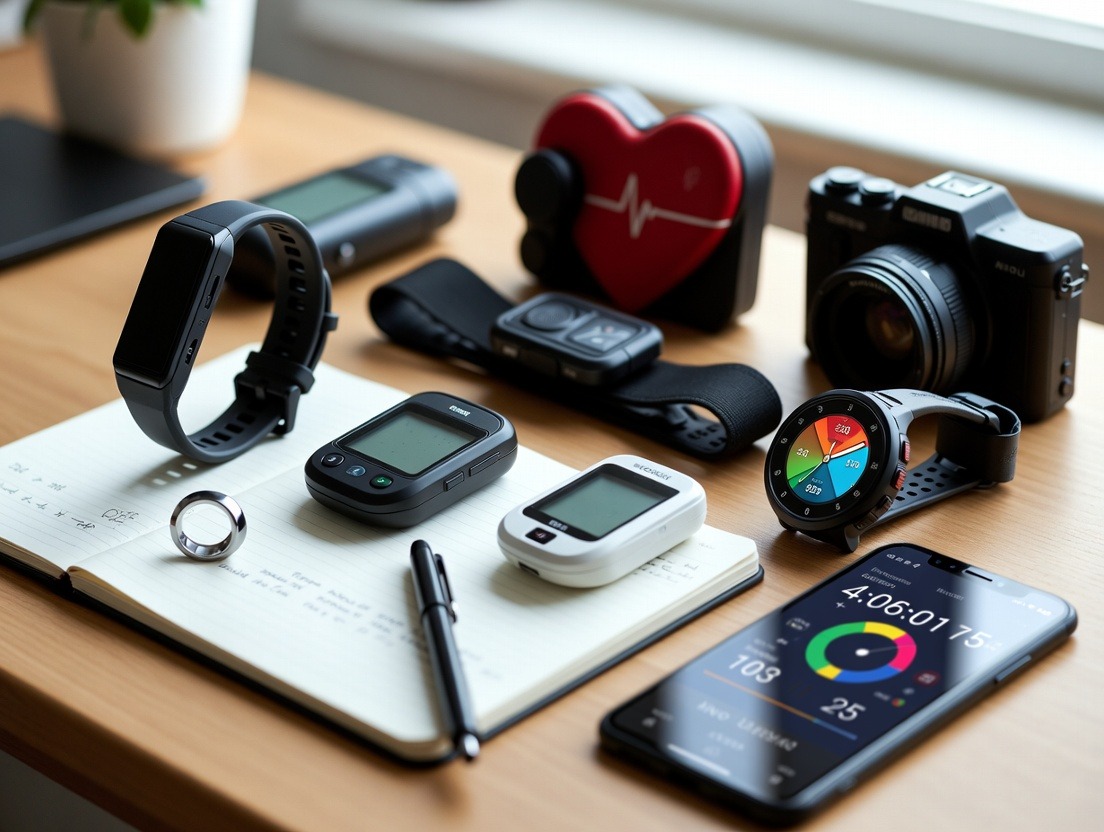
"I'm not a morning person." "I get a second wind at 10 PM." These subjective identities are deeply rooted in our individual chronobiology—the internal timing of our physiological processes, governed by a master clock in the brain. The smart ring, by tracking rhythms in temperature, heart rate, and activity, provides powerful validation of your innate chronotype and the cost of working against it.
Validating Your Chronotype: Your core body temperature minimum is a primary marker of chronotype. "Morning larks" experience this minimum earlier in the night, leading to an earlier rise in cortisol and alertness. "Night owls" have a later temperature minimum, leading to a delayed wake-up signal. A smart ring tracking skin temperature trends can, over time, clearly illustrate your unique rhythm. Seeing a graph that consistently shows your temperature dropping (a proxy for your body’s "night") later than average validates that your struggle with 7 AM meetings isn't a moral failing of laziness, but a biological mismatch.
The Cost of Social Jet Lag: This is the chronic misalignment between your social clock (work, school) and your biological clock. The subjective feeling is perpetual exhaustion and brain fog, like you're living in the wrong time zone. The ring quantifies this cost. It may show your best sleep and highest HRV on weekends when you sleep according to your natural rhythm, and your worst metrics on weekdays when you're forcibly aligned. This data is a compelling argument for, where possible, negotiating flexible work hours or structuring your most demanding cognitive tasks for your personal peak hours.
Optimizing Interventions by Time: Validation through chronobiology allows for hyper-personalized scheduling.
Respecting these innate rhythms is a non-negotiable component of sustainable energy management. It’s about working with your biology, not against it. This principle of alignment is central to adapting your lifestyle effectively, whether at home or while maintaining calm on the go, by planning travel and activities in harmony with your body's natural cycles.
The true power of a smart ring unfolds not in a day or a week, but over months and years. It transitions from a tool for managing daily states to an archivist of your biographic biography—a long-term narrative of how your life choices, challenges, and phases are imprinted on your physiology. This longitudinal view provides the ultimate validation of life’s impact on the body.
Visualizing Life Transitions: Major life events—a career change, becoming a parent, moving to a new city, going through menopause, recovering from an illness—are not just psychological experiences; they are physiological marathons.
Aging with Awareness: As we age, certain biometric baselines naturally change (e.g., resting heart rate may slightly increase, HRV may gradually decline). Having a multi-year dataset allows you to distinguish between normal, healthy aging and concerning deviations. It empowers proactive healthspan extension. If you see your recovery metrics declining faster than the gentle slope of aging, it's a powerful signal to investigate lifestyle, nutrition, or stress management more deeply.
The Motivation of Legacy Data: This long-term view fosters a different kind of motivation. It’s no longer about today’s score, but about the slope of your health trajectory. Seeing a positive multi-year trend in your cardiovascular efficiency (declining RHR trend, improving HRV trend) is a profound reward for consistent, healthy habits. It validates the compound interest of wellness. It turns health from a daily chore into a lifelong story of stewardship, where each good day is a sentence, each good month a chapter, contributing to a narrative of vitality.
We began with the lonely frustration of a subjective feeling—tiredness, stress, a sense that something is "off"—met with the ambiguous response of the external world. We have journeyed through the core biometrics that give those feelings a language: HRV narrating our nervous system's tale, sleep architecture decoding our restoration, resting heart rate whispering of systemic load, and temperature tracing our inner tides.
We've seen how this validation bridges the Intuition Gap, transforming anxiety into agency. We've explored using the ring as a personal laboratory, designing n-of-1 experiments to discover what truly works for our unique biology. We've examined the tight feedback loop that turns healthy actions into instantly gratifying data points, and how this data can elevate conversations with healthcare professionals.
We've ventured into the frontiers of validating our gut instincts, the physiological impact of our social world, and the deep rhythms of our chronobiology. Finally, we've considered the ring as a long-term biographer, documenting the story of our health across life's chapters.
The culmination of this journey is not a person obsessed with data, but a person empowered by knowledge. The smart ring does not replace intuition; it refines it. It acts as a tuning fork, helping you calibrate your internal sense of self against the objective reality of your physiology. The vague "I don't feel right" becomes the specific "My recovery is down 25% this week due to sleep fragmentation; I need to prioritize wind-down routines and limit evening screens."
This is the promise of validated self-knowledge: a move from being a passenger in your body to becoming its skilled pilot. You learn to read the instrument panel—not to fear it, but to navigate with greater confidence, resilience, and grace. The feelings are still yours, but now they are illuminated, understood, and respected. You are no longer guessing in the dark; you are making informed choices in the light of your own data.
In this empowered state, wellness becomes a personalized, dynamic, and compassionate practice. It is the integration of the felt sense and the measured fact, working in harmony to guide you toward a life not just of longer years, but of richer, more vibrant, and fully validated days.
Your Trusted Sleep Advocate: Sleep Foundation — https://www.sleepfoundation.org
Discover a digital archive of scholarly articles: NIH — https://www.ncbi.nlm.nih.gov/
39 million citations for biomedical literature :PubMed — https://pubmed.ncbi.nlm.nih.gov/
Experts at Harvard Health Publishing covering a variety of health topics — https://www.health.harvard.edu/blog/
Every life deserves world class care :Cleveland Clinic - https://my.clevelandclinic.org/health
Wearable technology and the future of predictive health monitoring :MIT Technology Review — https://www.technologyreview.com/
Dedicated to the well-being of all people and guided by science :World Health Organization — https://www.who.int/news-room/
Psychological science and knowledge to benefit society and improve lives. :APA — https://www.apa.org/monitor/
Cutting-edge insights on human longevity and peak performance:
Lifespan Research — https://www.lifespan.io/
Global authority on exercise physiology, sports performance, and human recovery:
American College of Sports Medicine — https://www.acsm.org/
Neuroscience-driven guidance for better focus, sleep, and mental clarity:
Stanford Human Performance Lab — https://humanperformance.stanford.edu/
Evidence-based psychology and mind–body wellness resources:
Mayo Clinic — https://www.mayoclinic.org/healthy-lifestyle/
Data-backed research on emotional wellbeing, stress biology, and resilience:
American Institute of Stress — https://www.stress.org/


