


How Your Smart Ring's Sleep Score Influences Healthy Lifestyle Choices
Explains how the quality of your sleep (per your ring) directly affects your daily decision-making and energy.
Explains how the quality of your sleep (per your ring) directly affects your daily decision-making and energy.
%402x.svg)
You wake up. Before you even open your eyes, a subtle awareness tugs at you. You feel rested. The mental fog that so often greets the day is absent, replaced by a quiet clarity. As you reach for your phone, you already have a hypothesis. You unlock the screen and open your wellness app. There it is: a sleep score of 92. A wave of validation—and motivation—washes over you. That evening, you instinctively choose a nourishing meal over takeout, you feel genuinely eager for your workout, and you begin winding down an hour early, protecting the ritual that delivered such a restorative night.
This isn't magic; it's measurable, personalized data in action. The humble sleep score, a single number distilled from a night of complex biometrics, is rapidly becoming the north star for modern health-conscious individuals. It's moving from a passive metric—a piece of trivia about your night—to an active, influential force that shapes your daily decisions, from your morning coffee to your evening routine.
Gone are the days of vague notions of "good" or "bad" sleep. Today's advanced smart rings, worn comfortably on your finger, act as personal sleep laboratories. They track not just duration, but the intricate architecture of your sleep: the cycles of light, deep, and REM sleep, your heart rate variability (HRV), resting heart rate, blood oxygen levels, and even subtle body movements. The algorithm synthesizes this rich dataset into your sleep score, a digestible grade for your night's restoration.
But this number is far more than a report card. It is the foundational piece of biofeedback that connects the invisible world of nocturnal recovery to the tangible reality of your daytime energy, mood, cognition, and cravings. It transforms intuition into insight. When your score dips, it’s not just a judgment—it’s a diagnostic clue. When it soars, it’s a blueprint for success. This article will delve deep into the profound and often surprising ways this single metric ripples out, influencing your nutrition, fitness, stress management, and overall trajectory toward a healthier, more intentional life. We are on the cusp of a new era of preventative health, where the data from our nights actively guides the choices of our days. This is the power of knowing your score.
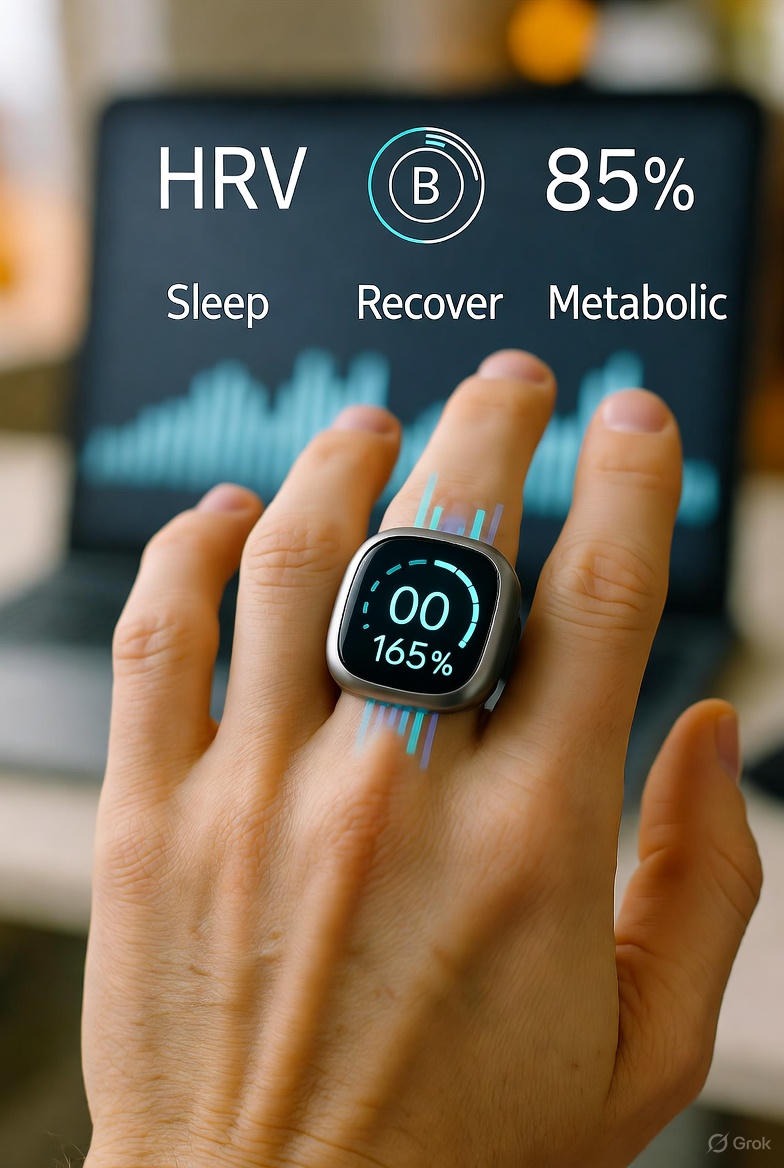
To understand the influence of your sleep score, we must first demystify what it represents. It is not a random number, but a carefully calculated synthesis of several key physiological parameters. Think of it as a sophisticated algorithm playing the role of a sleep scientist, analyzing multiple streams of data to assess the quality of your restoration.
At its core, the score typically evaluates four to six pillars of sleep health. Sleep Duration is the most obvious, but it's not just about hitting 8 hours. The algorithm considers your individual needs and the consistency of your bedtime and wake time. Sleep Continuity is arguably more critical; it measures how fragmented your sleep was. Every toss, turn, and mid-night awakening, even those you don't consciously remember, is logged. High continuity means you cycled smoothly through stages with minimal disruption, which is essential for cognitive processes and physical repair.
Then comes Sleep Architecture. This is the qualitative heart of the measurement. Using a combination of accelerometer data (movement) and photoplethysmography (PPG)—the tiny green LEDs that measure blood flow—the ring infers your sleep stages:
Beyond stages, advanced rings incorporate Autonomic Nervous System (ANS) Data. This includes:
Finally, many devices now track Blood Oxygen Saturation (SpO2) overnight. Significant, repeated dips (not to be confused with normal minor fluctuations) can indicate sleep-disordered breathing, like sleep apnea, which severely fragments sleep and impacts overall health.
Your sleep score is the final grade from this comprehensive nocturnal exam. A high score (often 85+) indicates all systems were optimal: sufficient, continuous, well-architected sleep with strong ANS recovery. A middling score highlights areas for improvement—perhaps you had enough hours but poor continuity. A low score is a clear flag that one or more systems are underperforming, providing the crucial impetus to investigate and adjust your behavior. This scientific grounding is what gives the score its authority and, consequently, its power to shape your daily decisions.
The moment of check-in is a powerful modern ritual. That glance at your sleep score upon waking is more than a habit; it’s a conscious act of biofeedback that immediately frames your psychological and physiological landscape for the day ahead. This single data point acts as a translator, converting the silent language of your nervous system into actionable understanding.
Psychologically, the score provides immediate context for your subjective state. Feeling groggy and seeing a low score of 65 validates the feeling—it’s not "all in your head." This removes guilt or frustration and replaces it with a problem-solving mindset: "My body didn't recover well. What can I do today to support it?" Conversely, feeling energetic and seeing a 90 creates a positive reinforcement loop, encouraging you to identify and repeat the behaviors that led to that success. This feedback mechanism builds self-efficacy—the belief in your ability to influence your own well-being.
This morning insight directly influences what behavioral scientists call "decision bandwidth." Willpower and cognitive function are finite resources, heavily depleted by poor sleep. A low sleep score serves as an early warning system that your bandwidth is compromised. With this awareness, you can proactively structure your day to conserve mental energy. You might decide to tackle your most demanding cognitive work in the morning when residual alertness is highest, or you might postpone a difficult conversation until you're more resilient. You become the project manager of your own depleted resources, scheduling tasks according to your recovery capacity.
The score also provides tangible guidance for daily habits and choices. For instance:
In essence, the morning score shifts you from being a passive passenger in your day to an informed pilot. It doesn’t dictate your actions, but it illuminates the operating conditions, allowing you to navigate with far greater skill and intention. This sets the stage for the more specific lifestyle domains—like exercise and diet—where the sleep score’s influence becomes even more pronounced.
For anyone engaged in physical training, from weekend warriors to elite athletes, the sleep score transitions from a wellness metric to a critical piece of performance biofeedback. It provides an objective answer to the daily question: "Am I recovered enough to train hard today?" Ignoring this data can lead to the detrimental cycle of overtraining, injury, and burnout.
The principle at play is supercompensation. Stress (exercise) breaks down muscle tissue. Recovery (sleep, nutrition) rebuilds it stronger. Without adequate recovery, you are just accumulating breakdown. Your sleep score, particularly its underlying components like deep sleep percentage and HRV, is a direct measure of that rebuilding process. A consistently high score indicates effective supercompensation. A declining trend is a red flag for accumulating fatigue.
Therefore, the smart ring data enables truly dynamic training. Instead of blindly following a pre-set schedule, you can let your recovery guide your intensity. This "read-and-react" approach is a hallmark of modern athletic coaching, now accessible to anyone with a smart ring.
Beyond daily adjustments, sleep score trends are invaluable for periodization—the planned manipulation of training variables over time. If you’re in a deliberate "overload" phase where scores are expected to dip, the data confirms you're on the right path. If scores haven't rebounded after a planned recovery week, it signals you may need more time. Furthermore, tracking how specific workout types affect your sleep score is incredibly revealing. You might discover that late-evening high-intensity workouts consistently trash your sleep architecture, prompting you to move them to the morning. Or you might find that heavy strength training boosts your deep sleep the following night.
This creates a virtuous, data-informed cycle: you use sleep data to plan smarter workouts, and those smarter workouts, in turn, improve the quality of your recovery sleep. It moves fitness from a game of effort and guesswork to a precise science of stress and adaptation, with your sleep score as the central dashboard.

The connection between a poor night's sleep and the irresistible urge for a sugary pastry or a large midday latte is not a mere lapse in willpower—it's a hardwired biological response. Your sleep score acts as a decoder for these powerful physiological forces, empowering you to navigate your nutritional landscape with understanding rather than fighting cravings with sheer grit.
At a hormonal level, sleep deprivation (reflected in a low score) is a potent disruptor. It:
Armed with a low sleep score, you can reframe your intense cravings. Instead of "I have no discipline," you can think, "My ghrelin is high and my prefrontal cortex is offline. This is a biological state, not a character flaw." This awareness is the first step toward strategic mitigation.
Your sleep data can guide specific nutritional choices:
Long-term, tracking your sleep score alongside dietary logs can reveal powerful personal insights. You might identify that eating a heavy meal within three hours of bedtime consistently lowers your score by 10 points. Or you might find that on nights after you consume alcohol—even just one or two drinks—your deep sleep plummets and your resting heart rate elevates, regardless of a decent sleep duration. This isn't about rigid rules; it's about developing a personalized understanding of how fuel affects recovery, using your sleep score as the undeniable feedback mechanism. For those looking to refine their evening habits for better sleep and next-day choices, understanding how nighttime routines signal your body it's time to sleep is a foundational step.
Your sleep score is perhaps the most reliable daily readout of your stress load and nervous system resilience. It captures not just the psychological stress of a busy day, but the total "allostatic load"—the cumulative physiological cost of adapting to all demands, from a hard workout to an emotional argument to fighting off a virus. This creates a continuous feedback loop between your days and your nights.
The Autonomic Nervous System (ANS) has two primary branches: the sympathetic ("fight-or-flight") and the parasympathetic ("rest-and-digest"). Optimal health is about balance and adaptability—the ability to ramp up sympathetic activity when needed and then efficiently return to a calm, parasympathetic state. Your sleep, particularly the metrics of Resting Heart Rate (RHR) and Heart Rate Variability (HRV) embedded in your score, is a pure measurement of parasympathetic dominance. High HRV and a low RHR during sleep indicate your body has successfully downshifted into deep repair mode.
A chronically low sleep score, driven by suppressed HRV, is a bill come due. It tells you that the stressors of your waking life are exceeding your capacity to recover from them. You may be stuck in a sympathetic-dominant state, even while asleep. This insight is transformative. It moves stress management from an abstract concept of "self-care" to a measurable, non-negotiable pillar of health, as critical as diet or exercise.
With this data, you can practice targeted resilience-building:
This section of the feedback loop is where you gain agency. You learn that by managing daytime stress and honoring your circadian biology, you directly purchase a higher-quality night of sleep. And that high-quality night of sleep, in turn, furnishes you with a more resilient, adaptable nervous system to handle the next day's stressors. It’s the ultimate positive cycle, and your sleep score is the gauge that tells you if you’re spinning in the right direction. For individuals whose internal clocks are forced out of alignment by modern life, such as shift workers, specialized strategies become essential, as detailed in our resource on nighttime routines for shift workers.
The most direct and immediate application of your sleep score is in the cultivation and refinement of your nighttime ritual. This is where data-driven insight meets deliberate action. Your score from the previous night provides a clear cause-and-effect lesson: "These are the things I did (or didn't do) that led to this result." Over time, patterns emerge, allowing you to craft a pre-sleep routine that is uniquely optimized for your physiology.
Instead of following generic advice, you become a scientist of your own sleep. Your smart ring data helps you identify your personal sleep disruptors and sleep promoters. For example, you might conduct mini-experiments:
Your sleep score and its underlying metrics provide the results for these experiments, allowing you to iteratively build a powerful, personalized routine. This process directly addresses the question of what you really need in your nighttime routine, cutting through the noise of product marketing to focus on evidence-based habits.
Key areas where your score offers guidance include:
Ultimately, this process fosters mindful wind-down. You're not just going through the motions; you're engaging in a curated sequence of behaviors proven, by your own data, to purchase a night of high-quality restoration. This transforms the pre-sleep hour from lost time into one of the most valuable health investments you can make. For inspiration on building such a transformative ritual, the story of the nighttime wellness routine that changed my sleep forever offers a compelling real-world example.
The true power of the sleep score isn't just in the daily fluctuation; it's in the longitudinal trends. Viewed over weeks, months, and years, this data transforms into a predictive health log, a diary of your nervous system, and a powerful tool for sustaining motivation.
A consistently declining trend in your average sleep score or HRV is an early-warning signal, often preceding noticeable symptoms. It can indicate:
Conversely, an improving trend validates the efficacy of lifestyle changes, whether it's a new meditation practice, a dietary shift, or a consistent exercise regimen. This turns abstract health goals into tangible, graphable progress.
For habit formation and adherence, this is game-changing. The "friction" of building a new habit—like going to bed earlier or avoiding late-night snacks—is offset by the immediate, quantifiable reward of a higher sleep score the next morning. This creates a powerful feedback loop of success. You make a positive choice, you see a higher number, you feel encouraged, and you're more likely to repeat the choice. This leverages the brain's reward circuitry far more effectively than a distant goal like "be healthier."
The data also combats all-or-nothing thinking. If you have an unavoidable late night and your score plummets, you can look at your weekly average. Seeing that it's still solid provides perspective and prevents the "I've ruined everything" mentality that leads to abandoning good habits. You learn to view each night as a single data point in a longer, upward trajectory.
Furthermore, sharing anonymized trend data with a healthcare provider—a doctor, therapist, or nutritionist—provides them with objective, granular insight no subjective questionnaire can match. It moves the conversation from "I feel tired" to "My deep sleep has decreased by 40% over the last three months, and my nocturnal HRV is trending down." This facilitates more precise diagnosis and treatment.
In this way, your sleep score evolves from a daily curiosity to a cornerstone of your personal health record. It’s a continuous, objective narrative of your body’s resilience and recovery, empowering you to make proactive, long-term investments in your well-being with confidence.
The impact of sleep quality on mental and cognitive function is profound, and your sleep score serves as a precise gauge for this mind-sleep connection. It quantifies the foundation upon which your daily mental clarity, emotional stability, and creative capacity are built. A high score doesn't just mean you're rested; it means your brain has had the opportunity to perform its essential nocturnal housekeeping.
During deep sleep, the glymphatic system—the brain's waste-clearing mechanism—kicks into high gear, flushing out metabolic toxins like beta-amyloid, which is associated with Alzheimer's disease. REM sleep, meanwhile, is crucial for emotional processing and memory consolidation. It's when the brain sorts through the day's experiences, solidifying learning and tempering emotional reactions. A low sleep score, indicating poor sleep architecture, directly impairs these processes.
The result is observable in your waking life:
Armed with this understanding, you can use your morning score to calibrate your mental and emotional expectations. A low score is a cue to practice extra self-compassion, to schedule demanding cognitive tasks for when you're freshest, and to employ deliberate stress-reduction techniques. It's a day to lean on lists, avoid major decisions if possible, and engage in activities that promote a calm, focused state. Developing a nighttime routine that reduces next-day anxiety can be a proactive strategy to break this cycle.
Conversely, the pursuit of a high sleep score can drive the adoption of mindfulness practices. Knowing that pre-sleep anxiety or rumination will likely tank your score provides a concrete incentive to engage in evening meditation, journaling, or gratitude practices. You start to see mindfulness not as a vague spiritual practice, but as a concrete tool for purchasing high-quality neural restoration. The data provides immediate feedback: did the 15-minute body scan meditation before bed improve your sleep continuity? Your score will tell you.
This creates a powerful two-way street: mindfulness practices improve sleep scores, and higher sleep scores enhance your capacity for mindfulness and emotional regulation during the day. Your smart ring becomes a tool not just for physical health, but for cultivating mental resilience and cognitive longevity, grounding the often-abstract concept of "mental well-being" in the solid reality of physiological data.
Your sleep score is the final product of an equation where your physiology meets your environment. The ring's data provides an objective measure to test and optimize every element of your sleep sanctuary, moving beyond anecdote to evidence. It answers the question: "What does my body need to sleep best?"
Light is the primary driver of your circadian rhythm. Your score can help you fine-tune your light exposure. If you notice poor scores despite a good routine, it might prompt you to invest in blackout curtains or a quality sleep mask. The data may show that using blue-light blocking glasses after sunset improves your time to fall asleep (sleep onset latency). You can experiment with sunrise-simulating alarm clocks to see if they lead to more natural, higher-scored awakenings.
Temperature is critical. The body needs to drop its core temperature to initiate and maintain sleep. A room that's too warm is a common culprit behind low scores, especially low deep sleep. Your ring data can guide you to the ideal thermostat setting (typically between 60-67°F or 15-19°C) and help you choose bedding (like moisture-wicking sheets for hot sleepers). For those who naturally sleep warm, implementing a nighttime wellness routine for hot sleepers can lead to dramatic score improvements.
Sound consistency matters more than silence. Sudden, irregular noises (a door slam, a snoring partner) cause micro-arousals that fragment sleep and lower your continuity score. Using your score as feedback, you might find that a white noise machine or a fan not only masks disruptions but leads to a more stable, higher-scoring sleep.
Comfort and Ergonomics are highly personal. Your sleep data can inform decisions about your mattress, pillow, and even sleepwear. If you see consistently lower scores and note frequent movement episodes, it might be time to evaluate your mattress support. The data provides a reason to invest in comfort that goes beyond "it feels nice"—it proves it impacts your physiology.
By treating your bedroom as a laboratory and your sleep score as the key result, you engage in a process of bio-hacking your environment. Each change—dimmer lights, a cooler room, a noise machine—can be validated or rejected based on the data. This leads to a deeply personalized sleep environment that actively contributes to your recovery, turning your bedroom from a mere place to lie down into a technologically-optimized recovery pod.
Sleep is often a solitary metric, but its effects—and the habits that influence it—are deeply social. Your sleep score can become a powerful, non-confrontational tool for navigating shared living spaces, aligning routines with a partner, and fostering mutual support for health goals.
In a shared bedroom, divergent sleep needs can be a source of tension. One person may be a light sleeper, the other a heavy one; one may need the room Arctic cold, the other toasty. Subjective complaints ("You're keeping me up!") can lead to defensiveness. Objective data changes the conversation. Being able to say, "When the room is above 70 degrees, my deep sleep drops by 30% and my score is consistently in the 60s," frames the issue as a physiological need rather than a personal preference. This makes compromise more logical: "Can we try 68 degrees and I'll use a warmer blanket?"
This data-driven approach is especially useful for couples looking to synchronize their wellness journeys. You can compare how shared activities affect each other's scores. That late-night movie might not affect your partner's sleep, but it might devastate yours. Seeing the data makes it easier to negotiate: "Let's watch it on the weekend instead," or "I'm going to wear my blue blockers while we watch." For couples, exploring how to share a nighttime wellness routine can turn this negotiation into a bonding activity that benefits both partners' scores.
Furthermore, a low sleep score can serve as a gentle, internal signal to protect your boundaries. If you know a late-night social event will crater your recovery, you have a scientifically-backed reason to leave early or decline the invitation politely. You're not being antisocial; you're prioritizing a biological imperative for restoration.
Within families, modeling this data-informed approach teaches children about the importance of sleep hygiene from an evidence-based perspective. It demystifies why consistent bedtimes and limiting screens are important—not just because "mom says so," but because we can measure how it helps our bodies and brains recover.
Ultimately, sharing and discussing sleep data (with consent and without judgment) can foster empathy and teamwork in relationships. It externalizes an internal state, allowing loved ones to understand your needs and support your habits, creating a shared environment conducive to everyone's high score.
The culmination of all these insights is the development of a truly personalized health protocol. Your sleep score ceases to be just a number and becomes the central feedback mechanism for a dynamic, living system of self-care. This protocol is not a rigid set of rules, but an adaptable framework guided by continuous data.
The first step is Baseline Establishment. You wear your ring consistently for a few weeks without making major changes to understand your typical patterns. What's your average score? Your typical HRV range? How do weekends differ from weekdays? This baseline is your personal "normal."
Next comes Pattern Identification & Hypothesis Formation. You review your data and logs. "My score is always 15 points lower on Sunday nights." Hypothesis: Sunday night anxiety about the week is disrupting my sleep. Or: "My deep sleep is highest after days I lift weights in the morning." Hypothesis: Morning strength training promotes physical recovery that manifests in deep sleep.
Then, you design and run Single-Variable Experiments. This is the core of the protocol. You change one thing at a time to isolate its effect. For one week, you implement a strict digital sunset at 9 PM. You observe the change in your average score and sleep onset latency. You then revert or make it permanent based on the results. Another week, you try a magnesium supplement. Another, you add 10 minutes of evening stretching.
Over time, you compile a Personalized Playbook of what works for you:
This protocol turns health into an engaging, responsive process. It removes the guesswork and dogma. You are no longer following a generic blog's "10 Tips for Better Sleep." You are following the evidence generated by your own body, curated into a system that evolves as you do. The sleep score is the compass, and your daily choices are the steps on a unique path to sustainable well-being, where every night's data informs a better tomorrow.
The modern health enthusiast often finds themselves awash in data: steps from a smartwatch, macros from a food tracker, workouts from a fitness app, and mindfulness minutes from a meditation platform. In this fragmented landscape, the smart ring's sleep score emerges not as just another metric, but as the unifying keystone that gives context and meaning to all others. It answers the critical "so what?" behind your daily activity.
Consider your daily step count. Ten thousand steps is a common goal, but its impact on your health is not binary. A high step count achieved on a day when your sleep score was 90 is a sign of vibrant, sustainable activity. That same step count achieved on a day following a sleep score of 65 is a significant physiological stressor. Your sleep data provides the recovery context that tells you whether your activity is building you up or wearing you down. It can prompt you to balance a high-activity day with a focus on recovery, or conversely, to add more movement on a day when you’re well-rested and your HRV is high.
This integration is perhaps most powerful with Heart Rate Variability (HRV). While your ring tracks HRV overnight, other devices may track it at different times. The synergy is illuminating. A morning HRV reading from a separate device that aligns with your ring's nocturnal HRV trend confirms a true baseline. A discrepancy—say a low nightly HRV but a high daytime one—could indicate acute daytime stress or an incomplete recovery from the previous night. Viewing these metrics together creates a 24-hour picture of your autonomic nervous system's resilience.
Similarly, correlating your sleep score with data from continuous glucose monitors (CGMs) or detailed nutrition logs unlocks profound dietary insights. You might see directly that a high-glycemic dinner leads to blood sugar spikes and crashes that correlate with restless sleep and a low score the next morning. Or you may discover that eating a protein-rich breakfast on a low-score day helps stabilize your energy, a finding visible in both your glucose data and your subjective feeling. This moves nutrition from theory to personal cause-and-effect science.
By serving as the benchmark of recovery, the sleep score allows you to create a hierarchical health dashboard. Instead of giving equal weight to every metric, you learn to prioritize: Sleep Score and HRV first (are I recovered?), then activity (what can my recovered body do?), then nutrition (what will fuel my recovery and my activity?). This integrated, sleep-first approach prevents the common pitfall of aggressively pursuing fitness or diet goals at the expense of the foundational recovery needed to sustain them. It’s the difference between building a house on solid ground or on sand.
The quantified self is a double-edged sword. Data can empower, but it can also enslave. The sleep score, with its neat, daily judgment, is particularly potent. Understanding the psychological dynamics at play is crucial for harnessing its power for good while avoiding the pitfalls of anxiety and compulsive behavior.
On the positive side, the score leverages powerful principles of behavioral psychology. It provides immediate feedback, a cornerstone of effective learning and habit change. The act of seeing a higher score after a good night creates a positive reinforcement loop, making you more likely to repeat the behaviors that led there. This taps into our innate responsiveness to gamification—turning health into a kind of game where you “win” a high score. This can be incredibly motivating, especially in the early stages of building better habits. Striving for a “perfect week” or watching your 7-day average climb provides a sense of progress that subjective feeling alone often cannot.
However, this same mechanism has a shadow. Score obsession can occur, where the number itself becomes a source of stress. You might lie in bed anxious about "what my score will be," ironically ensuring it will be low. This is known as orthosomnia—a preoccupation with perfecting sleep data that actually impairs sleep. It’s crucial to remember that the score is a proxy, not the thing itself. The goal is restorative sleep and daytime vitality, not a number on an app. A score of 85 with feeling great is better than a score of 90 achieved through obsessive, rigid behavior that makes you miserable.
To navigate this, adopt a balanced perspective:
The healthiest approach is to use the score as a guide for curiosity, not a report card for self-worth. When the number dips, ask, “What can I learn?” rather than “What did I do wrong?” This shifts you from a fixed mindset (“I’m bad at sleep”) to a growth mindset (“My body is telling me it needs something different”). By mastering the psychology of the score, you ensure it remains a tool for liberation—freeing you to understand your body’s language—and not a chain of anxiety.
Theory and data are compelling, but the true testament to the sleep score's influence lies in the lived experiences of individuals. These anonymized case studies illustrate how this single metric has catalyzed profound changes across different life circumstances.
Case Study 1: The Overtrained Executive
Mark, 42, was a high-performing finance director and dedicated amateur triathlete. He prided himself on his 5 AM workouts and 70-hour work weeks. Yet, he was constantly battling minor illnesses, felt perpetually irritable, and his race times were plateauing. His new smart ring revealed an average sleep score of 62, with critically low HRV and almost no deep sleep. The data was a shock. He realized his "harder is better" mentality was breaking down his body. Using the score as his guide, he introduced two "recovery days" per week with only walking or yoga. He enforced a strict 10 PM digital curfew. Within three weeks, his average sleep score rose to 81, his HRV improved by 35%, and he reported sharper focus at work. Most tellingly, after six weeks of higher-recovery training, he set a personal best in his next half-Ironman. The score showed him that recovery wasn't laziness; it was the essential, measurable component of performance he had been missing.
Case Study 2: The New Mother in Survival Mode
Sophia, 34, was six months postpartum with her second child. She was navigating broken sleep, hormonal shifts, and the relentless demands of a newborn and a toddler. She felt she was "failing" at her own health. Her sleep score, which she initially avoided for fear of it being demoralizing, averaged 48. However, viewing the data not as a failure but as a objective picture of her extreme circumstances changed her perspective. It validated her exhaustion. She began using the score to strategically micro-optimize. She noticed that on nights her partner handled the first feeding, her score jumped 15 points, even if total sleep was similar. She saw that a 20-minute nap when the baby napped, tracked as a period of rest in the app, positively impacted her next-night score. She used the low scores not for guilt, but to ask for more help and to let go of non-essential tasks. The data became her ally in surviving a physiologically demanding season with self-compassion.
Case Study 3: The Shift Worker Seeking Balance
David, 29, is a nurse working rotating 12-hour shifts. His circadian rhythm was in constant chaos, leading to poor digestion, weight gain, and mood swings. Generic sleep advice was useless to him. His smart ring data provided a personalized map through the disorder. He learned through experimentation that a nighttime routine for shift workers was essential, but it had to be adaptable. He created two distinct protocols: one for nights he needed to sleep during the day (using blackout curtains, white noise, and a specific winding-down ritual after a night shift), and one for nights he could sleep normally. He tracked which strategies yielded the highest scores for each scenario. The data helped him discover that controlling light exposure was more critical than anything else—using bright light therapy lamps before a night shift and absolutely avoiding sunlight on his drive home. His average score moved from the 50s to the low 70s, a monumental improvement for his circumstances, accompanied by significantly better digestion and stabilized mood.
These stories highlight a common theme: the sleep score provides objective grounding. It cuts through denial ("I'm fine on 6 hours"), validates struggle, and turns overwhelming health challenges into a series of manageable, testable experiments. It empowers individuals to become the expert of their own unique recovery needs.
For those pushing the boundaries of cognitive and physical potential, the sleep score and its underlying raw data are the ultimate biohacking toolkit. This moves beyond general wellness into the realm of precision optimization, where small, data-informed adjustments can yield significant performance gains.
Targeted Supplementation: Instead of taking supplements based on trends, you can use your sleep data to guide and validate their use.
Temperature Manipulation: Advanced biohackers use temperature extremes to stimulate adaptation. Cold exposure (like cold showers or plunges) in the morning or early evening can boost dopamine and norepinephrine, and improve sleep depth by enhancing the body's natural temperature drop. Your sleep score can confirm if this practice is beneficial for you or if it's too stimulating when done too late. Conversely, sauna use in the evening, by creating a significant core temperature rise followed by a drop, can powerfully promote sleep onset and deep sleep. The score provides the evidence to incorporate these practices at the optimal time for your physiology.
Nutritional Timing for Neural Recovery: The concept of "nutrient timing" extends to sleep. Consuming specific nutrients close to bedtime may support the glymphatic system and neurotransmitter production.
HRV-Based Training, Amplified: While we discussed using HRV for fitness, advanced practitioners use it for everything. They might postpone a crucial business negotiation or creative work session if their morning HRV (corroborated by a low sleep score) is depressed, knowing their cognitive flexibility and emotional regulation will be impaired. They schedule their most demanding mental work for days when both sleep score and HRV are peaking.
In this realm, the smart ring is the essential feedback device. Every intervention—from a new supplement to a breathing protocol—is tested against the hard data of sleep architecture and ANS balance. It removes the placebo effect and guru-led dogma, replacing it with a personal, empirical path to becoming the most recovered, resilient, and capable version of yourself.
We are standing at the frontier of a healthcare revolution, moving from reactive sick care to proactive, predictive well-care. In this new paradigm, longitudinal sleep data from devices like smart rings will be the cornerstone. The sleep score is the first-generation output; the future lies in the predictive algorithms that can be built upon years of personalized biometric trends.
Imagine a system that doesn't just tell you how you slept, but forecasts your health risks. By analyzing thousands of data points—trends in HRV, resting heart rate, sleep architecture shifts, oxygen variation—against population health outcomes, AI could identify subtle, early-warning signatures.
This data will seamlessly integrate with telehealth and primary care. Instead of a patient saying, "I've been tired for months," they can share a 12-month sleep and recovery trend report with their physician. This objective data can guide more precise testing, diagnosis, and treatment plans. Is the fatigue due to sleep apnea, depression, or an autoimmune issue? The specific fingerprint of the sleep disruption can provide crucial clues.
On a personal level, your device will evolve from a tracker to a coaching system. It will not only show a low score but will synthesize all your connected data (activity, calendar stress, nutrition) to provide a personalized recommendation: *"Based on your high-stress day yesterday and low HRV, your recovery is compromised. Consider a 30-minute walk instead of your planned run, and prioritize a dinner rich in magnesium and protein. Your optimal bedtime tonight is 9:45 PM."*
This future positions sleep not as a separate pillar of health, but as the central diagnostic and predictive hub of our physiological state. It promises a world where we are no longer surprised by illness or burnout, but are forewarned and empowered to intervene with lifestyle medicine first. The humble sleep score is the seed from which this intelligent, preventative health ecosystem will grow. By engaging with it today, we are not just improving our nights; we are participating in the early stages of a more humane, personalized, and effective model of caring for our lifelong well-being.
Understanding the profound influence of your sleep score is one thing; systematically weaving that knowledge into the fabric of your daily life is another. This section provides a step-by-step, actionable roadmap to transition from being a passive observer of your data to an active architect of your recovery-first lifestyle. This is not about a rigid 30-day challenge, but about cultivating a sustainable, adaptable system.
Phase 1: The Observation Fortnight (Weeks 1-2)
Resist the urge to immediately change everything. Your first mission is pure data collection. Wear your ring consistently and live your normal life. During this period, focus on:
Phase 2: The Single-Lever Experiment Month (Weeks 3-6)
Now, introduce change with scientific rigor. The golden rule: one variable at a time. Choose one area from your observation that seems promising.
Phase 3: Protocol Development (Ongoing)
Based on your experiments, build your personalized playbook. This should include:
Phase 4: Integration and Refinement (Lifelong)
Your protocol is a living document. Life changes—new jobs, relationships, locations, fitness goals. Your system must adapt.
This roadmap turns abstract concepts into a manageable, empowering process. You are no longer chasing a perfect score; you are engaging in a continuous, compassionate dialogue with your body, using data as your shared language.
Even with the best intentions and technology, the path to sleep-centric living is not always smooth. Discrepancies arise, motivation wanes, and life intervenes. Anticipating and skillfully navigating these challenges is what separates short-term enthusiasm from lasting transformation.
Pitfall 1: "The Ring Says I Slept Great, But I Feel Terrible"
This disconnect can be frustrating. First, trust your subjective experience—it is the ultimate metric. Then, investigate:
Pitfall 2: "I'm Doing Everything 'Right,' But My Score Won't Improve"
You've implemented a perfect routine, yet your scores plateau in the low 70s. This calls for a detective's mindset.
Pitfall 3: "One Bad Night Ruins My Week" (The Perfectionism Trap)
This all-or-nothing mindset is the enemy of progress. Combat it by:
Pitfall 4: "The Data Is Making Me Anxious"
If checking your score induces dread, it's time to step back.
By expecting these pitfalls and having strategies to address them, you build resilience into your health journey. The goal is not a flawless data chart, but a flexible, informed, and compassionate approach to living well.
To wield a tool effectively, you must understand its mechanics. Your smart ring is a marvel of miniaturized engineering, but it is not omniscient. A clear grasp of what it measures, how it infers data, and its limitations will make you a more sophisticated and discerning user.
Core Sensors and What They Detect:
The Art of Inference: From Data to Sleep Stages
It's critical to understand that the ring does not directly measure brainwaves (EEG), which is the gold standard for sleep staging. Instead, it uses a sophisticated algorithm that combines heart rate, HRV, and movement data to infer your sleep stages.
This inferential model is remarkably accurate for consumer purposes, especially in detecting deep sleep and wakefulness. However, it can sometimes confuse quiet wakefulness with light sleep, or mislabel periods of REM. This is why trends are more valuable than absolute nightly numbers. A consistent increase in your "deep sleep" percentage is a reliable sign of improvement, even if the exact minute count has a margin of error.
Key Limitations to Keep in Mind:
Respecting both the power and the limits of the technology prevents you from either dismissing valuable insights or becoming overly reliant on imperfect data. It allows you to partner with your device intelligently.
The rise of the sleep score is not just a personal health trend; it is a microcosm of a broader, necessary cultural shift. We are beginning to move away from a society that glorifies "hustle," sleep deprivation, and constant availability, toward one that values strategic recovery as the foundation of sustainable performance, creativity, and well-being. Your personal engagement with your sleep data is part of this larger wave.
The Workplace Revolution: Forward-thinking companies are beginning to understand that an exhausted employee is an unproductive, uncreative, and high-health-risk employee. We are seeing the emergence of:
Reframing Status: For decades, bragging about "only needing 4 hours of sleep" was a perverse badge of honor in certain circles. This is changing. Now, discussing your sleep hygiene, your HRV trends, or your latest biohack for deep sleep is becoming a new form of status—one associated with longevity, wisdom, and self-mastery. It signals an understanding that true capacity is built in the quiet hours of restoration, not just in the noisy hours of output.
The Implications for Public Health: On a population level, poor sleep is a massive, silent driver of chronic disease, mental health crises, and accidents. Widespread adoption of sleep tracking and education could lead to:
Your Role in the Shift: By prioritizing your sleep, you are not just helping yourself. You are modeling a new behavior. When you leave a social event early to protect your sleep, you give others permission to do the same. When you discuss your sleep score not as a boast but as a tool for learning, you destigmatize the conversation about rest. You become part of a quiet revolution that says: Recovery is not idleness. It is the most productive thing you can do for a life of sustained contribution and joy. By sharing knowledge and resources, such as insights on nighttime wellness rituals from around the world, we can collectively enrich our understanding of rest.
This societal shift makes your personal journey easier. As the culture catches up, the friction of choosing sleep over late-night emails or social pressure diminishes. You are not swimming against the current, but helping to redirect its flow toward a healthier, more humane destination.
Optimizing your life around sleep and recovery is not a solitary pursuit. To sustain this journey, building a supportive ecosystem is invaluable. This ecosystem consists of the right tools, a community of like-minded individuals, and access to professional expertise when needed.
Curating Your Digital Toolstack:
Your smart ring app is command central, but other digital tools can amplify its impact.
Finding Your Tribe: The Power of Community:
Online and offline communities provide motivation, accountability, and a wealth of collective knowledge.
Knowing When to Seek Professional Guidance:
Your smart ring is a guide, not a guru. There are times when expert intervention is crucial.
Building this ecosystem transforms a personal project into a supported endeavor. It provides resources for learning, a safety net for challenges, and a cheering squad for successes. It ensures that your pursuit of better sleep and a healthier life is sustainable, informed, and connected.
As we reach the culmination of this exploration, it’s time to zoom out to the widest possible lens. The story of your sleep score is not merely a story about sleep; it is a proxy for the story of your total load, your adaptive capacity, and your long-term vitality. It is the most accessible daily measure we have of the complex, dynamic system that is you.
Viewing sleep as the foundational pillar reframes every other health endeavor. Fitness is not about punishing workouts, but about applying the right stress to encourage adaptation, which is only realized during quality sleep. Nutrition is not just about weight or macros, but about providing the raw materials for nocturnal repair and stable daytime energy. Mindfulness is not an abstract spiritual practice, but a direct tool for calming the nervous system to enable deeper, more restorative sleep cycles. In this holistic model, every choice is evaluated through a simple filter: Does this support or undermine my recovery?
This perspective naturally guides you toward lifestyle harmony. You begin to see your life not as a series of competing priorities (work vs. health, social life vs. sleep), but as an integrated whole. You make social choices that are energizing, not depleting. You approach work with focused intensity, knowing you have protected time to recover. You view your body not as a machine to be driven, but as a wise partner to be listened to, with the sleep score as its most consistent, honest voice.
The ultimate goal transcends scores and metrics. It is to achieve a state of resilient flow—where you have the energy to engage deeply with your passions, the emotional stability to navigate challenges, the cognitive clarity to solve problems, and the physical health to enjoy a long, vibrant life. A consistently high sleep score is the leading indicator that you are on this path. It signifies that your body's basic need for restoration is being met, freeing up energy for everything else.
Embracing this sleep-centric, holistic view is an act of profound self-respect. It is a declaration that you value your future self enough to invest in the quiet, invisible work of nightly restoration. It is understanding that by caring for your sleep, you are not missing out on life—you are building the foundational health necessary to fully experience and contribute to it, for decades to come. Your smart ring and its simple, powerful score are the compass for this lifelong journey, reminding you each morning that the path to a better day begins with a better night.
Your Trusted Sleep Advocate: Sleep Foundation — https://www.sleepfoundation.org
Discover a digital archive of scholarly articles: NIH — https://www.ncbi.nlm.nih.gov/
39 million citations for biomedical literature :PubMed — https://pubmed.ncbi.nlm.nih.gov/
Experts at Harvard Health Publishing covering a variety of health topics — https://www.health.harvard.edu/blog/
Every life deserves world class care :Cleveland Clinic - https://my.clevelandclinic.org/health
Wearable technology and the future of predictive health monitoring :MIT Technology Review — https://www.technologyreview.com/
Dedicated to the well-being of all people and guided by science :World Health Organization — https://www.who.int/news-room/
Psychological science and knowledge to benefit society and improve lives. :APA — https://www.apa.org/monitor/
Cutting-edge insights on human longevity and peak performance:
Lifespan Research — https://www.lifespan.io/
Global authority on exercise physiology, sports performance, and human recovery:
American College of Sports Medicine — https://www.acsm.org/
Neuroscience-driven guidance for better focus, sleep, and mental clarity:
Stanford Human Performance Lab — https://humanperformance.stanford.edu/
Evidence-based psychology and mind–body wellness resources:
Mayo Clinic — https://www.mayoclinic.org/healthy-lifestyle/
Data-backed research on emotional wellbeing, stress biology, and resilience:
American Institute of Stress — https://www.stress.org/


