


How to Start Your Wearable Wellness 101 Journey Today
Motivational and practical advice for taking the first step into using wearable wellness technology.
Motivational and practical advice for taking the first step into using wearable wellness technology.
%402x.svg)
In the quiet hum of modern life, a silent revolution is unfolding on our fingers. Gone are the days when wearables were clunky wristbands reserved for fitness fanatics. Today, the most profound health insights are delivered not from a screen on your desk, but from a sleek, intelligent ring on your hand. This is the era of wearable wellness—a paradigm shift that puts personalized, continuous health monitoring into a form so discreet and intuitive, it becomes a seamless part of you.
But here lies a crucial, often overlooked truth: wellness is not one-size-fits-all. The health priorities, physiological realities, and lifestyle rhythms of a 25-year-old athlete are worlds apart from those of a 55-year-old professional navigating perimenopause or a 70-year-old grandparent focused on vibrant longevity. A device that merely counts steps is a toy. A tool that understands the unique language of your body, at your specific stage of life, and provides actionable insights tailored to your age-related needs? That is a guardian.
This comprehensive guide is your map to this new landscape. We will journey through the decades, exploring how smart ring technology—with its 24/7 monitoring of heart rate variability (HRV), skin temperature, blood oxygen, sleep architecture, and activity—can be strategically leveraged from adolescence through our golden years. This isn't just about tracking; it's about translating data into wisdom. It's about understanding why a teenager's sleep recovery is the bedrock of cognitive development, why a new parent's stress load needs unique management, and how a retiree can use minute physiological trends to proactively safeguard their health.
We are moving beyond generic metrics into the realm of contextual, age-aware wellness. Whether you’re seeking to optimize performance, manage a life transition, or preserve your vitality, the right knowledge worn on your finger can light the way. Let's begin by understanding the very foundation of what makes this possible: the sophisticated technology embedded within these unassuming rings.

To appreciate the transformative power of a smart ring, you must first understand what sets it apart from the sea of wearable devices. Unlike a smartwatch that sits on the vascularly poor wrist, a smart ring is worn on a finger—a location rich with arteries and capillaries close to the skin's surface. This prime anatomical position allows for a stronger, cleaner photoplethysmography (PPG) signal, the fundamental technology that uses light to measure blood flow. The result? Often more accurate and consistent readings for heart rate, HRV, and blood oxygen saturation (SpO2) than many wrist-worn devices can provide.
But the magic isn't just in the where; it's in the how and what. Modern smart rings are engineering marvels packed into a titanium or ceramic chassis. They typically house:
The true genius, however, lies in the data fusion and algorithms. A smart ring doesn't just collect data points in isolation. It synthesizes them. It understands that a rising nighttime skin temperature paired with a depressed HRV and restless sleep is a powerful indicator of your body fighting an infection. It recognizes that a significant shift in your resting heart rate trend over weeks could be related to training adaptation, stress, or something needing medical attention. It connects the dots between your afternoon stress spike and your compromised deep sleep later that night.
This continuous, multisystem monitoring provides a holistic baseline of you. This baseline is the golden key to personalized wellness. Instead of comparing you to population averages, a sophisticated ring learns your personal norms. It can then alert you to meaningful deviations—those moments when your body is whispering (or shouting) that something is off. This foundational capability makes it an adaptable tool for every age, as we will see. Its utility evolves with you, from monitoring athletic recovery in your 20s to managing chronic conditions in your later decades. To understand its full potential, we must first look at the cornerstone of all health: sleep, and how our relationship with it changes dramatically across a lifetime.
If wellness has a universal currency, it is sleep. It is the non-negotiable nightly reset for our brain, immune system, hormones, and cardiovascular health. Yet, the architecture of sleep—and what constitutes "good" sleep—undergoes a profound evolution from childhood to old age. A smart ring, with its ability to monitor sleep stages (light, deep, REM), disturbances, and physiological markers like HRV and SpO2 throughout the night, becomes an invaluable coach for sleep at every life stage.
For Adolescents and Young Adults (Teens to 20s): This period is characterized by a biological shift in circadian rhythm, often leading to a natural preference for later bedtimes and wake times. Deep sleep is abundant and crucial for physical growth and brain plasticity. Here, smart ring tracking focuses on consistency and duration. Is the late-night gaming or studying catastrophically cutting into REM sleep, which is essential for memory consolidation and emotional processing? A ring can objectively show the impact of that 2 a.m. phone session on sleep quality, providing concrete data to motivate healthier boundaries. It can also highlight the profound recovery benefits of prioritizing sleep during intense exam periods or athletic training.
For Adults in Prime Working Years (30s-50s): This is often the era of sleep fragmentation. Career pressures, parenting young children, and increasing social obligations chip away at both sleep quantity and quality. Deep sleep begins its gradual decline. The smart ring’s role shifts to stress-sleep integration and efficiency. It can reveal how a stressful workday, captured by elevated daytime heart rate and low HRV, directly translates into less restorative deep sleep and more nighttime awakenings. This feedback is critical for learning to compartmentalize stress and engage in wind-down routines. Insights into sleep regularity can help combat the "social jetlag" of chaotic weekends, a key factor in long-term health risks.
For Older Adults (60s+): Sleep naturally becomes lighter and more fragmented with age. Time in deep and REM sleep decreases, and nighttime awakenings become more common. The focus for this group is on sleep quality and physiological stability. A smart ring can track the consolidation of sleep—are you getting a solid block, even if it's shorter? More importantly, it can monitor for concerning patterns like significant nocturnal blood oxygen dips (potential sleep apnea) or abnormal heart rate rhythms during sleep. It provides peace of mind and objective data to discuss with a physician, moving beyond "I sleep poorly" to "my data shows 15 oxygen desaturations per hour."
Across all ages, the principle is the same: you cannot manage what you do not measure. A smart ring transforms the mysterious, subjective experience of sleep into an objective, improvable metric. By establishing your personal baseline, it allows you to experiment with interventions—be it adjusting room temperature, limiting blue light, or timing your evening meal—and see their direct impact on your sleep score and readiness for the day ahead. This foundational understanding of restorative sleep sets the stage for managing the energy that fuels our waking lives: our stress and recovery balance.
In our perpetual-motion culture, stress is often worn as a badge of honor. But to our physiology, stress is simply a load—a demand placed upon the body and mind. The true measure of wellness is not the absence of load, but our capacity to recover from it. This is where the smart ring's most insightful metric comes into play: Heart Rate Variability (HRV).
HRV is the nuanced variation in time between each heartbeat. Contrary to intuition, a healthy heart does not beat with the monotonous regularity of a metronome; it has a subtle, complex variability regulated by the autonomic nervous system. A higher HRV generally indicates a strong, resilient system where the "rest-and-digest" (parasympathetic) branch is effectively balancing the "fight-or-flight" (sympathetic) branch. A low or declining HRV trend is a body's white flag, signaling that stress is outpacing recovery.
Why HRV is Your Personal Biofeedback Lighthouse:
Applying HRV Wisdom Across Ages:
By making the invisible visible, HRV empowers all age groups to have a dialogue with their nervous system. It moves recovery from an abstract concept to a data-driven practice. You learn which activities truly replenish you and which deplete you, allowing you to craft a life that is not just productive, but sustainable. This intricate dance between stress and recovery is powerfully influenced by another major life factor: our hormonal landscape.
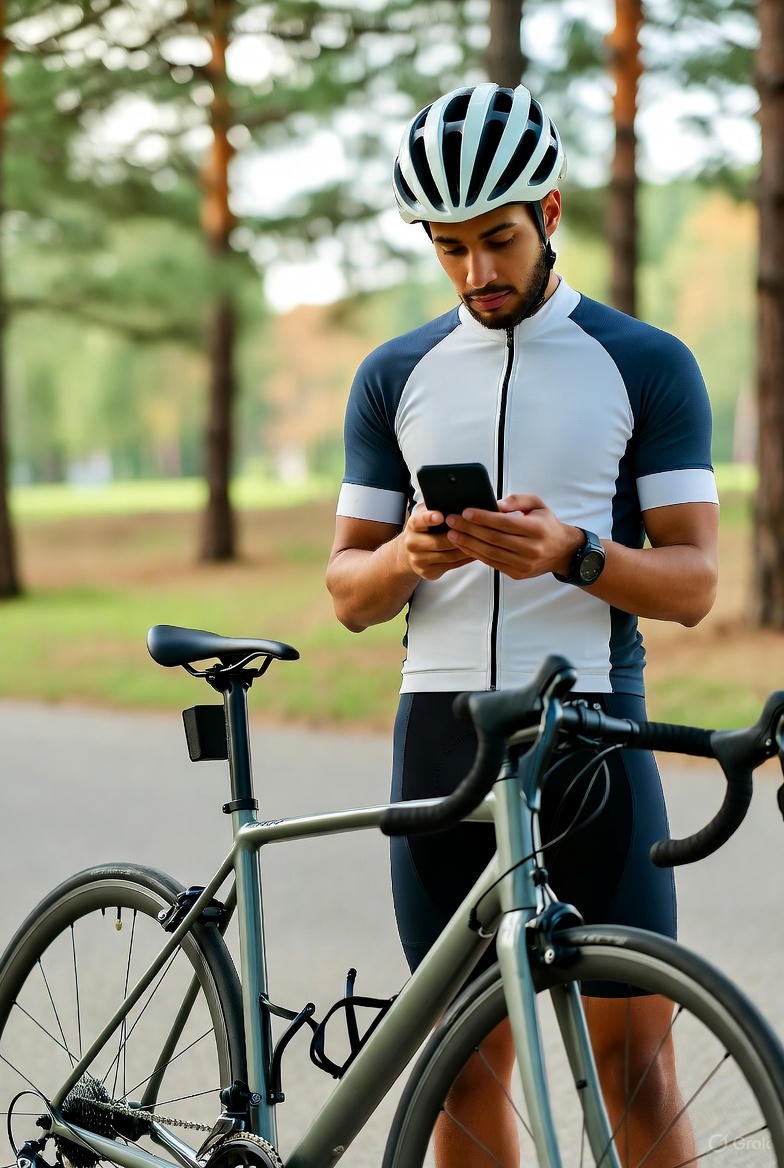
Our hormones are the master conductors of our physiological symphony, influencing everything from mood and metabolism to sleep and stress response. Major hormonal transitions—puberty, the menstrual cycle, pregnancy, perimenopause, menopause, and andropause (male hormone decline)—represent some of the most significant wellness milestones in adult life. A smart ring, with its continuous, passive biometric tracking, is uniquely positioned to provide insights and stability through these transitions.
For Women: Cycle Syncing and the Menopause Journey
For Men: Understanding Andropause and Vitality
While less abrupt than menopause, men experience a gradual, age-related decline in testosterone, often termed andropause. Symptoms can include reduced energy, decreased muscle mass, mood changes, and poorer sleep. A smart ring can track the downstream effects of these hormonal shifts:
For All Genders in Mid-Life and Beyond: The overarching theme is using data to advocate for yourself. Hormonal changes can make you feel like your body is betraying you. A smart ring gives you an objective log of that experience. It replaces "I feel tired all the time" with "My data shows my deep sleep has decreased by 40% and my nighttime awakenings have doubled over the past year." This empowers more productive conversations with healthcare professionals and a more compassionate, informed approach to self-care during these inevitable transitions. As we navigate these internal shifts, our external environment plays an equally critical role in our wellness, particularly the spaces where we live and work.
The fitness industry often shouts a single, intense message: "Go hard or go home." But intelligent wellness understands that the "best" workout is the one that is appropriate, sustainable, and supportive of your body's current needs and capacities. From the explosive growth of youth to the strength preservation of older age, movement must evolve. A smart ring provides the nuanced feedback necessary to tailor your activity for lifelong vitality, not just short-term performance.
The Youth & Young Adult Advantage (Teens-20s): This is the peak window for building bone density, muscle mass, and cardiovascular capacity. The focus for smart ring users here is on optimizing performance and preventing overtraining. The ring can track workout intensity through heart rate zones and post-exercise recovery through HRV and sleep data. It answers: Was that sprint session effective? Did I allow enough recovery to actually build strength, or am I chronically breaking myself down? It teaches the critical lesson that fitness is built during rest, cementing habits for a lifetime.
The Balancing Act of Prime Adulthood (30s-50s): Here, time is the scarcest resource. Fitness often shifts from performance to sustainability, stress management, and functional health. High-Intensity Interval Training (HIIT) might be efficient, but a smart ring can reveal if it's leaving you too drained for family time or work. It can encourage a more balanced regimen: using HRV to decide between a vigorous cycle class or a restorative yoga session. It highlights the immense value of non-exercise activity thermogenesis (NEAT)—the calories burned from walking, standing, and daily movement. For the desk-bound professional, the ring’s inactivity alerts are a nudge to move, combating the sedentary dangers of modern work. Creating a restful living workspace can seamlessly integrate movement into your day.
The Longevity Focus of Older Adulthood (60s+): The goals become maintaining muscle mass (preventing sarcopenia), supporting joint health, and preserving balance and independence. A smart ring’s role is motivational and safety-oriented. It can track gentle but consistent daily activity goals, celebrate a good walk, and monitor heart rate response to ensure exercise remains in a safe, beneficial zone. The recovery data is paramount—ensuring that activity energizes rather than depletes. It can also provide fall detection alerts and monitor for unusual physiological events during activity.
The Universal Principle: Listen to Your Body (Through Data)
Across all decades, the smart ring democratizes advanced biofeedback. It replaces guessing with knowing. It helps you distinguish between the "good pain" of a productive workout and the "bad pain" of impending injury or illness. It champions consistency over occasional heroics, proving that a daily 30-minute walk tracked faithfully can be more transformative for long-term health than sporadic, punishing gym sessions. This intelligent approach to movement ensures that fitness serves your life at every chapter, fueling not just your body, but also your financial and professional well-being.
We rarely connect the dots between our physical health data and our financial or career success. Yet, they are inextricably linked. Chronic stress, decision fatigue, and poor sleep are not just personal health issues; they are professional liabilities and financial risks. They cloud judgment, reduce creativity, increase error rates, and can lead to burnout—a costly derailment for any career. A smart ring, by quantifying stress and recovery, becomes an early-warning system for these professional perils.
The High-Cost of Physiological Debt: Every late-night work session, every skipped lunch in front of a screen, every anxiety-spiked meeting accrues a "physiological debt" that must be paid, often with interest in the form of poor sleep, irritability, and reduced cognitive function. The ring makes this debt visible. You can see the direct correlation between a week of long hours and a collapsing HRV trend. This data provides the hard evidence needed to enforce boundaries and protect your most valuable professional asset: a clear, resilient mind.
Decision Fatigue and the Recovery Reserve: Research shows our capacity for making sound decisions diminishes with each choice we make throughout the day. This is decision fatigue. A body already drained by poor sleep and high allostatic load has a drastically reduced decision-making reserve. A smart ring that shows a low "readiness" score in the morning is telling you to front-load your most critical decisions and defer less important ones. It’s a tool for preventing decision fatigue by guiding you to structure your day in harmony with your biological state.
Financial Stress and the Feedback Loop: Financial worry is a massive, chronic stressor. This stress elevates cortisol, disrupts sleep, and impairs frontal lobe function—the very part of the brain needed to plan, budget, and make prudent financial decisions. This creates a vicious cycle: stress worsens financial decision-making, which leads to worse outcomes and more stress. Breaking this cycle starts with managing the physiological response. A smart ring can alert you to moments of acute financial anxiety (a spike in heart rate while checking accounts) and prompt a calming breathing exercise. By improving your overall restful living and financial wellness, you create a calm foundation from which to make smarter, more strategic choices.
For Entrepreneurs and Leaders: The stakes are even higher. The relentless pressure of building a business or leading a team can consume one's health. A smart ring provides the objective detachment of a trusted advisor. It can signal when you're running on fumes and need to delegate or step back, preventing catastrophic errors born of exhaustion. It champions the counterintuitive truth that strategic rest is a competitive advantage. For those building something new, embracing restful living for entrepreneurs is the key to sustainable growth, not burnout.
By bridging the gap between the boardroom and the body, wearable wellness empowers you to build success on a foundation of sustainability, not sacrifice. This holistic stability becomes the bedrock for your most important relationships, starting with the family unit.
Wellness is contagious, and it starts at home. The introduction of a smart ring into a family dynamic isn't about solitary self-optimization; it can become a powerful tool for fostering empathy, improving communication, and building shared healthy habits. When we understand the physiological states of our loved ones, we can interact with more compassion and support.
For Parents and Children (of all ages):
For Couples:
Shared biometrics can revolutionize relationship understanding. It replaces "You've been short with me all day" with "I can see on your stress graph that you had a really tough afternoon; let's order in and relax." It fosters empathy. Couples can also sync their wellness goals—committing to a shared wind-down routine, seeing who can achieve better sleep consistency, or supporting each other's activity targets. It turns health into a shared journey, strengthening the bond through mutual support.
Creating a Culture of Rest at Home:
The family that prioritizes recovery together builds a resilient home environment. This could mean establishing "digital sunset" times based on sleep data, designing calming bedroom spaces, or creating weekend rituals that truly replenish everyone. A smart ring provides the evidence that these practices work, making them easier to maintain. Discovering how music and sound support restful living can be a wonderful family activity, creating shared playlists for relaxation or focus. Ultimately, this shared focus on wellbeing creates a sanctuary at home, which is especially crucial for the growing number of people who work within its walls.
The line between "work" and "life" has not just blurred for remote and hybrid workers; it has often vanished. Our homes are now our offices, gyms, schools, and sanctuaries—all at once. This convergence makes the management of energy, focus, and recovery more critical—and more challenging—than ever. A smart ring is the perfect co-pilot for this new reality, helping to transform the home from a site of constant demands into a true sanctuary that supports both productivity and peace.
Designing for Physiological Success: The principles of designing a restful living workspace are not just aesthetic; they are biological. A smart ring provides the feedback loop to perfect your environment. Does your heart rate lower and HRV improve when you work by natural light versus under harsh LEDs? Does the post-lunch slump correlate with a temperature rise and a focus drop, suggesting a need for a different meal or a short post-meal walk? The ring turns your home office into a lab for personal optimization.
Enforcing the Non-Negotiable Break: The greatest danger for remote workers is the seamless, uninterrupted workday. Without a commute or colleagues pulling you away, you can sit for hours in a state of low-grade stress. A smart ring can be programmed to vibrate when it detects prolonged sedentary behavior or an elevated, stuck stress level. This isn't an interruption; it's a rescue mission. It prompts you to step away, do a five-minute breathing exercise (which you can see immediately lowers your heart rate), or take a walk around the block.
Managing the "Always-On" Mentality: When your work is always 10 feet away, shutting off is a skill that must be learned. A smart ring can be the cornerstone of a shut-down ritual. Watching your physiological metrics begin to calm as you close your laptop, dim the lights, and start an evening routine provides powerful positive reinforcement. It objectively proves that the ritual is working, training your nervous system to transition out of work mode. This practice is at the heart of restful living for remote workers.
Creating Micro-Sanctuaries Throughout the Day: The home advantage is the ability to weave recovery into the fabric of your day, not just save it for the evening. A 15-minute nap when your data shows a readiness dip, a 10-minute meditation between video calls, a lunch break spent reading in a different room—these micro-moments of recovery are the secret weapon of the remote worker. The ring helps you identify the optimal times for these breaks and confirms their benefit, making them a sustainable part of your workflow, not a guilty indulgence.
By using biometric feedback to structure the remote workday, you reclaim your home as a place that fuels you, not frays you. This mastery of your personal environment and rhythms is the ultimate form of self-care, ensuring that your professional output is sustainable and your personal life remains rich and separate. This careful stewardship of energy finds its most potent reward in the two-day reset we all look forward to: the weekend.

For many, the weekend has become simply a two-day extension of the workweek—a frantic catch-up session for chores, social obligations, and errands, leaving us more exhausted by Sunday night than we were on Friday afternoon. This "busy weekend" phenomenon negates the core purpose of time off: deep physiological and psychological recovery. A smart ring, by tracking whether you are actually recovering, can guide you in mastering the art of the truly restorative weekend.
What the Data Reveals About Fake Rest: You might spend Saturday lounging on the couch watching TV, but your smart ring could tell a different story: elevated resting heart rate, low HRV, and shallow sleep. This indicates your body is still in a state of sympathetic arousal, perhaps due to the mental stimulation of screens, the stress of a cluttered environment, or lingering work anxiety. Conversely, a day spent on a gentle hike, followed by a home-cooked meal and an early book-in-bed might produce a dramatic positive spike in your recovery metrics. The ring reveals the truth about what activities are actually restful for your unique system.
The Pillars of a Restorative Weekend (Backed by Data):
The Monday Morning Readiness Score: The ultimate test of your weekend is your smart ring's "Readiness" or "Recovery" score on Monday morning. A successful weekend should see that score peak, indicating your batteries are fully charged—physically, mentally, and emotionally—for the week ahead. It's tangible proof that you used your time off correctly. By iterating based on this feedback, you learn to craft weekends that are a genuine reset, breaking the cycle of chronic fatigue. This weekly renewal is the engine for a truly creative and inspired life.
Our culture romanticizes the "tortured artist" and the "burned-out innovator," perpetuating the myth that creativity is born from suffering and endless hustle. Neuroscience and biometric data tell a different, more hopeful story: Creativity flourishes in a well-rested, calm, and playful mind. A smart ring, by guiding you toward a state of restful living, can unlock your most profound creative potential.
The Neuroscience of the "Aha!" Moment: Breakthrough ideas don't typically happen when we're furiously concentrating at a desk. They arise in moments of diffuse mental activity—during a shower, on a walk, in the drowsy state before sleep. This is when the brain's default mode network (DMN) is active, making novel connections between disparate pieces of information. A stressed, tired brain is locked in focused, linear thinking. A rested brain with high HRV has the cognitive flexibility and spaciousness for the DMN to work its magic.
How a Smart Ring Fosters the Creative State:
From Burnout to Breakthrough: For the creative professional, entrepreneur, or anyone seeking fresh ideas, chronic stress is the enemy of innovation. It shrinks perspective and forces repetitive thinking. A smart ring that promotes recovery and restful rhythms creates the internal conditions—calm, safety, playfulness—where curiosity and novel thought can bloom. It shifts your identity from someone who struggles for ideas to someone who cultivates the conditions for ideas to arrive. This mindful cultivation of your inner state is a practice that benefits from connection with others on the same path.
The journey toward sustainable wellness can feel lonely in a world that glorifies busyness. Changing deep-seated habits, especially those around rest and productivity, requires more than an app or a device; it requires support, shared experience, and accountability. This is where the concept of a Restful Living Community becomes transformative. A smart ring can be the common language that connects you to this tribe.
Why Community is a Wellness Multiplier:
How a Smart Ring Facilitates Connection:
The ring is the tool that measures the calm; the community is the environment that sustains it. Together, they create an ecosystem where wellness is not a solo achievement, but a collective value. This supportive foundation is what allows us to not just manage time, but to fundamentally transform our relationship with it—the final, profound shift on the path to holistic wellbeing.
Your 20s are a physiological superpower. Hormones are at their peak, recovery is swift, and the body is incredibly resilient. This very resilience, however, can be a double-edged sword. It allows you to burn the candle at both ends—pulling all-nighters, surviving on poor nutrition, and pushing through intense workout regimens with seemingly minimal consequence. The smart ring’s primary role in this decade is to make the invisible visible, teaching you the cause-and-effect relationships between lifestyle and physiology before poor habits become ingrained and their long-term costs come due.
Key Biometric Focus Areas:
Lifestyle Integration & Smart Ring Strategies:
The mission of your 20s is to shift from seeing your body as an indestructible vehicle to appreciating it as a high-performance system that thrives on intelligent care. The smart ring provides the owner's manual. As you move into your 30s, the focus begins to subtly shift from pure performance to sustainable integration, as life’s responsibilities begin to multiply.
Welcome to the decade of convergence. Your 30s often bring significant career advancement, deepening relationships, parenthood for many, and the first subtle whispers from your body that it is no longer in its 20s. Recovery might take a little longer; all-nighters become punishing, not prideful. The smart ring evolves from a performance coach to a central nervous system manager, helping you balance escalating demands without sacrificing your health on the altar of achievement.
Key Biometric Focus Areas:
Lifestyle Integration & Smart Ring Strategies:
Your 30s are about building systems that work. The smart ring provides the feedback to refine those systems—ensuring your health is the foundation that supports your expanding life, not the casualty of it. As you cross the threshold into your 40s, this focus on sustainable systems becomes paramount, as the body begins to send clearer signals about the need for more intentional care.
Your 40s are a powerful pivot point. This decade is often characterized by a growing awareness that long-term health is no longer a given, but a conscious project. The metabolic shifts of the 30s become more pronounced, hormonal changes accelerate, and the first signs of age-related wear and tear may appear. The smart ring’s function matures into that of a preventative health sentinel, shifting the focus from managing daily energy to safeguarding future vitality.
Key Biometric Focus Areas:
Lifestyle Integration & Smart Ring Strategies:
The 40s are about wise stewardship. The smart ring gives you the dashboard to steward your body intelligently, making strategic investments in habits that will pay off for decades to come. This proactive approach sets the stage for navigating one of the most significant wellness transitions many will face: the move into your 50s and the associated hormonal shifts.
Your 50s can be a decade of unparalleled freedom and self-assurance, but they are also typically defined by one of life’s most significant hormonal transitions: menopause for women and andropause for men. This is not a decline, but a change of season—one that requires recalibration. The smart ring becomes an essential translation tool, helping you decode your body’s new language, manage symptoms with precision, and thrive in this new phase.
Key Biometric Focus Areas for Women (Menopause):
Key Biometric Focus Areas for Men (Andropause):
Lifestyle Integration & Smart Ring Strategies for All:
Navigating your 50s with a smart ring transforms a potentially confusing transition into an empowered journey of self-knowledge. This sets a powerful precedent for entering the decades often associated with retirement and later life, where the focus shifts elegantly to preservation, purpose, and proactive health management.
Entering your 60s, 70s, and beyond is not about slowing down in the traditional sense; it’s about shifting gears to prioritize vitality, independence, and proactive health preservation. The smart ring evolves from an optimizer to a guardian and early-warning system. Its continuous, passive monitoring provides unparalleled peace of mind for both the wearer and their loved ones, focusing on stability, safety, and the maintenance of a high quality of life.
Key Biometric Focus Areas:
Lifestyle Integration & Smart Ring Strategies:
In the golden years, wearable wellness transcends metrics. It becomes a companion for confident, independent living. It provides the data to celebrate stability, the alert to seek help when needed, and the gentle nudge to keep moving toward a life rich with engagement and purpose. Having explored the decade-by-decade strategies, we must now address a critical, cross-generational topic: how this powerful personal data interacts with the formal world of healthcare.
The rise of personal biometrics has created a new dynamic in the patient-provider relationship. You may walk into a doctor’s office with months of detailed sleep, heart rate, and activity data, while your electronic health record contains only your last blood pressure reading and a list of medications. Bridging this gap between consumer wearables and clinical care is the next frontier in personalized medicine. Doing it effectively requires strategy, communication, and an understanding of what data is meaningful in a clinical context.
From Data Dump to Clinically Relevant Insight:
A doctor does not have time to review 90 days of raw heart rate graphs. Your job is to synthesize and summarize.
What Clinical Data is Most Valuable to Providers?
Navigating the Conversation:
The Future is Integrated: The ultimate goal is seamless integration. Imagine your smart ring data flowing securely into a patient portal, where AI algorithms flag significant deviations for clinician review, or your cardiologist can view your heart rate trends alongside your EMR data during a telehealth visit. We are moving toward a model of continuous care, where the 15-minute annual physical is supplemented by a year’s worth of continuous health context. This powerful synergy between personal monitoring and professional care is fueled by the most exciting development in the field: artificial intelligence.
The hardware in a smart ring—the sensors—collects the raw data. But it is the software—powered increasingly by sophisticated artificial intelligence and machine learning algorithms—that transforms that data into personal wisdom. AI is what moves a device from a tracker to an intelligent health companion. Its power lies in pattern recognition, prediction, and hyper-personalization at a scale impossible for the human mind.
How AI Transforms Raw Data into Actionable Insight:
Age-Specific AI Applications:
The Evolving Relationship: From Device to Coach
The endpoint of this AI evolution is a truly contextual, conversational health assistant. Imagine your ring’s app saying: "I notice you have a big presentation tomorrow at 10 AM. You slept poorly last night. Based on your historical data, a 20-minute midday walk today and avoiding caffeine after 2 PM will maximize your cognitive readiness for tomorrow." This is proactive, personalized coaching.
Ethical Considerations and the Human Touch: This power comes with responsibility. Data privacy, algorithmic bias, and the importance of human oversight are paramount. AI is a tool to augment human intuition and clinical expertise, not replace it. The goal is to use machine learning to provide you with deeper self-knowledge, freeing up mental space and empowering you to make better decisions in consultation with healthcare professionals. As this technology becomes more integrated into our lives, it fundamentally alters our perception of one of our most precious resources: time.
In our productivity-obsessed culture, time is often viewed as a currency to be spent, a limited resource to be maximized. We speak of "time management" and "finding time" as if it were a commodity we control. Restful living, guided by the objective feedback of a smart ring, initiates a profound philosophical and practical shift: from managing time to stewarding energy. This changes your relationship with time from one of scarcity to one of quality and rhythm.
From Clock Time to Biological Time:
A smart ring pulls your awareness away from the arbitrary ticks of the clock and toward the intelligent rhythms of your body—your circadian rhythm, your ultradian cycles (90-120 minute focus/rest cycles), and your hormonal cycles. You stop asking "What time is it?" and start asking "What is my body's time?"
Rest as an Investment, Not an Expense:
Without data, rest feels like "wasting" time. With data, rest is revealed as the essential investment that creates more high-quality time. When you see that a 20-minute nap boosts your afternoon HRV by 30%, or that a true digital-free weekend resets your sleep score for the entire week, rest is no longer guilty or lazy—it is strategic and productive. This is the core of learning to live without rest guilt.
The Expansion of "Quality Time":
When you are chronically stressed and under-recovered, time feels fast, blurry, and unsatisfying. You are physically present but mentally absent. By using your ring to cultivate calm and presence, you expand the subjective experience of time. An hour spent fully engaged with a child, a partner, or a hobby while in a physiologically calm state (low heart rate, high HRV) feels richer, deeper, and more memorable. The smart ring helps you create the internal conditions for time to feel spacious and meaningful.
Longitudinal Perspective: The Story of Your Health Over Time:
A smart ring provides a narrative. You’re not just looking at yesterday’s sleep score; you’re looking at your sleep over the past year, the stress trends through a career change, the recovery journey after an illness. This longitudinal view fosters patience and compassion. You see health as a long-term project with seasons and cycles, not a daily score to be gamified. It allows you to track your calm over months and years, witnessing your own growth in resilience.
This temporal shift is perhaps the most profound wellness outcome of all. It leads to a life that feels less rushed and more intentional, where success is measured not by how many hours you work, but by the vitality and presence you bring to every hour you live. This holistic, time-aware approach culminates in the ultimate goal: a flexible, resilient framework for lifelong well-being.
We have journeyed through the technological foundations, the decade-by-decade strategies, and the philosophical shifts enabled by wearable wellness. Now, we arrive at the synthesis: how to construct a dynamic, personalized wellness protocol that evolves with you across your lifespan. This is not a rigid set of rules, but a flexible framework built on self-knowledge, powered by your data, and oriented toward your unique definition of vitality.
The Four Pillars of Your Protocol:
The Role of the Smart Ring as the Central Hub:
Your ring is the continuous data stream that connects all four pillars. It provides the assessment metrics, tracks the implementation of habits, enables the evaluation, and signals the need for adaptation. It is the objective core around which you build subjective well-being.
Integrating External Modalities:
Your protocol will include elements beyond the ring’s direct measurement:
The Ultimate Goal: Autonomy and Empowerment:
The end game of this lifelong protocol is not dependency on a device, but empowerment through self-knowledge. Over time, you internalize the lessons. You begin to sense your HRV dip without looking at your phone. You feel the precursor to a poor night's sleep and instinctively choose an earlier bedtime. The smart ring trains your interoceptive awareness—your ability to perceive the internal state of your own body. It makes you the expert on you.
This journey through wearable wellness is an invitation to the most important project you will ever undertake: the intentional cultivation of your own life, in harmony with your body's wisdom, at every age. The technology is the catalyst, but the artful, vibrant life you create is the masterpiece.
Your Trusted Sleep Advocate: Sleep Foundation — https://www.sleepfoundation.org
Discover a digital archive of scholarly articles: NIH — https://www.ncbi.nlm.nih.gov/
39 million citations for biomedical literature :PubMed — https://pubmed.ncbi.nlm.nih.gov/
Experts at Harvard Health Publishing covering a variety of health topics — https://www.health.harvard.edu/blog/
Every life deserves world class care :Cleveland Clinic - https://my.clevelandclinic.org/health
Wearable technology and the future of predictive health monitoring :MIT Technology Review — https://www.technologyreview.com/
Dedicated to the well-being of all people and guided by science :World Health Organization — https://www.who.int/news-room/
Psychological science and knowledge to benefit society and improve lives. :APA — https://www.apa.org/monitor/
Cutting-edge insights on human longevity and peak performance:
Lifespan Research — https://www.lifespan.io/
Global authority on exercise physiology, sports performance, and human recovery:
American College of Sports Medicine — https://www.acsm.org/
Neuroscience-driven guidance for better focus, sleep, and mental clarity:
Stanford Human Performance Lab — https://humanperformance.stanford.edu/
Evidence-based psychology and mind–body wellness resources:
Mayo Clinic — https://www.mayoclinic.org/healthy-lifestyle/
Data-backed research on emotional wellbeing, stress biology, and resilience:
American Institute of Stress — https://www.stress.org/


