The Beginner-Friendly Guide to Evening Light Exposure: Ring-Tracked Circadian Impact
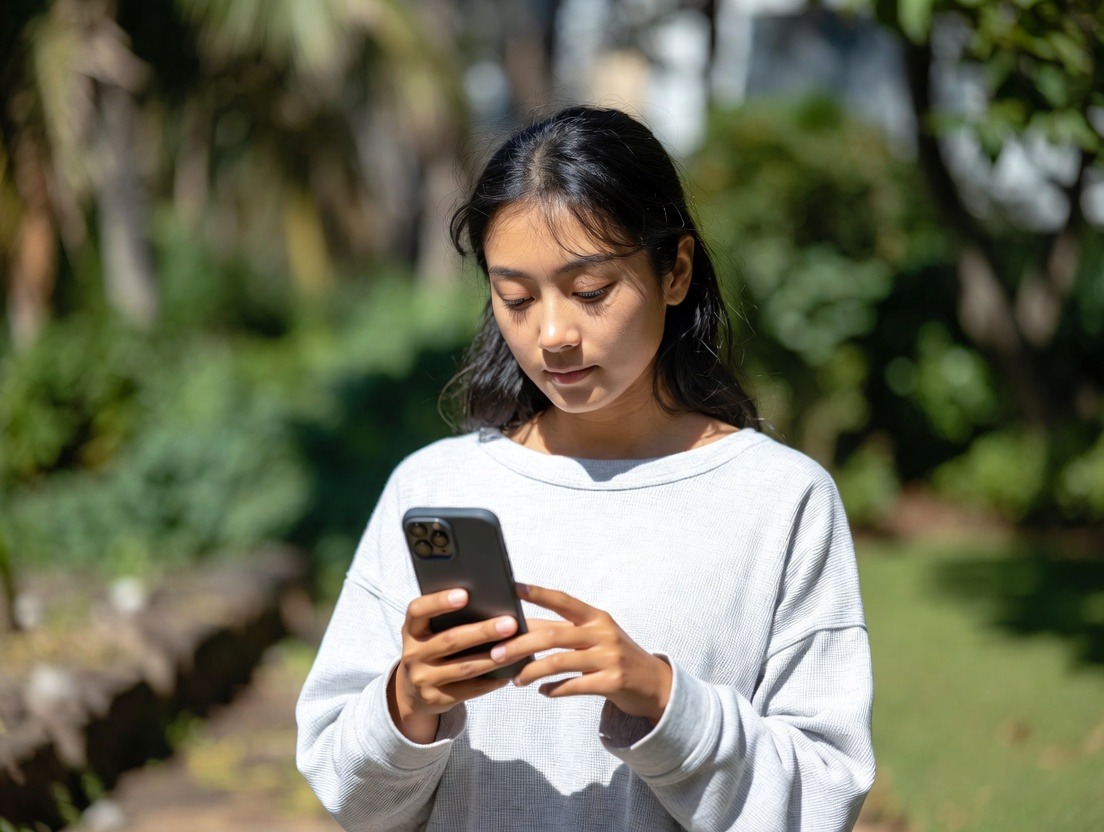
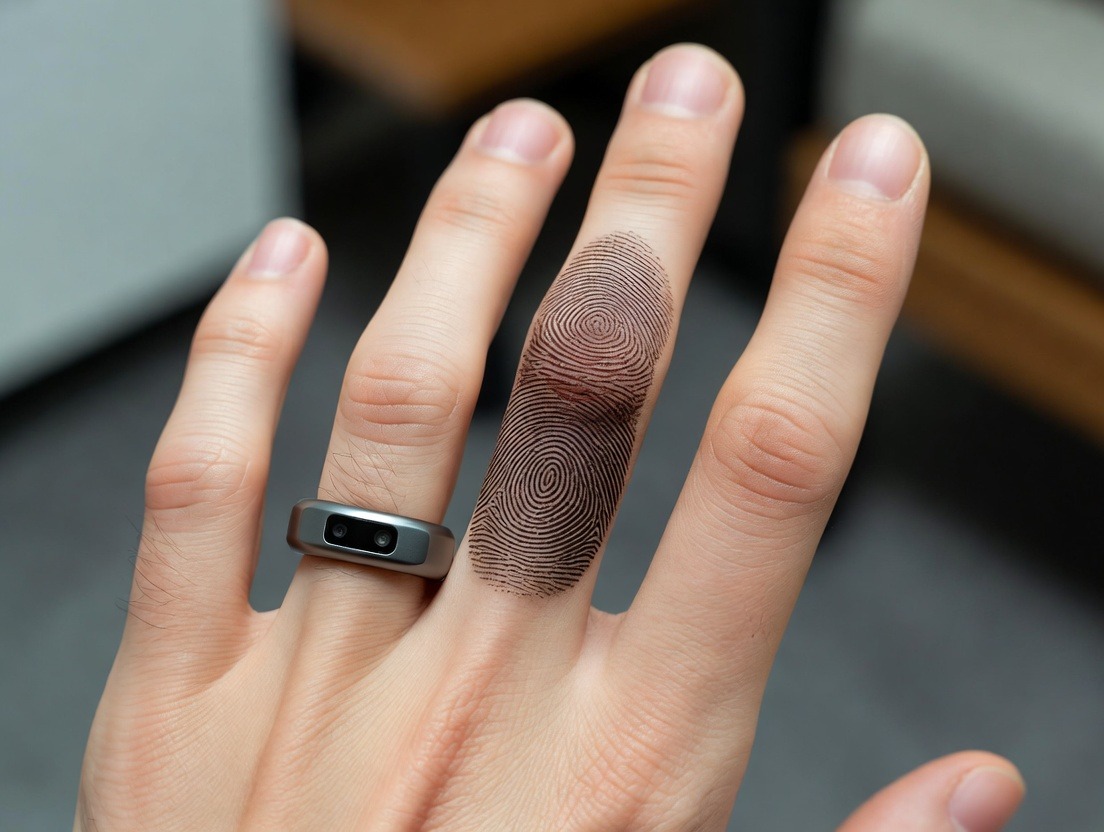
Evening light exposure impacts your circadian rhythm, tracked by your ring.
The Beginner-Friendly Guide to Evening Light Exposure: Ring-Tracked Circadian Impact
In the quiet hours after sunset, a silent, invisible force is shaping your health, mood, and tomorrow’s energy. It’s not a thought, a pill, or a meditation—it’s the light falling on your eyes. From the warm glow of a table lamp to the cool stare of a smartphone, evening light doesn't just help you see; it talks directly to your brain’s ancient master clock, dictating when you’ll feel sleepy, how deeply you’ll rest, and even how you’ll process emotions the next day. For generations, we experienced near-total darkness after dusk. Today, our homes are bathed in perpetual twilight, and our faces are lit by the blue-hued dawn of screens. The cost? A society-wide disruption of our circadian rhythm, linked to poor sleep, metabolic issues, and a profound impact on our emotional balance.
But here’s the empowering shift: you are not powerless against this modern tide. Understanding and managing evening light exposure is one of the most accessible, high-impact levers for health optimization you possess. And now, for the first time, you don’t have to guess its effect on you personally. With the advent of smart ring technology—a sleek, unobtrusive device worn 24/7—you can move from generic advice to personalized, data-driven insight. A smart ring continuously tracks the physiological outputs of your circadian rhythm: your sleep stages, nighttime heart rate, heart rate variability (HRV), and body temperature. It tells you, in objective numbers, exactly what that late-night work session or cozy lamp-lit reading hour actually did to your nervous system.
This guide is your map through the science and practice of circadian-friendly evenings. We’ll demystify the biology of light, provide actionable steps for creating a personalized “light hygiene” routine, and show you how to use the feedback from your smart ring—be it an Oura, RingConn, Ultrahuman, or similar—to calibrate and perfect your approach. This isn’t about living in caves; it’s about making informed, subtle shifts that yield profound rewards. Let’s begin the journey to reclaim your nights and restore your natural rhythm.
The Master Clock Within: Understanding Your Circadian Rhythm
To master evening light, you must first meet the conductor of your body’s symphony: your circadian rhythm. This is not a metaphor, but a literal, biological clock. Nestled in the hypothalamus of your brain, a tiny region called the suprachiasmatic nucleus (SCN) acts as your central pacemaker. It orchestrates a 24-hour cycle that influences nearly every physiological process—from hormone release and body temperature to digestion, cell repair, and cognitive function.
The circadian rhythm is endogenous, meaning it runs on its own, but it requires a daily cue to synchronize with the 24-hour solar day. This process is called entrainment. The most powerful entrainment signal, or zeitgeber (German for "time-giver"), is light. When light, particularly short-wavelength blue light, enters your eyes, it is detected by specialized photoreceptor cells called intrinsically photosensitive retinal ganglion cells (ipRGCs). These cells have nothing to do with vision; their sole job is to send a direct signal to the SCN: "It is daytime."
Upon receiving this signal, the SCN halts the production of melatonin, the sleep-promoting "hormone of darkness." It also cues the release of cortisol to promote alertness, raises core body temperature, and sharpens cognitive function. As evening approaches and light fades, the SCN’s inhibition lifts, allowing melatonin to rise, body temperature to drop, and sleepiness to ensue. This elegant system kept our ancestors perfectly in sync with the natural world.
Modern life has inserted a glaring flaw in this system: artificial light at night. When you expose your eyes to bright or blue-rich light after sunset, you are, in essence, sending a false "daytime" report to your SCN. The consequences cascade: melatonin suppression, a delayed circadian phase (you become a night owl), fragmented and less restorative sleep, and a misalignment of all those downstream processes. This state, known as circadian disruption, is a key contributor to insomnia, metabolic syndrome, mood disorders, and impaired immune function. It's why paying attention to your light environment isn't just about sleep—it's about foundational health. In fact, managing this disruption can be a core component of restoring emotional balance after difficult periods.
Your smart ring is the perfect tool to detect this disruption. It doesn't measure light itself, but it measures the outcomes of light exposure on your body. A night of high evening light exposure might appear in your data as:
A delayed time for your lowest night-time body temperature (a key circadian marker).
A lower nightly HRV, indicating your nervous system didn't fully shift into "rest and digest" mode.
Increased sleep latency (time taken to fall asleep) and reduced deep or REM sleep. By tracking these metrics, you move from knowing the theory to witnessing your personal, physiological truth.
Why Evening Light is the Most Crucial Lever for Sleep
Of all the light you encounter in a day, the light you see in the 2-3 hours before bed holds disproportionate power. This period is your circadian sensitive zone, a window where your brain is exquisitely tuned to light cues to determine the timing of sleep. Exposure to even moderately bright light during this window can create a significant phase delay, pushing your entire sleep cycle later.
The mechanism hinges on melatonin. Melatonin secretion typically begins to rise about 2 hours before your natural bedtime, initiating the "sleep gate" process. Bright light, especially light rich in blue wavelengths (460-480 nm), can suppress melatonin production by 50% or more in a dose-dependent manner. A study published in the Journal of Clinical Endocrinology & Metabolism found that room-level light exposure before bedtime shortened melatonin duration by about 90 minutes. That’s 90 minutes less of a crucial hormonal signal preparing your body for repair.
But the impact goes beyond melatonin. Evening light, particularly from devices, also:
Increases Alertness: It stimulates those ipRGCs and boosts cortisol and subjective feelings of alertness, directly opposing sleep pressure.
Elevates Core Body Temperature: For sleep to initiate, your core temperature must drop slightly. Light can interfere with this cooling process.
Fragments Sleep Architecture: Even if you fall asleep, the preceding light exposure can lead to more frequent awakenings and less time in the critically important deep (N3) and REM sleep stages. This is where the smart ring data becomes undeniable. You may log 8 hours in bed, but your ring shows only 45 minutes of deep sleep and a restless heart rate graph—a direct report card on your evening habits.
The converse is powerfully true: protecting this sensitive evening window is one of the single most effective non-pharmaceutical sleep interventions. Dimming lights and filtering blue light can accelerate melatonin onset, promote earlier and deeper sleep, and improve morning alertness. It creates a state of physiological calm that sets the stage for restoration. This foundational calm is also a prerequisite for effective interoceptive awareness, or the ability to sense your internal emotional state, as a frazzled nervous system is a deaf one.
For the beginner, the goal isn't perfection, but progressive awareness. Start by noticing your light environment from sunset onward. Is the overhead light blazing? Are you scrolling in a dark room? Your first mission is simply to observe, and your smart ring will soon provide the personal data to show you why these observations matter.
Decoding the Spectrum: It’s Not Just About Blue Light
The conversation around evening light often centers on "blue light," but this is an oversimplification. To craft an effective strategy, we need to understand the three key properties of light that influence your circadian clock: Spectrum, Intensity, and Timing.
1. Spectrum (Color/Wavelength): Light visible to humans ranges from violet (~380 nm) to red (~750 nm). Your ipRGCs are most sensitive to light in the blue-cyan range, peaking around 480 nm. This is why "blue light" gets the bad rap. However, it's crucial to know that white light sources (LEDs, fluorescents, screens) contain a high proportion of this alerting blue light. The warmer, longer wavelengths of light (orange, red) have a far weaker effect on the SCN. This is why the advice to shift to "warm" light in the evening is scientifically sound. A practical example: a candle (all red/orange spectrum) has near-zero circadian impact, while a cool-white LED bulb has a high one.
2. Intensity (Brightness): Measured in lux, intensity matters profoundly. A bright, blue-rich sky at noon can be 100,000 lux. A well-lit office is about 500 lux. Your living room lamp might be 100-200 lux, and a smartphone screen at maximum brightness in a dark room can hit 50-100 lux directly at your eyes. The melatonin-suppressing effect has a dose-response relationship: brighter light causes greater suppression. The good news? You can use dimming as a powerful tool. Simply reducing the intensity of your ambient lights in the evening can significantly mitigate their circadian impact, even if the spectrum isn't perfect.
3. Timing (When You See It): This is the context that gives spectrum and intensity their meaning. The same 500 lux of white light at 9 AM is beneficial—it reinforces your rhythm and boosts alertness. That same light at 9 PM is disruptive. The phase-response curve dictates that light in the evening causes a delay (you get sleepier later), while light in the early morning causes an advance (you get sleepier earlier). For most people managing evening light, the goal is to avoid the delaying effect.
Practical Implications: You don't need to live in red-tinted darkness. A multi-layered approach works best:
Second, Warm: Shift light sources to warmer tones. Use lamp shades, smart bulbs you can schedule (like those that shift to a "sunset" mode), or dimmable incandescent/halogen bulbs.
Third, Filter at the Source: Use software like f.lux, Night Shift (iOS), or Night Light (Android) on all screens. For heavy device users, consider physical blue-blocking glasses that filter wavelengths below 500 nm. The data from your smart ring can help you test the efficacy of these tools. Try a week with glasses and a week without, and compare your sleep scores, deep sleep, and HRV.
Your Personal Light Audit: A Step-by-Step Evening Assessment
Knowledge is only as good as its application. Before you can optimize, you must audit. This is a hands-on, observational exercise to map your current evening light exposure landscape. Set aside one typical evening to be a detective in your own home.
Step 1: Chart Your "Light Journey" (From Sunset to Sleep) Grab a notepad or use your phone. From the moment the sun sets, note your location and activity every 30-60 minutes until you turn out the light to sleep. For example:
7:00 PM: In kitchen, making dinner. Overhead LED lights on.
8:00 PM: On couch in living room, watching TV. TV is main light source, one floor lamp on.
9:30 PM: In bed, scrolling social media on phone. Room otherwise dark.
10:30 PM: Lights out.
Step 2: Identify Your Light Sources For each environment, list every source of light hitting your eyes:
Point Sources: Smartphone screen, TV, smart watch face, LED indicators on chargers or electronics.
Step 3: Qualify Each Source For each source, make a quick qualitative assessment:
Color Temperature: Is it bright white/cool (think hospital or office) or warm/yellow (like a sunset or old incandescent)?
Intensity: Is it glaringly bright, moderately bright, or dim?
Angle & Distance: Is it in your direct line of sight (a screen) or indirect (a lamp behind you)? Is it inches from your face (phone) or feet away (TV)?
Step 4: Note Your Pre-Sleep "Last Look" What is the very last source of light you engage with before closing your eyes? For many, it’s the smartphone, checking one last email or setting an alarm. This "last look" is incredibly potent due to its recency and typical proximity.
The Goal of This Audit: The goal is not to judge, but to gather intelligence. This audit will reveal your personal "exposure hotspots." You might discover that your cozy reading nook is lit by a bright, cool-white LED bulb, or that your pre-sleep phone habit is the dominant light event of your evening. This awareness is the first, critical step toward change. Understanding these environmental triggers is as important for sleep as understanding how nutrition affects your emotional balance through the food-mood connection—both are foundational inputs to your system.
Armed with this personal map, you are now ready to start building your personalized light hygiene protocol, which we will explore next.
Building Your Light Hygiene Protocol: From Theory to Daily Practice
With your personal audit complete, you can now systematically engineer your evenings for circadian alignment. Think of this as "light hygiene"—a daily routine to clean up your light environment, just as you brush your teeth for dental hygiene. Here is a tiered, beginner-friendly protocol to implement over the next 2-3 weeks.
Tier 1: The Non-Negotiables (Start Here) These are high-impact, low-effort changes that apply to almost everyone.
Sunset Simulation in Your Home: 90 minutes before your target bedtime, begin to dim the main overhead lights. If you have dimmer switches, use them. If not, turn off overheads and switch to lower-powered lamps.
Enable Device Software Filters: Activate Night Shift (iOS), Night Light (Android/Windows), or install f.lux (Mac/PC) on all your devices. Set them to shift to a warm schedule automatically at sunset. Don't just use the default; crank the warmth to the maximum setting for the evening.
Create a Charging Station Outside the Bedroom: Make it a rule: your phone sleeps in another room. This eliminates the temptation for the "last look," removes a source of anxiety-inducing notifications, and takes a major light source out of your sleep sanctuary. Use a traditional alarm clock if needed.
Tier 2: The Optimizers (Add Once Tier 1 is Habit) These steps further refine your environment.
Upgrade Your Bulbs: Replace bulbs in your most-used evening spaces (bedside lamps, living room lamps) with smart bulbs (e.g., Philips Hue, LIFX) or simple warm-white LEDs (2700K or lower color temperature). Smart bulbs allow you to automate a gradual "sunset" dimming schedule.
Strategic Use of Blue-Blocking Glasses: Consider a pair of quality blue-blocking glasses (that block up to 99% of blue light) for the 2 hours before bed, especially if you must use a computer or watch TV. They are a practical tool for "source control."
Mind Your Media Content: The emotional content of what you watch or read before bed also affects your nervous system. Pair your light hygiene with a "wind-down" content rule: avoid stimulating news, intense dramas, or work emails. Opt for calming music, light reading, or podcasts. This aligns with the co-regulation method of using social connection for balance, but here, you're curating your media environment for self-regulation.
Tier 3: The Fine-Tuners (For the Circadian Enthusiast)
Embrace Candlelight or Salt Lamps: For the last 30-60 minutes, experiment with using only zero-blue light sources. The ultra-warm glow creates a powerful physiological cue for darkness.
Blackout Your Bedroom: Ensure your sleep space is truly dark. Use blackout curtains, cover or remove electronic LED indicators (use electrical tape), and consider a sleep mask if total darkness isn't possible.
Mind Your Morning Light: A solid evening protocol is reinforced by consistent, bright light exposure in the morning. Try to get 10-30 minutes of outdoor light within an hour of waking. This anchors your rhythm, making your evening wind-down feel more natural.
Your smart ring is your co-pilot in this process. As you implement each tier, watch for changes in your data: a slight increase in HRV, a slightly earlier dip in body temperature, a higher sleep score. This positive feedback loop is what turns a protocol into a sustainable lifestyle.
The Smart Ring as Your Circadian Biofeedback Device
A smart ring is more than a sleep tracker; it's a continuous, passive biosensor that provides a direct readout of your autonomic nervous system (ANS) state—the very system your circadian rhythm governs. While it doesn't measure light input, it brilliantly measures the physiological output of that light. This turns abstract advice into personal, actionable science.
Here are the key ring metrics to monitor and what they tell you about your evening light hygiene:
1. Sleep Onset Latency (Time to Fall Asleep):
What it is: The number of minutes between you trying to sleep and the onset of actual sleep.
The Light Connection: High evening light exposure suppresses melatonin and keeps the ANS in a more alert state, leading to longer tossing-and-turning time. A successful light hygiene protocol should, over time, reduce your average sleep latency.
Smart Ring Insight: Look at the trend. Is your latency decreasing from, say, an average of 20 minutes to 10 minutes after implementing dimmer lights?
2. Heart Rate Variability (HRV) During Sleep:
What it is: The variation in time between heartbeats. Higher nighttime HRV generally indicates a dominant "rest and digest" (parasympathetic) state, a sign of recovery and good circadian alignment.
The Light Connection: Evening light can activate the "fight or flight" (sympathetic) branch of the ANS, suppressing parasympathetic activity and leading to a lower HRV. Calm, dark evenings promote the opposite.
Smart Ring Insight: Your ring provides a nightly HRV average. One of the clearest signs of improved evening routine is a gradual upward trend in your sleeping HRV. It’s a direct signal that your body is entering a deeper state of rest.
3. Resting Heart Rate (RHR) and Its Nocturnal Dip:
What it is: Your heart rate at total rest, typically reaching its lowest point during deep sleep.
The Light Connection: A healthy circadian rhythm prompts a significant dip in RHR overnight. Disruption can lead to a higher and more flatlined RHR curve.
Smart Ring Insight: Observe the graph of your heart rate throughout the night. Is there a clear, deep dip? Does your RHR start to lower earlier in the night? Improvements here suggest your body is successfully executing its cooling and calming process.
4. Sleep Stages (Deep & REM Sleep):
What it is: The amount of time spent in physically restorative deep sleep (N3) and mentally/emotionally restorative REM sleep.
The Light Connection: Circadian disruption and delayed melatonin onset can truncate and fragment these critical stages. You might sleep 8 hours but get only minimal deep sleep.
Smart Ring Insight: While ring-stage accuracy has limitations, trends are key. Note if your reported deep or REM sleep duration increases as you improve your evenings. This is a major win.
5. Body Temperature Trend:
What it is: The ring measures your peripheral temperature, which follows a circadian rhythm, dropping to initiate sleep and rising toward morning.
The Light Connection: Evening light can interfere with the core body temperature drop necessary for sleep onset.
Smart Ring Insight: Some rings provide a "temperature trend" graph. A successful wind-down should help facilitate a clear, timely drop. A delayed drop often correlates with late light exposure.
By correlating your light hygiene actions with these metrics, you move from following rules to conducting personal experiments. You learn what your body specifically needs to thrive.
Beyond Screens: The Hidden Sources of Evening Light in Your Home
Our focus often lands on smartphones and TVs, but a truly comprehensive light hygiene strategy requires a scavenger hunt for hidden circadian disruptors in your home. These sources, while seemingly insignificant, can contribute to the cumulative "light load" that tricks your brain.
1. The "Smart" Home Glow:
The Culprits: LED status lights on routers, air purifiers, humidifiers, smoke detectors, laptop chargers, smart speakers (the mute button glow), and even some coffee makers. In a pitch-black room, these tiny LEDs can be surprisingly bright.
The Fix: Strategic application of black electrical tape is your best friend. Create little "light covers." For devices like air purifiers with bright displays, see if there's a dimming or "night mode" setting in their app.
2. The Bathroom Blaze:
The Culprit: A bright, cool-white bathroom light used for brushing teeth or washing your face right before bed. This is a classic sleep saboteur, as it's often the last light you see.
The Fix: Install a dimmer switch or a warm-white nightlight in the bathroom for final evening routines. Consider using a red or warm-colored bulb in a small plug-in nightlight to provide just enough light to navigate.
3. Kitchen Night Caps:
The Culprit: Bright overhead kitchen lights for a late-night glass of water or snack.
The Fix: Use the under-cabinet lighting if it's warm, or install a motion-activated, dim, warm nightlight along the floor. Avoid turning on the main banks of lights.
4. Street & Security Lights:
The Culprit: Light pollution streaming in through windows, even with blinds closed.
The Fix: This is where blackout curtains or shades are a non-negotiable investment for good sleep hygiene. For a cheaper test, try a high-quality sleep mask.
5. E-Readers with Front Lights:
Important Nuance: Dedicated e-ink readers (like a basic Kindle) are often touted as "safe." This is only true if the front light is turned completely off. If you use the built-in light, especially if it's set to a bright, white setting, you are staring directly at a light source. The e-ink itself doesn't emit light, but the LEDs around its edge do.
The Fix: Read with a warm, external lamp directed onto the page/screen, and keep the device's front light at zero. If you must use the front light, use the warmest color setting and the absolute lowest brightness level.
Addressing these hidden sources is like soundproofing a room. It removes the background noise (or light) that your brain is subconsciously processing, allowing it to fully embrace the signal of darkness. This level of environmental control can be particularly helpful for highly sensitive people who are more acutely affected by sensory inputs.
The Social & Lifestyle Challenge: Managing Light in the Real World
The perfect circadian evening is easy in a vacuum. But life happens: late work deadlines, social dinners, movie nights, family time, travel. The goal is not rigid perfection, but flexible strategy. Here’s how to maintain your light hygiene without becoming a hermit.
Scenario 1: Late-Night Work or Study
The Challenge: You must be on a computer or under bright light past your ideal wind-down time.
The Strategy:
Aggressive Software: Use f.lux or Night Light at its strongest "darkroom" or "candlelight" setting.
Physical Barrier: Wear high-quality blue-blocking glasses. This is their prime use case.
Ambient Context: Keep all other lights in the room as dim as possible. Don't compound the screen light with bright overheads.
Post-Work Ritual: After shutting down, spend 15-20 minutes in very dim, warm light (no more screens) before trying to sleep. This gives your melatonin a chance to rise.
Scenario 2: Social Events, Restaurants, and Movie Theaters
The Challenge: Bright, energetic environments are the point of a night out.
The Strategy:
Mind the Transition: The key damage often occurs when you go from a bright environment straight into a dark bedroom. Build in a "buffer zone." On the drive/walk home, avoid your phone. Once home, spend 20-30 minutes in your dim home environment before going to bed. Let your nervous system downshift.
Own Your Choices: It's okay to have a late, bright night occasionally! The goal is the trend, not perfection. Observe how it affects your ring data the next day without judgment, and simply return to your protocol the following evening. This flexible, non-judgmental approach is akin to the dialectical approach of accepting and changing emotions simultaneously.
Scenario 3: Living with Partners or Family
The Challenge: Not everyone in your household may be on the same circadian journey.
The Strategy:
Personalize Your Space: Use individual light sources. You can wear blue-blockers and use a warm reading lamp while your partner watches TV with ambient lighting.
Compromise on Zones: Can you agree that the bedroom is a "dim zone" after a certain hour? Use bedside lamps with warm bulbs instead of overhead lights.
Educate and Share Data: Gently share what you’re learning and, if they’re open to it, show them the compelling data from your ring. A visible improvement in your sleep and mood can be a powerful motivator for others.
Scenario 4: Travel and Changing Time Zones
The Challenge: Rapidly resetting your clock to a new environment.
The Strategy:
Use Light Strategically: Upon arrival, use bright morning light (preferably sun) to anchor to the new time zone. Conversely, be extra vigilant about avoiding bright evening light in the new locale.
Bring Your Toolkit: Pack your sleep mask, blue-blockers, and maybe a portable warm-light nightlight. Your smart ring becomes invaluable here to track how well you’re adapting.
The principle is conscious management, not avoidance. Enjoy your life, but understand the trade-offs and use tools to mitigate the impact, so you can socialize and recover.
Troubleshooting Your Data: What to Do When the Ring Shows No Improvement
You’ve implemented your protocol with dedication, but after 2-3 weeks, your smart ring data is stubbornly unchanged. Your sleep scores are flat, HRV isn't budging, and you don't feel noticeably better. Don't be discouraged—this is a crucial part of the biofeedback loop. It means there are other factors at play, and it's time to investigate.
Potential Reason 1: Inconsistent Timing or "Light Leaks"
The Issue: You might be diligent for 5 nights, but then have 2 nights of significant disruption (e.g., weekend nights out). The inconsistency prevents a stable rhythm from forming. Or, you may have missed a hidden light source.
The Investigation & Fix: Do another focused light audit. Are you 100% consistent with your device charging station? Is a streetlight peeking through a curtain gap? Commit to a strict 10-night trial with zero exceptions and see if a trend emerges.
Potential Reason 2: Morning Light Deficiency
The Issue: Your circadian rhythm is a seesaw. A strong, early light signal in the morning makes the evening decline more pronounced. If you’re sleeping in a dark room until noon and then going to a dim office, your body may lack a clear "day" signal to anchor against.
The Investigation & Fix: For one week, prioritize getting 15-30 minutes of bright, outdoor light within 30-60 minutes of waking. If you wake before the sun, use a bright light therapy lamp (10,000 lux) for 20-30 minutes. Then check your evening data. The combination of bright mornings and dim evenings is often the magic key.
Potential Reason 3: Non-Light Stressors Are Dominating
The Issue: The nervous system is integrating all inputs. If you have high psychological stress, poor nutrition affecting your emotional balance, erratic meal times, late caffeine/alcohol, or no wind-down routine, these can overpower the benefits of good light hygiene.
The Investigation & Fix: Use your ring's journaling feature (or your own notes). Correlate poor sleep scores with days of high stress, late meals, or intense evening workouts. You may need to build a more comprehensive wind-down routine that includes a self-soothing toolkit of personal emotional regulation methods like gentle stretching, breathwork, or journaling.
Potential Reason 4: Individual Variability & Medical Conditions
The Issue: We have genetic variations in circadian preference ("chronotype") and light sensitivity. Additionally, conditions like Delayed Sleep Phase Disorder (DSPD) or certain medications can profoundly affect sleep architecture.
The Investigation & Fix: If you have implemented a rigorous, consistent protocol for a month with no improvement and have addressed other lifestyle factors, it may be time to consult a sleep specialist. Bring your ring data trends with you—it’s a powerful record for a clinician.
Remember, the ring is a guide, not a guru. It points to effects, not always causes. A lack of improvement is not failure; it's a sign to broaden your investigative lens.
Creating Your Personalized Evening Wind-Down Ritual
Light hygiene is most powerful when woven into a holistic pre-sleep ritual. This ritual signals safety and closure to your brain, transitioning you from the sympathetic-dominant "doing" state to the parasympathetic "being" state. Your light management is the foundational layer; these practices build upon it.
Phase 1: The Digital Sunset (60-90 mins before bed) This is your light hygiene core. It’s not just about starting filters; it's a conscious disconnection.
Action: Enable "Do Not Disturb" on your phone. Put it in its charging station outside the bedroom.
Mental Cue: "My workday and social world are now closed. This time is for me."
Phase 2: Sensory & Cognitive Downshift (60 mins before bed) Engage in activities that are calming, not stimulating.
Cognitive: Reading a physical book (under warm light), light journaling (gratitude lists, "brain dump" to clear worries), gentle planning for the next day (not problem-solving).
Aural: Listening to calming music, a boring audiobook, or a sleep story. Sound baths or brown noise can be helpful.
Phase 3: Physiological Calm (30 mins before bed) Directly target your body's stress response and prepare it for sleep physiology.
Options:
Body Scan or Progressive Muscle Relaxation: Lying down and consciously relaxing each muscle group from toes to head.
Breathwork: Simple techniques like 4-7-8 breathing (inhale 4, hold 7, exhale 8) or extended exhalation breathing to activate the vagus nerve.
Gentle Stretching or Yoga Nidra: Avoid anything vigorous that raises core temperature or heart rate.
Phase 4: The Final Cues (In Bed)
Ensure your environment is cool, dark, and quiet. This is the final check.
If thoughts race, keep a notepad by the bed to jot them down and release them.
Practice releasing control. A helpful thought: "My job now is to rest. My body knows how to sleep."
The Role of the Smart Ring: After establishing this ritual, use your ring to see its composite effect. Don't expect a change overnight, but over a week or two, look for positive trends in your "readiness" or "sleep" score, and in the detailed metrics like HRV and resting heart rate. The ritual becomes a non-negotiable gift you give to your nervous system every single night.
The Long-Term Impact: How Mastering Evening Light Transforms More Than Sleep
When you consistently protect your evenings from intrusive light, you are doing far more than improving sleep. You are realigning a fundamental biological rhythm that governs your entire system. The long-term benefits cascade across every dimension of health, many of which will be reflected in the longitudinal data from your smart ring.
1. Metabolic Health and Weight Regulation: Circadian disruption is a known risk factor for insulin resistance, obesity, and metabolic syndrome. When your clock is off, hormones like leptin (satiety) and ghrelin (hunger) become dysregulated. You may experience stronger cravings for sugary, high-carb foods at night. By aligning your light cycle, you support healthier glucose metabolism and hormonal balance. Over months, this can contribute to more stable energy levels and body composition.
2. Emotional Resilience and Mood Stability: The SCN has direct neural connections to the amygdala and prefrontal cortex—key centers for emotional processing. Disrupted sleep and circadian misalignment are strongly linked to increased anxiety, depressive symptoms, and emotional volatility. A stable rhythm supports emotional granularity—the ability to name and process feelings with precision. You may find yourself reacting to daily stressors with greater calm and clarity.
3. Immune Function and Cellular Repair: Many immune functions, including the release of certain cytokines, are under circadian control. Deep sleep, which is enhanced by proper evening light management, is when critical cellular repair, detoxification (via the glymphatic system), and memory consolidation occur. A robust circadian rhythm makes you more resilient to pathogens and supports long-term cellular health.
4. Cognitive Performance and Memory: Alertness, focus, reaction time, and both working and long-term memory are all tied to circadian phase. An aligned rhythm means you are cognitively sharp at the right times. You'll likely experience improved concentration during the day and more effective memory processing at night.
5. Hormonal Harmony: Beyond melatonin, the circadian clock regulates the timing of cortisol, growth hormone, and sex hormones like testosterone and estrogen. A stable light/dark cycle helps ensure these hormones are released in their optimal patterns, affecting everything from stress response and muscle repair to libido and reproductive health. For instance, managing light can be a supportive practice for understanding emotional balance across the menstrual cycle.
Tracking the Transformation with Your Ring: The true power of a smart ring is seeing these long-term trends. Over 6 months to a year, you might observe:
A higher baseline for your nightly HRV, indicating a more resilient nervous system.
More consistent and predictable sleep patterns.
A lower average resting heart rate.
Better recovery scores after similar stressors.
This isn't just about feeling better tonight; it's about investing in a foundational pillar of long-term health. By mastering evening light, you are giving your body the consistent, reliable darkness it evolved with, allowing its innate intelligence to perform its nightly work of repair, restoration, and preparation for a vibrant tomorrow.
Deep Dive: The Science of Melanopsin and Your ipRGCs
To truly master evening light, we must go beyond the basic "blue light is bad" mantra and understand the sophisticated biological machinery in your eyes. At the heart of this system is a photopigment called melanopsin and the cells that house it: the intrinsically photosensitive retinal ganglion cells (ipRGCs). This isn't a secondary visual pathway; it's your body's dedicated light-meter for non-visual functions.
What Are ipRGCs? Imagine your retina has two separate teams. Team one is the classic rods and cones—millions of them—tasked with creating the detailed, colorful image of the world you see. Team two is a much smaller group of about 5,000 ipRGCs. These cells are not involved in image-forming vision at all. Instead, they act like sophisticated light sensors, specifically designed to measure the intensity and, crucially, the spectral composition (color) of ambient light. Their sole job is to send a steady, slow-burning signal to the brain's master clock (SCN) and other non-visual centers.
The Key Photopigment: Melanopsin Inside each ipRGC is the melanopsin photopigment. Melanopsin has a unique peak sensitivity to light in the cyan-blue range, around 480 nanometers. This is why light in the 460-495 nm band is so potent for circadian and alerting effects. When photons of this wavelength strike melanopsin, it triggers a cascade that sends a direct signal via the retinohypothalamic tract straight to the SCN, saying, in essence, "DAYTIME DETECTED."
Why This Matters for Evening Light:
Spectral Specificity: Your ipRGCs are like a finely-tuned instrument listening for one specific note—the 480nm note. Cool-white LEDs, fluorescents, and device screens are rich in this note. Warm, long-wavelength light (red/orange) barely registers. This is the scientific basis for using warmer light in the evening.
Slow Response, Long-Lasting Effect: Unlike rods and cones that fire rapidly for vision, ipRGCs respond slowly and sustain their signal. A brief flash of blue light has less impact than sustained exposure. This is why the duration of your evening light exposure is as important as its intensity. A 3-hour movie under warm light may be less disruptive than 30 minutes of scrolling on a cool-screen phone.
Direct Links to Alertness and Mood: ipRGCs don't just talk to the SCN. They also project to brain areas that control pupil constriction (which is why bright light makes pupils smaller) and, importantly, to the perihabenular nucleus, an area involved in mood regulation. This provides a direct anatomical link between the quality of light you're exposed to and your emotional state, explaining why proper light hygiene can support emotional balance and relationships by fostering healthier dynamics.
Practical Application: The "Melanopic" Lens The latest lighting science uses "melanopic" measurements, which weight light based on its specific effect on melanopsin, rather than just its visual brightness (lux). Some advanced light meters and even health-focused lighting systems now use melanopic lux. For the home user, the takeaway is simple: prioritize light sources that have a low melanopic impact in the evening. This means dim, warm-toned light.
Your smart ring provides the biological verification of this science. When you see your sleep latency decrease and your HRV increase after a week of using warm-glow lamps and blue blockers, you are witnessing the downstream result of giving your ipRGCs—and your melanopsin—the correct, darkness-previewing signal they need to initiate the sleep cascade. You are, in a very real sense, speaking the correct language to your internal clock.
Real-World Case Studies: Ring Data Before and After Light Interventions
Theory is compelling, but personal data is persuasive. Let’s examine anonymized, aggregate trends from smart ring users who made targeted evening light changes. These case studies illustrate the tangible impact you can expect to see in your own data.
Case Study 1: The Late-Night Scroller
Profile: Software developer, chronotype "night owl," habitually used phone in bed for 45-60 minutes before sleep.
Baseline (2-week average):
Sleep Onset Latency: 28 minutes
Average Nightly HRV: 42 ms
Deep Sleep: 1 hr 05 min
Resting Heart Rate: 58 bpm (noted to be slow to drop after getting into bed)
Intervention: Installed aggressive blue-light filter app (set to maximum warmth at sunset), purchased physical blue-blocking glasses for evening computer use, and instituted a "phone in kitchen" rule 1 hour before bed. Replaced bright bedside lamp with a smart bulb set to dim red/orange for reading.
Profile: Parent with young children, kept entire home brightly lit until bedtime for safety and activity.
Baseline: Highly variable sleep, often feeling "tired but wired."
Sleep Score Variability: High (range of 65-85)
HRV Trend: Erratic, often dipping after "good" sleep days
Body Temperature Trend: Delayed drop, frequently spiking after nighttime wake-ups.
Intervention: Implemented a "household sunset." At 8 PM, overhead lights were switched off in living areas, replaced by floor and table lamps with 2700K bulbs. Used dim, warm plug-in nightlights in hallways and bathrooms. Committed to 20 minutes of dim-light wind-down after kids were asleep.
Results: The most significant change was in consistency.
Sleep Score Variability: Reduced (range 75-88)
HRV Trend: Became more stable and showed a gradual upward trajectory.
Body Temperature: Clearer, earlier downward slope. User reported feeling "calmer" in the evenings, which improved patience—a direct benefit to helping children develop emotional balance early by modeling a calm, regulated state.
Case Study 3: The Shift Worker
Profile: Nurse working rotating shifts, struggling most with day sleep after night shifts.
Baseline (After night shifts):
Daytime Sleep Duration: Fragmented, max 4-5 hours
Sleep Efficiency: Low (~75%)
Heart Rate During Sleep: Elevated, rarely dipping below resting day rate.
Intervention: Focused on post-shift light management. Wears blue-blocking glasses for the drive home in the morning. Has blackout curtains and a sleep mask for absolute darkness in the bedroom. Uses a dawn simulator light 30 minutes before needing to wake for an evening shift, to provide a "morning" cue at the appropriate time.
Results: While shift work remains challenging, the data showed marked improvement:
Daytime Sleep Duration: Increased to 6-7 hours of more consolidated sleep.
Sleep Efficiency: Improved to ~85%.
Heart Rate: Showed a clearer dip during the main sleep block.
Key Takeaway from the Data: The ring metrics serve as an objective, non-judgmental feedback loop. Improvements often appear in a specific order: First, sleep latency and consistency improve. Then, HRV and deep sleep begin to trend upward. Finally, resting heart rate and temperature trends show better regulation. This progression mirrors the nervous system moving from a state of acute disruption to one of chronic stability and resilience. Seeing this data can be a powerful motivator, turning the abstract goal of "better sleep" into a quantifiable, satisfying journey of optimization.
The Interplay of Light, Meal Timing, and Circadian Rhythm
Your circadian clock doesn't only respond to light. It is a multi-oscillator system, with "peripheral clocks" in your liver, gut, pancreas, and fat cells that regulate metabolic processes. These peripheral clocks are powerfully set by food intake. The synchronization between your central brain clock (set by light) and your peripheral metabolic clocks (set by eating) is critical for health. Evening light disruption often leads to misalignment here, creating a double whammy.
How Late Eating and Evening Light Work Together to Disrupt:
The Vicious Cycle: Bright evening light delays your circadian phase, making you feel hungry later. You eat later. The act of eating late then sends a "it's daytime" signal to your liver and gut, further reinforcing the delay. Your body is now trying to digest food at a time when it should be focusing on repair and detoxification.
Metabolic Consequences: When you eat close to or during your biological night (when melatonin is high), your body is less efficient at processing glucose. Studies show post-meal blood sugar spikes are higher after late dinners compared to earlier ones, even with the same meal. This promotes insulin resistance over time.
Sleep Quality Impact: Digesting a large, late meal can increase core body temperature and stimulate metabolic activity, directly opposing the drop in temperature needed for sleep. It can also cause reflux or discomfort, leading to fragmented sleep. Your ring will likely show a higher nighttime heart rate and lower HRV after a late, heavy meal.
Creating Synergy: Aligning Light, Food, and Sleep The goal is to create a coherent daily rhythm where all signals point in the same direction.
The Ideal Timeline: Strong morning light → signals "day start" to brain. Consistent meal times, with the last meal 2-3 hours before bedtime → signals "day end" to metabolism. Dim, warm evening light → reinforces "night is coming" to the brain. This alignment allows melatonin to rise unimpeded, digestion to complete before sleep, and the body's repair shift to begin on schedule.
The Smart Ring as a Synergy Detector: Look for patterns. Do nights with later dinners correlate with poorer sleep scores, even if your light was good? Does a day with great morning light and an early dinner lead to a standout recovery score? The ring helps you see the interplay. You might find that managing your nutrition for emotional balance is intrinsically linked to when you eat, not just what you eat.
Practical Strategy for Beginners: If overhauling both light and eating feels overwhelming, start with temporal alignment. Pick a target bedtime and work backward:
Target Bedtime: 11:00 PM
Last Meal Finish By: 8:30 PM (2.5 hours prior)
Evening Light Hygiene Begins: 9:00 PM (2 hours prior) - dim lights, no screens.
Wind-Down Ritual: 10:00 PM (1 hour prior) - reading, meditation, etc. This creates a predictable, cascading signal sequence for your biology. Your smart ring will show you how tightly coupled these behaviors are in producing a night of high-quality, restorative sleep.
Advanced Tracking: Correlating Light Exposure with HRV and Body Temperature
For the data enthusiast, the deepest level of personalization comes from actively correlating specific evening activities with next-morning physiological metrics. Your smart ring provides two of the most reliable biomarkers for this: Heart Rate Variability (HRV) and Body Temperature.
HRV as a Measure of Autonomic Balance: HRV is the gold-standard, non-invasive measure of autonomic nervous system (ANS) flexibility. A higher HRV (particularly during sleep) indicates strong parasympathetic ("rest and digest") tone and good adaptability.
The Light Correlation: Think of HRV as your "recovery capacity." An evening flooded with bright, blue-rich light keeps your sympathetic ("fight or flight") system engaged, reducing your capacity for recovery, thus lowering HRV. A dark, calm evening does the opposite.
How to Correlate: Use your ring's journal feature or a notes app. Each morning, note your HRV Balance or Night Average HRV. Then, review your previous evening. Create a simple scale for your light exposure (e.g., 1=perfect dim/warm protocol, 5=bright restaurant + late phone use). Over time, you will likely see a clear inverse relationship: higher light exposure scores correlate with lower morning HRV. This turns HRV into a direct feedback signal on the effectiveness of your light hygiene.
Body Temperature as a Circadian Phase Marker: Your core body temperature follows a robust circadian rhythm, peaking in the late afternoon and reaching its nadir about 2-3 hours before your natural wake-up time. This drop is critical for sleep initiation.
The Light Correlation: Evening light exposure, especially if it suppresses melatonin, can blunt or delay this temperature drop. Your peripheral temperature (which the ring measures) reflects this.
How to Correlate: Many rings provide a "temperature trend" graph. You’re looking for the timing of the lowest point. After a disruptive evening, you may see the dip occur later, or the curve may be flatter. After a perfect circadian evening, the dip may be earlier and more pronounced. Some advanced users track their pre-sleep peripheral temperature with a separate device; a failure to see a drop may indicate they need to be more aggressive with light avoidance.
Conducting a Personal Experiment:
Choose a Metric: Pick one to focus on, like HRV.
Establish a Baseline: For 5 days, maintain your current routine and record your average nightly HRV.
Implement an Intervention: For the next 5 days, implement one strict change (e.g., "no screens after 9 PM, only warm lamp light").
Compare the Averages: Calculate the average HRV for both periods. Even a small, consistent increase (e.g., from 45ms to 50ms) is a biologically significant improvement, suggesting lower stress on your system.
Iterate: Test another variable, like meal timing or blue-blocker use.
This empirical approach removes the guesswork. It allows you to answer questions like, "Is watching TV with blue-blockers really as good as reading a book?" Your ANS, via your ring data, will give you the true answer for your unique biology. This level of self-experimentation fosters a deep sense of agency, a key component of emotional balance during challenging life transitions.
Environmental Design: Optimizing Your Home Lighting for Circadian Health
Creating a circadian-friendly home isn't about buying expensive gadgets; it's about applying intelligent design principles to the lighting you already have. The goal is to create a light environment that mirrors the natural solar cycle, reinforcing your rhythm rather than fighting it. Here’s a room-by-room guide.
The Living Room (Evening Hub):
Problem: Often lit by a single bright overhead fixture or multiple cool-white lamps.
Solution:
Ditch the Overhead: Make the overhead light a last resort. Instead, use a combination of floor lamps, table lamps, and sconces to create pools of warm, low-level light. This is more relaxing and aesthetically pleasing.
Layer Your Lighting: Have different circuits or lamps for different times. A brighter setting for family activities earlier in the evening, and a "pre-sleep" setting where only one or two dim, warm lamps are on.
Smart Bulbs are Your Friend: A single smart bulb in your main reading lamp can be programmed to automatically dim and shift to a warm orange/red at a set time each evening. This passive cue is incredibly effective.
The Kitchen:
Problem: Task lighting is often bright and cool for safety during food prep.
Solution:
Use Under-Cabinet Lighting: For evening snacks or water, use warm under-cabinet LEDs instead of the main ceiling banks.
Install a Dimmer: If you use the main light, a dimmer allows you to lower intensity after dinner cleanup.
The Bedroom (The Sanctuary):
Problem: Bedside lamps are often too bright, and light pollution seeps in.
Solution:
Bedside Lamp Rule: Use a lamp with a warm bulb (2200K-2700K) and a lampshade that diffuses light downward, not into your eyes. A smart bulb here can be set to a very dim red for final wind-down.
Absolute Darkness Goal: Invest in blackout curtains or shades. Test them by standing in the room during the day; you should not be able to see your hand in front of your face. Cover or remove all LED indicators.
Charging Station: Reiterate: not in the bedroom.
The Bathroom:
Problem: The pre-bedtime blast of bright light.
Solution:
Nightlight Path: Use a warm, dim plug-in nightlight for late-night trips.
Dimmer or Separate Fixture: Install a dimmer on the main light, or add a second, lower-intensity, warm-light fixture (like a sconce) for pre-bed routines.
Home Office:
Problem: The need for bright, alerting light during the day conflicts with evening use.
Solution:
Dynamic Lighting: If possible, invest in a circadian lighting system or a smart LED panel that changes color temperature and intensity throughout the day (bright and cool in the morning, dim and warm in the evening).
The Desk Lamp Trick: Have a bright, cool-white task lamp for daytime work. In the evening, turn it off and rely only on softer, ambient room lighting from a warm source.
The Guiding Principle: Intentionality The common thread is moving from default, indiscriminate lighting to intentional, task-appropriate, and time-appropriate lighting. You are designing an environment that supports your biology. This thoughtful environmental control is a powerful form of self-care, reducing ambient stress and creating a foundation for stability, which is especially crucial for those working to break cycles of emotional dysregulation and addiction.
The Role of Morning Light: How Your Day Sets Up Your Night
A robust evening wind-down is only half of the circadian equation. The strength and timing of your morning light exposure is the anchor that determines the stability of your entire 24-hour rhythm. Think of it as setting the start time on a precision stopwatch; everything that follows depends on that initial cue.
Why Morning Light is Non-Negotiable:
Phase Advancement: Light exposure in the early morning, just after your core body temperature minimum (typically in the last hours of sleep), causes a phase advance—it shifts your circadian rhythm earlier. This is the antidote to the phase-delaying effects of evening light. It makes you feel sleepy earlier in the evening.
Amplitude Enhancement: Strong morning light also increases the amplitude (the peak-to-trough strength) of your circadian rhythm. A high-amplitude rhythm means clearer, more robust signals for wakefulness and sleepiness, leading to better daytime energy and deeper nighttime sleep.
Suppresses Melatonin, Correctly: While evening light suppresses melatonin problematically, morning light does so beneficially, clearing it out to signal the definitive start of the day and strengthening the subsequent evening rise.
Practical Guidelines for Effective Morning Light:
Priority: Get Outside. Within 30-60 minutes of waking, aim for at least 15-30 minutes of outdoor light. The intensity of even an overcast sky (10,000+ lux) dwarfs indoor lighting (200-500 lux). This is the single most effective practice.
No Sunglasses Initially: Let the light hit your eyes directly (without staring at the sun). A morning walk without sunglasses is ideal.
Can't Get Outside? Use a Light Therapy Lamp. If you wake before sunrise or have limited access to outdoors, a 10,000 lux light therapy lamp is an excellent investment. Use it for 20-30 minutes while having breakfast or reading, positioning it about 16-24 inches from your face at an angle.
Make it a Routine: Consistency is key. The same morning light time every day, even on weekends, is what builds a rock-solid rhythm.
The Smart Ring Verification: How do you know your morning light is effective? Your evening and night data will tell you.
With consistent morning light, you should see:
A gradual earlier timing of your body temperature nadir (as reported by trend data).
An increase in sleep propensity at your target bedtime (feeling sleepier earlier).
Potentially improved sleep efficiency (less time awake after sleep onset).
The ring can't measure light input, but it exquisitely measures the resulting circadian output. A stable, high-amplitude rhythm manifests as consistent, high-quality sleep metrics.
The Synergy with Evening Light: This creates the perfect circadian framework:
Strong, Early Morning Signal: "DAY START." Set the clock.
Consistent Daytime Light: Maintain alertness.
Dimming Evening Signal: "NIGHT APPROACHING." Start the wind-down.
Dark Night: "NIGHT." Execute repair.
Neglecting morning light while focusing only on evenings is like trying to steady a rocking boat by only pushing on one side. You need both levers. This holistic rhythm management is a core emotional regulation skill everyone should learn, as it builds biological resilience from the ground up.
Navigating Technology: Apps, Gadgets, and Tools to Support Your Journey
While the core principles are simple (get bright days and dim evenings), technology can provide invaluable support, automation, and data. Here’s a curated look at tools that can enhance—not complicate—your circadian journey.
Essential Software Solutions:
f.lux (PC, Mac, Linux, some iOS): The pioneer in this space. It’s more customizable than built-in OS solutions, allowing you to set your exact location for accurate sunset times and create highly tailored color temperature curves. Its "darkroom mode" or "candlelight" setting is excellent for late-night work.
Night Shift (iOS/iPadOS) & Night Light (Android/Windows): Built-in and perfectly adequate for most users. Ensure they are set to turn on automatically at sunset and schedule them to the warmest setting for the evening.
Iris (PC): A highly configurable alternative to f.lux with features like brightness reduction and screen dimming patterns to reduce eye strain.
Smart Home Hardware:
Smart Bulbs (e.g., Philips Hue, LIFX, Nanoleaf): The game-changer for ambient lighting. You can create "routines" that automatically dim and warm your lights at a specific time each evening. You can also create a "wake-up" routine that gradually brightens lights in the morning. Start with bulbs in your key evening spaces (living room, bedside).
Smart Plugs/Dimmers: Can be used to make "dumb" lamps smart by putting them on a schedule. A cheaper entry point than replacing all bulbs.
Dawn Simulators: These are alarm clocks that mimic a sunrise by gradually increasing light intensity 30-60 minutes before your wake time. This is a fantastic tool for dark winter mornings or shift workers, providing a gentle, circadian-correct wake-up signal.
Wearables & Measurement:
Your Smart Ring: The ultimate biofeedback tool, as detailed throughout this guide.
Blue-Light Blocking Glasses: Not all are created equal. Look for glasses that block >90% of blue light up to 500nm. Brands like Swanwick, Ra Optics, or BluBlox offer styles with clear or lightly tinted lenses that are socially acceptable for evening use. For maximum effect, especially for those with sleep disorders, amber or red lenses are best.
Light Meters (Lux Meters): For the truly curious, a basic lux meter (available as an app, though less accurate, or a standalone device) can be enlightening. Measure the light at eye level in your various evening spaces. You might be shocked to see that your "dim" living room is still 150 lux, while a level of 10-30 lux is more ideal for the 2 hours before bed.
A Word of Caution: Technology is a tool, not a savior. The goal is to use these tools to create an environment that naturally supports your rhythm, not to become obsessed with the tools themselves. The most important "technology" is your own behavior: the decision to put the phone away, to turn off the big light, and to step outside in the morning. Use gadgets to automate and reinforce these decisions, not to replace the need for them. This balanced approach to using tools for self-regulation mirrors the principles behind building a personal self-soothing toolkit for emotional regulation.
Addressing Common Myths and Misconceptions About Light and Sleep
As circadian science enters the mainstream, oversimplifications and myths abound. Let's clarify some common points of confusion to ensure your protocol is based on solid science.
Myth 1: "All Blue Light is Bad."
Reality: Blue light is essential during the daytime. It boosts alertness, mood, and cognitive performance, and is crucial for setting a strong circadian rhythm. The problem is timing: blue-rich light at night. The goal is not to avoid blue light, but to get plenty of it during the day and minimize it at night. This contrast is what makes the rhythm strong.
Myth 2: "My Phone's Night Shift Mode Solves the Problem."
Reality: Night Shift reduces, but does not eliminate, circadian-disrupting blue light. Furthermore, the content, interactivity, and brightness of the phone are still highly stimulating to the brain. Checking work email or engaging in social media arguments on a warm-toned screen is still detrimental to sleep onset due to cognitive arousal. The mode is a helpful layer of protection, not a free pass for unlimited use.
Myth 3: "I Can 'Catch Up' on Sleep on the Weekends."
Reality: While extra sleep can pay off a short-term "sleep debt," it does not reverse the circadian disruption caused by inconsistent light and sleep schedules. The social jetlag created by late nights and sleeping in on weekends (a pattern of evening light exposure and morning darkness) is profoundly confusing to your SCN. Consistency is far more valuable than a weekend binge.
Myth 4: "If I Just Wear Blue Blockers, I Can Watch TV as Late as I Want."
Reality: Quality blue blockers are highly effective at filtering the key wavelengths, but they are not a force field. The brightness of a TV in a dark room can still be a signal, and the engaging, emotionally charged content can still activate your mind and delay sleep. Blue blockers are a powerful tool for necessary evening screen use, not a license for unlimited exposure.
Myth 5: "A Nightlight in the Bedroom is Fine; It's Very Dim."
Reality: This depends heavily on the light's color. A small, warm-red nightlight has minimal melanopic impact. However, a common white or blue-tinged LED nightlight, even if dim, is positioned right where your dark-adapted eyes are most sensitive. In the middle of the night, this can be enough to suppress melatonin and fragment sleep. Always choose red/orange for nightlights.
Myth 6: "My Smart Ring Tells Me My 'Sleep Score,' So That's All That Matters."
Reality: The composite sleep score is a useful overview, but the trends in the underlying metrics (HRV, RHR, temperature, deep/REM sleep) are where the true story of circadian health is told. You can sometimes have a decent sleep score even with clear signs of circadian stress (e.g., low HRV). The detailed data is your investigative tool.
Dispelling these myths empowers you to make nuanced, effective choices. It helps you focus on the principles—spectrum, intensity, timing, and consistency—rather than on absolutes. This clarity can prevent frustration and emotional imbalance during grief or loss, where clear, simple, supportive routines are most needed.
Building a Sustainable Habit: The Psychology of Lasting Light Hygiene Change
Understanding the "what" and "why" is futile without the "how" of lasting implementation. Lasting change is less about willpower and more about designing your environment and routines to make the desired behavior the default, easy choice. Here’s how to apply behavioral psychology to master evening light.
1. Start Insanely Small (The Two-Minute Rule): Don't try to implement the entire protocol at once. This leads to overwhelm and abandonment.
Week 1: Your only goal is to enable Night Shift/Night Light on all devices and set it to automatic.
Week 2: Add one thing: "I will dim the main overhead light in the living room by 9 PM."
Week 3: Add another: "My phone charges in the kitchen overnight." Small wins build momentum and self-efficacy.
2. Design Your Environment for Success (Choice Architecture): Make the good choice easy and the bad choice hard.
Easy: Place a warm, dim lamp next to your favorite chair. Leave your book on the side table.
Hard: Put the TV remote in a drawer. Use an app blocker (like Freedom or Cold Turkey) to shut down social media apps on your phone after 9 PM.
Automate: Use smart bulb schedules so the light change happens without you thinking about it.
3. Use Habit Stacking: Attach your new light hygiene behavior to an existing, rock-solid habit.
"After I brush my teeth (existing habit), I will put my phone on the kitchen charger (new habit)."
"After I start the dishwasher after dinner (existing habit), I will turn off the overhead lights and turn on the lamps (new habit)."
4. Leverage Your Smart Ring for Immediate Feedback (Instant Gratification): We are wired to respond to immediate feedback. Your ring provides this.
Create a ritual: Every morning, open your ring app before you get out of bed. Look at your sleep score and HRV. Notice how it feels to see a high score after a good evening. That positive feeling is a reward that reinforces the behavior.
Track a streak: Use a calendar or habit-tracking app. Mark an "X" for every day you complete your evening protocol. Don't break the chain.
5. Reframe Your Identity: Instead of "I'm trying to avoid light at night," adopt the identity: "I'm someone who prioritizes deep recovery and values my sleep." This identity-based shift makes behaviors feel more natural. An "avid reader" naturally chooses a book over a screen. A "health-optimizer" naturally dims the lights.
6. Practice Self-Compassion and Iteration: You will have off nights. A late work crisis, a special event, or simply falling back into an old habit does not mean failure. It means you're human. The key is non-judgmental observation. Use your ring data not to punish yourself, but to curiously note the impact: "Interesting, my HRV was lower after that late movie night. I enjoyed the movie, and now I'll return to my protocol." This balanced, accepting mindset is supported by the dialectical approach to emotional balance.
By combining the deep biological "why" with these practical behavioral "hows," you transform evening light management from a chore into a cornerstone of a conscious, high-vitality life. Your smart ring is the compass on this journey, providing the undeniable proof that these small, consistent changes are quietly revolutionizing your health from the inside out.



%402x.svg)